

Rottweiler
By James C. • Updated
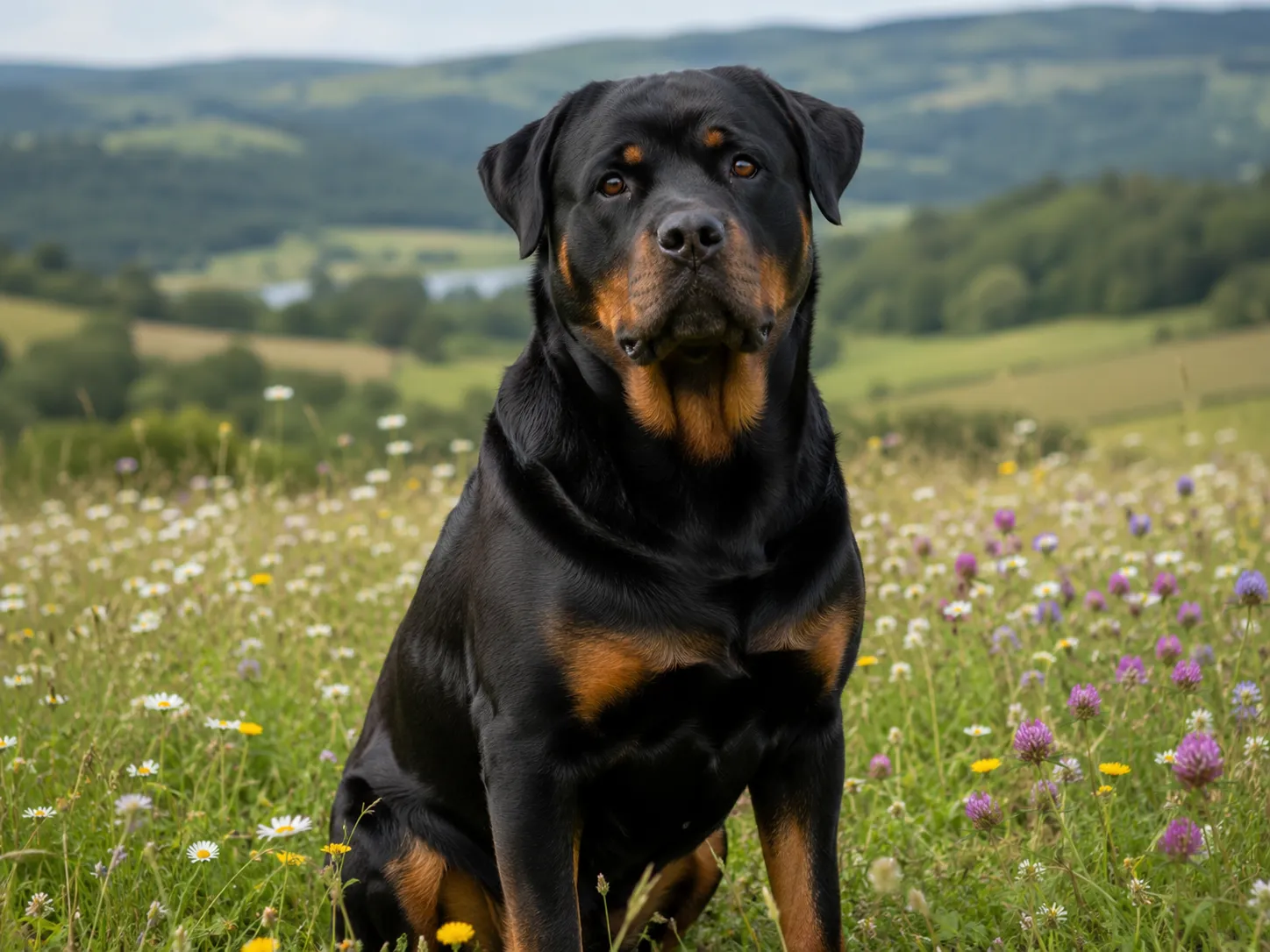
The Rottweiler is a powerful, intelligent, and confident working breed originally developed in Germany to drive cattle and pull carts for butchers. Today, Rottweilers are widely used as guard dogs, police dogs, service dogs, and loyal family companions. They are known for their strength, trainability, protective instincts, and strong bond with their family.
Breed Overview
Life Span
9 - 10 years
Average Price
AUD 2500 - AUD 6000
Weight
Male: 50 - 60 kg Female: 35 - 48 kg
Height
Male: 61 - 69 cm Female: 52 - 63 cm
Life Expectancy
Male/Female: 9 - 10 years
Breed Group
Working / Guardian
Nicknames
Rottie, Rotty
Breed Information
The Rottweiler is a powerful working breed known for its loyalty, intelligence, and natural protective instincts. Originally developed as a cattle-driving and guard dog, the Rottweiler has evolved into a versatile breed that can serve as a family companion, working dog, and guardian. Its strong build and confident temperament reflect centuries of purposeful breeding for strength, endurance, and reliability.
Despite their imposing appearance, Rottweilers are often deeply devoted to their families. They tend to form strong bonds with their owners and are known for being affectionate and calm around people they trust. This loyalty makes them highly valued as both companions and protective household dogs.
The breed is naturally confident and observant. Rottweilers typically display a calm, watchful personality rather than nervous or overly reactive behaviour. When properly trained and socialised, they develop into balanced dogs that can interact well with family members, including children.
Because of their intelligence and working background, Rottweilers require consistent training, structure, and clear leadership. Early socialisation and obedience training are especially important for this breed to ensure they grow into stable and well-mannered adults.
Rottweilers are best suited to owners who understand the needs of a large, powerful dog and can provide regular exercise, mental stimulation, and responsible training. With proper care and guidance, the Rottweiler becomes a loyal, confident, and dependable companion capable of thriving in a variety of roles.
Characteristics of the Rottweiler
| Trait | Rating | Star Rating | Meaning |
| Affection with Family | Very High | ⭐⭐⭐⭐⭐ | Forms strong bonds with owners and is highly devoted to its family. |
| Good with Children | High | ⭐⭐⭐⭐ | Usually gentle and protective with respectful children when properly trained and supervised. |
| Good with Other Pets | Moderate | ⭐⭐⭐ | Can live with other animals if socialised early, but may show dominance with unfamiliar dogs. |
| Playfulness | Moderate–High | ⭐⭐⭐⭐ | Enjoys play and interaction but also has a calm, steady nature. |
| Energy Level | Moderate–High | ⭐⭐⭐⭐ | Requires daily exercise and activity to stay physically and mentally balanced. |
| Trainability | Very High | ⭐⭐⭐⭐⭐ | Intelligent and responsive to structured training and consistent leadership. |
| Intelligence | Very High | ⭐⭐⭐⭐⭐ | Learns commands quickly and excels in obedience and working roles. |
| Barking Level | Low–Moderate | ⭐⭐⭐ | Generally quiet but will bark to alert owners when necessary. |
| Adaptability | Moderate–High | ⭐⭐⭐⭐ | Can adapt to different living environments if exercise and structure are provided. |
| Grooming Needs | Low | ⭐⭐ | Short coat requires minimal grooming compared with many other breeds. |
| Shedding Level | Moderate | ⭐⭐⭐ | Sheds throughout the year with slightly heavier seasonal shedding. |
| Protective Instinct | Very High | ⭐⭐⭐⭐⭐ | Naturally protective and watchful over family and property. |
The Rottweiler is recognised for its confidence, intelligence, and protective nature, and a fast-growing puppy needs the right large breed feeding schedule. These dogs were historically bred for demanding working roles, which explains their strong work ethic and ability to respond well to training.
When raised with proper structure and early socialisation, Rottweilers often become loyal, calm, and dependable companions. Their steady temperament allows them to function effectively as family guardians while remaining affectionate with the people they trust.
Because of their size and strength, responsible ownership is essential. Consistent training, socialisation, and clear leadership help the Rottweiler develop into a balanced, confident, and well-mannered working companion.
History of the Rottweiler
The Rottweiler is one of the oldest working dog breeds in the world, with a history that dates back to the Roman Empire, and buyers should still put clear questions to any breeder about temperament testing. These powerful dogs were originally used by Roman legions as drover dogs, responsible for driving cattle and protecting livestock as the armies travelled across Europe.
Origins in the Roman Empire
Roman soldiers relied on strong and dependable dogs to manage their cattle herds during long military campaigns. These dogs helped guide livestock, guard supplies, and protect the camps, making them an essential part of Roman logistical operations.
As the Roman armies moved through Europe, the dogs they brought with them gradually influenced the development of local working breeds.
Development in the Town of Rottweil
The modern Rottweiler takes its name from the German town of Rottweil, where these working dogs became especially important. In this region, they were used by butchers and cattle traders to move livestock to markets and protect money earned from sales.
Because of their reliability, the breed became known as the “Rottweiler Metzgerhund,” which translates to “Rottweil butcher’s dog.”
Transition to Working and Service Roles
With the arrival of rail transport in the late nineteenth century, cattle driving became less common. However, the Rottweiler’s strength, intelligence, and loyalty allowed it to transition into new working roles.
The breed became widely used as:
- Police dogs
- Military working dogs
- Search and rescue dogs
- Guard dogs
Their ability to remain calm under pressure and respond well to training made them valuable in many professional working environments.
The Breed Today
Today, the Rottweiler is recognised around the world as a versatile working and companion breed. While many still perform working roles in law enforcement and service work, others are valued as loyal family companions.
The breed continues to be admired for its strength, confidence, intelligence, and unwavering loyalty, qualities that have defined the Rottweiler for centuries.
Appearance of the Rottweiler: Powerful, Muscular, and Confident
The Rottweiler is a large, powerful dog with a strong and well-balanced build, comparable in substance to the Doberman Pinscher, a leaner German guardian. Every aspect of the breed’s appearance reflects strength, endurance, and confidence. Developed as a working dog, the Rottweiler has the physical structure needed for demanding tasks such as herding livestock, pulling carts, and guarding property.
Body Structure and Build
The Rottweiler has a broad chest, strong neck, and muscular body that gives the breed its unmistakable powerful presence. The body is slightly longer than tall, with a straight and firm back that supports efficient movement.
The legs are sturdy and well developed, allowing the dog to move with strength, balance, and controlled power. When the Rottweiler moves, its gait appears confident and purposeful rather than hurried.
Head and Facial Features
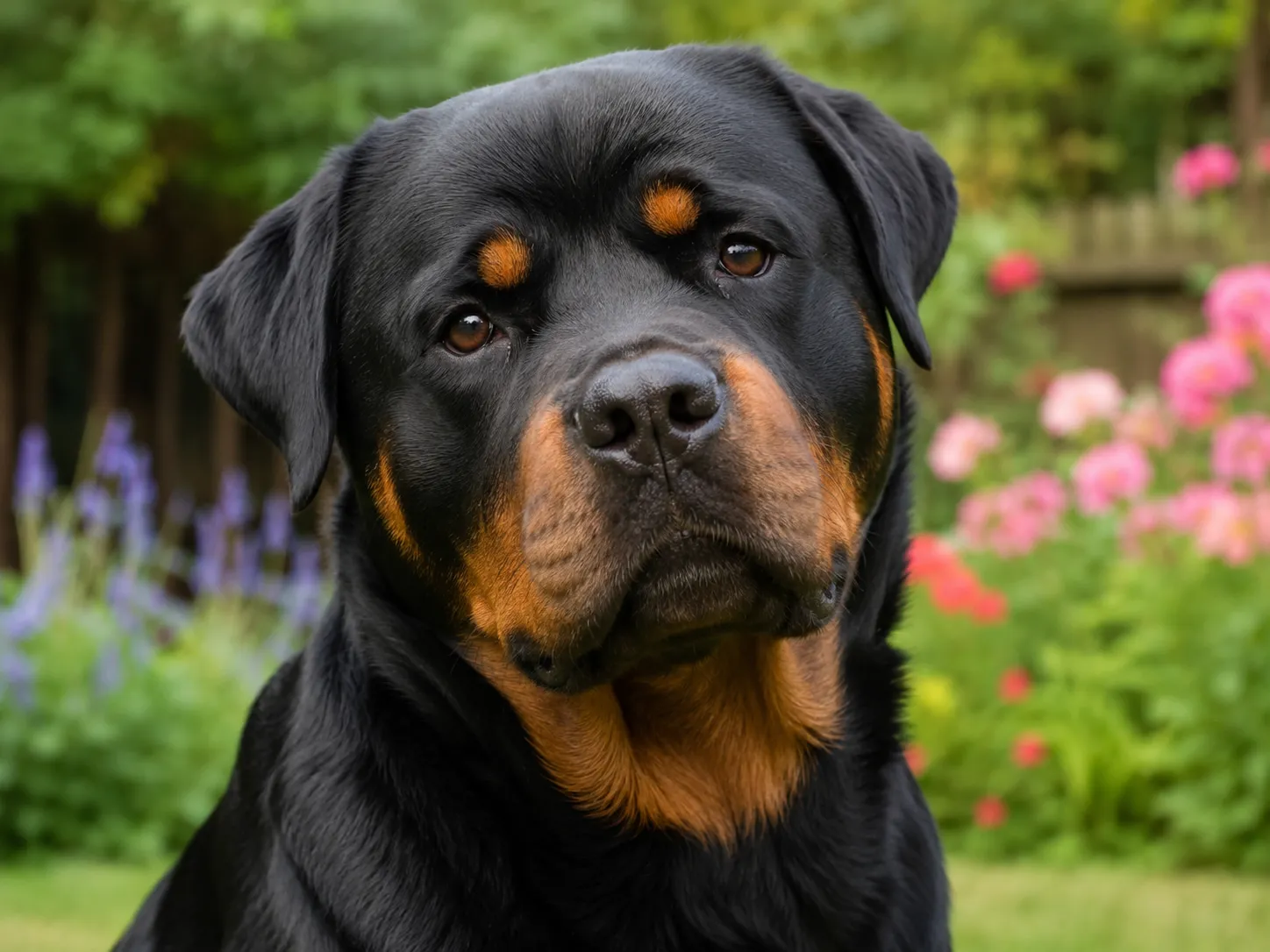
The head is one of the breed’s most defining characteristics. Rottweilers have a broad skull with a strong muzzle and well-developed jaw, giving the dog a confident and alert expression.
The muzzle is proportionate to the skull, and the nose is typically black with wide nostrils. The lips are firm and the cheeks appear muscular, reflecting the breed’s strength.
Eyes and Expression
Rottweilers typically have medium-sized, almond-shaped eyes that are dark brown in colour. Their expression often appears calm, confident, and attentive.
This steady gaze is one of the breed’s most recognisable features and contributes to the Rottweiler’s reputation as a watchful and intelligent dog.
Ears and Tail
The ears are medium in size and triangular, sitting high on the head and folding forward. When the dog is alert, the ears frame the face and emphasise the shape of the skull.
The tail is traditionally docked in some regions, although in many countries it is now left natural depending on regulations and breeder practices.
Coat and Colour
The Rottweiler has a short, dense double coat that lies close to the body. The coat protects the dog from changing weather conditions while remaining relatively easy to maintain.
The breed has a distinctive colour pattern consisting of:
- Black coat
- Clearly defined rust or mahogany markings
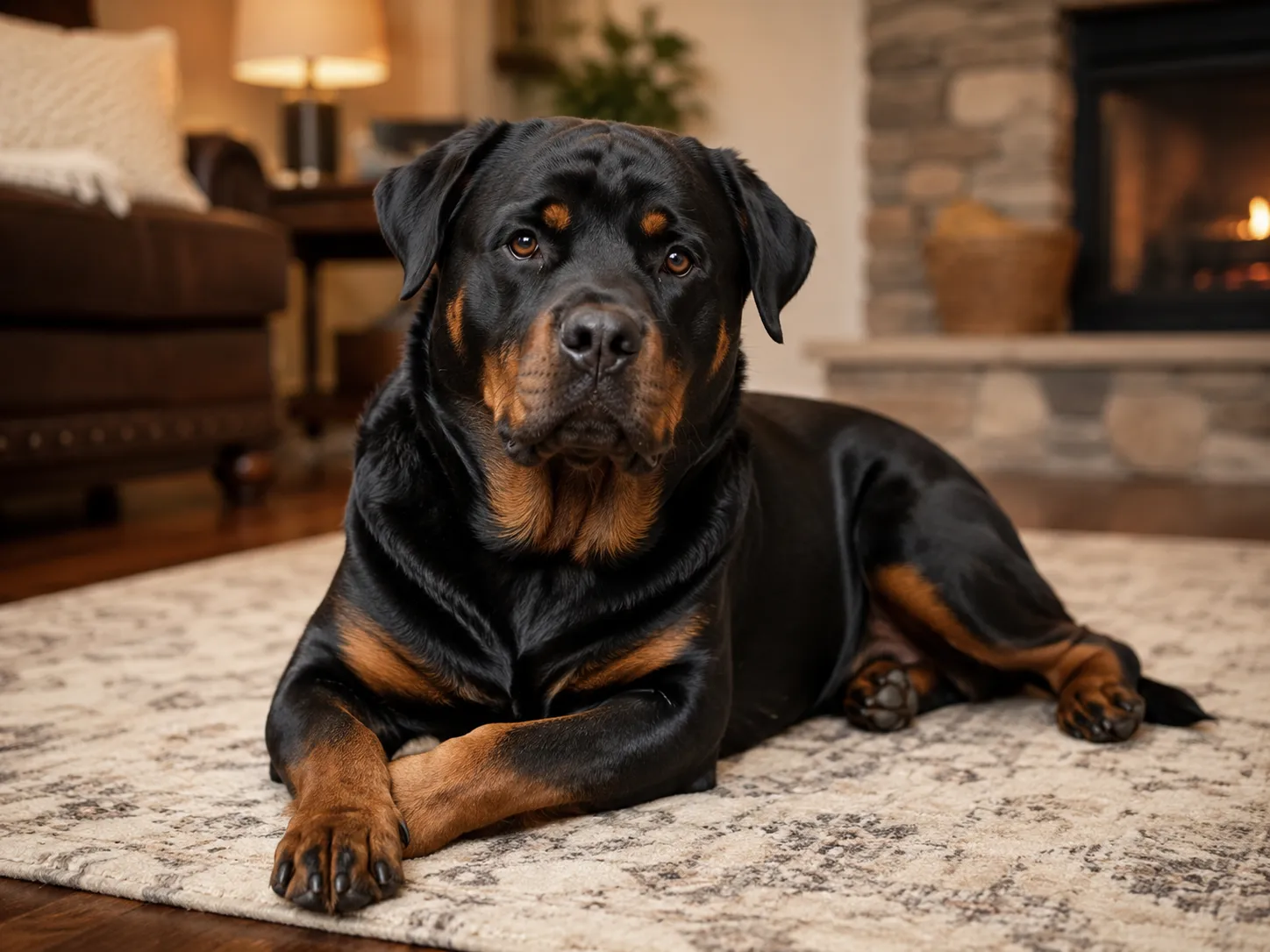
These markings typically appear on the eyebrows, muzzle, chest, legs, and under the tail.
Overall Appearance
Overall, the Rottweiler presents a powerful and confident appearance combined with balanced proportions. Its muscular body, steady expression, and distinctive colouring make it one of the most recognisable working dog breeds in the world.
Temperament of the Rottweiler: Loyal, Confident, and Naturally Protective
The Rottweiler is widely recognised for its confidence, loyalty, and protective instincts, so understanding what growling communicates matters with a guardian breed. Originally bred as working dogs to drive cattle and guard property, this breed developed a temperament centred on strength, reliability, and attentiveness. A properly trained and socialised Rottweiler is typically calm, observant, and deeply devoted to its family.
Because of their strong bond with their owners, Rottweilers thrive in households where they feel included in daily life. They tend to watch their surroundings carefully and often position themselves where they can keep an eye on family members.
Loyalty and Bond with Family
One of the most defining traits of the breed is exceptional loyalty toward its family. Rottweilers often form very close attachments to their owners and may follow them from room to room.
Many owners describe Rottweilers as affectionate and emotionally aware companions. Despite their powerful appearance, they often enjoy physical closeness with their family and may seek attention, playtime, or simply lying nearby.
Because they bond strongly with their household, Rottweilers usually do best in homes where they receive regular interaction rather than being left alone for extended periods.
Natural Protective Instinct
Rottweilers have a strong instinct to guard and protect, which developed through generations of working roles. This does not mean they are automatically aggressive. Instead, they tend to be observant and measured in their reactions.
A well-balanced Rottweiler typically assesses situations calmly before responding. When properly trained, they are capable of distinguishing between normal social situations and genuine threats.
However, because of this natural protective nature, responsible ownership is essential. Training and socialisation help ensure the dog responds appropriately to unfamiliar people and situations.
Behaviour Around Children
Many Rottweilers become gentle and patient companions for children within their household. Their loyalty often leads them to watch over family members, including younger children.
However, their large size and physical strength mean that supervision is always important, particularly with small children. Teaching children how to interact respectfully with dogs helps prevent accidental injuries or misunderstandings.
When raised with children from a young age and given proper guidance, many Rottweilers develop strong bonds with younger family members.
Interaction with Strangers
Rottweilers are typically reserved or cautious when meeting unfamiliar people. This behaviour reflects their guarding heritage rather than aggression.
Early and consistent socialisation is essential so that the dog learns to remain calm when encountering visitors, strangers in public places, or unfamiliar environments.
Well-socialised Rottweilers usually remain composed and confident in new situations, while still maintaining their natural alertness.
Behaviour with Other Dogs and Pets
The breed's behaviour toward other animals can vary depending on early socialisation and training.
Some Rottweilers live peacefully with other household pets, especially when raised with them from puppyhood. However, certain individuals may show dominant behaviour toward unfamiliar dogs of the same sex.
Gradual introductions, structured training, and controlled socialisation experiences help improve compatibility with other animals.
Intelligence and Emotional Awareness
Rottweilers are highly intelligent and attentive dogs. They are capable of reading human body language and often respond quickly to their owner’s tone and commands.
Because of this intelligence, they require both mental stimulation and consistent training. Without sufficient engagement, some Rottweilers may become bored or develop undesirable behaviours.
Activities such as obedience training, structured play, and interactive games help keep their minds active.
The Importance of Training and Socialisation
Responsible ownership plays a major role in shaping a Rottweiler’s temperament. Early training, clear boundaries, and consistent leadership help the dog develop confidence and stability.
Socialisation during puppyhood allows the dog to experience different environments, people, and animals, which reduces fear and uncertainty later in life.
With proper guidance, the Rottweiler’s natural traits of loyalty, confidence, and protectiveness can develop into the qualities that make this breed a reliable companion, working dog, and family protector.
Intelligence and Trainability of the Rottweiler: A Highly Capable Working Dog
The Rottweiler is considered one of the most intelligent and trainable working dog breeds, and obedience training from an early age is not optional at this size. Historically used for herding cattle, guarding property, and pulling carts, these dogs developed strong problem-solving abilities and a natural willingness to work alongside humans.
Because of their intelligence and focus, Rottweilers often perform exceptionally well in structured training environments. With proper guidance, they are capable of mastering a wide range of commands and tasks.
Learning Ability
Rottweilers typically learn commands quickly and often retain training well. Their ability to understand complex instructions is one reason they are widely used in professional working roles such as police work, search and rescue, and service work.
Most Rottweilers respond best to consistent training routines that combine clear commands with rewards and encouragement.
Desire to Work
Unlike some companion breeds, Rottweilers were originally bred to perform demanding physical and mental tasks. As a result, they often have a strong drive to work and stay mentally engaged.
Many Rottweilers enjoy structured activities such as obedience training, protection sports, tracking exercises, and advanced training challenges. Providing these opportunities helps channel their energy into productive behaviours.
Importance of Early Training
Because the breed grows into a large and powerful adult dog, training should begin early in puppyhood. Teaching basic commands such as sit, stay, recall, and leash manners helps establish control and clear communication between dog and owner.
Early training also helps prevent behavioural issues that can develop if a strong and intelligent dog lacks structure.
Best Training Approach
Rottweilers generally respond best to firm, calm, and consistent leadership. Positive reinforcement methods such as praise, treats, and play rewards often produce the best results.
Harsh punishment or inconsistent training methods can confuse the dog and damage trust, making training less effective.
Owners who provide clear guidance, patience, and regular practice usually find that their Rottweiler becomes a highly responsive and reliable companion.
Mental Stimulation Needs
Due to their intelligence, Rottweilers benefit from regular mental stimulation. Puzzle toys, training sessions, scent games, and interactive play help keep their minds active.
Without enough mental engagement, some Rottweilers may become bored or develop destructive behaviours.
When properly trained and mentally stimulated, the Rottweiler becomes a focused, obedient, and dependable dog capable of excelling in both family life and working roles.
Family Life with a Rottweiler: Children, Pets, and Household Dynamics
The Rottweiler is often described as a devoted family companion that forms strong bonds with the people in its household. You can browse Rottweiler puppies listed in Australia. Although the breed has a reputation as a powerful guard dog, many well-raised Rottweilers are affectionate, calm, and deeply connected to their families.
Because of their loyalty, these dogs often prefer to stay close to their owners and remain involved in everyday activities around the home. They typically enjoy companionship and tend to thrive in households where they receive regular interaction, guidance, and attention.
Rottweilers and Children
Many Rottweilers can become gentle and protective companions for children within their family. When raised with children from a young age, they often develop strong bonds and may naturally watch over younger family members.
Despite their affectionate nature, the breed’s large size and strength mean that supervision is important, especially when young children are involved. Teaching children how to approach and interact respectfully with dogs helps build safe and positive relationships.
Families that establish clear rules for both the dog and children usually find that Rottweilers integrate well into family life.
Living with Other Dogs
Rottweilers can live successfully with other dogs when proper introductions and early socialisation are provided. Puppies that grow up alongside other dogs often adapt more easily to multi-dog households.
However, some Rottweilers may show dominant behaviour toward unfamiliar dogs, particularly those of the same sex. Controlled introductions, obedience training, and consistent leadership help manage these situations.
Regular social experiences with other dogs can also improve the breed’s confidence and social behaviour.
Compatibility with Other Pets
With early exposure and supervision, many Rottweilers learn to live peacefully with other household pets such as cats. Introducing the dog to other animals while it is still young often increases the chances of successful coexistence.
However, because the breed historically worked with livestock and may retain some prey instincts, careful supervision is important when introducing smaller animals.
Gradual introductions and controlled environments help establish positive relationships between pets.
Household Environment
Rottweilers typically do best in homes where they receive clear structure, regular activity, and family interaction. Although they can adapt to different living environments, they are generally better suited to homes with enough space for movement and exercise.
A secure yard is beneficial, but daily walks and mental engagement remain essential regardless of living space.
When raised with consistent training, socialisation, and attention, the Rottweiler often becomes a loyal, stable, and protective member of the household who thrives in an active and responsible family environment.
Health of the Rottweiler: Common Conditions and Lifespan
The Rottweiler is generally a strong and resilient breed, but like many large dogs it can be prone to certain inherited health conditions. Responsible breeding, proper nutrition, and routine veterinary care play an important role in maintaining the long term health of this breed.
A well cared for Rottweiler typically has a lifespan of around 8 to 10 years, although some individuals may live longer when given proper exercise, a balanced diet, and preventative healthcare.
Understanding common health risks allows owners to recognise early warning signs and provide appropriate care throughout the dog’s life.
Hip Dysplasia
One of the most well known health concerns in large breeds is hip dysplasia. This condition occurs when the hip joint does not form correctly, leading to joint instability and gradual wear over time.
Dogs affected by hip dysplasia may show symptoms such as stiffness, reduced mobility, difficulty rising, or reluctance to exercise. Responsible breeders usually screen their breeding dogs through hip evaluations to reduce the risk of passing this condition to puppies.
Maintaining a healthy weight and providing appropriate exercise can help reduce stress on the joints.
Elbow Dysplasia
Another joint condition seen in the breed is elbow dysplasia, which affects the front leg joints. This condition develops when the elbow joint grows abnormally, leading to pain, inflammation, and possible arthritis later in life.
Signs may include limping, stiffness after exercise, or difficulty extending the front legs fully.
Early diagnosis allows veterinarians to recommend treatment options that may include medication, weight management, or surgery in more severe cases.
Heart Conditions
Some Rottweilers may be affected by heart conditions such as aortic stenosis or dilated cardiomyopathy. These conditions can impact the heart’s ability to pump blood effectively.
Symptoms may include fatigue, difficulty exercising, coughing, or fainting episodes. Regular veterinary examinations help detect potential heart issues early.
Responsible breeders often perform heart health screenings to minimise the risk of inherited cardiac problems.
Cancer Risks
Rottweilers unfortunately have a higher risk of certain cancers compared with some other breeds. Conditions such as osteosarcoma (bone cancer) and lymphoma are sometimes seen in the breed.
While not all dogs will develop these conditions, early detection through regular veterinary checkups is important. Owners should monitor for signs such as unexplained swelling, persistent lameness, weight loss, or reduced appetite.
Prompt veterinary attention improves the chances of effective treatment.
Bloat (Gastric Dilatation and Volvulus)
Like many deep chested breeds, Rottweilers may be at risk of gastric dilatation and volvulus, commonly known as bloat. This life threatening condition occurs when the stomach fills with gas and twists, cutting off blood supply.
Symptoms include restlessness, a swollen abdomen, excessive drooling, and attempts to vomit without producing anything.
Immediate veterinary care is essential if bloat is suspected. Feeding smaller meals, avoiding heavy exercise after eating, and using slow feeding bowls may help reduce the risk.
Preventative Care
Regular veterinary care helps support the overall health of the breed. Key preventative steps include:
- Routine veterinary checkups
- Vaccinations and parasite prevention
- Maintaining a healthy body weight
- Providing balanced nutrition
- Monitoring joint health as the dog ages
By understanding the breed’s potential health risks and providing consistent care, owners can help ensure their Rottweiler enjoys a healthy and comfortable life as a valued member of the family.
Caring for a Rottweiler: Daily Care and Living Needs
Providing the right care is essential for raising a healthy, balanced, and well behaved Rottweiler. Because this breed is large, intelligent, and energetic, proper care involves more than simply meeting basic needs. Owners must provide regular exercise, mental stimulation, consistent routines, and strong leadership.
When their physical and emotional needs are met, Rottweilers typically become calm, loyal companions that adapt well to family life.
Living Environment
Rottweilers generally thrive in homes where they have adequate space to move and exercise. While they can adapt to different living environments, they usually do best in houses with secure outdoor areas where they can explore and stretch their legs.
A fenced yard provides space for movement and play, but it should never replace daily walks and structured activities.
Because they bond closely with their families, Rottweilers prefer to spend time with people rather than being isolated outdoors for long periods.
Daily Exercise Requirements
The breed requires regular physical exercise to stay healthy and mentally balanced. Most adult Rottweilers benefit from at least one to two hours of activity each day.
Daily exercise may include:
- Long walks or jogs
- Structured play sessions
- Training activities
- Interactive games
- Outdoor exploration
Regular activity helps maintain muscle tone, prevents obesity, and reduces behavioural problems caused by boredom.
Mental Stimulation
Because Rottweilers are highly intelligent, they also require mental engagement in addition to physical exercise.
Activities that challenge their minds include:
- Obedience training sessions
- Puzzle toys and interactive feeders
- Scent games or tracking exercises
- Learning new commands or tricks
Mental stimulation keeps the dog focused and prevents frustration that may lead to destructive behaviour.
Routine and Structure
Rottweilers respond well to consistent routines and clear expectations. Establishing regular feeding times, exercise schedules, and training sessions helps the dog feel secure and confident.
Clear boundaries and calm leadership from the owner allow the dog to understand its role within the household.
Dogs that receive structure and guidance are more likely to develop into stable and well behaved companions.
Companionship Needs
This breed forms strong emotional bonds with its family and often prefers close interaction with its owners. Many Rottweilers enjoy relaxing near their family members after completing their daily activities.
Because of this strong attachment, long periods of isolation may lead to boredom or anxiety.
Providing companionship, attention, and regular interaction helps ensure the dog remains emotionally balanced and content.
With proper care, structure, and engagement, the Rottweiler becomes a loyal, confident, and deeply devoted member of the household.
Grooming a Rottweiler: Coat Care and Hygiene
The Rottweiler has a short, dense double coat that is relatively easy to maintain compared with many long-haired breeds. Although their grooming needs are moderate, regular coat care and hygiene routines help keep the dog comfortable and healthy.
Consistent grooming also allows owners to monitor the dog’s skin condition, check for injuries, and strengthen the bond between dog and owner.
Coat Type and Shedding
Rottweilers have a short outer coat with a soft undercoat that helps protect them from weather conditions. Their coat lies flat against the body and has a natural glossy appearance when properly maintained.
The breed sheds throughout the year, with heavier seasonal shedding usually occurring during spring and autumn when the undercoat changes.
During these periods, brushing more frequently helps remove loose hair and maintain coat health.
Brushing Routine
Regular brushing helps keep the coat clean and reduces loose hair around the home.
Most Rottweilers benefit from brushing one to two times per week using a rubber grooming brush or a soft bristle brush. This removes dirt, spreads natural oils through the coat, and supports healthy skin.
During seasonal shedding periods, brushing several times per week can help control excess hair.
Bathing
Rottweilers do not require frequent bathing unless they become particularly dirty.
Most owners bathe their dog every two to three months, or as needed. Using a gentle dog shampoo helps maintain the natural oils that protect the coat and skin.
Overbathing should be avoided, as it may dry out the skin and cause irritation.
Nail Care
Regular nail trimming is important to prevent discomfort and mobility issues.
A Rottweiler’s nails should typically be trimmed every three to four weeks, depending on how quickly they grow. Dogs that walk frequently on hard surfaces may naturally wear down their nails, but trimming may still be necessary.
If nails become too long, they can cause pain while walking or running.
Ear and Dental Care
Routine ear and dental care are also essential parts of grooming.
Owners should check the dog’s ears regularly for signs of dirt, redness, or unusual odours, which may indicate infection. Gentle ear cleaning with veterinarian-approved solutions helps maintain ear health.
Dental hygiene is equally important. Brushing the dog’s teeth several times per week helps prevent plaque buildup, gum disease, and bad breath.
Regular Health Checks
Grooming sessions provide an opportunity to perform quick health checks. Owners can examine the dog’s skin, coat, paws, and overall condition for any unusual lumps, irritation, or injuries.
Early detection of potential health issues allows prompt veterinary care and supports long-term wellbeing.
With consistent grooming and hygiene care, the Rottweiler’s short, sleek coat remains healthy, clean, and easy to maintain.
Exercise Needs of the Rottweiler: Activity and Energy Levels
The Rottweiler is a strong, energetic working breed that requires regular exercise to maintain physical health and mental balance. While they are capable of relaxing at home, they need structured daily activity to prevent boredom and behavioural problems.
A well exercised Rottweiler is typically calmer, more focused, and easier to train. Without enough activity, however, the breed may develop unwanted behaviours such as chewing, digging, or excessive barking.
Daily Exercise Requirements
Most adult Rottweilers require at least 60 to 90 minutes of physical activity each day. This activity should ideally be divided into multiple sessions to maintain energy levels and prevent overexertion.
Regular walks form the foundation of the breed’s exercise routine. Brisk walks allow the dog to burn energy while also providing opportunities to explore new environments and engage with its surroundings.
Jogging, hiking, and active outdoor play are also excellent ways to keep the dog physically fit.
Structured Physical Activities
Rottweilers benefit from structured activities that combine exercise with mental engagement. Because of their working background, they often enjoy tasks that challenge both their body and mind.
Suitable activities may include:
- Obedience training exercises
- Tracking or scent work
- Agility courses
- Tug games and controlled fetch
- Protection sports such as Schutzhund or IGP
These activities allow the dog to use its natural abilities while strengthening the bond with its owner.
Exercise During Puppyhood
While Rottweiler puppies are energetic, exercise should be carefully managed during growth. Their bones and joints are still developing, so excessive running or jumping can place unnecessary stress on the body.
Short play sessions, gentle walks, and supervised exploration provide appropriate activity for young dogs.
As the dog matures, exercise intensity can gradually increase.
Mental Exercise
Mental stimulation is just as important as physical activity for this intelligent breed. Training sessions, problem solving games, and interactive toys help prevent boredom and keep the dog mentally engaged.
Rottweilers that receive regular mental stimulation are often more responsive to training and less likely to develop destructive habits.
Importance of Consistency
Consistency plays an important role in meeting the breed’s exercise needs. Dogs that receive regular daily activity are more likely to remain calm and balanced indoors.
By providing sufficient physical and mental stimulation, owners can help ensure their Rottweiler develops into a healthy, well behaved, and confident companion.
Feeding a Rottweiler: Nutrition and Diet Requirements
Providing proper nutrition is essential for maintaining the strength, muscle mass, and overall health of a Rottweiler. As a large and powerful breed, Rottweilers require a balanced diet that supports growth, energy levels, joint health, and long term wellbeing.
Because the breed can be prone to weight gain if overfed, portion control and high quality ingredients are important factors in maintaining a healthy body condition.
Nutritional Needs
Rottweilers benefit from a high quality diet rich in protein, healthy fats, vitamins, and minerals. Protein supports muscle development and maintenance, while healthy fats provide energy and help maintain a glossy coat.
Essential nutrients such as calcium and phosphorus are also important, particularly during puppyhood when bones and joints are still developing.
Many owners choose premium commercial dog food formulated for large breeds, while others may provide carefully balanced fresh or raw diets under veterinary guidance.
Feeding Schedule
Most adult Rottweilers do well with two measured meals per day, typically one in the morning and one in the evening. Dividing food into multiple meals helps maintain stable energy levels and may reduce the risk of digestive issues.
Puppies usually require more frequent feeding, often three to four meals per day, gradually transitioning to two meals as they mature.
Establishing a consistent feeding schedule helps support digestion and prevents overeating.
Portion Control and Weight Management
Maintaining a healthy weight is especially important for large breeds like the Rottweiler. Excess body weight can place additional strain on joints and increase the risk of conditions such as hip dysplasia.
Owners should monitor body condition regularly and adjust portion sizes based on the dog’s activity level, age, and metabolism.
Veterinarians can provide guidance on appropriate feeding amounts for individual dogs.
Foods to Avoid
Certain foods can be harmful to dogs and should never be included in a Rottweiler’s diet. These include:
- Chocolate
- Grapes and raisins
- Onions and garlic
- Alcohol
- Foods containing artificial sweeteners such as xylitol
Owners should also avoid feeding cooked bones, which may splinter and cause digestive injuries.
Hydration
Access to fresh, clean water at all times is essential for maintaining hydration and supporting overall health. Active dogs, particularly those exercising in warm conditions, may require increased water intake.
Ensuring a constant supply of water helps support digestion, circulation, and temperature regulation.
Supporting Long Term Health
A balanced diet tailored to the dog’s age and activity level supports healthy growth in puppies and helps maintain strength and mobility in adult dogs.
With proper nutrition and careful feeding habits, the Rottweiler can maintain strong muscles, healthy joints, and sustained energy throughout its life.
Rottweiler Price in Australia: Initial Costs and Ongoing Expenses
Owning a Rottweiler involves both an initial purchase cost and ongoing expenses throughout the dog’s life. Because this is a large breed with specific health and care requirements, potential owners should be prepared for long term financial commitment.
Understanding the typical costs associated with purchasing and caring for a Rottweiler helps families plan responsibly before bringing a puppy home.
Purchase Price of a Rottweiler Puppy
In Australia, the price of a purebred Rottweiler puppy from a reputable breeder generally ranges between AUD $2,500 and $5,000.
The price may vary depending on several factors:
- Breeder reputation and experience
- Health testing of the parent dogs
- Pedigree and bloodline quality
- Location and demand
- Whether the puppy is intended as a pet or show prospect
Responsible breeders typically provide health screening, early socialisation, and veterinary checks before placing puppies in new homes.
Initial Setup Costs
Before bringing a Rottweiler puppy home, owners usually need to purchase a variety of supplies. These one time setup costs may include:
- Dog bed and crate
- Food and water bowls
- Collar, leash, and identification tags
- Puppy food and training treats
- Grooming tools
- Toys and enrichment items
- Puppy training classes
These initial supplies typically cost between AUD $300 and $800, depending on quality and brand.
Veterinary Expenses
Routine veterinary care is an important part of responsible dog ownership. Annual healthcare costs may include:
- Vaccinations
- Parasite prevention
- Health checkups
- Dental care
For most dogs, basic veterinary expenses range from AUD $400 to $1,000 per year. Costs may increase if unexpected illnesses or injuries occur.
Food and Daily Care Costs
Because Rottweilers are large and muscular dogs, they generally consume more food than smaller breeds.
High quality dog food typically costs AUD $800 to $1,500 per year, depending on the brand and portion sizes. Additional expenses may include treats, supplements, and grooming products.
Training and Insurance
Many owners also invest in professional training classes, particularly during puppyhood. Group obedience classes can cost AUD $150 to $400 per course.
Pet insurance is another common expense. Policies often range between AUD $40 and $100 per month, depending on coverage.
Long Term Financial Commitment
Over the course of a Rottweiler’s life, total care costs can add up significantly. When food, veterinary care, training, and supplies are considered, owners may spend several thousand dollars per year.
For this reason, prospective owners should ensure they are financially prepared to provide proper care throughout the dog’s lifetime.
Planning ahead allows families to give their Rottweiler the quality care, nutrition, and healthcare needed for a healthy and comfortable life.
Buying a Rottweiler Puppy: Choosing a Responsible Breeder
Finding a healthy, well bred Rottweiler puppy begins with choosing a responsible breeder. Ethical breeders focus on the health, temperament, and long term wellbeing of their dogs rather than simply producing puppies for profit. Taking the time to research breeders carefully greatly increases the chances of bringing home a healthy and well socialised puppy.
A responsible breeder will usually be knowledgeable about the breed and willing to answer questions about the puppy’s parents, health history, and early care.
What Responsible Breeders Provide
Reputable breeders typically raise puppies in a clean and structured environment where they receive early socialisation and proper veterinary care.
When purchasing a Rottweiler puppy, responsible breeders usually provide:
- Health testing for the parent dogs, particularly for hip and elbow dysplasia
- Vaccination records and veterinary checks for the puppy
- Pedigree documentation confirming the dog’s lineage
- Microchipping and registration where required
- Guidance on feeding, training, and early care
These steps help ensure the puppy begins life in good health and with appropriate early development.
Visiting the Breeder
Whenever possible, potential owners should visit the breeder in person. This allows them to observe the living conditions of the dogs and evaluate how the puppies are being raised.
Healthy puppies should appear active, curious, and comfortable around people. The mother dog should also appear calm and well cared for.
Breeders who refuse visits or avoid answering questions should generally be approached with caution.
Questions to Ask the Breeder
Before committing to a puppy, it is helpful to ask breeders several important questions:
- Have the parents been tested for common genetic health conditions?
- How are the puppies socialised during early development?
- What diet are the puppies currently eating?
- Are there any health guarantees provided with the puppy?
A reputable breeder will usually welcome these questions and provide detailed answers.
Avoiding Puppy Mills and Unethical Sellers
Prospective owners should avoid purchasing puppies from puppy mills, unlicensed breeders, or online sellers with little transparency. These operations often prioritise profit over the welfare of the animals.
Puppies from such sources may suffer from poor health, behavioural problems, or inadequate early socialisation.
Choosing a responsible breeder helps protect both the buyer and the dog.
Considering Adoption
Another option for prospective owners is adopting a Rottweiler through a rescue organisation or animal shelter. Many adult dogs and occasionally puppies become available through rescue groups dedicated to the breed.
Adoption can provide a loving home to a dog in need while also giving families the opportunity to welcome a loyal companion.
By carefully selecting a breeder or considering adoption, future owners can ensure their Rottweiler begins life with the best possible foundation for health, temperament, and wellbeing.
Is the Rottweiler the Right Dog for You?
The Rottweiler is a loyal, intelligent, and powerful breed that can make an excellent companion for the right owner. However, their strength, protective instincts, and exercise needs mean they are not the ideal fit for every household. Understanding the responsibilities that come with this breed is essential before deciding to bring one home.
Rottweilers thrive in environments where owners are prepared to provide consistent training, daily exercise, and clear leadership.
Owners Who May Suit the Breed
Rottweilers often do well with owners who enjoy active lifestyles and structured training. People who are confident handling large dogs and willing to invest time in training and socialisation typically find the breed highly rewarding.
The breed can also suit families who want a loyal and protective companion, provided the household is prepared to maintain clear rules and supervision.
Homes with secure outdoor space and owners who spend time with their dog each day are often ideal environments for Rottweilers.
Situations Where the Breed May Be Challenging
While many Rottweilers are affectionate and gentle, the breed may be challenging for owners who are inexperienced with large, powerful dogs.
Individuals who travel frequently, spend long hours away from home, or cannot commit to regular exercise and training may struggle to meet the breed’s needs.
Because Rottweilers are strong and intelligent, lack of training or structure can lead to behavioural problems.
Commitment to Training and Socialisation
Successful Rottweiler ownership requires early socialisation and consistent training throughout the dog’s life. These experiences help the dog develop confidence and learn how to behave calmly around people, other animals, and unfamiliar environments.
Owners who invest time in training often find that the breed becomes highly obedient and dependable.
Long Term Responsibility
Rottweilers typically live around 8 to 10 years, and during that time they require ongoing care, attention, and financial commitment.
Providing proper nutrition, veterinary care, exercise, and companionship ensures the dog enjoys a healthy and fulfilling life.
For owners prepared to meet these responsibilities, the Rottweiler often becomes a devoted family companion known for loyalty, courage, and deep affection toward its people.
Frequently Asked Questions
Related Breeds
Other working breeds on Pups4Sale.
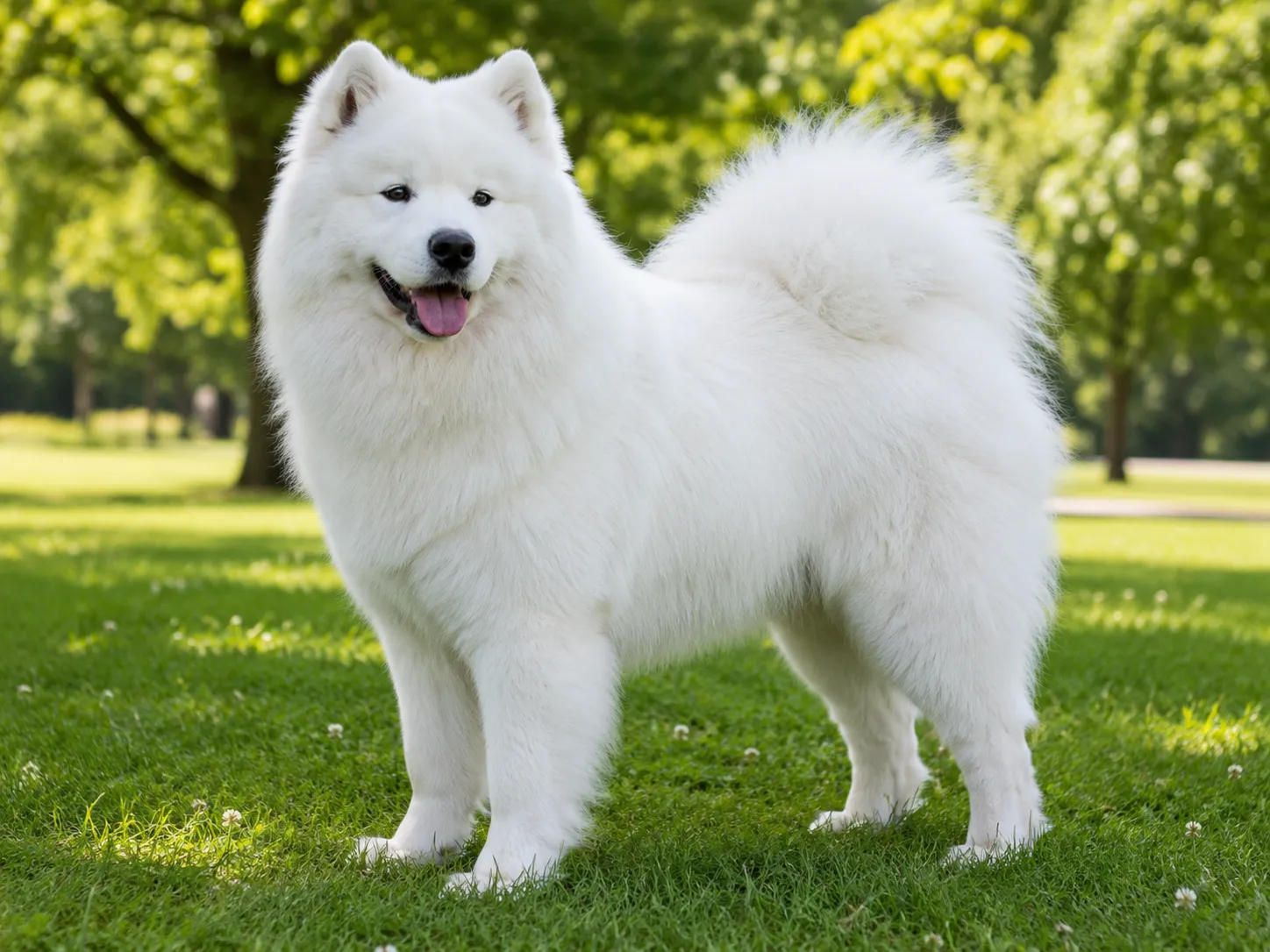 SamoyedLarge • Working Group
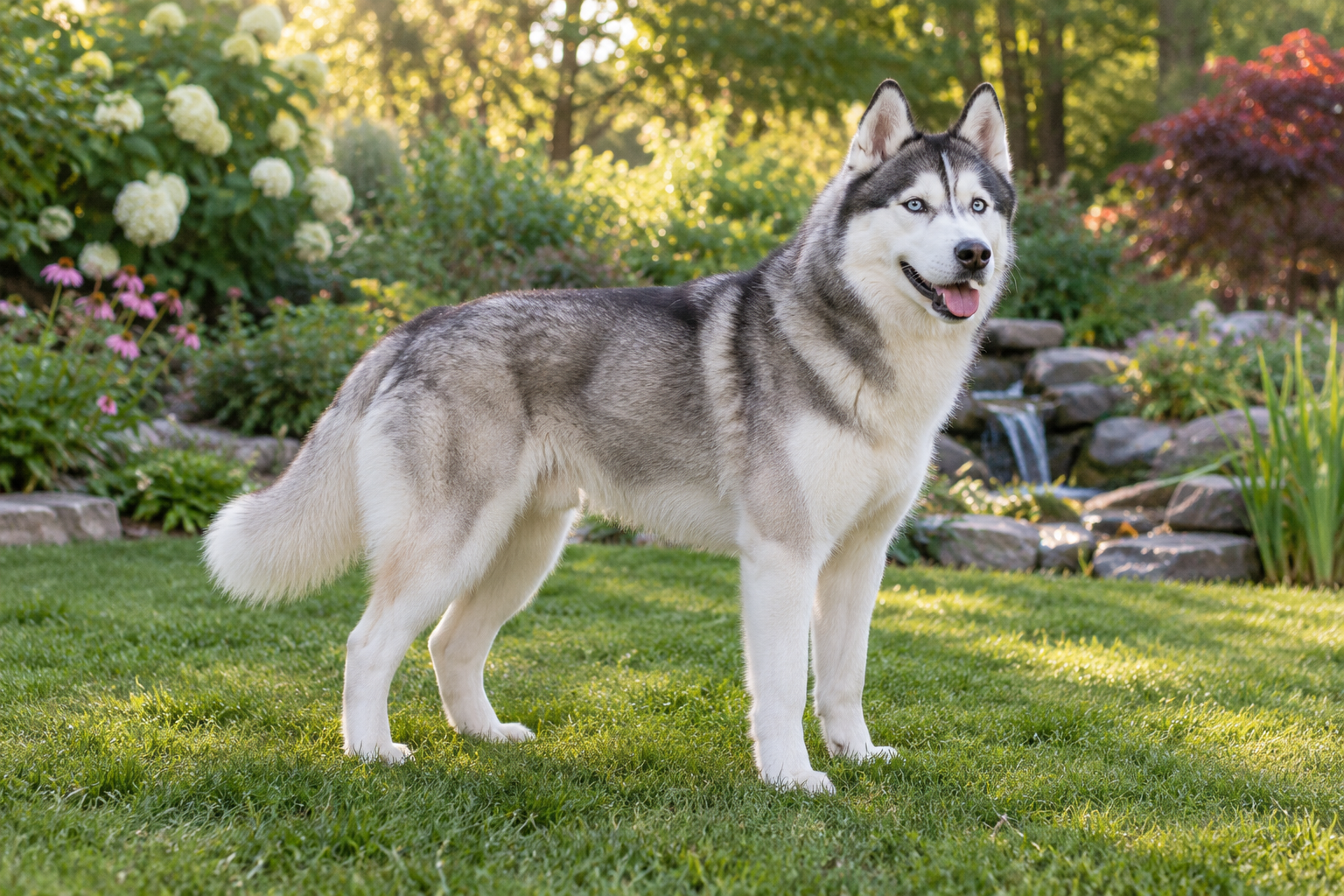 Siberian HuskyMedium • Utility (Group 6)
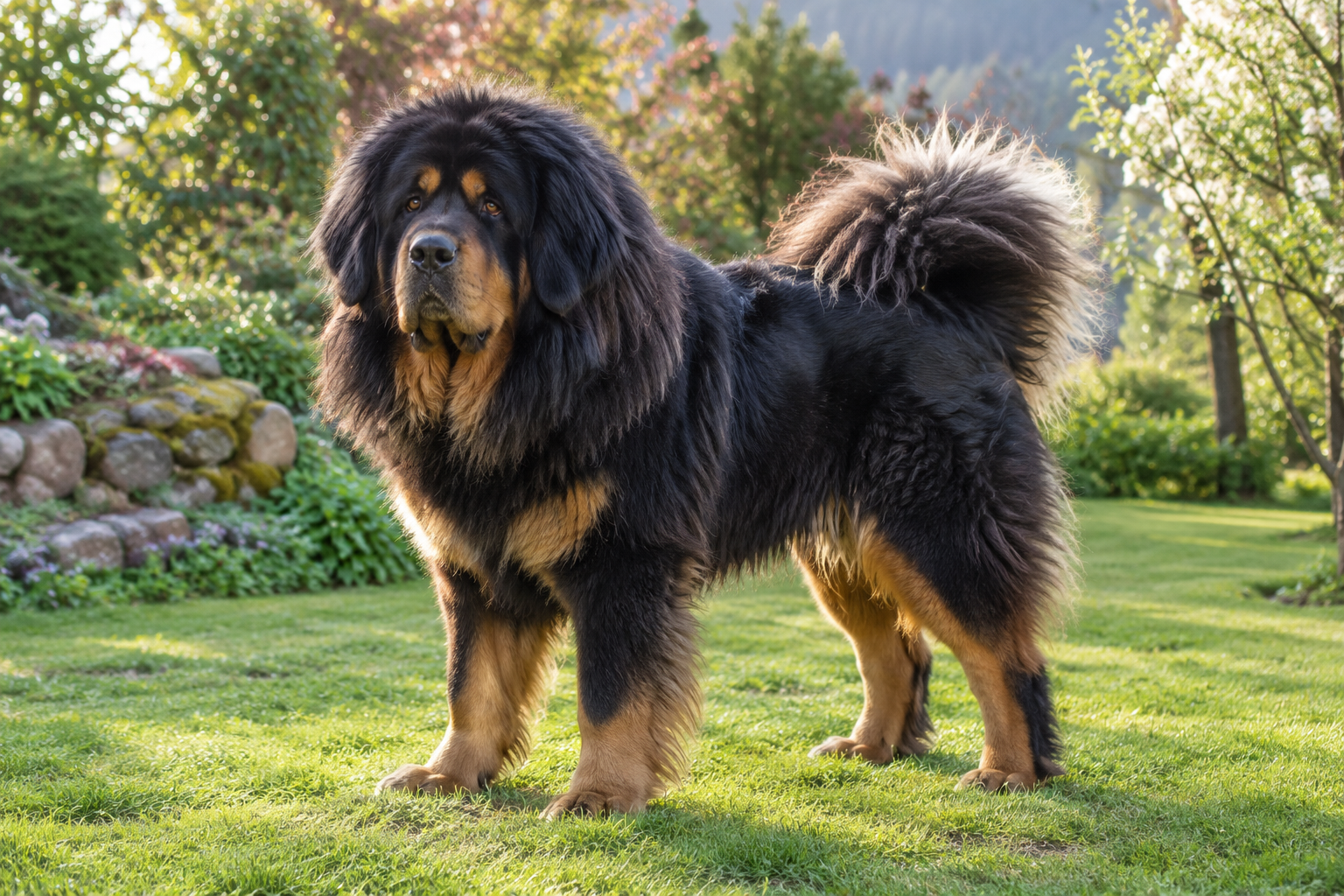 Tibetan MastiffGiant • Utility (Group 6)
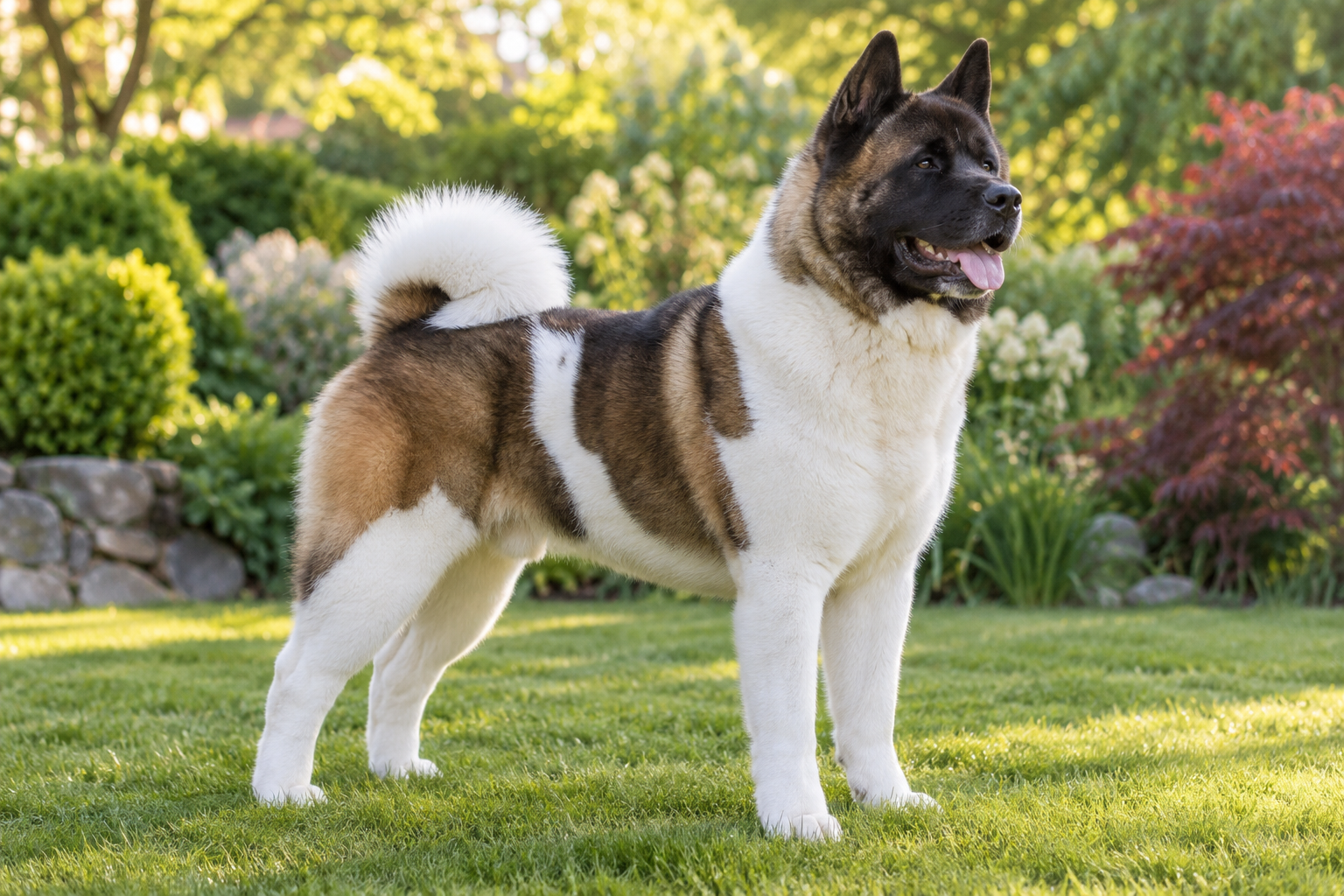 AkitaLarge • Utility (Group 6)
 Alaskan MalamuteLarge • Working
 American BulldogLarge • Working