


Japanese Spitz
By James C. • Updated
The Japanese Spitz is a bright, affectionate, and clean companion breed developed in Japan. Known for its fluffy white coat, friendly temperament, and strong family bonding, this breed is well suited to household living. They are intelligent, alert, and generally easy to train, making them a popular choice for families and first-time dog owners.
Breed Overview
Life Span
12 - 16 years
Average Price
AUD 2500 - AUD 4500
Weight
Male: 7 - 10 kg Female: 5 - 9 kg
Height
Male: 30 - 38 cm Female: 28 - 35 cm
Life Expectancy
Male/Female: 12 - 16 years
Breed Group
Companion / Toy
Nicknames
Spitz
Breed Information
The Japanese Spitz is a small, fluffy companion with a friendly and loyal personality. Known for their striking white coat, cheerful expression, and intelligence, they make excellent family pets and adaptable companions.
This breed is playful, affectionate, and alert, making them ideal for homes that can provide daily exercise, grooming, and attention. They thrive in households with structure and consistency, and they respond well to early training and socialisation.
In this guide, we’ll cover everything you need to know about the Japanese Spitz—from temperament and grooming to exercise, feeding, health, and whether this charming breed is the right fit for your lifestyle.
Characteristics of the Japanese Spitz: Small, Alert, and Friendly
The Japanese Spitz is a compact, intelligent breed with a bright and cheerful personality, and that white double coat needs a steady double-coat grooming routine. Understanding its characteristics helps you gauge whether it fits your home and lifestyle.
| Trait | Rating (Out of 5) | What This Means for You |
| Affection with Family | 5/5 ⭐⭐⭐⭐⭐ | Extremely loyal and loving. Bonds closely with all family members, often following their owner around the house. |
| Good with Children | 4/5 ⭐⭐⭐⭐ | Generally tolerant and playful. Works best with children who respect boundaries and understand gentle handling. |
| Good with Other Dogs | 4/5 ⭐⭐⭐⭐ | Social and friendly. Usually gets along with other pets when introduced properly. |
| Energy Level | 3/5 ⭐⭐⭐ | Moderate energy. Enjoys daily walks and play but not excessively hyperactive. |
| Trainability | 4/5 ⭐⭐⭐⭐ | Intelligent and responsive. Learns commands quickly with consistent positive reinforcement. |
| Prey Drive | 2/5 ⭐⭐ | Low. Rarely shows strong chasing instincts, making them safe around small animals. |
| Barking Tendency | 3/5 ⭐⭐⭐ | Alert and vocal when sensing strangers, but generally moderate indoors. |
| Shedding Level | 4/5 ⭐⭐⭐⭐ | Sheds moderately year-round. Requires regular brushing to maintain coat condition. |
| Grooming Needs | 4/5 ⭐⭐⭐⭐ | Needs routine brushing and occasional baths to keep coat fluffy and healthy. |
| Adaptability to Apartment Living | 5/5 ⭐⭐⭐⭐⭐ | Highly adaptable. Can thrive in apartments provided they get daily walks and interaction. |
The Japanese Spitz is best suited to owners who can provide daily attention, moderate exercise, and grooming care. With the right environment, they are affectionate, friendly, and adaptable companions.
History of the Japanese Spitz: From Japan to Global Companion
The Japanese Spitz was developed in Japan during the 1920s and 1930s with the goal of creating a small, companionable dog with a striking white coat and a friendly, loyal temperament. Breeders used small white Spitz-type dogs imported from Europe, particularly Germany and Russia, combining traits of intelligence, adaptability, and sociability.
Early Japanese breeders focused on temperament, appearance, and a coat suitable for cold weather, producing dogs that were both beautiful and practical for family life. The breed was not initially intended for work but as a companion dog, making it highly trainable and affectionate.
By the mid-20th century, the Japanese Spitz gained recognition in local dog clubs and gradually spread to other countries. Its appealing appearance, friendly nature, and manageable size contributed to popularity in homes around the world.
Today, the Japanese Spitz is celebrated for being intelligent, alert, and highly loyal, retaining the qualities selected by early breeders. Their friendly disposition, combined with adaptability and ease of training, makes them ideal family companions, apartment dwellers, and social pets.
The breed’s origins reflect a careful balance of aesthetics, temperament, and practicality, which is why the Japanese Spitz remains a popular and versatile choice for households globally.
Appearance of the Japanese Spitz: Small, Fluffy, and Elegant
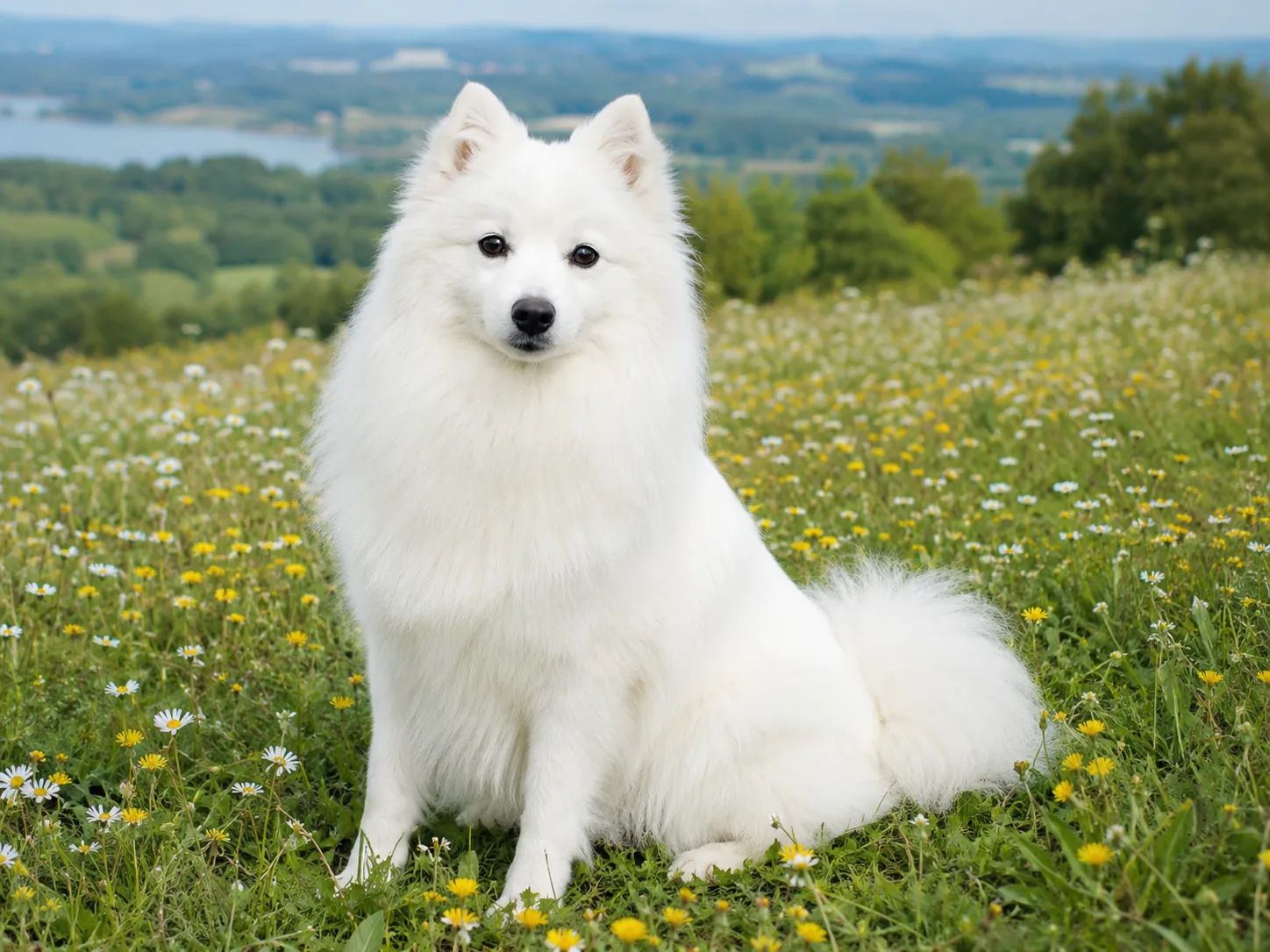
The Japanese Spitz is a small, compact dog with a striking pure white coat and alert expression, often compared with the Samoyed, a much larger white spitz breed. Every aspect of their appearance reflects balance, agility, and readiness, making them both beautiful and practical as companions.
Overall Build
Japanese Spitz dogs have a well-proportioned, sturdy frame. Their bodies are slightly longer than tall, supporting agility and playful movement. Strong legs and a compact torso allow confident, energetic activity while maintaining balance and poise.
Head and Expression
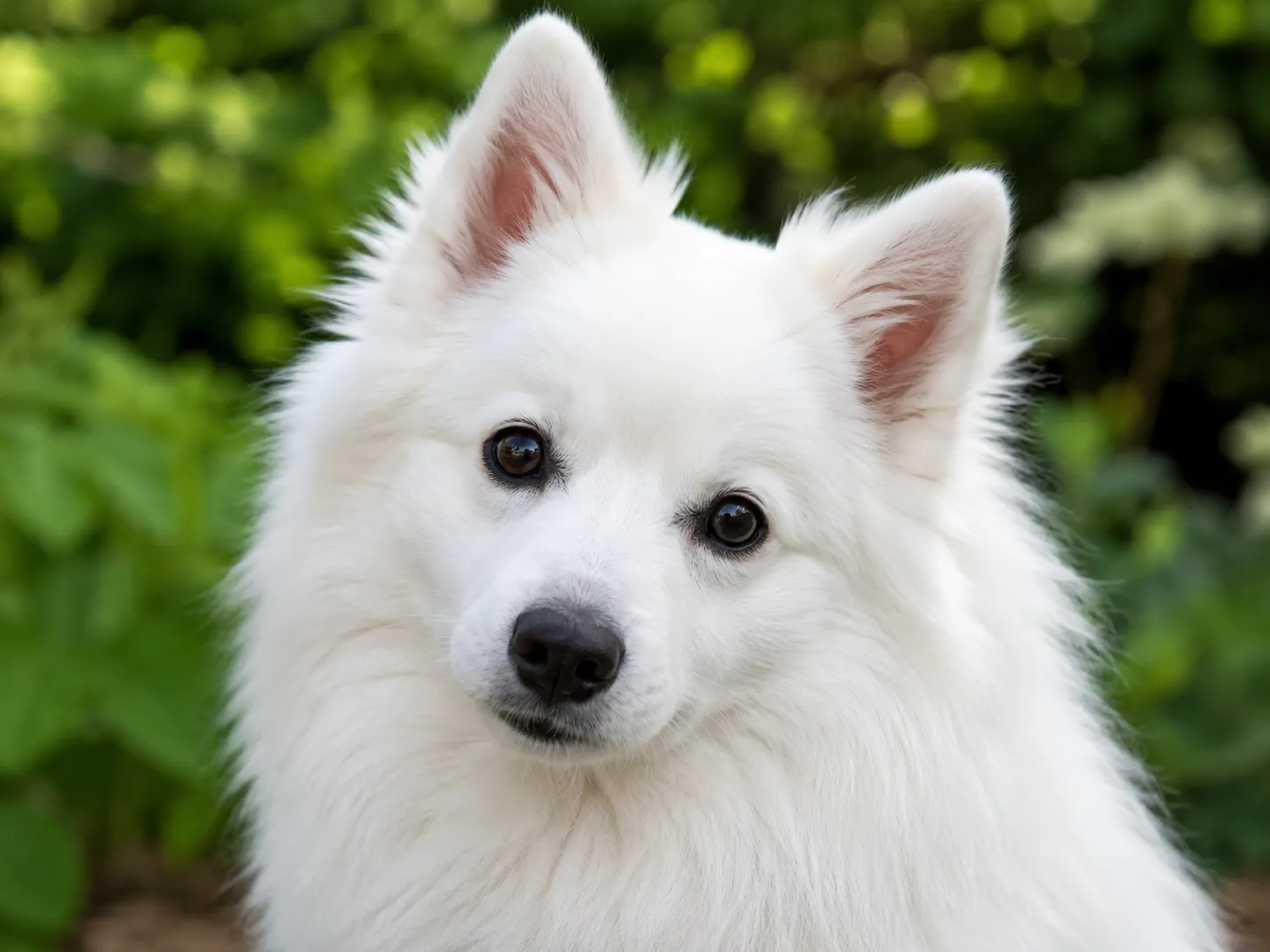
The head is wedge-shaped with a moderately pointed muzzle. Eyes are dark, almond-shaped, and expressive, showing alertness and intelligence. Ears are triangular, upright, and set high, giving a consistently attentive, fox-like expression.
Coat Type
This breed has a dense double coat. The soft undercoat provides insulation, while the long outer coat is fluffy and pure white. Regular brushing is necessary to prevent matting and maintain the coat’s softness and volume.
Tail and Movement
The tail is plumed, carried over the back in a graceful curve. Movement is smooth, lively, and balanced, reflecting the Japanese Spitz’s energetic and playful temperament.
Overall, the Japanese Spitz’s appearance communicates alertness, elegance, and readiness for interaction, making them a visually striking and adaptable companion suitable for families and active households alike.
Temperament of the Japanese Spitz: Friendly, Loyal, and Alert
The Japanese Spitz is known for its cheerful and affectionate personality, though close attachment can bring signs of separation anxiety if left alone too often. This breed is friendly, loyal, and highly social, making it an excellent companion for families, singles, and households with other pets.
Core Personality Traits
Japanese Spitz dogs are intelligent, playful, and curious. They form strong bonds with their families and often follow their owners around the home. Their alert nature makes them responsive to new situations and aware of their surroundings.
Energy and Behaviour
While not hyperactive, Japanese Spitz have a moderate energy level. They enjoy daily walks, play sessions, and interactive games. Mental stimulation is just as important as physical exercise to prevent boredom.
Social Behaviour
This breed is generally good with children, strangers, and other pets when properly socialised from an early age. Their temperament is gentle yet confident, rarely showing aggression. They may vocalise to alert their owners but are not typically nuisance barkers.
Independence and Adaptability
Japanese Spitz dogs are intelligent and responsive but retain some independent thinking. They adapt well to different household environments, including apartments, provided they receive daily interaction, exercise, and attention.
Overall, the Japanese Spitz combines affection, alertness, and adaptability, making it a loyal and engaging companion when its social, physical, and mental needs are met.
Intelligence and Trainability of the Japanese Spitz: Clever, Responsive, and Eager to Learn
The Japanese Spitz is highly intelligent, alert, and observant, and responds well when obedience training begins at the right age. This breed thrives on mental stimulation as much as physical activity, making early training and consistent interaction essential. Their intelligence allows them to quickly pick up commands, understand routines, and adapt to new environments, but it also means they can become bored or mischievous without sufficient engagement.
Learning Ability
Japanese Spitz dogs are fast learners. They can recognise patterns, anticipate routines, and respond to positive reinforcement. Problem-solving games, puzzle toys, and interactive tasks help channel their curiosity constructively. Puppies respond best to short, consistent sessions that build understanding without causing frustration.
Training Approach
Positive reinforcement is the most effective method. Praise, treats, and play motivate the breed, while harsh corrections can create anxiety or resistance. Training should be structured yet enjoyable, with clear boundaries and predictable routines to develop reliability. Consistency across family members ensures commands are understood and respected.
Common Training Challenges
While eager to learn, Japanese Spitz retain some independent thinking. Recall and off-lead obedience may require persistent reinforcement. Their alert nature can make them reactive to sudden noises or new visitors, so early socialisation and exposure to different environments are crucial. Without mental engagement, the breed may develop attention-seeking behaviours or minor mischief.
Advanced Training Potential
Japanese Spitz excel in activities that combine intelligence and movement, such as agility, obedience trials, rally, and interactive scent games. They are highly responsive to structured challenges, and consistent practice allows them to perform at advanced levels. Their alertness, agility, and willingness to please make them particularly suited for family-oriented training routines, performance sports, and interactive enrichment.
Key Takeaways
The Japanese Spitz is trainable, clever, and responsive but requires consistent leadership, early socialisation, and regular mental stimulation. With proper guidance, they become obedient, confident, and versatile companions capable of thriving in both family and active environments.
Japanese Spitz With Children and Other Pets: Friendly, Gentle, and Social
The Japanese Spitz is naturally affectionate and social, making them an excellent companion for families and multi-pet households, and you can see Japanese Spitz puppies listed in Australia. They are playful, alert, and generally gentle, but supervision and early socialisation are essential for harmony with children and other animals.
Interaction With Children
Japanese Spitz dogs typically enjoy playful interactions with children of all ages. They are patient and responsive but benefit from gentle handling, especially with toddlers. Teaching children to respect the dog’s space and signals ensures safe and positive interactions.
Living With Other Dogs
This breed is social and usually coexists well with other dogs. Early socialisation helps reinforce confidence and reduces the likelihood of dominance or reactivity. Japanese Spitz dogs often enjoy the company of canine companions, especially in active households.
Cats and Small Pets
Japanese Spitz generally have a low prey drive, making them safer around cats and small animals than many other breeds. Early exposure and proper supervision further increase compatibility. Even so, interactions should always be monitored until trust and routine are established.
Household Suitability
Japanese Spitz thrive in homes where they receive daily attention, moderate exercise, and mental stimulation. They adapt well to apartments, townhouses, or larger homes as long as their social and activity needs are met.
When properly socialised and engaged, the Japanese Spitz becomes a loyal, affectionate, and well-balanced family companion, comfortable with children and other pets alike.
Health of the Japanese Spitz: Generally Healthy but Requires Regular Care
The Japanese Spitz is a relatively robust and long-lived breed, but responsible care and regular veterinary check-ups are essential to maintain optimal health. Their small size and active nature contribute to overall durability, yet they can still be prone to specific breed-related conditions.
Common Health Concerns
While generally healthy, Japanese Spitz may experience:
- Patellar luxation: misalignment of the kneecap that can affect mobility
- Dental issues: small breed teeth can be prone to tartar and crowding
- Allergies or skin sensitivities: may appear as itching or irritation
- Eye conditions: occasionally hereditary problems such as cataracts
Early detection and regular check-ups are important to manage these risks.
Preventive Healthcare
Routine veterinary visits, vaccinations, parasite control, and dental care are crucial. Maintaining a lean, healthy weight supports joint integrity and overall vitality.
Coat and Skin Health
Due to their dense double coat, Japanese Spitz dogs require regular brushing to prevent matting and maintain skin health. Occasional baths with a mild dog shampoo help remove debris while preserving natural oils.
Lifespan and Longevity
With proper care, Japanese Spitz dogs often live 12–16 years. Consistent exercise, balanced nutrition, and preventive healthcare contribute significantly to a long, healthy, and active life.
Overall, the Japanese Spitz is structurally sound and resilient when responsibly bred. Regular monitoring, preventive care, and attention to grooming ensure they remain vibrant companions for many years.
Caring for the Japanese Spitz: Daily Routine, Environment, and Engagement
Caring for a Japanese Spitz requires consistent attention to exercise, socialisation, and grooming. Despite their small size, they are active, intelligent, and thrive in households that provide structured engagement.
Daily Exercise
Moderate daily activity is essential. Short walks, play sessions, and interactive games keep them physically and mentally stimulated. While they do not require excessive exercise, consistent activity helps prevent boredom-related behaviours such as chewing or barking.
Mental Stimulation
Puzzle toys, obedience training, and problem-solving games are ideal for keeping the Japanese Spitz engaged. Mental exercise is as important as physical activity to maintain a happy, well-behaved dog.
Living Environment
Japanese Spitz dogs adapt well to apartments, townhouses, or larger homes. Access to a safe, secure space for play is recommended. They enjoy family interaction and should not be left alone for extended periods.
Seasonal and Special Care
Their dense double coat requires regular brushing to prevent matting and maintain health. During shedding season, more frequent grooming is needed. Provide protection from extreme heat or cold as their thick coat can make them sensitive to temperature extremes.
With consistent daily care, mental engagement, and secure environments, the Japanese Spitz becomes a well-adjusted, affectionate, and lively companion, suitable for a variety of households.
Grooming of the Japanese Spitz: Maintaining the Fluffy White Coat
The Japanese Spitz is known for its thick, snow-white double coat, which requires regular care to stay clean, healthy, and free of mats. Proper grooming ensures their coat remains bright and keeps skin healthy.
Brushing and Coat Care
Daily or at least several times per week brushing is recommended. Use a slicker brush or comb to remove loose undercoat and prevent tangles. Regular brushing also distributes natural oils, keeping the coat soft and shiny.
Bathing
Bathing is needed occasionally, typically every 4–6 weeks, or when visibly dirty. Use a mild, dog-specific shampoo to preserve the coat’s natural oils. Overbathing can dry out skin and reduce coat quality.
Ear, Nail, and Dental Care
Ears should be checked weekly for debris or signs of infection. Nails require regular trimming to prevent overgrowth and discomfort. Dental care is important for small breeds; brush teeth several times per week or provide dental chews to maintain oral health.
Seasonal Grooming
During shedding season, more frequent brushing may be necessary to manage loose hair. Their dense coat also provides insulation, so check for signs of overheating in summer and provide shade and hydration.
Consistent grooming keeps the Japanese Spitz healthy, comfortable, and visually striking. Maintaining their coat, teeth, ears, and nails ensures a happy, well-cared-for companion.
Exercise Needs of the Japanese Spitz: Moderate Activity for a Small, Energetic Breed
The Japanese Spitz is lively and intelligent, requiring daily physical and mental activity to stay happy and healthy. While not hyperactive, they need structured exercise to prevent boredom and maintain a balanced temperament.
Daily Physical Activity
Moderate daily walks, play sessions, and short runs provide adequate physical exercise. They enjoy interactive games in secure yards or indoors, which helps burn energy and promotes muscle tone.
Mental Stimulation
Mental engagement is equally important. Puzzle toys, obedience training, and problem-solving activities stimulate the mind, keeping the breed alert and reducing the risk of destructive behaviours.
Age-Specific Considerations
Puppies require short, controlled play sessions to protect growing joints. Adult dogs benefit from consistent daily walks and playtime. Seniors may slow down but still enjoy gentle activity to prevent stiffness and maintain a healthy weight.
Off-Lead and Supervision
The Japanese Spitz is generally obedient but should be monitored off-lead in unsecured areas. Early training and recall practice ensure safety and confidence.
With the right combination of physical exercise and mental engagement, the Japanese Spitz remains balanced, happy, and well-adjusted, making them a delightful companion for active households.
Feeding the Japanese Spitz: Balanced Nutrition for a Small, Active Dog
The Japanese Spitz is small but energetic, requiring a diet that supports its activity level, lean muscle, and overall health. Proper feeding ensures consistent energy, healthy skin and coat, and long-term wellbeing.
Nutritional Requirements
Provide a high-quality complete dog food formulated for small to medium active breeds. Protein supports lean muscle, fats provide energy, and added nutrients like omega-3 and omega-6 promote skin, coat, and cognitive health.
Feeding Schedule
Adults generally thrive on two measured meals per day. Puppies may require three smaller meals until about six months old. Avoid free feeding, as it can lead to overconsumption and weight gain.
Portion Control and Monitoring
Portion sizes should be adjusted based on activity level, age, and body condition. A healthy Japanese Spitz should have a visible waist and slight abdominal tuck, with ribs easily felt without pressing too hard.
Treats and Special Considerations
Use treats sparingly, no more than 10% of daily calories, preferably for training or mental enrichment. Watch for potential food sensitivities, including digestive upset, skin irritation, or itching. Introduce new foods gradually over 7–10 days to prevent gastrointestinal issues.
Proper nutrition combined with daily exercise and mental stimulation ensures your Japanese Spitz remains lean, energetic, and healthy throughout its life.
Japanese Spitz Price and Ongoing Costs in Australia: What to Expect
The Japanese Spitz is a sought-after breed in Australia, with prices reflecting pedigree, health testing, and breeder reputation. Understanding the costs involved helps potential owners plan for responsible care.
Purchase Price
A Japanese Spitz puppy typically costs between $2,500 and $4,500 AUD, depending on:
- Breeder reputation and registration with recognised canine associations
- Health testing for patellar luxation, eye conditions, and general structural soundness
- Pedigree, bloodline, and show or companion lineage
- Geographic location and availability
Extremely low prices may indicate limited health checks or inexperienced breeding.
Initial Setup Costs
Beyond the purchase price, first-year expenses include:
- Vaccinations, veterinary checks, and parasite prevention
- Microchipping and council registration
- Crate, bedding, and secure fencing
- Leash, harness, and training tools
- Food and enrichment supplies
Expect setup costs of $1,000–$2,000 AUD in addition to the purchase price.
Ongoing Monthly Expenses
- High-quality dog food suitable for small, active breeds
- Routine veterinary care and preventative health measures
- Grooming, especially for rough or double-coated varieties
- Training or enrichment activities if needed
Lifetime Financial Outlook
Over a 12–16 year lifespan, total ownership costs may range from $18,000 to $25,000 AUD, depending on veterinary care, grooming, and lifestyle choices.
Owning a Japanese Spitz requires financial readiness, daily engagement, and structured care to ensure a happy, healthy, and well-adjusted companion.
Buying Advice for Japanese Spitz Puppies: Choose Carefully
Selecting a Japanese Spitz puppy requires careful attention to breeder quality, early socialisation, and health screening. This breed’s long lifespan and active nature make early development critical for a well-adjusted companion.
Finding a Responsible Breeder
Look for breeders registered with recognised Australian canine associations. Ethical breeders provide:
- Documentation of health testing (patellar luxation, eye exams, and structural soundness)
- Access to meet the dam and ideally the sire
- Clear information about early socialisation, exposure to household environments, and temperament
- Honest guidance on the breed’s exercise and grooming requirements
Avoid sellers focused solely on availability or low prices, as this often indicates limited health checks or substandard early care.
Assessing Puppy Health and Temperament
Observe puppies interacting with littermates and humans. Ideal behaviour is confident, curious, and playful without fearfulness or aggression.
Check for clean eyes, ears, healthy coat, and active behaviour. Ask about vaccination history, worming, and other preventive measures.
Rescue and Rehoming Options
Japanese Spitz occasionally appear through breed rescue networks. Adoption may suit experienced owners prepared to continue socialisation, structured training, and care for an energetic, intelligent dog.
Choosing responsibly at the outset ensures a happy, healthy, and well-behaved Japanese Spitz for years to come.
Is the Japanese Spitz Right for You? A Practical Suitability Check
The Japanese Spitz is a small, intelligent, and energetic companion. While highly adaptable, it requires consistent attention, moderate daily exercise, regular grooming, and early socialisation to thrive. Without these, boredom or frustration may lead to minor behavioural issues such as barking or chewing.
This breed is ideal for families, singles, or apartment dwellers who can provide daily interaction and mental engagement. They bond closely with their owners, are friendly with children and other pets, and respond well to structured routines and gentle guidance.
However, homes that cannot meet their social, grooming, or activity needs may find the breed challenging. Japanese Spitz dogs flourish when their curiosity, alertness, and energy are consistently channelled into play, training, and engagement.
If you believe your lifestyle aligns with these requirements, the next step is to connect with reputable breeders. Browse verified Japanese Spitz listings on Pups4Sale to find responsible breeders across Australia and start your journey toward a healthy, well-socialised companion.
Frequently Asked Questions
Related Breeds
Other companion breeds on Pups4Sale.
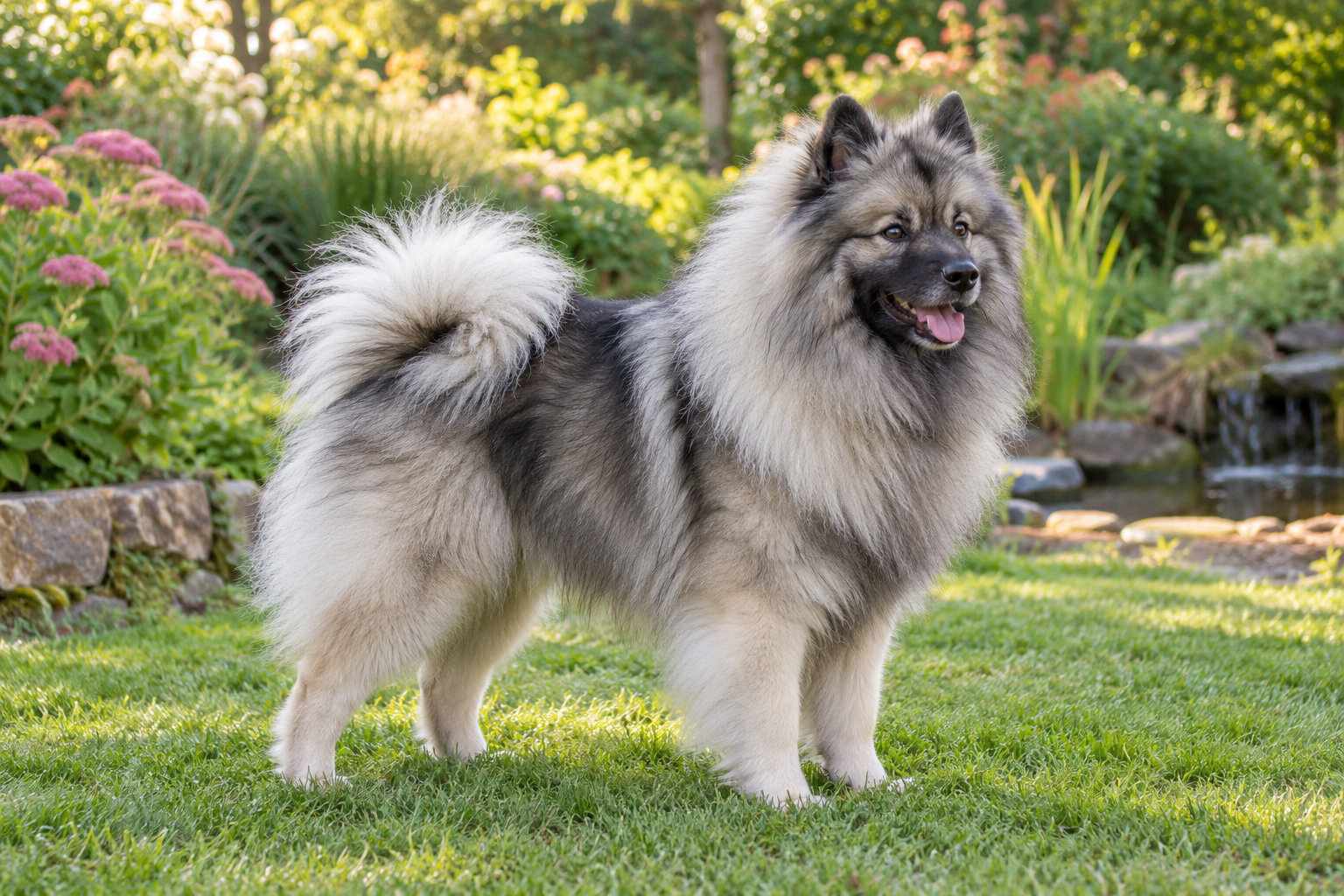 KeeshondMedium • Non Sporting (Group 7)
 Lhasa ApsoSmall • Non Sporting (Group 7)
 MalteseSmall • Toy
 Miniature PinscherSmall • Toy
 PekingeseSmall • Toy
 Pharaoh HoundMedium • Hound (Sighthound type)