Pekingese
By James C. • Updated
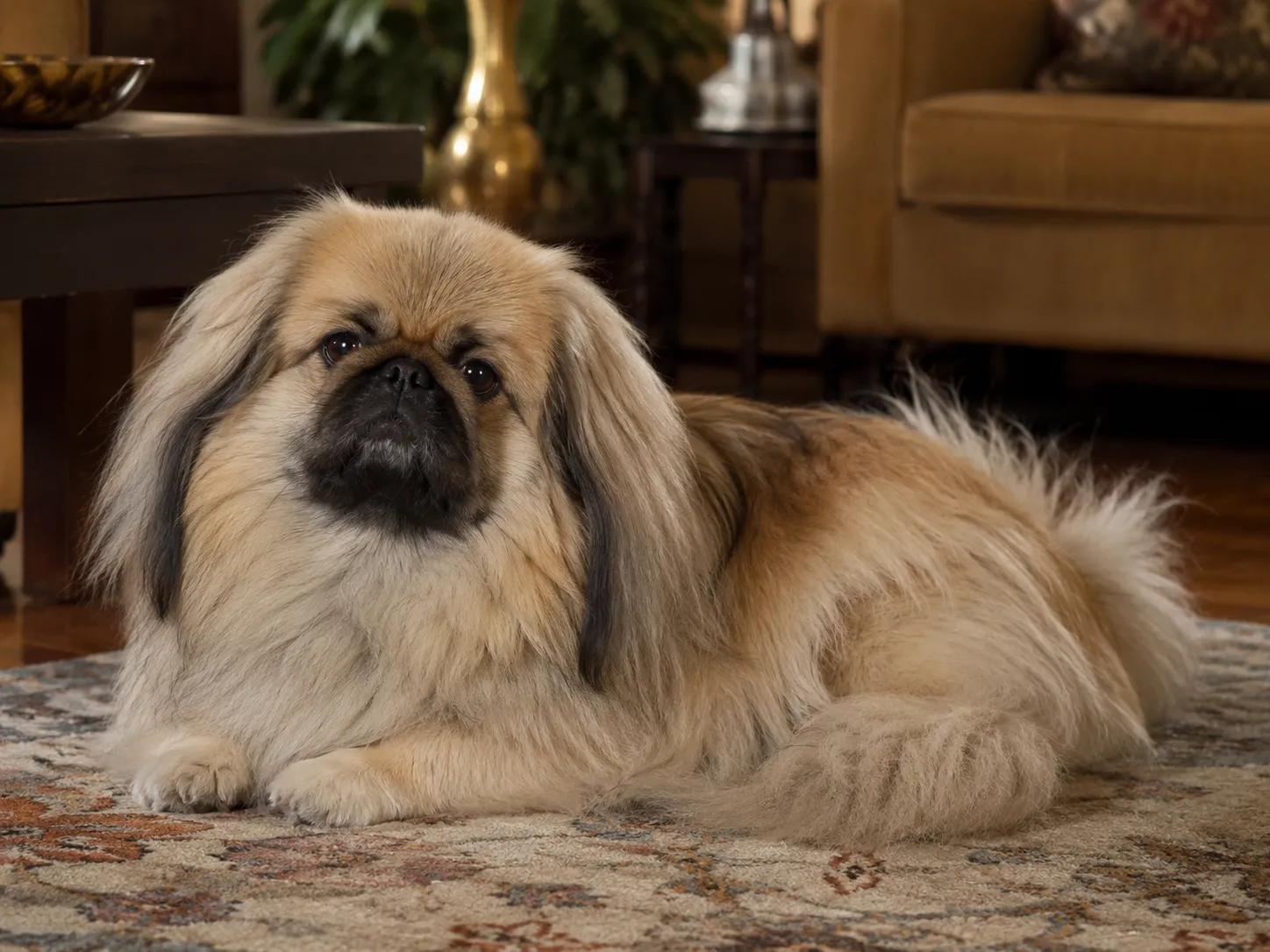
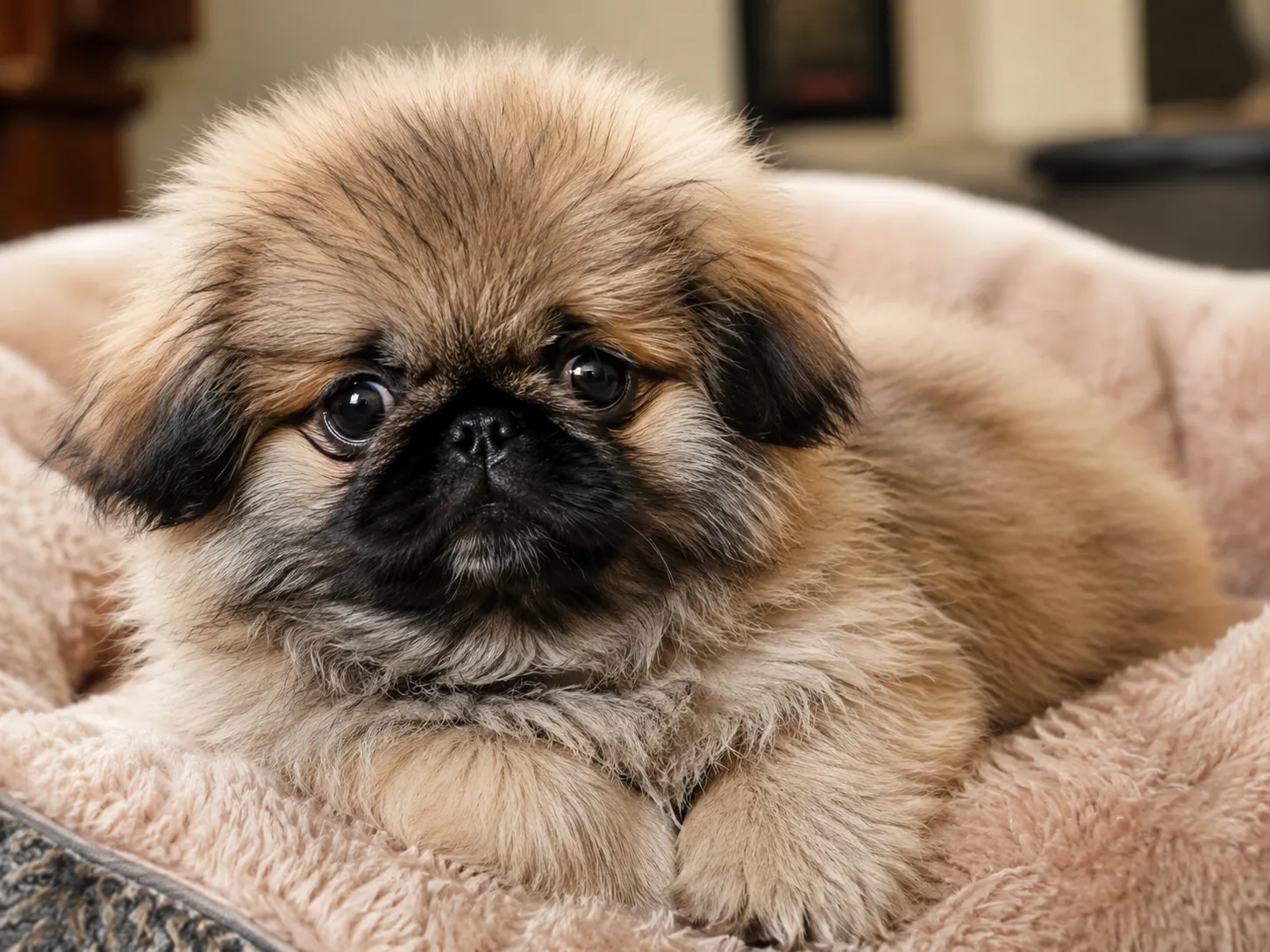
The Pekingese is a dignified, affectionate, and independent toy breed that originated in ancient China, where it was bred as a companion for Chinese royalty. Known for its distinctive lion-like appearance, abundant coat, and confident personality, the Pekingese is devoted to its family and generally prefers a calmer household environment.
Breed Overview
Life Span
12 - 14 years
Average Price
AUD 2000 - AUD 5000
Weight
Male: 3.5 - 6.5 kg Female: 3.5 - 6.5 kg
Height
Male: 15 - 23 cm Female: 15 - 23 cm
Life Expectancy
Male/Female: 12 - 14 years
Breed Group
Toy
Nicknames
Peke, Lion Dog, Sleeve Dog
Breed Information
The Pekingese is a distinctive toy breed with a long history of royal companionship and a personality that often feels far bigger than its small frame. Originating in ancient China, the breed was treasured by imperial households and carefully maintained as a palace companion, a background that still shapes its dignified presence and strong sense of self today. Resource material consistently describes the breed as a compact, regal companion with deep loyalty to its chosen people and a calm but confident nature.
Although small in size, the Pekingese is not delicate in character. This breed is known for its bold expression, independent temperament, and strong attachment to family members. Many Pekingese are affectionate and devoted at home, yet reserved with strangers, which makes them attentive little watchdogs despite their toy size.
The breed is best suited to owners who appreciate a quieter household and can provide regular companionship, careful grooming, and gentle day-to-day management. Because of its flat face, heavy coat, and prominent eyes, the Pekingese also requires owners who understand the importance of temperature control, coat maintenance, and monitoring for breed-related health issues.
For the right household, the Pekingese offers a unique combination of loyalty, charm, and noble character, making it a rewarding companion for owners who value closeness, routine, and a dog with unmistakable presence.
Characteristics of the Pekingese: Loyalty, Independence, and Calm Confidence
The Pekingese dog breed is known for its dignified nature, strong loyalty to its family, and calm presence in the home, and its heavy coat needs a committed long-coat grooming routine. Although small in size, this breed carries a confident personality and often behaves with the composure of a much larger dog. Their royal history is often reflected in their independent attitude and proud manner.
Pekingese form strong attachments to their owners and enjoy spending time close to their families. They are affectionate companions but usually prefer calm interaction rather than constant excitement or rough play. Because of their independent streak, they may appear reserved with strangers, yet they remain deeply devoted to their household.
While not highly energetic, Pekingese are alert and attentive dogs. They make effective little watchdogs and will often bark to alert their owners if something unusual occurs. With early socialisation and consistent guidance, they can live peacefully with other pets and adapt well to different living environments.
Below is a general overview of common behavioural and personality traits seen in the breed.
| Trait | Rating | Star Rating | Meaning |
| Affection Level | High | ★★★★☆ | Forms strong bonds with family members and enjoys companionship. |
| Friendliness to Strangers | Moderate | ★★★☆☆ | Often reserved around unfamiliar people but warms up over time. |
| Family Compatibility | High | ★★★★☆ | Loyal and devoted companion for calm households. |
| Good With Children | Moderate | ★★★☆☆ | Generally better suited to families with older, respectful children. |
| Compatibility With Other Pets | Moderate | ★★★☆☆ | Usually coexists well with other animals if socialised early. |
| Trainability | Moderate | ★★★☆☆ | Intelligent but independent, requiring patient and creative training. |
| Energy Level | Low | ★★☆☆☆ | Prefers relaxed routines and short daily activity rather than intense exercise. |
| Playfulness | Moderate | ★★★☆☆ | Enjoys occasional play sessions but also values quiet relaxation. |
| Watchdog Ability | High | ★★★★☆ | Naturally alert and quick to sound an alarm bark. |
| Adaptability | High | ★★★★☆ | Adjusts well to apartment living and smaller homes. |
History of the Pekingese: An Imperial Companion from Ancient China
The Pekingese dog breed has a long and fascinating history closely tied to Chinese royalty, and prominent eyes make tear stain prevention part of daily care. These small companion dogs were treasured members of the imperial court and were often associated with nobility, prestige, and spiritual symbolism. For centuries, the breed remained exclusive to the palaces of Chinese emperors and their families.
Historical records suggest that Pekingese dogs were present in China as early as A.D. 700. Their popularity grew alongside the spread of Buddhism, where lions were considered sacred symbols connected to Buddha. Because real lions were unknown in China, small dogs with long manes were bred to resemble these sacred animals. The Pekingese, with its flowing coat and proud stance, became known as the “lion dog.”
Within the imperial court, Pekingese were highly valued companions. Special breeding programmes were overseen by palace attendants, and the smallest individuals were sometimes called “sleeve dogs” because they could be carried inside the wide sleeves of royal garments. These dogs were treated with exceptional care and were rarely seen outside palace grounds.
The breed remained largely unknown to the outside world until the mid-19th century. During the British invasion of Beijing in 1860, several Pekingese were discovered in the imperial palace and brought back to England. One of these dogs was presented to Queen Victoria, helping introduce the breed to Western society.
From that point onward, the Pekingese quickly gained popularity in Europe and later around the world. Although modern Pekingese are generally slightly larger than the original sleeve dogs, they still retain the distinctive appearance, confident personality, and royal heritage that made them famous centuries ago.
Appearance of the Pekingese: Lion-Like Coat and Distinctive Royal Expression
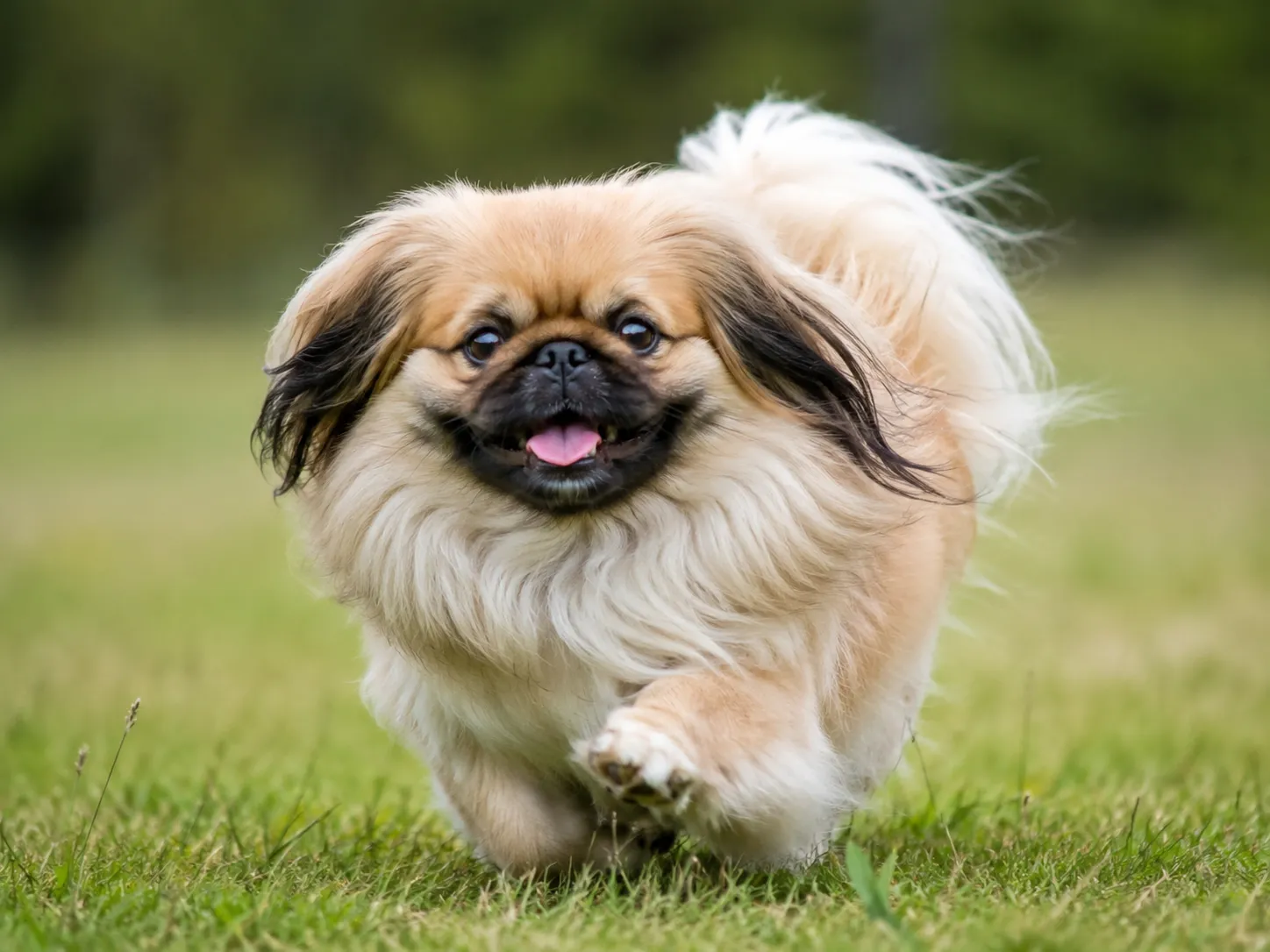
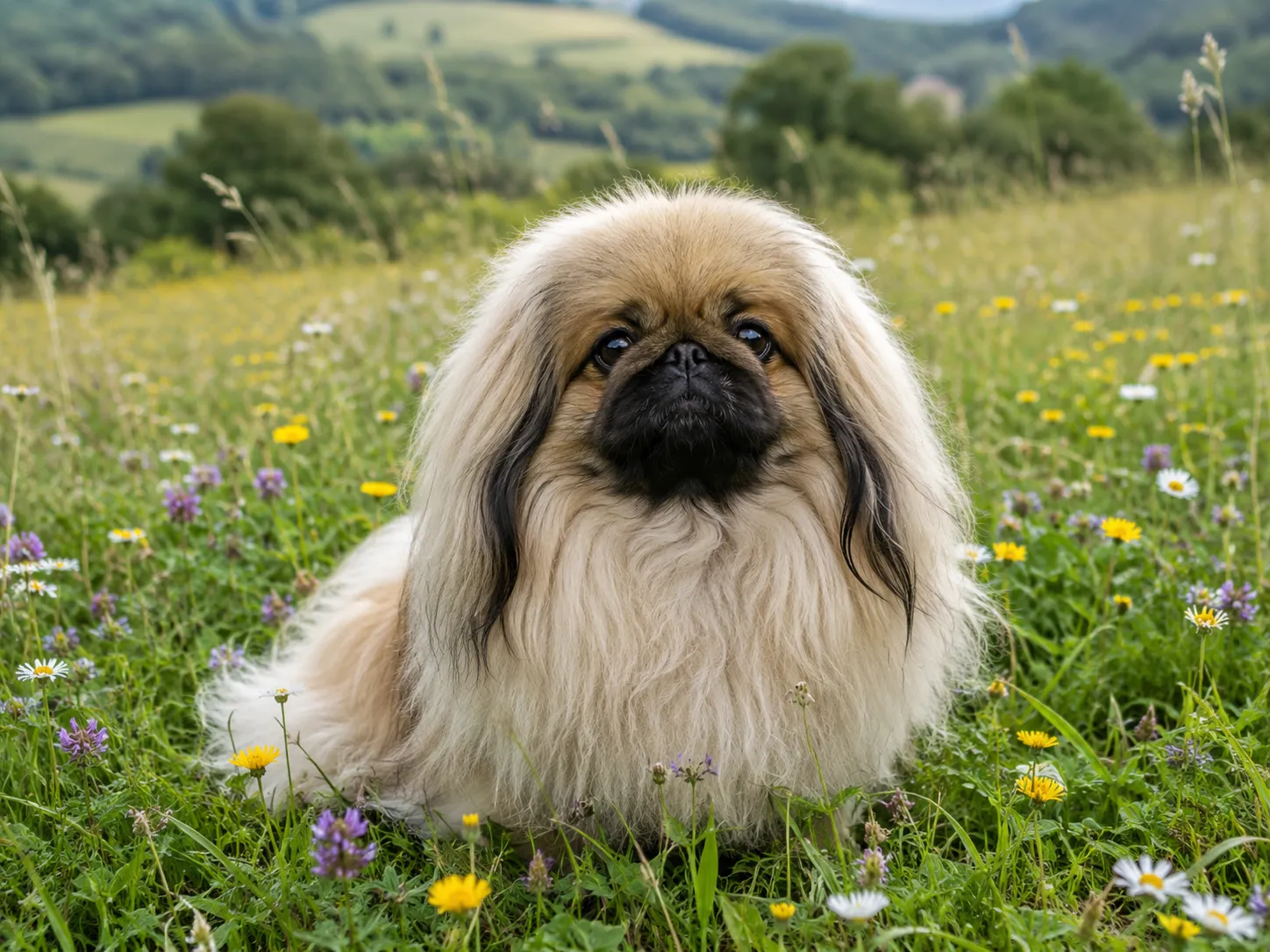
The Pekingese dog breed is instantly recognisable thanks to its luxurious coat, compact frame, and distinctive flat face, a brachycephalic build it shares with the Pug. Despite being a small toy breed, the Pekingese carries itself with remarkable confidence and dignity. Its unique proportions and flowing coat give the breed a bold and unmistakable silhouette.
Size and Body Structure of the Pekingese
Pekingese are small but surprisingly sturdy dogs. Their bodies are slightly longer than they are tall, creating a compact yet balanced appearance.
Adult Pekingese typically stand around 15 to 23 centimetres at the shoulder and weigh between 3.5 and 6.5 kilograms. Although lightweight, they possess a solid bone structure and broad chest that give them a strong presence.
One of the breed’s most recognisable traits is its slightly bowed front legs, which contribute to the distinctive rolling gait often seen when they walk. This movement adds to the breed’s proud and dignified posture.
Coat and Colour Varieties of the Pekingese
The Pekingese has a long, straight double coat consisting of a dense undercoat and a coarse outer coat. Around the neck and shoulders, the fur forms a thick mane that enhances the breed’s traditional nickname, the “lion dog.”
The coat is abundant on the ears, chest, legs, and tail, giving the dog its flowing and elegant appearance. Because of this heavy coat, regular grooming is required to prevent tangles and maintain its condition.
Pekingese can appear in a wide range of colours and patterns. Common coat colours include:
- Red
- Fawn
- Cream
- Black
- White
- Sable
- Black and tan
- Brindle combinations
Some Pekingese also display a dark facial mask, though solid-coloured faces are equally accepted.
Facial Features and Expression
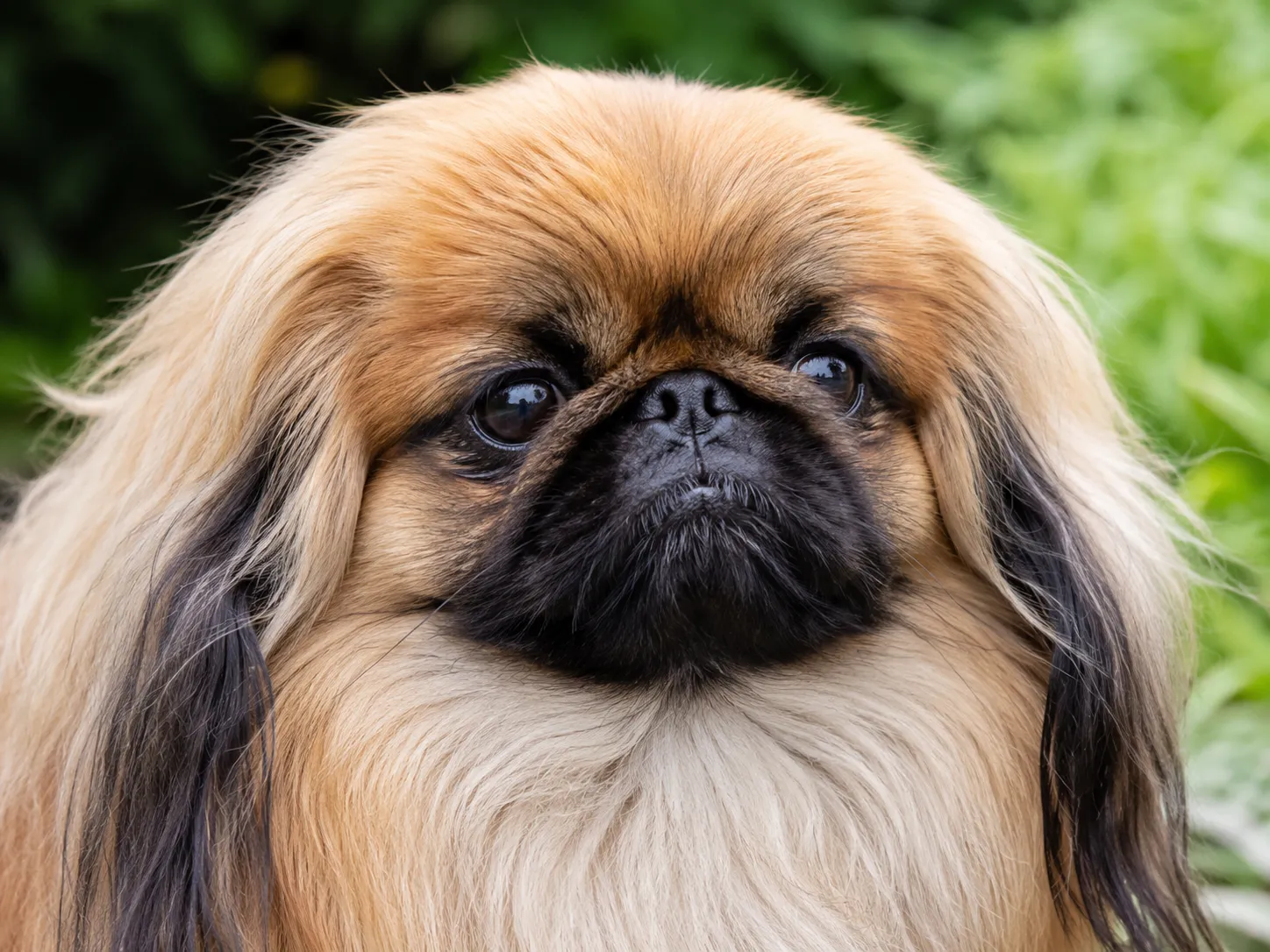
The head of the Pekingese is broad and flat, with a short muzzle and a well-defined stop. Large, round, dark eyes give the breed an expressive and alert appearance.
Their heart-shaped ears, which lie close to the head and are covered in long feathered hair, frame the face and enhance the breed’s regal look. The tail is set high and carried gracefully over the back, with long feathering that blends into the coat.
Overall, the Pekingese presents a distinctive combination of compact strength, flowing coat, and royal dignity, making it one of the most recognisable companion breeds in the toy group.
Temperament of the Pekingese: Loyal, Independent, and Confident
The Pekingese dog breed is widely known for its strong personality and dignified nature, and that flat face makes heatstroke indoors a real risk in summer. Despite its small size, this breed carries itself with confidence and composure. Their temperament reflects their royal heritage, as they were once companions to Chinese emperors and palace families.
Pekingese are deeply loyal to their owners and tend to form close bonds with the people they trust. They enjoy spending time near their families and often prefer calm companionship rather than constant activity. While affectionate, they can also be somewhat independent and may choose when they want attention.
Because of their alert nature, Pekingese make excellent small watchdogs. They are quick to notice unfamiliar sounds or visitors and will often bark to alert their household. This protective instinct makes them attentive companions, although proper training helps prevent excessive barking.
Affection and Loyalty
One of the most appealing qualities of the Pekingese is its devotion to its family. These dogs enjoy being close to their owners and often seek comfortable places to relax nearby. Many Pekingese enjoy sitting on laps or resting beside their favourite people during quiet moments.
Although affectionate, they usually prefer gentle handling and calm environments. They may not tolerate rough play, which is why respectful interaction is important when they are around children.
Independence and Confidence
The Pekingese has a confident and sometimes stubborn personality. Their independent mindset means they may not always respond immediately to commands, especially if they feel pressured.
Training a Pekingese requires patience, consistency, and positive reinforcement. When handled with calm guidance, they are capable of learning routines and household expectations while maintaining their unique personality.
Interaction with Strangers and Other Pets
Pekingese can appear reserved around unfamiliar people. They may observe quietly before deciding whether to approach someone new. Early socialisation helps them become more comfortable with visitors and different environments.
When introduced properly, many Pekingese coexist well with other household pets. Their calm temperament often allows them to adapt to multi-pet homes, especially when they are raised alongside other animals.
Intelligence and Trainability of the Pekingese: Independent Thinker with Selective Obedience
The Pekingese dog breed is intelligent, observant, and capable of learning routines quickly, though toy breeds often need longer through the toilet training stages. However, their intelligence often comes with a strong independent streak. Rather than blindly following commands, Pekingese tend to think for themselves and may choose whether a task is worth their effort. This characteristic is part of what makes the breed charming, but it also means training requires patience.
Unlike highly obedient working breeds, the Pekingese was originally bred as a royal companion rather than a worker. As a result, their motivation to perform tasks often depends on their interest level. Owners who approach training with calm leadership and consistent routines usually see the best results.
Problem-Solving Ability
Pekingese are quite perceptive and often understand household patterns quickly. They can recognise daily routines, respond to familiar commands, and learn where they are allowed to rest or play.
Their intelligence shows through their ability to observe situations carefully before reacting. Many Pekingese prefer to watch and assess their surroundings rather than immediately jumping into activity.
Training Approach
Training a Pekingese works best when sessions are short, positive, and consistent. Harsh corrections or repetitive drills often lead to stubborn behaviour rather than cooperation.
The following approaches tend to work well for this breed:
- Positive reinforcement: Rewards such as praise or small treats help maintain interest.
- Short training sessions: Brief sessions prevent boredom and maintain focus.
- Consistent rules: Clear household boundaries help the dog understand expectations.
- Early socialisation: Exposure to different people, places, and sounds builds confidence.
Common Training Challenges
Because of their independent temperament, Pekingese may sometimes appear stubborn during training. They might ignore commands they find unnecessary or delay responding until they feel comfortable.
With patience and encouragement, most Pekingese learn basic obedience and household manners. Owners who remain calm and consistent will find that these dogs are capable learners who simply prefer training that respects their independent nature.
Family Life with a Pekingese: Companion for Calm and Attentive Homes
The Pekingese dog breed thrives in homes where companionship, routine, and calm interaction are part of everyday life. You can browse Pekingese puppies listed in Australia. These dogs were historically bred as close human companions, and that instinct remains strong today. They are happiest when they can spend plenty of time near their owners rather than being left alone for long periods.
Although small, the Pekingese has a confident personality and often forms strong attachments to one or two family members. Their affectionate yet independent temperament means they enjoy attention, but they also appreciate quiet moments where they can relax beside their favourite person.
Pekingese and Children
Pekingese can live peacefully with children, particularly older children who understand how to handle small dogs respectfully. Their compact size and independent nature mean they may not tolerate rough play or overly energetic behaviour.
For families with younger children, supervision is important. Teaching children to approach calmly, avoid pulling fur, and respect the dog’s personal space helps create a positive relationship. When treated gently, Pekingese can become affectionate and loyal companions for children.
Living with Other Pets
The Pekingese generally coexists well with other pets when properly introduced. Early socialisation plays an important role in helping them accept other dogs and animals within the household.
Because of their confident personality, some Pekingese may attempt to assert themselves even with larger dogs. Gradual introductions and supervised interactions help maintain harmony in multi-pet homes.
Ideal Household Environment
This breed adapts well to smaller homes and apartments due to its relatively low exercise needs. Quiet environments tend to suit them best, especially homes where daily routines are consistent.
Pekingese typically do well in households where:
- Owners spend significant time at home
- Exercise requirements are moderate
- Grooming routines can be maintained regularly
- The environment is calm and structured
In the right environment, the Pekingese becomes a devoted companion that enjoys sharing everyday life with its family while maintaining its characteristic dignity and charm.
Health of the Pekingese: Common Health Issues and Lifespan Considerations
The Pekingese dog breed is generally a long-lived companion, with many dogs reaching 13 to 15 years of age when properly cared for. However, their unique body structure and flat facial features mean they can be prone to several health conditions that owners should understand before bringing one home.
Because the breed has a brachycephalic (short-muzzled) face, breathing issues can occur, particularly in hot or humid conditions. Pekingese may snore, snort, or struggle with overheating if exposed to high temperatures for long periods. Owners should provide cool environments and avoid intense exercise during warm weather.
Eye health is another important consideration. The Pekingese has large, prominent eyes that can be vulnerable to irritation or injury. Dust, debris, or accidental scratches may cause discomfort, so routine checks and gentle cleaning around the eyes are recommended.
The breed’s long coat and body structure can also contribute to certain skin and joint concerns. Maintaining good grooming habits and monitoring weight helps reduce strain on their joints and prevents skin problems from developing under the dense coat.
Some of the more common health concerns in Pekingese include:
- Brachycephalic airway syndrome: Breathing difficulty caused by their short muzzle.
- Eye conditions: Including corneal ulcers, irritation, or dryness.
- Intervertebral disc disease (IVDD): A spinal condition that may affect mobility.
- Heart disease: Occasionally seen in older dogs.
- Obesity: Can occur easily if treats and feeding portions are not controlled.
Regular veterinary check-ups, a balanced diet, proper grooming, and careful monitoring of their breathing during warm weather can help maintain the long-term health of this breed. With attentive care, many Pekingese enjoy comfortable lives as loyal household companions.
Caring for a Pekingese: Daily Care and Living Needs
The Pekingese dog breed is relatively easy to care for in terms of exercise and activity, but it requires consistent attention to grooming, comfort, and companionship. These dogs were historically bred as palace companions, so they tend to thrive in environments where they receive regular attention and live close to their owners.
Daily care focuses on maintaining their coat, monitoring their facial folds, and ensuring they remain comfortable in moderate temperatures. Because of their flat facial structure, Pekingese are sensitive to heat and humidity. Owners should avoid prolonged exposure to hot weather and provide cool indoor spaces during warm seasons.
A stable routine helps Pekingese feel secure. Regular feeding schedules, predictable walks, and quiet resting areas allow them to relax and adapt easily to their home environment.
Grooming and Coat Maintenance
The long double coat of the Pekingese requires consistent grooming to prevent tangles and matting. Even dogs kept as household pets rather than show dogs need regular brushing to keep their coat healthy and comfortable.
Owners should pay special attention to areas where the coat can easily become tangled, such as behind the ears, under the legs, and around the tail. Gentle daily brushing helps maintain coat condition and reduces shedding inside the home.
The facial wrinkles around the muzzle also require cleaning to prevent moisture buildup and skin irritation. Keeping these folds dry and clean is an important part of routine care.
Feeding and Weight Management
Pekingese require relatively small amounts of food compared with larger breeds. Because they are not highly active, it is easy for them to gain excess weight if feeding portions are not controlled.
Owners should focus on balanced nutrition and avoid giving too many treats. Maintaining a healthy body weight helps reduce strain on joints and supports long-term health.
Comfort and Environment
This breed prefers comfortable living conditions and often enjoys relaxing in soft bedding or resting beside its owners. They adapt well to apartment living because they do not require large spaces for exercise.
However, it is important to keep the environment cool and well ventilated. Due to their shortened muzzle, Pekingese may struggle in hot weather and should always have access to fresh water and shaded areas.
Grooming a Pekingese: Maintaining the Breed’s Signature Coat
The Pekingese dog breed is famous for its long, flowing coat, which requires consistent grooming to remain healthy and attractive. Although many pet owners keep their dogs in a slightly shorter coat than show dogs, the breed still needs regular maintenance to prevent matting and keep the skin clean.
The Pekingese has a thick double coat made up of a dense undercoat and a longer outer coat. Without routine care, the coat can easily tangle, particularly around the ears, chest, legs, and tail. Regular grooming not only preserves the coat’s appearance but also allows owners to check for skin irritation or debris trapped in the fur.
Brushing Routine
Daily brushing is the best way to maintain the Pekingese coat. A gentle brush or comb can help remove loose hair and prevent knots from forming.
Owners should focus on areas where the coat tends to mat more easily, including behind the ears, under the legs, and along the belly. Brushing should be done slowly and carefully to avoid pulling on the dog’s sensitive skin.
Bathing and Coat Care
Pekingese do not require frequent bathing, but occasional baths help keep the coat clean and manageable. Using a mild dog shampoo helps maintain the natural oils in the coat while removing dirt and buildup.
After bathing, the coat should be dried thoroughly to prevent moisture from remaining in the dense undercoat. Gentle brushing once the coat is dry helps restore its natural volume and appearance.
Facial and Hygiene Care
The breed’s flat face and facial folds require special attention. Dirt and moisture can accumulate around the nose and wrinkles, so these areas should be cleaned regularly with a soft cloth.
Long hair around the rear should also be checked and kept clean to maintain hygiene. Regular grooming routines help ensure the Pekingese remains comfortable, healthy, and well presented throughout its life.
Exercise Needs of the Pekingese: Gentle Activity for a Relaxed Companion
The Pekingese dog breed has relatively low exercise requirements compared with many other dogs. Bred primarily as royal companions rather than working animals, these dogs prefer a relaxed lifestyle with short periods of activity rather than long, demanding exercise sessions.
Most Pekingese remain healthy and content with around 20 minutes of light activity each day. This may include short walks, gentle play indoors, or time exploring a secure yard. Because of their compact build and brachycephalic facial structure, they are not suited to intense physical exertion.
Owners should focus on consistent but moderate activity. Regular exercise helps maintain healthy weight, supports joint mobility, and keeps the dog mentally stimulated without putting unnecessary strain on their breathing.
Daily Walks
Short daily walks are usually sufficient for a Pekingese. A gentle stroll around the neighbourhood provides physical movement and allows the dog to explore its surroundings.
Walks should be kept at a comfortable pace and avoid extreme weather conditions. During warmer months, it is best to walk early in the morning or later in the evening when temperatures are cooler.
Indoor Play
Because of their small size, Pekingese often enjoy simple indoor play sessions. Toys, short games, and interactive activities provide mental stimulation while allowing them to stay active inside the home.
Indoor play is particularly useful during hot weather or rainy days when outdoor activity may be limited.
Avoiding Overexertion
Due to their short muzzle and brachycephalic structure, Pekingese can struggle with breathing when overexerted or exposed to high temperatures. Owners should watch for signs such as heavy panting, fatigue, or overheating.
Exercise sessions should remain short and gentle. Providing fresh water, shaded areas, and rest breaks helps keep the dog comfortable and safe during activity.
Feeding a Pekingese: Nutrition and Portion Control
The Pekingese dog breed does not require large amounts of food, but maintaining a balanced diet is important for long-term health. Because this breed has relatively low exercise needs, it can gain weight easily if feeding portions are not carefully controlled.
A high-quality dog food formulated for small breeds generally provides the nutrients Pekingese need to maintain healthy energy levels, coat condition, and overall wellbeing. Owners should choose diets that support steady energy without excessive calories.
Establishing a consistent feeding routine helps maintain healthy digestion and weight. Most adult Pekingese do well with two small meals per day, while puppies may require more frequent feeding as they grow.
Portion Size and Weight Control
Because of their compact size, even small increases in food portions can lead to weight gain. Overfeeding may place extra strain on joints and contribute to breathing difficulties, especially in brachycephalic breeds.
Owners should follow recommended portion guidelines based on the dog’s age, weight, and activity level. Regularly monitoring body condition helps ensure the dog maintains a healthy weight.
Treats and Snacks
Treats can be useful for training and bonding, but they should be given in moderation. Too many treats can quickly increase calorie intake.
Small, healthy treats or pieces of regular dog food often work well during training sessions without significantly affecting daily calorie balance.
Fresh Water and Feeding Environment
Pekingese should always have access to fresh, clean water throughout the day. Because of their flat facial structure, some dogs may find shallow bowls easier to drink from.
A calm feeding environment also helps the dog eat comfortably. Quiet spaces away from distractions allow the Pekingese to maintain a consistent and relaxed eating routine.
Pekingese Price and Ongoing Costs in Australia
The Pekingese dog breed is generally considered an affordable toy breed to purchase compared with many designer or rare dogs. However, the total cost of owning a Pekingese involves much more than the initial purchase price. Responsible ownership includes budgeting for veterinary care, grooming, food, and long-term health needs.
In Australia, the purchase price for a Pekingese puppy varies depending on factors such as breeder reputation, pedigree lineage, and whether the puppy is intended for companionship or show. Puppies from registered breeders with documented health checks typically cost more but offer greater assurance of responsible breeding practices.
Most reputable breeders also provide vaccination records, microchipping, and early health checks before puppies go to their new homes. These services contribute to the initial cost but help ensure the puppy begins life with proper care.
Typical Purchase Price
The price of a Pekingese puppy in Australia can vary depending on several factors.
- Pet-quality Pekingese: AUD $1,500 – $3,000
- Show-quality or pedigree lines: AUD $3,000 – $5,000+
- Adoption through rescue organisations: Often $300 – $800
Choosing a reputable breeder who performs health testing and provides proper socialisation is always recommended when purchasing a puppy.
Ongoing Ownership Costs
Like all dogs, Pekingese require ongoing care throughout their lives. Typical annual costs may include:
- Food: $400 – $700 per year for quality small-breed dog food
- Veterinary care: $300 – $800 for routine check-ups and vaccinations
- Grooming: $400 – $900 depending on coat length and grooming frequency
- Pet insurance: Optional but commonly $300 – $600 annually
Because Pekingese require regular grooming and occasional veterinary attention for breathing or eye concerns, owners should plan for these costs when considering the breed.
Long-Term Commitment
Owning a Pekingese is a long-term commitment that can last 13 to 15 years or more. Along with financial considerations, owners should also be prepared to invest time in grooming, companionship, and health care.
For households prepared for these responsibilities, the Pekingese can be a rewarding companion that offers loyalty, affection, and a distinctive personality throughout its life.
Buying Advice for the Pekingese: Finding a Healthy and Well-Bred Puppy
Choosing the right puppy is one of the most important decisions when considering the Pekingese dog breed. Because of their unique physical structure and long coat, responsible breeding practices play a significant role in the long-term health and temperament of the dog. Taking time to research breeders or adoption options helps ensure a healthy and well-adjusted companion.
A reputable breeder will prioritise the health and wellbeing of their dogs rather than producing puppies purely for profit. They should be transparent about the puppy’s background, provide health documentation, and allow potential owners to ask questions about the breed.
Choosing a Responsible Breeder
Responsible breeders aim to produce puppies with stable temperaments and healthy physical traits. When speaking with a breeder, look for the following signs of good breeding practices:
- Puppies raised in a clean and safe home environment
- Health checks performed on both parent dogs
- Vaccination and microchipping completed before sale
- Clear information about the puppy’s lineage and pedigree
- Willingness to answer questions and provide ongoing support
Good breeders also want to ensure their puppies go to suitable homes. They may ask about your lifestyle, living situation, and experience with dogs.
Considering Adoption
Adoption can also be a rewarding way to bring a Pekingese into your home. Rescue organisations and breed-specific shelters occasionally have adult Pekingese looking for new families.
Adopting a dog often means the dog has already received basic veterinary care and may already be house trained. For many families, adopting an adult dog can be easier than raising a puppy.
Preparing Your Home
Before bringing a Pekingese home, it is helpful to prepare the environment so the dog can settle comfortably. Important preparations include:
- A quiet sleeping area with soft bedding
- Grooming tools suitable for long-coated breeds
- Food and water bowls designed for small dogs
- Safe toys for gentle play
- Access to veterinary care for regular health checks
Careful preparation helps ensure a smooth transition and allows the Pekingese to adapt quickly to its new home.
With the right breeder or adoption source, owners can welcome a healthy and well-socialised Pekingese that becomes a loyal companion for many years.
Is the Pekingese the Right Dog for You?
Choosing the Pekingese dog breed means welcoming a loyal companion with a proud personality and distinctive appearance. These dogs are best suited to owners who appreciate a calm household environment and are willing to commit time to grooming and companionship.
Pekingese thrive in homes where they receive regular attention and where daily routines remain fairly consistent. Because they were historically bred as palace companions, they enjoy being close to their owners and often prefer relaxing beside their favourite people rather than spending long hours alone.
Their moderate exercise needs make them suitable for apartment living or smaller homes, provided they receive short daily walks and light play sessions. However, potential owners should be comfortable maintaining regular grooming routines to keep the breed’s long coat in good condition.
A Pekingese may be a good match if you are looking for a dog that:
- Enjoys quiet companionship and relaxed routines
- Forms strong bonds with its owner or family
- Requires moderate daily exercise rather than intense activity
- Adapts well to smaller living spaces
- Displays a confident and independent personality
This breed may not be ideal for very active households or homes with young children who may handle small dogs roughly. Pekingese generally prefer gentle interaction and calm surroundings.
For owners who appreciate a loyal, dignified, and affectionate companion, the Pekingese can be a rewarding addition to the household and a devoted friend for many years.
Frequently Asked Questions
Related Breeds
Other companion breeds on Pups4Sale.
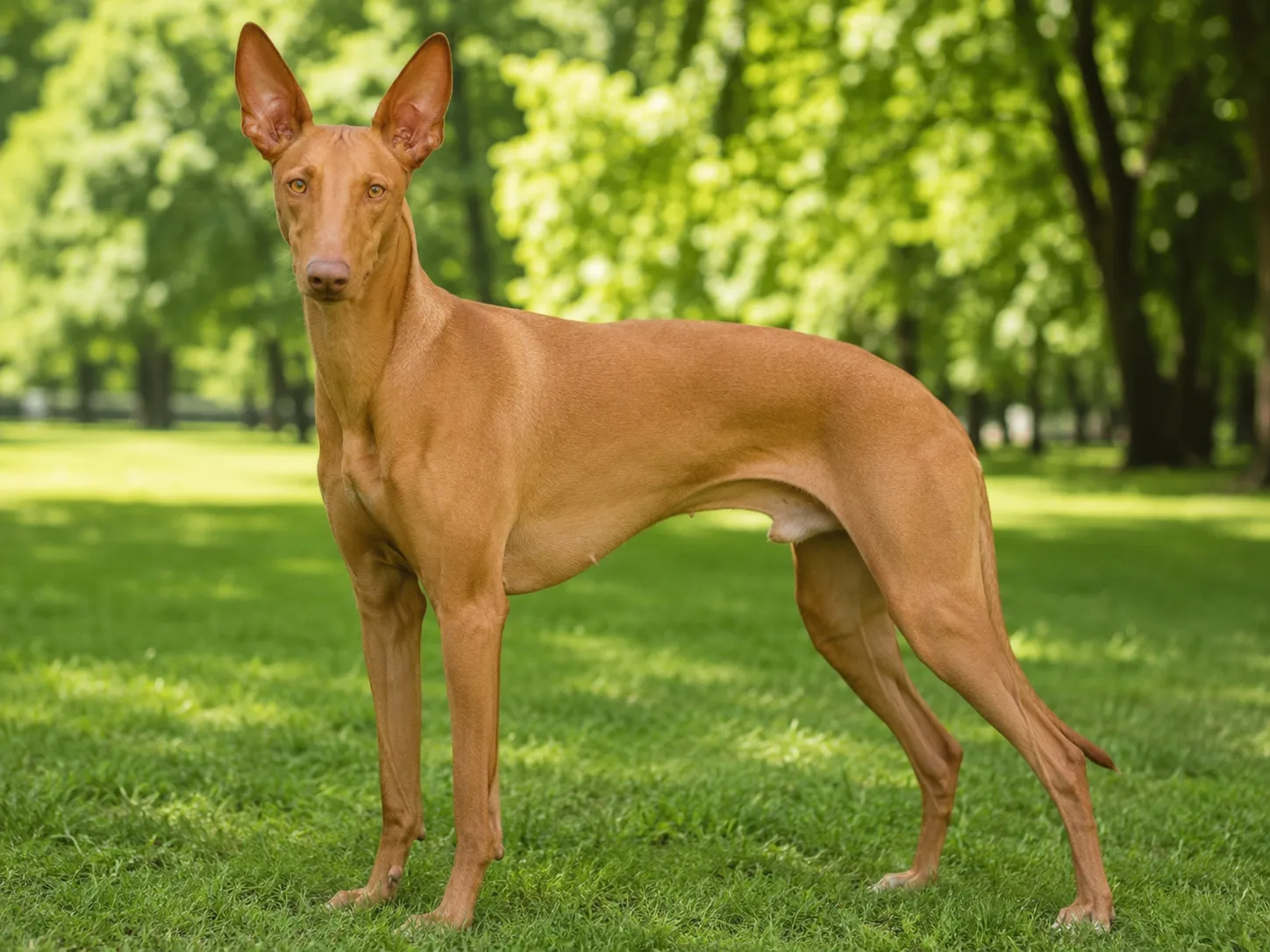 Pharaoh HoundMedium • Hound (Sighthound type)
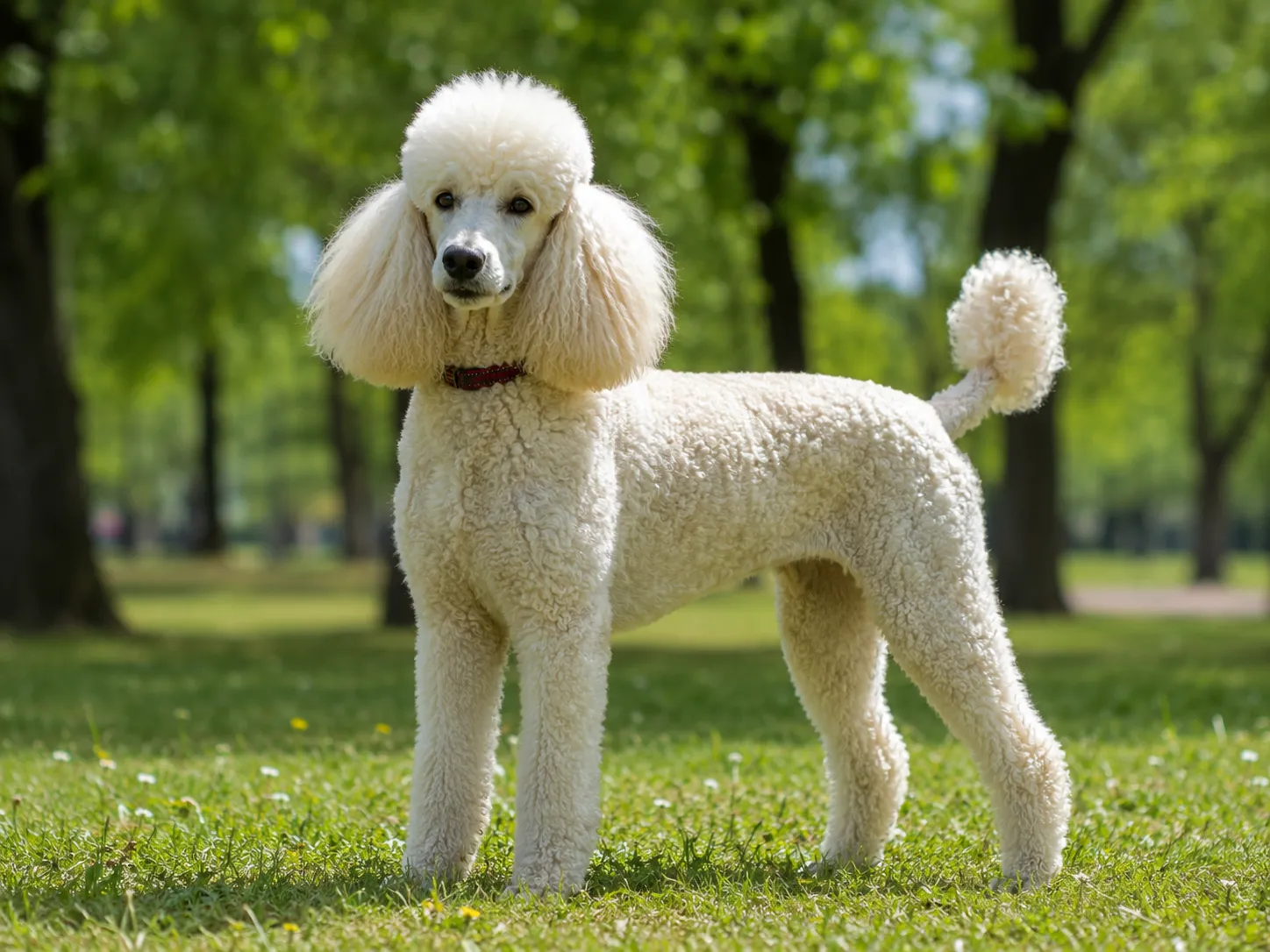 PoodleMedium • Non-Sporting Group (Utility Group in Australia)
 SchnoodleLarge • Companion (Poodle x Schnauzer cross)
 Australian BulldogsMedium • Companion
 Bichon FriseSmall • Companion
 Boston TerrierSmall • Non Sporting (Group 7)