Australian Bulldogs
By James C. • Updated
The Australian Bulldog is a sturdy, affectionate companion bred in Queensland to cope with Australian heat better than the English Bulldog. It is calm at home, playful with its family and needs only moderate exercise, but it hates being left alone for long.
Breed Overview
Life Span
12 - 15 years
Average Price
AUD 3000 - AUD 5000
Weight
Male: 28 - 38 kg Female: 24 - 30 kg
Height
Male: 45 - 52 cm Female: 43 - 30 cm
Life Expectancy
Male/Female: 12 - 15 years
Breed Group
Companion
Nicknames
Aussie Bulldog, Australasian Bosdog
Breed Information
The Australian Bulldog was built for this country on purpose. Breeders in Queensland started work on it in the 1990s, aiming to keep the loyalty and strength of the traditional bulldog while giving it better athleticism, better heat tolerance and better health.
It is a solid, thickset, powerful dog. What owners talk about most, though, is how affectionate it is. Aussie Bulldogs attach themselves firmly to their people and would much rather be on the couch with you than out in the yard on their own.
This is a good fit for a household that wants a calm, confident family dog with moderate exercise needs. It adapts to most homes but settles best with a steady routine, consistent training and plenty of daily contact.
Be ready for some stubbornness, especially in training. Early socialisation, clear rules and patience matter. Get those right and you'll have a steady, loyal dog that copes with Australian conditions far better than its English cousin.
Characteristics: What Living With an Australian Bulldog Is Really Like
The table below gives a quick picture of how an Aussie Bulldog fits into a typical Australian household.
| Characteristic | Rating | Star Rating (★ out of 5) | What This Means for You |
| Size | Large | ★★★★☆ | Solid and heavy. Needs room to move, even indoors. |
| Adaptability | Very Good | ★★★★☆ | Copes in an apartment or a house if it gets exercise and company. |
| Exercise Needs | Moderate | ★★★☆☆ | Daily walks and play are enough. No marathon sessions required. |
| Easy to Train | Moderate | ★★★☆☆ | Bright but stubborn. Consistent, reward-based training works best. |
| Amount of Shedding | Moderate | ★★★☆☆ | Short coat sheds all year. Regular brushing keeps it under control. |
| Grooming Needs | Low | ★★☆☆☆ | Easy coat, but skin folds need regular cleaning. |
| Good With Children | Very Good | ★★★★☆ | Usually gentle and patient. Best with older children. |
| Health of Breed | Moderate | ★★★☆☆ | Healthier than the English Bulldog, but joints and breathing need watching. |
| Cost to Keep | Moderate | ★★★☆☆ | Middle-of-the-road costs for food, vet care and insurance. |
| Tolerates Being Alone | Low | ★★☆☆☆ | Very people-focused. May get anxious if left alone too often. |
| Intelligence | Above Average | ★★★★☆ | Learns quickly when motivated and enjoys games and enrichment. |
If you want a steady, affectionate dog that loves family life and only needs moderate activity, this breed deserves a close look.
History of the Australian Bulldog: Bred for Australian Conditions and Family Life
The Australian Bulldog is a modern breed, developed in Queensland during the 1990s as a healthier, more heat-tolerant alternative to the English Bulldog. Pip Nobes led the work, crossing English Bulldogs with Australian pig-hunting dogs of bull terrier origin. The goal was to keep the Bulldog's loyal nature while improving athleticism, breathing and resilience in hot weather.
The English Bulldog started out in England as a bull-baiting dog and was reshaped into a companion after the practice was banned in the 19th century. It stayed loyal and affectionate, but in Australia it struggled with heat and inherited health problems. That gap is what the new breed set out to fill.
The result was taller, more athletic and structurally sounder, with fewer extreme features. National attention came in 1998, when the breed appeared on Burke's Backyard as a healthier family Bulldog. Interest took off. The United Aussie Bulldog Association (UABA) formed in 2003 and the Australian Bulldog Society (ABS) followed in 2004.
The breed is well known around the country but is not yet formally recognised by Dogs Australia (ANKC). Breeders continue to refine it with health, temperament and family suitability as the priorities. It is a genuinely Australian branch of the Bulldog family tree.
Appearance of the Australian Bulldog: Strength, Balance, and Climate-Adapted Design
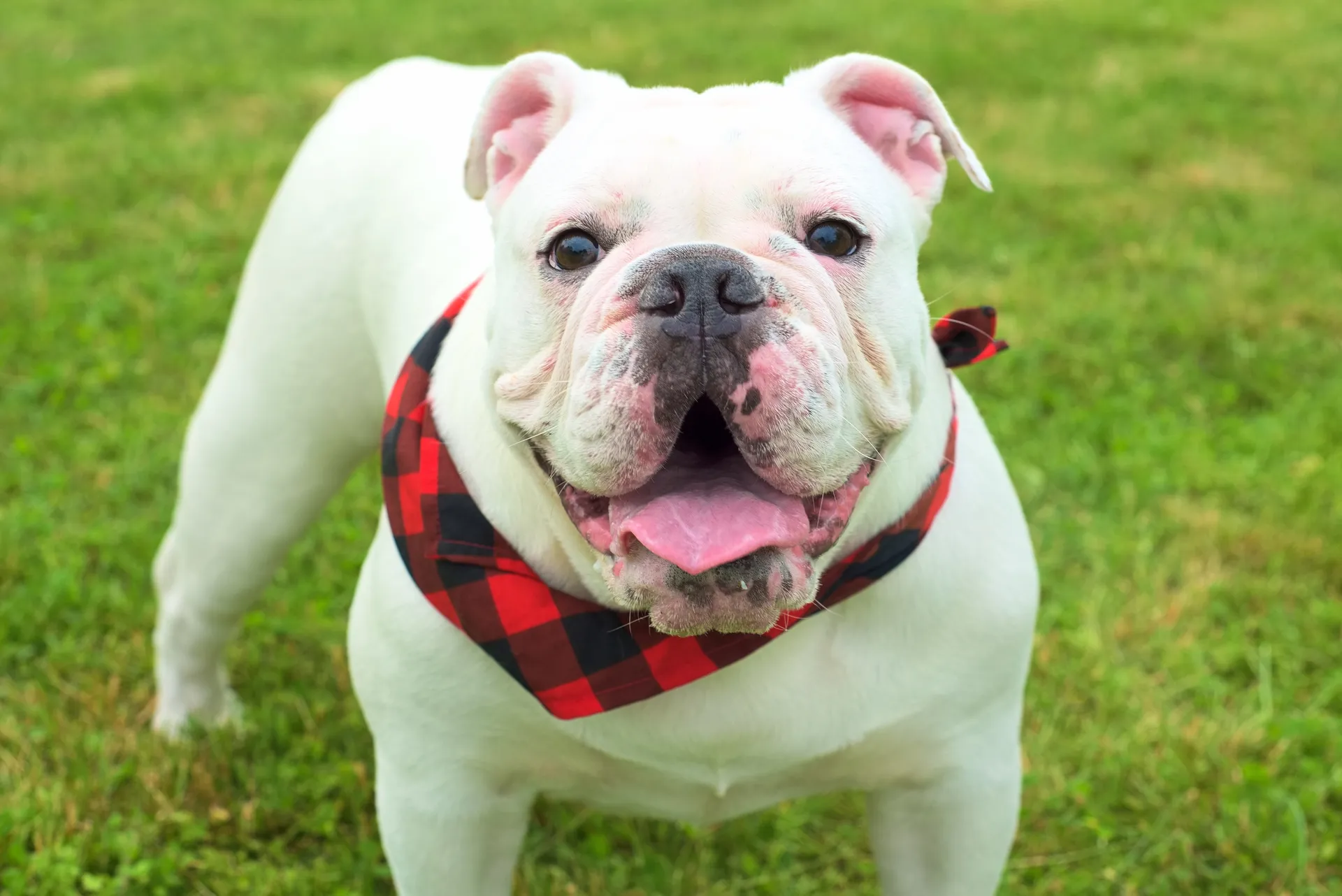
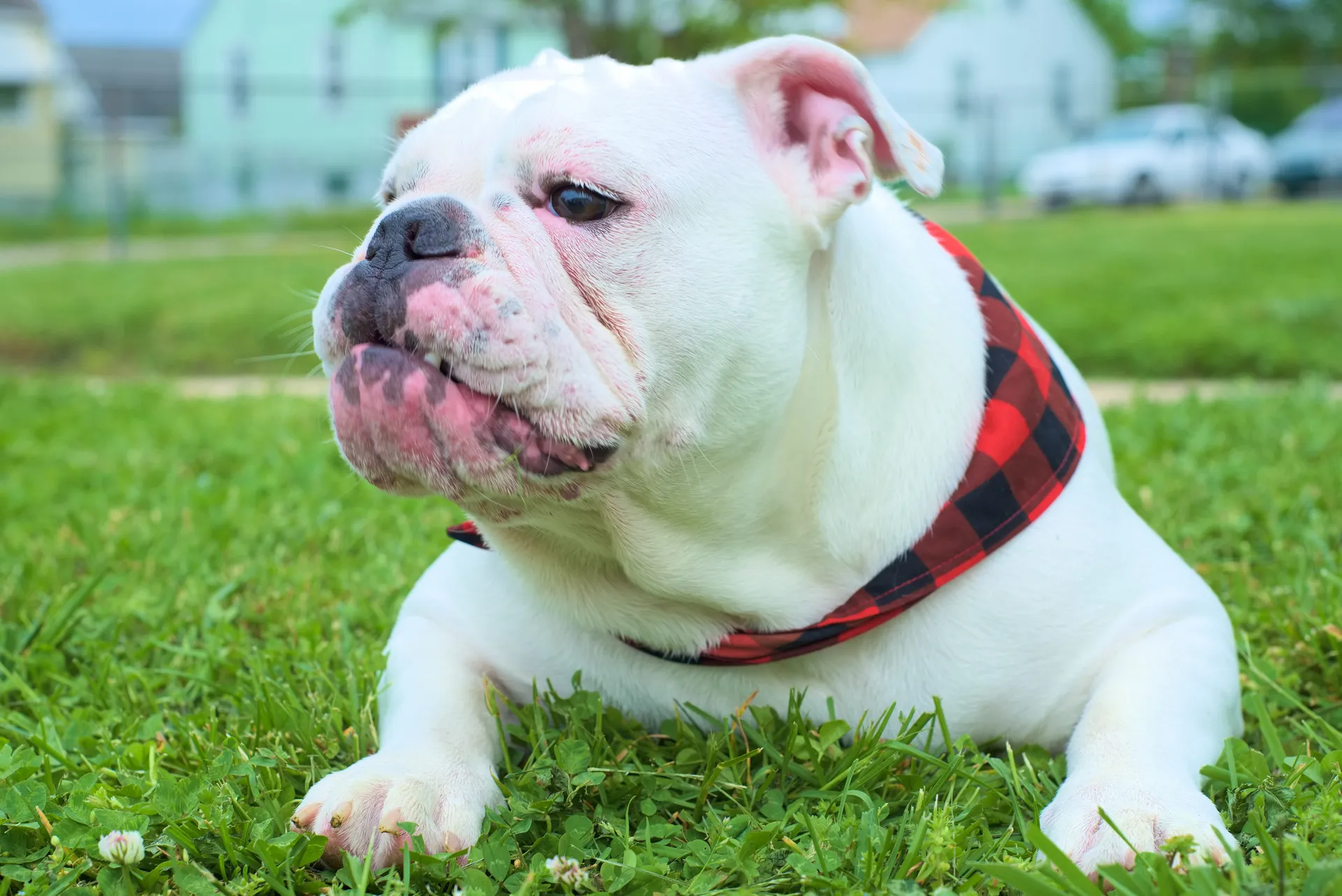
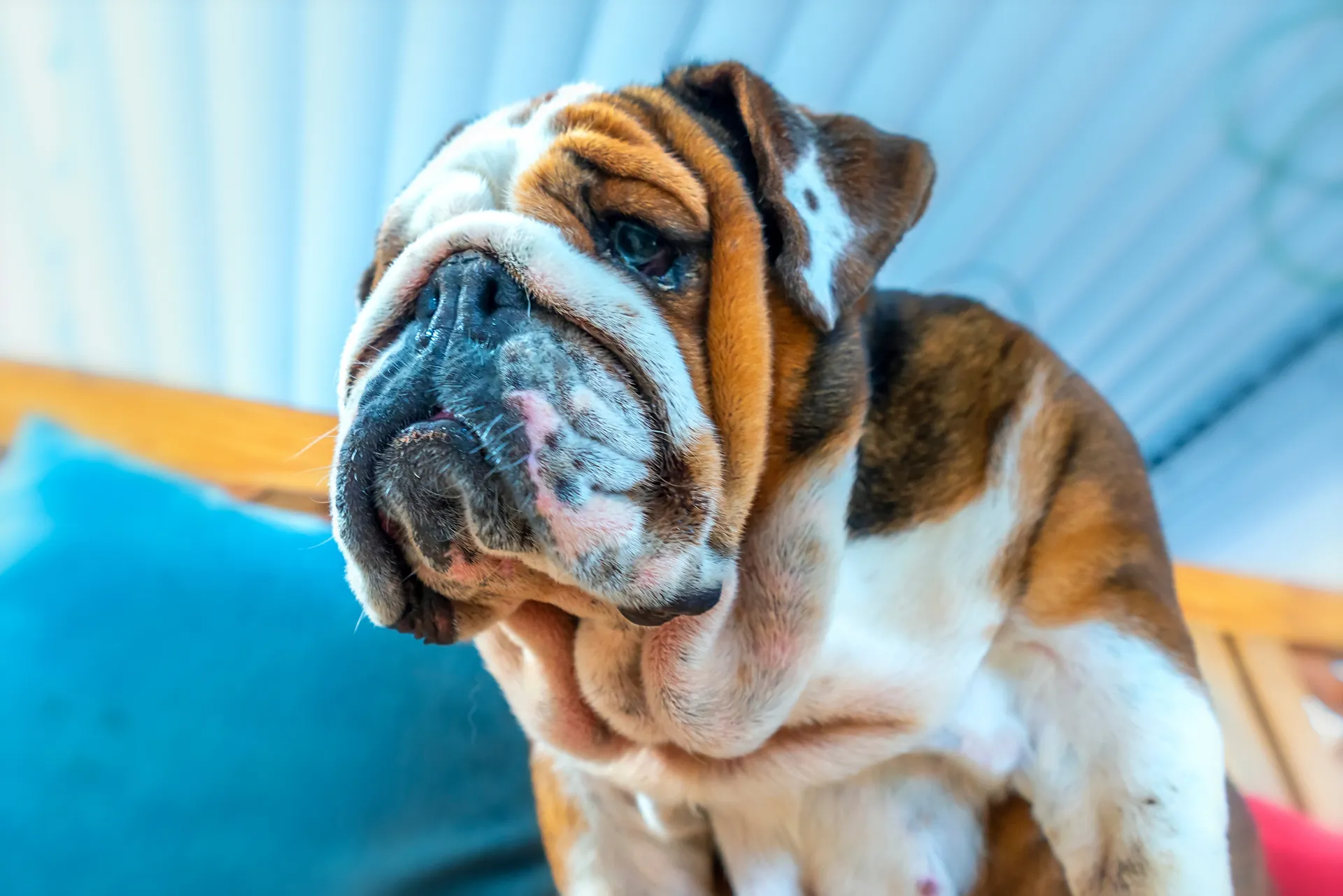
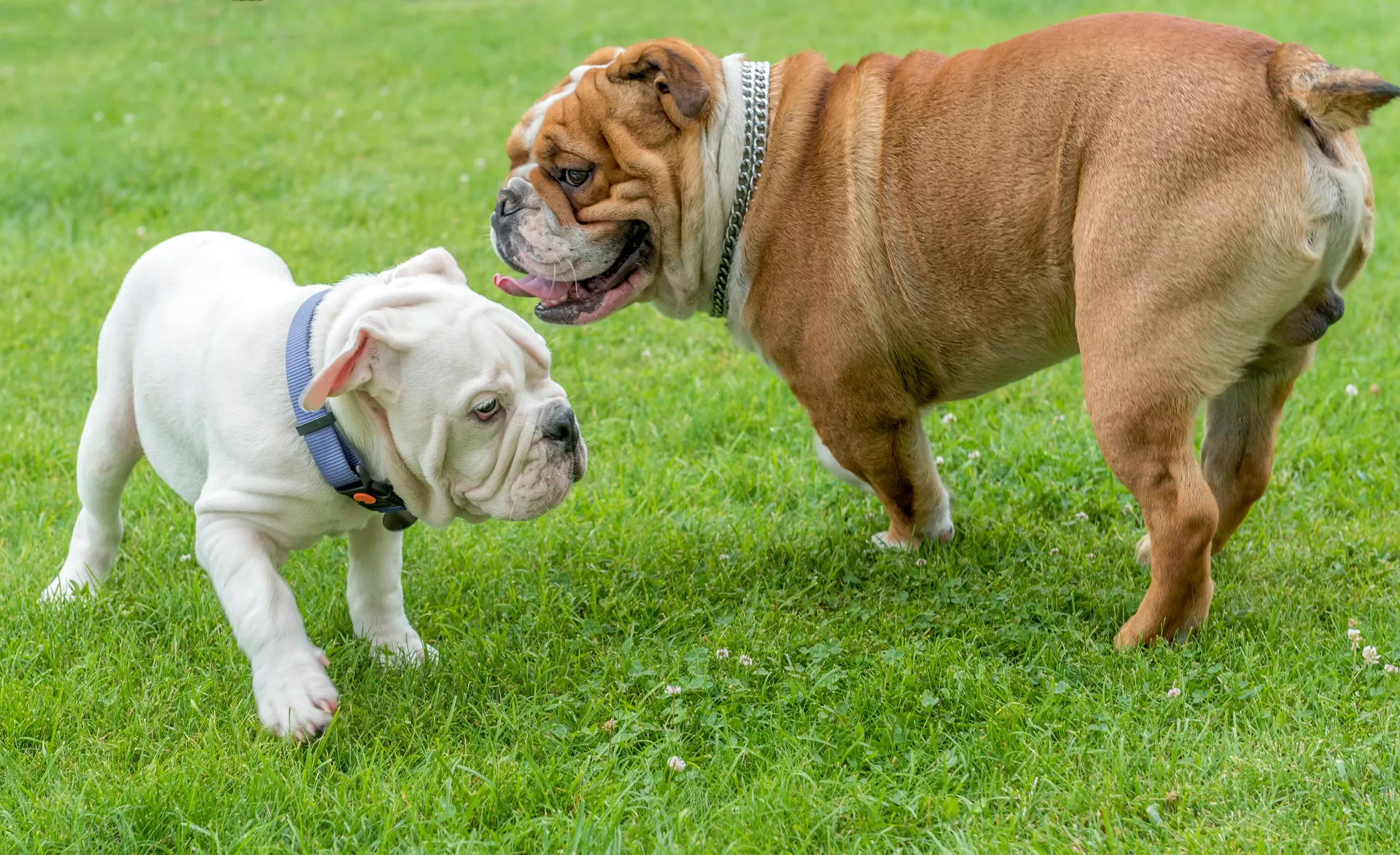
An Aussie Bulldog keeps the classic Bulldog look but carries it on a more mobile, athletic frame. Think strong rather than squat.
Size, Weight, and Build
The breed is thickset but well proportioned, with a compact body that balances muscle and agility.
- Males: 28 to 38 kg, 43 to 52 cm tall
- Females: 24 to 30 kg, 43 to 50 cm tall
The chest is deep and broad, the shoulders heavily muscled and the legs sturdy. Unlike some bulldog types, it isn't built low to the ground, so it moves more freely and has better stamina.
Head Structure and Facial Features
The head is large, square and strong, but in proportion. The muzzle is short and broad with a slight turn-up, yet noticeably longer than an English Bulldog's, which helps with breathing. There are loose folds across the nose and face, though not excessive ones. The eyes are wide-set and expressive, and the small ears sit wide apart and fold neatly.
Coat Type and Accepted Colours
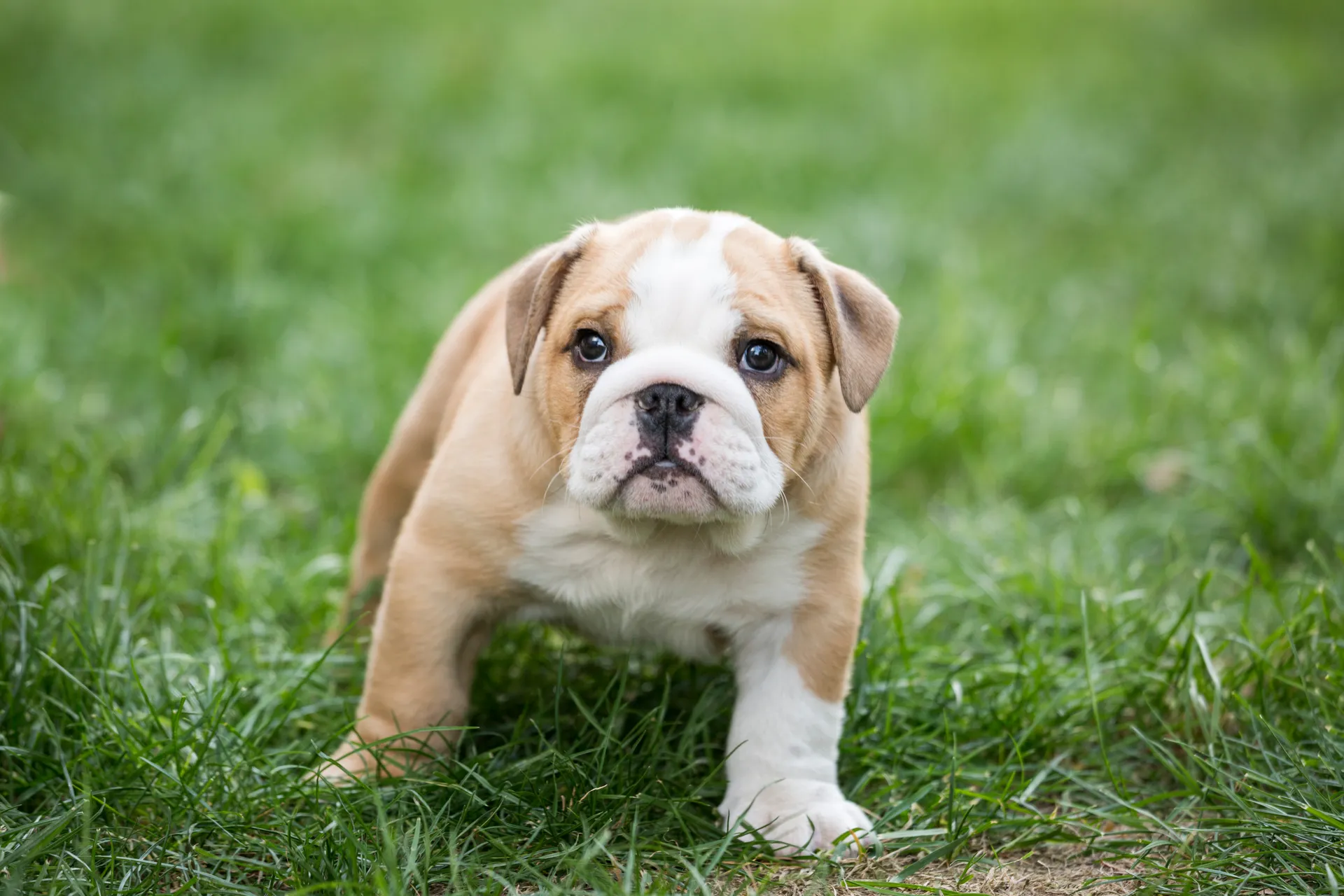
The coat is short, smooth and tight to the body, which makes it easy to look after and suits a warm climate. Accepted colours include:
- Red and white
- Fawn and white
- Brindle and white, including variations
Dark pigment around exposed skin is preferred because it lowers the risk of sun-related skin problems. Under the Australian sun, that matters.
Movement, Posture, and Presence
The gait is confident and balanced, powerful without looking heavy. The topline stays level on the move. You see a strong, capable dog built for companionship but still able to get around.
Temperament of the Australian Bulldog: Loyal, Calm, and People-Oriented
This is a gentle, grounded dog inside a muscular body. Owners usually describe theirs as relaxed at home and happiest when included in whatever the family is doing.
Core Personality Traits That Define the Breed
Aussie Bulldogs are confident, good-natured and quick to read their owners' moods. They prefer closeness to independence. There is a stubborn streak, but it is usually mild and easy to manage with a consistent routine. Most are calm and patient rather than demanding or reactive.
Social Behaviour With People and Other Animals
Well-socialised dogs are generally friendly with visitors, children and other dogs. They aren't naturally aggressive or territorial. Any protectiveness tends to look like alertness, not confrontation. Raised with other pets, they usually get along, as long as introductions are structured and supervised.
Companion Instincts Over Working Drive
Unlike many bulldog types, this breed was made for companionship, not guarding or work. It doesn't usually show strong prey drive or intense protective instincts. What it wants is routine, connection and downtime with its family. Leave it out of things for long periods and it is visibly unhappy.
Common Behavioural Challenges to Be Aware Of
Inconsistent training can make an Aussie Bulldog stubborn or switched off. Because they are so attached to people, many show early signs of separation anxiety in dogs when left alone too often. Boredom can lead to restlessness or mild destructive habits. Clear boundaries, gentle leadership and regular engagement keep them settled.
Intelligence and Trainability of the Australian Bulldog: Willing, Capable, and Consistent
The Aussie Bulldog is smart and keen to please its people, but it isn't a driven working dog. It learns best through patience and clear expectations. Engagement and trust count for more than repetition.
Puppy Training Priorities That Build Strong Foundations
Focus on socialisation, basic obedience and impulse control first. If you're weighing up when to start obedience training in puppies, start as soon as your pup comes home. Introduce plenty of people, places, sounds and dogs to build confidence. Sit, stay, recall and loose-lead walking are especially important. A 35 kg adult that pulls is hard work.
Training Methods That Suit the Breed Best
Use positive reinforcement: food, praise and calm encouragement. Keep sessions short and structured. Harsh corrections tend to make this breed dig its heels in and trust you less.
Mental Stimulation and Learning Capacity
Even a laid-back breed needs something to think about. Puzzle toys, scent games and quick training refreshers keep an Aussie Bulldog content. Mixing training with play usually works better than formal drills.
Common Training Mistakes to Avoid
Mixed signals confuse this breed and feed the stubborn streak. Bad habits allowed in puppyhood often turn into common puppy behaviour problems that are much harder to fix in an adult. Calm leadership, clear rules and early rewards for good behaviour give you a reliable, well-mannered dog.
Australian Bulldog and Family Life: Children, Pets, and Household Dynamics
Aussie Bulldogs are made for family life, provided the household has some structure and plenty of company to offer.
Suitability With Children of Different Ages
They usually suit families with older children who know how to behave around a big, strong dog. They are patient by nature but can be boisterous in play. With toddlers, a playful shoulder barge can knock a small child flat without any bad intent, so supervision is essential.
Teaching Children Safe and Respectful Interaction
Teach kids not to climb on, pull or disturb the dog while it is resting or eating. Calm, supervised contact builds trust. Simple house rules about play help the relationship stay positive as the children grow.
Living With Other Dogs and Household Pets
With early and ongoing socialisation, most Aussie Bulldogs live well with other dogs. Some individuals show same-sex dominance, so introduce new dogs carefully. Take extra care with small pets, as some still have a little chase instinct left over.
Creating a Balanced Home Environment
A steady routine, secure outdoor space and daily attention are the basics. Long stretches alone don't suit this breed and can lead to separation-related behaviour. A calm, structured home keeps an Aussie Bulldog relaxed and settled.
Health of the Australian Bulldog: Lifespan, Common Conditions, and Preventive Care
The breed was created to be healthier than traditional bulldogs, and in general it is. It still has some health points every owner should know about.
Average Lifespan and Health Outlook
Australian Bulldogs typically live 10 to 12 years. Good food, weight control and routine vet care help many reach the top of that range. The slightly longer muzzle reduces some of the risks seen in extreme brachycephalic breeds, but breathing still needs watching.
Common Breed-Related Health Conditions
Aussie Bulldogs may be prone to hip and elbow dysplasia, particularly if overfed or over-exercised while growing. As a brachycephalic breed, they can have breathing difficulties in hot or humid weather, and they may be at risk of heatstroke indoors as well as outside. Obesity, dental disease and occasional skin problems linked to folds or sensitivities are also worth discussing with your vet.
Importance of Health Testing and Responsible Breeding
Good breeders screen their dogs and plan pairings carefully. Testing joints and keeping structure sound reduces inherited problems. Ask for health information on both parents, and avoid any breeder chasing exaggerated features.
Preventative Care and Long-Term Health Management
Prevention does most of the work here. Book regular vet checks, keep up parasite control and dental care, and weigh your dog often. Match exercise to age and condition and never push it on a warm day. Spotting joint or breathing problems early gives you better options.
Pet Insurance and Financial Planning
Joint and breathing treatments can be costly, so pet insurance is strongly recommended. Good cover makes unexpected bills easier to manage, especially in the senior years.
Caring for the Australian Bulldog: Daily Needs, Home Environment, and Long-Term Comfort
Day-to-day care is about comfort, company and keeping the dog cool. None of it is complicated, but it does need to be consistent.
Daily Care Routines That Support Balance and Behaviour
Build the day around short walks, some structured play and a bit of brain work. Regular time with the family stops boredom and separation-related behaviour. Check skin folds, eyes and mouth daily so small problems are caught early.
Ideal Living Environment for a Heat-Sensitive Breed
Houses and apartments both work if the dog gets enough exercise and attention. Any outdoor area needs secure fencing. Shade, airflow and a cool spot indoors are non-negotiable, and on a humid Brisbane afternoon an air-conditioned room is the safest place for this dog.
Seasonal Care Adjustments Throughout the Year
In summer, walk early in the morning or after dark and keep fresh water available at all times. In winter, a warm bed in a draught-free spot is appreciated, particularly by older dogs.
Senior Care and Comfort as the Dog Ages
For seniors, focus on joint support, weight control and low-impact exercise. Orthopaedic bedding, shorter walks and more frequent vet visits all help keep an older Aussie Bulldog comfortable and mobile.
Grooming the Australian Bulldog: Coat Care, Hygiene, and Skin Health
The coat is easy. The skin is where the effort goes, because this breed can be prone to sensitivities, and regular grooming is how you spot trouble early.
Coat Type, Shedding, and Brushing Routine
The short, close-lying coat sheds moderately all year. Brush two to three times a week with a soft-bristle brush or grooming mitt to lift loose hair and spread natural oils.
Bathing and Skin Care Best Practices
Bath every six to eight weeks, or sooner after a roll in something unpleasant. Use a mild, dog-specific shampoo so the skin doesn't dry out. Clean the skin folds gently and dry them thoroughly, because trapped moisture leads to irritation and infection.
Nail, Ear, and Dental Hygiene
Trim nails every four to six weeks to protect posture and comfort. Check ears regularly for wax or redness and clean gently when needed. Teeth deserve extra attention, as the breed may be prone to gum disease and other dog dental disease symptoms. Daily brushing or regular dental chews help.
Common Grooming Challenges to Watch For
Skin allergies, irritation and hotspots are the usual problems. Shedding may pick up a little with the seasons. If redness, itching or an odd smell hangs around, have your vet take a look.
Exercise Needs of the Australian Bulldog: Balanced Activity for Strength and Wellbeing
Moderate, regular exercise keeps an Aussie Bulldog at a healthy weight, protects its joints and keeps it mentally settled. It doesn't need much, but it does need it every day.
Daily Exercise Requirements and Time Commitment
Most need 20 to 40 minutes a day, split between short walks and gentle play. That keeps muscle tone up without straining joints or breathing.
Suitable Activities That Match the Breed's Energy Level
Lead walks, interactive games, a bit of fetch and basic obedience work all suit the breed. Puzzle toys and short training sessions add useful mental work.
Exercise Safety and Environmental Considerations
The brachycephalic face makes heat a real risk. Exercise in the cool parts of the day and stop often for water. Skip high-intensity games, long runs and anything strenuous in hot or humid weather.
Mental Stimulation to Support Behaviour and Confidence
Brain work counts too. Rotate toys, practise commands and introduce new places gradually to keep your dog engaged and confident.
Feeding the Australian Bulldog: Nutrition, Portions, and Weight Control
Diet has a direct effect on this breed's joints and breathing. A lean Aussie Bulldog is a more comfortable one.
Nutritional Requirements for a Strong, Stocky Breed
Choose a quality diet rich in animal protein to maintain muscle. Moderate fat gives steady energy, and controlled carbohydrates help prevent weight gain. Omega-3 fatty acids are particularly useful for joints, skin and inflammation.
Feeding Schedules for Puppies and Adults
Puppies usually need three to four meals a day, moving to two measured meals once mature. Regular mealtimes help digestion.
Special Dietary Considerations to Be Aware Of
Some Aussie Bulldogs may be prone to food sensitivities and weight gain, so a simple or limited-ingredient diet suits some dogs. Keeping the dog lean is especially important for a brachycephalic breed, because extra weight strains both breathing and joints.
Weight Management and Portion Control
Adjust portions for age, activity and desexing status. Check body condition regularly. Obesity can seriously affect mobility, breathing comfort and lifespan.
Australian Bulldog Price and Ongoing Costs: What Ownership Really Involves
The price of the puppy is the smaller part of the bill. Most of what you'll spend comes later.
Purchase Price From Ethical Australian Breeders
A puppy from a reputable Australian breeder typically costs $3,000 to $5,000 AUD. That reflects health screening, ethical breeding, early socialisation and breeder support. Be cautious of puppies advertised well below this range.
Initial Setup Costs to Expect
Budget for bedding, bowls, a lead, collar or harness, toys, grooming tools and puppy-proofing. Add vaccinations, microchipping, desexing and council registration.
Ongoing Monthly and Annual Expenses
Size and health needs make the Aussie Bulldog moderately expensive to keep. Ongoing costs typically include:
- Food: quality diets suited to large, muscular dogs
- Veterinary care: routine check-ups, vaccinations, parasite prevention and dental care
- Pet insurance: strongly recommended because of joint and breathing risks
- Grooming: little coat work, but regular hygiene and nail care
Lifetime Cost Considerations
Over a 10 to 12 year life, total costs can run from $12,000 to $18,000 AUD, depending on health needs and insurance. Set money aside for unexpected vet treatment. With this breed, it is likely to be needed at some point.
Buying Advice for the Australian Bulldog: Choosing Responsibly and Ethically
Where your puppy comes from shapes its health and temperament for life, so take your time.
How to Identify Ethical Australian Bulldog Breeders
Good breeders care about health, temperament and the breed, not volume. They have a few litters, raise puppies in the home and welcome questions. Expect openness, a chance to meet the parents and paperwork covering vaccinations, microchipping and early care. Go in with your own questions to ask a dog breeder.
Verifying Health Testing and Breeding Standards
Responsible breeders screen for hip and elbow dysplasia, brachycephalic concerns and other inherited conditions relevant to the breed. Ask to see the results. If the breeder can't explain their health testing or breeding choices, move on.
Selecting a Puppy With the Right Temperament
Look for a pup that is confident, curious and keen to engage, with no sign of extreme fear or aggression. Watch how it plays with littermates and reacts to people, and ask how the litter has been socialised. Temperament matters as much as looks.
Contracts, Guarantees, and Buyer Responsibilities
Ethical breeders provide a written contract with health guarantees, a return policy and ongoing support. Many want the dog back if your circumstances change. Walk away from sellers who pressure you, rush you or won't do paperwork, and take extra care if you plan to buy a puppy online safely.
Considering Rescue and Adoption Options
Australian Bulldogs do turn up in rescue, though not often. Adoption suits experienced owners who can help a dog with an unknown past. Breed-specific rescues and reputable adoption platforms are the safest places to start.
Final Thoughts on the Australian Bulldog: Is This Breed Right for You?
The Australian Bulldog is a sturdy, affectionate dog with a calm but playful streak. It was bred for Australian conditions and offers a healthier, more athletic take on the bulldog without losing the devotion and charm.
It suits owners who want a companion, can be around most of the day and will keep up moderate exercise, a routine and consistent training. It does not suit a dog-in-the-backyard lifestyle.
If a gentle, good-natured dog that sticks close to its people sounds right, this breed is an excellent choice. When you are ready, Pups4Sale can help you find ethical breeders and available Australian Bulldogs, or list puppies responsibly yourself.
Frequently Asked Questions
Related Breeds
Other companion breeds on Pups4Sale.
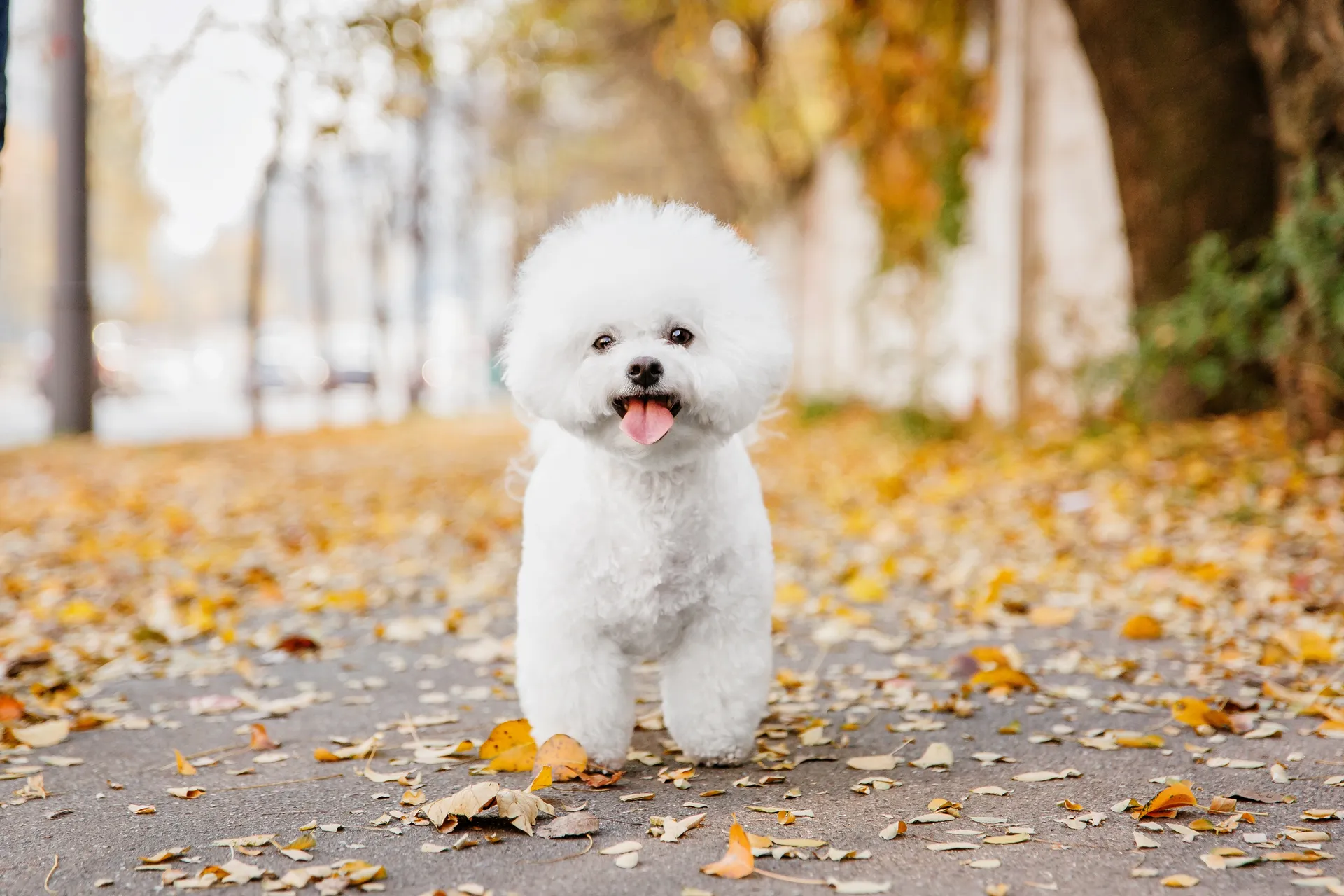 Bichon FriseSmall • Companion
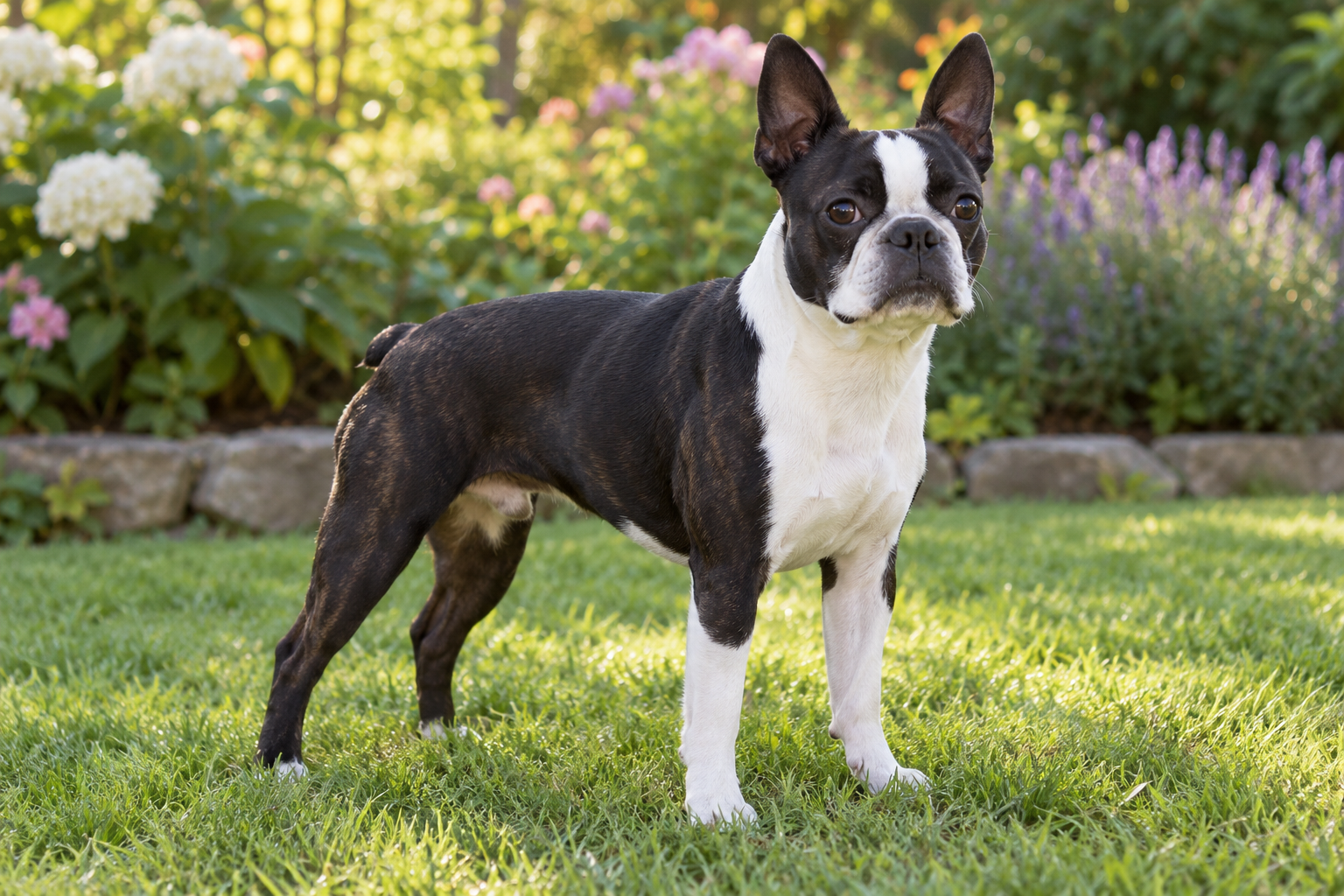 Boston TerrierSmall • Non Sporting (Group 7)
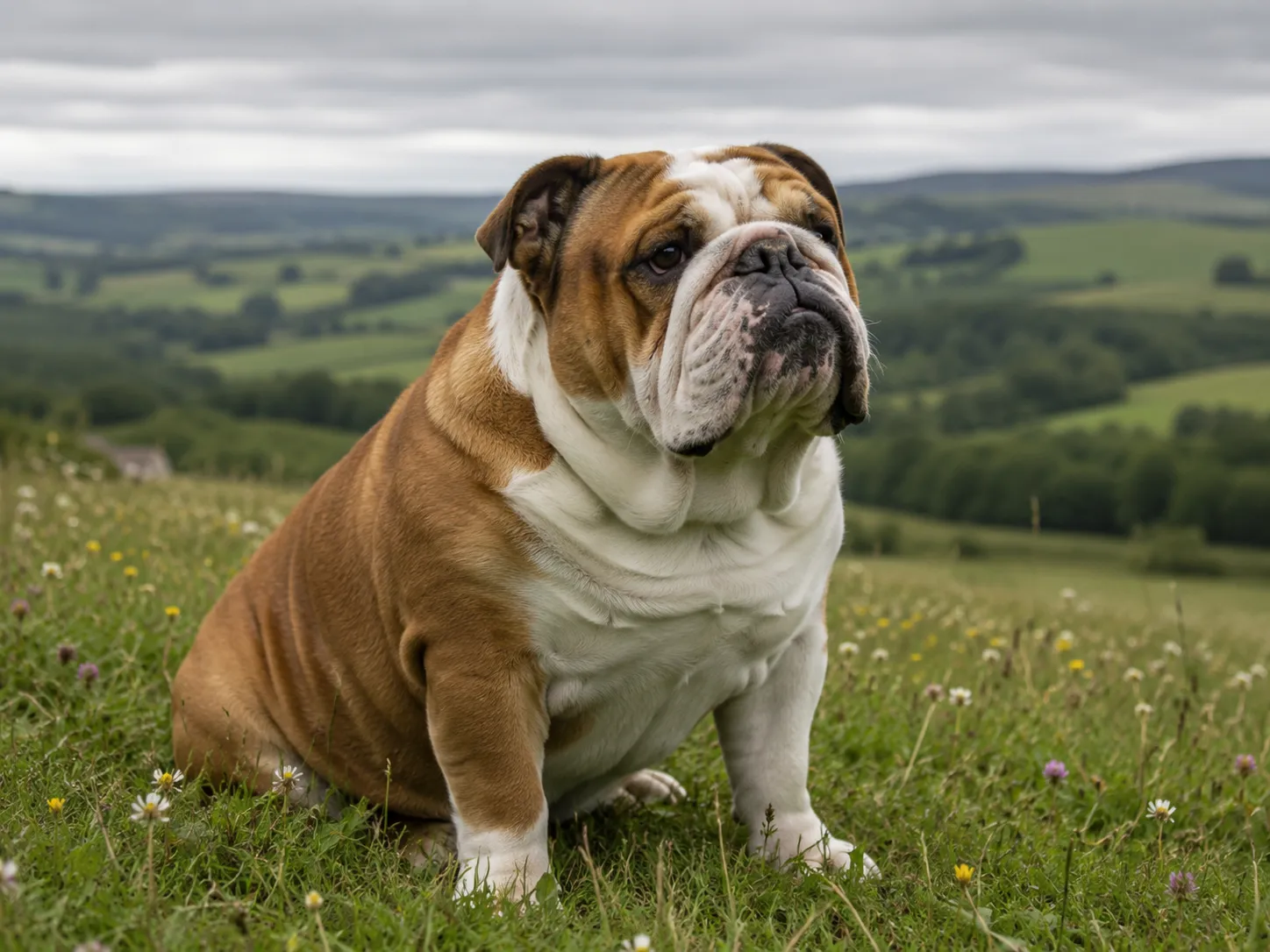 British BulldogMedium • Utility / Companion (Non-sporting)
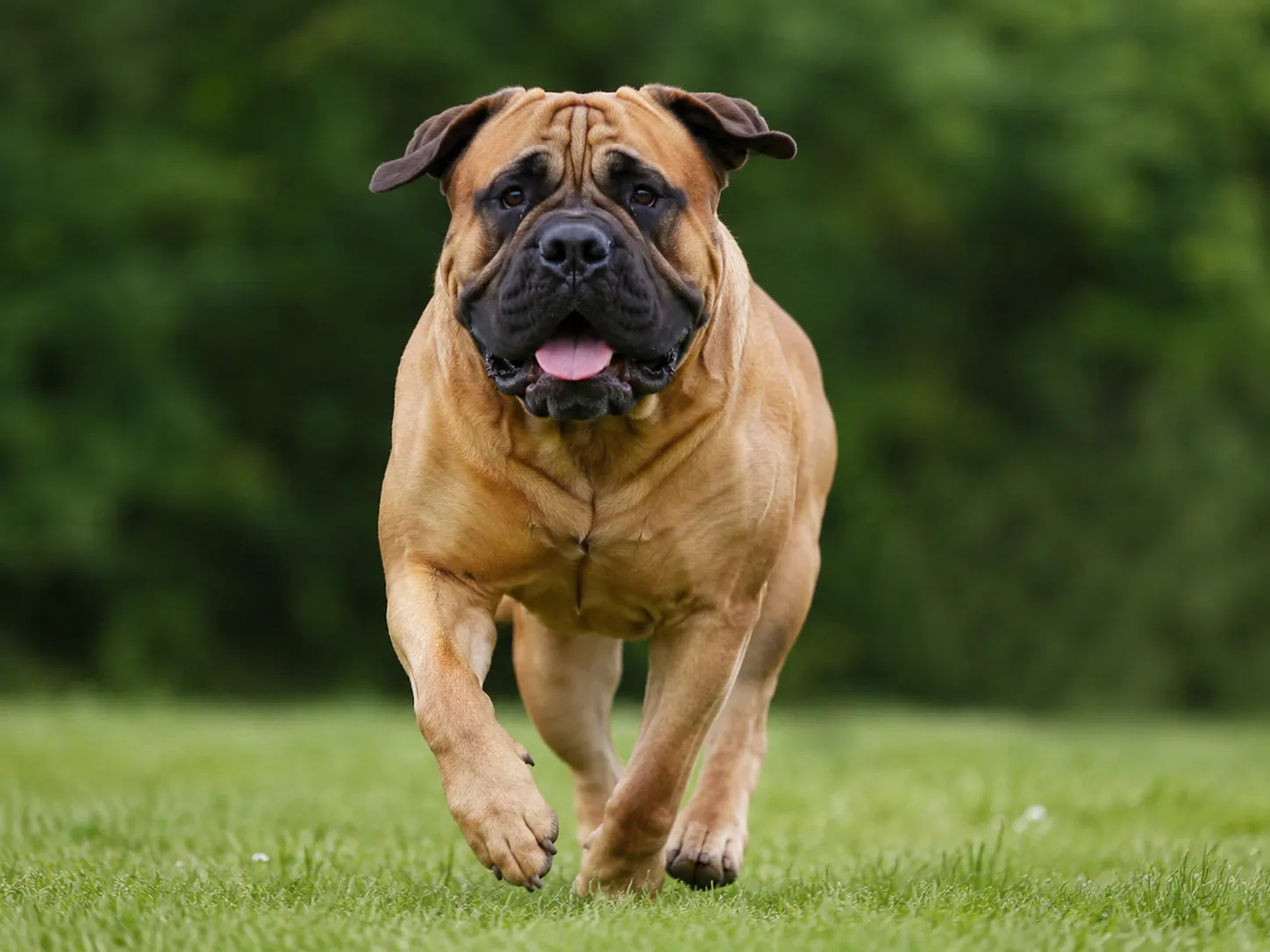 BullmastiffGiant • Working
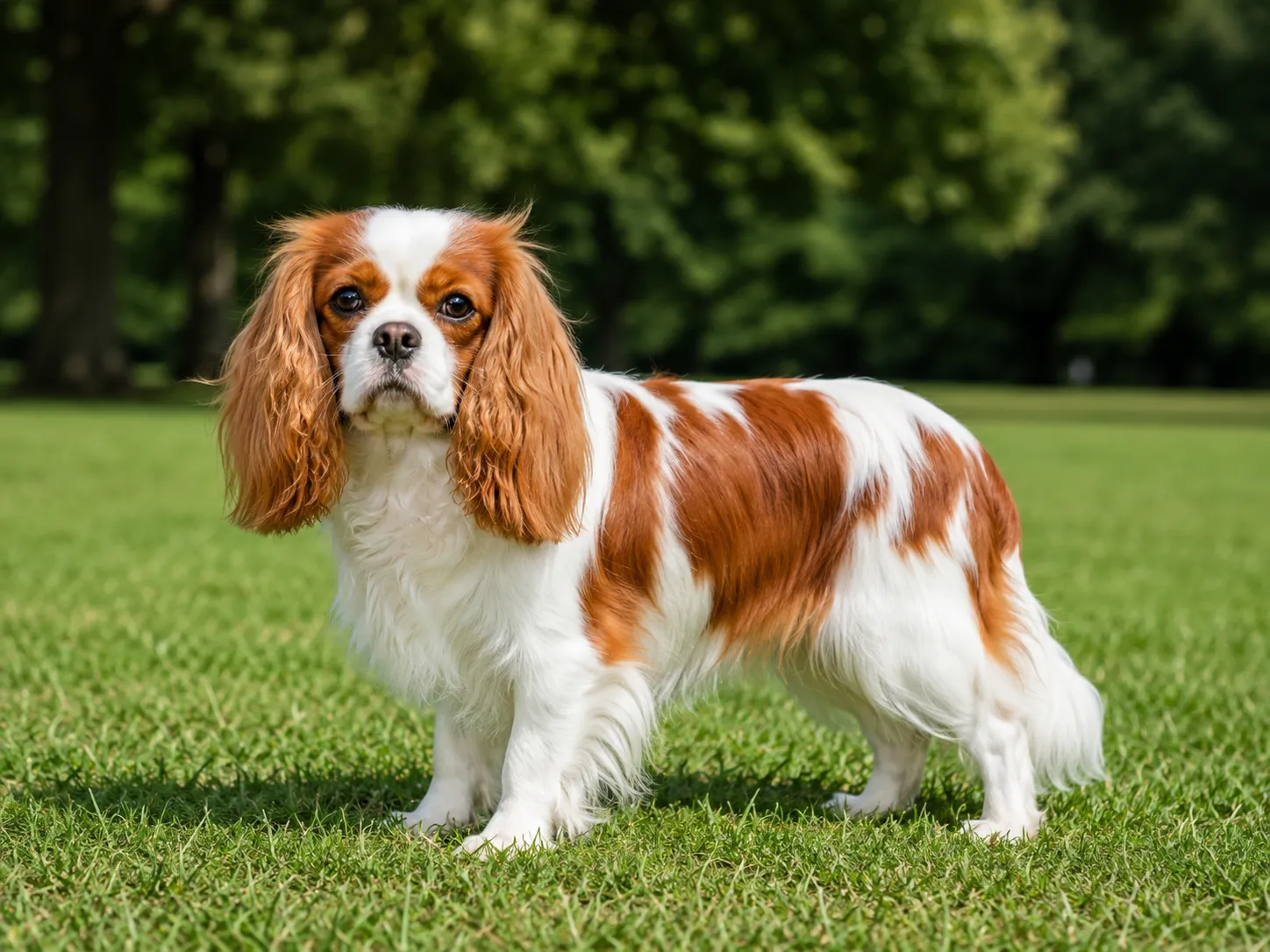 Cavalier King Charles SpanielSmall • Toy
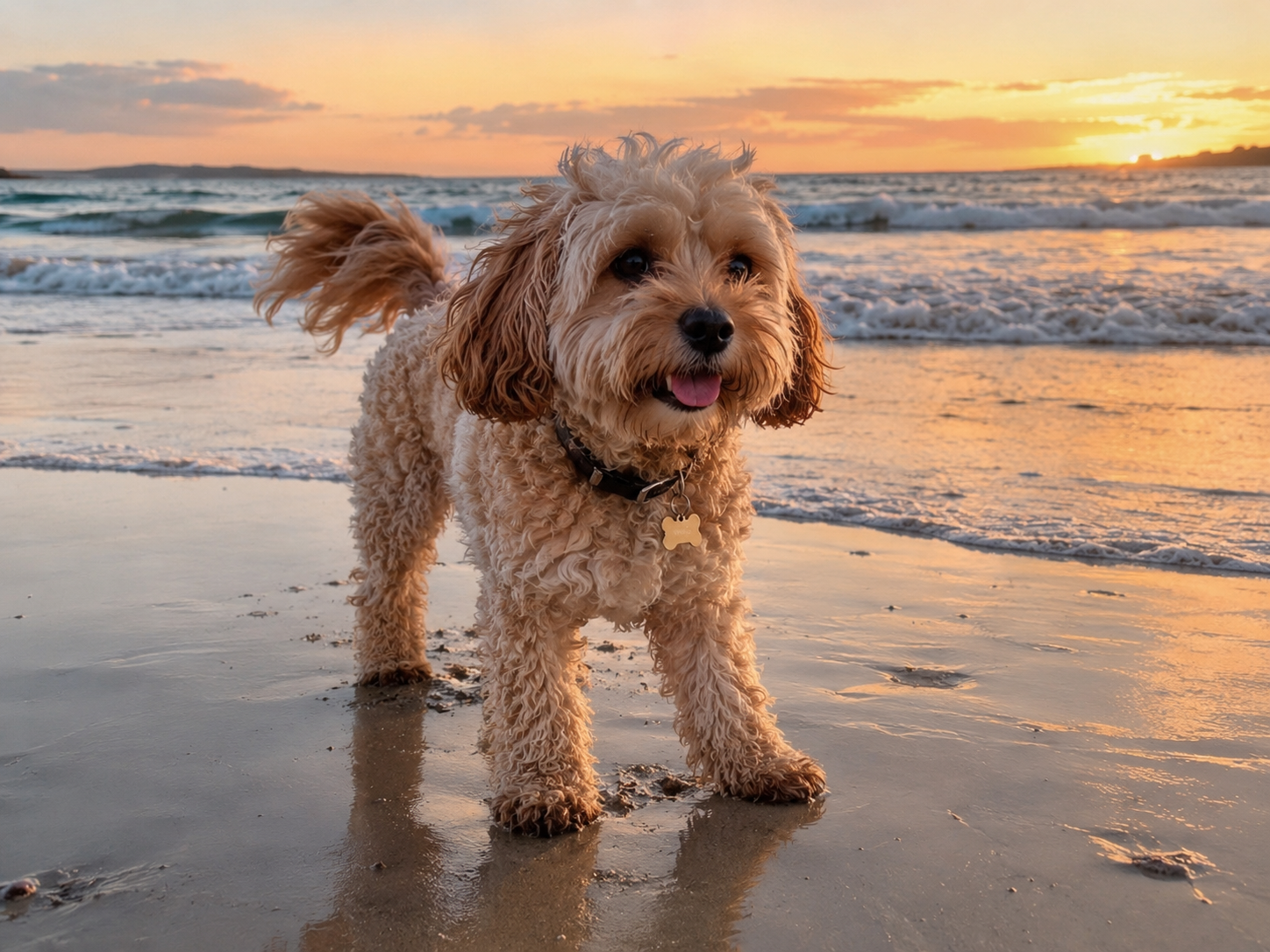 CavoodleSmall • Companion