

Cavalier King Charles Spaniel
By James C. • Updated
See Cavalier King Charles Spaniel puppies for sale
The Cavalier King Charles Spaniel is a gentle, affectionate, and adaptable companion breed originally developed in the United Kingdom as a lapdog for royalty. They are known for their friendly temperament, strong people focus, and suitability for family living. Cavaliers generally get along well with children and other pets and thrive in homes where they receive regular companionship and affection.
Breed Overview
Life Span
10 - 15 years
Average Price
AUD 3000 - AUD 6000
Weight
Male: 6 - 8 kg Female: 5 - 8 kg
Height
Male: 30 - 33 cm Female: 30 - 33 cm
Life Expectancy
Male/Female: 10 - 15 years
Breed Group
Toy
Nicknames
Cavalier, Cav
Breed Information
The Cavalier King Charles Spaniel is a small companion breed known for its affectionate nature, gentle temperament, and strong bond with people. Originally developed as a comfort dog for British nobility, this breed was bred to live closely with humans and remains deeply people focused today. Its combination of elegance and approachability makes it one of the most popular toy breeds in Australian households.
Despite its refined appearance, the Cavalier is not fragile or aloof. It enjoys daily walks, playtime, and outdoor activity, but is equally content relaxing indoors with its family. This balance makes the breed well suited to both apartments and houses, as long as companionship and routine are provided.
Cavaliers are typically friendly with children, other dogs, and visitors, making them an easy fit for social households. However, they do not cope well with long periods alone and thrive best in homes where they are treated as true family members rather than independent pets.
For Australians seeking a loving, adaptable, and emotionally intuitive companion, the Cavalier King Charles Spaniel offers a blend of charm, loyalty, and everyday practicality that few toy breeds can match.
Breed Characteristics
| Trait | Rating | Star Rating | What This Means |
| Size | Small | ★★★★☆ | Compact and lightweight, well suited to apartments and smaller homes. |
| Exercise Needs | Moderate | ★★★☆☆ | Enjoys daily walks and play but does not require intense activity. |
| Easy to Train | High | ★★★★☆ | Eager to please and responsive to gentle, reward-based training. |
| Amount of Shedding | Moderate | ★★★☆☆ | Sheds lightly year round with heavier shedding in spring and autumn. |
| Grooming Needs | Moderate to High | ★★★★☆ | Requires regular brushing and professional grooming every few months. |
| Good With Children | Excellent | ★★★★★ | Naturally gentle, patient, and affectionate with children of all ages. |
| Health of Breed | Moderate | ★★☆☆☆ | Prone to inherited conditions requiring ongoing health monitoring. |
| Cost to Keep | Moderate | ★★★☆☆ | Ongoing costs are manageable but can rise due to health care needs. |
| Tolerates Being Alone | Low | ★★☆☆☆ | Strongly people oriented and may develop separation anxiety. |
| Intelligence | Moderate to High | ★★★★☆ | Learns quickly and enjoys mental stimulation and interaction. |
Cavalier King Charles Spaniel History and Breed Development
The Cavalier King Charles Spaniel descends from small toy spaniels that were popular across European courts from the 16th century onward, and remains one of the most popular companion breeds in Australia. These dogs were bred primarily for companionship, valued for their affectionate nature and their role as comfort dogs in draughty castles and long carriage journeys. Their close bond with people laid the foundation for the breed’s people focused temperament.
The breed’s identity became firmly linked to the English monarchy during the reign of King Charles I and King Charles II. Toy spaniels were a constant presence at court, and King Charles II was particularly devoted to them. This royal association elevated the breed’s status and helped spread its popularity throughout Britain, shaping its elegant appearance and gentle disposition.
During the late 19th century, breeding fashions shifted toward flatter faces and domed skulls, creating what is now known as the King Charles Spaniel. A group of dedicated breeders sought to preserve the earlier type with a longer muzzle and flatter skull, inspired by historical paintings. Their efforts led to the formation of the Cavalier King Charles Spaniel Club in 1928 and formal recognition by The Kennel Club in 1945.
The Cavalier King Charles Spaniel gained strong popularity in Australia during the mid to late 20th century. Its adaptable size, gentle temperament, and suitability for family life helped it become one of the most registered toy breeds nationwide. Today, Cavaliers are well established across Australian homes, valued as affectionate companions rather than working dogs.
Cavalier King Charles Spaniel Appearance and Physical Characteristics
Size, Proportions, and Overall Build
The Cavalier King Charles Spaniel is a small but well-balanced toy breed, combining elegance with surprising sturdiness, and is often shortlisted alongside the Maltese, a smaller companion breed. Adults typically stand between 30 and 33 cm at the withers and weigh around 5.5 to 8 kg, making them compact without appearing fragile. Their body is slightly longer than tall, with a level topline and moderate bone that supports smooth, effortless movement.
Head Shape and Expression
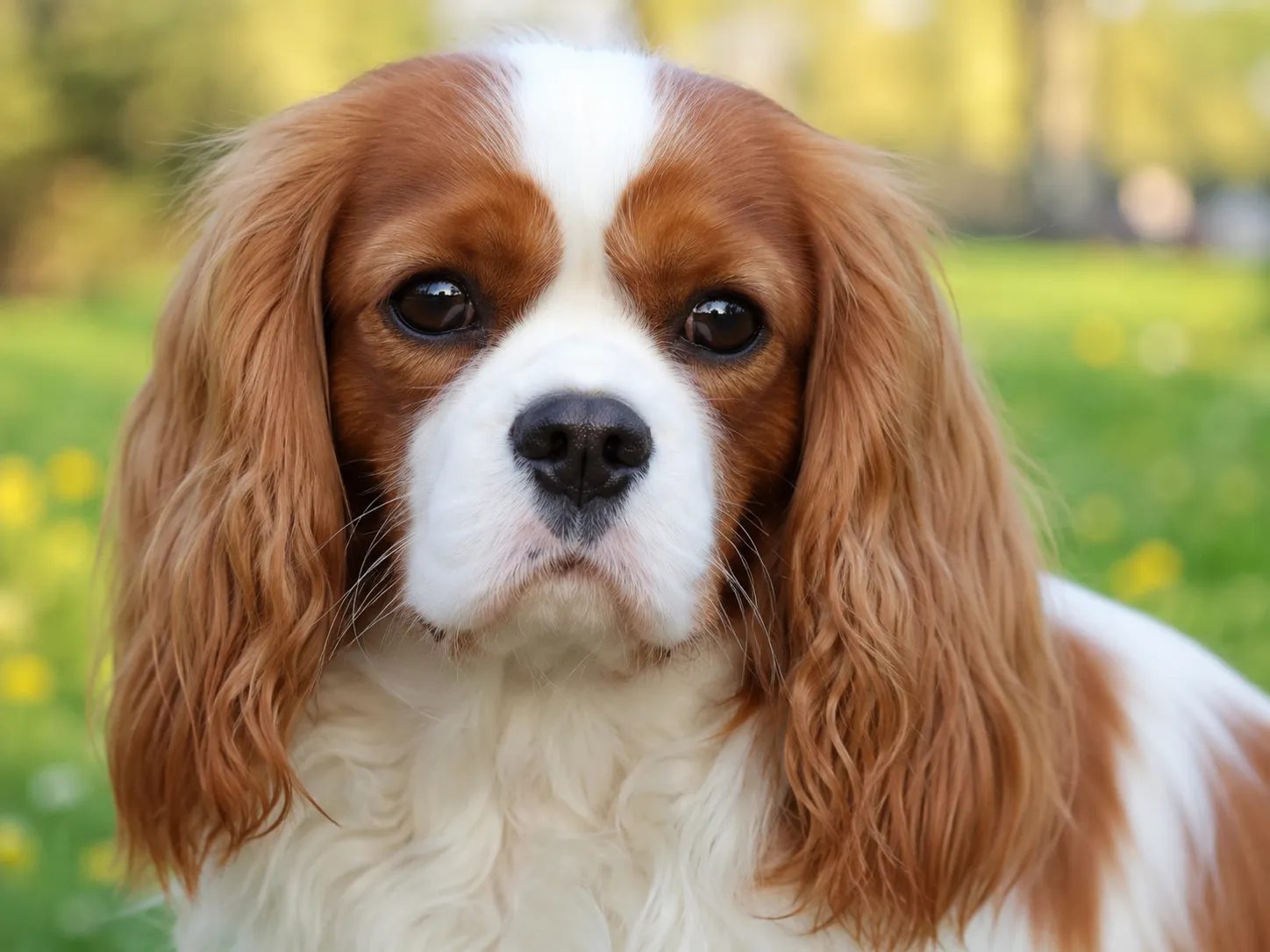
One of the breed’s most defining features is its soft, gentle expression. The skull is flat between the ears with a shallow stop, avoiding the domed shape seen in related toy spaniels. Large, round, dark eyes are set wide apart and give the breed its characteristic affectionate look. The muzzle is moderately long and tapered, creating a balanced profile that supports healthy breathing.
Coat Texture and Feathering
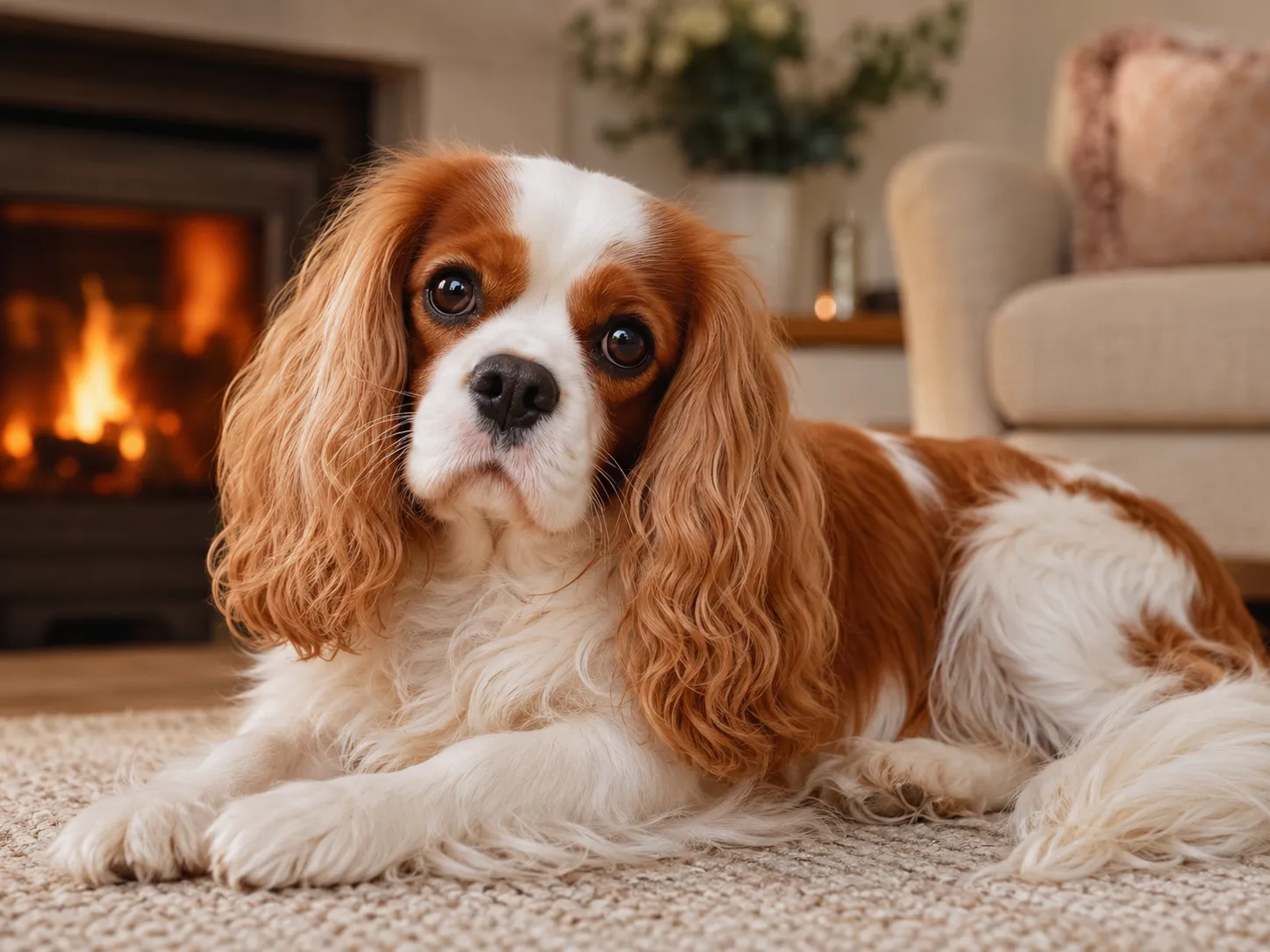
The Cavalier’s coat is long, silky, and free from curl, lying flat against the body. Feathering is present on the ears, chest, legs, feet, and tail, contributing to the breed’s refined appearance. The coat should never be trimmed to alter its natural outline, as fullness and flow are key elements of correct breed type.
Recognised Colours and Markings
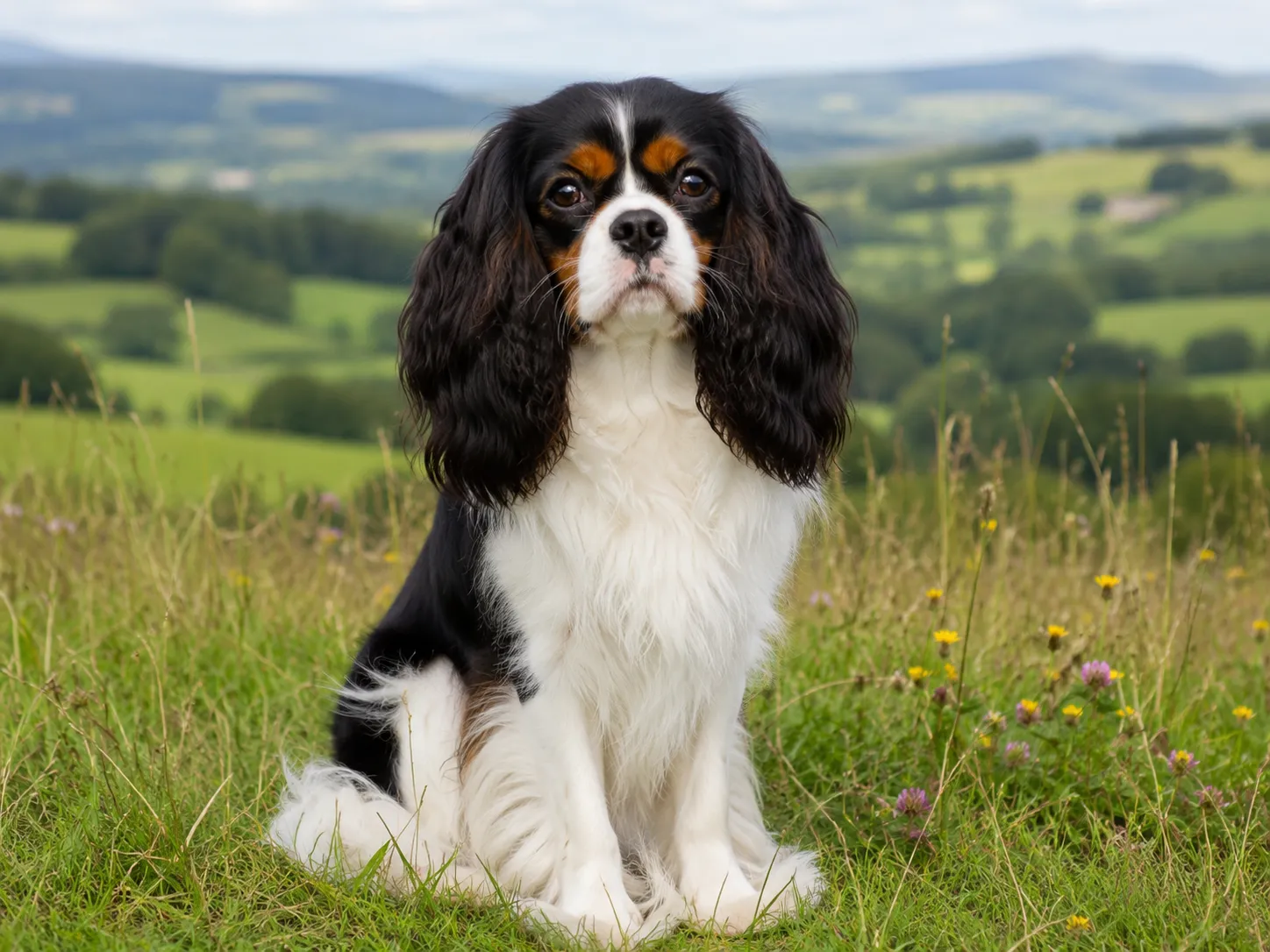
Four colours are officially recognised: Blenheim (chestnut and white), Tricolour (black, white, and tan), Black and Tan, and Ruby (solid rich red). Blenheim Cavaliers may display the distinctive forehead spot, a traditional and highly prized marking. All colours should be rich, clearly defined, and evenly distributed.
Movement and Overall Presence
When in motion, the Cavalier moves with free, flowing strides and good drive from the hindquarters. The tail is carried happily but not curled over the back. Overall, the breed presents an impression of grace, balance, and friendliness rather than exaggeration or delicacy.
Cavalier King Charles Spaniel Temperament and Personality
Affectionate and People-Focused Nature
The Cavalier King Charles Spaniel is best known for its exceptionally affectionate and gentle temperament, though that attachment makes it prone to the early signs of separation anxiety. This breed forms strong emotional bonds with its owners and thrives on close human contact, often choosing to stay near family members rather than spending time alone. Cavaliers are natural companions and are happiest when included in daily household life.
Social Confidence and Friendliness
Cavaliers are typically friendly with strangers, children, and other dogs, showing little aggression or suspicion. Their social nature makes them well suited to busy family homes, multi-pet households, and social environments. Unlike many breeds, they rarely display guarding instincts and generally greet new people with curiosity rather than caution.
Playfulness Balanced With Calm Behaviour
While playful and cheerful, the Cavalier is not overly demanding. They enjoy games, short bursts of activity, and interactive play, but are equally content relaxing on the sofa or sitting quietly beside their owner. This balance of energy and calmness allows them to adapt easily to both active and quieter lifestyles.
Sensitivity and Emotional Awareness
Cavaliers are emotionally sensitive dogs that respond strongly to tone of voice and household atmosphere. Harsh training methods or raised voices can lead to anxiety or withdrawal. They perform best with gentle handling, reassurance, and consistent positive reinforcement that builds trust and confidence.
Common Behavioural Challenges
Their strong attachment to people means Cavaliers can be prone to separation anxiety if left alone for long periods. Without enough companionship or mental stimulation, some may develop clingy behaviour or mild vocalisation. Early training that encourages independence, combined with predictable routines, helps reduce these tendencies.
Suitability for Different Households
Thanks to their adaptable and loving personality, Cavaliers suit families with children, retirees, first-time dog owners, and apartment dwellers alike. They are not suited to homes where they would be left alone for most of the day, but in households offering companionship and gentle structure, they are calm, loyal, and deeply rewarding dogs to live with.
Cavalier King Charles Spaniel Intelligence and Trainability
Willingness to Learn and Please
The Cavalier King Charles Spaniel is highly trainable and eager to please, making them one of the more cooperative breeds in the toy group and quick through the usual toilet training timeline. Their strong desire for approval means they respond quickly when training is handled with patience, clarity, and consistency.
Best Training Approaches
Cavaliers perform best with positive, reward-based training methods. Praise, food rewards, and gentle encouragement motivate them far more effectively than correction-based approaches. Harsh handling can damage trust and reduce confidence, leading to hesitation or anxiety during training sessions.
Early Training and Socialisation
Early training should begin as soon as the puppy settles into its new home. Early socialisation is essential, helping Cavaliers grow into confident adults who are comfortable around new people, dogs, and environments. Basic commands such as sit, stay, recall, and loose-lead walking are usually mastered quickly with consistent practice.
Attention Span and Learning Style
Although intelligent, Cavaliers have a moderate attention span. Short, focused training sessions work better than long drills. Repetition combined with variety helps maintain engagement and prevents boredom, especially during puppyhood.
Suitability for Canine Activities
Thanks to their intelligence and gentle temperament, Cavaliers often excel in obedience training, agility, and therapy work. Their calm, people-focused nature makes them particularly well suited to therapy roles in hospitals, aged care facilities, and support environments.
Common Training Challenges
One potential challenge is their sensitivity. Cavaliers may shut down if training becomes stressful or inconsistent. Overindulgence due to their appealing appearance can also lead to poor boundaries. Clear expectations, routine, and calm leadership help ensure a well-mannered adult dog.
Cavalier King Charles Spaniel Family Life
Suitability for Families
The Cavalier King Charles Spaniel is exceptionally well suited to family life, known for its gentle nature and strong desire for companionship, and you can browse Cavalier King Charles Spaniel puppies in Australia to compare litters. This breed thrives in homes where it can be involved in daily routines and included as a true family member rather than treated as a background pet.
Living With Children
Cavaliers are patient, tolerant, and affectionate with children, making them one of the safest toy breeds for family environments. They cope well with toddlers through to teenagers, provided interactions are supervised and children are taught to handle the dog respectfully. Their small size reduces the risk of accidental injuries compared to larger breeds.
Compatibility With Other Pets
This breed generally coexists peacefully with other dogs and household pets, especially when raised alongside them. Their low prey drive and social temperament make them suitable for multi-pet households, including homes with cats, provided introductions are managed calmly and positively.
Attachment to Owners
Cavaliers form strong emotional bonds with their owners and prefer constant companionship. They are happiest in households where someone is home for much of the day. Long periods of isolation can lead to separation anxiety, which may present as vocalising, destructive behaviour, or restlessness.
Household Environment
Adaptable by nature, Cavaliers do well in apartments, townhouses, and larger homes alike. What matters most is consistent human interaction rather than space. A secure outdoor area is beneficial but not essential if daily walks and enrichment are provided.
Managing Family Dynamics
Providing a quiet retreat space allows the dog to rest when overwhelmed, particularly in busy family homes. Establishing consistent routines and boundaries helps the Cavalier feel secure, balanced, and confident within the household structure.
Cavalier King Charles Spaniel Health
Overall Health Profile
The Cavalier King Charles Spaniel has a moderate lifespan of around 10 to 15 years, but the breed is unfortunately predisposed to several inherited health conditions. Understanding these risks is essential for responsible ownership and long-term care planning.
Common Hereditary Conditions
The most significant health concern in Cavaliers is Mitral Valve Disease (MVD), a progressive heart condition that often develops earlier in this breed than in others. Many Cavaliers show heart murmurs by middle age, making routine cardiac screening essential. Another serious condition is Syringomyelia (SM), a neurological disorder linked to skull structure that can cause chronic pain and mobility issues.
Eye and Ear Health
Cavaliers are prone to hereditary eye conditions, including cataracts and retinal dysplasia. Their long, heavily feathered ears also increase the risk of recurrent ear infections, particularly if moisture is trapped after bathing or swimming. Regular inspection and cleaning help reduce complications.
Joint and Mobility Concerns
Although small, Cavaliers may develop luxating patellas and hip dysplasia, which can affect mobility over time. Maintaining a healthy weight plays a crucial role in reducing joint stress and delaying degenerative changes.
Importance of Health Screening
Reputable breeders follow structured health testing programs, including heart screening for MVD, MRI scanning for syringomyelia risk, and eye examinations. Choosing a puppy from health-tested parents significantly lowers the likelihood of severe inherited disease.
Preventive Care and Monitoring
Ongoing veterinary care is essential throughout the dog’s life. Annual health checks, dental care, parasite prevention, and weight management all contribute to better long-term outcomes. Early intervention often improves quality of life for dogs affected by chronic conditions.
Insurance Considerations
Given the breed’s known health risks, comprehensive pet insurance is strongly recommended. Policies that cover cardiac and neurological care provide valuable financial protection as the dog ages.
Caring for a Cavalier King Charles Spaniel
Daily Care and Routine Needs
Cavalier King Charles Spaniels thrive on routine, companionship, and gentle structure. A typical day should include moderate exercise, social interaction, grooming checks, and plenty of downtime. These dogs are highly people-oriented and do best in homes where they are not left alone for long periods.
Living Environment and Suitability
Cavaliers adapt well to apartments, townhouses, and family homes, making them suitable for both urban and suburban Australian lifestyles. While they enjoy access to a secure garden, they do not require large outdoor spaces provided their daily exercise needs are met. Shade, fresh water, and protection from heat are especially important during warmer months.
Mental Stimulation and Enrichment
Although calm indoors, Cavaliers benefit from regular mental stimulation. Short training sessions, puzzle toys, scent games, and interactive play help prevent boredom and anxiety. Mental engagement is particularly important for dogs prone to separation-related stress.
Social Needs and Companionship
This breed forms strong emotional bonds and prefers being involved in daily family life. Cavaliers often struggle if isolated, so households with flexible schedules, remote work, or multiple family members are ideal. Early independence training helps build confidence when brief alone time is unavoidable.
Seasonal and Climate Considerations
In warmer climates, Cavaliers should be exercised during cooler parts of the day, such as early mornings or evenings. Their silky coat offers little insulation from heat, so owners must watch for signs of overheating. In cooler regions, providing warm bedding and limiting exposure to cold, wet conditions supports comfort.
Senior Care Adjustments
As Cavaliers age, they may require softer bedding, reduced-impact exercise, and dietary adjustments. Regular veterinary monitoring becomes increasingly important to manage heart health, joint stiffness, and cognitive changes, ensuring comfort and quality of life in later years.
Grooming a Cavalier King Charles Spaniel
Coat Care and Brushing Routine
The Cavalier King Charles Spaniel’s silky, feathered coat requires consistent care to remain healthy and tangle-free. Daily light brushing is ideal, particularly around the ears, chest, legs, and tail where mats form easily. At a minimum, thorough brushing should be done several times per week to prevent knots and reduce shedding.
Bathing and Coat Maintenance
Bathing is typically needed every 4 to 6 weeks, or sooner if the dog becomes dirty. A gentle, dog-specific shampoo helps preserve the natural oils that keep the coat glossy. Over-bathing should be avoided, as it can dry the skin and coat.
Ear, Eye, and Dental Care
Long, pendulous ears make Cavaliers prone to ear infections, so weekly ear checks and cleaning are essential. Eyes should be gently wiped to remove discharge, particularly in dogs with prominent eyes. Dental care is also important, with teeth brushing recommended several times per week to reduce plaque buildup.
Nail and Paw Care
Nails should be trimmed every 3 to 4 weeks, as overgrown nails can affect posture and movement. Paw pads should be checked regularly for debris, dryness, or minor injuries, especially after outdoor walks.
Professional Grooming Needs
Many owners choose professional grooming every 3 to 4 months. This typically includes bathing, nail trimming, ear cleaning, and light feather tidying while preserving the breed’s natural outline. Excessive trimming is discouraged, as feathering is a defining breed feature.
Common Grooming Challenges
Mats behind the ears and under the legs are the most frequent issues if brushing is inconsistent. Seasonal shedding increases grooming demands during spring and autumn, but with regular maintenance, coat care remains manageable and rewarding.
Exercise Needs of the Cavalier King Charles Spaniel
Daily Activity Requirements
The Cavalier King Charles Spaniel needs around 45 to 60 minutes of moderate exercise each day to stay healthy and content. This is usually best divided into two shorter walks rather than one long session. Their exercise needs suit both apartment living and homes with small to medium gardens.
Suitable Types of Exercise
Cavaliers enjoy relaxed neighbourhood walks, gentle play sessions, and supervised off-lead time in secure areas. Despite their toy size, they retain light sporting instincts and often enjoy sniffing, exploring, and short bursts of play rather than sustained high-intensity activity.
Mental Stimulation
Mental engagement is just as important as physical exercise. Puzzle toys, basic obedience training, scent games, and short training sessions help prevent boredom and reduce attention-seeking behaviours. Cavaliers thrive when exercise is paired with interaction and encouragement from their owners.
Exercise for Puppies
Puppies require carefully managed activity to protect developing joints. Short, frequent play sessions are preferable to long walks. Structured exercise should increase gradually as the dog matures, with jumping and stair use limited during early growth stages.
Weather Considerations in Australia
In warmer Australian climates, walks should be scheduled early in the morning or later in the evening to avoid heat stress. Cavaliers can overheat easily due to their coat and moderate tolerance for high temperatures, so access to shade and fresh water is essential.
Common Exercise Mistakes
Over-exercising young dogs, relying solely on backyard play, or skipping daily walks can lead to weight gain and behavioural issues. Consistent, moderate exercise keeps Cavaliers balanced, calm, and physically fit without overstimulation.
Feeding the Cavalier King Charles Spaniel
Nutritional Requirements by Life Stage
The Cavalier King Charles Spaniel thrives on a balanced, high-quality diet tailored to age, size, and activity level. Puppies require higher protein and calorie intake to support growth, while adults benefit from controlled portions to maintain a healthy weight. Senior Cavaliers often need diets that support heart health and joint function.
Portion Control and Feeding Schedule
Adult Cavaliers are best fed two measured meals per day, which helps regulate energy levels and reduces the risk of overeating. Puppies should be fed three to four smaller meals daily, gradually transitioning to an adult schedule by around 10 to 12 months of age.
Weight Management
This breed is prone to weight gain, which can worsen heart and joint conditions. Maintaining a lean body condition is essential. Treats should be limited and used strategically for training, forming no more than 10 percent of daily calorie intake.
Special Dietary Considerations
Some Cavaliers have sensitivities to certain proteins or grains. In these cases, limited-ingredient or vet-recommended diets may be appropriate. Supplements such as omega-3 fatty acids can support coat quality and joint health, while cardiac-support diets may be advised for dogs with early heart changes.
Fresh Water and Feeding Habits
Clean, fresh water must always be available. Feeding should occur at consistent times each day, with a short rest period before and after meals to promote digestion and reduce gastrointestinal discomfort.
Common Feeding Mistakes
Free-feeding, excessive treats, and frequent table scraps often lead to obesity. A structured feeding routine combined with regular exercise ensures long-term health and vitality for the Cavalier King Charles Spaniel.
Cavalier King Charles Spaniel Price and Ongoing Costs
Purchase Price in Australia
In Australia, a well-bred Cavalier King Charles Spaniel puppy from a reputable, ANKC-registered breeder typically costs between AUD $3,000 and $5,500. Pricing varies based on lineage, health testing, breeder reputation, and colour. Puppies priced significantly lower than this range should be approached cautiously, as this may indicate limited health screening or poor breeding practices.
Initial Setup Costs
Before bringing a Cavalier home, owners should budget for essential equipment. These upfront costs usually include a secure crate or bed, lead and harness, grooming tools, food and water bowls, toys, and puppy-proofing items. Initial setup expenses generally range between AUD $300 and $600, depending on brand quality and home requirements.
Ongoing Monthly Expenses
Monthly costs are moderate but consistent. Owners can expect to spend approximately AUD $120 to $180 per month, covering premium dog food, routine grooming supplies, parasite prevention, and basic healthcare needs. Professional grooming every few months should also be factored into this estimate.
Veterinary and Insurance Costs
Pet insurance is strongly recommended due to the breed’s predisposition to heart and neurological conditions. Insurance premiums typically range from AUD $35 to $80 per month, depending on coverage level. Annual veterinary costs for vaccinations and health checks should also be planned for, with higher expenses possible as the dog ages.
Long-Term Financial Commitment
Over a Cavalier’s lifetime, owners should budget for long-term care including dental treatments, cardiac monitoring, and senior health management. Planning ahead ensures the dog receives consistent, high-quality care throughout all life stages, supporting both wellbeing and longevity.
Buying Advice for a Cavalier King Charles Spaniel
Choosing a Responsible Breeder
Selecting the right breeder is critical for this breed due to known hereditary health concerns, so go in with a clear list of health questions for the breeder. In Australia, always prioritise breeders registered with the ANKC who follow recognised health screening protocols. A responsible breeder will be transparent about testing for Mitral Valve Disease (MVD), Syringomyelia (SM), and inherited eye conditions, and will willingly provide documentation.
Key signs of a reputable breeder include:
- Clear health certificates for both parents
- Puppies raised in a home environment with early socialisation
- Limited litters with strong focus on welfare rather than volume
- Ongoing support after purchase
Avoid breeders who refuse visits, rush sales, or cannot explain their health testing practices clearly.
Health Checks to Confirm Before Purchase
Before committing, ensure the puppy has undergone age-appropriate veterinary checks. Essential confirmations include:
- Cardiac screening results for parents
- Eye testing certificates
- Microchipping and vaccination records
- Worming and parasite prevention history
These checks significantly reduce the risk of costly and distressing health issues later in life.
Assessing Puppy Temperament
A well-bred Cavalier should display a calm, curious, and affectionate nature. Puppies should be confident without being overly dominant or withdrawn. Observe how the puppy interacts with people and littermates, as early behaviour often reflects future temperament.
Healthy puppies typically show:
- Bright, clear eyes
- Clean ears with no odour
- A soft, glossy coat
- Willingness to engage without fearfulness
Contracts, Guarantees, and Ethics
Reputable breeders provide a written contract outlining health guarantees, return policies, and desexing agreements if applicable. This protects both buyer and breeder and reflects ethical breeding standards.
Tail docking and ear cropping are illegal in Australia, so avoid breeders engaging in or supporting these practices.
Considering Rescue and Adoption
Rescue organisations specialising in Cavaliers operate across Australia and can be a suitable option for experienced owners. Rescue dogs often come with known health and behavioural histories, offering a more predictable transition into the home while giving a dog a second chance.
Taking time to research and choose carefully ensures your Cavalier King Charles Spaniel is healthy, well-adjusted, and suited to your lifestyle for years to come.
Is the Cavalier King Charles Spaniel Right for You?
Ideal Owner Profile
The Cavalier King Charles Spaniel suits owners seeking a highly affectionate, people-focused companion. This breed thrives on close human contact and is best matched with individuals or families who spend plenty of time at home. Australian households that value calm companionship over high-intensity activity often find Cavaliers an excellent fit.
Living Environment Compatibility
Cavaliers adapt well to apartments, units, and smaller homes, provided they receive daily walks and mental stimulation. They tolerate Australian suburban living well but should not be left outdoors for long periods, particularly in hot weather. Climate-controlled indoor living is essential due to their sensitivity to heat.
Family and Social Considerations
This breed is generally well suited to:
- Families with respectful children
- Older owners or retirees
- Multi-pet households with proper introductions
However, Cavaliers are prone to separation anxiety. Homes where dogs are left alone for long workdays without enrichment may struggle to meet the breed’s emotional needs.
Health and Commitment Awareness
Prospective owners must be prepared for ongoing veterinary care and proactive health management. Cavaliers are not a low-maintenance breed financially or medically. Long-term commitment, regular check-ups, and careful breeder selection are non-negotiable responsibilities.
Who Should Reconsider
This breed may not suit:
- Owners seeking an independent or guard-style dog
- Households unable to manage ongoing health costs
- People frequently away from home
When matched with the right environment and expectations, the Cavalier King Charles Spaniel offers exceptional loyalty, warmth, and companionship throughout its life.
Frequently Asked Questions
Related Breeds
Other companion breeds on Pups4Sale.
 CavoodleSmall • Companion
 ChihuahuaSmall • Toy
 Chow ChowMedium • Non-Sporting
 DalmatianLarge • Utility
 Dandie Dinmont TerrierSmall • Terrier
 English Toy TerrierSmall • Toy