
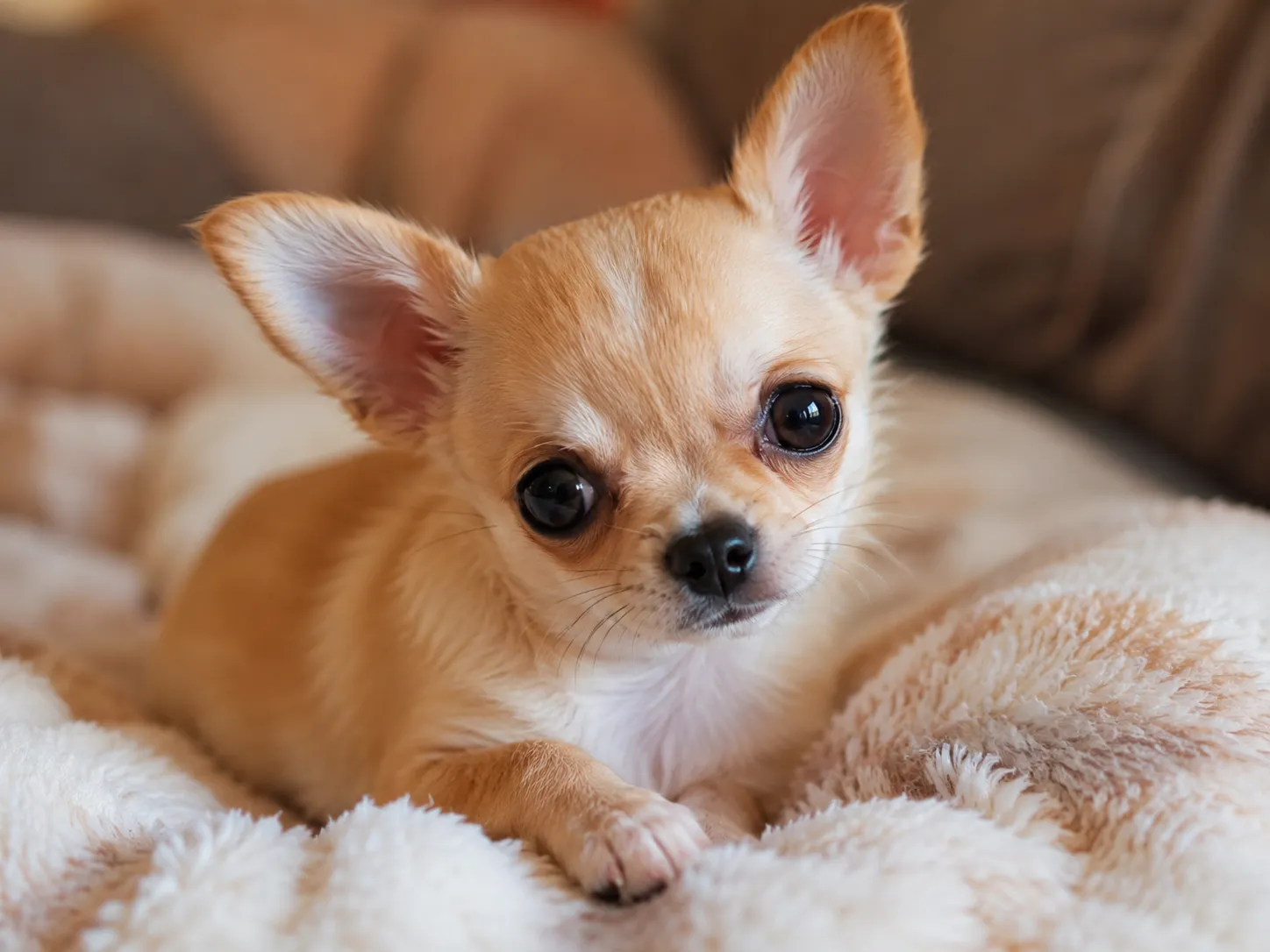
Chihuahua
By James C. • Updated
The Chihuahua is a tiny, confident, and alert companion breed originally developed in Mexico. Despite their small size, they are bold, expressive, and often form very strong attachments to one or two people. Chihuahuas are well suited to apartment living but require careful handling, early socialisation, and consistent boundaries.
Breed Overview
Life Span
12 - 16 years
Average Price
AUD 2000 - AUD 6000
Weight
Male: 1.5 - 3 kg Female: 1.5 - 3 kg
Height
Male: 15 - 23 cm Female: 15 - 23 cm
Life Expectancy
Male/Female: 12 - 16 years
Breed Group
Toy
Nicknames
Chi, Chihuahua
Breed Information
The Chihuahua is one of the smallest dog breeds in the world, yet few breeds carry themselves with such confidence. Named after the Mexican state of Chihuahua, this compact companion has a history stretching back to ancient pre-Columbian civilisations. Despite weighing as little as 1.5 kg, the breed displays remarkable boldness and presence.
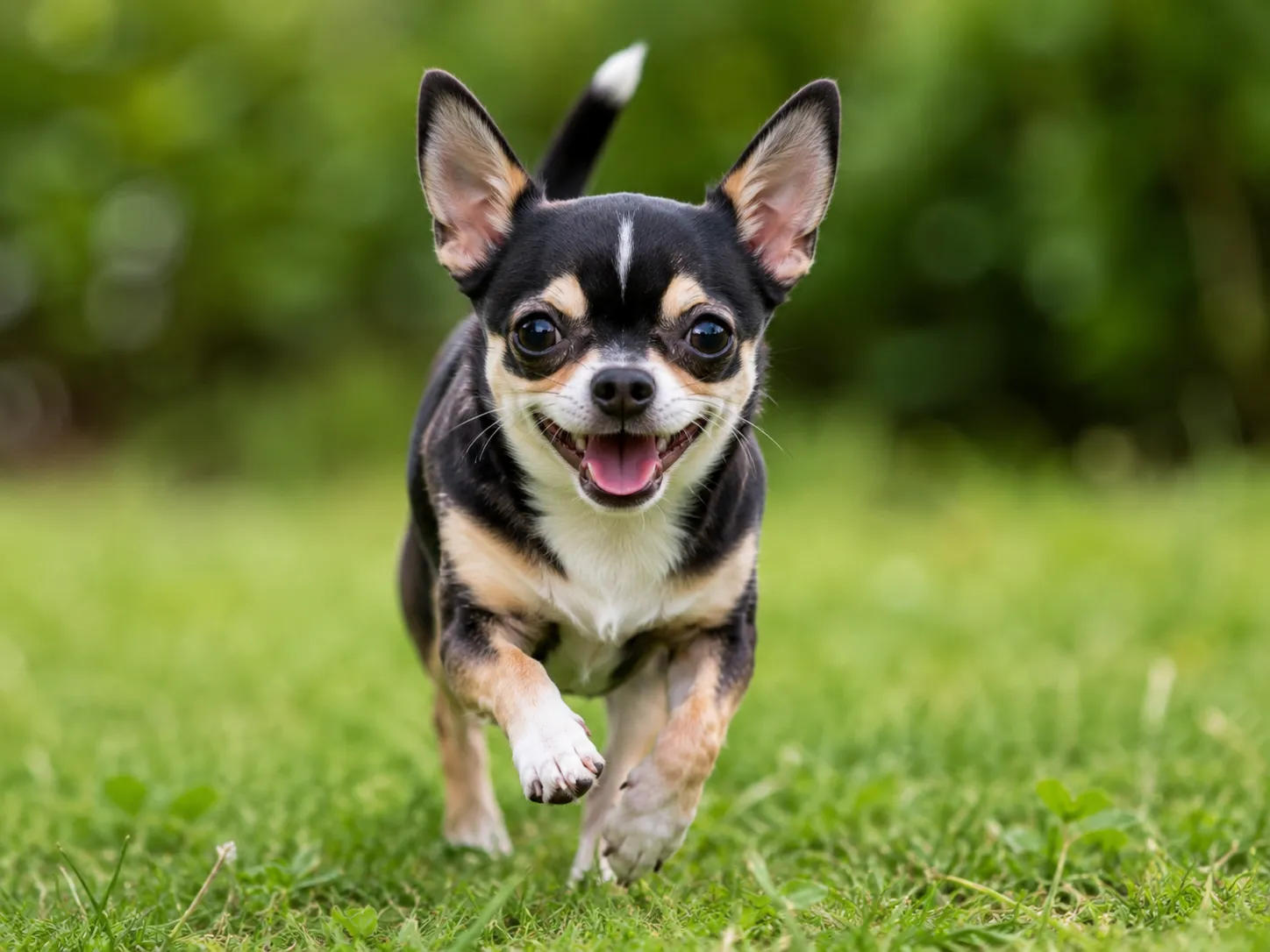
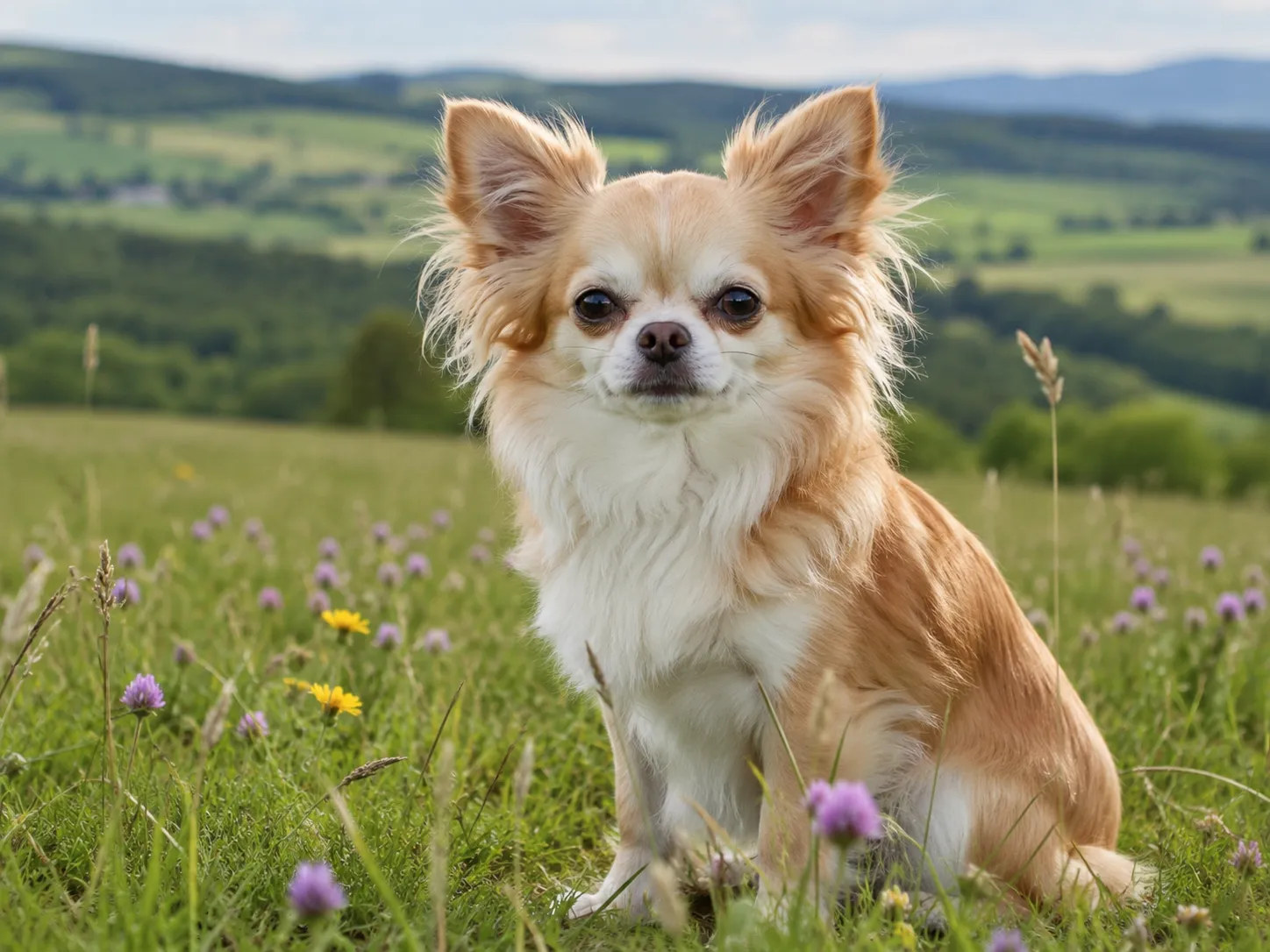
Physically, the Chihuahua is balanced and graceful with a distinctive rounded “apple” head, large expressive eyes, and erect ears. Two coat varieties exist, smooth and long, but both share the same structure and temperament. Coat colours are extensive, though merle is not accepted under major kennel standards due to associated health risks.
At heart, the Chihuahua is a devoted companion dog. They form intense bonds with their owners and thrive on close human interaction. While adaptable to apartment living, they require structure, socialisation, and mental stimulation to prevent behavioural issues. With proper guidance, this tiny dog becomes a fiercely loyal and lively household member.
Chihuahua Characteristics: What Living With This Toy Breed Is Really Like
The Chihuahua may be tiny in size, but daily life with one is rarely quiet or dull, and a toy breed still needs a full puppy supplies checklist before arrival. This breed combines alertness, devotion, and bold self-confidence in a compact frame. Understanding the traits below will help you decide whether the Chihuahua suits your household.
| Characteristic | Rating | Star Rating (★ out of 5) | What This Means for Owners |
| Size | Very Small | ★★★★★ | Extremely compact and ideal for apartments and small homes. |
| Adaptability | High | ★★★★☆ | Adjusts well to urban or suburban living with proper routine. |
| Exercise Needs | Low–Moderate | ★★★☆☆ | Around 20–30 minutes daily is usually sufficient. |
| Trainability | Moderate | ★★★☆☆ | Intelligent but can be stubborn without consistent leadership. |
| Shedding | Low–Moderate | ★★☆☆☆ | Smooth coats shed lightly; long coats require more brushing. |
| Grooming Requirements | Moderate | ★★★☆☆ | Weekly brushing and regular dental care are essential. |
| Good With Children | Conditional | ★★☆☆☆ | Better suited to homes with older, gentle children. |
| Health Robustness | Moderate | ★★★☆☆ | Prone to dental, heart, and patella concerns if not monitored. |
| Cost to Keep | Moderate | ★★★☆☆ | Lower food costs but potential veterinary expenses. |
| Tolerance of Being Alone | Low | ★★☆☆☆ | Strong attachment can lead to separation anxiety. |
| Intelligence | High | ★★★★☆ | Quick to learn, especially with positive reinforcement. |
The Chihuahua thrives in households that understand small dog behaviour and avoid overindulging due to size. When treated as a real dog with structure and boundaries, the breed becomes a loyal, lively, and attentive companion. However, without consistent training and early socialisation, behavioural issues such as barking or territorial guarding may develop.
History of the Chihuahua: Ancient Companion of the Americas
The Chihuahua is widely regarded as one of the oldest dog breeds native to the Americas. Its name comes from the Mexican state of Chihuahua, where small companion dogs were documented in the mid-1800s. However, archaeological findings and genetic research suggest the breed’s ancestry stretches back much further, linking it to ancient pre-Columbian civilisations.
Early Origins and the Techichi
Historical evidence connects the Chihuahua to the Techichi, a small companion dog kept by the Toltec civilisation as early as 300 BC. These early dogs were believed to have religious and cultural significance. Some colonial accounts from the 16th century describe small dogs in Mexico that closely resemble the modern Chihuahua.
DNA studies indicate that traces of indigenous American dog ancestry remain within the breed today. This reinforces its status as one of the few dog breeds with deep roots in the Americas.
Rise in Popularity
The modern Chihuahua began gaining international attention in the late 19th century, when visitors to Mexico brought the tiny dogs home as companions. The American Kennel Club first registered a Chihuahua in 1904, marking formal recognition of the breed.
In the United Kingdom, official recognition followed in the mid-20th century. Public figures and entertainers helped boost the Chihuahua’s popularity throughout the 20th century, transforming it from an ancient regional companion into a globally recognised toy breed.
From Ancient Symbol to Modern Companion
Although once associated with spiritual symbolism and early civilisations, the Chihuahua is now firmly established as a companion dog. Its small size, adaptability, and expressive personality have secured its place in homes around the world.
Today, the Chihuahua remains a breed that combines ancient heritage with modern urban suitability, appealing to owners seeking a compact but confident companion.
Appearance of the Chihuahua: Compact, Distinctive, and Recognisable
The Chihuahua is the smallest recognised dog breed in the world, yet its appearance is bold and unmistakable, and buyers often compare it with the Pomeranian, a similarly sized toy breed. Despite its delicate size, the breed carries itself with confidence and presence, often appearing larger than life in posture and expression.
Size and Proportions
Most Chihuahuas stand between 15 and 23 cm at the withers and weigh between 1.5 and 3 kg. Breed standards focus more on weight and overall balance than height. The body is slightly longer than it is tall, with a level topline and a neatly carried tail that curves over the back when alert.
Although some pet Chihuahuas may exceed standard show weight, extremely small “teacup” marketing claims are not recognised within official breed standards and may carry health risks.
Head Shape and Expression
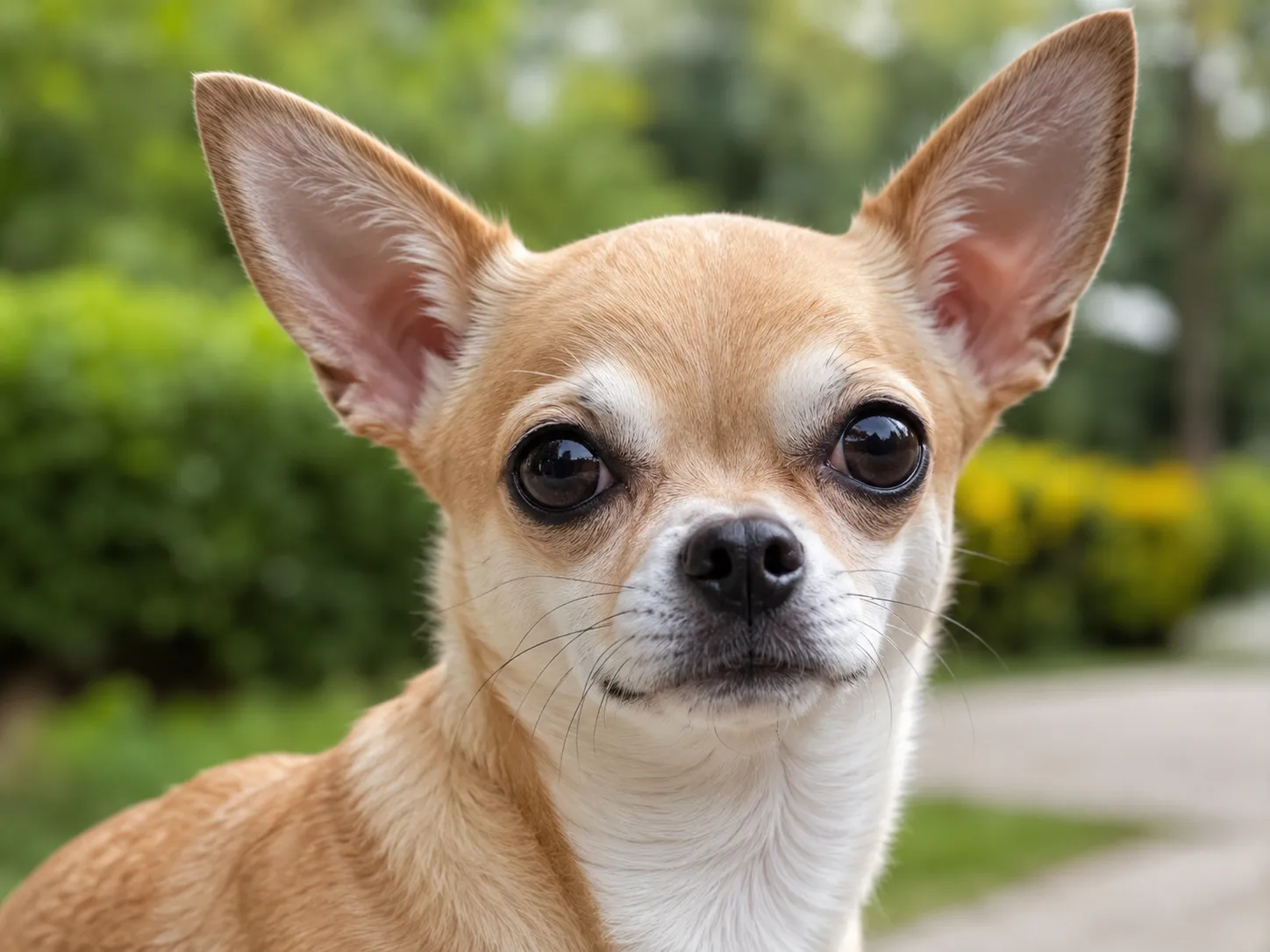
One of the breed’s defining features is the rounded “apple-shaped” skull with a well-defined stop. Large, round eyes and upright ears create an alert, expressive look. Some Chihuahuas are born with a molera, a soft spot on the skull that may remain into adulthood and requires careful handling.
A less common “deer head” appearance exists, with a flatter skull and longer muzzle, though this is not the preferred show standard.
Coat Types and Colours
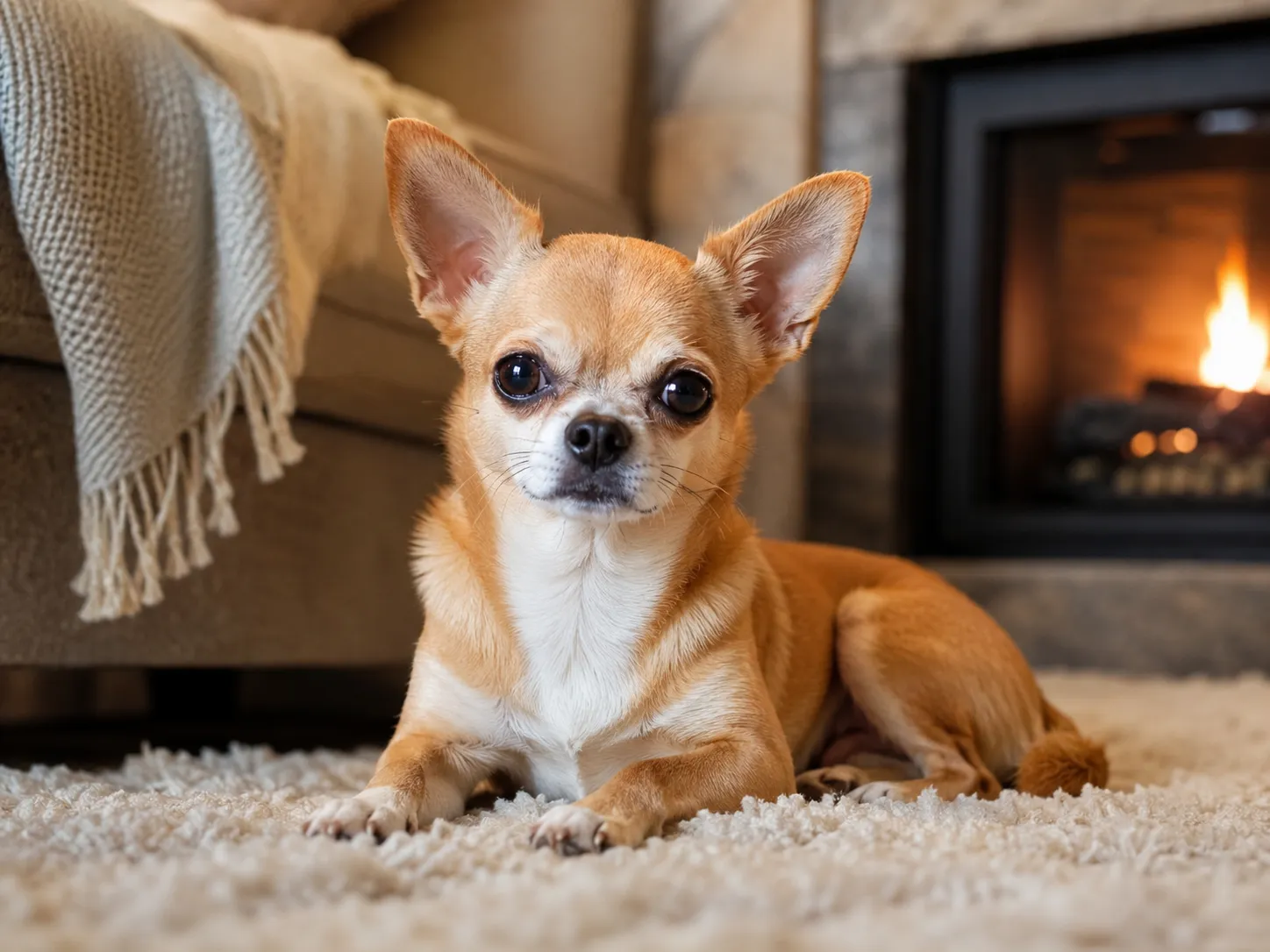
Chihuahuas come in two coat varieties: smooth coat and long coat. Smooth coats are short and close-fitting, while long coats are soft with feathering on the ears, chest, legs, and tail.
Almost all colours and combinations are accepted, except merle under major kennel standards due to associated health concerns. Seasonal shedding can occur, particularly in long-coated individuals.
Movement and Structure
Despite their size, Chihuahuas should move with purpose and confidence. Their gait is brisk and balanced, with parallel movement in both fore and hind legs. The breed standard emphasises proportion and soundness rather than exaggeration.
Overall, the Chihuahua combines tiny stature with strong visual character, making it one of the most recognisable toy breeds in the world.
Temperament of the Chihuahua: Bold, Devoted, and Alert
The Chihuahua may be small in body, but its temperament is confident and expressive, and unchecked mouthing is best corrected without punishment. This breed is known for strong attachment to its owner, sharp awareness of its surroundings, and a surprisingly assertive nature for its size.
Core Personality Traits of the Chihuahua
Chihuahuas are intensely loyal and often form a primary bond with one person. They enjoy close physical proximity and may follow their chosen owner from room to room. Despite their reputation as lap dogs, they are alert and quick to react to unfamiliar sounds or movements.
Confidence is a defining trait. Many Chihuahuas display a fearless attitude, sometimes challenging much larger dogs. When properly socialised, this confidence becomes self-assuredness rather than defensiveness.
Social Behaviour and Stranger Awareness
The breed can be reserved with strangers. Early socialisation plays a critical role in preventing excessive suspicion or reactive behaviour. Without exposure to varied environments and people, a Chihuahua may become territorial or overly vocal.
When raised with other dogs, they often integrate well, particularly with similar-sized companions. However, due to their small size, supervision is essential during introductions with larger breeds.
Attachment and Separation Sensitivity
Chihuahuas thrive on companionship and are not well suited to households where they are left alone for long periods. Their strong attachment tendencies can lead to separation anxiety if independence is not gradually encouraged.
Establishing routine, calm departures, and appropriate crate training can help reduce anxiety-related behaviours.
Common Behavioural Challenges
Without consistent boundaries, Chihuahuas may attempt to dominate household dynamics. Excessive barking, guarding behaviour, or snapping can develop if owners inadvertently reinforce overprotective tendencies.
Clear leadership, positive reinforcement, and early training help shape a Chihuahua into a confident, affectionate, and well-balanced companion.
Intelligence and Trainability of the Chihuahua: Smart but Strong-Willed
The Chihuahua is an intelligent toy breed that learns quickly, particularly when training is engaging and consistent, though small dogs often take longer through the toilet training stages. However, intelligence does not automatically equal compliance. This breed has an independent streak that requires calm leadership and structured guidance.
Early Puppy Training Priorities
The first six months are critical for shaping behaviour. Early socialisation with people, environments, and other dogs helps prevent defensive or fearful tendencies. Because of their small size, owners sometimes underestimate the importance of structured training, which can lead to behavioural issues later.
Basic obedience such as sit, stay, recall, lead manners, and quiet commands should be introduced early. House training may require patience, as small bladder size and independence can slow progress.
Training Methods That Work Best
Chihuahuas respond well to positive reinforcement. Praise, small treats, and gentle encouragement are more effective than harsh correction. Firm boundaries are important, but overly strict handling may create nervousness or stubborn resistance.
Short, focused sessions of five to ten minutes suit their attention span. Consistency in rules and daily routine reinforces learning.
Advanced Training Potential
Despite their size, Chihuahuas can excel in obedience, trick training, and scaled agility activities. Their alertness and fast reactions make them capable learners when properly motivated.
Mental stimulation through puzzle toys and new commands helps prevent boredom-driven behaviours such as barking or digging.
Common Training Mistakes
Allowing undesirable behaviours simply because the dog is small is one of the most common errors. Overindulgence can encourage dominance or territorial tendencies.
With structured guidance and steady leadership, the Chihuahua develops into a bright, responsive, and confident companion.
Chihuahua and Family Life: Children, Other Pets, and Home Dynamics
The Chihuahua can be a devoted family companion, but its small size and bold temperament mean it is not suited to every household, so it is worth reviewing Chihuahua puppies currently listed in Australia carefully. Careful consideration should be given to children’s ages, activity levels, and overall home environment.
Living With Children
Chihuahuas are generally better suited to homes with older children who understand how to handle small dogs gently. Toddlers and very young children may unintentionally cause injury due to the breed’s delicate frame and small skull structure.
Supervision is essential during interactions. Teaching children to avoid grabbing, squeezing, or disturbing the dog while resting or eating helps prevent stress and defensive reactions.
Living With Other Dogs
When properly socialised, Chihuahuas can coexist with other dogs. They often integrate well with similar-sized breeds and may form close bonds.
However, their confident personality can lead them to challenge larger dogs. Supervised introductions and careful management are necessary, especially in multi-dog households.
Living With Cats and Small Pets
Chihuahuas can adapt to cats when raised together, though individual temperament varies. Their prey drive is typically lower than many terrier breeds, but they may still chase small animals if stimulated.
Gradual introductions and clear household structure support peaceful coexistence.
Creating a Stable Household Environment
The Chihuahua thrives in calm, predictable homes. Because they are highly attached to their owners, they prefer environments where companionship is frequent.
Providing a safe retreat space such as a crate or quiet bed area helps maintain emotional balance. When properly managed, the Chihuahua becomes a loyal, affectionate, and protective household companion.
Chihuahua Health and Lifespan: What Owners Should Know
The Chihuahua is generally long lived, with many individuals reaching 12 to 16 years and some exceeding this with excellent care. Crowded toy-breed mouths make the early signs of dental disease worth watching from the start. However, as a toy breed, it carries specific health risks that responsible owners must understand.
Common Breed-Specific Health Conditions
Chihuahuas are predisposed to patella luxation, a condition where the kneecap slips out of place. Dental disease is also extremely common due to their small jaws and crowded teeth, making daily dental care essential.
Other concerns include hypoglycaemia in puppies, tracheal collapse, mitral valve disease in older dogs, and neurological conditions such as hydrocephalus or epilepsy.
The Molera and Skull Sensitivity
Many Chihuahuas are born with a molera, a soft spot on the skull similar to a human fontanelle. In some dogs, this remains throughout life.
Owners must handle the head carefully and protect the dog from falls or rough play due to increased vulnerability.
Recommended Health Testing
Responsible breeders should complete patella evaluations and cardiac examinations. Ophthalmologist assessments are also advised to screen for hereditary eye conditions.
Buyers should request documentation of parental health checks and verify compliance with recognised breeding standards.
Lifespan and Preventative Care
Routine veterinary care is vital. Annual health checks, parasite prevention, dental monitoring, and weight management significantly extend quality of life.
Comprehensive pet insurance is strongly recommended due to the potential for orthopaedic, cardiac, and dental treatment costs over the dog’s lifetime.
Caring for a Chihuahua: Daily Life and Environment
Chihuahuas may be small, but their care requires structure, attention, and consistency. Their physical delicacy and strong attachment to owners mean daily routines must be thoughtfully managed.
Living Space and Home Setup
This breed adapts exceptionally well to flats and apartments. A large garden is not essential, but secure indoor spaces are critical due to their size and vulnerability.
Homes should be carefully puppy-proofed. Gaps in fencing, open staircases, and elevated furniture can present real risks. Providing a safe, quiet retreat area helps prevent stress.
Temperature Sensitivity
Due to their low body fat and small size, Chihuahuas struggle in cold weather. Protective clothing during winter walks is often necessary.
In hot weather, they must have constant shade and access to fresh water, as overheating can occur quickly.
Social Needs and Companionship
Chihuahuas form very strong bonds with their owners and do not tolerate prolonged isolation well. Many develop separation anxiety if left alone daily for long hours.
They thrive in homes where someone is present most of the day or where structured companionship is provided.
Senior Care Adjustments
As they age, joint health, dental care, and cardiac monitoring become increasingly important. Softer bedding and shorter walks may be required.
With attentive care and proactive veterinary management, many Chihuahuas remain active and engaged well into their senior years.
Grooming of the Chihuahua: Coat Care and Hygiene Needs
Although small in size, the Chihuahua’s grooming routine should never be overlooked. Both coat varieties are relatively easy to maintain, but consistency is essential to support skin health and comfort.
Coat Maintenance: Smooth vs Long Coat
Smooth-coated Chihuahuas require weekly brushing to remove loose hairs and maintain shine. A soft bristle brush or grooming mitt is usually sufficient.
Long-coated Chihuahuas need brushing at least two to three times per week to prevent tangles, particularly behind the ears and around the legs where feathering develops.
Shedding and Seasonal Changes
Chihuahuas do shed, though not excessively. Shedding often increases during spring and autumn as the coat transitions.
Regular brushing during these periods reduces loose hair around the home and supports healthy skin circulation.
Dental Hygiene: A Critical Priority
Dental care is one of the most important aspects of Chihuahua grooming. Their small jaws lead to overcrowded teeth, increasing the risk of periodontal disease.
Daily tooth brushing is strongly recommended, along with professional dental checks advised by your vet.
Nail, Ear and Eye Care
Nails should be trimmed regularly to prevent discomfort or altered gait. Because they are lightweight dogs, their nails may not wear down naturally.
Ears should be inspected weekly for wax build-up, and eyes gently cleaned to prevent tear staining. Establishing calm grooming routines from puppyhood ensures lifelong cooperation.
Exercise of the Chihuahua: Small Dog, Active Mind
Despite their tiny frame, Chihuahuas are energetic little dogs who benefit from daily activity. Their exercise needs are moderate, but mental stimulation is just as important as physical movement.
Daily Exercise Requirements
Most adult Chihuahuas require up to 30 minutes of exercise per day. This can be divided into short walks and brief indoor play sessions.
Puppies need shorter bursts of activity with plenty of rest, as their small bodies and delicate joints are still developing.
Suitable Activities for the Breed
Gentle neighbourhood walks, supervised garden play, and interactive indoor games work well. Many Chihuahuas enjoy following their owners around the home, which also contributes to daily activity.
Short training sessions, scent games, and puzzle toys help satisfy their intelligent and curious nature.
Temperature and Safety Considerations
Due to their small size and low body fat, Chihuahuas are sensitive to cold weather. Coats or jumpers may be necessary in cooler months.
In hot weather, exercise should be limited to cooler parts of the day to prevent overheating. Their small bodies can heat up quickly, so always provide shade and fresh water.
Preventing Overexertion
Chihuahuas may not recognise their own limits. If your dog begins panting heavily, lagging behind, or showing signs of fatigue, it is time to stop.
Balanced daily movement combined with mental enrichment helps maintain a healthy weight and prevents boredom-related behaviours such as excessive barking.
Feeding the Chihuahua: Supporting a Fast Metabolism
Proper nutrition is essential for a Chihuahua’s long-term health. Their small size, rapid metabolism, and risk of hypoglycaemia mean feeding routines must be structured and consistent.
Nutritional Requirements by Life Stage
Chihuahua puppies require high-quality food rich in protein and healthy fats to support rapid growth and energy needs. Because of their size, they are especially prone to low blood sugar.
Adults benefit from balanced small-breed formulas that support joint health, dental care, and heart function. Senior dogs may require reduced calories but increased joint and cardiac support.
Feeding Frequency Guidelines
Puppies under four months should be fed three to four small meals per day to maintain stable blood sugar levels.
From four months to one year, three meals daily are usually sufficient. Most adult Chihuahuas thrive on two measured meals per day.
Special Dietary Considerations
Toy breeds are prone to dental crowding, so kibble size should be appropriate for small mouths. Some owners opt for dental-support diets to help reduce plaque buildup.
Avoid high-fat table scraps and foods that present choking hazards. Always introduce diet changes gradually to prevent digestive upset.
Weight Management and Portion Control
Even a small weight gain can significantly impact a Chihuahua’s health. Obesity increases the risk of joint strain, heart disease, and reduced lifespan.
Measure portions carefully, limit treats, and monitor body condition regularly. If unsure, consult your vet to confirm appropriate caloric intake for your dog’s age and activity level.
Chihuahua Price and Ongoing Costs in Australia
Understanding the full financial commitment of owning a Chihuahua helps prevent unexpected stress later. While their size suggests lower expenses, long lifespans and health considerations mean budgeting carefully is essential.
Chihuahua Puppy Purchase Price
In Australia, a well-bred Chihuahua puppy from a registered breeder typically ranges between $2,000 and $6,000, depending on pedigree, coat type, breeder reputation, and location.
Be cautious of unusually low prices. Ethical breeders invest in health screening, proper socialisation, and responsible breeding practices, which are reflected in the purchase cost.
Initial Setup Costs
Before bringing your puppy home, expect to budget for:
- Quality crate or secure playpen
- Small-breed harness and lightweight lead
- Bedding and safe toys
- Puppy-safe bowls and grooming tools
- Vaccinations, microchipping, and initial vet checks
These setup expenses often total $500 to $1,500 depending on product quality and veterinary requirements.
Ongoing Monthly Expenses
Monthly costs usually include:
- Premium small-breed dog food
- Parasite prevention treatments
- Pet insurance
- Routine veterinary care
- Occasional grooming supplies
Food costs are generally modest due to their size, but insurance is strongly recommended, particularly given risks of patella luxation, dental disease, and heart conditions.
Lifetime Financial Considerations
Chihuahuas can live 14 to 16 years or longer. Over that time, potential expenses may include dental procedures, orthopaedic treatment, cardiac management, and possible emergency care.
Planning ahead ensures your Chihuahua receives consistent medical care and maintains quality of life throughout every stage.
Buying Advice: Finding a Healthy, Well-Bred Chihuahua
Choosing the right breeder is one of the most important decisions you will make. A Chihuahua’s long-term health and temperament are heavily influenced by responsible breeding and early socialisation.
Choosing a Responsible Breeder
Always look for breeders who:
- Health test their breeding dogs for patella luxation and cardiac issues
- Avoid merle-to-merle matings due to known health risks
- Provide vaccination, microchipping, and veterinary records
- Raise puppies in clean, enriched home environments
- Allow you to meet the dam and view living conditions
A reputable breeder will also ask you questions. Responsible placement matters to ethical breeders.
Red Flags to Watch For
Avoid sellers who:
- Refuse to provide health documentation
- Offer to ship without proper checks
- Advertise unusually low prices
- Cannot show you where the puppies are raised
- Pressure you into quick deposits
Impulse decisions often lead to long-term regret.
Rescue and Adoption Options
While many buyers seek puppies, adult Chihuahuas are regularly available through rescue organisations. Adoption can be a rewarding choice, particularly for experienced owners who understand the breed’s needs.
Rescue groups often assess temperament, making matching easier for first-time Chihuahua owners.
Preparing for Your New Chihuahua
Before bringing your puppy home:
- Secure small spaces and block gaps
- Remove choking hazards
- Plan safe exercise areas
- Arrange an initial veterinary appointment
A well-prepared home sets the foundation for a confident, healthy start.
Is the Chihuahua Right for Your Lifestyle?
Choosing a dog should always reflect your living environment, daily routine, and long-term commitment. The Chihuahua may be one of the smallest breeds in the world, but it requires consistent structure, careful handling, and meaningful companionship. This breed thrives with owners who appreciate intelligence, loyalty, and a confident personality in a compact frame.
Chihuahuas are well suited to flats and smaller homes, particularly for owners who can provide regular companionship and short daily exercise. They bond closely with their people and respond well to positive training and mental stimulation. However, they are not ideal for households where they will be left alone for extended periods, nor for families with very young children who may unintentionally handle them roughly.
With early socialisation, firm but gentle leadership, and ongoing care, the Chihuahua matures into a devoted and engaging companion. If you are prepared to meet the grooming, dental, and training commitments this breed requires, you will be rewarded with years of loyalty, affection, and spirited personality.
Frequently Asked Questions
Related Breeds
Other companion breeds on Pups4Sale.
 Chow ChowMedium • Non-Sporting
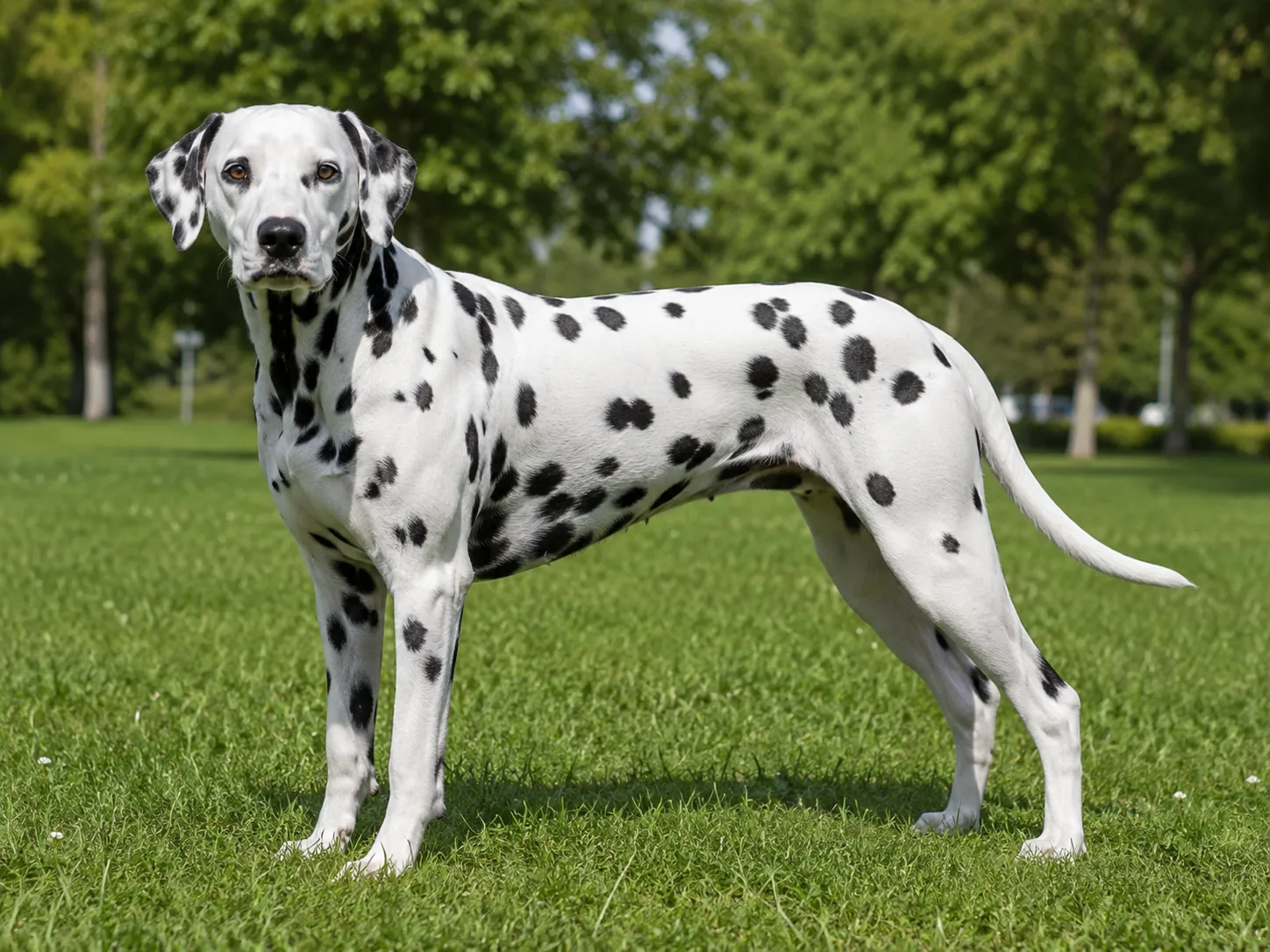 DalmatianLarge • Utility
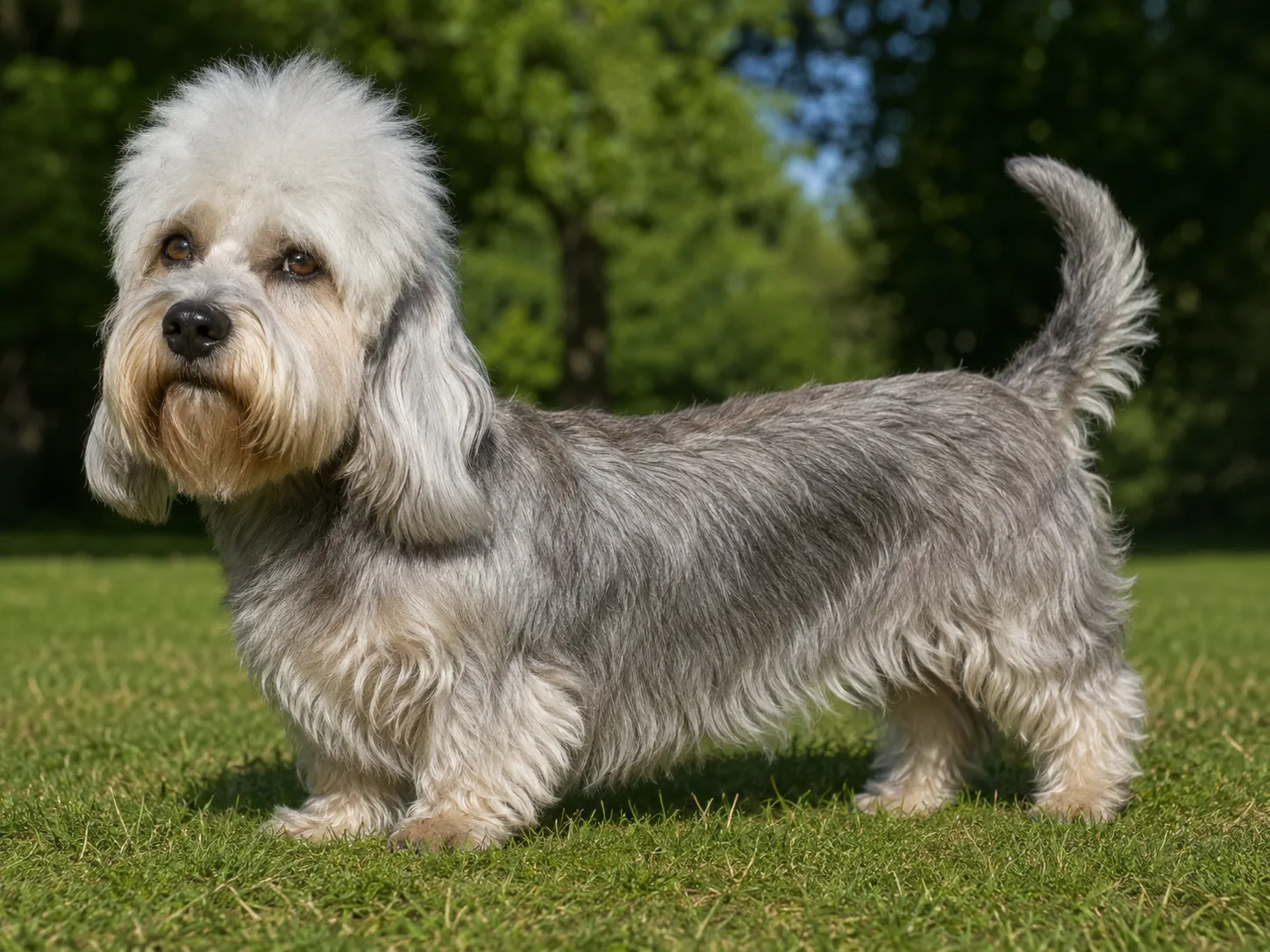 Dandie Dinmont TerrierSmall • Terrier
 English Toy TerrierSmall • Toy
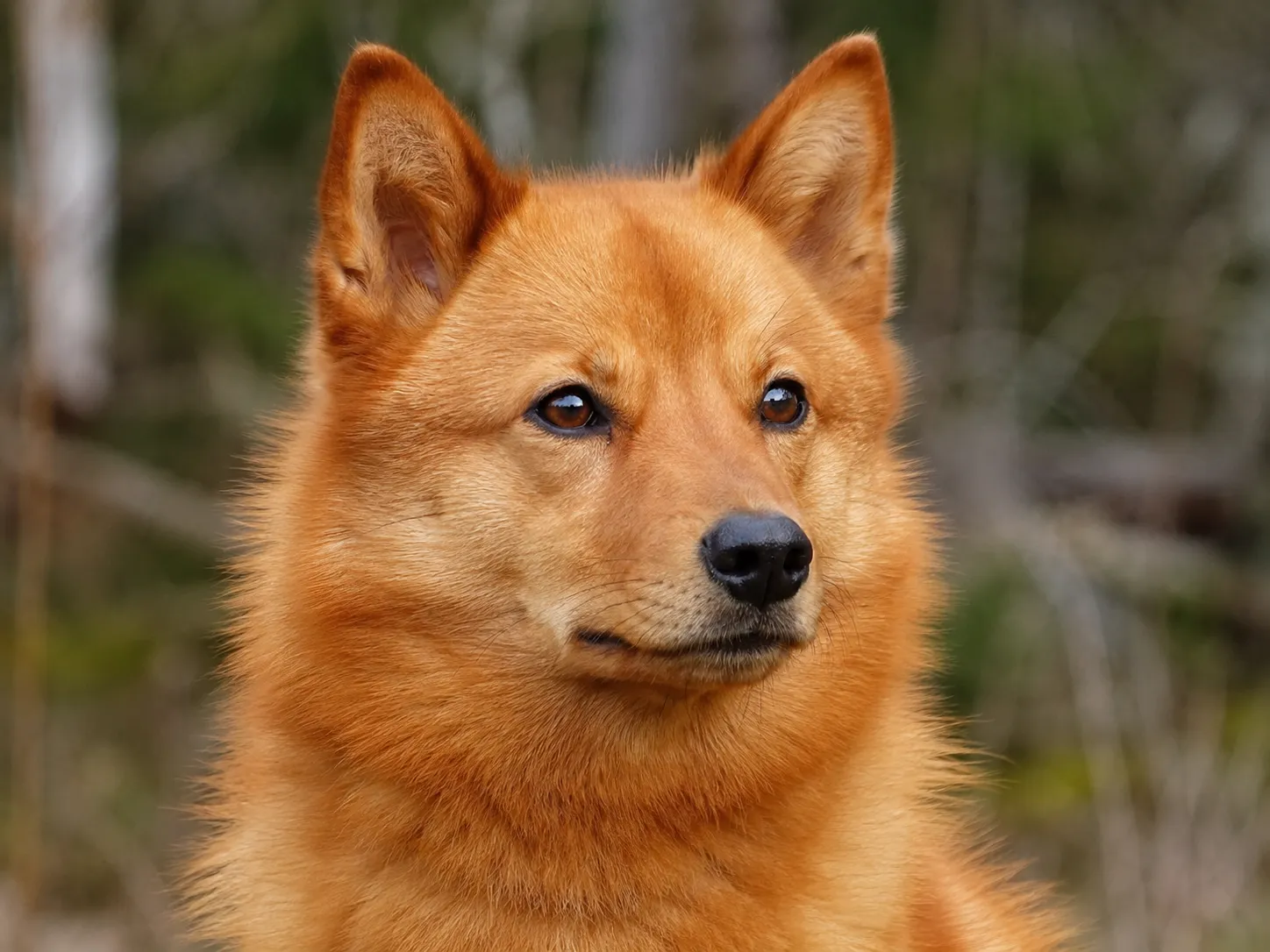 Finnish SpitzMedium • Utility / Spitz type (Nordic hunting breed)
 Fox TerrierMedium • Terrier