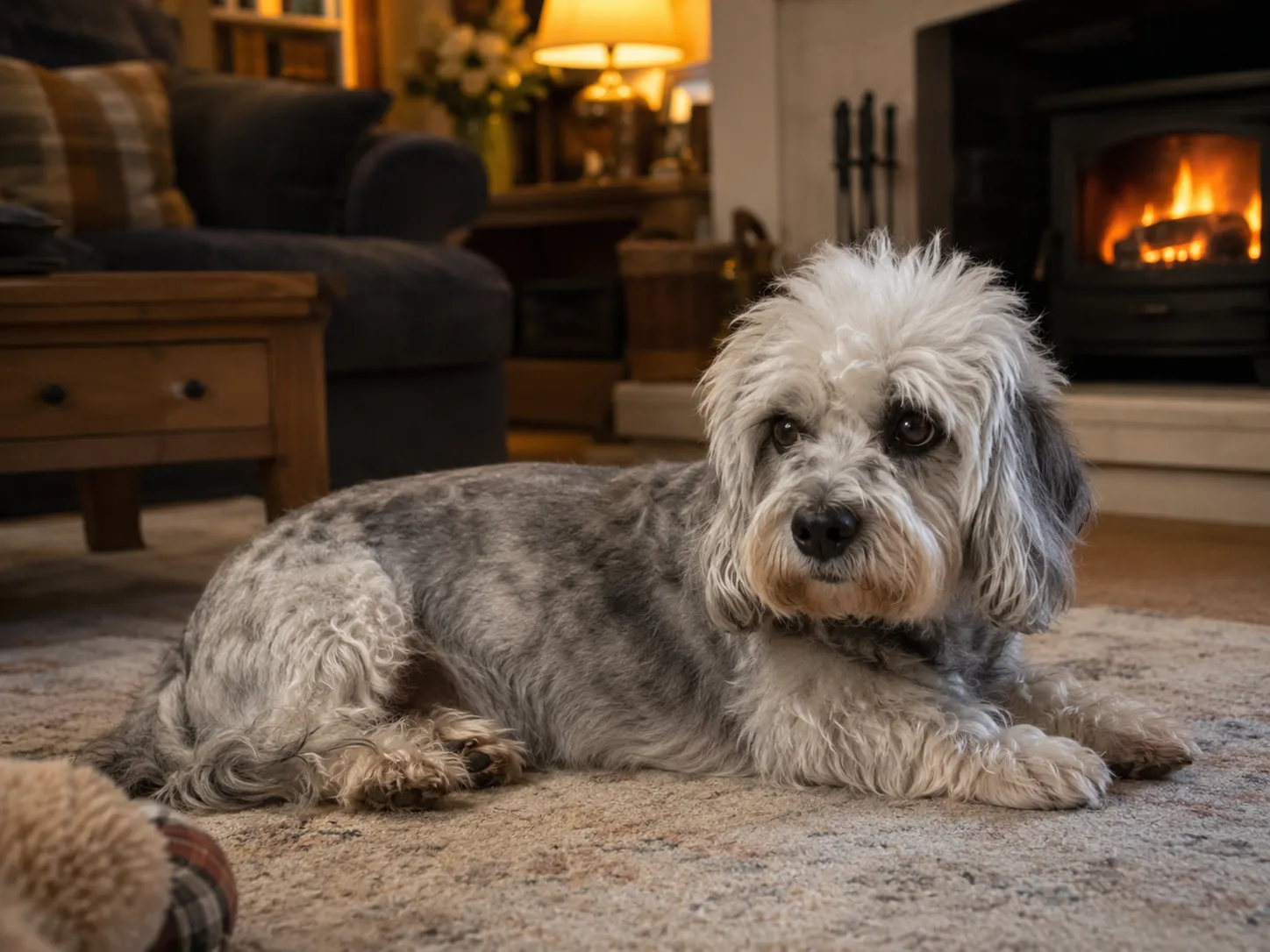
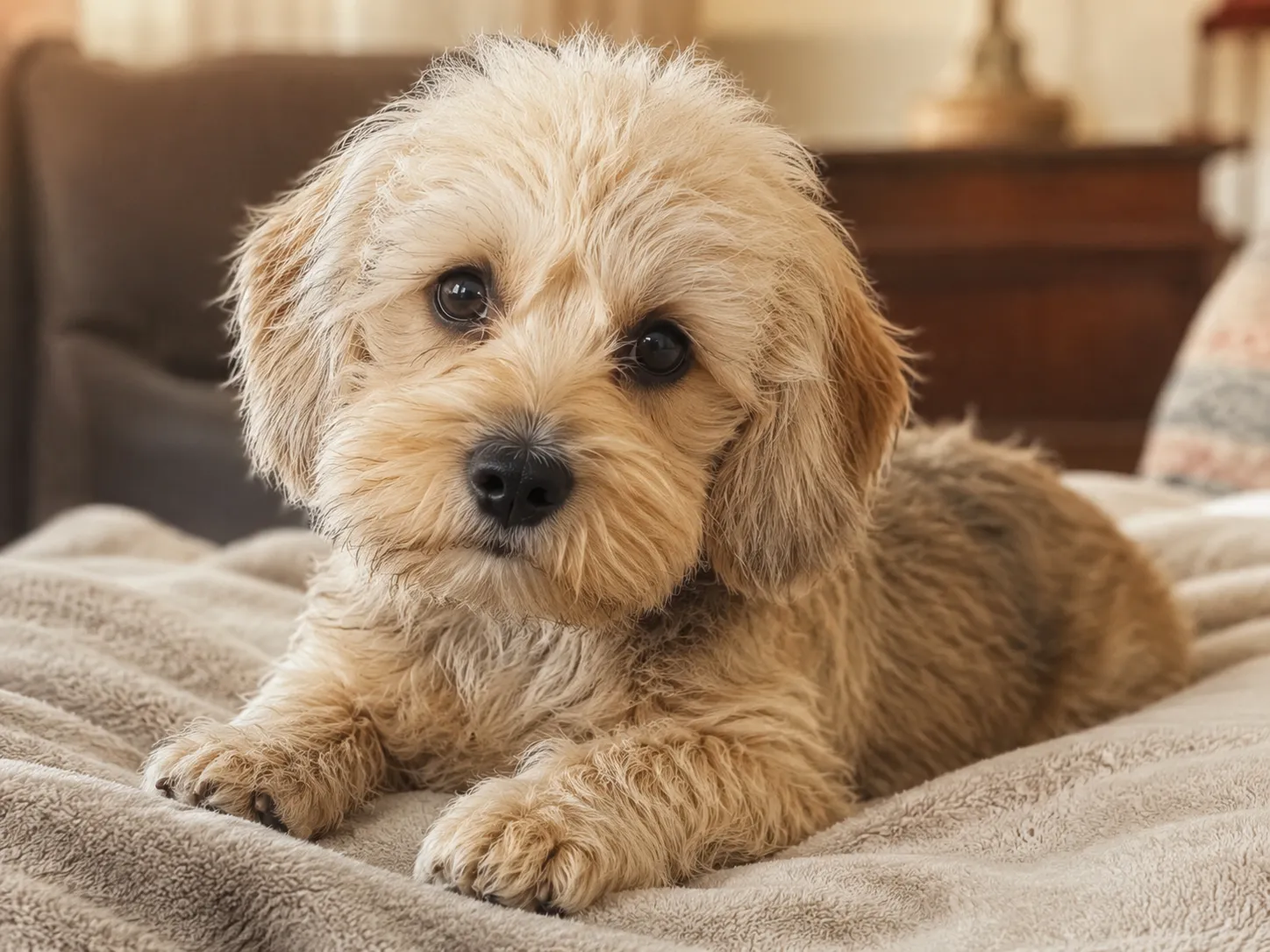
Dandie Dinmont Terrier
By James C. • Updated
The Dandie Dinmont Terrier is a distinctive Scottish terrier known for its long body, short legs, and soft topknot of hair on its head. Originally bred to hunt otters and badgers, the breed is courageous, intelligent, and affectionate. Compared to many terriers, Dandies tend to be calmer and more reserved, making them appealing companions for owners seeking a small dog with a steady temperament.
Breed Overview
Life Span
12 - 15 years
Average Price
AUD 2500 - AUD 4500
Weight
Male: 8 - 11 kg Female: 8 - 11 kg
Height
Male: 20 - 28 cm Female: 20 - 28 cm
Life Expectancy
Male/Female: 12 - 15 years
Breed Group
Terrier
Nicknames
Dandie
Breed Information
The Dandie Dinmont Terrier is one of the most distinctive terriers in the world, known for its long, low “weasel-like” body, silky topknot, and dignified expression. Originally developed along the border of Scotland and England, this small but tough earthdog was bred to dispatch otter and badger with courage well beyond its size.
Despite its working origins, the Dandie is a composed and affectionate companion. It adapts well to both country and city living, provided exercise and mental stimulation are consistent. While compact and calm indoors, this breed retains classic terrier independence, confidence, and a strong instinct to chase.
The Dandie Dinmont Terrier is best suited to owners who appreciate character, loyalty, and a touch of stubborn charm in a small but serious dog.
Characteristics: What Living With a Dandie Dinmont Terrier Is Really Like
The Dandie Dinmont Terrier may be small in size, but this is a serious terrier with a confident, self-assured nature, and its distinctive coat needs a wiry coat grooming routine. Originally bred to hunt otter and badger, the Dandie combines toughness with surprising composure indoors. The characteristics below reflect what daily life with this unique Scottish terrier genuinely involves.
| Characteristic | Rating | Star Rating (★ out of 5) | What This Means for You |
| Size | Small | ★★☆☆☆ | Compact and manageable, suitable for smaller homes without feeling fragile. |
| Adaptability | High | ★★★★☆ | Adjusts well to town or country living with steady routines and structure. |
| Exercise Needs | Moderate | ★★★☆☆ | Around 45–60 minutes daily keeps them settled and content. |
| Easy to Train | Moderate | ★★★☆☆ | Intelligent but independent; responds best to positive reinforcement. |
| Amount of Shedding | Very Low | ★☆☆☆☆ | Does not shed, but coat maintenance is required. |
| Grooming Needs | High | ★★★★☆ | Requires regular brushing and periodic hand stripping to maintain coat texture. |
| Good With Children | Moderate | ★★★☆☆ | Generally affectionate but best with respectful, supervised interaction. |
| Health of Breed | High | ★★★★☆ | Typically robust with few major inherited concerns. |
| Cost to Keep | Moderate | ★★★☆☆ | Grooming and quality nutrition contribute to steady ongoing costs. |
| Tolerates Being Alone | Moderate | ★★★☆☆ | Can manage short periods alone but prefers regular companionship. |
| Intelligence | High | ★★★★☆ | Quick to understand commands, though may choose when to respond. |
In summary, the Dandie Dinmont Terrier suits owners who appreciate a calm but confident small dog with real terrier substance. This breed offers loyalty, humour, and character, but thrives best with consistent leadership and realistic expectations rather than overly strict obedience demands.
History of the Dandie Dinmont Terrier: Scotland’s “Big Little Dog”
The Dandie Dinmont Terrier is one of the oldest and most culturally distinctive terriers in Britain, and its rarity makes checking for online puppy scams worthwhile. Developed along the border counties between Scotland and England, particularly in the Cheviot Hills, this hardy earthdog was prized for its ability to hunt otter and badger above and below ground. Long before it gained its modern name, it was known locally as a tough, “rough native terrier” owned by border farmers and hunters.
The breed’s name came not from a region, but from literature. In 1815, Sir Walter Scott published the novel Guy Mannering, introducing a character named Dandie Dinmont, a farmer who kept a pack of pepper and mustard terriers. Scott based the character on a real breeder, James Davidson, whose working terriers were already well known locally. After the novel’s success, these distinctive dogs became widely referred to as “Dandie Dinmont’s terriers,” making them the only recognised breed named after a fictional character.
Davidson’s dogs included what enthusiasts still call the “Immortal Six” — Old Mustard, Young Pepper, Young Mustard, Little Pepper, Little Mustard, and Old Pepper. These foundation dogs strongly influenced the breed’s development, and many historians believe that virtually all modern Dandies can trace ancestry back to this early stock.
The breed also enjoyed royal admiration during the 19th century. Even French king Louis Philippe reportedly kept Dandies, and the Dandie Dinmont Terrier Club, established in 1875, remains one of the oldest breed clubs in existence. The Dandie entered the American Kennel Club in 1886 and continues to hold a small but loyal following today.
In 2015, the Duke of Buccleuch granted the breed permission to adopt the private Sir Walter Scott tartan, reinforcing its deep Scottish heritage. With its unique name, distinctive appearance, and enduring character, the Dandie Dinmont Terrier remains one of Britain’s most iconic and historically rich terrier breeds.
Appearance of the Dandie Dinmont Terrier: Distinctive, Low, and Instantly Recognisable
The Dandie Dinmont Terrier has one of the most unusual outlines in the terrier group, longer and lower than the Cairn Terrier, a more conventional Scottish terrier. With its long, low body, large domed head, silky topknot, and curved topline, it looks unlike any other small working dog. Every feature reflects its history as a determined earthdog built to follow quarry underground while maintaining stamina and strength above ground.
Size and Build
The Dandie is a small but solidly constructed terrier, typically weighing between 8 and 11 kg. Despite its modest height, the body is noticeably longer than it is tall, giving the breed its characteristic “weasel-like” appearance.
The chest is well developed, the ribcage is deep, and the legs are short but strong. This low-to-ground structure allowed the Dandie to work through tunnels and rough terrain with surprising agility and determination.
Topline and Body Shape
One of the defining hallmarks of the breed is its distinctive curving topline. Rather than appearing flat-backed, the Dandie rises gently over the loin before tapering toward the tail, creating a soft arch when viewed from the side.
This shape is not decorative. It reflects the breed’s functional design, providing flexibility and strength for underground work and quick bursts of movement.
Head, Eyes, and Expression
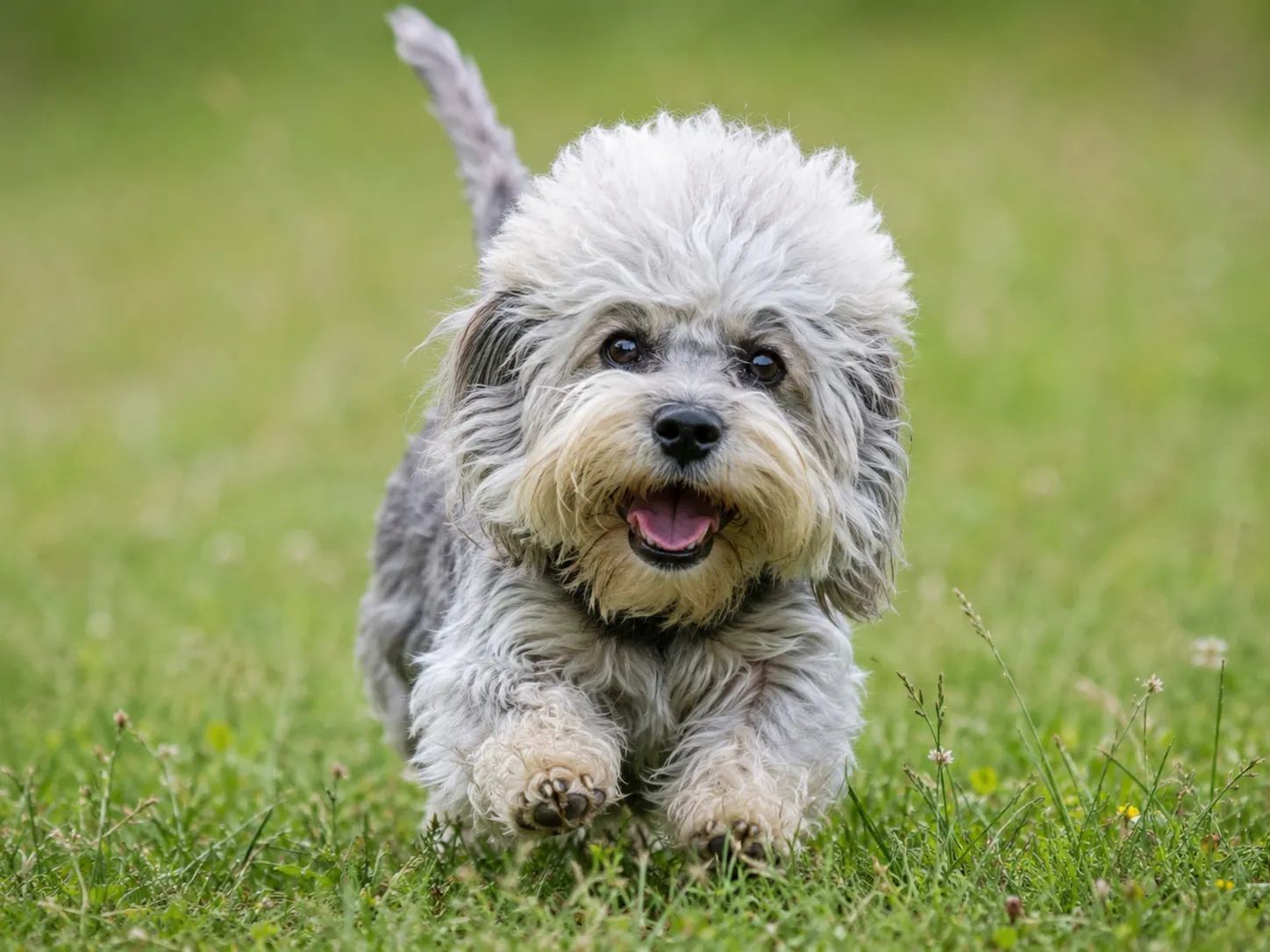
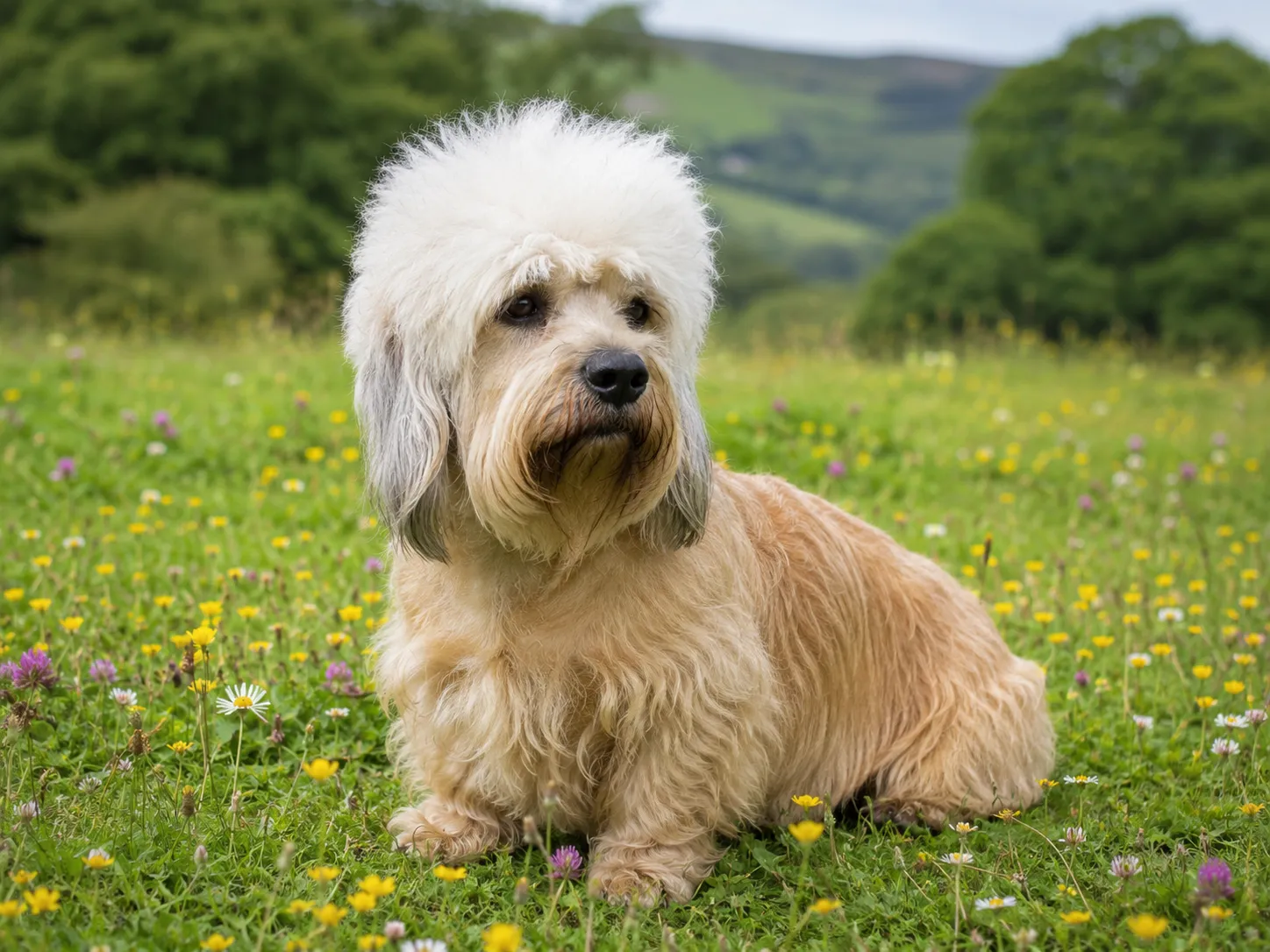
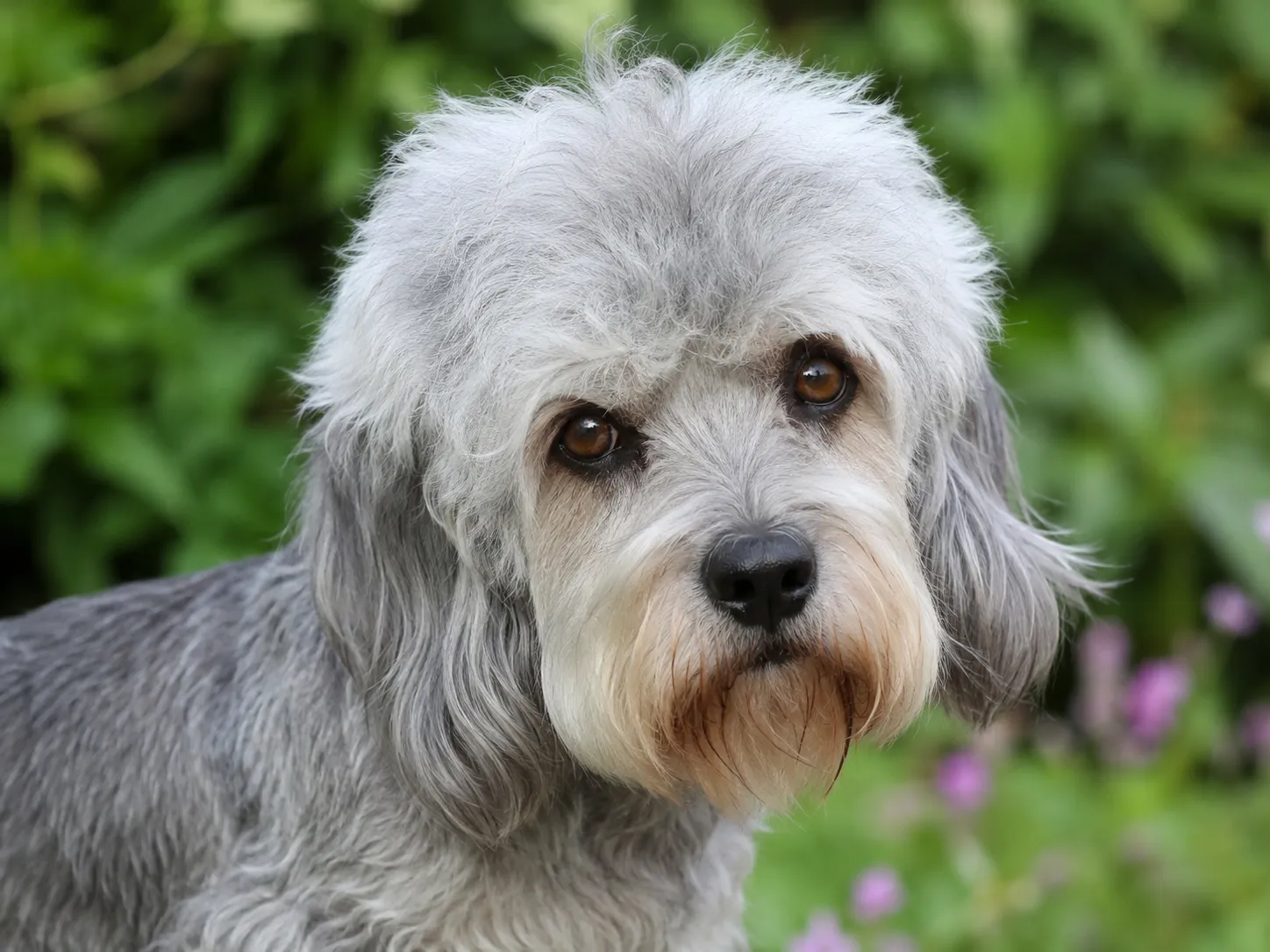
The head is large in proportion to the body and covered with a profuse, silky topknot that forms a soft cap. The muzzle is strong, and the jaw is powerful, reminding owners that this small dog was bred for serious vermin control.
The eyes are large, round, and dark, set wide apart with a bright, intelligent expression. Combined with the long, feathered ears that taper almost to a point, the overall expression is alert, thoughtful, and quietly confident.
Coat Texture and Colours
The Dandie’s coat is crisp rather than soft over the body, with a mixture of hard and softer hair that requires hand stripping to maintain proper texture. The topknot, in contrast, is silky and lighter in colour.
There are only two recognised colours:
- Pepper: Ranging from bluish black to silvery grey
- Mustard: Ranging from reddish brown to pale fawn
These colour names originate from the early foundation dogs described in Sir Walter Scott’s Guy Mannering, reinforcing the breed’s historical identity.
Overall Presence and Movement
Although small, the Dandie carries itself with surprising dignity. Movement is purposeful and steady rather than flashy. The gait should appear free and confident, reflecting a dog capable of working independently without exaggeration.
This is not a delicate toy breed. The Dandie Dinmont Terrier is a compact, muscular, and determined small working terrier whose distinctive silhouette remains one of the most recognisable in the canine world.
Temperament of the Dandie Dinmont Terrier: Tough Spirit With Quiet Dignity
The Dandie Dinmont Terrier may look charming and compact, but beneath the silky topknot lies a true terrier, so early socialisation before vaccinations finish matters. Bred to hunt otter and badger, this breed carries courage, determination, and independence in a small but sturdy frame. What sets the Dandie apart, however, is the balance between toughness and composure.
Core Personality Traits
Dandies are confident without being frantic, affectionate without being clingy. They form strong bonds with their family and often develop a loyal attachment to one or two people in particular.
Unlike some high-strung small terriers, the Dandie is generally calmer indoors. It enjoys play and interaction but is equally content to relax nearby, observing the household with quiet awareness.
Social Behaviour With People
With family members, the Dandie is warm and engaging. It enjoys gentle play with children and adapts well to respectful interaction. Because of its sturdy build, it is less fragile than many small breeds, though supervision is always important with younger children.
Around strangers, the Dandie is typically alert and watchful rather than overly friendly. Its deep, baritone bark makes it an effective watchdog, even if it lacks the size of a traditional guard dog.
Terrier Instinct and Prey Drive
The Dandie remains a hunting terrier at heart. Movement triggers instinct, and small animals can quickly capture its attention. Even well-trained individuals may give chase if given the opportunity.
Secure fencing and leash control are essential. This instinct is part of the breed’s character and should be managed rather than suppressed.
Common Behavioural Challenges
As with most terriers, independence can be mistaken for stubbornness. The Dandie thinks for itself and does not respond well to harsh correction. Pushing too hard in training often leads to resistance.
Clear boundaries, consistency, and positive reinforcement produce the best results. When properly guided, the Dandie becomes a well-mannered companion who combines courage with charm.
In summary, the Dandie Dinmont Terrier suits owners who appreciate a small dog with substance. This is a dignified, loyal, and quietly bold terrier that thrives with confident leadership and steady routine rather than forceful control.
Intelligence and Trainability of the Dandie Dinmont Terrier: Independent Mind, Willing Heart
The Dandie Dinmont Terrier is an intelligent breed, but like most terriers, it does not approach learning in an obedience-driven way, which is worth remembering when judging training progress against the usual timeline. Bred to work independently underground, the Dandie developed the ability to think, assess situations, and act without constant human direction. Training success depends on understanding this independent mindset rather than trying to overpower it.
How the Dandie Learns
Dandies are quick to understand patterns and routines. They notice tone of voice, body language, and reward timing. However, repetition without purpose quickly leads to boredom.
They respond best when training feels engaging and fair. If a Dandie sees value in a task, it will cooperate enthusiastically. If the exercise feels forced or repetitive, interest fades just as quickly.
Training Methods That Work Best
Positive reinforcement produces the most reliable results. Food rewards, praise, and short, focused sessions help maintain engagement. Harsh corrections or heavy-handed handling often create resistance rather than compliance.
Consistency is critical. Clear household rules and calm leadership prevent the Dandie from testing boundaries. Firm does not mean loud. It means steady and predictable.
Early Training Priorities
Early socialisation and basic obedience training are especially important for this breed. Teaching recall, loose-lead walking, and polite behaviour around other dogs builds a stable foundation.
While recall can improve with practice, owners should always remember that terrier instinct remains strong. Secure environments are essential when training outdoors.
Common Training Mistakes to Avoid
Allowing inconsistent rules, delaying training until adolescence, or expecting automatic obedience can create frustration. Overtraining in long sessions is equally counterproductive.
The Dandie Dinmont Terrier thrives when training is respectful, structured, and reward-based. With patience and leadership, this small but determined dog becomes a well-adjusted, reliable companion while still retaining its spirited terrier character.
Dandie Dinmont Terrier and Family Life: Children, Other Pets, and the Home
The Dandie Dinmont Terrier can fit well into family life when expectations are realistic and the home environment provides structure, and you can see which Dandie Dinmont Terrier puppies are listed in Australia today. Although small, this is a sturdy and confident terrier, not a fragile lap dog. Understanding its temperament and instincts is key to creating a balanced household.
Living With Children
Dandies generally enjoy the company of children, particularly those who understand calm and respectful handling. Their solid build makes them less delicate than many toy breeds, and they often join in gentle play or outdoor games.
What works well:
- Older children who understand boundaries
- Supervised, calm interaction
- Predictable daily routines
What requires care:
- Rough play or grabbing
- Loud, chaotic environments
- Unsupervised interaction with toddlers
Compatibility With Other Dogs and Pets
With proper socialisation, Dandies can coexist with other dogs, especially those of similar size and temperament. Early exposure improves tolerance and confidence.
However, as true terriers, they retain a strong prey drive. Small pets such as rodents, rabbits, or poultry are at higher risk. Cats raised alongside a Dandie from puppyhood may be accepted, but unfamiliar animals can trigger instinct.
Secure fencing and supervision remain important in multi-pet households.
Home Environment and Lifestyle
The Dandie adapts well to both town and country living. A small house is suitable as long as daily exercise is provided. A secure small to medium garden is ideal, but not mandatory if walks are consistent.
Indoors, the Dandie is typically calm and settled once exercised. It enjoys being near its family but does not demand constant attention. Short periods alone are usually manageable, though long isolation is not ideal.
When matched with a home that provides structure, companionship, and sensible management of terrier instincts, the Dandie Dinmont Terrier becomes a loyal, entertaining, and surprisingly composed family companion.
Health of the Dandie Dinmont Terrier: A Generally Robust but Rare Breed
The Dandie Dinmont Terrier is considered a relatively healthy breed, particularly when compared to many modern small dogs. There are no widespread inherited diseases strongly associated with the breed, and it is often described as hardy and long-lived. However, responsible ownership and careful breeding remain essential, especially given the breed’s status as a vulnerable native breed.
General Health Overview
Most Dandies live well into their teens, with many reaching 12 to 15 years or more. The breed does not have a long list of mandatory health tests, and no specific breed-wide screening scheme is currently required.
That said, no breed is completely disease free. Rare cases of lymphoma have been reported, and like all dogs, Dandies can develop common conditions such as dental disease, ear infections, or weight-related issues if care is neglected.
Genetic Diversity and Responsible Breeding
Because the Dandie Dinmont Terrier has a relatively small global population, maintaining genetic diversity is particularly important. Ethical breeders prioritise sound structure, stable temperament, and avoidance of close inbreeding.
Prospective owners should:
- Ask about family health history
- Review any available health screening documentation
- Choose breeders who emphasise long-term breed welfare rather than quick sales
A careful selection process supports both individual puppy health and the future of the breed as a whole.
Ear, Dental, and Routine Care
Dandies have long, hanging ears, which can make them more prone to ear infections if not checked regularly. Weekly ear inspection and cleaning when needed help prevent problems.
Dental care is equally important. Small breeds are often susceptible to plaque build-up, so regular brushing with dog-specific toothpaste is strongly recommended.
Routine veterinary visits, parasite control, and weight monitoring all contribute to long-term health.
Breed Watch and Conformation
There are currently no major conformation concerns specifically flagged for the Dandie Dinmont Terrier under standard breed watch categories. The breed’s distinctive long-and-low structure should remain functional rather than exaggerated.
Maintaining moderate weight is especially important to protect the spine and joints, given the breed’s body shape.
Overall, the Dandie Dinmont Terrier is a durable and healthy small terrier when sourced responsibly and cared for consistently. With thoughtful breeding and routine preventive care, most Dandies enjoy a long, active life.
Caring for the Dandie Dinmont Terrier: Daily Structure and Long-Term Wellbeing
Caring for a Dandie Dinmont Terrier is less about intensity and more about consistency. This is a sturdy small dog that thrives on routine, moderate exercise, and steady companionship. While not demanding, the Dandie benefits from thoughtful management that respects both its terrier instincts and its long, low build.
Daily Care Routine
A typical day with a Dandie includes structured walks, short play sessions, and calm downtime indoors. Around 45 to 60 minutes of exercise split across the day keeps the dog mentally settled and physically fit.
Indoors, the Dandie is generally relaxed once exercised. It enjoys being near its family but does not require constant stimulation. Regular checks of coat, ears, eyes, and paws help catch small issues early.
Living Environment Needs
The Dandie adapts well to small houses and does not require large open spaces. A small to medium secure garden is ideal, but consistent walks can substitute for yard access.
Secure fencing is essential. Even a well-trained Dandie may chase if triggered. Gaps or low barriers can quickly become escape routes for a determined terrier.
Protecting the Long-and-Low Structure
Because of its elongated body and short legs, weight control is especially important. Excess weight places unnecessary strain on the spine and joints.
Jumping from high furniture, repetitive stair use, or rough handling should be minimised, particularly during puppy growth and in senior years.
Seasonal and Senior Care
The Dandie’s coat offers reasonable protection in cooler weather, but heat management is important in warmer climates. Exercise should take place during cooler parts of the day, with access to shade and fresh water at all times.
As the dog ages, mobility may decrease gradually. Softer bedding, moderate activity adjustments, and regular veterinary monitoring help maintain comfort and quality of life.
With steady routines, controlled exercise, and attentive weight management, the Dandie Dinmont Terrier remains a resilient and affectionate companion throughout every stage of life.
Grooming of the Dandie Dinmont Terrier: Coat Care Without Shedding
The Dandie Dinmont Terrier does not shed in the traditional sense, but that does not mean grooming is minimal. Its distinctive coat requires regular maintenance to preserve texture, prevent matting, and maintain the breed’s characteristic outline. Grooming is part of responsible ownership rather than an occasional task.
Coat Type and Texture
The Dandie’s coat is a mixture of hard and soft hair. The body coat should feel crisp rather than silky, while the topknot remains softer and lighter in texture. This combination gives the breed its unique appearance but also requires proper care to avoid losing structure.
Because the coat does not fall out naturally, dead hair must be manually removed.
Hand Stripping and Maintenance
The coat should be hand stripped at least two times per year to remove dead hair and maintain correct texture. This can be done by an experienced breeder, professional groomer, or an owner trained in proper technique using appropriate stripping tools.
Between full stripping sessions, loose hairs can be plucked gently to keep the coat tidy. Without stripping, the coat may become soft, overgrown, and lose its traditional terrier finish.
Brushing, Ears, and Nails
Daily or near-daily brushing helps prevent matting, especially around the legs, beard, and undercarriage. A slicker brush combined with a comb works well for most coats.
Nails should be trimmed monthly, and ears checked weekly for signs of infection. The long, hanging ear shape can trap moisture, making regular inspection important.
Managing Grooming Expectations
Although the Dandie does not leave hair around the house, grooming demands are higher than many shedding breeds. Skipping maintenance can quickly lead to tangles and discomfort.
When grooming routines are introduced early and handled calmly, most Dandies tolerate maintenance well. With consistency, coat care becomes manageable and preserves the breed’s distinctive look.
Exercise of the Dandie Dinmont Terrier: Moderate Activity With Clear Limits
The Dandie Dinmont Terrier requires steady but moderate exercise. Although small, this breed was developed to hunt otter and badger, so it possesses stamina and determination. However, its long, low structure means exercise must be balanced rather than excessive.
Daily Exercise Requirements
Most adult Dandies do well with around 45 to 60 minutes of activity each day. This can be divided into two brisk walks or a combination of walking and supervised play in a secure area.
Short sessions are better than prolonged exertion. The goal is to keep the dog mentally stimulated and physically fit without placing strain on its spine or joints.
Suitable Activities
Dandies enjoy:
- Purposeful leash walks
- Controlled ball games in a fenced yard
- Light terrier-style play
- Interactive enrichment games indoors
They are alert and energetic but not hyperactive. Once exercised, most settle comfortably indoors.
Exercise Restrictions
Because of their elongated body, Dandies are not built for long-distance running. They are not suited to jogging or cycling companions.
Repeated jumping from heights, excessive stair climbing, or rough play that twists the spine should be avoided, especially during puppy development.
Managing Prey Drive Outdoors
The Dandie retains a strong hunting instinct. Even well-trained individuals may chase small animals if given the chance.
When outdoors:
- Always use a leash in open areas
- Ensure fencing is secure and escape-proof
- Do not rely solely on recall when distractions are present
With consistent, moderate activity and sensible management, the Dandie Dinmont Terrier remains fit, content, and well balanced without requiring extreme levels of exercise.
Feeding of the Dandie Dinmont Terrier: Balanced Nutrition and Weight Control
Feeding a Dandie Dinmont Terrier requires attention to portion control and quality rather than quantity. Although small, this breed is sturdy and can gain weight easily if overfed. Maintaining a lean body condition is particularly important due to its long back and short legs.
Nutritional Requirements
A high-quality commercial dog food formulated for small or medium breeds is appropriate for most Dandies. The diet should match the dog’s life stage, whether puppy, adult, or senior.
Protein from reliable animal sources supports muscle tone, while controlled fat levels help maintain steady energy without encouraging weight gain.
Feeding Schedule Guidelines
Measured meals are recommended rather than free feeding. Most adult Dandies do well with two controlled meals per day.
Puppies may require three smaller meals during growth. Consistent feeding times support digestion and help establish routine.
Weight Management and Obesity Risk
Some Dandies are prone to becoming overweight if treats and portions are not monitored. Excess weight places unnecessary strain on the spine and joints, increasing the risk of mobility issues later in life.
Owners should:
- Monitor body condition regularly
- Adjust portions based on activity level
- Limit high-calorie treats
Treats and Human Food
Treats can be useful for training but should be factored into daily calorie intake. Table scraps should be given sparingly, if at all. Fatty foods and cooked bones should be avoided.
When in doubt about diet, portion size, or supplements, consulting a veterinarian ensures the Dandie receives appropriate nutrition throughout its life.
With balanced feeding and careful weight control, the Dandie Dinmont Terrier maintains healthy mobility and long-term wellbeing.
Dandie Dinmont Terrier Price and Ongoing Costs: Planning for a Rare Breed
The Dandie Dinmont Terrier is considered a vulnerable native breed, meaning availability can be limited and waiting lists are common. Because of its rarity and the care required for responsible breeding, pricing may be higher than many more common small breeds.
Dandie Dinmont Terrier Puppy Price in Australia
Well-bred Dandie puppies from registered breeders typically range between AUD $2,500 and $4,500, depending on lineage, breeder reputation, and availability.
Puppies at the higher end of the range usually include:
- Microchipping and vaccinations
- Pedigree documentation
- Early socialisation
- Health history information
Unusually low prices should be approached with caution, particularly for a rare breed.
Initial Setup Costs
Before bringing a Dandie home, owners should budget for basic equipment suited to a small but sturdy terrier:
- Supportive bedding
- Collar, lead, and secure harness
- Grooming tools, including stripping equipment
- Food and water bowls
- Initial training or puppy classes
Initial setup expenses generally range from AUD $300 to $600, depending on product quality and choices.
Ongoing Monthly Expenses
Regular expenses include:
- Quality dog food
- Routine parasite prevention
- Grooming maintenance or professional stripping
- Annual veterinary check-ups and vaccinations
Owners should expect approximately AUD $100 to $180 per month, excluding emergency treatment.
Insurance and Long-Term Planning
Pet insurance is strongly recommended, particularly given the breed’s long lifespan. Although generally healthy, unexpected illness or injury can be costly.
Because the Dandie Dinmont Terrier is a rare breed with a small population, responsible ownership includes planning for long-term care and maintaining the dog’s health throughout its life.
With thoughtful budgeting and realistic expectations, the financial commitment of owning a Dandie remains manageable and consistent.
Buying Advice for the Dandie Dinmont Terrier: Choosing Carefully in a Rare Breed
The Dandie Dinmont Terrier is not a common breed, and that rarity makes careful selection especially important. With a small breeding population, responsible sourcing protects both your future dog and the long-term health of the breed.
Choosing a Reputable Breeder
A responsible breeder prioritises temperament, structure, and genetic diversity over quick availability. Given the breed’s limited numbers, ethical breeders often have waiting lists and will ask detailed questions about your lifestyle.
Look for breeders who:
- Provide full pedigree documentation
- Are transparent about family health history
- Allow you to meet the dam where possible
- Discuss the breed’s strengths and challenges honestly
Patience is part of the process with this breed.
Questions to Ask Before Committing
Because the Dandie is a vulnerable native breed, understanding lineage and diversity matters. Ask about:
- Inbreeding levels or coefficient calculations
- Any known hereditary concerns in the line
- Early socialisation practices
- Grooming expectations and coat care guidance
A good breeder will welcome these discussions.
Red Flags to Avoid
Be cautious of:
- Sellers unwilling to provide documentation
- Immediate availability without screening
- Prices far below typical market range
- Lack of knowledge about the breed’s history or grooming needs
With rare breeds, shortcuts often lead to long-term problems.
Considering Rescue or Rehoming
Although uncommon, adult Dandies may occasionally be available through breed rescue groups. An adult dog can be a suitable option for experienced owners who prefer a more predictable temperament and size.
Verified platforms such as Pups4Sale can help connect buyers with legitimate listings across Australia, reducing the risk of online scams and misrepresentation.
Making a careful, informed decision when purchasing a Dandie Dinmont Terrier lays the foundation for a stable, healthy, and rewarding companionship.
Is the Dandie Dinmont Terrier Right for You?
The Dandie Dinmont Terrier is not a breed chosen casually. Its distinctive appearance may attract attention, but long-term satisfaction comes from understanding its temperament, grooming needs, and terrier instincts. This is a small dog with real substance, not a decorative companion.
The Dandie suits owners who appreciate independence and quiet confidence. It adapts well to smaller homes, town or country living, and structured daily routines. Moderate exercise, secure fencing, and consistent leadership are essential. Grooming commitment must also be realistic, particularly hand stripping and regular coat maintenance.
This breed may not suit those seeking a highly obedient, off-lead reliable dog or a low-maintenance coat. Strong prey drive, terrier determination, and occasional stubbornness require steady management rather than force.
For owners who value loyalty, character, and a touch of old-world charm, the Dandie Dinmont Terrier offers a rare and rewarding companionship. When matched honestly with the right lifestyle, this dignified little Scot becomes a devoted and engaging member of the household.
Frequently Asked Questions
Related Breeds
Other companion breeds on Pups4Sale.
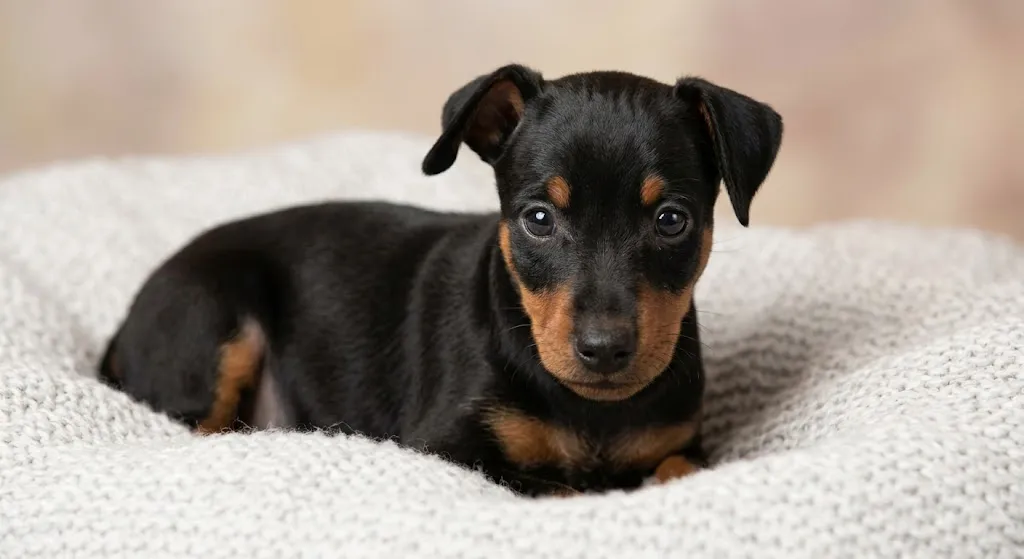 English Toy TerrierSmall • Toy
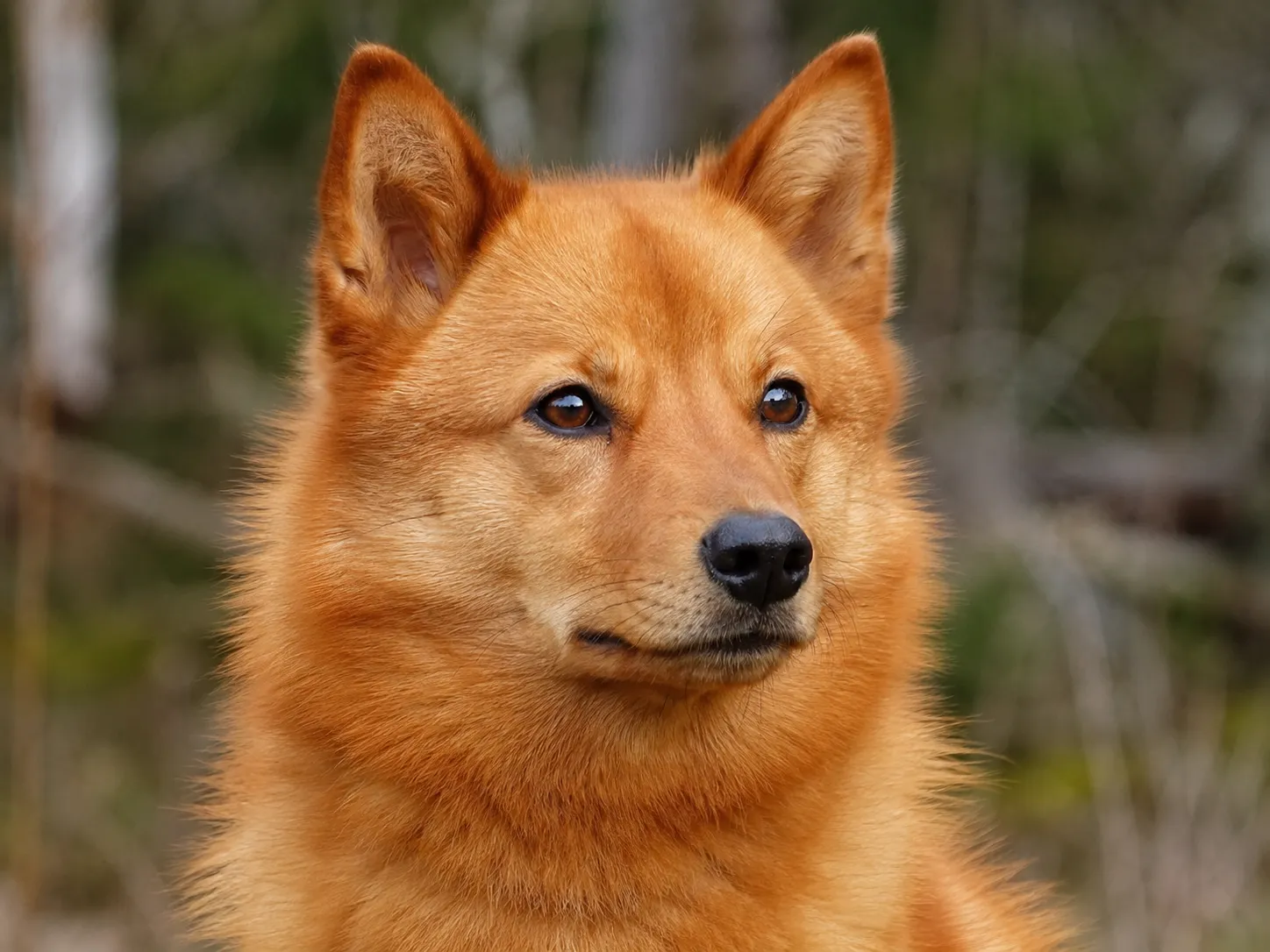 Finnish SpitzMedium • Utility / Spitz type (Nordic hunting breed)
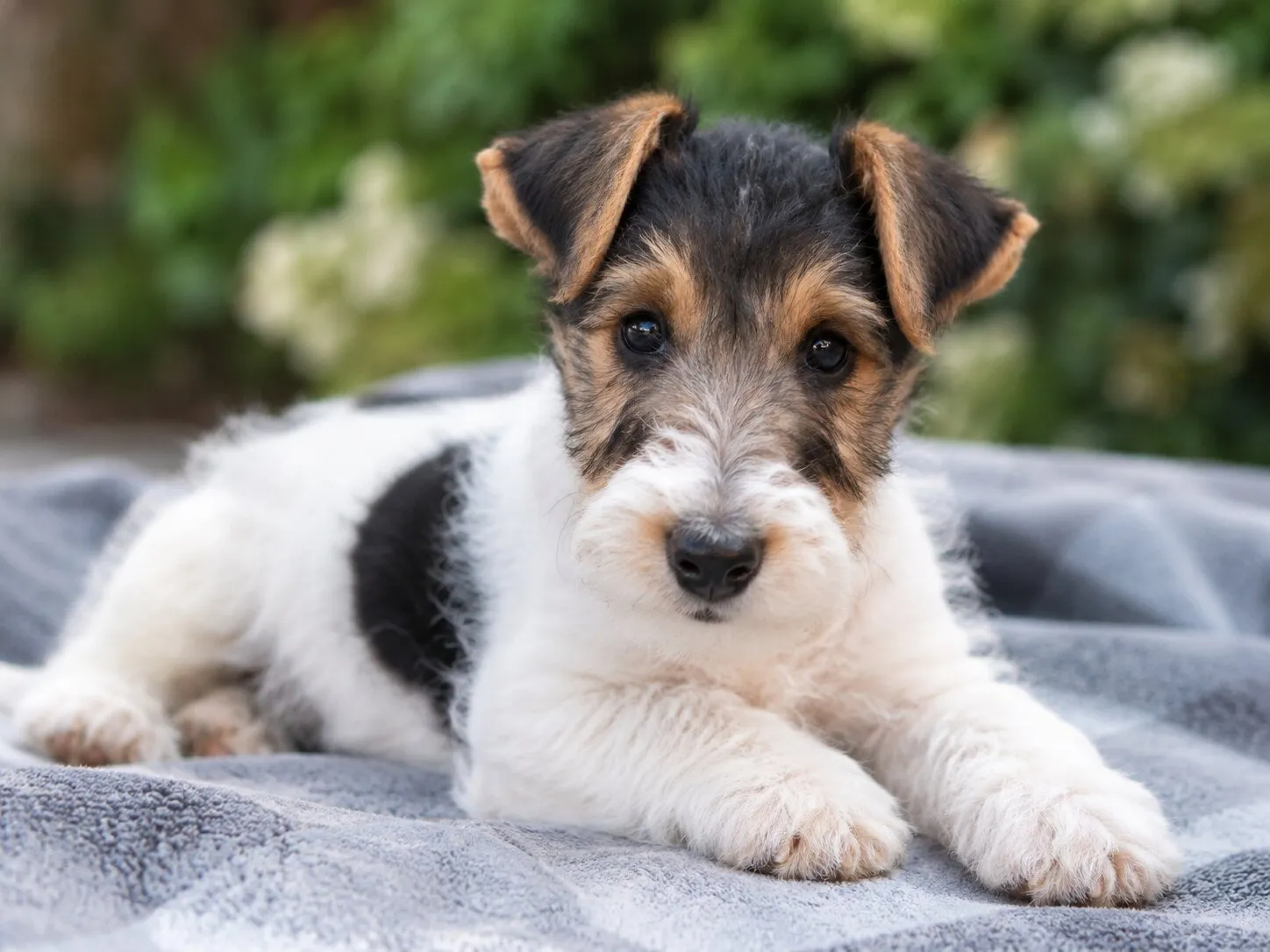 Fox TerrierMedium • Terrier
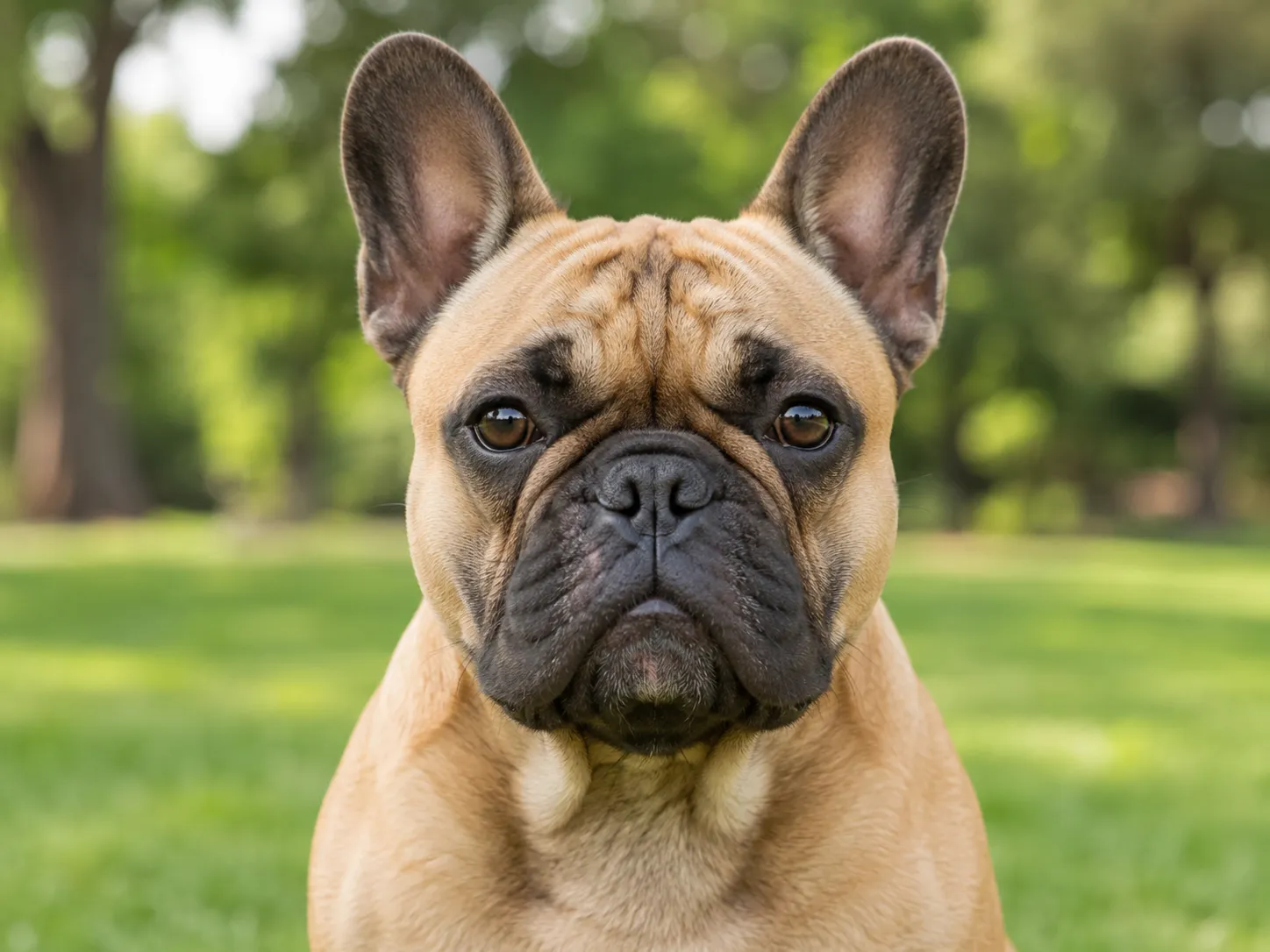 French BulldogSmall • Utility / Companion (Non-sporting)
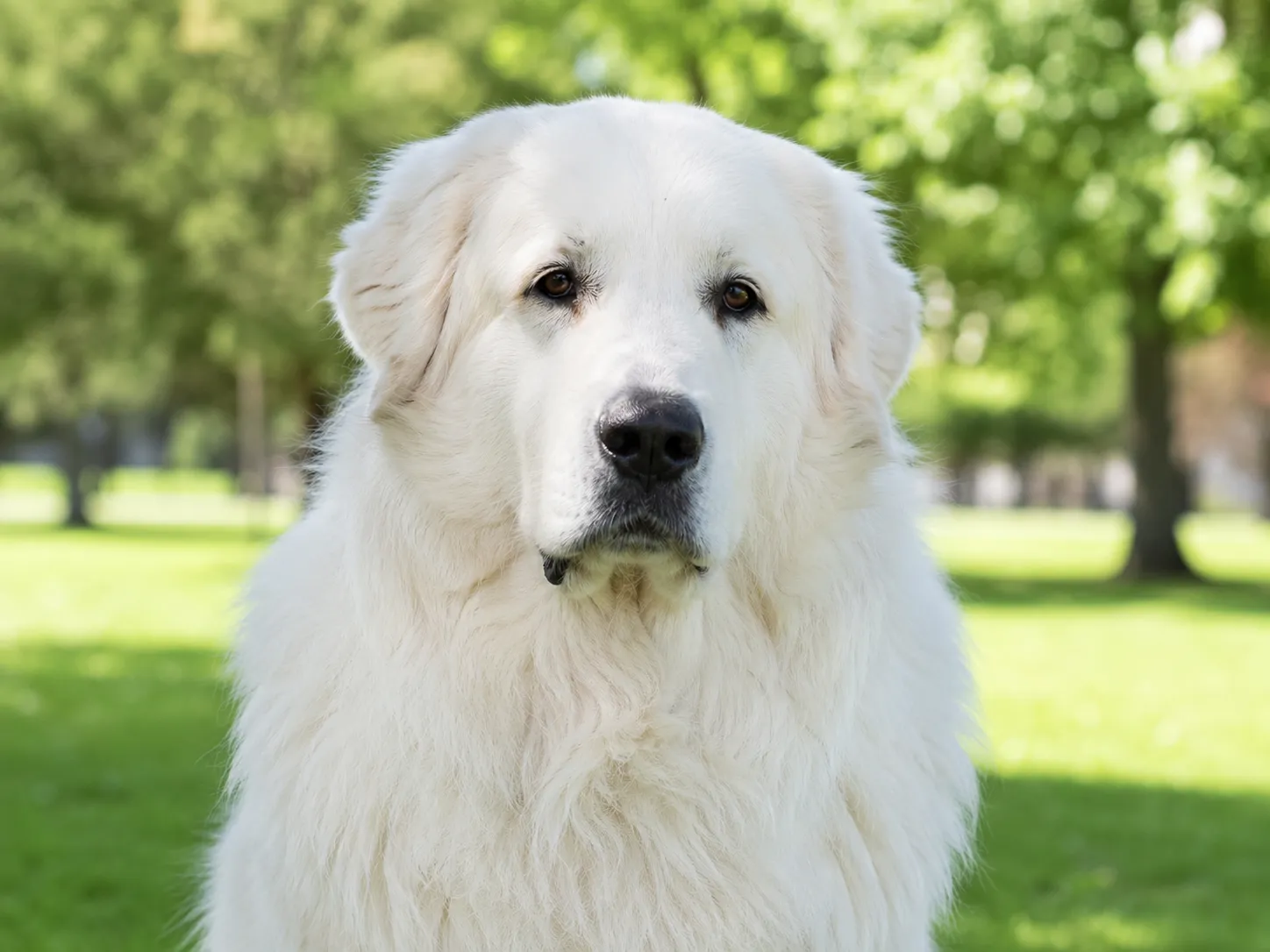 Great PyreneesGiant • Working
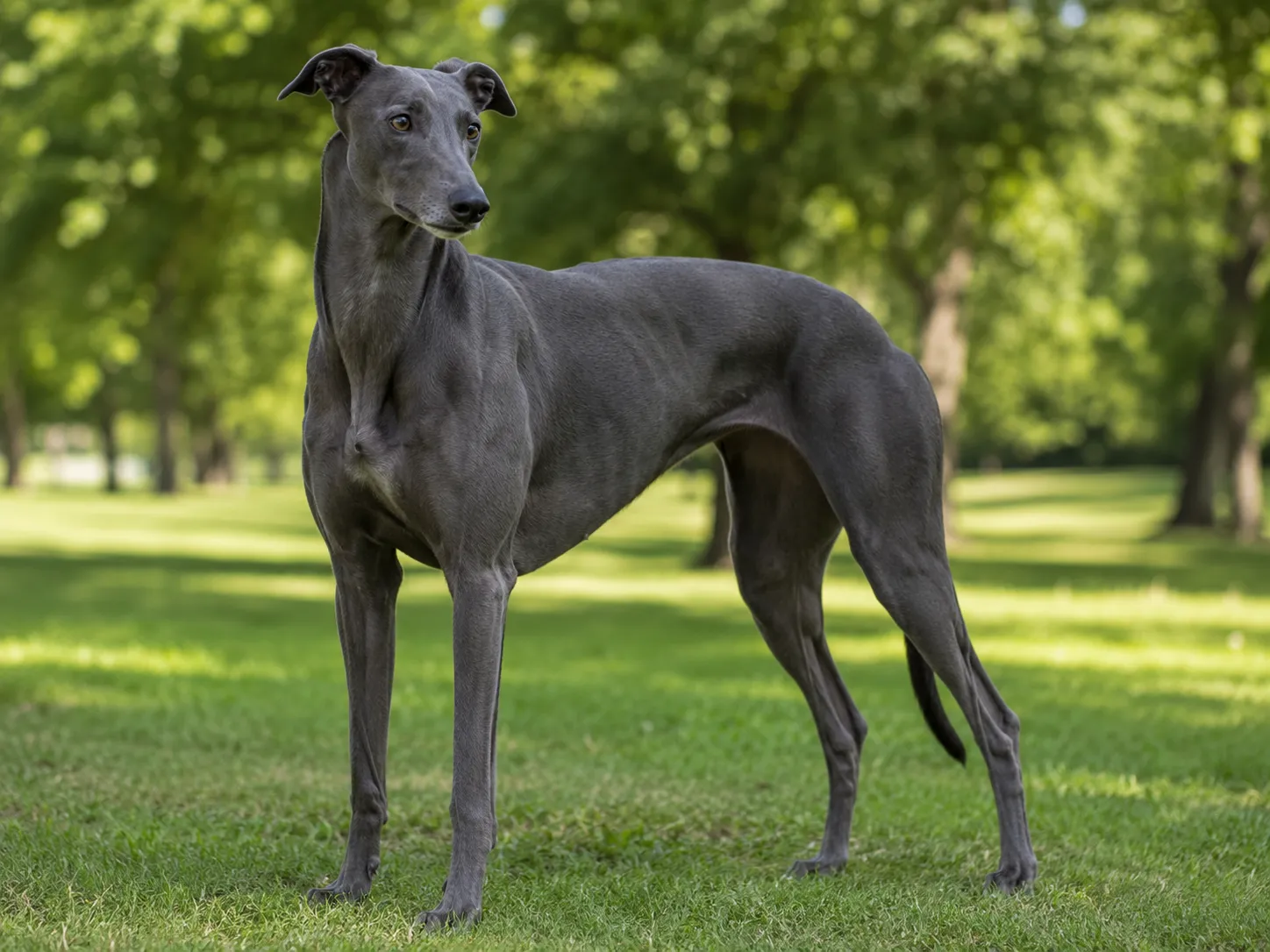 GreyhoundLarge • Hound (Sighthound)