Finnish Spitz
By James C. • Updated
The Finnish Spitz is an alert, lively, and independent breed originally developed in Finland for hunting birds and small game. Known for its fox-like appearance, red-gold coat, and distinctive vocalisations, this breed is intelligent, loyal to its family, and best suited to active owners who can provide regular exercise and mental stimulation.
Breed Overview
Life Span
12 - 15 years
Average Price
AUD 2500 - AUD 4500
Weight
Male: 12 - 16 kg Female: 10 - 14 kg
Height
Male: 44 - 50 cm Female: 39 - 45 cm
Life Expectancy
Male/Female: 12 - 15 years
Breed Group
Utility / Spitz type (Nordic hunting breed)
Nicknames
Finkie
Breed Information
If you are drawn to alert, intelligent dogs with a striking fox-like appearance, the Finnish Spitz may immediately catch your attention. Bred in Finland as a hunting companion, this lively Nordic breed is known for its sharp senses, independence and distinctive bark.
The Finnish Spitz suits active owners who enjoy outdoor activities and appreciate a dog with personality. They form strong bonds with their family but retain a streak of independence rooted in their hunting heritage.
Before choosing one, you should be prepared for a vocal companion, regular grooming and a dog that thrives on mental engagement. In the right home, the Finnish Spitz is loyal, spirited and endlessly expressive. Buyers comparing Nordic breeds often look at the Finnish Lapphund, a calmer Nordic herder alongside it, since the two share coat needs but differ sharply on how much they bark.
Characteristics of the Finnish Spitz: What Daily Life Really Looks Like
| Trait | Rating (Out of 5) | What This Means for You |
| Size | 3/5 | Medium, athletic build suitable for most homes with space to move. |
| Adaptability | 3/5 | Adapts well to active households but dislikes isolation. |
| Exercise Needs | 4/5 | Requires daily structured activity and mental stimulation. |
| Easy to Train | 3/5 | Intelligent but independent; consistency is essential. |
| Amount of Shedding | 4/5 | Moderate to heavy seasonal shedding. |
| Grooming Needs | 3/5 | Weekly brushing, more during coat blow. |
| Good With Children | 4/5 | Generally patient and alert when raised properly. |
| Health of Breed | 4/5 | Typically robust with responsible breeding. |
| Cost to Keep | 3/5 | Moderate food and healthcare costs. |
| Tolerates Being Alone | 2/5 | Strongly bonds with family and may become vocal if bored. |
| Intelligence | 4/5 | Quick learner with strong natural awareness. |
Living with a Finnish Spitz means sharing your home with an alert and expressive companion. They are naturally watchful and tend to comment on what they see or hear. This vocal nature is not aggression, but communication rooted in their hunting background.
Energy levels are steady rather than chaotic. They enjoy purposeful walks, play and training tasks. Without mental stimulation, they may become restless or noisy.
Shedding is noticeable, especially during seasonal coat changes. Owners should be prepared for visible fur during peak periods.
At their best, Finnish Spitz are confident, loyal and quietly affectionate dogs. They are not overly clingy, but they do prefer being included in daily life rather than left on the sidelines.
History of the Finnish Spitz: Finland’s National Hunting Dog
The Finnish Spitz developed in the remote forests of Finland centuries ago. Isolated communities relied on small, agile hunting dogs to locate game birds and small animals in dense woodland. Over time, these dogs became highly specialised. Their role was not to retrieve prey, but to locate it, point it out and hold it in place by barking until the hunter arrived.
Unlike many European breeds shaped through formal breeding programs, the Finnish Spitz evolved through natural selection in harsh northern conditions. Only dogs with sharp senses, stamina and independence survived and reproduced. This helped create a resilient, self-reliant hunter capable of working long days in challenging terrain.
A defining feature of the breed’s working style is its distinctive “bark pointing” technique. When the dog locates game, it barks in a rapid, rhythmic pattern while maintaining eye contact with the prey. This behaviour both distracts the animal and signals the hunter. Barking competitions are still held in Finland today to assess working quality.
By the late 19th century, enthusiasts recognised the need to preserve the breed’s purity. Dedicated breeding efforts formalised the Finnish Spitz standard, and it was later declared Finland’s national dog.
Today, while still used for hunting in Scandinavia, the Finnish Spitz has also gained popularity as a companion dog. Despite modern living, its alertness, independence and vocal nature remain deeply rooted in its heritage.
Appearance of the Finnish Spitz: A Fox-Like Nordic Hunter
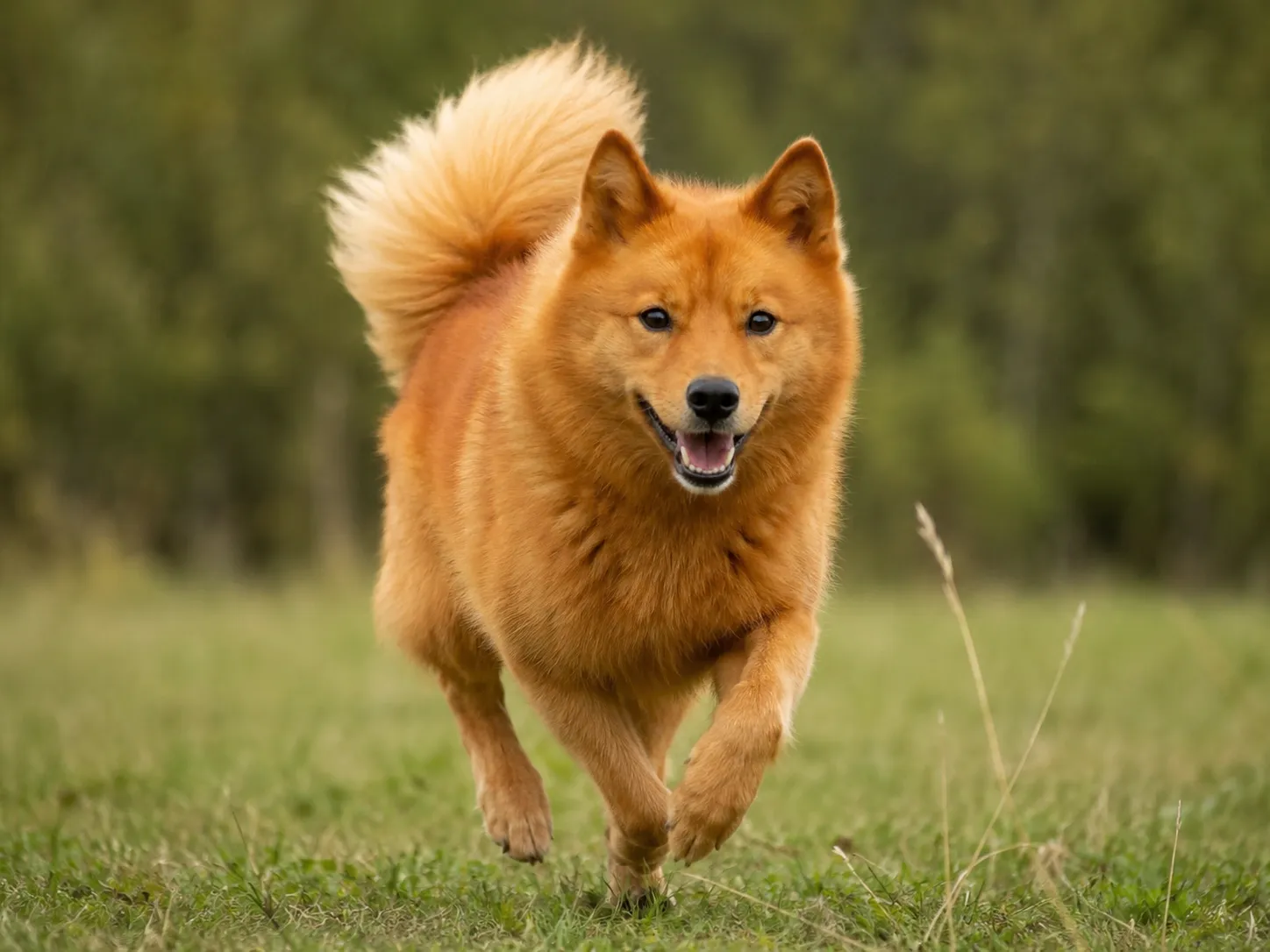
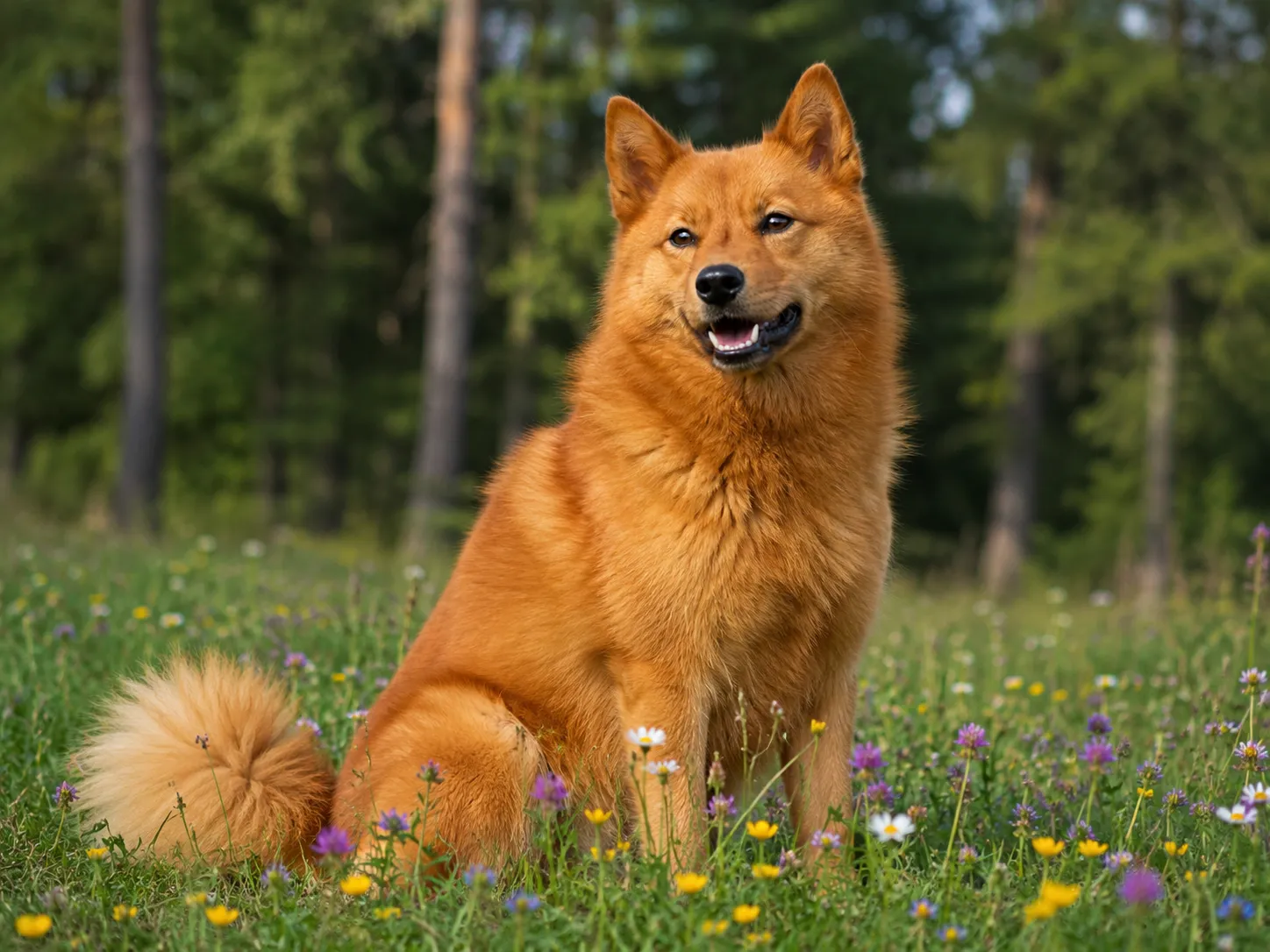
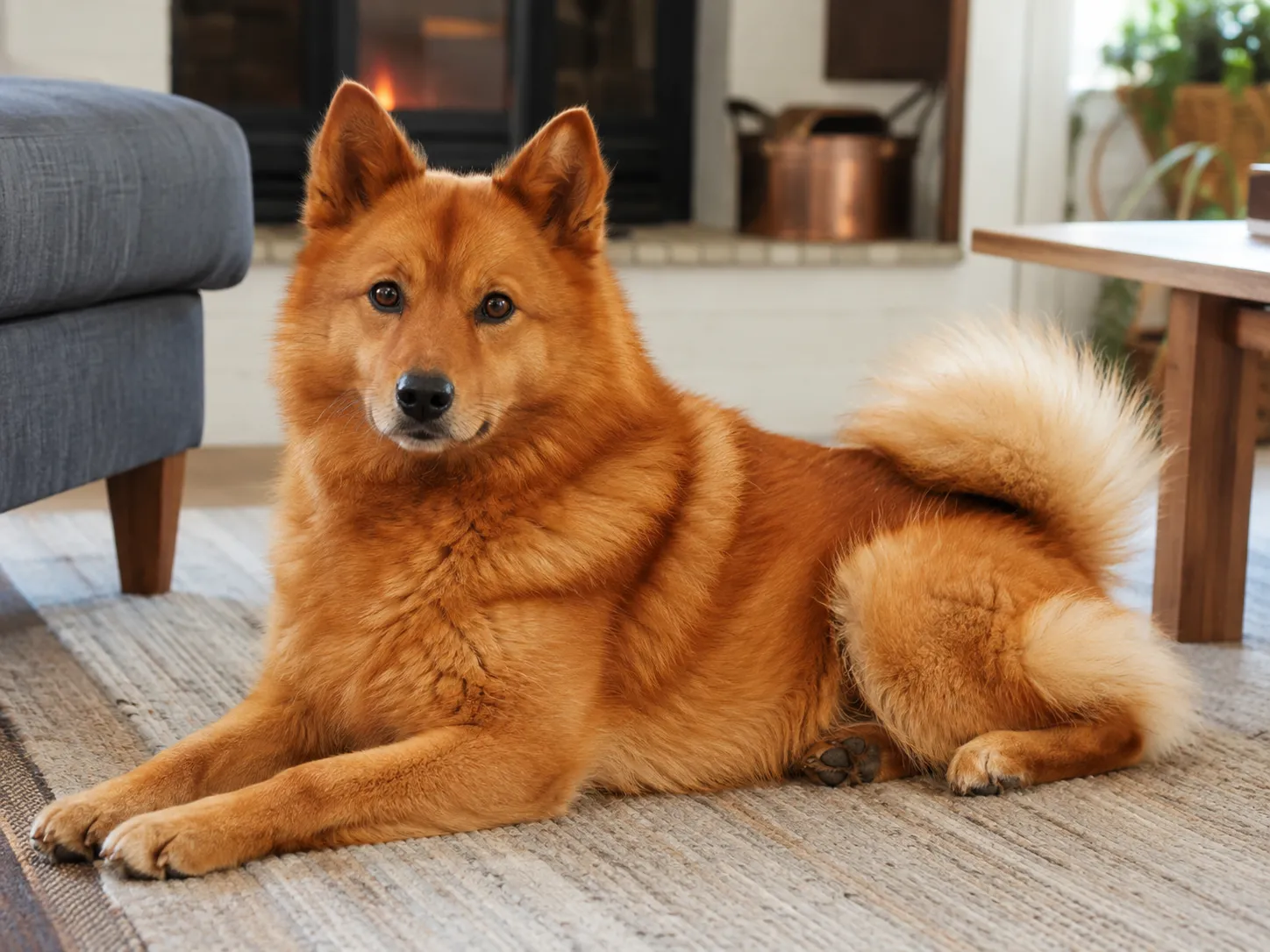
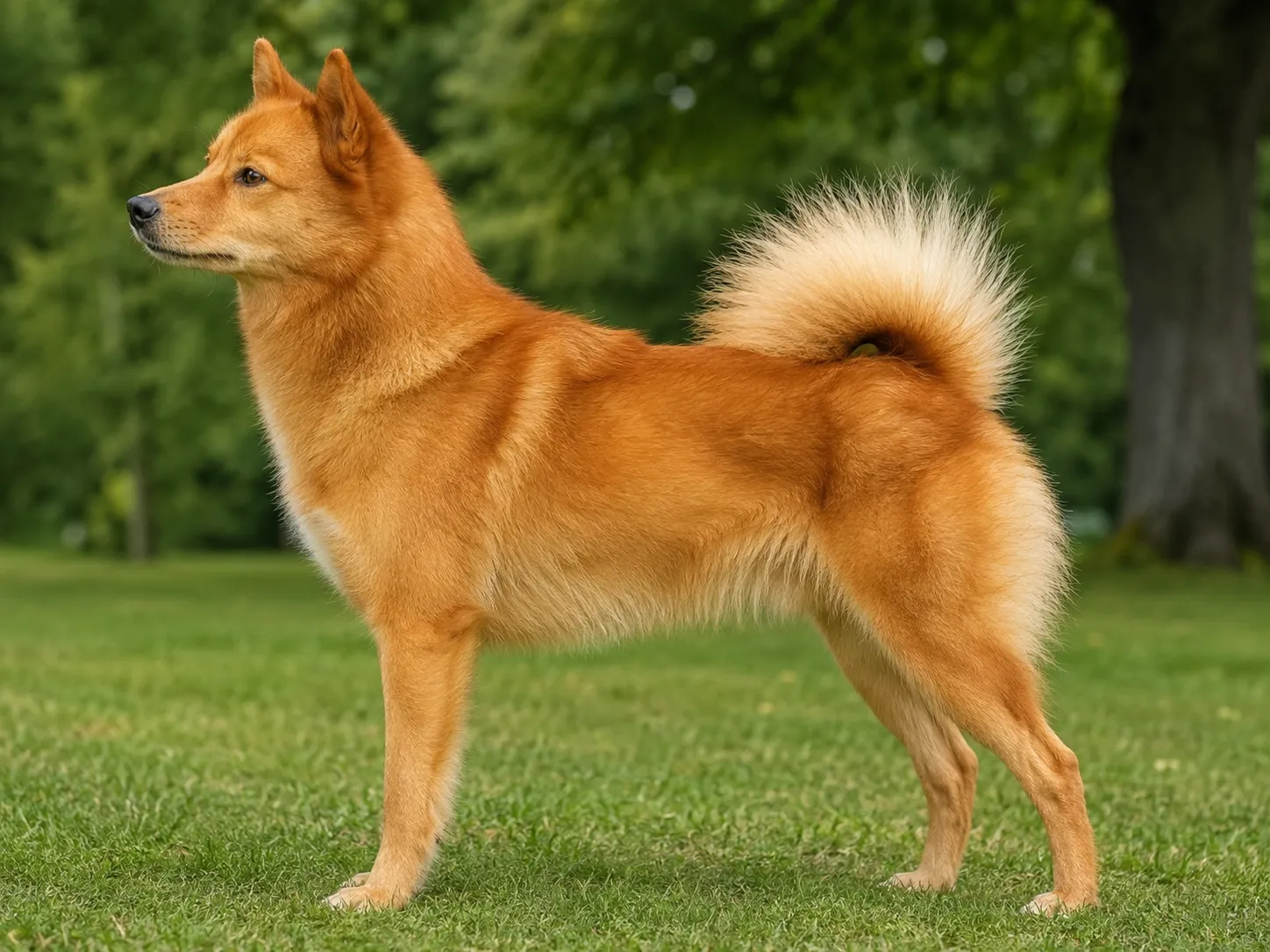
The Finnish Spitz is often described as fox-like, and for good reason. With its pointed ears, sharp expression and rich red coat, the resemblance is immediate. Yet beneath that elegant outline is a sturdy, well-balanced hunting dog built for endurance and agility.
Size and Build
This is a medium-sized, square-proportioned breed. Males typically stand between 44–50 cm, with females slightly smaller at 39–45 cm. Their body is balanced rather than bulky, giving them speed and lightness of movement.
The Finnish Spitz carries itself proudly. The neck is clean and well-set, the chest moderately deep and the limbs straight and strong. Their gait is smooth and efficient, designed for covering forest ground with minimal effort.
Coat and Colour
The coat is double-layered. A straight, medium-length outer coat sits over a soft undercoat. The texture protects against cold weather while remaining relatively easy to maintain.
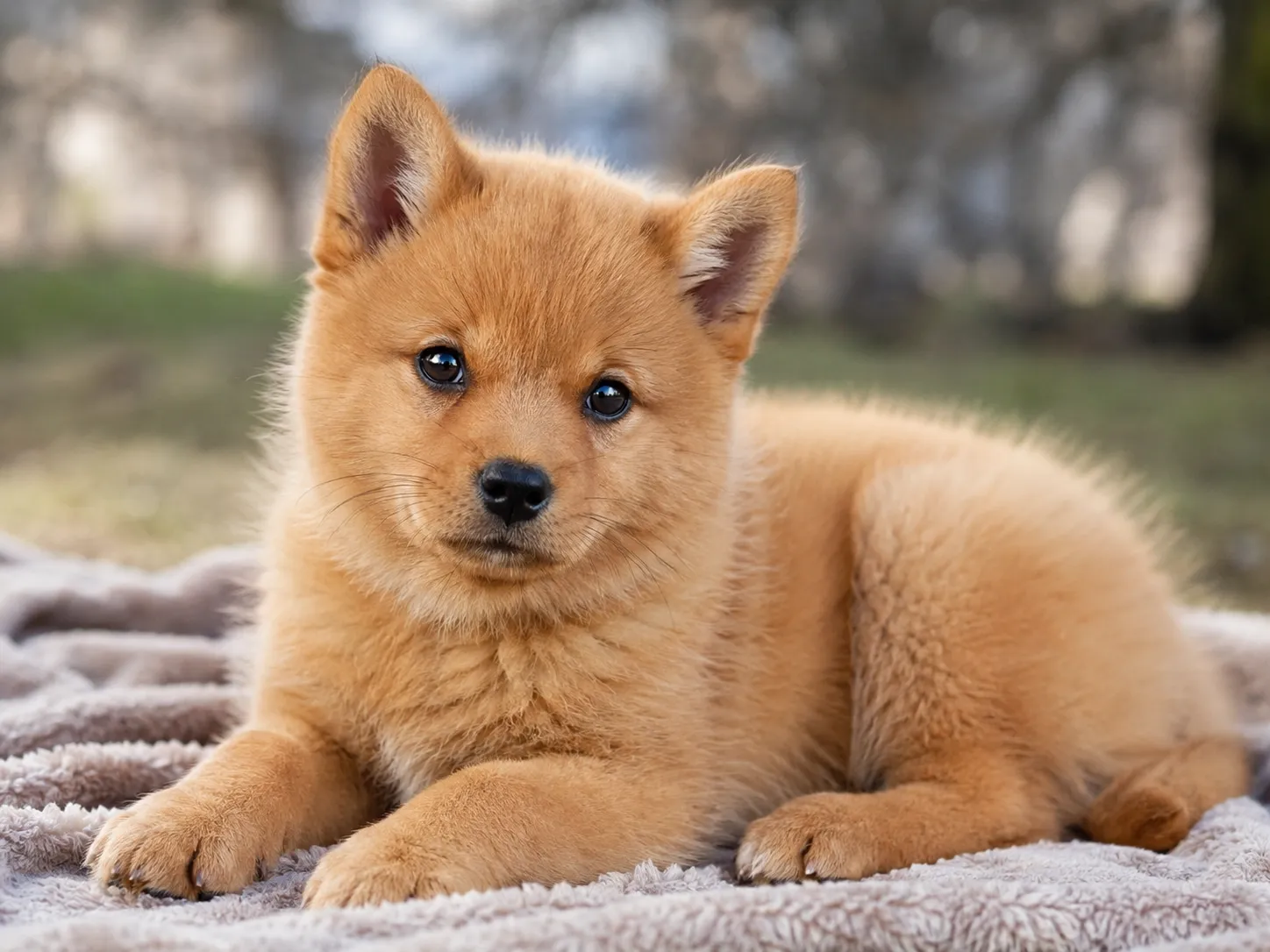
Colour ranges from golden red to deep auburn. The coat is typically brighter on the back and slightly lighter on the underside, giving a glowing, flame-like appearance in sunlight. Puppies are often born duller in colour and deepen as they mature.
Eyes and Expression
The eyes are medium-sized, dark and lively. Their expression is alert, intelligent and slightly mischievous. This sharp look reflects their natural hunting instincts.
Distinctive Features
The tail is heavily plumed and curls tightly over the back. Ears are erect, pointed and highly mobile, constantly responding to sound.
Overall, the Finnish Spitz combines elegance with practicality. Everything about their structure reflects their original purpose as an alert forest hunter.
Different Types of the Finnish Spitz: Are There Variations Within the Breed?
Unlike some breeds that come in distinct size varieties or coat types, the Finnish Spitz does not have officially recognised subtypes. There is no miniature or standard version. What you see in the breed standard is what defines the Finnish Spitz worldwide.
Working Lines
In Finland and parts of Scandinavia, some breeders continue to prioritise hunting performance. These dogs may display stronger prey drive, higher vocal intensity and sharper focus in woodland environments. Working-line Finnish Spitz often maintain excellent stamina and a more pronounced instinct to “bark point” game.
For owners interested in hunting or field-style activities, a working-focused pedigree may be appealing.
Show Lines
Outside Finland, including Australia and the UK, many breeders focus on conformation and companion suitability. Show-line dogs are bred to meet structural standards, coat quality and movement requirements. Temperament in these lines is often balanced for family life while still retaining the breed’s alert nature.
Regional Differences
Although the core breed standard remains consistent internationally, slight differences in build, coat richness and intensity of colour can appear depending on breeding priorities. However, these variations are subtle rather than structural.
When choosing a Finnish Spitz puppy, understanding the breeder’s emphasis, whether hunting heritage or companion focus, helps ensure the dog’s energy level and temperament align with your lifestyle.
Temperament of the Finnish Spitz: Alert, Expressive and Independent
The Finnish Spitz is not a quiet background companion. This is a dog with presence. Bred to work at a distance from hunters, they developed independence, confidence and a strong voice. Understanding this temperament is key before bringing one home.
Core Personality Traits
Finnish Spitz are alert and self-assured. They observe their surroundings carefully and react quickly to movement or sound. While affectionate with their family, they are not typically overly clingy. They enjoy closeness but still value their autonomy.
Their confidence is natural rather than confrontational. When properly socialised, they are friendly but may be reserved with strangers until comfortable.
Vocal Nature
One of the most defining traits of the breed is its bark. Originally used to hold game in place, the Finnish Spitz uses its voice instinctively. This does not mean constant nuisance barking, but owners must be prepared for a communicative dog.
Training can shape when barking is appropriate, but it cannot remove the instinct entirely.
Social Behaviour
With their family, they are loyal and responsive. They tend to bond strongly with one or two primary people but remain affectionate with the wider household.
They usually get along well with other dogs when socialised early. However, their alert temperament means they may challenge unfamiliar dogs if not guided properly.
Common Behavioural Considerations
Independence can sometimes be mistaken for stubbornness. The Finnish Spitz prefers cooperation over control. Harsh correction rarely works and can damage trust. Setting expectations around how long puppy training really takes helps owners stay patient with a breed that negotiates.
They also dislike prolonged isolation. Without engagement, they may express boredom through vocalisation or restless behaviour.
In the right environment, the Finnish Spitz is lively, confident and devoted. They thrive with owners who appreciate their intelligence and accept their expressive personality.
Intelligence and Trainability of the Finnish Spitz: Clever but Not Eager to Please
The Finnish Spitz is intelligent, observant and capable of learning quickly. However, this is not a breed that lives to follow commands blindly. Their history as independent hunting dogs means they were bred to think and act on their own.
Puppy Training Priorities
Early socialisation is essential. Exposing a Finnish Spitz puppy to different environments, people and sounds helps build confidence and reduces unnecessary suspicion later in life.
Basic obedience should start early, focusing on recall, loose lead walking and impulse control. Because they are naturally alert, teaching calm behaviour from a young age makes a noticeable difference.
Training Methods That Work
Positive reinforcement is the most effective approach. Food rewards, praise and short, engaging sessions keep their attention. Repetition without variety often leads to boredom.
Consistency matters. If rules change frequently, a Finnish Spitz will notice and test boundaries.
Advanced Training Potential
Many Finnish Spitz excel in scent work, rally obedience and agility. Their sharp hearing and quick reactions suit activities that require alertness and responsiveness.
However, they may not perform as mechanically as breeds bred specifically for obedience. Motivation and relationship-building are more important than strict control.
Common Training Mistakes
The biggest mistake is expecting instant compliance. This breed responds best to mutual respect rather than force. Harsh handling can lead to withdrawal or resistance.
With patient guidance and structured engagement, the Finnish Spitz becomes a responsive and capable companion. Training works best when it feels like cooperation rather than command.
Finnish Spitz With Children and Other Pets: Lively but Fair-Minded
The Finnish Spitz can integrate well into family life, but their suitability depends on understanding their temperament. They are alert, energetic and occasionally opinionated, which means structure and supervision are important in multi-person households.
Interaction With Children
When raised with children, Finnish Spitz are generally affectionate and playful. They often enjoy games and outdoor activity, making them good companions for older children who understand how to interact respectfully with dogs.
However, they may be less tolerant of rough handling. Teaching children to avoid pulling ears, disturbing rest time or shouting directly at the dog helps maintain harmony. Calm, supervised introductions are especially important during early puppyhood.
Behaviour Around Toddlers
Because the breed is quick to react to sudden movement or noise, toddlers should always be supervised. The dog is unlikely to show aggression without provocation, but excitement can trigger barking or alert behaviour.
Living With Other Dogs
Finnish Spitz can coexist peacefully with other dogs if properly socialised from a young age. Early exposure to controlled play helps build balanced social skills. They may display assertiveness with unfamiliar dogs, particularly of the same sex, if not guided properly.
Cats and Smaller Animals
As a hunting breed, they may have a noticeable prey drive. Careful introductions to cats are essential. Some individuals adapt well, especially when raised together, but instinct should never be ignored.
Overall, the Finnish Spitz fits best into homes where boundaries are clear and interactions are structured. When handled thoughtfully, they are fair, loyal and engaging companions.
Health of the Finnish Spitz: A Naturally Hardy Nordic Breed
The Finnish Spitz is generally considered a healthy and long-living breed. Developed through natural selection in Finland’s forests, only resilient dogs with sound structure and stamina were able to thrive. Even so, responsible breeding and routine veterinary care remain essential.
Common Breed-Specific Health Conditions
Hip dysplasia can occur, although it is not as widespread as in some larger breeds. This condition affects joint formation and may lead to arthritis later in life.
Patellar luxation, where the kneecap shifts out of place, has also been reported. Mild cases may require little intervention, while more severe cases can need veterinary management. Knowing the kind of limping that warrants a vet visit helps you judge which category you are dealing with.
Some lines have shown risk for Progressive Retinal Atrophy, an inherited eye condition that can gradually impair vision. Screening breeding dogs reduces the likelihood of passing this on.
Recommended Health Testing
Before purchasing a puppy, you should confirm that the breeder conducts:
- Hip evaluation
- Patella assessment
- Ophthalmologist eye examination
- DNA screening for inherited eye conditions where available
Clear documentation should always be provided.
Preventive Care
Annual veterinary check-ups, dental care and parasite prevention form the backbone of long-term health. Maintaining a healthy weight is particularly important, as excess body mass increases joint strain.
Because Finnish Spitz are active and alert, routine exercise supports both physical and mental wellbeing.
Lifespan Outlook
With proper care and ethical breeding, most Finnish Spitz live between 12 and 15 years. Their overall health profile is strong, particularly when sourced from responsible breeders who prioritise genetic screening.
Caring for the Finnish Spitz: Living With an Alert Forest Dog
Caring for a Finnish Spitz means understanding that this is a thinking, observant breed. They do not simply exist in the background. They want to be involved, aware and mentally engaged.
Daily Care Routine
A typical day should include structured exercise and some form of mental activity. A long walk, light training session or scent game keeps their mind active. Without engagement, boredom may show itself through vocal behaviour.
They also benefit from predictable routines. Regular feeding times, consistent walk schedules and clear boundaries help them settle confidently.
Living Environment Needs
The Finnish Spitz adapts well to homes with secure outdoor space. While they can live in suburban settings, they need room to move and explore safely.
They should not be kept permanently outdoors. Despite their Nordic heritage, they bond closely with their family and prefer shared living spaces.
Heat and Climate Considerations
Although developed in cooler climates, Finnish Spitz can adapt to Australian weather if managed carefully. Shade, ventilation and fresh water are essential in warmer months. Exercise should be limited to cooler parts of the day during summer.
Their double coat should never be shaved, as it assists with natural temperature regulation.
Senior Care Adjustments
As they age, joint support and moderate exercise become more important. Impact-heavy activities should be reduced, but gentle daily movement should continue.
Caring for a Finnish Spitz is about balance. Provide activity, provide companionship and maintain structure. When those elements are present, this breed remains steady and content well into its senior years.
Grooming of the Finnish Spitz: Managing the Radiant Red Coat
The Finnish Spitz is known for its rich, glowing red coat. While striking in appearance, it is also practical and relatively low maintenance compared to heavier Nordic breeds. Still, regular care is necessary to keep the coat healthy and functional.
Coat Maintenance Schedule
The breed has a double coat made up of a straight outer layer and a soft undercoat. Brushing once a week is usually sufficient for most of the year. This removes loose hair and keeps the coat clean and well ventilated.
During seasonal shedding, which often occurs twice a year, brushing may need to increase to several times per week. Undercoat release can be noticeable, especially in indoor environments. The routine for brushing out a double coat properly covers the tools and timing that work through those heavier weeks.
Bathing and Skin Care
Finnish Spitz are naturally clean dogs and rarely carry a strong odour. Bathing should be occasional and only when necessary. Overwashing can strip natural oils that protect the coat.
Their coat should not be clipped or shaved. The double coat helps regulate temperature in both warm and cool conditions.
Nail, Ear and Dental Care
Nails should be trimmed regularly to prevent discomfort. Ears are upright and well ventilated, but still require routine checks for redness or debris. Dental care is important, as small to medium breeds can develop plaque build-up if neglected.
Common Grooming Considerations
Unlike some long-coated breeds, matting is rarely a serious issue. The primary challenge is seasonal shedding rather than tangles.
With consistent, moderate grooming, the Finnish Spitz maintains its vibrant coat and tidy appearance without excessive effort.
Exercise Needs of the Finnish Spitz: Active Mind, Steady Energy
The Finnish Spitz is not an extreme endurance athlete, but it is far from sedentary. This breed was developed to move through forests, track scent and remain alert for long periods. Daily activity is not optional.
Daily Exercise Requirements
Most adult Finnish Spitz benefit from 60 minutes of structured exercise per day. This can be split between a brisk walk and a controlled play session. Younger dogs may require slightly more engagement.
They enjoy purposeful movement. Wandering aimlessly in the yard rarely satisfies them.
Suitable Activities
Long walks, bush trails and supervised off-lead time in secure areas suit this breed well. Many enjoy scent-based games that allow them to use their natural hunting instincts. Agility and rally obedience can also provide valuable stimulation.
Because of their alert temperament, training sessions combined with exercise often produce the best balance.
Exercise Restrictions
High-impact running on hard surfaces should be avoided during puppy development. Controlled movement protects growing joints.
In warmer Australian conditions, exercise should occur during cooler hours. Despite their northern heritage, overheating can occur if activity is poorly timed.
Mental Stimulation Matters
Physical activity alone is not enough. The Finnish Spitz thrives when its mind is engaged. Without mental outlets, barking or restless behaviour may increase.
When both body and mind are given direction, the breed becomes calm and steady indoors. They are at their best when daily life includes structured movement and thoughtful interaction.
Feeding the Finnish Spitz: Supporting an Active, Lean Build
The Finnish Spitz is naturally athletic and should maintain a lean, balanced physique throughout adulthood. Proper nutrition plays a key role in supporting joint health, coat quality and sustained energy.
Nutritional Requirements
A high-quality complete dog food formulated for medium-sized breeds is appropriate for most Finnish Spitz. Puppies require growth-specific formulas, while adults benefit from balanced protein levels that maintain muscle without encouraging excess weight.
Because of their dense coat, diets containing healthy fats, including omega-3 and omega-6 fatty acids, can support skin and coat condition.
Feeding Schedule Guidelines
Puppies are usually fed three small meals per day until around six months of age. After that, most adults do well on two measured meals daily.
Free feeding is not recommended. Portion control allows you to monitor appetite and maintain healthy body condition.
Special Dietary Considerations
The breed is not commonly associated with widespread food sensitivities, but individual dogs may develop intolerances. Signs such as persistent itching or digestive upset should prompt veterinary advice.
Training treats can be effective, as the Finnish Spitz responds well to food rewards. However, treats should be counted within the daily calorie allowance.
Weight Management
A Finnish Spitz should appear trim with a visible waist when viewed from above. You should be able to feel the ribs without pressing firmly.
Maintaining ideal body weight reduces stress on joints and supports long-term mobility. With consistent portion control and daily activity, the Finnish Spitz typically holds condition well into senior years.
Finnish Spitz Price in Australia: Understanding the Investment
The Finnish Spitz remains a relatively uncommon breed in Australia, and that scarcity can influence pricing. Prospective owners should approach the purchase as a long-term commitment rather than a quick transaction.
Purchase Price
A Finnish Spitz puppy from a registered, health-tested breeder in Australia typically ranges between $2,500 and $4,500. Pricing varies depending on pedigree strength, breeder reputation, health screening and availability.
If a listing appears significantly below this range, it is important to ask detailed questions about health testing, registration and early socialisation practices.
Initial Setup Costs
Beyond the purchase price, first-year expenses can add up. You should budget for:
- Crate, bedding and secure fencing
- Vaccinations and veterinary checks
- Microchipping and registration
- Collar, lead and identification tags
- Basic training equipment
These early costs can total $1,000–$2,000 depending on quality and veterinary services.
Ongoing Monthly Expenses
Food, parasite prevention, grooming tools and routine veterinary care form the core monthly costs. Most owners spend between $150 and $300 per month, depending on healthcare choices and lifestyle.
Lifetime Cost Considerations
Over a lifespan of 12–15 years, total ownership expenses may exceed $20,000 when food, healthcare and general maintenance are considered.
Financial preparation ensures you can provide consistent care throughout the dog’s life. Responsible ownership begins well before the puppy comes home.
Buying Advice for Finnish Spitz Puppies: Choose With Care
Because the Finnish Spitz is not widely available in Australia, finding the right puppy may require patience. A responsible start makes a significant difference to long-term health and temperament.
Finding an Ethical Breeder
Look for registered breeders who are transparent about health testing and pedigree history. A reputable breeder will willingly discuss the breed’s strengths and challenges, not just its attractive qualities.
Expect to answer questions about your lifestyle. Good breeders care where their puppies go and aim to match temperament with the right home. That commitment usually shows in their policy on what happens if you ever need to return a puppy to the breeder.
Health Testing Verification
Before committing, confirm that the breeder conducts:
- Hip evaluation
- Patella assessment
- Ophthalmologist eye examination
- DNA screening for inherited eye conditions where relevant
Documentation should be provided without hesitation.
Assessing the Environment
Puppies should be raised in a clean, stimulating setting where they experience normal household activity. Early exposure to everyday sounds and gentle handling helps build stable temperament.
Observe the parent dogs if possible. Confident, well-balanced adults often produce similarly steady offspring.
Waiting Lists and Availability
Due to limited breeding numbers, waiting lists are common. Be cautious of immediate availability without proper screening or paperwork.
Rescue and Adoption
Although uncommon, Finnish Spitz may occasionally appear in breed rescue. Adoption can suit experienced owners prepared to work through any behavioural adjustments.
Taking time to select carefully increases the chance of bringing home a healthy, well-adjusted companion. Thoughtful preparation at this stage sets the foundation for years of stability. You can view Finnish Spitz puppies listed by Australian breeders and compare litters before committing.
Is the Finnish Spitz Right for You? An Honest Suitability Check
The Finnish Spitz is not a background dog. They are alert, expressive and confident. If you appreciate a breed with personality and independence, you may find them deeply rewarding.
They suit active owners who enjoy daily walks, outdoor time and ongoing engagement. Homes where someone is present for much of the day tend to work best, as prolonged isolation can increase vocal behaviour.
This breed may not be ideal for apartment living if close neighbours are sensitive to noise. Barking is part of their heritage and cannot be fully removed, only managed.
If you prefer a dog that follows commands without question, this may not be your match. The Finnish Spitz values cooperation rather than blind obedience.
However, if you want a loyal, intelligent companion with striking appearance and natural confidence, the Finnish Spitz can be an excellent addition to the right household.
If you are considering welcoming one into your home, browsing registered Finnish Spitz listings on Pups4Sale can help you connect with responsible breeders across Australia.
Frequently Asked Questions
Related Breeds
Other companion breeds on Pups4Sale.
 Fox TerrierMedium • Terrier
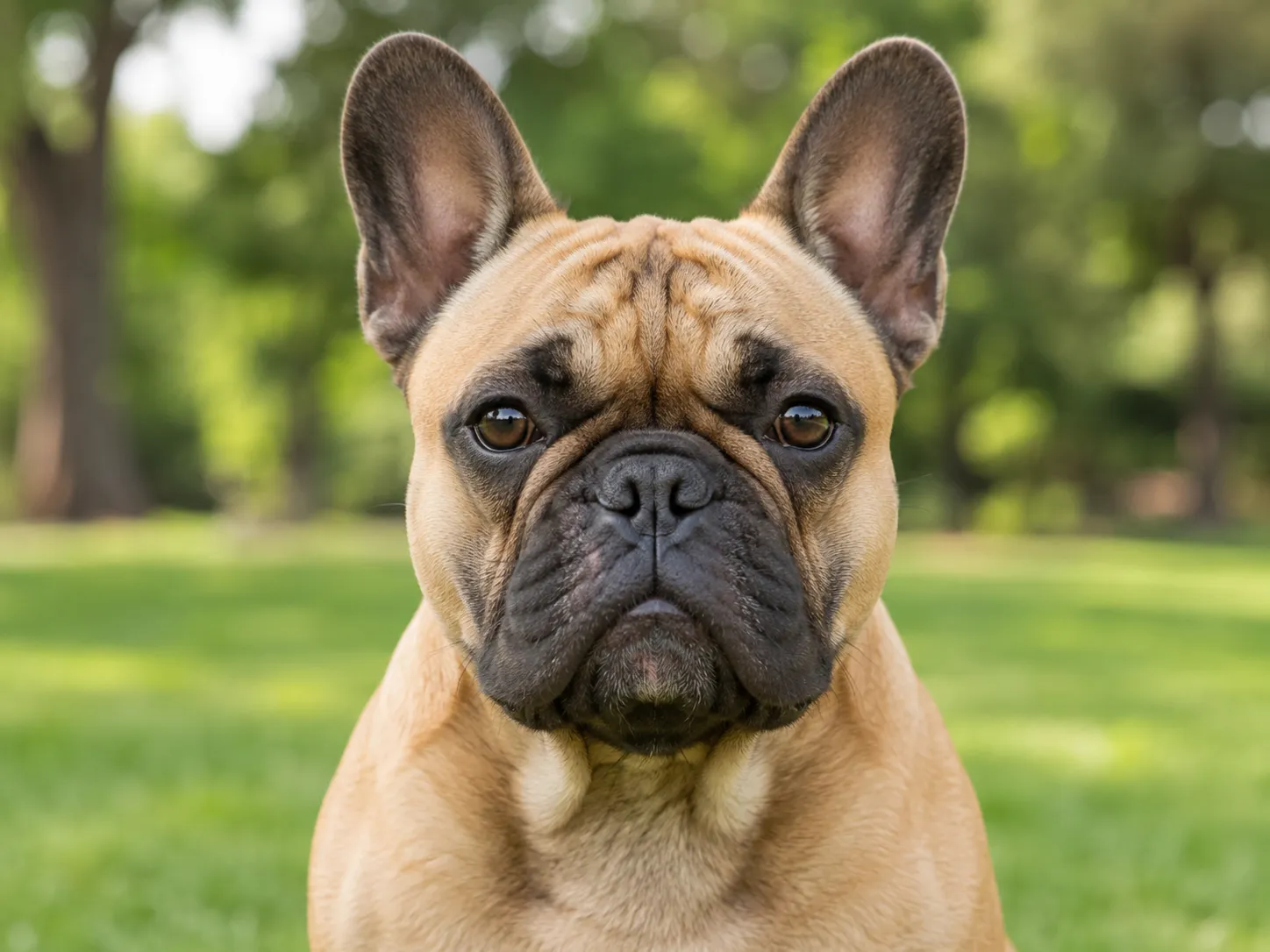 French BulldogSmall • Utility / Companion (Non-sporting)
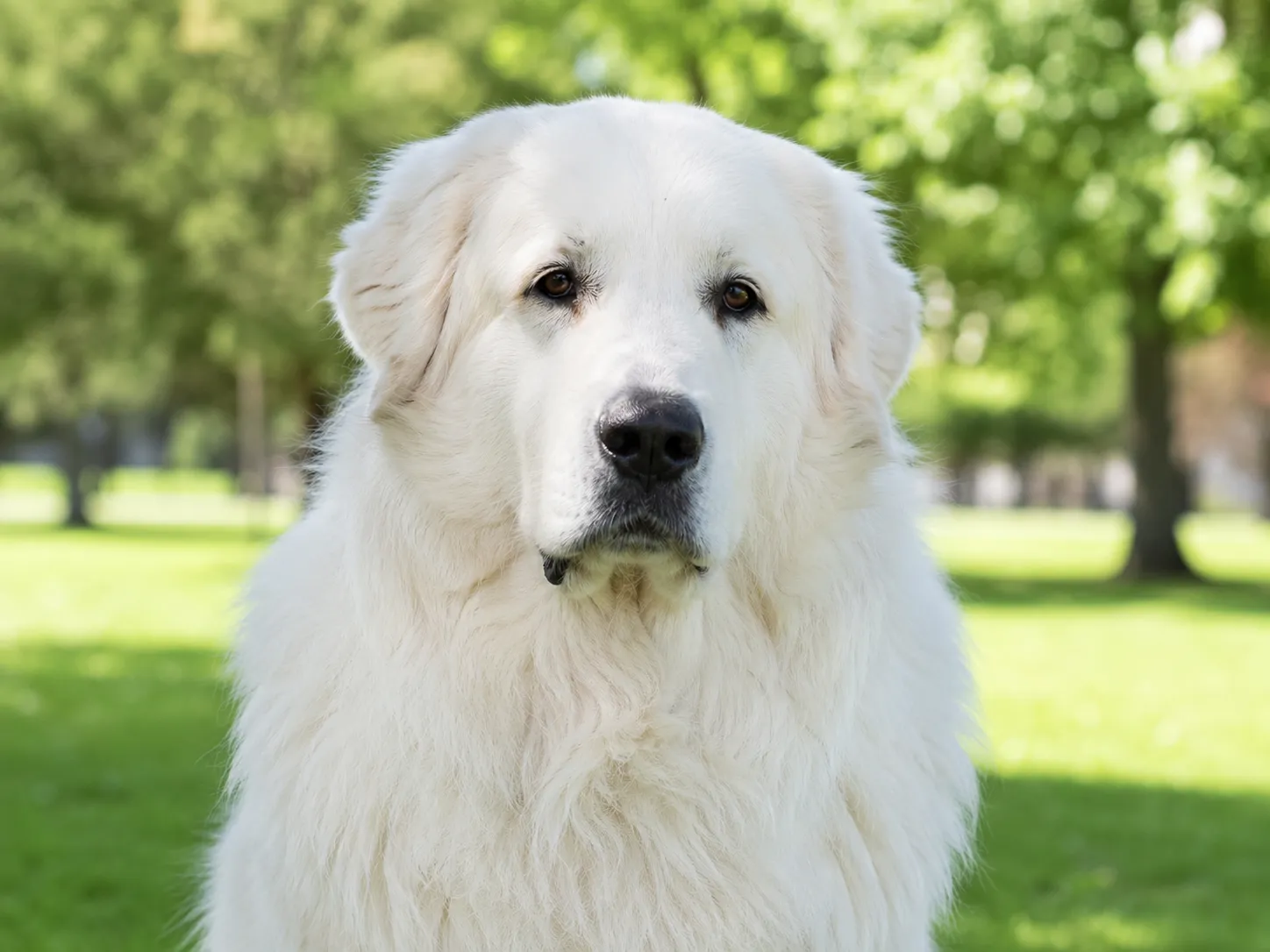 Great PyreneesGiant • Working
 GreyhoundLarge • Hound (Sighthound)
 GroodleMedium • Crossbreed (Golden Retriever x Poodle)
 Japanese SpitzMedium • Companion / Toy