Groodle
By James C. • Updated
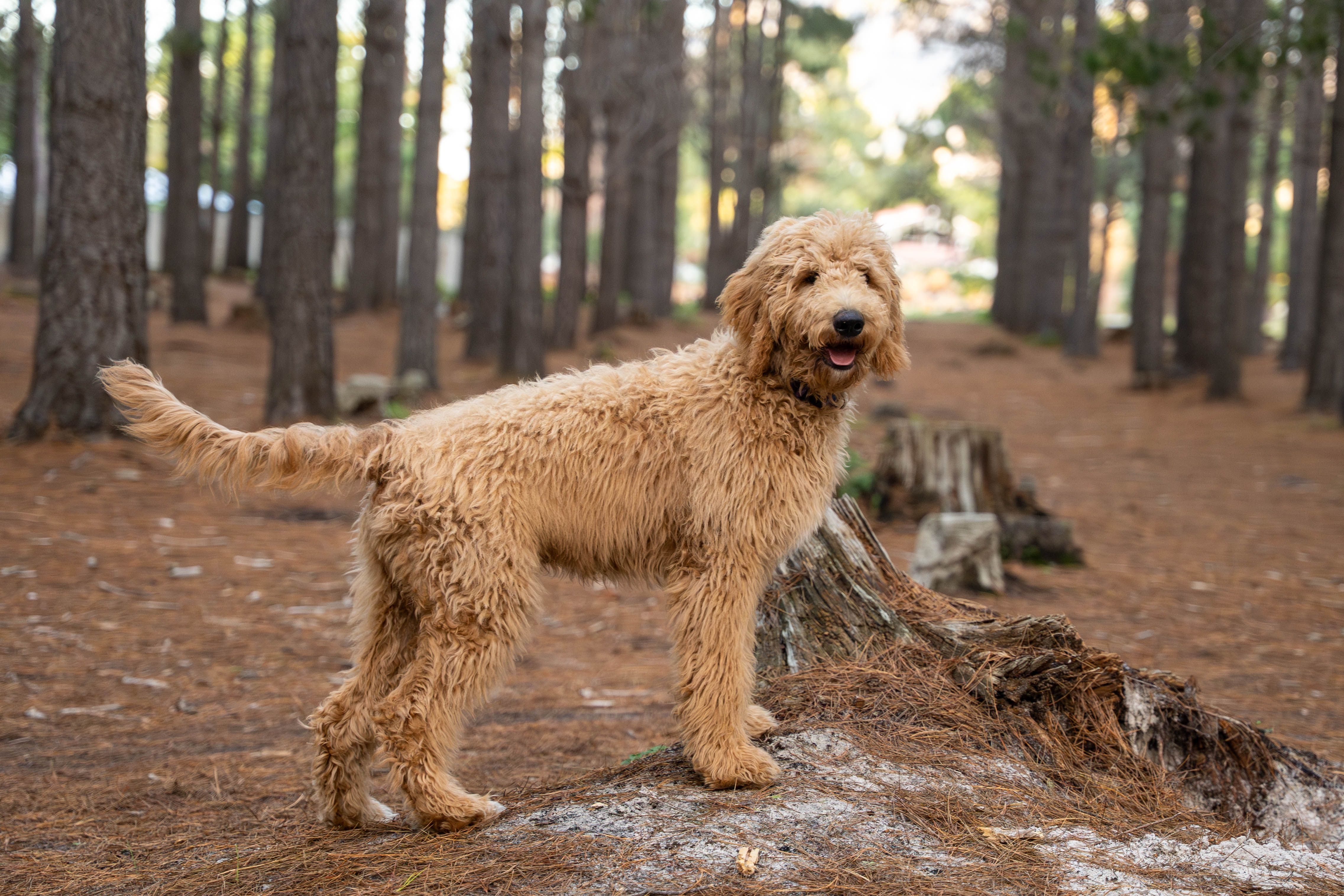
The Groodle is a cross between a Golden Retriever and a Poodle, bred widely in Australia and the United States from the 1990s. It is a friendly, people-focused family dog that comes in miniature, medium and standard sizes depending on the Poodle parent. Many Groodles have a low-shedding wavy or curly coat, but shedding varies with generation and coat type, and no Groodle can be promised to be hypoallergenic. Groodles need daily exercise, regular professional grooming and steady training. As a crossbreed there is no breed standard, so size, coat and health depend heavily on the parents a breeder uses.
Breed Overview
Life Span
10 - 15 years
Average Price
AUD 1500 - AUD 3500
Weight
Male: 7 - 30 kg Female: 7 - 30 kg
Height
Male: 35 - 63 cm Female: 35 - 63 cm
Life Expectancy
Male/Female: 10 - 15 years
Breed Group
Crossbreed (Golden Retriever x Poodle)
Nicknames
Goldendoodle, Golden Doodle
Breed Information
The Groodle is a cross between a Golden Retriever and a Poodle, bred for a friendly family temperament and a coat that often sheds less than a Golden Retriever's. It is known as the Goldendoodle in the United States, and in Australia it has become one of the most searched-for family dogs. Because it is a crossbreed, there is no breed standard: size, coat and health all depend on the two parents a breeder chooses.
Most Groodles are social, gentle and eager to please, taking after the Golden Retriever's easy nature and the Poodle's quick mind. They come in miniature, medium and standard sizes, which suits everyone from apartment dwellers to families with a big backyard. What they all share is a need for company, daily exercise and regular grooming, and buyers should plan for all three before choosing a puppy.
Characteristics of the Groodle
The Groodle is a sociable, trainable and grooming-intensive family dog that does best with company for much of the day.
| Trait | Rating | Star Rating | Meaning |
|---|---|---|---|
| Size | Varies | ★★★ | Miniature, medium and standard sizes, set mainly by the Poodle parent. |
| Adaptability | Good | ★★★★ | Smaller Groodles can suit townhouses if exercised daily; standards appreciate a yard. |
| Exercise Needs | High | ★★★★ | At least an hour a day of walks and play, plus mental work. |
| Easy to Train | Very Good | ★★★★★ | Clever and people-focused, and responds well to reward-based training. |
| Amount of Shedding | Low to Moderate | ★★ | Curly and wavy coats shed little; straight coats shed more. |
| Grooming Needs | High | ★★★★★ | Brushing several times a week and a professional clip every 6 to 8 weeks. |
| Good With Children | Excellent | ★★★★★ | Gentle and playful, though young Groodles can be bouncy with toddlers. |
| Health | Fair | ★★★ | Can inherit problems from both parent breeds, so parent testing matters. |
| Cost to Keep | High | ★★★★ | Grooming and insurance make ongoing costs higher than for many breeds. |
| Tolerates Being Alone | Low | ★★ | Bonds closely and can become distressed if left alone for long days. |
| Intelligence | Very High | ★★★★★ | Learns quickly and needs puzzles, training and variety to stay settled. |
History of the Groodle: From Designer Cross to Family Favourite
The Groodle's story starts with its cousin, the Labradoodle. In 1989 Wally Conron, breeding manager at the Royal Guide Dogs Association of Australia (now Guide Dogs Victoria), crossed a Labrador with a Standard Poodle to produce a guide dog for a vision-impaired woman whose husband was allergic to dogs. Conron later said he regretted the craze his cross started, and told the ABC in 2019 that he had opened a Pandora's box.
Through the 1990s, breeders in Australia and the United States began crossing Golden Retrievers with Poodles on a large scale, according to the Goldendoodle entry drawing on the DK Dog Encyclopedia. The aim was a family companion with the Golden Retriever's temperament and a coat that shed less. In Australia the cross took the name Groodle, while Americans call it the Goldendoodle.
Today the Groodle is bred almost entirely as a companion. Some breeders have moved to multigenerational Groodles, crossing Groodle to Groodle over several generations for more consistent size and coat. Because it is not a pure breed, it has no breed standard, and quality depends entirely on the individual breeder's parent selection and health testing.
Appearance of the Groodle: Size, Coat and Colour
Size and Build
A Groodle's adult size depends mainly on the Poodle parent. Crossing a Golden Retriever with a Standard Poodle produces a standard Groodle, while a Miniature Poodle parent produces a medium or miniature Groodle. Australian breeders usually advertise three size classes, and the table below uses the ranges published by Groodles Australia, a Queensland breeder, since no breed standard exists.
| Size class | Height at shoulder | Adult weight |
|---|---|---|
| Miniature | 35 to 42 cm | 7 to 13 kg |
| Medium | 43 to 52 cm | 13 to 20 kg |
| Standard | 53 to 63 cm | 23 to 30 kg |
For comparison, the Golden Retriever breed standard sets males at 23 to 24 inches (about 58 to 61 cm) and 65 to 75 lb (about 29 to 34 kg). A full-grown standard Groodle is often close to its Golden Retriever parent. Some breeders also advertise toy Groodles, but there is no consistent size range for them, so ask the breeder for both parents' heights and weights.
Coat and Colours
Groodles have one of three coat types: a tight curly (wool) coat like the Poodle's, a soft wavy (fleece) coat, or a straighter (flat) coat closer to the Golden Retriever's. Common colours include cream, apricot, gold, red, chocolate and black, and black Groodles are among the most searched-for colours. Puppy coats often change texture and lighten or darken during the first year.
Distinctive Features
Most Groodles have a teddy-bear look: a rounded head, a beard and eyebrows from the Poodle's furnishings, soft drop ears and dark, expressive eyes. The body is athletic and balanced rather than heavy, with a long plumed tail that is usually carried happily.
Gender Differences
Males can be slightly larger than females from the same litter, but in a Groodle the Poodle parent matters far more than sex. A male miniature Groodle will be much smaller than a female standard. In temperament, differences between individuals are larger than differences between sexes.
Temperament of the Groodle: Friendly, Social and Eager to Please
Core Personality Traits
Groodles are typically cheerful, affectionate and keen to be involved in family life. The Golden Retriever side brings patience and a love of people, and the Poodle side adds sharp intelligence and playfulness. Most Groodles are too friendly to be guard dogs, greeting visitors as new friends.
Social Behaviour
With good early socialisation, Groodles usually get on well with strangers, visitors and other dogs. They enjoy dog parks and busy households, though some can be over-enthusiastic greeters that jump up. Shy or anxious behaviour is less typical and is worth discussing with the breeder when you meet the parents.
Bonding and Attachment
Groodles bond closely with their families and like to follow their people from room to room. That devotion is part of the appeal, but it also means a Groodle left alone for long workdays can become anxious or destructive. They suit homes where someone is around for much of the day, or where doggy day care or a walker can break up the time alone.
Common Behavioural Challenges
Young Groodles are often mouthy, jump up to greet people and pull on the lead, all of which improve with consistent training. Boredom can show up as chewing, digging or barking. Separation-related distress is the challenge owners most often underestimate, so it helps to build short, calm absences into the routine from puppyhood.
Intelligence and Trainability of the Groodle: A Quick Learner That Needs Structure
Intelligence and Learning Ability
Both parent breeds are known for trainability, and Groodles usually pick up new cues quickly. A quick learner also learns bad habits quickly, so consistency from the first week matters.
Training Approach
Reward-based training with food, toys and praise works best. Groodles are sensitive and people-focused, and harsh corrections tend to make them anxious rather than obedient. Short, frequent sessions and a puppy class in the first months will set a strong foundation for loose-lead walking, recall and settling.
Early Socialisation
Between about 8 and 16 weeks, expose your puppy calmly to new people, sounds, surfaces, handling and grooming. Getting a Groodle used to brushing, paw handling and the sound of clippers early makes a lifetime of professional grooming far less stressful. Puppy preschool through a local vet clinic is a good, safe start.
Potential Training Challenges
Jumping up, mouthing and over-excitement are the most common issues. Groodles can also become clever at getting what they want, such as barking for attention. Teaching a settle on a mat and rewarding calm behaviour pays off, particularly in busy family homes.
Groodle Family Life: Living with Children, Pets, and Households
Living with Children
Groodles are generally excellent family dogs, gentle and patient with children who are taught to handle them kindly. Young Groodles are bouncy and can knock over toddlers, so supervision and training matter in the early months. As with any dog, never leave young children and a dog alone together.
Living with Other Pets
Most Groodles live happily with other dogs and, when introduced carefully, with cats. Their retriever instincts can include chasing, so introductions to small pets should be slow and supervised. Many owners find a second dog helps a Groodle cope with time alone, although it is not a cure for separation distress.
Household Environment
A Groodle does not need a big backyard, but it does need daily exercise outside the yard. Miniature Groodles can suit townhouses and larger apartments with enough walks and play, while standards are more comfortable with a secure yard. A yard is never a substitute for walks, training and company.
Lifestyle Compatibility
Groodles suit active families, retirees who walk daily and people who work from home. They are less suited to households where everyone is out ten hours a day, or to owners who want a low-maintenance coat. Budget for grooming before you commit, since it is a recurring cost for the dog's whole life.
Health of the Groodle: Hips, Eyes, Skin and a 10 to 15 Year Lifespan
Lifespan and Healthy Living
Groodles commonly live 10 to 15 years. No lifespan study exists for the Groodle itself; in the largest UK study of dog longevity, McMillan and colleagues (2024) found a median lifespan of 12 years for crossbred dogs. Keeping your Groodle lean, active and up to date with vet checks is the most reliable way to support a long life.
Common Health Conditions
A Groodle can inherit health problems from either parent breed, and crossbreeding does not remove that risk. A 2024 study of 9,402 dogs found limited differences in overall health between doodle crosses and their parent breeds, challenging the popular belief in hybrid vigour. Owners should be aware of conditions that can be associated with the parent breeds:
- Hip and elbow dysplasia: abnormal joint development that can lead to arthritis, common in medium and large breeds.
- Inherited eye disease: including forms of progressive retinal atrophy (PRA), which can cause blindness and are found in both Golden Retrievers and Poodles.
- Skin and ear problems: allergies and ear infections are commonly reported in Groodles, and floppy, hairy ears can trap moisture.
- Ichthyosis: a scaly skin condition carried by many Golden Retrievers; one study found only 21% of breeding dogs tested were clear of the gene (Graziano et al., 2018).
- Subvalvular aortic stenosis: a congenital heart narrowing to which Golden Retrievers are predisposed (Ontiveros and Stern, 2021).
- Cancers: Golden Retrievers have a well-documented risk of haemangiosarcoma, a blood-vessel cancer, mostly in older dogs (Golden Retriever Lifetime Study, 2023).
- Addison's disease and sebaceous adenitis: an adrenal disorder and an inflammatory skin disease both seen in Standard Poodles (Pedersen et al., 2015).
If you notice limping, cloudy eyes, persistent scratching, head shaking or lethargy, it is best to discuss your concerns with a veterinarian.
Genetic Health Testing
Ask to see the health results for both parents before you pay a deposit. A responsible Groodle breeder should be able to show:
- Hip and elbow scores: X-ray scoring under the Australian hip and elbow scheme, taken when the dog is at least one year old. Each hip is scored from 0 to 53 and lower is better (AVA hip scoring scheme).
- An eye certificate: an examination by a registered veterinary eye specialist under the Australian Canine Eye Scheme (ACES).
- DNA test results: a Groodle breed profile from a lab such as Orivet covers conditions from both parents, including prcd-PRA, GR-PRA1 and GR-PRA2, ichthyosis, von Willebrand's disease type 1, degenerative myelopathy and neonatal encephalopathy, along with coat and shedding genes.
DNA results only mean something if you can read them, so ask the breeder to explain each result and whether any parent is a carrier. A carrier is not a problem on its own, as long as it is never mated to another carrier of the same condition.
Preventative Health Care
Keep vaccinations, worming and flea and tick prevention up to date, and book an annual vet check. Keep your Groodle lean, since extra weight puts pressure on joints already at risk of dysplasia. Pet insurance is worth considering early, before any condition is diagnosed and excluded.
Caring for the Groodle: Daily Care and Living Environment
Daily Care Routine
A typical day for a Groodle includes one or two walks, play and training, a brush-through of the coat and plenty of time with the family. Check ears weekly and after swimming. Groodles thrive on routine, so regular meal, walk and rest times help them settle.
Living Environment Requirements
Groodles are indoor family dogs and should live inside with their people, not in the backyard. A secure yard is useful for play, but walks and outings are still needed every day. Provide a comfortable bed or crate somewhere quiet where your Groodle can rest.
Climate Sensitivity
A thick, unclipped coat makes Groodles prone to overheating in Australian summers. RSPCA Australia advises walking early in the morning or late in the evening in hot weather, and testing the pavement with the back of your hand: if you cannot hold it there for a few seconds, it is too hot for paws. A shorter summer clip, shade and constant water all help.
Caring for Senior Groodles
From around eight years, Groodles may slow down and become stiffer. Switch to gentler, more frequent walks, keep weight in check and consider six-monthly vet checks to pick up joint, heart or eye changes early. Non-slip rugs and a supportive bed make a real difference to older dogs.
Grooming of the Groodle: Managing a Low-Shedding Coat
Coat Maintenance
A Groodle's coat mats quickly without regular brushing. Curly and wavy coats trap shed hair instead of dropping it, which is why they seem low-shedding, but that hair knots close to the skin if not brushed out. Brush several times a week with a slicker brush and comb, paying extra attention behind the ears, under the legs and around the collar.
Shedding and Allergies by Generation
Whether a Groodle sheds depends on the genes it inherits. Research into coat genetics has linked a variant of the MC5R gene to reduced shedding, working alongside the genes for coat length and furnishings (OMIA, Hayward et al., 2016). In breeder terms, an F1 Groodle is a first cross of a Golden Retriever and a Poodle, an F1B is an F1 crossed back to a Poodle, and an F2 is an F1 crossed with another F1.
F1B and many multigenerational Groodles are more likely to have a curly, low-shedding coat, while F1 and F2 litters can include puppies with straighter coats that shed more. Some breeders DNA-test for the shedding and furnishings genes, which is more reliable than generation alone. No Groodle can be guaranteed to be hypoallergenic, so anyone with dog allergies should spend time with the parents, and speak with their doctor, before committing.
Ear, Nail, and Dental Care
Hair inside Groodle ears can trap moisture and wax, so check and clean ears weekly and ask your groomer to keep the ear canals tidy. Trim nails every few weeks, and brush teeth several times a week with a dog toothpaste to reduce dental disease.
Bathing and Professional Grooming
Most Groodles need a professional clip every 6 to 8 weeks. A full groom in Australia typically costs $65 to $120, or $100 to $120 for a large dog, according to Airtasker's 2025 cost guide, and a matted coat may cost more. Bathe at home between clips only as needed, with a gentle dog shampoo, and dry the coat fully to prevent matting and skin irritation.
Exercise Needs of the Groodle: Daily Walks, Play and Swimming
Daily Exercise Requirements
Most adult Groodles need at least an hour of exercise a day, split between walks, off-lead play in a safe area and games. Standards generally need more than miniatures. A tired Groodle is usually a calm Groodle, and under-exercised dogs often turn to chewing and barking.
Activities Groodles Enjoy
Many Groodles love fetch, swimming, beach walks and scent games, reflecting their retriever side. Their intelligence also makes them well suited to trick training, obedience, agility and therapy work. Rotating activities keeps them engaged.
Exercise by Life Stage
Puppies should have short, gentle play sessions rather than long runs, since their joints are still developing. Build up gradually through adolescence, and avoid repetitive jumping and hard running on concrete until your vet says the growth plates have closed. Seniors do best with shorter, more frequent walks.
Importance of Mental Stimulation
Physical exercise alone will not settle a Groodle. Food puzzles, snuffle mats, short training sessions and new walking routes all give their brains work to do. On the east coast, check your dog for paralysis ticks after every walk in bush or long grass, since the paralysis tick is found from northern Queensland to East Gippsland in Victoria, and a thick Groodle coat can hide one easily.
Feeding the Groodle: Nutrition and Diet Needs
Nutritional Requirements
Feed a complete and balanced commercial diet formulated for your Groodle's life stage and expected adult size. Look for foods that meet Australian or international nutritional standards, and ask your vet for advice if your dog has skin, coat or stomach sensitivities.
Feeding by Life Stage
Puppies usually eat three to four small meals a day, dropping to two meals by around six months. Standard Groodle puppies may benefit from a large-breed puppy food that supports controlled growth, while miniature Groodles suit small or medium-breed formulas. Senior Groodles often need fewer calories and may benefit from joint-support diets recommended by a vet.
Portion Control and Weight Management
Use the feeding guide on the pack as a starting point, then adjust to keep your Groodle lean: you should be able to feel the ribs easily without seeing them. Weigh treats and training rewards into the daily total, since keen retrievers are experts at looking hungry.
Foods to Avoid
Several common foods are toxic to dogs. The RSPCA Knowledgebase lists chocolate, onions and garlic, grapes, sultanas and raisins, macadamia nuts, avocado, raw yeast dough, alcohol and the sweetener xylitol, as well as cooked bones and fatty trimmings. Keep them well out of reach, and call your vet straight away if your dog eats any of them.
Groodle Price in Australia: Purchase Cost and Ongoing Expenses
Puppy Purchase Price
On Pups4Sale, Groodle puppies listed from 2024 to 2026 were typically priced between $1,550 and $3,500, with a median of $2,650. That is based on 16 priced Groodle listings. In 2026 alone, the median asking price across 7 priced listings was $2,800. Pet food brand Lyka quotes a higher range of $2,500 to $5,500 from ethical Australian breeders, and prices usually rise with health testing, multigenerational breeding, sought-after colours and miniature sizes.
A very low price is a warning sign rather than a bargain. It can mean untested parents, puppies sold too young or, in the worst case, a scam.
Initial Setup Costs
Budget for a bed, crate, bowls, lead and harness, brushes and combs, toys, puppy food and a first vet visit. Canstar estimates the first year with a puppy costs from $2,000 to $6,000 or more, depending on size, health and the choices you make.
Ongoing Monthly Costs
Grooming is the cost that sets Groodles apart. A professional clip every 6 to 8 weeks at $65 to $120 or more adds up to roughly $450 to $1,000 a year, before food, insurance, parasite prevention and vet checks.
| Cost | Typical amount (AUD) | Source |
|---|---|---|
| Groodle puppy | $1,550 to $3,500 (median $2,650) | Pups4Sale listings, 2024 to 2026 |
| First year with a puppy | $2,000 to $6,000 or more | Canstar, 2025 |
| Average yearly spend per dog | About $3,218 | Canstar, citing Animal Medicines Australia |
| Professional groom | $65 to $120 per visit | Airtasker, 2025 |
| Pet insurance (Golden Retriever) | About $1,456 a year | Canstar, July 2025 |
| Pet insurance (Labradoodle) | About $1,325 a year | Canstar, July 2025 |
| Groodle DNA breed profile | $139 | Orivet |
Insurance figures are averages for the parent breed and the closest doodle cross, from Canstar's 2025 premium data. Your quote will vary with age, postcode, excess and cover level.
Long-Term Financial Commitment
Over a 10 to 15 year life, a Groodle is a significant financial commitment. At around $3,000 a year for an average dog, plus higher grooming and insurance, lifetime costs can comfortably pass $30,000 to $45,000 before any major illness. Setting up insurance early, or putting money aside each month, helps cover unexpected vet bills.
Buying Advice for a Groodle: Choosing a Healthy Puppy
Choosing a Responsible Breeder
Groodles are popular, which attracts both excellent breeders and puppy farms. The breeder's health testing and transparency matter more than colour, coat or price. The RSPCA's Smart Puppy and Dog Buyer's Guide recommends visiting the puppies where they were born and raised, and meeting their mother, and the father and littermates if possible.
Check the legal registration numbers for your state, which must appear in the advertisement:
- Victoria: a source number from the Pet Exchange Register and the puppy's microchip number.
- New South Wales: the breeder identification number (BIN) and the puppy's microchip number (NSW Office of Local Government).
- Queensland: a supply number from the Queensland Dog Breeder Register.
- South Australia: breeders must be registered in Dogs and Cats Online (Dog and Cat Management Board).
- Western Australia: puppies must be microchipped before they go to a new owner (WA Government).
Health Checks Before Purchase
Ask for the parents' hip and elbow scores, eye certificates and DNA results, and the puppy's vet check, vaccination and worming records. According to the RSPCA guide, puppies should not leave their mother before eight weeks of age and must be fully weaned. The puppy should be microchipped before sale, and you should see the paperwork to prove it.
Questions to Ask the Breeder
- Which generation is the litter (F1, F1B, F2 or multigenerational), and what coat and size do you expect?
- Can I see the hip, elbow and eye results and the DNA profile for both parents?
- How big are both parents, and which Poodle size was used?
- How have the puppies been socialised, and are they used to handling and grooming?
- What happens if the puppy develops an inherited condition, and will you take the dog back at any age?
- What is your registration or source number, and what does the contract cover?
Our guide to questions to ask a breeder before paying a deposit covers these in more detail. Never pay a deposit for a puppy you have not seen in person or on a live video call, and read how to spot a puppy scam before you send any money.
Considering Adoption
Some doodle crosses end up surrendered by owners who underestimated grooming or energy needs. Breed-specific doodle rescues and general shelters sometimes have Groodles available, and adopting an adult lets you see its size, coat and temperament before you commit. Our guide on how to buy or adopt a puppy in Australia explains both paths.
Is the Groodle Right for You? Time, Grooming and Space
Lifestyle Compatibility
A Groodle suits active households that want an affectionate, trainable dog involved in daily life. It is a good match for families with children, people who work from home and owners who enjoy walks, beaches and training. It is a poor match for owners away for long days or looking for a low-effort dog.
Time and Care Commitment
Plan for at least an hour of exercise a day, regular training and company for much of the day. Groodles do not cope well with isolation, so think honestly about your routine before buying.
Grooming and Health Awareness
Grooming is the commitment most new Groodle owners underestimate. Budget for a professional clip every 6 to 8 weeks for life, and choose a breeder who health tests both parents to reduce the risk of inherited problems.
Ideal Owner Profile
The ideal Groodle owner is home often, enjoys an active routine, is happy to train with rewards and has the budget for grooming and insurance. Allergy sufferers should meet the parents first and not rely on the word hypoallergenic.
Find Groodle Puppies for Sale
If a Groodle sounds right for your home, browse Groodle puppies for sale on Pups4Sale, compare breeders and ask every seller for health results and registration numbers before you commit.
Frequently Asked Questions
Related Breeds
Other companion breeds on Pups4Sale.
 Japanese SpitzMedium • Companion / Toy
 KeeshondMedium • Non Sporting (Group 7)
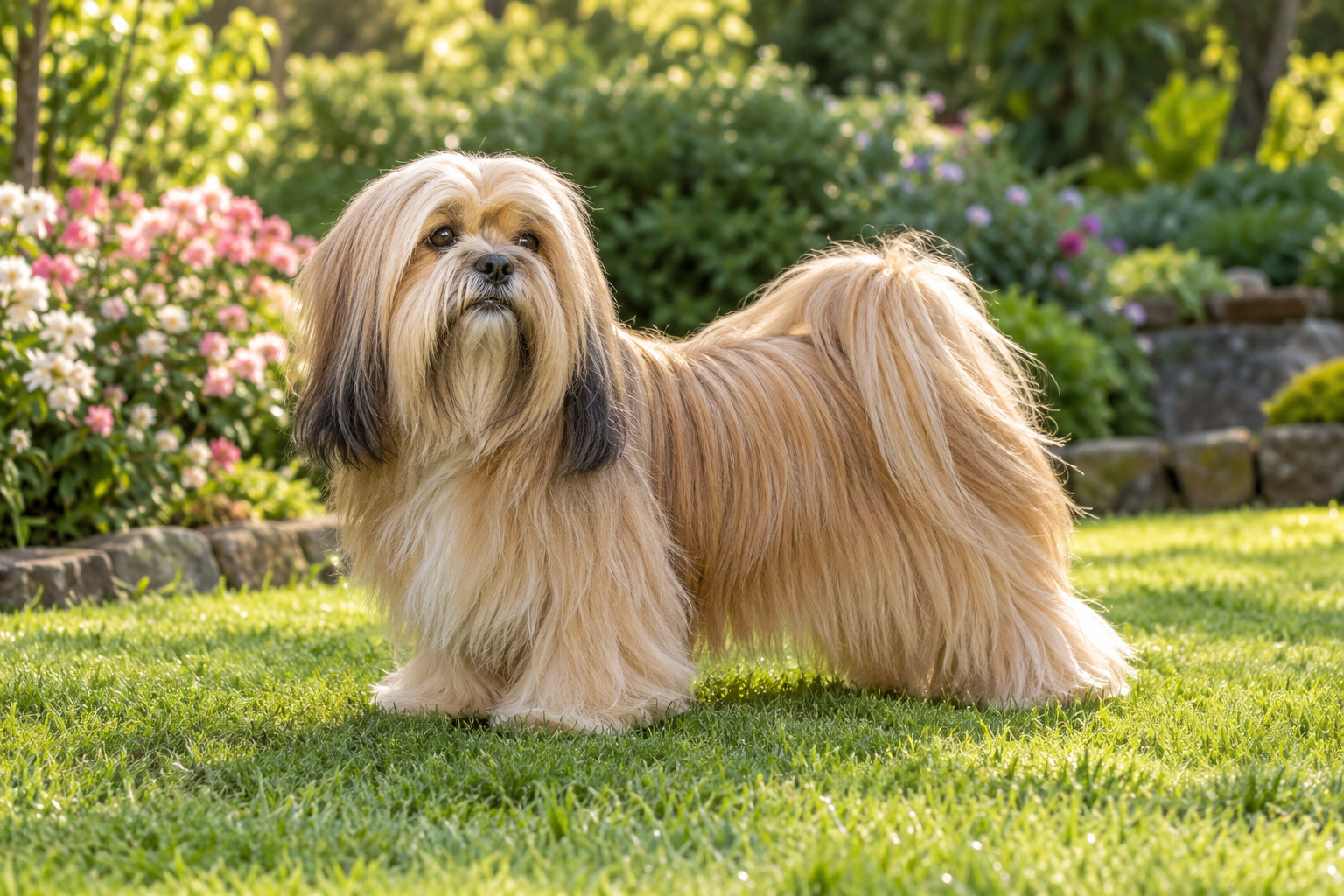 Lhasa ApsoSmall • Non Sporting (Group 7)
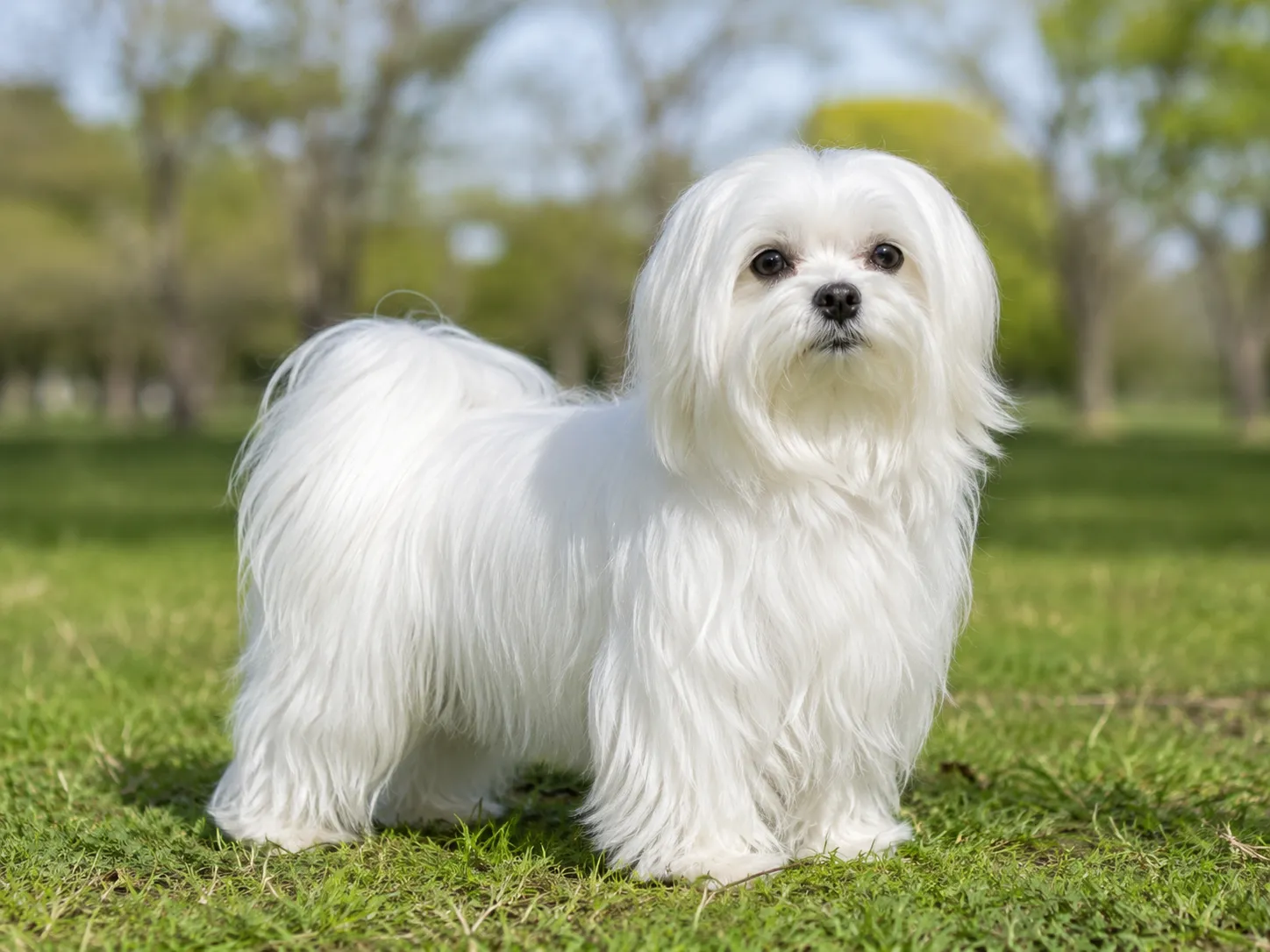 MalteseSmall • Toy
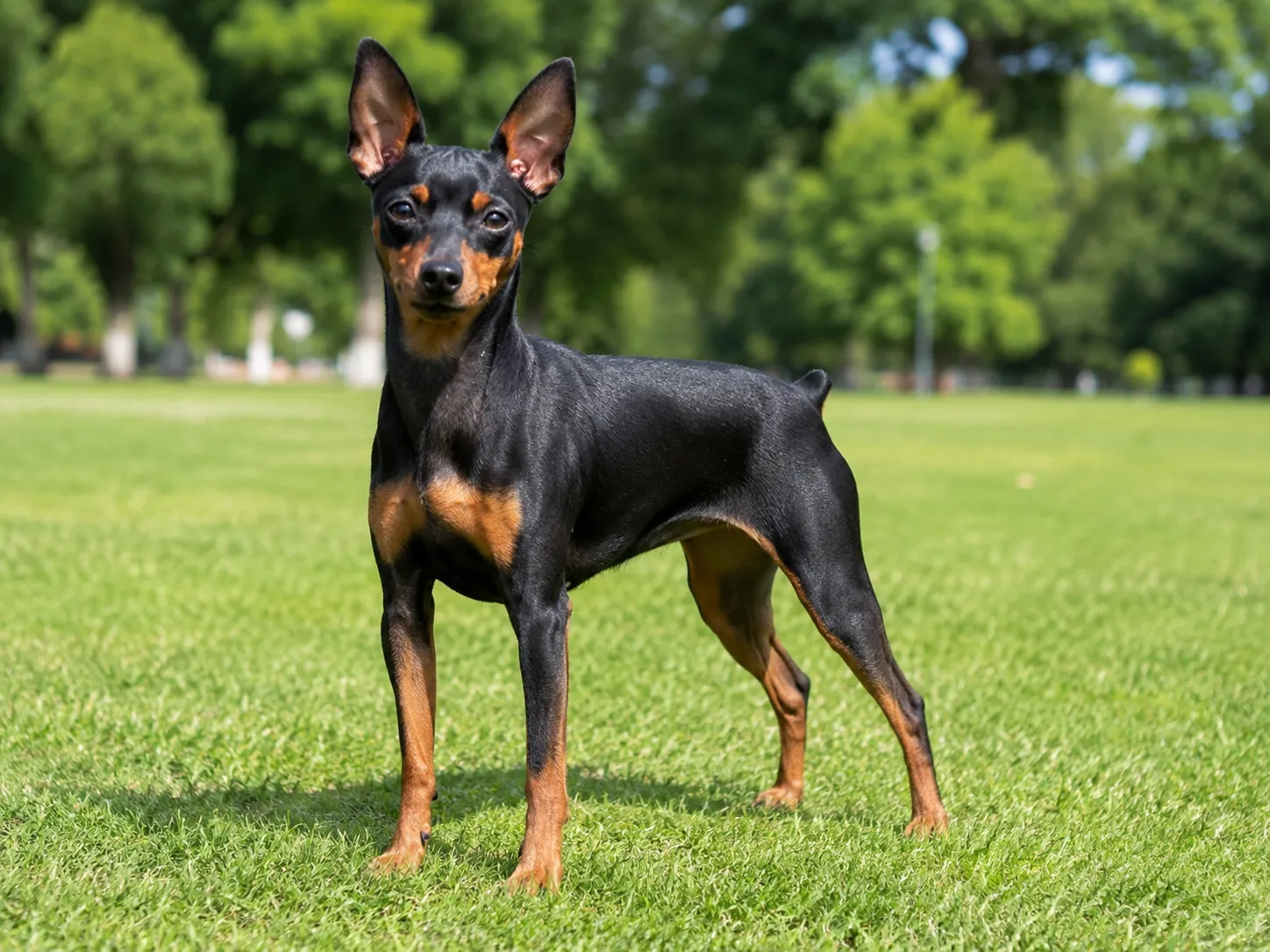 Miniature PinscherSmall • Toy
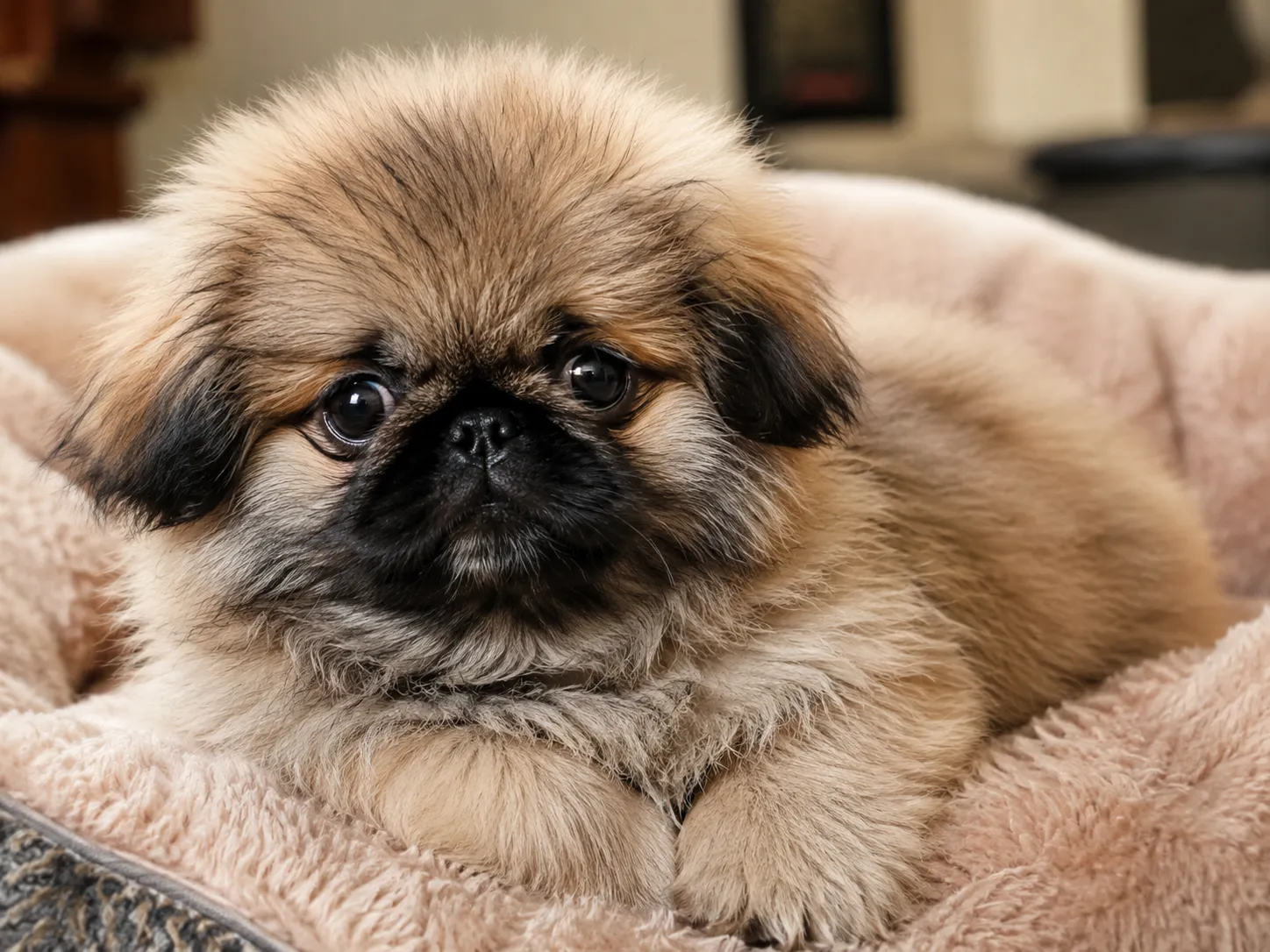 PekingeseSmall • Toy