Miniature Pinscher
By James C. • Updated
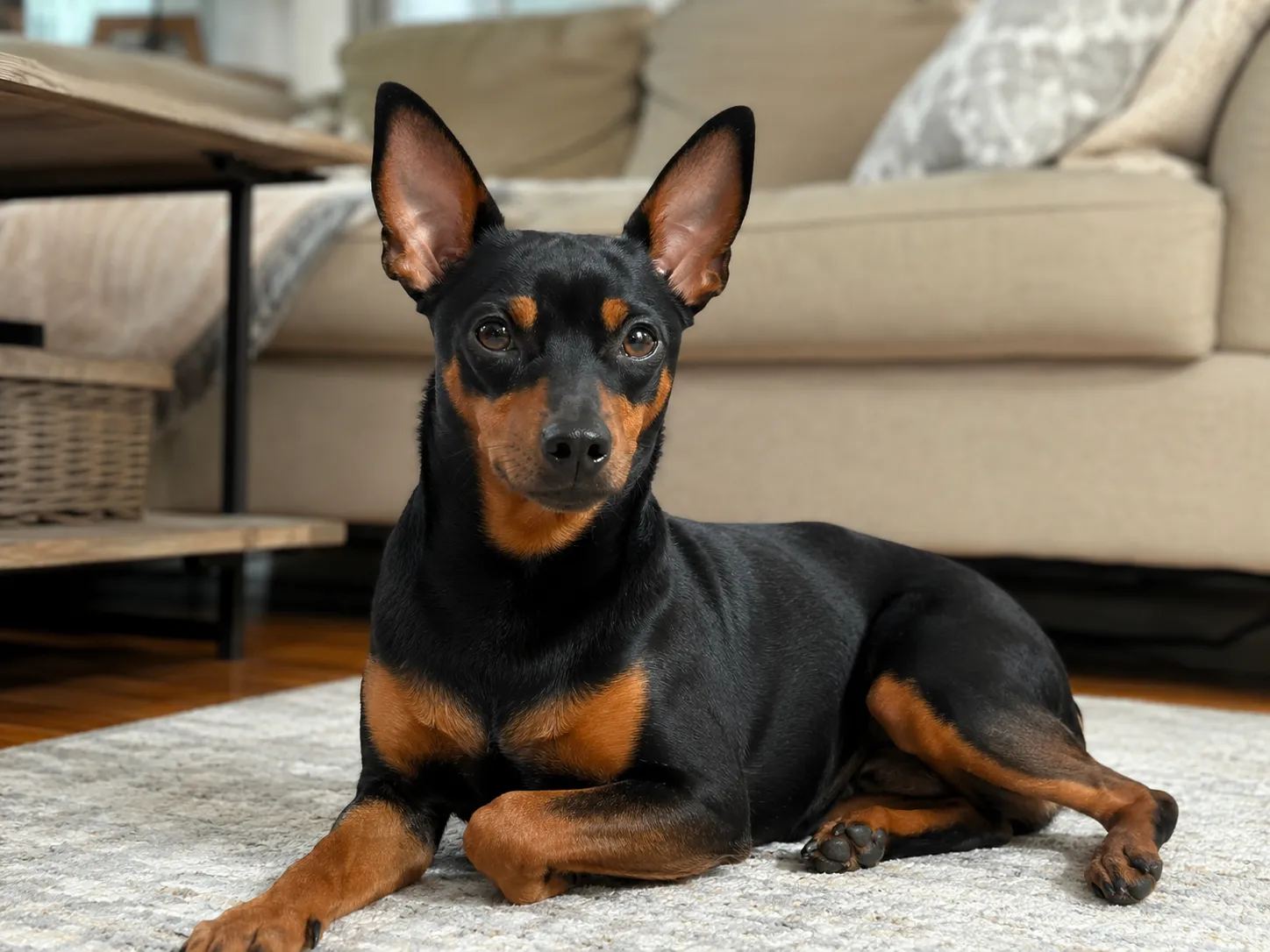
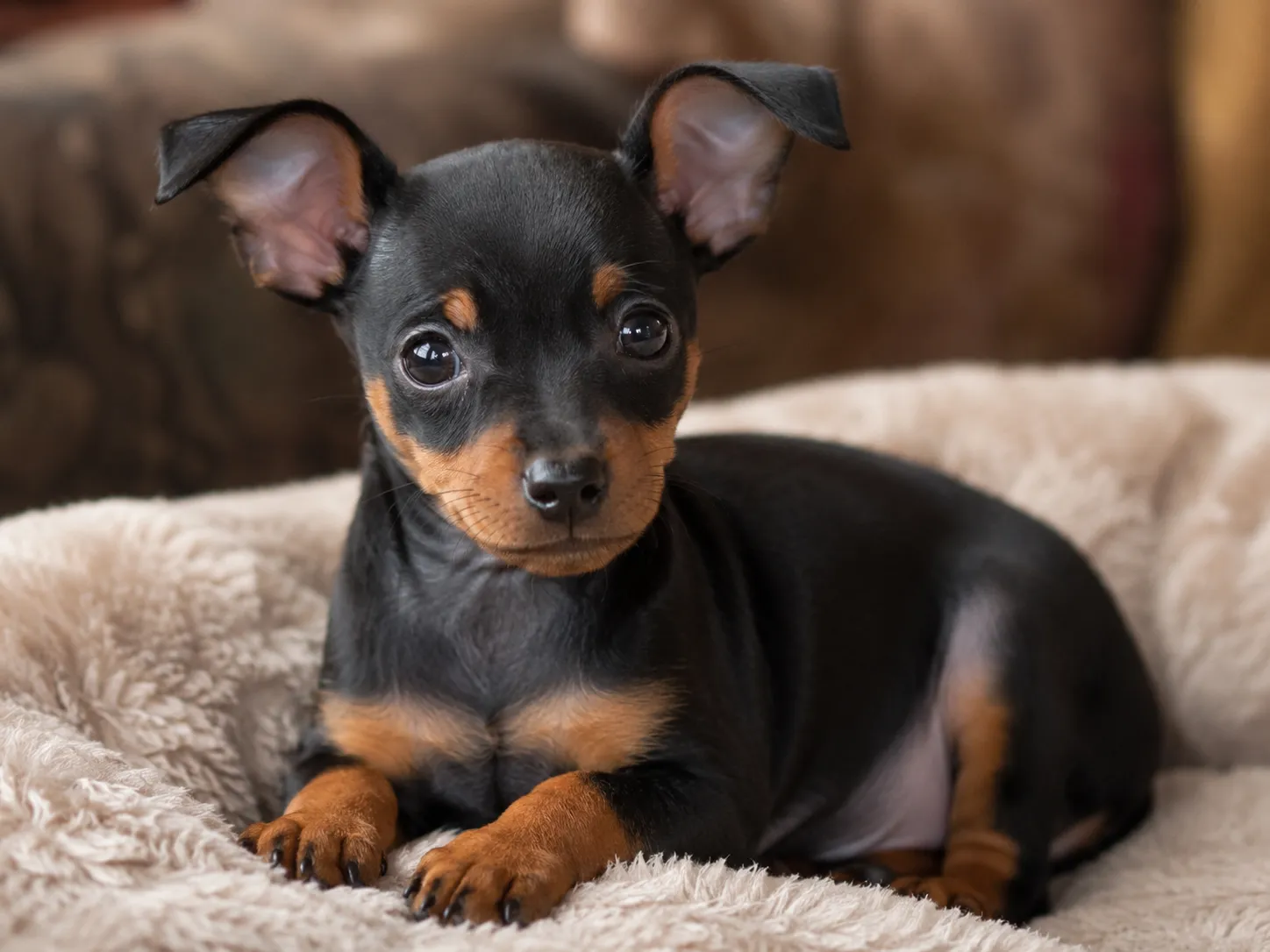
The Miniature Pinscher is a confident, spirited, and energetic small breed originating in Germany. Despite often being mistaken for a miniature Doberman, the Miniature Pinscher is a distinct breed with a longer history. They are alert, fearless, intelligent, and highly devoted to their owners, making excellent companions for active households.
Breed Overview
Life Span
12 - 16 years
Average Price
AUD 1500 - AUD 4000
Weight
Male: 4 - 5 kg Female: 3.5 - 4.5 kg
Height
Male: 25 - 30 cm Female: 25 - 30 cm
Life Expectancy
Male/Female: 12 - 16 years
Breed Group
Toy
Nicknames
Min Pin, Zwergpinscher, King of the Toys
Breed Information
The Miniature Pinscher is a bold, energetic toy breed known for its confidence and lively character. Despite its small size, this dog carries itself with remarkable pride and alertness, often behaving as though it is much larger than it really is. Its elegant movement and distinctive high-stepping gait make the breed instantly recognisable.
Originally developed in Germany, the Miniature Pinscher was bred to hunt rats and small vermin in homes and stables. This working background explains the breed’s sharp awareness, quick reflexes, and natural curiosity. Although it is now kept primarily as a companion dog, the Miniature Pinscher still retains the fearless attitude and determination of its ancestors.
Today, the Miniature Pinscher is admired for its spirited personality, intelligence, and loyalty to its family. When properly trained and given enough mental stimulation and activity, the breed becomes a devoted companion that thrives in homes where it can remain engaged and involved in everyday life.
Characteristics of the Miniature Pinscher: Bold Energy in a Small Frame
Small in size but overflowing with personality, the Miniature Pinscher is famous for its fearless attitude and lively behaviour, and its sleek coat needs only a light short-coat grooming routine. These dogs are naturally curious, energetic, and alert, making them engaging companions for owners who enjoy an active and interactive pet.
| Characteristic | Rating | Star Rating | What It Means |
| Energy Level | Very High | ⭐⭐⭐⭐⭐ | Requires daily exercise and play to stay happy and prevent boredom-related behaviours. |
| Trainability | Moderate | ⭐⭐⭐⭐ | Intelligent but independent, so training works best with consistency and positive reinforcement. |
| Intelligence | High | ⭐⭐⭐⭐ | Quick to learn commands and routines, though they may test boundaries. |
| Shedding Level | Low to Moderate | ⭐⭐⭐ | Short coat sheds lightly but remains easy to manage. |
| Grooming Needs | Low | ⭐⭐ | Minimal grooming required due to their short coat. |
| Good With Children | Moderate | ⭐⭐⭐ | Can be good with respectful older children who understand small dogs. |
| Good With Other Dogs | Moderate | ⭐⭐⭐ | May show bold behaviour around larger dogs if not socialised early. |
| Tolerance Being Alone | Low | ⭐⭐ | Prefers companionship and may become vocal if left alone too long. |
| Health of Breed | Generally Healthy | ⭐⭐⭐⭐ | A sturdy toy breed with good longevity when properly cared for. |
| Cost to Keep | Moderate | ⭐⭐⭐ | Food, vet care, and training needs remain manageable for most owners. |
The Miniature Pinscher stands out for its confident personality and lively spirit. Many owners are surprised by how fearless this small dog can be, often showing the courage and alertness of a much larger breed.
Although affectionate with their families, Miniature Pinschers can be independent thinkers. Their intelligence means they learn quickly, but they also require patient and consistent training to channel their energy and curiosity into positive behaviours.
History of the Miniature Pinscher: A German Ratter with Noble Confidence
Despite the breed’s name, the Miniature Pinscher is not a smaller version of the Doberman Pinscher, though buyers often confuse it with the Doberman Pinscher. The two breeds developed separately, although their similar appearance often causes confusion. The Miniature Pinscher actually predates the Doberman and has its own distinct history rooted in German working dogs.
The breed originated in Germany several centuries ago, where it was developed to hunt rats and small vermin in homes, barns, and stables. Farmers and tradespeople valued these small but fearless dogs because they were quick, alert, and capable of controlling rodent populations in working environments.
Early Miniature Pinschers were believed to have descended from a combination of German Pinschers, Italian Greyhounds, and Dachshunds. This mix contributed to the breed’s sleek body, agility, speed, and confident temperament. Over time, breeders refined these traits to create the elegant toy dog recognised today.
By the late nineteenth and early twentieth centuries, the Miniature Pinscher had gained popularity across Europe as both a companion and show dog. The breed later spread internationally and became admired for its distinctive high stepping “hackney” gait, bold personality, and lively presence, eventually earning the nickname “King of the Toys.”
Appearance of the Miniature Pinscher: Sleek, Elegant, and Instantly Recognisable
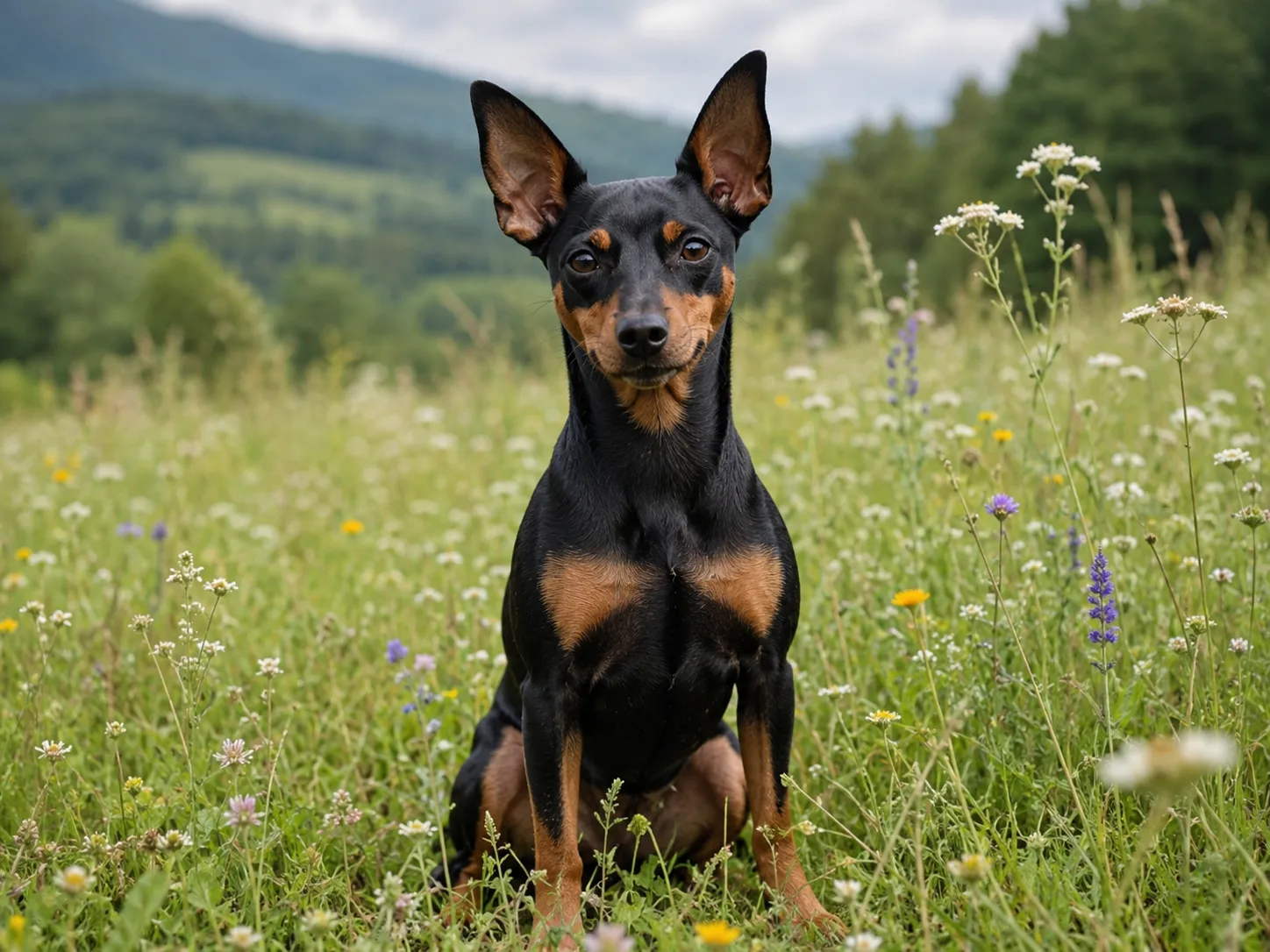
The Miniature Pinscher is a small yet strikingly elegant dog with a proud and confident posture, and fine-boned toy breeds warrant checking any limp with a vet. Although compact in size, the breed carries itself with remarkable presence. Its balanced body, smooth coat, and alert expression give the Miniature Pinscher a refined appearance that reflects both athleticism and grace.
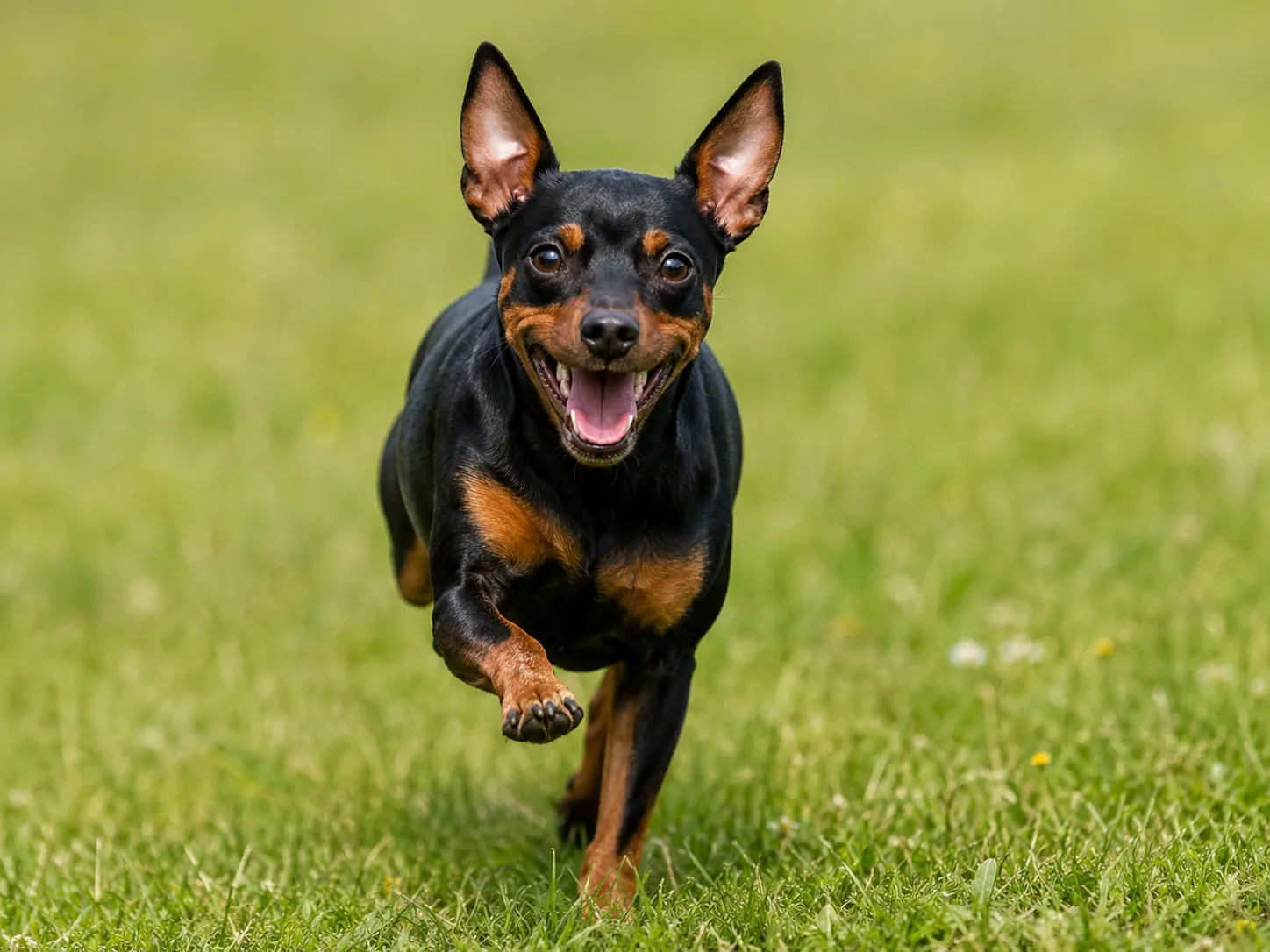
One of the most distinctive features of the breed is its unique high stepping “hackney” gait. When moving, the Miniature Pinscher lifts its front legs in a lively, prancing motion that resembles the action of a trotting horse. This energetic movement contributes greatly to the breed’s reputation for confidence and spirited behaviour.
Body Structure and Build
The Miniature Pinscher has a square, well balanced body with clean, defined lines. Its chest is moderately broad, and the back remains level and firm. Despite its small size, the breed is muscular and agile, capable of quick movements and impressive bursts of speed.
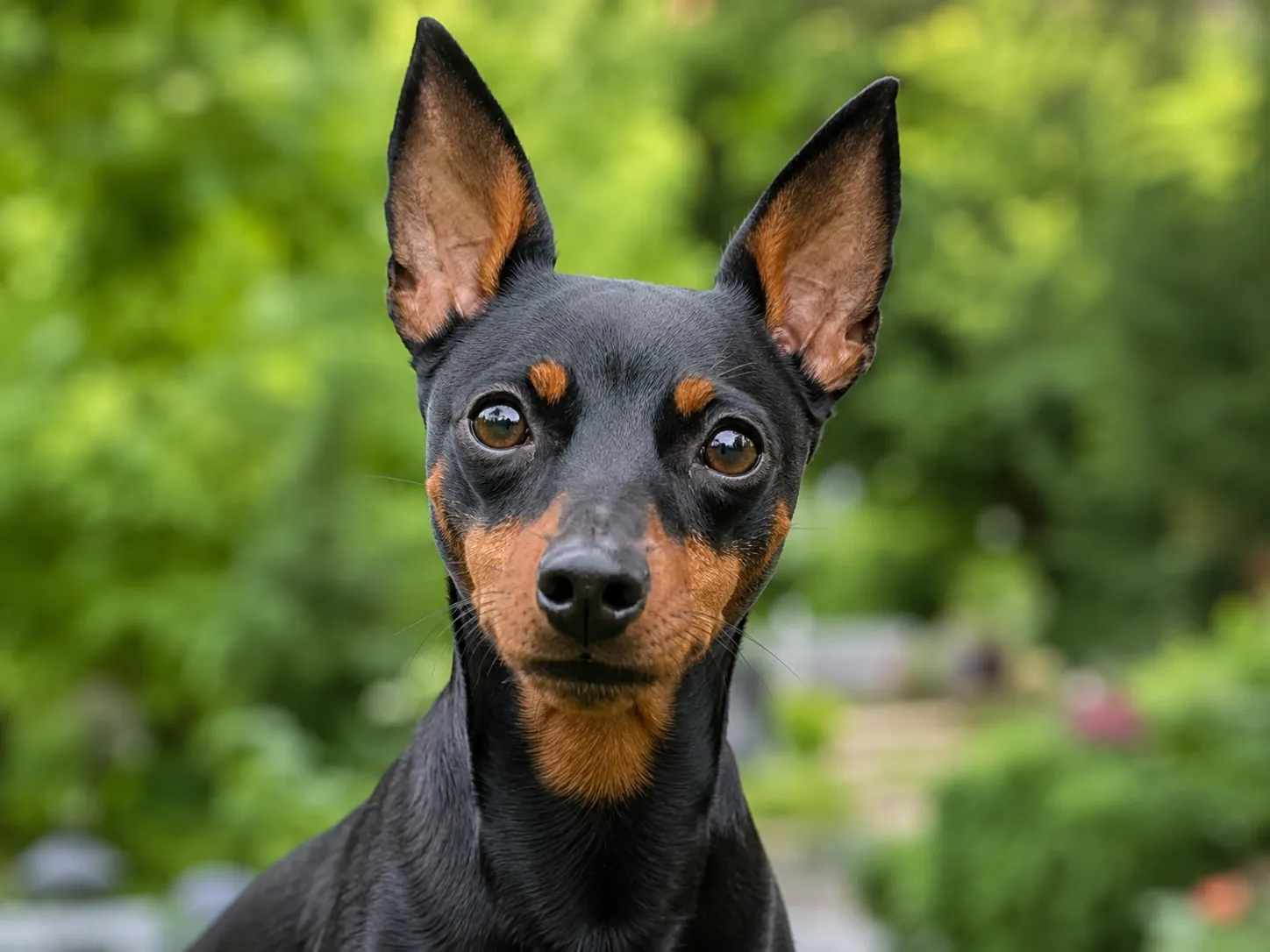
The head is narrow and wedge shaped, featuring a flat skull and a strong muzzle. Dark oval eyes give the dog an alert and intelligent expression, while naturally erect or cropped ears contribute to its attentive look. The tail is typically carried high and adds to the dog’s proud stance.
Coat Type and Colour
The breed’s coat is short, smooth, and close fitting, which helps highlight its sleek body structure. This coat type requires very little grooming and contributes to the breed’s neat appearance.
Recognised coat colours commonly include solid red, black and rust, chocolate and rust, and blue and rust. The rust markings appear above the eyes, on the chest, legs, and under the tail, creating the distinctive contrast associated with the breed.
Temperament of the Miniature Pinscher: Fearless, Alert, and Full of Character
The Miniature Pinscher is widely recognised for its bold personality and confident attitude, and small-dog bravado still calls for early socialisation before vaccinations finish. Despite its small size, this breed carries itself with remarkable self assurance and often behaves as though it is much larger than it really is. Owners frequently describe the Miniature Pinscher as spirited, lively, and always eager to explore its surroundings.
This breed is naturally curious and alert, which makes it highly aware of its environment. Miniature Pinschers tend to notice unusual sounds or movement quickly and may respond by barking to alert their owners. Because of this strong awareness, they can function as effective watchdogs even though they are classified as a toy breed.
Personality and Behaviour Traits
Miniature Pinschers are known for their energetic and playful nature. They enjoy interactive games, toys, and activities that allow them to burn off their considerable energy. Without enough stimulation, these intelligent dogs may invent their own entertainment, which can sometimes include mischievous behaviour.
The breed also possesses a strong independent streak. While affectionate with their families, Miniature Pinschers like to think for themselves and may occasionally test boundaries. Consistent training and clear rules help ensure their confidence develops into positive behaviour rather than stubbornness.
Loyalty and Attachment to Owners
Although confident and independent, the Miniature Pinscher forms strong emotional bonds with its owners. These dogs enjoy being close to their families and often follow their favourite person from room to room.
Many Miniature Pinschers thrive on companionship and attention. When raised in a supportive environment that includes proper training, exercise, and affection, they become loyal and entertaining companions that bring energy and personality into the household.
Intelligence and Trainability of the Miniature Pinscher: Clever but Strong-Willed
The Miniature Pinscher is widely regarded as a highly intelligent toy breed with a curious and independent mind, so beginning obedience training early pays off. These dogs learn quickly and are capable of understanding commands, routines, and household rules with surprising speed. Their sharp awareness and alert temperament often make them very responsive to their environment.
However, intelligence in the Miniature Pinscher often comes with a strong sense of independence. While they are capable learners, they may choose to test boundaries or ignore commands if training lacks consistency. Owners who approach training with patience, structure, and clear expectations usually achieve the best results.
Learning Ability and Problem Solving
Miniature Pinschers demonstrate excellent problem-solving ability and quick learning capacity. They can pick up new commands rapidly, particularly when training sessions remain engaging and rewarding. Because of their alert nature, they are quick to notice patterns and routines within the household.
Mental stimulation is important for this breed. Puzzle toys, short training exercises, and interactive games help keep their minds active while preventing boredom that could lead to unwanted behaviour.
Training Methods That Work Best
Successful training with a Miniature Pinscher relies on positive reinforcement and consistent guidance. Rewards such as treats, praise, and play help motivate the dog and encourage cooperation during training sessions.
Short and structured training sessions tend to work better than long repetitive drills. Because Miniature Pinschers are energetic and easily distracted, maintaining variety in training activities helps keep them focused and interested while building reliable obedience over time.
Family Life of the Miniature Pinscher: Living with a Confident Toy Breed
The Miniature Pinscher can become a loyal and entertaining family companion when raised in the right environment. You can browse Miniature Pinscher puppies listed in Australia. This breed thrives in homes where it receives attention, activity, and consistent interaction with its owners. Although small, the Miniature Pinscher possesses a bold personality that benefits from clear boundaries and structured daily routines.
Because of their lively nature, Miniature Pinschers enjoy being part of everyday household life. They often follow family members around the home and prefer not to be excluded from activities. When provided with companionship, playtime, and mental stimulation, they adapt well to both houses and apartments.
Miniature Pinschers with Children
Miniature Pinschers can live well with children when interactions are respectful and supervised. Due to their small size and energetic temperament, they are generally better suited to families with older children who understand how to handle small dogs gently.
Young children may accidentally handle the dog too roughly, which can cause stress or defensive behaviour. Teaching children to approach the dog calmly and respect its space helps maintain a safe and positive relationship.
Miniature Pinschers with Other Pets
With early socialisation, Miniature Pinschers can learn to live alongside other household pets. However, their bold and confident temperament sometimes leads them to challenge larger dogs, particularly if they feel their territory is threatened.
Because the breed was originally developed as a ratter, some Miniature Pinschers may display a strong prey drive toward small animals such as rodents. Early introductions and proper supervision help create a more harmonious multi-pet household.
Living Environment and Household Needs
Miniature Pinschers adapt well to different living environments as long as their physical and mental needs are met. They can live comfortably in apartments, provided they receive daily exercise, stimulation, and opportunities to explore.
Secure fencing is important because this breed is curious and quick moving. Their natural curiosity can lead them to investigate small gaps or open spaces, so maintaining a safe environment helps prevent wandering or accidental escapes.
Health of the Miniature Pinscher: Common Conditions and Lifespan Considerations
The Miniature Pinscher is generally considered a healthy and long living toy breed, with many individuals reaching 12 to 16 years of age when properly cared for. Responsible breeding, routine veterinary care, and a balanced diet all contribute to maintaining the breed’s overall wellbeing. Although the Miniature Pinscher is relatively robust for its size, owners should still be aware of certain health conditions that may occur within the breed.
Regular veterinary check ups, vaccinations, parasite prevention, and dental care help ensure the dog remains in good health throughout its life. Early detection of potential health issues can significantly improve long term outcomes and quality of life.
Common Health Conditions
Like many purebred dogs, Miniature Pinschers can be prone to certain inherited or breed related conditions. Understanding these potential issues allows owners to monitor their dog’s health more effectively.
Some of the conditions occasionally seen in the breed include:
- Patellar Luxation: A condition where the kneecap slips out of position, which may cause intermittent limping or discomfort.
- Legg Calvé Perthes Disease: A hip joint disorder affecting the femoral head that can lead to pain or reduced mobility in young dogs.
- Progressive Retinal Atrophy (PRA): A genetic eye disease that gradually leads to vision loss.
- Epilepsy: Some Miniature Pinschers may develop seizure disorders that require veterinary management.
- Dental Disease: Due to their small jaw structure, toy breeds including the Miniature Pinscher may experience dental crowding and tartar buildup.
Maintaining Good Health
Keeping a Miniature Pinscher healthy involves regular veterinary care, appropriate nutrition, and consistent exercise. Maintaining a healthy weight is particularly important because excess weight can increase strain on joints and contribute to other health complications.
Responsible breeders often perform health screening on breeding dogs to reduce the risk of inherited conditions. Prospective owners are encouraged to ask breeders about health testing and veterinary records when selecting a puppy.
Caring for the Miniature Pinscher: Daily Needs and Responsible Ownership
Caring for a Miniature Pinscher involves meeting the physical, mental, and emotional needs of a lively toy breed. Although small in size, this dog requires structured routines, regular activity, and close interaction with its family. Owners who provide consistent care and attention often find the Miniature Pinscher to be an engaging and rewarding companion.
Daily care includes providing adequate exercise, proper nutrition, routine grooming, and regular veterinary check ups. Because of their energetic nature and curious personality, Miniature Pinschers also benefit from activities that challenge both their body and mind.
Daily Care and Routine
Miniature Pinschers thrive on predictable routines and regular engagement. Establishing consistent feeding times, walks, and play sessions helps create stability and encourages good behaviour.
These dogs enjoy being involved in household activities and often prefer to stay close to their owners. Providing toys, interactive games, and short training sessions helps keep them mentally stimulated while preventing boredom.
Creating a Safe Environment
Due to their curious and adventurous nature, Miniature Pinschers may attempt to explore small spaces or escape through gaps in fencing. A secure home environment is important for preventing accidents or wandering.
Owners should ensure fences are intact, gates are properly closed, and small hazards are removed from areas where the dog plays. Indoors, providing comfortable bedding and safe resting areas helps the dog relax after active periods.
Socialisation and Behaviour Development
Early socialisation is an important part of caring for a Miniature Pinscher. Introducing the puppy to different people, environments, and experiences helps build confidence and reduce fear based behaviours later in life.
Positive experiences during early development encourage the dog to grow into a well adjusted adult. Structured training and calm guidance from owners help channel the breed’s confidence and energy into positive behaviours.
Grooming the Miniature Pinscher: Simple Coat Care and Hygiene
The Miniature Pinscher is known for its short, smooth coat that requires minimal grooming, making it one of the easier toy breeds to maintain. Their sleek coat lies close to the body and sheds lightly throughout the year. Because of this low maintenance coat, grooming routines are simple and can easily become part of regular weekly care.
Although grooming needs are relatively low, maintaining a consistent routine helps keep the dog clean, comfortable, and healthy. Regular brushing, nail trimming, ear care, and dental hygiene all contribute to the Miniature Pinscher’s overall wellbeing.
Coat Maintenance
The Miniature Pinscher’s coat is short, smooth, and naturally glossy, so it does not require complex grooming. A gentle brushing once or twice a week using a soft bristle brush or grooming mitt helps remove loose hair and keeps the coat looking neat.
Brushing also distributes natural skin oils across the coat, helping maintain its healthy shine. Because shedding is light, many owners find grooming quick and easy.
Bathing and Skin Care
Miniature Pinschers only require occasional bathing when they become dirty or develop an odour. Overbathing can remove the natural oils that protect their skin, so bathing every few months or when necessary is usually sufficient.
Using a mild dog shampoo helps prevent skin irritation. After bathing, the dog should be dried thoroughly to maintain comfort and prevent chills.
Nail, Ear, and Dental Care
Routine hygiene is an important part of grooming. Regular nail trimming prevents discomfort and mobility issues, particularly because small breeds can develop long nails quickly if they are not naturally worn down.
Ears should be checked regularly for wax buildup, redness, or unusual odours that may indicate infection. Dental care is equally important, as toy breeds often develop tartar buildup. Brushing the dog’s teeth several times per week helps maintain healthy gums and reduce the risk of dental disease.
Exercise Needs of the Miniature Pinscher: Managing a High Energy Toy Breed
The Miniature Pinscher may be small, but it is a high energy dog that requires regular physical activity and mental stimulation. Without sufficient exercise, this lively breed can become restless, vocal, or destructive. Meeting the dog’s daily activity needs helps maintain both physical health and balanced behaviour.
Although the Miniature Pinscher does not require extreme exercise like larger working breeds, it thrives on daily walks, interactive play, and activities that allow it to explore its surroundings. Providing structured exercise helps burn off excess energy while keeping the dog mentally engaged.
Daily Exercise Requirements
Most Miniature Pinschers benefit from at least 30 to 60 minutes of activity each day. This can include walks, supervised play in a secure yard, or games that encourage movement and curiosity.
Short walks combined with play sessions often suit the breed well. Because Miniature Pinschers are naturally alert and inquisitive, they enjoy environments where they can safely investigate new sights and smells.
Mental Stimulation and Enrichment
Exercise for this breed should not focus only on physical movement. The Miniature Pinscher is an intelligent dog that benefits from mental challenges as well.
Puzzle toys, obedience training, scent games, and interactive toys can help stimulate the dog’s mind. These activities reduce boredom and encourage positive behaviours while strengthening the bond between the dog and its owner.
Safe Exercise Practices
Due to their small size and bold personality, Miniature Pinschers may attempt to chase moving objects or investigate unfamiliar areas. Owners should ensure exercise takes place in safe and secure environments.
Using a lead during walks and maintaining secure fencing in outdoor spaces helps prevent accidents or escapes. Supervised activity also ensures the dog remains safe around larger animals or unfamiliar surroundings.
Feeding the Miniature Pinscher: Nutrition for a Small but Energetic Breed
Providing the right diet is essential for maintaining the Miniature Pinscher’s energy levels, muscle condition, and overall health. Because this breed is active and alert, it benefits from balanced nutrition that supports both physical activity and long term wellbeing. High quality dog food formulated for small breeds usually meets most of their dietary needs.
Owners should pay close attention to portion sizes, feeding schedules, and the quality of ingredients used in their dog’s diet. Proper nutrition helps maintain a healthy weight, supports strong bones and muscles, and contributes to the dog’s long lifespan.
Daily Feeding Amounts
Miniature Pinschers generally require small but nutritionally dense meals due to their size and metabolism. Most adult dogs thrive on two meals per day, while puppies often require three or four smaller meals to support growth and stable energy levels.
Portion sizes depend on factors such as the dog’s age, activity level, and body condition. Owners should follow feeding guidelines provided by veterinarians or dog food manufacturers while monitoring the dog’s weight and health.
Nutritional Requirements
A balanced diet for the Miniature Pinscher should include high quality protein, healthy fats, and essential vitamins and minerals. Protein supports muscle development and maintenance, while fats provide energy and help maintain healthy skin and coat.
Small breed formulas are often recommended because they provide appropriate calorie density and smaller kibble sizes that are easier for toy breeds to eat.
Foods to Avoid
Owners should also be aware that certain foods can be harmful to dogs. Chocolate, onions, grapes, raisins, alcohol, and foods containing xylitol should never be given to a Miniature Pinscher.
Table scraps and excessively fatty foods should also be avoided, as they may lead to digestive upset or unhealthy weight gain. Providing a balanced, portion controlled diet remains the safest approach for maintaining the dog’s health.
Miniature Pinscher Price in Australia: Purchase and Ongoing Costs
The Miniature Pinscher is a relatively affordable purebred dog compared with many other breeds, but responsible ownership still involves initial purchase costs and ongoing financial commitment. Prospective owners should consider not only the price of buying a puppy but also the long term expenses required to maintain the dog’s health, wellbeing, and quality of life.
Prices can vary depending on factors such as breeder reputation, pedigree quality, health testing, and location within Australia. Puppies from reputable breeders that perform health checks and provide proper documentation typically cost more but offer greater confidence regarding the dog’s health and lineage.
Purchase Price of a Miniature Pinscher
In Australia, Miniature Pinscher puppies from reputable breeders typically cost between AUD $1,500 and $4,000. Puppies from champion bloodlines or show quality parents may fall at the higher end of this range.
Responsible breeders usually include veterinary health checks, initial vaccinations, microchipping, and pedigree registration within the purchase price. These inclusions help ensure the puppy begins life with proper medical care and identification.
Initial Setup Costs
Before bringing a Miniature Pinscher home, owners should prepare for essential supplies and setup expenses. These initial purchases ensure the puppy has a safe and comfortable environment from the start.
Common setup costs may include:
- Dog bed and crate
- Food and water bowls
- Quality puppy food
- Lead, harness, and collar
- Toys and enrichment items
- Grooming supplies
- First veterinary check and vaccinations
Initial setup expenses in Australia commonly range from AUD $300 to $800, depending on the quality of equipment purchased.
Ongoing Ownership Costs
Owning a Miniature Pinscher also involves regular expenses throughout the dog’s life. These costs help maintain the dog’s health and comfort while supporting responsible pet ownership.
Typical ongoing yearly costs may include:
- Quality dog food
- Routine veterinary check ups
- Vaccinations and parasite prevention
- Grooming supplies
- Toys and enrichment items
- Pet insurance (optional but recommended)
On average, owners may spend AUD $800 to $1,500 per year maintaining a Miniature Pinscher, though this amount may increase if additional veterinary care is required.
Buying Advice for the Miniature Pinscher: Choosing a Healthy and Well Raised Puppy
Buying a Miniature Pinscher requires careful consideration to ensure the puppy comes from a responsible breeder who prioritises health, temperament, and ethical breeding practices. Selecting the right breeder greatly reduces the risk of inherited health issues and behavioural problems while helping you start your journey with a well adjusted puppy.
Prospective owners should take time to research breeders, ask questions about health testing, and observe how puppies are raised. A trustworthy breeder will always focus on the long term welfare of their dogs and the suitability of the new home.
Choosing a Responsible Breeder
A reputable breeder will prioritise health screening, proper socialisation, and transparent breeding practices. They should be willing to answer questions about the breed, provide documentation, and allow potential owners to meet the puppy’s parents where possible.
Good breeders usually raise puppies in a clean, safe environment where they receive regular human interaction. Early exposure to everyday household experiences helps puppies develop confidence and adaptability.
Warning Signs of Poor Breeding Practices
Buyers should remain cautious if a breeder cannot provide clear information about the puppy’s health or background. Certain warning signs may indicate irresponsible breeding or puppy farming.
Common red flags include:
- Refusing to show where the puppies are raised
- Lack of health testing or veterinary documentation
- Offering multiple unrelated breeds for sale
- Pressuring buyers to make quick decisions
- Selling puppies that are too young to leave their mother
Avoiding these situations helps protect both the buyer and the welfare of the dogs involved.
Adoption and Rescue Options
While many Miniature Pinschers are purchased from breeders, adoption can also be a rewarding option. Occasionally, Miniature Pinschers or similar small breeds become available through rescue organisations and shelters.
Adopting a dog can provide a loving home for an animal in need while offering owners the chance to welcome a loyal companion into their lives. Rescue organisations typically assess the dog’s temperament and health before adoption to help ensure a suitable match with new owners.
Is the Miniature Pinscher Right for You: Suitability and Lifestyle Considerations
Choosing the Miniature Pinscher means welcoming a confident, energetic companion that thrives on interaction and stimulation. Although small, this breed has a strong personality and requires owners who can provide structure, activity, and attention. Understanding the breed’s needs helps determine whether it will fit well within your household and daily routine.
Miniature Pinschers do best with owners who enjoy an active lifestyle and are willing to spend time engaging with their dog. Their intelligence and lively temperament make them entertaining companions, but they also require consistent guidance to channel their energy into positive behaviour.
This breed is well suited to active individuals, couples, or families with older children who understand how to interact respectfully with small dogs. Owners who enjoy training, play sessions, and daily walks often find the Miniature Pinscher to be a loyal and engaging companion.
However, households where dogs are left alone for long periods or environments with very young children may find the breed more challenging. With the right care, attention, and guidance, the Miniature Pinscher can become a devoted companion that brings energy, personality, and confidence into the home.
Frequently Asked Questions
Related Breeds
Other companion breeds on Pups4Sale.
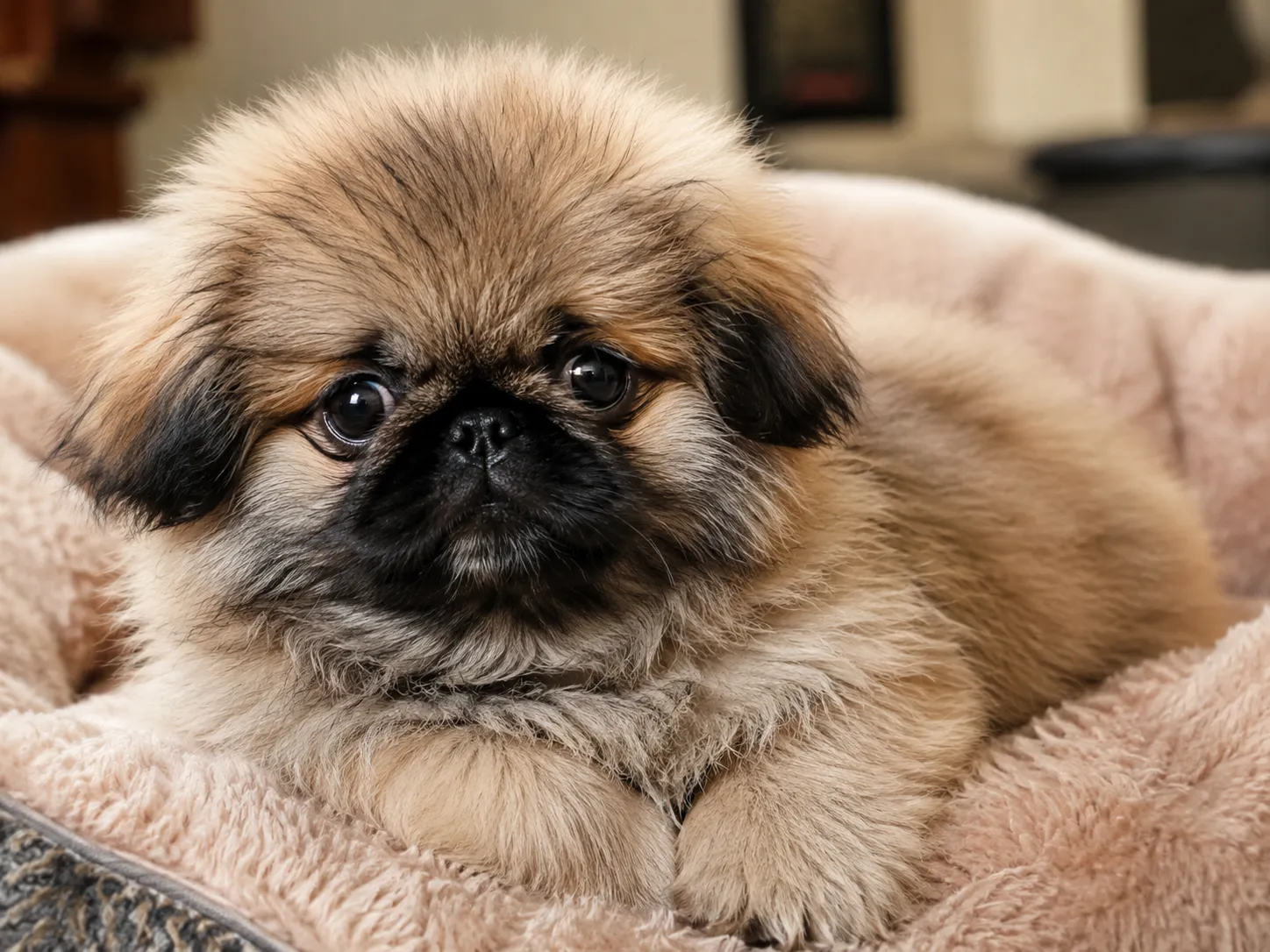 PekingeseSmall • Toy
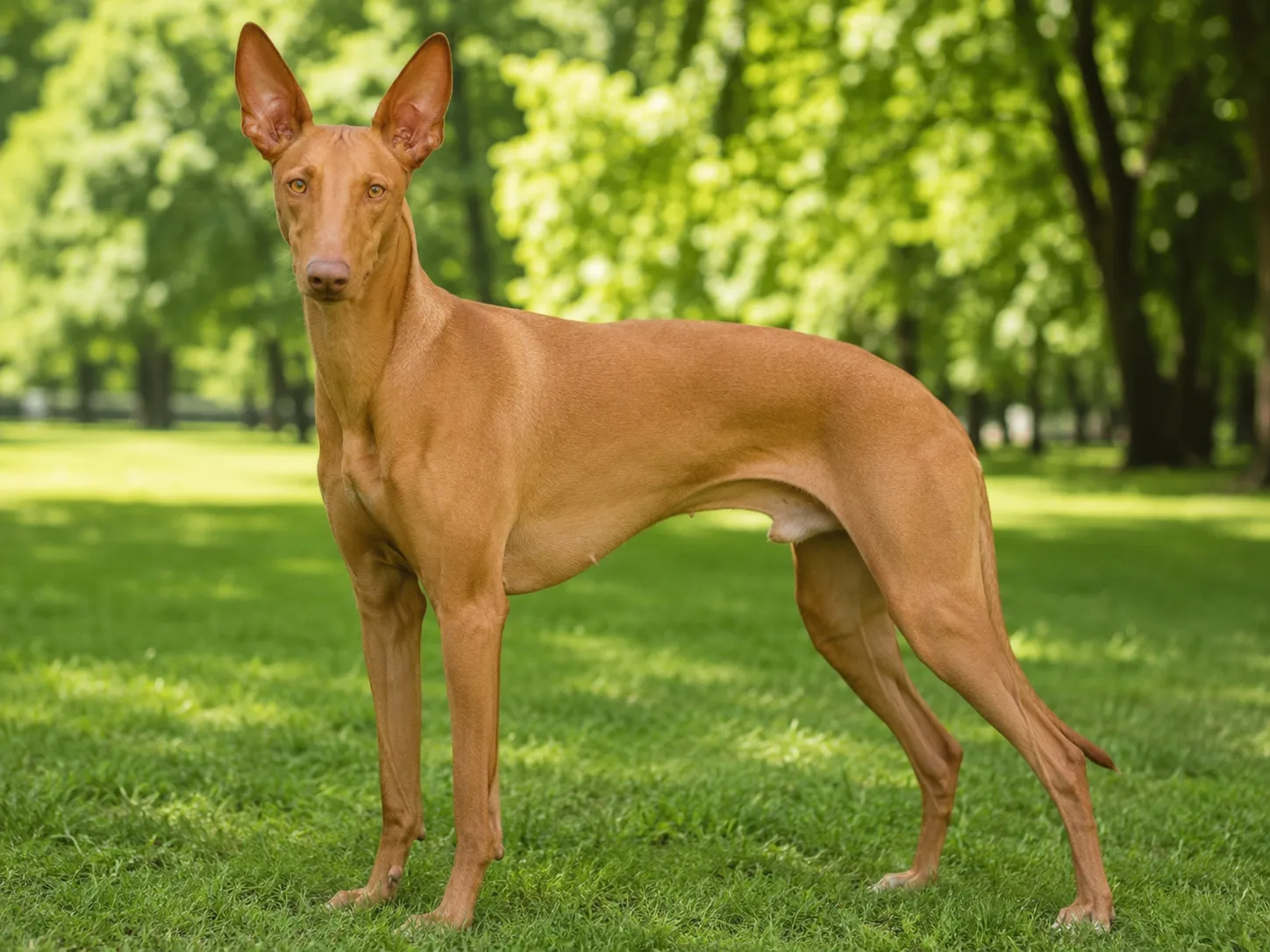 Pharaoh HoundMedium • Hound (Sighthound type)
 PoodleMedium • Non-Sporting Group (Utility Group in Australia)
 SchnoodleLarge • Companion (Poodle x Schnauzer cross)
 Australian BulldogsMedium • Companion
 Bichon FriseSmall • Companion