Poodle
By James C. • Updated
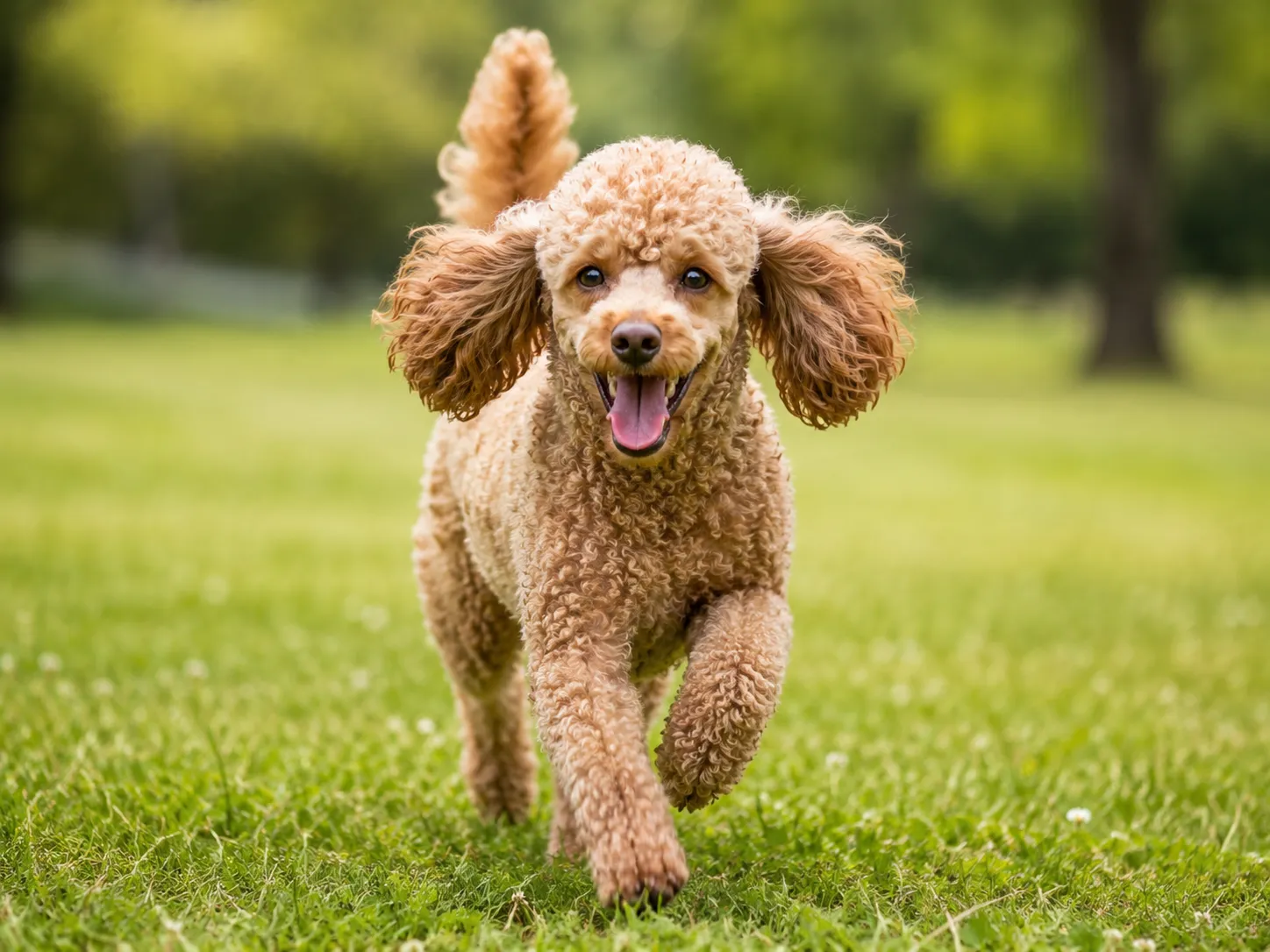
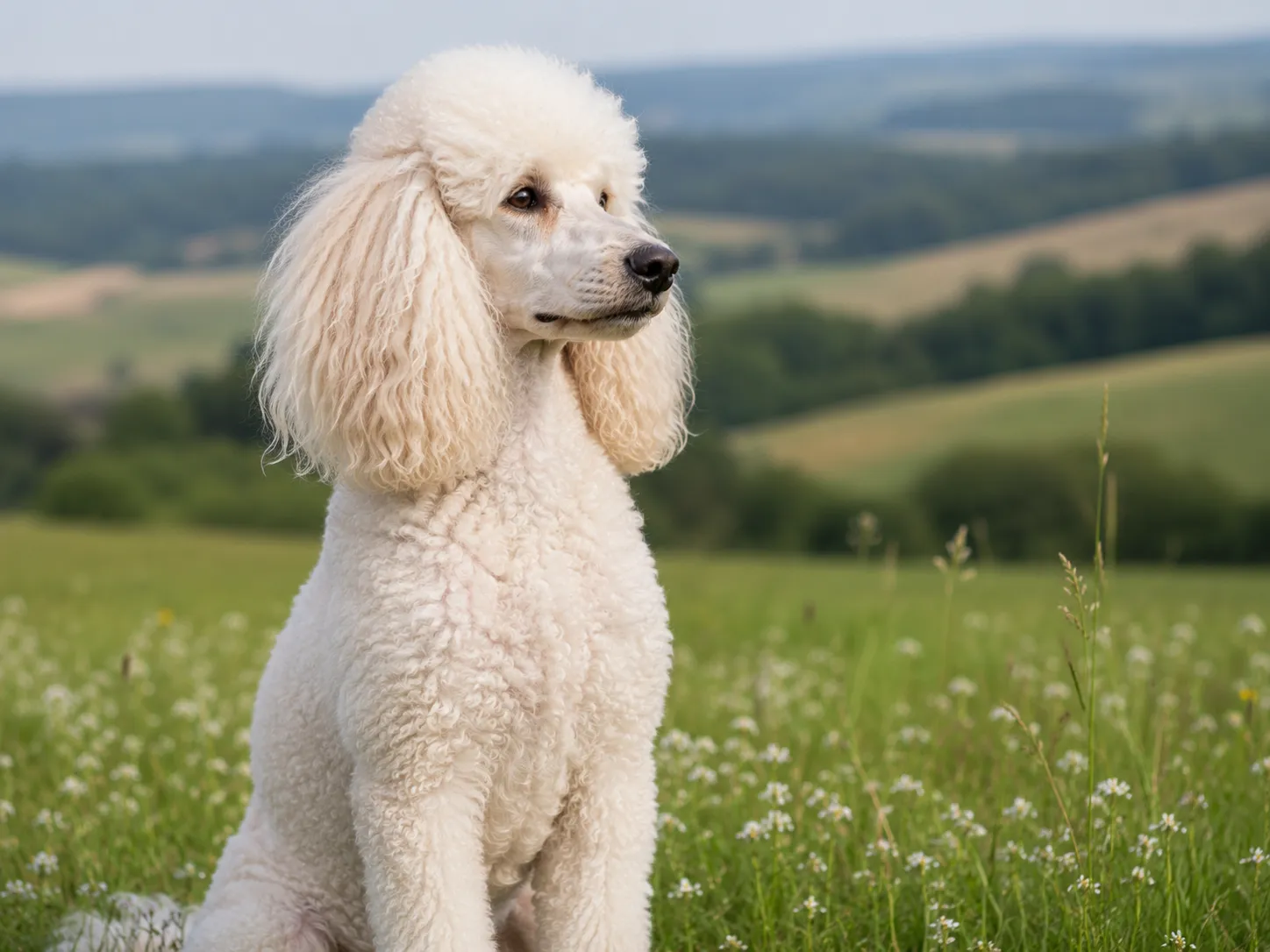
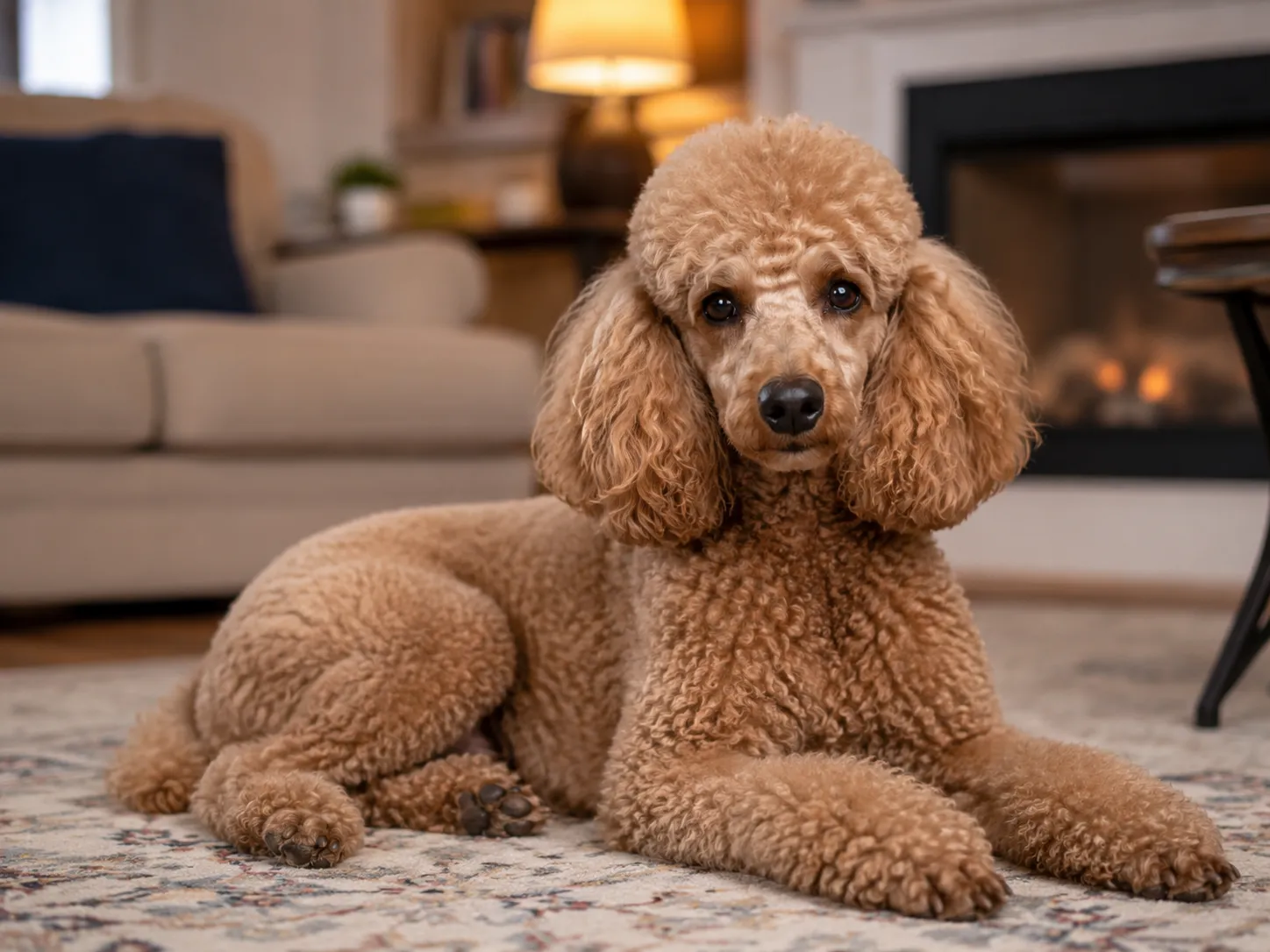
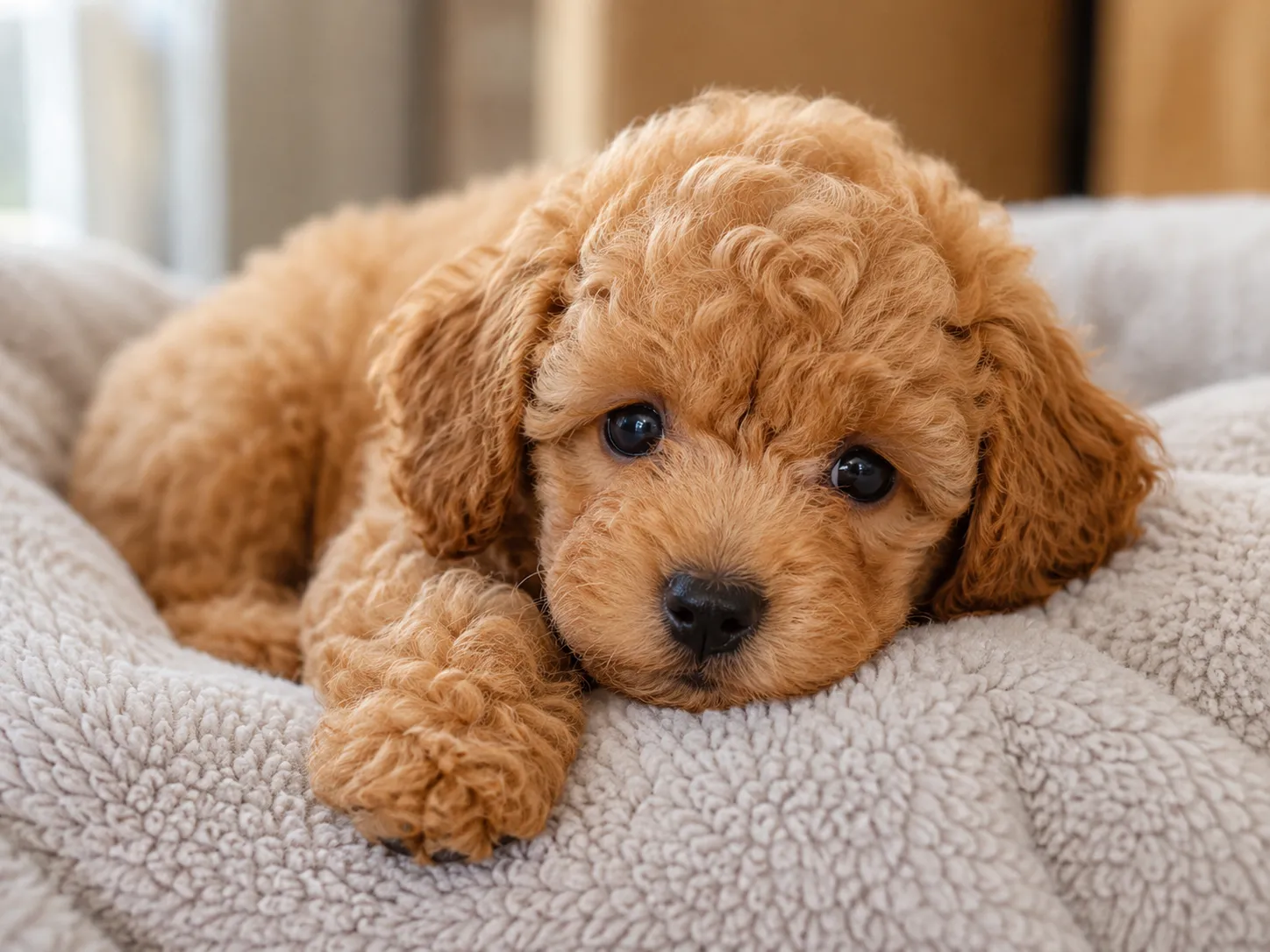
The Poodle is one of the world's most intelligent and versatile dog breeds. Originally developed as a water retriever, the breed is known for its exceptional trainability, athleticism, and low-shedding coat. Poodles excel in obedience, agility, therapy work, assistance dog roles, and family companionship.
Breed Overview
Life Span
12 - 15 years
Average Price
AUD 2500 - AUD 6000
Weight
Male: 4 - 32 kg Female: 4 - 32 kg
Height
Male: 3 - 28 cm Female: 3 - 28 cm
Life Expectancy
Male/Female: 12 - 15 years
Breed Group
Non-Sporting Group (Utility Group in Australia)
Nicknames
French Poodle, Pudel, Caniche
Breed Information
The Poodle is widely recognised for its remarkable intelligence, elegant appearance, and versatile personality. Although many people associate the breed with show rings and stylish grooming, the Poodle was originally bred as a working water retriever, valued for its athletic ability and quick thinking.
Today, Poodles are popular family companions around the world. They come in three main size varieties: Standard, Miniature, and Toy, allowing the breed to suit many different living situations and lifestyles.
Poodles often thrive in homes where they receive regular mental stimulation, exercise, and interaction with their owners. Their high intelligence means they typically enjoy learning new commands, participating in dog sports, and engaging in problem-solving activities.
In this guide, you will learn about the Poodle’s temperament, physical characteristics, grooming requirements, health considerations, and the responsibilities involved in owning this intelligent and adaptable breed.
Characteristics of the Poodle
| Trait | Rating | Star Rating | Meaning |
| Size | Varies by Variety | ⭐⭐⭐⭐ | Poodles come in Standard, Miniature, and Toy sizes, making the breed suitable for both larger homes and smaller living spaces. |
| Adaptability | Very High | ⭐⭐⭐⭐⭐ | Highly adaptable dogs that often adjust well to different environments, including apartments, provided their exercise needs are met. |
| Exercise Needs | Moderate to High | ⭐⭐⭐⭐ | Requires regular daily activity and mental stimulation to stay healthy and avoid boredom. |
| Easy to Train | Very High | ⭐⭐⭐⭐⭐ | One of the most intelligent dog breeds, typically learning commands quickly and responding well to training. |
| Amount of Shedding | Very Low | ⭐⭐ | Poodles shed minimally due to their curly coat, which is one reason the breed is often associated with allergy-friendly households. |
| Grooming Needs | Very High | ⭐⭐⭐⭐⭐ | The curly coat grows continuously and requires frequent brushing and regular professional grooming. |
| Good With Children | Very Good | ⭐⭐⭐⭐ | Generally affectionate and playful with children when properly socialised and supervised. |
| Health of Breed | Moderate | ⭐⭐⭐ | While generally healthy, the breed can be prone to certain inherited conditions depending on the variety. |
| Cost to Keep | Moderate to High | ⭐⭐⭐⭐ | Grooming costs, quality food, and veterinary care can add to the overall cost of ownership. |
| Tolerates Being Alone | Moderate | ⭐⭐⭐ | Poodles form strong bonds with their owners and may become anxious if left alone for long periods. |
| Intelligence | Extremely High | ⭐⭐⭐⭐⭐ | Considered one of the most intelligent dog breeds, capable of complex learning and advanced training tasks. |
History of the Poodle: From Water Retriever to Companion Dog
The Poodle has a long and fascinating history that dates back several centuries, and its non-shedding coat needs a disciplined curly-coat grooming routine. Although many people associate the breed with France, historical evidence suggests that the Poodle’s origins are closely connected to Germany, where the breed was developed as a skilled water retriever.
Early Development
The name “Poodle” is believed to come from the German word “Pudel” or “Pudelin,” which means “to splash in water.” This reflects the breed’s original purpose as a hunting dog that retrieved waterfowl for hunters. Their curly coat provided insulation in cold water, while their strong swimming ability made them highly effective working dogs.
Early Poodles were typically larger dogs similar to the modern Standard Poodle. These dogs were valued for their intelligence, trainability, and ability to work closely with hunters.
Rise in Popularity in France
While the breed may have originated in Germany, the Poodle became especially popular in France, where it was refined and widely admired. The French later adopted the breed as their national dog, referring to it as the “Caniche,” meaning duck dog.
French breeders played a significant role in developing the smaller varieties of the breed. The Miniature and Toy Poodles were bred primarily as companion dogs, while still maintaining the intelligence and elegance of the original Standard Poodle.
Development of the Distinctive Grooming Style
The well-known Poodle grooming style actually began for practical reasons rather than decoration. Hunters trimmed certain areas of the coat to reduce drag in water, while leaving hair around the chest and joints to protect vital organs and joints from cold temperatures.
Over time, these functional trims evolved into the elaborate grooming styles often seen in dog shows today.
Modern Recognition
The Poodle gained formal recognition from major kennel clubs during the late 19th and early 20th centuries. Today, the breed is recognised worldwide and appears in three official varieties: Standard, Miniature, and Toy.
Despite its refined appearance, the Poodle continues to demonstrate strong working ability. Many dogs participate in obedience, agility, hunting tests, therapy work, and service dog roles, highlighting the breed’s intelligence and adaptability.
Appearance of the Poodle: Elegant, Athletic, and Distinctive
The Poodle is known for its refined appearance, curly coat, and well-balanced body structure, and that curly coat is passed on to crosses such as the Schnoodle. Although the breed is often associated with show dogs and elaborate grooming styles, the Poodle was originally developed as a practical working retriever. Its physical features reflect both elegance and athletic ability.
Size and Build
Poodles come in three recognised size varieties, each with similar body proportions but different overall size.
- Standard Poodle: Over 45 cm in height and built with strong muscles and athletic structure.
- Miniature Poodle: 28–38 cm in height with a compact but sturdy build.
- Toy Poodle: Under 28 cm in height and lighter in frame.
All varieties share the same general body structure. The breed has a straight back, deep chest, and well-developed muscles that allow for graceful movement and agility.
Coat and Colours
The Poodle’s coat is one of its most distinctive features. It is dense, curly, and continuously growing, which means it requires regular grooming to prevent matting.
Unlike many breeds, the coat sheds very little because loose hair often becomes trapped within the curls. This quality is why Poodles are sometimes considered suitable for households that prefer low-shedding dogs.
Common coat colours include:
- Black
- White
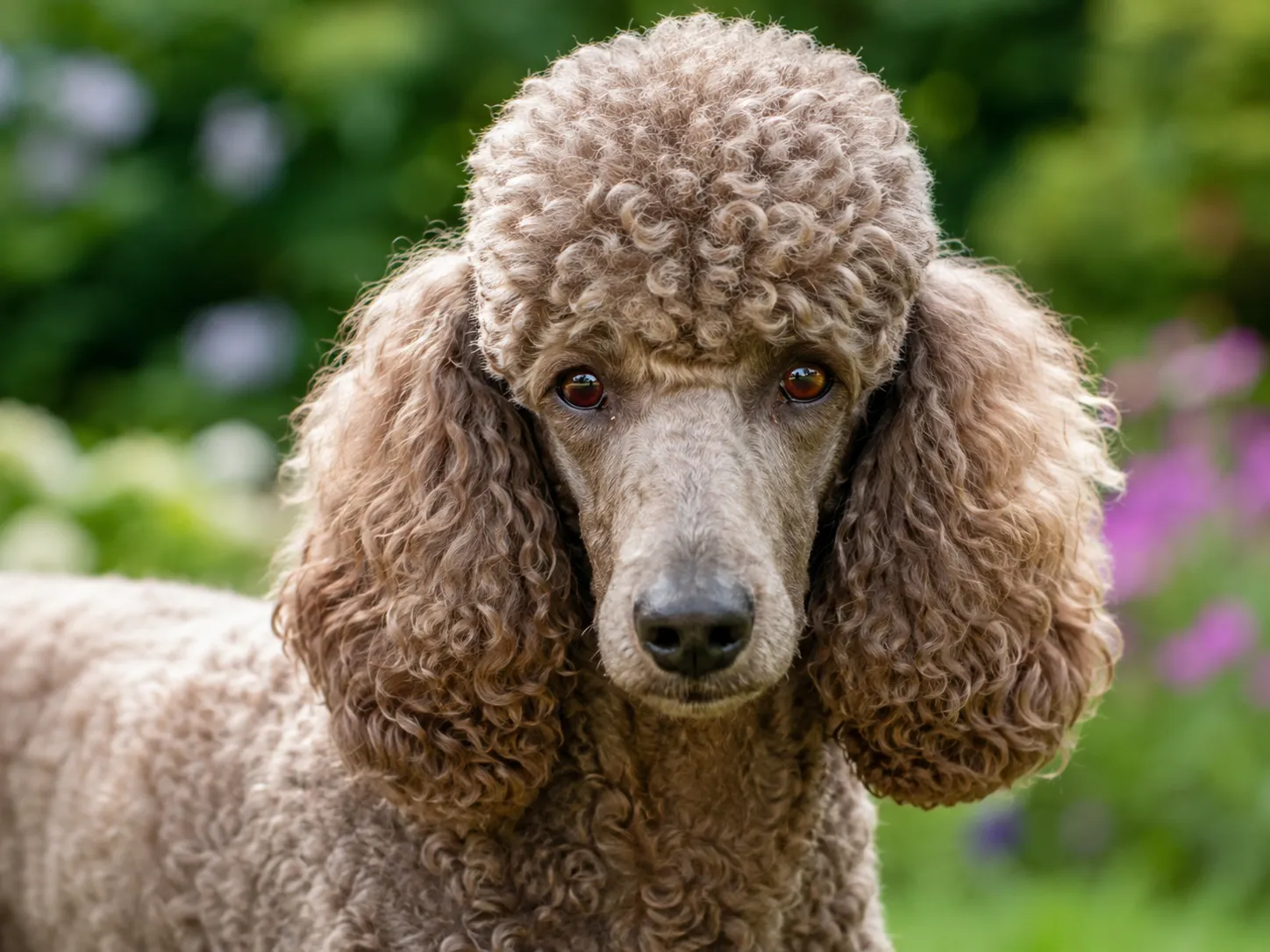
- Brown
- Apricot
- Cream
- Silver
- Blue
- Red
Eye Colour
Poodles usually have dark, oval-shaped eyes that give the breed an alert and intelligent expression. Most dogs have dark brown eyes, though lighter coat colours may sometimes have slightly lighter eye shades.
The eyes sit moderately apart and contribute to the breed’s expressive and attentive look.
Distinctive Features
The Poodle’s long, straight muzzle and well-defined head give the breed its elegant profile. The ears are long and hang close to the head, covered with thick curly hair.
The breed also has a high-set tail that is carried upright, contributing to its confident posture.
Another defining characteristic is the distinctive curly coat texture, which forms tight curls or cords depending on grooming style.
Gender Differences
Male Poodles are typically slightly larger and heavier than females, particularly in the Standard variety.
Females often appear more refined in build, though they maintain the same elegant proportions and athletic movement seen across the breed.
Regardless of size or gender, the Poodle maintains a balanced and graceful appearance that reflects its heritage as both a working dog and companion.
Temperament of the Poodle: Intelligent, Loyal, and Highly Social
The Poodle is widely recognised for its exceptional intelligence, affectionate nature, and strong bond with its owners, a closeness that can bring signs of separation anxiety. Although the breed is often admired for its elegant appearance, its personality is equally impressive. Poodles tend to be alert, responsive, and eager to interact with people.
Core Personality Traits
Poodles are generally bright, attentive, and emotionally connected to their families. They often form strong attachments to their owners and enjoy being involved in daily activities.
Most Poodles are playful and energetic, particularly during their younger years. At the same time, they can be calm and relaxed indoors once their exercise and mental stimulation needs are satisfied.
Because of their intelligence, they often observe and learn quickly from their environment.
Social Behaviour
Poodles typically enjoy human companionship and social interaction. They often greet family members enthusiastically and may be friendly toward visitors once properly introduced.
Early socialisation plays an important role in shaping a confident adult dog. Puppies that are exposed to various environments, people, and situations often grow into well-adjusted companions.
Without sufficient social exposure during puppyhood, some individuals may become shy or cautious around unfamiliar people.
Working Instincts
Despite their refined appearance, Poodles still retain the instincts of a working retriever. Many individuals show enthusiasm for activities that involve retrieving, swimming, and problem-solving.
These instincts make the breed particularly suited for activities such as obedience training, agility sports, retrieving games, and even certain types of therapy work.
Common Behavioural Challenges
Because Poodles are highly intelligent, they can become bored if they lack stimulation. Boredom may lead to behaviours such as excessive barking, chewing, or restlessness.
Providing consistent training, interactive toys, and regular exercise usually helps prevent these issues. When their mental and physical needs are met, Poodles often develop into loyal, affectionate, and well-mannered companions.
Intelligence and Trainability of the Poodle: One of the Smartest Dog Breeds
The Poodle is widely regarded as one of the most intelligent dog breeds in the world, and rewards obedience training started early. In canine intelligence rankings, the breed consistently places near the top for its ability to learn commands quickly and solve problems. This intelligence originally helped Poodles perform complex tasks while retrieving game for hunters.
Puppy Training Priorities
Training should begin early to help Poodle puppies develop good habits. Because they are quick learners, they often respond well to early guidance and structured routines.
Important early training areas include:
- Basic obedience commands such as sit, stay, and recall
- Socialisation with different people, animals, and environments
- Leash training and calm behaviour during walks
- Preventing excessive barking or attention-seeking behaviour
Starting these lessons during puppyhood usually helps create a confident and well-mannered adult dog.
Training Methods That Work
Poodles tend to respond best to positive reinforcement training techniques. Praise, treats, and interactive play can motivate them to repeat desired behaviours.
Training sessions should remain engaging and varied because intelligent dogs may lose interest if exercises become repetitive. Consistency and patience are important so the dog clearly understands expectations.
Advanced Training Potential
Thanks to their intelligence and eagerness to work, Poodles often excel in advanced training and dog sports. Many participate in obedience competitions, agility events, tracking, scent work, and even service dog roles.
Their ability to focus and learn complex tasks also makes them effective therapy dogs in hospitals, schools, and community programs.
Common Training Mistakes
One common mistake is underestimating how much mental stimulation the breed needs. Without regular training or challenging activities, Poodles may become bored and develop unwanted behaviours.
Another issue occurs when owners allow inconsistent rules within the household. Clear expectations and consistent training usually help Poodles develop into cooperative and well-behaved companions.
Poodles with Children and Other Pets: A Social and Adaptable Companion
Poodles are generally known for their friendly temperament and strong social instincts, which often allows them to live comfortably with children and other animals. You can browse Poodle puppies listed in Australia. Their intelligence and sensitivity to human behaviour make them attentive family companions when properly trained and socialised.
Interaction with Children
Many Poodles are playful, gentle, and patient with children. They often enjoy games and interactive activities, which can help strengthen the bond between the dog and younger family members.
Supervision is important, particularly with small children. Teaching children to treat the dog with respect helps prevent accidental rough handling or misunderstandings. When children learn to approach calmly and avoid pulling ears or fur, interactions usually remain positive.
Standard Poodles, due to their larger size, may handle energetic play better than the smaller Toy and Miniature varieties.
Teaching Children Proper Interaction
Children should learn basic guidelines when interacting with any dog, including Poodles. Helpful practices include:
- Avoid disturbing the dog while it is eating or resting
- Use calm voices and gentle movements
- Allow the dog to approach rather than chasing it
- Avoid pulling the dog’s tail, ears, or coat
These habits help build trust and create a respectful relationship between the dog and young family members.
Compatibility with Other Pets
Poodles often coexist well with other dogs and household pets, especially when introduced during puppyhood. Their social nature usually allows them to adapt well in multi-pet households.
Although Poodles were originally bred as retrievers rather than hunters of small animals, early socialisation remains important. With proper introductions, many Poodles live peacefully alongside cats and other companion animals.
Creating a Safe Household Environment
A well-structured home environment supports good behaviour. Clear routines, regular exercise, and consistent training help Poodles feel secure and reduce the likelihood of behavioural issues.
When given proper guidance and socialisation, the Poodle often becomes a loyal, affectionate, and adaptable companion for families with children and other pets.
Health of the Poodle: Common Conditions and Preventive Care
Poodles are generally considered a healthy and long-lived breed, particularly the Miniature and Toy varieties, though drop ears make regular ear cleaning important. However, like many purebred dogs, they can be prone to certain hereditary health conditions. Responsible breeding practices, regular veterinary care, and early health screening often help reduce the likelihood of these problems.
Common Breed-Related Health Conditions
Several health conditions are known to occur in Poodles. Not every dog will develop these issues, but awareness helps owners recognise symptoms early and seek veterinary advice.
Common conditions may include:
- Hip dysplasia: More commonly seen in Standard Poodles, this joint condition can cause mobility issues and discomfort.
- Progressive retinal atrophy (PRA): An inherited eye disease that gradually leads to vision loss.
- Patellar luxation: A condition where the kneecap slips out of position, more common in Toy and Miniature Poodles.
- Addison’s disease: A hormonal disorder affecting the adrenal glands that may cause weakness, vomiting, or weight loss.
- Bloat (gastric dilatation-volvulus): A serious stomach condition that can affect deep-chested dogs such as the Standard Poodle.
Genetic Health Testing
Responsible breeders often perform health screening tests before breeding Poodles. These tests help reduce the chance of passing inherited conditions to puppies.
Common tests for the breed may include:
- Hip scoring for hip dysplasia
- Eye examinations for hereditary eye diseases
- Patella evaluation for smaller varieties
- DNA testing for inherited genetic conditions
Prospective buyers may want to request proof of these tests when selecting a puppy.
Preventive Healthcare
Routine veterinary care plays an important role in maintaining a Poodle’s health. Preventive care usually includes vaccinations, parasite prevention, dental care, and regular health checks.
Maintaining a healthy weight is also important, particularly for Standard Poodles, as excess weight can place additional strain on joints.
Lifespan and Long-Term Health
Poodles typically live between 12 and 15 years, with Toy and Miniature varieties often living longer. With balanced nutrition, proper exercise, grooming, and consistent veterinary monitoring, many Poodles enjoy long and active lives.
Owners who remain attentive to early signs of illness and maintain preventive care routines often help ensure their Poodle remains healthy throughout its lifespan.
Caring for the Poodle: Daily Care and Living Environment
Owning a Poodle involves providing consistent care, mental stimulation, and regular interaction. Because the breed is highly intelligent and people-oriented, it thrives in homes where it can remain actively involved in daily routines. Proper care helps maintain both the dog’s physical health and emotional wellbeing.
Daily Care Routine
Poodles benefit from a structured daily routine that includes exercise, feeding, grooming, and mental engagement. Regular walks and play sessions help release energy, while training or puzzle toys provide mental stimulation.
Because the breed forms strong bonds with its owners, spending time together is important. Poodles usually enjoy participating in family activities and may become restless if they are ignored for long periods.
Regular coat brushing and health checks should also be part of the daily or weekly routine to keep the dog comfortable.
Living Environment Requirements
Poodles are adaptable dogs that can live in both houses and apartments, provided they receive enough exercise and mental stimulation. The Standard Poodle generally benefits from having access to outdoor space where it can move freely.
Toy and Miniature Poodles often adapt well to smaller homes, though they still require regular walks and playtime.
Because the breed enjoys companionship, it usually prefers living indoors with its family rather than spending long periods outside alone.
Seasonal Care Considerations
The Poodle’s curly coat provides some protection against weather conditions, but proper grooming helps maintain its effectiveness. During warmer months, keeping the coat trimmed may help the dog remain comfortable.
Owners should also ensure access to fresh water, shade, and cool resting areas when temperatures rise.
Caring for Senior Poodles
As Poodles grow older, their care needs may change. Senior dogs may benefit from gentler exercise routines, joint-supporting diets, and more frequent veterinary check-ups.
Maintaining a comfortable sleeping area and providing mental stimulation through light training or interactive toys can also help support cognitive health in older dogs.
Grooming of the Poodle: Maintaining the Curly Coat
The Poodle is well known for its dense, curly coat that grows continuously throughout the dog’s life. While the coat sheds very little, it requires regular grooming to prevent tangles and maintain healthy skin. Consistent grooming is one of the most important aspects of caring for this breed.
Coat Maintenance Schedule
Regular brushing is essential to prevent matting in the tightly curled coat. Most Poodles benefit from brushing several times per week, especially if the coat is kept long.
Brushing helps remove trapped hair, dirt, and debris while allowing air to circulate through the coat. If brushing is skipped for too long, mats can form close to the skin and may become uncomfortable for the dog.
Bathing is typically recommended every four to six weeks depending on the dog’s activity level and coat condition.
Professional Grooming
Many owners schedule professional grooming every four to eight weeks. Professional groomers trim the coat, maintain even length, and help keep the dog’s appearance neat.
Poodles can be groomed in several styles, ranging from practical short trims for easy maintenance to more elaborate show cuts. Many pet owners prefer shorter trims because they simplify daily grooming.
Home Grooming Practices
Routine grooming at home involves more than coat brushing. Owners should also monitor several areas to maintain overall hygiene.
Important grooming tasks include:
- Cleaning the ears regularly to reduce infection risk
- Brushing the teeth to support dental health
- Trimming nails to prevent discomfort during walking
- Keeping hair trimmed around the eyes for clear vision
Introducing grooming during puppyhood helps the dog become comfortable with handling and grooming tools.
Common Grooming Challenges
The most common challenge with this breed is coat matting. Mats can form quickly if the coat is not brushed regularly, especially in areas such as behind the ears, under the legs, and around the collar.
Because the coat traps loose hair, grooming also helps maintain skin health by removing debris and preventing irritation.
With consistent care, grooming routines can become a regular bonding activity that keeps the Poodle healthy and well maintained.
Exercise Needs of the Poodle: Keeping an Active Mind and Body
Poodles are energetic, intelligent dogs that require regular physical activity and mental stimulation to remain balanced and healthy. Although exercise needs vary slightly between Standard, Miniature, and Toy Poodles, all varieties benefit from consistent daily activity.
Daily Exercise Requirements
Most Poodles require 30 to 60 minutes of exercise each day. Standard Poodles generally need more activity due to their larger size and athletic build.
Daily walks, interactive games, and structured play sessions help release energy and prevent boredom. Without sufficient exercise, some Poodles may develop unwanted behaviours such as excessive barking or restlessness.
Providing consistent daily activity helps maintain a healthy weight and supports overall wellbeing.
Activities Poodles Enjoy
Poodles excel in many activities because of their intelligence and athletic ability. Engaging the dog in varied exercises keeps both body and mind stimulated.
Popular activities for Poodles include:
- Fetch and retrieval games
- Agility training courses
- Obedience training sessions
- Swimming and water play
- Puzzle toys and interactive games
These activities provide both physical exercise and mental engagement.
Mental Stimulation
Mental exercise is just as important as physical activity for this breed. Poodles are quick learners and enjoy tasks that challenge their problem-solving skills.
Training sessions, scent games, and interactive toys can help keep the dog mentally stimulated. Regular training also strengthens the bond between the dog and its owner.
A mentally engaged Poodle is typically calmer and more content at home.
Exercise Considerations by Size
Different Poodle sizes may have slightly different exercise needs.
Standard Poodles typically enjoy longer walks and more vigorous activity. Miniature Poodles still require daily exercise but may be satisfied with slightly shorter sessions. Toy Poodles have lower endurance but still benefit from short walks and indoor play.
Providing consistent exercise suited to the dog’s size and age helps ensure the Poodle remains healthy, balanced, and happy.
Feeding the Poodle: Nutrition and Diet Needs
A balanced diet plays a major role in maintaining healthy growth, strong muscles, and long-term wellbeing in Poodles. Because the breed comes in three different sizes, food quantity and calorie intake must be adjusted to suit the dog’s size, age, and activity level.
Nutritional Requirements
Poodles require a diet rich in high-quality protein, healthy fats, and essential vitamins and minerals. Protein helps maintain muscle mass, while fats support energy levels and skin health.
Carbohydrates can provide additional energy, but the diet should remain balanced to avoid excessive weight gain. Many owners choose premium commercial dog foods formulated for small or medium breeds, depending on the Poodle variety.
Clean drinking water should always be available throughout the day.
Feeding by Life Stage
The amount and type of food should change as the dog grows.
- Puppies: Require nutrient-dense meals that support rapid growth and development. Most puppies are fed three to four smaller meals daily.
- Adults: Typically eat two balanced meals per day to maintain healthy weight and energy levels.
- Senior dogs: May benefit from diets formulated for ageing dogs, often with lower calories and additional joint support.
Regular monitoring of body condition helps ensure the dog is receiving the correct amount of food.
Portion Control and Weight Management
Poodles can gain weight if overfed or under-exercised. Measuring food portions and avoiding excessive treats helps maintain a healthy body condition.
Owners should adjust portions based on activity levels, metabolism, and veterinary guidance. Keeping the dog at a healthy weight supports joint health and overall longevity.
Foods to Avoid
Certain foods are unsafe for dogs and should never be included in a Poodle’s diet. These include chocolate, grapes, raisins, onions, garlic, alcohol, and foods containing artificial sweeteners such as xylitol.
Providing a balanced diet and avoiding harmful foods helps ensure the Poodle remains healthy throughout its life.
Poodle Price in Australia: Purchase Cost and Ongoing Expenses
Bringing a Poodle into your home involves initial purchase costs as well as ongoing care expenses. Prices vary depending on the dog’s size, breeder reputation, pedigree, and whether the puppy comes from health-tested bloodlines.
Puppy Purchase Price
In Australia, Poodle puppies from responsible breeders generally fall within these price ranges:
- Toy Poodle: AUD $3,000 to $5,500
- Miniature Poodle: AUD $3,500 to $6,000
- Standard Poodle: AUD $2,500 to $5,000
Prices may increase for puppies from champion bloodlines, rare coat colours, or highly regarded breeders. Ethical breeders usually include health checks, vaccinations, microchipping, and pedigree registration in the purchase price.
Initial Setup Costs
Before bringing a puppy home, owners should prepare basic supplies and veterinary care.
Common initial expenses include:
- Dog bed and crate
- Food and water bowls
- Collar, lead, and identification tag
- Grooming tools
- First veterinary check-up and vaccinations
- Microchip registration and council registration
These setup costs usually range between AUD $500 and $1,200 depending on product quality and location.
Ongoing Monthly Costs
Caring for a Poodle involves regular expenses for food, grooming, and veterinary care.
Typical monthly costs may include:
- Food: AUD $60 to $150 depending on dog size and diet quality
- Professional grooming: AUD $80 to $150 per session every 4–8 weeks
- Pet insurance (optional): AUD $30 to $90 per month
- Routine veterinary care and parasite prevention
Because Poodles require frequent grooming, grooming expenses are often one of the largest ongoing costs for this breed.
Long-Term Financial Commitment
Over a Poodle’s typical 12 to 15 year lifespan, owners should expect ongoing expenses for healthcare, grooming, food, and training. Responsible ownership includes budgeting for unexpected veterinary treatments as well.
Planning for these costs helps ensure the dog receives proper care throughout its life.
Buying Advice for a Poodle: Choosing a Healthy Puppy
Finding the right Poodle begins with choosing a responsible breeder or reputable source. Because the breed is popular, puppies may be advertised by both ethical breeders and unverified sellers. Taking time to research helps ensure the puppy is healthy and well socialised.
Choosing a Responsible Breeder
A reputable breeder focuses on health, temperament, and responsible breeding practices. Puppies should be raised in clean environments and exposed to normal household experiences during early development.
Responsible breeders will usually provide health records, vaccination details, and pedigree registration where applicable. They should also be willing to answer questions about the puppy’s parents and living conditions.
Buyers should avoid sellers who cannot provide health documentation or who refuse visits.
Health Checks Before Purchase
Before committing to a puppy, it is important to confirm that the dog has received proper veterinary care. Essential checks usually include vaccinations, microchipping, and a general health examination.
Buyers should also ask whether the parents have been screened for common genetic conditions associated with Poodles. Responsible breeding helps reduce the likelihood of inherited health problems.
Requesting veterinary records can help verify the puppy’s health status.
Questions to Ask the Breeder
Prospective owners can learn a lot about a puppy by asking the right questions. Useful questions include:
- Has the puppy been vaccinated and microchipped?
- What health tests have the parents undergone?
- What type of food is the puppy currently eating?
- How has the puppy been socialised with people and other animals?
- Are there any health guarantees or breeder support after purchase?
Clear answers help buyers feel confident about the breeder and the puppy’s background.
Considering Adoption
Adoption may also be an option for those interested in providing a home for a Poodle in need. Rescue organisations occasionally have Poodles or Poodle mixes available.
Adopting an adult dog can be rewarding and may suit families who prefer a dog that is already house-trained or calmer than a young puppy.
Regardless of the source, choosing a healthy and well-socialised dog is the most important step when bringing a Poodle into your home.
Is the Poodle Right for You? Key Considerations for Owners
The Poodle is widely admired for its intelligence, adaptability, and affectionate nature, but every dog breed comes with specific needs. Understanding the lifestyle requirements of this breed can help prospective owners decide whether a Poodle is the right fit for their household.
Suitable Living Situations
Poodles adapt well to many types of homes. Toy and Miniature Poodles can comfortably live in apartments or smaller homes as long as they receive regular exercise and mental stimulation.
Standard Poodles often appreciate more space because of their larger size and higher activity levels. Regardless of size, this breed prefers living indoors with its family and does not thrive when left alone for extended periods.
Time and Attention Requirements
Poodles are people-focused dogs that enjoy companionship and interaction. Owners should be prepared to provide daily exercise, regular training sessions, and social engagement.
Because of their intelligence, Poodles may become bored if left without stimulation. Boredom can sometimes lead to unwanted behaviours such as barking or destructive chewing.
Families who enjoy interactive activities with their dogs often find the breed very rewarding.
Grooming Commitment
One of the most important considerations is the grooming requirement. The Poodle’s curly coat grows continuously and requires consistent brushing and regular professional grooming.
Owners who prefer a low-maintenance grooming routine may find this requirement demanding. However, many owners enjoy the grooming process and the wide variety of coat styles available.
Ideal Owner Profile
Poodles often thrive with owners who are active, patient, and interested in training. The breed responds well to positive reinforcement and enjoys learning new skills.
Households that can provide consistent care, companionship, and mental stimulation are usually the best match for this intelligent and loyal breed.
For the right owner, the Poodle can be a devoted companion that brings both intelligence and charm to everyday life.
Frequently Asked Questions
Related Breeds
Other companion breeds on Pups4Sale.
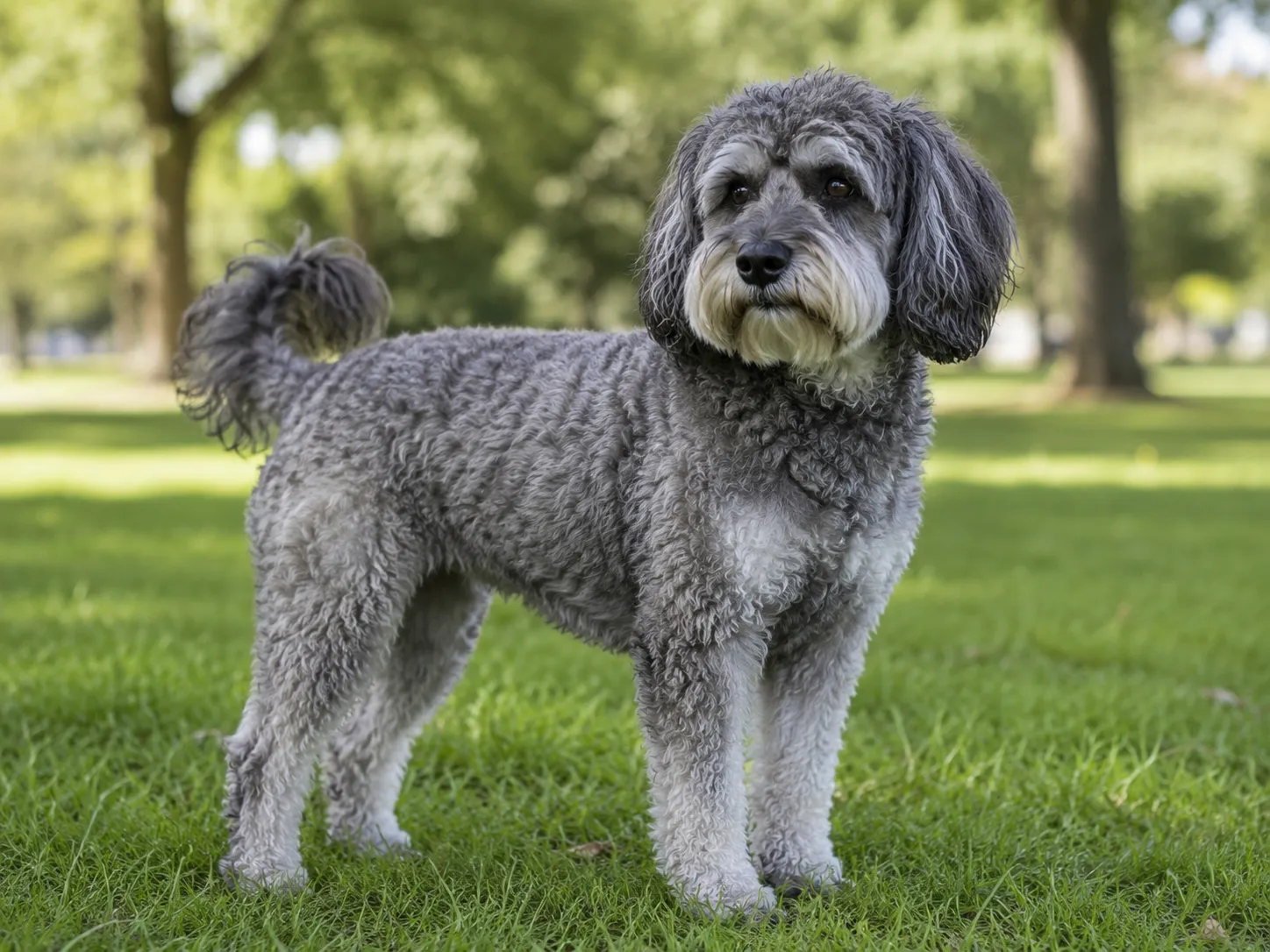 SchnoodleLarge • Companion (Poodle x Schnauzer cross)
 Australian BulldogsMedium • Companion
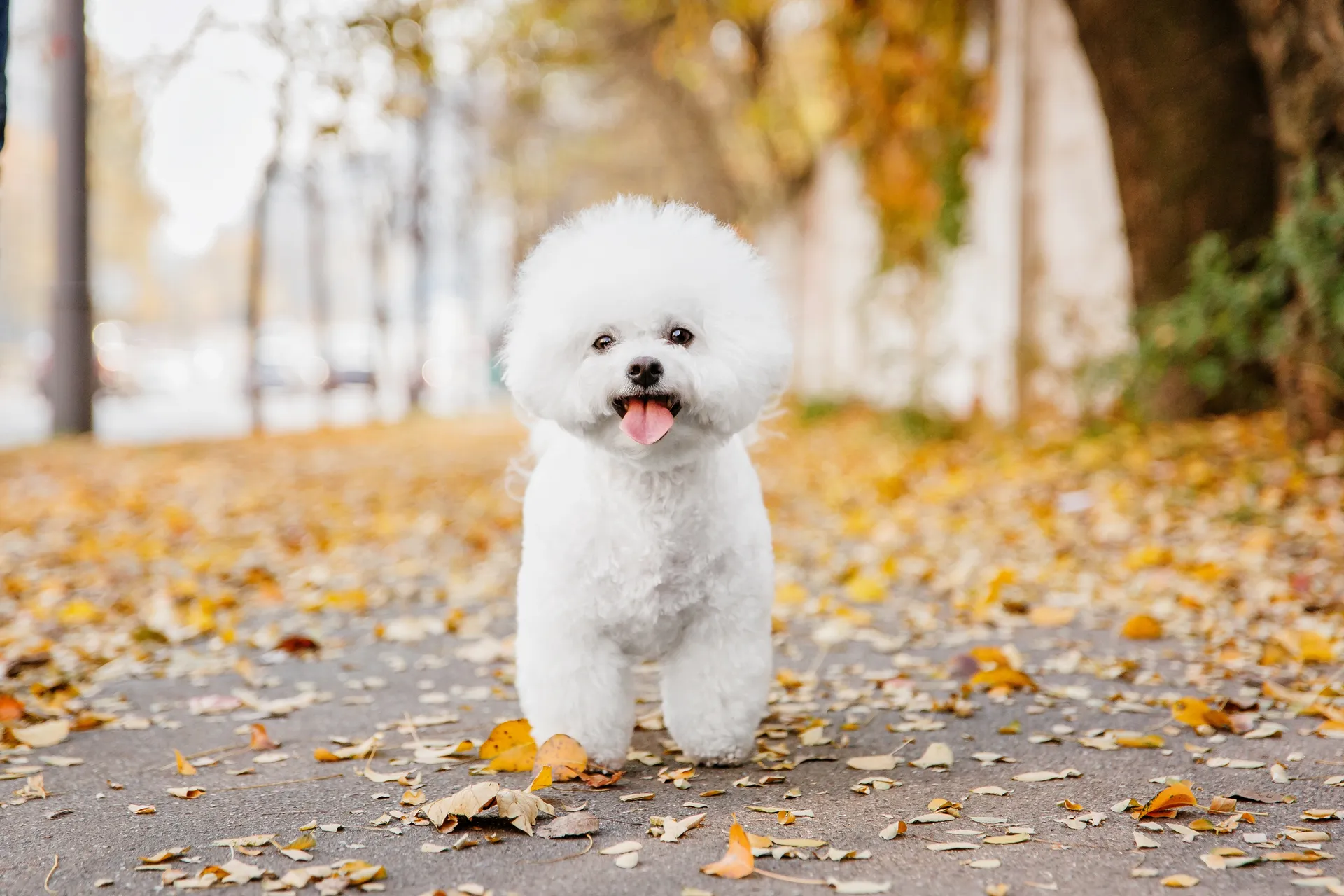 Bichon FriseSmall • Companion
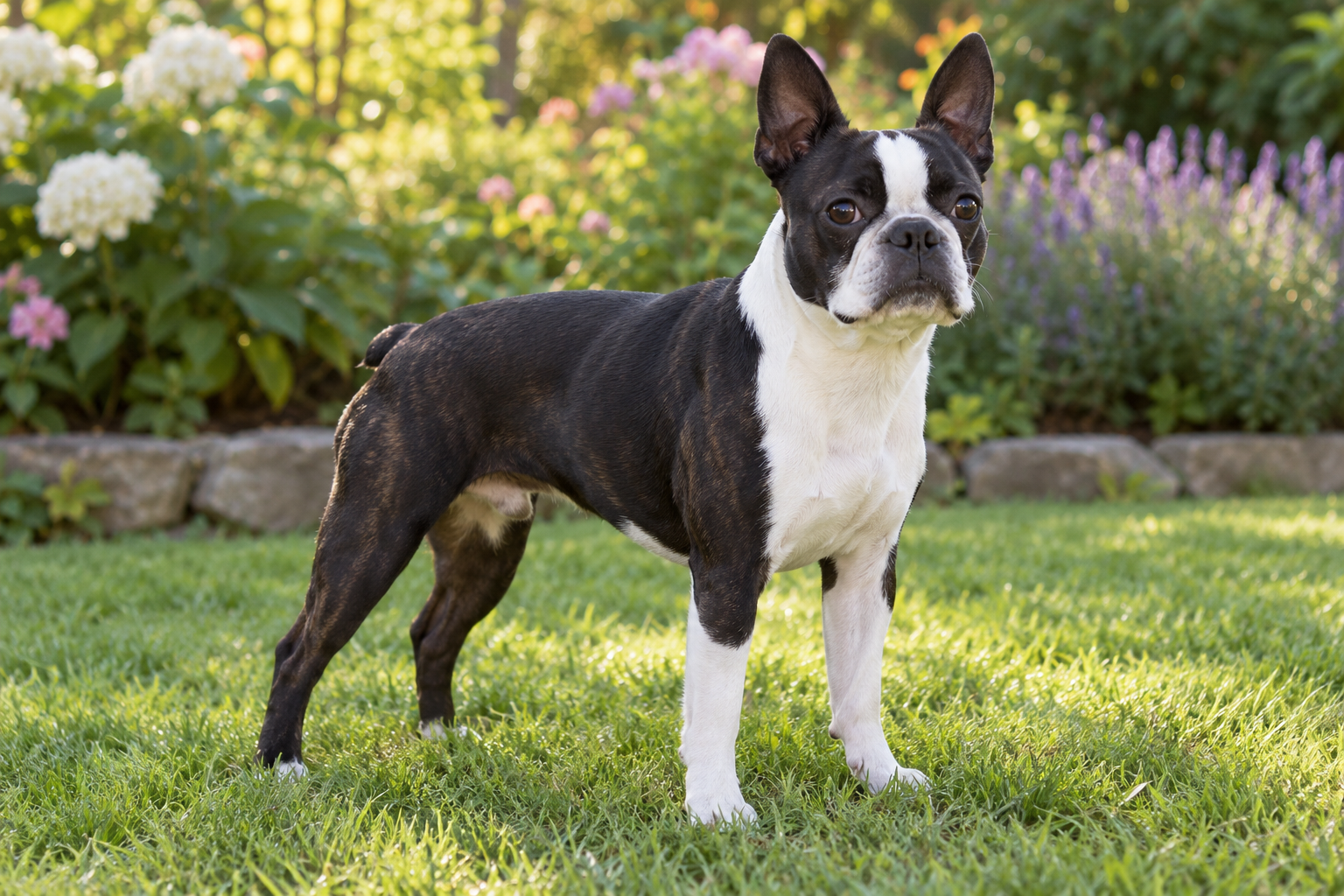 Boston TerrierSmall • Non Sporting (Group 7)
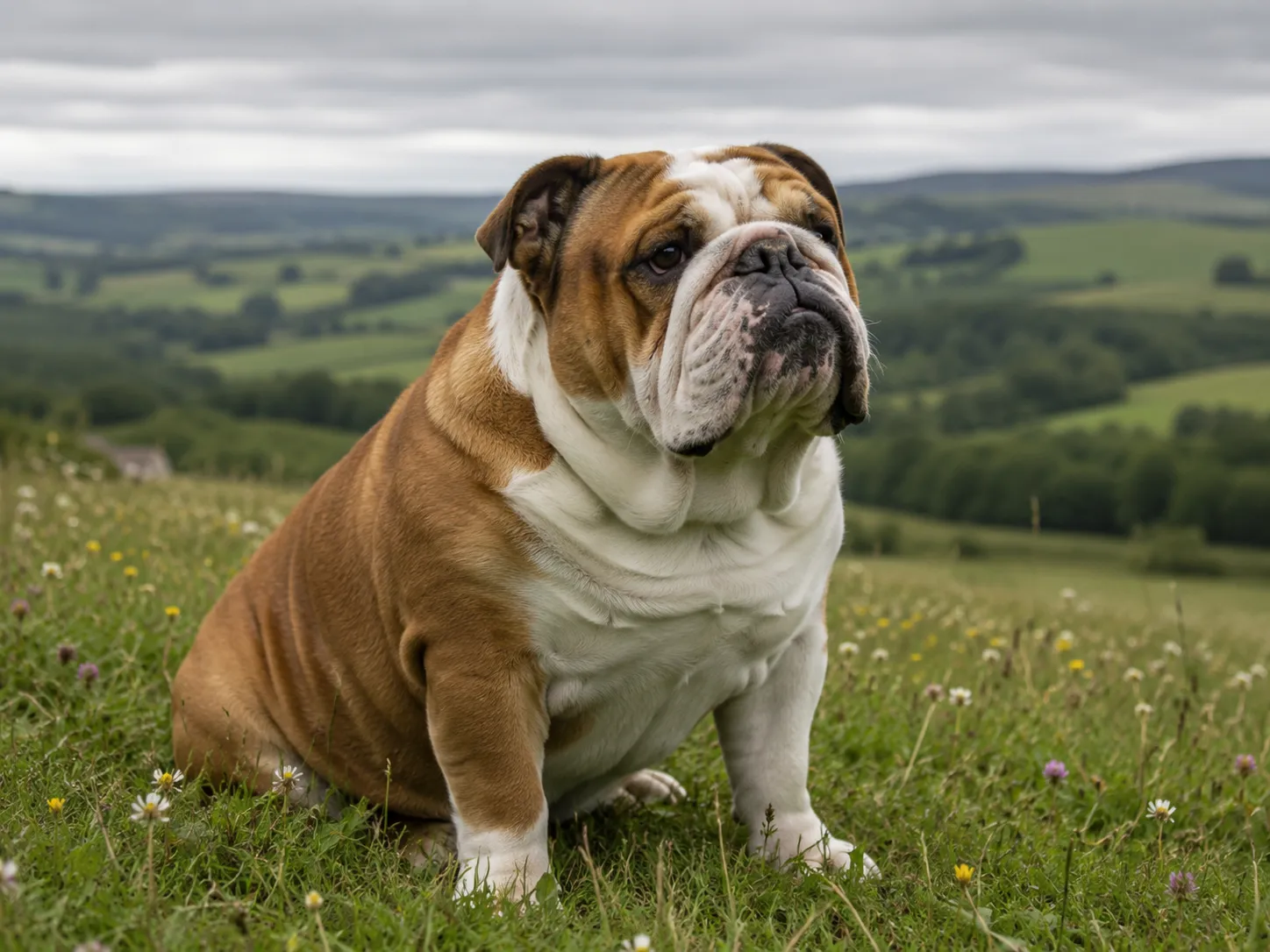 British BulldogMedium • Utility / Companion (Non-sporting)
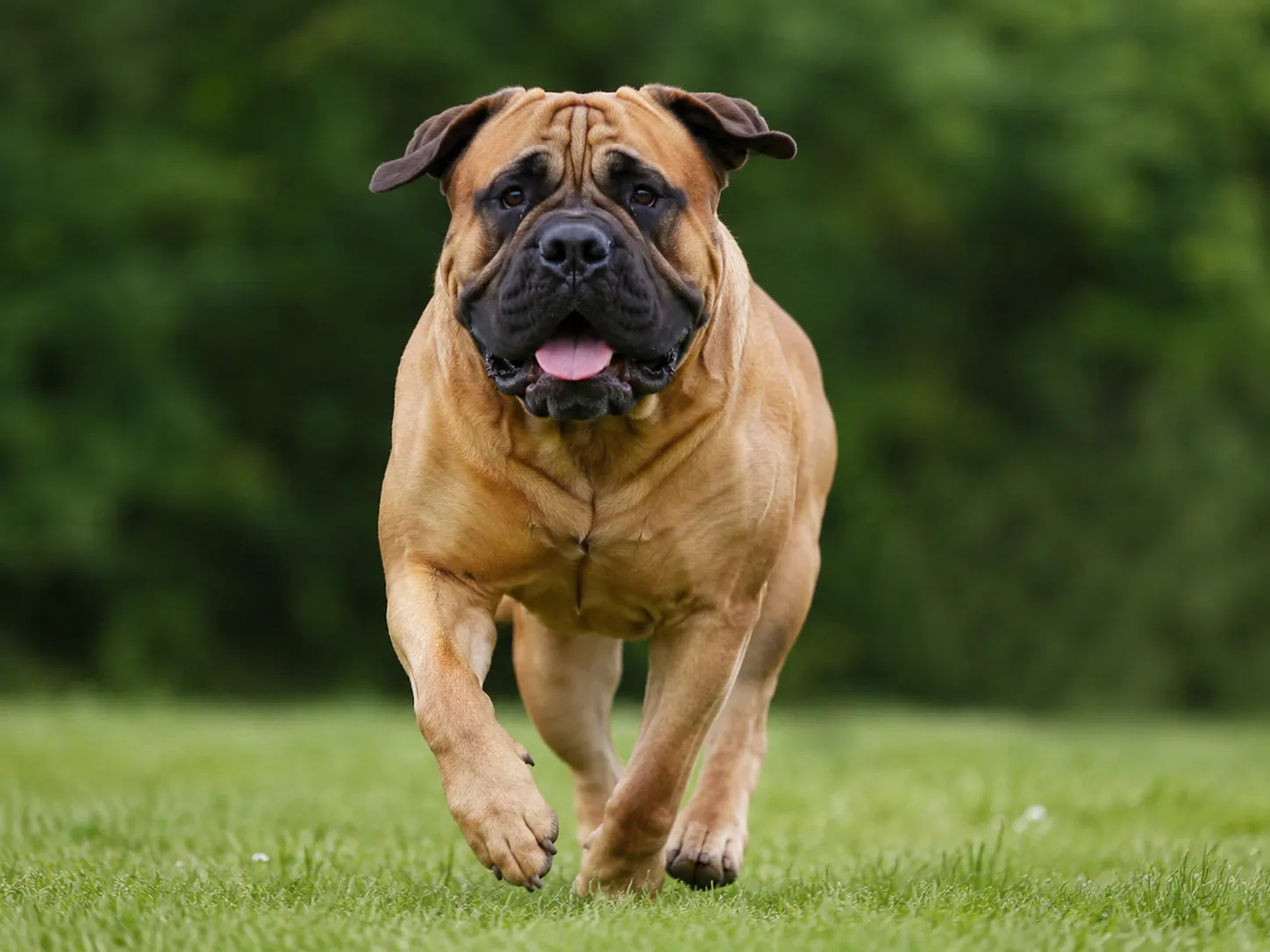 BullmastiffGiant • Working