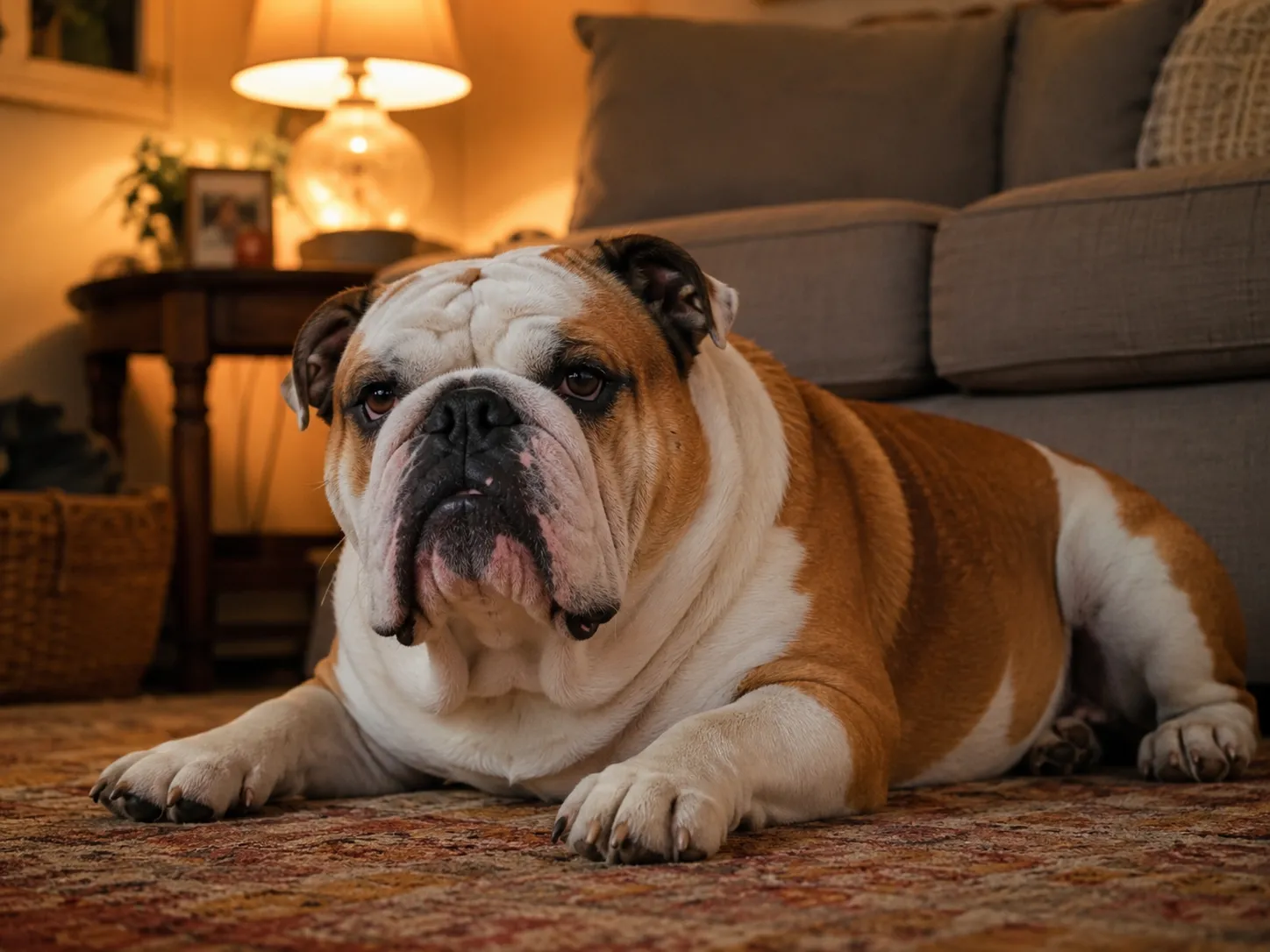

British Bulldog
By James C. • Updated
The British Bulldog (also known as the English Bulldog) is a stout, muscular companion dog recognized by its heavy wrinkles, broad shoulders, and characteristically short, pushed-in snout. Highly affectionate and calm, they make exceptional family pets but require careful monitoring due to breathing and heat sensitivities.
Breed Overview
Life Span
8 - 10 years
Average Price
AUD 700 - AUD 2500
Weight
Male: 24 - 25 kg Female: 22 - 23 kg
Height
Male: 31 - 40 cm Female: 31 - 40 cm
Life Expectancy
Male/Female: 8 - 10 years
Breed Group
Utility / Companion (Non-sporting)
Nicknames
British Bulldog, Bulldog, Churchill Dog
Breed Information
The English Bulldog is one of the most recognisable and distinctive breeds to come out of the United Kingdom, known for its solid, low-set build, unmistakable facial expression, and calm, dignified presence. Originally bred for strength and tenacity, the modern Bulldog has evolved into a devoted companion dog, valued far more for loyalty and temperament than physical endurance.
Today, the English Bulldog is best understood as a people-focused breed. It thrives on close human contact, steady routines, and being an integral part of family life rather than an active working role. Bulldogs are typically gentle, patient, and deeply attached to their owners, making them well suited to households that prefer a calmer, more predictable dog with a strong emotional bond.
That said, this breed comes with important considerations. The English Bulldog’s brachycephalic structure, skin folds, and compact build require informed, proactive care. Owners who are prepared to manage health needs, regulate exercise, and maintain daily grooming routines will find the Bulldog to be an affectionate, steady, and rewarding companion that fits comfortably into both urban and suburban lifestyles.
Characteristics of the English Bulldog
The English Bulldog is a calm, people-oriented breed whose needs and temperament are often misunderstood. While not demanding in terms of exercise, this breed requires thoughtful daily care, close companionship, and owners who understand its physical limitations. The table below outlines what living with an English Bulldog is typically like and how the breed fits into different households.
| Characteristic | Rating | Star Rating | What This Means for You |
| Size | Medium | ★★★☆☆ | Compact but heavy-set, well suited to homes where space is not excessive but movement is controlled. |
| Adaptability | Very Good | ★★★★☆ | Adjusts well to apartments or houses when temperature, routine, and companionship are managed properly. |
| Exercise Needs | Moderate | ★★★☆☆ | Benefits from daily short walks and light play rather than long or intense activity sessions. |
| Easy to Train | Moderate | ★★★☆☆ | Intelligent but stubborn at times, responds best to patient, consistent, reward-based training. |
| Amount of Shedding | Moderate | ★★★☆☆ | Short coat sheds year-round, with seasonal increases that are easy to manage with routine brushing. |
| Grooming Needs | Moderate | ★★★☆☆ | Coat care is simple, but skin folds, ears, and nails require regular attention. |
| Good With Children | Excellent | ★★★★★ | Known for patience and tolerance, especially when properly socialised and supervised. |
| Health of Breed | Low | ★★☆☆☆ | Prone to several breed-specific health concerns that require proactive monitoring and care. |
| Cost to Keep | High | ★★☆☆☆ | Ongoing costs can be significant due to veterinary care, insurance, and health management. |
| Tolerates Being Alone | Low | ★★☆☆☆ | Strongly people-focused and may develop anxiety if left alone for long periods. |
| Intelligence | Moderate | ★★★☆☆ | Learns well when motivated, though independence can slow training progress. |
Overall, the English Bulldog is best suited to owners who value companionship over activity and are prepared to manage health, comfort, and routine carefully. In the right environment, the breed offers steady affection, loyalty, and a calm presence within the home.
History of the English Bulldog
The English Bulldog’s history is deeply tied to Britain’s social and cultural past, with origins that date back to the medieval period. The breed developed in England during the 12th century, when bull baiting was introduced as a public spectacle.
Early Bulldogs were bred from mastiff-type dogs, selected for courage, strength, and an unusually high tolerance for pain. These early dogs were far more athletic and aggressive than the Bulldog seen today, built for confrontation rather than companionship.
By the 16th and 17th centuries, bull baiting had become widespread across England, shaping the physical traits that defined the breed. A low centre of gravity, broad shoulders, powerful jaws, and a strong grip were essential for the role these dogs were expected to perform. During this period, the Bulldog’s tenacity and fearlessness became firmly embedded in its reputation, traits that still influence how the breed is perceived today.
The turning point came in 1835 when bull baiting and other blood sports were outlawed. With its original purpose removed, the Bulldog faced near extinction. Rather than abandoning the breed, dedicated enthusiasts began reshaping it for life as a companion animal.
Aggression was deliberately bred out, while temperament, loyalty, and steadiness were prioritised. Physical features were also refined, leading to the shorter muzzle, heavier frame, and distinctive expression now associated with the breed.
Formal recognition followed later in the 19th century, with the breed gaining acceptance from kennel clubs and the establishment of dedicated breed societies. By the early 20th century, the English Bulldog had become a national symbol of resilience and determination, famously associated with Britain’s wartime spirit. In modern times, breeders have increasingly focused on improving health and welfare, reducing exaggerated features, and promoting responsible breeding practices.
Today’s English Bulldog stands as a calm, affectionate companion, shaped as much by thoughtful preservation as by its historic roots.
Appearance of the English Bulldog
The English Bulldog is immediately recognisable thanks to its compact, powerful build and unmistakable expression, a flat-faced look it shares with the French Bulldog, its smaller and more active relative. Despite being classified as a medium-sized breed, it carries substantial weight for its height, giving it a solid, grounded presence that reflects strength rather than athleticism. Every aspect of the breed’s appearance has been shaped by its historical purpose and later refinement as a companion dog.
Size and Build
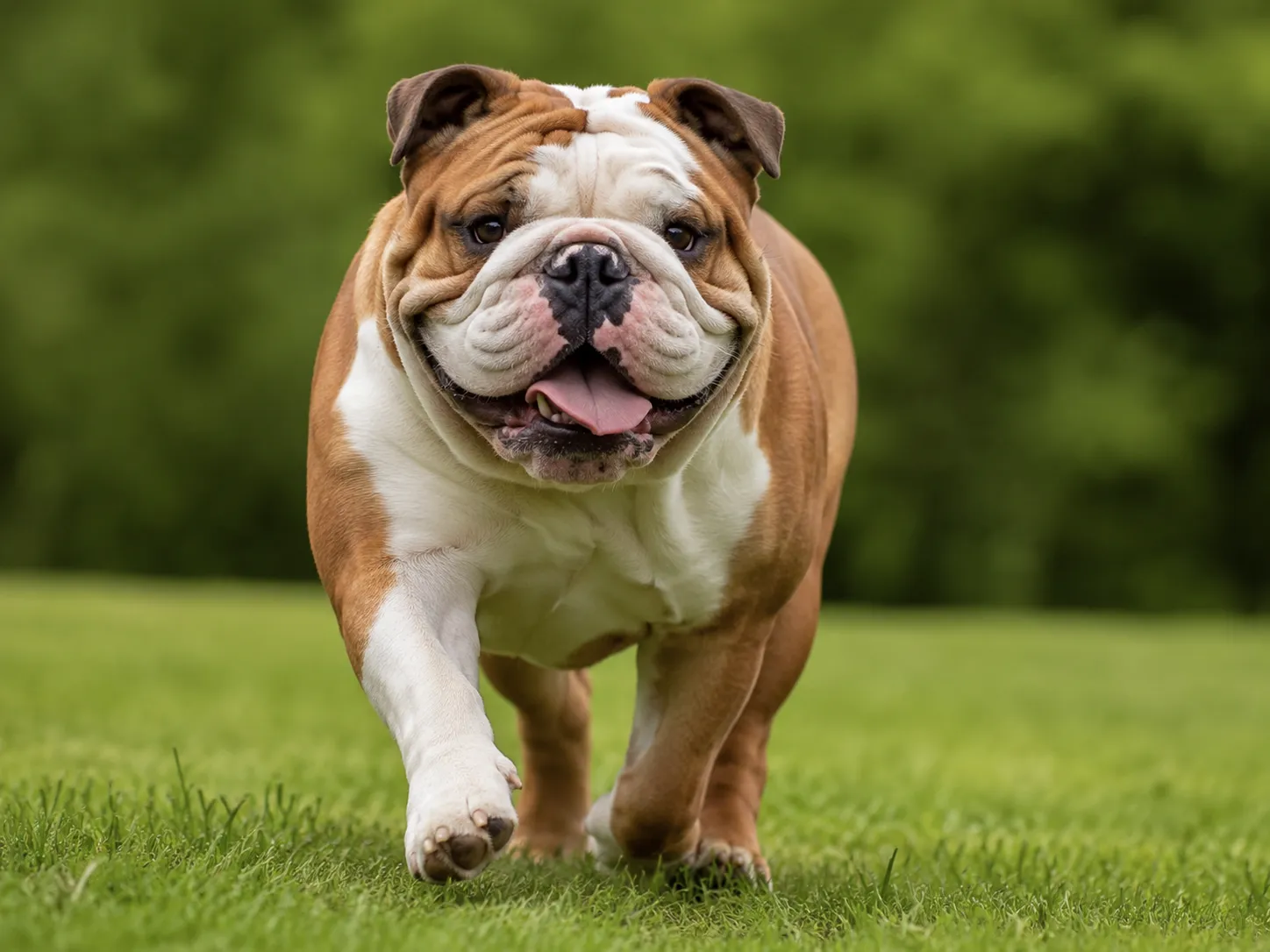
English Bulldogs are low to the ground with a broad chest, heavy shoulders, and a slightly arched back that rises toward the hindquarters. Males typically weigh between 24 and 25 kg, while females are slightly lighter at 22 to 23 kg. Height usually ranges from 31 to 40 cm for both sexes. The body is thick-set and muscular, with short, sturdy legs that contribute to the breed’s distinctive stance and deliberate movement.
Head, Face, and Expression
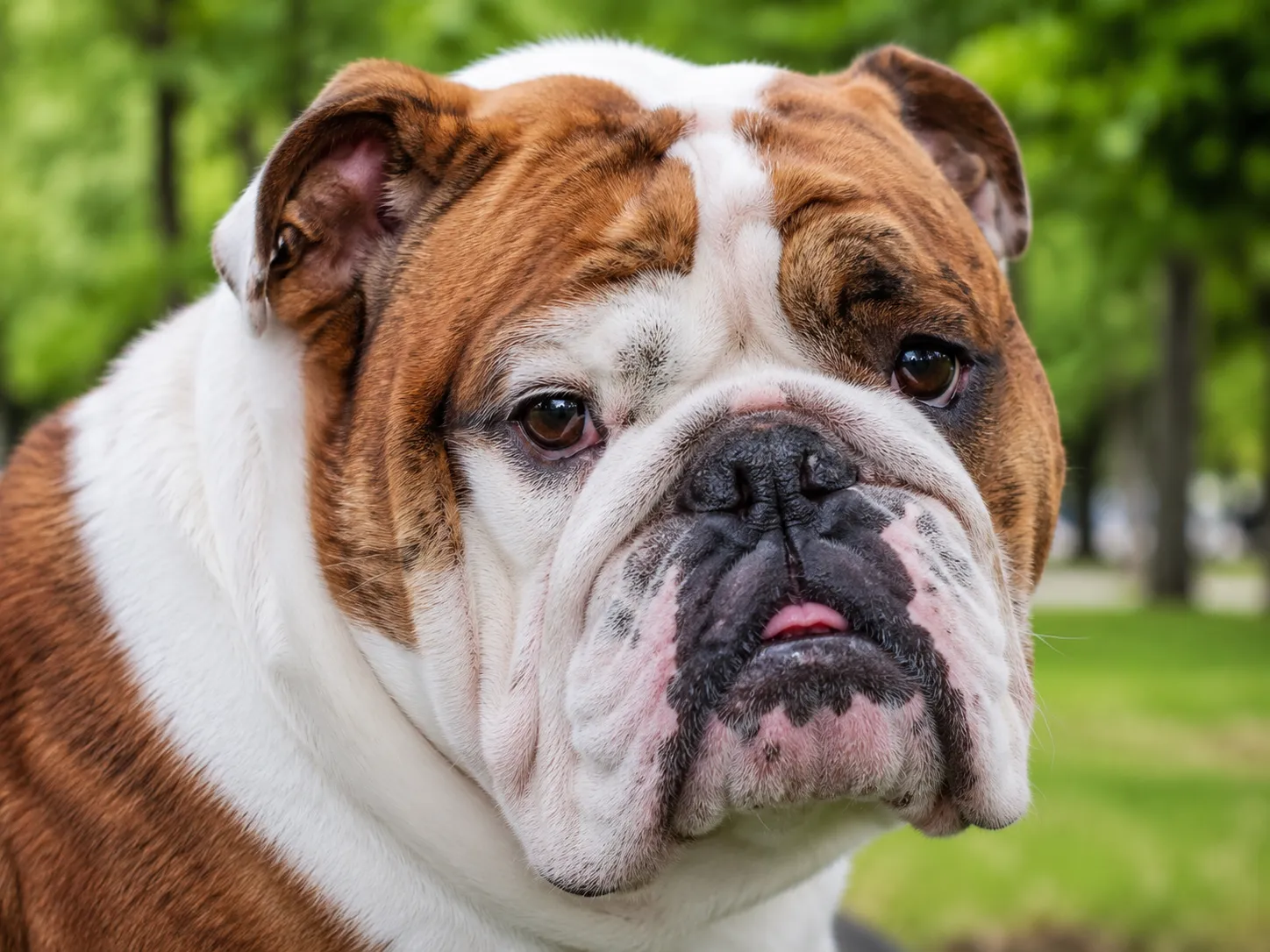
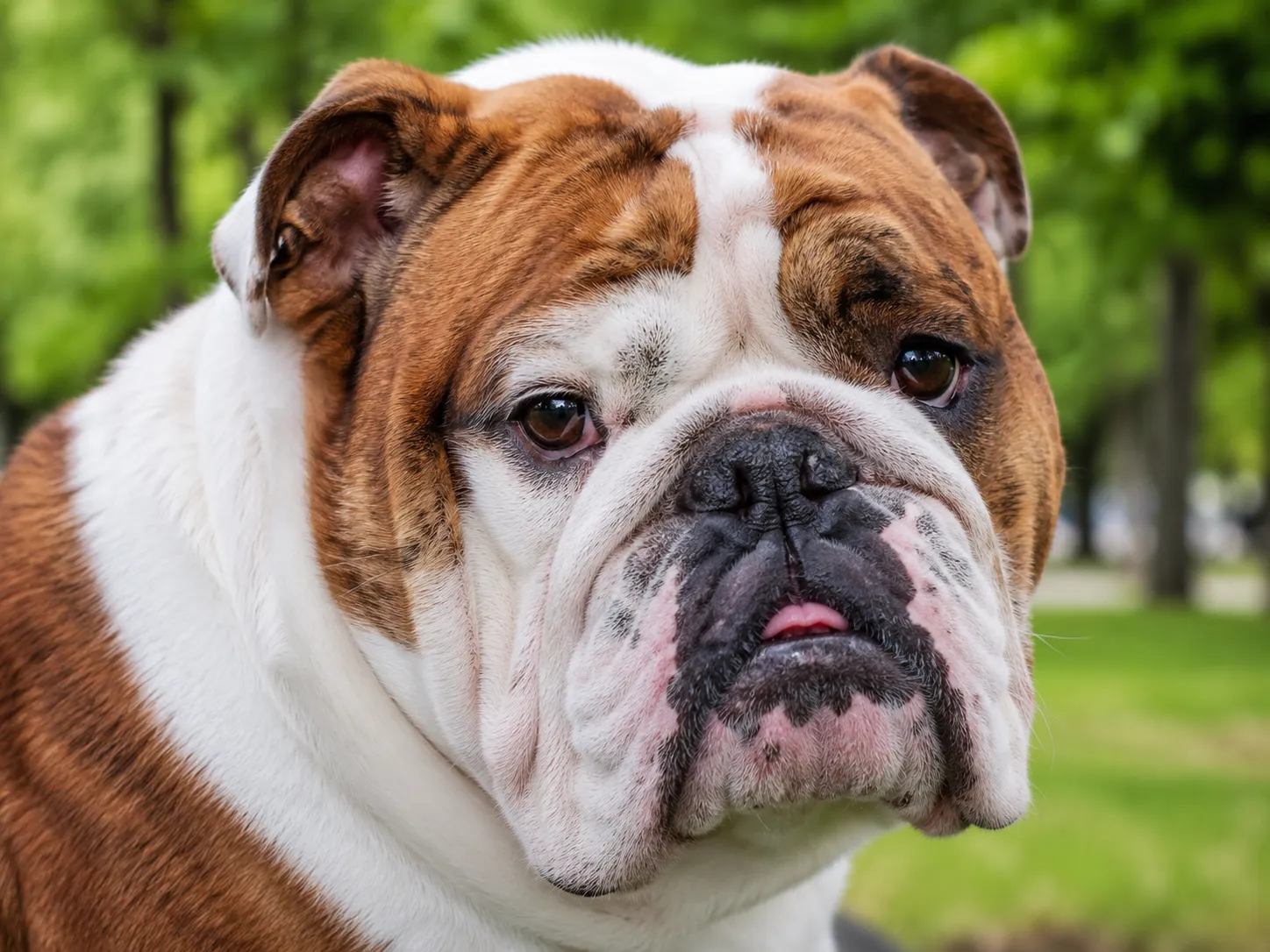
The head is large and broad with pronounced facial wrinkles and a deep furrow between the eyes. A short, pushed-in nose and wide nostrils are defining features, along with an undershot jaw that gives the Bulldog its characteristic look. The eyes are dark, round, and set wide apart, creating an expression that appears both serious and gentle. Small ears, often described as rose-shaped, sit high on the head and fold neatly back.
Coat and Colour
The coat is short, smooth, and fine-textured, lying close to the body and giving the Bulldog a glossy finish. It is easy to maintain and sheds moderately throughout the year. Accepted colours include brindle, fawn, red, white, and combinations of these. Merle colouring is not recognised and is avoided due to associated health risks.
Movement and Overall Presence
The English Bulldog moves with a slow, rolling gait that is unique to the breed. Steps are short and purposeful, with a slight sideways motion of the shoulders. While not built for speed or endurance, the Bulldog carries itself with confidence and dignity, projecting a calm, steady presence that matches its temperament.
Overall, the English Bulldog’s appearance reflects a breed that has transitioned from physical toughness to a composed, companion-focused role, retaining its iconic features while adapting to modern life.
Temperament of the English Bulldog
The English Bulldog is widely recognised for its calm, affectionate, and dependable temperament, so sudden growling is worth understanding rather than ignoring. Despite its tough and imposing appearance, this breed is naturally gentle and people-focused, forming strong emotional bonds with its owners. Bulldogs are not independent dogs by nature and prefer to stay close to their family, often following household routines with quiet loyalty.
Core Personality Traits
English Bulldogs are known for their steady and even temperament. They are patient, tolerant, and typically unreactive, which makes them well suited to busy households and family environments. While playful in short bursts, most Bulldogs prefer a relaxed pace of life and are content to spend much of the day resting near their owners rather than seeking constant stimulation.
Social Behaviour With People and Other Dogs
When properly socialised, Bulldogs are generally friendly and approachable with visitors and familiar dogs. They are not excessive barkers and tend to be reserved rather than excitable. Some individuals, particularly males, may show mild stubbornness or possessiveness if boundaries are inconsistent, but true aggression is uncommon. Early exposure to different environments, people, and animals helps reinforce confident and balanced behaviour.
Attachment and Emotional Needs
One of the defining aspects of the English Bulldog’s temperament is its strong attachment to human companionship. This breed does not tolerate prolonged isolation well and may develop separation-related stress if left alone frequently. Bulldogs thrive in homes where routines are predictable and where they are treated as an integral part of daily life rather than a background presence.
Overall, the English Bulldog is best suited to owners seeking a calm, affectionate, and emotionally connected companion. With patient handling, consistent boundaries, and regular companionship, the breed offers a deeply loyal and steady presence within the home.
Intelligence and Trainability of the English Bulldog
The English Bulldog is an intelligent breed, but its approach to learning is shaped more by independence and determination than enthusiasm for repetition. Bulldogs understand commands quickly, yet they often decide for themselves when to respond. Successful training depends less on intensity and more on patience, consistency, and a calm, structured approach.
Learning Style and Mental Ability
English Bulldogs are observant and routine-oriented. They learn household patterns easily and respond well to training that feels purposeful rather than repetitive. While they are not fast-paced learners in the traditional sense, their intelligence is practical, allowing them to adapt well when expectations are clear and consistent.
Training Approaches That Work Best
Positive reinforcement is essential when training this breed. Bulldogs respond far better to gentle praise, food rewards, and calm encouragement than to pressure or correction. Short, focused sessions help maintain engagement, while consistency in tone and commands prevents confusion and resistance.
Puppy Training and Early Socialisation
Early training is crucial for shaping a confident and well-mannered adult Bulldog. Basic obedience, lead manners, and controlled social exposure should begin early. Introducing puppies to different environments, people, and everyday situations supports emotional stability and reduces the risk of stubborn or possessive behaviours developing later.
Common Training Challenges
Owners commonly encounter a small number of predictable challenges when training an English Bulldog:
- Stubbornness: Bulldogs may refuse commands if they sense inconsistency or impatience, often choosing comfort over compliance.
- Low tolerance for repetition: Repeating the same exercise too often can cause disengagement or passive resistance.
- Sensitivity to tone: Harsh voices or physical correction can lead to withdrawal rather than improved behaviour.
- Food possessiveness: Without early boundaries, some Bulldogs may become protective around meals or treats.
With realistic expectations and a calm, structured training style, the English Bulldog can become a reliable and cooperative companion. Owners who work at the breed’s pace and maintain consistency are typically rewarded with steady progress and a strong, trusting bond.
Children and Other Pets
The English Bulldog is widely regarded as a reliable and gentle family companion, particularly in households with children. Its calm nature, patience, and tolerance make it well suited to busy family environments, provided interactions are managed thoughtfully and with respect for the dog’s physical limitations.
Interaction With Children of Different Ages
English Bulldogs are known for their steady temperament around children and often show a high level of tolerance. They are typically patient with younger children, though supervision is always essential due to the breed’s solid build and tendency to move without much urgency. Accidental bumps are more likely than intentional reactions, making guidance and supervision important during play.
Teaching Children Appropriate Behaviour
Children should be taught how to interact calmly and respectfully with a Bulldog. Clear household rules help maintain positive relationships, including:
- Avoiding climbing, pulling ears, or sitting on the dog
- Leaving the dog undisturbed while eating or resting
- Encouraging gentle play rather than rough handling
Consistent boundaries protect both the child and the dog, reducing stress and preventing defensive behaviour.
Living With Other Dogs and Pets
With early socialisation, English Bulldogs usually coexist well with other dogs. They are not naturally dominant but can become stubborn or territorial if introductions are rushed or poorly managed. Controlled, positive introductions support long-term harmony, particularly in multi-dog households.
Smaller pets require more caution. Bulldogs generally have a low prey drive, but their strength and lack of agility awareness mean supervision is essential. Cats may be accepted more easily when raised alongside the Bulldog from puppyhood.
Creating a Balanced Home Environment
Providing structure, supervision, and safe retreat spaces helps Bulldogs feel secure in family settings. When children and other pets understand boundaries and routines are consistent, the English Bulldog typically becomes a calm, affectionate, and dependable presence within the household.
Health of the English Bulldog
The English Bulldog is a breed with well-documented health considerations that require informed, proactive management, including knowing how quickly heatstroke sets in indoors. While many Bulldogs live comfortable and happy lives, their unique physical structure means owners must remain attentive to potential issues throughout the dog’s lifespan. Understanding these risks is essential for responsible ownership.
Breed-Specific Health Conditions
English Bulldogs are classified as brachycephalic, meaning they have a shortened skull and flattened muzzle. This can contribute to breathing difficulties, particularly brachycephalic obstructive airway syndrome (BOAS), which may cause noisy breathing, reduced exercise tolerance, and sensitivity to heat. Careful temperature control and regulated activity are critical for managing this condition.
Other commonly reported health concerns include:
- Skin fold dermatitis: Moisture and debris trapped in facial folds can lead to irritation and infection without regular cleaning.
- Hip and elbow dysplasia: Joint abnormalities that may affect mobility and comfort over time.
- Patellar luxation: A condition where the kneecap slips out of place, causing intermittent lameness.
- Eye conditions: Including cherry eye, entropion, and ectropion, often linked to facial structure.
- Dental overcrowding: Resulting from shortened jaws, increasing the risk of gum disease.
Genetic Testing and Responsible Breeding
Reputable breeders prioritise health screening to reduce the prevalence of inherited conditions. Recommended testing includes DNA screening for hyperuricosuria (HUU), respiratory function grading for BOAS, and hip and elbow assessments. Breeding programmes that follow kennel club and breed council health schemes play a vital role in improving long-term welfare.
Preventative Healthcare and Monitoring
Ongoing veterinary care is essential for Bulldogs. Regular health checks, weight management, dental care, and skin inspections help identify issues early. Vaccinations, parasite prevention, and tailored exercise plans support overall wellbeing, particularly as the dog ages.
Insurance and Long-Term Planning
Due to the likelihood of ongoing health needs, comprehensive pet insurance is strongly advised for English Bulldogs. Insurance can help manage the financial impact of treatment for respiratory, joint, or skin-related conditions, providing reassurance throughout the dog’s life.
With attentive care, responsible breeding, and informed ownership, many English Bulldogs enjoy a good quality of life. Owners willing to stay proactive and responsive to health needs are best placed to support this breed effectively.
Caring for the English Bulldog
Caring for an English Bulldog requires a structured, attentive approach that prioritises comfort, routine, and health management. While the breed is not physically demanding, its specific needs mean daily care must be consistent and thoughtful to maintain long-term wellbeing.
Daily Care Routine
A typical day for an English Bulldog should balance rest with gentle activity and regular human interaction. Daily routines generally include short walks, light play, feeding at set times, and skin fold inspections. Mental stimulation through brief training sessions or interactive toys helps prevent boredom without overexertion.
Living Environment Requirements
English Bulldogs adapt well to both apartments and houses, provided their environment is kept cool and comfortable. Due to their sensitivity to heat, indoor living with adequate ventilation is essential, particularly during warmer months. If a garden is available, it should be securely fenced and used for supervised, low-impact activity rather than prolonged outdoor time.
Seasonal Care Adjustments
Seasonal changes significantly affect this breed. During warmer weather, exercise should be limited to cooler parts of the day, with constant access to fresh water and shaded resting areas. In colder months, Bulldogs may need extra warmth indoors, as short coats provide limited insulation. Damp conditions should be avoided to prevent skin irritation.
Senior Care Considerations
As English Bulldogs age, their care needs often increase. Joint support, reduced exercise intensity, and more frequent veterinary check-ups become important. Providing cushioned bedding, ramps to reduce strain, and maintaining a stable routine helps support comfort and mobility in senior dogs.
With consistent care, attention to routine, and proactive health management, the English Bulldog can enjoy a comfortable and fulfilling life. Owners who plan daily care carefully are best equipped to support the breed’s unique needs at every life stage.
Grooming of the English Bulldog
Grooming an English Bulldog is less about coat styling and more about skin care, hygiene, and routine maintenance, especially watching for signs of skin irritation in the facial folds. While the breed’s short coat is easy to manage, its distinctive skin folds and facial structure require regular attention to prevent irritation and infection.
Coat Care and Shedding
The English Bulldog has a short, smooth coat that sheds moderately throughout the year. Weekly brushing is usually sufficient to remove loose hair and keep the coat healthy. During seasonal shedding periods, brushing may need to increase slightly to manage excess hair and support skin health.
Skin Folds and Facial Wrinkles
Facial folds are one of the most important grooming considerations for this breed. Moisture, food, and debris can become trapped, leading to irritation or infection if not cleaned regularly. Daily inspection is recommended, with gentle cleaning using a damp cloth followed by thorough drying.
Key points to manage wrinkle care effectively include:
- Cleaning folds gently without harsh products
- Ensuring all areas are completely dry after cleaning
- Monitoring for redness, odour, or discharge
Ears, Nails, and Dental Hygiene
Ears should be checked weekly for wax build-up or signs of infection and cleaned as needed. Nails generally require trimming every two to three weeks, as Bulldogs do not wear them down naturally through exercise. Dental care is equally important, as crowded teeth increase the risk of gum disease. Regular brushing and routine dental checks help maintain oral health.
Bathing and Professional Grooming
Bathing should be kept to a minimum, usually no more than a few times per year, unless advised by a veterinarian. Overbathing can dry the skin and worsen irritation. Professional grooming is not typically required, though some owners seek assistance for nail trimming or skin care guidance.
With consistent, gentle grooming routines, the English Bulldog can remain clean, comfortable, and healthy. Owners who stay attentive to skin and hygiene needs play a vital role in preventing common grooming-related issues.
Exercise of the English Bulldog
The English Bulldog has moderate exercise needs that focus more on consistency than intensity. While not an energetic or athletic breed, regular movement is essential to maintain a healthy weight, support joint health, and prevent boredom-related behaviours. Exercise routines must always account for the breed’s brachycephalic structure and sensitivity to heat.
Daily Exercise Requirements
Most English Bulldogs benefit from two short walks per day combined with light indoor or outdoor play. Exercise sessions should be relaxed and unhurried, allowing the dog to move at its own pace. Overexertion can quickly lead to breathing difficulties, so activities should stop at the first signs of fatigue or heavy panting.
Suitable Activities for the Breed
Low-impact activities are best suited to Bulldogs and help keep them physically and mentally engaged without placing unnecessary strain on their body. These typically include:
- Short lead walks on flat surfaces
- Gentle play sessions indoors or in shaded areas
- Interactive games that encourage movement without excitement
- Brief training exercises that combine mental stimulation with light activity
Exercise Restrictions and Safety Considerations
Due to their short muzzle, English Bulldogs struggle to regulate body temperature efficiently. Exercise should be avoided during hot or humid weather, with walks scheduled early in the morning or later in the evening. Stairs and swimming also present risks, as Bulldogs are poor swimmers and can tire quickly. Supervision is essential around water at all times.
Preventing Weight Gain Through Movement
Regular, controlled exercise plays an important role in preventing obesity, which can worsen respiratory and joint problems. Maintaining a steady routine, rather than sporadic or intense activity, helps keep Bulldogs mobile and comfortable throughout their lives.
When approached with care and moderation, exercise supports the English Bulldog’s overall health without compromising safety. Owners who prioritise consistency and environmental awareness help ensure their dog remains active, comfortable, and well balanced.
Feeding of the English Bulldog
Feeding an English Bulldog correctly plays a major role in managing the breed’s health, comfort, and longevity, and watching for signs the diet is not working helps you adjust early. Bulldogs are prone to weight gain and food sensitivities, so a balanced, carefully controlled diet is essential from puppyhood through to senior years.
Nutritional Needs
English Bulldogs benefit from a high-quality, complete diet that supports muscle maintenance without excessive calories. Protein should be animal-based and easily digestible, while fat levels should be moderate to avoid unnecessary weight gain. Diets that support joint health and skin condition are particularly beneficial for this breed.
Key nutritional priorities include:
- Adequate protein to maintain muscle mass
- Controlled fat levels to reduce obesity risk
- Added omega fatty acids to support skin and coat health
- Easily digestible ingredients to minimise stomach upset
Feeding Schedule and Portion Control
Adult English Bulldogs generally do best on two measured meals per day. Puppies may require three to four smaller meals until growth stabilises. Portion control is critical, as Bulldogs are highly food-motivated and may overeat if given the opportunity. Treats should be used sparingly and factored into daily calorie intake.
Common Dietary Sensitivities
Many Bulldogs experience food-related skin or digestive issues. Symptoms may include itching, ear infections, loose stools, or flatulence. Limited-ingredient or hypoallergenic diets can help identify and manage sensitivities, particularly when recommended by a veterinarian. Sudden diet changes should always be avoided, as they can cause digestive upset.
Weight Management and Monitoring
Maintaining a healthy body condition is essential for reducing strain on joints and minimising breathing difficulties. Regular weight checks and visual body assessments help owners spot changes early. If weight gain becomes an issue, feeding adjustments and gentle increases in activity should be introduced gradually under veterinary guidance.
With a structured feeding routine and careful food selection, the English Bulldog can maintain a healthy weight and stable digestion. Owners who monitor diet closely contribute significantly to the breed’s overall comfort and long-term wellbeing.
English Bulldog Price and Ongoing Costs
Owning an English Bulldog in Australia requires careful financial planning, as this breed comes with higher-than-average ongoing costs, so it is worth comparing British Bulldog puppies listed across Australia first. While Bulldogs are not large dogs, their health needs, insurance requirements, and long-term care can make ownership a significant commitment.
Purchase Price in Australia
English Bulldog puppies in Australia typically range between AUD $3,000 and $6,000, depending on breeder standards, bloodlines, and health testing. Puppies from ethical, registered breeders who conduct full health screening and follow breed club guidelines usually sit at the upper end of this range. Prices that fall well below market averages should be approached cautiously, as they may indicate limited health testing or poor breeding practices.
Initial Setup Costs
Before bringing an English Bulldog home, owners should budget for essential equipment and supplies, including:
- Bedding, crate, and cooling mats for warmer climates
- Harness and lead suited to a brachycephalic breed
- Food and water bowls, often slow feeders
- Grooming and skin fold care products
- Basic training tools and enrichment toys
Initial setup costs generally range between AUD $300 and $500, depending on product quality and household needs.
Ongoing Monthly Expenses
Monthly costs for an English Bulldog in Australia can be substantial, largely due to healthcare and preventative management. Typical ongoing expenses include:
- High-quality dog food suitable for sensitive digestion
- Routine veterinary visits and parasite prevention
- Skin, dental, and grooming maintenance
- Comprehensive pet insurance
On average, owners should expect monthly costs of AUD $120 to $200, with insurance premiums often accounting for a significant portion due to breed-specific health risks.
Lifetime Cost Considerations
With an average lifespan of 8 to 10 years, total lifetime costs for an English Bulldog can be considerable. Ongoing veterinary care for respiratory, joint, and skin conditions should be factored into long-term budgeting. A realistic annual ownership budget sits between AUD $2,500 and $3,500, depending on health outcomes and insurance coverage.
While the English Bulldog is not a low-cost breed, owners who plan responsibly and prioritise preventative care are far better positioned to provide a comfortable, stable life for their dog.
Buying Advice for the English Bulldog
Buying an English Bulldog requires careful research, particularly because this breed comes with well-known health considerations. Choosing the right breeder or rehoming option plays a major role in your dog’s long-term wellbeing, temperament, and overall quality of life.
Finding Ethical English Bulldog Breeders in Australia
Responsible breeders place health, welfare, and temperament ahead of appearance or profit. When searching for an English Bulldog, focus on breeders who are transparent, knowledgeable, and willing to discuss both the positives and challenges of the breed.
When browsing listings on Pups4Sale, look for breeders who:
- Clearly state health testing carried out on breeding dogs
- Provide up-to-date veterinary checks, microchipping, and vaccination records
- Share details about the puppy’s parents and living environment
- Are registered with recognised bodies such as Dogs Australia (ANKC)
- Encourage questions and ongoing contact after purchase
Breeders who rush decisions, avoid health discussions, or advertise unusually low prices should be approached with caution.
Health Testing and Documentation to Confirm
Due to the English Bulldog’s structure, health testing is not optional. At a minimum, sellers should be able to provide documentation for:
- DNA testing for hyperuricosuria (HUU)
- Breathing or airway assessments relevant to brachycephalic breeds
- Hip and joint evaluations where available
- Veterinary health checks, worming, and vaccination history
Listings on Pups4Sale that include clear health information and supporting documents should always be prioritised.
Choosing the Right Puppy or Dog
A healthy English Bulldog puppy should appear calm, alert, and comfortable at rest. Breathing should be quiet, skin folds clean, and movement steady. Puppies that appear constantly distressed, excessively lethargic, or show obvious breathing difficulty may indicate underlying issues.
For adult Bulldogs, behaviour, health history, and ongoing care requirements should be discussed in detail before committing.
Agreements, Transparency, and Buyer Responsibility
Ethical sellers will provide written agreements outlining health disclosures, return policies, and breeder responsibilities. Buyers should also be prepared to demonstrate understanding of the breed’s care needs, as responsible breeders want to ensure suitable placements rather than quick sales.
Rehoming and Adoption Through Pups4Sale
In addition to puppies, Pups4Sale also lists adult English Bulldogs needing new homes. Rehoming can be a rewarding option for experienced owners who understand the breed’s health and care requirements. These listings often include valuable insight into the dog’s temperament, routine, and medical background.
By using Pups4Sale to compare listings, ask informed questions, and prioritise health-focused sellers, prospective owners can make responsible decisions that support both the breed and their future dog.
Final Thoughts on the English Bulldog
The English Bulldog is a breed defined by loyalty, character, and a deep connection to family life. While its calm nature and affectionate temperament make it a popular companion, this is not a low-maintenance dog. Responsible ownership requires an understanding of the breed’s health sensitivities, daily care needs, and reliance on human companionship.
For owners who value routine, enjoy close interaction with their dog, and are prepared to manage health and comfort proactively, the English Bulldog can be an incredibly rewarding addition to the home. Its steady presence, patience with children, and gentle disposition suit a wide range of Australian households, from apartments to larger family homes.
If you are considering welcoming an English Bulldog into your life, taking the time to research breeders, review listings carefully, and ask the right questions is essential. Platforms like Pups4Sale make it easier to compare available puppies and dogs, helping you make informed, ethical decisions that support both your future companion and the long-term wellbeing of the breed.
Frequently Asked Questions
Related Breeds
Other companion breeds on Pups4Sale.
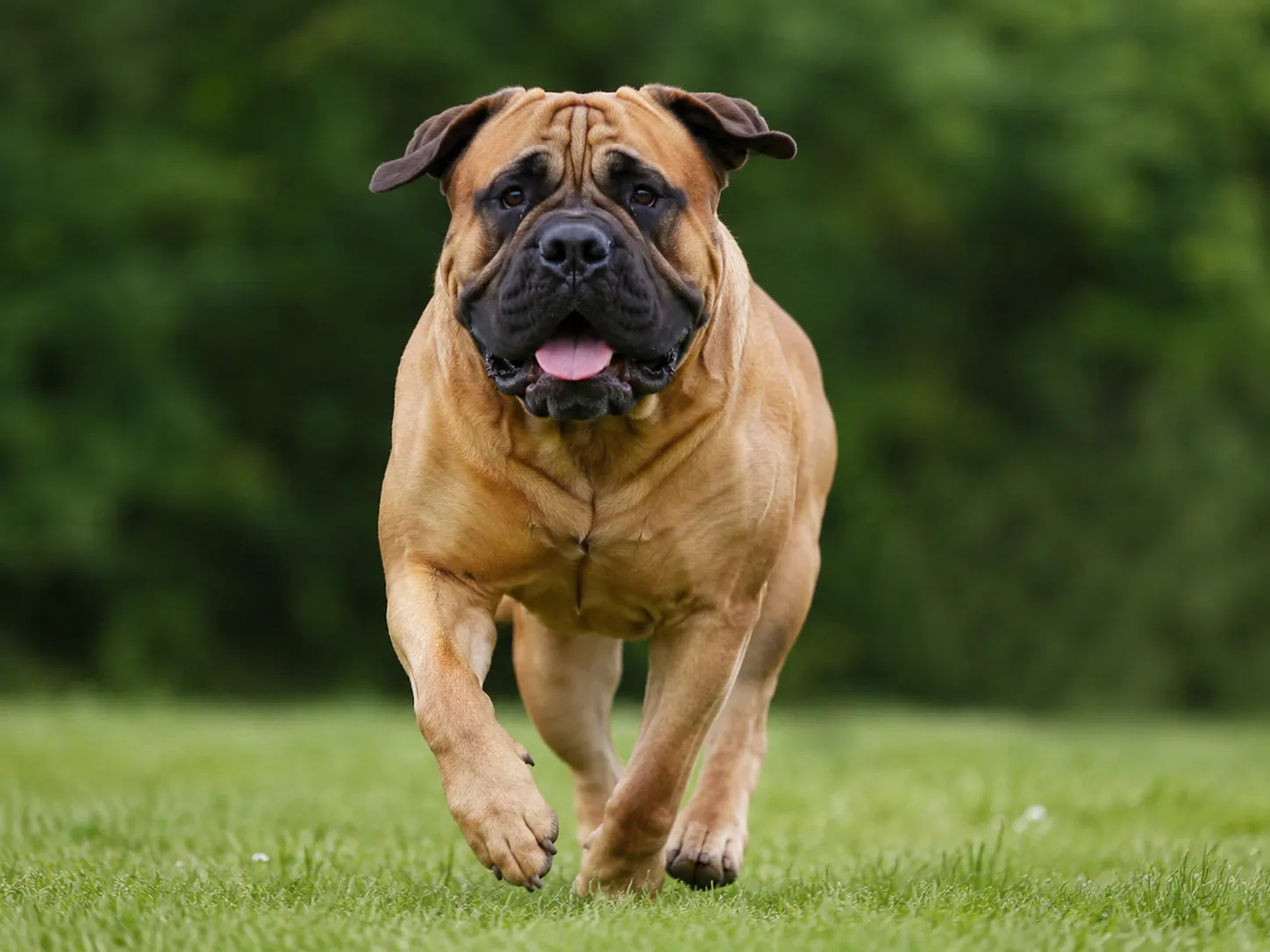 BullmastiffGiant • Working
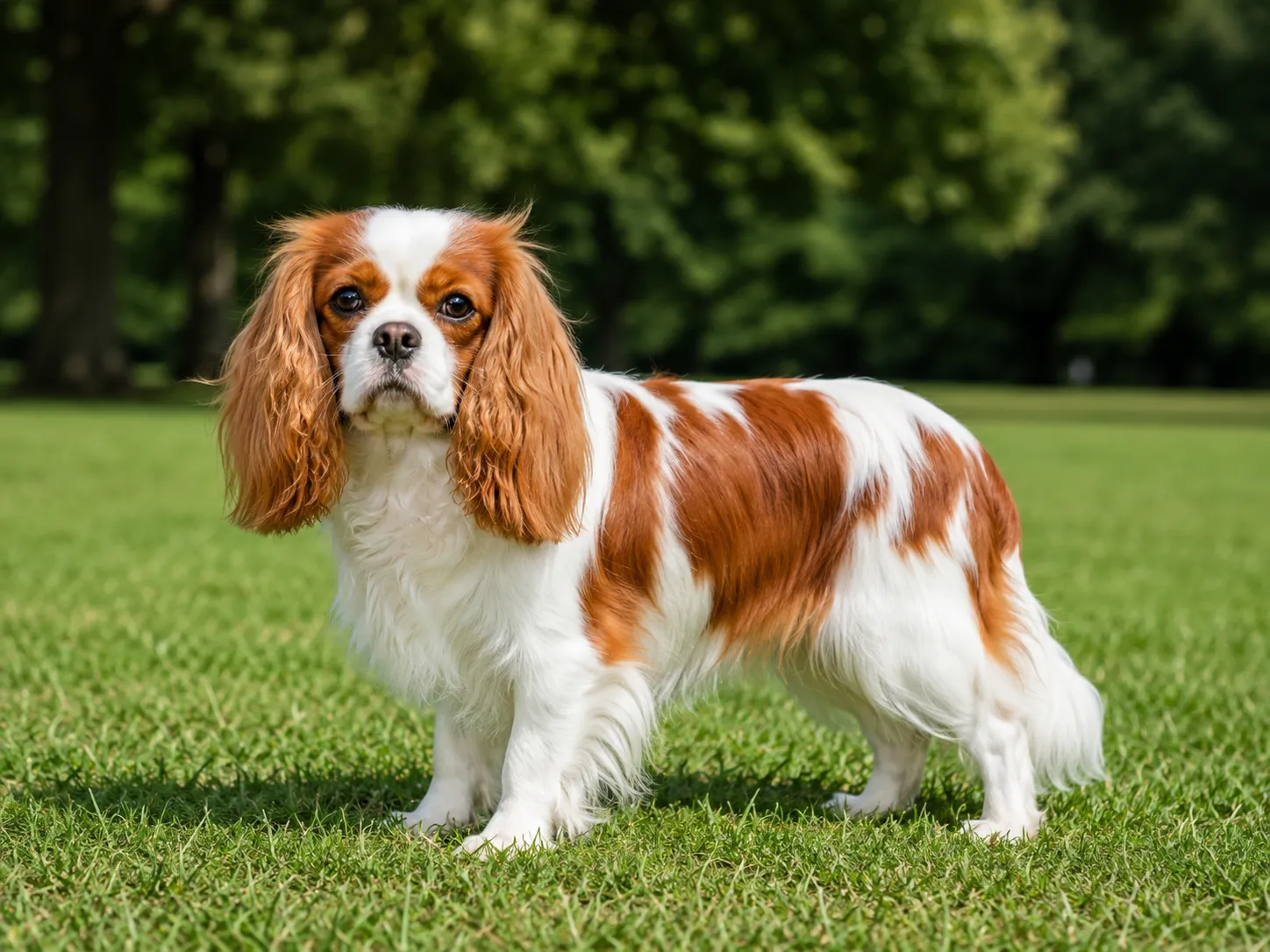 Cavalier King Charles SpanielSmall • Toy
 CavoodleSmall • Companion
 ChihuahuaSmall • Toy
 Chow ChowMedium • Non-Sporting
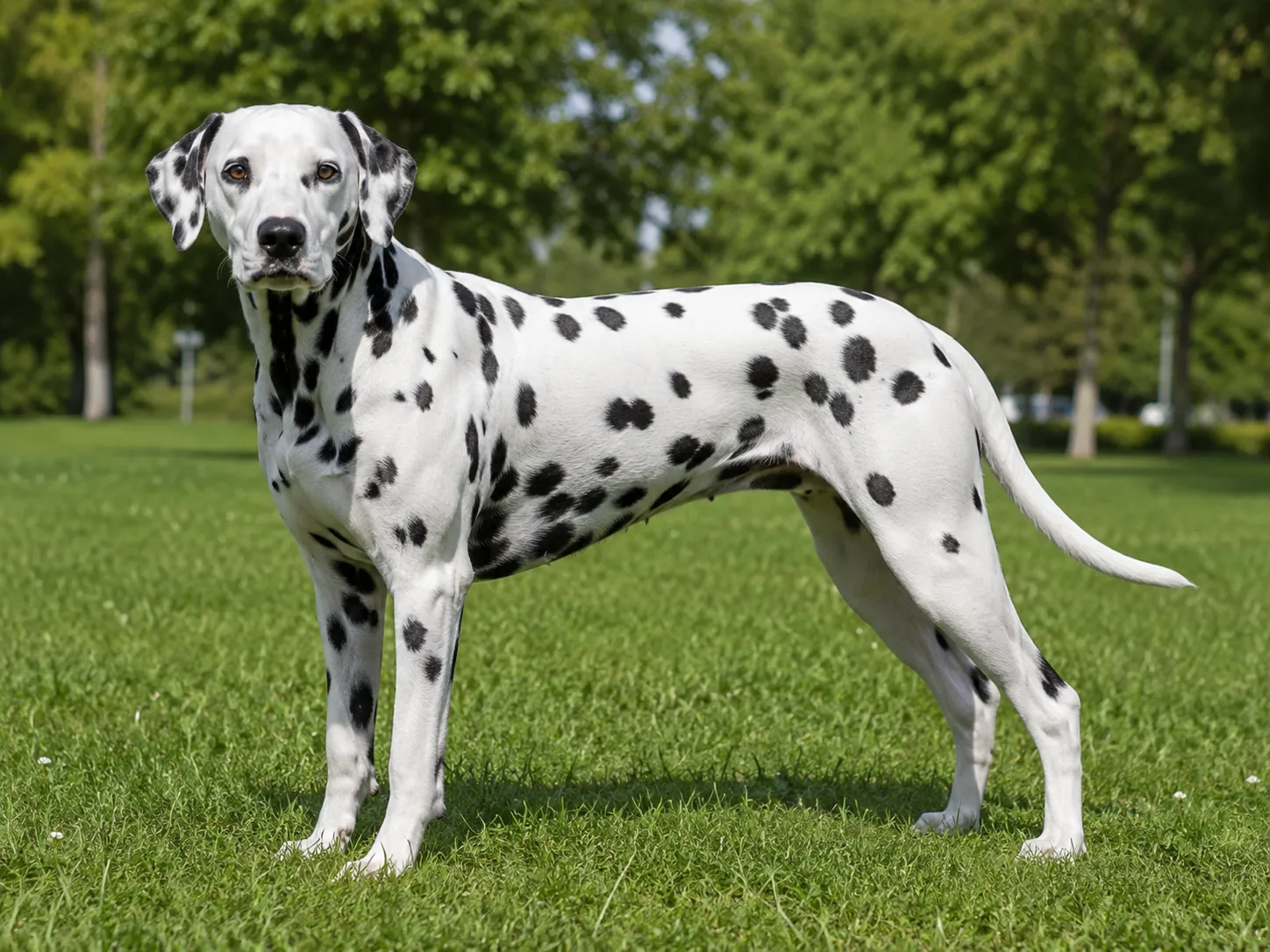 DalmatianLarge • Utility