
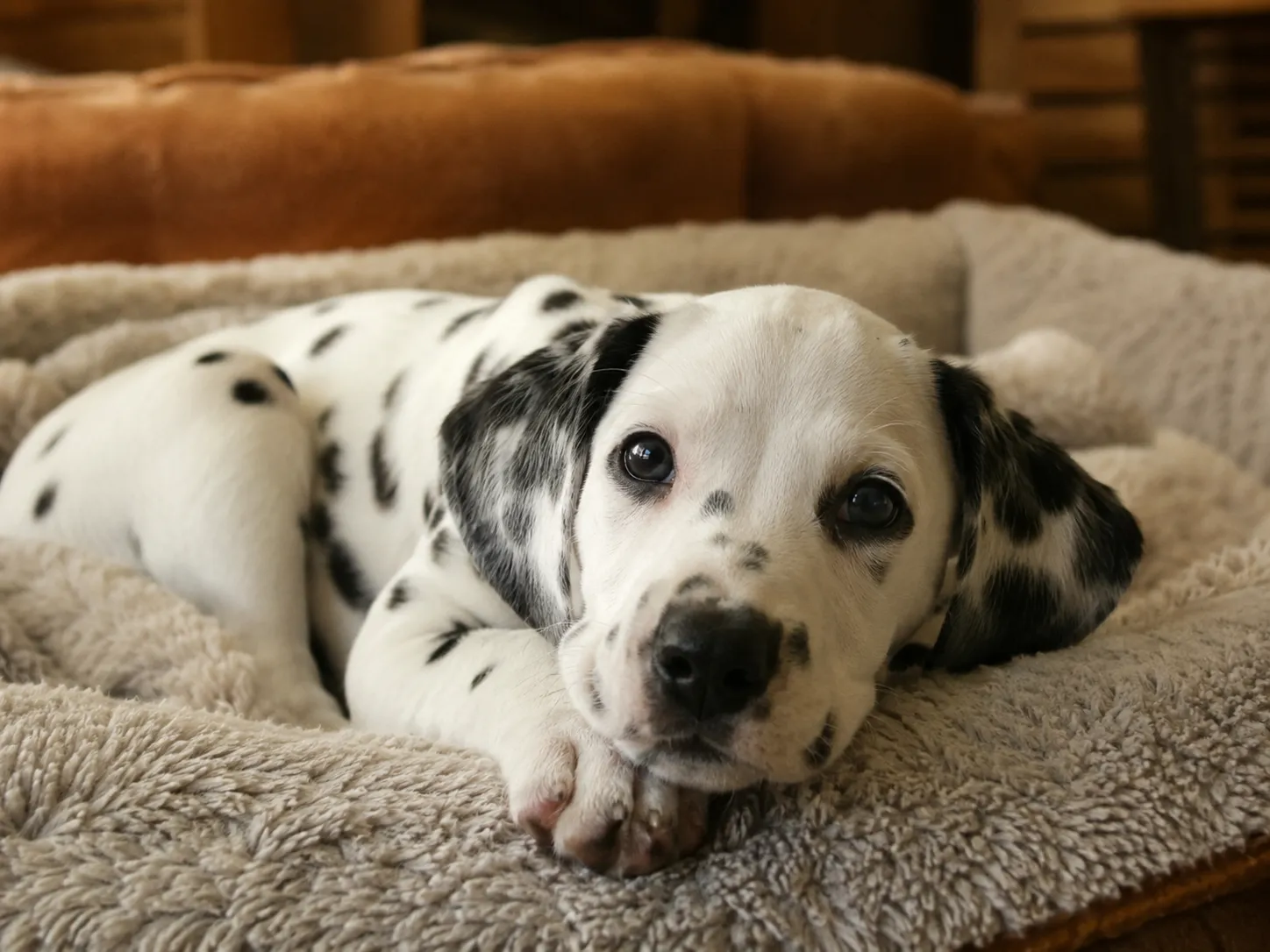
Dalmatian
By James C. • Updated
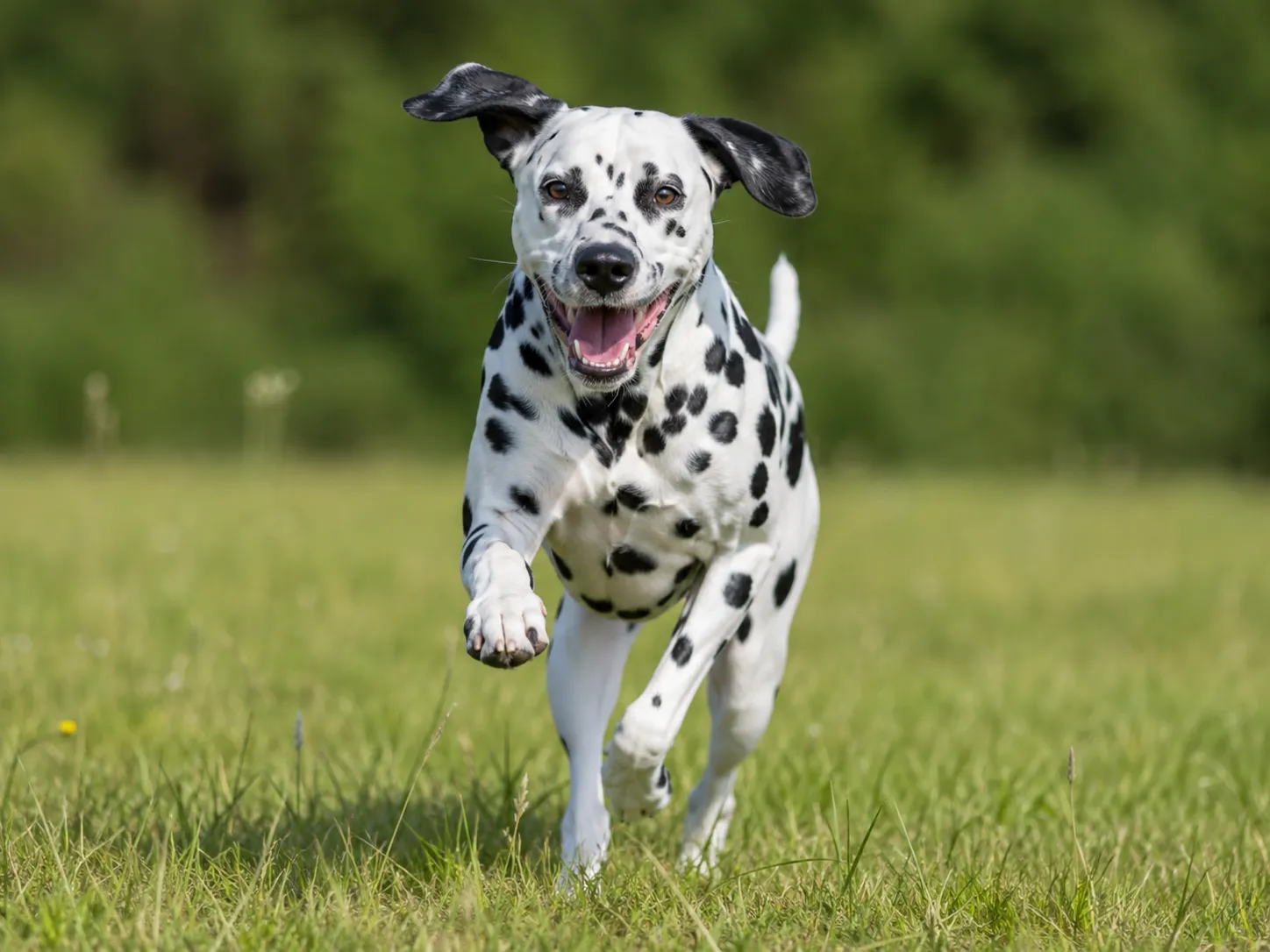
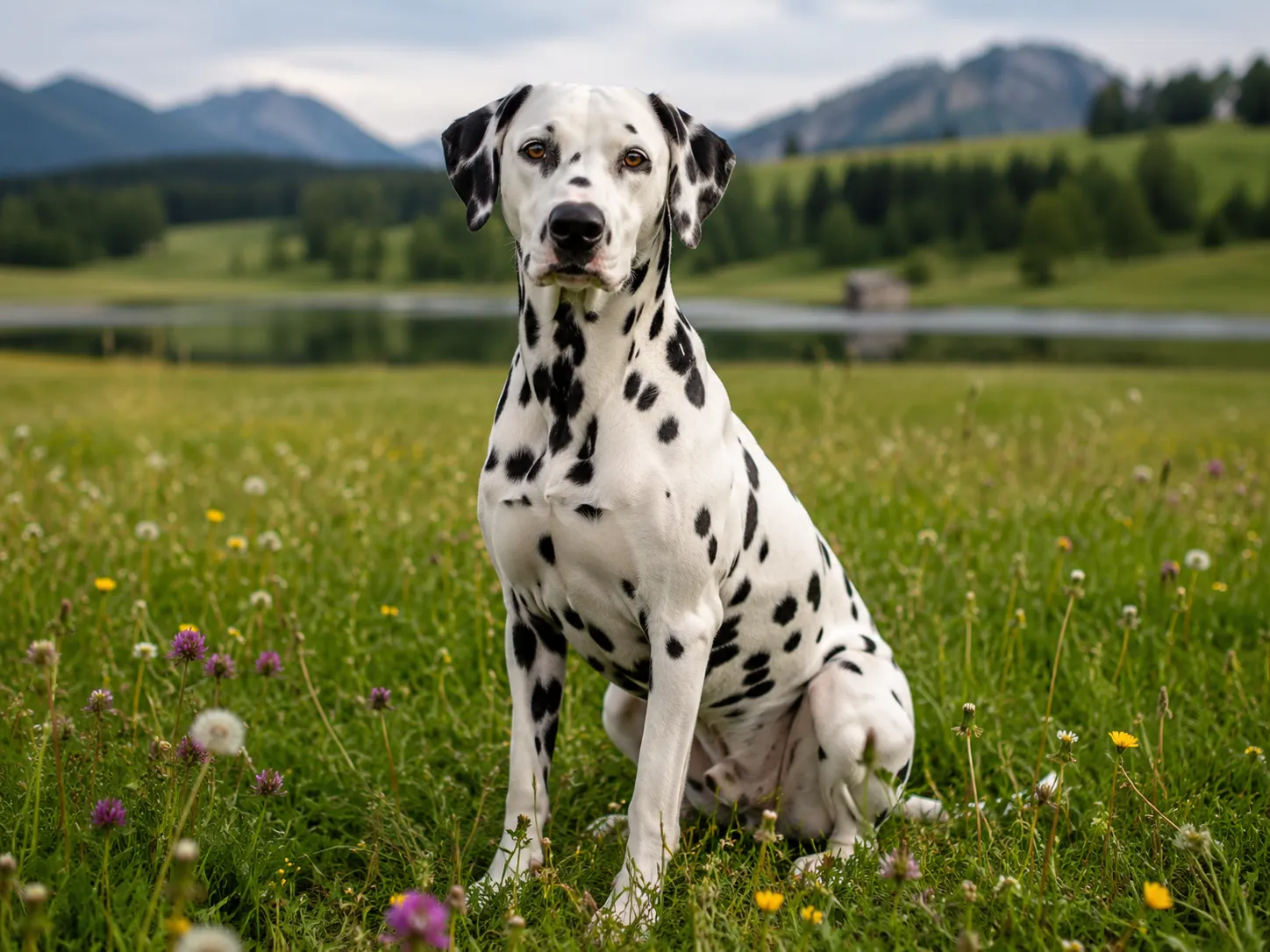
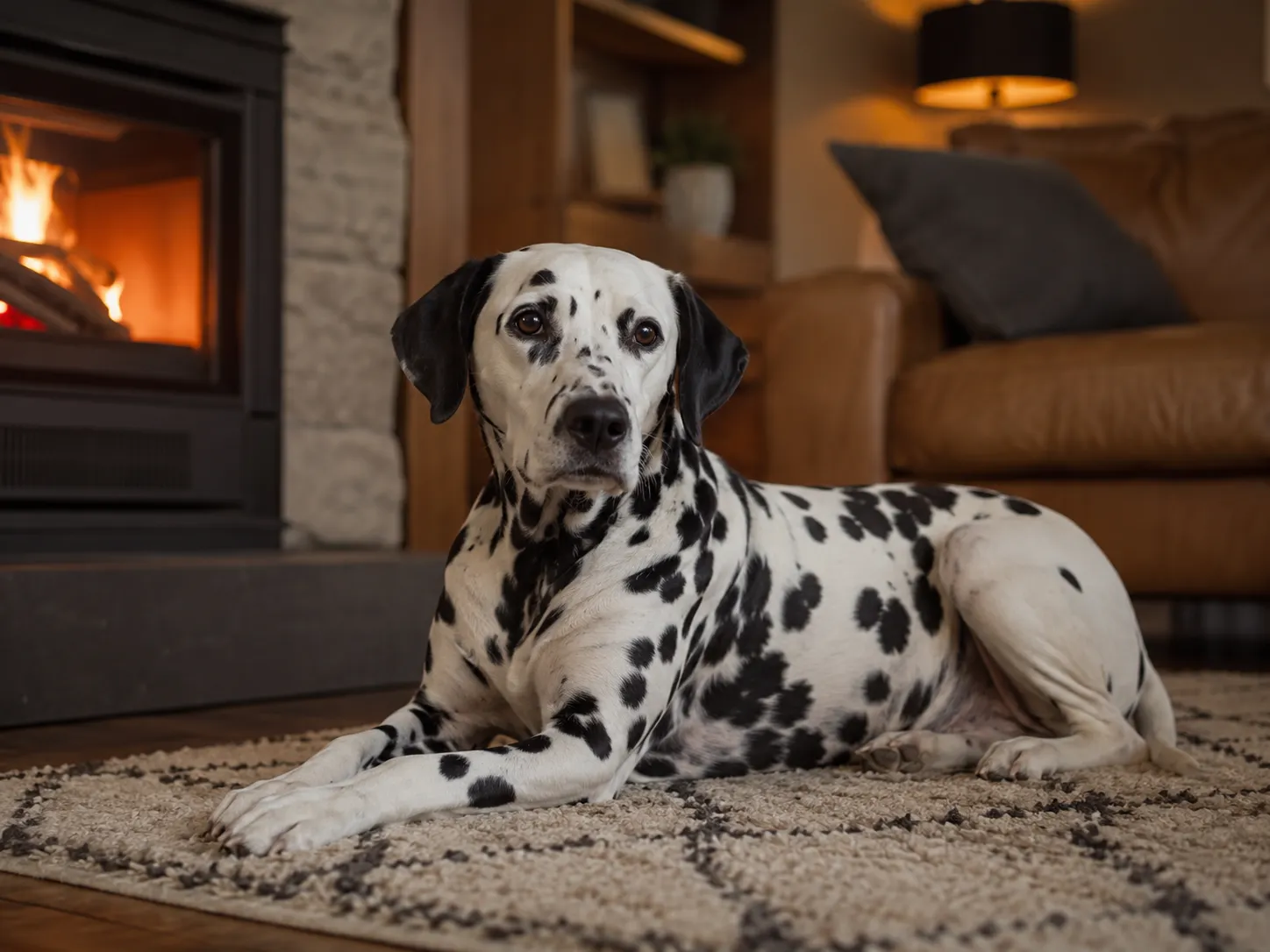
The Dalmatian is an athletic, intelligent, and distinctive breed famous for its white coat covered in black or liver-coloured spots. Originally used as a carriage and coaching dog, Dalmatians have excellent endurance and thrive in active households. They are loyal, energetic, and affectionate with their families but require regular exercise and training to stay happy.
Breed Overview
Life Span
12 - 14 years
Average Price
AUD 2500 - AUD 5000
Weight
Male: 29 - 34 kg Female: 25 - 29 kg
Height
Male: 58 - 61 cm Female: 56 - 58 cm
Life Expectancy
Male/Female: 12 - 14 years
Breed Group
Utility
Nicknames
Dal, Firehouse Dog
Breed Information
The Dalmatian is one of the most instantly recognisable dog breeds in the world, famous for its striking spotted coat and historic role as a carriage and firehouse dog. Athletic, alert and dignified, this breed combines endurance with intelligence, making it a loyal companion for active households.
Originally bred to run alongside horse-drawn carriages, the Dalmatian possesses remarkable stamina and a natural guarding instinct. Beneath the distinctive coat lies a muscular, well-balanced dog built for movement and purpose. While affectionate and deeply loyal to their family, Dalmatians require consistent training, daily exercise and close companionship to thrive.
For Australian families who enjoy outdoor lifestyles and structured training, the Dalmatian can be an energetic, devoted and highly engaging companion.
Dalmatian Breed Characteristics: Temperament, Trainability and Lifestyle Compatibility
| Trait | Rating | Star Rating | What This Means for Owners |
| Affection with Family | High | ★★★★★ | Forms strong bonds and thrives on close companionship with household members. |
| Good with Children | Moderate | ★★★★☆ | Suitable for families with older children; supervision recommended with toddlers. |
| Good with Other Dogs | Moderate | ★★★☆☆ | Early socialisation essential to prevent same-sex tension or dominance issues. |
| Exercise Needs | Very High | ★★★★★ | Requires at least 2 hours of structured physical activity daily. |
| Trainability | High | ★★★★☆ | Intelligent and responsive, but sensitive to harsh handling. |
| Grooming Requirements | Moderate | ★★★☆☆ | Weekly brushing required; sheds consistently year-round. |
| Shedding Level | High | ★★★★☆ | Heavy seasonal shedding despite short coat. |
| Watchdog Ability | Strong | ★★★★☆ | Naturally alert and protective without being unnecessarily aggressive. |
| Tolerance of Being Alone | Low | ★★☆☆☆ | Prone to separation anxiety if left alone for long periods. |
| Adaptability to Apartment Living | Low | ★★☆☆☆ | Best suited to homes with secure gardens and open space. |
The Dalmatian is a high-energy, intelligent and people-focused breed that thrives in active homes, and that short coat still sheds enough to warrant a short-coat grooming routine. Bred for endurance, they are happiest when given structured exercise and meaningful interaction with their owners. Without sufficient physical and mental stimulation, behavioural problems such as destructive chewing or excessive pacing may develop.
While loyal and affectionate, Dalmatians can be reserved with strangers and occasionally assertive with other dogs. Early and ongoing socialisation is critical to shaping a confident, stable adult. Their sensitivity means they respond best to calm, reward-based training rather than harsh correction.
This breed is ideally suited to experienced, committed owners who can provide consistent leadership, exercise and companionship. In the right environment, the Dalmatian is an athletic, devoted and striking family companion.
History of the Dalmatian: From Croatian Hunting Dog to Spotted Coach Companion
The Dalmatian’s origins are widely associated with Croatia and the historic region of Dalmatia, although precise beginnings remain debated, and the breed sits among the more recognisable breeds Australian owners search for. Written references date back to the 14th century, where a white, spotted hunting dog known as Canis Dalmaticus was described in church chronicles. Artistic depictions from the 16th and 17th centuries further confirm the presence of a distinctive spotted dog in the region.
By the late 18th century, the breed gained recognition in England, where it became known as the Spotted Coach Dog. Dalmatians were prized for their ability to run alongside horse-drawn carriages, guarding passengers, clearing the road ahead, and protecting stables at night. Their natural affinity with horses made them invaluable companions during the Regency period, when decorative spotting became a fashionable status symbol.
The breed’s working versatility extended beyond coaching duties. Dalmatians were used as hunting dogs, war sentinels, ratters, circus performers, and firehouse escorts. In fire brigades, they ran ahead of horse-drawn engines to clear a path and later became symbolic mascots of fire services.
Modern Dalmatians are primarily companion animals, yet they retain the endurance, guarding instinct and athleticism shaped by centuries of functional work. Their distinctive coat and strong working heritage continue to define the breed today.
Dalmatian Appearance: Size, Structure and Distinctive Spotted Coat
Dalmatian Size and Physical Build: Athletic and Endurance-Oriented
The Dalmatian is a medium to large, well-balanced working breed built for stamina and sustained movement, comparable in drive to the Boxer, another athletic short-coated breed. Males generally stand between 58–61 cm and weigh 29–34 kg, while females measure 56–58 cm and weigh 25–29 kg. The body is muscular without heaviness, displaying a lean, powerful frame developed for long-distance trotting.
The chest is deep, the back level, and the hindquarters strong and well-muscled. Movement should be smooth, effortless and ground-covering, reflecting the breed’s historical role running alongside carriages for extended periods.
Dalmatian Coat and Colour: The Iconic Spotted Pattern
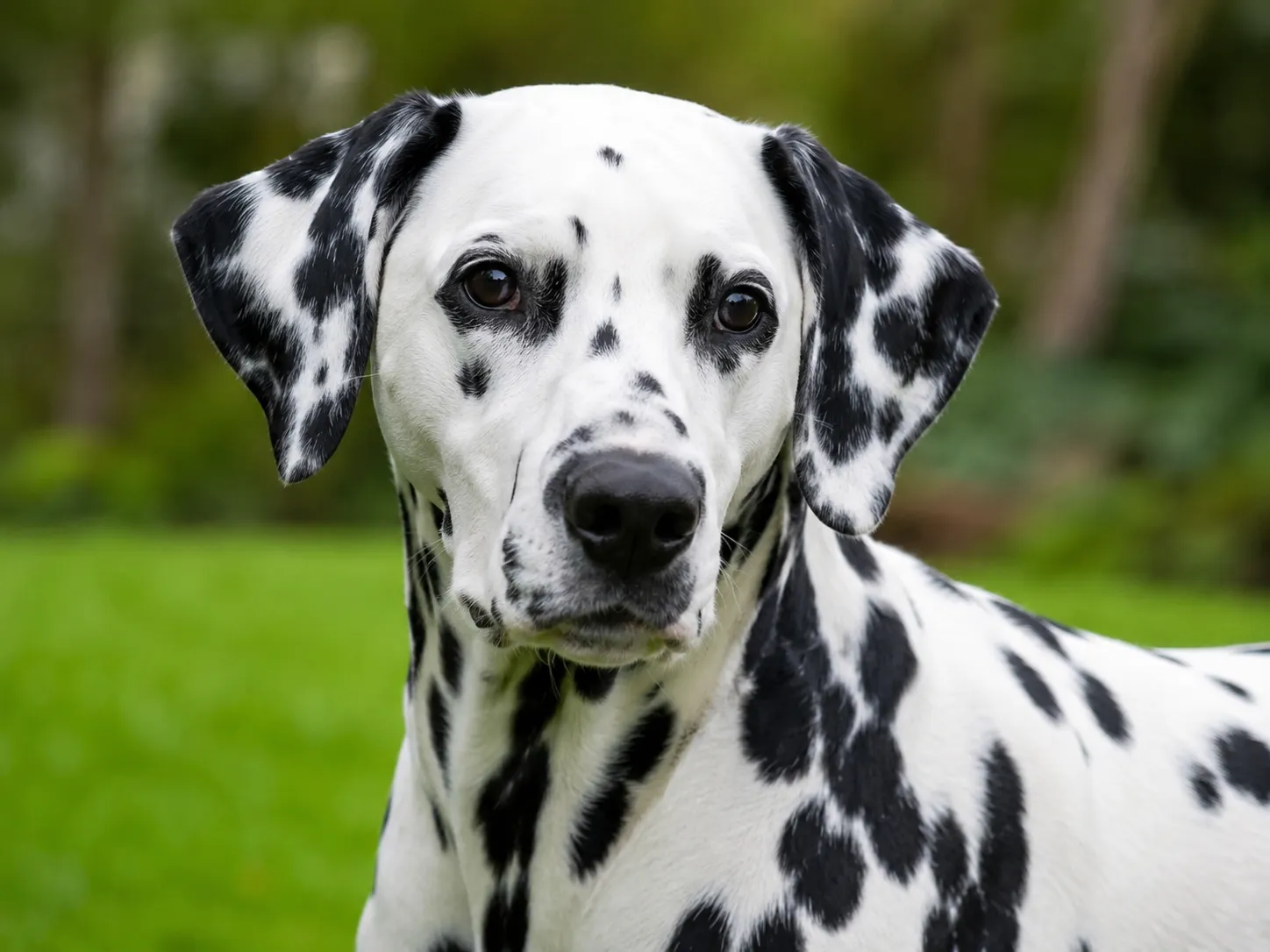
The coat is short, fine and dense, lying sleek against the body. The recognised colours are white with black spots or white with liver spots, with markings clearly defined and evenly distributed. Spots typically measure between 2–6 cm in diameter.
Dalmatian puppies are born entirely white, with visible spots developing within the first 10–14 days. Spotting continues to refine until approximately 18 months of age. Black-spotted dogs have black noses and dark brown eyes, while liver-spotted dogs have brown noses and amber eyes.
Distinctive Features of the Dalmatian: Expression and Outline
The head is proportionate and fairly flat with moderate width between the ears. Eyes are medium-sized and expressive, conveying alertness and intelligence. Ears are high-set, tapering toward rounded tips, and carried close to the head.
The tail is long and slightly curved, carried level or with a gentle upward arc when in motion. Combined with its symmetrical outline and balanced proportions, the Dalmatian presents a dignified and athletic appearance true to its working heritage.
Dalmatian Temperament: Loyal, Energetic and Alert by Nature
Core Personality Traits of the Dalmatian: Confident and Devoted
The Dalmatian is a dignified yet outgoing companion known for loyalty and strong attachment to its family, which can tip into separation anxiety when left too long. With preferred people, this breed is affectionate, playful and eager to participate in daily life. They thrive on companionship and form deep bonds, often shadowing their owners around the home.
Confidence and alertness are natural traits. While typically reserved with strangers, a well-socialised Dalmatian should not be fearful or aggressive. Their watchful nature makes them dependable watchdogs without unnecessary hostility.
Social Behaviour of the Dalmatian: Family and Other Pets
When properly socialised from an early age, Dalmatians generally interact well with children, particularly older children who understand boundaries. Their energetic and sometimes boisterous behaviour may overwhelm toddlers, so supervision is essential.
With other dogs, temperament varies. Some individuals may show same-sex dominance, especially males, while others coexist peacefully. Early exposure to other animals helps reduce territorial or reactive tendencies.
Behavioural Considerations in the Dalmatian: Sensitivity and Stamina
Dalmatians are intelligent but sensitive dogs. Harsh correction can damage trust, and inconsistency may lead to stubborn behaviour. They respond best to structured guidance and calm leadership.
A significant consideration is their high energy level and social dependency. Without sufficient exercise or companionship, they may develop destructive habits or separation-related behaviours. This breed requires both physical outlets and meaningful daily interaction to remain balanced.
Dalmatian Intelligence and Trainability: Smart but Sensitive Learners
Training Ability of the Dalmatian: Quick to Learn with Consistency
The Dalmatian is an intelligent breed with strong problem-solving skills and a keen ability to understand routines, so starting obedience training early pays dividends. When training is consistent and structured, they learn commands quickly and retain lessons well. However, intelligence combined with independence means they may test boundaries if leadership is unclear.
Clear communication and predictable expectations are essential. Owners who provide firm but fair guidance will find the Dalmatian responsive and capable of advanced obedience work.
Effective Training Methods for Dalmatians: Positive and Reward-Based
This breed is sensitive to tone and correction. Positive reinforcement training using praise, toys and carefully measured treats produces the best results. Harsh discipline often leads to withdrawal, anxiety or resistance.
Short, engaging sessions help maintain focus. Because Dalmatians mature slowly both mentally and physically, patience during adolescence is particularly important.
Socialisation Requirements for a Well-Balanced Dalmatian
Early and ongoing socialisation is critical. Puppies should be safely exposed to various people, sounds, environments and other animals during their formative months. Proper socialisation reduces the risk of shyness, overprotectiveness or reactivity in adulthood.
Enrolling in puppy training classes can support structure and confidence-building, helping the Dalmatian grow into a stable and well-adjusted companion.
Advanced Training Potential: Sports and Working Roles
Thanks to their stamina and athletic build, Dalmatians excel in activities such as agility, flyball, obedience trials and endurance running. Their history as carriage dogs reflects natural endurance and focus.
Owners who channel this energy into purposeful training often see impressive results, both in structured sports and in everyday behaviour management.
Dalmatian Family Compatibility: Children, Other Pets and Household Life
Dalmatian with Children: Energetic but Loyal Companions
Dalmatians are affectionate and deeply loyal to their families, and you can browse Dalmatian puppies listed across Australia to see current litters. With proper socialisation, they can form strong bonds with children and often enjoy active play. Their playful and lively temperament makes them well suited to families who enjoy outdoor activities.
However, their size and enthusiasm can overwhelm toddlers. For this reason, they are generally better suited to homes with older children who understand how to interact respectfully with dogs.
Teaching Children to Interact Safely with a Dalmatian
Children should be taught to respect the dog’s space, avoid rough handling, and recognise signs of overstimulation. Supervised interactions are essential, particularly during the Dalmatian’s excitable adolescent phase.
Establishing calm household rules helps create balanced behaviour and prevents accidental knocking over or overly boisterous play.
Dalmatian with Other Dogs: Social but Sometimes Competitive
When raised and socialised properly, Dalmatians can coexist well with other dogs. Early exposure to positive dog-to-dog interactions reduces the risk of dominance-related behaviours later in life.
Some individuals, particularly males, may display assertiveness toward unfamiliar dogs. Structured introductions and consistent training support stable social behaviour.
Dalmatian with Cats and Smaller Pets: Managing Prey Instinct
The breed retains a moderate hunting instinct from its working past. While many Dalmatians can live peacefully with cats and other pets, introductions should be gradual and supervised.
Reliable recall training and early socialisation significantly reduce chasing behaviour, especially in young, high-energy individuals.
Dalmatian Health and Lifespan: Common Conditions and Genetic Testing
Dalmatians typically live between 12 and 14 years, with some individuals reaching their mid-teens when responsibly bred and properly cared for. While generally robust and athletic, the breed carries several well-documented genetic health risks that prospective owners must understand before committing.
Responsible breeding and proactive veterinary care play a significant role in maintaining long-term health.
Deafness in Dalmatians: BAER Testing Is Essential
Congenital deafness is one of the most recognised health concerns in the breed. Studies have shown that a notable percentage of Dalmatians are born deaf in one or both ears. Because deafness may not be immediately obvious, BAER testing (Brainstem Auditory Evoked Response) is strongly recommended for all puppies.
Reputable breeders test entire litters and provide certification. Unilaterally deaf dogs can often live normal lives with informed management, while bilaterally deaf dogs require experienced handling.
Urinary Stones and Hyperuricosuria: A Unique Breed Risk
Dalmatians possess a genetic mutation affecting uric acid metabolism. This condition, known as hyperuricosuria, increases the risk of developing kidney and bladder stones, particularly in middle-aged males.
Management involves feeding a controlled, low-purine diet and ensuring constant access to fresh water. Veterinary guidance is important to minimise long-term complications.
Hip and Elbow Dysplasia: Orthopaedic Screening
Although not among the highest-risk breeds for joint disease, Dalmatians can develop hip dysplasia and, less commonly, elbow dysplasia. Responsible breeders participate in recognised screening schemes such as the BVA/KC Hip Dysplasia Scheme.
Maintaining a healthy weight and avoiding excessive exercise during puppyhood reduces strain on developing joints.
Additional Health Concerns in the Dalmatian Breed
Other conditions reported in the breed include:
- Skin allergies and atopic dermatitis
- Autoimmune thyroiditis
- Epilepsy
- Gastric dilatation (bloat)
- Disproportional dwarfism (recently recognised genetic test)
Prospective owners should request documented health clearances and discuss family medical history before purchasing a puppy.
Preventative Healthcare and Insurance Considerations
Routine veterinary checks, vaccination schedules, parasite prevention, dental care, and weight monitoring are essential throughout the Dalmatian’s life. Because some hereditary conditions may require ongoing management, comprehensive pet insurance is advisable.
Selecting a puppy from health-tested parents significantly improves the likelihood of a long, active, and healthy life.
Caring for a Dalmatian: Daily Routine and Living Environment Needs
Dalmatians are high-energy, people-oriented dogs that require structured daily care. Their wellbeing depends on consistent exercise, companionship, mental stimulation and routine. Without proper engagement, behavioural problems such as destructiveness or anxiety may develop.
A committed owner who understands their physical and emotional needs will be rewarded with a loyal and vibrant companion.
Ideal Living Environment for a Dalmatian
Dalmatians are best suited to homes with secure outdoor space. A large, safely fenced garden allows them to burn off energy between structured exercise sessions. While adaptable to town or country living, they are not naturally suited to small flats unless their exercise needs are fully met.
Access to outdoor space combined with daily physical activity supports both mental balance and physical health.
Daily Care Routine for an Active Dalmatian
A typical day should include:
- Two substantial exercise sessions
- Interactive play or training activities
- Measured feeding times
- Rest periods in a calm environment
- Social interaction with family members
Routine helps the Dalmatian feel secure. Predictability reduces stress and supports better behaviour, particularly in young dogs.
Managing Separation and Social Needs
Dalmatians thrive on human companionship. Leaving them alone for extended periods can trigger separation anxiety, leading to destructive chewing, barking or withdrawal. They are not an ideal choice for owners who work long hours away from home.
Gradual independence training from puppyhood can help reduce anxiety, but consistent companionship remains essential for this breed.
Seasonal and Senior Care Adjustments
In warm weather, exercise should be scheduled during cooler parts of the day to prevent overheating. In colder months, shelter from damp and wind is important, as their short coat offers limited insulation.
Senior Dalmatians may require joint-supportive diets, moderated exercise, and closer monitoring for age-related conditions. Adapting care as they age ensures continued comfort and quality of life.
Dalmatian Grooming Guide: Coat Care, Shedding and Hygiene Needs
The Dalmatian’s short, sleek coat may appear low maintenance, but this breed sheds heavily throughout the year. Consistent grooming is essential to manage loose hair and maintain healthy skin. Despite their short coat, Dalmatians are not considered a minimal-shedding breed.
Routine grooming also provides an opportunity to check for skin concerns, ear issues, and overall health changes.
Coat Maintenance and Shedding Control
Dalmatians shed year-round, with heavier seasonal changes. Their short, stiff hairs easily embed into fabric, making regular grooming especially important for household cleanliness.
Weekly brushing with a rubber curry comb or grooming mitt helps remove loose hair and stimulate natural oils. During heavy shedding periods, brushing several times per week is advisable.
Bathing and Skin Care
Dalmatians have relatively low natural coat oil, meaning they typically lack strong dog odour. Baths are only required occasionally, usually every few months, unless the dog becomes particularly dirty.
Because the breed can be prone to skin sensitivities and atopic dermatitis, mild, dog-specific shampoos should be used. Over-bathing may dry the skin and increase irritation.
Ear, Nail and Dental Care
Floppy ears can trap moisture, increasing the risk of infection. Ears should be checked weekly and cleaned as advised by a veterinarian.
Nails should be trimmed monthly to prevent discomfort or altered gait. Dental care is equally important, with regular brushing helping to reduce tartar build-up and gum disease.
Grooming Challenges to Be Aware Of
Managing constant shedding is the primary grooming challenge. Owners should be prepared for ongoing hair management in the home.
Additionally, monitoring for skin reactions, sun sensitivity, and early signs of irritation is important. With consistent care, the Dalmatian’s coat remains glossy and healthy.
Dalmatian Exercise Requirements: Energy Levels and Activity Needs
The Dalmatian is a high-energy, endurance-based working breed that requires substantial daily physical activity. Originally bred to run alongside carriages and horses, this breed thrives when given structured exercise and purposeful engagement.
Without sufficient activity, Dalmatians are prone to boredom, frustration, and destructive behaviours.
Daily Exercise Needs for a Dalmatian
An adult Dalmatian typically requires a minimum of two hours of exercise per day. This should include both structured activity and free movement where safe and secure.
Ideal exercise options include:
- Long brisk walks
- Jogging or running alongside an owner
- Hiking in secure areas
- Fetch sessions in enclosed spaces
Splitting exercise into morning and evening sessions helps manage their stamina and maintains balanced energy levels.
Suitable Activities for Active Dalmatians
This breed excels in canine sports that challenge both body and mind. Activities such as agility, flyball, obedience trials, scent work, and tracking are particularly well suited.
Dalmatians also make excellent companions for runners and cyclists, provided training is gradual and age appropriate.
Exercise Considerations for Puppies and Seniors
Dalmatian puppies should not be over-exercised. Their bones and joints continue developing until around two years of age. Short, controlled play sessions are preferable to intense or repetitive impact activities.
Senior Dalmatians still benefit from daily movement but require lower-impact exercise to protect joints and mobility.
Mental Stimulation Is Equally Important
Physical exercise alone is not sufficient. Dalmatians are intelligent and require regular mental challenges to prevent boredom.
Puzzle toys, obedience training, scent games, and structured learning sessions help maintain behavioural balance. A mentally stimulated Dalmatian is far less likely to develop unwanted habits.
Dalmatian Feeding Guide: Nutrition, Portion Control and Special Considerations
Nutritional Needs of the Dalmatian
Dalmatians require a high-quality, balanced diet that supports their energetic lifestyle and overall health. Protein should be adequate to maintain muscle tone, while fat content is moderated to prevent unnecessary weight gain. Calcium and phosphorus should be balanced, particularly for growing puppies.
Due to a genetic predisposition to urinary stones (hyperuricosuria), special attention to diet is necessary. Low-purine dog food and constant access to fresh water help reduce the risk of kidney and bladder stones.
Feeding Schedule and Portion Management
Puppies should be fed three to four small meals daily to support steady growth and energy. Adult Dalmatians thrive on two meals per day with measured portions. Portion sizes should be adjusted based on activity level, metabolism, and body condition.
Treats are useful for training but must be factored into total daily calories. Overfeeding or giving high-purine human foods can negatively impact urinary health.
Special Dietary Considerations
Owners should avoid organ meats, animal byproducts, and other high-purine ingredients that increase uric acid levels. For dogs prone to kidney stones, veterinary guidance may include supplements or prescription diets tailored to prevent hyperuricemia.
Joint health supplements such as glucosamine, chondroitin, and omega-3 fatty acids can support skeletal health, particularly in active adults and senior Dalmatians.
Weight Management and Monitoring
Maintaining a lean body condition is critical. Overweight Dalmatians are at increased risk of joint strain, urinary problems, and reduced endurance. Regular weight checks, combined with measured feeding and adequate exercise, ensure the dog stays healthy and active.
Dalmatian Price in Australia: Puppy Cost and Ongoing Expenses
Purchase Price of a Dalmatian Puppy
In Australia, the price of a Dalmatian puppy typically ranges between AUD $2,500 and $5,000, depending on pedigree, coat colour, and breeder reputation. Puppies from parents with full health clearances and BAER testing often command higher prices.
Rare liver-spotted puppies or show-quality lines may cost at the upper end of the range, while lower-cost puppies may lack proper health testing or come from less experienced breeders.
Initial Setup Costs
New owners should budget for essential supplies, including:
- Crate, bedding, and toys
- Food and water bowls
- Collars, leads, and harnesses
- Grooming tools (brushes, nail clippers, shampoos)
- Health essentials (vaccinations, microchipping, initial vet check-ups)
Typical initial setup costs range from AUD $800 to $1,500.
Ongoing Monthly Expenses
Ongoing expenses for a Dalmatian include:
- Quality dog food (AUD $50–$80/month)
- Routine veterinary care (vaccinations, check-ups, parasite prevention)
- Grooming supplies and occasional professional grooming
- Pet insurance to mitigate hereditary health costs
Owners should anticipate AUD $100–$150 per month for standard care, excluding unexpected health treatments.
Health-Related Cost Considerations
Due to predispositions to deafness, urinary stones, and hip dysplasia, Dalmatian owners should be prepared for potential veterinary expenses. Responsible breeders who conduct genetic testing reduce the likelihood of costly hereditary conditions, but insurance and preventive care remain critical for long-term health management.
Buying a Dalmatian in Australia: Choosing a Responsible Breeder or Rescue
Importance of Ethical Breeding
Selecting a reputable Dalmatian breeder is essential to ensure your puppy is healthy, well-socialised, and free from preventable hereditary conditions. Ethical breeders perform health testing, limit litter sizes, and raise puppies in a safe and stimulating environment.
Avoid purchasing from breeders or sellers who cannot provide health documentation, refuse visits, or sell puppies at unusually low prices.
Health Testing to Request
Before purchasing a Dalmatian, request evidence of:
- BAER testing for hearing
- Hip and elbow screening via BVA/KC schemes
- DNA testing for hyperuricosuria (HUU)
- Any relevant additional genetic screenings
Responsible breeders should provide documentation for both parents and the litter.
Questions to Ask a Breeder
Ask about:
- Socialisation practices for puppies
- Temperament and behaviour of parent dogs
- Any history of urinary stones, deafness, or hip issues
- Support offered post-purchase
Transparent answers indicate a breeder who prioritises both dog and owner welfare.
Adoption and Rescue Options
Consider Dalmatian rescues as an alternative to buying from a breeder. Rescue organisations often rehome adult dogs and provide health and behavioural assessments.
Adopting from a rescue can be a rewarding option for experienced owners prepared to manage an energetic, intelligent, and social Dalmatian.
Final Thoughts on Owning a Dalmatian
The Dalmatian is a striking, intelligent, and energetic breed that rewards dedicated owners with loyalty, playfulness, and companionship. They are best suited to active households that can provide consistent exercise, structured training, and attentive care for both physical and mental wellbeing.
Prospective owners should prioritise responsible breeding, health testing, and proper socialisation to ensure a healthy, well-adjusted dog. With commitment, a Dalmatian becomes a loving and devoted family member, standing out not only for its iconic spotted coat but also for its affectionate and alert personality.
If you have the time, space, and energy to meet this breed’s needs, the Dalmatian can be a truly rewarding, long-term companion in your home.
Frequently Asked Questions
Related Breeds
Other companion breeds on Pups4Sale.
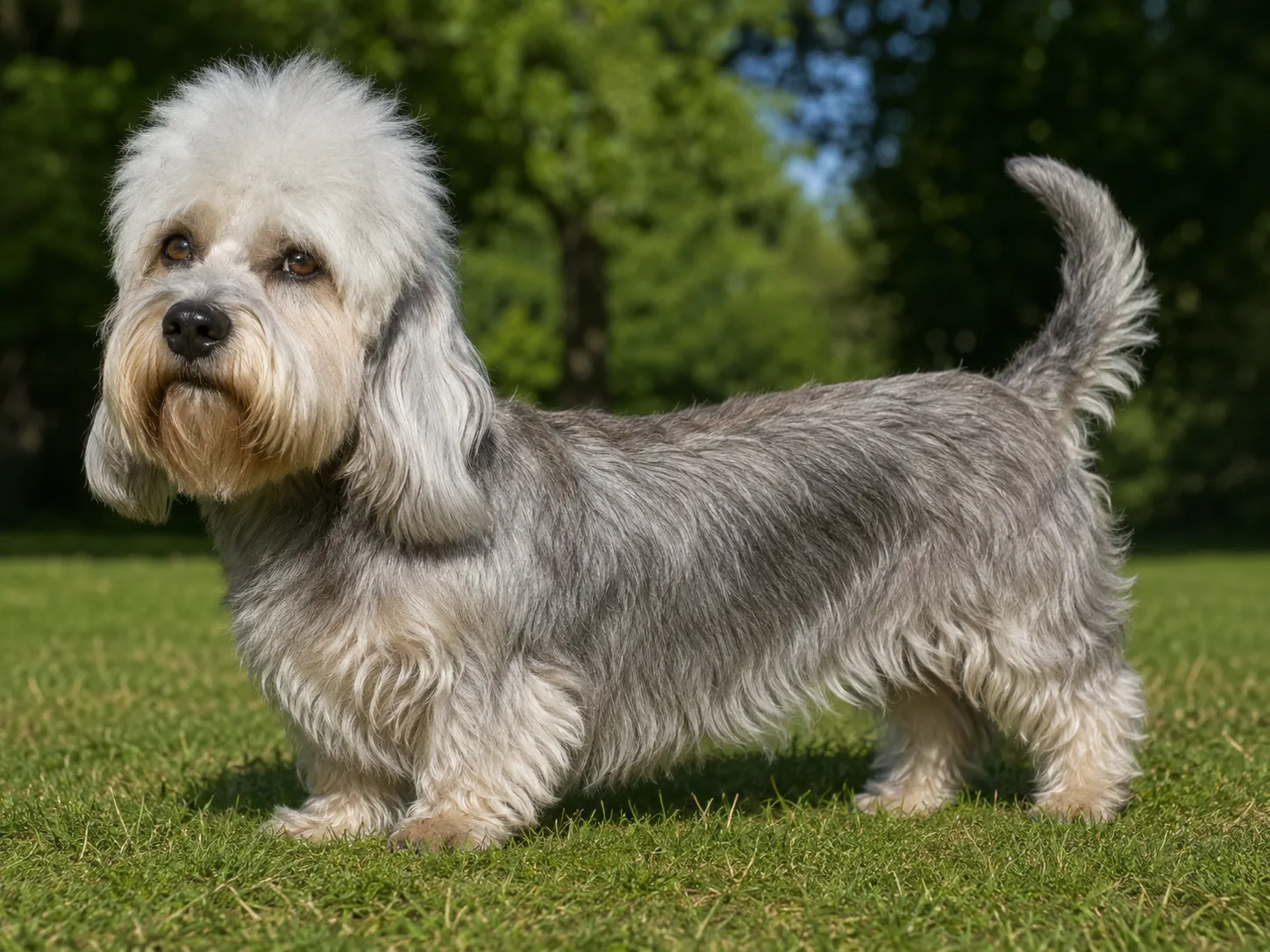 Dandie Dinmont TerrierSmall • Terrier
 English Toy TerrierSmall • Toy
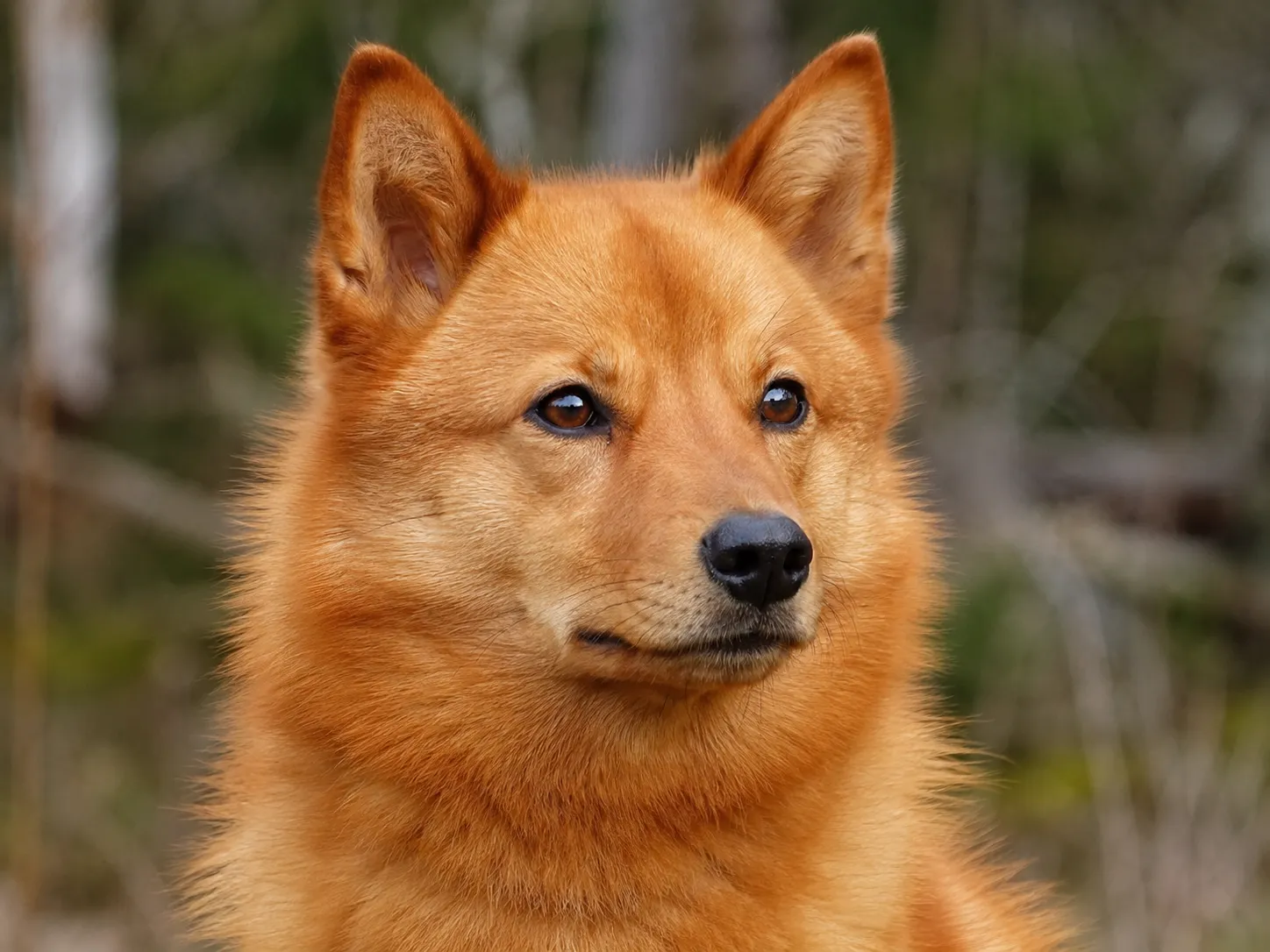 Finnish SpitzMedium • Utility / Spitz type (Nordic hunting breed)
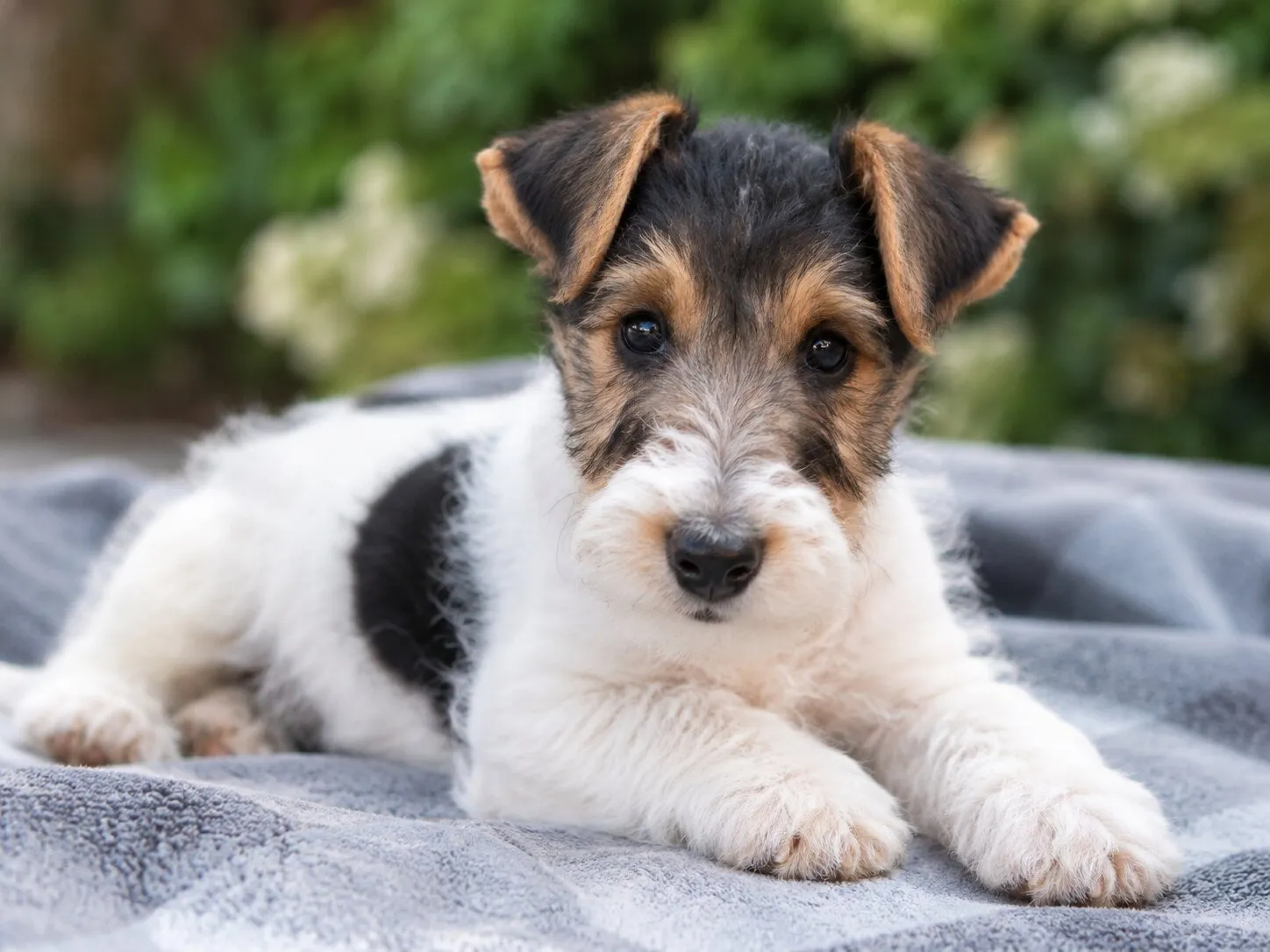 Fox TerrierMedium • Terrier
 French BulldogSmall • Utility / Companion (Non-sporting)
 Great PyreneesGiant • Working