

English Toy Terrier
By James C. • Updated
The English Toy Terrier is a small, elegant, and alert breed originally developed for ratting and companion work in England. Despite their compact size, they are confident, intelligent, energetic, and loyal dogs that form close bonds with their owners and suit smaller living spaces when properly exercised.
Breed Overview
Life Span
12 - 14 years
Average Price
AUD 2000 - AUD 4000
Weight
Male: 2.7 - 3.6 kg Female: 2.7 - 3.6 kg
Height
Male: 25 - 30 cm Female: 25 - 30 cm
Life Expectancy
Male/Female: 12 - 14 years
Breed Group
Toy
Nicknames
English Black and Tan Terrier, ETT
Breed Information
At first glance, the English Toy Terrier may look delicate and refined. Look a little closer and you will notice the alert eyes, upright “candle-flame” ears, and confident posture that hint at something stronger beneath the surface. This is a toy-sized dog with genuine terrier character.
Historically, the English Toy Terrier was capable of holding its own in rat pits, which explains its sharp awareness and lively nature. Today, that same boldness shows up as intelligence, loyalty, and a watchful presence in the home. They are compact and elegant, but never fragile in attitude.
The English Toy Terrier may suit individuals or families who want a small companion with personality. They enjoy being close to their people and respond well to structured training. However, they are not ideal for households seeking a completely laid-back lap dog with no drive. Buyers comparing small, sharp-featured toy breeds often look at the Miniature Pinscher, a similar smooth-coated toy, which shares the alert outlook and low grooming load.
Before choosing this breed, it helps to understand their exercise needs, sensitivity to handling, and the importance of early socialisation. In this guide, we will walk through everything you should know about living with an English Toy Terrier in Australia.
Characteristics of the English Toy Terrier: What Living With One Is Really Like
The English Toy Terrier may be small, but their personality is far from quiet. They combine elegance with alertness and carry themselves with noticeable confidence. Living with one means understanding both their toy size and their terrier mindset.
| Trait | Rating | Star Rating |
| Size | Very Small | ★★★★★ (5/5) |
| Adaptability | Highly Adaptable | ★★★★☆ (4/5) |
| Exercise Needs | Moderate | ★★★☆☆ (3/5) |
| Easy to Train | Trainable but Independent | ★★★☆☆ (3/5) |
| Amount of Shedding | Low | ★★☆☆☆ (2/5) |
| Grooming Needs | Low | ★★☆☆☆ (2/5) |
| Good With Children | Good with Respectful Handling | ★★★☆☆ (3/5) |
| Health of Breed | Generally Healthy | ★★★☆☆ (3/5) |
| Cost to Keep | Moderate | ★★★☆☆ (3/5) |
| Tolerates Being Alone | Low to Moderate | ★★☆☆☆ (2/5) |
| Intelligence | High | ★★★★☆ (4/5) |
What These Ratings Mean
The English Toy Terrier is highly portable and suits smaller living spaces, including apartments, provided daily exercise is met. Despite their size, they still need structured activity and mental engagement.
Their grooming requirements are relatively low due to their short, close coat. Shedding is usually minimal compared to many other breeds.
Training can be rewarding, but consistency matters. This breed is intelligent and alert, yet can show a streak of independence. Early socialisation plays an important role in shaping a confident, stable adult.
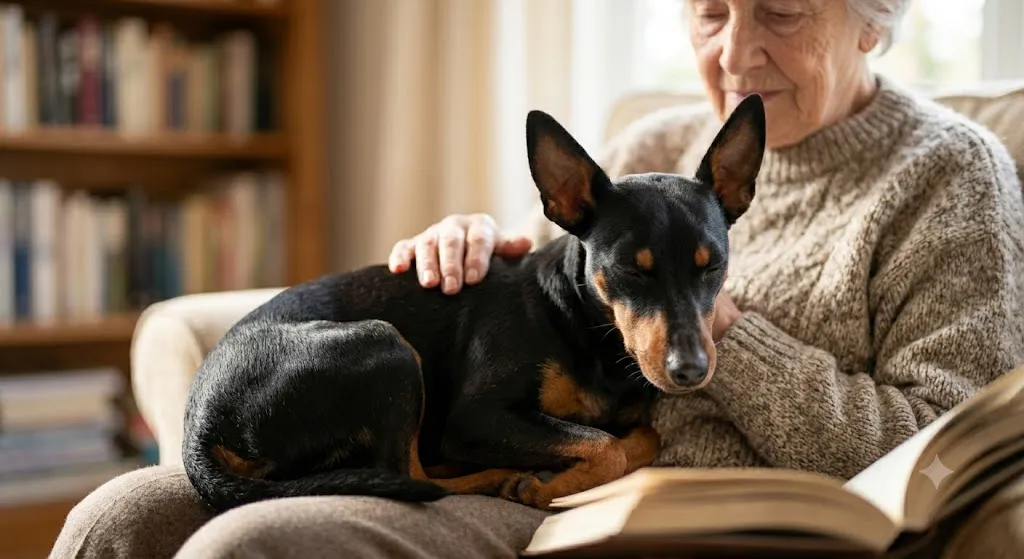
They bond closely with their owners and may not enjoy being left alone for long periods. Understanding this need for companionship is key to a balanced household.
History of the English Toy Terrier: From Rat Pit to Refined Toy Companion
The English Toy Terrier traces its roots back to the old Black and Tan Terriers of Britain. These early terriers were valued for their speed, courage, and ability to control vermin in crowded cities during the 18th and 19th centuries.
At the time, rat-baiting was a popular sport, and small, agile terriers were bred to compete in rat pits. The dogs that showed the most speed and determination were favoured for breeding. Over time, a smaller and more refined version of the Black and Tan Terrier emerged, retaining the alert temperament but with a more elegant build.
As blood sports declined and dog shows became popular in Victorian England, breeders began refining the type further. The emphasis shifted toward balance, sound movement, and the distinctive black and tan colouring that defines the breed today.
Despite its polished appearance, the English Toy Terrier has never lost its terrier spirit. The breed still carries the confidence and sharp awareness of its working ancestors, even though it now lives primarily as a companion dog.
Today, the English Toy Terrier remains relatively rare. Its preservation depends on responsible breeding and careful adherence to breed standards to protect both health and soundness.
Appearance of the English Toy Terrier: Elegant, Compact, and Precisely Marked
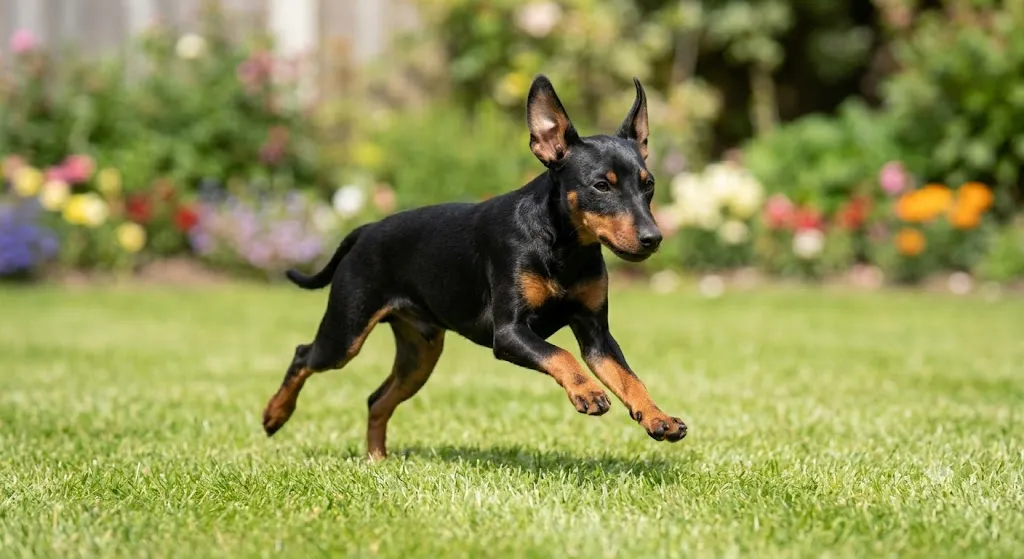
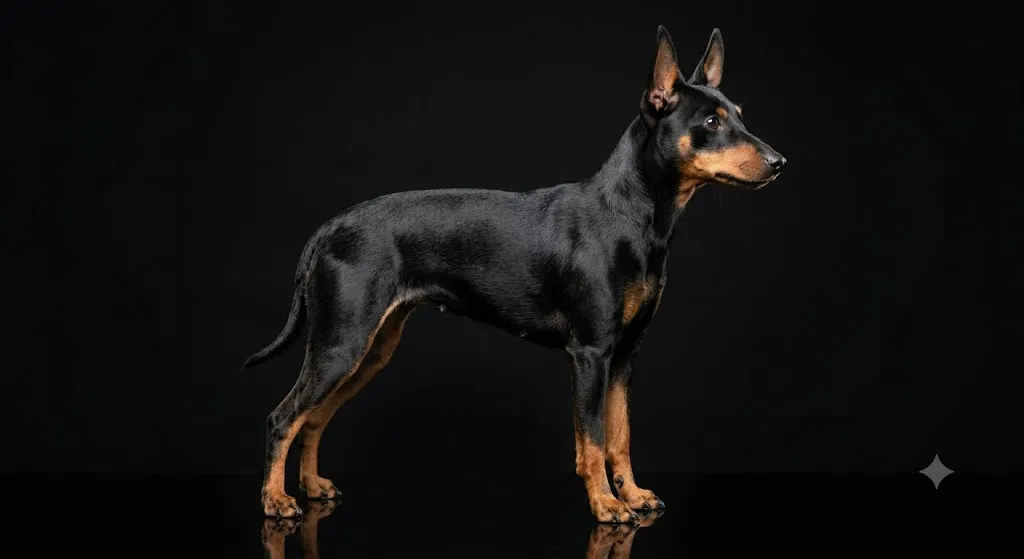
The English Toy Terrier is small, but nothing about the breed feels weak or fragile. Their outline is clean and balanced, with a sleek build that reflects both agility and refinement. Everything about their appearance should suggest soundness and proportion.
Size and Overall Build
The ideal height sits between 25 and 30 cm at the shoulder, with a weight of 2.7–3.6 kg. They are compact without appearing square or heavy.
Fine bone is desirable, yet the body remains firm and athletic. The chest is narrow and deep, the loin well cut up, and the topline shows a slight, graceful curve from shoulder to tail.
Head, Expression, and Ears
The head is long and narrow, forming a clean wedge shape. The skull is flat, with only a slight stop. The muzzle tapers gently without appearing snipy.
Dark, almond-shaped eyes give a sharp and intelligent expression. One of the breed’s defining features is the “candle-flame” ear. The ears are set high, slightly pointed, and carried fully erect from around nine months of age.
Coat and Colour
The coat is short, thick, and glossy. It lies close to the body and should feel smooth to the touch.
Colour is strictly black and tan. The black should be deep and ebony-like, while the tan markings are rich and well defined. The lines between black and tan should be clear and sharply separated, never blended. Any other colour combination is considered unacceptable within the breed standard.
Tail and Movement
The tail is thick at the root and tapers to a point. It is set low and should not extend below the hock.
Movement should be free and flowing, with a smooth extended trot. Hackney action or shuffling movement is undesirable. Even in motion, the English Toy Terrier should appear balanced and sound.
Temperament of the English Toy Terrier: Alert, Composed, and True to Its Terrier Roots
The English Toy Terrier is first and foremost an alert dog. They are constantly aware of their surroundings and quick to respond to unfamiliar sounds or movement. This makes them naturally watchful without being excessive.
Historically, the breed could acquit itself in the rat pit, and that background still shapes their temperament. They are brave for their size and rarely back down easily. However, correct temperament should never be nervous or sharp. An English Toy Terrier should be confident and self-contained, not jittery or reactive.
They form strong attachments to their owners and often prefer to remain close. While affectionate, they are not overly clingy when properly socialised. Their loyalty can make them sensitive to harsh correction, so calm handling works best. That is also why stopping puppy biting without punishment is the right approach with this breed.
Unlike some toy breeds that are bred primarily for companionship, the English Toy Terrier retains genuine terrier instincts. They are quick-thinking, decisive, and capable of independent reactions. Early socialisation and structured guidance ensure these traits remain balanced rather than dominant.
When bred and raised well, the English Toy Terrier is steady, intelligent, and composed — small in frame but never small in presence.
Intelligence and Trainability of the English Toy Terrier: Quick-Minded and Emotionally Aware
The English Toy Terrier is an intelligent breed with a sharp, observant nature. They learn quickly, but they do not respond well to forceful handling. Their terrier heritage means they can think independently, which makes consistency important.
Puppy Training Priorities
Early socialisation is essential. Exposing puppies to different people, environments, and sounds helps prevent shyness or over-alert behaviour later in life.
Basic obedience such as recall, loose-lead walking, and calm greetings should be introduced early. Small dogs are sometimes given too much freedom, which can create behavioural habits that are harder to correct later.
Training Methods That Work
Positive reinforcement works best. Food rewards, praise, and short, engaging sessions help maintain focus.
Because they are emotionally aware, they may shut down if corrected harshly. A steady, confident approach produces better long-term results.
Advanced Training Potential
Despite their size, English Toy Terriers can excel in obedience, agility, and scent-based games. Their quick reflexes and alertness make them responsive learners when motivated.
Common Training Mistakes
Inconsistency is the biggest issue. Allowing behaviours one day and correcting them the next creates confusion.
Overprotecting them due to their size can also limit their confidence. They benefit from structured guidance just as much as larger breeds.
English Toy Terrier and Family Life: Children, Other Pets, and Household Compatibility
The English Toy Terrier can adapt well to family life, but their small size and terrier nature require sensible management. They are affectionate with their people, yet they are not built for rough handling.
English Toy Terrier with Children
This breed is generally better suited to homes with older, respectful children. Because they weigh only 2.7–3.6 kg, accidental drops or rough play can result in injury.
When children are taught how to interact calmly and gently, the English Toy Terrier can be a loyal and engaging companion. Supervision should always be part of the routine.
Living with Other Dogs
English Toy Terriers often coexist peacefully with other dogs, particularly when raised together. However, their terrier confidence means they may not realise how small they are.
Careful introductions and consistent leadership help maintain balance, especially in multi-dog households.
Cats and Smaller Animals
Due to their ratting history, some individuals retain a noticeable prey drive. Small pets such as rodents or birds may trigger instinctive chasing behaviour.
With early exposure, many can live harmoniously with cats, but this depends on temperament and management. Secure environments and structured introductions remain important.
Household Fit
This breed thrives in homes where they feel included and secure. They bond closely with their owner and may not cope well with prolonged isolation.
In the right setting, the English Toy Terrier becomes a steady, loyal companion who remains alert without becoming unstable.
Health of the English Toy Terrier: Soundness, Screening, and Preventive Care
The English Toy Terrier is generally a healthy and long-lived breed when responsibly bred. With proper care, many live between 12 and 14 years. As with all purebred dogs, certain conditions may occur, so responsible screening is important.
Common Health Considerations
Because of their small size and fine bone, injuries from falls or rough handling can occur. Careful supervision and safe home environments are essential. If a fall does happen, knowing when limping in dogs needs vet care avoids both panic and delay.
Some lines may be predisposed to:
- Patellar luxation (loose kneecaps)
- Certain hereditary eye conditions
- Dental crowding due to small jaw size
These risks do not affect every dog, but screening reduces the likelihood of inherited problems.
Recommended Health Testing
Responsible breeders should carry out:
- Patella evaluation
- Eye testing where applicable
Always request documentation rather than relying on verbal reassurance. Health testing is part of preserving this relatively rare breed.
Dental and Preventive Care
Toy breeds often require consistent dental management. Regular brushing and professional cleanings may help prevent periodontal disease.
Routine veterinary visits, parasite prevention, and weight management all contribute to long-term soundness.
Soundness Above Exaggeration
Correct structure and moderation are vital. Exaggerated features that compromise movement, breathing, or comfort should not be rewarded in breeding.
When bred thoughtfully and cared for properly, the English Toy Terrier remains agile, alert, and physically sound well into later life.
Caring for the English Toy Terrier: Daily Routine and Living Requirements
Caring for an English Toy Terrier is less about complexity and more about consistency. Their small size does not reduce their need for structure. In fact, clear routines help them remain stable and confident.
Daily Care Routine
Most English Toy Terriers do well with predictable feeding times, short walks, and regular interaction. They enjoy being included in daily life and tend to stay close to their owner throughout the day.
Short play sessions and light training exercises help keep their mind engaged. Even brief activities can be effective because of their alert nature.
Living Environment
This breed adapts well to apartment or townhouse living, provided they receive daily exercise and stimulation. A secure environment is important, especially outdoors, as their quick reactions and prey instincts can lead to sudden movement.
Because of their size, they are sensitive to cold weather. In cooler climates, they may benefit from a dog coat during winter walks.
Managing Time Alone
English Toy Terriers bond closely with their people. Long periods of isolation can lead to anxiety or excessive alert behaviour.
If you work extended hours, enrichment toys and gradual independence training can help build resilience.
Senior Care
As they age, exercise levels may decrease slightly, but mental stimulation remains important. Joint health, dental care, and maintaining a stable body weight become even more critical in later years.
With steady care and sensible management, the English Toy Terrier remains active and engaged well into old age.
Grooming of the English Toy Terrier: Low Maintenance but Not Negligible
The English Toy Terrier has a short, close, glossy coat that is far easier to manage than many longer-coated toy breeds. However, “low maintenance” does not mean “no maintenance.”
Coat Care
The coat is thick, smooth, and lies close to the body. A light brush once or twice a week is usually enough to remove loose hair and maintain shine.
Most owners find grooming simple:
- A soft bristle brush or grooming mitt works well
- Occasional bathing keeps the coat clean and glossy
- Over-bathing should be avoided to prevent skin dryness
Shedding is generally minimal compared to many other breeds, though the usual approach to caring for a short, smooth coat still applies, including weekly skin and nail checks.
Ear and Eye Checks
Although their ears are upright and well ventilated, regular inspection remains important.
Check weekly for:
- Redness
- Odour
- Discharge
Wipe gently if needed, using a vet-approved solution.
Nail and Foot Care
Because they are lightweight, nails may not wear down naturally. Trimming every few weeks prevents overgrowth and discomfort.
Their feet are compact and well arched, so keeping nails short supports correct posture and movement.
Dental Maintenance
Dental care is particularly important in small breeds. Regular brushing may reduce plaque build-up and help prevent gum disease.
Professional dental cleaning may be required periodically, depending on individual needs.
Overall, grooming an English Toy Terrier is straightforward. A simple routine keeps them looking sleek and feeling comfortable.
Exercise of the English Toy Terrier: Small Body, Active Mind
The English Toy Terrier does not require the same physical workload as larger terriers, but they are not sedentary dogs. Their alert nature means they benefit from regular movement and mental engagement.
Daily Exercise Requirements
Most English Toy Terriers do well with 30 to 45 minutes of structured activity each day. This can be split into short walks and brief play sessions.
Suitable daily activity may include:
- A controlled lead walk
- Light indoor play
- Short obedience practice
They do not need long-distance runs, but they do need consistency.
Mental Stimulation
Because they are observant and intelligent, mental activity is just as important as physical exercise.
Simple enrichment can include:
- Puzzle toys
- Basic scent games
- Short training refreshers
Without stimulation, they may become overly alert or vocal.
Exercise Safety
Their small size requires sensible precautions. Jumping from high furniture or excessive rough play can increase injury risk.
Secure outdoor spaces are important. While small, they can react quickly to movement and may chase instinctively.
With balanced activity, the English Toy Terrier remains calm indoors while staying sharp and responsive.
Feeding of the English Toy Terrier: Small Portions, Careful Balance
Feeding an English Toy Terrier requires attention to portion size. Because they weigh between 2.7 and 3.6 kg, even small overfeeding can lead to noticeable weight gain.
Nutritional Requirements
Choose a high-quality food formulated for small or toy breeds. These diets are typically designed with appropriate calorie density and smaller kibble size.
Look for:
- Adequate protein to support lean muscle
- Controlled fat levels
- Balanced vitamins and minerals
Life stage matters. Puppies, adults, and seniors have different nutritional needs.
Feeding Schedule
Most adults do well on two small meals per day. Puppies may require three smaller meals until growth stabilises.
Free feeding is not recommended. Measured portions help maintain ideal body condition.
Weight Management
Because of their fine structure, excess weight can place strain on joints and contribute to patella issues.
You should be able to:
- Feel the ribs without pressing firmly
- See a defined waist from above
- Observe a slight abdominal tuck from the side
If unsure, consult your veterinarian for a body condition assessment.
Treats and Extras
Treats should be small and limited. Table scraps, especially fatty foods, can upset digestion and add unnecessary calories.
Consistency in diet supports long-term health and steady energy levels.
With careful feeding, the English Toy Terrier maintains its sleek outline and agile movement.
English Toy Terrier Price in Australia: Purchase and Lifetime Costs
The English Toy Terrier is a relatively rare breed in Australia, and that can influence price. Because numbers are limited, responsible breeders often have waiting lists.
Purchase Price
A well-bred English Toy Terrier puppy from a registered breeder typically ranges between $2,000 and $4,000 AUD. Price may vary depending on pedigree, breeder reputation, and health screening practices.
Be cautious of unusually low prices. Limited health testing or poor breeding practices may increase long-term risk.
Initial Setup Costs
Beyond the purchase price, new owners should budget for essentials such as bedding, a crate, lead and collar, quality food, vaccinations, and microchipping if not already completed.
Initial setup expenses may range from $800 to $1,500 AUD.
Ongoing Monthly Costs
Although small, this breed still incurs regular expenses. Food quantities are modest, but veterinary care, parasite prevention, and occasional grooming or dental care add up.
Most owners should expect ongoing monthly costs between $120 and $250 AUD, depending on lifestyle and veterinary needs.
Lifetime Financial Commitment
Over 12 to 14 years, the total cost of ownership can be significant. Planning ahead for routine care and unexpected veterinary treatment helps ensure stability throughout the dog’s life.
Financial preparedness is part of responsible ownership, particularly for a breed that depends heavily on consistent, attentive care.
Buying Advice for the English Toy Terrier: Choosing Carefully in a Rare Breed
The English Toy Terrier is not a common breed in Australia, which makes careful selection even more important. Limited numbers mean you may need patience, but rushing the process is rarely wise.
Finding a Responsible Breeder
Seek breeders who prioritise health, temperament, and sound structure over novelty or speed of sale.
A responsible breeder should:
- Provide documented patella and eye screening where applicable
- Allow you to meet the dam and observe temperament
- Raise puppies in a clean, well-managed environment
- Ask questions about your lifestyle and experience
Reluctance to provide documentation or pressure for immediate payment should be treated as a warning sign.
Verifying Health and Documentation
Because this is a small and refined breed, soundness matters. Request written health certificates rather than verbal reassurance. With a rare breed most enquiries start online, so it pays to know how to buy a puppy online safely before sending a deposit.
Ensure the puppy is:
- Microchipped
- Vaccinated according to age
- Regularly wormed
- Registered appropriately
Clear paperwork protects both buyer and breeder.
Assessing Temperament
Observe how the puppy interacts with people and littermates. A well-adjusted English Toy Terrier puppy should be alert but not excessively timid.
Confidence without nervousness is key.
Considering Rehoming Options
Given the breed’s rarity, rescue opportunities are limited but possible. Occasionally, adults become available through breed networks.
If you are open to an older dog, this can be a responsible alternative.
Taking time during the buying process often results in a more stable and suitable companion. You can check English Toy Terrier availability in Australia and watch for new listings while you wait for the right litter.
Is the English Toy Terrier Right for You?
The English Toy Terrier suits owners who appreciate a small dog with genuine terrier character. They are alert, intelligent, and loyal, and they prefer to stay close to their people rather than live independently at a distance.
This breed may suit individuals or couples in apartments or smaller homes, provided daily exercise and mental stimulation are consistent. They adapt well to compact living spaces, but they still require structure and engagement. Their small size makes them portable, yet their personality is confident and watchful.
They are not ideal for households with very young children who may handle them roughly, nor for owners seeking a completely passive lapdog. The English Toy Terrier thrives when given calm leadership, clear boundaries, and regular interaction.
If you are prepared to provide companionship, consistent training, and sensible management, the English Toy Terrier can be a steady and devoted companion. When ready, you may explore reputable breeders or browse verified listings through Pups4Sale to connect with responsible sellers in Australia.
Frequently Asked Questions
Related Breeds
Other companion breeds on Pups4Sale.
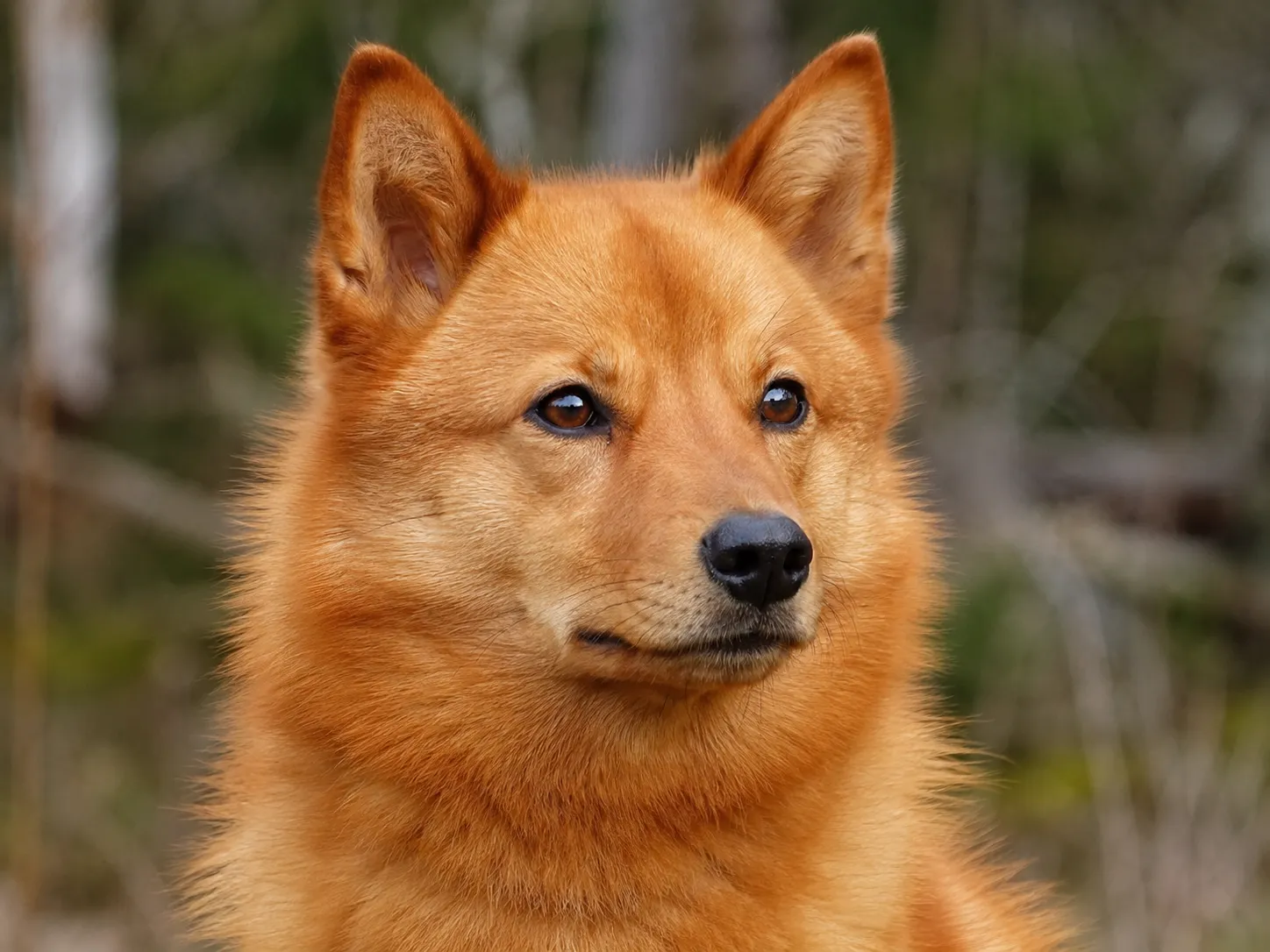 Finnish SpitzMedium • Utility / Spitz type (Nordic hunting breed)
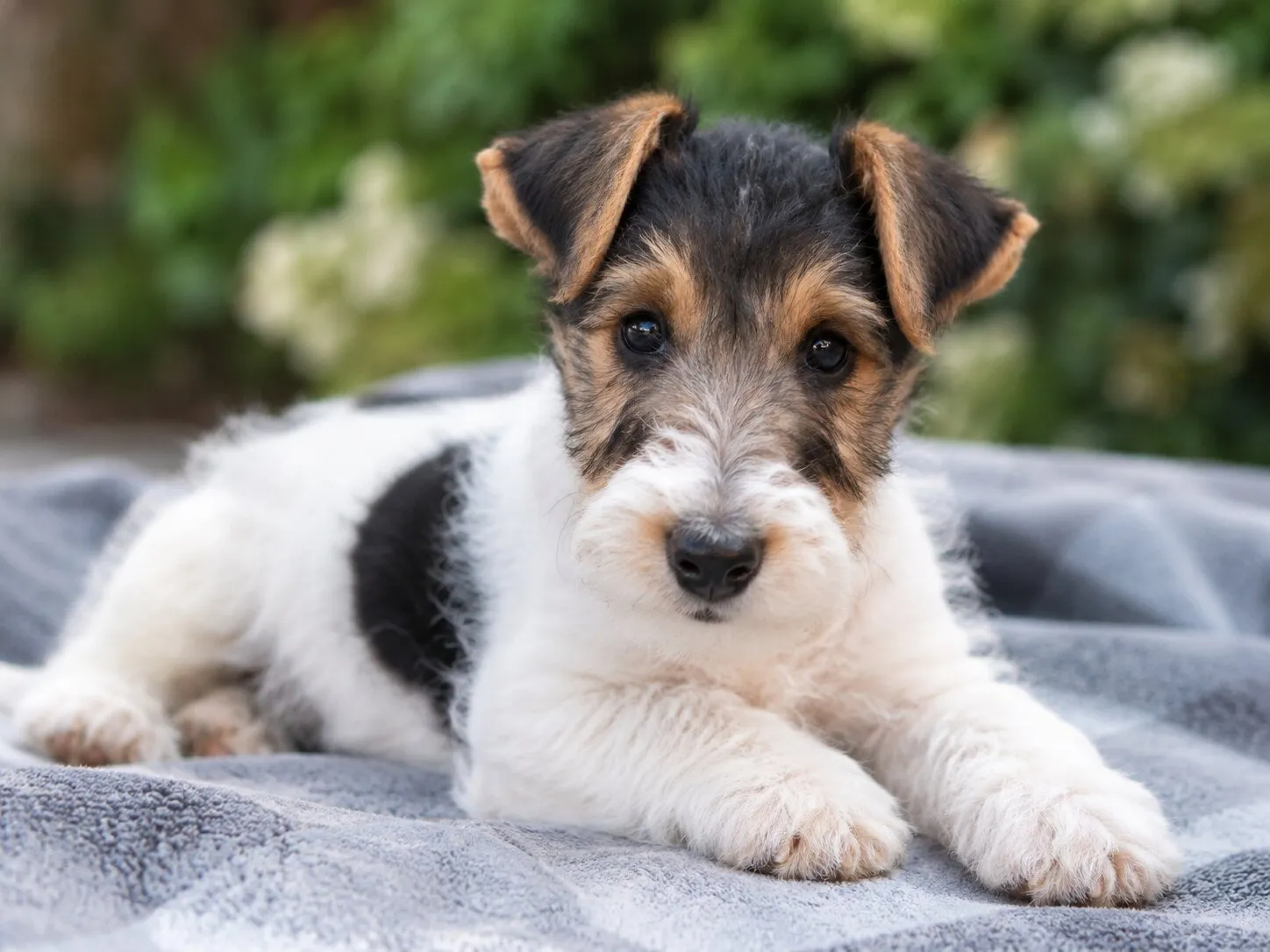 Fox TerrierMedium • Terrier
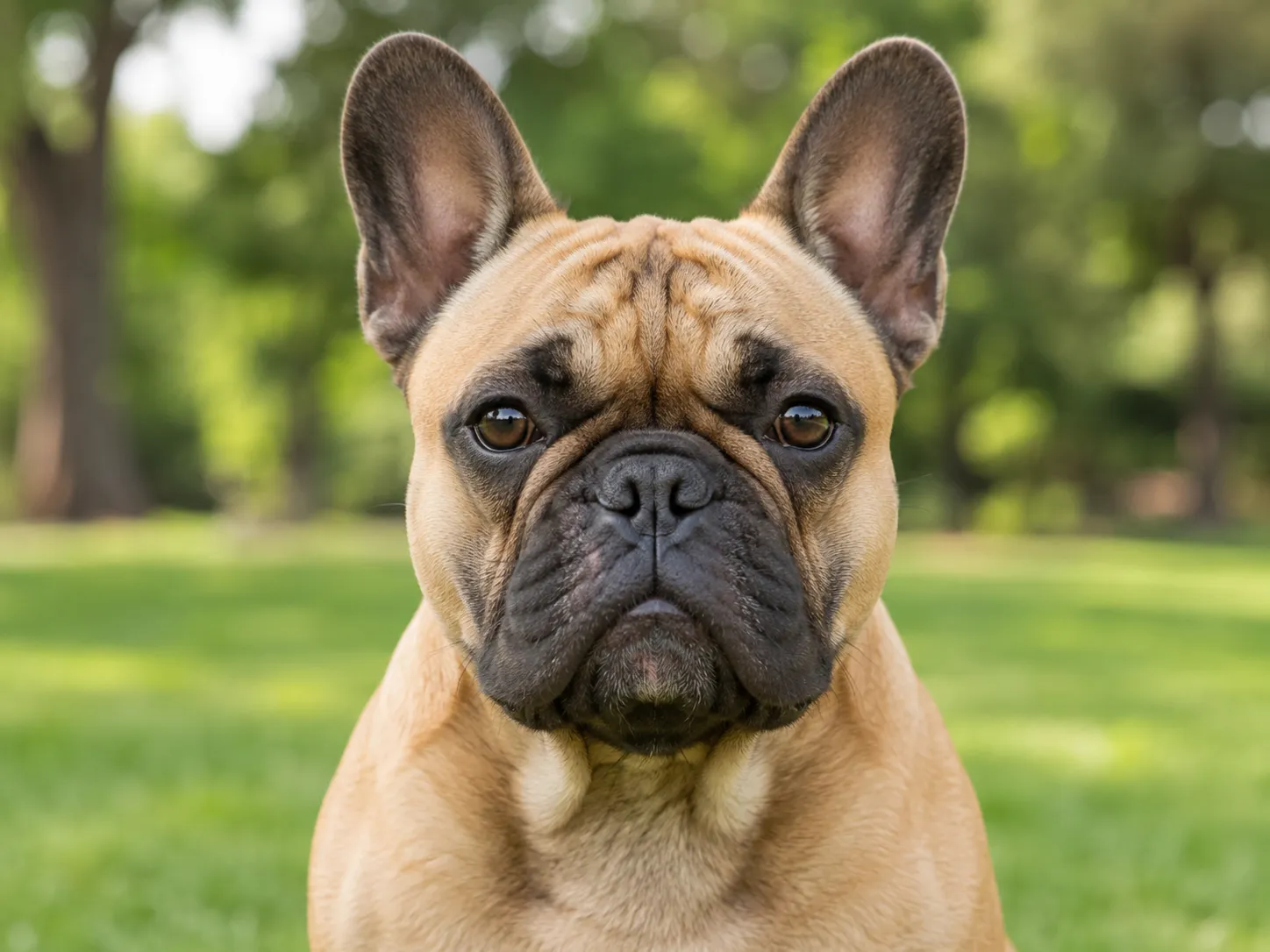 French BulldogSmall • Utility / Companion (Non-sporting)
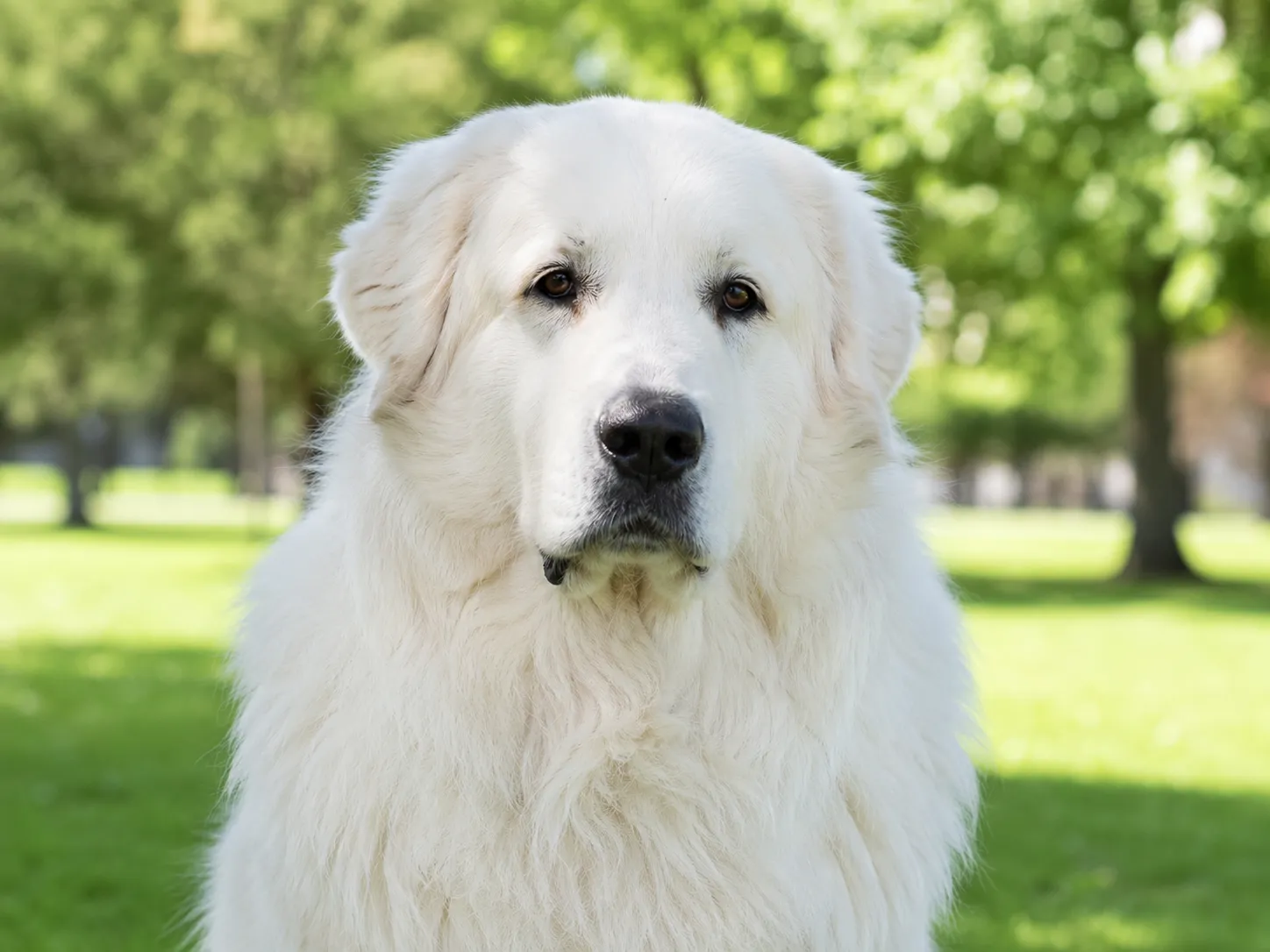 Great PyreneesGiant • Working
 GreyhoundLarge • Hound (Sighthound)
 GroodleMedium • Crossbreed (Golden Retriever x Poodle)