Fox Terrier
By James C. • Updated
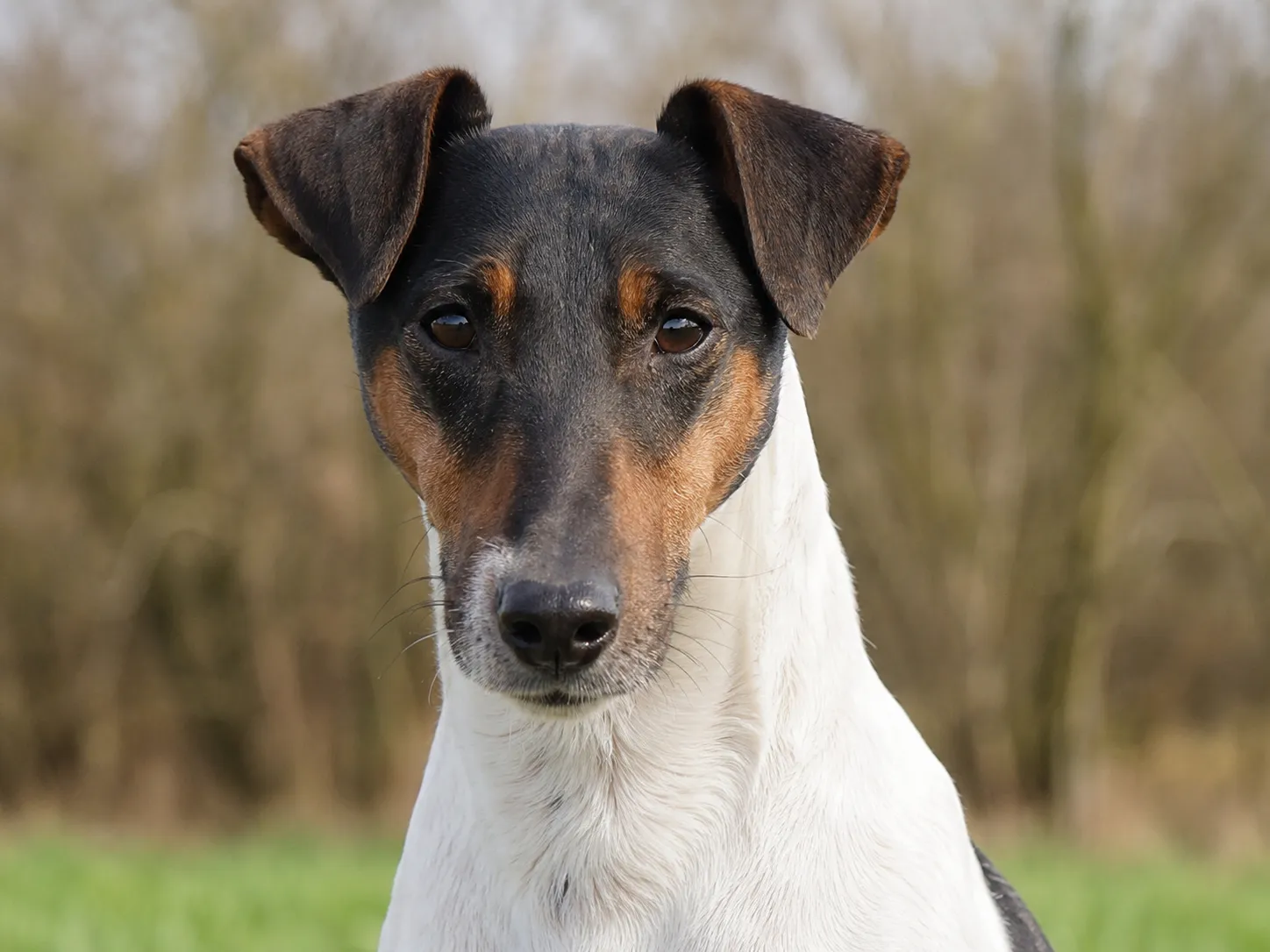
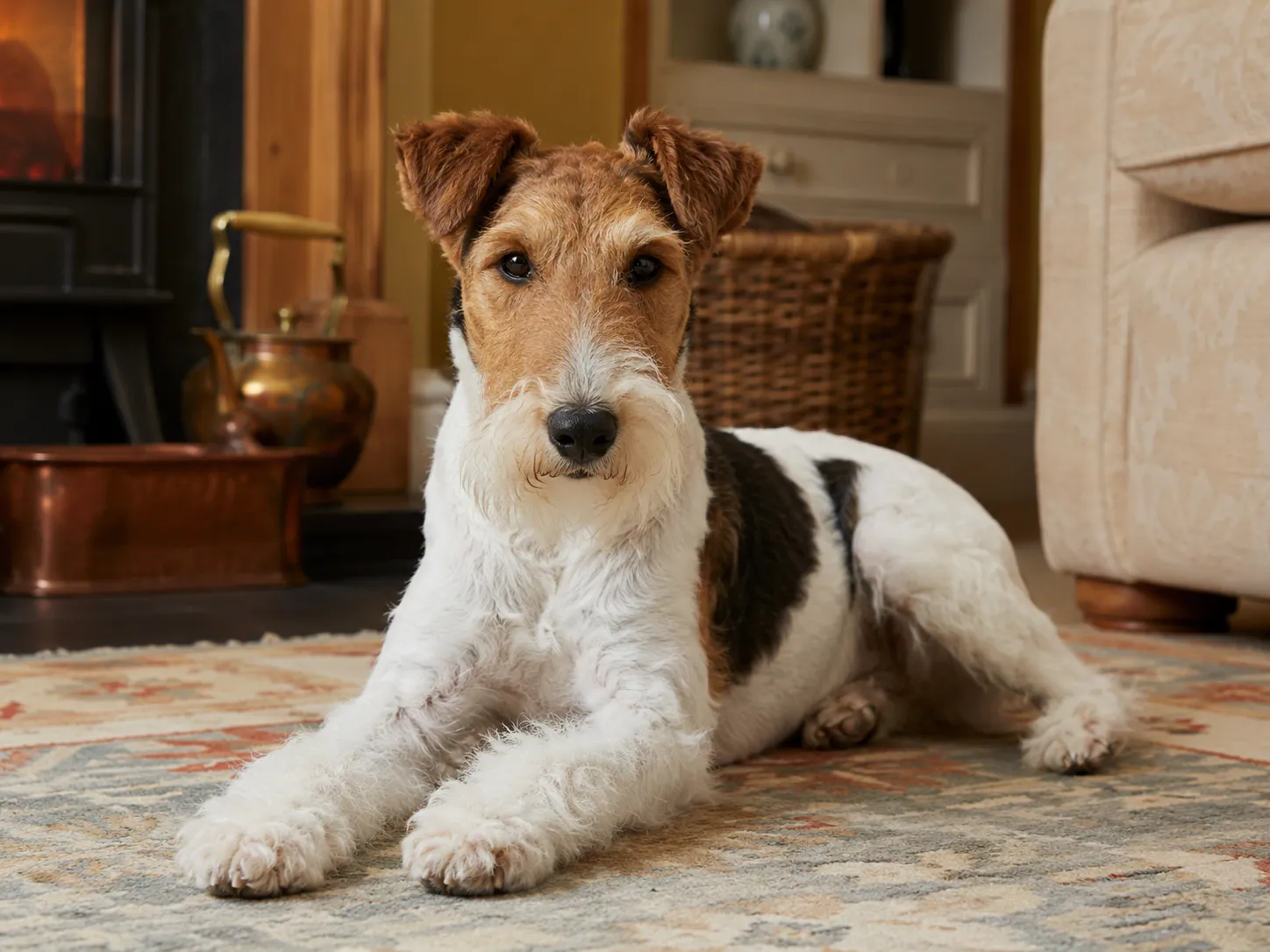
The Fox Terrier is a bold, energetic, and intelligent breed originally developed in England to hunt foxes and other small vermin. Available in both Smooth Fox Terrier and Wire Fox Terrier varieties, they are known for their confidence, high energy levels, strong prey drive, and playful personality. Fox Terriers thrive with active owners who can provide consistent training, exercise, and mental stimulation.
Breed Overview
Life Span
12 - 15 years
Average Price
AUD 2000 - AUD 4000
Weight
Male: 7 - 9 kg Female: 6 - 8 kg
Height
Male: 36 - 39 cm Female: 33 - 36 cm
Life Expectancy
Male/Female: 12 - 15 years
Breed Group
Terrier
Nicknames
Foxie
Breed Information
If you’re looking for a lively, intelligent, and playful companion, the Fox Terrier might just be the perfect match for you. Known for their boundless energy and curious nature, these small terriers love to explore, play, and keep you entertained with their clever antics.
This breed thrives in active households where they can get plenty of exercise and mental stimulation. Whether you’re an experienced dog owner or ready to take on an energetic pup, understanding the Fox Terrier’s temperament, needs, and quirks is essential before bringing one home.
In this guide, we’ll walk you through everything you need to know about the Fox Terrier: from personality traits and training tips to grooming, health considerations, and family compatibility. By the end, you’ll have a clear picture of whether this spirited terrier is the right fit for your lifestyle. Australian buyers often weigh it against the Miniature Fox Terrier, a smaller Australian variety, which suits tighter homes but carries the same drive.
Characteristics of the Fox Terrier
| Trait | Rating | Description |
| Size | ★★★★☆ | Small – Compact yet muscular, easy to handle in most homes. |
| Adaptability | ★★★★☆ | Moderate – Adapts well to apartments if exercised enough, thrives in homes with space to roam. |
| Exercise Needs | ★★★★★ | High – Requires daily walks and playtime to burn energy and stay happy. |
| Easy to Train | ★★★★☆ | Moderate – Intelligent and eager to please but can be stubborn; consistent training works best. |
| Amount of Shedding | ★★★☆☆ | Low – Minimal shedding, regular brushing keeps the coat tidy. |
| Grooming Needs | ★★★★☆ | Moderate – Coat maintenance is manageable; occasional hand-stripping or professional grooming recommended. |
| Good With Children | ★★★★☆ | Moderate – Energetic and playful, best with older children who understand gentle handling. |
| Health of Breed | ★★★★☆ | Good – Generally healthy but prone to minor conditions like patella luxation and hip dysplasia. |
| Cost to Keep | ★★★★☆ | Moderate – Food, grooming, and vet care are manageable but budgeting for high-quality care is recommended. |
| Tolerates Being Alone | ★★☆☆☆ | Low – Fox Terriers prefer company and can develop separation anxiety if left alone too long. |
| Intelligence | ★★★★★ | High – Quick learners who enjoy problem-solving toys and interactive training. |
History of the Fox Terrier
The Fox Terrier has a rich history as a working dog, originally bred in England during the 18th century to assist hunters in controlling fox populations. Their compact, muscular build and fearless personality made them ideal for flushing foxes from dense brush and pursuing them into burrows. Both the Smooth and Wire Fox Terrier varieties were developed to optimise hunting abilities while maintaining endurance and agility.
In the 19th century, Fox Terriers gained popularity beyond hunting, becoming sought-after companions for families and members of the upper class. Breeders began focusing not only on working traits but also on temperament, appearance, and conformation, establishing the foundation for the modern show standards.
Modern recognition of the Fox Terrier came through kennel clubs, including the Kennel Club (UK) and the American Kennel Club, which formalised breed standards and promoted selective breeding practices. Today, Fox Terriers are celebrated for their energetic, intelligent, and affectionate nature, balancing the legacy of a skilled working terrier with the traits of a loyal household companion. Despite their shift from purely working roles, these dogs retain their high energy, hunting instincts, and curiosity, making them a distinctive and versatile breed loved worldwide.
Appearance of the Fox Terrier: Athletic, Alert and Purpose-Built
The Fox Terrier was designed for function. Every part of their structure reflects speed, agility and the ability to move quickly across uneven terrain or enter tight spaces underground.
Overall Build
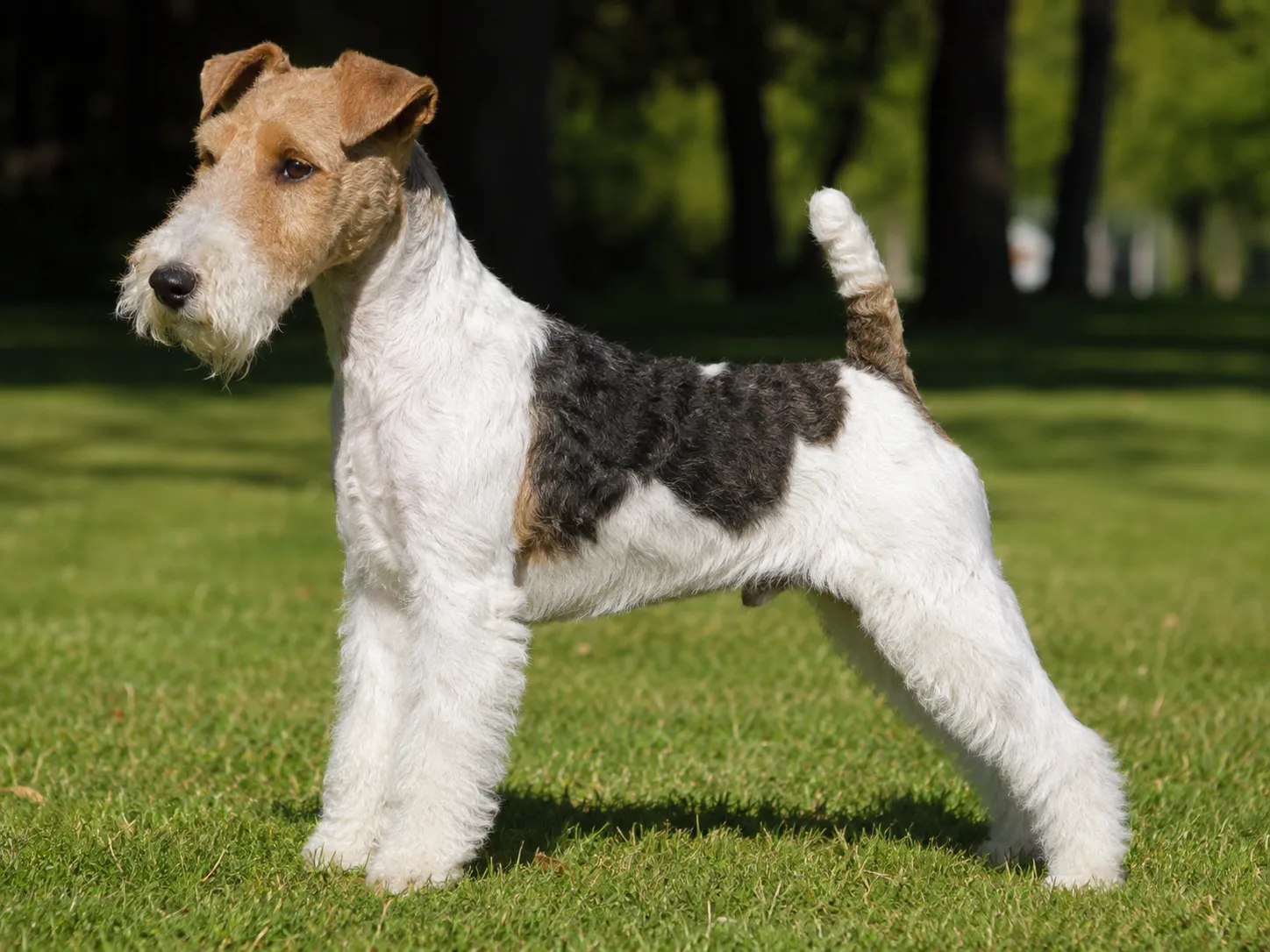
Fox Terriers are small but balanced. They carry themselves with confidence, standing square and upright. Their bodies are compact yet muscular, giving them surprising strength for their size.
The chest is deep but not overly broad, allowing flexibility and endurance. Legs are straight and well-boned, supporting quick directional changes.
Head and Expression
The head is long and flat with a strong jaw. Their expression is alert and intelligent, often appearing curious or ready for action.
Eyes are small, dark and full of intensity. Ears fold forward in a V-shape, contributing to their attentive look.
Coat Differences: Smooth vs Wire
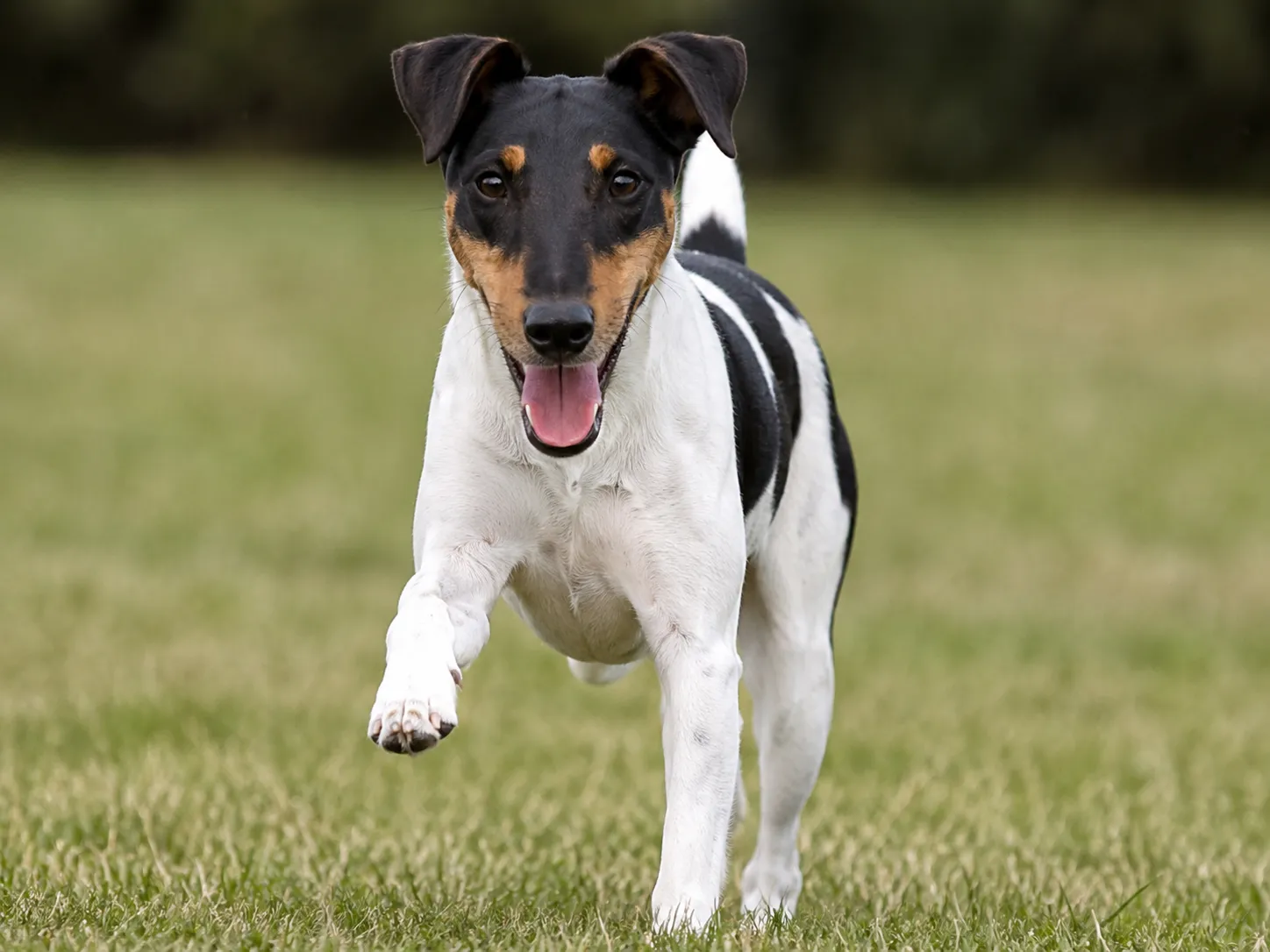
The Smooth Fox Terrier has a short, dense and flat coat that lies close to the body. It offers minimal protection but requires little grooming.
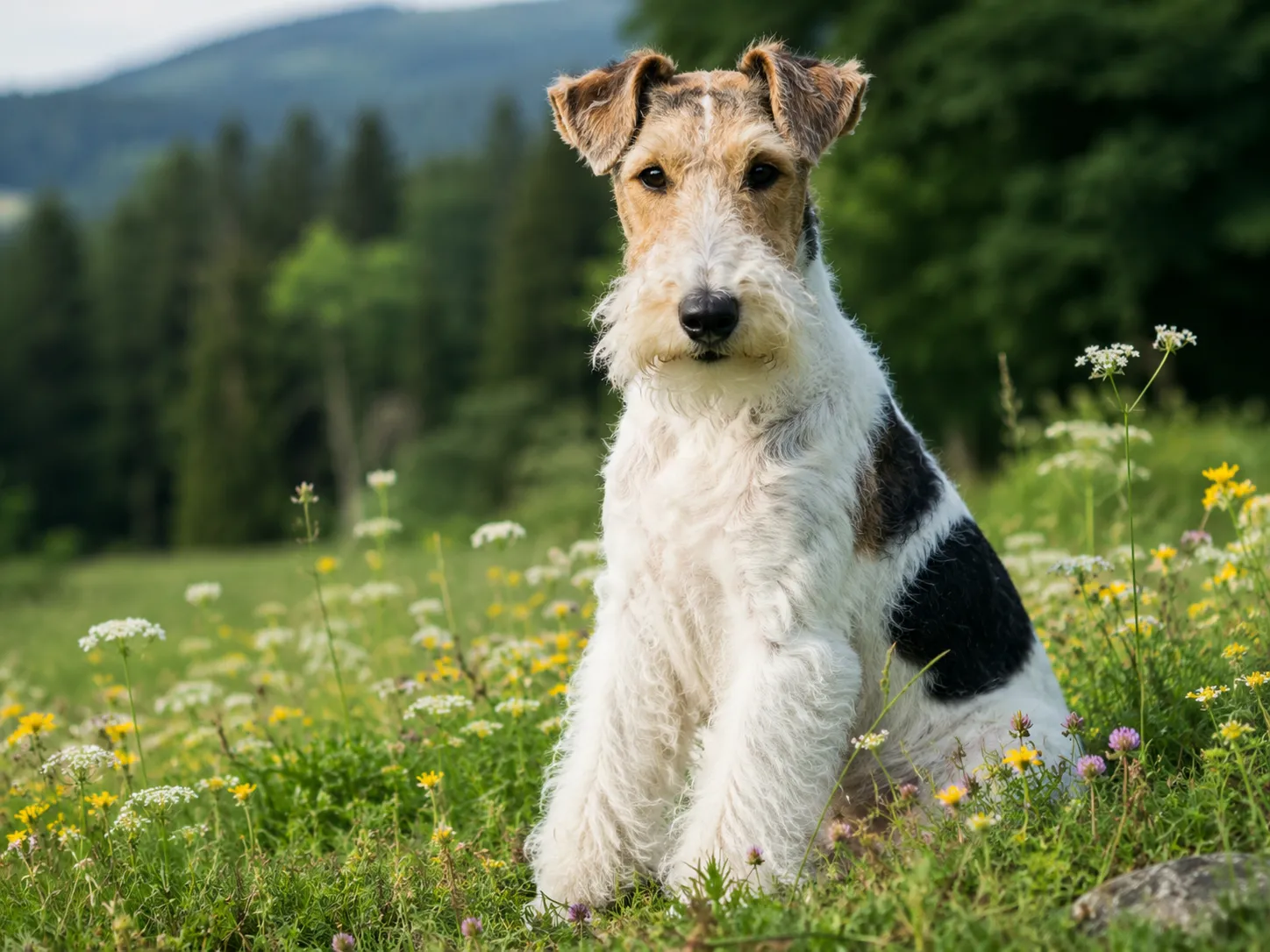
The Wire Fox Terrier has a dense undercoat with a coarse, wiry outer coat. The texture protects against rough terrain but requires professional hand-stripping to maintain proper condition.
Colour and Markings
The coat is predominantly white with black and/or tan markings. The white base historically helped hunters distinguish the dog from its quarry.
Tail and Movement
The tail is typically carried upright, reflecting confidence and alertness. Movement is fluid and energetic, with strong drive from the hindquarters.
Overall, the Fox Terrier’s appearance communicates readiness. They look exactly like what they are: fast, sharp and purpose-driven.
Different Types of the Fox Terrier: Smooth vs Wire Explained Clearly
Although often grouped together, the Fox Terrier exists in two distinct varieties: the Smooth Fox Terrier and the Wire Fox Terrier. They share the same ancestry, structure and temperament foundation, but coat type and grooming demands differ significantly.
Smooth Fox Terrier
The Smooth Fox Terrier has a short, flat and dense coat that lies close to the body. Grooming is straightforward. Weekly brushing usually controls shedding, though they do shed moderately throughout the year.
Because their coat offers less protection from rough terrain and weather, Smooths were traditionally favoured for open ground hunting.
Temperament is sharp, energetic and bold. They are fast, reactive and very prey-driven. In modern homes, they often display strong chasing instincts toward small animals.
Smooth Fox Terriers can be slightly more intense in energy expression, though personality varies by individual.
Wire Fox Terrier
The Wire Fox Terrier has a dense undercoat with a hard, wiry outer layer. This coat was developed to protect the dog while working through brush and underground dens.
Unlike the Smooth variety, the Wire coat requires hand-stripping several times per year to maintain texture and reduce shedding. Clipping the coat softens it and alters colour and texture.
Wires are often described as slightly more expressive and animated in personality. They tend to thrive in structured environments where mental stimulation is consistent.
Structural Similarities
Both varieties share:
- Similar height and weight
- High prey drive
- Strong digging instinct
- High intelligence
- Strong attachment to owners
- Natural alertness and vocal awareness
Are They Interchangeable in Lifestyle?
Yes and no.
In terms of temperament and energy, both require active owners, secure fencing and mental stimulation. However, grooming commitment is significantly higher for the Wire variety.
When choosing between the two, lifestyle compatibility often comes down to grooming preference rather than personality.
Understanding these differences prevents surprises. A Fox Terrier, whether Smooth or Wire, remains a bold, high-energy terrier at heart.
Temperament of the Fox Terrier: Fearless, Fast-Thinking and Intensely Loyal
The Fox Terrier was bred to confront prey underground without hesitation. That courage still defines the breed. They are bold, quick to react and rarely timid. In the right hands, this confidence becomes charisma. In inexperienced homes, it can become chaos.
Core Personality Traits
Fox Terriers are alert and highly responsive to movement. Their hunting instinct means they notice everything. Sudden motion, unfamiliar animals or small running creatures can trigger immediate pursuit. Channelling that drive early is the job, and these practical puppy training and behaviour tips cover where to start.
They are affectionate with their families and often form strong bonds with one primary person. However, they are not clingy in the way some companion breeds are. They value interaction but maintain independent thinking.
Confidence is high. Shyness is not typical of the breed.
Energy and Drive
This is not a low-energy terrier. Fox Terriers require daily structured exercise and mental stimulation. Without it, behavioural issues such as digging, barking and chewing are likely.
They enjoy problem-solving tasks and interactive games. Mental fatigue is just as important as physical exertion.
A bored Fox Terrier will create their own entertainment, and it may not align with household rules.
Prey Drive and Reactivity
Their prey drive is strong. Small animals, birds and sometimes cats may trigger chasing behaviour. Secure fencing is essential, as they are agile and capable diggers.
Off-lead reliability can be inconsistent unless training is thorough and consistent from an early age.
Social Behaviour
With proper early socialisation, Fox Terriers can coexist well with other dogs. However, they may show assertiveness, particularly with dogs of the same sex.
They are naturally alert and will bark to signal unusual activity. While not excessive barkers by default, they are vocal watchdogs.
Emotional Sensitivity and Training Style
They respond best to firm, consistent leadership rather than harsh correction. Terriers respect structure but resist intimidation.
Clear boundaries and predictable routines produce the most stable results.
Who This Temperament Suits
Fox Terriers are best suited to:
- Active individuals or families
- Owners comfortable with confident dogs
- Homes with secure fencing
- People who enjoy training and engagement
They are less suited to:
- First-time owners seeking a calm companion
- Sedentary lifestyles
- Homes with unsecured small pets
A Fox Terrier is not subtle. They are vibrant, intense and deeply loyal. When their energy is channelled correctly, they become entertaining and devoted companions.
Intelligence and Trainability of the Fox Terrier: Clever, Capable and Not Easily Managed
Fox Terriers are highly intelligent. They learn quickly, understand patterns and adapt to routines with ease. The challenge is not their ability to learn. The challenge is their willingness to comply.
How Intelligent Is a Fox Terrier?
This breed excels at problem solving. They can figure out how to open gates, escape unsecured yards and manipulate simple latches. Their working heritage required quick thinking and independent decision-making underground.
They are mentally sharp and constantly assessing their environment.
Training Approach That Works
Positive reinforcement combined with clear, firm structure produces the best results. They respond well to food rewards and interactive play.
Short, focused training sessions are more effective than long repetitive drills. Once they understand a command, they may test consistency. Repetition with fairness builds reliability.
Harsh corrections often create resistance rather than cooperation.
Common Training Challenges
Stubbornness is frequently mentioned, but this is better described as independence. Fox Terriers evaluate whether following a command benefits them.
Prey drive can override obedience, especially outdoors. Recall training must begin early and remain consistent.
Digging and barking behaviours require redirection rather than punishment. Providing acceptable outlets, such as designated digging areas or scent games, reduces frustration.
Advanced Training Potential
Fox Terriers can perform well in agility, earthdog trials and obedience competitions. Their speed and enthusiasm make them excellent sport candidates when properly channelled.
Mental stimulation is essential. Puzzle feeders, scent work and structured games help prevent boredom-related mischief.
With confident handling and consistent leadership, the Fox Terrier becomes responsive and impressive. Without it, they become inventive and disruptive.
Fox Terrier With Children and Other Pets: Energetic but Not Always Gentle
The Fox Terrier can thrive in family homes, but compatibility depends heavily on supervision, structure and the age of children involved. This is a bold, fast-moving terrier, not a naturally patient lap dog.
Interaction With Children
Fox Terriers often enjoy active play with older children who understand boundaries. They are energetic and can match the pace of school-aged kids who like outdoor games.
However, they are not typically tolerant of rough handling. Toddlers pulling ears or interrupting rest time may trigger snapping or defensive behaviour. Supervision is essential, particularly during high-energy play.
Teaching children how to interact respectfully is just as important as training the dog.
Energy Compatibility
Their stamina and enthusiasm can be overwhelming in quieter households. They require daily outlets for physical and mental energy.
Families who enjoy outdoor activity may find them engaging companions. Sedentary homes may struggle with their constant alertness.
Living With Other Dogs
With early socialisation, many Fox Terriers can coexist with other dogs. However, they may display assertiveness, especially toward dogs of the same sex.
Terrier confidence can escalate into dominance disputes if boundaries are not managed.
Structured introductions and consistent training reduce conflict risk.
Cats and Small Pets
Due to their strong prey drive, Fox Terriers are often unreliable with small pets such as rabbits, guinea pigs or birds.
Some can live with cats if raised together from puppyhood, but chasing instinct may remain present. Careful introductions and ongoing supervision are required.
Household Suitability Summary
Best suited to:
- Homes with older children
- Active families
- Experienced dog owners
Less suited to:
- Households with unsecured small animals
- Homes with very young children without supervision
- Low-activity lifestyles
The Fox Terrier can be an engaging family dog when expectations are realistic and structure is consistent.
Health of the Fox Terrier: Generally Robust but Not Without Risk
The Fox Terrier is considered a relatively healthy and long-lived breed, especially when sourced from responsible breeders. Their athletic build and functional history contribute to overall resilience. However, like all purebred dogs, certain hereditary conditions can occur.
Common Health Concerns
While not overly fragile, Fox Terriers may be predisposed to:
- Patellar luxation: displacement of the kneecap, which can affect mobility
- Legg-Calvé-Perthes disease: a hip joint condition seen in smaller breeds
- Primary lens luxation: an inherited eye condition that can affect vision
- Deafness: more commonly associated with predominantly white coat genetics
Regular veterinary checks help detect issues early.
Eye and Genetic Testing
Responsible breeders conduct ophthalmologist eye examinations and DNA testing for inherited eye diseases. Always request documentation before purchasing a puppy.
Early screening reduces the likelihood of severe hereditary complications.
Skin and Coat Health
Wire Fox Terriers may develop skin irritation if coat maintenance is neglected. Smooth Fox Terriers can experience mild skin sensitivity, though this is less common than in some companion breeds.
Routine grooming and parasite prevention support long-term skin health.
Dental Health
Small terrier breeds can be prone to dental crowding. Regular tooth brushing and professional cleaning when required help prevent periodontal disease. Learning the signs of periodontal disease in dogs helps you act before extractions become the only option.
Lifespan and Preventative Care
Fox Terriers typically live between 12 and 15 years. Maintaining lean body weight, consistent exercise and preventative veterinary care significantly increases the likelihood of a long, active life.
Overall, the breed is structurally sound and durable when bred responsibly. Health-focused breeder selection remains the most important factor in long-term wellbeing.
Caring for the Fox Terrier: Structure, Stimulation and Supervision
Caring for a Fox Terrier requires more involvement than their size suggests. This is a high-drive working terrier in a compact body. Daily management must address both physical and mental needs.
Daily Routine and Exercise
Fox Terriers require at least 60–90 minutes of structured activity each day. This can include brisk walks, secure off-lead time, agility-style games or scent-based tasks.
A quick stroll around the block is not enough. Without adequate stimulation, destructive behaviours such as digging and barking often emerge.
Secure fencing is essential. They are agile, determined and capable of digging under weak barriers.
Mental Engagement
Mental stimulation is critical. Puzzle feeders, scent work, hide-and-seek games and short obedience sessions help channel their intelligence.
Terriers that lack mental outlets become inventive in unhelpful ways.
Household Management
Because of their prey drive, outdoor time should occur in enclosed spaces. They may chase birds, cats or small wildlife without hesitation.
Furniture jumping is usually safe due to their athletic build, but consistent boundaries prevent habit development.
Crate training can provide structure and reduce anxiety when left alone for short periods.
Climate and Living Space
Fox Terriers adapt well to most Australian climates, provided they have shelter and shade. The Wire variety offers slightly better weather resistance due to coat density.
They can live in apartments if exercise demands are met, though houses with yards are often more practical.
Emotional Needs
This breed thrives on engagement. While not clingy, they expect interaction and purpose. Long periods of isolation can lead to frustration-driven behaviour.
Caring for a Fox Terrier means committing to daily involvement. When properly stimulated and structured, they are resilient, entertaining and deeply loyal companions.
Grooming of the Fox Terrier: Smooth Simplicity or Wire Maintenance
Grooming requirements differ significantly between the Smooth Fox Terrier and the Wire Fox Terrier. Understanding this difference is essential before choosing between the two varieties.
Grooming the Smooth Fox Terrier
The Smooth Fox Terrier has a short, dense and flat coat that is relatively easy to maintain. Weekly brushing with a rubber grooming mitt or soft bristle brush helps remove loose hair and maintain shine.
They shed moderately throughout the year. Bathing is only required occasionally or when dirty. Overbathing can dry the skin.
Routine nail trimming, ear checks and dental care are part of standard maintenance.
Grooming the Wire Fox Terrier
The Wire Fox Terrier requires more commitment. Their harsh, wiry outer coat and dense undercoat must be hand-stripped several times per year to maintain proper texture and colour.
Clipping the coat is easier but softens the texture and can dull coat colour over time. For show or breed-standard maintenance, professional hand-stripping is recommended.
Regular brushing between stripping sessions helps prevent matting. The wider routine for maintaining a wiry coat between strippings explains technique and frequency.
Skin, Ears and Dental Care
Both varieties benefit from:
- Weekly ear checks for debris or redness
- Regular tooth brushing to prevent tartar buildup
- Routine nail trimming to maintain proper posture
Seasonal Considerations
Wire Fox Terriers shed less visibly due to their coat type, while Smooths may shed more noticeably in warmer months.
Grooming is manageable overall, but the Wire variety requires a clear understanding of coat care before committing. Choosing between coat types often comes down to grooming preference rather than temperament.
Exercise Needs of the Fox Terrier: Daily Intensity Is Non-Negotiable
The Fox Terrier was bred to work all day. That heritage has not faded. Exercise for this breed is not optional. It is foundational to behavioural stability.
How Much Exercise Is Enough?
Most adult Fox Terriers require at least 60 to 90 minutes of structured activity daily. This should include both physical movement and mental engagement.
Brisk walks alone are rarely sufficient. They benefit from running in secure areas, agility-style obstacles, tug games and scent work.
Mental Stimulation Is Critical
A tired body without a tired mind still produces mischief. Terriers thrive on problem-solving challenges.
Interactive toys, food puzzles and short obedience drills provide mental outlets. Rotating activities prevents boredom.
Off-Lead Considerations
Because of strong prey drive, off-lead exercise should occur only in fully enclosed spaces. Even well-trained individuals may chase small animals instinctively.
Secure fencing must be dig-proof and tall enough to prevent escape.
Apartment Living and Exercise
Fox Terriers can live in apartments if owners are highly committed to daily exercise. Without structured activity, noise complaints and destructive behaviour are common.
Age-Specific Activity
Puppies require controlled play to protect developing joints. Seniors may slow down but still need engagement to prevent frustration.
If their energy is properly channelled, the Fox Terrier becomes balanced and manageable. If not, they become restless and disruptive.
Feeding the Fox Terrier: Fuel for a High-Energy Terrier
The Fox Terrier is lean, athletic and constantly active. Proper nutrition supports muscle tone, joint health and sustained energy. While not typically prone to obesity like some companion breeds, overfeeding combined with insufficient exercise can still cause weight gain.
Nutritional Needs
A high-quality complete dog food formulated for small to medium active breeds is ideal. Protein should be sufficient to support muscle maintenance, while balanced fats provide energy without promoting excess weight.
Look for diets that include omega fatty acids to support skin and coat health, particularly important for the Wire variety.
Feeding Schedule and Portions
Most adult Fox Terriers do well on two measured meals per day. Puppies may require three smaller meals until around six months of age.
Free feeding is not recommended. Portion control maintains consistent energy and prevents unnecessary weight gain.
Monitoring Body Condition
A healthy Fox Terrier should have a visible waist when viewed from above and a slight tuck at the abdomen from the side. You should be able to feel the ribs without pressing firmly.
Because this breed is naturally lean, excess weight is easier to detect than in heavier breeds.
Food Sensitivities
Fox Terriers are not especially known for food allergies, but individual sensitivities can occur. Signs may include itching, ear irritation or digestive upset.
Introduce new diets gradually over 7 to 10 days to prevent gastrointestinal stress.
Treats and Training Rewards
Treats are effective training tools for this intelligent breed. However, they should make up only a small portion of daily caloric intake.
Using part of their regular kibble as rewards can help maintain balance.
Proper feeding supports the Fox Terrier’s stamina and longevity. When combined with adequate exercise, nutrition plays a central role in keeping this breed fit and active.
Fox Terrier Price in Australia: Understanding the True Cost
The Fox Terrier is less commercially popular than some companion breeds, but quality puppies from responsible breeders still command a solid price. As always, cost should reflect health testing, ethical breeding and proper early socialisation.
Purchase Price
In Australia, a Fox Terrier puppy typically ranges between $2,000 and $4,000 depending on:
- Breeder reputation
- Pedigree and show lineage
- Health testing completed
- Location and availability
Wire Fox Terriers may sit slightly higher in price due to grooming demand and lower breeding numbers in some regions.
Extremely low prices should prompt careful questioning about health screening and breeding standards.
Initial Setup Costs
Beyond the purchase price, you should budget for:
- Vaccinations and veterinary checks
- Microchipping and council registration
- Crate, bedding and secure fencing
- Lead, harness and training tools
- Desexing if not already completed
First-year setup costs typically add $1,000 to $2,000.
Ongoing Costs
Monthly expenses are generally moderate compared to brachycephalic or giant breeds. You can expect:
- Food: Moderate
- Routine vet care: Average
- Grooming: Higher for Wire variety
- Parasite prevention: Standard
Wire Fox Terriers may require professional hand-stripping several times per year, increasing grooming expenditure.
Lifetime Financial Outlook
Over a 12 to 15 year lifespan, total ownership costs may range from $18,000 to $25,000 depending on veterinary care and grooming choices.
While not the most expensive breed to maintain, the Fox Terrier requires investment in time and engagement. Financial readiness combined with lifestyle compatibility ensures long-term stability.
Buying Advice for Fox Terrier Puppies: Choose Structure Over Impulse
Fox Terriers are intelligent, high-drive dogs. Choosing the right puppy is not simply about finding one available. It is about selecting a breeder who understands temperament stability, health testing and proper early development.
Find a Registered, Health-Focused Breeder
Look for breeders registered with recognised canine associations such as Dogs Australia (formerly ANKC). Registration alone is not enough, but it is a starting point.
A responsible breeder will:
- Provide documented health testing results
- Discuss temperament honestly
- Allow you to meet the dam and ideally the sire
- Raise puppies in a clean, enriched home environment
Avoid sellers who focus only on availability or quick deposits.
Health Testing to Confirm
Before committing, confirm screening for:
- Patella luxation
- Eye examinations by a veterinary ophthalmologist
- DNA testing for primary lens luxation where relevant
- General structural soundness
Documentation should be available for review without hesitation.
Assessing Temperament Early
Observe how the puppies interact. Confident but not overly aggressive behaviour is ideal. Excessive fearfulness or extreme reactivity at a young age can indicate poor early socialisation.
The breeder should already be exposing puppies to household sounds and gentle handling.
Avoiding Backyard Breeding
Terriers are popular due to size and energy appeal. Unfortunately, this sometimes attracts casual breeders who prioritise volume over quality. It is worth knowing your options if you have bought a sick puppy in Australia, because that is where volume breeding usually leads.
Be cautious of:
- No paperwork
- No health records
- Meeting in neutral locations instead of the breeding home
- Unwillingness to answer detailed questions
Rescue and Rehoming
Occasionally, Fox Terriers appear through breed rescue networks. Adoption may suit experienced owners prepared for behavioural adjustment.
Selecting carefully at the beginning determines much of your long-term experience. In a breed this driven and intelligent, early development matters enormously. You can search Fox Terrier puppies for sale in Australia and review each breeder before making contact.
Is the Fox Terrier Right for You? A Realistic Suitability Check
The Fox Terrier is not a casual companion. They are energetic, clever and driven by instinct. Choosing this breed means committing to daily engagement and structured leadership.
They suit owners who enjoy active routines, outdoor time and interactive training. If you appreciate a dog with personality, humour and confidence, you may find them deeply rewarding.
They are less suited to sedentary households or people who prefer a relaxed indoor lifestyle. Without adequate stimulation, behavioural issues such as barking, digging and chasing are likely.
Secure fencing is essential. Homes with unsecured small pets may face challenges due to prey drive.
For experienced owners who want a lively, intelligent terrier, the Fox Terrier offers loyalty and entertainment in equal measure.
If you are considering bringing one home, browse verified Fox Terrier listings on Pups4Sale to connect with responsible breeders across Australia.
Frequently Asked Questions
Related Breeds
Other companion breeds on Pups4Sale.
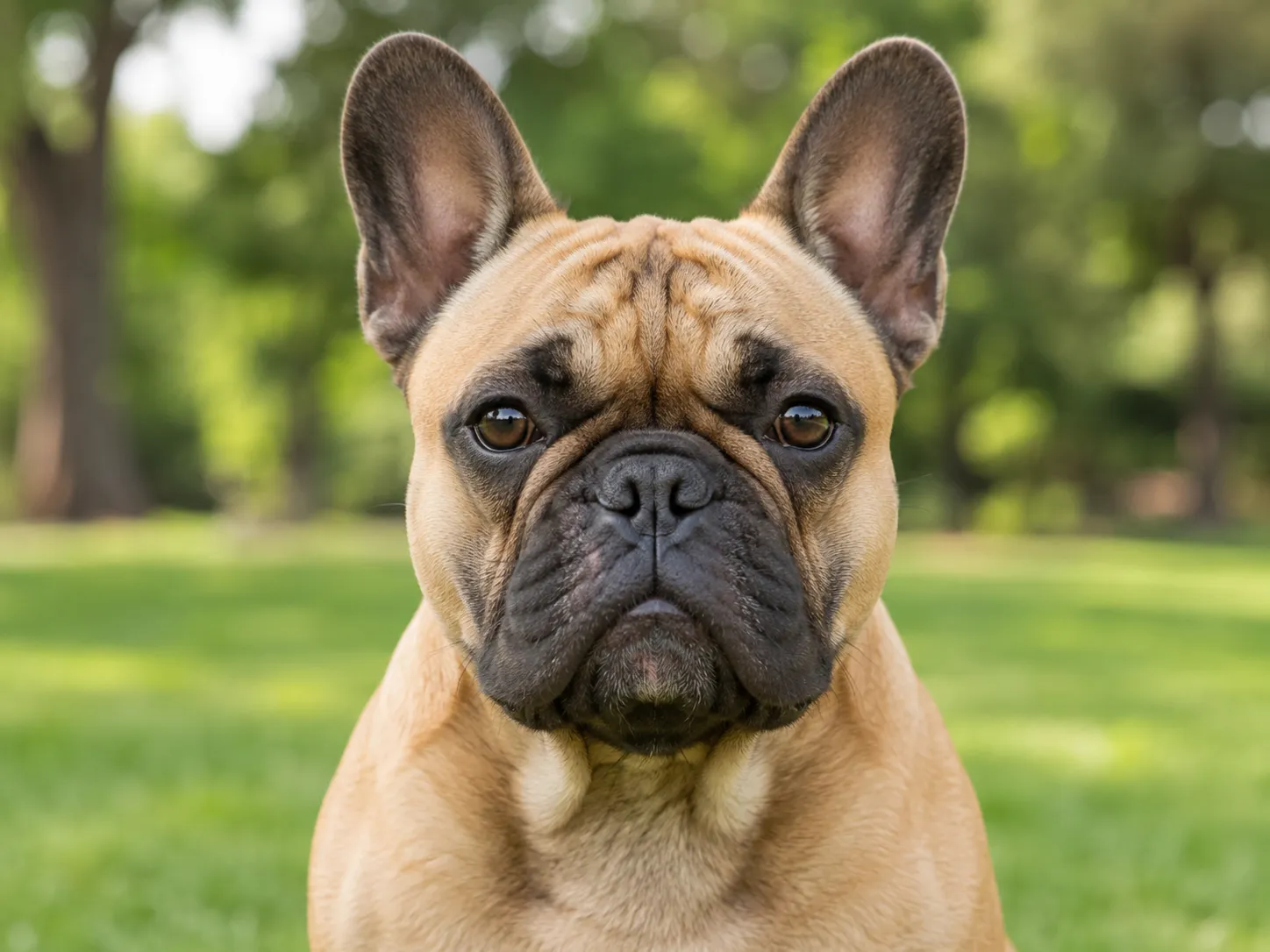 French BulldogSmall • Utility / Companion (Non-sporting)
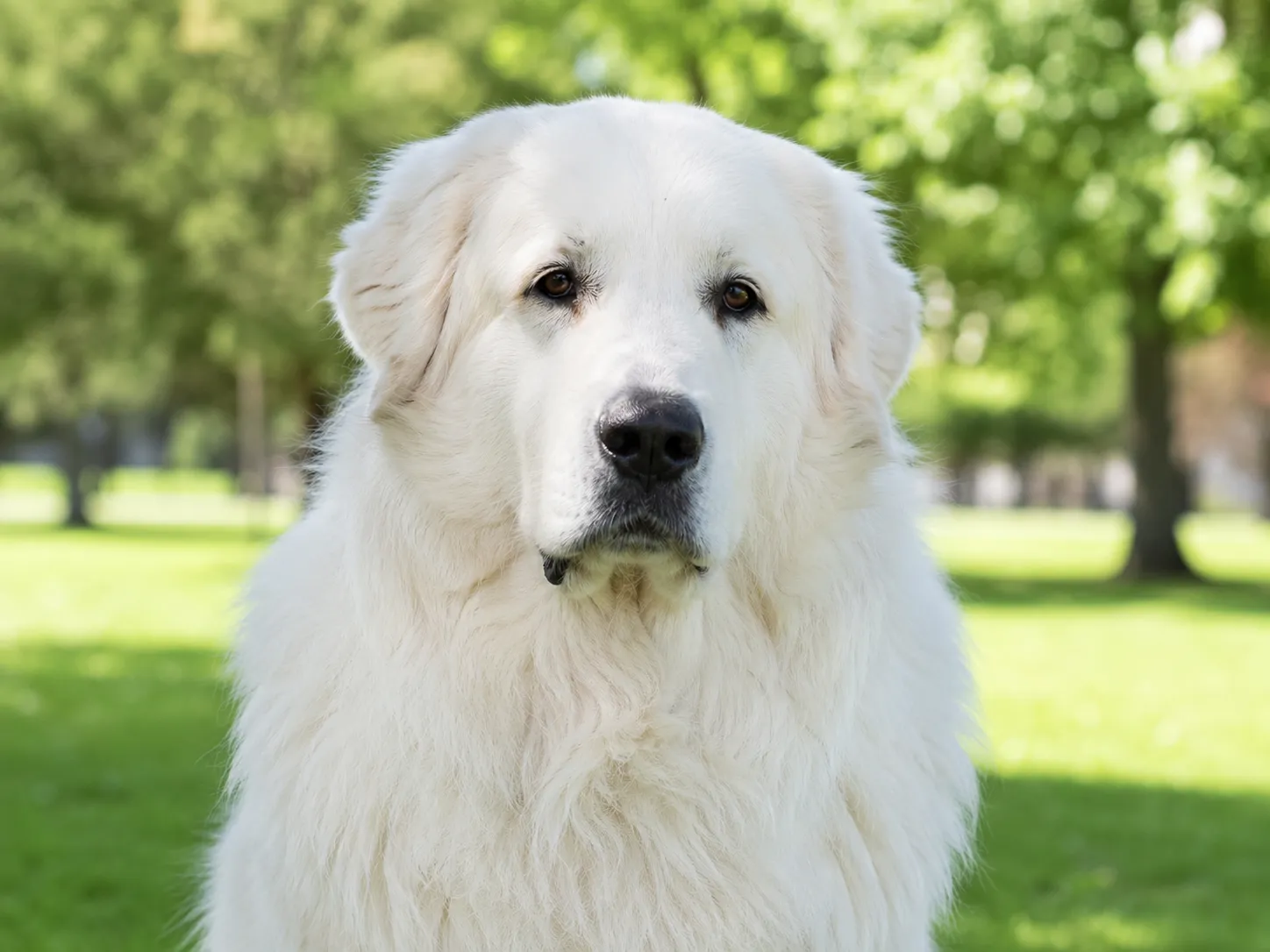 Great PyreneesGiant • Working
 GreyhoundLarge • Hound (Sighthound)
 GroodleMedium • Crossbreed (Golden Retriever x Poodle)
 Japanese SpitzMedium • Companion / Toy
 KeeshondMedium • Non Sporting (Group 7)