Greyhound
By James C. • Updated
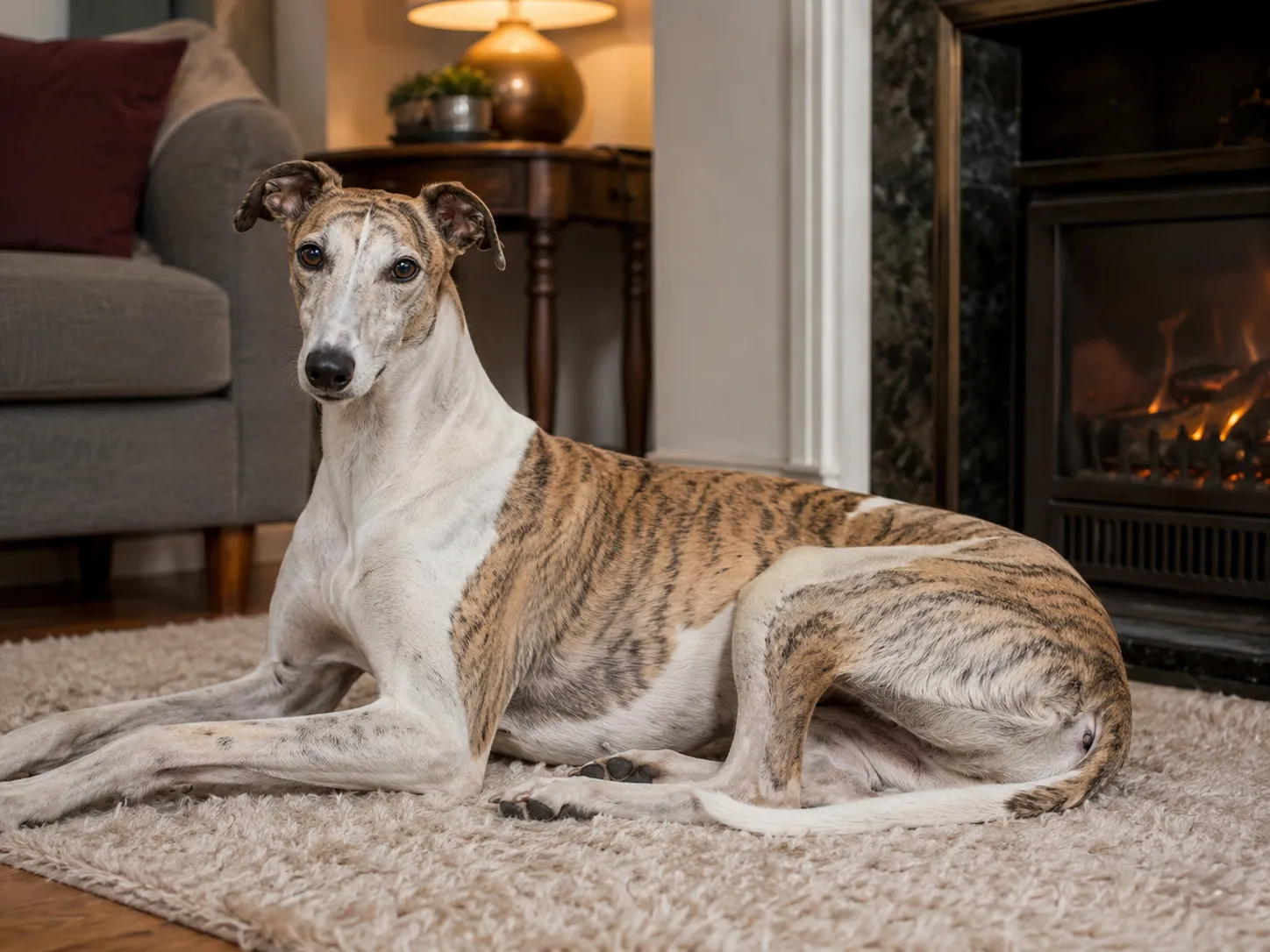
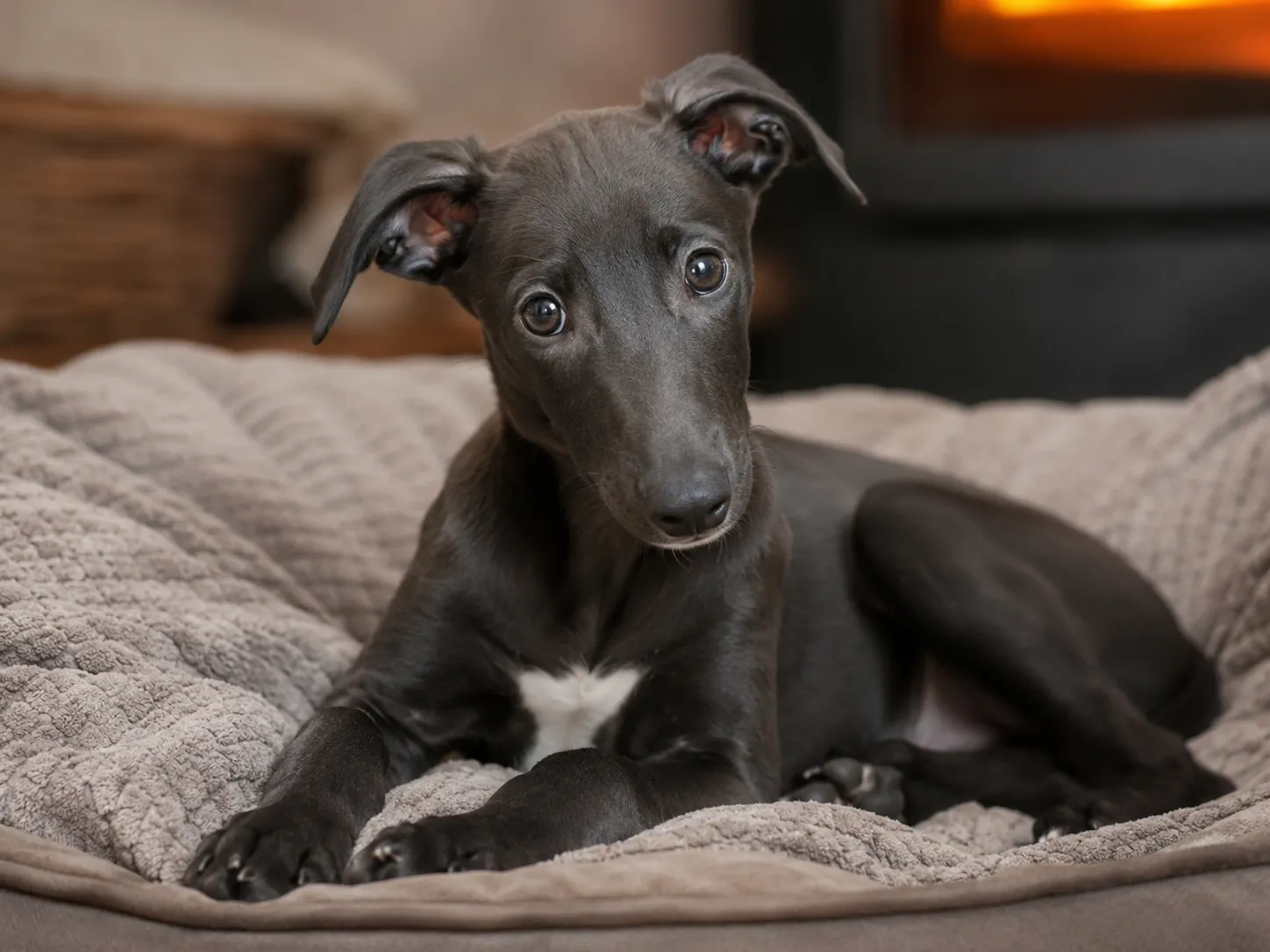
The Greyhound is a gentle, affectionate, and athletic breed originally developed for coursing and hunting by sight. Despite their reputation as racing dogs, Greyhounds are often calm and relaxed indoors, earning them the nickname "45 mph couch potato". They are known for their speed, elegant build, and generally quiet temperament.
Breed Overview
Life Span
10 - 13 years
Average Price
AUD 2000 - AUD 8000
Weight
Male: 27 - 40 kg Female: 25 - 34 kg
Height
Male: 71 - 76 cm Female: 68 - 71 cm
Life Expectancy
Male/Female: 10 - 13 years
Breed Group
Hound (Sighthound)
Nicknames
Greyhound, Racing Greyhound (for retired racers)
Breed Information
The Greyhound is widely recognised as the fastest dog breed in the world, capable of reaching speeds of up to 69 km/h in short bursts. Built with long legs, a deep chest and a flexible spine, this ancient sighthound was designed for speed and sight-based hunting rather than scent work.
Despite their athletic ability, Greyhounds are famously calm indoors. After satisfying their need for controlled sprinting, they are content to relax beside their owners and are often described as couch companions with a racing engine. Their sensitive and affectionate nature makes them well suited to families who understand their independence and prey drive.
Originally depicted in ancient civilisations and later associated with nobility in medieval Europe, the Greyhound remains a symbol of elegance and performance. Today, they are valued not only for their history in coursing and racing, but also as devoted companion animals in Australian homes.
Greyhound Characteristics: What Living With This Breed Is Really Like
The Greyhound may be known worldwide for speed, but daily life with this breed is defined more by calm companionship than constant activity. This section gives you a realistic picture of what ownership truly looks like.
| Characteristic | Rating | Star Rating (★ out of 5) | What This Means for You |
| Affection With Family | Excellent | ★★★★★ | Forms strong bonds and often seeks close contact with owners. |
| Good With Children | Very Good | ★★★★☆ | Gentle and patient when children are calm and respectful. |
| Good With Other Dogs | Very Good | ★★★★☆ | Generally sociable, especially when properly socialised early. |
| Stranger Friendliness | Moderate | ★★★☆☆ | Polite but can be reserved with unfamiliar people. |
| Barking Level | Low | ★★☆☆☆ | Not typically vocal, making them suitable for suburban living. |
| Prey Drive | High | ★★★★★ | Strong instinct to chase small animals; secure fencing is essential. |
| Exercise Needs | Moderate | ★★★☆☆ | Requires daily walks and safe sprint time, not endurance running. |
| Trainability | Moderate | ★★★☆☆ | Intelligent but independent; responds best to positive reinforcement. |
| Grooming Needs | Low | ★★☆☆☆ | Short coat requires minimal maintenance. |
| Adaptability | Very Good | ★★★★☆ | Can adapt to different homes if exercise and security needs are met. |
| Tolerance of Being Alone | Moderate | ★★★☆☆ | Enjoys companionship but can manage short periods alone. |
| Intelligence | High | ★★★★☆ | Quick learner, though easily bored by repetition. |
In summary, the Greyhound suits owners seeking a calm companion with bursts of athletic power, rather than a dog that demands constant high-intensity activity.
History of the Greyhound: From Ancient Hunter to Modern Companion
The Greyhound is one of the oldest recognisable dog breeds in the world, with a lineage stretching back thousands of years. Archaeological evidence suggests that greyhound-type dogs existed as early as 4000–6000 BC, appearing in ancient Middle Eastern and North African art. Their streamlined bodies and long legs were already clearly suited for sight-based hunting.
Ancient Origins
Long-legged sighthounds were depicted in Egyptian tombs and ancient carvings, valued for their ability to hunt using vision rather than scent. Unlike many hunting breeds that relied on human direction, Greyhounds were bred to pursue prey independently across open landscapes. This independence remains part of their temperament today.
Medieval Prestige and Noble Status
During the Middle Ages in Britain and parts of Europe, Greyhounds became strongly associated with royalty and nobility. Laws restricted ownership to the upper classes, reinforcing their status as a symbol of elegance and privilege. Their image appeared frequently in heraldry, literature, and Renaissance artwork, cementing their reputation as a noble companion.
Coursing and the Development of Speed
For centuries, Greyhounds were used in organised hare coursing, where dogs were judged on speed, agility, and focus rather than simply catching prey. Selective breeding refined the breed’s athletic structure, producing the distinctive deep chest, tucked waist, and flexible spine that allow for their famous double suspension gallop.
The Racing Era
Modern greyhound racing began in the early 20th century, with oval track racing introduced in 1926. Over time, the sport expanded internationally. While racing contributed to the breed’s global recognition, recent decades have seen significant industry decline in many regions, leading to a strong movement toward adoption and rehoming of retired racers.
The Greyhound Today
Today’s Greyhound exists in three primary contexts: show lines, racing lines, and companion homes. Show Greyhounds are often slightly heavier and bred for conformation standards, while racing Greyhounds are optimised for speed. Retired racers have become increasingly popular as pets, known for their calm indoor behaviour once their exercise needs are met.
From ancient hunter to modern couch companion, the Greyhound’s history explains its unique blend of athletic power and quiet dignity.
Appearance of the Greyhound: Athletic Elegance in Motion
The Greyhound is the definition of form built for function. Every line of its body reflects centuries of selective breeding for speed, agility, and visual tracking ability. Despite its racing reputation, the overall impression is not bulky or exaggerated, but balanced, refined, and powerfully efficient.
Streamlined Structure Designed for Speed
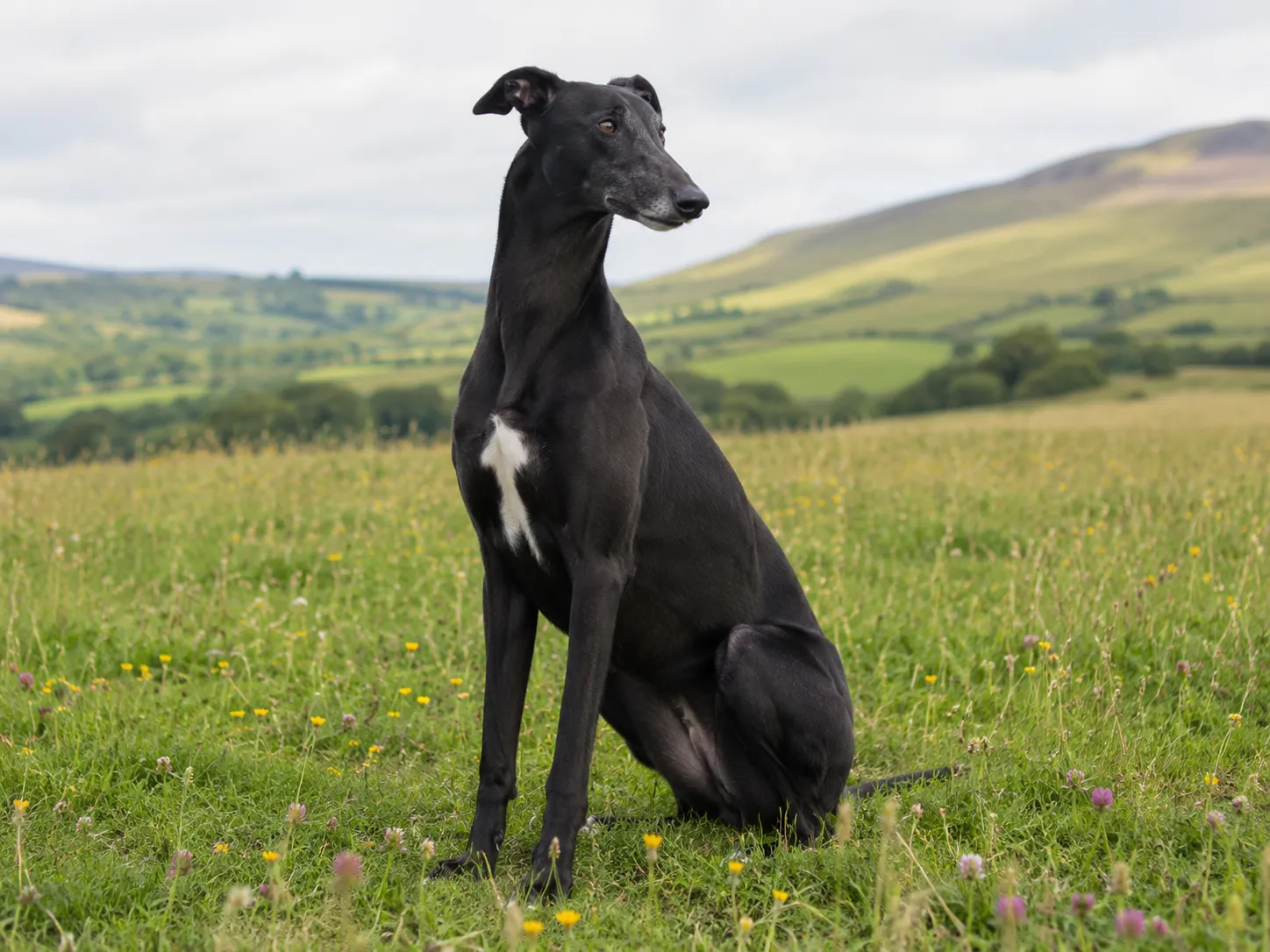
The Greyhound has a tall, lean, and muscular frame. Males typically stand between 71–76 cm, while females measure 68–71 cm at the shoulder. Weight ranges from 25–40 kg, depending on sex and bloodline.
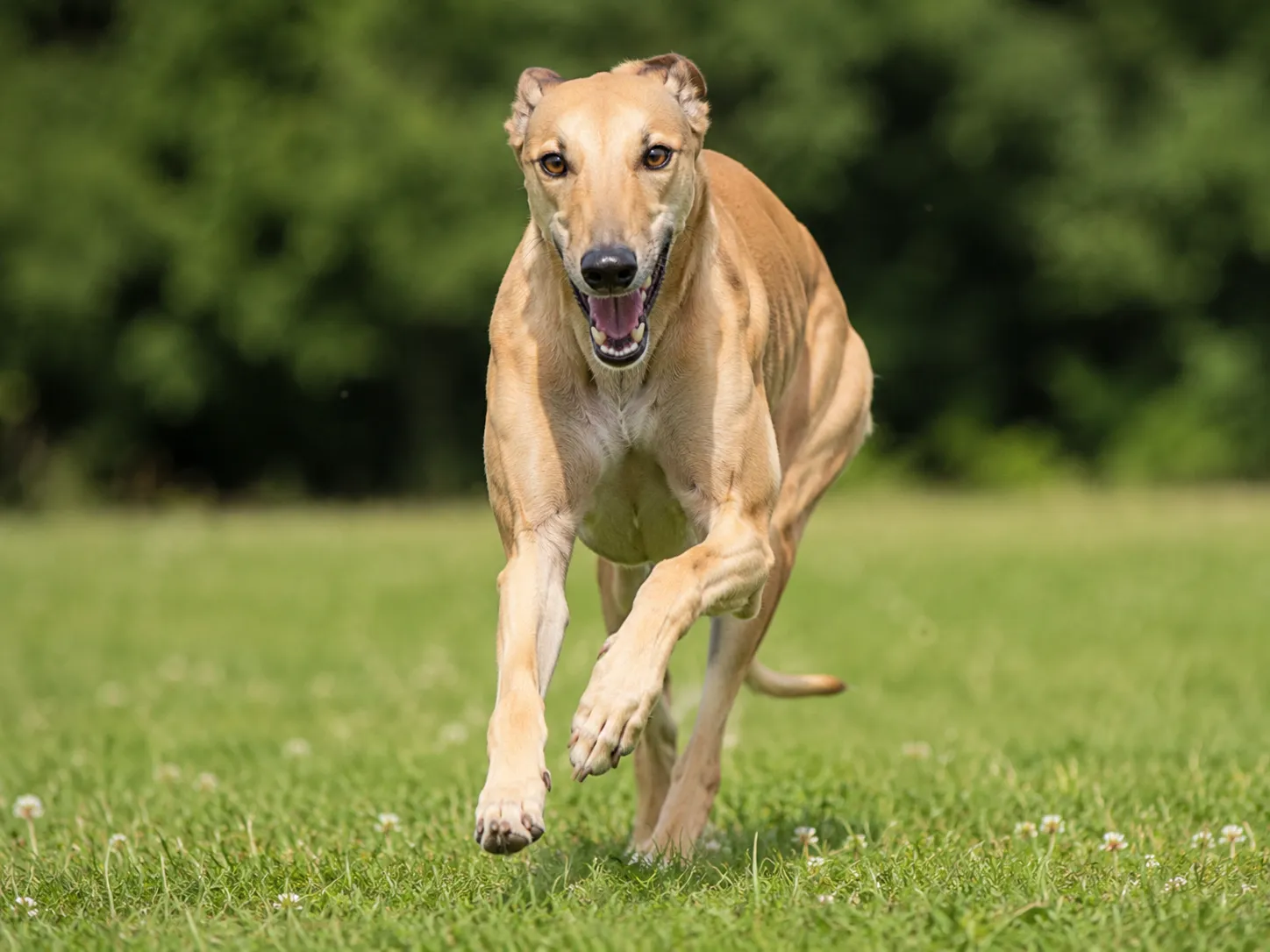
One of the breed’s most distinctive features is its “inverted S” silhouette. The deep chest flows into a dramatically tucked waist, supported by long, powerful hindquarters. This structure allows the breed to perform the famous double suspension gallop, where all four feet leave the ground twice during a single stride.
Head, Eyes and Expression
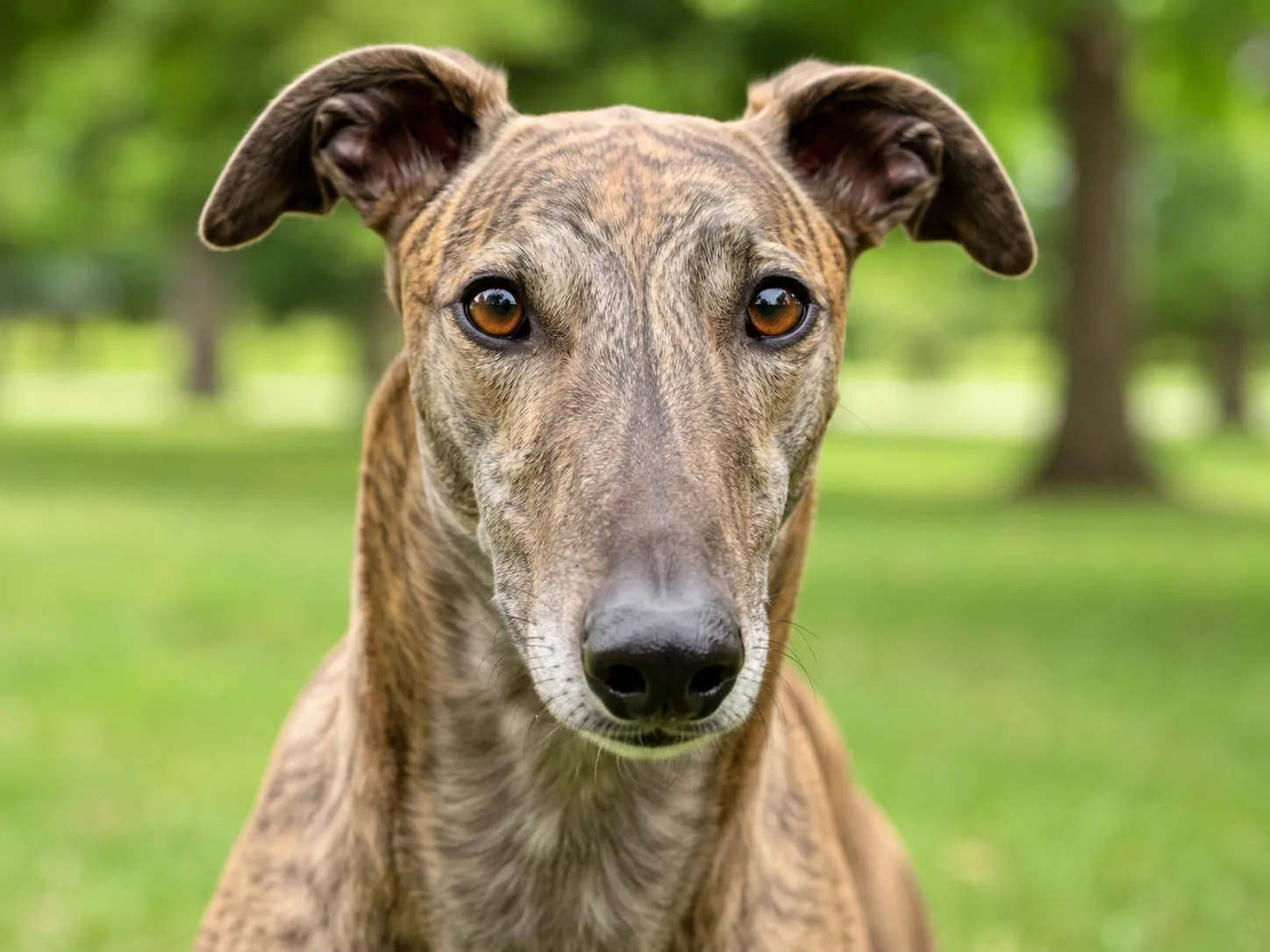
The Greyhound has a long, narrow skull and elongated muzzle, known as a dolichocephalic head shape. This refined head enhances aerodynamics and sharp visual focus.
Eyes are dark, oval, and expressive, often giving the dog a calm and thoughtful appearance. The ears are small and rose-shaped, folding back neatly against the head when relaxed. Together, these features create an expression that is both gentle and alert.
Coat Type and Colour Variations
The coat is short, smooth, and firm, lying close to the body without an undercoat. This makes grooming simple but also means the breed is more sensitive to extreme heat and cold.
Accepted colours include:
- Black
- White
- Red
- Blue
- Fawn
- Brindle
- Various combinations and patches
Both solid colours and patterned coats are common, and coat variation does not affect temperament.
Tail, Feet and Movement
The tail is long and thin with a slight upward curve. During high-speed running, it acts almost like a rudder, helping maintain balance and direction.
Greyhounds have tough, well-padded feet designed to absorb impact while sprinting. Movement is smooth, ground-covering, and efficient rather than flashy. When seen in motion, the breed displays controlled athleticism rather than exaggerated lift or bounce.
Differences Between Show and Racing Greyhounds
There can be subtle structural differences between bloodlines. Show Greyhounds are often slightly heavier and bred to meet conformation standards, while racing Greyhounds tend to be leaner and optimised for track performance. Both share the same fundamental skeletal structure and athletic outline.
Overall, the Greyhound combines power, balance, and refined elegance, making it one of the most visually distinctive and functionally specialised breeds in the canine world.
Temperament of the Greyhound: Gentle, Independent and Deeply Loyal
The Greyhound’s temperament often surprises people who only know the breed for its speed, a trait it shares with the Borzoi, a fellow sighthound. Behind the athletic frame is a calm, affectionate and sensitive companion who prefers quiet comfort over constant chaos.
Core Personality Traits
At heart, the Greyhound is gentle and noble. Most individuals are affectionate with their families and enjoy resting close to their owners once their exercise needs are met. Many develop strong attachment bonds and may quietly follow their people from room to room.
Despite this closeness, the breed retains a noticeable independent streak. Bred to hunt by sight without waiting for human direction, Greyhounds can think for themselves. This independence is not disobedience, but it does mean they respond best to consistent, patient handling.
Social Behaviour With People
Greyhounds are usually friendly but often reserved with strangers. They are not typically excessive barkers, which makes them suitable for suburban and urban environments.
Most do well in family homes, including those with children who understand calm interaction. Because the breed is sensitive, loud or unpredictable handling can cause stress. Teaching children to approach and wake them gently is particularly important.
Prey Drive and Chase Instinct
One defining temperament trait is the Greyhound’s strong prey drive. As true sighthounds, they are triggered by movement rather than scent. Small animals such as rabbits, possums, or sometimes cats may activate chase behaviour.
For this reason, secure fencing is essential. Off-lead activity should only occur in safely enclosed areas.
Energy at Home
Although capable of remarkable speed, the Greyhound is not a hyperactive breed indoors. After controlled exercise, they are typically relaxed and content to rest for long periods. Many owners describe them as couch-loving athletes.
Sensitivity and Emotional Nature
Greyhounds are emotionally sensitive and respond poorly to harsh corrections. Positive reinforcement, calm communication, and predictable routines help them thrive.
Some individuals may display sleep startle behaviour, meaning they can react if suddenly disturbed while deeply asleep. This is manageable with awareness and proper household education.
In summary, the Greyhound offers a rare combination of athletic power outdoors and quiet gentleness indoors, making it well suited to owners seeking a composed yet capable companion.
Intelligence and Trainability of the Greyhound: Smart, Sensitive, and Independently Driven
The Greyhound is an intelligent and perceptive breed, but its intelligence differs from that of highly obedience-driven working dogs. Developed to hunt by sight and make split-second decisions without waiting for human instruction, the Greyhound retains a strong sense of independence. This does not mean the breed lacks trainability, but it does mean training must respect its natural instincts and temperament.
Puppy Training Priorities That Build Confidence
Early socialisation is critical in shaping a balanced adult Greyhound. Puppies should be gently introduced to different environments, calm dogs, household sounds, and respectful handling. Establishing basic commands such as sit, stay, loose-lead walking, and recall provides structure. Because the breed has a powerful chase instinct, recall training must be approached carefully and reinforced consistently within safe, enclosed environments.
Training Methods That Work Best for the Breed
Greyhounds respond best to positive reinforcement and calm, consistent leadership. Food rewards, soft praise, and short engaging sessions help maintain focus. Long, repetitive drills often lead to boredom, as the Greyhound quickly disengages when it sees no purpose in the task. Harsh corrections should be avoided, as the breed is emotionally sensitive and may withdraw under pressure rather than respond constructively.
Mental Stimulation and Independent Thinking
Although known for their relaxed nature indoors, Greyhounds benefit from regular mental engagement. Puzzle feeders, scent games, and brief structured training sessions help prevent boredom and encourage cooperative behaviour. Their intelligence is practical and situational, meaning they learn routines quickly but may question commands that conflict with instinct.
Common Training Challenges to Understand
The most common challenges stem from the Greyhound’s independence and prey drive. Movement can override training in open areas, which is why secure fencing remains essential. With steady guidance and realistic expectations, the Greyhound becomes a responsive, well-mannered companion that thrives under respectful training rather than strict control.
Greyhound and Family Life: Children, Other Pets, and Household Dynamics
The Greyhound is widely regarded as a gentle and composed companion, but understanding how the breed fits into family life is essential before bringing one home. While adaptable, the Greyhound thrives best in calm, structured households that respect its sensitive nature.
How the Greyhound Interacts With Children
Greyhounds are typically gentle and tolerant with well-behaved children. They do best with older children who understand how to approach and handle dogs calmly. Because the breed is sensitive, loud or rough behaviour may cause stress. Teaching children to avoid sudden disturbances, especially while the dog is resting, helps prevent defensive reactions.
Sleep startle behaviour can occur in some individuals, meaning they may react if woken abruptly. For this reason, supervision and education are important in family settings.
Living With Other Dogs
Many Greyhounds coexist peacefully with other dogs, particularly when properly socialised from a young age. They are not naturally confrontational and often display relaxed social behaviour. However, introductions should be structured and calm to ensure compatibility.
Retired racing Greyhounds may require gradual integration into multi-dog households, as their previous environment may have been highly controlled.
Greyhounds and Small Animals
A defining consideration is the breed’s strong prey drive. As a true sighthound, the Greyhound reacts instinctively to movement. Small animals such as rabbits, guinea pigs, and sometimes cats may trigger chase behaviour.
Some Greyhounds can live successfully with cats, particularly if raised alongside them, but this depends on individual temperament. Careful introductions and professional assessment are recommended.
Household Environment and Lifestyle Fit
Greyhounds adapt well to both houses and larger apartments, provided their exercise needs are met, which is part of why rescue dogs settle into family homes so readily. Indoors, they are typically quiet and relaxed. A secure garden is ideal, but more important is safe, enclosed space for controlled running.
They prefer companionship and may struggle if left alone for extended periods. Owners who value a calm, affectionate, and low-noise companion often find the Greyhound fits naturally into their lifestyle.
In the right environment, the Greyhound offers a rare balance of athletic ability outdoors and peaceful companionship indoors.
Health of the Greyhound: Lifespan, Common Conditions, and Preventative Care
The Greyhound is generally a healthy and athletic breed, but its unique physiology means owners must understand certain breed-specific considerations. With proper care and responsible breeding, most Greyhounds live long, comfortable lives.
Lifespan and Overall Health Profile
The average Greyhound lifespan ranges between 10 and 13 years, with many individuals remaining active well into their senior years. Their lean build and strong cardiovascular system contribute to overall fitness, but their low body fat and specialised muscle structure require attentive management.
Routine veterinary care and early detection play a key role in maintaining long-term health.
Breed-Specific Health Conditions
As a deep-chested breed, the Greyhound is susceptible to bloat and gastric torsion, a sudden and life-threatening condition that requires immediate veterinary attention. Owners should understand the signs, including restlessness, abdominal swelling, and unproductive retching.
Greyhounds may also be predisposed to cardiac conditions, certain eye disorders, and Greyhound neuropathy. Some individuals are prone to corns on their paw pads, which can affect comfort during walking.
Unique Physiological Considerations
Greyhounds have distinctive blood values that differ from many other breeds. They naturally carry higher red blood cell counts and lower platelet levels. Veterinarians unfamiliar with the breed may misinterpret routine blood results.
The breed is also sensitive to certain anaesthetic agents, particularly barbiturate-based drugs. It is essential to inform your vet that the dog is a Greyhound before any surgical procedure.
Delayed Bleeding Risk After Surgery
Greyhounds can experience delayed haemorrhage following surgery, sometimes occurring 36 to 48 hours after a procedure. This condition, often referred to as Greyhound fibrinolytic syndrome, is not detectable through standard pre-operative blood tests.
Experienced veterinary management significantly reduces risk, and preventative medication may be recommended.
Preventative Care and Health Screening
Responsible breeders screen for cardiac health, ophthalmologic conditions, and Greyhound polyneuropathy. Maintaining a healthy weight, providing regular dental care, and ensuring controlled exercise all support long-term wellbeing.
With informed ownership and appropriate veterinary care, the Greyhound remains a resilient and capable companion whose health can be managed effectively.
Caring for the Greyhound: Daily Needs, Home Environment, and Long-Term Comfort
Caring for a Greyhound means understanding that this is a powerful athlete with the temperament of a calm companion, and many arrive as ex-racers, so it helps to know what to expect after adopting a rescue dog. While low-maintenance in some respects, the breed has specific physical and environmental needs that should not be overlooked.
Daily Routine and Companionship
Greyhounds thrive on structure and predictability. A typical day should include controlled exercise, quiet rest periods, and regular interaction with their owners. Despite their independent hunting origins, they form strong bonds and often prefer to remain close to their family.
They are not well suited to being left alone for long hours without stimulation. Consistent companionship helps prevent anxiety and boredom-related behaviours.
Living Environment Requirements
The Greyhound adapts well to both houses and larger apartments, provided its exercise needs are met. Indoors, the breed is typically quiet and relaxed. Because Greyhounds have very low body fat and no insulating undercoat, they are sensitive to cold temperatures and should be housed indoors.
Soft bedding is essential to protect pressure points, as their lean build makes them prone to calluses when resting on hard surfaces.
Temperature Sensitivity
Due to their thin coat and minimal body fat, Greyhounds are sensitive to both cold and extreme heat. In colder climates, they may require protective coats during outdoor walks. In warmer weather, exercise should be limited to cooler parts of the day to prevent overheating.
Shade, fresh water, and careful supervision are important during summer months.
Nail, Paw, and Skin Care
Greyhounds have strong, fast-growing nails that must be trimmed regularly if not naturally worn down. Overgrown nails can cause discomfort and alter gait. Their paw pads should be monitored for corns, which can develop in some individuals and affect mobility.
Regular inspection of skin and ears supports early detection of irritation or infection.
Long-Term Comfort and Ageing Considerations
As Greyhounds age, joint comfort and dental health become increasingly important. Supportive bedding, moderate exercise, and routine veterinary assessments help maintain mobility. Adjusting activity levels and monitoring weight ensures continued comfort through senior years.
With thoughtful care and attention to their unique physiology, the Greyhound remains a low-drama, deeply rewarding companion that blends athletic heritage with calm domestic life.
Grooming the Greyhound: Simple Coat Care With Important Details
The Greyhound is one of the lower-maintenance breeds when it comes to grooming, so there is rarely a need to overthink how often to bathe a puppy. Its short, smooth coat does not require complex trimming or professional styling, but consistent basic care remains essential for overall comfort and health.
Coat Maintenance and Shedding
The Greyhound’s coat is short, fine, and close-lying, with no undercoat. Shedding is generally moderate and manageable. Weekly brushing with a soft hound glove or rubber grooming mitt helps remove loose hair and stimulates natural oils.
Because the coat is thin, skin should be checked regularly for dryness, irritation, or minor cuts, particularly after outdoor exercise.
Bathing and Skin Sensitivity
Greyhounds do not require frequent bathing. Occasional baths using a gentle, dog-specific shampoo are usually sufficient. Overbathing can dry the skin, which may already be sensitive due to the breed’s low body fat.
After wet weather or bathing, the dog should be thoroughly dried to prevent chills, especially in cooler climates.
Nail, Ear, and Dental Care
Nail trimming is particularly important for Greyhounds. Their nails grow quickly and, if left too long, can cause discomfort or affect movement. Ideally, nails should be checked every two to three weeks.
Ears should be inspected weekly for debris or wax build-up. Dental care is equally important, as regular brushing helps prevent tartar accumulation and supports long-term oral health.
Pressure Sores and Resting Areas
Due to their lean build, Greyhounds are prone to pressure sores if resting on hard surfaces. Providing thick, supportive bedding protects elbows and hips. Monitoring these areas for redness or thickened skin helps prevent complications.
Seasonal Considerations
In colder seasons, the thin coat provides little insulation. Many Greyhounds benefit from wearing a coat during winter walks. In warmer weather, light grooming helps maintain skin health but care should be taken to avoid excessive sun exposure.
Overall, grooming a Greyhound is straightforward, but attention to detail ensures the breed remains comfortable and well maintained throughout all life stages.
Exercise Needs of the Greyhound: Built for Speed, Content With Balance
The Greyhound is widely known as one of the fastest dog breeds in the world, and you can see Greyhounds available across Australia if the breed suits your setup. However, this athletic ability does not translate into constant high-energy demands. The breed requires structured exercise but is equally known for its relaxed nature indoors.
Daily Exercise Requirements
Most adult Greyhounds benefit from 45 to 60 minutes of daily exercise, divided into controlled walks and short opportunities for safe running. While capable of sprinting at extraordinary speeds, they are sprinters rather than endurance runners.
A few bursts of controlled speed in a securely fenced area are often more beneficial than long-distance jogging.
Safe Running and Off-Lead Considerations
Because of their strong prey drive, Greyhounds should only be allowed off lead in fully enclosed spaces. Once triggered by movement, instinct can override obedience. Secure fencing is therefore essential for safe physical activity.
Owners should avoid open, unsecured areas regardless of recall reliability.
Mental Engagement and Balanced Activity
Greyhounds benefit from mental stimulation alongside physical movement. Brief training sessions, scent games, and interactive toys help prevent boredom. Although not typically hyperactive, insufficient engagement may lead to restlessness.
Balanced routines that combine gentle exercise with enrichment activities support stable behaviour.
Puppy and Senior Exercise Adjustments
Growing puppies should avoid high-impact activities that place stress on developing joints. Structured play and short walks are preferable during early development.
Senior Greyhounds may require reduced intensity but still benefit from regular movement to maintain joint health and circulation.
Indoor Energy Levels
Indoors, the Greyhound is usually calm and content to rest for extended periods. Many are often described as relaxed companions once their exercise needs are met.
With the right balance of structured activity and safe space, the Greyhound offers a unique combination of elite athletic ability outdoors and quiet composure at home.
Feeding the Greyhound: Nutrition, Portions, and Weight Management
Feeding a Greyhound correctly supports muscle maintenance, joint health, and long-term wellbeing, and some owners weigh up raw feeding for puppies early on. As a lean, athletic breed with low body fat, the Greyhound benefits from a carefully balanced diet rather than excessive calorie intake.
Nutritional Requirements for an Athletic Breed
Greyhounds do best on a high-quality, protein-rich diet that supports lean muscle mass. Animal-based protein should form the foundation of the diet, with moderate healthy fats to provide sustained energy. Essential vitamins, minerals, and omega fatty acids contribute to skin integrity and coat condition.
Because their metabolism is efficient, overfeeding can quickly lead to unnecessary weight gain despite their slim appearance.
Feeding Schedule and Portion Control
Puppies typically require three to four smaller meals per day to support steady growth. Adult Greyhounds generally thrive on two measured meals daily. Feeding consistent portions at set times helps regulate digestion and reduce the risk of gastrointestinal discomfort.
Free-feeding is not recommended, as it makes weight management more difficult.
Managing the Risk of Bloat
As a deep-chested breed, the Greyhound carries a risk of gastric dilatation and volvulus (bloat). To reduce this risk, meals should be divided rather than given in a single large portion. Vigorous exercise should be avoided immediately before and after feeding.
Providing calm, uninterrupted eating time also supports digestive comfort.
Weight Monitoring and Body Condition
Greyhounds naturally have visible ribs due to their low body fat. However, excessive weight gain places strain on joints and cardiovascular health. Regular body condition checks and veterinary monitoring help maintain optimal weight.
Portion adjustments may be necessary based on age, activity level, and neuter status.
Special Dietary Considerations
Some Greyhounds may have sensitive digestion. Gradual diet changes are recommended to prevent upset. Access to fresh water at all times is essential, especially after exercise.
With thoughtful feeding practices and portion awareness, the Greyhound maintains its lean athletic structure and overall vitality throughout life.
Greyhound Price and Ongoing Costs: What Ownership Really Involves
Understanding the financial commitment of owning a Greyhound helps you plan responsibly. While the breed is not high-maintenance in grooming, its size, health considerations, and general care needs mean costs should be realistically assessed.
Purchase Price in Australia
The price of a well-bred Greyhound puppy from a responsible breeder in Australia typically ranges between AUD $2,000 and $4,000, depending on pedigree, health testing, and bloodlines. Show-quality lines may sit at the higher end of this range.
Adopting a retired racing Greyhound is often more affordable, with rehoming fees usually ranging between AUD $300 and $800, which often include desexing, vaccination, and microchipping.
Initial Setup Costs
Bringing a Greyhound home involves more than the purchase price. Initial setup may include a large crate, supportive bedding, food bowls, collar and lead, grooming tools, and enrichment toys. Expect to budget several hundred dollars for proper setup.
Because Greyhounds are lean and prone to pressure sores, investing in high-quality bedding is essential.
Ongoing Monthly Expenses
Food costs are moderate but reflect the breed’s size. A high-quality diet suitable for a large, athletic dog should be factored into monthly budgeting. Routine expenses also include parasite prevention, annual vaccinations, and regular veterinary check-ups.
Pet insurance is strongly recommended, particularly given the breed’s anaesthetic sensitivity and potential surgical considerations.
Veterinary and Health-Related Costs
While generally healthy, Greyhounds may incur costs related to dental care, orthopaedic monitoring, or breed-specific conditions. Emergency treatment for bloat, although uncommon, can be expensive and reinforces the value of insurance.
Owners should also budget for potential dental procedures as the dog ages.
Lifetime Financial Commitment
Over an average lifespan of 10 to 13 years, the total cost of ownership includes food, preventative care, insurance, bedding replacement, and occasional medical needs. While not among the most expensive breeds to maintain, the Greyhound requires steady financial planning.
When properly budgeted, the Greyhound remains a manageable and rewarding long-term commitment for prepared owners.
Buying Advice for the Greyhound: Choosing Responsibly and Ethically
Buying a Greyhound is a long-term commitment that requires careful research. Whether purchasing a puppy from a breeder or adopting a retired racing Greyhound, responsible sourcing protects both the dog and the future of the breed.
Choosing a Responsible Greyhound Breeder
Reputable breeders prioritise health, temperament, and breed standards over quick sales. They should provide clear documentation of health screening, including cardiac evaluations and testing for Greyhound polyneuropathy where applicable. You should be able to meet the puppy’s mother and view the environment where the litter is raised.
A responsible breeder will ask you questions about your lifestyle and remain available for support after purchase.
Health Testing and Documentation
Always request proof of vaccinations, microchipping, and pedigree registration. Ethical breeders follow recognised kennel club guidelines and avoid exaggerated conformational traits that could compromise health.
Transparency is a strong indicator of responsible breeding practices.
Adopting a Retired Racing Greyhound
Many Greyhounds are available through reputable adoption programmes after retirement from racing. These dogs are often desexed, vaccinated, and behaviourally assessed before placement. Adoption can be a practical and rewarding pathway for owners prepared to support transition into home life.
Adjustment periods may be required, as some retired racers are adapting to domestic environments for the first time.
Assessing Temperament and Suitability
A healthy Greyhound should appear confident, alert, and socially responsive. Avoid sellers unwilling to provide health information or those offering unusually low prices without documentation.
Take time to assess whether the breed’s exercise needs, prey drive, and sensitivity align with your household.
Ethical Considerations and Long-Term Responsibility
A written contract outlining breeder guarantees and return policies is recommended. Responsible sellers prioritise the welfare of the dog above profit.
Choosing carefully not only protects you as a buyer but also supports the ethical preservation of the Greyhound as a respected companion breed.
Is the Greyhound Right for You? Final Considerations Before Committing
The Greyhound is a unique blend of elite athlete and calm household companion. While widely known for speed, daily life with this breed is typically quiet, structured, and low-drama. However, suitability depends entirely on your lifestyle and expectations.
Greyhounds suit owners who value calm companionship, structured exercise, and gentle handling. They thrive in homes that can provide secure outdoor space or safe enclosed areas for running. Because of their prey drive, they are not ideal for households with small pets unless carefully assessed.
This breed is well suited to adults, couples, retirees, and families with older children who understand respectful interaction. Owners who work from home or maintain flexible schedules often find the Greyhound integrates seamlessly into daily life.
Greyhounds are not ideal for people seeking a constantly interactive working dog or those unable to provide safe containment. They also require owners comfortable managing their sensitivity to temperature and understanding their unique veterinary needs.
If you are looking for a graceful, affectionate, and low-noise companion with athletic heritage and gentle manners, the Greyhound may be an excellent fit. Making an informed decision ensures the best outcome for both you and the dog.
Frequently Asked Questions
Related Breeds
Other companion breeds on Pups4Sale.
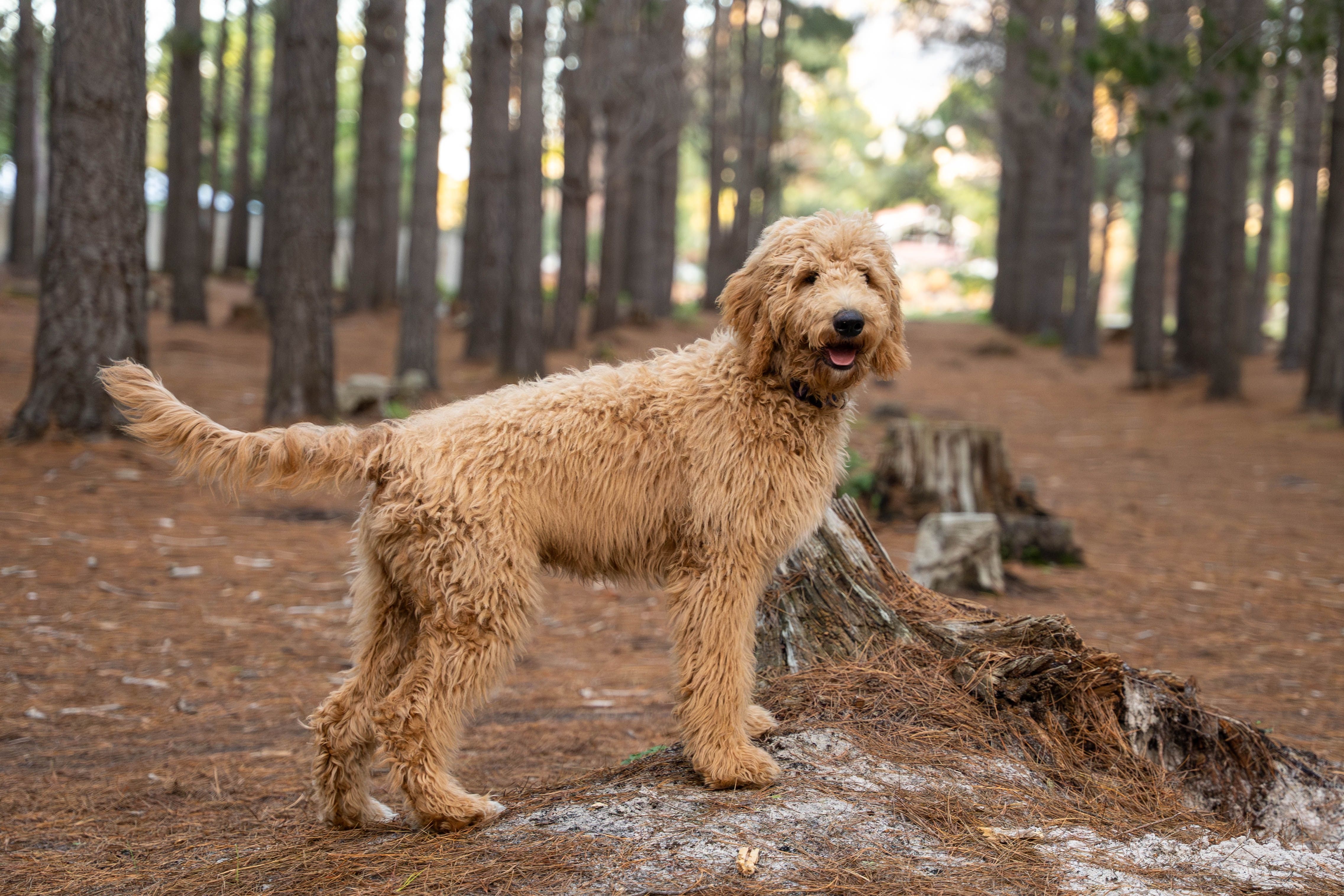 GroodleMedium • Crossbreed (Golden Retriever x Poodle)
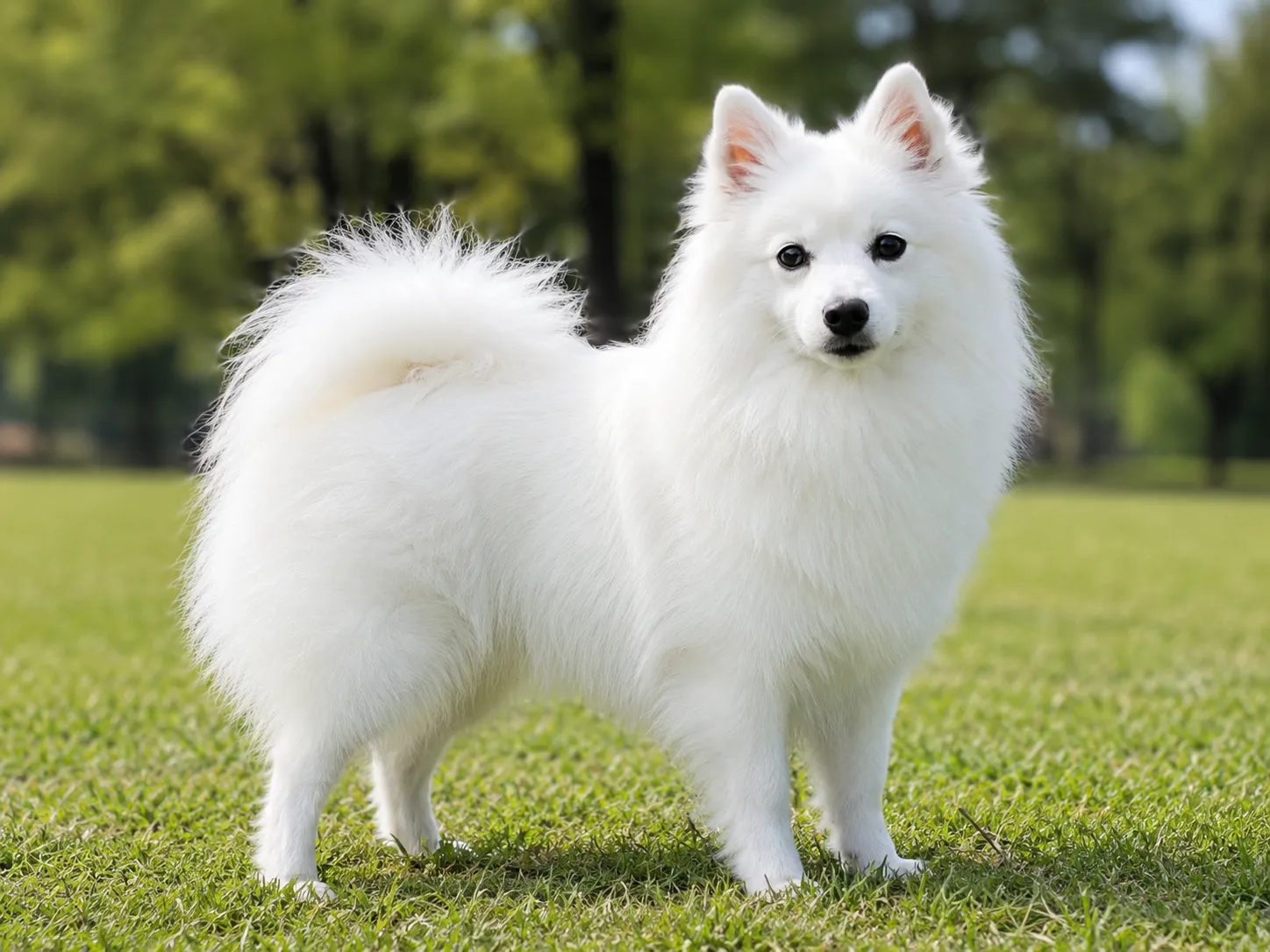 Japanese SpitzMedium • Companion / Toy
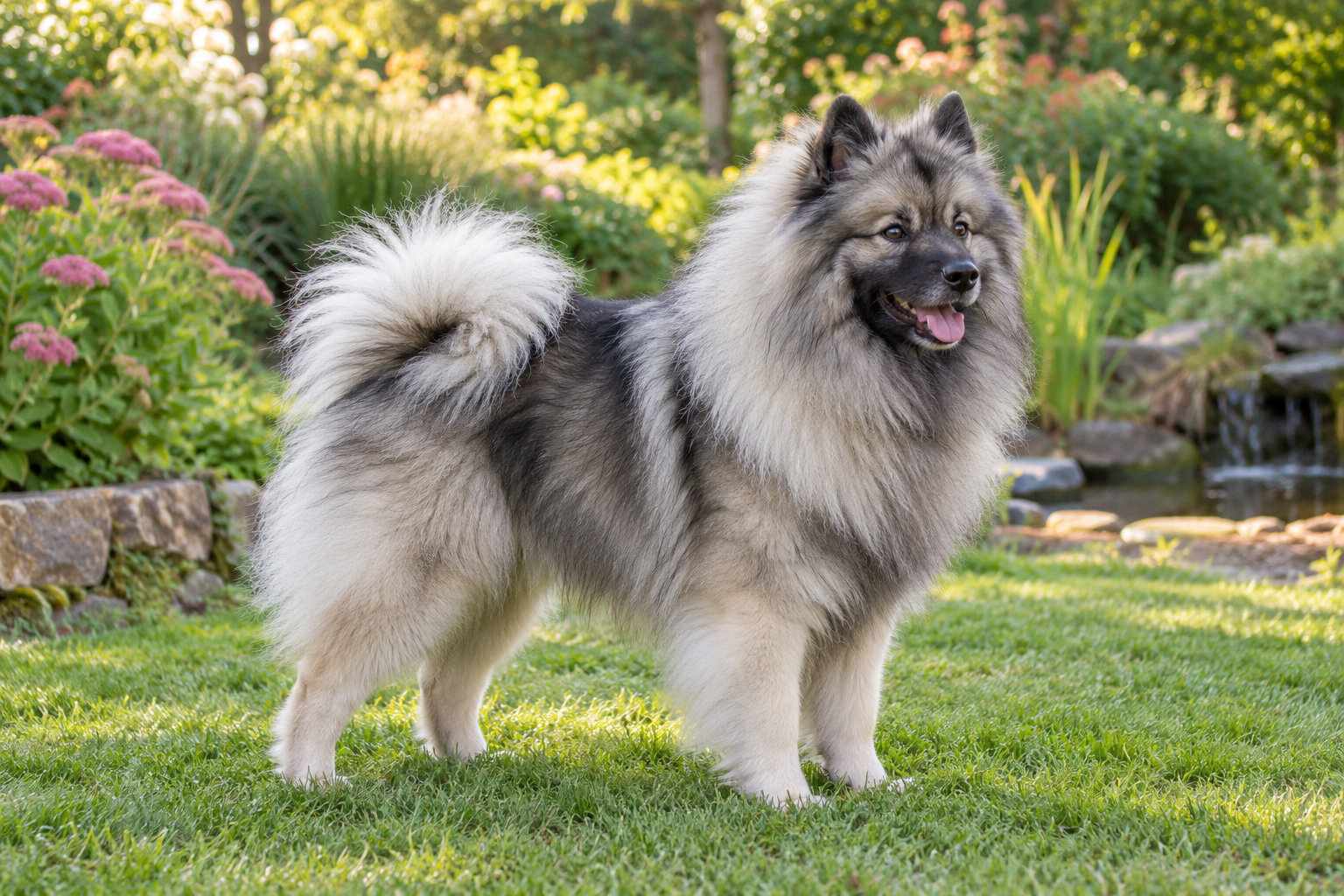 KeeshondMedium • Non Sporting (Group 7)
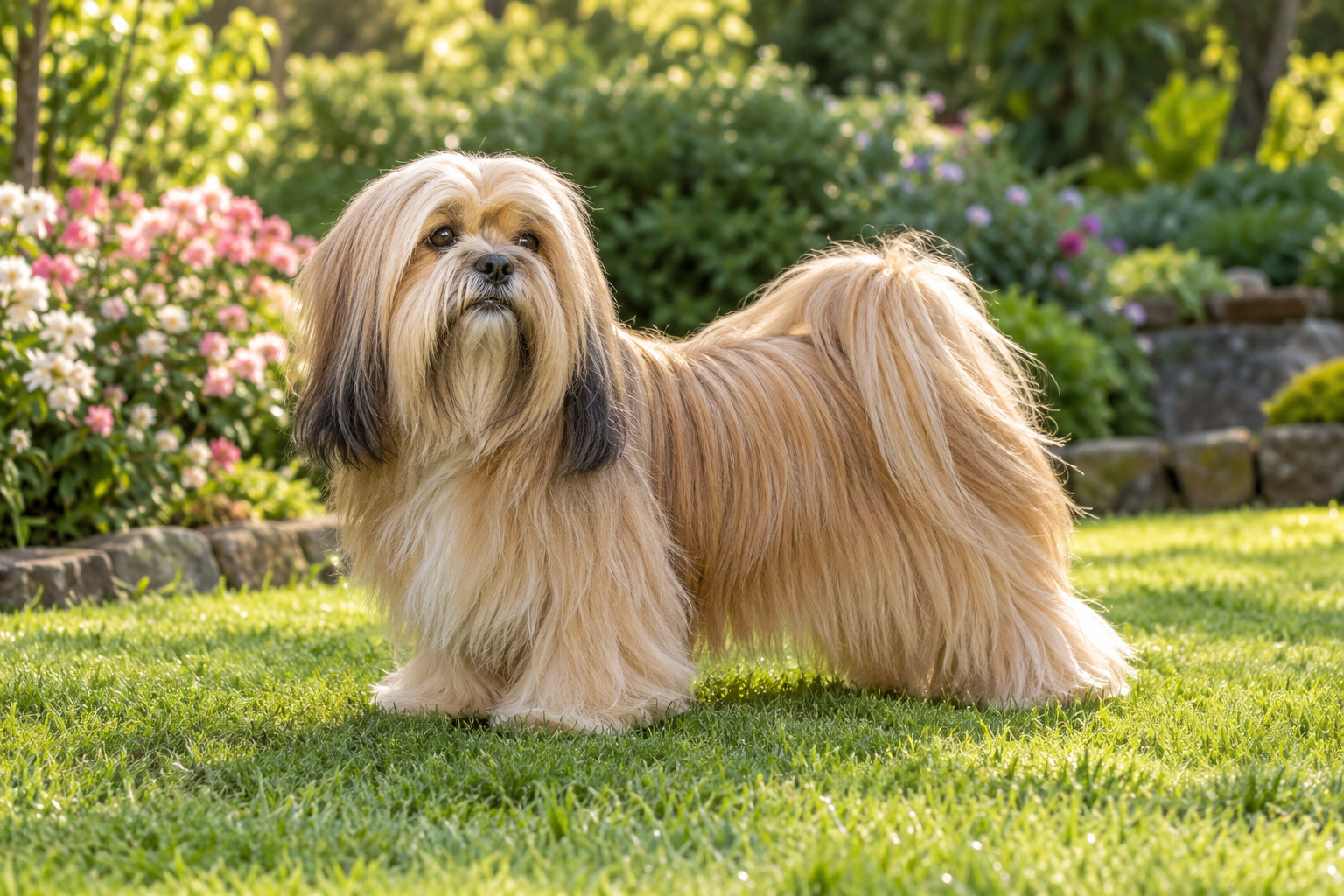 Lhasa ApsoSmall • Non Sporting (Group 7)
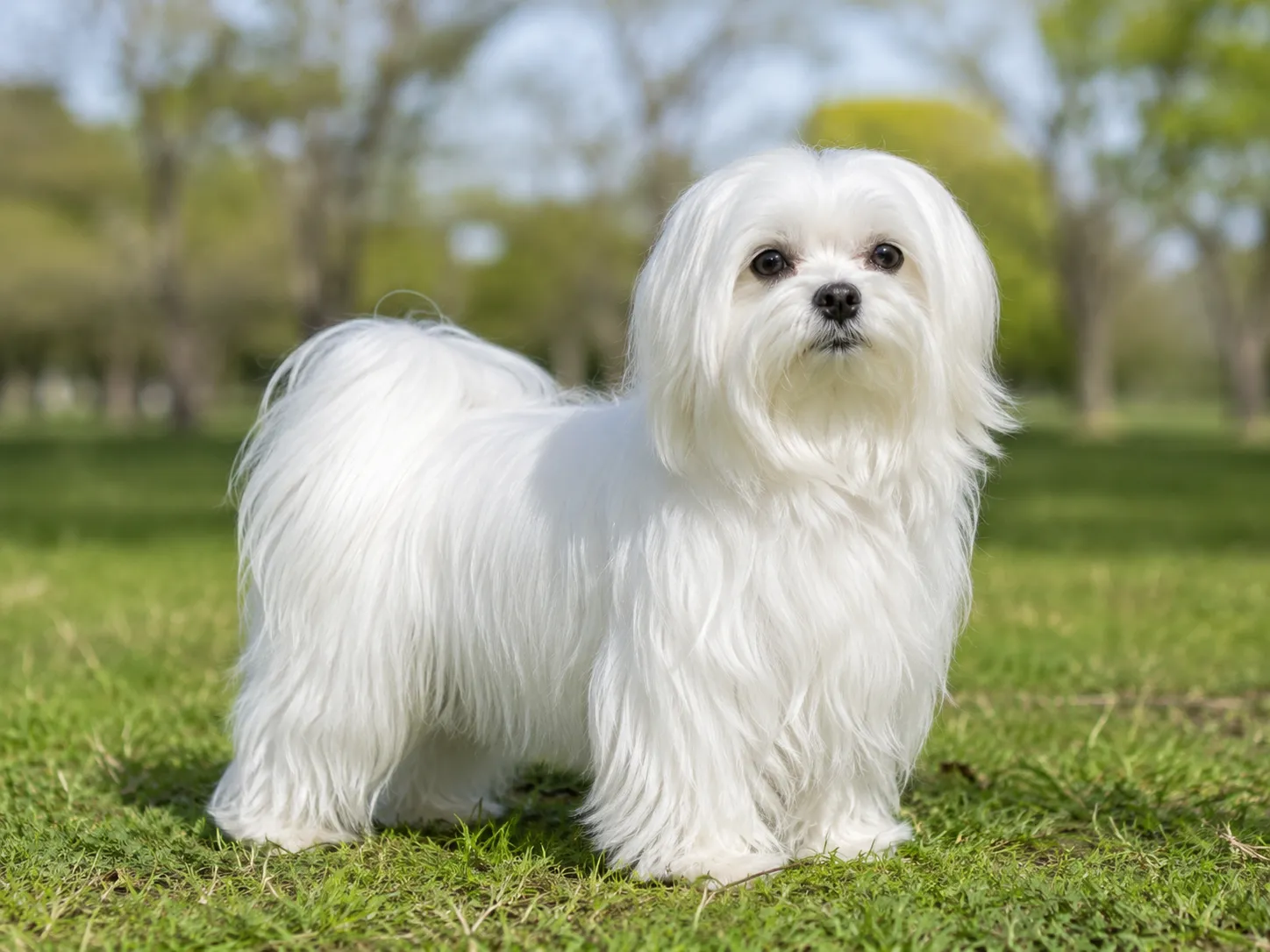 MalteseSmall • Toy
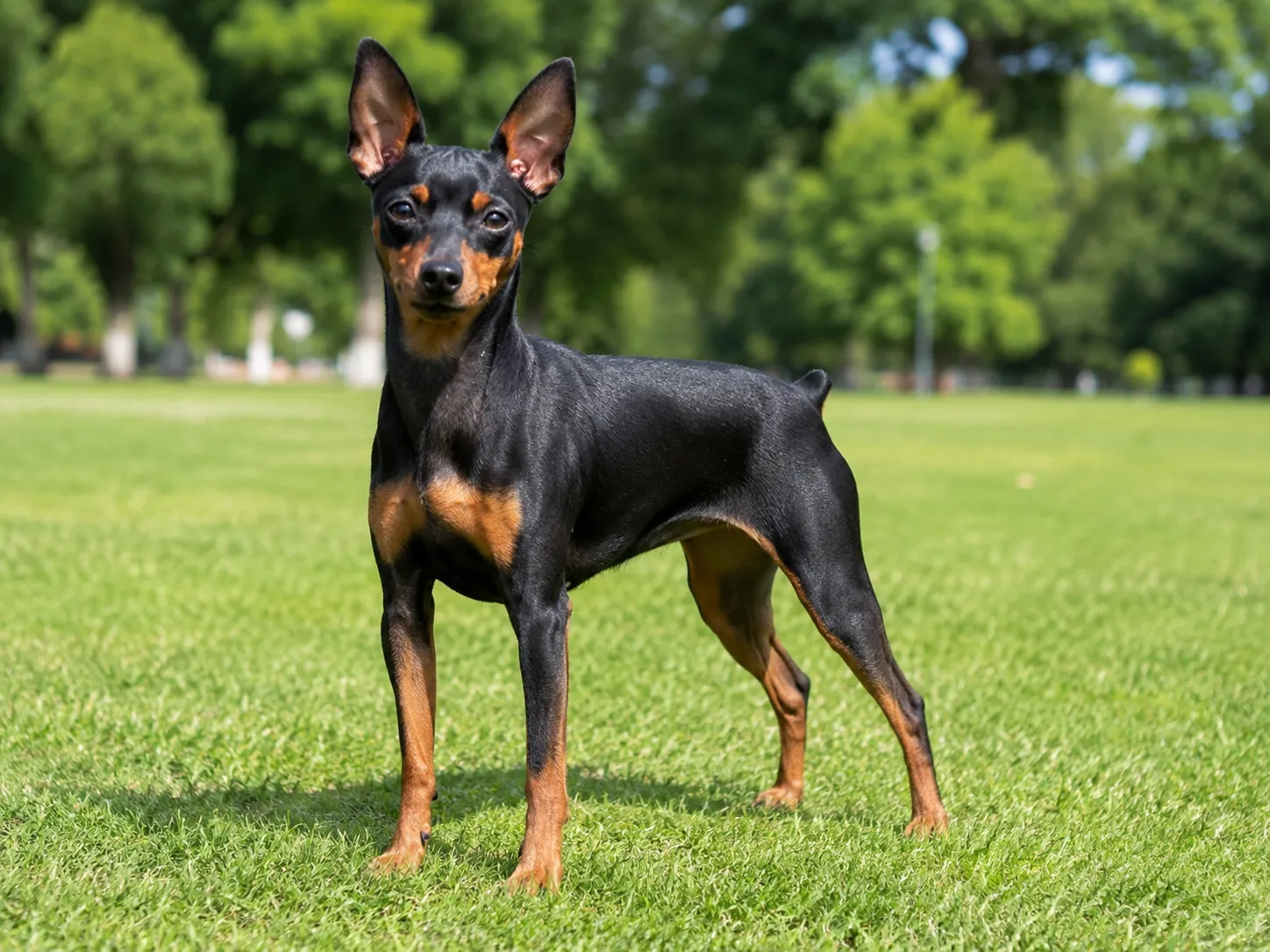 Miniature PinscherSmall • Toy