
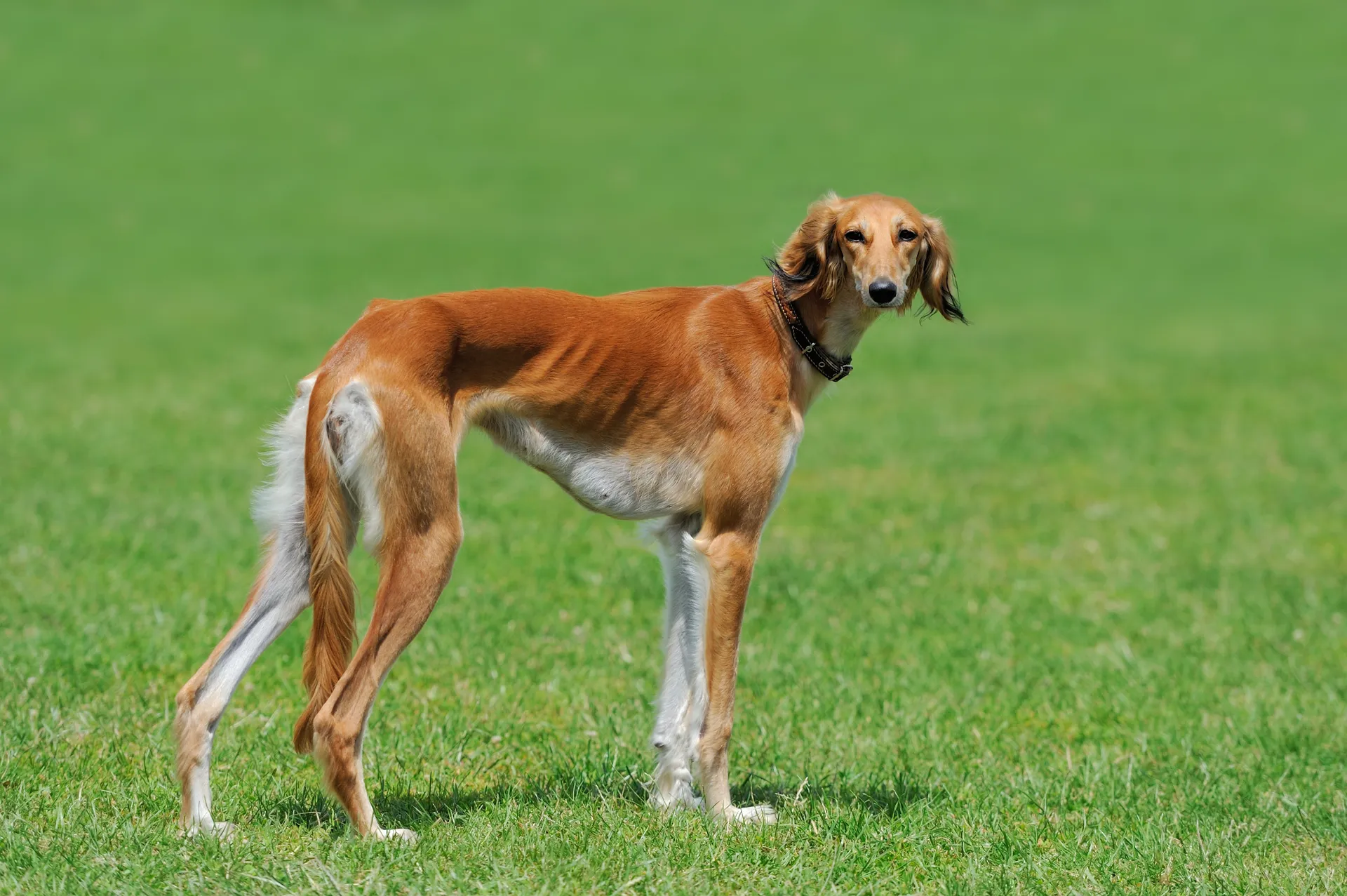
Borzoi
By James C. • Updated
The Borzoi is a large, elegant sighthound known for its calm nature, long silky coat, and graceful build. It is gentle, independent, and best suited to homes with space and regular exercise.
Breed Overview
Life Span
7 - 10 years
Average Price
AUD 3000 - AUD 6000
Weight
Male: 38 - 47 kg Female: 30 - 41 kg
Height
Male: 71 - 74 cm Female: 66 - 68 cm
Life Expectancy
Male/Female: 7 - 10 years
Breed Group
Hound (Sighthound)
Nicknames
Russian Wolfhound
Breed Information
The Borzoi is one of the most visually striking dog breeds in the world, known for its aristocratic presence, calm indoor nature, and extraordinary speed. Originally bred in Russia to hunt wolves across open plains, this large sighthound combines elegance with athletic power, capable of reaching speeds of up to 60 km/h when in full stride.
Despite its imposing size and regal appearance, the Borzoi is typically quiet, gentle, and reserved in the home. It is affectionate with family but naturally aloof with strangers, preferring dignity over constant attention. This breed is not driven by obedience or people-pleasing instincts, instead relying on independence and instinct shaped by centuries of sight-based hunting. Australian buyers considering a sighthound often weigh it against the Greyhound, a shorter-coated sighthound with the same chase instinct and calm indoor manner.
The Borzoi is best suited to experienced owners who understand sighthound behaviour, can provide secure space, and accept that recall may never be fully reliable. When matched with the right lifestyle, the Borzoi offers a unique combination of grace, loyalty, and calm companionship rarely found in other breeds.
Characteristics: What Living With a Borzoi Is Really Like
The Borzoi is a breed of contrasts. Outdoors, it is a powerful and lightning-fast hunter driven by sight and instinct. Indoors, it is calm, quiet, and surprisingly unobtrusive. The characteristics below reflect what day-to-day life with a Borzoi typically involves and who this breed genuinely suits.
| Characteristic | Rating | Star Rating (★ out of 5) | What This Means for You |
| Size | Large | ★★★★★ | A tall, long-bodied dog that needs space to stretch and move comfortably. |
| Adaptability | Moderate | ★★★☆☆ | Adjusts best to quiet homes with routine rather than busy or chaotic environments. |
| Exercise Needs | Moderate | ★★★☆☆ | Needs daily walks and secure running, but not constant high-energy activity. |
| Easy to Train | Moderate | ★★★☆☆ | Intelligent but independent, training requires patience rather than repetition. |
| Amount of Shedding | High | ★★★★☆ | Sheds year-round with heavy seasonal moults that require regular coat care. |
| Grooming Needs | High | ★★★★☆ | Long, silky coat needs brushing several times a week to prevent matting. |
| Good With Children | Moderate | ★★★☆☆ | Gentle with respectful children, but better suited to families with older kids. |
| Health of Breed | Moderate | ★★★☆☆ | Generally healthy, but prone to bloat and some inherited conditions. |
| Cost to Keep | High | ★★★★☆ | Feeding, grooming, insurance, and space requirements add to ongoing costs. |
| Tolerates Being Alone | Low | ★★☆☆☆ | Prefers company and routine, may struggle if left alone for long periods. |
| Intelligence | High | ★★★★☆ | Sharp and observant, but makes decisions independently rather than on command. |
In summary, the Borzoi suits owners who value calm companionship, elegance, and independence over obedience-driven behaviour. This breed rewards understanding and respect with quiet loyalty, but it is not suited to owners seeking a highly responsive or off-lead reliable dog.
History of the Borzoi: The Wolfhound of the Russian Aristocracy
The Borzoi’s history is inseparable from the grandeur and excess of Imperial Russia. Developed as a specialist sighthound for hunting wolves, this breed was shaped not only by function but also by the tastes and traditions of the Russian nobility. Its elegance, speed, and calm authority reflect centuries of selective breeding for both performance and prestige.
By the 16th century, Borzoi-type dogs were firmly established across Russia, likely developed from ancient Greyhound-like hounds crossed with heavier-coated pastoral dogs and imported wolfhound stock. These crosses produced a tall, fast, and resilient hunter capable of operating in harsh climates and open terrain. Borzoi hunted in pairs, using speed to overtake wolves and strength to hold them until mounted hunters arrived, a task requiring courage, coordination, and exceptional athleticism.
Wolf hunting was a ceremonial pastime of the Russian aristocracy. Vast estates maintained large kennels of Borzoi, with elaborate hunts staged as grand social events. Dogs and riders were often dressed in brightly coloured silks, and successful hunts concluded with formal feasts. Russian novelist Leo Tolstoy, himself a Borzoi enthusiast, famously immortalised these spectacles in War and Peace, capturing the breed’s cultural significance.
The Russian Revolution of 1917 nearly ended the Borzoi’s existence. With the collapse of the aristocracy came the destruction of their estates and kennels, and many Borzoi were slaughtered. The breed survived only because dedicated enthusiasts in England and America had begun importing dogs before the Revolution. Known then as the Russian Wolfhound, the breed was officially renamed Borzoi in 1936, derived from the Russian word borzyi, meaning “swift”.
Today’s Borzoi remains remarkably close in type and temperament to its ancestors. While no longer used for wolf hunting, the breed’s independence, speed, and dignified nature still reflect its origins as one of the most noble and specialised hunting dogs ever developed.
Appearance of the Borzoi: Elegance Built for Speed
The Borzoi is instantly recognisable for its flowing outline, refined features, and effortless movement. Every aspect of its appearance reflects a dog designed to cover ground at high speed while maintaining balance, strength, and endurance. This is not a decorative breed. Its beauty is the result of function refined over centuries.
Size and Build
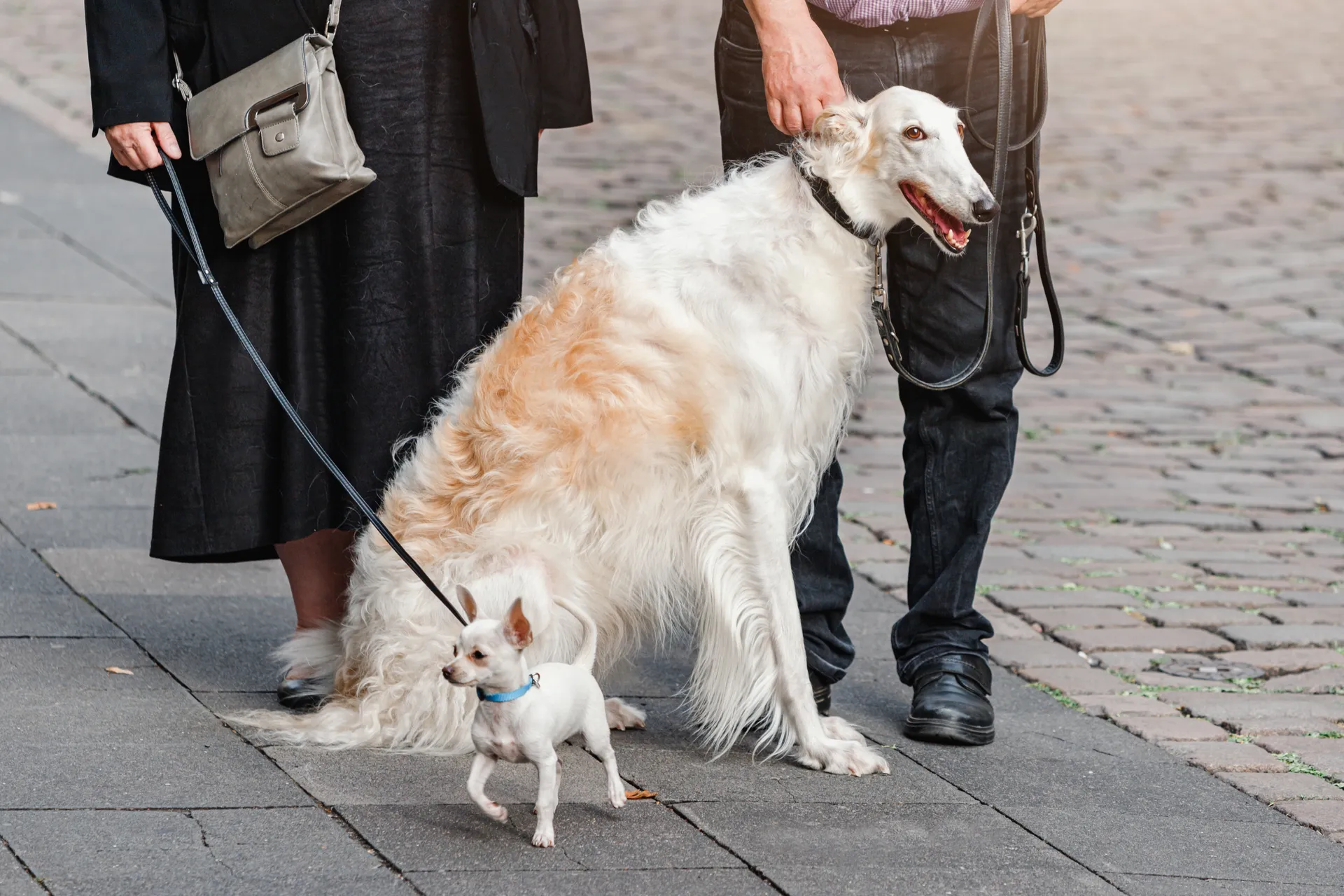
The Borzoi is a tall, long-limbed sighthound with a narrow yet powerful frame. Males are noticeably larger and more imposing than females, standing well over average height with deep chests and strong hindquarters. The body is slightly longer than tall, allowing for an extended stride and exceptional reach when running. Despite their size, Borzoi are light on their feet and surprisingly agile.
Head, Eyes, and Expression
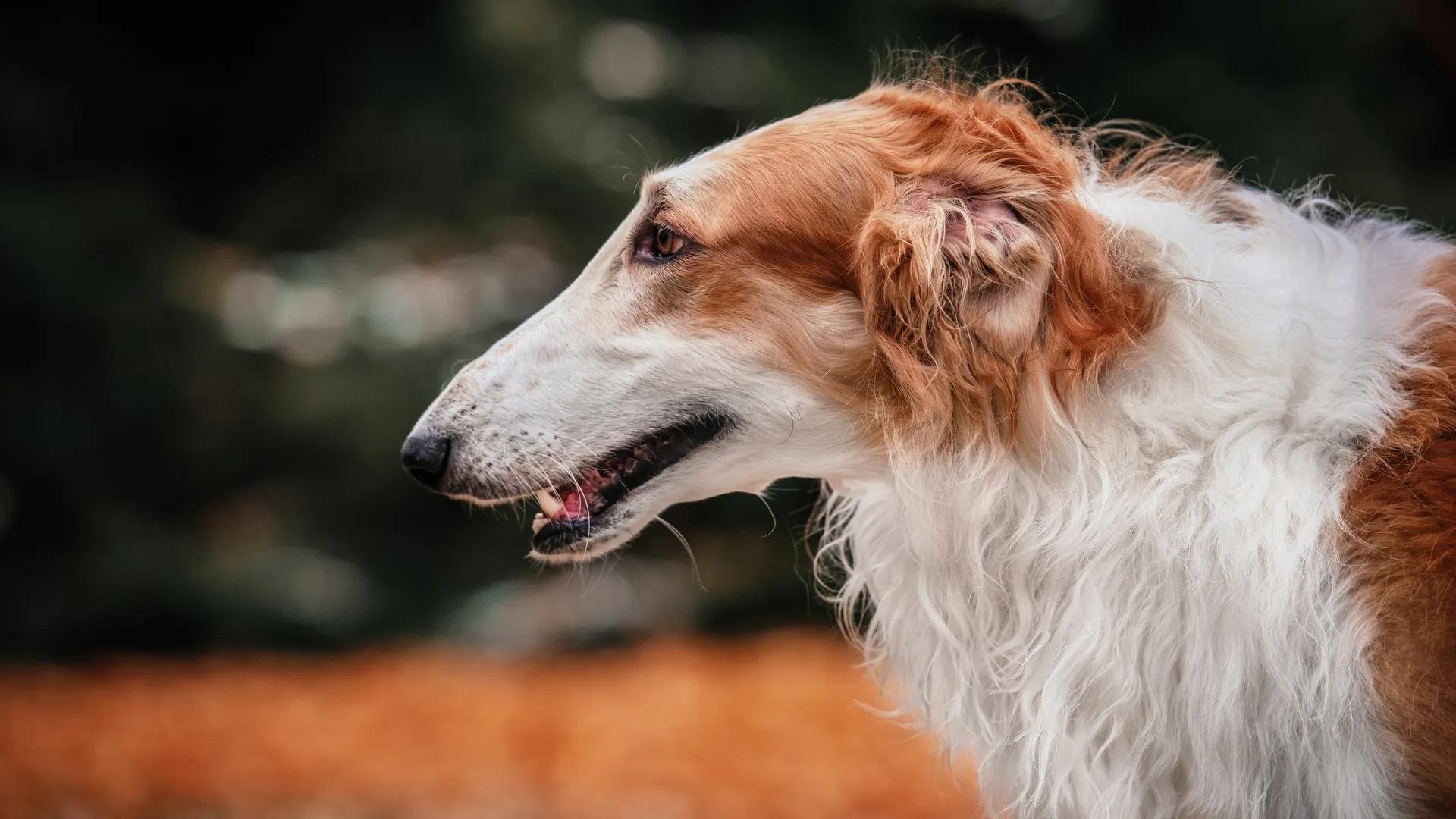
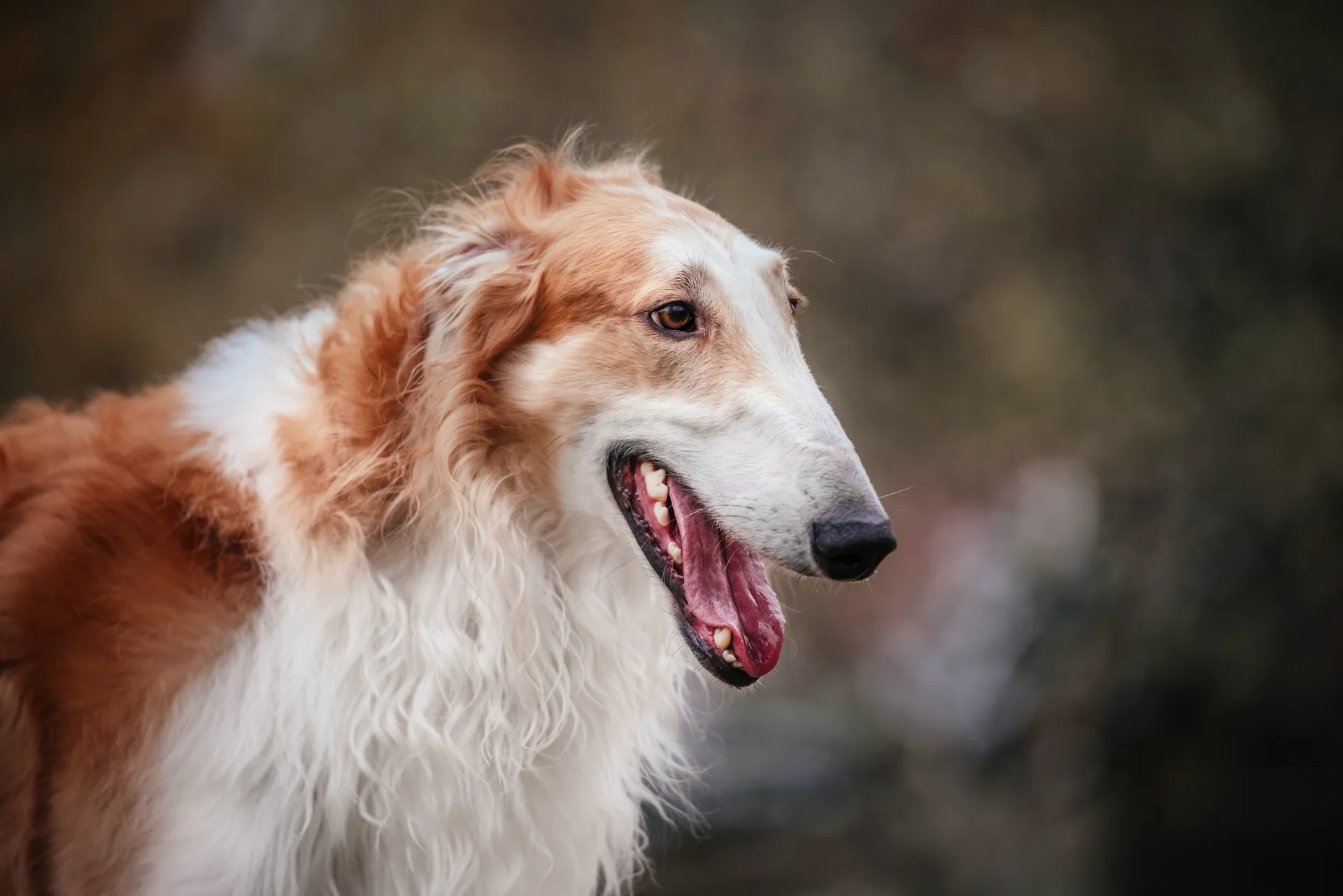
The head is long, narrow, and refined, tapering smoothly toward the nose. This distinctive shape supports keen vision and aerodynamic efficiency. Eyes are dark, almond-shaped, and set slightly obliquely, giving the breed its characteristic soft yet distant expression. The overall look conveys dignity and calm awareness rather than alert intensity.
Coat Type and Colours
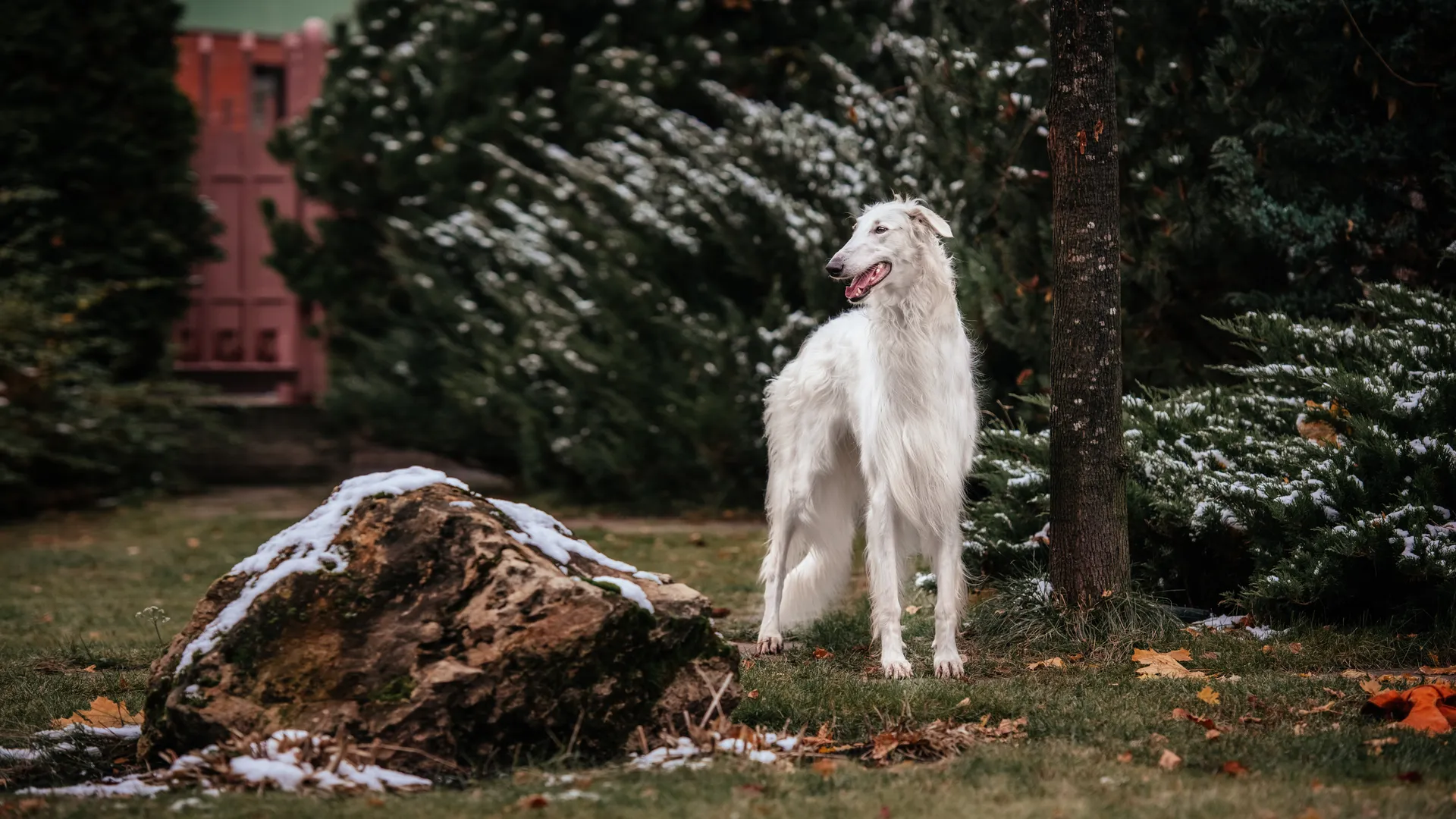
The Borzoi’s coat is one of its most striking features. It is silky, soft, and moderately long, often with a gentle wave. Heavier feathering appears around the neck, chest, legs, tail, and undercarriage. The coat provides protection against cold without excessive bulk. Borzoi may appear in almost any colour or combination of colours except merle, including white, cream, gold, grey, black, brindle, and piebald patterns.
Movement and Overall Presence
Movement is where the Borzoi truly comes alive. At rest, it appears composed and almost statuesque. In motion, it transforms into a powerful yet graceful athlete, covering ground with minimal effort. The gait is smooth, flowing, and ground-eating, reflecting the breed’s ability to reach speeds of up to 60 kilometres per hour. The Borzoi’s presence is one of quiet confidence rather than dominance, leaving a lasting impression without demanding attention.
Different Types of the Borzoi: One Breed, Subtle Variations
The Borzoi is recognised internationally as a single breed, but within that classification there are subtle variations shaped by geography, breeding priorities, and historical use. These differences do not create formal sub-breeds, yet they can influence appearance, size, and overall build.
Show Lines and Working Heritage
Most Borzoi seen today come from show-oriented lines, where emphasis is placed on coat quality, outline, and movement that reflects the written breed standard. These dogs often display more dramatic feathering, refined head shape, and an elegant silhouette. Despite this refinement, well-bred show Borzoi still retain the speed, strength, and instincts of their working ancestors.
Working-type Borzoi, though far less common, tend to be slightly leaner with less exaggerated coats. These dogs prioritise endurance, agility, and functional movement over visual impact. While true working Borzoi are rare outside specialised environments, their influence remains visible in the breed’s structure and temperament.
Size and Gender Differences
Variation between individual Borzoi is often more noticeable between sexes than bloodlines. Males are significantly taller, broader, and more imposing, while females are lighter, narrower, and often appear more refined. These differences affect handling, space requirements, and physical strength, factors prospective owners should consider when choosing between male and female dogs.
Coat Length and Texture Differences
Although all Borzoi share a silky coat, texture and length can vary. Some individuals carry a flatter, less profuse coat, while others develop heavier feathering around the neck and tail. These variations are natural within the breed and influence grooming demands rather than temperament or ability.
Regardless of appearance, all Borzoi share the same defining traits: speed, independence, sensitivity, and a strong instinct to chase moving objects. Owners should expect differences in look, not in the breed’s fundamental nature.
Temperament of the Borzoi: Quiet Dignity With a Strong Instinct
The Borzoi is known for its calm, reserved temperament and understated affection. This is not a demonstrative or attention-seeking breed. Instead, it forms deep bonds with its family while maintaining an independent, almost catlike presence in the home. Its behaviour reflects centuries of selective breeding for calm judgement and self-control rather than constant responsiveness.
Core Personality Traits
Borzoi are gentle, sensitive, and composed indoors. They enjoy comfort, routine, and quiet companionship, often choosing a favourite resting place where they can observe their surroundings without interference. Affection is typically subtle and selective, expressed through closeness rather than exuberant displays. This breed values respect and does not respond well to harsh handling or loud environments.
Social Behaviour With People
With family members, the Borzoi is loyal and affectionate, though never clingy. Around strangers, it is usually aloof and reserved rather than fearful or aggressive. This distant politeness can be mistaken for shyness, but it is simply the breed’s natural demeanour. While not a guard dog, a Borzoi may alert its owners to unfamiliar activity without becoming reactive.
Prey Drive and Chase Instinct
The Borzoi’s most defining behavioural trait is its powerful instinct to chase. As a sighthound, it is triggered by movement rather than scent. Fast-moving animals such as cats, wildlife, or small dogs can instantly activate pursuit behaviour, even in otherwise well-trained individuals. This instinct cannot be trained out and must be managed through secure fencing and leash control.
Common Behavioural Challenges
Behavioural challenges typically arise when a Borzoi’s needs are misunderstood. Expecting reliable recall, allowing off-lead freedom in unsecured areas, or exposing the dog to chaotic environments often leads to problems. Adolescents may go through a clumsy, overly energetic phase that requires patience and careful management. With consistent boundaries and an understanding of its instincts, the Borzoi remains a calm, well-mannered companion. Owners who work away from home should also look at proven ways to reduce separation anxiety, since a quiet breed can mask stress rather than show it.
Intelligence and Trainability of the Borzoi: Independent, Sensitive, and Selective
The Borzoi is an intelligent breed, but its intelligence operates differently from obedience-focused dogs. Bred to hunt at great distances and make rapid decisions without human input, this sighthound evaluates situations independently rather than seeking constant direction. Training success depends on understanding this mindset and working within it.
How Borzoi Learn
Borzoi learn quickly when they see a clear reason to engage. They are observant, perceptive, and capable of problem-solving, but repetition without purpose leads to disengagement. Commands are understood, not ignored, yet the Borzoi may choose whether responding is worthwhile in that moment. This is not defiance, but a hallmark of sighthound thinking.
Training Methods That Work Best
Gentle, reward-based training produces the best results. Positive reinforcement using food, praise, and calm encouragement builds trust and cooperation. Training sessions should be short, varied, and purposeful. Harsh corrections, raised voices, or force-based methods often cause the Borzoi to shut down or withdraw rather than comply.
Recall Training and Realistic Expectations
Recall is the most challenging aspect of Borzoi training. Once a moving object is detected, instinct overrides training. Even well-trained Borzoi cannot be considered reliably off-lead in unsecured areas. Management, secure fencing, and leash use are essential, and owners must accept that recall may never reach full reliability.
Common Training Mistakes to Avoid
Expecting obedience under high distraction, delaying early socialisation, or attempting repetitive drilling often leads to frustration. Training should focus on life skills, calm behaviour, and safe management rather than perfect command performance. When trained with patience and respect, the Borzoi becomes a well-mannered and emotionally balanced companion.
Borzoi and Family Life: Children, Other Pets, and the Home
The Borzoi can integrate well into family life when expectations are realistic and the home environment supports its size, sensitivity, and instincts. This breed is gentle and composed, but it is not suited to chaotic households or unmanaged interactions.
Living With Children
Borzoi are typically calm and tolerant with children they know, especially when raised together. Their quiet nature means they rarely seek rough play, and their size requires thoughtful supervision.
What works well
- Older children who understand calm, respectful interaction
- Predictable routines and quiet shared spaces
- Supervised play that avoids chasing games
What to manage carefully
- Toddlers and very young children due to accidental knocking
- Roughhousing, grabbing, or sudden movements
- High-energy play that can overstimulate a sensitive dog
Compatibility With Other Pets
Borzoi can live peacefully with other dogs, particularly those of similar size or calm temperament. However, their sighthound instinct must always be considered.
Generally suitable
- Other large or medium dogs
- Calm companion dogs introduced early
- Cats raised in the household from puppyhood
Higher risk
- Small dogs, rabbits, poultry, and wildlife
- Unfamiliar cats or fast-moving animals
- Off-lead interactions in unsecured areas
Even well-socialised Borzoi remain visually triggered by movement, so management and separation are sometimes necessary.
Home Environment and Daily Living
Despite their size, Borzoi are quiet housedogs that take up less space than expected indoors. They value comfort and will happily rest for long periods once exercised.
An ideal home provides
- A large house with room to stretch out
- A securely fenced garden with no gaps
- Easy access to enclosed running areas
- Minimal stairs, especially during growth and senior years
When family members understand the Borzoi’s sensitivity, prey drive, and need for calm structure, this breed can be a gentle, loyal, and dignified presence in the home.
Health of the Borzoi: What Owners Should Know
The Borzoi is typically a healthy and physically sound sighthound, but its size, deep chest, and specialised anatomy mean there are several health factors owners should understand early. Many issues associated with the breed can be managed or reduced through responsible breeding, informed daily care, and proactive veterinary support.
Breed-Specific Health Considerations
While not prone to a long list of inherited diseases, the Borzoi does face several well-recognised health risks that are closely linked to its structure and growth pattern:
- Gastric dilatation-volvulus (bloat): A life-threatening emergency seen in deep-chested breeds. Feeding smaller meals, avoiding intense exercise around meal times, and knowing early warning signs are critical.
- Hip and elbow dysplasia: These joint conditions may occur, particularly in poorly bred lines. Maintaining a lean body condition and choosing screened breeding stock helps reduce risk.
- Osteochondritis dissecans (OCD): A developmental joint condition that can affect puppies and adolescents, making controlled exercise during growth especially important.
- Eye conditions: Progressive retinal atrophy and other inherited eye issues may be present in some lines, reinforcing the value of routine eye screening.
- Anaesthetic sensitivity: As with many sighthounds, Borzoi can be more sensitive to anaesthetic agents and require adjusted veterinary protocols.
Genetic Testing and Health Screening
Responsible breeders prioritise health screening to support long-term soundness. Recommended testing often includes cardiac examinations, ophthalmologist evaluations, thyroid screening, and degenerative myelopathy DNA testing. Reviewing documented health results for both parents is an essential step when selecting a Borzoi puppy and helps reduce preventable hereditary risks.
Anaesthetic Sensitivity and Veterinary Care
Borzoi physiology differs from many other breeds, particularly in how they process anaesthetic drugs. This sensitivity does not prevent routine procedures but requires veterinarians to tailor dosages and monitoring carefully. Owners should always inform veterinary staff that their dog is a sighthound before any surgery or sedation.
Preventative Care and Long-Term Health Planning
Consistent preventative care plays a major role in maintaining quality of life. This includes routine vaccinations, parasite control, dental care, weight monitoring, and regular health checks. Because Borzoi have a shorter average lifespan than many smaller breeds, early detection of health changes is especially important. Many owners choose comprehensive pet insurance to help manage emergency or orthopaedic costs over the dog’s lifetime, so it is worth checking dog insurance and ongoing pet care costs before committing to a giant breed.
With informed ownership, careful breeding choices, and ongoing veterinary support, the Borzoi can live a comfortable, active, and dignified life that reflects its noble heritage.
Caring for the Borzoi: Daily Needs and Long-Term Care
Caring for a Borzoi requires an understanding of both its physical needs and its sensitive, independent nature. While calm and undemanding indoors, this breed thrives best when routines are consistent, the environment is well managed, and long-term care is approached thoughtfully.
Daily Care Routine
Borzoi benefit from predictable daily routines that balance rest with purposeful activity. Regular walks, quiet companionship, and access to comfortable resting areas help them feel settled. Although they are not attention-seeking dogs, they do value the presence of their people and tend to do best in homes where someone is around for much of the day. Basic daily checks of paws, ears, and coat help identify minor issues early.
Living Environment and Space Requirements
This breed is best suited to larger homes with room to stretch out fully. Despite their size, Borzoi are gentle indoors and often curl up quietly, but cramped spaces can be uncomfortable over time. Secure fencing is essential, as their instinct to chase moving objects is strong and immediate. Homes with excessive stairs are not ideal, particularly during growth stages or later in life, as joints and long limbs are vulnerable to strain.
Seasonal and Climate Considerations
Borzoi cope well with cooler temperatures thanks to their coat, but Australian heat requires careful management. Exercise should take place during cooler parts of the day, with constant access to shade and fresh water. During colder months, their coat offers natural protection, though wet conditions may require drying to prevent skin irritation.
Senior Care and Ageing Support
As Borzoi age, their needs change gradually. Reduced stamina, joint stiffness, and longer recovery times are common in senior dogs. Softer bedding, adjusted exercise routines, and targeted nutritional support can significantly improve comfort. More frequent veterinary check-ups allow age-related changes to be managed early, helping maintain mobility and quality of life into the later years.
With steady routines, appropriate space, and attentive long-term care, the Borzoi remains a calm, elegant, and deeply loyal companion throughout every life stage.
Grooming the Borzoi: Coat Care, Shedding, and Hygiene
The Borzoi’s long, silky coat is one of its most distinctive features, but it also requires consistent maintenance to keep it healthy and tangle-free. While not as demanding as some heavy-coated breeds, grooming is a regular commitment rather than an occasional task.
Coat Type and Shedding
Borzoi have a medium-length coat with a soft, silky texture that may be flat or lightly wavy. Feathering is heavier around the neck, legs, tail, and undercarriage. Shedding occurs year-round, with heavier seasonal moults typically once or twice a year. During these periods, increased brushing is necessary to manage loose hair and prevent matting. The full silky coated dog grooming routine sets out how often to brush and which tools suit this coat type.
Brushing and Bathing Routine
Regular brushing several times a week helps remove dirt, loose hair, and debris while maintaining coat condition. A pin brush or slicker brush combined with a comb works well for most coats. Bathing is required as needed, usually every six to eight weeks, or when the dog becomes dirty. Due to the Borzoi’s size and coat density, some owners opt for professional grooming for full baths and drying.
Paw, Ear, and Nail Care
Hair between the paw pads should be checked and trimmed regularly to prevent debris buildup and discomfort. Nails require routine trimming to maintain proper posture and movement. Ears should be inspected weekly and gently cleaned when necessary, while dental care should include regular brushing or dental chews to support oral health.
Managing Common Grooming Challenges
The most common grooming challenges include seasonal shedding, tangles in feathered areas, and coat maintenance after outdoor activity. Introducing grooming routines early helps Borzoi become comfortable with handling and reduces stress during care sessions. With consistency, grooming becomes a manageable part of regular care rather than an overwhelming task.
Exercise Needs of the Borzoi: Balanced Activity and Controlled Freedom
Despite their large size and athletic build, Borzoi are not high-energy dogs in the conventional sense. They are capable of extraordinary speed, but prefer short bursts of movement followed by long periods of rest. Their exercise needs are best met through structure, consistency, and careful management of their strong chase instinct.
Daily Exercise Requirements
Most adult Borzoi thrive on a moderate but regular exercise routine that supports both physical health and mental balance:
- One or two calm, purposeful leash walks each day
- Access to secure, enclosed areas where controlled running is possible
- Short, low-impact exercise sessions for puppies to protect developing joints
- Consistent but gentler movement for senior Borzoi to maintain mobility
This balanced approach prevents overexertion while ensuring the dog remains settled and content at home.
Safe Running and Off-Lead Considerations
Managing freedom safely is essential with this breed, as instinct will always override training once a chase is triggered:
- Off-lead exercise only in fully enclosed, escape-proof spaces
- Secure fencing with adequate height and no gaps or weak points
- No reliance on recall when wildlife or fast movement is present
- Lead use required at all times in open or public areas
These precautions are not optional and are central to responsible Borzoi ownership.
Activities That Suit the Breed
Borzoi respond best to activities that allow them to move naturally without constant stimulation. Long walks, relaxed exploration on lead, and occasional free running in secure areas meet their needs well. Many also enjoy canine sports such as lure coursing, which channel their natural sight-driven instincts in a controlled and safe way.
Preventing Behavioural Issues Through Exercise
When exercise needs are neglected or poorly managed, Borzoi may become restless or disengaged rather than destructive. Younger dogs, in particular, benefit from predictable routines and age-appropriate activity. Regular, structured exercise supports muscle tone, joint health, and emotional stability, helping the Borzoi remain calm, relaxed, and easy to live with.
Feeding the Borzoi: Nutrition, Portions, and Digestive Care
Feeding a Borzoi requires careful attention to quality, portion control, and timing. Although large, this breed often eats less than expected for its size, and overfeeding or poor meal management can increase the risk of serious digestive issues.
Ideal Diet for a Borzoi
A high-quality, complete diet suited to large, deep-chested breeds supports muscle tone, joint health, and overall condition. Protein should come from quality animal sources, with balanced fats for energy and controlled carbohydrates to avoid unnecessary weight gain. Diets should always match the dog’s life stage, with puppies, adults, and seniors requiring different nutrient profiles.
Feeding Schedule and Portion Control
Structured feeding routines are particularly important for this breed. Rather than free feeding, measured meals help reduce digestive stress and support healthy weight management:
- Two smaller meals per day for adult Borzoi
- Three to four measured meals daily for puppies during growth
- Calm rest periods before and after eating
- Consistent portion sizes adjusted for activity level, not appetite
Monitoring body condition is essential, as Borzoi can appear lean even when carrying excess weight.
Managing Bloat Risk Through Feeding
Because Borzoi are prone to bloat, feeding practices play a critical role in prevention. Owners should avoid large single meals, elevated excitement around feeding time, and vigorous activity close to meals. Fresh water should always be available, but excessive drinking immediately after eating should be discouraged.
Treats, Supplements, and Weight Monitoring
Treats can be useful for training but should be given sparingly and factored into daily calorie intake. Large-breed supplements may be recommended by a veterinarian, particularly during growth or later life. Regular weight checks and body condition assessments help catch subtle changes early, supporting long-term joint health and digestive comfort.
With consistent routines and mindful feeding practices, Borzoi maintain better energy levels, healthier digestion, and improved overall wellbeing.
Borzoi Price and Ongoing Costs: Understanding the Commitment
Owning a Borzoi involves significant upfront and ongoing costs that reflect the breed’s size, care needs, and specialist considerations. Prospective owners should plan carefully to ensure they can support the dog properly throughout its life.
Borzoi Puppy Price in Australia
Borzoi puppies are relatively rare in Australia, and pricing reflects limited availability and responsible breeding practices. Most puppies from registered, health-tested breeders fall within the higher price range due to the cost of screening, ethical breeding, and early care.
- Typical puppy price: AUD $3,000–$6,000
- Puppies at the higher end usually come with documented health testing, microchipping, vaccinations, and pedigree papers
- Lower-priced listings may lack health screening or proper early socialisation, increasing long-term risk
Initial Setup Costs
Before bringing a Borzoi home, owners should budget for essential equipment suited to a large, long-limbed breed:
- Crate or large bed with supportive padding
- Collar, lead, and secure harness
- Food and water bowls sized appropriately
- Grooming tools for coat maintenance
- Initial training and socialisation classes
These costs typically range from AUD $300–$600, depending on quality and setup choices.
Ongoing Monthly and Annual Expenses
Day-to-day costs are higher than average due to feeding, grooming, and veterinary needs:
- Quality food suited to large breeds
- Routine parasite prevention and dental care
- Grooming supplies or occasional professional grooming
- Annual vaccinations and health checks
Most owners should expect AUD $120–$200 per month, excluding unexpected veterinary treatment.
Insurance and Long-Term Financial Planning
Pet insurance is strongly recommended for Borzoi, particularly due to risks such as bloat, orthopaedic issues, and emergency care. Comprehensive policies help manage sudden costs and support informed long-term planning. Factoring in ageing-related care is also important, as senior Borzoi may require more frequent veterinary visits and comfort support.
Understanding the full financial commitment helps ensure the Borzoi receives consistent, high-quality care throughout its life.
Buying Advice for the Borzoi: Choosing Responsibly
Choosing a Borzoi requires patience, research, and a clear understanding of what responsible breeding looks like. Due to the breed’s rarity and specialised needs, taking shortcuts at this stage often leads to long-term health, behavioural, and financial challenges.
Choosing a Reputable Breeder
A responsible Borzoi breeder prioritises health, temperament, and long-term soundness over appearance alone. They should provide documented health screening, allow you to meet the puppy’s parents where possible, and be open about the breed’s challenges as well as its strengths. Good breeders ask questions about your lifestyle, space, and experience, as they care deeply about placing puppies in suitable homes. With a rare breed, registration paperwork matters more than usual, so understand the risks of buying a puppy without papers before you commit.
Red Flags to Avoid
Caution is essential when reviewing listings or advertisements. The following warning signs often indicate poor breeding practices:
- Unusually low prices or pressure to commit quickly
- No health testing records or vague answers about parent dogs
- Puppies offered without microchipping, vaccination records, or clear lineage
- Sellers unwilling to discuss prey drive, recall limitations, or fencing needs
Considering Adoption and Rehoming
While less common, Borzoi may occasionally be available through breed rescue groups or rehoming networks. Adult Borzoi can be an excellent choice for experienced owners who prefer a calmer temperament and a clearer understanding of behaviour and health. Rescue organisations are often thorough in assessing suitability and can offer valuable ongoing support.
Finding Borzoi Puppies in Australia
Given the breed’s limited availability, verified platforms that prioritise transparency are essential. Pups4Sale connects buyers with ethical breeders and legitimate listings across Australia, so you can find Borzoi puppies listed in Australia, assess credentials, compare options, and avoid common online scams.
Making a careful, informed decision at this stage sets the foundation for a stable, healthy, and rewarding life with a Borzoi.
Is the Borzoi Right for You?
The Borzoi is not a breed that suits everyone, but for the right owner, it offers a rare and deeply rewarding companionship. This is a dog for people who appreciate independence, calm presence, and quiet loyalty rather than constant engagement or obedience-driven behaviour.
A Borzoi is best suited to owners who can provide space, secure fencing, and a predictable routine. Experience with large or sighthound breeds is a strong advantage, as is an understanding that recall may never be fully reliable. Homes that value calm environments, respectful handling, and structured daily life tend to suit this breed best.
If you are seeking a dignified, gentle companion with striking beauty and a strong sense of self, and you are prepared to manage instinct rather than fight it, the Borzoi can be an exceptional addition to the right household. Choosing responsibly and matching lifestyle honestly are the keys to success with this remarkable breed.
Frequently Asked Questions
Related Breeds
Other hound breeds on Pups4Sale.
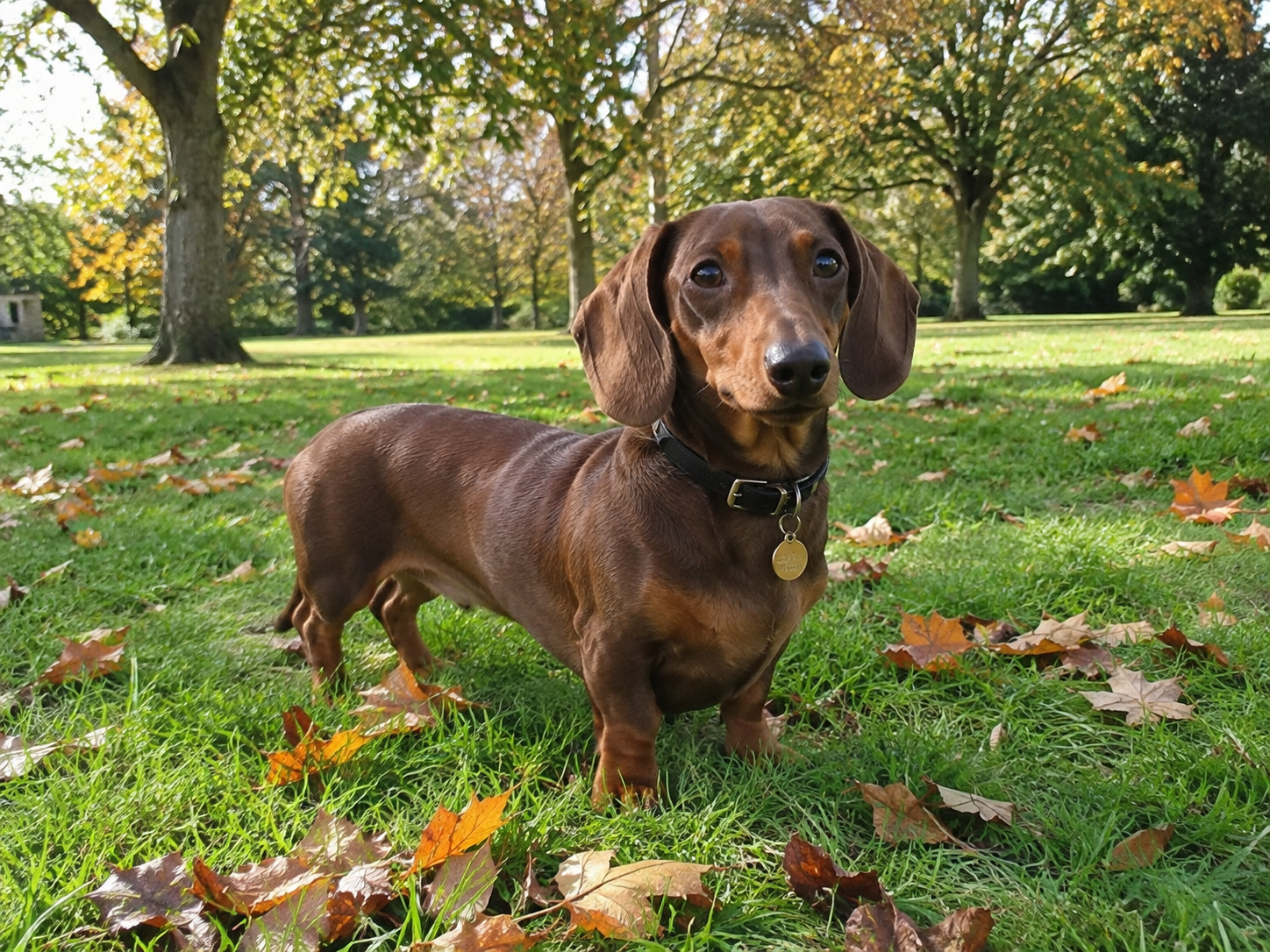 DachshundSmall • Hound
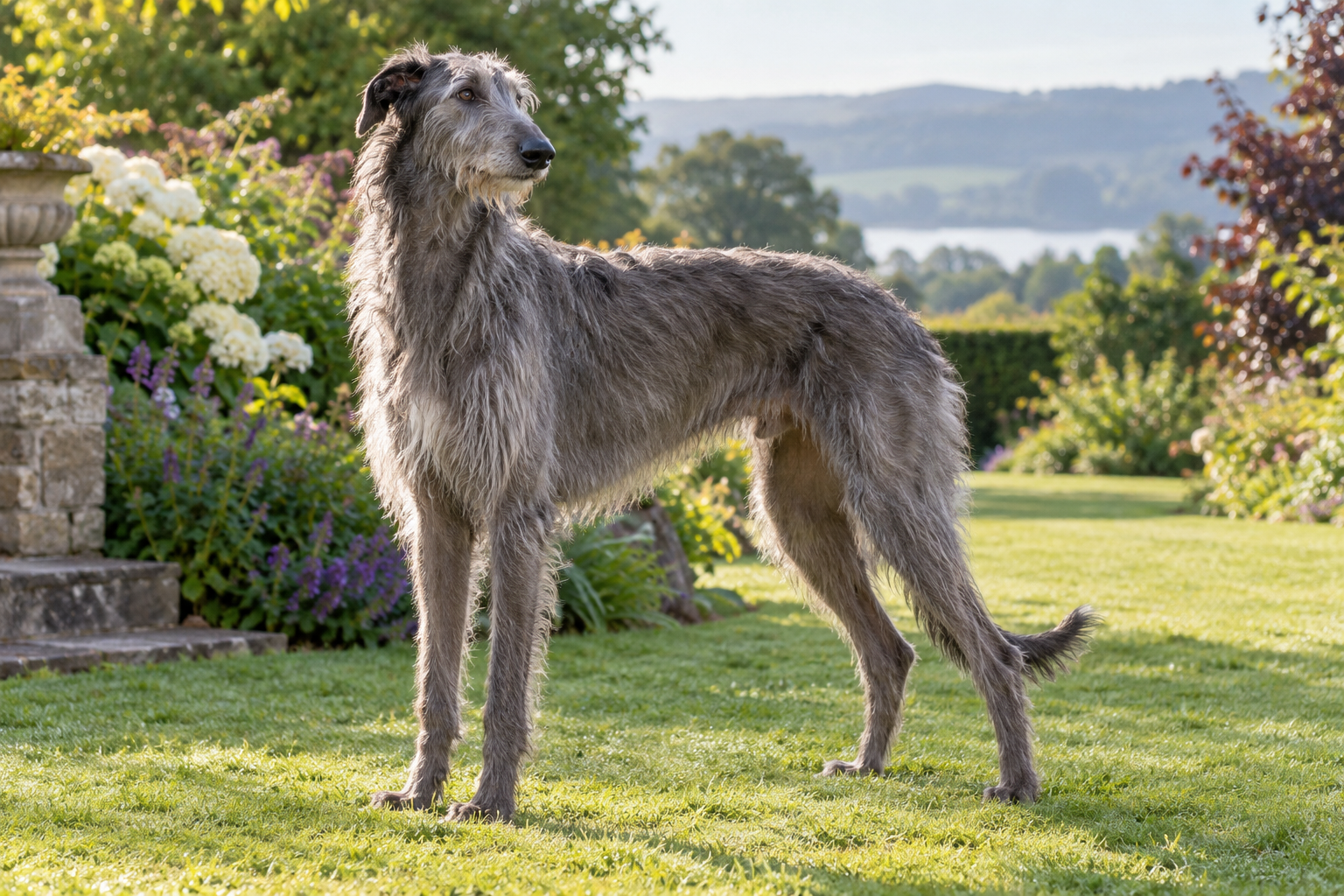 DeerhoundGiant • Hounds (Group 4)
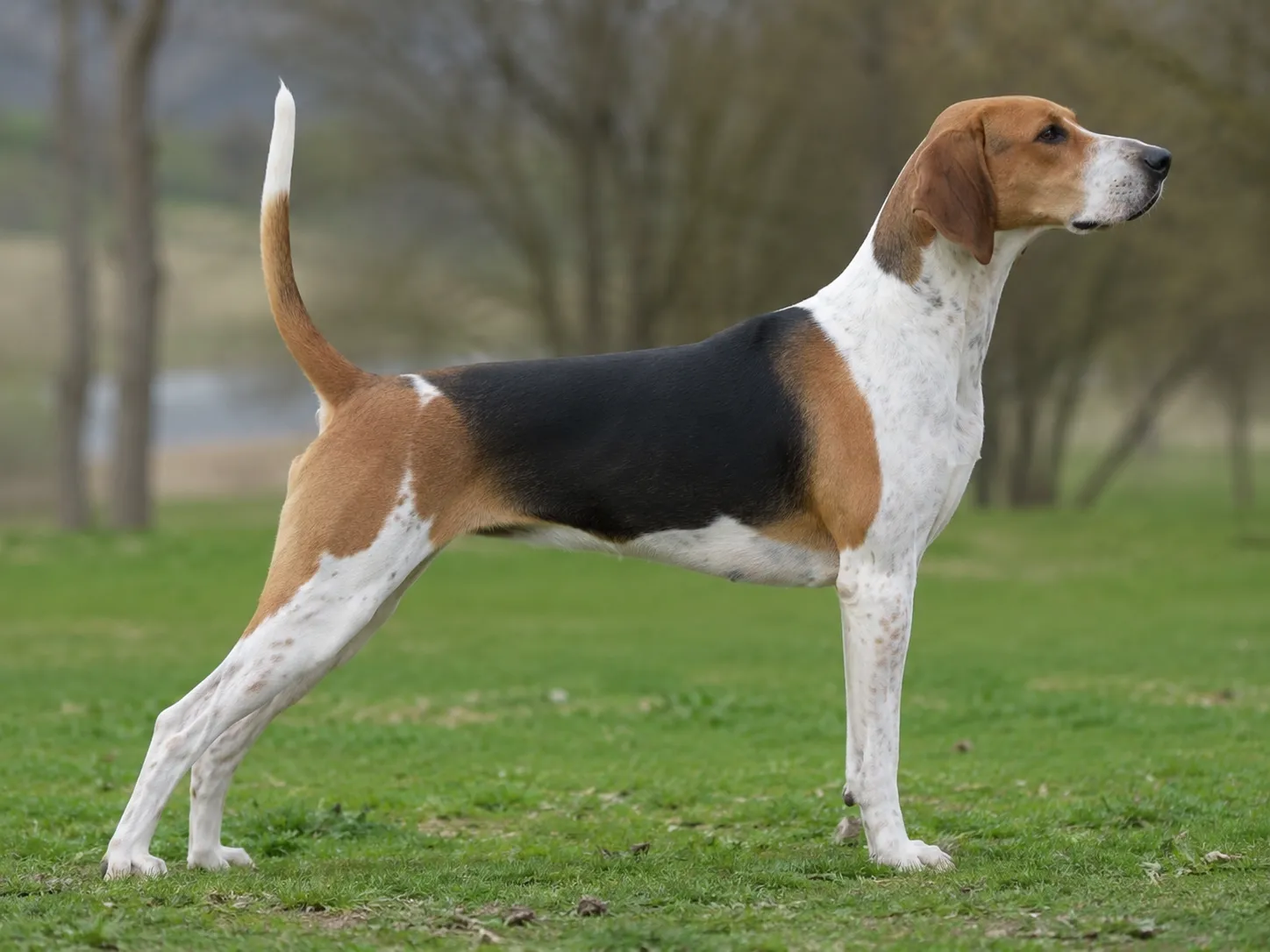 English FoxhoundLarge • Hound
 Irish WolfhoundGiant • Hounds
 Rhodesian RidgebackLarge • Hounds
 SloughiLarge • Hounds (Group 4)