English Foxhound
By James C. • Updated
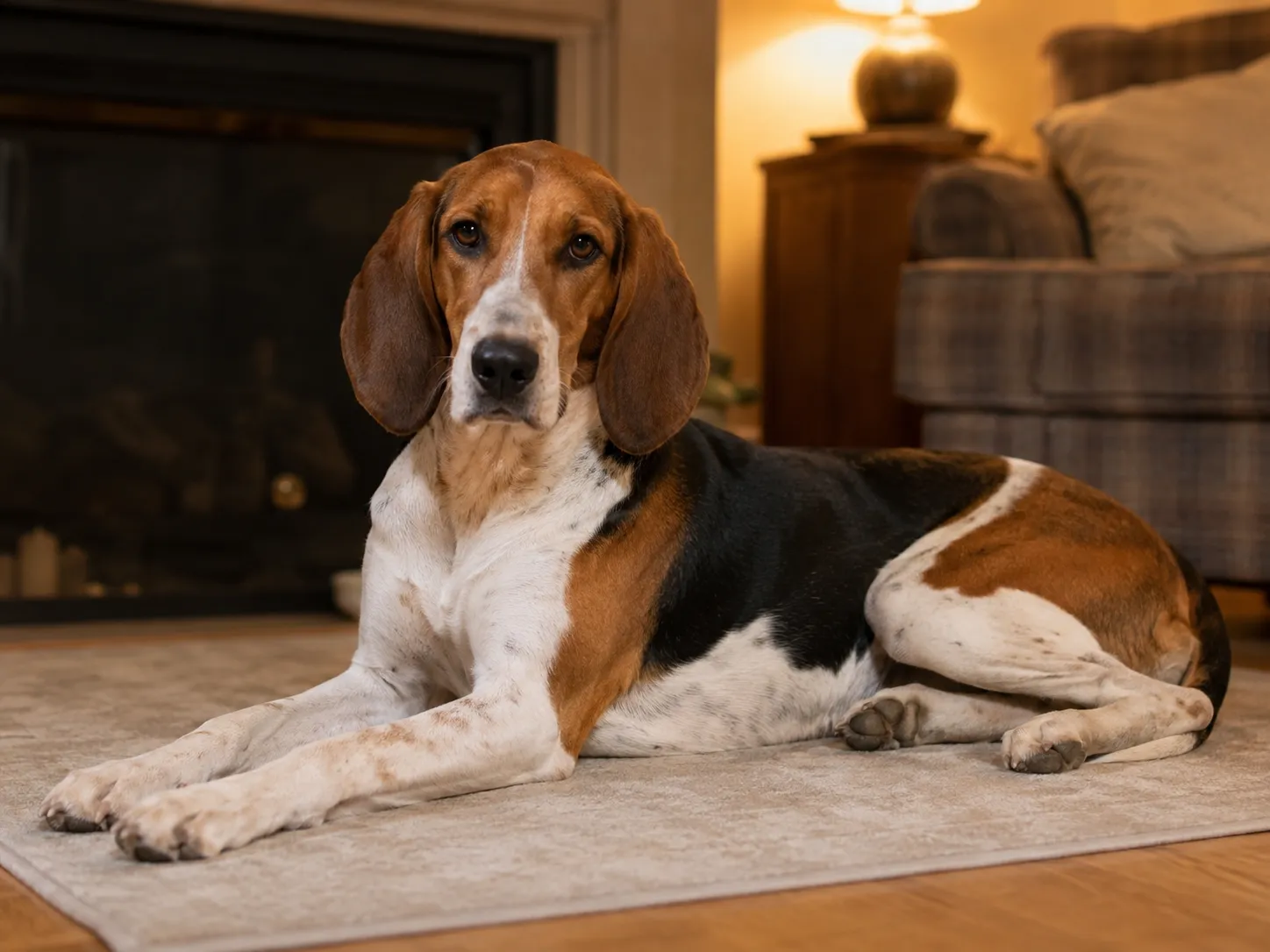
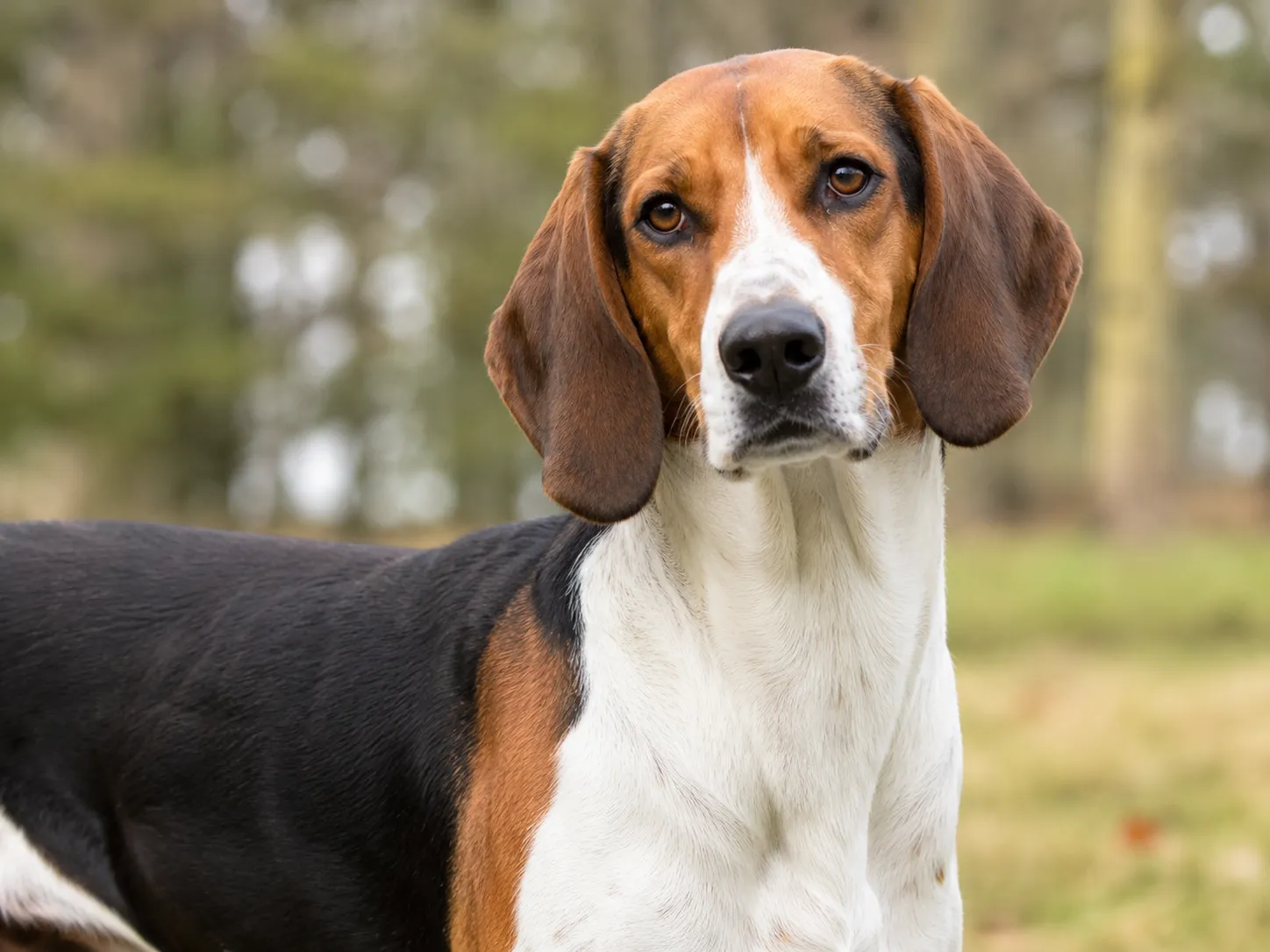
The Foxhound is a powerful, athletic, and friendly scent hound originally bred for tracking and hunting foxes over long distances. Known for its exceptional stamina, keen sense of smell, and pack-oriented nature, the Foxhound thrives in active households that can provide plenty of exercise and outdoor space. They are generally good-natured, sociable dogs but can be independent due to their strong hunting instincts.
Breed Overview
Life Span
10 - 13 years
Average Price
AUD 1000 - AUD 3000
Weight
Male: 29 - 34 kg Female: 27 - 32 kg
Height
Male: 56 - 64 cm Female: 53 - 61 cm
Life Expectancy
Male/Female: 10 - 13 years
Breed Group
Hound
Nicknames
English Foxhound, American Foxhound (variety dependent)
Breed Information
The Foxhound is a powerful scent hound bred for stamina, teamwork and relentless tracking ability. Originally developed for mounted fox hunting, this breed thrives in open spaces and structured environments where it can move freely and use its exceptional nose.
If you are considering a Foxhound, it is important to understand that this is not a low energy companion. These dogs are athletic, independent and highly driven, requiring significant daily exercise and mental stimulation. They suit active households, rural properties, or experienced owners who understand working hound behaviour. Buyers who want a scent hound on a smaller scale usually compare it with the Beagle, a far more manageable scent hound, which shares the nose and the vocal streak in a smaller frame.
With the right environment and leadership, a Foxhound can be a loyal, affectionate and surprisingly gentle family member. However, without proper outlets for energy, they may become restless or vocal. In this guide, we will break down everything you need to know before bringing a Foxhound into your home.
Characteristics of the Foxhound: Energy, Instinct and Family Compatibility
Before bringing a Foxhound into your home, it helps to understand how this breed typically scores across key lifestyle traits. Their working background shapes nearly every aspect of their personality and care needs.
| Trait | Rating (Out of 5) | What This Means for You |
| Affection with Family | 4/5 ⭐⭐⭐⭐ | Loyal and friendly with their people, especially when raised in the home. They bond well but are not overly clingy. |
| Good with Children | 4/5 ⭐⭐⭐⭐ | Generally patient and tolerant, particularly older children who respect boundaries and energy levels. Supervision is always recommended. |
| Good with Other Dogs | 5/5 ⭐⭐⭐⭐⭐ | Bred to work in packs, Foxhounds usually thrive with other dogs and enjoy canine companionship. |
| Stranger Friendliness | 3/5 ⭐⭐⭐ | Typically social rather than protective. They are alert but not natural guard dogs. |
| Prey Drive | 5/5 ⭐⭐⭐⭐⭐ | Extremely strong scent and chase instinct. Small pets may trigger pursuit behaviour. Secure fencing is essential. |
| Energy Level | 5/5 ⭐⭐⭐⭐⭐ | High stamina and endurance. Requires substantial daily exercise and mental engagement. |
| Trainability | 3/5 ⭐⭐⭐ | Intelligent but independent. Training requires consistency and patience. |
| Barking / Howling Tendency | 4/5 ⭐⭐⭐⭐ | Known for their classic hound voice. Can be vocal, especially if bored or under-stimulated. |
| Shedding Level | 3/5 ⭐⭐⭐ | Moderate shedding throughout the year. Weekly brushing usually manages loose hair. |
| Adaptability to Apartment Living | 1/5 ⭐ | Not suited to small spaces. Thrives in homes with large, secure yards or rural properties. |
Overall, the Foxhound is best suited to active owners who understand working breeds. Their need for movement, companionship and structured outlets for instinct is not optional. When these needs are met, they can be affectionate, steady and highly rewarding companions.
History of the Foxhound: A Breed Built for Endurance
The Foxhound was developed in Britain during the 16th and 17th centuries when organised fox hunting became a structured countryside sport. Breeders focused on creating a dog with remarkable stamina, scenting precision and disciplined pack behaviour, capable of running for hours across challenging terrain.
The British line became known as the English Foxhound. It was refined for mounted hunts, where cooperation within a pack was essential. These dogs were bred for performance rather than companionship, which explains their strong independence and working drive today.
In the 18th century, Foxhounds were exported to North America. There, selective breeding adapted them to different landscapes and hunting styles. This development led to the American Foxhound, generally lighter in build and recognised for impressive speed and endurance over long distances.
Although hunting traditions have evolved, the breed’s identity remains rooted in its origins. The modern Foxhound still carries exceptional endurance, a powerful tracking nose and an instinct to work within a pack. Understanding this background helps explain the breed’s high exercise needs and independent temperament in contemporary homes.
.Appearance of the Foxhound: Built for Distance and Durability
The Foxhound was bred for stamina, coordination and sustained movement across open countryside. Its appearance is entirely functional, with no exaggerated features. Every structural detail supports endurance and efficient tracking.
Overall Build
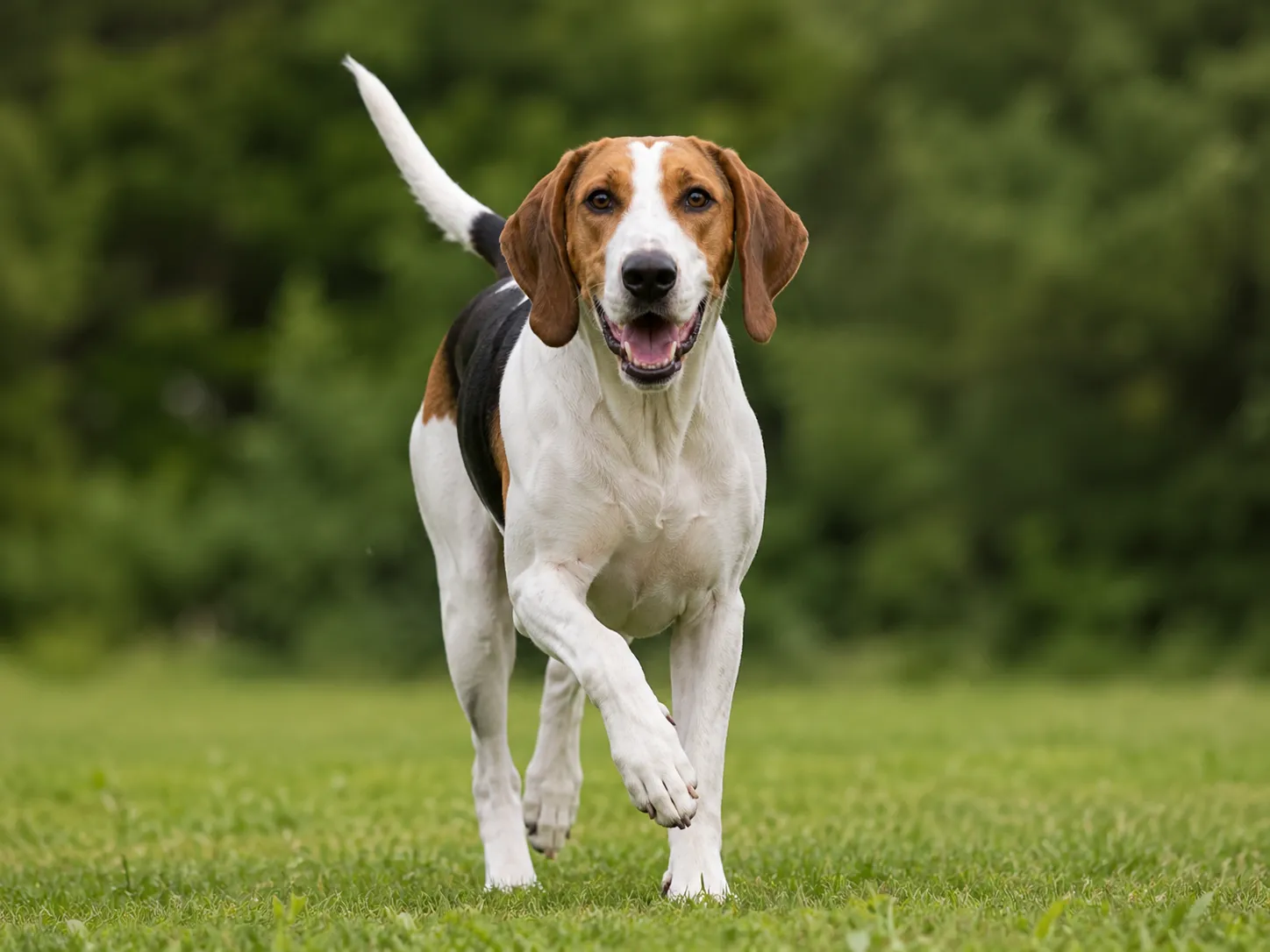
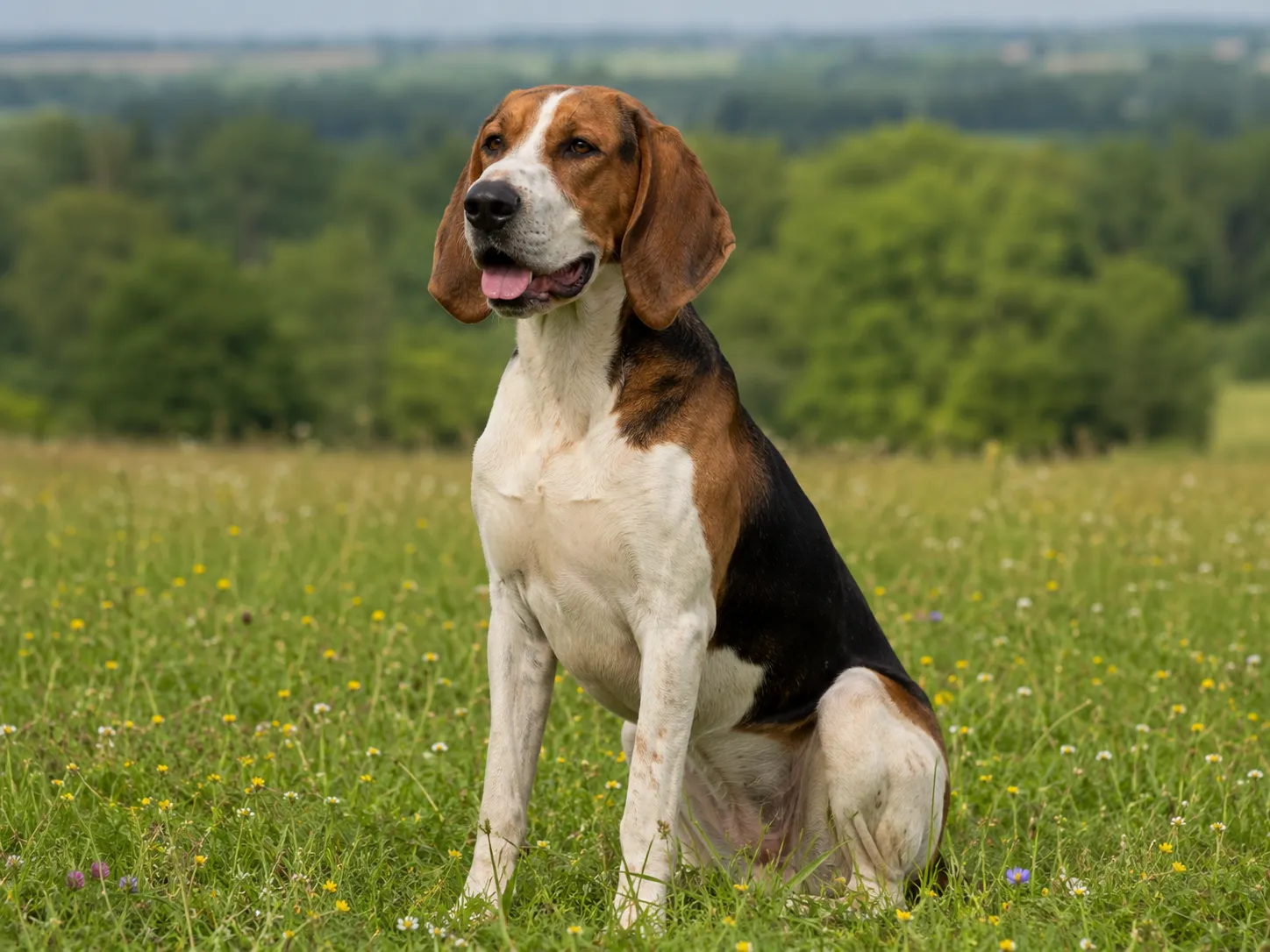
Foxhounds are medium to large hounds with a strong but streamlined frame. The body is balanced and symmetrical, never heavy or overly refined. A deep chest allows optimal lung capacity, while the back remains firm and level to support long periods of running.
They should look athletic and ready for movement at all times.
Head and Expression
The head is moderately broad with a slightly domed skull and a straight, well-developed muzzle. A correct scissor bite is expected in well-bred individuals.
Eyes are usually brown or hazel and express alertness without sharpness. Long ears are set low and hang close to the cheeks, giving the breed its classic scent-hound expression.
Structure and Movement
Shoulders are well laid back, enabling long, ground-covering strides. Legs are straight with solid bone and tight, durable feet built for uneven terrain and extended tracking.
The tail is set fairly high and carried confidently, particularly when the dog is alert or moving. Movement should be smooth, rhythmic and efficient, reflecting true working capability.
Coat and Colour
The coat is short, dense and lies close to the body. It provides moderate protection against weather without being heavy or insulating.
Traditional tricolour combinations of black, white and tan are common, though other recognised hound colours may appear. The American Foxhound typically appears lighter and slightly taller, while the English Foxhound presents a more solid outline.
Overall, the Foxhound’s appearance communicates one clear message: endurance, balance and structural soundness built for purpose.
Different Types of the Foxhound: English vs American Explained Clearly
Although often grouped under one name, the Foxhound exists in two recognised types: the English Foxhound and the American Foxhound. They share ancestry and core working instincts, but differences in structure, movement and refinement matter when choosing the right fit.
English Foxhound
The English Foxhound is the older and more traditional type. It was bred primarily for mounted pack hunts across British countryside.
This variety tends to appear more solid and slightly heavier in frame. Bone density is stronger, and the overall outline looks compact and powerful rather than refined.
Temperament reflects structured pack discipline. English Foxhounds are steady, cooperative with other dogs and highly driven by scent.
American Foxhound
The American Foxhound developed after English imports were adapted to North American terrain and hunting styles.
This type is generally lighter in build, slightly taller and more refined in outline. Movement often appears faster and more fluid, reflecting breeding for speed and range.
American Foxhounds are known for impressive stamina and a slightly more independent nature, though individual temperament varies.
Structural and Lifestyle Differences
Both types share:
● High endurance
● Strong prey drive
● Pack-oriented social instincts
● Need for significant daily exercise
However, subtle differences in build and energy expression may influence suitability. The American type may appear more agile and rangy, while the English type often looks sturdier and more traditional.
In practical terms, lifestyle compatibility depends more on activity level and space than on variety. Regardless of type, a Foxhound remains a high-drive working scent hound requiring structured outlets for instinct and energy.
Temperament of the Foxhound: Driven, Social and Highly Instinctive
The Foxhound was bred to work in coordinated packs, follow scent trails for hours and remain focused despite distraction. That heritage still defines the breed’s temperament today. They are energetic, scent-driven and naturally social with other dogs.
Core Personality Traits
Foxhounds are friendly rather than protective. They are typically affectionate with their families but not overly clingy. Independence is strong, as the breed was developed to think and track with minimal direct instruction.
They are alert and observant, constantly processing scent and environmental movement.
Energy and Drive
This is a high-stamina hound. Daily structured exercise is essential, not optional. Without adequate outlets, behaviours such as excessive barking, restlessness or escape attempts may appear.
Their endurance is impressive, and mental fatigue is just as important as physical activity.
Prey Drive and Scent Instinct
The Foxhound possesses an exceptionally strong nose. Scent can override obedience if training is inconsistent.
Small animals may trigger pursuit behaviour. Secure fencing and controlled outdoor access are critical. Off-lead reliability requires ongoing reinforcement, and building obedience before instinct takes over is far easier than retraining an adult hound.
Social Behaviour
Because they were bred to operate in packs, Foxhounds generally coexist well with other dogs. They are not naturally territorial and rarely make effective guard dogs.
They may be vocal, particularly when excited or bored. Their classic hound bay is deep and distinctive.
Overall, the Foxhound is best described as energetic, cooperative with other dogs and intensely scent-focused. When properly exercised and structured, they are steady and affectionate companions. Without structure, their instinct can dominate household life.
Intelligence and Trainability of the Foxhound: Capable but Independent
The Foxhound is intelligent, but it is not a naturally obedience-driven breed. It was developed to follow scent trails over long distances with minimal handler direction. That history shapes how it learns and responds to training.
How Intelligent Is the Foxhound?
Foxhounds are strong problem-solvers when scent is involved. Their ability to analyse ground trails and maintain focus over distance reflects specialised working intelligence rather than trick-based responsiveness.
They understand patterns quickly, especially when routines are consistent.
Training Style That Works
Positive reinforcement combined with firm structure produces the most reliable results. Food rewards and praise are effective, but repetition must be purposeful and varied to prevent boredom.
Short, focused sessions are more productive than long drills. Harsh correction often leads to shutdown or selective listening.
Common Training Challenges
Independence can be mistaken for stubbornness. When a Foxhound detects an interesting scent, attention may shift immediately.
Recall training must begin early and continue throughout adulthood. Secure environments are essential during early training stages.
Advanced Training Potential
Foxhounds can perform well in scent work, tracking trials and endurance-based activities. They are less suited to high-precision obedience sports but excel when allowed to use their nose.
Mental stimulation through scent games and structured outdoor activity helps prevent behavioural issues.
With consistency and patience, the Foxhound becomes responsive and manageable. However, it remains a breed that thinks for itself. Clear leadership and structured routine are essential for long-term success.
Foxhound With Children and Other Pets: Social but Instinct-Driven
The Foxhound is generally friendly and pack-oriented, but compatibility within a household depends heavily on supervision, structure and realistic expectations. This is a working hound with strong instincts, not a naturally cautious companion breed.
Interaction With Children
Foxhounds are typically gentle and tolerant with older children who understand how to behave around dogs. Their sociable nature often makes them approachable and affectionate within the family unit.
However, their size and energy can overwhelm toddlers. Rough handling or high excitement may lead to accidental knocks rather than deliberate aggression. Supervision is essential during active play.
Living With Other Dogs
Because they were bred to operate in packs, Foxhounds usually coexist well with other dogs. They often benefit from canine companionship, particularly in active households.
Early socialisation helps reinforce stable behaviour, though most individuals display natural tolerance toward other dogs.
Cats and Small Pets
Prey drive is strong. Small animals such as rabbits, guinea pigs or birds are at high risk in a household environment.
Some Foxhounds may live with cats if raised together from puppyhood, but the instinct to chase can remain. Controlled introductions and secure separation spaces are important.
Household Suitability Summary
Best suited to:
● Active families with older children
● Multi-dog households
● Homes with secure fencing
Less suited to:
● Homes with unsecured small pets
● Sedentary lifestyles
● Households unable to supervise interactions
The Foxhound can be a steady and friendly family companion when expectations are realistic. However, its energy level and prey instinct require structured management to maintain household harmony.
Health of the Foxhound: Generally Hardy but Not Without Risk
The Foxhound is considered a relatively robust working breed, particularly when sourced from responsible breeders who prioritise structural soundness and genetic health. Their athletic build contributes to overall durability, but like all purebred dogs, certain hereditary conditions can occur.
Common Health Concerns
While not excessively fragile, Foxhounds may be predisposed to:
● Hip dysplasia: abnormal development of the hip joint that can affect mobility
● Elbow dysplasia: joint irregularities that may lead to lameness
● Ear infections: long ears can trap moisture and debris
● Bloat (gastric dilatation-volvulus): a serious but less common emergency in deep-chested breeds
Early detection and regular veterinary care significantly reduce long-term complications. With drop ears, knowing why dog ears start to smell is usually the first warning you get.
Ear and Joint Care
Because of their long, pendulous ears, routine ear checks are essential. Dirt and moisture can accumulate easily, especially in active outdoor dogs.
Maintaining lean body condition supports joint health. Excess weight increases pressure on hips and elbows, particularly in highly active individuals.
Genetic Testing and Breeder Responsibility
Responsible breeders conduct hip and elbow scoring, along with general health screening before breeding. Always request documentation and ask direct questions about lineage health history.
Health-focused breeding practices dramatically improve long-term outcomes.
Lifespan and Preventative Care
Foxhounds typically live between 10 and 13 years. With proper diet, structured exercise and preventative veterinary checks, many remain active well into their senior years.
Overall, the breed is structurally sound when responsibly bred. Preventative care, weight management and careful breeder selection remain the most important factors in maintaining long-term health.
Caring for the Foxhound: Structure, Stimulation and Secure Management
Caring for a Foxhound requires more commitment than many companion breeds. This is a high-endurance scent hound that thrives on movement, routine and purpose. Daily management must address both physical and mental needs.
Daily Routine and Exercise
Foxhounds require at least 60 to 90 minutes of structured activity each day. This may include brisk walks, controlled running in secure areas, scent games or endurance-based tasks.
A casual stroll is rarely sufficient. Without adequate outlets, behaviours such as vocalising, digging or escape attempts may develop.
Secure Environment
Secure fencing is essential. Foxhounds are capable diggers and determined trackers. Once a scent is detected, persistence can override training.
Outdoor time should occur in enclosed areas. Gates must be secure, and fencing should be tall and reinforced where necessary.
Mental Engagement
Mental stimulation is equally important. Scent work, puzzle feeders and short obedience sessions help channel their intelligence productively.
A Foxhound without mental outlets may create its own stimulation, which often leads to household disruption.
Living Space and Climate
Foxhounds adapt well to most Australian climates provided shade and shelter are available. Their short coat does not offer heavy insulation, so protection from extreme cold may be necessary.
They can live in suburban homes if exercise demands are met, but rural or semi-rural properties often suit them better.
Caring for a Foxhound means embracing an active routine. When structure and stimulation are consistent, they become steady, cooperative and manageable companions. Without that structure, their instinct and energy dominate daily life.
Grooming of the Foxhound: Low Maintenance but Not Neglect-Free
The Foxhound’s short, dense coat is relatively easy to maintain compared to many other breeds. However, minimal grooming does not mean no grooming. Regular upkeep supports skin health, comfort and overall hygiene.
Coat Care
The coat is short and lies close to the body. Weekly brushing with a soft bristle brush or grooming mitt helps remove loose hair and maintain shine.
Shedding is moderate throughout the year, with slight seasonal increases. Regular brushing reduces hair around the home, and the guide to grooming a dog by coat type sets out what a short, dense coat actually needs.
Bathing
Foxhounds do not require frequent bathing. Washing every few months, or when visibly dirty, is usually sufficient.
Overbathing can strip natural oils and lead to dry skin. Use a mild dog-specific shampoo when needed.
Ear Care
Because of their long, hanging ears, Foxhounds are prone to moisture build-up. Weekly ear checks are recommended.
Cleaning with a vet-approved ear solution helps prevent infection, particularly in active outdoor dogs.
Nails and Dental Health
Nails should be trimmed regularly to prevent overgrowth and posture issues. Active individuals may naturally wear nails down, but this varies.
Routine tooth brushing supports long-term dental health, especially as the breed ages.
Overall, grooming demands are manageable. With consistent maintenance, the Foxhound remains clean and comfortable. Simple weekly care is usually enough to keep this working hound in good condition.
Exercise Needs of the Foxhound: Daily Endurance Is Essential
The Foxhound was bred to track and run for hours across open terrain. That endurance has not diminished in modern lines. Exercise is not optional for this breed. It is fundamental to behavioural stability and overall wellbeing.
How Much Exercise Is Required?
Most adult Foxhounds require at least 60 to 90 minutes of structured activity every day. This should include brisk walking, controlled running in secure areas or scent-based games.
Casual backyard time is rarely sufficient. Purposeful activity produces far better results than unstructured roaming.
Mental Stimulation Is Equally Important
Physical fatigue alone does not satisfy a scent hound. Mental engagement through tracking games, puzzle feeders or short training sessions is essential.
Without cognitive outlets, boredom-driven behaviours such as vocalising or digging may develop.
Off-Lead Considerations
Because of strong scent instinct, off-lead exercise should occur only in fully enclosed environments. Even well-trained individuals may follow scent over obedience.
Secure fencing must be reliable and escape-resistant.
Age-Based Activity Adjustments
Puppies require controlled exercise to protect developing joints. Seniors may slow slightly but still benefit from consistent daily movement.
When properly exercised, the Foxhound becomes balanced and manageable. Without adequate outlets, energy and instinct can quickly become overwhelming. Commitment to daily activity is a non-negotiable aspect of owning this breed.
Feeding the Foxhound: Fuel for Endurance and Lean Muscle
The Foxhound is naturally lean and highly active. Proper nutrition supports muscle tone, joint health and sustained energy. While not typically prone to obesity, overfeeding combined with insufficient exercise can quickly alter body condition.
Nutritional Requirements
A high-quality complete dog food formulated for medium to large active breeds is ideal. Protein should support muscle maintenance, while balanced fats provide steady energy.
Diets containing omega fatty acids help maintain skin and coat health, particularly for dogs spending significant time outdoors.
Feeding Schedule and Portion Control
Most adult Foxhounds do well on two measured meals per day. Puppies may require three smaller meals until around six months of age.
Free feeding is not recommended. Structured meals help maintain stable energy levels and prevent unnecessary weight gain.
Monitoring Body Condition
A healthy Foxhound should have a visible waist when viewed from above and a clear abdominal tuck from the side. Ribs should be easily felt but not sharply protruding.
Because this breed is built lean, even small weight increases are noticeable and should be corrected early.
Bloat Awareness
As a deep-chested breed, the Foxhound carries some risk of gastric dilatation-volvulus, commonly known as bloat. Feeding smaller meals rather than one large portion and avoiding intense exercise immediately after eating may reduce risk.
Consistent nutrition combined with appropriate exercise supports longevity and performance. Maintaining lean body condition is one of the most important health decisions an owner can make.
Foxhound Price in Australia: Understanding the True Cost of Ownership
The Foxhound is less commercially common than many companion breeds, but quality puppies from responsible breeders still command a solid price. Cost should reflect health testing, pedigree integrity and early socialisation rather than convenience or availability.
Purchase Price
In Australia, a well-bred Foxhound puppy typically ranges between $1,500 and $3,500, depending on:
● Breeder reputation and registration
● Health testing completed on parents
● Bloodline and working or show lineage
● Location and demand
Extremely low prices should raise concern about health screening and breeding standards.
Initial Setup Costs
Beyond the purchase price, first-year expenses often include:
● Vaccinations and veterinary checks
● Microchipping and council registration
● Desexing if not already completed
● Crate, bedding and secure fencing
● Leads, harnesses and training tools
You should budget approximately $1,000 to $2,000 for initial setup.
Ongoing Costs
Monthly and annual expenses generally include:
● Quality food suited to active breeds
● Routine veterinary care and parasite prevention
● Insurance or emergency savings
● Training or enrichment activities
Because Foxhounds require significant exercise space, secure fencing upgrades may also increase costs in suburban homes.
Lifetime Financial Commitment
Over a 10 to 13 year lifespan, total ownership costs may range between $18,000 and $25,000 depending on healthcare needs and lifestyle.
Financial readiness is only one part of the equation. Time, exercise commitment and secure property management are equally important. Owning a Foxhound requires long-term investment in structure, health and daily engagement.
Buying Advice for Foxhound Puppies: Choose Structure Over Convenience
A Foxhound is a high-drive working breed. Selecting the right puppy requires more than finding one available. Breeder quality, health screening and early development directly influence long-term temperament and stability.
Choose a Registered, Health-Focused Breeder
Look for breeders registered with recognised canine associations in Australia. Registration alone is not proof of quality, but it is a starting point.
A responsible breeder will:
● Provide documented hip and elbow scores
● Share health testing results without hesitation
● Allow you to meet the dam and view living conditions
● Discuss temperament realistically, including exercise demands
Avoid sellers focused solely on quick deposits or immediate availability.
Health Testing to Confirm
Before committing, request documentation for:
● Hip dysplasia screening
● Elbow evaluations
● General structural soundness
● Clear veterinary history of the parents
Because Foxhounds are athletic and active, joint health is particularly important. Growth rate plays into that too, which is why a large breed puppy feeding schedule is worth following through the first year.
Assessing Early Temperament
Observe how puppies interact with littermates and people. Ideal behaviour is confident and curious without excessive fear or aggression.
A reputable breeder will expose puppies to household sounds and gentle handling to support early social development.
Rescue and Rehoming Considerations
Foxhounds occasionally appear in breed rescue networks. Adoption may suit experienced owners who understand scent-driven behaviour and high exercise needs.
Choosing carefully at the beginning determines much of your future experience. With a breed this energetic and instinct-driven, early development and responsible breeding matter significantly. You can find Foxhound puppies and breeders across Australia and check each listing before enquiring.
Is the Foxhound Right for You? A Practical Suitability Check
The Foxhound is not a low-maintenance companion. It is a high-endurance scent hound with strong instinct, independence and a constant need for purposeful activity. Choosing this breed means committing to daily structured exercise, secure fencing and consistent leadership. Without those foundations, energy and scent drive can quickly overwhelm household life.
This breed suits active individuals, rural or semi-rural homes and owners who appreciate working dog behaviour. If you enjoy outdoor routines, structured engagement and the challenge of managing a scent-driven dog, the Foxhound can be deeply rewarding. They are friendly, cooperative with other dogs and affectionate within their family when their needs are properly met.
However, they are unlikely to thrive in sedentary households or homes without secure outdoor space. Their independence and prey drive require realistic expectations and long-term commitment.
If you believe your lifestyle aligns with the Foxhound’s energy and structure requirements, the next step is choosing responsibly. Browse verified Foxhound listings on Pups4Sale to connect with reputable breeders across Australia and start your search with confidence.
Frequently Asked Questions
Related Breeds
Other hound breeds on Pups4Sale.
 Irish WolfhoundGiant • Hounds
 Rhodesian RidgebackLarge • Hounds
 SloughiLarge • Hounds (Group 4)
 WhippetMedium • Hound
 Afghan HoundLarge • Hound
 Basset HoundMedium • Hound