Grooming Needs by Dog Coat Type
Dog Grooming & Hygiene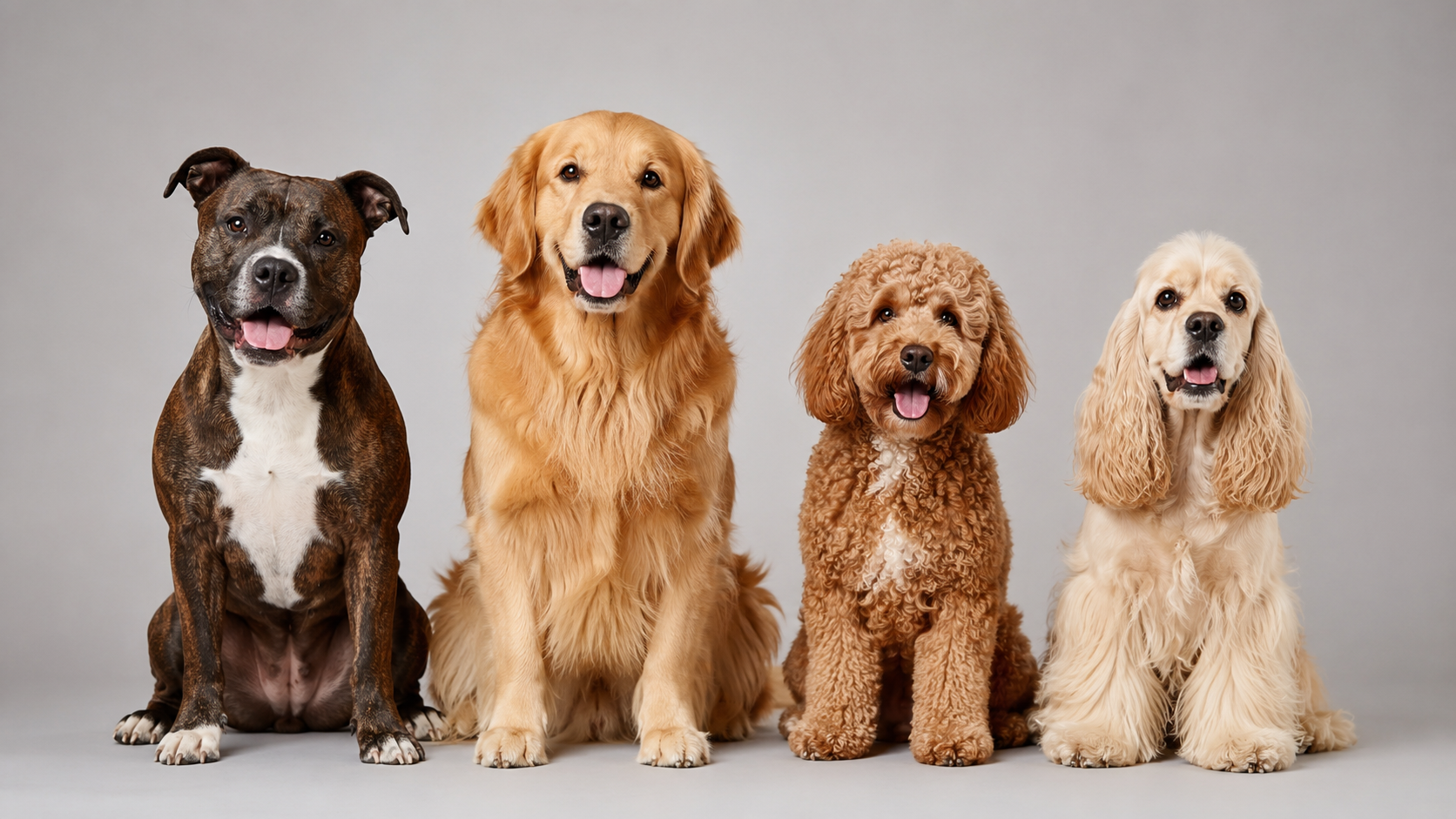 By James C. • July 24, 2026
Your dog’s coat type, whether smooth, short, double, long, curly, corded, wiry or hairless, is the single biggest factor in how often you need to brush, bathe and clip them.
Grooming by coat type saves time and keeps your dog comfortable, since a Poodle and a Greyhound have completely different needs. This guide gives an at-a-glance table, then a short routine for each coat type, plus how coat type changes bathing frequency and how to build a simple routine that fits your dog.
Why coat type matters for grooming
Coat type determines how much a dog sheds, how quickly it mats, and how often it needs bathing and clipping.
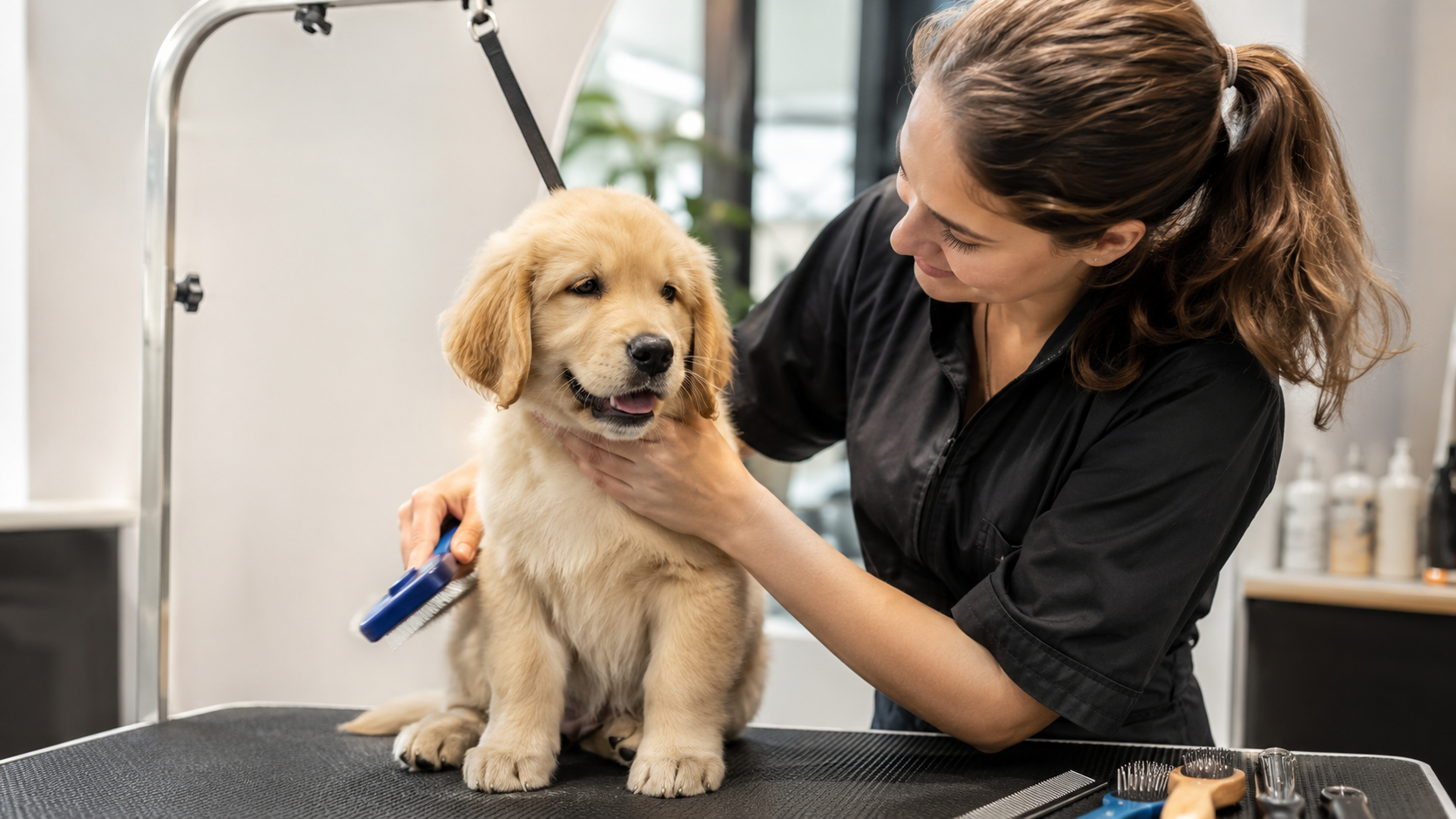
A smooth-coated dog with no undercoat needs little more than a weekly brush, while a curly or long coat that grows continuously can mat within days if it is not brushed. Getting the routine right keeps the skin healthy, prevents painful matting, and controls the fur around your home. It also saves money, since a well-maintained coat needs less work at the groomer.
Coat type can even vary within a breed. Dachshunds, for example, come in smooth, wire and long-haired varieties, each with different needs, so it is always worth matching the routine to the coat in front of you. Coats differ just as much across the most popular dog breeds in Australia, which is worth bearing in mind when choosing.
Coat types at a glance
Use this table as a quick reference, then read the section that matches your dog.
| Coat type | Example breeds | Brushing | Bathing | Matting risk |
|---|---|---|---|---|
| Smooth | Greyhound, Boxer, Staffy | Weekly | Every 6 to 12 weeks | Low |
| Short (with undercoat) | Labrador, German Shepherd, Kelpie | 2 to 3 times a week | Every 4 to 8 weeks | Low |
| Double or triple | Husky, Malamute, Samoyed | Several times a week, daily in shed season | Every 6 to 12 weeks | Medium |
| Long or silky | Afghan Hound, Cocker Spaniel, Maltese | Daily | Every 4 to 6 weeks | High |
| Curly or wavy | Poodle, Cavoodle, Bichon Frise | Daily; groom every 4 to 6 weeks | Every 4 to 6 weeks | High |
| Corded | Komondor, Puli | Separate cords by hand | As needed, dry fully | Corded by design |
| Wiry | Schnauzer, Border Terrier | 2 to 3 times a week; hand-strip | Every 6 to 8 weeks | Low to medium |
| Hairless | Chinese Crested, Xoloitzcuintli | Skin care, no brushing | Gentle, regular baths | None |
Grooming needs by coat type
Each coat type has its own routine, tools and matting risk. Find your dog’s coat below.
Smooth coats
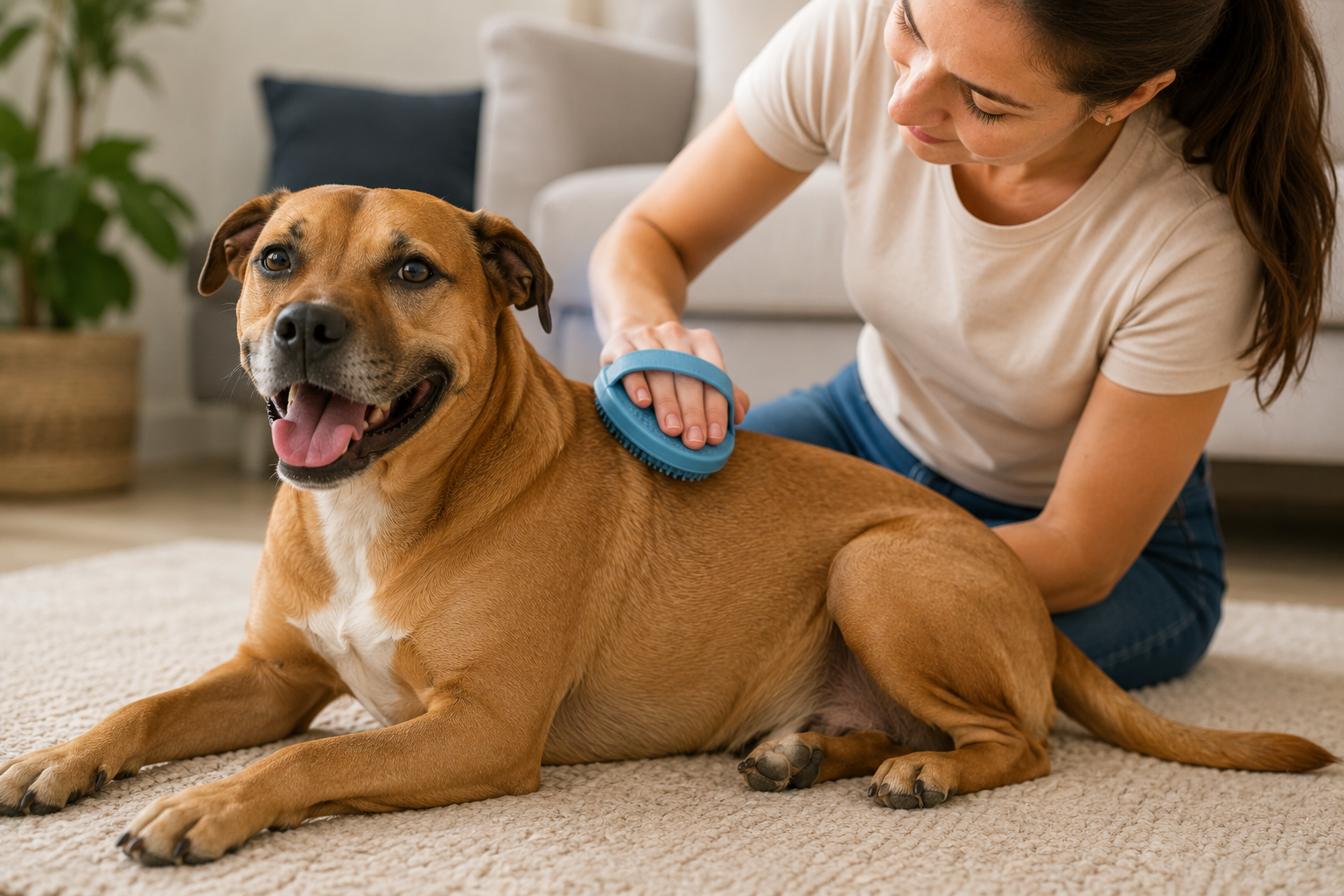
Smooth coats are short, close and glossy with no undercoat, as seen in Greyhounds, Whippets, Boxers, Staffies and Bulldogs. They are low-maintenance: a weekly brush with a rubber curry or bristle brush removes dead hair, and a bath every 6 to 12 weeks is usually enough. Their thin coats offer little protection, so consider a coat in winter and shade or dog-safe sunscreen in summer.
Short coats
Short coats look similar but sit over a shedding undercoat, as in Labradors, German Shepherds, Kelpies, Corgis and Australian Cattle Dogs. Owners are often surprised how much these breeds shed. Brush 2 to 3 times a week, and daily during seasonal sheds, using a deshedding tool or undercoat rake, and bathe every 4 to 8 weeks. Regular deshedding is the key to keeping the fur under control.
Double and triple coats
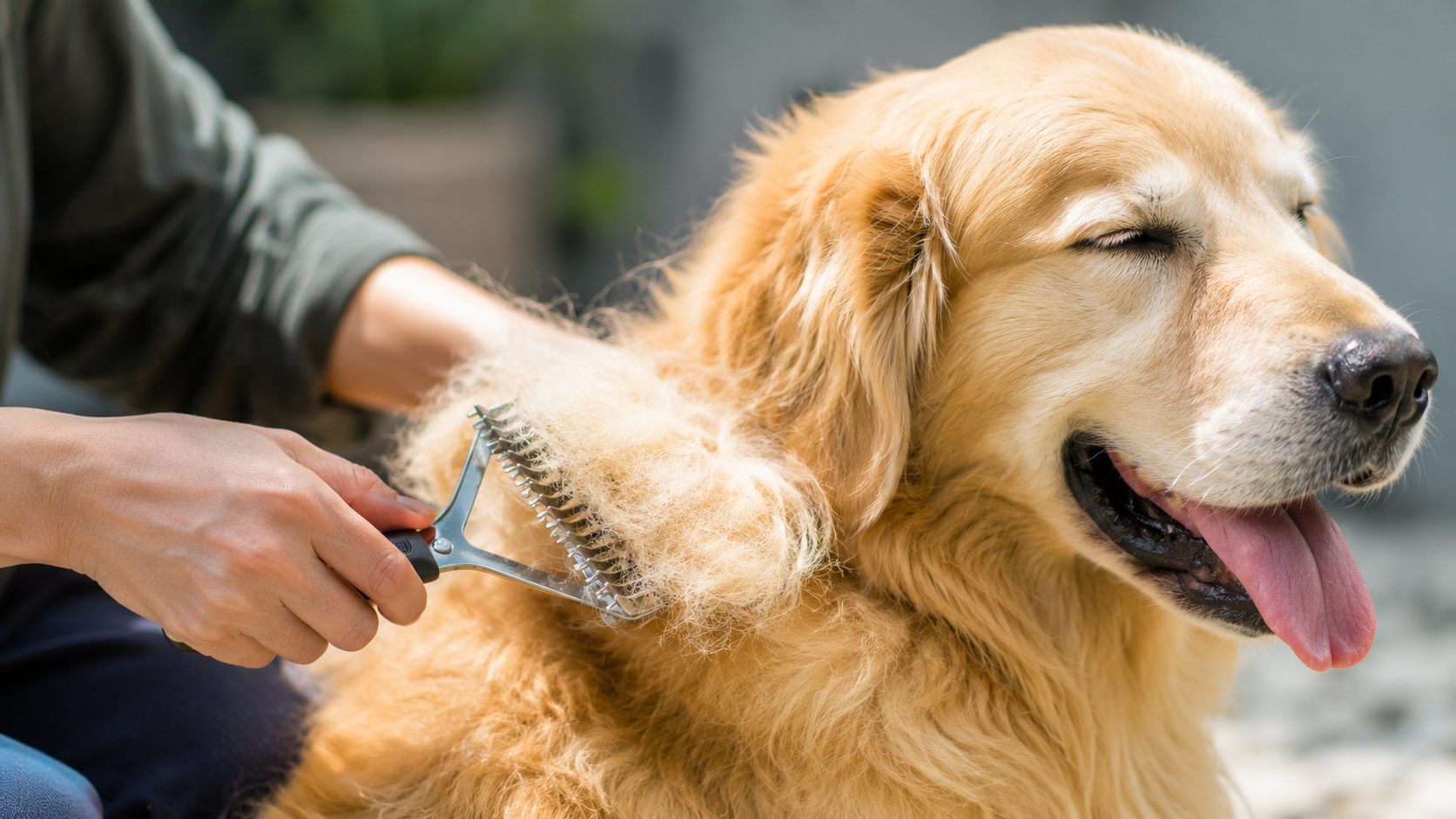
Double and triple-coated breeds such as Huskies, Malamutes, Samoyeds and Pomeranians have a dense, woolly undercoat under weatherproof guard hairs, and they are the heaviest shedders of all. Brush several times a week, and daily when they blow their coat, using an undercoat rake to lift dead undercoat without damaging the guard hairs. Never shave a double coat, since it can permanently harm how the coat protects and cools your dog.
Long and silky coats
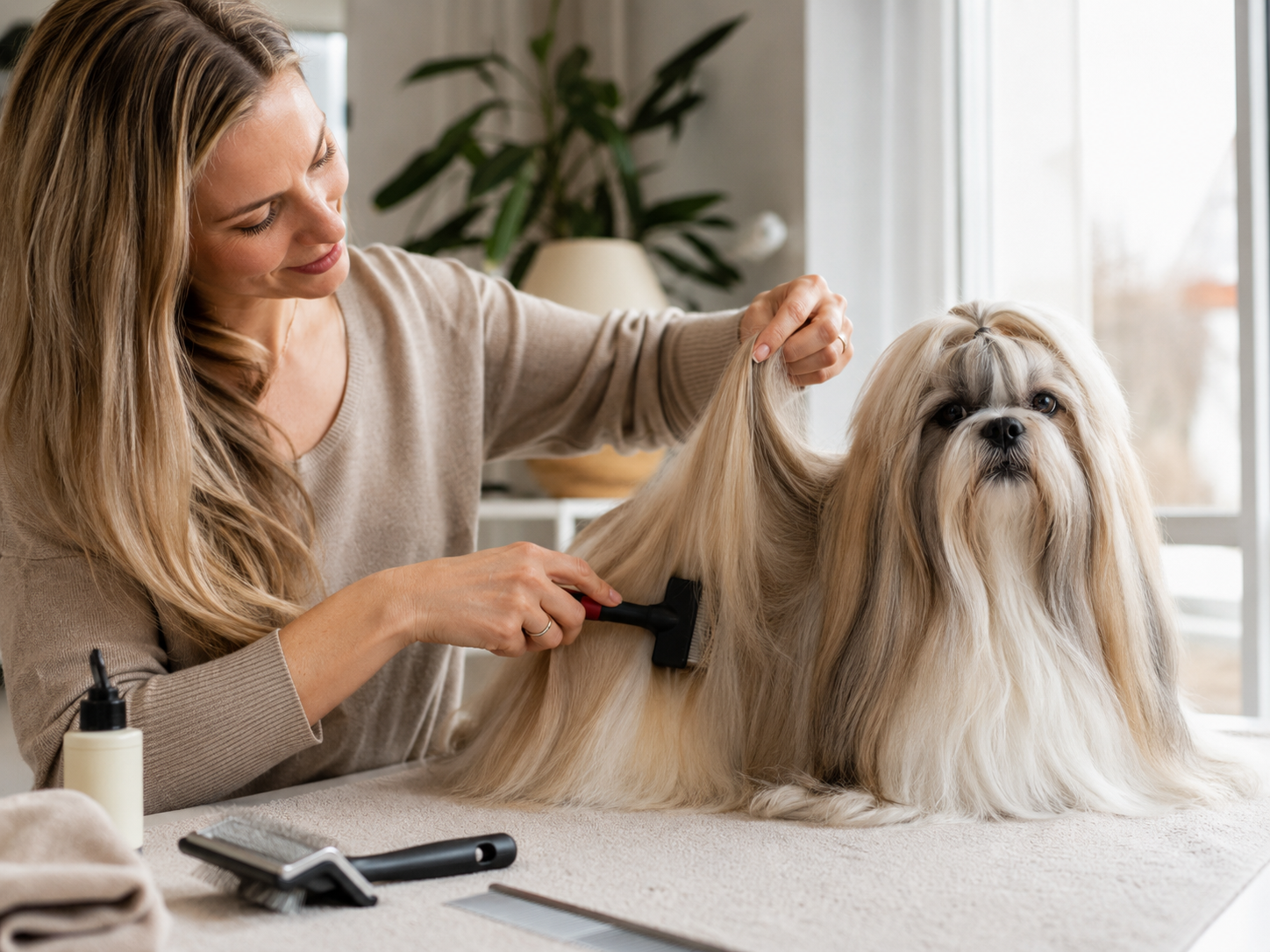
Long and silky coats keep growing and tangle easily, as in Afghan Hounds, Cocker Spaniels, Maltese, Yorkshire Terriers and Setters. They need daily brushing and combing to prevent mats, a detangling spray for stubborn knots, and a professional trim roughly every 6 weeks to stay tidy. Bathe every 4 to 6 weeks, and always brush out tangles before a bath, since water tightens them.
Curly and wavy coats
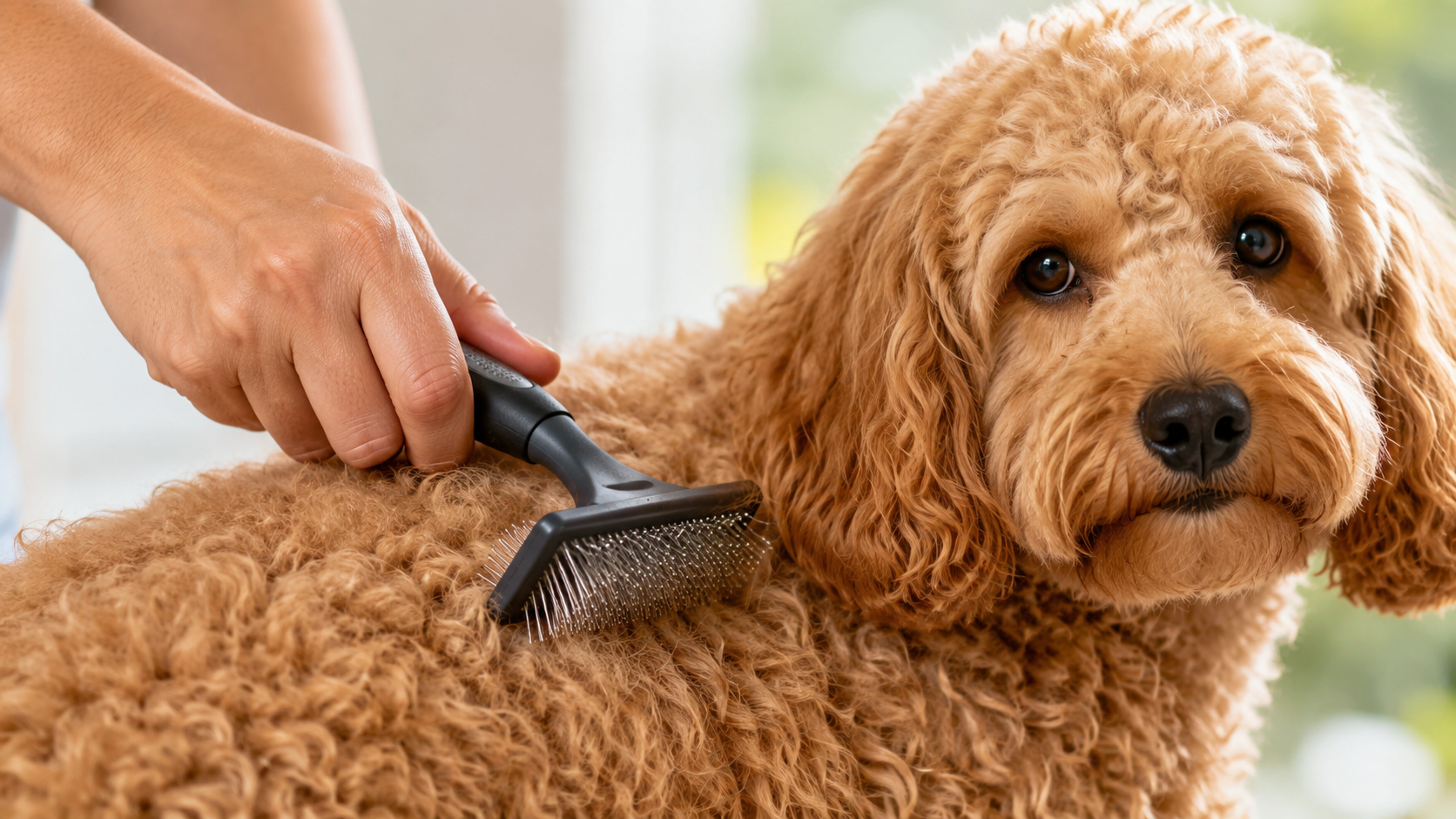
Curly and wavy coats, seen in Poodles, Cavoodles, Bichon Frise and Lagotto Romagnolo, are usually single coats that shed little, but the loose hair gets trapped in the curls and mats quickly. Brush every day or two with a slicker brush, and book a professional groom every 4 to 6 weeks to manage the ever-growing coat. Bathe about monthly, brushing thoroughly afterwards.
Corded coats
Corded coats, such as those of the Komondor and Puli, form when a curly or woolly coat is allowed to mat into deliberate rope-like cords. They are high-effort and rare: the cords are separated and cleaned by hand rather than brushed, and each cord must be washed and dried thoroughly to prevent odour and skin problems. Many owners of these breeds choose a shorter clip instead.
Wiry coats and hand-stripping
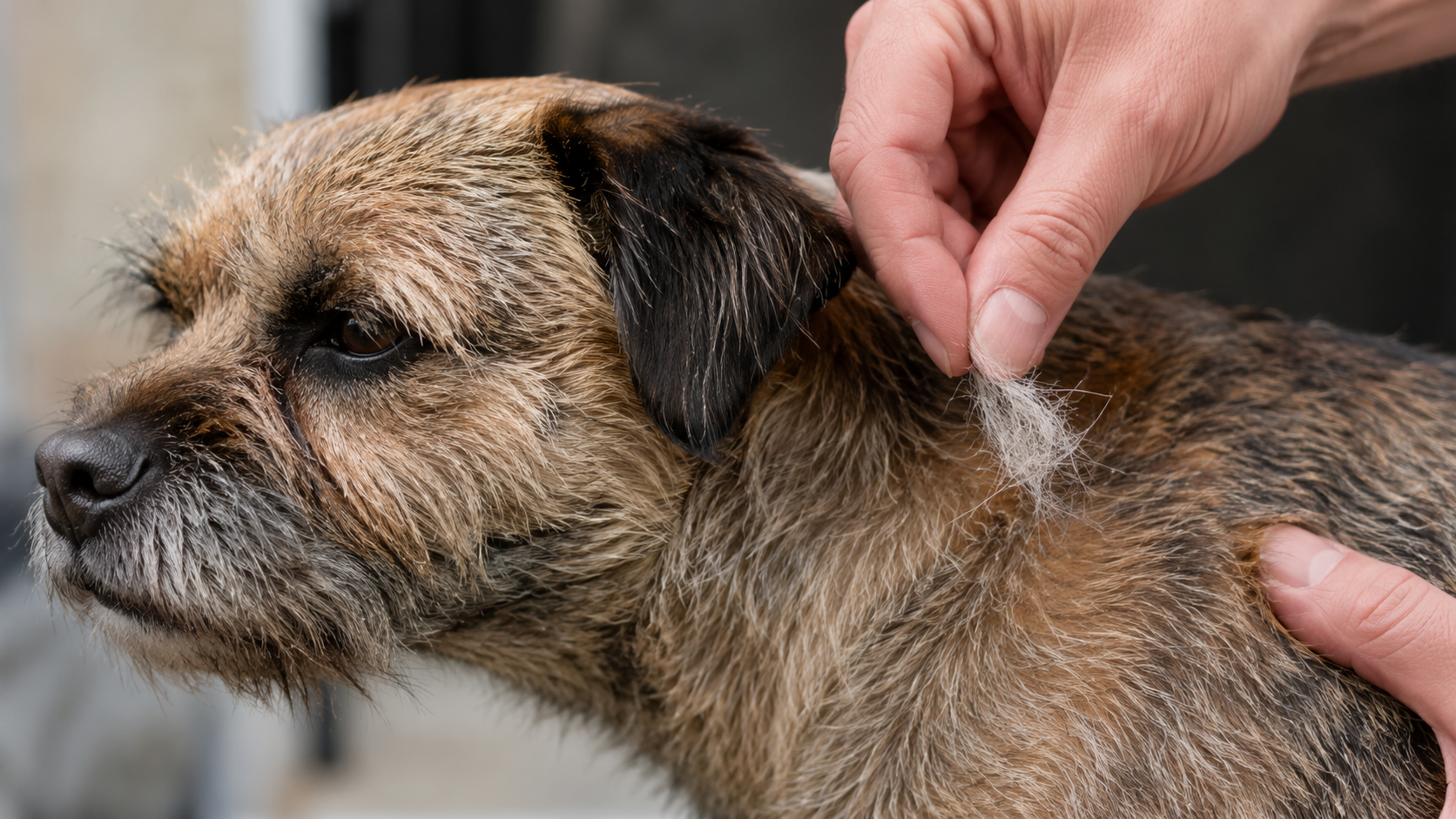
Wiry coats are harsh and bristly, as in Schnauzers, Border Terriers, Wire Fox Terriers and wire-haired Dachshunds. Rather than brushing alone, they benefit from hand-stripping, which removes dead outer hairs by hand or with a stripping knife to keep the texture and colour. Brush 2 to 3 times a week, hand-strip or trim every 4 to 8 weeks, and bathe every 6 to 8 weeks so you do not strip the natural oils.
Hairless coats
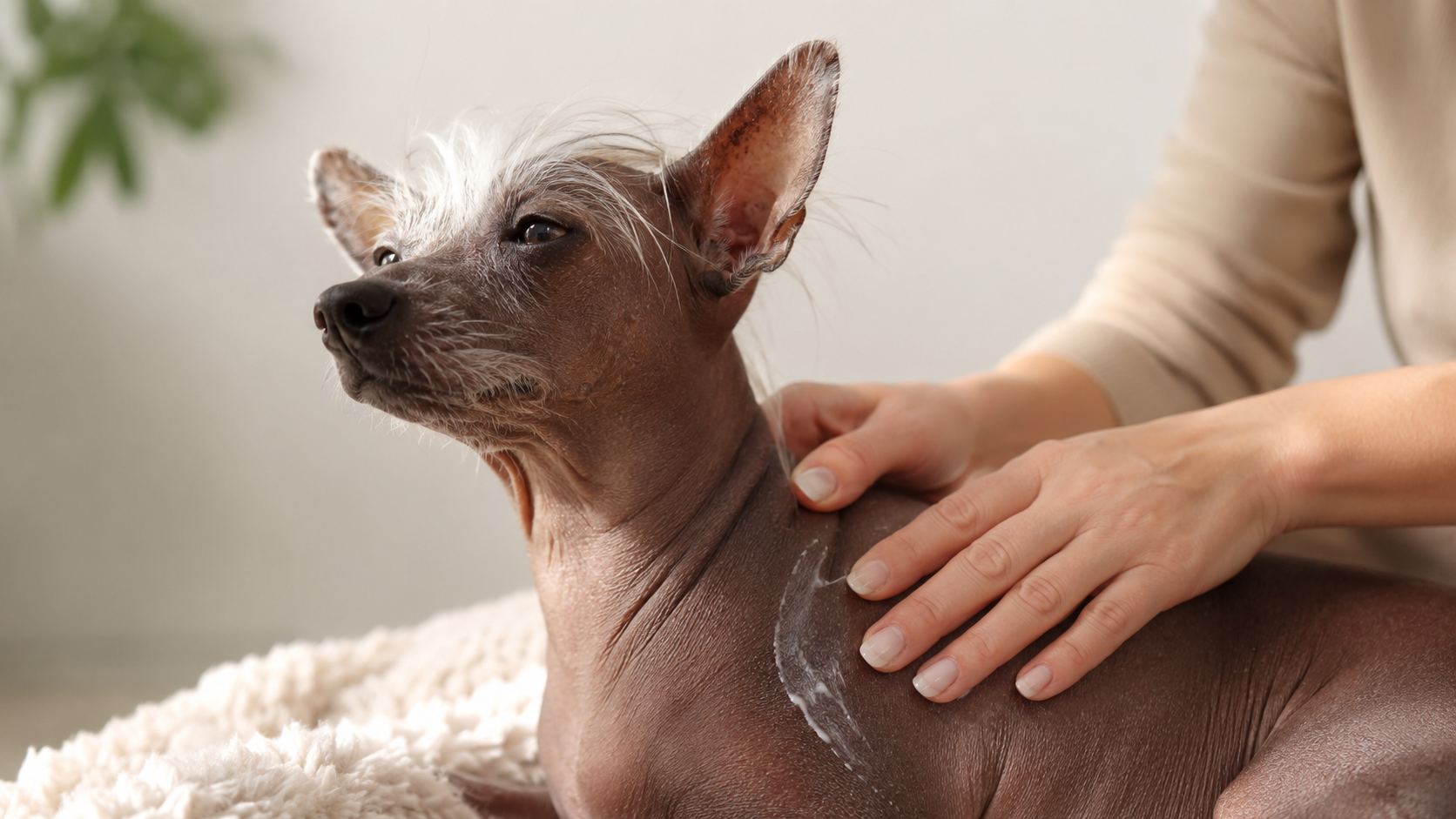
Hairless breeds such as the Chinese Crested and Xoloitzcuintli have little or no coat, so grooming is really skin care. Their exposed skin is prone to sunburn, dryness and acne, so they need dog-safe sunscreen in summer, a warm coat in winter, and gentle, regular bathing with a mild or antibacterial shampoo. Moisturising after a bath helps keep the skin healthy.
How coat type changes bathing frequency
Bathing frequency varies widely by coat, and over-bathing any dog can dry the skin and strip its natural oils.
As a rough guide, smooth and short coats can go 6 to 12 weeks between baths, wiry coats around 6 to 8 weeks, and double coats 6 to 12 weeks with plenty of brushing in between. Long, silky and curly coats usually need bathing every 4 to 6 weeks because they trap dirt and mat more easily, while hairless dogs need gentle, regular baths to care for their exposed skin. Whatever the coat, brush before bathing, rinse thoroughly, and dry properly, especially thick double coats.
Building a routine for your dog’s coat
The best routine combines regular brushing, the right bathing schedule, and the basics that every dog needs.
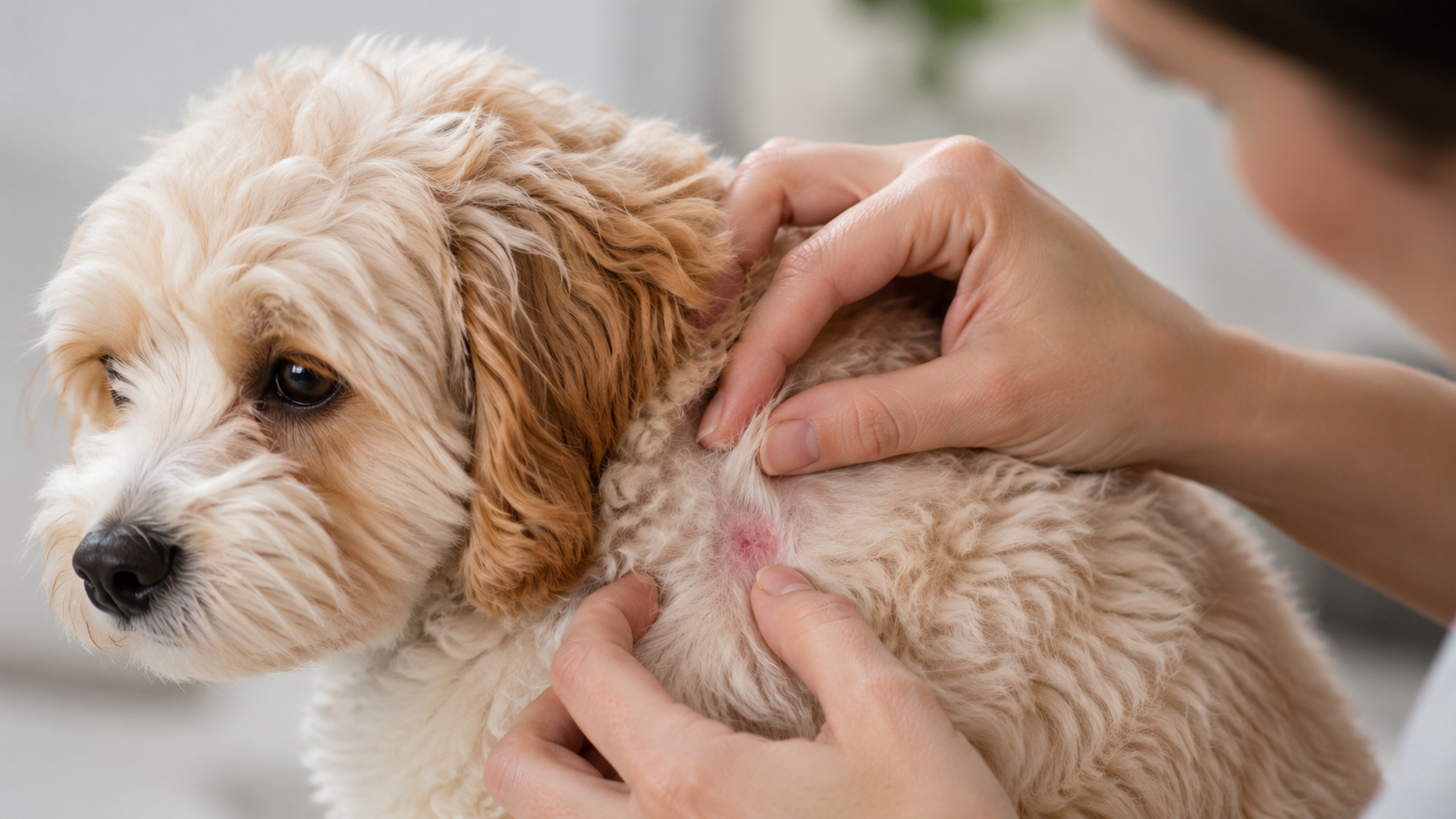
Whatever the coat type, all dogs need their ears checked, nails trimmed and teeth checked for early signs of dental disease as part of grooming, alongside coat care. Set a weekly brushing habit, a bathing schedule to suit the coat, and a groomer appointment where the coat needs professional clipping or hand-stripping. A healthy diet also shows in the coat, since good nutrition supports stronger skin and fur, so it helps to get what you feed your dog right.
Climate matters too in Australia. Smooth and hairless dogs need sun protection in summer and warmth in winter, while double-coated breeds feel the heat and need shade and water rather than a shave. Knowing what counts as a safe temperature for dogs helps you plan for both.
The bottom line on grooming by coat type
Grooming is far easier when you match the routine to your dog’s coat, from a weekly brush for a smooth coat to daily combing for a curly or long one.
Learn your dog’s coat type, set a simple routine, and lean on a groomer where needed. Whatever the coat, the same grooming and hygiene basics keep every dog clean and comfortable.
Frequently asked questions
1. How do I know my dog’s coat type?
Look at the length and texture, and whether there is a soft undercoat beneath the top coat. Smooth and short coats are close and sleek, double coats are dense and shed heavily, and curly or long coats keep growing. Your breeder, vet or groomer can confirm.
2. Which coat type needs the least grooming?
Smooth coats need the least, usually just a weekly brush and an occasional bath, since they have no undercoat and do not grow long. Even so, all dogs still need ear, nail and dental care as part of grooming.
3. How often should I groom my dog by coat type?
Smooth coats need a brush weekly and a bath every 6 to 12 weeks, double coats a deshedding groom every 8 to 12 weeks, and curly, long or wiry coats a professional groom every 4 to 8 weeks, with brushing in between.
4. Can I shave my dog to make grooming easier?
Vets and groomers advise against shaving, especially double-coated breeds, since it can damage the coat, cause uneven regrowth and remove protection from sun and heat. Regular brushing and deshedding is the better approach.
5. Do single-coated dogs still need grooming?
Yes. Single-coated curly and long breeds shed less but mat easily, so they need frequent brushing and regular trims. Even low-shedding coats still need routine bathing, plus ear, nail and dental care.
6. Which dog coats mat the most?
Long, silky, curly and wavy coats mat the most, since the hair keeps growing and traps loose fur, and corded coats are matted by design. Daily brushing and regular trims are the best way to prevent painful mats.
 Add us as a preferred source