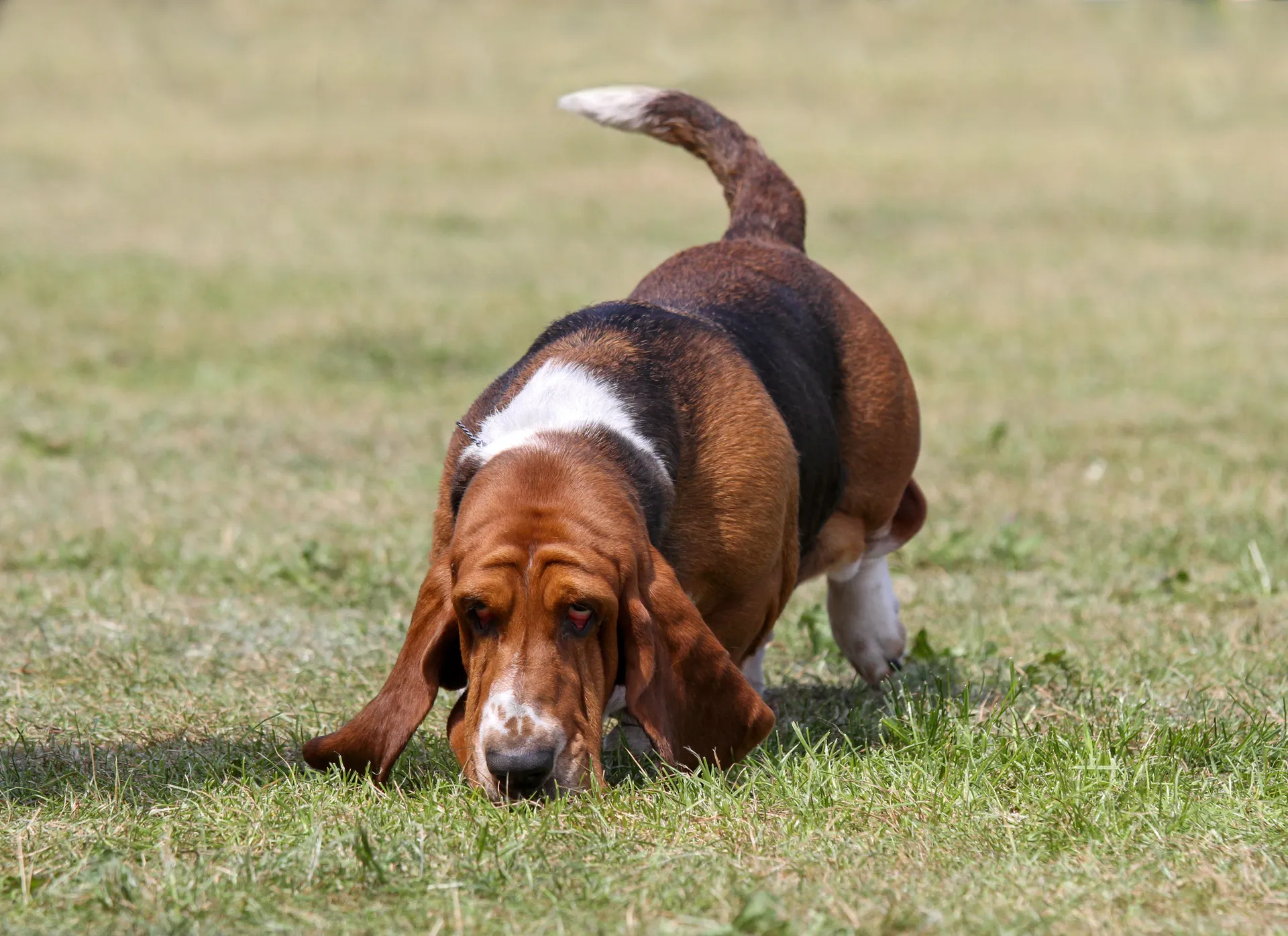
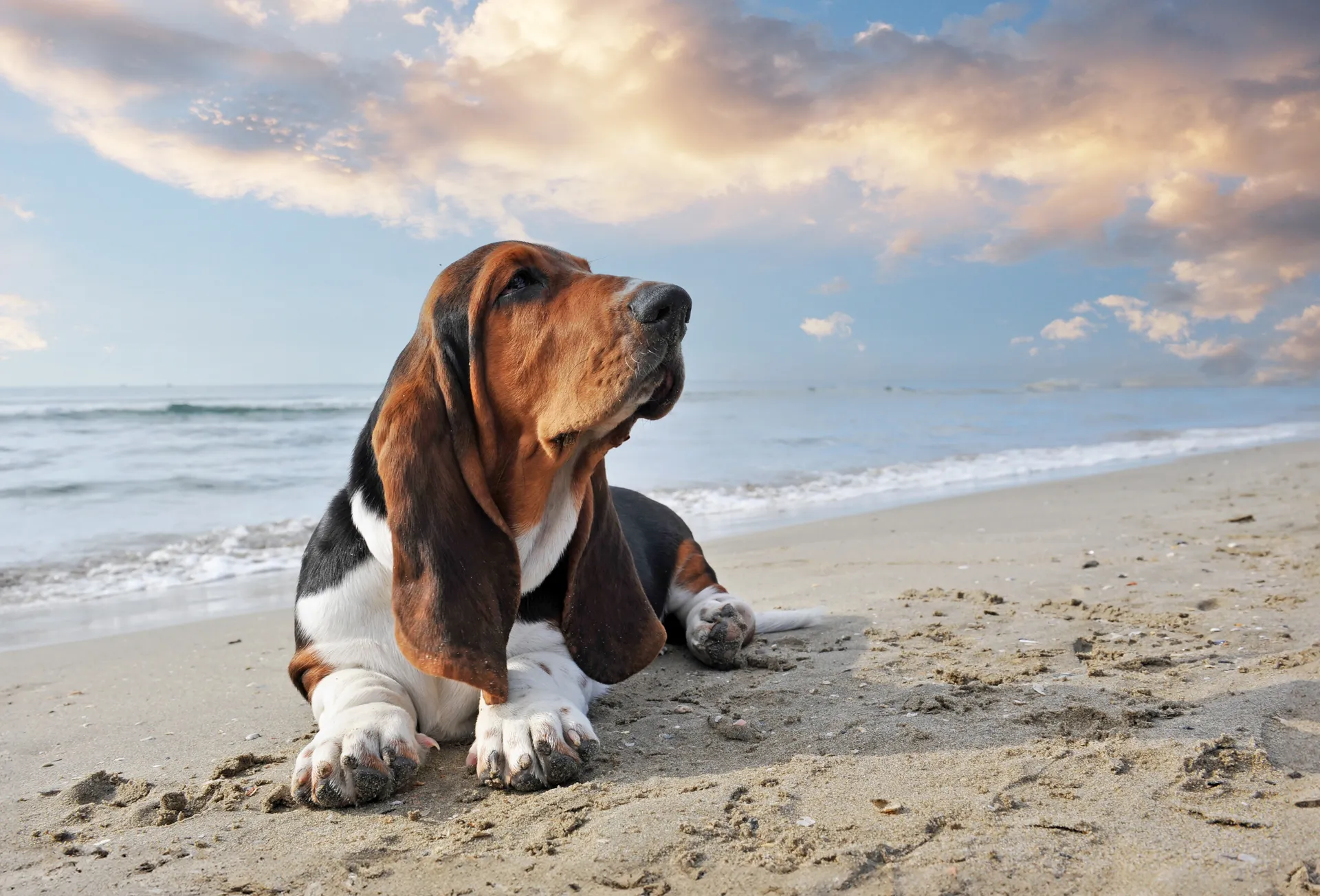
Basset Hound
By James C. • Updated
The Basset Hound is a laid-back, affectionate breed with a strong sense of smell. Gentle and loyal, it suits relaxed households that can manage its stubborn streak and regular exercise needs.
Breed Overview
Life Span
10 - 13 years
Average Price
AUD 1500 - AUD 4000
Weight
Male: 25 - 36 kg Female: 20 - 32 kg
Height
Male: 28 - 38 cm Female: 28 - 36 cm
Life Expectancy
Male/Female: 10 - 39 years
Breed Group
Hound
Nicknames
Basset, Low Hound
Breed Information
The Basset Hound is a distinctive scent hound known for its long ears, heavy bone, and calm, easygoing nature. Originally bred in France and later refined in Great Britain, this breed was developed to track game slowly and methodically on foot. Its powerful nose and steady pace remain defining traits today, even in companion settings.
In Australian households, the Basset Hound is most commonly kept as a family companion rather than a working dog. The breed is well suited to owners who value predictable routines, moderate exercise, and close companionship over high-energy activity. While affectionate and devoted, Basset Hounds are also independent thinkers, which influences training and day-to-day management.
This breed suits families and individuals seeking a low-key, loyal dog that enjoys being part of household life. However, prospective owners should understand the importance of weight control, ear care, and structured boundaries. When these needs are met, the Basset Hound offers a steady, affectionate, and unmistakably charming companion well suited to Australian living.
Characteristics: What Living With a Basset Hound Is Really Like
The Basset Hound is a calm, scent-driven companion with a gentle temperament and a strong sense of independence. The table below outlines how this breed typically fits into Australian households and what owners can expect day to day.
| Characteristic | Rating | Star Rating (★ out of 5) | What This Means for You |
| Size | Medium–Large | ★★★★☆ | Heavy-boned and solid despite short height, requiring space to move comfortably. |
| Adaptability | Good | ★★★★☆ | Adjusts well to houses or units if daily walks and routine are maintained. |
| Exercise Needs | Low–Moderate | ★★☆☆☆ | Enjoys daily walks but does not require high-intensity or long exercise sessions. |
| Easy to Train | Low–Moderate | ★★☆☆☆ | Intelligent but stubborn, requiring patience and consistent positive reinforcement. |
| Amount of Shedding | Moderate | ★★★☆☆ | Short coat sheds year-round and benefits from regular brushing. |
| Grooming Needs | Moderate | ★★★☆☆ | Coat is easy, but ears, skin folds, and nails require consistent care. |
| Good With Children | Very Good | ★★★★☆ | Generally patient and tolerant, best suited to respectful, supervised interactions. |
| Health of Breed | Moderate–High Risk | ★★☆☆☆ | Prone to ear, joint, skin, and weight-related issues if not well managed. |
| Cost to Keep | Moderate | ★★★☆☆ | Ongoing costs include food, vet care, ear management, and insurance. |
| Tolerates Being Alone | Low | ★★☆☆☆ | Pack-oriented and people-focused, may vocalise or become restless when isolated. |
| Intelligence | Moderate | ★★★☆☆ | Strong problem-solving instincts driven by scent rather than obedience. |
In summary, the Basset Hound suits owners seeking a laid-back, affectionate, and routine-oriented companion rather than an energetic or highly obedient breed. This dog thrives with structure, patience, and close family involvement.
History of the Basset Hound: From Medieval France to Modern Family Companion
The Basset Hound has its origins in France, where short-legged scent hounds were developed for hunting on foot as early as the 1500s. The name “Basset” comes from the French word bas, meaning low, a clear reference to the breed’s distinctive stature. These dogs were prized for their ability to follow scent trails slowly and methodically, allowing hunters to keep pace without horses.
The breed is believed to descend from the St Hubert Hound, an ancestor of the modern Bloodhound. Through selective breeding, shorter-legged variants emerged, combining exceptional scenting ability with endurance rather than speed. This made the Basset Hound particularly effective for tracking rabbits and hares through dense undergrowth.
During the 19th century, Basset Hounds were refined further in England. British breeders focused on developing a heavier-boned, more uniform dog while preserving its calm temperament and powerful nose. The modern Basset Hound breed standard was established in Britain and later recognised by kennel clubs internationally.
By the late 1800s, the Basset Hound had transitioned from a working hunting dog to a companion animal, particularly in the United States and Australia. Today, while its scent-driven instincts remain strong, the Basset Hound is best known as a gentle, loyal, and low-key family companion with a rich working heritage.
Appearance of the Basset Hound: Low, Powerful, and Instantly Recognisable
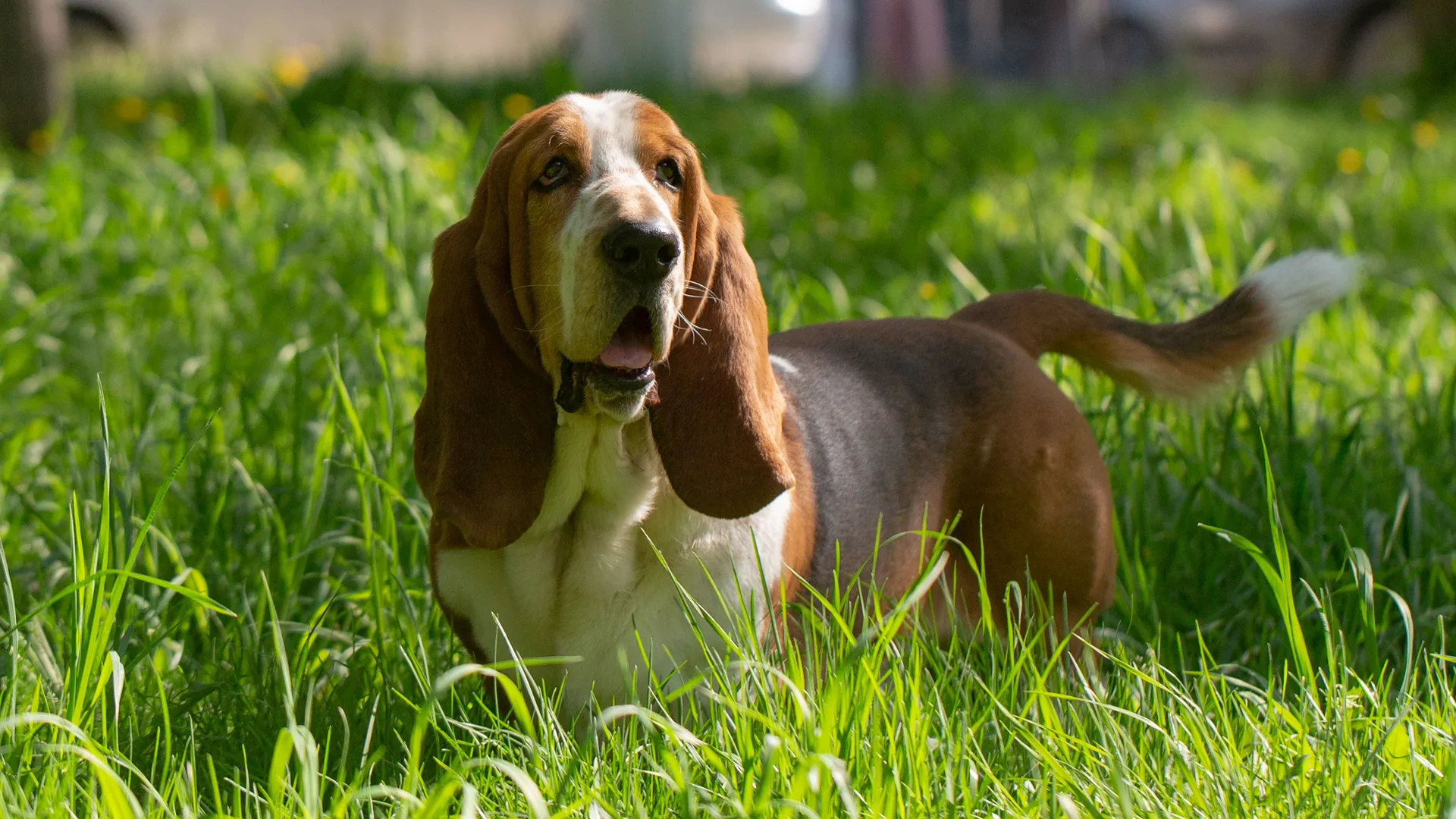
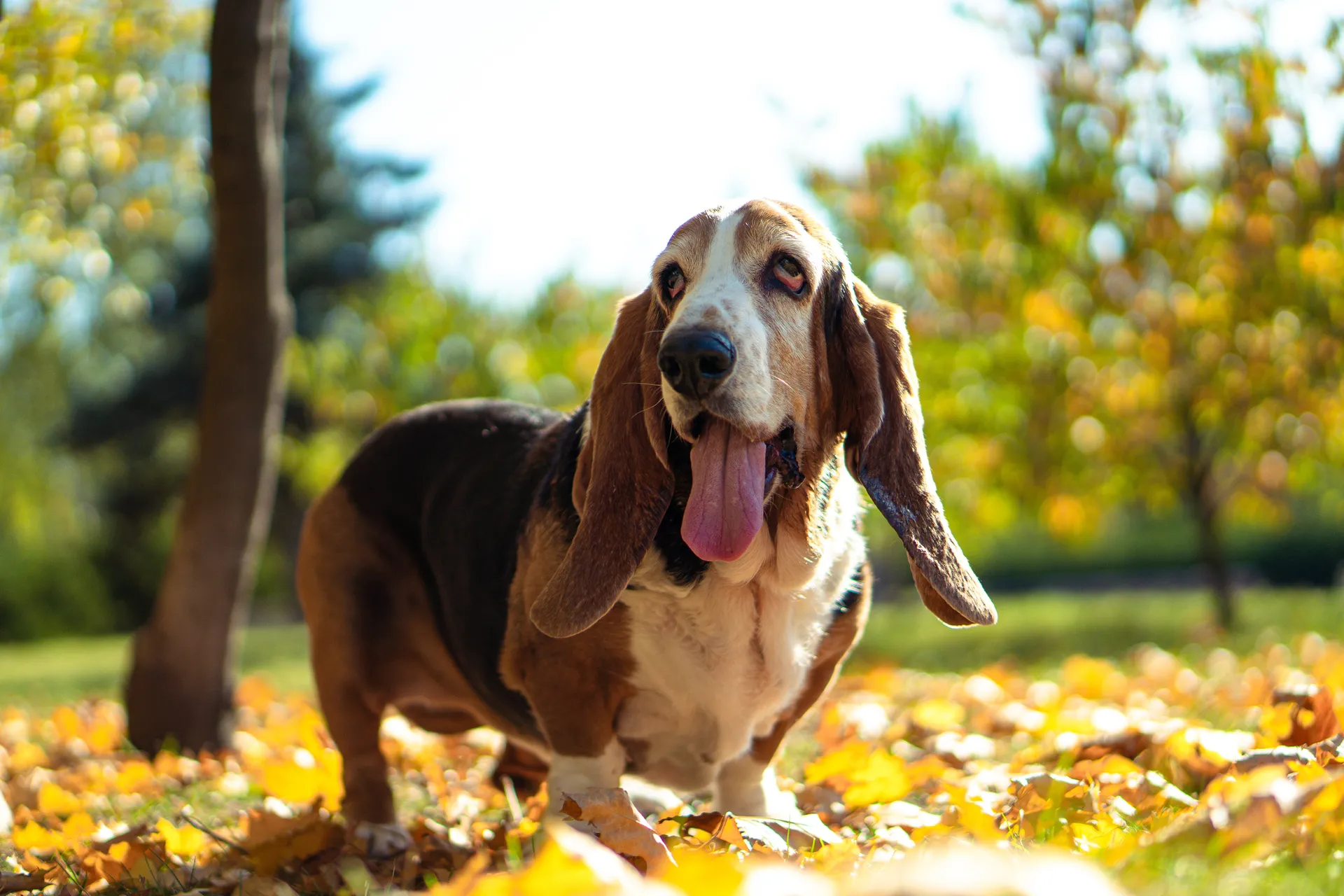
The Basset Hound is a medium to large dog built close to the ground, combining heavy bone structure with a long, low silhouette. Despite its short height, the breed is solid and surprisingly strong, with substantial weight carried on short, sturdy legs.
Size, Weight, and Overall Build
Basset Hounds are longer than they are tall, giving them a distinctive profile that supports endurance rather than speed.
- Height: Up to 15 inches (38 cm) at the shoulder
- Weight:
- Males: 25–34 kg
- Females: 20–29 kg
They possess one of the heaviest bone densities relative to size of any dog breed. The chest is deep and broad, the ribcage well sprung, and the back long and strong, all designed to support sustained scent work.
Head Structure and Facial Features
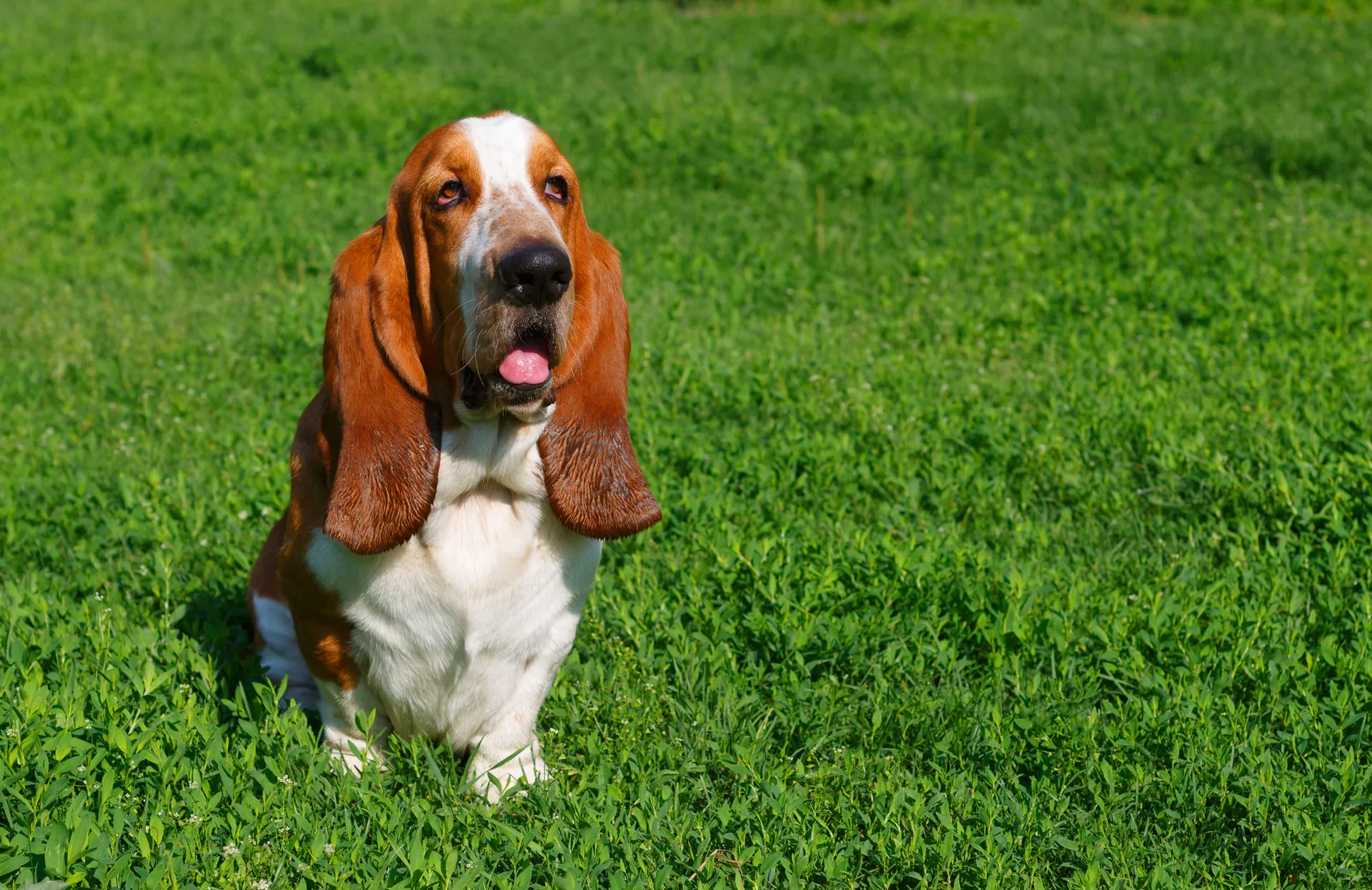
The head is large and domed with a pronounced occiput. Loose, wrinkled skin across the forehead and face creates the breed’s signature mournful expression. The eyes are deep set, soft, and expressive, usually dark brown.
One of the Basset Hound’s most defining features is its long, velvety ears, which hang low and help trap scent particles near the nose while tracking. The muzzle is long and powerful, housing an exceptional nose second only to the Bloodhound.
Legs, Feet, and Movement
The front legs are short, heavy, and slightly bowed to support the broad chest. Large, well-padded feet provide stability and grip when moving over uneven ground. Movement is deliberate and smooth, with an effortless, ground-covering gait that reflects the breed’s working origins.
Coat Type and Colour
The Basset Hound has a short, smooth, close-lying coat that offers protection without excessive maintenance. Shedding is moderate year-round.
Common and accepted colours include:
- Tricolour (black, white, and tan)
- Lemon and white
- Red and white
- Tan and white
- Other recognised hound colour combinations
Overall, the Basset Hound’s appearance balances function and charm, combining powerful scent-hound construction with a gentle, approachable look that has made the breed iconic worldwide.
Temperament of the Basset Hound: Gentle, Stubborn, and Deeply Loyal
The Basset Hound is best known for its calm, good-natured temperament and strong attachment to family life. Originally bred to hunt in packs, this breed carries a social, tolerant personality that makes it a reliable and affectionate companion in the home.
Core Personality Traits That Define the Breed
Basset Hounds are patient, easygoing, and emotionally steady. They are not high-strung or reactive dogs and tend to approach life at their own relaxed pace. While affectionate, they are not overly demanding and are often content to lounge near their people rather than seek constant attention.
A defining trait of the breed is independence. Bassets are intelligent but strong-willed, often choosing when to listen rather than responding instantly. This stubborn streak is not defiance, but a reflection of their scent-hound heritage, where decision-making was once done independently on the trail.
Social Behaviour With People and Other Animals
Basset Hounds are generally excellent with children, displaying tolerance and gentleness when interactions are respectful. Their pack-oriented background also makes them well suited to homes with other dogs, and they usually coexist peacefully with other household pets when properly introduced.
They are friendly with strangers and rarely aggressive. While they may bark to announce visitors, they are not natural guard dogs and typically greet new people with curiosity rather than suspicion.
Vocal Tendencies and Emotional Sensitivity
The Basset Hound has a deep, resonant bark and a distinctive baying voice. Vocalisation often occurs when the dog is bored, excited, or frustrated, rather than as a sign of territorial behaviour. This trait should be considered in close-living environments.
Emotionally, Bassets are sensitive dogs that value companionship. They can struggle if left alone for long periods and may develop separation-related behaviours without adequate mental stimulation, company, or proven ways to reduce separation anxiety in dogs.
Temperament Challenges to Be Aware Of
Stubbornness, selective hearing, and food-driven mischief are common traits. Their powerful sense of smell can override recall if boundaries are not well established. Consistent routines, gentle leadership, and structured engagement help shape a well-balanced, content Basset Hound.
Overall, the Basset Hound offers a calm, loyal, and affectionate temperament best suited to owners who appreciate a relaxed companion with a strong personality and a mind of its own.
Intelligence and Trainability of the Basset Hound: Independent Thinkers With a Strong Nose
The Basset Hound is an intelligent breed, but its trainability is shaped more by independence than eagerness to please. Developed as a scent hound capable of working far ahead of handlers, this breed was bred to think for itself rather than rely on constant direction.
How Intelligent Is the Basset Hound?
Basset Hounds are perceptive and problem-aware dogs with excellent memory, particularly when food or scent is involved. Their intelligence is practical rather than obedience-focused. They quickly learn routines, recognise patterns, and remember locations, especially those associated with rewards.
However, their intelligence is often underestimated because they do not respond with speed or enthusiasm in traditional training settings. This does not indicate low intelligence, but rather selective engagement.
Training Style That Works Best for the Breed
Positive reinforcement is essential when training a Basset Hound. Food rewards are particularly effective, as the breed is highly food-motivated. Short, structured training sessions with clear goals produce better results than long or repetitive drills.
Harsh corrections or force-based training methods are counterproductive. These can cause the dog to disengage entirely or become more stubborn. Calm consistency and patience are far more effective than intensity.
Common Training Challenges Owners Encounter
Selective listening is one of the most common frustrations for Basset owners. When a scent is involved, recall can become unreliable without strong reinforcement and boundary training. This makes leash training and secure fencing especially important.
House training can also take longer than average, which is why many owners ask how long puppy training takes, not because of inability, but because the breed prefers to move at its own pace. Consistency and routine are key to success.
Mental Stimulation and Engagement
Mental enrichment is just as important as physical activity for this breed. Scent-based games, food puzzles, and slow-feeding toys help channel their natural instincts productively. Training that incorporates nose work is often far more engaging than obedience alone.
With realistic expectations, patience, and the right motivation, the Basset Hound can become a well-mannered and reliable companion, trained on trust and consistency rather than strict obedience.
Basset Hound and Family Life: Children, Pets, and Home Dynamics
The Basset Hound is widely regarded as a family-friendly breed, valued for its gentle temperament, patience, and sociable nature. While not energetic or attention-seeking, this breed forms strong emotional bonds and prefers being part of everyday household life.
Living With Children of Different Ages
Basset Hounds are typically tolerant and calm with children, particularly older children who understand how to interact respectfully with dogs. Their laid-back nature makes them less reactive to noise or movement, which suits family environments.
Due to their solid build and weight, supervision is important around toddlers. Accidental knocks can occur during play, not out of aggression but simply because of the breed’s size and low centre of gravity.
Interaction With Other Dogs and Pets
As pack-oriented hounds, Basset Hounds usually coexist well with other dogs. When properly socialised, including learning how to socialise a puppy before full vaccination, they are friendly, non-confrontational, and comfortable sharing space. Their sociable instincts often make them happiest in multi-dog households.
With smaller pets, caution is advised. While not aggressive, their scent-driven instincts may trigger chasing behaviour. Early exposure and controlled introductions help manage this tendency.
Household Environment and Emotional Needs
Basset Hounds are people-oriented dogs that do not cope well with extended isolation. They prefer consistent companionship and may develop nuisance behaviours such as barking or digging if left alone too often.
They adapt well to houses and apartments alike, provided they receive daily walks, mental stimulation, and secure outdoor access. A calm home environment with predictable routines supports their emotional wellbeing.
Creating a Harmonious Family Setting
Clear boundaries, gentle handling, and consistent routines help Basset Hounds settle into family life with ease. They are not demanding dogs, but they do require inclusion and engagement to remain balanced and content.
For families seeking a relaxed, affectionate companion that fits naturally into home life rather than dominating it, the Basset Hound is often a strong and rewarding choice.
Health of the Basset Hound: Lifespan, Risks, and Preventative Care
The Basset Hound is a generally resilient breed, but its distinctive structure and genetics mean there are specific health considerations prospective owners must understand. With responsible breeding, preventative care, and weight control, many Basset Hounds enjoy long and comfortable lives.
Average Lifespan and Overall Health Outlook
Basset Hounds typically live between 12 and 13 years, with some reaching beyond this range when well managed. Their longevity depends heavily on maintaining a healthy weight, protecting joint health, and preventing chronic ear and skin issues.
Although classified as a medium to large breed, their heavy bone structure and long back require thoughtful care throughout all life stages.
Common Breed-Related Health Conditions
Basset Hounds are predisposed to several conditions linked to their anatomy and genetics:
- Ear infections (otitis) due to long, drooping ears that restrict airflow
- Skin conditions, including yeast and bacterial infections within skin folds
- Hip and elbow dysplasia, affecting mobility and comfort
- Intervertebral Disc Disease (IVDD) related to their long spine
- Primary Open Angle Glaucoma (POAG), a breed-documented inherited eye condition
- Gastric Dilatation-Volvulus (bloat), particularly in deep-chested individuals
Early detection and ongoing veterinary monitoring significantly reduce the impact of these conditions.
Importance of Health Testing and Ethical Breeding
Responsible breeders screen breeding dogs through recognised schemes such as BVA/KC testing for eyes, elbows, and genetic conditions including POAG and Lafora’s disease. Buyers should always request health documentation for both parents.
Avoid breeders who prioritise exaggerated features, as excessive skin, extreme length, or poor structure increase long-term health risks.
Preventative Healthcare and Daily Management
Routine veterinary check-ups, parasite prevention, and dental care form the foundation of preventative health. Ear cleaning and skin inspections should be part of weekly care, especially if you notice a dog’s ears smell bad, while exercise must remain consistent but controlled to protect joints.
Weight management is critical. Excess weight dramatically increases the risk of spinal, joint, and cardiac complications in this breed.
Insurance and Long-Term Planning
Due to the likelihood of joint, eye, or chronic skin claims, comprehensive pet insurance is strongly recommended. Cover that includes hereditary conditions provides financial security and ensures access to advanced treatment if required.
With informed ownership and proactive care, the Basset Hound can remain a healthy, gentle, and dependable companion well into its senior years.
Caring for the Basset Hound: Daily Needs, Home Setup, and Long-Term Comfort
Caring for a Basset Hound requires an understanding of the breed’s physical structure, emotional needs, and lifestyle preferences. While generally low-key and affectionate, Bassets thrive best when their routines support joint health, weight control, and close human connection.
Daily Care Routines That Support Health and Behaviour
Basset Hounds benefit from predictable daily routines that balance gentle activity with ample rest. Daily care should include short walks, supervised outdoor time, and mental enrichment such as scent games or puzzle toys. Regular interaction with family members is essential, as this breed does not cope well with prolonged isolation.
Daily checks of ears, skin folds, and eyes help identify early signs of irritation or infection, which are common in the breed.
Ideal Living Environment for a Basset Hound
Basset Hounds adapt well to both houses and apartments, provided their exercise and companionship needs are met. Secure fencing is essential, as their strong scent drive may lead them to wander if they catch an interesting trail.
Due to their low stature and large paws, homes should minimise excessive stairs where possible to protect the spine and joints. Non-slip flooring and supportive bedding contribute to long-term comfort.
Seasonal Care and Climate Considerations
In warmer weather, Basset Hounds require shaded areas, cool indoor spaces, and access to fresh water at all times. Exercise should be scheduled during cooler parts of the day to reduce heat stress.
During colder months, warm bedding and protection from drafts help maintain joint comfort, particularly in senior dogs.
Senior Care and Age-Related Adjustments
As Basset Hounds age, care should shift toward joint support, reduced-impact exercise, and more frequent veterinary monitoring. Orthopaedic beds, shorter walks, and weight control become increasingly important to preserve mobility and quality of life.
With thoughtful daily care and a stable home environment, the Basset Hound remains a calm, loyal, and deeply affectionate companion throughout all life stages.
Grooming the Basset Hound: Coat Care, Hygiene, and Preventative Maintenance
Despite having a short, smooth coat, the Basset Hound requires consistent grooming to maintain skin health and prevent common breed-related issues. Their unique anatomy means hygiene matters just as much as appearance.
Coat Type, Shedding, and Brushing Routine
Basset Hounds have a dense, short coat that sheds moderately throughout the year. Weekly brushing using a soft bristle brush or rubber grooming mitt helps remove loose hair, distribute natural oils, and reduce shedding around the home.
During seasonal changes, particularly spring and early summer, brushing may need to increase to two or three times per week to manage heavier shedding.
Bathing and Skin Fold Care
Bathing is usually required every six to eight weeks, or sooner if the dog becomes dirty. A gentle, dog-specific shampoo should be used to avoid drying the skin.
Special attention must be given to skin folds around the face and neck. These areas should be gently cleaned and thoroughly dried to prevent moisture build-up, which can lead to bacterial or yeast infections.
Ear, Nail, and Dental Hygiene
Basset Hounds are particularly prone to ear infections due to their long, drooping ears. Ears should be checked several times per week and cleaned with a vet-approved solution as needed.
Nails require trimming every four to six weeks to prevent discomfort and changes in posture. Dental care is also important, as the breed can be prone to gum disease and other dog dental disease symptoms. Regular tooth brushing or dental chews help maintain oral health.
Common Grooming Challenges to Watch For
Recurring ear infections, skin irritation, and excessive odour are the most common grooming-related concerns in this breed. Any persistent redness, discharge, or scratching should be assessed by a veterinarian.
Consistent grooming not only keeps the Basset Hound comfortable but also plays a vital role in early detection of health issues, supporting long-term wellbeing.
Exercise Needs of the Basset Hound: Low-Key Activity With Purpose
The Basset Hound is a low-energy breed, but regular exercise remains essential for maintaining a healthy weight, supporting joint health, and preventing boredom-related behaviours. Activity should be steady and purposeful rather than intense.
Daily Exercise Requirements and Time Commitment
Most Basset Hounds benefit from 60 to 90 minutes of daily activity, ideally split into two moderate walks. A relaxed pace suits their build and stamina, allowing them to explore scents without overexertion.
Consistency matters more than intensity. Skipping daily walks can quickly lead to weight gain, which places strain on the spine and joints.
Suitable Activities That Match the Breed
Basset Hounds enjoy activities that engage their sense of smell. Leash walks, scent trails, nose work games, and gentle obedience sessions are ideal. They also enjoy casual playtime in secure outdoor areas where sniffing and exploring are encouraged.
Interactive toys and food puzzles provide additional mental stimulation, which is just as important as physical movement for this scent-driven breed.
Exercise Restrictions and Safety Considerations
Due to their long backs and short legs, Basset Hounds should avoid high-impact activities such as jumping, stair running, or prolonged running sessions. Puppies in particular require controlled exercise to protect developing joints.
Exercise should be adjusted during hot weather, as Basset Hounds can overheat easily. Walks should be scheduled during cooler parts of the day, with access to fresh water at all times.
Mental Stimulation to Support Behaviour
Without adequate stimulation, Basset Hounds may become vocal, stubborn, or destructive. Scent-based enrichment helps satisfy their natural instincts and keeps them mentally balanced.
A combination of daily walks, scent work, and calm indoor activities supports both physical health and emotional wellbeing, making exercise a key pillar of responsible Basset Hound ownership.
Feeding the Basset Hound: Nutrition, Portions, and Weight Control
Feeding a Basset Hound correctly is critical to long-term health, mobility, and comfort. This breed is highly food-motivated and prone to weight gain, making portion control and diet quality essential.
Nutritional Requirements for a Low-Set, Heavy-Boned Breed
Basset Hounds do best on a high-quality, complete diet, and a solid dog nutrition and feeding guide for a healthy pet can help owners make better choices for each life stage. Diets should provide adequate animal protein to maintain muscle mass, moderate fat levels for energy, and controlled carbohydrates to reduce unnecessary weight gain.
Joint-supporting nutrients such as glucosamine and chondroitin are beneficial, particularly as the breed ages. Omega-3 and omega-6 fatty acids also support skin, ear, and coat health, which are common concern areas for Bassets.
Feeding Schedules for Puppies and Adults
Basset Hound puppies typically require three to four measured meals per day to support steady growth without placing stress on developing joints. As they mature, most adults thrive on two evenly spaced meals per day.
Splitting meals helps manage hunger, supports digestion, and may reduce the risk of bloat. Consistent feeding times also help regulate behaviour and energy levels.
Special Dietary Considerations
Because Basset Hounds are prone to obesity, free-feeding should be avoided. Treats should be limited and accounted for within daily calorie intake, particularly when used for training.
Some individuals may experience food sensitivities that affect skin or ears. In these cases, simple ingredient or veterinary-guided diets can be helpful. Always consult a veterinarian before making significant dietary changes.
Weight Management and Portion Control
Maintaining a lean body condition is one of the most important factors in extending a Basset Hound’s lifespan. Excess weight places strain on the spine, hips, elbows, and knees, increasing the risk of arthritis and intervertebral disc disease.
Portions should be measured accurately, and body condition should be assessed regularly rather than relying solely on feeding guidelines. A healthy Basset should have a visible waist and be easy to feel along the ribs without excess padding.
Basset Hound Price and Ongoing Costs: Understanding the Full Commitment
Owning a Basset Hound involves more than the initial purchase price. Prospective owners should plan for both upfront and long-term expenses to ensure the dog’s health, comfort, and quality of life throughout its lifespan.
Purchase Price From Reputable Breeders
A Basset Hound puppy purchased from a licensed and ethical breeder typically costs between AUD $1,500 and $4,000 in Australia, depending on pedigree, health testing, breeder reputation, and whether the puppy is intended for show or companionship. Prices may be higher for puppies from champion bloodlines or breeders with extensive health screening programs.
Puppies advertised significantly below this range should be approached with caution, as low pricing can indicate poor breeding practices or lack of health testing.
Initial Setup Costs to Expect
Before bringing a Basset Hound home, owners should budget for initial setup items such as a secure crate, bedding, leads, harnesses, food and water bowls, grooming tools, and enrichment toys. Early veterinary expenses including vaccinations, microchipping, and desexing should also be factored in.
These upfront costs typically range between AUD $285 and $475.
Ongoing Monthly and Annual Expenses
Basset Hounds have moderate ongoing costs, though veterinary care can increase expenses over time due to breed-specific health considerations. Regular costs include:
- High-quality dog food suited to weight management
- Routine veterinary check-ups, vaccinations, and parasite prevention
- Ear care products and grooming supplies
- Pet insurance, strongly recommended for joint, eye, and skin conditions
Monthly expenses usually fall between $150 and $230, depending on insurance coverage and healthcare needs.
Lifetime Cost Considerations
Over an average lifespan of 12 to 13 years, total ownership costs can exceed AUD $22,800–$34,300. Unexpected veterinary treatment for conditions such as ear infections, joint issues, or spinal problems can significantly increase this figure without insurance.
Planning financially ensures you can provide consistent care, preventative healthcare, and a stable environment for your Basset Hound throughout every life stage.
Buying Advice for the Basset Hound: Choosing Responsibly and Ethically
Selecting the right Basset Hound starts with choosing a responsible source. Ethical breeding and informed decision-making play a major role in your dog’s long-term health, temperament, and quality of life.
How to Identify Ethical Basset Hound Breeders
Reputable breeders prioritise health, welfare, and breed integrity over volume or profit. They produce limited litters, raise puppies in home environments, and are transparent about their breeding practices. A good breeder will welcome questions, provide clear documentation, and allow you to meet the puppy with its mother, so it helps to know the right questions to ask a dog breeder.
Avoid sellers who refuse home visits, cannot supply health records, or pressure you into quick decisions.
Health Testing and Documentation to Verify
Responsible breeders carry out health screening relevant to the breed. This commonly includes testing for Primary Open Angle Glaucoma, elbow dysplasia, thrombopathia, and other inherited conditions. Always ask to see written evidence of health tests for both parents.
Breeders should also provide vaccination records, microchipping details, and clear information about worming and early care routines.
Choosing the Right Puppy
A healthy Basset Hound puppy should appear alert, confident, and curious without signs of fear or lethargy. Eyes should be clear, ears clean, and movement steady. Temperament is just as important as appearance, so observe how puppies interact with people and littermates.
Avoid selecting solely based on markings or size. Behavioural balance and early socialisation matter more in the long term.
Contracts, Guarantees, and Buyer Responsibilities
Ethical breeders provide written contracts outlining health guarantees, return policies, and ongoing support. Many require puppies to be returned to them if circumstances change, ensuring lifelong responsibility for the dogs they breed.
Never purchase a puppy without proper paperwork or from sellers unwilling to provide written agreements.
Rescue and Adoption Options
Basset Hounds are sometimes available through breed-specific rescues and rehoming organisations. Adoption can be a rewarding option for experienced owners prepared to support an adult dog with an unknown history. Rescue groups often provide behavioural assessments and veterinary care prior to placement.
Choosing responsibly protects not only your future dog, but also the long-term wellbeing of the breed.
Final Thoughts on the Basset Hound: Is This Breed Right for You?
The Basset Hound is a gentle, loyal, and low-key companion that thrives in homes where patience, routine, and companionship are part of daily life. With their calm temperament and affectionate nature, they suit families, couples, and individuals seeking a steady, people-focused dog rather than a high-energy athlete.
This breed is best matched with owners who understand scent hound behaviour, can commit to regular walks, and are prepared for ongoing ear, skin, and weight management. Basset Hounds do not cope well with long periods alone and are happiest when included in everyday family routines.
If you value character, loyalty, and a relaxed pace of life, the Basset Hound can be a deeply rewarding companion. Choosing responsibly and planning for their long-term needs ensures a happy, healthy life together.
Frequently Asked Questions
Related Breeds
Other hound breeds on Pups4Sale.
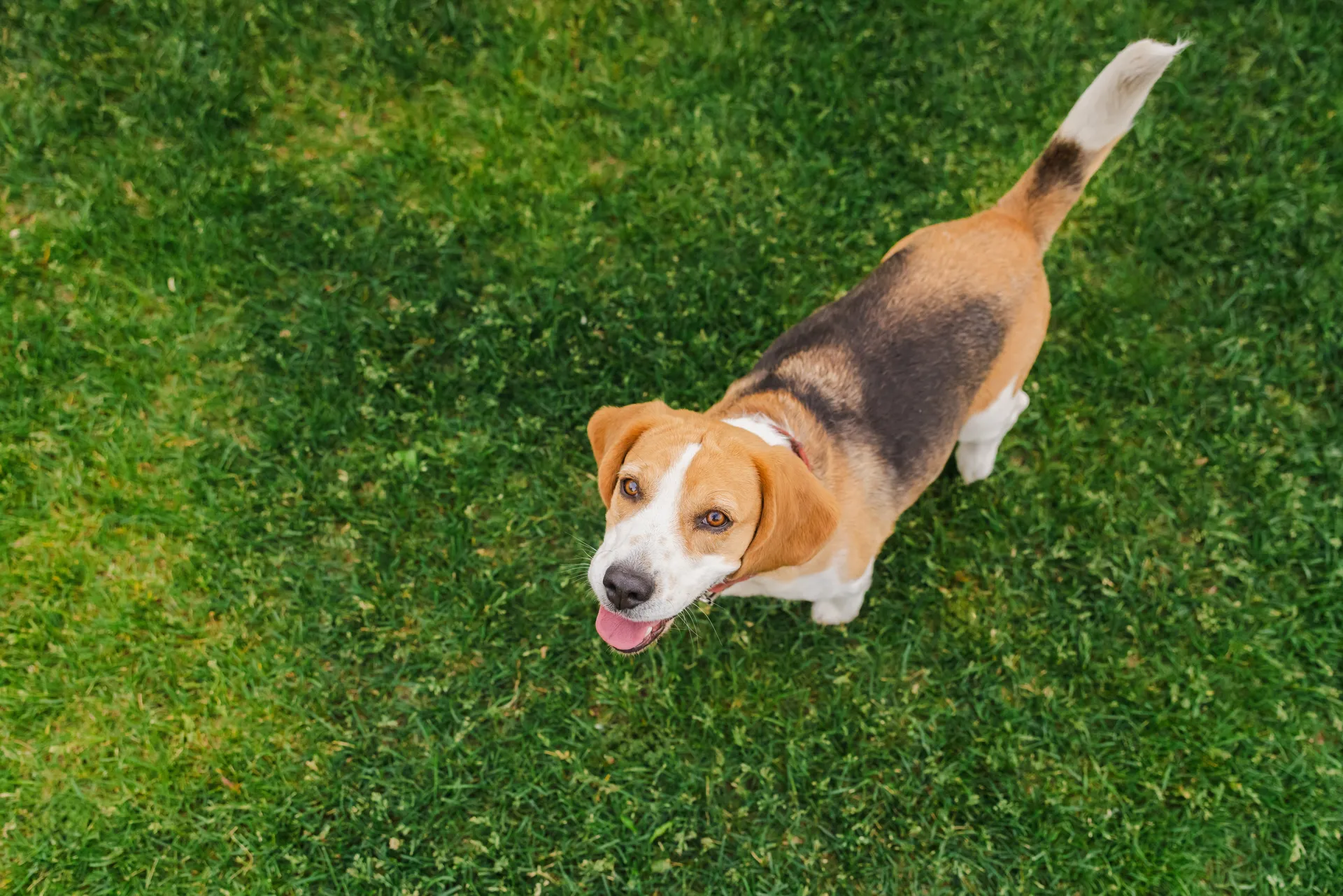 BeagleSmall • Hound
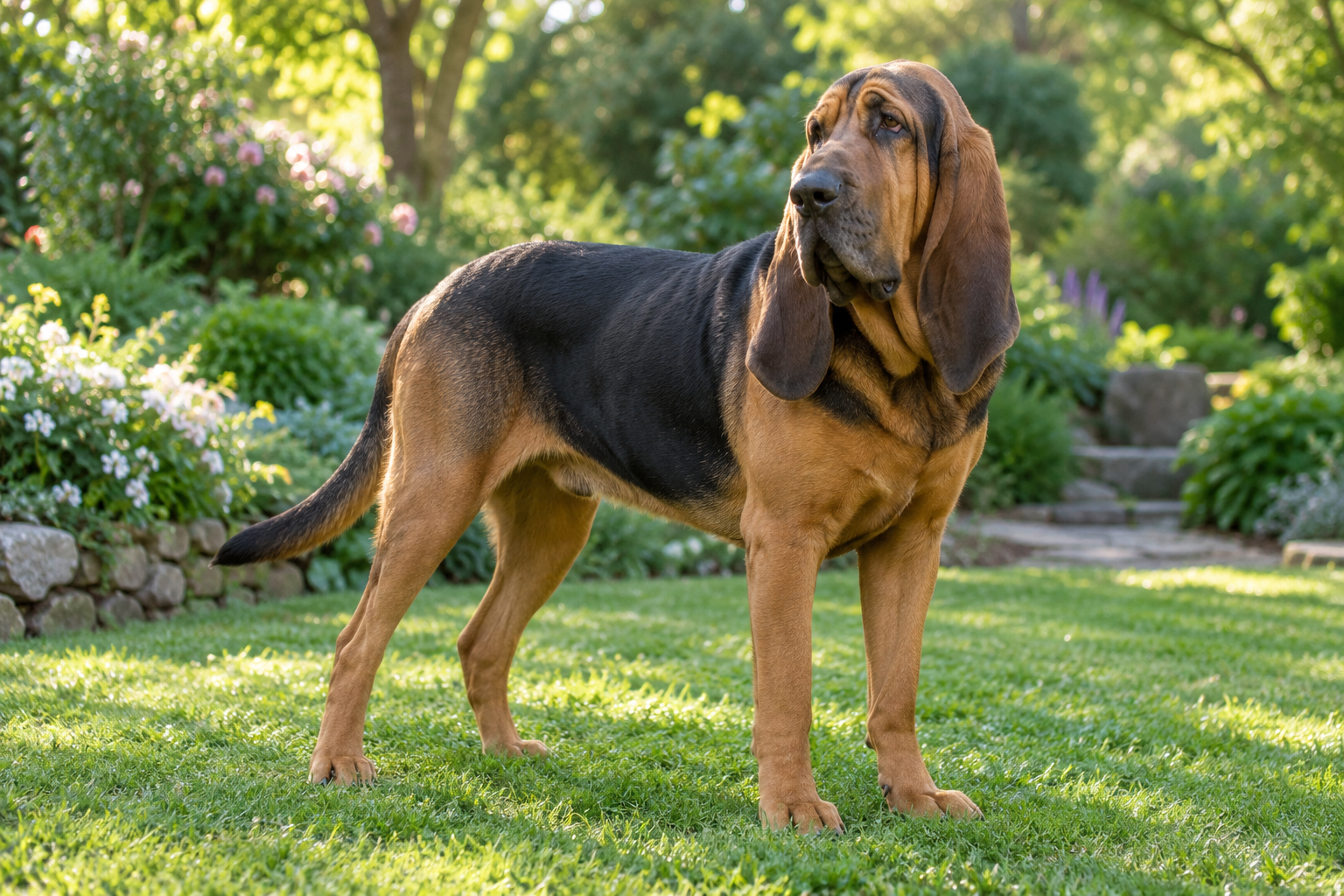 BloodhoundLarge • Hounds (Group 4)
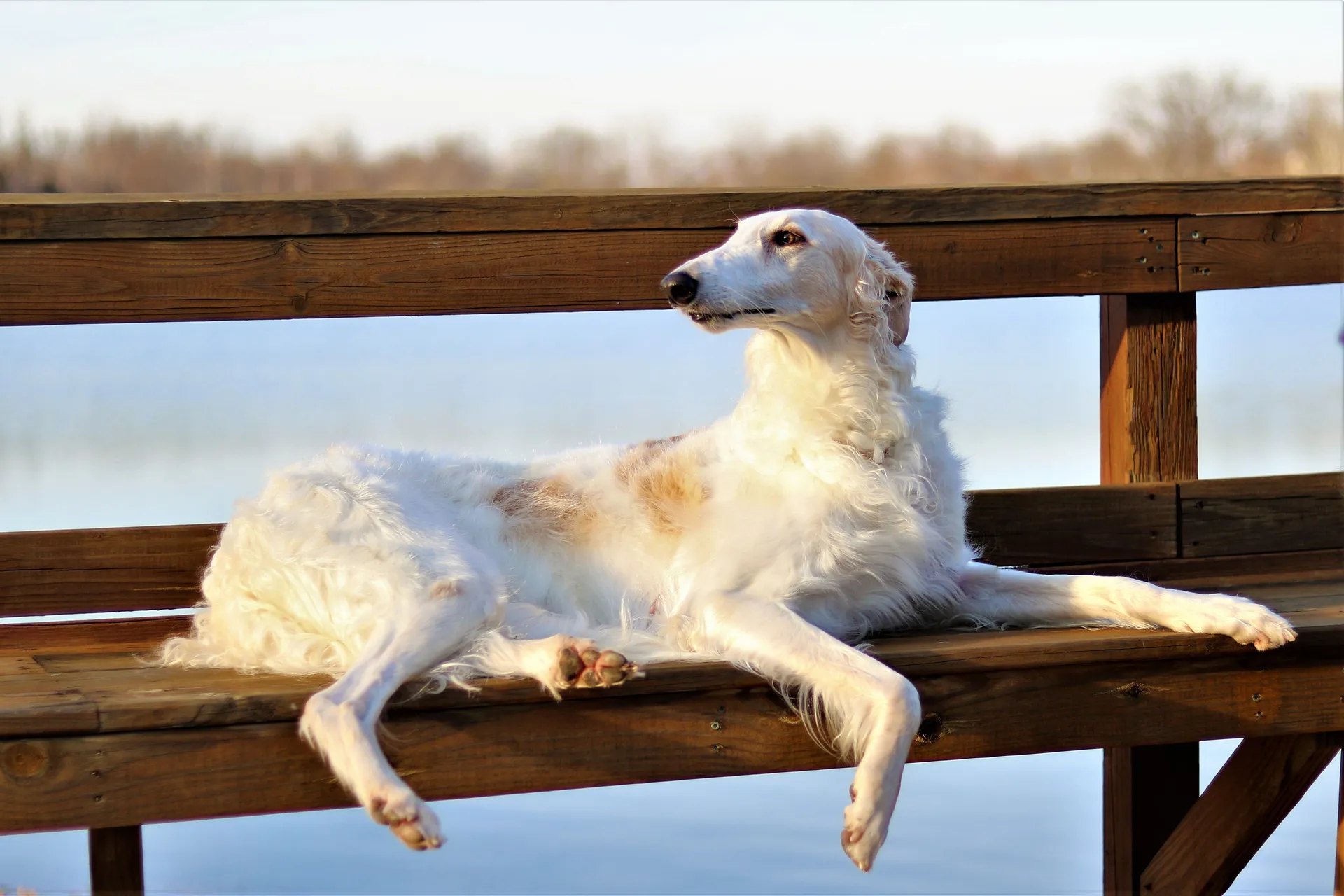 BorzoiLarge • Hound (Sighthound)
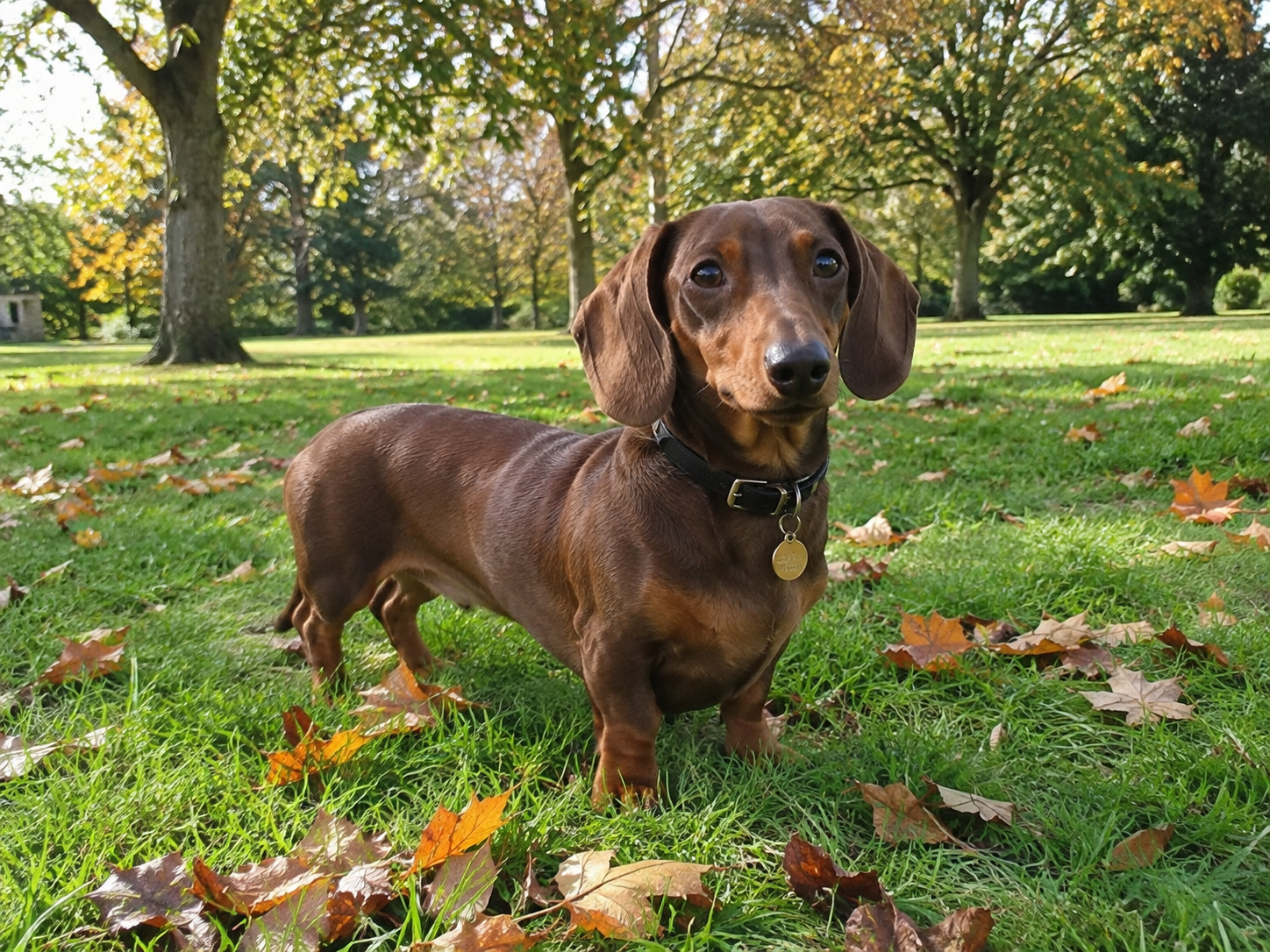 DachshundSmall • Hound
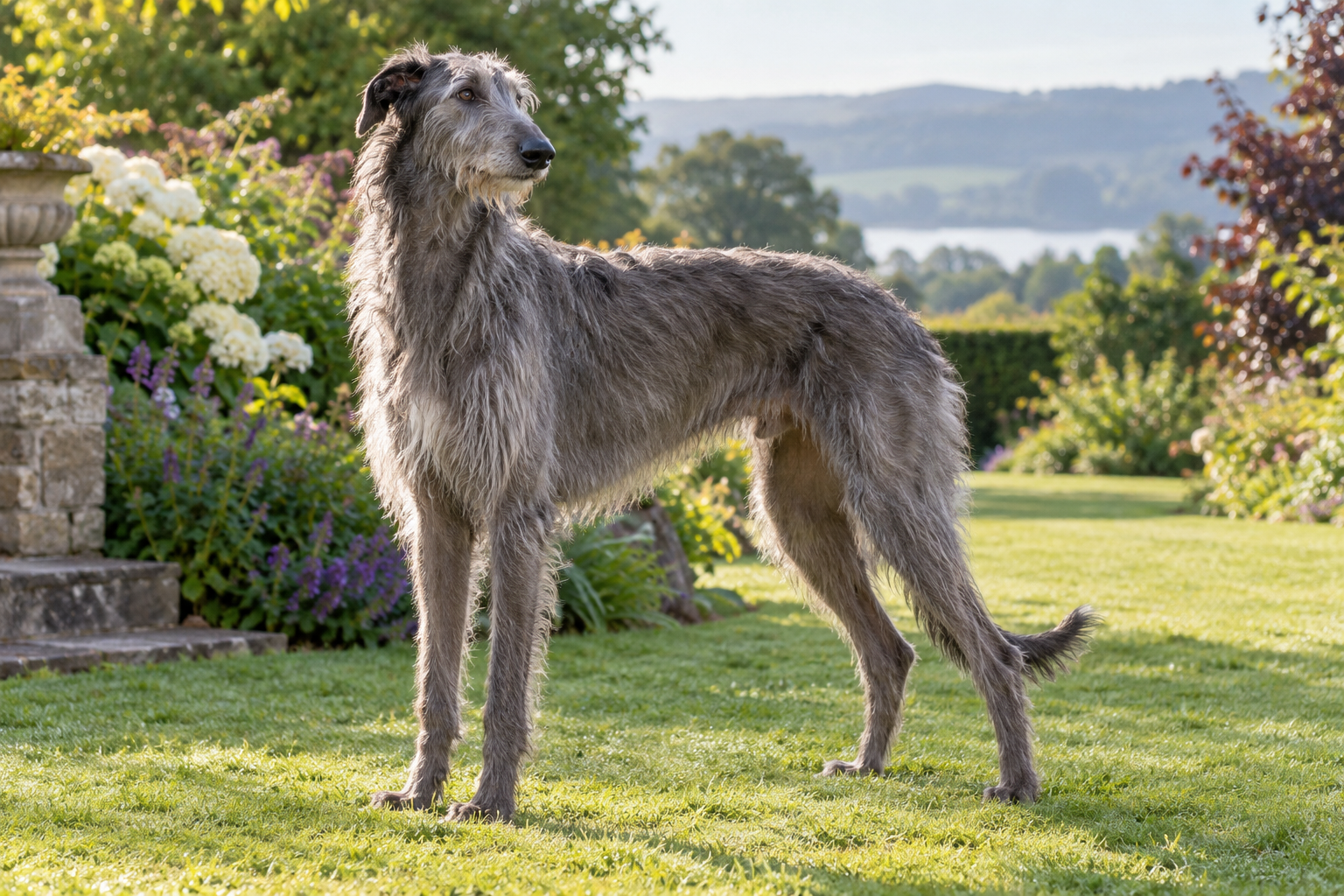 DeerhoundGiant • Hounds (Group 4)
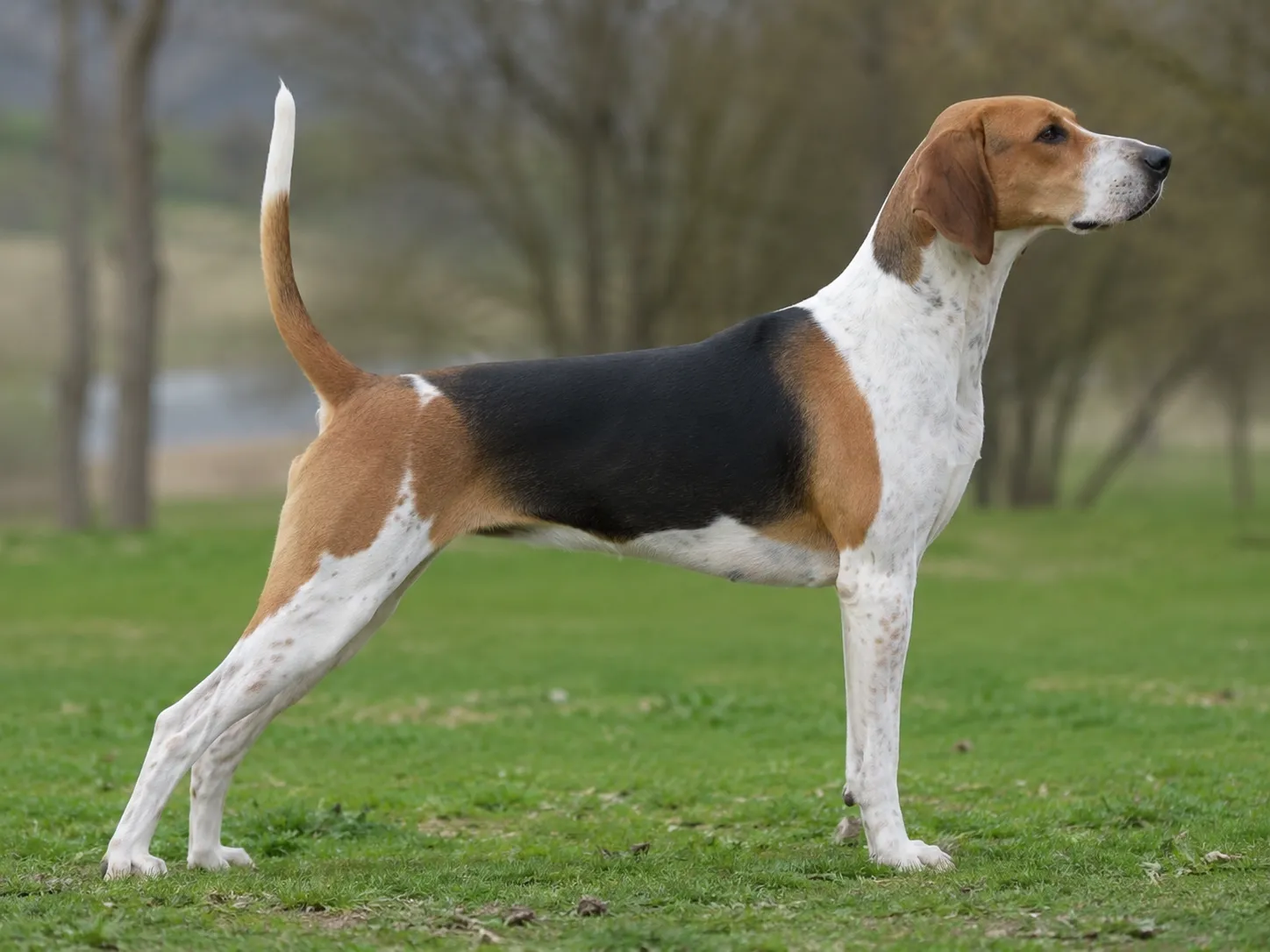 English FoxhoundLarge • Hound