

Beagle
By James C. • Updated
The Beagle is a friendly, curious scent hound known for its strong nose and playful nature. Social and affectionate, it suits families who can provide exercise, training, and companionship.
Breed Overview
Life Span
10 - 15 years
Average Price
AUD 1500 - AUD 3500
Weight
Male: 10 - 15 kg Female: 9 - 14 kg
Height
Male: 33 - 41 cm Female: 33 - 41 cm
Life Expectancy
Male/Female: 10 - 15 years
Breed Group
Hound
Nicknames
English Beagle
Breed Information
The Beagle is a small to medium-sized scent hound known for its cheerful personality, strong nose, and deep-rooted pack instincts. Originally bred in England to hunt hare and rabbit on foot, the breed combines endurance, determination, and sociability in a compact, sturdy frame.
Beagles are widely recognised for their friendly nature and adaptability, making them popular family dogs across Australia. They form strong bonds with people and other dogs, thrive on companionship, and enjoy being involved in daily household life. Their expressive eyes, floppy ears, and lively attitude give them an approachable and affectionate presence.
While affectionate and intelligent, the Beagle is also independent and scent-driven. This means owners must be prepared for consistent training, secure outdoor spaces, and structured routines. When their physical and mental needs are met, Beagles offer a loyal, playful, and engaging companion well suited to active Australian households.
Characteristics: What Living With a Beagle Is Really Like
The Beagle is a sociable, energetic scent hound with a strong need for companionship and activity. The table below outlines how this breed typically fits into everyday Australian households.
| Characteristic | Rating | Star Rating (★ out of 5) | What This Means for You |
| Size | Small–Medium | ★★★☆☆ | Compact and sturdy, suitable for houses and larger apartments with proper exercise. |
| Adaptability | Good | ★★★★☆ | Adjusts well to different living environments when exercise and mental needs are met. |
| Exercise Needs | High | ★★★★☆ | Requires daily walks, play, and scent-based activities to stay balanced. |
| Easy to Train | Moderate | ★★★☆☆ | Intelligent but scent-driven, training requires patience and consistency. |
| Amount of Shedding | Moderate | ★★★☆☆ | Sheds year-round with heavier seasonal shedding in warmer months. |
| Grooming Needs | Low | ★★☆☆☆ | Simple coat care, with regular ear and nail maintenance needed. |
| Good With Children | Very Good | ★★★★☆ | Friendly and tolerant, best with supervised interactions and older children. |
| Health of Breed | Moderate | ★★★☆☆ | Generally robust, though prone to obesity and some inherited conditions. |
| Cost to Keep | Moderate | ★★★☆☆ | Ongoing costs include food, vet care, insurance, and enrichment. |
| Tolerates Being Alone | Low | ★★☆☆☆ | Strong pack instinct, may develop anxiety if left alone too long. |
| Intelligence | Moderate | ★★★☆☆ | Clever and curious, learns well when motivated with rewards. |
In summary, the Beagle suits owners who enjoy an active, social dog that thrives on interaction, routine, and purposeful exercise. This breed rewards commitment with affection, playfulness, and strong family bonds.
History of the Beagle: From Ancient Pack Hound to Modern Family Companion
The Beagle is one of the oldest recognised scent hounds, with roots that trace back thousands of years. Early hound-like dogs resembling Beagles were recorded in Ancient Greece as far back as 400 BC, with similar small pack hounds appearing in Britain by around 200 AD. These early dogs were valued for their ability to track game on foot rather than horseback.
The breed was further shaped in England during the Middle Ages, where small hounds were developed specifically to hunt hare and rabbit. Beagles became known as “foot hounds,” making them accessible to hunters who could not afford horses. By the 15th century, Beagle-type dogs were widespread across England, prized for their stamina, strong noses, and cooperative pack behaviour.
During the Elizabethan era, miniature Beagles known as “Pocket Beagles” gained popularity. Queen Elizabeth I famously kept these small hounds, which were compact enough to be carried in saddlebags. Although this miniature variety is now extinct, it highlights the long-standing versatility of the breed.
The modern Beagle began to take shape in the early 19th century, particularly through the work of Reverend Phillip Honeywood in Essex. His breeding programmes focused on hunting ability rather than appearance. Later, Thomas Johnson refined the breed to balance working performance with an attractive, consistent look. This effort led to the establishment of formal breed standards.
The Beagle Club was founded in 1890, followed shortly by the Association of Masters of Harriers and Beagles. These organisations helped stabilise the breed and promote responsible breeding. Today, the Beagle remains one of the most popular hound breeds worldwide, valued both for its working heritage and its role as a cheerful, family-oriented companion.
Appearance of the Beagle: Compact, Athletic, and Built for Scent Work
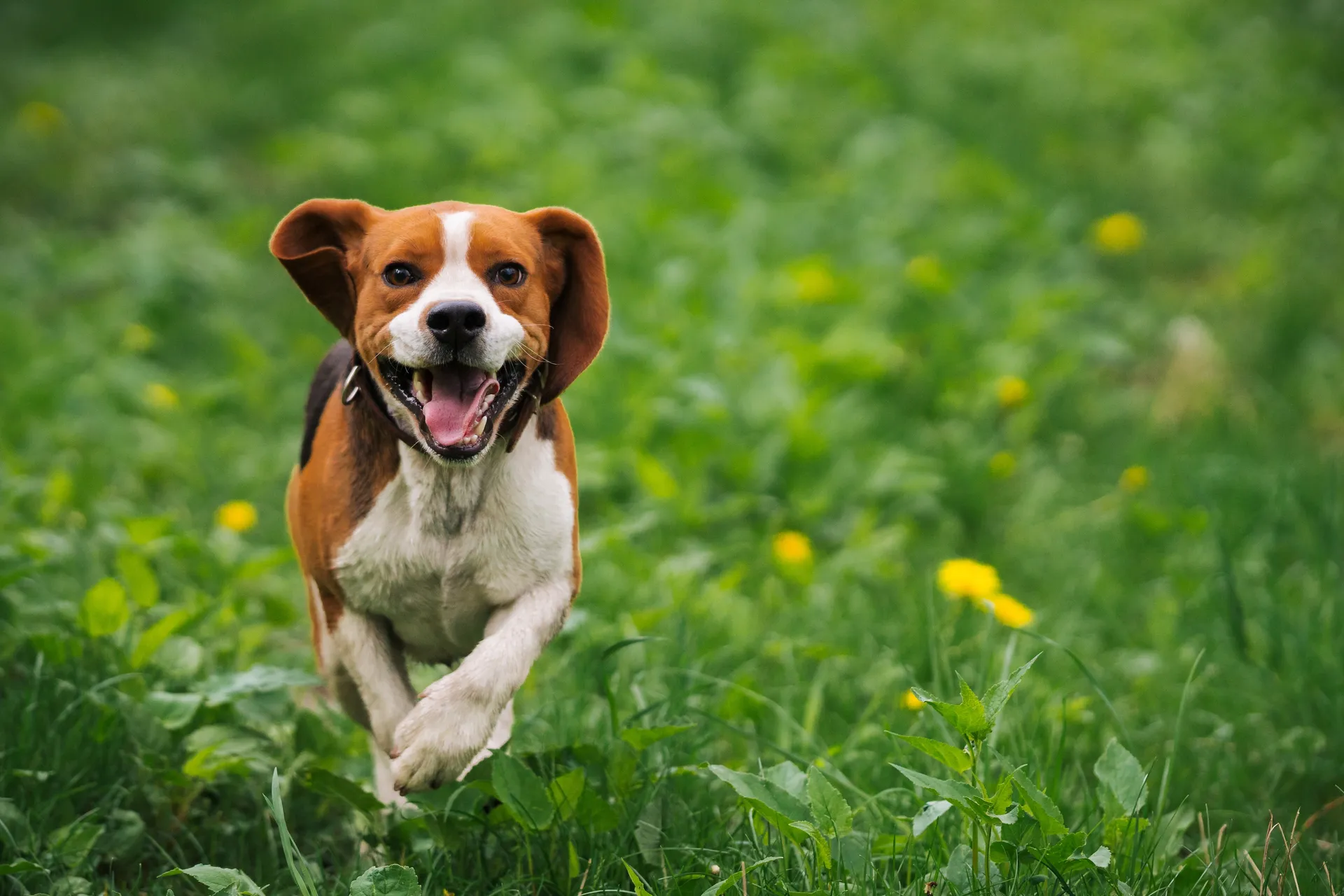
The Beagle is a small to medium-sized hound with a sturdy, athletic build designed for endurance rather than speed. Its overall appearance reflects balance and practicality, allowing the breed to work for long periods while tracking scent trails across varied terrain.
Size, Weight, and Structure
Beagles come in two recognised size varieties.
- Height: 33–41 cm at the shoulder
- Weight: 9–11 kg for females, 10–11.5 kg for males
The body is compact and muscular with strong bone, a level topline, and well-sprung ribs that support stamina. The chest is deep without being overly broad, and the legs are straight and well placed, contributing to a smooth, ground-covering gait.
Head, Expression, and Ears
The Beagle’s head is broad with a slightly domed skull and a square, medium-length muzzle. Large nostrils support the breed’s exceptional scenting ability. Eyes are hazel to dark brown, set wide apart, and give the breed its characteristic soft, pleading expression.
Ears are long, low-set, and rounded at the tips, hanging close to the cheeks. When the dog lowers its head, the ears help trap scent near the nose, enhancing tracking performance.
Coat Type and Colours
Beagles have a short, dense, weather-resistant coat that lies close to the body and is easy to maintain. Shedding occurs year-round, with heavier seasonal shedding in spring and autumn.
Common colours include tricolour combinations of black, tan, and white, as well as red and white, lemon and white, and other true hound colour patterns. A white-tipped tail is a hallmark of the breed, historically bred for visibility during hunts.
Movement and Overall Presence
The Beagle moves with a confident, effortless stride, showing drive from the hindquarters without exaggeration. Its posture is alert and lively, reflecting a dog that is always ready to follow a scent. Overall, the breed presents as cheerful, capable, and purpose-built for both work and companionship.
Temperament of the Beagle: Curious, Sociable, and Always On the Scent
The Beagle is best known for its merry, friendly nature and strong pack-oriented temperament. Bred to work closely with other hounds and humans, this breed thrives on companionship and daily interaction rather than independence.
Core Personality Traits
Beagles are affectionate, curious, and upbeat dogs with a naturally cheerful disposition. They enjoy being part of family life and tend to form strong bonds with their owners. Their curiosity is constant, driven by an exceptional sense of smell that often guides their decisions more than visual cues or commands.
Social Behaviour With People and Dogs
The Beagle is typically friendly with strangers and sociable with other dogs. Aggression and guarding instincts are uncommon, which makes the breed poorly suited as a watchdog but excellent as a family companion. Their pack mentality means they generally do well in multi-dog households when introduced correctly.
Independence and Vocal Tendencies
Although loving, Beagles are not clingy in the traditional sense. They have an independent streak shaped by centuries of scent work, which can present as selective listening, particularly outdoors. Vocalisation is common and may include barking, baying, or howling, especially when excited or following a scent.
Behavioural Challenges to Be Aware Of
Without sufficient exercise and mental stimulation, Beagles can become bored and develop common puppy behaviour problems that escalate over time. Digging, escaping, and excessive vocalisation are usually signs of unmet needs rather than poor temperament. Consistent routines, scent-based activities, and companionship help maintain a calm and balanced dog.
Overall, the Beagle suits owners who appreciate an outgoing, people-loving dog with personality and energy, and who are prepared to manage its strong nose-led instincts with patience and structure.
Intelligence and Trainability of the Beagle: Smart, Scent-Driven, and Selectively Focused
The Beagle is an intelligent breed, but its trainability is shaped heavily by its scent-driven instincts rather than a desire to please. Understanding how the Beagle thinks is key to successful training.
How Beagles Learn
Beagles are quick to understand new commands and routines, especially when food rewards are involved. Their intelligence is practical and instinctive, developed for problem-solving in the field rather than obedience-based tasks. When motivated, they learn efficiently and retain information well.
Training Strengths and Challenges
The biggest challenge in training a Beagle is distraction. Once a scent is picked up, focus can disappear instantly. Recall training is particularly difficult and often unreliable off-lead in unsecured areas. This does not reflect stubbornness, but rather a powerful genetic drive to follow scent trails.
Training Methods That Work Best
Positive reinforcement is essential. Food rewards, praise, and short, engaging sessions produce the best results. Harsh corrections or repetitive drilling often lead to disengagement. Training that incorporates scent games, tracking exercises, or problem-solving tasks aligns naturally with the breed’s instincts and improves responsiveness.
Consistency and Long-Term Success
Consistency is critical. Beagles quickly learn which rules are enforced and which can be ignored. Clear boundaries, regular practice, and patience help shape reliable behaviour over time. Early training and structured routines significantly improve long-term outcomes, especially when owners understand when to start obedience training puppies.
In the right hands, the Beagle is a capable and intelligent companion. Owners who work with the breed’s natural instincts rather than against them are rewarded with a confident, well-adjusted dog that enjoys learning and interaction.
Beagle and Family Life: Children, Pets, and Household Dynamics
The Beagle is widely regarded as a family-friendly breed, valued for its affectionate nature, social temperament, and ability to integrate into active households. Its pack-oriented background strongly influences how it relates to people and other animals.
Living With Children
Beagles are generally patient, tolerant, and playful with children, particularly when raised alongside them. They cope well with noise and activity, making them suitable for families with older children who understand respectful interaction. Due to their enthusiasm and tendency to follow scents, supervision is recommended around toddlers to prevent accidental knocking or overexcitement.
Interaction With Other Dogs and Pets
As a pack hound, the Beagle typically enjoys the company of other dogs and often thrives in multi-dog households. Early socialisation helps ensure positive interactions. Caution is advised with smaller pets such as rabbits, guinea pigs, or rodents, as the Beagle’s hunting instincts can override training in certain situations.
Social Needs and Time Alone
Beagles form strong bonds with their families and dislike prolonged periods of isolation. When left alone too often, they may develop behaviours linked to early signs of separation anxiety in dogs such as howling, chewing, or digging. Homes where someone is present for most of the day, or where structured routines and enrichment are provided, suit the breed best.
Creating a Balanced Family Environment
A stable routine, daily exercise, and inclusion in family activities are essential for a content Beagle. They thrive when treated as active participants in household life rather than being left outdoors or isolated. With the right environment, the Beagle becomes a loyal, cheerful, and deeply connected family companion.
Health of the Beagle: Lifespan, Common Conditions, and Preventative Care
The Beagle is generally a robust and long-lived breed, but its genetics, structure, and lifestyle predispose it to several health considerations that owners should understand before committing to ownership.
Average Lifespan and Overall Health Outlook
Most Beagles live between 12 and 14 years, with many reaching 15 years when supported by responsible breeding, balanced nutrition, and consistent veterinary care. As an active scent hound, maintaining a healthy weight and regular exercise plays a major role in longevity.
Common Breed-Related Health Conditions
Beagles may be predisposed to several hereditary or lifestyle-related conditions. These include epilepsy, hypothyroidism, hip dysplasia, luxating patella, and certain eye disorders. Breed-specific genetic conditions such as Musladin–Lueke Syndrome (MLS), Neonatal Cerebellar Cortical Degeneration (NCCD), and Factor VII deficiency are well documented and can be screened through DNA testing. Their long, floppy ears also increase the risk of chronic ear infections if hygiene is neglected.
Importance of Health Testing and Responsible Breeding
Ethical breeders prioritise genetic screening and participate in recognised health schemes. DNA testing for MLS, NCCD, and Factor VII deficiency significantly reduces the risk of inherited disease. Prospective owners should always request documented health results for both parents and avoid breeders who cannot provide transparent health histories.
Preventative Care and Ongoing Management
Routine veterinary check-ups, vaccinations, parasite control, and dental care are essential throughout a Beagle’s life. Weight management is particularly important, as Beagles are highly food-motivated and prone to obesity, which can worsen joint, cardiac, and endocrine conditions. Ears should be inspected weekly and gently cleaned as needed to prevent infections and unpleasant ear odours.
Pet Insurance and Long-Term Planning
Pet insurance is strongly recommended for Beagle owners, especially given the potential for neurological or orthopaedic conditions later in life. Comprehensive cover helps manage unexpected costs and supports long-term health planning, ensuring consistent care as the dog ages.
Caring for the Beagle: Daily Needs, Home Environment, and Long-Term Comfort
Caring for a Beagle means meeting the needs of an intelligent, scent-driven pack dog that thrives on routine, activity, and companionship. While adaptable, this breed does best in homes that provide structure and daily engagement.
Daily Care Routines That Support Behaviour
A consistent daily routine helps Beagles remain calm and well balanced. This should include structured walks, scent-based play, training refreshers, and regular family interaction. Beagles left without enough stimulation often develop nuisance behaviours such as barking, digging, or escape attempts.
Ideal Living Environment for a Beagle
Beagles adapt well to both houses and apartments, provided their exercise and mental needs are met. Secure fencing is essential, as this breed will follow scents without hesitation. Gardens should be escape-proof, with attention to gaps and digging zones.
Managing Separation and Social Needs
As a pack-oriented breed, Beagles struggle with long periods alone. Extended isolation can lead to separation anxiety and destructive behaviour. Homes where someone is present, or where routines include enrichment toys or canine companionship, are best suited to the breed.
Seasonal Care Considerations
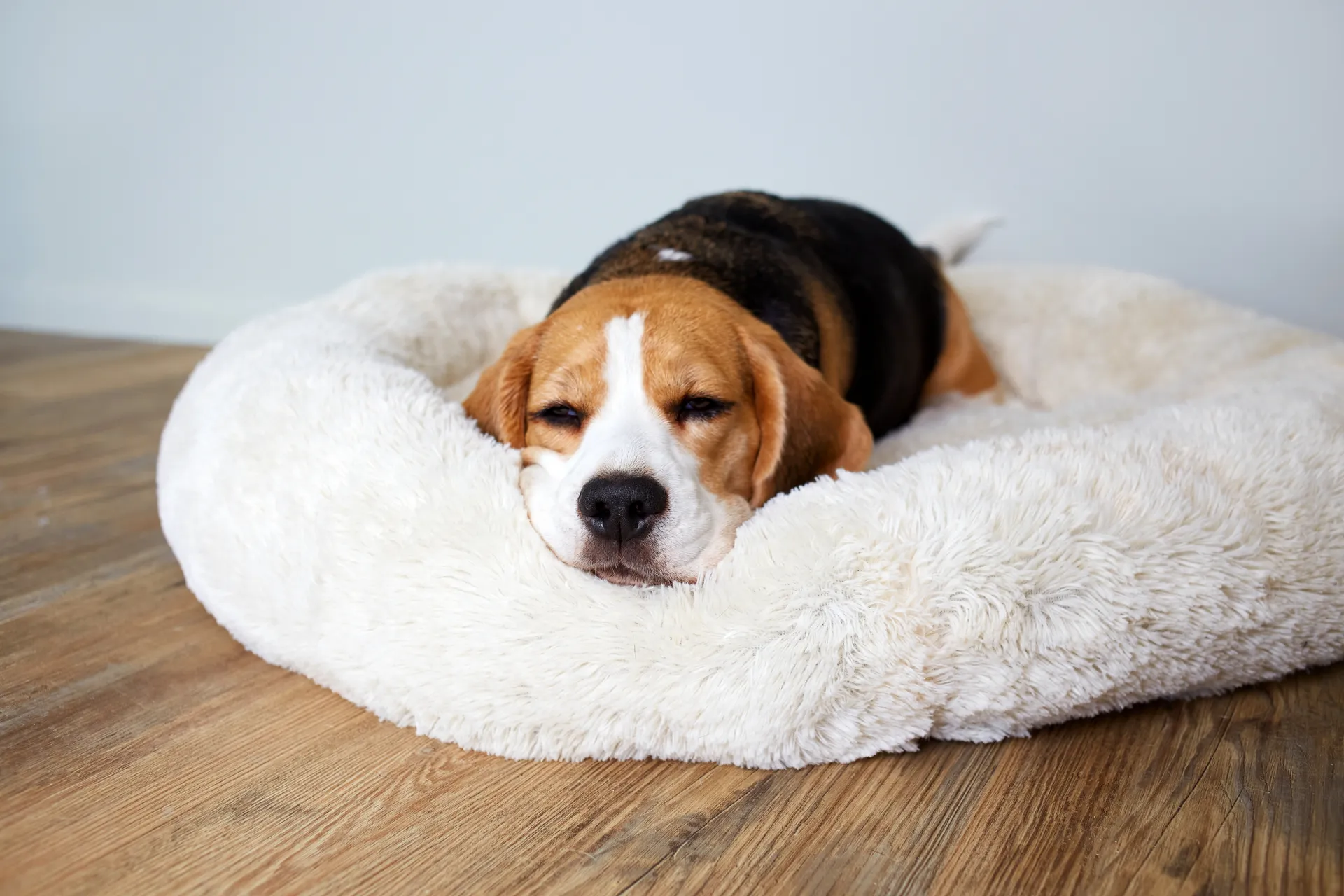
During warmer months, exercise should be limited to cooler times of day, with constant access to fresh water. In colder seasons, Beagles generally cope well but may benefit from warm bedding, especially as they age.
Senior Care and Comfort Adjustments
Older Beagles benefit from softer bedding, joint support, reduced-impact exercise, and more frequent veterinary checks. Adjusting routines as the dog ages helps maintain comfort, mobility, and quality of life.
When cared for thoughtfully, the Beagle remains a cheerful, affectionate companion that fits comfortably into many lifestyles.
Grooming the Beagle: Coat Care, Hygiene, and Ear Health
The Beagle’s short, dense coat is relatively low maintenance, but consistent grooming is essential to manage shedding, maintain skin health, and prevent common hygiene issues, particularly around the ears.
Coat Type, Shedding, and Brushing Routine
Beagles have a smooth, weather-resistant double coat that sheds moderately year-round, with heavier shedding in spring and autumn. Brushing once or twice a week using a rubber grooming mitt or medium-bristle brush helps remove loose hair and distribute natural oils.
Bathing and Skin Care
Bathing is only required every six to eight weeks, or when the dog becomes noticeably dirty. A mild, dog-specific shampoo should be used to avoid skin irritation. Over-bathing can strip natural oils and lead to dryness or sensitivity.
Ear, Nail, and Dental Hygiene
Long, floppy ears restrict airflow and can trap moisture, making regular ear checks essential. Ears should be inspected weekly and gently cleaned as needed to prevent infections. Nails typically require trimming every four to six weeks, while dental care should include regular brushing or dental chews to reduce plaque buildup.
Common Grooming Issues to Monitor
Ear infections, excess shedding during seasonal changes, and mild skin irritation are the most common grooming-related concerns. Any persistent redness, odour, or scratching should be assessed by a veterinarian to rule out underlying conditions.
Exercise Needs of the Beagle: Energy, Scent Drive, and Daily Structure
Beagles are active scent hounds that require consistent physical and mental exercise to stay healthy, well behaved, and emotionally balanced. While not hyperactive, they are far from low-energy dogs.
Daily Exercise Requirements
Most adult Beagles need 60 to 90 minutes of exercise per day, ideally split into multiple sessions. This typically includes brisk walks, structured play, and time spent engaging their nose. Puppies and senior Beagles require shorter, age-appropriate activity.
Activities That Suit the Breed Best
Beagles thrive on activities that involve scent work. Long leash walks, tracking games, nose work, and hide-and-seek are particularly effective. Interactive games and basic obedience sessions also help burn mental energy alongside physical effort.
Safety Considerations Outdoors
Due to their strong tracking instinct, Beagles should never be exercised off-lead in unsecured areas. Secure fencing is essential, as Beagles are known escape artists and may dig or tunnel if motivated by scent. Walks should always be on a lead unless in a fully enclosed space.
Mental Stimulation to Prevent Behavioural Issues
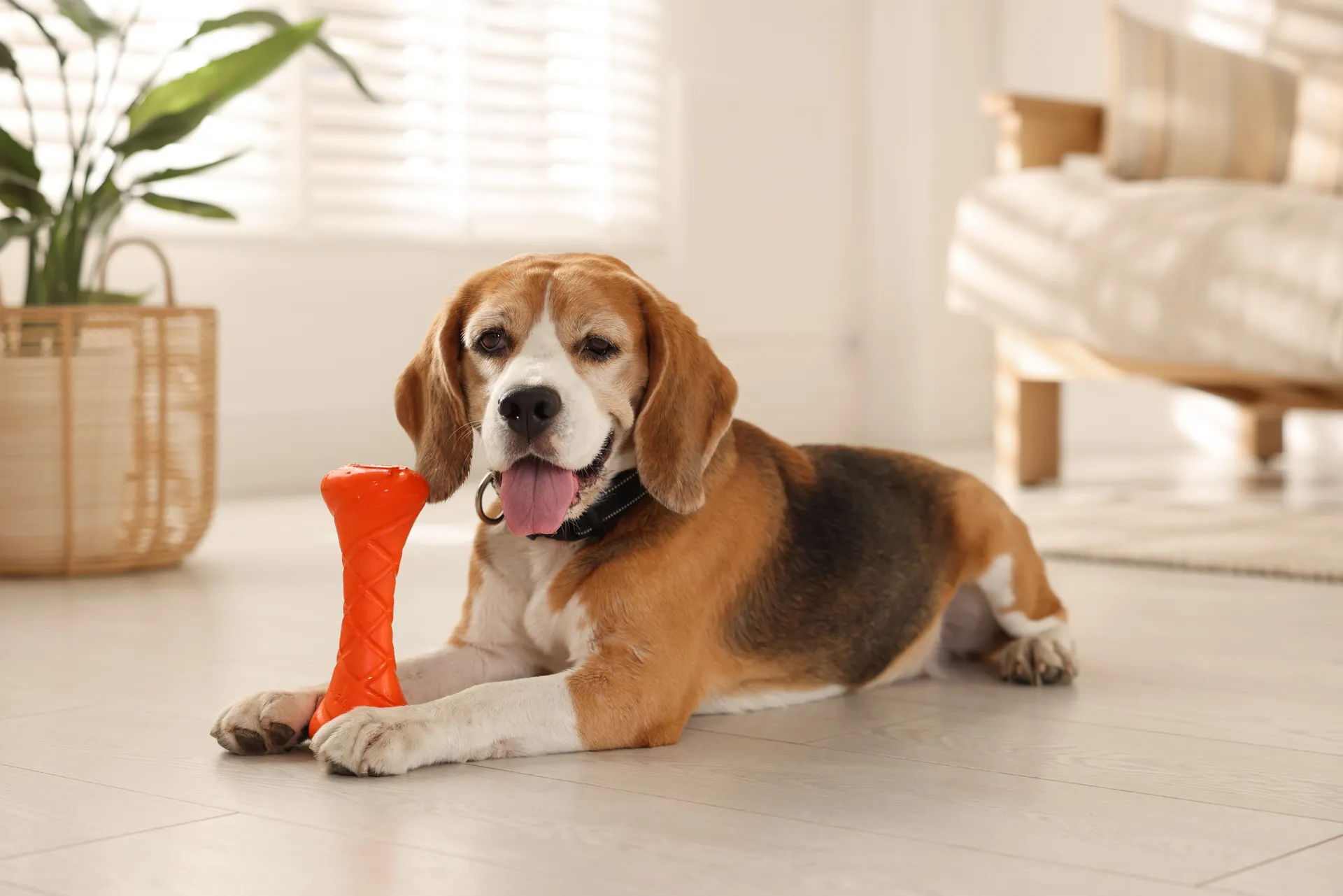
Insufficient stimulation often leads to excessive barking, digging, and destructive behaviour. Puzzle feeders, scent trails, and rotating toys help keep the Beagle mentally satisfied and reduce boredom-related problems.
Regular, structured exercise is critical to maintaining a calm, manageable Beagle at home and supporting long-term health.
Beagle and Family Life: Children, Pets, and Everyday Living
The Beagle is widely regarded as one of the most family-friendly hound breeds, valued for its gentle nature, sociability, and adaptability to busy households.
Living With Children
Beagles are typically patient, tolerant, and playful with children, especially when raised alongside them. Their medium size and sturdy build make them more resilient during play than smaller toy breeds. However, supervision is always important with younger children to ensure interactions remain calm and respectful.
Interaction With Other Dogs
As a pack-bred hound, the Beagle usually thrives in multi-dog households. They enjoy canine companionship and often do better emotionally when they are not the only dog in the home. Proper introductions and early socialisation help prevent resource guarding or dominance issues.
Compatibility With Other Pets
Beagles can live with cats and other pets if introduced early, but caution is needed with small animals such as rabbits, guinea pigs, or poultry. Their strong hunting instinct means supervision and secure housing for smaller pets is essential.
Household Dynamics and Daily Life
Beagles are people-oriented dogs that prefer being involved in daily routines. They do not cope well with long periods of isolation and may develop separation-related behaviours if left alone too often. Homes with regular human presence or structured routines suit them best.
Ideal Family Environment
This breed does best in active households that can provide daily walks, mental stimulation, and companionship. While adaptable to apartment living, access to secure outdoor space and regular exercise is important for a well-balanced Beagle.
When matched with the right family, the Beagle becomes a cheerful, affectionate, and dependable companion that fits naturally into everyday family life.
Health of the Beagle: Lifespan, Common Conditions, and Preventative Care
The Beagle is generally a robust and long-lived breed, but like all purebred dogs, it is predisposed to certain health conditions that prospective owners should understand before committing.
Average Lifespan and Overall Health
Beagles typically live between 12 and 14 years, with many reaching the upper end of this range when supported by responsible breeding, balanced nutrition, and regular veterinary care. Their compact build and moderate size contribute to good overall durability when weight is well managed.
Common Breed-Related Health Conditions
Beagles may be prone to hip dysplasia, luxating patella, epilepsy, and hypothyroidism. Breed-specific genetic conditions can include Musladin–Lueke syndrome (MLS), Neonatal Cerebellar Cortical Degeneration (NCCD), and Factor VII deficiency. Their long, floppy ears also increase the risk of chronic ear infections if not cleaned routinely.
Weight Management and Obesity Risk
Obesity is one of the most common health issues in Beagles. Their strong appetite combined with a food-driven personality means portion control is essential. Excess weight places strain on joints, worsens breathing comfort, and increases the risk of secondary health problems.
Importance of Health Testing and Responsible Breeding
Ethical breeders carry out DNA testing and health screening to reduce inherited disease risk. Prospective owners should always request health documentation for both parents and avoid breeders who cannot provide clear test results or veterinary records.
Preventative Care and Long-Term Wellness
Routine vet check-ups, parasite prevention, dental care, and ear hygiene are vital, especially if you are unsure how often dogs should see a vet. Early intervention for joint or neurological concerns significantly improves long-term outcomes. Many owners choose pet insurance to help manage potential veterinary costs over the dog’s lifetime.
With proactive care and informed ownership, the Beagle can enjoy a healthy, active life well into its senior years.
Exercise Needs of the Beagle: Keeping Body and Mind Engaged
Beagles are an active, scent-driven breed that requires consistent daily exercise to remain healthy, settled, and well behaved. Physical activity is as important for their mental wellbeing as it is for their fitness.
Daily Exercise Requirements
Most adult Beagles need 60 to 90 minutes of exercise per day, split across walks, play, and structured activities. A simple backyard release is not sufficient. Walks should always be purposeful and engaging to satisfy their natural tracking instincts.
Best Types of Exercise
Leashed walks are essential due to the Beagle’s strong scent drive and tendency to follow smells without hesitation. In addition to walking, they benefit greatly from scent games, tracking exercises, interactive play, and puzzle-based activities that challenge their mind.
Safety and Containment Considerations
Beagles are known escape artists. Secure fencing is critical, including reinforced bases to prevent digging underneath. Off-lead exercise should only occur in fully enclosed areas, as recall can be unreliable once a scent is detected.
Adjusting Exercise by Age and Weather
Puppies require shorter, controlled activity sessions to protect developing joints. Senior Beagles benefit from gentler but still regular movement to maintain mobility. In warmer Australian conditions, exercise should be scheduled during cooler parts of the day to prevent overheating.
When their exercise needs are met consistently, Beagles are calmer, happier, and far less likely to develop destructive or vocal behaviours.
Feeding the Beagle: Nutrition, Portions, and Weight Control
Beagles are enthusiastic eaters with a strong appetite, which means nutrition and portion control play a critical role in their long-term health. Without careful management, this breed is prone to weight gain.
Ideal Diet for a Beagle
A high-quality, complete dog food suited to the Beagle’s life stage is essential. Diets should be rich in animal protein to support muscle tone, with balanced fats and controlled carbohydrates to fuel energy without excess calories. Active Beagles may benefit from performance-style formulas, while less active dogs require stricter calorie control.
Feeding Schedule and Portions
Beagle puppies typically require three to four meals per day, gradually transitioning to two measured meals as adults. Free-feeding is not recommended. Portion sizes should be adjusted based on age, activity level, and body condition rather than appetite alone.
Treats and Training Rewards
Treats are highly effective for training but must be used carefully. Small, low-calorie rewards or portions of the dog’s daily food allowance help prevent overfeeding. Excessive treats are a common cause of obesity in the breed.
Weight Management and Monitoring
Regular weight checks and body condition scoring are vital. A healthy Beagle should have a visible waist and ribs that are easily felt but not prominent. Any sudden weight changes should prompt dietary adjustments or veterinary consultation.
With structured feeding routines and mindful portion control, Beagles maintain better joint health, energy levels, and overall longevity.
Beagle Price and Ongoing Costs: Understanding the Full Commitment
Owning a Beagle involves both upfront and long-term financial planning. While the breed is widely available, costs can vary depending on breeder quality, location, and the level of care provided throughout the dog’s life.
Beagle Puppy Price
Beagle puppies typically range from AUD $760–$2,850. Puppies from licensed, health-tested breeders usually sit at the higher end of this range, reflecting responsible breeding practices, genetic screening, and early socialisation. Lower-priced puppies may lack health testing or proper early care, increasing long-term risks.
Initial Setup Costs
New owners should budget approximately AUD $285–$475 for essentials such as a crate, bedding, lead, collar, food bowls, grooming tools, and toys. Puppy training classes are strongly recommended and may add further initial costs.
Monthly and Annual Expenses
Ongoing monthly costs generally range from AUD $115–$190, covering quality food, routine grooming supplies, parasite prevention, and pet insurance. Annual veterinary expenses, including vaccinations and health checks, often total AUD $400 to $700, excluding unexpected treatments.
Insurance and Long-Term Care
Insurance premiums typically fall between AUD $38–$95 per month, depending on coverage. Given the breed’s predisposition to conditions such as epilepsy and joint issues, comprehensive insurance is advisable.
Understanding these costs ensures prospective owners are financially prepared to support a Beagle’s health, wellbeing, and quality of life.
Buying Advice for the Beagle: Choosing Responsibly
Choosing a Beagle should be approached with care, as this breed’s friendly nature and popularity can sometimes attract irresponsible breeding practices. Taking the time to assess breeders, living arrangements, and long-term suitability is essential.
Choosing a Reputable Breeder
A responsible Beagle breeder should provide clear health records, including screening for epilepsy, hip issues, and eye conditions, and answer the right questions before purchase. Puppies should be raised in a clean, social environment and introduced to everyday sounds and handling early. Breeders who ask questions about your lifestyle are often the most trustworthy.
Avoiding Red Flags
Be cautious of unusually low prices, lack of paperwork, or pressure to buy quickly. Puppies sold without vaccination records, microchipping, or parental information may indicate poor breeding standards. Online listings without verifiable breeder details should also be approached carefully to help buyers avoid puppy scams online.
Considering Adoption
Rescue organisations and breed-specific shelters often have Beagles in need of homes. Adult Beagles can be an excellent option for families who prefer a calmer temperament and a clearer understanding of behaviour and health needs.
Assessing Lifestyle Fit
Beagles thrive in homes that can offer daily exercise, companionship, and secure fencing. Their strong scent drive and dislike of being left alone make them best suited to owners who are home regularly and committed to ongoing training.
Making a responsible choice at the start sets the foundation for a healthy, stable, and rewarding life with a Beagle.
Bringing It All Together: Is the Beagle Right for You?
The Beagle suits households that value companionship, routine, and daily engagement. Their affectionate nature, love of people, and playful energy make them rewarding family dogs, but their strong scent drive and need for company require commitment. When their exercise, training, and social needs are met, Beagles thrive as loyal, cheerful companions.
If you are considering adding a Beagle to your home, choosing responsibly matters. Verified breeders, transparent listings, and informed decisions help protect both dogs and buyers. Platforms like Pups4Sale make it easier to connect with ethical breeders and adoption options across Australia, helping you find the right Beagle with confidence and care.
Frequently Asked Questions
Related Breeds
Other hound breeds on Pups4Sale.
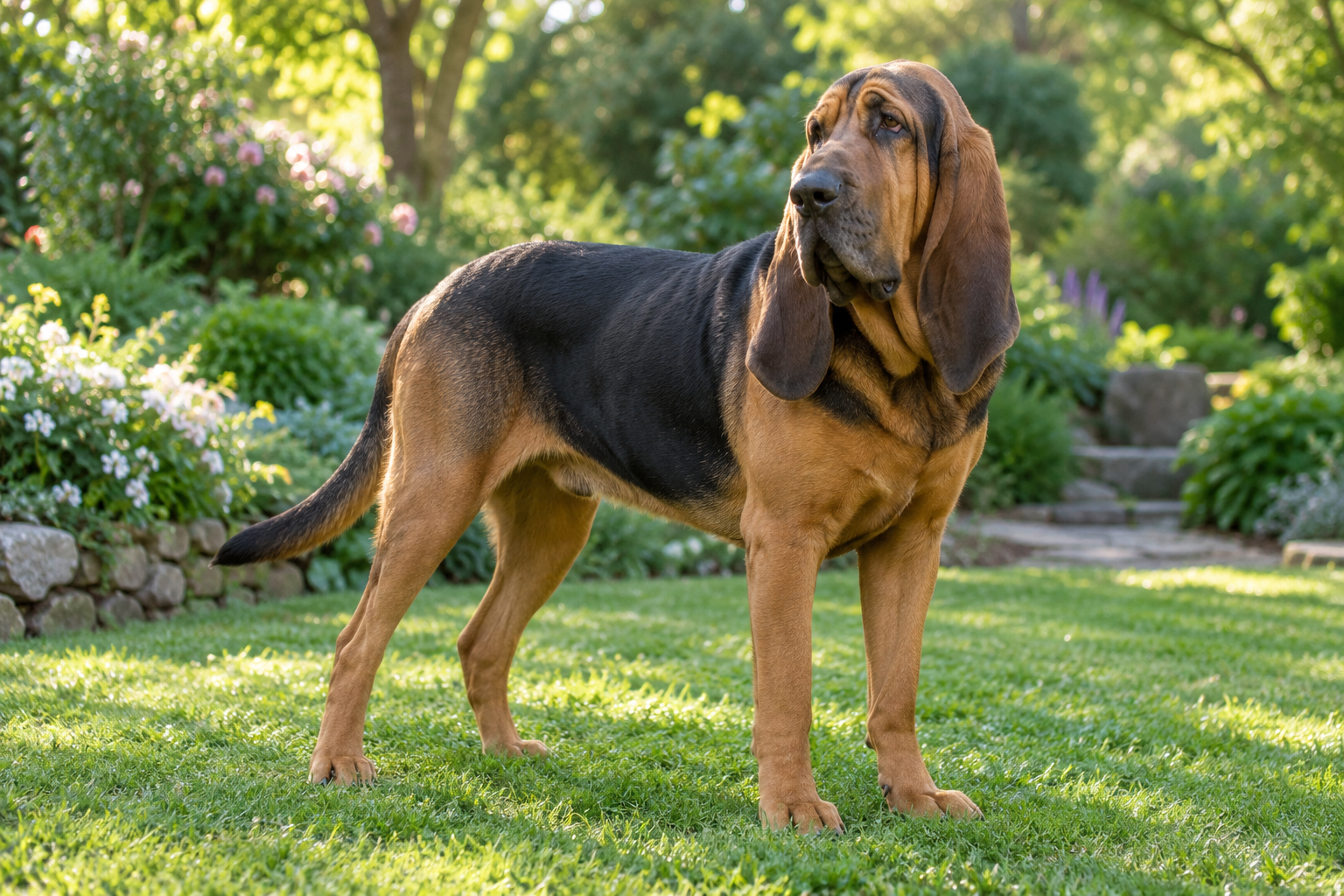 BloodhoundLarge • Hounds (Group 4)
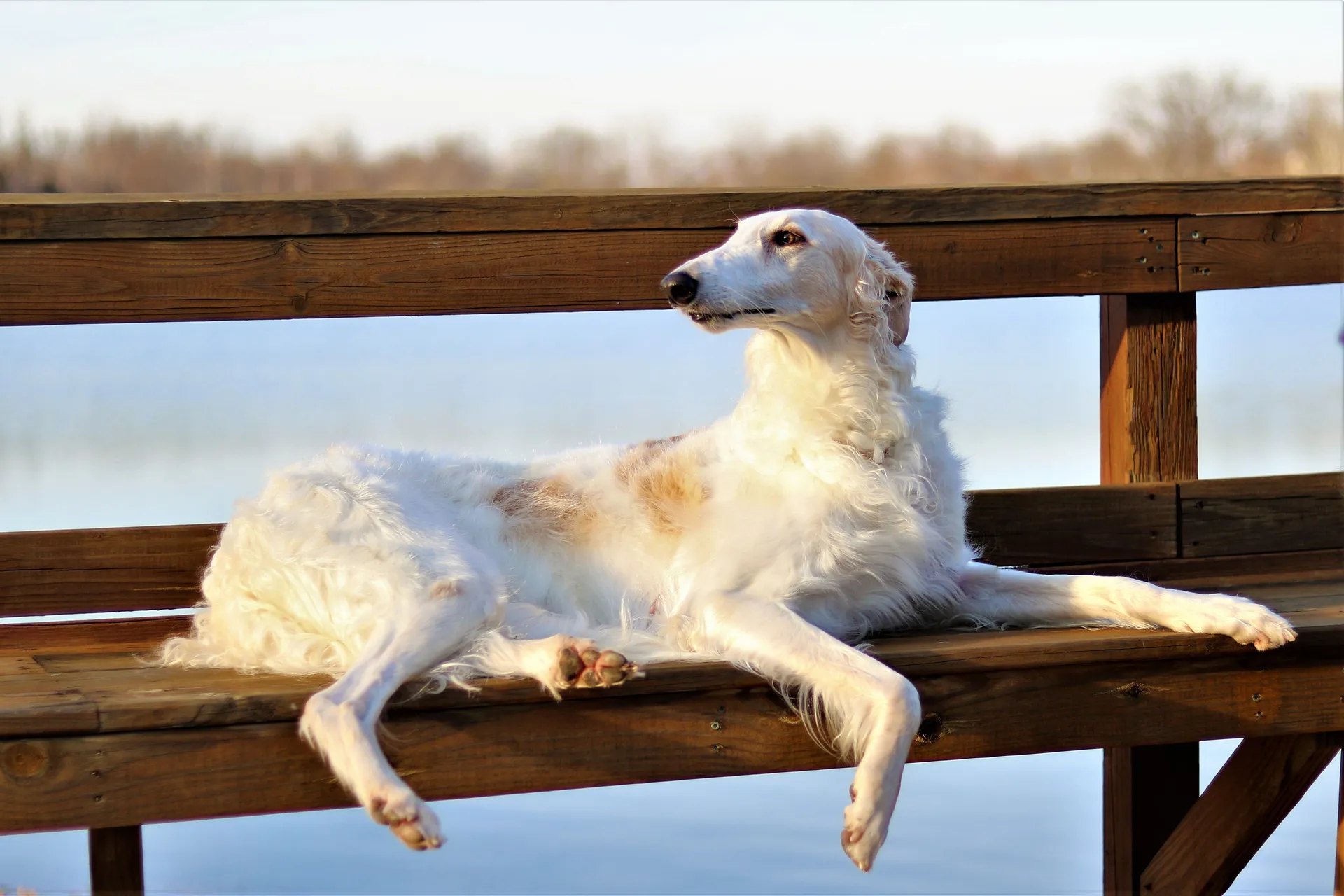 BorzoiLarge • Hound (Sighthound)
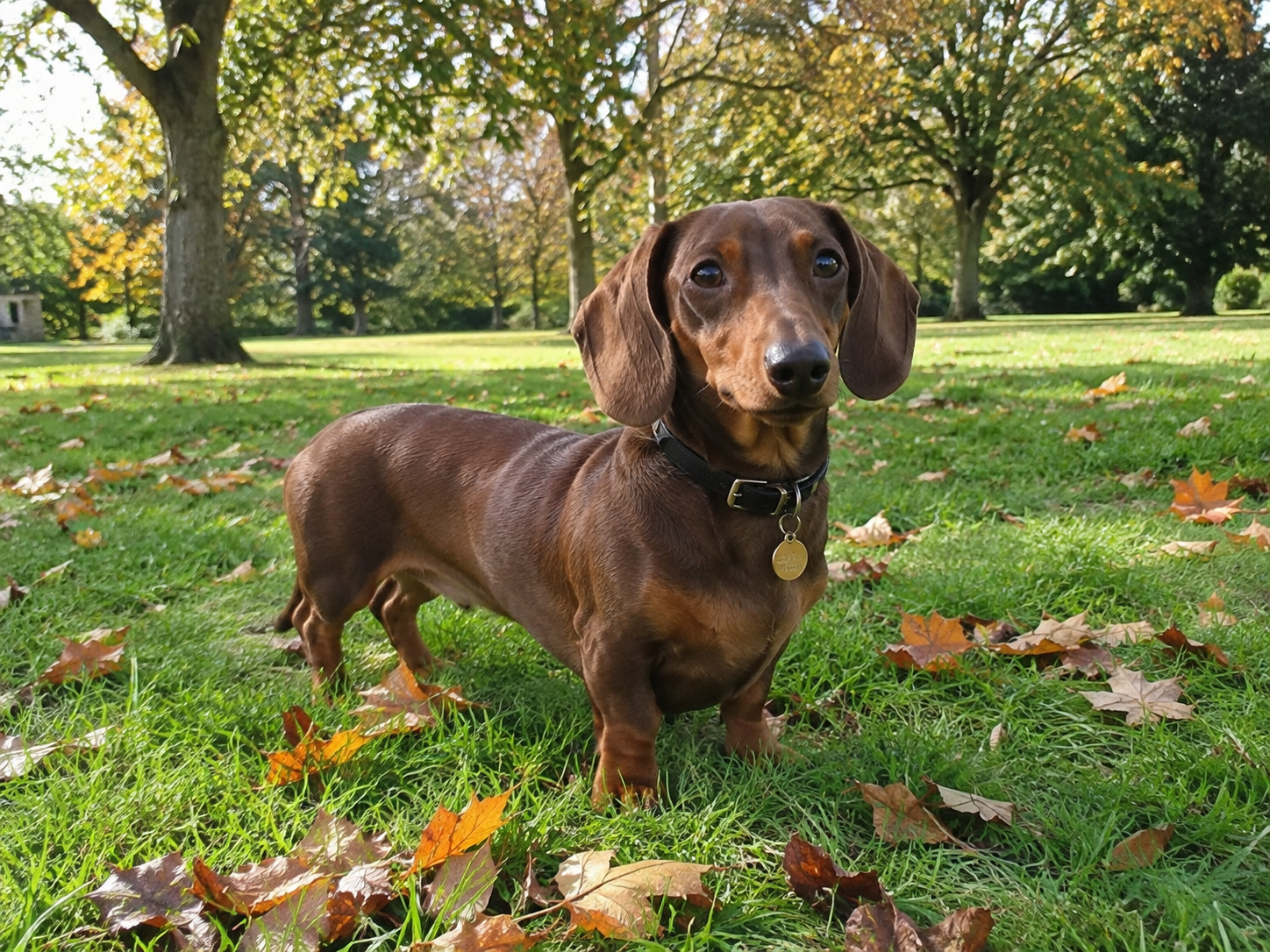 DachshundSmall • Hound
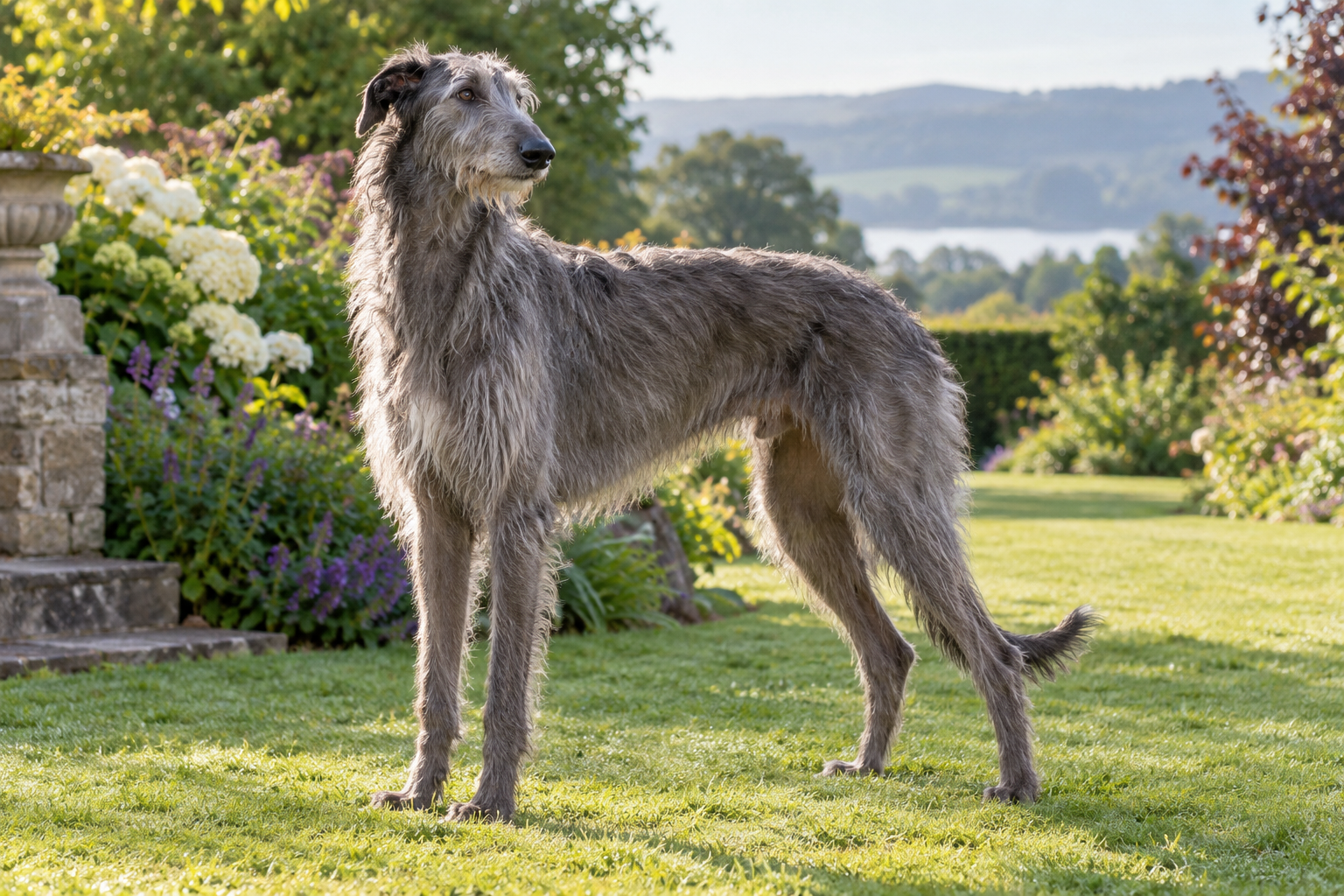 DeerhoundGiant • Hounds (Group 4)
 English FoxhoundLarge • Hound
 Irish WolfhoundGiant • Hounds