Bloodhound
By James C. • Updated
The Bloodhound is a large scent hound descended from the St Hubert hounds of medieval Belgium and France, famous for the most reliable nose in the dog world. It is gentle, affectionate and easy-going at home, but stubborn, vocal and almost impossible to recall once it is following a scent. Males usually stand 63 to 69 cm and weigh 41 to 50 kg, with females a little smaller. The breed has a short lifespan of around 8 to 12 years, and owners should be aware of bloat, eye problems and joint disease. Breeders are very few in Australia, so most buyers should expect a long wait.
Breed Overview
Life Span
8 - 12 years
Average Price
AUD 3000 - AUD 4500
Weight
Male: 41 - 50 kg Female: 36 - 45.5 kg
Height
Male: 63 - 69 cm Female: 58 - 63 cm
Life Expectancy
Male/Female: 8 - 12 years
Breed Group
Hounds (Group 4)
Nicknames
St Hubert Hound, Chien de Saint-Hubert, Sleuth Hound
Breed Information
The Bloodhound is a large, gentle scent hound with the most powerful nose of any dog, bred to follow a trail for hours and ignore almost everything else. At home it is usually affectionate, calm and tolerant. Outdoors it is a working tracker first and a companion second, which is the single most important thing to understand before buying one.
The breed is recognised by Dogs Australia in the Hound group, but it is rare here. On 18 October 2026, Dogz Online showed no Bloodhound litters for sale anywhere in Australia, and the most recent advertised price found was a single Victorian litter in 2024. Anyone set on the breed should expect to contact breeders directly, join a waiting list and possibly travel interstate.
It is also a breed that asks a lot emotionally. The lifespan is short for a dog this size, bloat is a genuine risk, and daily care includes ears, wrinkles and a lot of drool. For the right owner, though, few dogs are as gentle, as funny or as impressive to watch at work.
Characteristics of the Bloodhound
The Bloodhound rates very highly for scenting ability and gentleness, and low for trainability, recall and longevity, which is the trade-off every owner takes on.
| Trait | Rating | Star Rating | Meaning |
|---|---|---|---|
| Size | Large | ★★★★ | 63 to 69 cm and up to 50 kg for males, heavy-boned and strong. |
| Adaptability | Low | ★★ | Needs space and secure fencing; struggles in heat and small homes. |
| Exercise Needs | High | ★★★★ | At least an hour a day, ideally with scent work. |
| Easy to Train | Low | ★★ | Willing but stubborn and easily distracted by smells. |
| Amount of Shedding | Moderate | ★★★ | Short coat that sheds steadily, more so seasonally. |
| Grooming Needs | Moderate | ★★★ | Easy coat, but daily ear, fold and drool care. |
| Good With Children | Good | ★★★★ | Gentle and patient, though large and clumsy as a youngster. |
| Health | Fair | ★★ | Short lifespan, with bloat, eye and joint risks. |
| Cost to Keep | High | ★★★★ | Large food bill, high insurance and frequent ear and skin care. |
| Tolerates Being Alone | Low | ★★ | A pack hound that bays, digs or chews when bored and alone. |
| Intelligence | Good | ★★★★ | Exceptional problem solving on a trail, less interest in obedience. |
History of the Bloodhound: From St Hubert's Hounds to Modern Mantrailer
The Bloodhound descends from the scent hounds bred in the Ardennes region of Belgium and France from around the seventh century. According to Dogs NSW, the monk Hubert, later the patron saint of hunters, is credited as an early breeder, and the hounds kept at the Abbey of St Hubert became famous across Europe for their nose and persistence.
The name causes confusion. It does not mean a dog that tracks blood. It is thought to come from "blooded hound", meaning a hound of pure breeding kept by the aristocracy. From the sixteenth century, Bloodhounds were used to track people, and that role has continued into modern police, search and rescue work. In the United States, the AKC notes that Bloodhound trailing evidence has been accepted in court.
In Australia the breed has always been a minority interest, kept by a small group of show, tracking and mantrailing enthusiasts. Some local breeders have brought in lines from Europe to broaden a small gene pool, which is one reason litters are infrequent and waiting lists are normal.
Appearance of the Bloodhound: Large, Wrinkled and Built for Scent
Size and Build
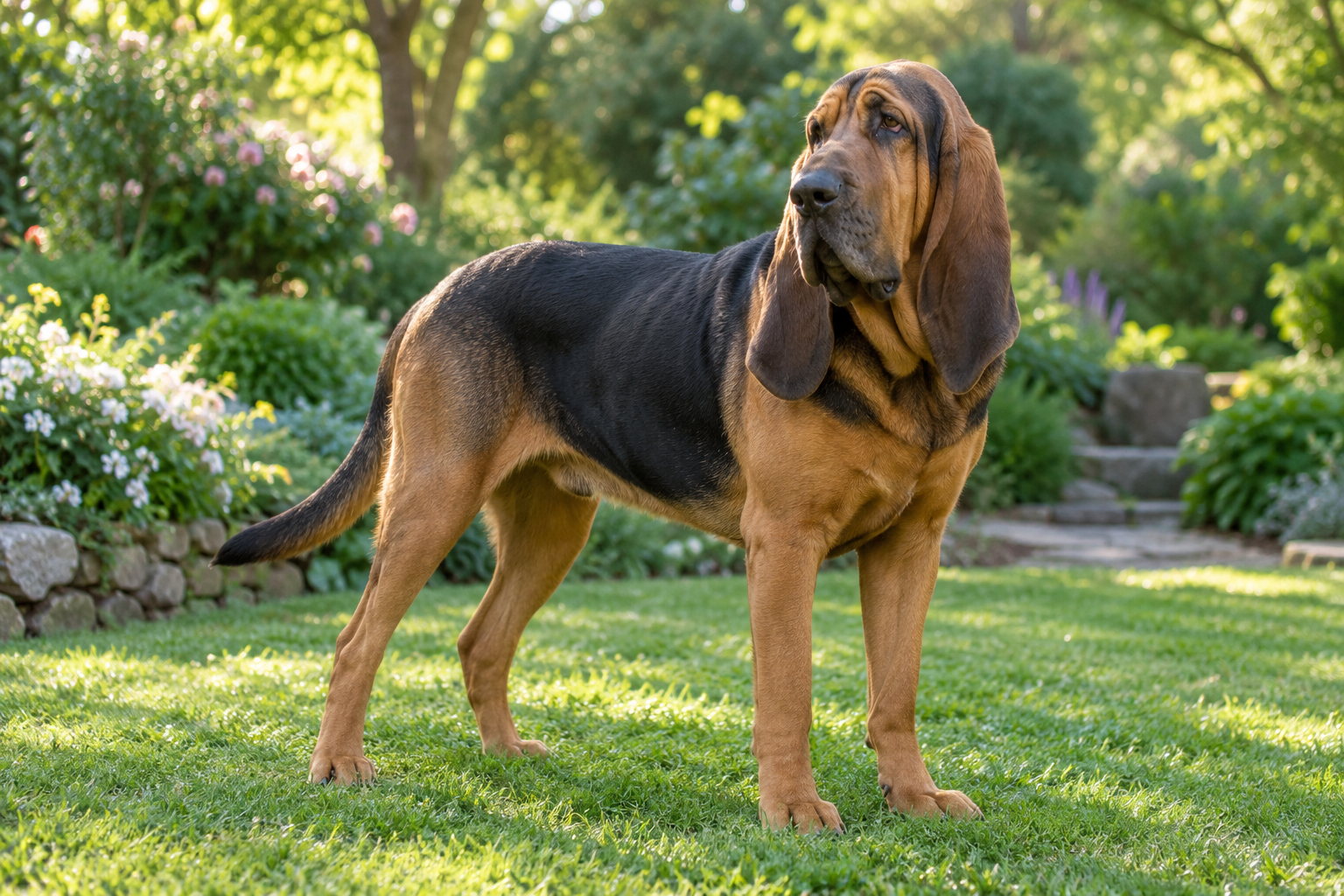
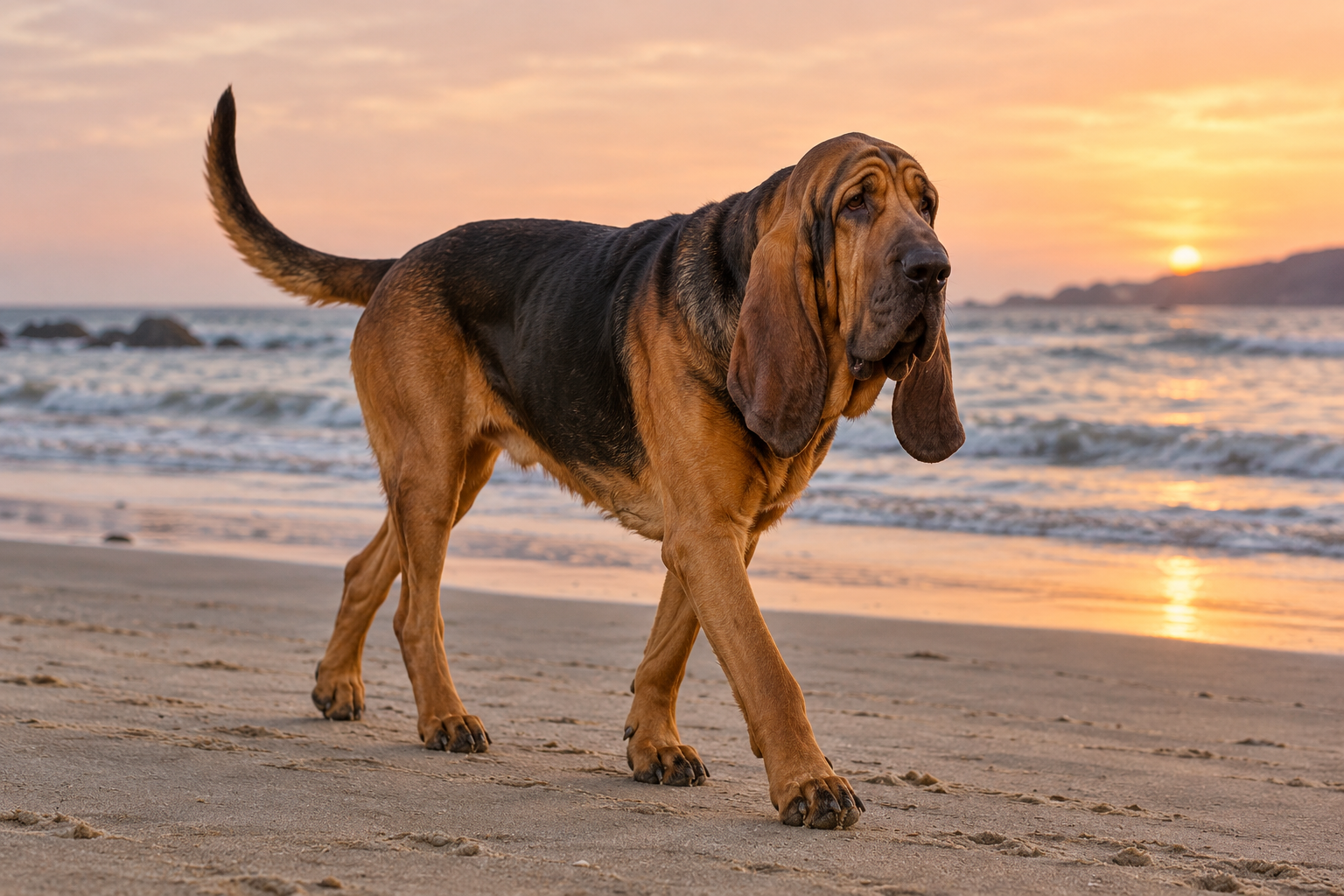
Under the breed standard, dogs usually measure 63 to 69 cm and bitches 58 to 63 cm. Mean weights are about 41 kg for dogs and 36 kg for bitches, and large dogs can reach 50 kg. The body is long, deep-chested and heavy-boned, built for steady work over long distances rather than speed.
Coat and Colours
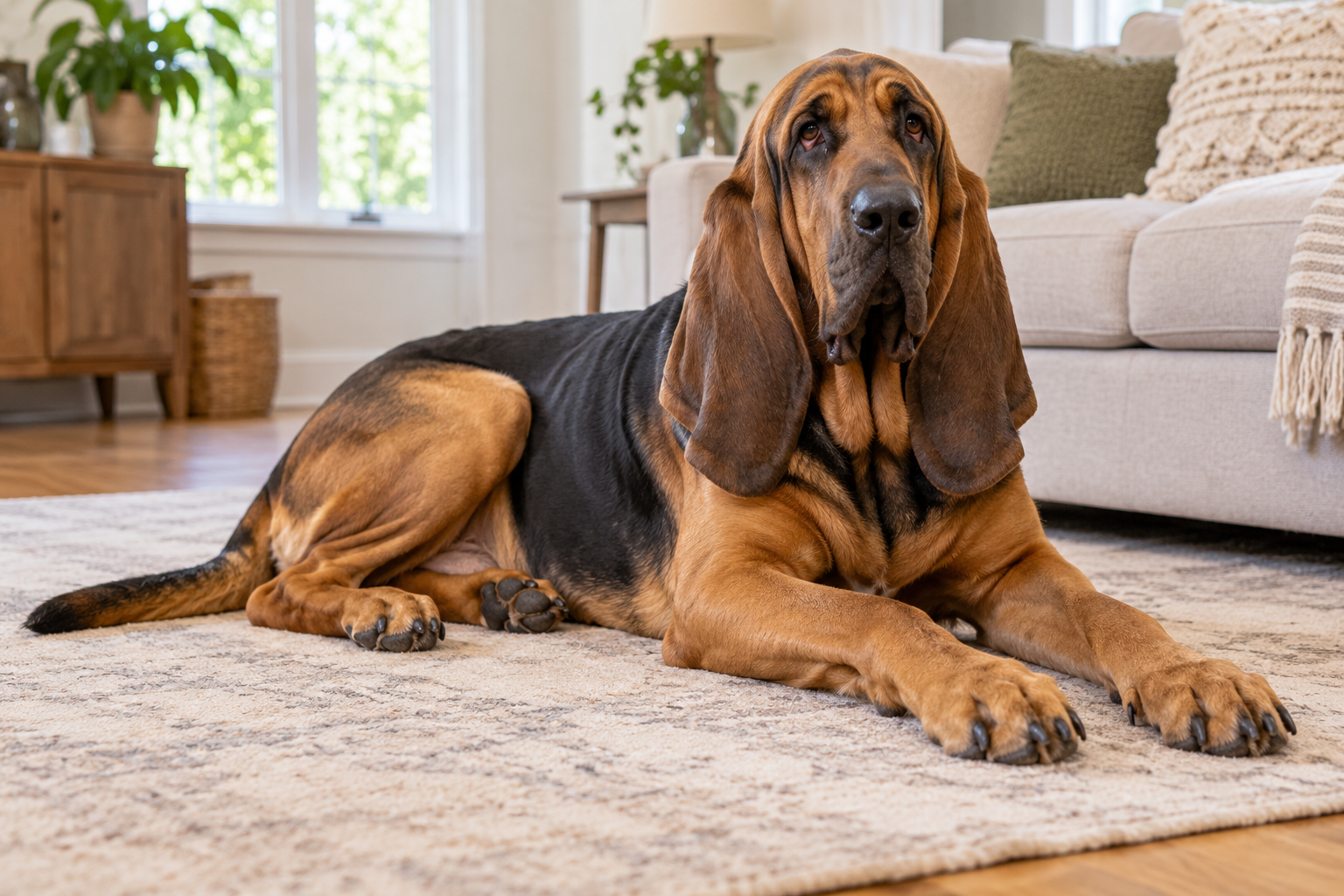
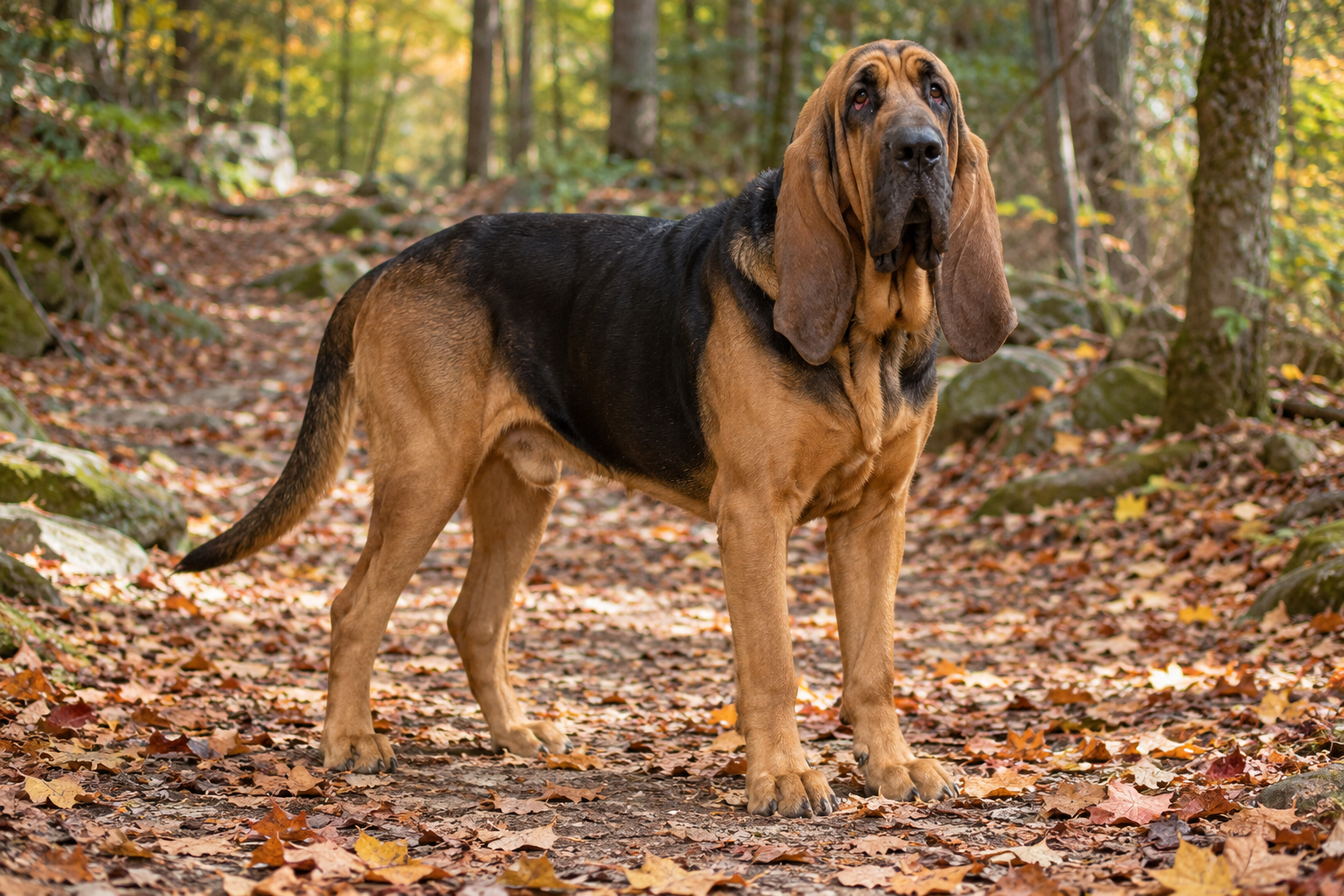
The coat is short, dense and weatherproof. Recognised colours are black and tan, liver and tan, and red, with the shades varying from dog to dog. The skin beneath is thin and very loose, falling into deep folds on the head and neck.
Distinctive Features
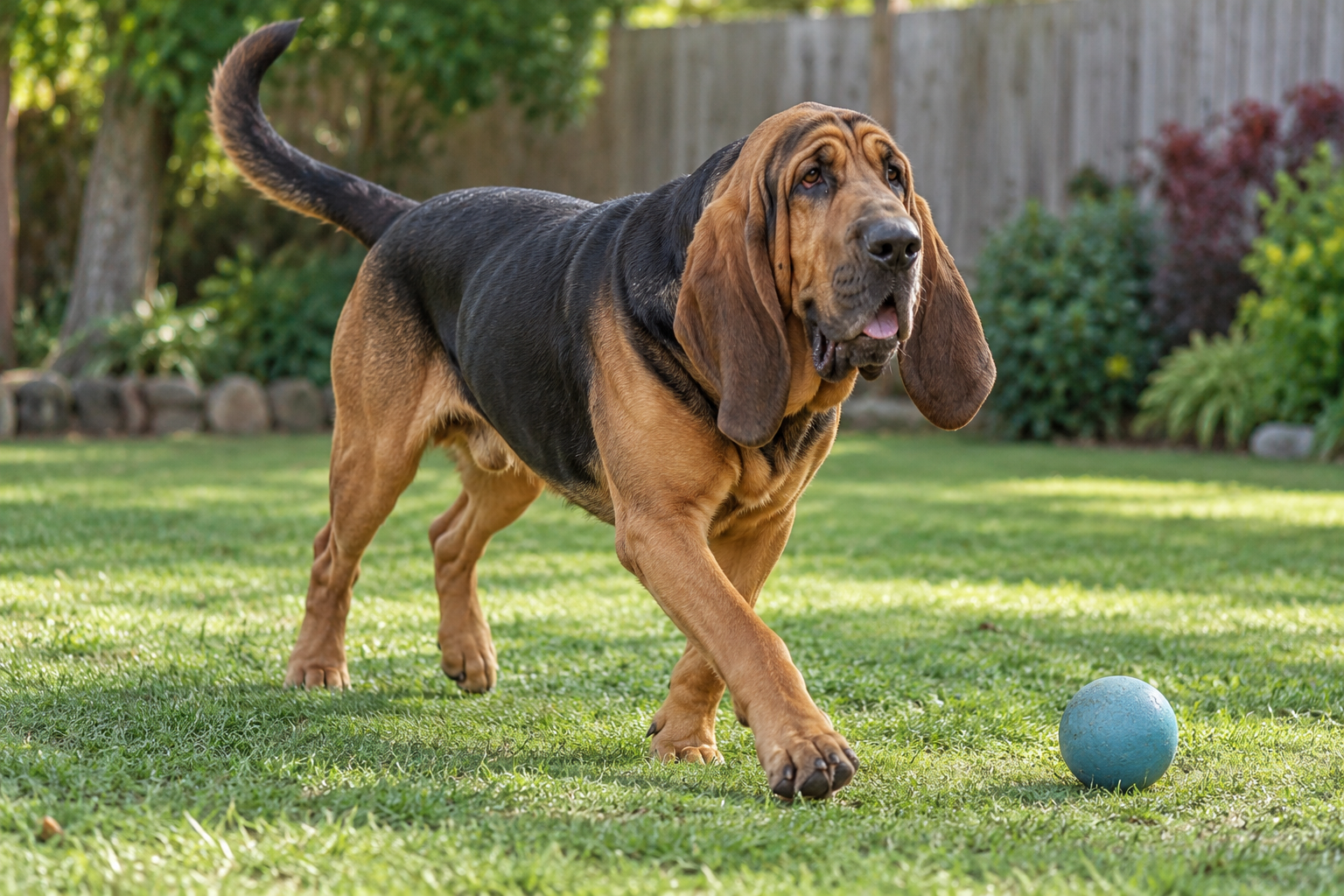
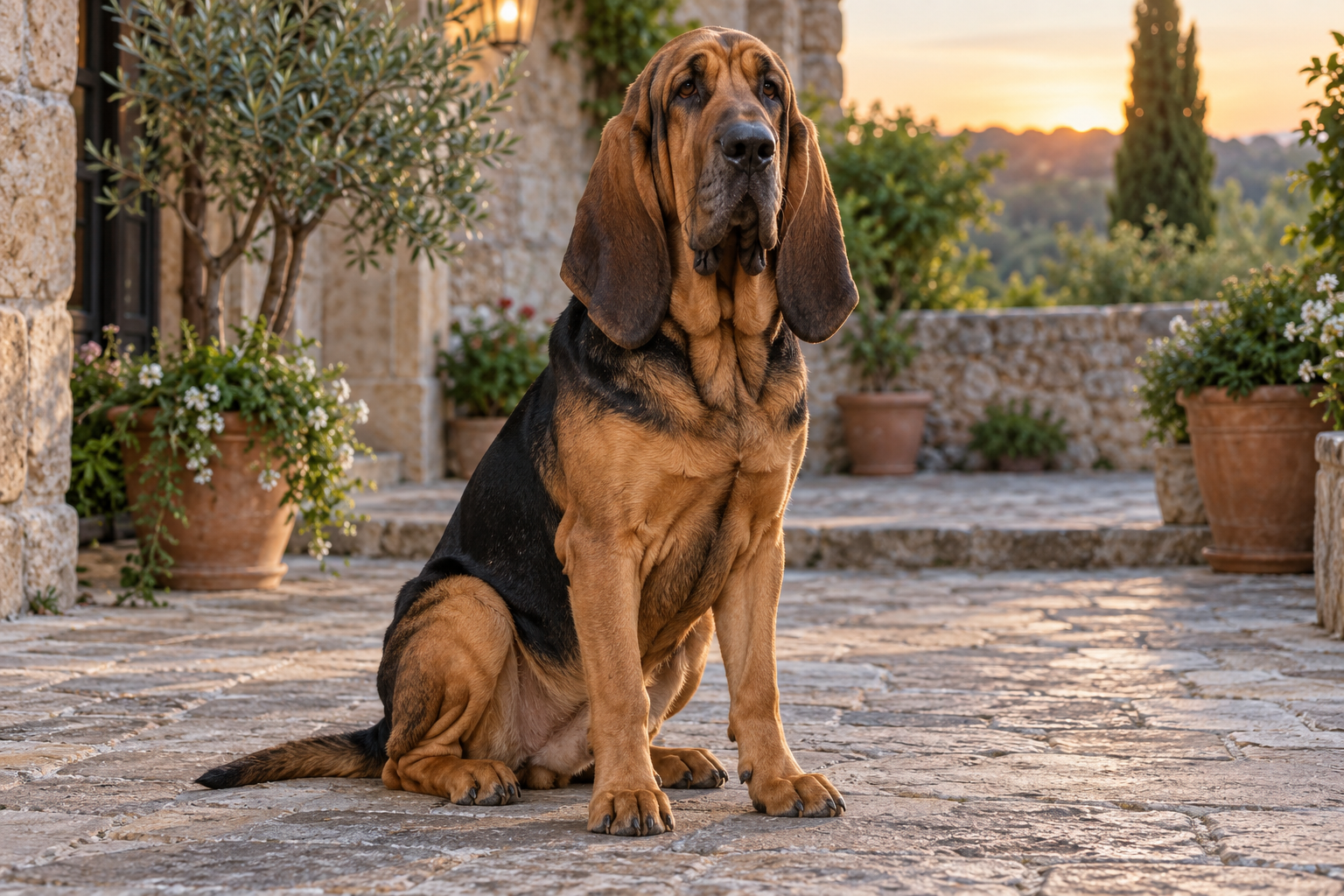
The long, low-set ears, the hanging lips and the deep wrinkles around the face are all thought to help trap and funnel scent. The eyes are deep set, and the lower lids often droop, showing some of the inner lid.
Gender Differences
Males are noticeably larger, heavier and more heavily wrinkled than females, and can be very strong on the lead. Females are a little lighter and are sometimes described as more biddable.
Temperament of the Bloodhound: Gentle, Stubborn and Nose-Led
Core Personality Traits
Dogs NSW describes the breed as easy-going, affectionate and extremely gentle, and the breed standard calls it somewhat reserved and sensitive. Most Bloodhounds are friendly and good-natured with people they know. They are rarely aggressive, but they are very stubborn, and that stubbornness is often mistaken for disobedience or defiance.
Social Behaviour
Bloodhounds can be reserved with strangers at first but are not natural guard dogs. As pack hounds, most get on well with other dogs, and many enjoy having a canine companion. Their voice is another matter: the deep bay carries a long way, which neighbours may not appreciate.
Working Instincts
The scenting drive is overwhelming, and once a Bloodhound is on a trail it will rarely respond to recall. That is the defining practical fact about the breed. It means walks are on lead or in fully fenced areas, and a Bloodhound that escapes can travel a long way very quickly with its nose down and its attention elsewhere.
Common Behavioural Challenges
The most common problems are escaping, digging, baying and chewing, usually in dogs without enough exercise or scent work. Young Bloodhounds are also clumsy and boisterous, and they go through a long, gangly adolescence.
Intelligence and Trainability of the Bloodhound: Clever on a Trail, Independent Off It
Intelligence and Learning Ability
Bloodhounds are highly intelligent at the job they were bred for, solving complex scent problems over long distances. They are much less interested in repetitive obedience. That is why they can appear slow to learn at home and brilliant on a trail.
Training Approach
Use food rewards, short sessions and lots of patience. Harsh corrections tend to make a sensitive Bloodhound shut down or ignore you. Focus first on loose lead walking, since a 45 kg dog pulling towards a smell is a real handling problem, and on a reliable "leave it".
Early Socialisation
Introduce puppies to people, children, other dogs, traffic, vets and grooming early and positively. A well-socialised Bloodhound is relaxed and friendly, while an under-socialised one may be shy or overwhelmed in new places.
Potential Training Challenges
Recall is the permanent limitation, and no amount of training makes it reliable in open country. House training can take longer than average, and the breed's single-mindedness means distractions outdoors are constant.
Bloodhound Family Life: Living with Children, Pets, and Households
Living with Children
Bloodhounds are generally gentle and tolerant with children. The risk is physical: a large, enthusiastic young hound can knock over a toddler, and drool and tail swipes come with the package. They suit families with older children best, and all interactions should be supervised.
Living with Other Pets
Most Bloodhounds get on well with other dogs and enjoy company. Many live peacefully with cats they are raised with, although they may follow a cat's scent with interest. Introduce small pets carefully and supervise until you know the individual dog.
Household Environment
Secure fencing is essential. Dogs NSW recommends a fully fenced yard at least about 5 ft (roughly 1.5 m) high, and many owners go higher and dig the base in to stop escapes. A Bloodhound is too large and too noisy for most apartments. Inside, expect drool on walls and furniture, and a strong houndy smell.
Lifestyle Compatibility
The breed suits rural or semi-rural homes, active owners and people interested in tracking or mantrailing. It suits households that can tolerate mess and noise. It is a poor fit for small suburban blocks, apartment living or owners wanting a tidy, obedient dog.
Health of the Bloodhound: Bloat, Eyes, Joints and a Short Lifespan
Lifespan and Healthy Living
Dogs NSW gives a lifespan of 8 to 12 years for well-bred Bloodhounds. That is short for a dog of this size, and it is the main reason the breed is sometimes called heartbreaking to own. A UK breed health report found a median age at death of six years and nine months, with bloat the most common single cause, so preventing and recognising bloat matters more in this breed than in most.
Common Health Conditions
Owners should be aware of several conditions that can be associated with the breed. It is best to discuss any concerns with a veterinarian.
- Gastric dilatation volvulus (bloat). A life-threatening twisting of the stomach. A UK study of pedigree dogs ranked the Bloodhound among the breeds at greatest risk of dying from bloat, and a UK Bloodhound health report attributed 34.1 per cent of reported deaths to it.
- Entropion and ectropion. Eyelids that roll inwards or droop outwards, which can cause irritation, infection and sometimes need surgery.
- Hip and elbow dysplasia. Abnormal joint development that can lead to pain and arthritis.
- Skin fold dermatitis and ear infections. Moisture trapped in wrinkles and long ears can lead to infection, especially in humid weather.
- Subaortic stenosis (SAS). A narrowing below the aortic valve of the heart, which Dogs NSW recommends screening for.
- Degenerative myelopathy (DM). A progressive spinal cord disease in older dogs, for which a DNA test is available.
Genetic Health Testing
Dogs NSW recommends hip and elbow scoring through the ANKC ORCHID scheme, cardiac screening by a cardiologist (echocardiography is preferred because of SAS), and DNA testing for DM. Ask to see these results for both parents, along with an eye examination, before you put down a deposit.
Preventative Health Care
Learn the signs of bloat and treat them as a same-night emergency: a swollen or tight belly, unproductive retching, drooling more than usual, restlessness and collapse. Feed two or more smaller meals rather than one large one, avoid vigorous exercise for an hour or so either side of meals, and ask your vet about a preventive gastropexy, which can be done at desexing. Keep vaccinations and year-round parasite prevention current, including paralysis tick control on the east coast.
Caring for the Bloodhound: Daily Care and Living Environment
Daily Care Routine
A typical day includes a long walk on lead or in a secure area, a scent game or tracking session, two or three meals, and a check of ears, eyes and skin folds. Keep a towel handy for drool, especially after drinking. Some owners use a snood at mealtimes to keep the ears out of the bowl, as Dogs NSW suggests.
Living Environment Requirements
Provide a large, secure yard, a padded bed to protect elbows, and shade and water at all times. Indoors, choose washable surfaces and covers. A Bloodhound should live with its family rather than outdoors alone, since isolation leads quickly to baying and digging.
Climate Sensitivity
Heat is a real risk for this heavy, deep-chested breed. In Australian summers, exercise only in the early morning or evening, keep walks short on hot days and check safe walking temperatures for dogs in Australia before heading out. Humidity also makes ear and skin fold infections more likely, so dry ears and wrinkles carefully after swims and wet weather.
Caring for Senior Bloodhounds
Bloodhounds can be considered seniors from around seven. Switch to shorter, gentler walks, keep weight lean to protect joints, and provide thick bedding and non-slip flooring.
Grooming of the Bloodhound: Ears, Wrinkles and Drool
Coat Maintenance
The short coat needs only a weekly going-over with a rubber mitt or hound glove to remove loose hair. Shedding increases seasonally, when a few extra sessions help. The coat itself is the easy part of Bloodhound care.
Ear, Nail, and Dental Care
Check and wipe the long ears several times a week, and clean them gently when needed, following safe steps for cleaning long, heavy ears. Trim nails every three to four weeks and brush teeth several times a week.
Skin Folds and Drool
Wipe the facial folds and lips daily with a soft damp cloth, then dry them thoroughly. Check the eyes for discharge or redness, since the loose lower lids can collect debris. Drool is constant, especially after eating and drinking, and most owners keep cloths in every room.
Bathing and Professional Grooming
Bathe every month or two, or when the houndy smell becomes strong, using a gentle dog shampoo and drying the folds well afterwards. Professional grooming is not needed, though some owners use a groomer for baths simply because of the dog's size.
Exercise Needs of the Bloodhound: Long Walks and Scent Work
Daily Exercise Requirements
Plan on at least an hour a day for an adult. Dogs NSW lists around 40 minutes a day plus a daily walk, and most active Bloodhounds happily do more. All of it should be on lead or in a securely fenced area.
Activities Bloodhounds Enjoy
Mantrailing, tracking and nose work games are ideal, since they use the breed's main talent. Long sniff walks, swimming and games of fetch also suit many dogs.
Exercise by Life Stage
Puppies grow quickly, so keep exercise short and free of jumping and long runs until growth plates close at around 18 months. Adolescents need the most structure. Adults can walk for hours in cool weather, and seniors need gentler, shorter outings. In tick regions on the east coast, check the whole dog after walks in bush or long grass.
Importance of Mental Stimulation
A Bloodhound that walks a mile without sniffing is not satisfied. Hide treats around the yard, lay simple scent trails and use puzzle feeders. Mental work tires this breed as much as distance does and helps reduce baying and digging.
Feeding the Bloodhound: Nutrition and Diet Needs
Nutritional Requirements
Feed a complete and balanced diet formulated for large or giant breeds. Active working dogs may need more energy, while pets kept mainly at home need careful portions.
Feeding by Life Stage
Puppies need a large-breed puppy food fed three or four times a day, and steady rather than rapid growth to protect developing joints. A clear feeding schedule for a large breed puppy helps. Adults should be fed at least twice daily for life, which matters given the bloat risk.
Portion Control and Weight Management
Keep the dog lean, with ribs easily felt under a light covering. Excess weight adds strain to hips and elbows and makes heat harder to manage.
Special Dietary Considerations
Avoid large single meals, rapid gulping and heavy exercise around feeding times. Slow-feeder bowls can help fast eaters. The usual toxic foods apply: grapes, sultanas, chocolate, onion, garlic, macadamias, cooked bones and xylitol.
Bloodhound Price in Australia: Purchase Cost and Ongoing Expenses
Puppy Purchase Price
Expect to pay around $3,000 to $4,500 for a registered Bloodhound puppy in Australia, but expect to wait. On 18 October 2026, the Dogz Online Bloodhound puppy listings showed no litters at all. The most recent Australian asking price found was $3,500 for a litter in Tyers, Victoria, advertised in 2024.
Overseas figures are lower. US cost guides put breeder puppies at roughly USD 800 to 2,400, or about AUD 1,200 to 3,600. Australia's small breeding population, imported lines and interstate transport push local prices above that. Treat cheap "Bloodhound cross" listings sold at purebred prices with caution.
Initial Setup Costs
RSPCA NSW puts first-year setup costs for a dog at about $60 to $80 for microchipping, $280 to $420 for vaccinations, $350 to $650 for desexing, $40 to $100 for a collar, lead or harness, $100 to $200 for a bed and about $170 for puppy school. For a Bloodhound, add a large crate, a long line for training, higher fencing and, if your vet recommends it, the cost of a preventive gastropexy.
Ongoing Monthly Costs
| Cost | Typical figure (AUD) | Source |
|---|---|---|
| Food | Well above the $91 monthly dog average, given a 36 to 50 kg body weight | Animal Medicines Australia, Pets in Australia 2025 |
| Parasite prevention | Above the $122 annual average, since dosing is by weight | Animal Medicines Australia, Pets in Australia 2025 |
| Pet insurance | From around $1,461 per year for a large dog, often more for high-risk breeds | Canstar, prepared March 2026 |
| Annual vet check and booster | From $140 per year | RSPCA NSW |
Animal Medicines Australia reports that dog-owning households spend about $2,520 a year on average, and a Bloodhound will cost considerably more. Canstar's pet insurance premium figures rise with age, which matters for a breed with bloat, eye and joint risks.
Long-Term Financial Commitment
Over an 8 to 12 year life, food, insurance and vet care for a large hound add up quickly. Working through the lifetime cost of owning a large dog gives a realistic budget. A single bloat emergency or eye surgery can run into thousands of dollars, so insurance taken out early is sensible.
Buying Advice for a Bloodhound: Choosing a Healthy Puppy
Choosing a Responsible Breeder
Look for a breeder registered with their state Dogs Australia body, and contact breed clubs and Dogs Australia member bodies for referrals. Good breeders health test, raise puppies in the home and talk openly about lifespan, bloat and the realities of living with a scent hound. Expect to be interviewed and to join a waiting list.
Health Checks Before Purchase
Ask for ORCHID hip and elbow scores, cardiac results and DM DNA status for both parents. Look at the puppies' eyes for rolling or drooping lids, and check that ears and skin are clean. Request vaccination, worming and microchip records, and confirm the registration papers match.
Questions to Ask the Breeder
- Can I see ORCHID hip and elbow scores for both parents?
- Have the parents had cardiac screening by a cardiologist, and was it an echocardiogram?
- What is the DM DNA status of both parents?
- Have any dogs in the line had bloat, and how old were they?
- Have the parents had eyelid problems or eye surgery?
- How long have related dogs lived, and what did they die of?
- Do you recommend a preventive gastropexy, and when?
- Will you take the dog back if my circumstances change?
Considering Adoption
Adult Bloodhounds occasionally come up through breeders rehoming retired dogs or through hound rescue groups. An adult lets you see its size, drool level and temperament first.
Is the Bloodhound Right for You? A Gentle Giant with a Nose That Leads
Lifestyle Compatibility
The Bloodhound suits active owners with secure land or large yards. It fits rural and semi-rural homes best. It is a poor fit for apartments or small suburban blocks.
Time and Care Commitment
Expect at least an hour of exercise daily, plus scent games. Ears, folds and drool need daily attention. The commitment runs for 8 to 12 years.
Grooming and Health Awareness
Know the signs of bloat and act fast. Keep ears and wrinkles clean and dry. Take out insurance while your Bloodhound is young.
Ideal Owner Profile
The ideal owner is patient, good-humoured and relaxed about mess. They enjoy tracking or long sniff walks. They accept that recall will never be reliable.
Find Bloodhound Puppies for Sale
If the breed fits your life, you can browse puppies for sale on Pups4Sale and check for new hound litters. Given how rare Bloodhounds are, contacting breeders directly is usually the fastest route.
Frequently Asked Questions
Related Breeds
Other hound breeds on Pups4Sale.
 BorzoiLarge • Hound (Sighthound)
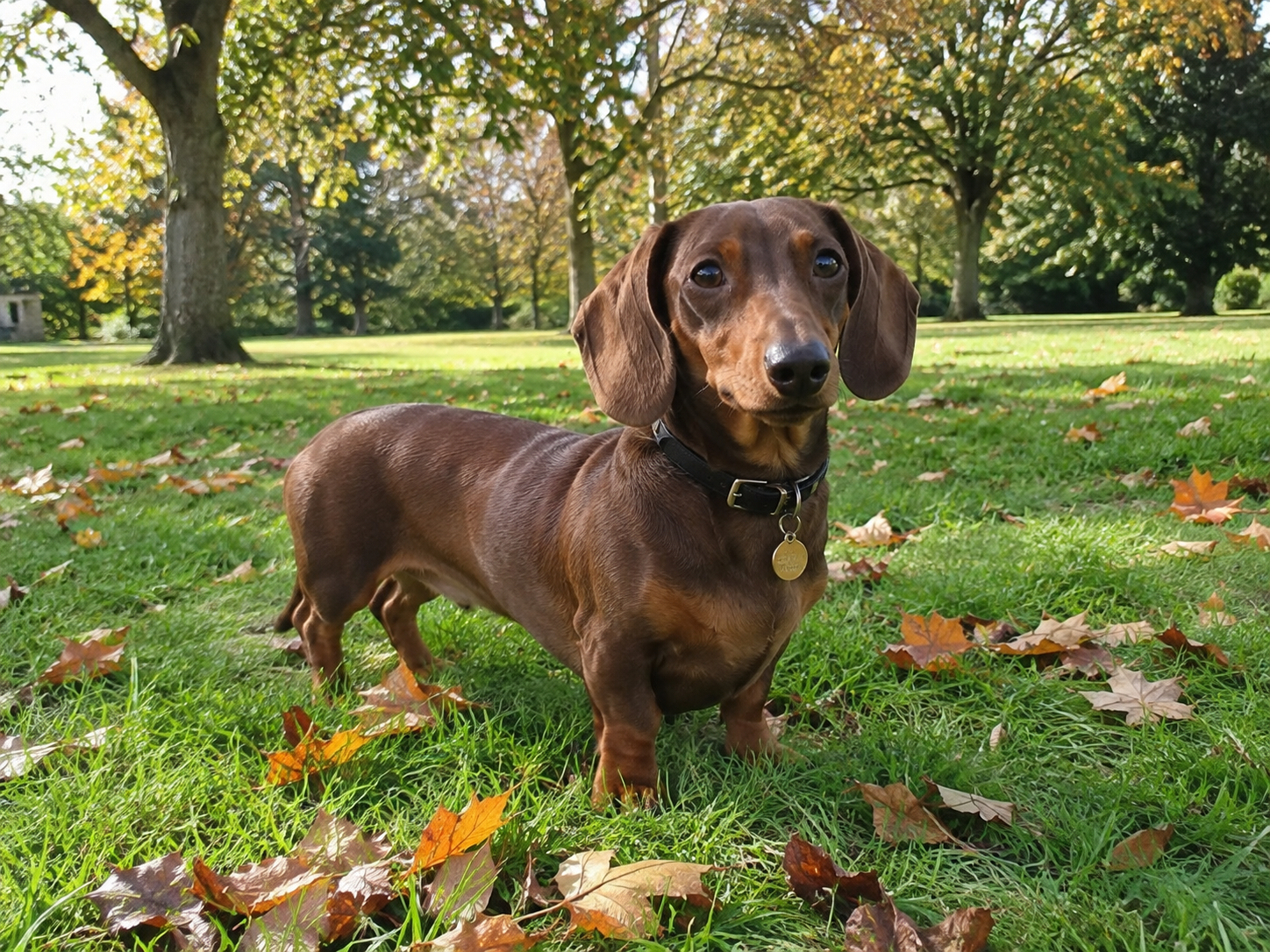 DachshundSmall • Hound
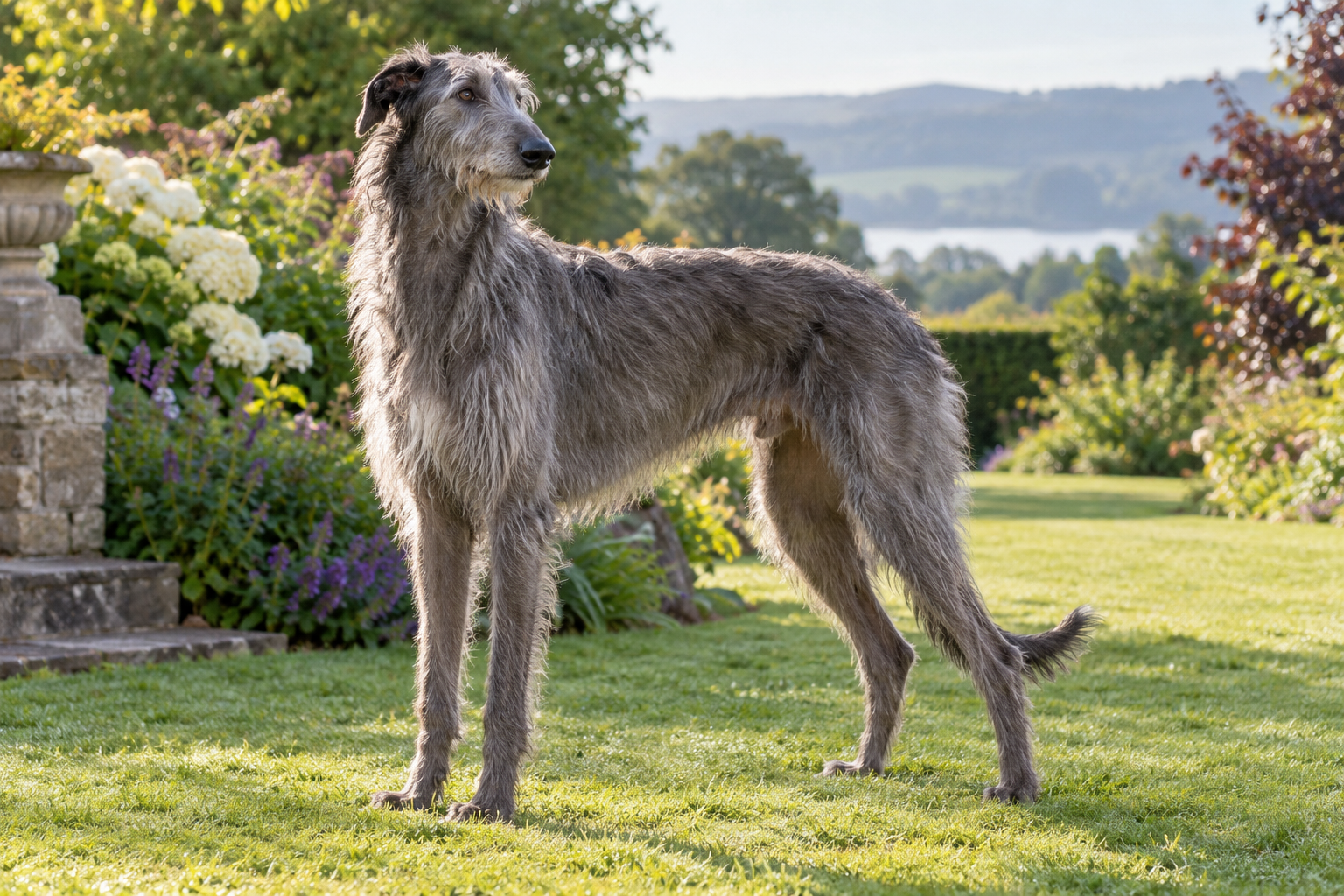 DeerhoundGiant • Hounds (Group 4)
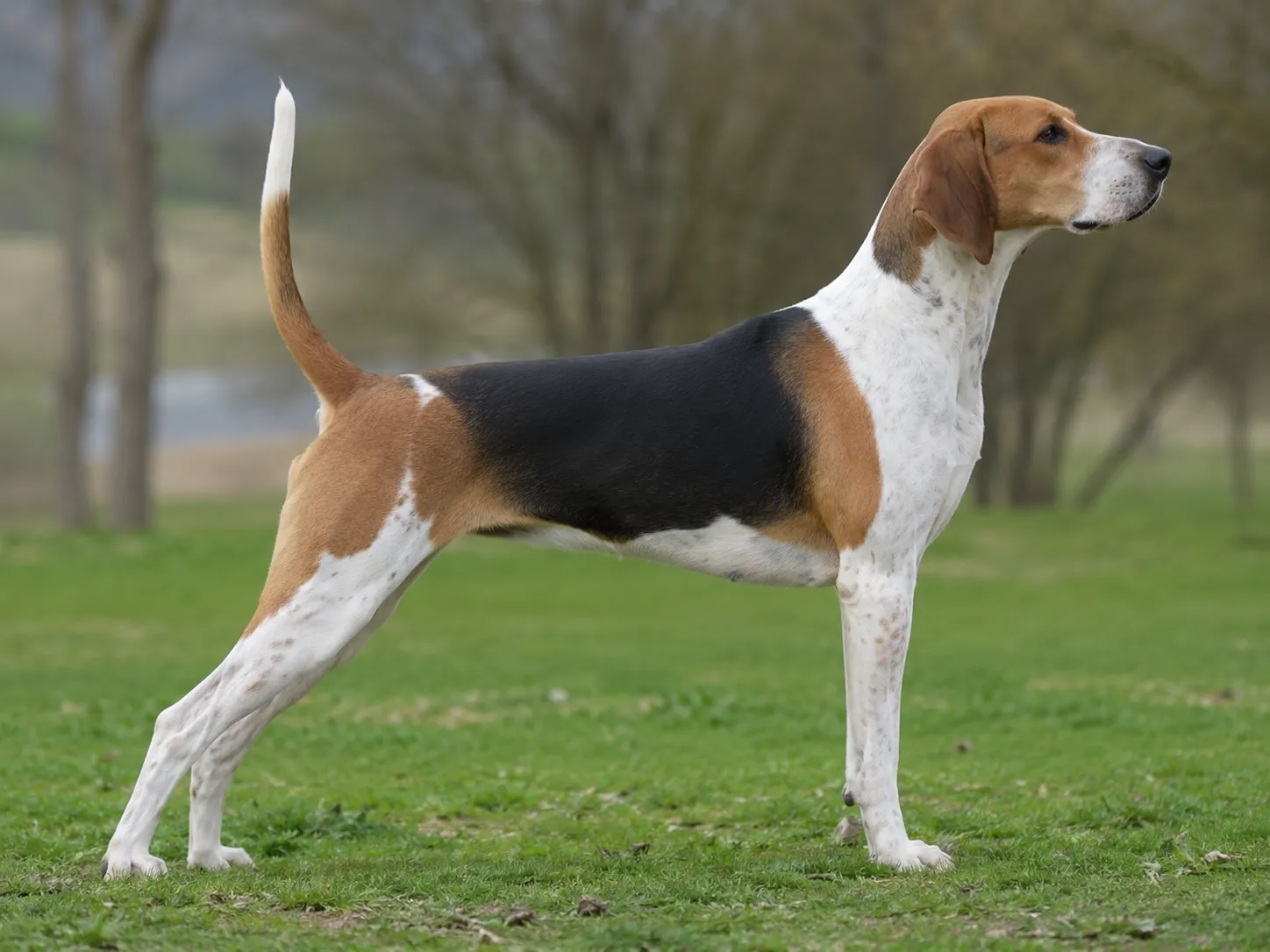 English FoxhoundLarge • Hound
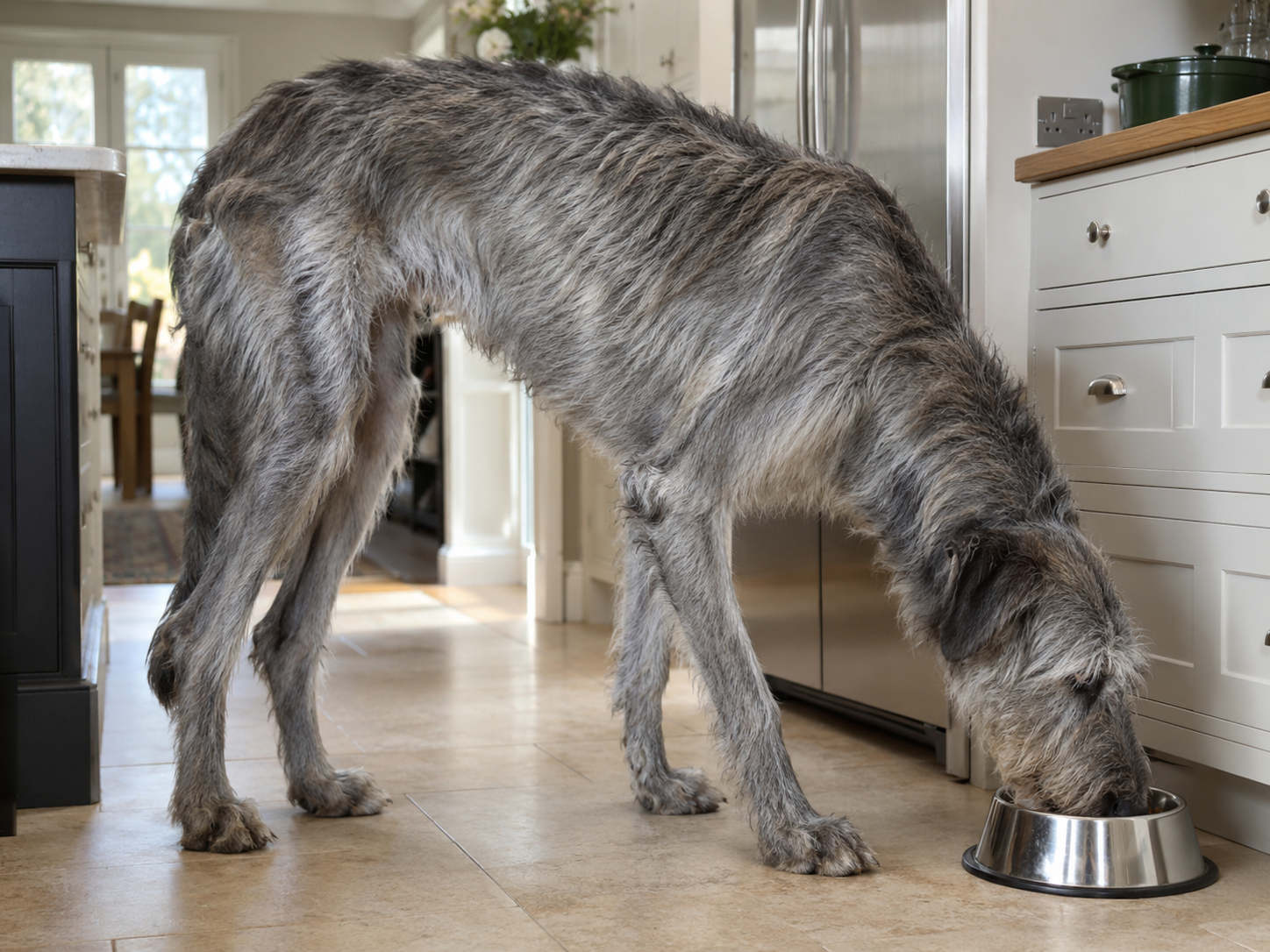 Irish WolfhoundGiant • Hounds
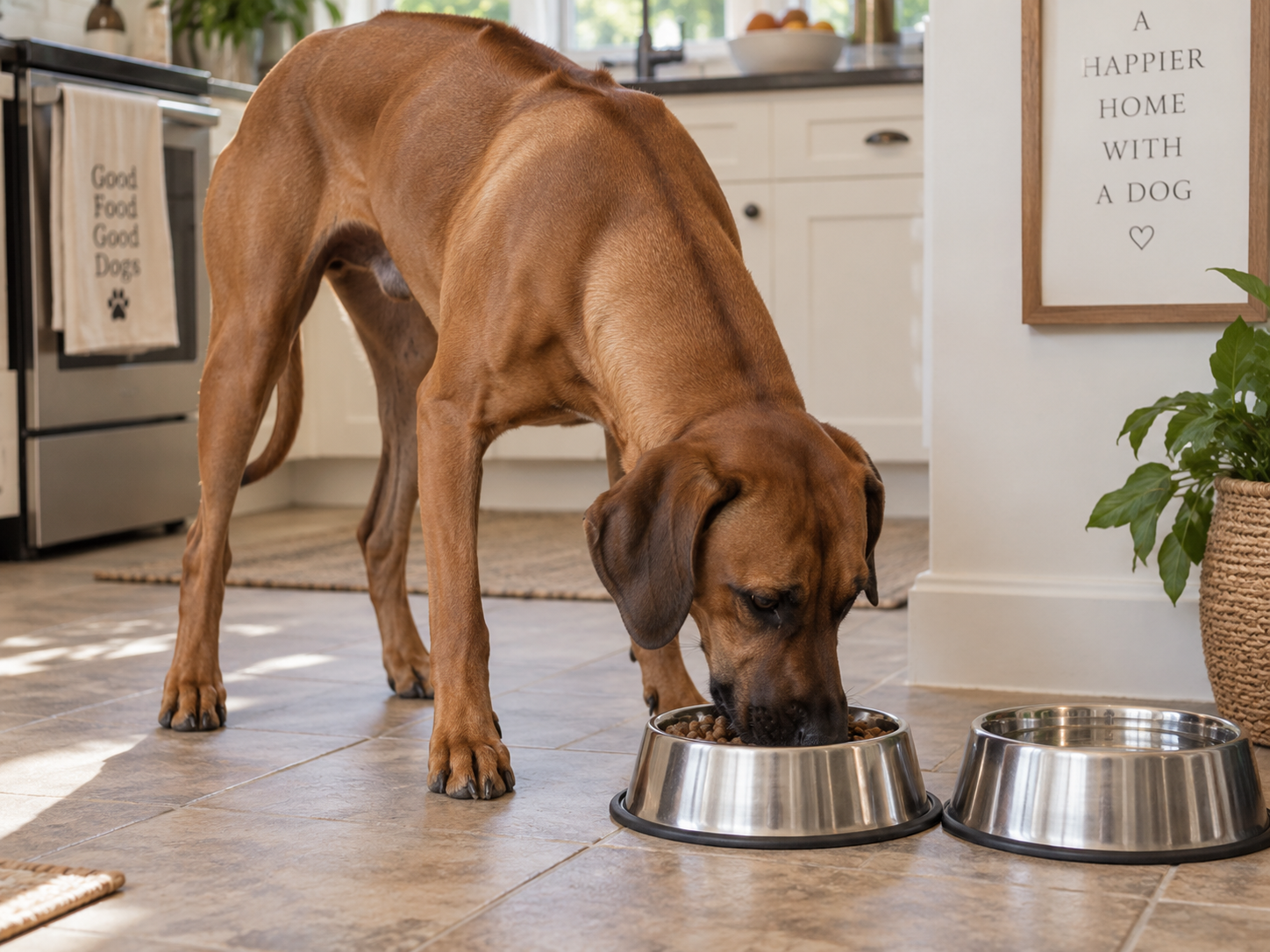 Rhodesian RidgebackLarge • Hounds