Irish Wolfhound
By James C. • Updated
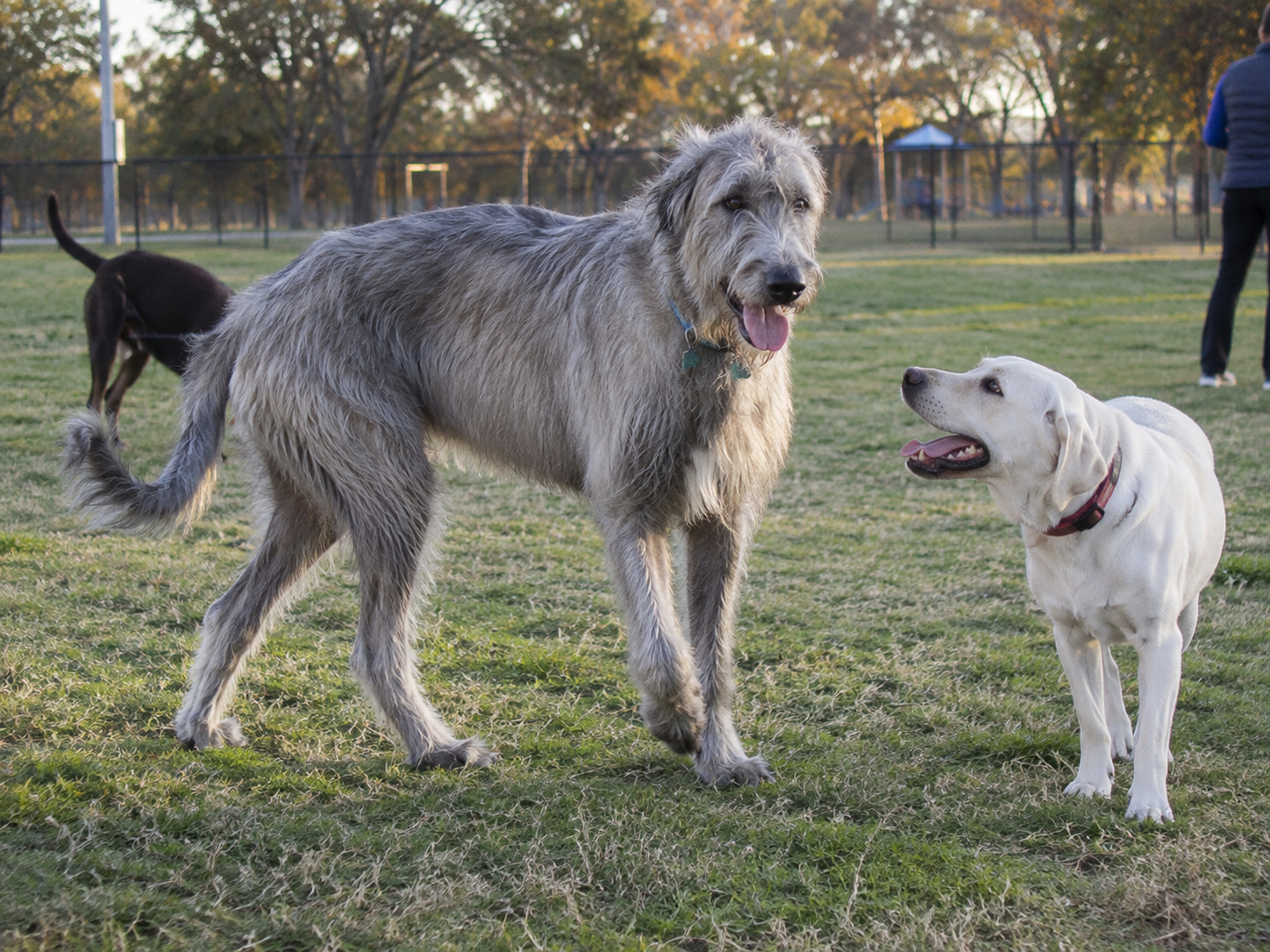
The Irish Wolfhound is the tallest dog breed by standard, bred in Ireland to course wolves and elk and now kept almost exclusively as a companion. It is gentle, quiet and famously undemanding indoors despite its scale, and is often described as a calm presence rather than an active dog. Males stand from around 79 cm and weigh upwards of 54 kg. The defining consideration for any buyer is lifespan, which is short even by giant breed standards at a median of around seven and a half years.
Breed Overview
Life Span
6 - 10 years
Average Price
AUD 3000 - AUD 3000
Weight
Male: 54.5 - 70 kg Female: 41 - 55 kg
Height
Male: 79 - 86 cm Female: 71 - 79 cm
Life Expectancy
Male/Female: 6 - 10 years
Breed Group
Hounds
Nicknames
Wolfhound, Gentle Giant
Breed Information
The Irish Wolfhound is the tallest dog breed in the world by breed standard, and one of the shortest-lived. Those two facts define ownership more than anything else about the breed, and the second one deserves to be said plainly at the start rather than buried in a health section. Peer-reviewed data puts median lifespan at around seven and a half years, with females averaging 8.10 years and males 6.68.
The breed was developed in Ireland to course wolves and Irish elk, work that required a dog with the height and reach to run down and hold very large game. When wolves were eliminated from Ireland the breed nearly disappeared with them, and the modern population descends from a nineteenth century reconstruction effort by Captain George Augustus Graham, who crossed the surviving stock with Scottish Deerhounds and other breeds.
Today it is kept purely as a companion, and the temperament reflects centuries of selection away from aggression. Australian supply is very limited. There are 24 registered breeders nationally and, at the time of writing, not one had puppies available anywhere in the country, with only four listing a dated planned litter. This is a waitlist breed rather than one you shop for.
Characteristics of the Irish Wolfhound
The Irish Wolfhound rates very highly for temperament and space requirements and poorly for health and longevity, which is an unusual and important combination.
| Trait | Rating | Star Rating | Meaning |
| Size | Giant | ★★★★★ | The tallest breed by standard, with males often exceeding 60 kg. |
| Adaptability | Moderate | ★★★ | Calm indoors but genuinely needs space to simply exist comfortably. |
| Exercise Needs | Moderate | ★★★ | About an hour daily for an adult, far less than the size suggests. |
| Easy to Train | Good | ★★★★ | Willing and sensitive, though recall is limited by sighthound prey drive. |
| Amount of Shedding | Moderate | ★★★ | Continuous rather than seasonal, and there is a lot of dog to shed. |
| Grooming Needs | Moderate | ★★★ | Weekly raking of the harsh coat, with occasional hand stripping. |
| Good With Children | Very Good | ★★★★ | Exceptionally gentle, though sheer size demands supervision. |
| Health | Poor | ★★ | High rates of cardiac disease and bone cancer, and a very short life. |
| Cost to Keep | Very High | ★★★★★ | Giant breed food, medication dosed by weight, and loaded insurance. |
| Tolerates Being Alone | Moderate | ★★★ | Calmer alone than most, though it prefers company. |
| Intelligence | Good | ★★★★ | Thoughtful and observant rather than eager to work. |
History of the Irish Wolfhound: From Wolf Courser to Reconstructed Breed
Large Irish hounds appear in written records well before the modern breed existed, kept by chieftains and given as prestige gifts, and used to course wolves and the now-extinct Irish elk. Their function required enormous size, speed over short distances and the courage to close with dangerous game, and they were valued highly enough that ownership was at times restricted by rank.
The breed's decline followed its purpose. As wolves were hunted to extinction in Ireland through the eighteenth century the hounds lost their role, and export combined with famine reduced the population to the point where the original type effectively disappeared. What survived was scattered and inconsistent.
The modern Irish Wolfhound is a deliberate reconstruction, begun in the 1860s by Captain George Augustus Graham, who gathered the remaining large Irish hounds and crossed them with Scottish Deerhounds, Great Danes and other breeds to rebuild the type. Every Irish Wolfhound alive today descends from that programme, which is worth knowing because it explains both the breed's narrow genetic base and the health issues that follow from it.
Appearance of the Irish Wolfhound: Tall, Rough-Coated, and Deceptively Light
Size and Build
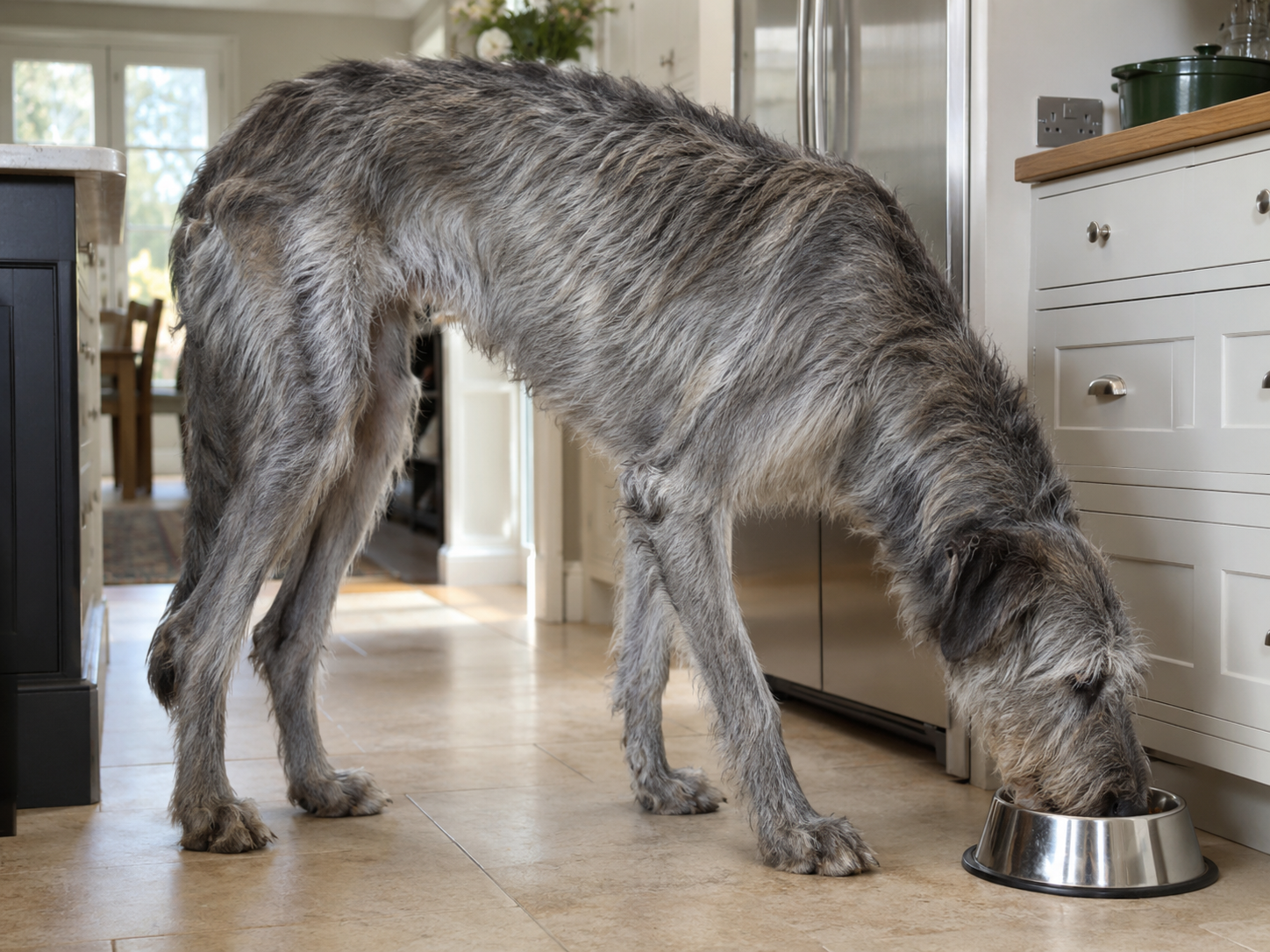
Males stand from around 79 cm at the shoulder and weigh upwards of 54 kg, with many mature dogs reaching 81 cm and 63 kg or more. Females are smaller, from around 71 cm and 41 kg. The build is that of a greyhound scaled up rather than a mastiff: deep chested, tucked at the waist, long in the leg and comparatively light for the height. An Irish Wolfhound should look powerful but never heavy or cloddy.
Coat and Colours
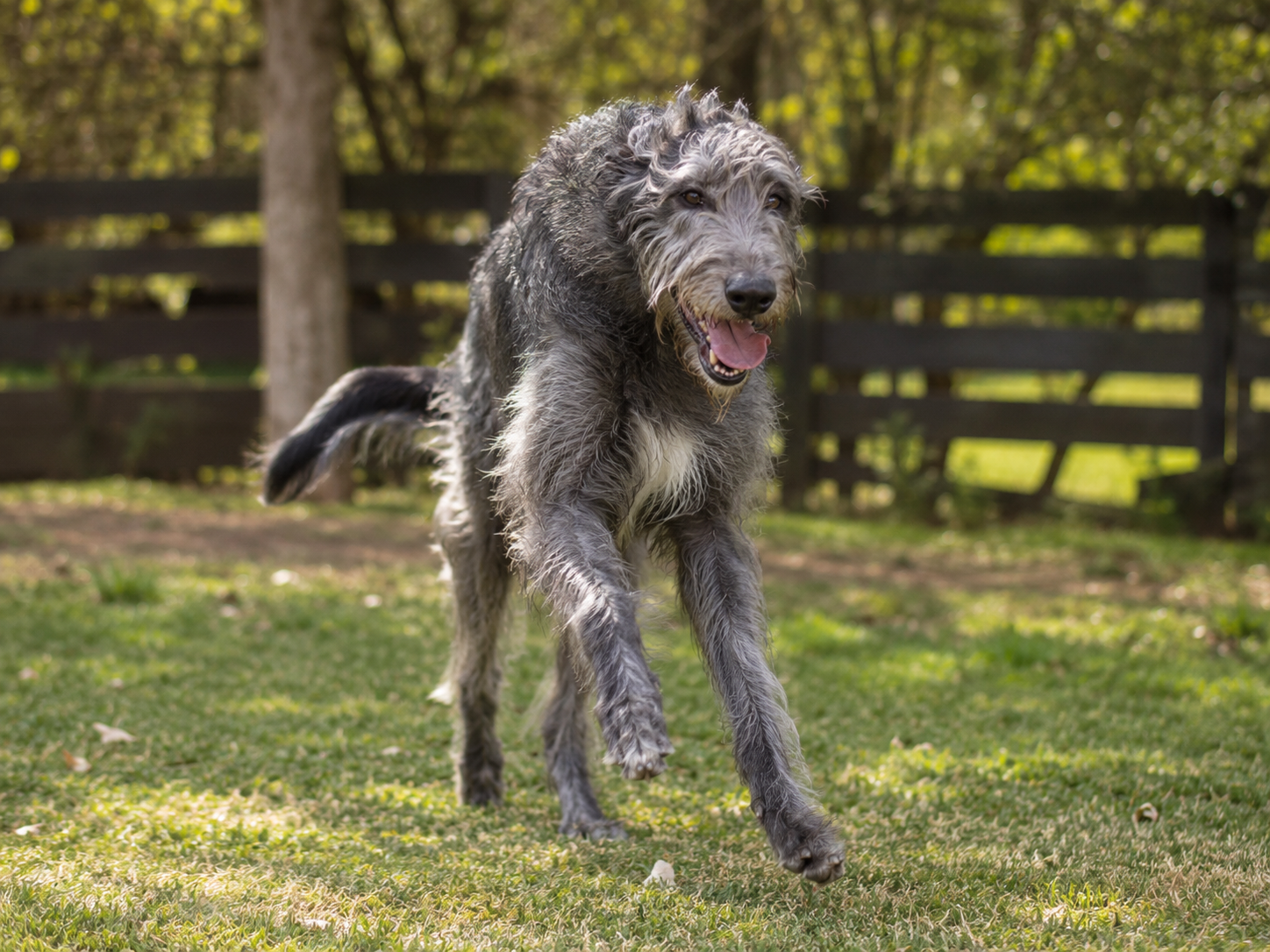
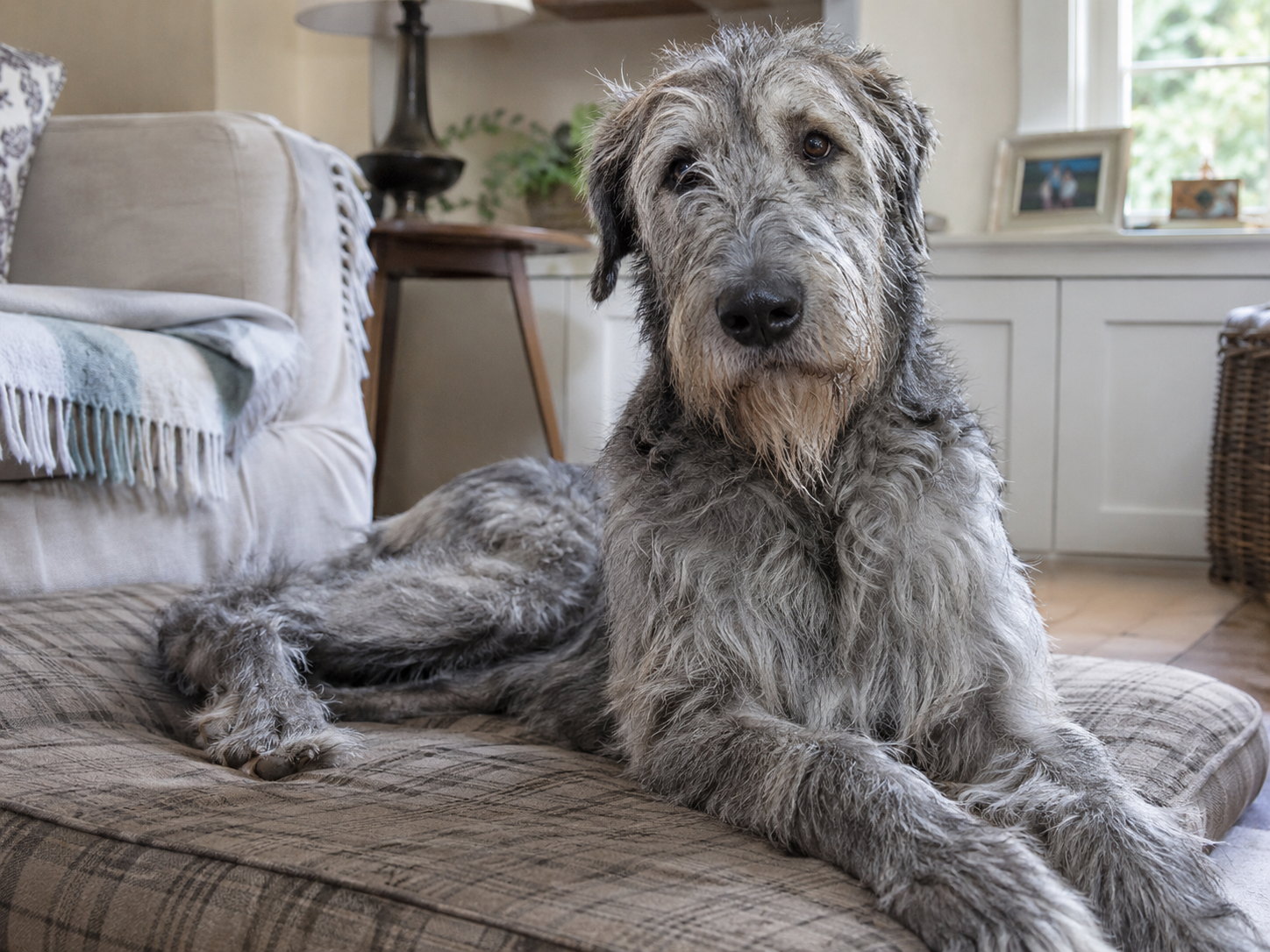
The coat is rough, harsh and wiry, particularly over the eyes and under the jaw where it forms the characteristic brows and beard. Recognised colours include grey, brindle, red, black, pure white, fawn and wheaten, with grey being the most common. The coat is weather resistant and practical rather than decorative.
Distinctive Features
The long head with its harsh brows, the great reach of the forelegs, and the sheer scale of the dog are the features people notice. Less obviously, the Irish Wolfhound has an unusually long back relative to most giant breeds, which contributes to the galloping stride and is part of why the breed can move so quietly and quickly for its size.
Gender Differences
The difference between the sexes is substantial in this breed, with males typically 8 cm taller and 15 kg heavier than females. That gap has practical consequences for vehicle size, medication cost, food volume and the physical demands of handling a dog that may need lifting. Females also live measurably longer on average, which is a meaningful consideration in a breed with this lifespan.
Temperament of the Irish Wolfhound: Gentle, Quiet, and Undemanding
Core Personality Traits
The Irish Wolfhound is calm, affectionate and notably quiet. It is not a boisterous dog and rarely barks, and adults spend much of the day lying down. The temperament has been selected hard away from aggression, and a sound Irish Wolfhound is neither guarding nor suspicious, which is one reason the breed is unsuited to any protective role despite its appearance.
Social Behaviour
Most Irish Wolfhounds are friendly and accepting with strangers and other dogs, and the breed generally lacks the reactivity common in large guarding breeds. Sensitivity is the trait to manage rather than boldness. This is a dog that responds poorly to harsh handling and shouting, and a poorly socialised Wolfhound tends towards timidity rather than aggression.
Working Instincts
The sighthound heritage is fully intact. An Irish Wolfhound will chase running animals with commitment and considerable speed, and its size means it can cover ground fast even without appearing to hurry. Off-lead exercise belongs in securely fenced areas, and households with cats or small pets should introduce them carefully rather than assume tolerance.
Common Behavioural Challenges
The breed produces fewer behavioural problems than almost any dog of comparable size, but the ones it does produce are amplified by scale. A Wolfhound that leans is applying 60 kilograms. A Wolfhound that counter-surfs can reach anywhere in a kitchen without stretching. Adolescence brings clumsiness and a period of testing boundaries in a dog that has grown enormous before it has grown up, which is why establishing manners early matters more here than in almost any other breed.
Intelligence and Trainability of the Irish Wolfhound: Willing, Sensitive, and Slow to Mature
Intelligence and Learning Ability
Irish Wolfhounds are thoughtful rather than eager. They learn readily but show little interest in repetition, and they respond to the tone of a household more than to formal instruction. Owners often describe a dog that seems to think before acting, which is accurate and is part of the breed's appeal.
Training Approach
Everything must be trained before the dog is big enough to make it a negotiation. A 30 kilogram six-month-old puppy that pulls on lead becomes a 60 kilogram adult that pulls on lead, and by then the problem is physical rather than educational. Reward-based methods with short, calm sessions work well. Harsh corrections do not, and a sensitive breed this large will simply shut down. Owners should look at when obedience work should begin and treat lead manners as the first priority.
Early Socialisation
Broad, positive early exposure produces the confident adult this breed should be, and it needs to happen in the window before the puppy becomes too large to manage in unfamiliar situations. Introduce surfaces, traffic, calm dogs and handling by strangers gradually. Because the vaccination course overlaps that window, safe socialisation before the vaccination course ends is worth planning deliberately with your veterinarian.
Potential Training Challenges
Recall around moving animals is the permanent limitation and should be managed rather than trained away. Slow maturity is the other factor, with Irish Wolfhounds not mentally adult until around two to three years while being physically enormous from twelve months. That mismatch, a puppy brain in a giant body, is the hardest part of the first two years.
Irish Wolfhound Family Life: Living with Children, Pets, and Households
Living with Children
Irish Wolfhounds are exceptionally gentle with children and the breed has a deserved reputation for tolerance. The risk is entirely accidental. A dog this size turning around can knock a small child flat without any awareness of having done so, and a wagging tail is at head height for a toddler. Supervise, give the dog its own space, and teach children to move calmly around it.
Living with Other Pets
Most Irish Wolfhounds live well with other dogs and are rarely the instigator of trouble. Small dogs need supervision on size grounds rather than temperament. Cats are variable and usually manageable when the dog is raised with them, while rabbits, poultry and small animals should be treated as incompatible given the prey drive.
Household Environment
Space is a genuine requirement, though not in the way people assume. The Irish Wolfhound does not need a large yard to run in, since it exercises modestly. It needs space to exist: room to lie down without blocking a hallway, a vehicle that can carry it, and furniture arrangements that account for a dog the length of a sofa. Secure fencing matters for the prey drive rather than for escape attempts.
Lifestyle Compatibility
The breed suits households with room, a reasonable budget, and a preference for a calm companion over an active one. It suits rural and semi-rural homes particularly well. It suits apartments poorly, not because of noise or energy but because of physical scale, and it suits anyone on a tight budget poorly given what feeding and medicating a 60 kilogram dog costs.
Health of the Irish Wolfhound: Heart, Bone, and a Short Life
Lifespan and Healthy Living
This is the section that should decide the purchase. Peer-reviewed data gives a median lifespan of about 7.5 years, with females at 8.10 and males at 6.68. Some individuals reach ten, and a number do not reach six. Anyone buying an Irish Wolfhound should plan on roughly seven to eight years and treat anything beyond that as a bonus. This is not pessimism, it is the honest basis for a decision that affects a household for the better part of a decade.
Common Health Conditions
Owners should be aware of several conditions that can be associated with the breed. It is best to discuss any concerns with a veterinarian.
- Dilated cardiomyopathy. The heart muscle weakens and enlarges. Reported prevalence in the breed is high, in the range of 24 to 43 per cent, with diagnosis typically between four and five years of age.
- Osteosarcoma. Bone cancer is a leading cause of death, accounting for roughly a fifth of deaths in the breed, with cancer overall responsible for around 36 per cent.
- Gastric dilatation volvulus, or bloat. A sudden, life-threatening twisting of the stomach that is a major cause of death in deep-chested giant breeds.
- Hip dysplasia. Reported in the breed and worth asking about, though less prominent than the cardiac and cancer risks.
- Anaesthetic sensitivity. As a sighthound, the breed carries the usual considerations around drug dosing and recovery, compounded by its size.
Genetic Health Testing
Cardiac screening is the priority. Ask breeders whether both parents have been examined by a cardiologist, whether echocardiography has been done, and at what age, since dilated cardiomyopathy typically appears in middle age and a clear result on a two-year-old dog means less than a clear result on a six-year-old. Ask for hip scores on both parents.
One buyer point is specific to this breed in Australia. Dogs Australia records a board decision permitting the registration of Irish Wolfhounds descended from an unidentified sire. That is a matter of record rather than a scandal, but it means Australian buyers should verify health testing documentation on the individual parents rather than treating pedigree papers alone as sufficient assurance of provenance.
Preventative Health Care
Keep vaccinations current and parasite prevention year round, noting that giant breed dosing costs considerably more than average. Learn the signs of bloat before you need them: a distended abdomen, unproductive retching, restlessness and rapid deterioration, all of which constitute an immediate emergency. Schedule cardiac checks as part of routine care from middle age rather than waiting for symptoms, and if you are unsure how often a healthy adult needs a check-up, annual visits are the baseline with more frequent checks warranted from about four years in this breed.
Caring for the Irish Wolfhound: Daily Care and Living Environment
Daily Care Routine
A workable day is one substantial walk, some free movement in a secure area, and a great deal of sleeping. Feed twice daily rather than once, which reduces bloat risk, and avoid vigorous exercise for an hour either side of meals. Check the coat and skin weekly, and get the dog used to full body handling early since veterinary examination of a 60 kilogram dog requires cooperation.
Living Environment Requirements
Provide a large, thick, supportive bed, since pressure sores and calluses are common in giant breeds on hard surfaces. Raised food and water bowls are commonly used, though the evidence on their effect on bloat risk is mixed and worth discussing with a vet. Ensure the vehicle can carry the dog safely, and check that access to your home does not involve stairs a young or elderly Wolfhound would struggle with.
Climate Sensitivity
The rough double coat provides good insulation and the breed handles cold well, which suits southern Australian winters. Heat is more difficult. A large dark-coated dog with a heavy coat and a large body mass relative to its surface area sheds heat slowly, and Australian summers in the north are genuinely challenging for the breed. Exercise early and late, provide deep shade and constant water, and check what counts as too hot in an Australian summer before planning a walk.
Caring for Senior Irish Wolfhounds
Ageing arrives early in this breed, with many dogs showing senior changes from around five or six. Expect reduced exercise tolerance, stiffness and a greater likelihood of the cardiac and cancer issues described above. Keep the dog lean, maintain gentle regular movement, provide good bedding and traction, and treat any sudden lameness in a middle-aged Wolfhound as a reason to see a vet promptly rather than rest and wait.
Grooming of the Irish Wolfhound: Managing a Harsh Weatherproof Coat
Coat Maintenance
Brush or rake through the coat weekly with a slicker and a stripping comb to remove dead hair. The coat is harsh and does not mat readily, but there is a great deal of it and shedding is continuous rather than seasonal. Some owners hand strip twice a year to keep the texture correct, which is optional for a pet.
Face and Beard Care
The beard and brows collect food and water and need wiping regularly, particularly after meals, or they become damp and start to smell. Trimming stray hair around the eyes helps the dog see clearly and reduces irritation. This is a small daily job that owners of smooth-coated breeds do not anticipate.
Ear, Nail, and Dental Care
Check ears weekly. Nails are thick and grow fast, needing trimming every three to four weeks with heavy duty clippers, and this is far easier if the dog was taught to accept foot handling as a puppy. Brush teeth several times a week, since dental disease adds anaesthetic risk in a breed that already carries cardiac concerns.
Bathing and Professional Grooming
Bathe only when necessary, a few times a year, and be realistic about the logistics of washing a dog this size at home. Professional grooming is rarely required, though some owners use a groomer for stripping and nail work simply because handling the dog is easier with equipment designed for it.
Exercise Needs of the Irish Wolfhound: Less Than You Would Expect
Daily Exercise Requirements
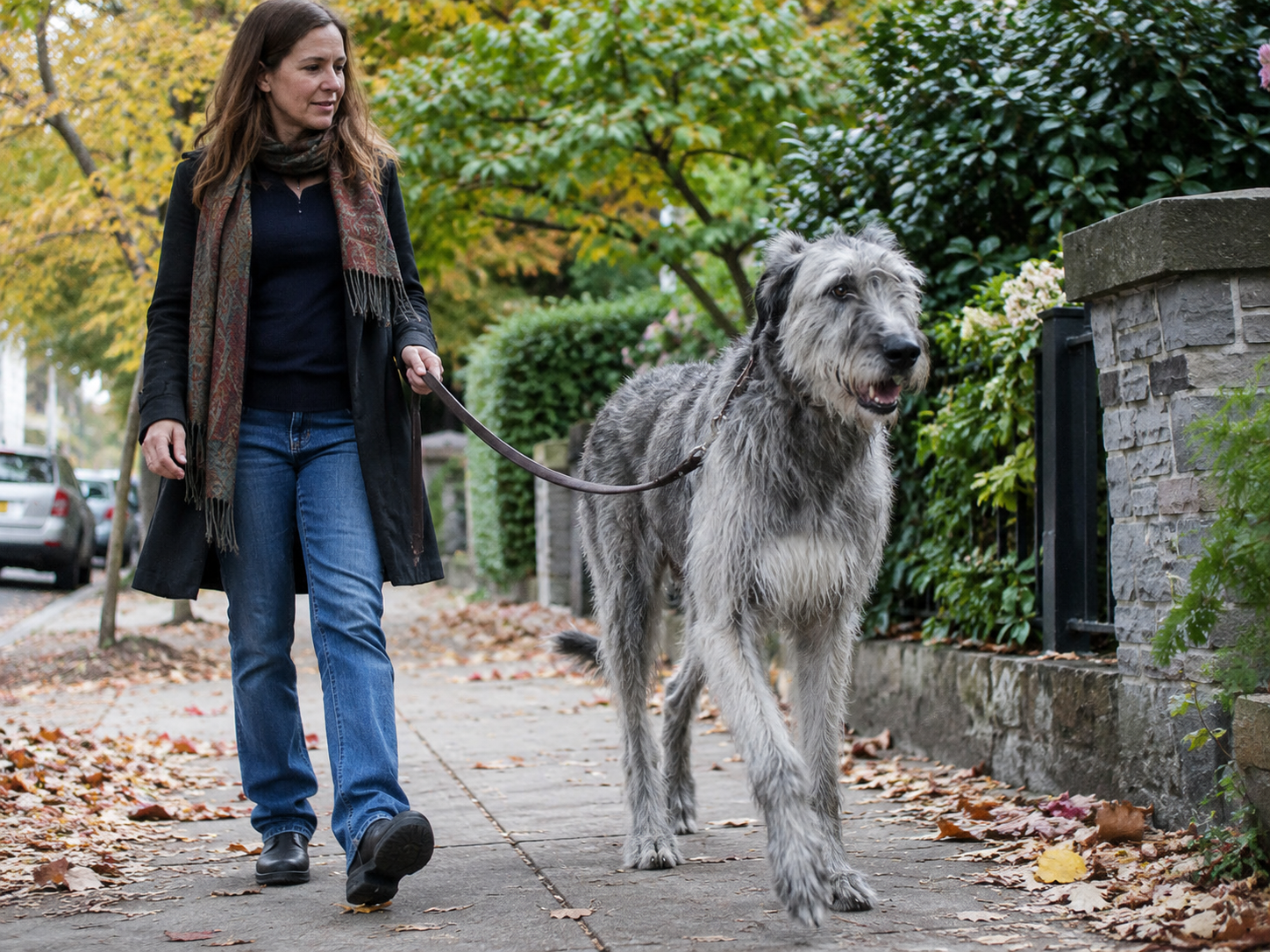
About an hour a day suits most adults, split into two walks, with the opportunity to gallop in a secure area a couple of times a week. This is one of the most commonly misunderstood things about the breed: an Irish Wolfhound needs less exercise than a Border Collie a third of its size, and adults are content with moderate activity followed by long periods of rest.
Activities Irish Wolfhounds Enjoy
Long steady walks, free galloping in enclosed spaces, and lure coursing where available all suit the breed. Swimming is enjoyed by some. Avoid repetitive high-impact activity and jumping, which loads joints carrying a great deal of weight.
Exercise by Life Stage
Puppy exercise is the highest-stakes decision in raising this breed. Growth plates in giant breeds remain open considerably longer than in smaller dogs, and over-exercising a growing Irish Wolfhound, or allowing repeated jumping and stair use, risks permanent joint damage. Keep exercise free-form, on soft ground, and short. This is also why how desexing age affects a slow-growing breed is worth discussing with a vet rather than defaulting to a standard age.
Importance of Mental Stimulation
Mental demands are modest. Short training sessions, scent games and simply being included in household life are enough. This is not a breed that needs a job, and attempts to provide one usually reveal a dog that would rather be lying down.
Feeding the Irish Wolfhound: Nutrition and Diet Needs
Nutritional Requirements
A complete diet formulated for large or giant breeds is important, particularly during growth, where calcium and energy levels materially affect skeletal development. Feeding a giant breed puppy on standard puppy food can accelerate growth in a way that damages joints, so this is one area where the specific product matters.
Feeding by Life Stage
Feed puppies three to four times daily, reducing to twice daily by adulthood and keeping it at twice rather than once for bloat risk reasons. Growth should be slow and steady. A lean, slightly underweight-looking Irish Wolfhound puppy is far better off than a well-covered one.
Portion Control and Weight Management
Keep the dog lean throughout life. Excess weight in a giant breed loads joints already under strain and worsens cardiac workload. Ribs should be easily felt. Adult food volumes are substantial and are one of the largest ongoing costs of ownership.
Foods to Avoid
The standard toxic list applies: grapes, sultanas, chocolate, onion, garlic, macadamias and xylitol. Cooked bones should be avoided. Avoid large single meals and vigorous activity around feeding, both of which are associated with bloat in deep-chested breeds.
Irish Wolfhound Price in Australia: Purchase Cost and Ongoing Expenses
Puppy Purchase Price
Reliable Australian pricing for this breed barely exists, and that itself is the finding. A national search on 8 September 2026 located exactly one priced purebred Irish Wolfhound puppy listing, at $3,000 in New South Wales. A national check showed 24 registered breeders and zero litters available anywhere in Australia, with only four breeders listing a dated planned litter. Registered breeders in this breed do not publish prices.
The practical consequence is that this is a waitlist breed. Expect to contact breeders directly, wait months or longer, and be assessed as a buyer rather than simply paying. Treat any listing offering immediate availability at a low price with real suspicion, since the supply picture makes that implausible.
Initial Setup Costs
Beyond the purchase price, Australian guidance from the RSPCA puts microchipping at $60 to $80, a puppy vaccination course at $280 to $420, desexing at $350 to $650, a collar, lead or harness at $40 to $100, and a bed at $100 to $200, with puppy school around $170. For a giant breed, several of those figures sit at or above the top of their ranges, and the bed, crate, vehicle restraint and initial equipment all cost more simply because of size.
Ongoing Monthly Costs
| Cost | Typical figure (AUD) | Source |
| Food | Well above the $91 monthly average, given a 55 to 70 kg body weight | Animal Medicines Australia, Pets in Australia 2025 |
| Parasite prevention | Above the $122 annual average, since dosing is by weight | Animal Medicines Australia, Pets in Australia 2025 |
| Pet insurance | Above the $1,374 annual figure for a medium dog, with giant breeds commonly loaded | Canstar, prepared March 2026 |
| Annual vet check and booster | $140 and upwards per year | RSPCA NSW |
| Preventive gastropexy, if elected | $1,000 to $3,000 | Sydney Animal Hospitals |
| Emergency bloat surgery | $5,000 to $10,000 | Sydney Animal Hospitals |
The gastropexy figures are worth reading twice. A preventive stomach tacking procedure, often done at the same time as desexing, costs a fraction of emergency bloat surgery, and bloat is a leading cause of sudden death in deep-chested giant breeds. Whether it is right for your dog is a veterinary decision, but it is one worth raising before it becomes urgent. Given giant breed loading, it is also worth understanding what cover costs for a very large dog before committing.
Long-Term Financial Commitment
The Irish Wolfhound sits well above the average of roughly $2,520 a year that Animal Medicines Australia reports dog-owning households spending. Everything scales with body weight: food, parasite prevention, medication, anaesthesia and boarding. The offsetting factor is a blunt one, which is that the commitment is short. Over a typical seven to eight year life the total may not exceed that of a smaller dog living fifteen years, but the annual figure is considerably higher.
Buying Advice for an Irish Wolfhound: Choosing a Healthy Puppy
Choosing a Responsible Breeder
With 24 registered breeders nationally and no litters currently available, breeder relationships matter more here than price comparison. Expect a waitlist and expect to be interviewed. A good breeder cardiac screens breeding stock, keeps puppies to at least eight weeks, provides detailed rearing guidance for a giant breed puppy and takes dogs back at any stage. Work through what to establish with a breeder first before making contact, since you may only get one conversation.
Health Checks Before Purchase
See the puppy with its mother and observe the whole litter moving. Look for clear eyes, sound movement with no stiffness, and puppies that are lean rather than heavy. Ask about the age at which previous dogs from this line died and what they died of, which is a reasonable and revealing question in a breed with these health statistics. Request written vaccination, worming and microchipping records.
Questions to Ask the Breeder
- Have both parents been examined by a cardiologist, and at what age?
- Has echocardiography been performed, and can I see the reports?
- What are the hip scores for both parents?
- How long did the grandparents live, and what did they die of?
- Is there any history of osteosarcoma in this line?
- Are the puppies registered, and on the Main or Limited Register?
- What is your registered prefix and which state body issued it?
- What feeding and exercise guidance do you provide for the first year?
Considering Adoption
Irish Wolfhounds appear in rescue rarely, given how few are bred. Where they do, it is usually because an owner's circumstances changed rather than for behavioural reasons, and an adult Wolfhound settles readily into a new home. Given the short lifespan, be clear-eyed about the age of any dog offered, since a five-year-old Irish Wolfhound is already approaching the median.
Is the Irish Wolfhound Right for You? A Magnificent Dog With a Short Life
Lifestyle Compatibility
This breed suits households with genuine space, a solid budget, and a preference for a calm, quiet, affectionate companion. It suits rural and semi-rural living particularly well. It suits apartments, tight budgets and anyone wanting a long-lived dog poorly.
Time and Care Commitment
The daily commitment is moderate and quite manageable: about an hour of exercise, weekly grooming, twice daily feeding. The demanding parts are the first two years, when a puppy brain occupies a giant body and rearing decisions have permanent consequences, and the last years, which arrive sooner than most owners expect.
Grooming and Health Awareness
Grooming is straightforward. Health is not. You take on high rates of cardiac disease and bone cancer, real bloat risk, and a median lifespan around seven and a half years. Going in with that understood is the difference between a heartbreaking surprise and a decision made with open eyes.
Ideal Owner Profile
The Irish Wolfhound suits an owner who wants presence rather than activity, has the space and means to keep a very large dog well, and accepts the trade the breed asks for: an exceptional temperament in exchange for a short time together. It rewards patience and frustrates anyone wanting a robust, long-lived, low-cost dog.
Find Irish Wolfhound Puppies for Sale
If the breed fits your household, you can browse Irish Wolfhound listings on Pups4Sale, though be aware that national availability for this breed is extremely limited and a waitlist is the normal route. Prioritise breeders who can produce cardiac screening on both parents and who are willing to talk openly about longevity in their lines.
Frequently Asked Questions
Related Breeds
Other hound breeds on Pups4Sale.
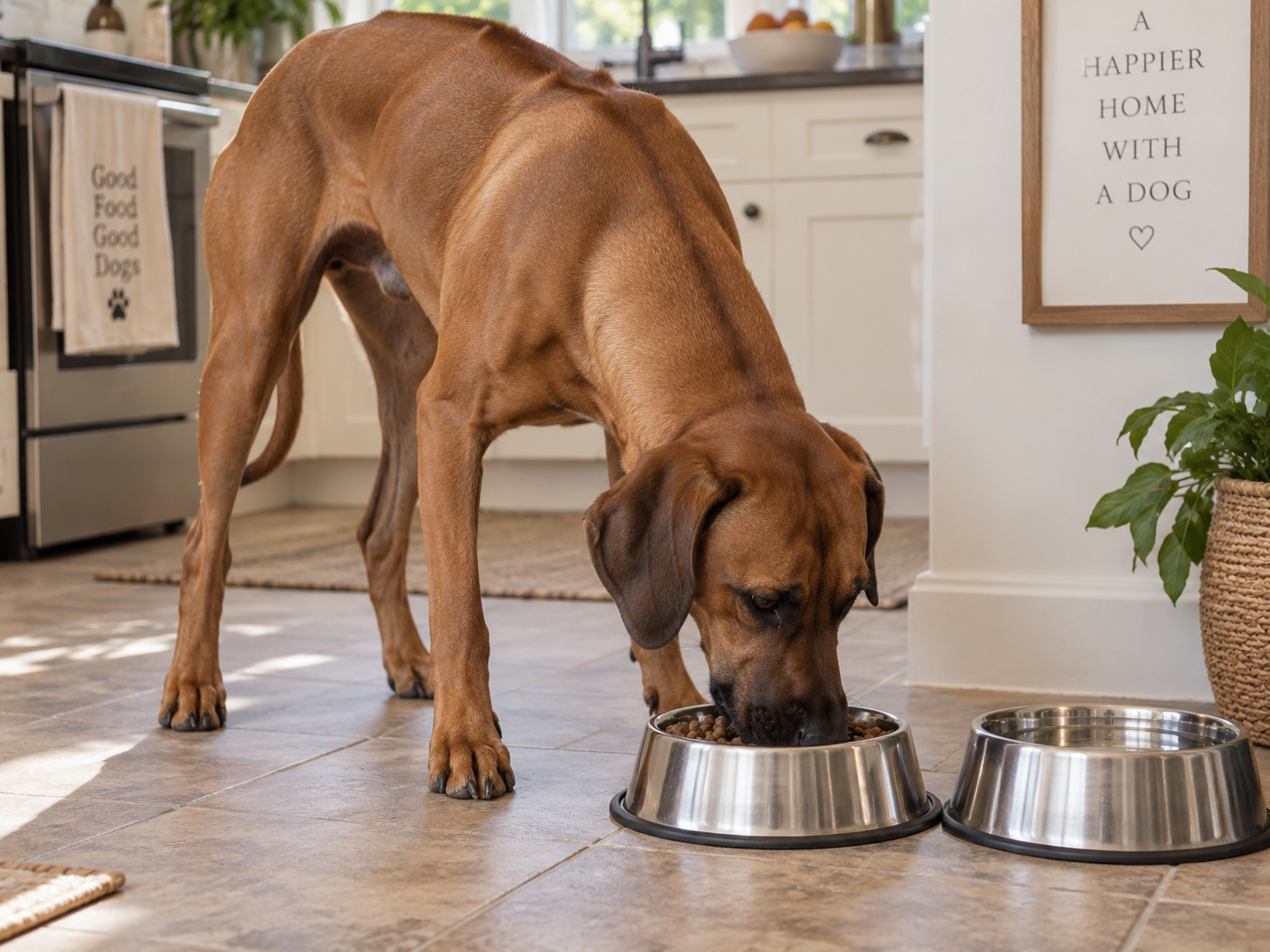 Rhodesian RidgebackLarge • Hounds
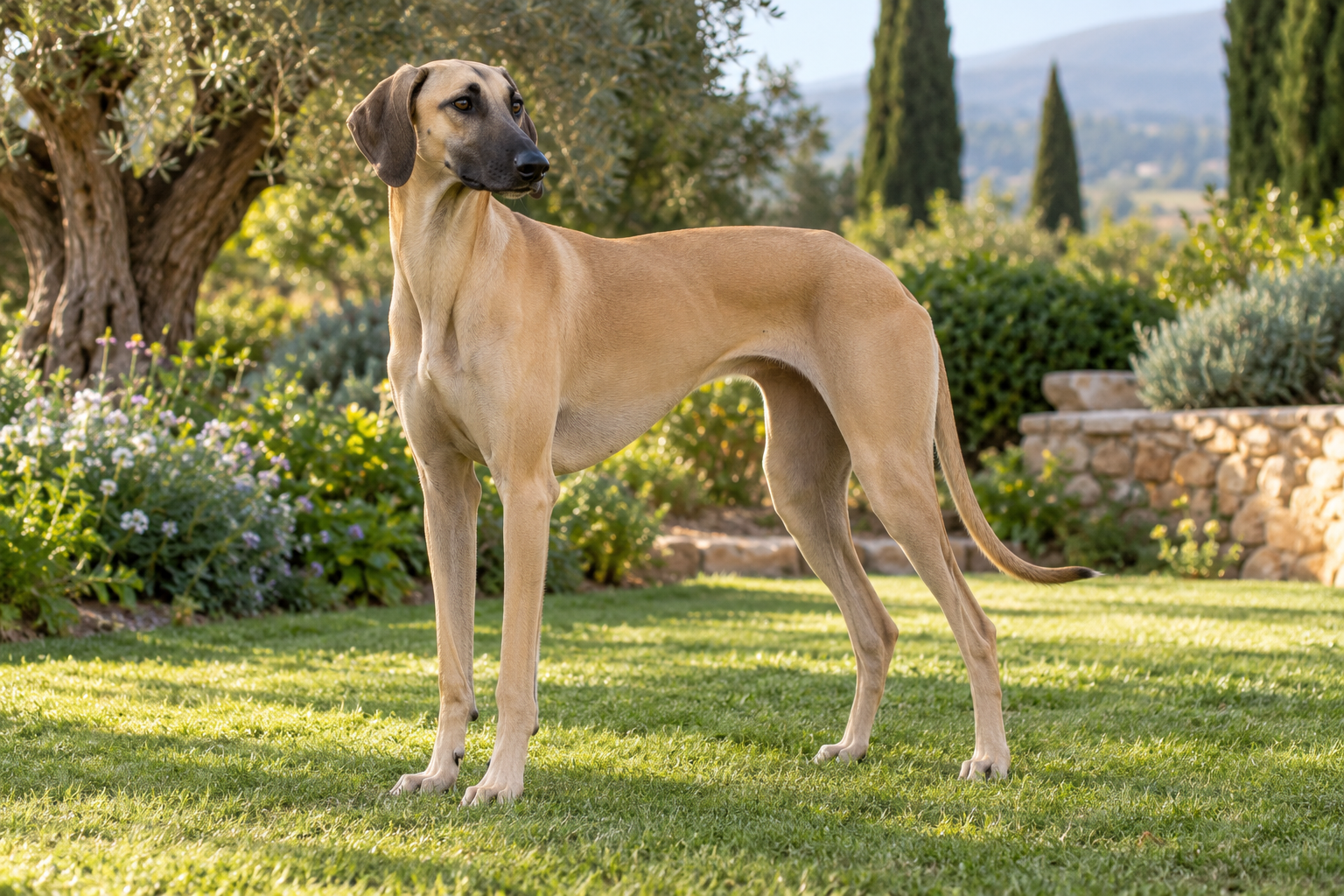 SloughiLarge • Hounds (Group 4)
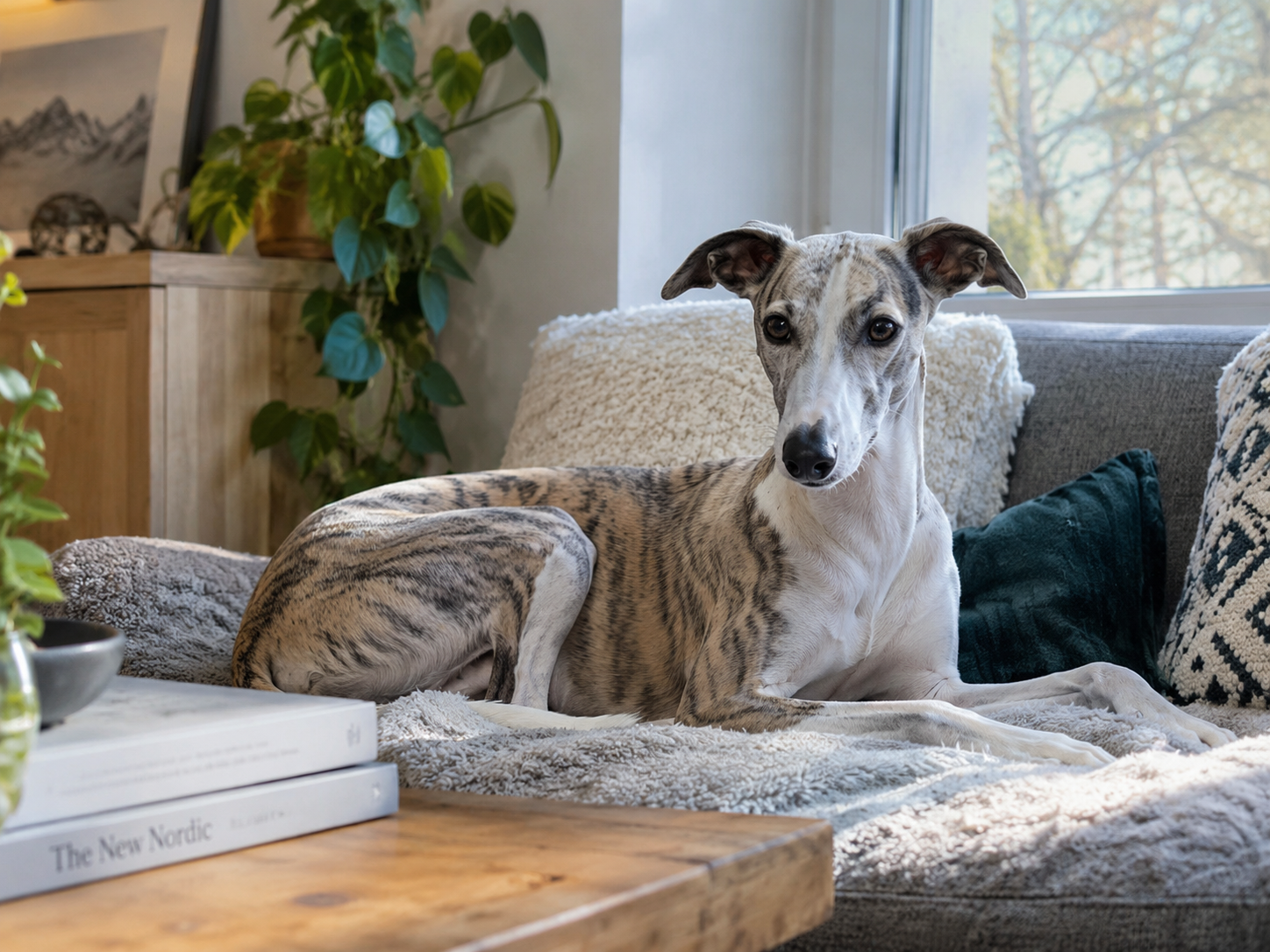 WhippetMedium • Hound
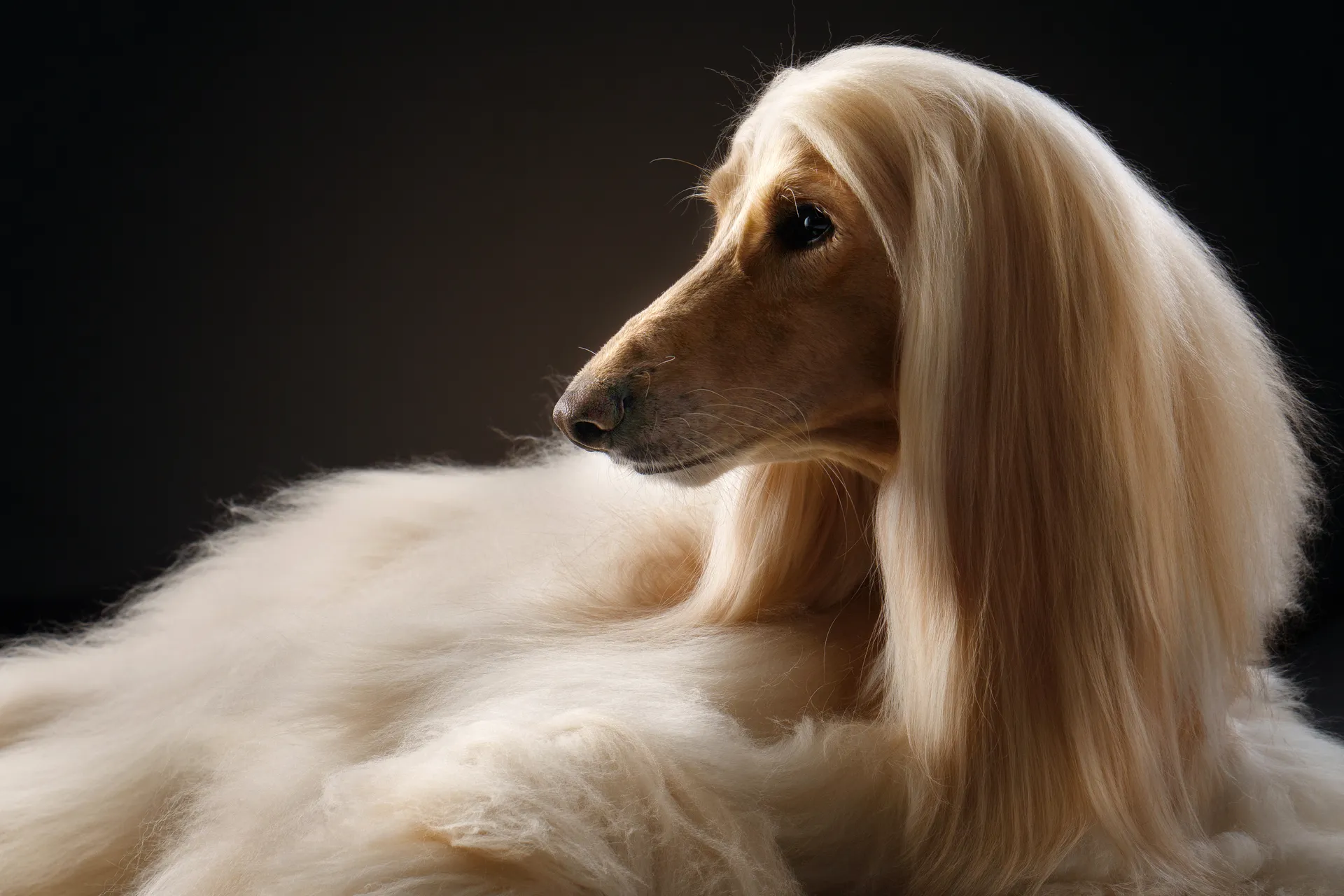 Afghan HoundLarge • Hound
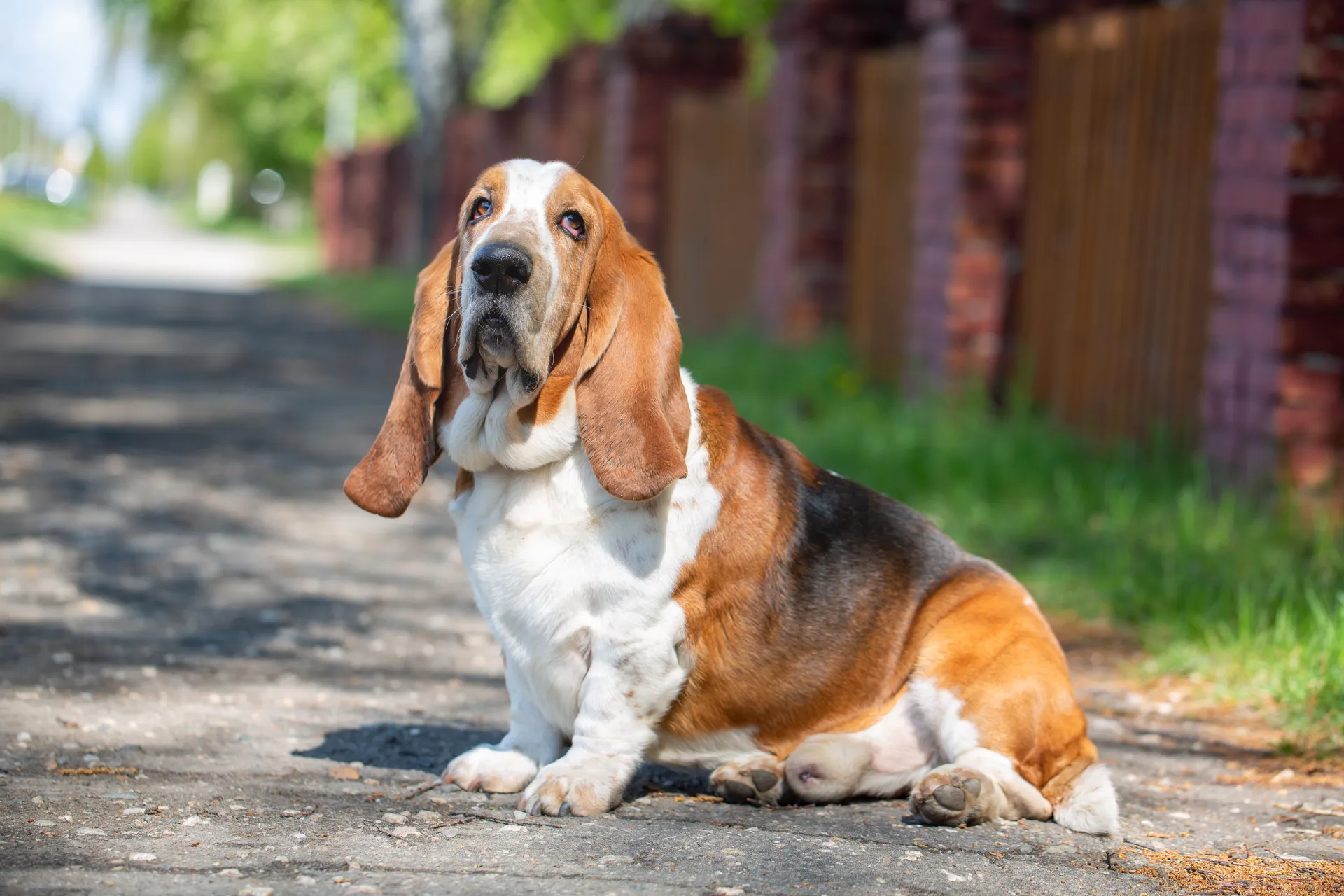 Basset HoundMedium • Hound
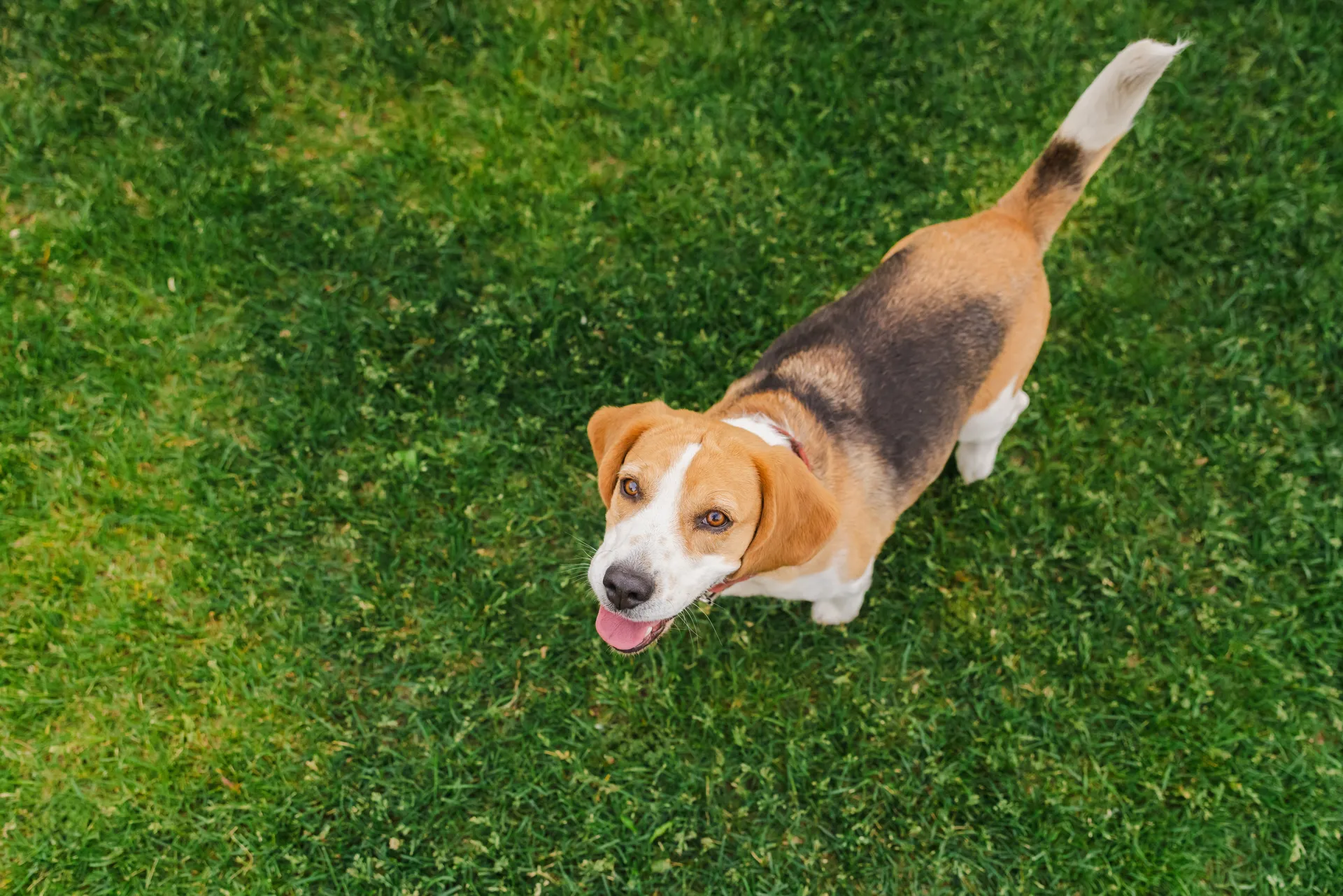 BeagleSmall • Hound