Whippet
By James C. • Updated
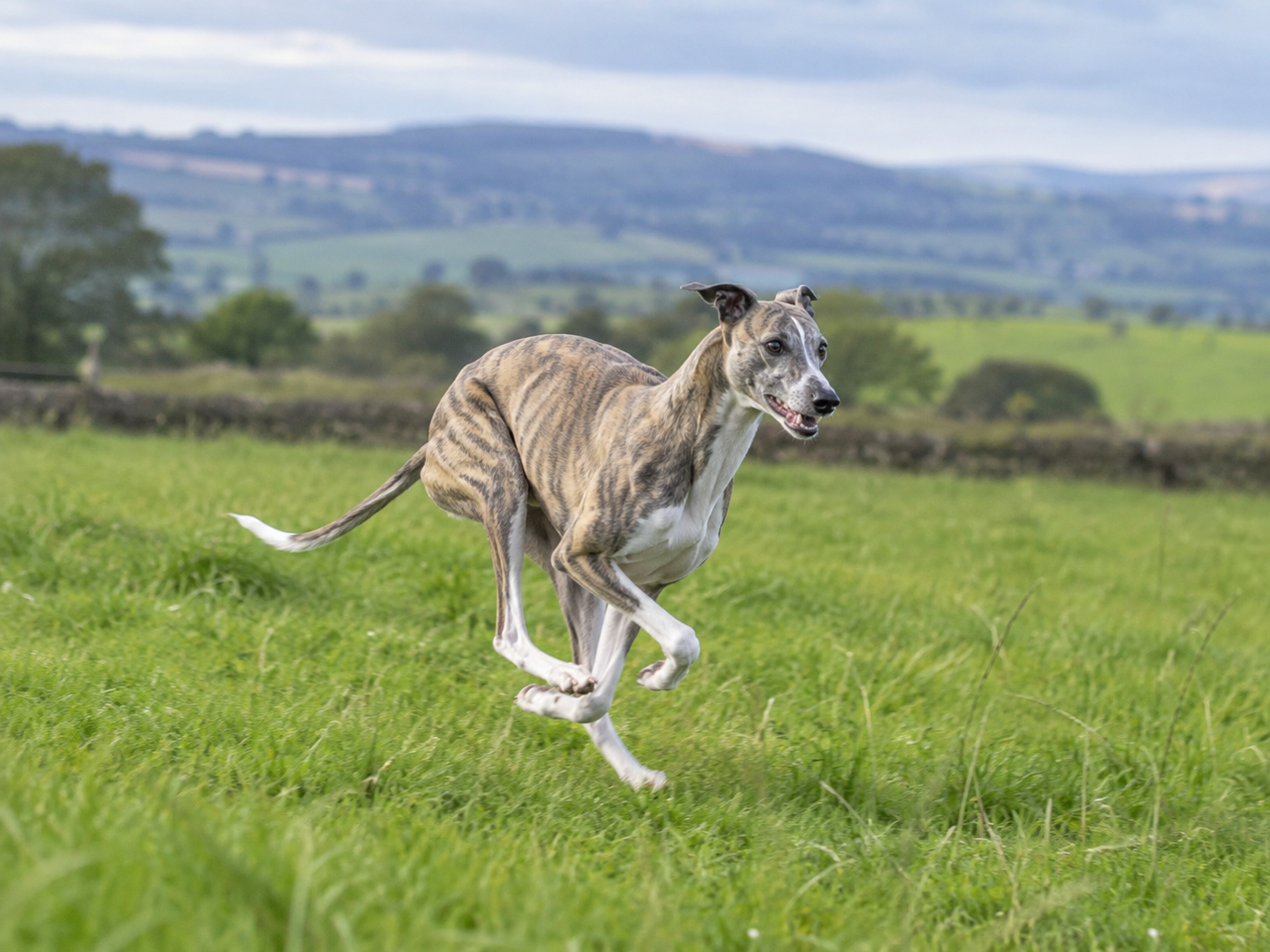
The Whippet is a medium-sized sighthound bred in northern England to course rabbits and race over short distances. It is built for acceleration rather than endurance, and combines extraordinary speed outdoors with an unusually calm, affectionate temperament indoors. Most Whippets stand 45 to 56 cm and weigh 11 to 18 kg, with a lifespan of 12 to 15 years. The breed suits households that can offer secure off-lead running, soft places to sleep, and company for most of the day, and adapts well to smaller homes provided those needs are met.
Breed Overview
Life Span
12 - 15 years
Average Price
AUD 1100 - AUD 3500
Weight
Male: 11 - 18 kg Female: 11 - 18 kg
Height
Male: 45 - 56 cm Female: 45 - 56 cm
Life Expectancy
Male/Female: 12 - 15 years
Breed Group
Hound
Nicknames
Poor Man's Racehorse
Breed Information
The Whippet is a medium-sized sighthound that sprints like a racing dog outdoors and sleeps like a cat indoors. It was developed in the north of England during the nineteenth century, largely by working families who wanted a coursing and racing dog they could afford to feed, which is where the old nickname the poor man's racehorse comes from. The breed is essentially a smaller Greyhound refined for speed over short distances.
That history explains the contradiction most new owners notice first. A Whippet accelerates to full speed in only a few strides, then spends the rest of the day asleep on the warmest piece of furniture in the house. It is not a high-endurance working dog and does not need hours of walking, but it does need somewhere safe to run flat out several times a week.
In Australia the breed has a solid, established following. There are currently more than one hundred Whippet breeders nationally, which is a healthier supply picture than most breeds of comparable popularity, and means buyers can usually find a registered litter without waiting years.
Characteristics of the Whippet
The Whippet rates very highly for adaptability and very low for grooming, and its main demands are company and a secure place to run rather than time or effort.
| Trait | Rating | Star Rating | Meaning |
| Size | Medium | ★★★ | 11 to 18 kg, light enough to lift and easy to manage on a lead. |
| Adaptability | Excellent | ★★★★★ | Suits apartments and smaller homes provided running needs are met elsewhere. |
| Exercise Needs | Moderate | ★★★ | Around an hour daily, built around sprinting rather than distance. |
| Easy to Train | Good | ★★★★ | Willing and sensitive, though recall around moving animals stays unreliable. |
| Amount of Shedding | Low | ★★ | Fine short coat with minimal seasonal change. |
| Grooming Needs | Very Low | ★ | A weekly wipe over and regular nail trims is close to the whole job. |
| Good With Children | Very Good | ★★★★ | Gentle and tolerant, though the breed is physically delicate. |
| Health | Very Good | ★★★★ | One of the sounder pedigree breeds, with specific anaesthetic considerations. |
| Cost to Keep | Low to Moderate | ★★ | Small appetite, negligible grooming, coats and bedding the main extras. |
| Tolerates Being Alone | Low | ★★ | Strongly attached to people and prone to distress when left for long days. |
| Intelligence | Good | ★★★★ | Quick to learn, though independent-minded in the way sighthounds usually are. |
History of the Whippet: From Northern Coursing Dog to Household Companion
The Whippet took its modern shape in the mining and mill towns of northern England in the 1800s. Working families bred small Greyhound types with terriers and other local dogs to produce a fast, cheap, easily kept dog that could course rabbits for the pot and race for prize money on a Sunday. Rag racing, where dogs sprinted towards a waving cloth held by their owner, was the common form and it shaped the breed's explosive acceleration.
Because the dogs had to earn their keep on a modest household budget, selection favoured efficiency: a light frame, a short coat needing no maintenance, a small appetite, and a temperament that caused no trouble in a crowded home. Those traits are precisely what make the breed suit modern apartment living, which is an unusual case of a working history producing an ideal companion almost by accident.
The Whippet was recognised as a distinct breed in England in 1891 and reached Australia as pedigree stock in the twentieth century. Today it is kept overwhelmingly as a companion here, though lure coursing and amateur racing remain active pursuits, and both are excellent outlets for a breed that genuinely needs to sprint.
Appearance of the Whippet: Lean, Curved, and Built for Acceleration
Size and Build
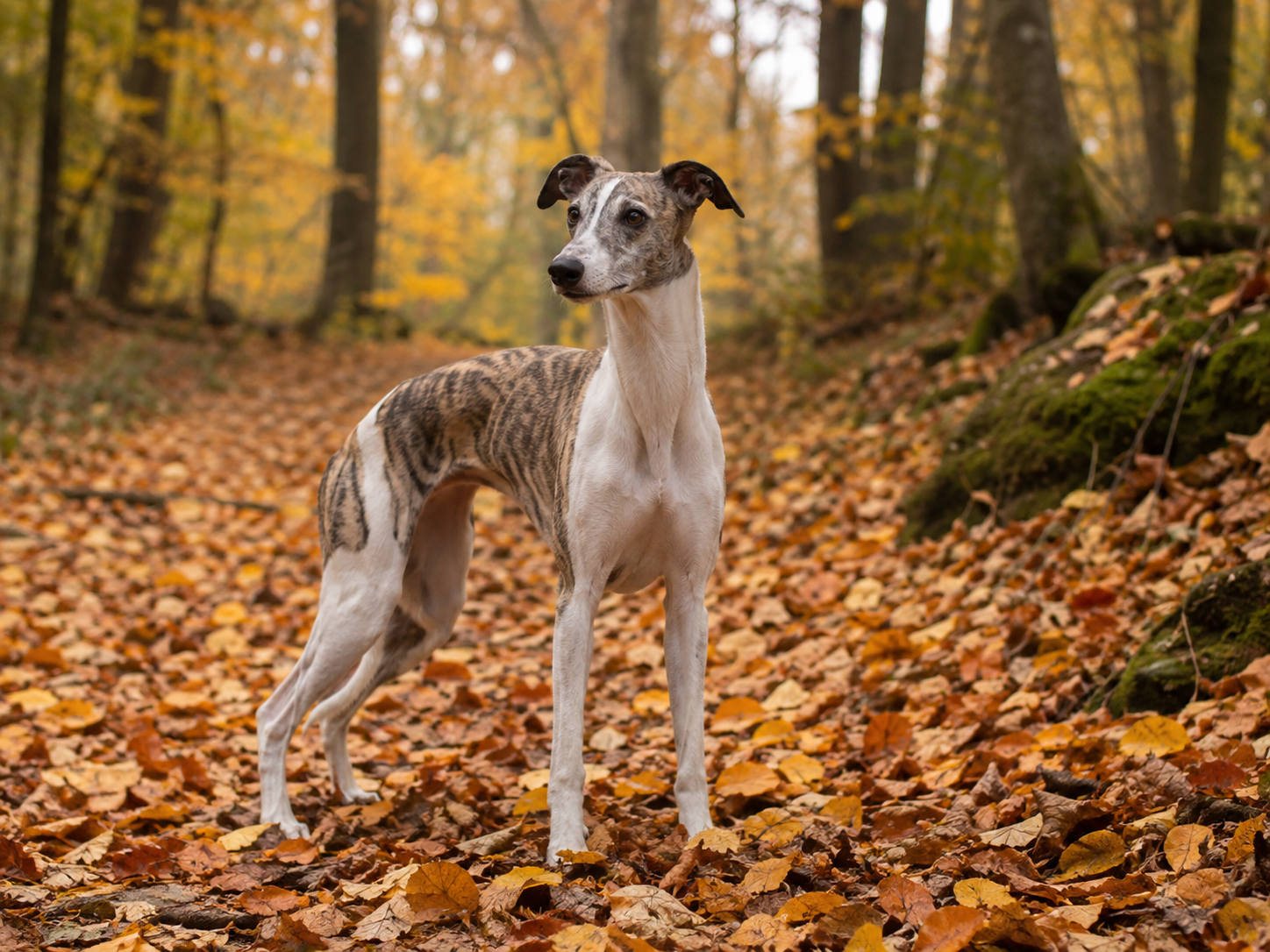
Whippets stand roughly 45 to 56 cm at the withers and weigh 11 to 18 kg, with males generally at the upper end of both ranges. The outline is the defining feature: a deep chest for lung capacity, a pronounced tuck-up at the waist, and an arched loin that allows the spine to flex and extend at full gallop. A correctly conditioned Whippet looks thinner than most owners expect, and the last two or three ribs being faintly visible is normal rather than a sign of underfeeding.
Coat and Colours
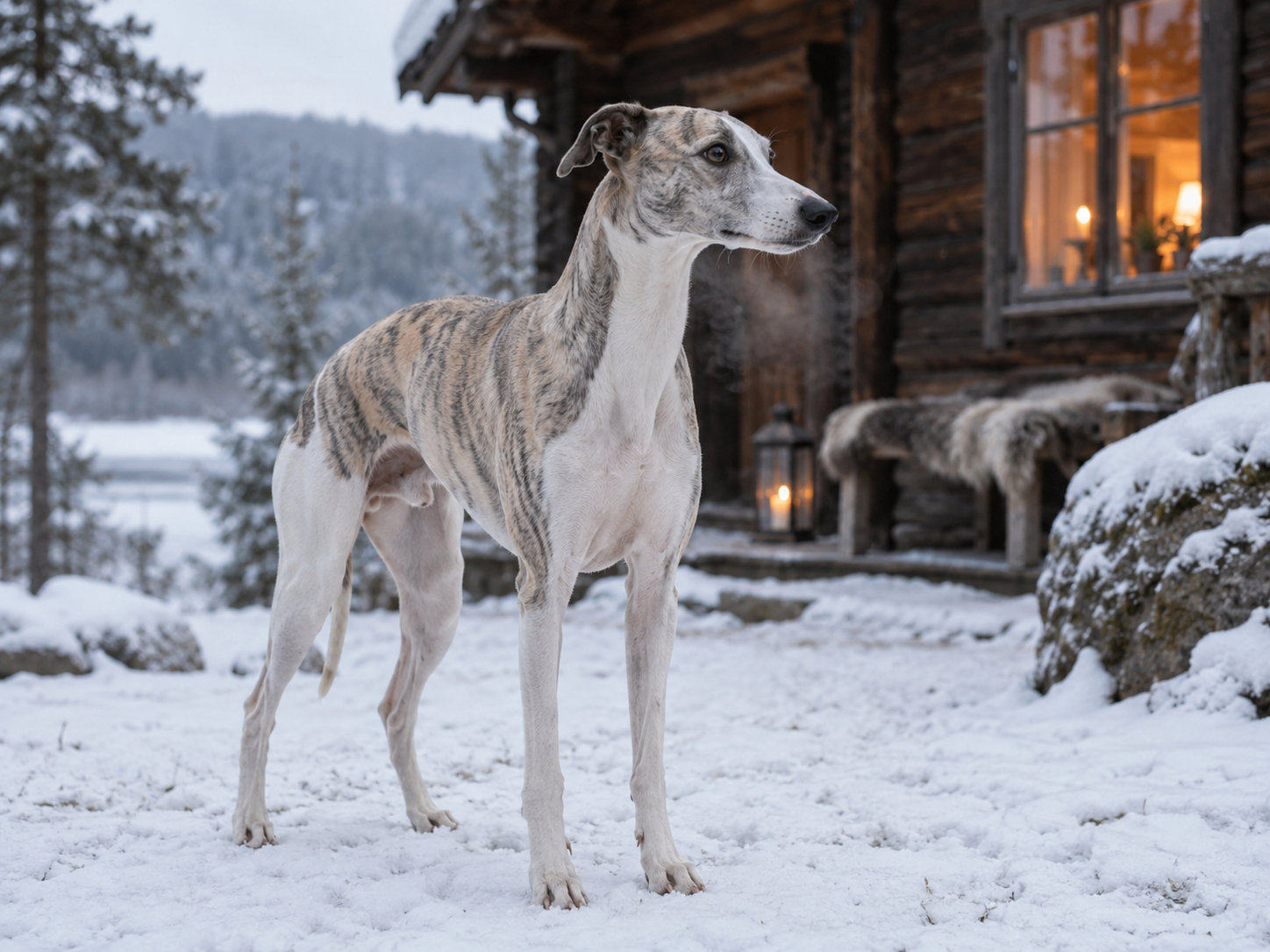
The coat is short, fine and close-lying, with no undercoat and almost no odour. Colour is essentially unrestricted in the breed, and fawn, brindle, blue, black, white and every combination of these with white markings all occur. The absence of an undercoat is why the breed sheds so little, and also why it has so little insulation against either cold or sun.
Distinctive Features
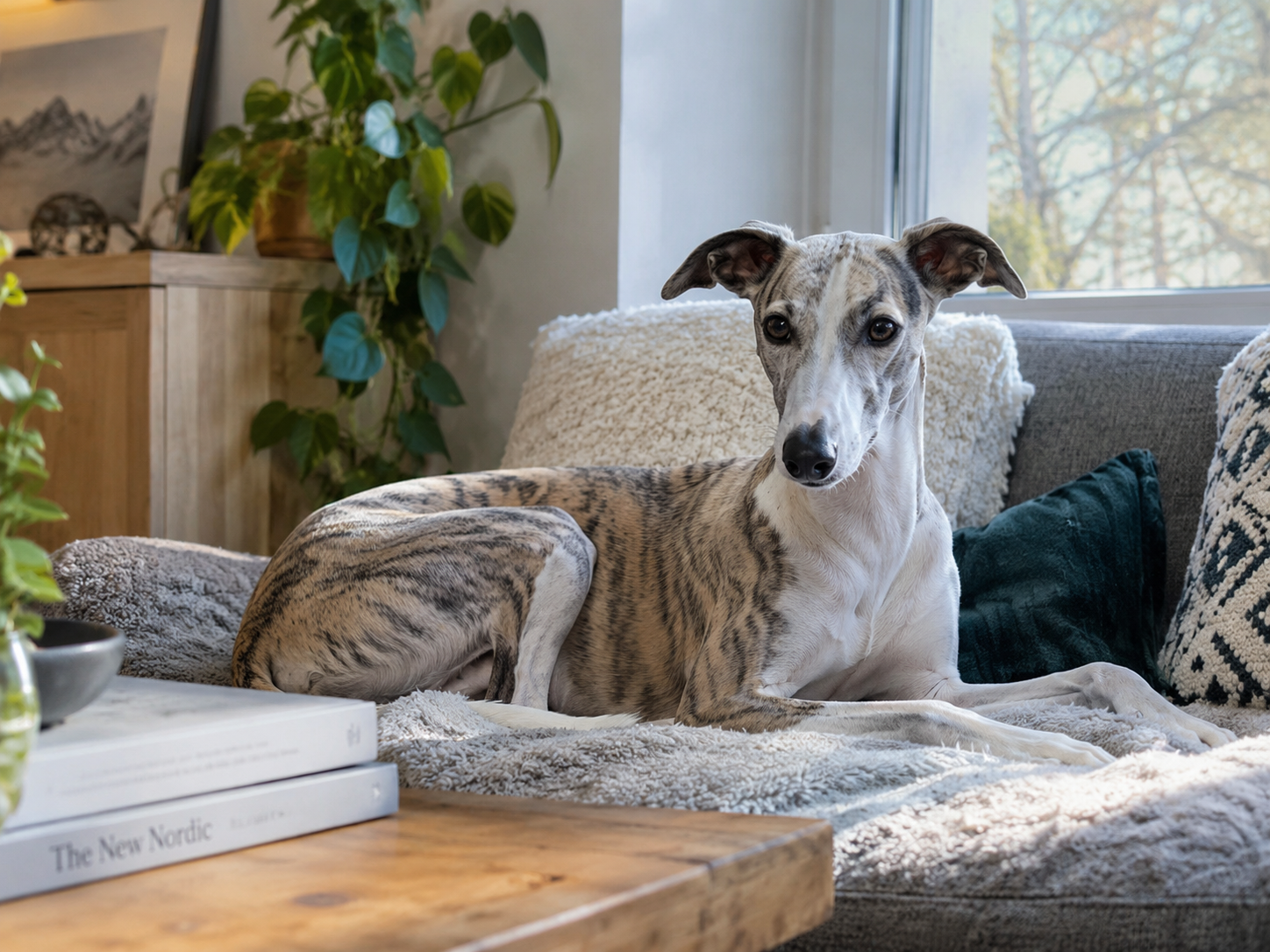
The head is long and fine with a barely perceptible stop, and the small rose ears fold back against the neck at rest and lift when the dog is alert. Eyes are large, dark and oval. The skin over the whole body is noticeably thin, which matters practically rather than cosmetically, since it tears far more easily than most breeds when a dog runs through scrub or wire at speed.
A small number of Whippets carry a mutation in the myostatin gene, which regulates muscle growth. Dogs with one copy tend to be faster and are common in racing lines, while dogs with two copies develop the heavily muscled appearance known as a bully whippet. It is a recognised genetic variant rather than a disease, but it is worth asking a breeder about if racing lines are involved.
Gender Differences
Males are usually taller and heavier, and often slightly more solid through the chest and neck. Females tend to be finer in build and are sometimes described as more independent, though temperament varies far more between individual dogs than between the sexes. Neither sex is meaningfully easier to live with.
Temperament of the Whippet: Quiet Indoors, Ferocious Outdoors
Core Personality Traits
The Whippet is affectionate, sensitive and remarkably undemanding around the house. Owners consistently describe a dog that wants to be touching someone, sleeps for most of the day, and rarely makes noise. It is not a guarding breed and generally has little interest in the role, which suits some households and disappoints others.
Social Behaviour
Most Whippets are friendly but reserved with strangers, greeting politely and then returning to their own bed. The breed is rarely aggressive and rarely nervous when properly socialised, though a poorly socialised Whippet can become genuinely timid, and timidity is a harder problem to fix in a sensitive breed than in a confident one.
Working Instincts
Prey drive is the single most important thing to understand before buying a Whippet. This is a coursing breed selected for centuries to chase small moving animals at very high speed, and that instinct does not respond to training in the way most obedience does. A Whippet that sights a rabbit, a cat or a small dog across a park may be several hundred metres away before an owner has finished calling. Off-lead exercise belongs in securely fenced areas, and households with cats or small pets should expect to manage the relationship carefully rather than assume it will resolve itself.
Common Behavioural Challenges
Whippets bark very little, dig rarely and chew less than most breeds, so the usual list of nuisance behaviours barely applies. The exception is being left alone. This is a breed that bonds intensely and often struggles with long working days, and owners who are out from morning until evening should think carefully before committing. Where a dog is left too long, the behaviours linked to separation anxiety in dogs such as pacing, whining and destructive scratching at doorways tend to appear before anything else does. The other common issue is counter-surfing and food theft, since a sighthound's reach is longer than owners anticipate.
Intelligence and Trainability of the Whippet: Willing, Sensitive, and Selectively Deaf
Intelligence and Learning Ability
Whippets learn quickly and retain well. They are often underestimated because they do not display the eager, repetitive work ethic of a herding breed, but a Whippet will pick up a household routine in days and will remember which behaviours have previously earned attention. The independence is real, though: this is a dog bred to make its own decisions at speed, well beyond the range of any instruction.
Training Approach
Reward-based methods are essential rather than merely preferable. The breed is genuinely sensitive and responds badly to harsh corrections, often shutting down rather than trying harder. Keep sessions short and end on success. Food works well with most Whippets, though many are picky eaters and some are far more motivated by a soft blanket or a game with a toy on a string.
Early Socialisation
Structured early exposure to traffic, other dogs, household noise and different surfaces pays off heavily in a sensitive breed, and getting the timing right relative to the vaccination course is worth discussing with your veterinarian. Owners who want a head start will find it useful to understand when obedience training should begin for puppies, since the sensitive period for socialisation closes earlier than most first-time owners realise.
Potential Training Challenges
Recall is the hard one and it should be treated as a lifelong project rather than a box to tick. Build it in enclosed spaces, proof it against increasing distraction, and accept that no amount of training makes a sighthound reliably recallable off a chase. Toilet training can also be slower than average, largely because many Whippets simply refuse to go outside in cold or wet weather.
Whippet Family Life: Living with Children, Pets, and Households
Living with Children
Whippets are gentle and patient with children and rarely react badly even to clumsy handling. The concern runs the other way: this is a physically delicate dog with thin skin and fine bones, and rough play, being jumped on, or being cornered can genuinely injure it. Teach children to let the dog come to them, and give the dog a raised bed it can retreat to and not be followed onto.
Living with Other Pets
With other dogs, most Whippets are sociable and many are happiest in pairs, since a second sighthound provides the sprinting partner an owner cannot. Cats and small animals are a different matter. A Whippet raised with a cat from puppyhood often lives with it peacefully, but the same dog may chase an unfamiliar cat outdoors, and rabbits, guinea pigs and poultry should be regarded as permanently incompatible rather than a training problem.
Household Environment
The Whippet is one of the best apartment dogs of any medium breed. It is quiet, clean, low-shedding, almost odourless and sleeps up to eighteen hours a day. What it cannot tolerate is a home with no soft surfaces or no access to secure running space. Whippets have very little body fat and find hard floors genuinely uncomfortable, so beds, blankets and permission to use the furniture are practical requirements rather than indulgences.
Lifestyle Compatibility
The ideal home has someone in it for most of the day and access to a securely fenced area for sprinting, whether that is a large yard, a fenced dog park or a hired paddock. Fencing should be at least 1.5 metres and free of gaps, since a Whippet can clear more than most owners expect from a standing start. Households where everyone is away from eight until six should consider a different breed or plan for daytime company.
Health of the Whippet: Inherited Conditions, Anaesthetic Risk, and Lifespan
Lifespan and Healthy Living
Whippets typically live 12 to 15 years and are among the sounder pedigree breeds, with far fewer inherited problems than most. Dogs Australia describes the breed as very healthy and hardy and gives an average of 14 to 17 years, which is more optimistic than most veterinary sources. Keeping the dog lean, protecting the skin, and maintaining dental care are the practical levers most within an owner's control.
Common Health Conditions
The breed is genuinely healthy, but owners should be aware of several conditions that can be associated with it. It is best to discuss any concerns with a veterinarian.
- Anaesthetic sensitivity. Covered separately below because it is the breed's most important safety issue and the one most often missed.
- Mitral valve disease. A heart valve condition seen in the breed, usually detected as a murmur during a routine examination.
- Skin lacerations. Not a disease but a genuine clinical pattern. The skin is thin enough that running through scrub, wire or even long grass can produce tears needing sutures.
- Progressive retinal atrophy and cataracts. Inherited eye conditions worth screening for through the parents.
- Hypothyroidism. Reported in the breed and manageable once diagnosed.
- Cold sensitivity. With no undercoat and almost no body fat, Whippets feel cold at temperatures other dogs ignore.
Genetic Health Testing
Anaesthetic sensitivity is the conversation every Whippet owner needs to have with their vet before the dog is ever sedated. Sighthounds process some anaesthetic drugs differently from other breeds, largely because they carry very little body fat for those drugs to distribute into, and they can take noticeably longer to recover. In practice that means dosing to lean body weight, caution with certain older agents, and closer monitoring during recovery, including keeping the dog warm. Any competent veterinary practice will know this, but the responsibility for raising it sits with the owner, and it is worth mentioning explicitly when booking a desexing or a dental.
Beyond that, ask breeders for eye examination certificates on both parents and for any cardiac auscultation results. Whippets have no equivalent of the hip scoring schemes used in larger breeds, because hip dysplasia is genuinely rare in the breed.
Preventative Health Care
Keep vaccinations current and maintain year-round parasite prevention, including paralysis tick cover for anyone on the eastern seaboard. The short coat is an advantage here, since tick searches on a Whippet take a fraction of the time they take on a double-coated breed and the skin can be checked visually as well as by hand. Dental care deserves particular attention, as fine-boned breeds tend to accumulate tartar faster. Owners unsure how regularly a healthy adult should be seen by a vet will find that annual checks are the usual baseline, moving to twice yearly as the dog ages.
Caring for the Whippet: Daily Care and Living Environment
Daily Care Routine
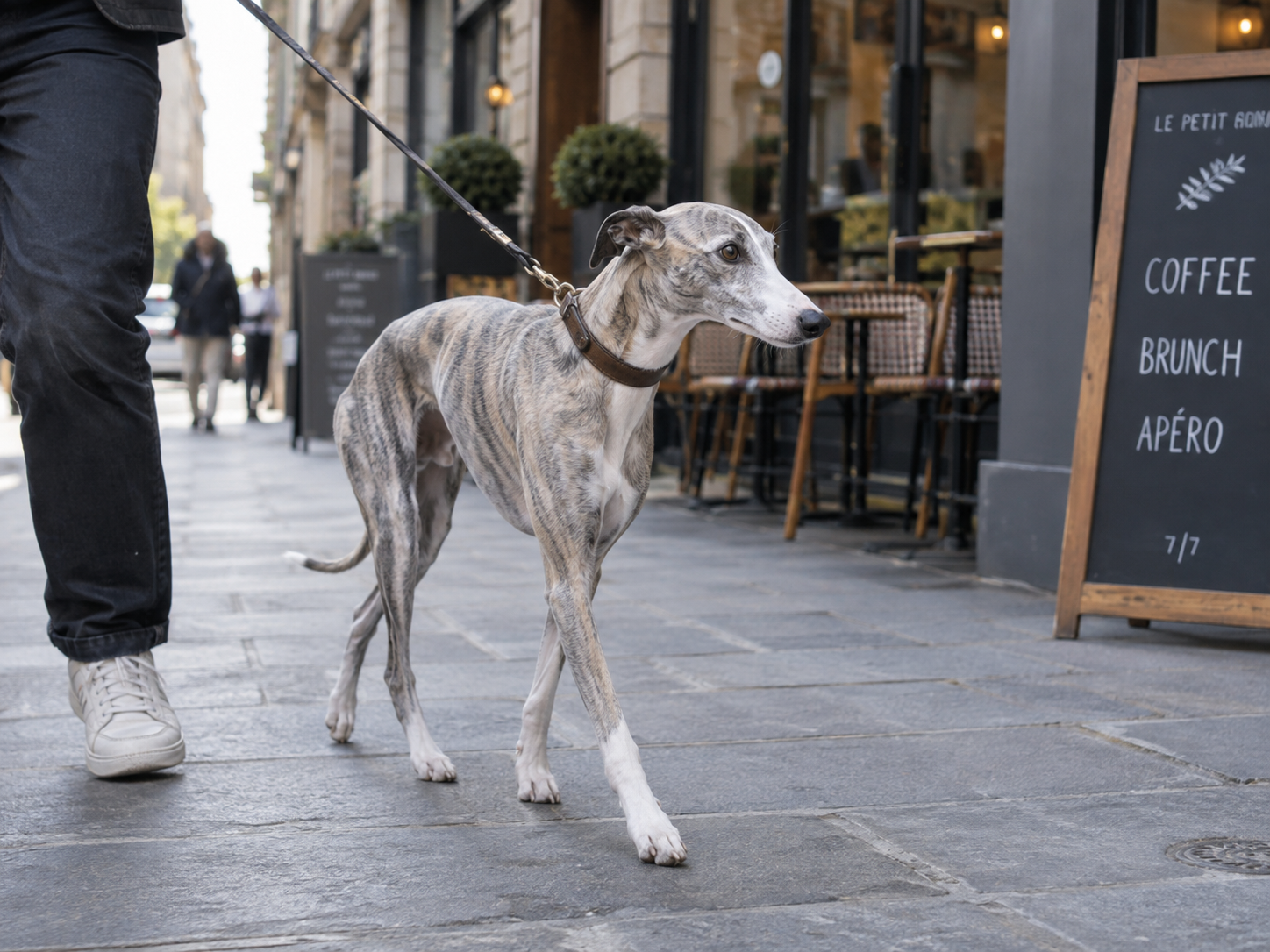
A workable day is a walk in the morning, a sprint or play session in a secure area, and a second short walk later, with the rest of the day spent asleep. Feed twice daily and keep the dog lean. Whippets are frequently fussy eaters and many go through phases of refusing food, which is usually behavioural rather than clinical but should be raised with a vet if it persists or comes with weight loss.
Living Environment Requirements
Provide multiple soft, raised, draught-free resting places. A Whippet without a bed will simply take the sofa, and given the lack of natural padding that is a reasonable position for the dog to take. Secure fencing matters more than yard size. A small courtyard with good fencing and access to a nearby enclosed park works better than a large unfenced rural block, where the prey drive becomes a serious risk.
Climate Sensitivity
The Whippet is unusual in being genuinely vulnerable at both ends of the Australian temperature range. With no undercoat and very little body fat, it feels cold quickly, and coats are a practical necessity rather than a fashion choice through a Melbourne, Canberra or Tasmanian winter. At the other extreme, the same thin coat gives almost no protection from the sun, and pale or white-marked dogs sunburn readily on the nose, ears and belly, particularly when lying in the sun as the breed loves to do. Provide shade, use a dog-safe sunscreen on exposed pink skin, and check what temperatures are actually safe for dogs here before exercising on hot days. Test the pavement with the back of your hand, since a sighthound's thin pads offer little protection.
Caring for Senior Whippets
Older Whippets slow gradually and remain comfortable for a long time, but they feel the cold more each year and appreciate heated bedding through winter. Reduce sprint intensity rather than removing running entirely, watch for stiffness and dental problems, and raise any new heart murmur, cough or exercise intolerance with your veterinarian rather than attributing it to age.
Grooming of the Whippet: The Lowest Maintenance Coat in the Group
Coat Maintenance
A rubber grooming mitt or a soft brush once a week removes loose hair and keeps the coat glossy, and that is very nearly the entire job. There is no undercoat to rake out, no seasonal blow, no matting and no clipping. Whippets are also close to odourless, which is one reason they suit indoor living so well.
Skin Care and Injury Prevention
The thin skin needs more attention than the coat does. Check the dog over after any run through scrub or long grass, since tears that look minor can be deep enough to need suturing, and a Whippet's skin does not hold sutures as robustly as thicker-skinned breeds. Keep a basic first aid kit with non-adhesive dressings and a conforming bandage, and be aware that a laceration in this breed is a same-day veterinary matter rather than something to watch overnight.
Ear, Nail, and Dental Care
The folded rose ear is well ventilated and ear infections are uncommon, though a weekly look is still sensible. Nails need trimming every three to four weeks, and because Whippets are often exercised on grass rather than hard surfaces the nails wear down less than owners expect. Brush teeth several times a week, since dental disease is one of the more common problems in the breed.
Bathing and Professional Grooming
Bathe only when genuinely dirty, perhaps a few times a year. Professional grooming is not required for this breed at all, which makes it one of the cheapest coats in dogs to maintain and removes a recurring cost that owners of most other breeds carry.
Exercise Needs of the Whippet: Sprints, Not Distance
Daily Exercise Requirements
Around an hour a day is enough for most adult Whippets, provided some of it is genuinely fast. This is where the breed is widely misunderstood. A Whippet does not need the two or three hours of steady work a Border Collie or Australian Shepherd requires, and long slow walking does not satisfy it. What it needs is the chance to reach full speed a few times a week in a place where that is safe. A dog that gets that will be calm and content on a forty minute lead walk the following day.
Activities Whippets Enjoy
Lure coursing and amateur racing are the obvious fits and both have active Australian scenes. Beyond that, Whippets do well at agility, enjoy sprint-and-return games with a flirt pole, and make excellent company on beach walks. Fetch works for some dogs and bores others. The one activity to avoid is repetitive distance running alongside a bicycle, which suits an endurance breed and does nothing for a sprinter.
Exercise by Life Stage
Puppies should not be jumped or run long distances while growth plates are open, and free play on soft, forgiving ground is far better than forced repetitive exercise through the first year. Adults handle sprinting easily but should be warmed up rather than released cold from a car, since muscle strains are the most common exercise injury in the breed. Seniors benefit from continued short sprints at their own pace well into old age.
Importance of Mental Stimulation
Mental demands are modest compared with working breeds, and a Whippet that has run and been fed is generally content. Short training sessions, scent games and puzzle feeders are useful for wet weeks when running is not practical, and are worth having in reserve rather than needing daily.
Feeding the Whippet: Nutrition and Diet Needs
Nutritional Requirements
A good quality complete diet suited to a medium, active dog covers the Whippet's needs. The breed has a fast metabolism relative to its size and some individuals struggle to hold weight, particularly young dogs in heavy work. Higher fat content often helps where a dog is running regularly.
Feeding by Life Stage
Feed puppies three to four times daily until around four months, then twice daily for life. Growth is rapid and lean, and a Whippet puppy will look gangly and underweight through adolescence in a way that alarms new owners but is entirely normal. Resist the urge to add condition.
Portion Control and Weight Management
An overweight Whippet is a genuine welfare problem, not a cosmetic one. The breed's structure depends on being light, and excess weight loads the joints and spine of a dog built for speed. You should be able to see the outline of the last few ribs and feel the spine and hip bones easily. If in doubt, ask your vet to body condition score the dog rather than comparing it to heavier breeds.
Foods to Avoid
The usual toxic list applies: grapes, sultanas, onion, garlic, chocolate, macadamias and anything containing xylitol. Cooked bones should be avoided entirely. Because Whippets are prone to counter-surfing and are tall enough to reach most benches, food safety in this breed is as much about storage as it is about what you choose to feed.
Whippet Price in Australia: Purchase Cost and Ongoing Expenses
Puppy Purchase Price
Whippet pricing in Australia splits into two clear bands, and the gap between them is unusually wide. A survey of seven priced purebred listings on 8 September 2026 found unpapered puppies advertised between $800 and $1,500 with a median of $1,100, and ANKC-registered puppies between $2,500 and $3,500 with a median of $3,500. The two bands do not overlap at all: the cheapest registered puppy found was a thousand dollars above the most expensive unregistered one.
Not one of the eight classified advertisements reviewed mentioned pedigree papers, ANKC registration or a registered prefix, while all three priced breeder listings did. That is the practical meaning of the price gap. The higher figure buys traceable breeding, health-tested parents and a breeder who remains contactable, and the lower figure generally does not. Sample size here is small, so treat these as indicative rather than definitive.
Initial Setup Costs
Budget for the first-year essentials beyond the purchase price. Australian guidance from the RSPCA puts microchipping at $60 to $80, a puppy vaccination course at $280 to $420, desexing at $350 to $650, a collar, lead or harness at $40 to $100, and a bed at $100 to $200, with puppy school around $170. For this breed add coats, which are a genuine necessity in southern states, and more bedding than you would buy for a thicker-coated dog.
Ongoing Monthly Costs
| Cost | Typical figure (AUD) | Source |
| Food | $91 per month, or $1,090 per year, and less for a small eater | Animal Medicines Australia, Pets in Australia 2025 |
| Parasite prevention | $122 per year average actual spend | Animal Medicines Australia, Pets in Australia 2025 |
| Pet insurance, medium dog | $1,374 per year for accident and illness cover | Canstar, prepared March 2026 |
| Annual vet check and booster | $140 and upwards per year | RSPCA NSW |
| Professional grooming | Nil, the breed does not require it | n/a |
The Whippet is a comparatively cheap breed to keep. It eats modestly for its height, needs no professional grooming at all, and has fewer chronic conditions than most pedigree breeds, though it is worth understanding how pet insurance and routine care costs stack up before deciding whether cover is worthwhile for your circumstances.
Long-Term Financial Commitment
Across a 12 to 15 year lifespan, a Whippet is a five-figure commitment once food, prevention, insurance and veterinary care are combined, in line with the average of roughly $2,520 a year that Animal Medicines Australia reports dog-owning households spending. The two costs most likely to surprise a Whippet owner specifically are laceration repairs, which can arrive without warning, and winter bedding and coats, which are recurring rather than one-off.
Buying Advice for a Whippet: Choosing a Healthy Puppy
Choosing a Responsible Breeder
Supply is good for this breed. There are over a hundred Whippet breeders across Australia with pups available in most states at any given time, so there is no reason to compromise on standards or to buy from an unverifiable source because nothing else is available. A good breeder will ask you as many questions as you ask them, will keep puppies until at least eight weeks, and will take a dog back at any stage of its life. Knowing what to ask before you pay a deposit is the most useful preparation you can do, and a breeder who welcomes those questions is usually the right one.
Health Checks Before Purchase
Ask to see the puppy with its mother and watch the whole litter move. Look for clear eyes, clean ears, sound skin and free, even movement. Request written vaccination, worming and microchipping records and confirm the microchip number matches the paperwork. Ask specifically for eye examination certificates on both parents and whether either parent has ever been noted to have a heart murmur.
Questions to Ask the Breeder
- Are the puppies registered, and on the Main or Limited Register?
- What is your registered prefix and which state body issued it?
- Have both parents had a recent ophthalmologist eye examination, and can I see the certificates?
- Has either parent been diagnosed with a heart murmur or valve disease?
- Are there racing lines behind this litter, and has myostatin status been considered?
- What is your breeder identification number?
- What socialisation will the puppies have had before they leave?
- What is your position if the dog needs to be returned at any point?
Considering Adoption
Whippets appear in rescue less often than high-drive working breeds, but they do come up, frequently as adults from racing or coursing homes. An adult Whippet is a straightforward proposition because size, coat and temperament are already visible rather than predicted, and the breed settles into new homes readily. Anyone buying rather than adopting should be alert to how puppy scams are usually run, since the wide gap between unpapered and registered pricing in this breed creates an obvious opening for advertisements offering registered puppies at unregistered prices.
Is the Whippet Right for You? A Quiet Housemate That Needs to Run
Lifestyle Compatibility
This breed suits people who want a calm, affectionate, low-maintenance dog indoors and can provide safe, fast exercise outdoors. It works unusually well for apartment dwellers, older owners and households that value a quiet home. It works poorly for people who want a jogging partner, a guard dog, or a dog that can be left alone through a full working day.
Time and Care Commitment
The daily commitment is modest by any standard: about an hour of exercise, minimal grooming and a small feed. The real commitment is company. A Whippet expects to be with its people, and the households that struggle are almost always the ones that underestimated that rather than the exercise.
Grooming and Health Awareness
Grooming is close to nil, which is a genuine advantage. In exchange you take on skin that tears easily, a dog that needs coats in winter and sunscreen in summer, and a lifelong responsibility to raise anaesthetic sensitivity with your vet before any procedure.
Ideal Owner Profile
The Whippet suits a first-time owner far better than most breeds of comparable athleticism, provided that owner has access to secure running space and is home for much of the day. It rewards people who want a dog in the house rather than in the yard, and frustrates anyone hoping for reliable off-lead recall in open country.
Find Whippet Puppies for Sale
If the breed fits your household, you can browse current listings on Pups4Sale. Prioritise sellers who state their registration status and prefix, publish health testing on both parents, and welcome questions, and treat any listing that avoids those things as a reason to keep looking.
Frequently Asked Questions
Related Breeds
Other hound breeds on Pups4Sale.
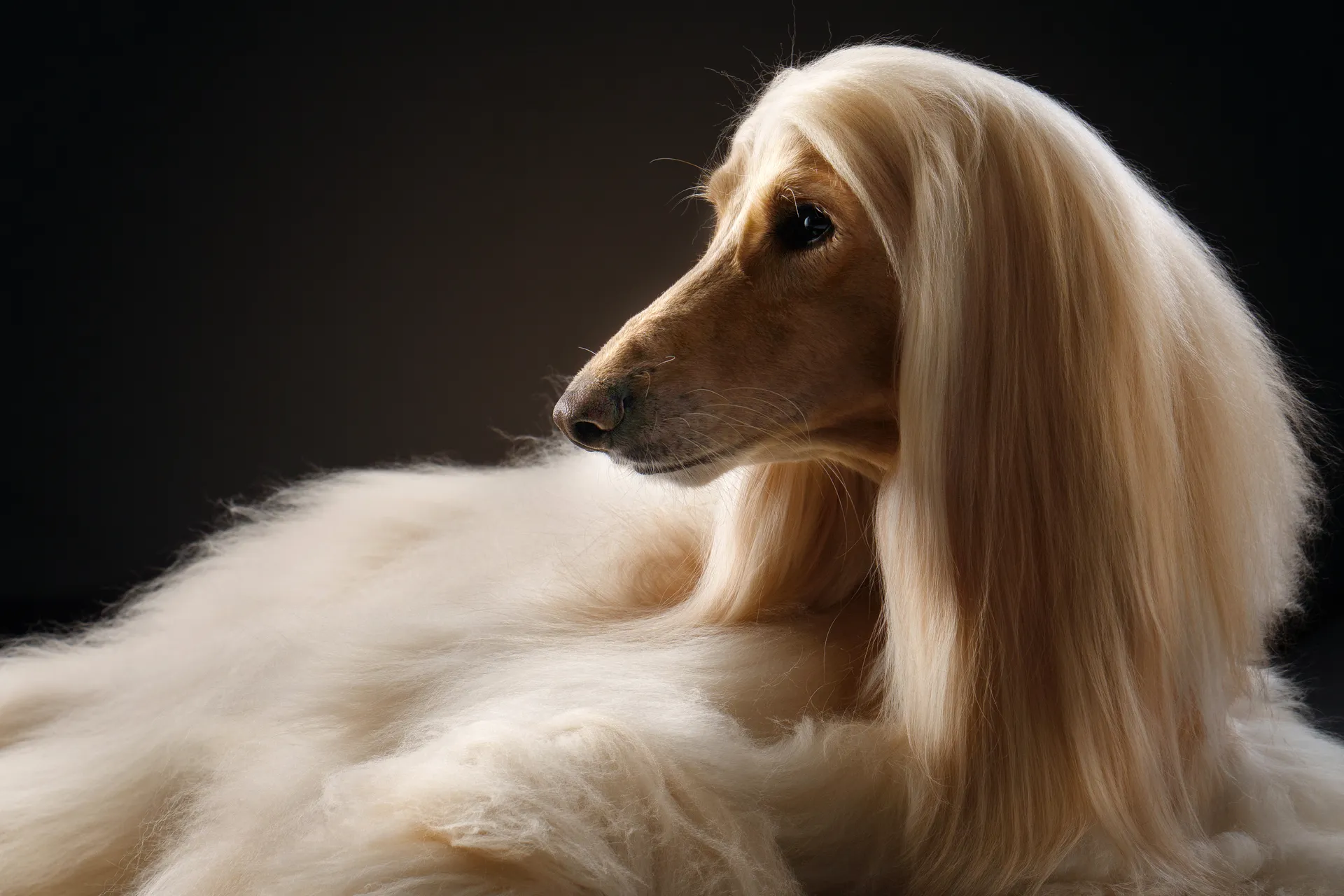 Afghan HoundLarge • Hound
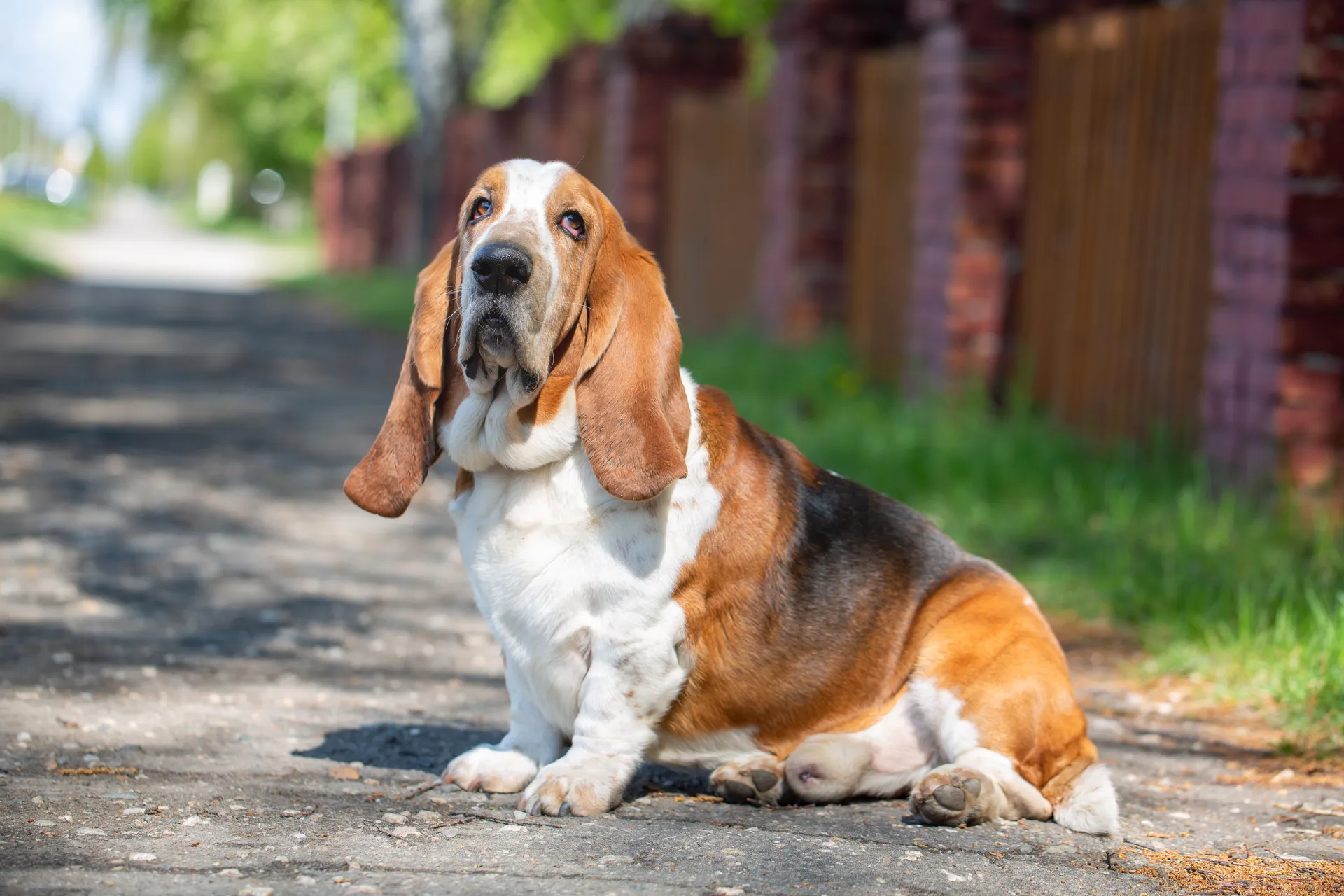 Basset HoundMedium • Hound
 BeagleSmall • Hound
 BloodhoundLarge • Hounds (Group 4)
 BorzoiLarge • Hound (Sighthound)
 DachshundSmall • Hound