Afghan Hound
By James C. • Updated
The Afghan Hound is an elegant, independent breed known for its silky coat and speed. Loyal yet reserved, it suits patient owners who can meet its grooming needs and provide regular exercise.
Breed Overview
Life Span
12 - 12 years
Average Price
AUD 3500 - AUD 4500
Weight
Male: 20 - 27 kg Female: 20 - 27 kg
Height
Male: 68 - 74 cm Female: 63 - 69 cm
Life Expectancy
Male/Female: 12 - 14 years
Breed Group
Hound
Nicknames
Tazi, Sag-e Tāzī, Persian Greyhound
Breed Information
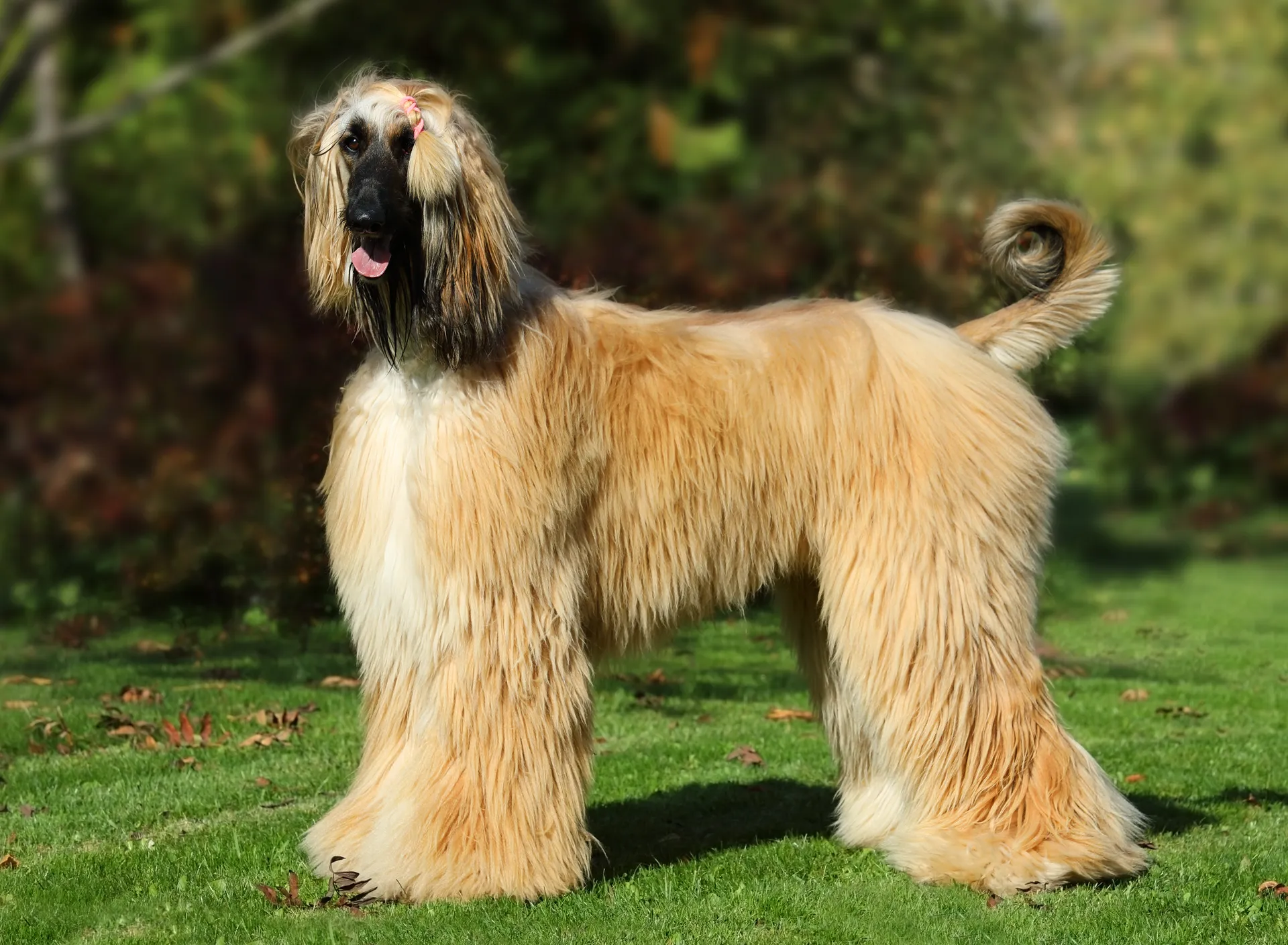
The Afghan Hound dog breed is instantly recognisable for its flowing, silky coat, noble outline, and aristocratic presence. Sometimes referred to as an Afghan dog, this ancient sighthound was developed for speed, endurance, and independent hunting across the mountainous regions of Afghanistan.
The afghan hound temperament suits owners who appreciate elegance, athleticism, and a dog that thinks for itself rather than seeking constant approval. Afghan Hounds form deep but selective bonds with their people and do best in homes that can provide daily exercise, calm structure, and patient handling.
Before bringing home an afghan hound puppy, it is important to understand the coat care, prey drive, and independence that come with this breed. For the right home, Afghan Hound dogs can be loyal, expressive, and unforgettable companions.
Characteristics of the Afghan Hound Dog Breed: What Living With an Afghan Hound Is Really Like
The Afghan Hound dog breed combines athletic ability, independent thinking, and refined elegance. This overview gives you a practical snapshot of what daily life with an Afghan Hound looks like and the level of care the breed demands.
| Characteristic | Rating | Star Rating (★ out of 5) | What This Means for You |
| Size | Large | ★★★★☆ | Tall, lean, and powerful, requiring space to move comfortably indoors and out. |
| Adaptability | Moderate | ★★★☆☆ | Best suited to stable routines and environments rather than frequent lifestyle changes. |
| Exercise Needs | High | ★★★★★ | Requires more than two hours of daily activity, including free running in secure areas. |
| Easy to Train | Low | ★★☆☆☆ | Intelligent but highly independent, responding best to patient, positive reinforcement. |
| Amount of Shedding | High | ★★★★☆ | Long coat sheds regularly and requires daily maintenance to manage loose hair. |
| Grooming Needs | Very High | ★★★★★ | Daily brushing and regular professional grooming are essential for coat health. |
| Good With Children | Moderate | ★★★☆☆ | Better suited to older children who understand calm, respectful interaction. |
| Health of Breed | Moderate | ★★★☆☆ | Generally healthy but prone to joint, eye, and breed-specific conditions. |
| Cost to Keep | High | ★★★★☆ | Ongoing costs include grooming, insurance, and specialist veterinary care. |
| Tolerates Being Alone | Low | ★★☆☆☆ | Can struggle with long periods alone due to sensitivity and strong bonding. |
| Intelligence | High | ★★★★☆ | Sharp and observant, though often chooses independence over obedience. |
Overall, the Afghan Hound dog breed is best suited to owners who want a highly distinctive, athletic companion and can provide structure, time, space, and consistent care rather than low-maintenance ownership.
History of the Afghan Hound Dog Breed: Ancient Sighthound Origins
Among the best known of the Afghanistan dog breeds, the Afghan Hound is recognised as one of the oldest known dog breeds, with origins dating back more than 4,000 years to the rugged mountain regions of Afghanistan. Developed as a sighthound, the Afghan Hound dog was bred for speed, endurance, keen eyesight, and independent decision-making, allowing it to hunt fast and agile prey such as deer, gazelle, and mountain goats across harsh terrain.
Historically known by several names including Tazi, Sag-e Tazi, and Persian Greyhound, Afghan Hounds were prized by nomadic tribes and royalty alike. Their long, fine coat evolved as a practical adaptation, providing insulation against extreme cold in mountainous climates while still allowing freedom of movement during long pursuits. Large, well-padded feet acted as natural shock absorbers on rocky ground, further reinforcing the breed’s functional design.
The Afghan Hound’s journey beyond its homeland began in the late 19th and early 20th centuries, when British officers returning from India and surrounding regions introduced the breed to the United Kingdom. Two foundational bloodlines shaped the modern Afghan Hound. The Bell-Murray strain, imported into Scotland in 1920, represented a lighter-coated desert type, while the Ghazni strain, brought to England in 1925, featured the heavier coat now associated with the breed’s iconic appearance.
These bloodlines were later combined, leading to the development of a unified breed standard formalised in 1948, which remains largely unchanged today. The Afghan Hound quickly gained prominence in the show ring, achieving major wins at events such as Crufts and the Westminster Kennel Club Dog Show, and cementing its reputation for elegance and presence.
Although no longer used for hunting, the Afghan Hound retains the independence, athleticism, and dignified temperament that defined its original purpose. Today, the breed is admired worldwide as a symbol of aristocratic beauty, ancient heritage, and enduring sighthound instincts.
Appearance of the Afghan Hound Dog: Size, Coat, and Movement
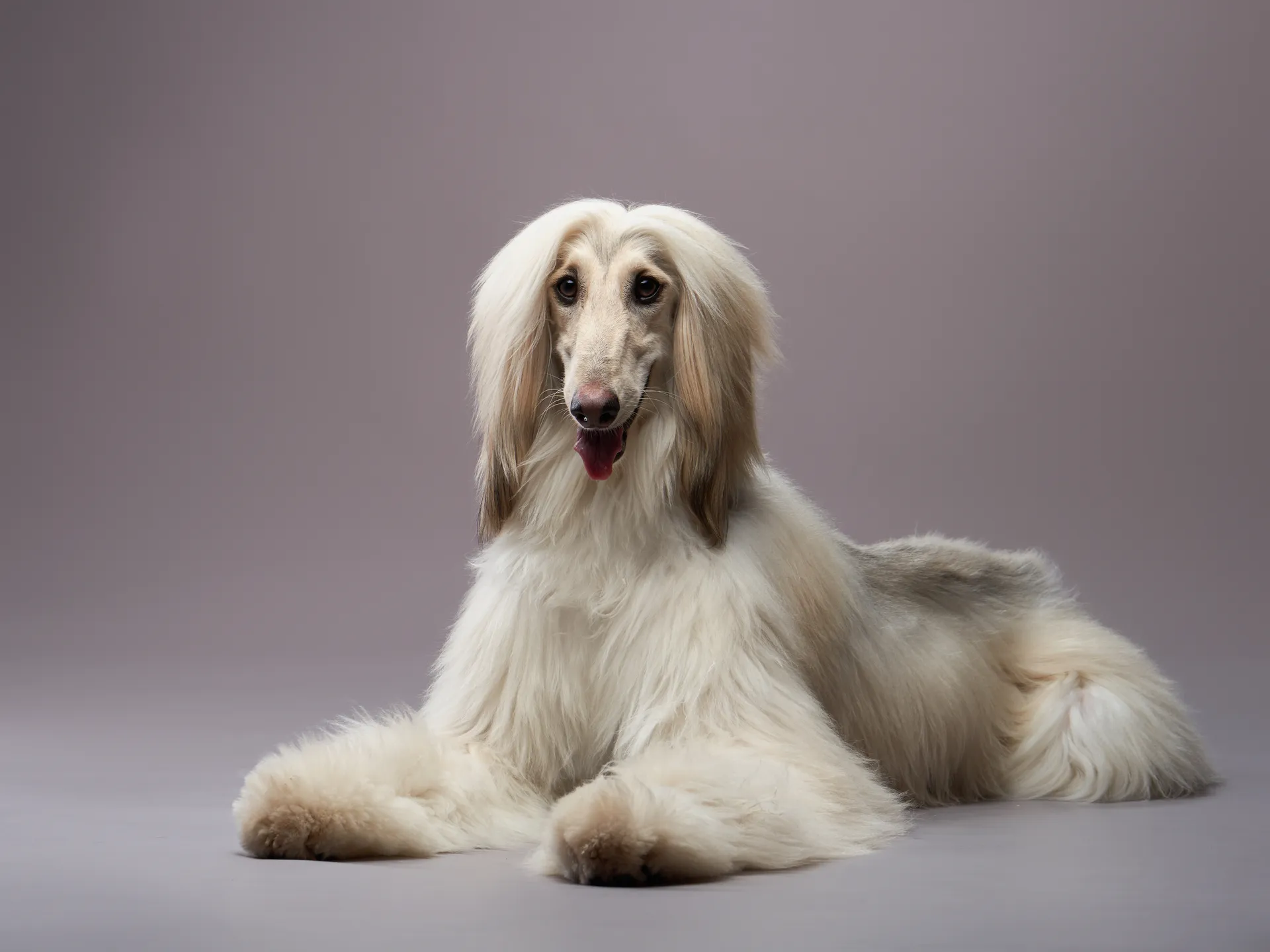
The Afghan Hound is defined by a striking balance of elegance and athletic power, combining a tall, lean frame with flowing coat and confident carriage. Every aspect of the breed’s appearance reflects its origins as a long-distance hunter across demanding terrain.
Size, Height, and Overall Build
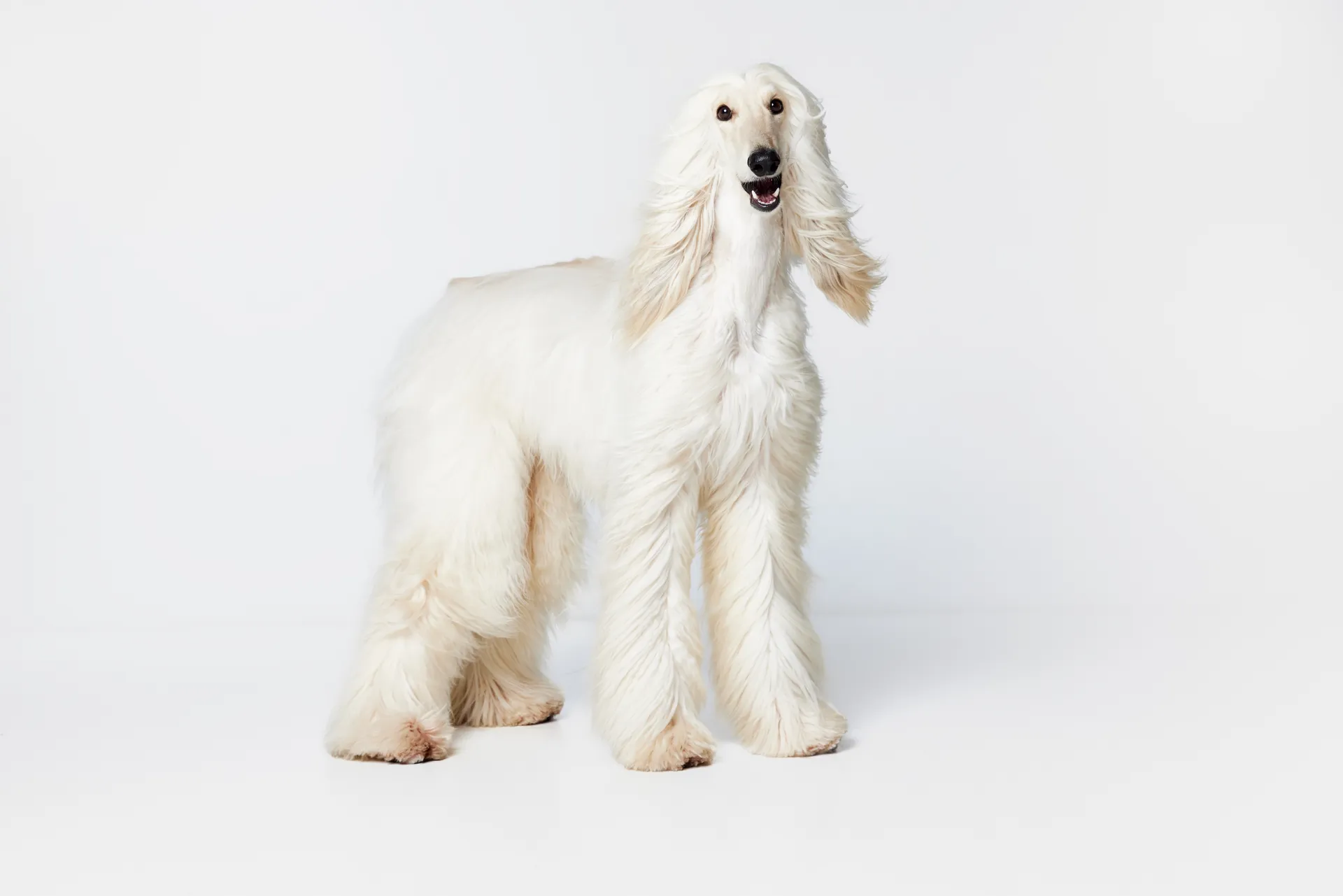
The Afghan Hound is a large, athletic sighthound with a well-proportioned, slightly elongated outline. Adult males typically stand between 68 and 74 cm at the withers, while females measure 63 to 69 cm, with both sexes weighing between 20 and 27 kg. Beneath the long coat lies a lean, muscular body built for speed, stamina, and agility rather than bulk.
The chest is deep with well-sprung ribs, allowing ample lung capacity, while the back is level with strong hindquarters that drive the breed’s powerful stride. High-set hipbones are a natural and correct feature, not a sign of being underweight.
Head Shape, Eyes, and Expression
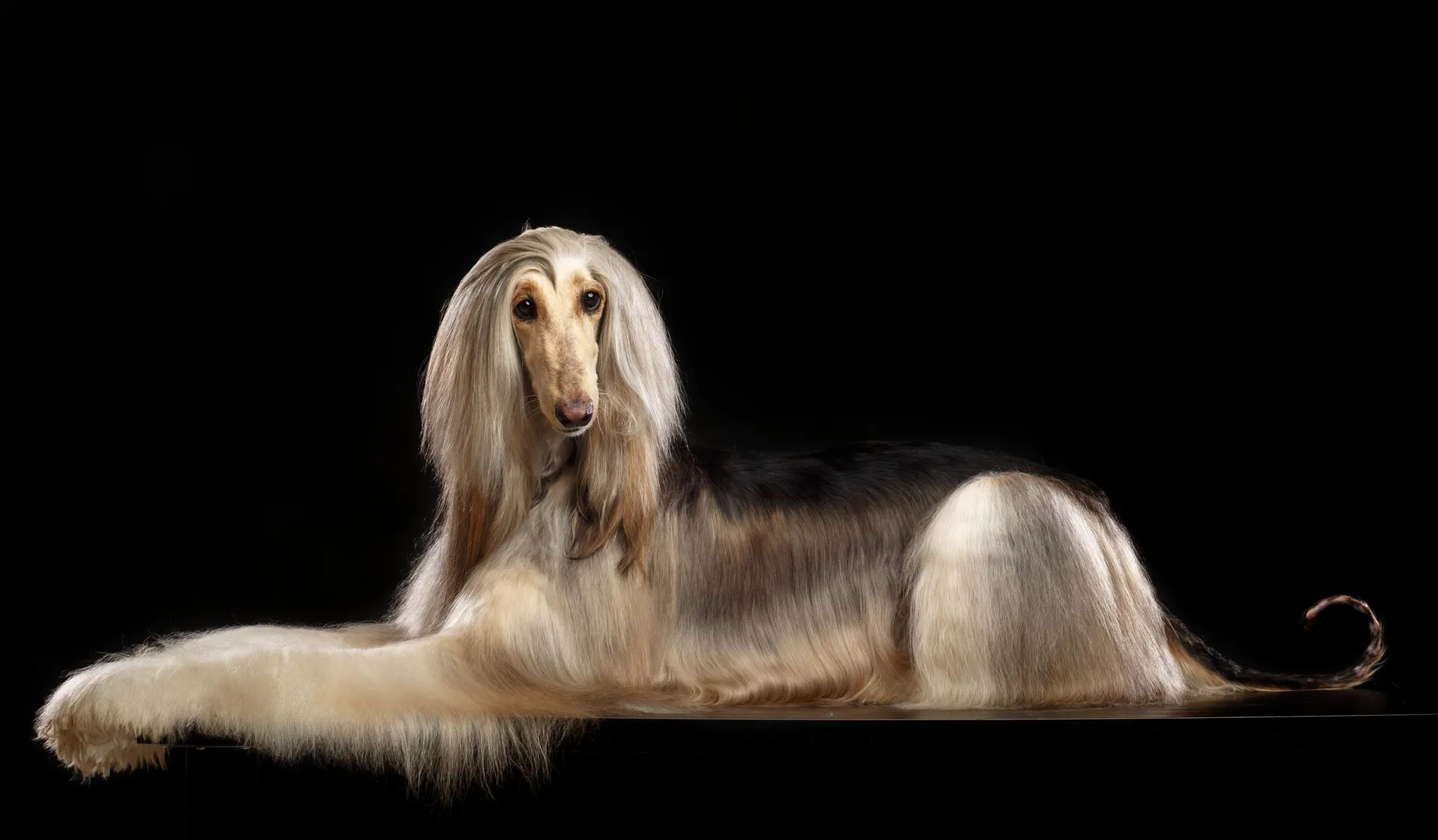
The head is long and refined, featuring a prominent occiput, long muzzle, and slightly domed skull. Almond-shaped eyes are dark and set with a subtle oriental slant, giving the Afghan Hound its characteristic aloof yet intelligent expression. The breed often carries a composed, distant look that softens when relaxed or engaged with trusted people.
Low-set ears are carried close to the head and covered in long, silky hair that frames the face. The neck is long and arched, contributing to the breed’s noble outline and effortless head carriage.
Coat Texture and Recognised Colours
The Afghan Hound’s coat is long, fine-textured, and silky, developed to protect against extreme climates. It flows freely along the flanks, legs, and tail, with shorter hair forming a distinct saddle along the back. Coat colours are varied and include cream, gold, red, black, blue, brindle, white, and grey, often accompanied by darker facial masks.
Seasonal changes can affect coat density and texture, increasing grooming demands during shedding periods.
Tail, Feet, and Movement
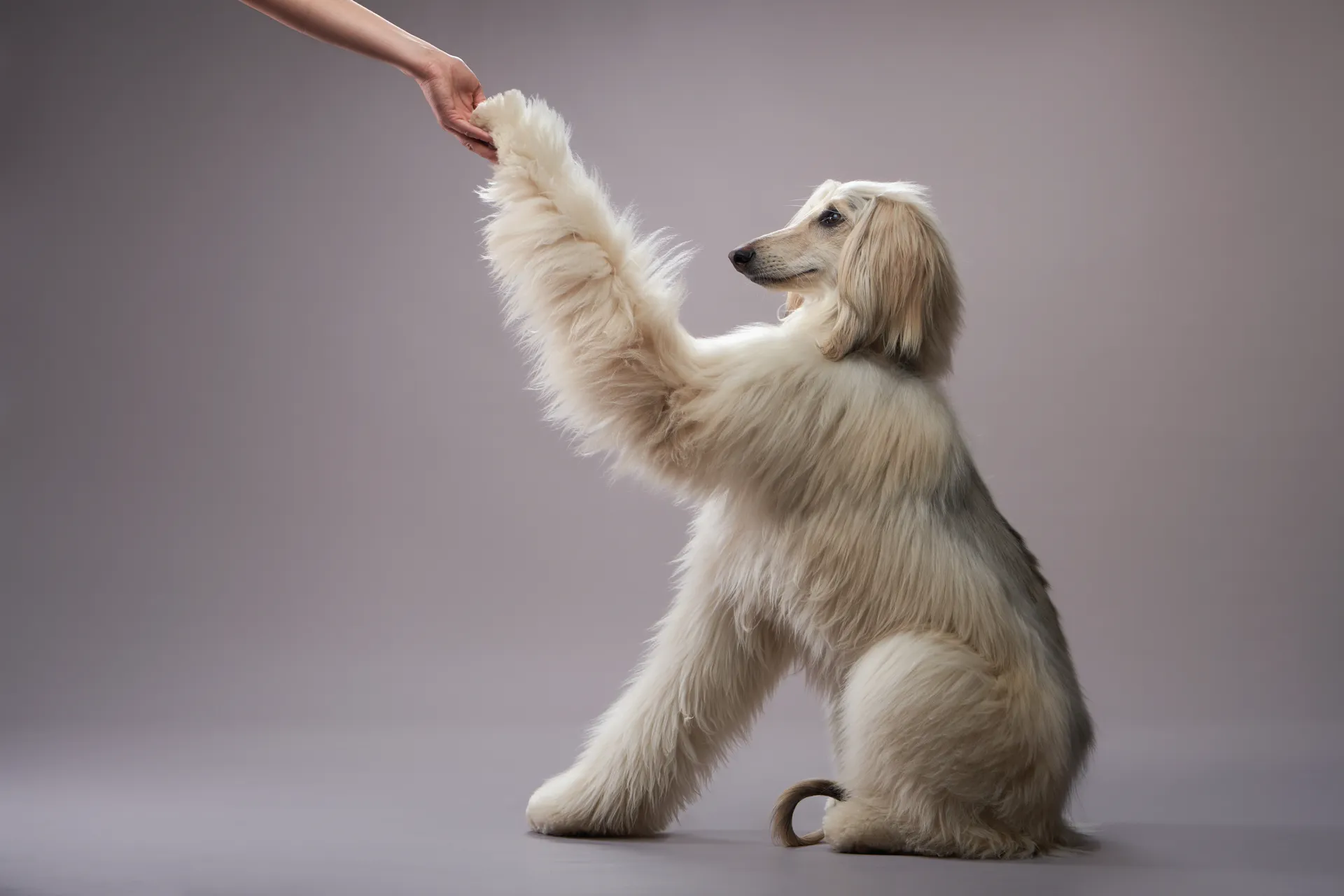
The tail is set low and carried with a distinctive ring curl at the tip, rising when the dog is moving or alert. Feet are large and well-padded, supporting stability and shock absorption. Movement is smooth, elastic, and ground-covering, with effortless reach and drive that reflect the breed’s endurance-based design rather than flashy action.
Differences Between Males and Females
Males tend to appear slightly taller and more robust, while females often display a more refined outline. Both sexes should present the same balance of elegance, strength, and functional soundness, with no exaggeration in coat or structure.
Afghan Hound Temperament: What Owners Should Expect
The afghan hound temperament is best known for aloof dignity, strong independence, and selective affection. While not usually outwardly demonstrative, this breed forms deep bonds with its family and can show a playful, expressive side once trust is established.
Core Personality Traits
Afghan Hounds are naturally self-assured, observant, and reserved, often choosing when and how they engage rather than seeking constant attention. Their independence can be mistaken for stubbornness, but it reflects a breed accustomed to making decisions on its own in demanding environments. When relaxed at home, they can display a clownish, mischievous streak that contrasts with their elegant appearance.
Social Behaviour With People and Animals
This breed tends to be polite but distant with strangers, rarely aggressive but not overly welcoming. Early and ongoing socialisation is essential to build confidence and prevent excessive shyness, particularly when introducing controlled exposure before full vaccination. Afghan Hounds usually coexist well with other dogs when introduced properly, though their strong prey drive makes them unsuitable for homes with small animals such as cats, rabbits, or rodents.
Sensitivity and Emotional Awareness
Afghan Hounds are highly sensitive to tone, environment, and routine. They respond poorly to harsh correction or chaotic households and do best with calm, predictable leadership. Emotional consistency helps prevent anxiety-related behaviours, particularly in adolescence.
Common Behavioural Challenges
Recall can be unreliable due to the breed’s instinct to chase moving objects, making secure fencing essential. Some Afghan Hounds may exhibit selective listening or withdrawal if training feels repetitive or forceful, which are common puppy behaviour problems seen in independent breeds. With patient handling, structure, and respect for their nature, these challenges are manageable.
Overall, the Afghan Hound suits owners who value quiet companionship, independence, and dignity, rather than constant obedience or overt affection.
Intelligence and Trainability of the Afghan Hound
The Afghan Hound is an intelligent breed, but its intelligence expresses itself through independence and decision-making rather than eagerness to please. Bred to hunt alone using sight and instinct, this breed often evaluates commands rather than responding automatically, which can challenge owners unfamiliar with sighthound behaviour.
Learning Style and Problem-Solving Ability
Afghan Hounds are capable of learning commands and routines, but they learn best when training feels purposeful and respectful. They quickly recognise patterns, environments, and people, showing strong situational awareness. Their intelligence is more adaptive than obedient, meaning they excel at reading situations rather than following repetitive instruction.
Training Approaches That Work Best
Positive reinforcement is essential. Afghan Hounds respond well to gentle consistency, food rewards, praise, and short, varied training sessions. Harsh correction, raised voices, or repetitive drilling often result in disengagement or avoidance. Training should focus on cooperation rather than control, allowing the dog to remain confident and receptive, especially when owners understand how long puppy training typically takes for independent breeds.
Recall and Prey Drive Considerations
Reliable recall can be difficult due to the breed’s strong prey drive and instinct to chase moving objects. Even well-trained Afghan Hounds may ignore commands when visually stimulated. For this reason, off-lead exercise should only take place in secure, enclosed environments, and recall training should be ongoing rather than assumed complete.
Common Training Mistakes to Avoid
Inconsistency, impatience, and expecting immediate obedience are common pitfalls. Afghan Hounds do not respond well to dominance-based methods or rushed progress. Owners who respect the breed’s independence while maintaining clear boundaries tend to achieve the most stable and trusting results.
With patience, structure, and realistic expectations, the Afghan Hound can become a well-mannered companion that responds reliably within a calm, familiar routine.
Afghan Hound and Family Life: Children, Other Pets, and Household Dynamics
The Afghan Hound can be a gentle and affectionate companion within the right family environment, but its large size, independence, and strong prey instincts mean it is not suitable for every household. Understanding how this breed interacts with children, other pets, and daily family life is essential for long-term harmony.
Interaction With Children of Different Ages
Afghan Hounds are generally better suited to homes with older children and teenagers who understand calm, respectful interaction. Their height and speed can unintentionally knock over small children, and they may become stressed by rough handling, sudden movements, or loud play. Supervision is essential around toddlers, as this breed does not tolerate excessive physical contact.
Teaching Respectful Interaction in the Home
Children should be taught to give the dog space, avoid hugging or cornering, and respect rest areas. Calm engagement, structured routines, and predictable handling help the Afghan Hound feel secure. Clear household rules reduce overstimulation and help prevent defensive or avoidant behaviour.
Living With Other Dogs and Household Pets
With early and consistent socialisation, Afghan Hounds can live peacefully with other dogs. However, their high prey drive makes them unsuitable for homes with small animals such as rabbits, rodents, or poultry. Caution is also advised around cats unless the dog has been raised alongside them from puppyhood.
Creating a Safe and Stable Home Environment
A secure, fenced garden is essential to prevent chasing and escape. Afghan Hounds benefit from quiet retreat spaces, consistent routines, and controlled introductions to new people or animals. When provided with structure, space, and respectful interaction, they integrate well into family life while maintaining their dignified independence.
Health of the Afghan Hound: Lifespan, Common Conditions, and Preventative Care
The Afghan Hound is generally a long-lived breed with a typical lifespan of 12 to 13 years, but its size, body structure, and sighthound physiology mean there are specific health considerations prospective owners should understand and plan for.
Breed-Specific Health Conditions to Be Aware Of
Afghan Hounds are predisposed to several inherited and acquired conditions. Hip dysplasia can affect mobility, while progressive retinal atrophy, cataracts, and corneal dystrophy may impact vision over time. The breed is also known to experience hypothyroidism, certain cancers, Afghan Hound myelopathy, and dermatological conditions linked to skin and coat sensitivity. Due to their deep chest, they are at increased risk of bloat, which is a medical emergency.
Anaesthesia Sensitivity and Sighthound Considerations
Like many sighthounds, Afghan Hounds have low body fat levels, making them particularly sensitive to anaesthesia. Surgical procedures should always be handled by a veterinarian experienced with sighthound breeds to reduce risk and ensure appropriate dosing and recovery protocols.
Genetic Testing and Responsible Breeding
Reputable breeders prioritise health screening to protect the breed’s future. Hip scoring through recognised schemes, ophthalmic examinations, and DNA testing for inherited conditions such as Factor VII deficiency and degenerative myelopathy are strongly recommended. Choosing a breeder who provides documented health results helps minimise inherited health risks.
Preventative Healthcare and Long-Term Monitoring
Routine veterinary care is essential throughout the dog’s life, and knowing how often dogs should see a vet helps ensure early detection of breed-specific conditions. This includes regular vaccinations, parasite control, dental care, and ongoing weight management. Early detection of joint, eye, or hormonal issues significantly improves treatment outcomes and long-term comfort.
Insurance and Financial Planning for Health Care
Due to the potential for costly treatments related to orthopaedic, eye, or cancer conditions, comprehensive pet insurance is strongly advised. Planning ahead allows owners to focus on care decisions rather than financial limitations as the dog ages.
Caring for the Afghan Hound: Daily Needs, Home Environment, and Long-Term Comfort
Caring for an Afghan Hound requires a structured daily routine that balances exercise, grooming, nutrition, and emotional wellbeing. This breed thrives with owners who can provide consistency, space, and attentive care rather than a hands-off approach.
Daily Care Routines That Support Balance and Wellbeing
A typical day should include extended physical exercise, mental stimulation, and dedicated grooming time. Afghan Hounds benefit from long walks, controlled running in secure areas, and calm downtime indoors. Daily coat checks, eye cleaning, and routine feeding schedules help maintain both physical health and emotional stability.
Living Environment Requirements for a Large Sighthound
The Afghan Hound is best suited to homes with large, securely fenced gardens where it can move freely and safely. Apartments or small homes without outdoor access are generally unsuitable. Fencing must be high and secure, as this breed is capable of jumping and may attempt to chase moving objects beyond boundaries.
Seasonal Care Adjustments Throughout the Year
In warmer months, exercise should be planned during cooler parts of the day to prevent overheating, as the breed’s long coat can trap heat, especially when temperatures move outside the safe range for dogs in Australia. During colder or wet seasons, thorough drying after walks or bathing is essential to prevent skin irritation and fungal infections. Coat maintenance often increases during seasonal shedding periods.
Senior Care Adaptations as the Dog Ages
As Afghan Hounds enter their senior years, care routines should adapt to support joint health, mobility, and comfort. Softer bedding, reduced-impact exercise, and joint-support supplements may be beneficial. More frequent veterinary check-ups allow early identification of age-related conditions, helping maintain quality of life well into old age.
Grooming the Afghan Hound: Coat Care, Maintenance, and Time Commitment
The Afghan Hound is one of the highest-grooming-demand dog breeds, with its long, fine, silky coat requiring daily attention to remain healthy and mat-free. Grooming is not optional for this breed and forms a core part of responsible ownership.
Daily Coat Maintenance Requirements
Adult Afghan Hounds require daily brushing, often for 30 to 60 minutes, to prevent tangles and matting. High-friction areas such as behind the ears, under the legs, around the tail, and along the saddle are especially prone to mat formation. Skipping even one or two days can lead to painful knots that are difficult to remove without coat damage.
Professional Grooming and Bathing Needs
Regular professional grooming is strongly recommended, typically every 6 to 8 weeks. Sessions usually include bathing, conditioning, blow-drying, trimming, and coat assessment. Because the coat is fine and silky, frequent bathing with high-quality products is essential to prevent dirt buildup and maintain coat texture and shine.
At-Home Grooming Practices Owners Must Follow
Owners should invest in quality grooming tools, including pin brushes, slicker brushes, metal combs, and detangling sprays. Bathing at home requires thorough drying to prevent skin infections. Regular ear cleaning, nail trimming, and daily dental care are also important, as Afghan Hounds are prone to ear issues and dental disease.
Common Grooming Challenges and Considerations
Matting, skin irritation, and moisture-related infections are the most common grooming-related issues. Wet coats left to air dry can quickly develop odour and dermatitis. Puppies have lower grooming needs initially, but owners should establish grooming routines early to ensure the dog tolerates handling calmly as an adult.
For prospective owners, the grooming commitment of the Afghan Hound should be viewed as a daily responsibility, not an occasional task.
Exercise Needs of the Afghan Hound: Daily Activity, Space, and Safety
The Afghan Hound is a high-energy sighthound bred for speed, endurance, and long-distance pursuit. Despite their calm and dignified demeanour indoors, they require substantial daily exercise to maintain physical health and emotional balance.
Daily Exercise Requirements for Adult Afghan Hounds
Most adult Afghan Hounds need a minimum of two hours of exercise per day. This should include a combination of brisk walking, controlled running, and free movement in secure areas. Insufficient exercise often leads to restlessness, destructive behaviour, or withdrawal.
Suitable Activities That Match the Breed’s Athletic Nature
Afghan Hounds excel in activities that allow them to stretch out and run. Lure coursing, sprinting in enclosed fields, long-distance running with experienced handlers, and agility-style movement are ideal. Mental stimulation through training games and scent-based enrichment helps balance their independent mindset.
Off-Lead Exercise and Safety Considerations
Due to an extremely strong prey drive, Afghan Hounds should only be allowed off-lead in fully secure, enclosed spaces with high fencing. Once in chase mode, recall is unreliable, even with training. Roads, open parks, and unfenced areas pose significant risk.
Exercise Adjustments for Puppies and Seniors
Puppies require carefully controlled exercise to protect developing joints, avoiding repetitive jumping or hard surfaces. Senior Afghan Hounds still benefit from daily movement but may need reduced intensity, joint support, and shorter sessions to maintain comfort and mobility.
Providing adequate exercise is essential for preventing behavioural issues and supporting the Afghan Hound’s natural athleticism.
Feeding the Afghan Hound: Nutrition, Portions, and Weight Management
Feeding an Afghan Hound correctly is essential for supporting lean muscle mass, sustained energy, and coat health. As an athletic sighthound with a naturally slim build, this breed requires a carefully balanced diet rather than high-calorie overfeeding.
Nutritional Requirements for a Large, Athletic Sighthound
Afghan Hounds thrive on a high-quality, protein-rich diet that supports muscle maintenance and endurance. Animal-based proteins should form the foundation of the diet, supported by healthy fats for energy and essential fatty acids for skin and coat condition. Excessive fillers and low-quality carbohydrates should be avoided, as they offer little nutritional value and may contribute to digestive issues.
Feeding Schedules That Support Digestion and Energy Levels
Puppies typically require three to four meals per day to support steady growth and prevent blood sugar dips. Adult Afghan Hounds usually do best on two measured meals daily, which helps maintain stable energy levels and reduces the risk of bloat. Feeding should be done after exercise rather than immediately before or during periods of high activity.
Special Dietary Considerations to Be Aware Of
As a deep-chested breed, Afghan Hounds carry a higher risk of gastric torsion (bloat). Slow-feeding bowls, calm feeding environments, and avoiding vigorous exercise around mealtimes are strongly recommended. Some individuals may develop food sensitivities, making limited-ingredient or hypoallergenic diets beneficial. Omega-3 supplementation can support joint mobility and coat quality, particularly in older dogs.
Weight Management and Body Condition Monitoring
Afghan Hounds are naturally lean, and visible hip bones are often a normal breed characteristic rather than a sign of underweight. Owners should monitor body condition rather than relying solely on weight. Overfeeding can place unnecessary strain on joints and reduce agility. Regular portion adjustment based on age, activity level, and health status helps maintain optimal condition throughout life.
Afghan Hound Price and Ongoing Costs: What Ownership Really Costs
Owning an Afghan Hound involves a significant long-term financial commitment, reflecting the breed’s size, grooming needs, exercise demands, and healthcare considerations. Prospective owners should plan beyond the initial purchase price.
Purchase Price and Initial Setup Costs
Afghan Hound puppies from reputable Australian breeders typically range from $3,000 to $5,500 AUD, depending on pedigree, health testing, breeder reputation, and lineage. Initial setup costs usually sit between $600 and $900 AUD, covering essentials such as a crate, bedding, grooming tools, collar, lead, food bowls, and enrichment toys.
Ongoing Monthly Expenses
Monthly food costs for a large, active sighthound generally range from $120 to $180 AUD, depending on diet quality. Routine veterinary care, parasite prevention, and health checks average $80 to $130 AUD per month when spread annually. Grooming is a notable ongoing expense, with professional sessions typically costing $120 to $220 AUD per visit, required every six to eight weeks.
Insurance and Unexpected Veterinary Costs
Pet insurance is strongly recommended due to the breed’s predisposition to orthopaedic, ocular, and cancer-related conditions. Comprehensive cover usually ranges from $60 to $100 AUD per month. Emergency care or specialist treatment can be costly without insurance, particularly later in life.
Estimated Lifetime Cost Commitment
Over an average lifespan of 12 to 14 years, the total cost of owning an Afghan Hound is considered high compared to many breeds. While rewarding, this breed is best suited to owners who are financially prepared to support consistent grooming, preventative healthcare, quality nutrition, and long-term wellbeing.
Buying Advice for the Afghan Hound: How to Choose Responsibly and Ethically
Buying an Afghan Hound is a long-term commitment that requires careful planning, research, and ethical decision-making. Choosing the right breeder or adoption pathway plays a critical role in the dog’s health, temperament, and overall quality of life.
How to Find Ethical and Responsible Afghan Hound Breeders
Reputable breeders prioritise health, welfare, and breed integrity over volume or profit. They are transparent about breeding practices, welcome detailed questions, and allow you to meet the puppy’s mother in a clean, well-managed environment, making it easier to ask the right questions when dealing with a dog breeder. Expect clear documentation covering vaccinations, microchipping, pedigree registration, and veterinary records. Breeders who refuse access or rush the sale should be avoided.
Verifying Health Testing and Breeding Standards
Always request proof of health screening and genetic testing, particularly for hip dysplasia, eye conditions, thyroid function, and known breed-related diseases. Responsible breeders follow recognised kennel club guidelines and avoid breeding dogs with exaggerated features that may compromise movement, breathing, or long-term health.
Selecting a Puppy With the Right Temperament
A healthy Afghan Hound puppy should appear curious, confident, and calm, not withdrawn or excessively reactive. Observe how the puppy interacts with littermates and people. Balanced behaviour, steady confidence, and early social exposure are strong indicators of responsible breeding and sound temperament.
Contracts, Guarantees, and Buyer Responsibilities
Ethical breeders provide a written contract outlining health guarantees, return policies, and ongoing breeder support. Many will require a commitment that the dog is returned to them if you can no longer provide care. Be cautious of unusually low prices, lack of paperwork, or pressure to commit quickly, as these are common warning signs when trying to spot a puppy scam online.
Considering Rescue and Adoption Options
While less common, Afghan Hounds do appear in breed-specific rescues and rehoming organisations. Adoption can be a rewarding option for experienced owners willing to support dogs with established personalities or unknown histories. Rescue organisations typically provide behavioural assessments and veterinary checks before placement.
Making an informed, ethical choice supports not only your future dog, but the long-term health and reputation of the Afghan Hound breed.
Final Thoughts on the Afghan Hound: Is This Elegant Sighthound Right for You?
The Afghan Hound is a breed defined by elegance, independence, and athleticism, offering a unique companionship experience for the right owner. While visually striking, this is not a low-maintenance dog. It requires daily exercise, intensive grooming, patient training, and consistent engagement to thrive.
This breed is best suited to experienced owners who value structure, appreciate an independent temperament, and can provide both space and time. For those prepared to meet its needs, the Afghan Hound delivers deep loyalty, quiet affection, and a dignified presence unlike any other.
Choosing this breed should be a considered decision grounded in lifestyle compatibility rather than appearance alone. When matched correctly, the Afghan Hound becomes a remarkable and rewarding long-term companion.
Frequently Asked Questions
Related Breeds
Other hound breeds on Pups4Sale.
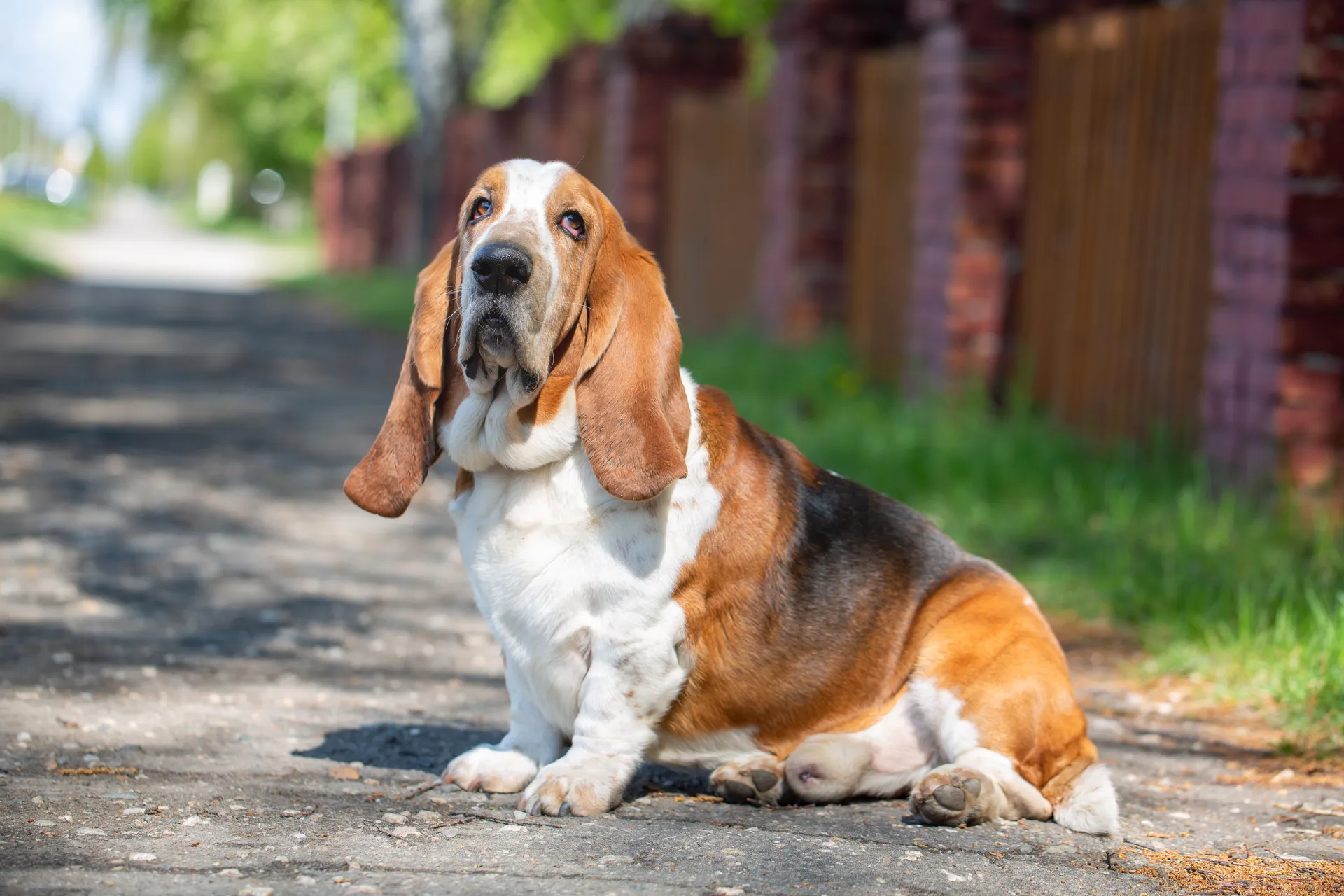 Basset HoundMedium • Hound
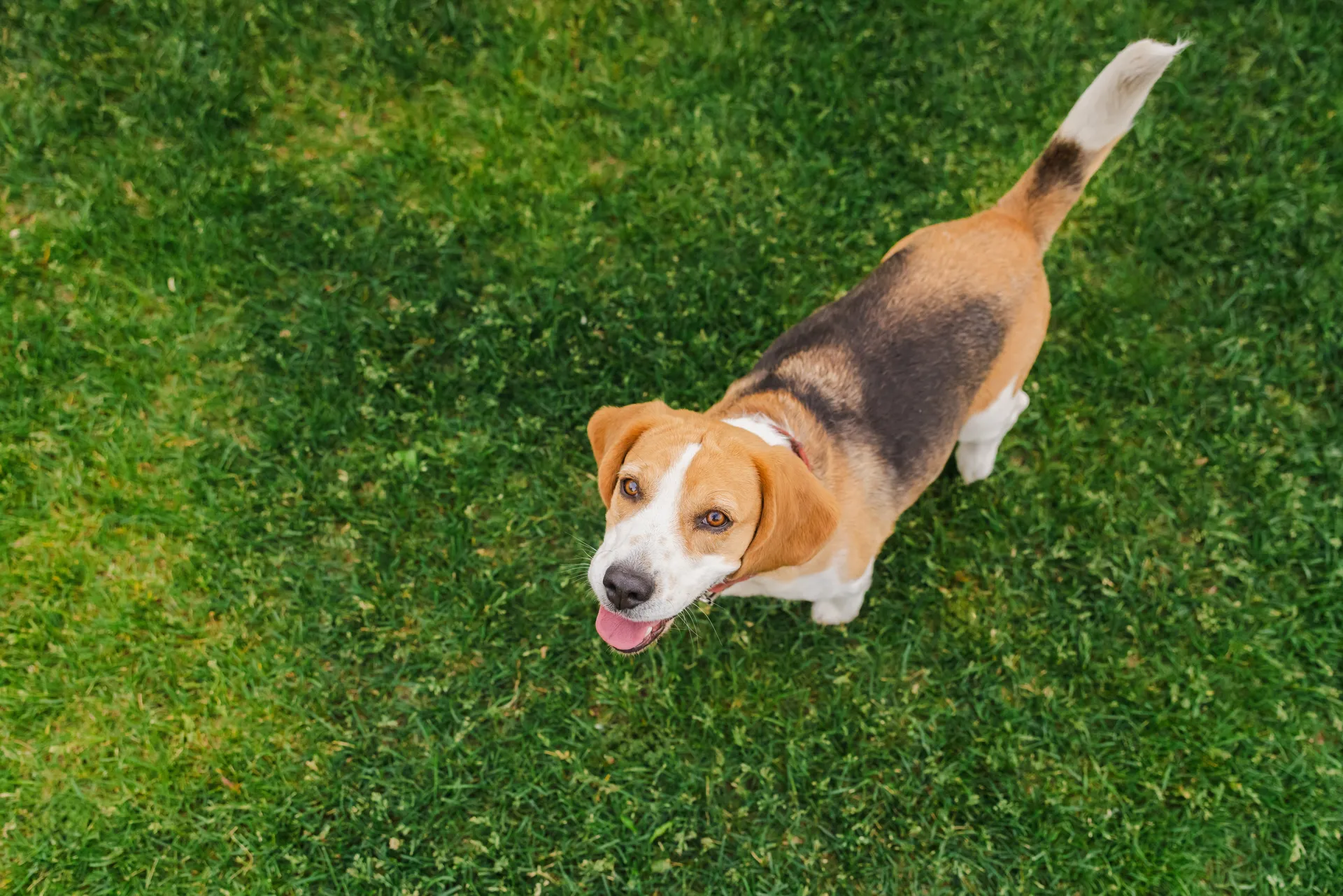 BeagleSmall • Hound
 BloodhoundLarge • Hounds (Group 4)
 BorzoiLarge • Hound (Sighthound)
 DachshundSmall • Hound
 DeerhoundGiant • Hounds (Group 4)