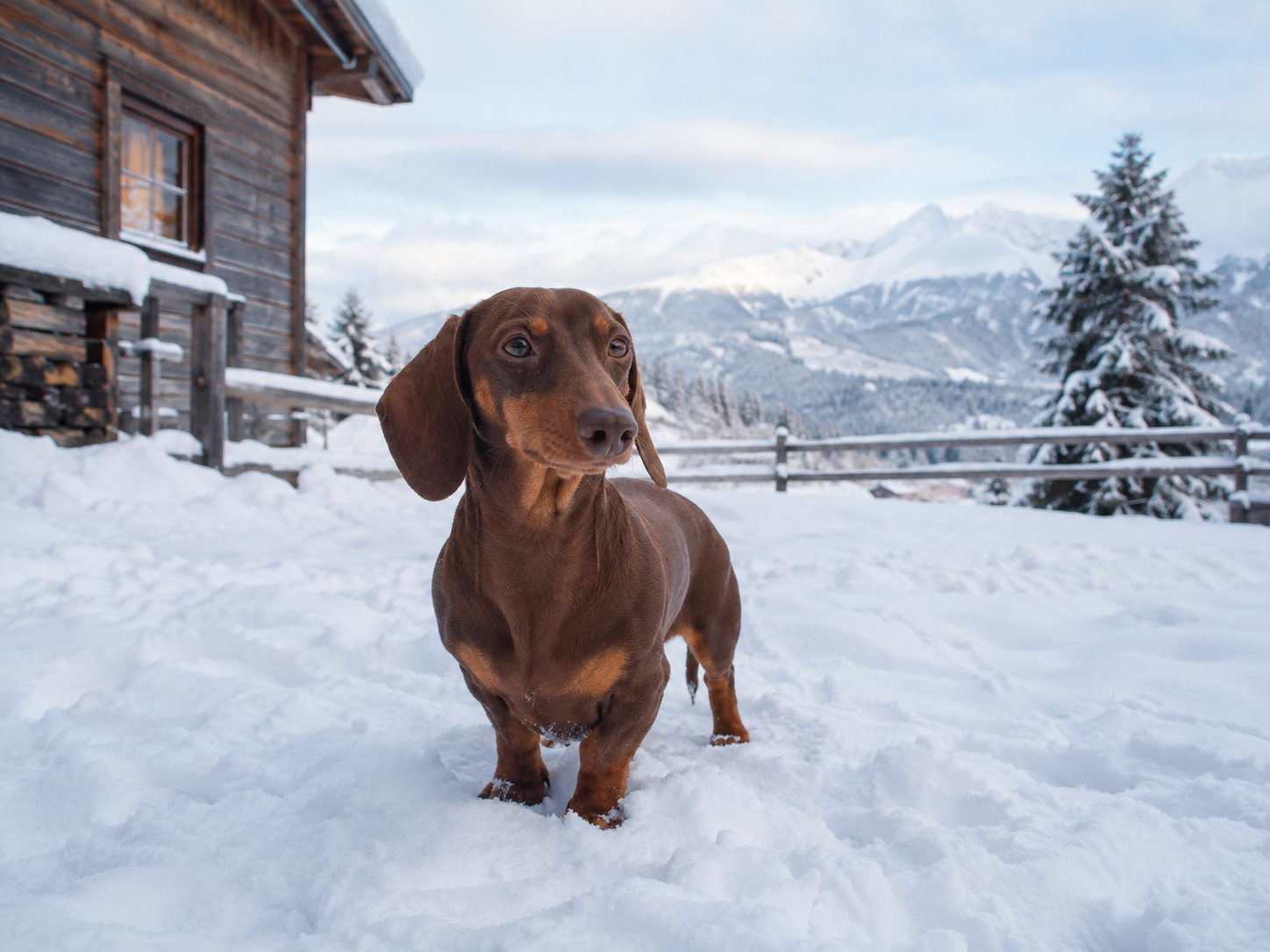
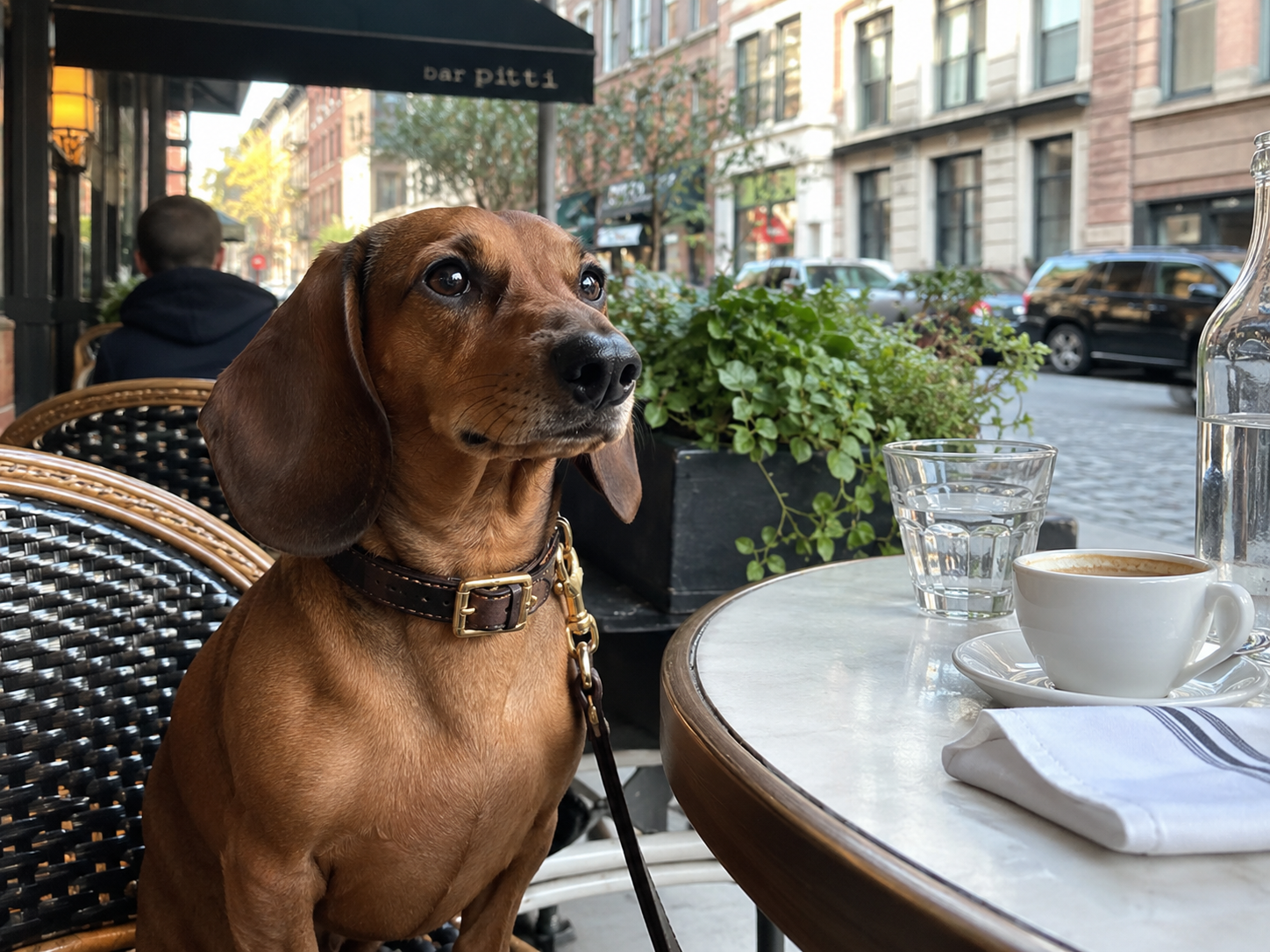
Dachshund
By James C. • Updated
See Dachshund puppies for sale
The Dachshund is a small hound bred in Germany to hunt badgers and other burrow-dwelling animals, and its long body, short legs and bold expression make it one of the most recognisable breeds in the world. It is confident, alert and often fearless, which makes it an effective watchdog and an engaging companion. Modern Dachshunds adapt well to Australian homes including smaller houses and apartments, provided they get consistent exercise and structured boundaries. Its long spine requires lifelong management to reduce the risk of intervertebral disc disease.
Breed Overview
Life Span
12 - 16 years
Average Price
AUD 2500 - AUD 6000
Weight
Male: 4 - 14.5 kg Female: 4 - 14.5 kg
Height
Male: 13 - 23 cm Female: 13 - 23 cm
Life Expectancy
Male/Female: 12 - 16 years
Breed Group
Hound
Nicknames
Doxie, Sausage Dog, Wiener Dog, Teckel
Breed Information
The Dachshund is one of the most recognisable dog breeds in the world, known for its long body, short legs, and bold expression. Originally bred in Germany to hunt badgers and burrow-dwelling animals, the breed was designed for courage, persistence, and scent-driven work underground.
Despite its small size, the Dachshund is not fragile in temperament. It is confident, alert, and often surprisingly fearless. These traits remain strong today, making the breed an effective watchdog and an engaging companion.
Modern Dachshunds adapt well to Australian homes, including smaller houses and some apartments, provided they receive consistent exercise and structured boundaries. They suit owners who appreciate independence and character rather than unquestioning obedience.
Dachshund Characteristics: Temperament, Trainability, and Living Suitability
| Characteristic | Rating | Star Rating | What This Means for Owners |
| Size | Small | ★★★★☆ | Compact and suitable for smaller homes, but not delicate. Requires careful handling due to back structure. |
| Adaptability | Moderate | ★★★☆☆ | Adjusts well to structured homes but prefers routine and consistency. |
| Exercise Needs | Moderate | ★★★☆☆ | Needs daily walks to maintain muscle tone and protect spinal health. |
| Trainability | Moderate | ★★☆☆☆ | Intelligent but independent. Requires patient, consistent, reward-based training. |
| Affection Towards Family | High | ★★★★☆ | Strongly bonded to primary owners and enjoys close companionship. |
| Behaviour With Strangers | Reserved | ★★☆☆☆ | Often cautious and vocal around unfamiliar people. Early socialisation is important. |
| Good With Children | Moderate | ★★★☆☆ | Best suited to homes with older, respectful children. Supervision is essential. |
| Good With Other Dogs | Variable | ★★☆☆☆ | May be selective and confident with larger dogs despite small size. |
| Prey Drive | High | ★★★★★ | Strong instinct to chase small animals. Secure fencing is necessary. |
| Grooming Needs | Low to Moderate | ★★☆☆☆ to ★★★☆☆ | Smooth coats are low maintenance. Long and wire coats require more frequent brushing. |
| Shedding | Moderate | ★★★☆☆ | Sheds throughout the year. Regular grooming reduces loose hair. |
| Health Robustness | Moderate | ★★☆☆☆ | Generally long-lived but prone to Intervertebral Disc Disease (IVDD). |
| Cost to Keep | Moderate | ★★★☆☆ | Lower food costs but potential for higher veterinary expenses. |
| Tolerance Being Alone | Low to Moderate | ★★☆☆☆ | May develop separation-related behaviours if left alone for long periods. |
| Intelligence | High | ★★★★☆ | Quick to understand commands but may choose independence over compliance. |
The Dachshund combines bold personality with strong independence. While small in stature, it behaves like a much larger hound. Owners who appreciate character and confidence will find the breed rewarding, provided they are prepared for consistent training and careful spinal management.
History of the Dachshund: From German Badger Hunter to Modern Companion
The Dachshund originated in Germany several centuries ago and was purpose-bred to hunt badgers and other burrow-dwelling animals. Its name translates directly to “badger dog”, reflecting its original working role. Early breeders focused on developing a dog with a long body, powerful forequarters, and fearless temperament capable of entering underground tunnels and confronting dangerous prey.
Unlike many breeds that were shaped primarily for appearance, the Dachshund was developed for function. Its deep chest provided lung capacity for endurance underground, while its large paddle-shaped paws were suited for digging. The breed’s determination and persistence were essential traits, allowing it to track scent and pursue quarry both above and below ground.
Over time, smaller variations were developed to hunt rabbits and other small game. The Miniature Dachshund emerged through selective breeding for reduced size, while maintaining the same bold hunting instinct. Coat varieties were also introduced, with the Smooth coat believed to be the original type, followed by Long-haired and Wire-haired varieties.
As hunting practices changed, the Dachshund transitioned into a companion role while retaining its alertness and strong personality. Today, the breed is recognised worldwide as both a household pet and a reminder of its working heritage. Despite its compact size, the Dachshund remains a courageous and determined dog at heart.
Dachshund Appearance: Size, Structure, Coat, and Movement
Size and Build
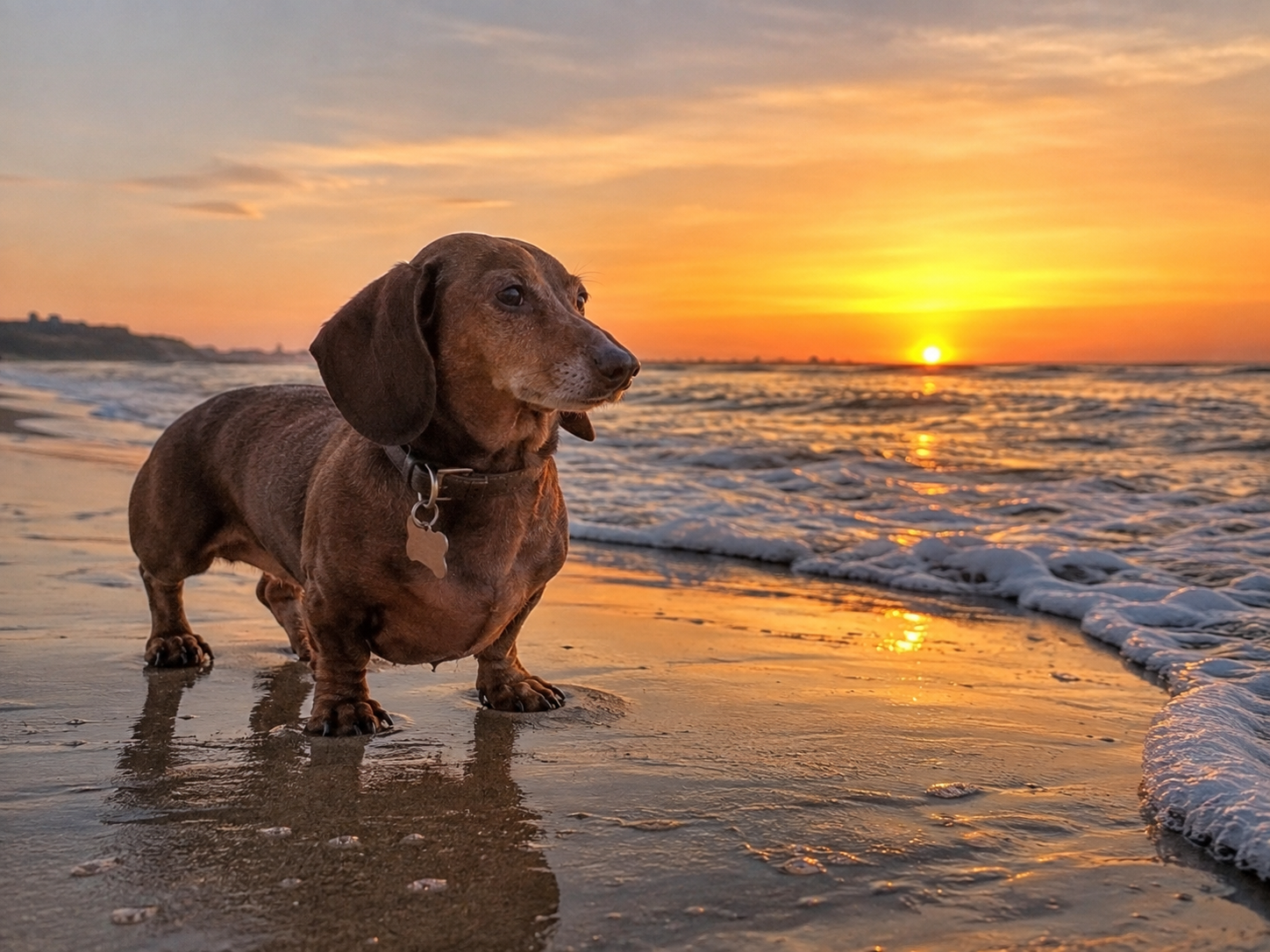
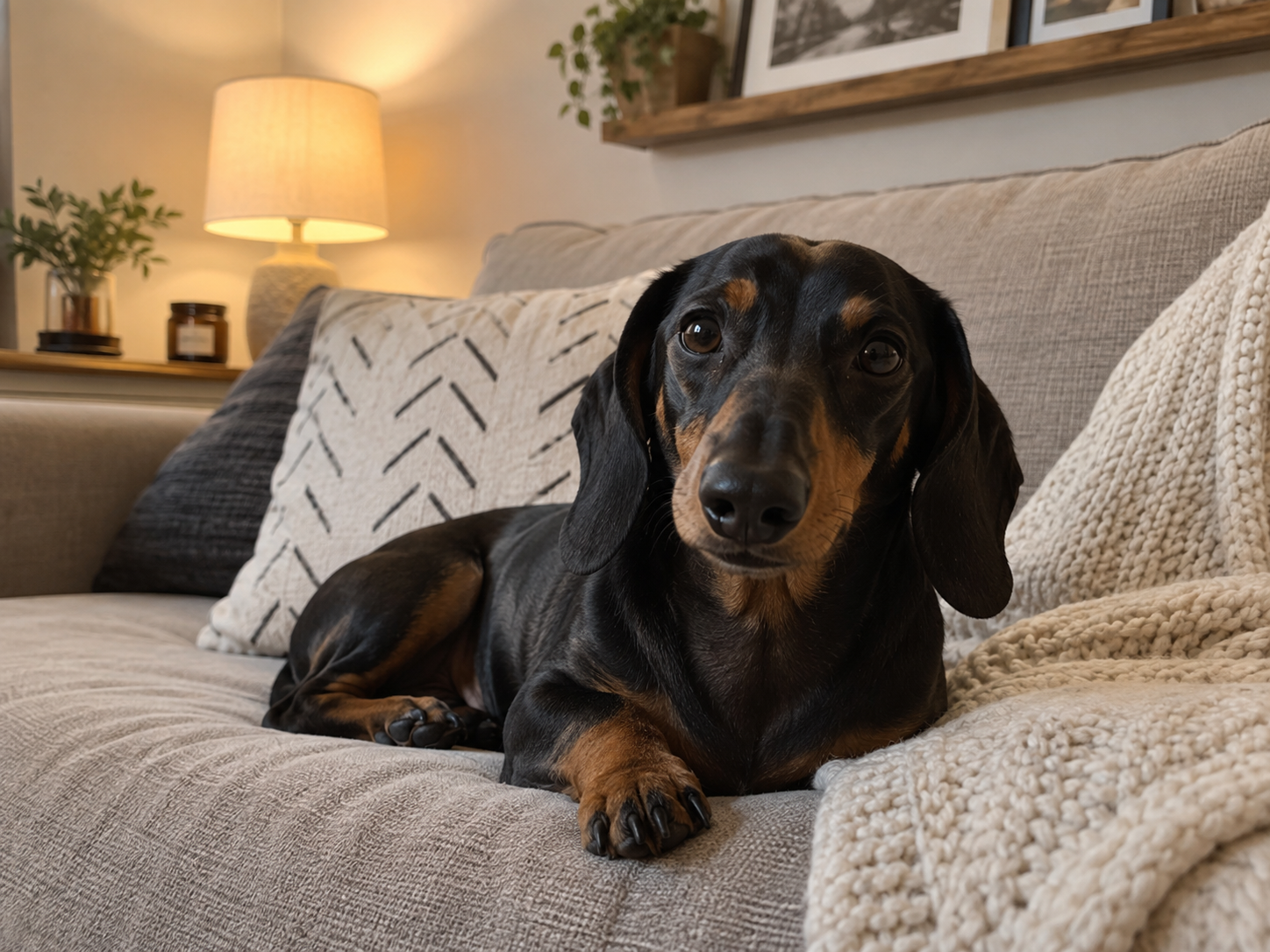
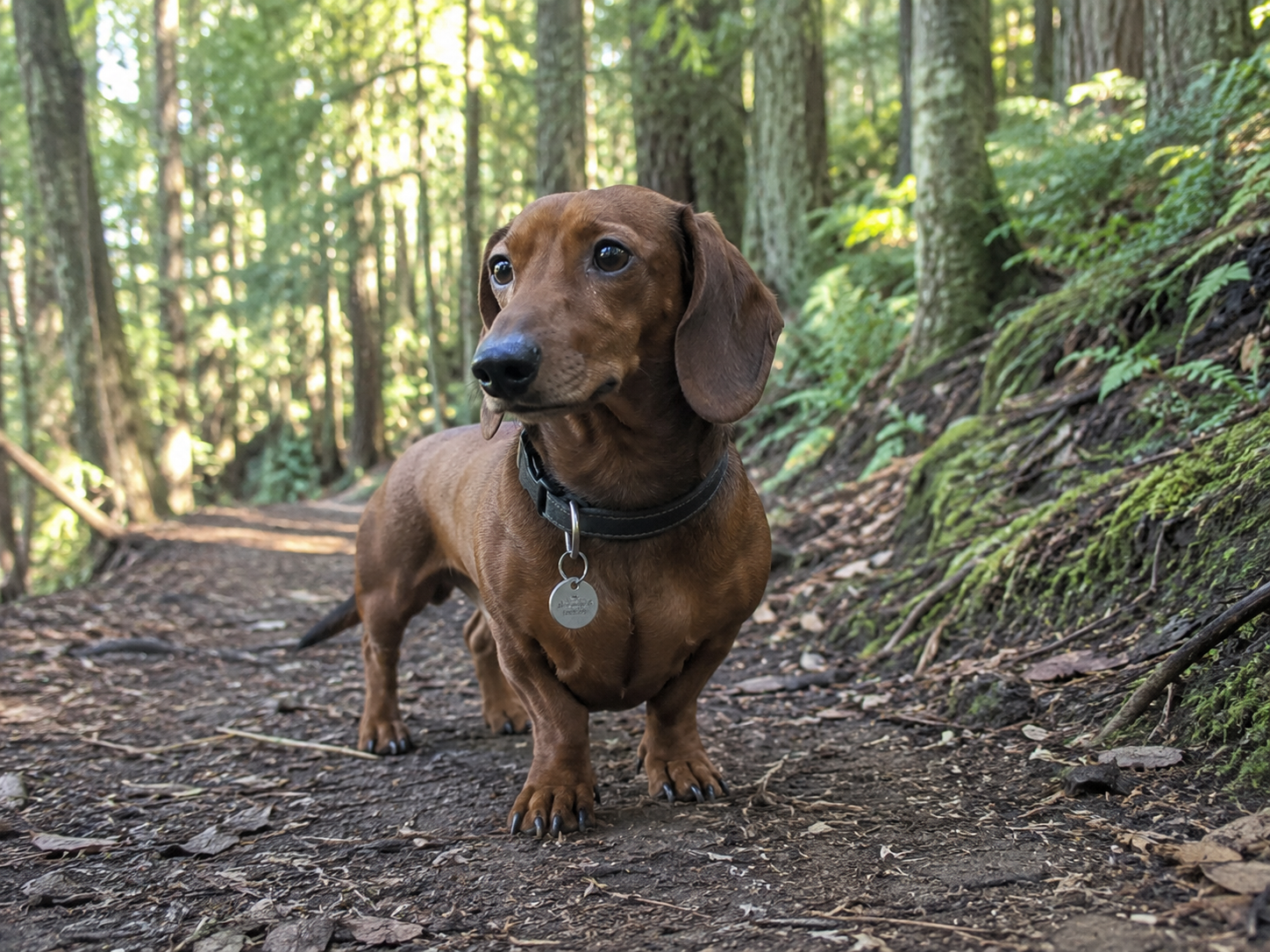
The Dachshund is instantly recognisable for its long body and short legs, a structure deliberately developed for underground hunting. The Standard variety typically weighs between 7 and 14.5 kg, while the Miniature weighs up to 5 kg. Despite their small stature, both sizes are muscular and solid rather than delicate.
The chest is deep and well-developed, providing lung capacity for stamina. The forelegs are strong and slightly outward-set, giving the dog stability when digging. A level topline and firm loin are essential, as structural balance supports long-term spinal health.
Head and Facial Features
The head is elongated and tapers gently toward the nose, reflecting the breed’s scent hound heritage. Eyes are medium-sized and oval, with a keen and intelligent expression. Darker eye colours are generally preferred, although coat genetics can influence eye shade.
Ears are long, rounded, and set high, hanging close to the cheeks. These drop ears historically helped protect the ear canal from debris while hunting underground. The overall expression should convey alertness and confidence.
Coat and Colours
The Dachshund comes in three recognised coat types: Smooth, Long-haired, and Wire-haired. Smooth coats are short and glossy, requiring minimal maintenance. Long-haired varieties have soft feathering on the ears, chest, and tail. Wire-haired Dachshunds have a coarse outer coat with a softer undercoat and distinctive facial furnishings.
Common colours include red, black and tan, chocolate and tan, cream, and various dapple or brindle patterns. Prospective owners should avoid double dapple breeding, as it is associated with serious health risks including vision and hearing impairment.
Movement and Balance
Movement should be smooth and purposeful, with good reach in the front and strong drive from the hindquarters. The Dachshund’s gait reflects its working background and should never appear clumsy or unstable.
Although compact, the breed must move with coordination and balance. Proper structure is essential, as exaggerated proportions can increase the risk of spinal problems later in life.
Dachshund Temperament: Personality, Loyalty, and Behaviour Traits
Core Temperament Traits
The Dachshund is bold, curious, and often surprisingly fearless for its size. Originally bred to confront burrowing prey, the breed retains a strong sense of determination and persistence. This confidence can sometimes appear as stubbornness, especially when the dog is focused on a scent or distraction.
Despite their compact build, Dachshunds often behave as if they are much larger dogs. They are alert, vocal, and quick to respond to unfamiliar sounds, making them effective watchdogs. Owners should expect a confident personality rather than a timid companion.
Loyalty and Bonding
Dachshunds form strong attachments to their primary caregivers. Many prefer to stay close to their owners throughout the day and enjoy physical closeness such as sitting beside or on laps. Their affectionate nature makes them deeply devoted companions in stable households.
This strong bond also means some Dachshunds may struggle with extended periods alone. Without proper routine and enrichment, separation-related behaviours can develop, and knowing what separation anxiety looks like in practice helps you act before the habit sets. Early independence training helps promote emotional balance.
Behaviour With Strangers
The breed can be cautious around unfamiliar people. Some individuals are reserved, while others respond with vocal alertness. Early socialisation plays a significant role in shaping confident, well-adjusted adult dogs.
While protective instincts can be positive, overprotectiveness may lead to excessive barking if not managed through training. Structured exposure to new environments reduces suspicion and improves adaptability.
Owner Considerations
Prospective owners should understand that the Dachshund is not naturally compliant. Its independent thinking requires consistency, patience, and calm leadership. Harsh training methods are ineffective and may damage trust.
Households that provide structure, routine, and mental stimulation tend to see the best expression of the breed’s personality. When properly guided, the Dachshund is loyal, entertaining, and full of character.
Dachshund Intelligence and Trainability: How the Breed Learns
How the Dachshund Thinks
The Dachshund is an intelligent scent hound with a problem-solving mind. It was bred to work independently underground, often beyond the direct control of its handler. As a result, the breed tends to assess situations and make decisions rather than automatically seek instruction.
This independent thinking does not indicate a lack of intelligence. Instead, it reflects a dog that was developed to act with confidence and persistence. Owners must understand that a Dachshund may understand a command clearly yet choose to ignore it if something more interesting captures its attention.
Training Style That Works
Reward-based training is essential for this breed. Positive reinforcement using food rewards, praise, and short, structured sessions produces better results than repetitive drilling. Dachshunds respond well to consistency and clarity rather than force.
Training should remain engaging and varied to maintain focus. Harsh corrections or raised voices often result in withdrawal or resistance. Calm leadership and clear expectations encourage cooperation.
Importance of Early Training
Early socialisation and obedience work are critical, and the age at which training should begin matters more in a breed this independent. Exposure to different environments, people, and controlled dog interactions builds confidence and reduces defensive behaviour. Basic commands such as recall, stay, and quiet are particularly important due to the breed’s prey drive and vocal tendencies.
Establishing boundaries during puppyhood prevents the development of undesirable habits. Consistency across all family members ensures the dog understands expectations clearly.
Common Training Challenges
Stubbornness is one of the most frequently reported challenges with the Dachshund. Selective hearing can occur when the dog becomes scent-focused. Patience is necessary, especially during recall training.
Another challenge involves barking, as the breed is naturally alert and vocal. Training should focus on teaching a controlled response rather than attempting to eliminate vocal behaviour entirely. With structure and persistence, most Dachshunds become reliable household companions.
Dachshund Family Life: Children, Other Pets, and Household Dynamics
Suitability for Family Homes
The Dachshund can thrive in family homes that provide structure, supervision, and consistent boundaries. While small in size, the breed is confident and spirited, which means it does not tolerate rough handling. Homes that understand the breed’s physical limitations and strong personality tend to see the best outcomes.
Apartment living is possible provided daily exercise and mental stimulation are prioritised. Secure fencing is essential in houses with gardens, as the breed’s digging instinct and prey drive can lead to escape attempts.
Children by Age Group
Dachshunds generally do best in households with older, dog-aware children. Toddlers and very young children may unintentionally handle the dog roughly, which increases the risk of spinal injury. Supervision is non-negotiable, particularly during play.
School-aged children can build positive relationships with a Dachshund when taught respectful interaction. Teenagers are typically well suited to participate in training, structured walks, and enrichment activities.
Other Dogs
The breed’s behaviour toward other dogs can vary. Early and ongoing socialisation increases the likelihood of balanced interactions. Some Dachshunds are confident and may challenge larger dogs despite their size.
Multi-dog households can work successfully when introductions are managed carefully. Structured boundaries and supervised interactions help prevent possessiveness or guarding behaviours.
Smaller Pets
Due to a strong prey drive, Dachshunds may not be suitable for homes with small animals such as rabbits, guinea pigs, or free-roaming birds. Their instinct to chase remains deeply embedded from their hunting origins.
Households with cats may experience mixed outcomes depending on the individual dog and early exposure. Careful supervision and gradual introductions are essential when integrating the breed into a multi-pet home.
Household Structure and Supervision
Routine plays a significant role in maintaining balanced behaviour. Predictable feeding times, walks, and rest periods reduce anxiety and reinforce expectations. A calm, structured environment suits the breed best.
Owners must also commit to physical safety measures such as preventing access to stairs and discouraging jumping. Managing the household environment is part of responsible Dachshund ownership.
Dachshund Health: Lifespan, Common Conditions, and Preventive Care
Typical Lifespan
The Dachshund is generally a long-lived breed, with an average lifespan of 12 to 16 years when properly cared for. Many individuals reach their mid-teens with attentive weight management, appropriate exercise, and preventive veterinary care. Longevity is strongly influenced by spinal health and responsible breeding practices.
Breed-Specific Health Conditions
While often robust in personality, the Dachshund is predisposed to several inherited and structural conditions. Prospective owners must understand these risks before committing to the breed.
- Intervertebral Disc Disease (IVDD): A serious spinal condition affecting up to a quarter of the breed. Can cause pain, mobility loss, or paralysis.
- Patella Luxation: Kneecap displacement that may cause intermittent lameness.
- Obesity: Excess weight significantly increases spinal strain and health complications.
- Dental Disease: Small breeds are prone to tartar build-up and gum infection.
- Progressive Retinal Atrophy (PRA): Genetic eye condition leading to vision loss.
- Epilepsy: Seizure disorder that may require lifelong management.
- Deafness in Double Dapple Dogs: Associated with irresponsible breeding practices.
Health Testing and Responsible Breeding
Ethical breeders should provide documentation of spinal screening for IVDD risk and DNA testing for PRA. Eye examinations and patella evaluations are also recommended. Avoid purchasing from breeders who pair two dapple-patterned dogs, as this increases the likelihood of severe congenital defects.
Responsible breeding reduces the incidence of inherited disease, but it does not eliminate risk entirely. Buyers should request veterinary records and verify health testing claims, and there are specific questions worth putting to a breeder before any money changes hands.
Preventive Care and Insurance Guidance
Preventive veterinary visits at least once annually are essential, and how often a dog should be seen for a check shifts as the dog ages. Weight monitoring, dental cleaning, parasite prevention, and vaccination schedules should be maintained consistently. Maintaining strong core muscle tone through controlled exercise helps support spinal integrity.
Given the potential cost of spinal surgery or long-term management of chronic conditions, comprehensive pet insurance is strongly advisable, and it is worth understanding how cover works alongside routine care costs before a problem appears. Financial preparation forms an important part of responsible Dachshund ownership.
Caring for a Dachshund: Daily Routine, Home Setup, and Life-Stage Needs
Daily Routine
The Dachshund benefits from a predictable daily structure. Two controlled walks combined with short enrichment sessions help maintain muscle tone and mental balance. Consistency in feeding times, rest periods, and training sessions reduces behavioural issues and supports emotional stability.
Mental stimulation is as important as physical exercise. Puzzle toys, scent games, and short obedience drills prevent boredom and reduce excessive barking or digging behaviours.
Home Environment
The home must be adapted to protect the breed’s spine. Access to stairs should be restricted or supervised, and jumping on or off furniture should be discouraged. Installing ramps or pet steps reduces unnecessary strain.
Secure fencing is essential due to the breed’s prey drive and digging instinct. Gaps under fences should be reinforced, as Dachshunds are capable of persistent excavation.
Weather Sensitivity
Although adaptable to Australian climates, Dachshunds can be sensitive to extremes. In hot weather, exercise should be scheduled during cooler parts of the day to prevent overheating, and it helps to know the temperatures at which exercise becomes unsafe. In colder regions, their low body clearance may expose them to chill, and some individuals benefit from protective clothing.
Hydration and shaded resting areas are essential during summer. Smooth-coated varieties may require extra warmth in cooler months.
Life-Stage Care
Puppies require controlled activity to protect developing joints and discs. High-impact play and rough handling must be avoided. Early socialisation and structured training establish healthy habits.
Adult Dachshunds need balanced exercise and weight management to maintain spinal strength. Senior dogs may require reduced exercise intensity and more frequent health checks to monitor mobility and comfort.
Attentive, structured care throughout each life stage significantly improves long-term wellbeing for this breed.
Dachshund Grooming: Coat Care, Skin Health, and Maintenance
Coat Care
The grooming needs of a Dachshund depend largely on coat type. Smooth-coated varieties are the lowest maintenance and typically require brushing once a week to remove loose hair and maintain shine. Long-haired Dachshunds require more frequent brushing, often several times per week, to prevent tangles and matting.
Wire-haired Dachshunds benefit from regular brushing and occasional hand-stripping to maintain coat texture. Routine grooming not only preserves coat condition but also provides an opportunity to check for skin issues or parasites.
Skin, Ears, and Nails
Healthy skin should be clean and free from redness or irritation. Bathing every few months is usually sufficient unless the dog becomes heavily soiled. Overbathing can dry the skin and compromise coat quality.
The breed’s long, drop ears can trap moisture and debris, increasing the risk of infection. Owners should inspect ears regularly and clean them as advised by a veterinarian. Nails should be trimmed every few weeks to prevent discomfort and altered gait.
Bathing Frequency
Dachshunds are generally clean dogs and do not require frequent bathing. A gentle dog-specific shampoo is recommended when needed. Excessive bathing may strip natural oils from the coat.
After outdoor activities, particularly in muddy or sandy environments, a simple wipe-down may be sufficient. Maintaining coat cleanliness contributes to overall skin health.
Owner Handling Expectations
Early exposure to grooming routines helps the Dachshund remain cooperative throughout life. Gentle handling of paws, ears, and mouth during puppyhood makes future maintenance easier.
Owners should approach grooming calmly and consistently. Regular maintenance prevents small issues from becoming more significant health concerns.
Dachshund Exercise: Safe Activity Levels and Mental Stimulation
Daily Exercise Needs
The Dachshund requires consistent daily exercise to maintain muscle tone and protect spinal health. Most adults benefit from around 45 to 60 minutes of controlled activity per day, divided into two walks. The goal is steady movement rather than high-impact exertion.
Strong core muscles help support the long spine, reducing strain on the intervertebral discs. Exercise should be structured and supervised rather than chaotic or excessively rough.
Suitable Activities
Low-impact activities are ideal for this breed. Appropriate exercise options include:
- Structured lead walks on even surfaces
- Scent work and nose games
- Earthdog-style tunnel enrichment
- Puzzle toys and problem-solving games
- Gentle fetch on flat ground
These activities engage both mind and body without placing unnecessary stress on joints and discs.
Puppy, Adult, and Senior Exercise
Puppies require short, controlled sessions to protect developing joints. Forced running, stair climbing, and jumping must be avoided. Exercise should focus on gentle exploration and basic training.
Adults benefit from consistent routine and moderate intensity. Seniors may require shorter walks and softer surfaces to protect ageing joints. Adjustments should be based on veterinary guidance and mobility changes.
Safety and Climate Considerations
Jumping on and off furniture should be discouraged, as repeated impact increases the risk of Intervertebral Disc Disease (IVDD). Stairs should be managed carefully or restricted.
In warmer Australian climates, exercise should take place during cooler morning or evening hours. In colder regions, smooth-coated Dachshunds may require additional protection against low temperatures. Maintaining safe, consistent exercise routines supports long-term health.
Dachshund Feeding Guide: Nutrition, Weight Control and Portion Management
Caloric Needs by Size and Life Stage
The Dachshund has specific nutritional needs due to its long back and relatively small frame. Calorie intake must match size, age, and activity level. Miniatures generally require fewer calories than standards, and puppies require energy-dense diets formulated for growth.
Overfeeding is a significant risk in this breed. Excess body weight places additional strain on the spine and increases the likelihood of disc injury.
Choosing the Right Diet
A high-quality, balanced commercial dog food formulated for small or medium breeds is usually appropriate. Key nutritional priorities include:
- Moderate protein levels to support muscle tone
- Controlled fat content to prevent weight gain
- Adequate calcium and phosphorus balance for skeletal health
- Omega fatty acids for coat and skin support
Home-prepared diets should only be used under veterinary supervision to ensure nutritional completeness.
Weight Management and Portion Control
Maintaining a lean body condition is critical for spinal protection. Ribs should be easily felt but not visibly protruding. Waist definition should be visible from above.
Treats should be limited and accounted for within daily calorie intake. Table scraps, particularly fatty foods and cooked bones, should be avoided. Even small amounts of excess weight can significantly increase pressure on the vertebral column.
Feeding Routine and Practical Tips
Most adult Dachshunds do well on two measured meals per day. Free feeding is not recommended due to the breed’s tendency to overeat.
Food should always be stored securely, as Dachshunds possess a strong sense of smell and opportunistic feeding behaviour. Consistent portion measurement and regular weight checks are essential for long-term health management.
Dachshund Price in Australia: Purchase Cost and Ongoing Expenses
How Much Does a Dachshund Puppy Cost?
In Australia, the price of a Dachshund puppy varies depending on size, coat type, pedigree, and breeder reputation. As a general guide:
- Standard Dachshund: $2,500 to $4,500 AUD
- Miniature Dachshund: $3,000 to $6,000+ AUD
Long-haired and rare colour patterns may attract higher prices. Puppies from health-tested parents and registered breeders typically sit at the upper end of the range.
Lower prices may indicate a lack of health screening, poor breeding practices, or unregistered litters.
Initial Setup Costs
Beyond the purchase price, new owners should budget for:
- Microchipping and registration
- Vaccinations and health checks
- Desexing
- Crate, bedding, harness, and lead
- Food and grooming supplies
Initial setup commonly ranges from $800 to $1,500 AUD.
Ongoing Annual Expenses
Annual costs depend on lifestyle and healthcare needs but may include:
- Quality dog food
- Routine vet visits and vaccinations
- Pet insurance
- Grooming, especially for long-haired and wire-haired varieties
- Preventative treatments for parasites
Expect to spend approximately $1,500 to $3,000 AUD per year.
The Cost of Health Risks
Due to their predisposition to intervertebral disc disease (IVDD) and other hereditary concerns, unexpected veterinary expenses can be significant. Spinal surgery can cost several thousand dollars.
For this reason, purchasing from a responsible breeder who screens for spinal health and maintains genetic diversity is not optional, it is essential.
Buying a Dachshund in Australia: Choosing a Responsible Breeder or Seller
Why Responsible Breeding Matters
Because Dachshunds are prone to spinal disorders and hereditary conditions, choosing the right breeder directly impacts your puppy’s long-term health. A responsible breeder prioritises structure, genetic diversity, temperament stability, and proper early development.
Avoid sellers who cannot provide health documentation, refuse visits, or offer unusually low prices.
Health Tests and Screening to Ask For
Before committing to a Dachshund puppy, request evidence of:
- IVDD screening or spinal assessment history
- Patella evaluation
- Cardiac examination
- Eye testing results
- Inbreeding coefficient information
Breeders should openly discuss health history and provide veterinary documentation.
Questions to Ask a Dachshund Breeder
A reputable breeder will welcome questions such as:
- How do you minimise IVDD risk in your lines?
- Can I meet the puppy’s parents?
- How are puppies socialised before going home?
- What support do you provide after purchase?
Transparent answers are a strong indicator of ethical breeding.
Warning Signs of Poor Breeding Practices
Be cautious if you notice:
- Multiple litters available year-round
- No health guarantees or contracts
- Puppies sold before 8 weeks
- Reluctance to show living conditions
- Claims that double dapple breeding is “rare and premium”
Dachshunds should never be bred dapple to dapple due to serious health risks.
Adoption and Rescue Options
If you are open to rehoming, Dachshund rescue groups operate across Australia. Adoption fees are typically lower than breeder prices and may include desexing and vaccinations.
Rescue can be a rewarding option for experienced owners prepared to support an adult dog’s adjustment.
Choosing carefully protects not only your investment but also the welfare of the breed.
Is the Dachshund the Right Dog for You? Honest Owner Considerations
Dachshunds are affectionate, clever, and full of personality, but they are not low-maintenance dogs. Their strong prey drive, vocal nature, and stubborn streak require patient, consistent handling. Most importantly, their long spine demands careful management to prevent injury throughout their life.
Prospective owners must be realistic about daily commitment.
Dachshunds suit individuals or families who can provide structured exercise, short but consistent training sessions, and mental stimulation. They bond closely with their people and do not enjoy being left alone for long periods. Homes where someone is present for much of the day tend to suit them best.
Living spaces do not need to be large, but they must be safe.
Apartments and smaller homes are perfectly suitable if daily walks and enrichment are provided. However, homes with multiple staircases require caution, and furniture access should be controlled using ramps. Preventing repetitive jumping is not optional with this breed.
Family dynamics also matter.
With respectful, older children who understand gentle handling, Dachshunds can be loving companions. Their bold temperament means supervision around young children is essential. Their instinct to chase may also make them unsuitable for homes with small pets unless carefully managed from puppyhood.
Choosing a Dachshund should never be based solely on their adorable appearance. When matched with the right household, they offer loyalty, humour, and companionship for well over a decade. When mismatched, their stubbornness and health vulnerabilities can become overwhelming.
Frequently Asked Questions
Related Breeds
Other hound breeds on Pups4Sale.
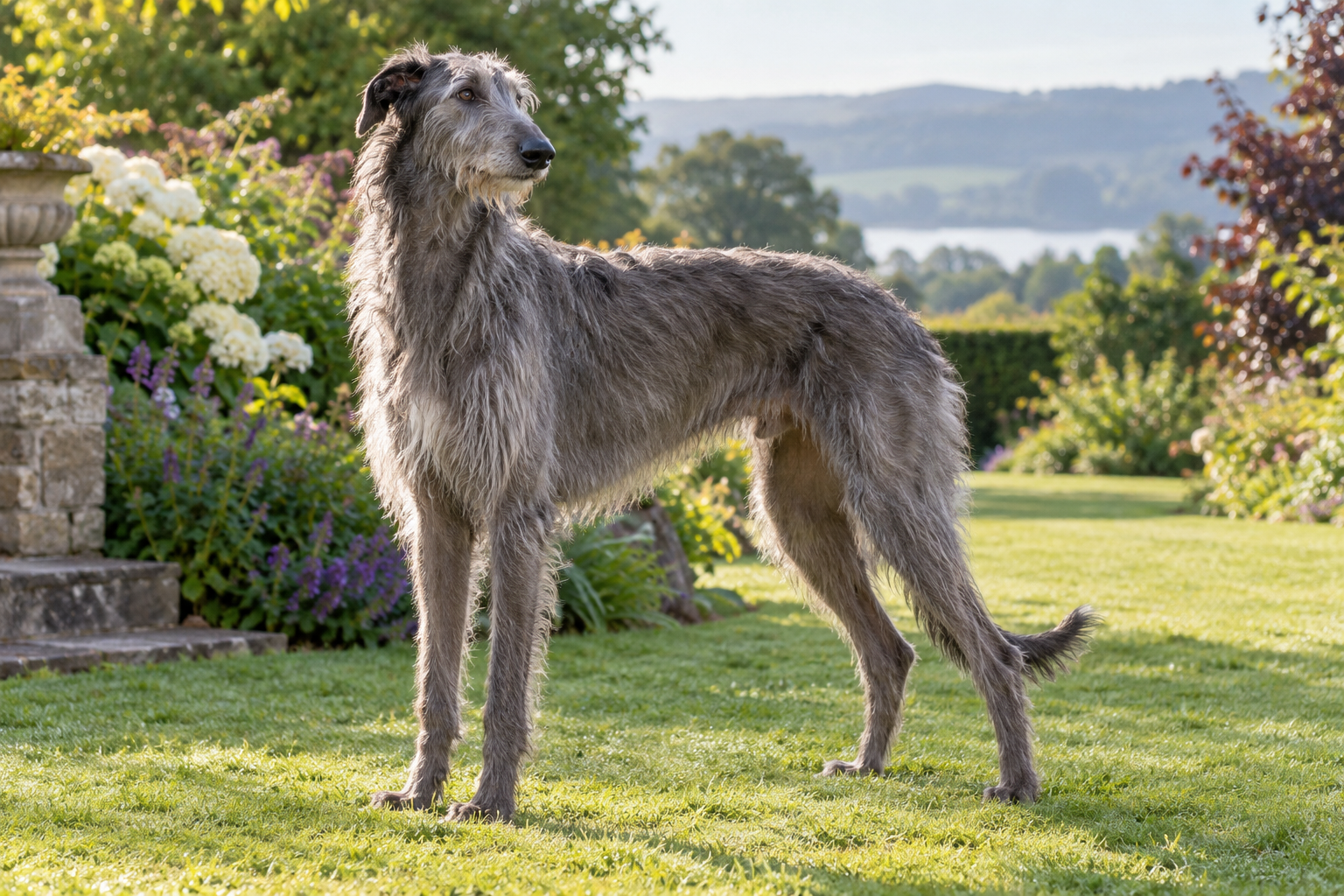 DeerhoundGiant • Hounds (Group 4)
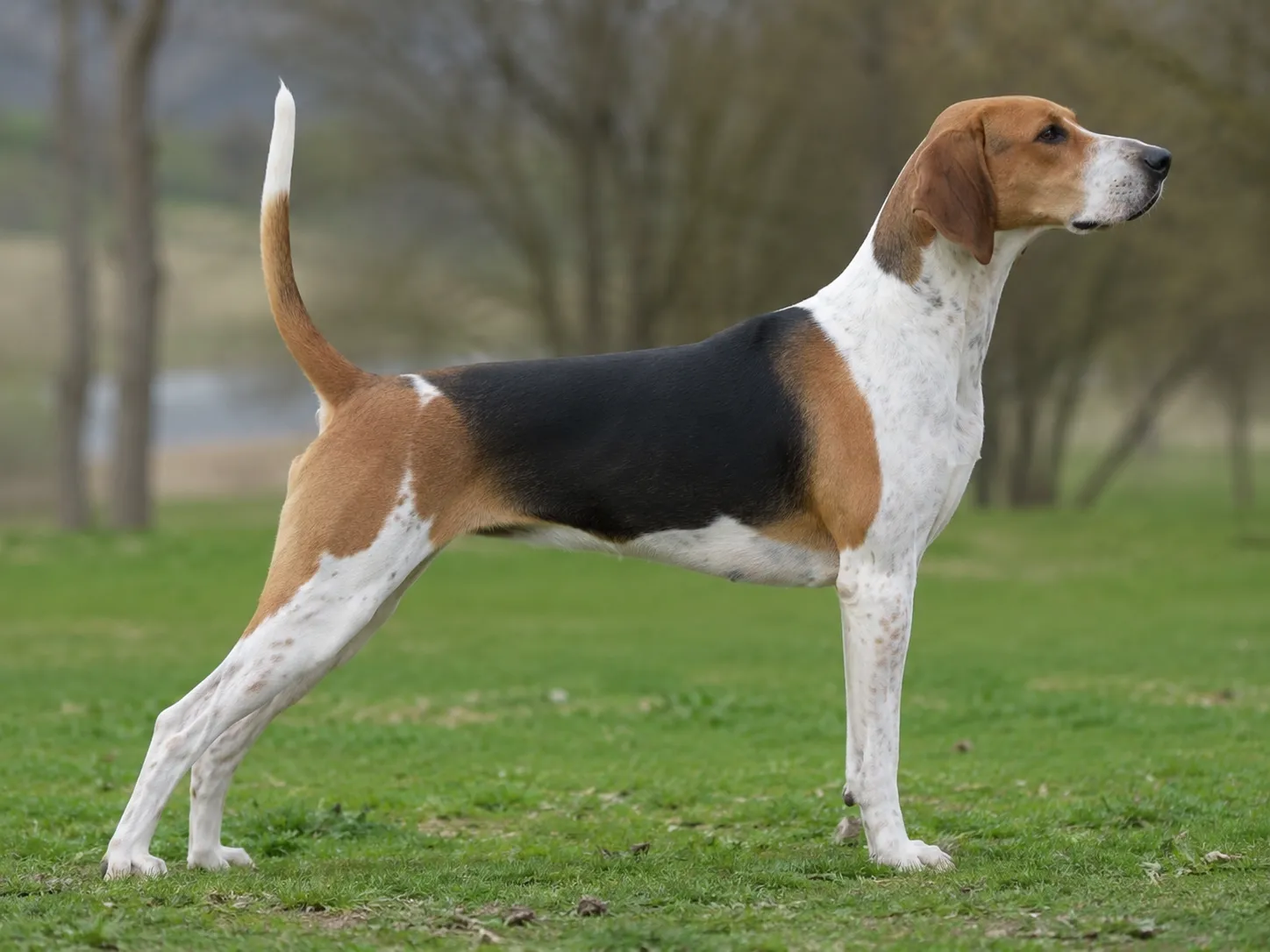 English FoxhoundLarge • Hound
 Irish WolfhoundGiant • Hounds
 Rhodesian RidgebackLarge • Hounds
 SloughiLarge • Hounds (Group 4)
 WhippetMedium • Hound