

Maltese
By James C. • Updated
The Maltese is a small, affectionate, and elegant companion breed with a long history dating back thousands of years. Known for its silky white coat and friendly personality, the Maltese thrives on human companionship and adapts well to apartments, smaller homes, and family living. They are intelligent, playful, and generally easy to manage, making them popular with first-time dog owners.
Breed Overview
Life Span
12 - 15 years
Average Price
AUD 2000 - AUD 4500
Weight
Male: 3 - 4 kg Female: 2.5 - 3.5 kg
Height
Male: 20 - 25 cm Female: 20 - 23 cm
Life Expectancy
Male/Female: 12 - 15 years
Breed Group
Toy
Nicknames
Maltese, Maltese Dog
Breed Information
The Maltese dog is a small companion breed known for its elegant appearance, affectionate temperament, and long history as a devoted household pet. Recognised for its long, flowing white coat and gentle personality, the Maltese has been a popular companion dog for centuries.
Despite its delicate look, the Maltese is an alert and lively breed. These dogs form strong bonds with their owners and often prefer to stay close to their family members throughout the day. Their friendly and affectionate nature makes them particularly well suited to homes where they receive regular attention and companionship.
Because of their small size and adaptable temperament, Maltese dogs can live comfortably in a variety of environments, including apartments and smaller homes. They generally require moderate exercise, but they still benefit from daily walks and interactive play to maintain both physical and mental wellbeing.
The Maltese is best known as a companion dog, thriving in households where it can be part of daily life. With proper care, grooming, and training, this breed often becomes a loyal and affectionate member of the family for many years.
Characteristics of the Maltese Dog
| Trait | Rating | Star Rating | What This Means for Owners |
| Affection with Family | Very High | ⭐⭐⭐⭐⭐ | Maltese dogs strongly bond with their owners and enjoy constant companionship. They thrive in homes where they receive regular attention and interaction. |
| Good with Children | Moderate | ⭐⭐⭐ | They can live well with respectful children, but due to their small size they are better suited to homes with gentle handling and supervision. |
| Good with Other Pets | High | ⭐⭐⭐⭐ | Maltese dogs usually adapt well to living with other pets when properly introduced and socialised early. |
| Friendliness with Strangers | High | ⭐⭐⭐⭐ | While alert and aware of new people, most Maltese dogs warm up quickly and can be friendly with visitors. |
| Playfulness | High | ⭐⭐⭐⭐ | This breed enjoys games, short play sessions, and interactive toys despite its small size. |
| Energy Level | Moderate | ⭐⭐⭐ | Maltese dogs have moderate energy levels. Short walks and indoor play are usually enough to keep them satisfied. |
| Trainability | High | ⭐⭐⭐⭐ | Intelligent and eager to please, Maltese dogs respond well to consistent, positive training methods. |
| Intelligence | High | ⭐⭐⭐⭐ | They learn commands quickly and enjoy activities that challenge their minds. |
| Grooming Needs | Very High | ⭐⭐⭐⭐⭐ | Their long silky coat requires regular brushing and grooming to prevent matting. |
| Shedding Level | Very Low | ⭐⭐ | Maltese dogs shed very little, which is one reason they are often considered suitable for people who prefer low-shedding breeds. |
The Maltese dog is widely recognised for its affectionate personality and strong attachment to its owners, and that flowing white coat needs a committed long-coat grooming routine. This breed thrives on companionship and often prefers to stay close to its family members throughout the day. Because of this people-oriented nature, Maltese dogs tend to do best in homes where they receive regular interaction and attention.
Despite their small size, Maltese dogs are alert and lively. They often display a playful attitude and enjoy games or short bursts of activity. Their friendly and curious nature makes them enjoyable companions for many households.
Another defining trait of the breed is its distinctive long, silky white coat. While this coat sheds very little, it does require consistent grooming and care to keep it clean and free from tangles.
Overall, the Maltese combines affection, intelligence, and adaptability, which has helped maintain its popularity as a companion dog for centuries.
History of the Maltese Dog: An Ancient Companion Breed
The Maltese dog is one of the oldest companion breeds in the world, with a history that dates back more than two thousand years, and pale coats make tear stain prevention part of routine care. Historical records and artwork show small white dogs resembling the Maltese living around the Mediterranean region. The breed is most closely associated with the island of Malta, which is believed to have influenced its name.
Ancient civilisations highly valued the Maltese as a companion animal. Greek and Roman families often kept these small dogs as household pets, and they were sometimes associated with wealth and status. Historical writings from classical scholars even mention small white lap dogs that closely resemble the modern Maltese.
During the Roman Empire, the Maltese became especially popular among noble families. Their gentle temperament and elegant appearance made them favoured companions among aristocrats. The breed continued to spread across Europe through trade and travel, eventually becoming well known among royal courts.
In later centuries, the Maltese maintained its reputation as a companion dog among European nobility. Paintings from the Renaissance period frequently depict small white lap dogs beside wealthy owners, indicating their continued popularity.
Today, the Maltese remains widely recognised as a devoted companion breed. While it no longer serves the role of a status symbol among royalty, it continues to be loved for its affectionate nature, small size, and distinctive silky coat.
Appearance of the Maltese Dog
The Maltese dog is a small toy breed recognised for its elegant appearance and distinctive long white coat, and is often shortlisted alongside the Bichon Frise, another small white companion breed. The breed was developed primarily as a companion dog, and its physical features reflect refinement, balance, and grace rather than strength or working ability. Despite its delicate appearance, the Maltese carries itself with confidence and alertness.
Size and Build
Maltese dogs are compact and well proportioned. Their body is slightly longer than tall, giving them a balanced outline while still appearing light and graceful. The chest is moderately deep, the back is level, and the legs are straight and fine boned.
Adult Maltese dogs typically stand around 20–25 cm at the shoulder and usually weigh between 2.5–4 kg. Males may be slightly larger than females, but the difference is usually minimal because the breed is very small overall.
Coat and Colours
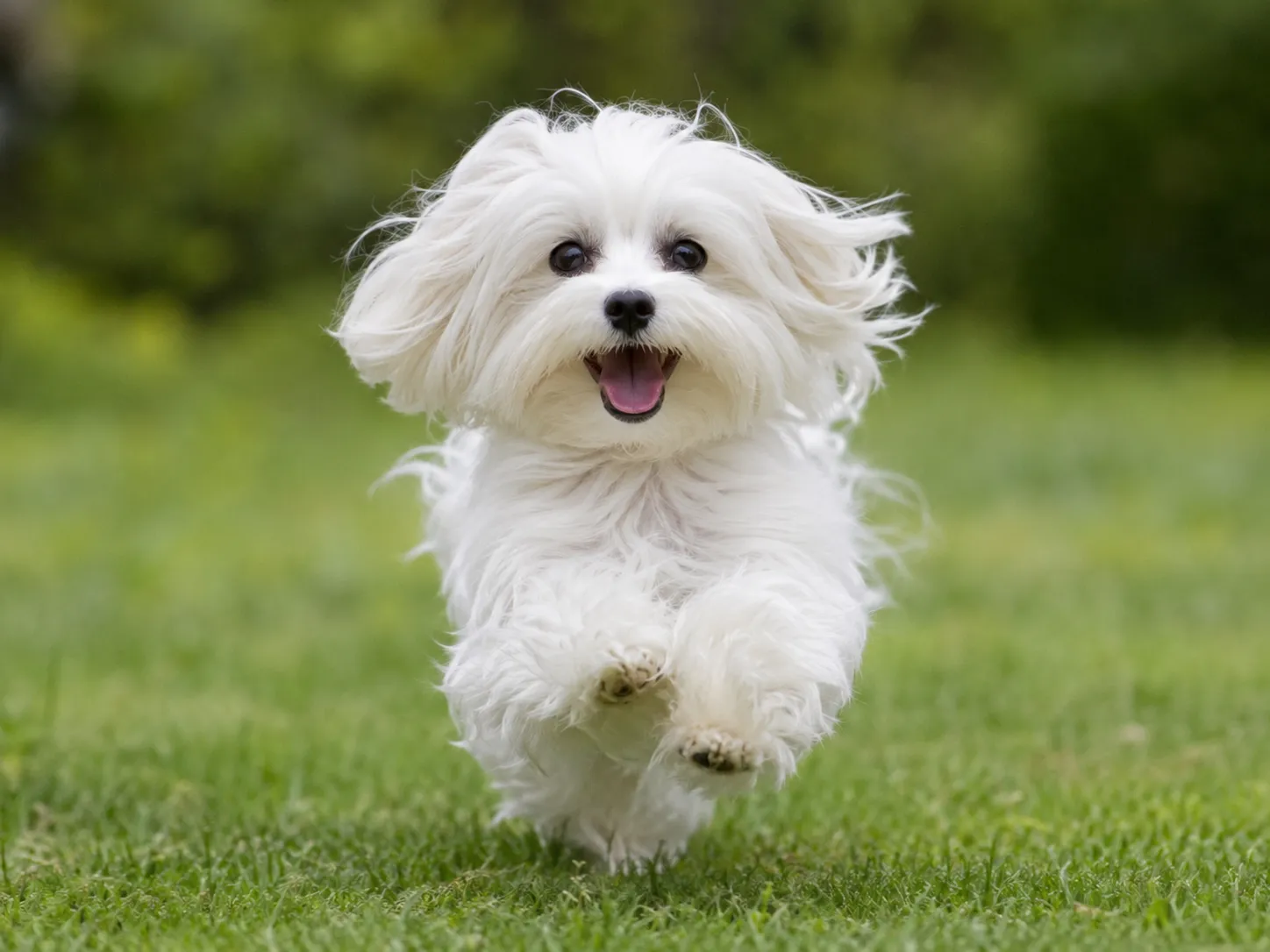
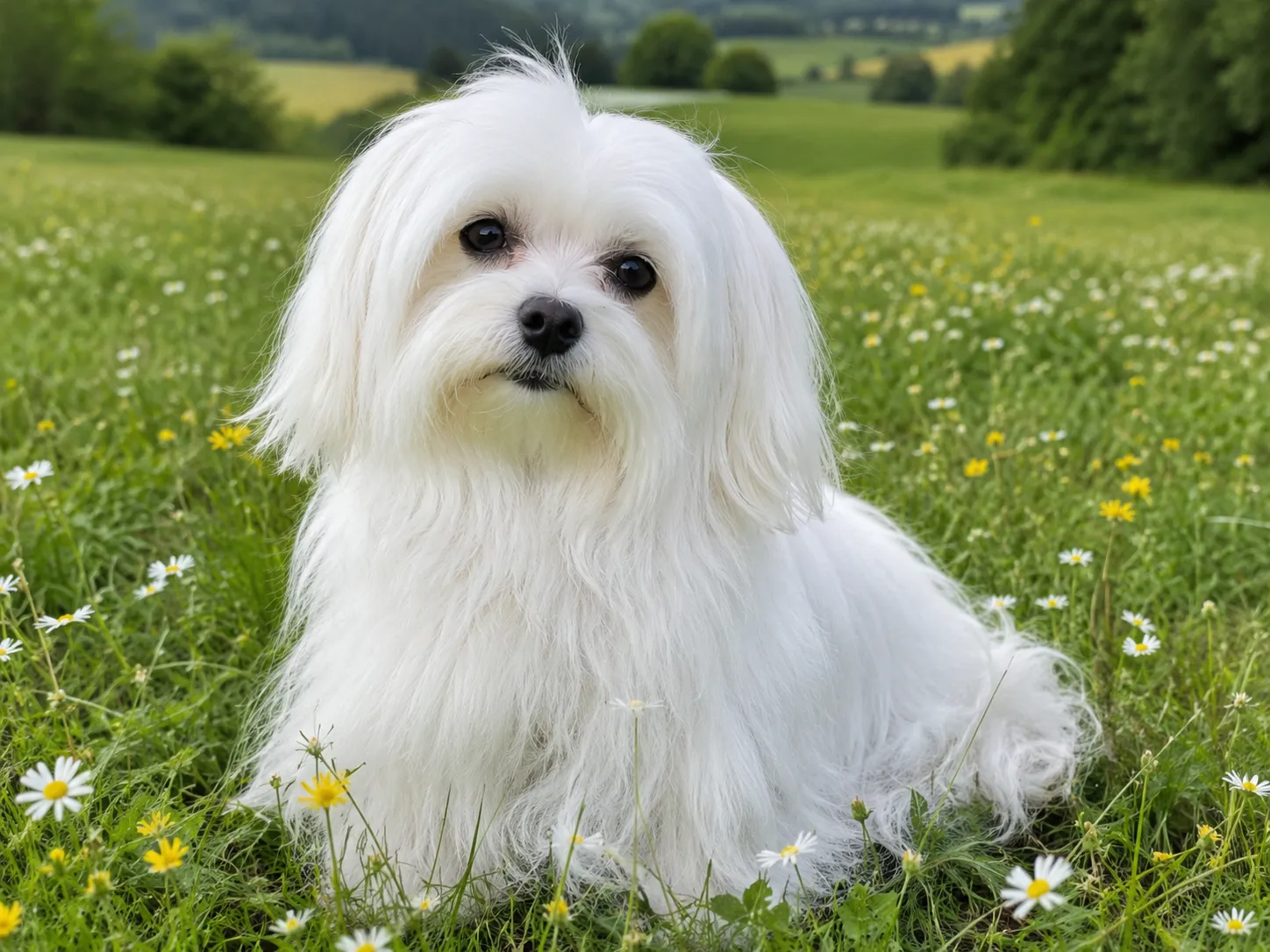
One of the most recognisable features of the Maltese is its long, silky white coat. The coat is straight and smooth, falling evenly along both sides of the body when fully grown. Unlike many other breeds, the Maltese has no heavy undercoat, which contributes to the breed’s low shedding.
The accepted coat colour for the Maltese is pure white, although very light ivory shading may occasionally appear on the ears. The coat’s silky texture and bright colour are key characteristics of the breed.
Eyes
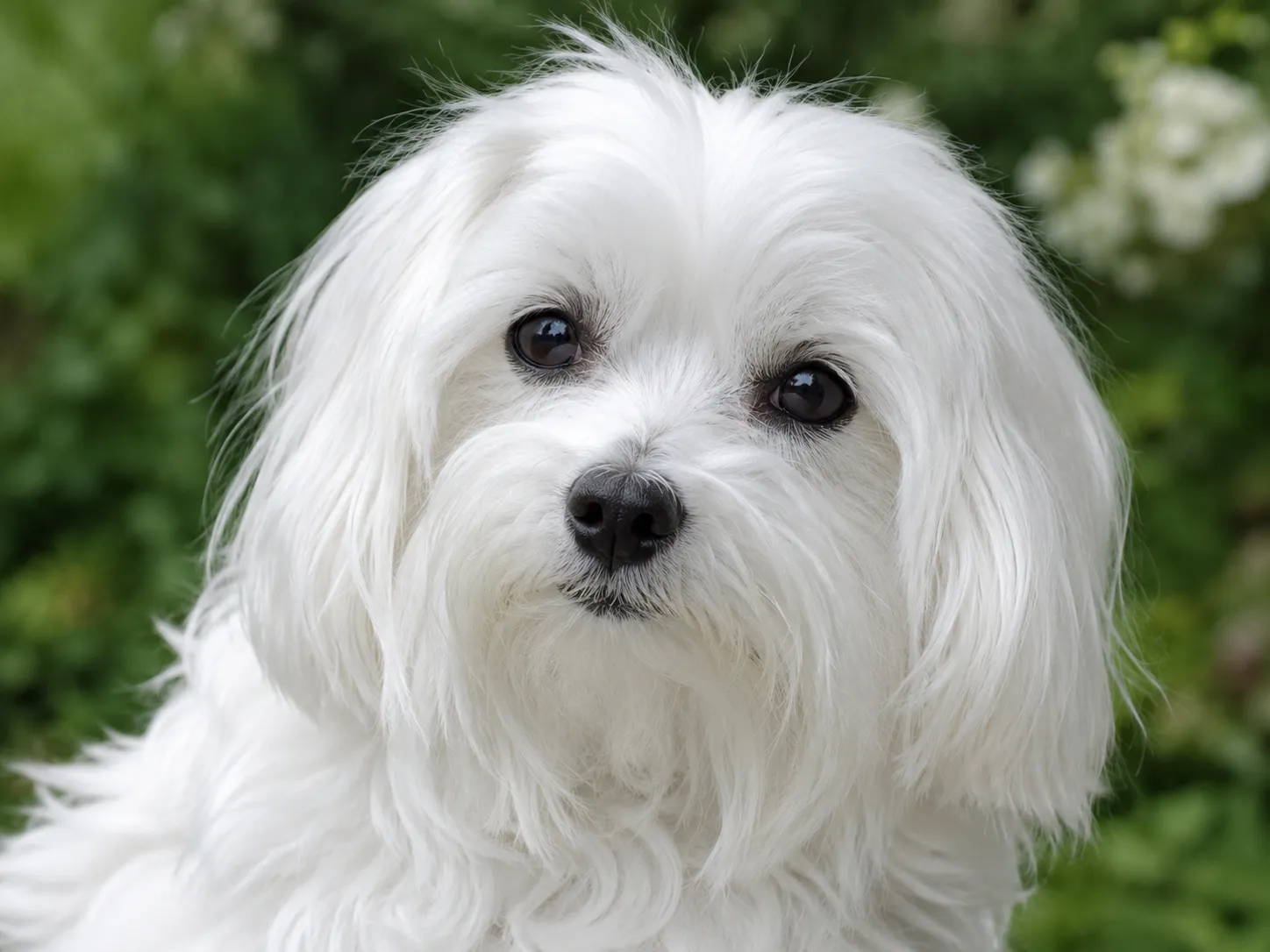
Maltese dogs have dark, round eyes that create an expressive and alert appearance. The eye colour is typically deep brown, which contrasts clearly with the white coat and adds to the breed’s distinctive facial expression.
The eye rims are usually dark, helping emphasise the bright and lively look that the breed is known for.
Distinctive Features
Several features make the Maltese easy to recognise:
- Long flowing coat that can reach the ground when fully grown
- Black nose and dark eye rims that contrast strongly with the white coat
- Drop ears covered in long hair that blend into the surrounding coat
- Tail carried gracefully over the back with feathering
These characteristics contribute to the breed’s elegant and refined appearance.
Gender Differences
Male Maltese dogs may appear slightly larger or more solid in build, while females often look a little more delicate. However, the difference between the sexes is generally subtle because the breed is small and lightly built overall.
Both males and females should display the same balanced structure, silky coat, and alert expression that define the Maltese breed.
Different Types of the Maltese Dog
Although the Maltese is recognised as a single breed, you may still hear people refer to different “types” of Maltese dogs. These variations usually relate to breeding preferences, size differences, or grooming styles rather than officially recognised breed categories. Regardless of type, all Maltese dogs should display the same core characteristics of a silky white coat, small size, and affectionate temperament.
Show Maltese
The show Maltese is bred according to kennel club conformation standards used in dog competitions. These dogs are carefully bred to match the physical characteristics expected for the breed, including proper coat texture, balanced structure, and correct size.
Show Maltese often have a long, flowing coat that reaches the ground, which is carefully maintained for presentation in dog shows. Breeders who focus on show lines usually prioritise coat quality, structure, and temperament.
Companion or Pet Maltese
Many Maltese dogs are bred primarily as companion pets rather than show dogs. These dogs usually share the same friendly temperament and appearance as show Maltese but may not meet the exact physical standards required for competitions.
Pet Maltese often have their coats trimmed into shorter styles, sometimes called a puppy cut, which makes grooming easier for everyday owners.
“Teacup” Maltese
Some sellers advertise extremely small Maltese dogs as “teacup Maltese.” It is important to understand that this is not an officially recognised type within the breed. Ethical breeders do not purposely breed extremely small dogs because very tiny sizes can sometimes be associated with health risks.
Prospective owners should focus on finding a healthy Maltese from a responsible breeder rather than selecting a dog based solely on unusually small size.
Mixed Lines
Some Maltese dogs may come from mixed breeding lines where different family lines have been combined over time. These dogs may vary slightly in coat density, body structure, or size, but they should still display the distinctive Maltese personality and appearance that define the breed.
Regardless of the variation, a true Maltese should always retain its gentle nature, elegant white coat, and strong companionship with its owners.
Temperament of the Maltese Dog
The Maltese dog is widely known for its affectionate and devoted personality, which can shade into separation anxiety when left alone. For centuries this breed has been kept primarily as a companion, and its temperament reflects that history. Maltese dogs tend to form strong bonds with their owners and often enjoy being close to their family members throughout the day.
Core Personality Traits
Maltese dogs are typically gentle, playful, and attentive. Despite their small size, they often display a confident attitude and a lively curiosity about their surroundings. Many Maltese dogs enjoy interactive play, short walks, and spending time relaxing near their owners.
Their affectionate nature means they often seek attention and companionship. This makes them particularly well suited to homes where they can receive regular interaction and involvement in daily activities.
Social Behaviour
Most Maltese dogs are friendly with people and enjoy meeting new visitors once they feel comfortable. They are naturally alert and may bark to signal unfamiliar sounds or strangers approaching the home. This alert behaviour often makes them attentive little watchdogs despite their small size.
Early socialisation is important for helping Maltese puppies grow into confident and well-adjusted adult dogs. Exposure to different environments, people, and experiences can help reduce nervousness and build positive behaviour.
Companion Instincts
The Maltese breed was developed primarily to be a close human companion. Because of this, many Maltese dogs prefer being near their owners and may not enjoy being left alone for long periods.
If they do not receive enough attention or mental stimulation, some Maltese dogs may develop behaviours such as excessive barking or clinginess. Providing regular interaction, playtime, and gentle training helps maintain a balanced temperament.
Behavioural Considerations
Although generally friendly and adaptable, Maltese dogs benefit from consistent training and routine. Their intelligence allows them to learn quickly, but they can sometimes develop stubborn habits if boundaries are not established early.
With proper socialisation, patient training, and regular companionship, the Maltese typically grows into a loyal, affectionate, and engaging companion dog.
Intelligence and Trainability of the Maltese Dog
The Maltese dog is considered an intelligent and responsive companion breed, though toy breeds often take longer through the toilet training stages. Although small in size, these dogs are capable of learning a wide range of commands and behaviours. Their strong attachment to their owners often makes them eager to cooperate during training, particularly when positive reinforcement methods are used.
Puppy Training Priorities
Early training is important for Maltese puppies because small breeds can sometimes develop unwanted habits if boundaries are not introduced early. Basic obedience commands such as sit, stay, come, and leash walking help establish good behaviour from a young age.
House training can occasionally take time with toy breeds, so consistency and patience are essential. Establishing a routine for feeding, toilet breaks, and sleep helps puppies learn expectations more quickly.
Training Methods That Work
Maltese dogs usually respond well to gentle and reward-based training techniques. Praise, treats, and toys can motivate them to repeat desired behaviours and stay engaged during training sessions.
Short, enjoyable training sessions often produce the best results. Because Maltese dogs enjoy interaction with their owners, they tend to stay focused when training feels like a positive experience.
Mental Stimulation
Although they are companion dogs, Maltese dogs still benefit from mental stimulation. Puzzle toys, training games, and learning new commands can help keep their minds active.
Regular mental challenges can also help prevent boredom-related behaviours such as excessive barking or attention-seeking habits.
Common Training Challenges
One challenge some owners face is allowing small dogs to develop behaviours that would not be tolerated in larger breeds. For example, jumping, excessive barking, or demanding attention can become habits if they are not addressed early.
Consistent training, clear household rules, and regular engagement usually help Maltese dogs grow into well-mannered and confident companions.
Maltese Dog With Children and Other Pets
The Maltese dog is generally known for its gentle and affectionate nature, which often allows it to live comfortably in family environments. As a companion breed, the Maltese tends to enjoy spending time with people and usually forms strong bonds with household members, and you can browse Maltese puppies listed in Australia. However, because of its small size, interactions with children and other pets should always be managed carefully.
Age-Specific Interactions With Children
Maltese dogs can be friendly and playful with children who understand how to interact gently with small dogs. Older children often adapt well to living with a Maltese because they can follow instructions about respectful handling.
Very young children should always be supervised when interacting with a Maltese. The breed’s small body makes it more vulnerable to accidental injury if a child handles the dog roughly or drops it while playing.
Teaching Children Proper Interaction
Teaching children how to behave around dogs helps create a safe environment for both the child and the pet. Children should avoid pulling the dog’s ears or tail, disturbing the dog while it is eating or sleeping, or attempting to carry the dog without supervision.
Encouraging calm play and gentle interaction helps the Maltese feel comfortable and secure within the household.
Living With Other Dogs
Many Maltese dogs live successfully with other dogs when introduced gradually. Early socialisation helps them develop confidence and appropriate behaviour when interacting with other animals.
Because Maltese dogs are small, they may feel intimidated by very large or highly energetic dogs. Supervised introductions and controlled play sessions can help build positive relationships.
Compatibility With Other Household Pets
The Maltese can often adapt to living with other household pets, including cats, especially when raised together from a young age. Their companion-focused temperament means they often prefer peaceful environments rather than highly competitive or aggressive animal interactions.
With proper introductions and guidance, many Maltese dogs learn to coexist comfortably with other pets while maintaining their close bond with their human family.
Health of the Maltese Dog
The Maltese dog is generally considered a healthy companion breed with a relatively long lifespan. However, like many purebred dogs, the breed can be prone to certain hereditary health conditions. Responsible breeding practices, routine veterinary care, and proper daily management play an important role in supporting the long-term health of a Maltese.
Breed-Specific Health Conditions
Some health issues appear more frequently in Maltese dogs than in other breeds. One of the most common concerns is patellar luxation, a condition where the kneecap moves out of its normal position and may cause discomfort or limping.
Dental problems can also affect the breed because small dogs often have crowded teeth. Without proper dental care, plaque buildup may lead to gum disease or tooth loss over time.
Another condition sometimes seen in Maltese dogs is tear staining, where dark marks appear beneath the eyes. While often cosmetic, it may occasionally be related to blocked tear ducts or irritation.
Genetic Testing and Responsible Breeding
Responsible breeders help reduce the risk of hereditary health issues by performing health screenings and genetic testing on breeding dogs. Common tests may include examinations for patellar health, eye conditions, and general veterinary health assessments.
Buyers who request documentation of these health checks help support responsible breeding practices and improve the likelihood of bringing home a healthy puppy.
Preventive Healthcare
Routine veterinary care is essential for maintaining the health of a Maltese throughout its life. Regular health checks, vaccinations, parasite prevention, and dental care all contribute to long-term wellbeing.
Because the Maltese is a small breed, maintaining a balanced diet and healthy weight is important. Even small weight gains can place unnecessary stress on joints and overall health.
Pet Insurance Considerations
Some owners choose to purchase pet insurance to help manage unexpected veterinary costs. Insurance can assist with expenses related to illness, injury, or specialised treatment that may arise during the dog’s lifetime.
With proper care, regular veterinary attention, and responsible breeding, many Maltese dogs live long and healthy lives, often reaching 12 to 15 years or more.
Caring for the Maltese Dog
Caring for a Maltese dog involves maintaining a balanced routine that supports both its physical health and emotional wellbeing. As a companion breed, the Maltese thrives when it receives regular attention, gentle training, and consistent daily care. Although small in size, this breed still benefits from structured routines and responsible ownership.
Daily Care Routine
A Maltese dog’s daily routine should include feeding, short exercise sessions, grooming maintenance, and time spent interacting with its owner. Most Maltese dogs benefit from daily walks and short play sessions, which help maintain physical health and prevent boredom.
Because the breed is highly people-oriented, regular interaction is important. Spending time playing, training, or simply relaxing together helps maintain the dog’s emotional wellbeing.
Living Environment Needs
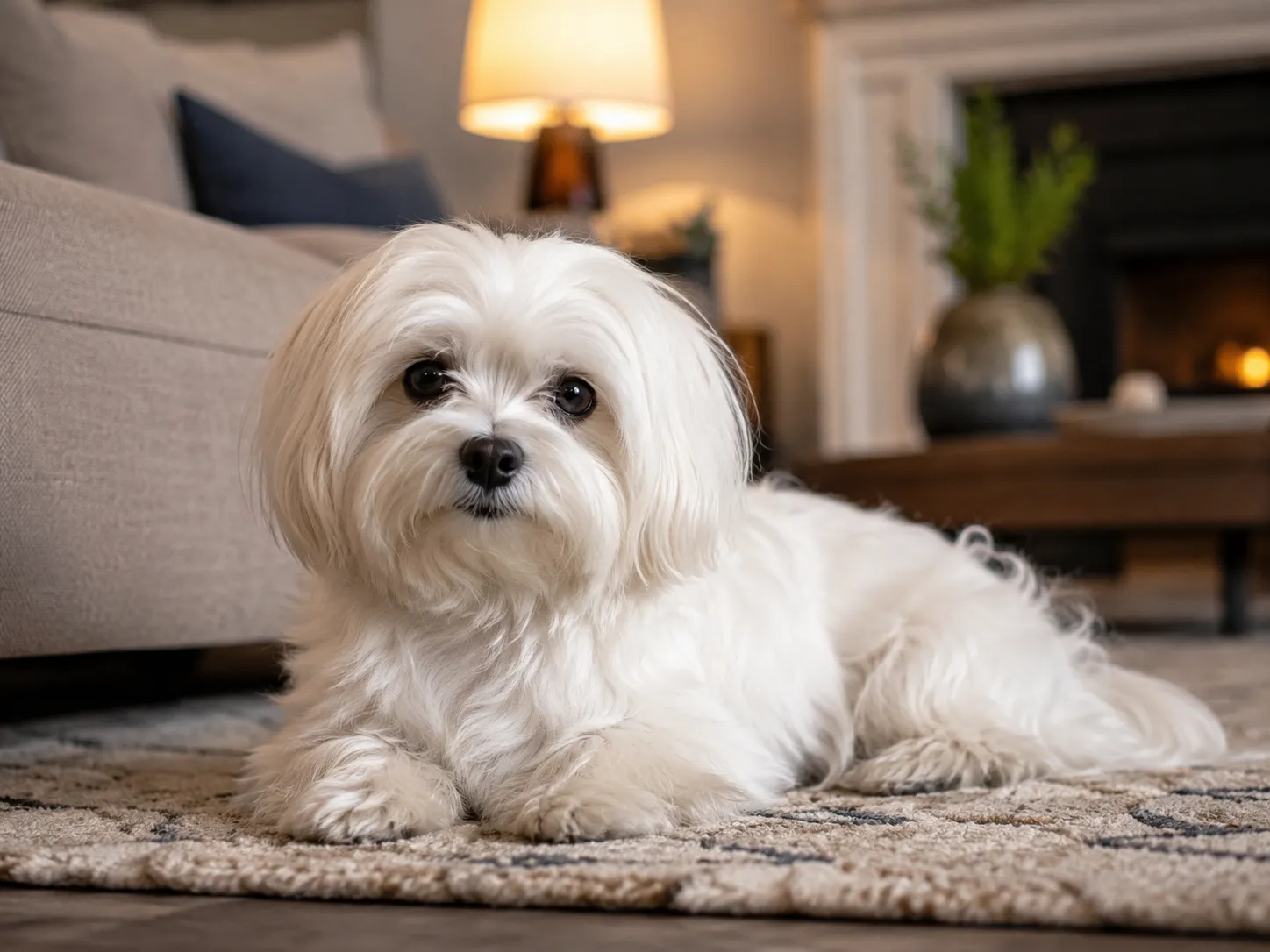
Maltese dogs adapt well to a variety of living environments. Their small size allows them to live comfortably in apartments, townhouses, or smaller homes, provided they receive enough attention and daily activity.
Although they can adapt to indoor living, a safe outdoor area or regular walks still help provide exercise and stimulation.
Seasonal Care Adjustments
The Maltese coat offers less protection against extreme weather compared with thicker-coated breeds. During colder months, some owners choose to use dog clothing to help keep the dog comfortable outdoors.
In warmer weather, access to fresh water, shade, and cool indoor spaces helps prevent overheating, especially because the breed is small and may be sensitive to high temperatures.
Senior Care Considerations
As Maltese dogs age, their care needs may gradually change. Senior dogs may require shorter walks, softer sleeping areas, and more frequent health monitoring.
Regular veterinary check-ups, dental care, and attention to diet can help maintain a good quality of life for Maltese dogs as they grow older.
Grooming of the Maltese Dog
Grooming is one of the most important aspects of caring for a Maltese dog. The breed’s long, silky coat requires regular maintenance to keep it clean, healthy, and free from tangles. While Maltese dogs shed very little compared with many other breeds, their coat can easily become matted if it is not brushed frequently. Consistent grooming also helps owners monitor the dog’s skin, eyes, ears, and overall condition.
Coat Maintenance Schedule
The Maltese is famous for its long, straight, silky white coat, which continues to grow throughout the dog’s life. Daily brushing is often recommended for dogs with a full-length coat to prevent tangles and matting. Using a soft slicker brush or a metal comb can help remove knots and keep the coat smooth.
Many pet owners choose to keep their Maltese in a shorter grooming style often called a puppy cut. This trim reduces daily maintenance and makes coat care easier while still preserving the breed’s characteristic appearance.
Bathing and Coat Care
Maltese dogs usually benefit from bathing every three to four weeks, although this may vary depending on activity level and coat length. Using a gentle dog shampoo designed for sensitive skin can help maintain coat quality and protect natural skin oils.
After bathing, the coat should be dried carefully and brushed to prevent tangles. Regular bathing also helps maintain the bright white colour that the breed is known for.
Eye Care and Tear Staining
One common grooming concern in Maltese dogs is tear staining, which appears as dark marks beneath the eyes. These stains can occur when tears accumulate and discolor the surrounding fur.
Owners often manage tear staining by gently cleaning the area around the eyes with a soft cloth or veterinarian-recommended wipes. Keeping the hair around the eyes trimmed can also help reduce moisture buildup.
Ear Care
The Maltese has drop ears that can trap moisture and debris if not cleaned regularly. Owners should check the ears frequently for signs of redness, unusual odour, or wax buildup.
Cleaning the ears with a veterinarian-approved ear solution helps maintain ear health and reduce the risk of infection.
Nail and Paw Maintenance
Regular nail trimming is important for Maltese dogs because overgrown nails can affect their walking posture and cause discomfort. Nails typically need trimming every three to four weeks, depending on the dog’s activity level.
Owners should also check paw pads for dryness, debris, or minor injuries after outdoor walks.
Dental Hygiene
Dental care is especially important for small breeds like the Maltese because they are more prone to dental problems. Brushing the dog’s teeth several times per week helps reduce plaque and tartar buildup.
Dental chews, professional cleanings, and regular veterinary dental checks can also help maintain healthy teeth and gums.
Common Grooming Challenges
One challenge owners often encounter is coat matting, especially around areas where friction occurs such as behind the ears, under the legs, and around the collar. Regular brushing and proper grooming tools can prevent these problems.
By maintaining a consistent grooming routine, owners can help ensure their Maltese dog keeps a healthy coat, clean skin, and comfortable overall condition throughout its life.
Exercise Needs of the Maltese Dog
Although the Maltese is a small companion breed, it still requires regular activity to remain healthy and mentally stimulated. This breed does not need the same level of intense exercise as larger working dogs, but daily movement and play are important for maintaining good physical condition and preventing boredom.
Daily Exercise Requirements
Most Maltese dogs benefit from 20 to 40 minutes of activity each day. This exercise can include short walks, indoor play sessions, or time spent exploring a safe outdoor area. Because the breed is small, even moderate exercise can provide enough physical stimulation.
Puppies may have bursts of energy throughout the day, but their activity should be controlled to avoid excessive jumping or rough play that could strain developing joints.
Suitable Activities
Maltese dogs often enjoy interactive games and gentle play with their owners. Activities such as playing with small toys, short walks around the neighbourhood, or supervised time in a secure yard can help keep them active.
Because they are intelligent and curious, many Maltese dogs also enjoy simple training exercises or puzzle toys that challenge their minds.
Exercise Considerations for Small Breeds
Due to their small size, Maltese dogs may be more sensitive to extreme weather conditions. During hot weather, exercise should take place during cooler parts of the day, such as early morning or evening. In colder climates, shorter walks may be more appropriate.
Owners should also be careful to avoid activities that involve excessive jumping from furniture or stairs, as small dogs can be prone to joint injuries.
Mental Stimulation
Mental stimulation is just as important as physical activity for a Maltese dog. Training sessions, interactive toys, and gentle playtime help keep the dog engaged and prevent boredom-related behaviours such as excessive barking.
Providing a balance of light exercise, mental stimulation, and companionship helps the Maltese remain content and well behaved in the home.
Feeding the Maltese Dog
Proper nutrition plays an important role in maintaining the health, coat quality, and overall wellbeing of a Maltese dog. Although the breed is small, its diet still needs to provide balanced nutrients that support energy levels, digestion, and long-term health. Because Maltese dogs have fast metabolisms but small stomachs, feeding routines should be carefully managed.
Nutritional Requirements
A Maltese dog’s diet should include high-quality protein, healthy fats, carbohydrates, vitamins, and minerals. Protein supports muscle maintenance and general body function, while fats help maintain energy levels and contribute to healthy skin and coat.
Many owners choose commercial dog foods formulated specifically for small or toy breeds, as these diets are designed with appropriate nutrient levels and kibble sizes suited to smaller mouths. Fresh foods such as lean meats or vegetables may occasionally be added, but they should not replace a balanced main diet.
Feeding Schedule Guidelines
Feeding schedules often depend on the dog’s age.
Maltese puppies usually require three to four small meals per day during their early growth stages. Smaller and more frequent meals help maintain stable blood sugar levels and support healthy development.
Adult Maltese dogs typically do well with two meals per day, usually given in the morning and evening. Fresh drinking water should always be available.
Portion Control
Because Maltese dogs are small, even small changes in food quantity can affect their weight. Overfeeding can lead to weight gain, which may place unnecessary stress on joints and overall health.
Owners should follow feeding guidelines provided by their veterinarian or the dog food manufacturer and adjust portions based on the dog’s activity level.
Treats and Snacks
Treats can be helpful for training and rewarding good behaviour, but they should be given in moderation. Too many treats may lead to excess calorie intake or unbalanced nutrition.
Choosing healthy training treats designed for small breeds can help maintain proper portion control while still motivating the dog during training sessions.
Special Dietary Considerations
Some Maltese dogs can be sensitive to certain foods or may develop digestive sensitivities. If symptoms such as vomiting, loose stools, or skin irritation appear, a veterinarian may recommend dietary adjustments.
Maintaining a balanced diet, monitoring portion sizes, and providing regular exercise help ensure the Maltese maintains a healthy body condition and strong overall health.
Price of the Maltese Dog in Australia
The Maltese dog is a popular companion breed in Australia, and the price of a puppy can vary depending on several factors. Breeder reputation, pedigree quality, health testing, and bloodline can all influence the cost of a Maltese puppy. Because responsible breeders invest time and resources into raising healthy dogs, well-bred Maltese puppies often come with higher prices and waiting lists.
Average Maltese Puppy Price
In Australia, a Maltese puppy from a registered breeder typically costs between $2,000 and $4,500 AUD. Puppies from breeders who focus on show-quality lines, strong pedigrees, and extensive health testing may be priced higher.
The purchase price often reflects the breeder’s investment in veterinary care, early socialisation, proper nutrition, and responsible breeding practices.
What Is Usually Included in the Price
When purchasing from a reputable breeder, the price of a Maltese puppy usually includes several important items:
- Microchipping and registration
- Initial vaccinations
- Veterinary health checks
- Pedigree documentation for registered dogs
- Basic early socialisation
Many breeders also provide guidance about feeding, grooming, and training during the puppy’s transition to a new home.
Ongoing Ownership Costs
Beyond the initial purchase price, owning a Maltese involves ongoing expenses. Owners should consider the cost of:
- High-quality dog food
- Routine veterinary care and vaccinations
- Grooming and coat maintenance
- Pet insurance
- Toys, bedding, and supplies
On average, the annual cost of owning a Maltese dog in Australia may range from $1,200 to $2,500 AUD, depending on lifestyle, veterinary needs, and grooming requirements.
Why Responsible Breeding Matters
Price should not be the only factor when choosing a Maltese puppy. Responsible breeders focus on health, temperament, and proper care of their dogs, which helps reduce the risk of hereditary health issues.
Choosing a puppy from a reputable breeder can improve the likelihood of bringing home a healthy Maltese that will become a happy and well-adjusted companion.
Buying a Maltese Puppy: What to Know Before You Commit
Bringing home a Maltese puppy should begin with careful research and responsible decision making. While the breed is small and appealing, choosing a healthy puppy from an ethical breeder is essential. A Maltese may live well over a decade, so selecting the right breeder and understanding the breed’s needs helps ensure a positive long-term experience.
Choosing a Reputable Breeder
A responsible breeder focuses on health, temperament, and proper breeding practices rather than producing large numbers of puppies. Good breeders carefully select parent dogs and complete health checks before breeding.
When speaking with breeders, ask about:
- Patellar luxation screening
- Eye health examinations
- General veterinary health checks
- Temperament of the parent dogs
- Living conditions where puppies are raised
Reputable breeders will also ask questions about your home environment and experience with dogs to ensure their puppies are placed in suitable homes.
Visiting the Litter
If possible, visiting the breeder in person can provide valuable insight into how the puppies are raised. Healthy Maltese puppies should appear curious, alert, and comfortable around people. The environment should be clean, safe, and well organised.
You should also be able to see the puppy’s mother and observe her temperament. Calm and friendly behaviour in the mother often indicates good socialisation and stable genetics.
Questions to Ask the Breeder
Before choosing a Maltese puppy, it is helpful to ask a few important questions:
- What health tests have been completed on the parents?
- What food are the puppies currently eating?
- What vaccinations and veterinary checks have been completed?
- Have the puppies received early socialisation?
- Is there a health guarantee or purchase agreement?
Clear and detailed answers often indicate a responsible breeder.
Avoiding Puppy Farms
Prospective owners should avoid buying puppies from puppy farms or unethical breeding operations. These facilities often prioritise profit over animal welfare and may not provide proper health testing or early socialisation.
Warning signs may include:
- Sellers unwilling to show where the puppies are raised
- Extremely low puppy prices compared with typical market values
- Multiple litters available at the same time
- Missing or incomplete health records
Choosing a responsible breeder helps improve the chances of bringing home a healthy and well-adjusted Maltese puppy.
Preparing for Your New Puppy
Before bringing a Maltese puppy home, it is helpful to prepare the necessary supplies:
- A comfortable sleeping area or crate
- Quality puppy food
- Food and water bowls
- Chew toys and training toys
- A collar, harness, and lead
Establishing routines early helps the puppy adjust to its new environment and supports positive behaviour as it grows.
Is the Maltese Dog Right for You?
The Maltese dog is a devoted companion breed that thrives in homes where it can spend plenty of time with its owners. Their affectionate nature, small size, and adaptable lifestyle make them well suited to apartments, smaller homes, and households looking for a close companion rather than a highly active working dog.
However, owning a Maltese also comes with responsibilities. The breed requires regular grooming, consistent training, and daily companionship. Because they form strong bonds with their owners, Maltese dogs do not always cope well with long periods of isolation.
If you are looking for a gentle, affectionate, and loyal companion dog, the Maltese can be a wonderful addition to your home. With proper care, training, and attention, this breed often becomes a deeply devoted member of the family.
You can browse Maltese puppies available on Pups4Sale to connect with responsible breeders and find a healthy puppy that fits your household and lifestyle.
Frequently Asked Questions
Related Breeds
Other companion breeds on Pups4Sale.
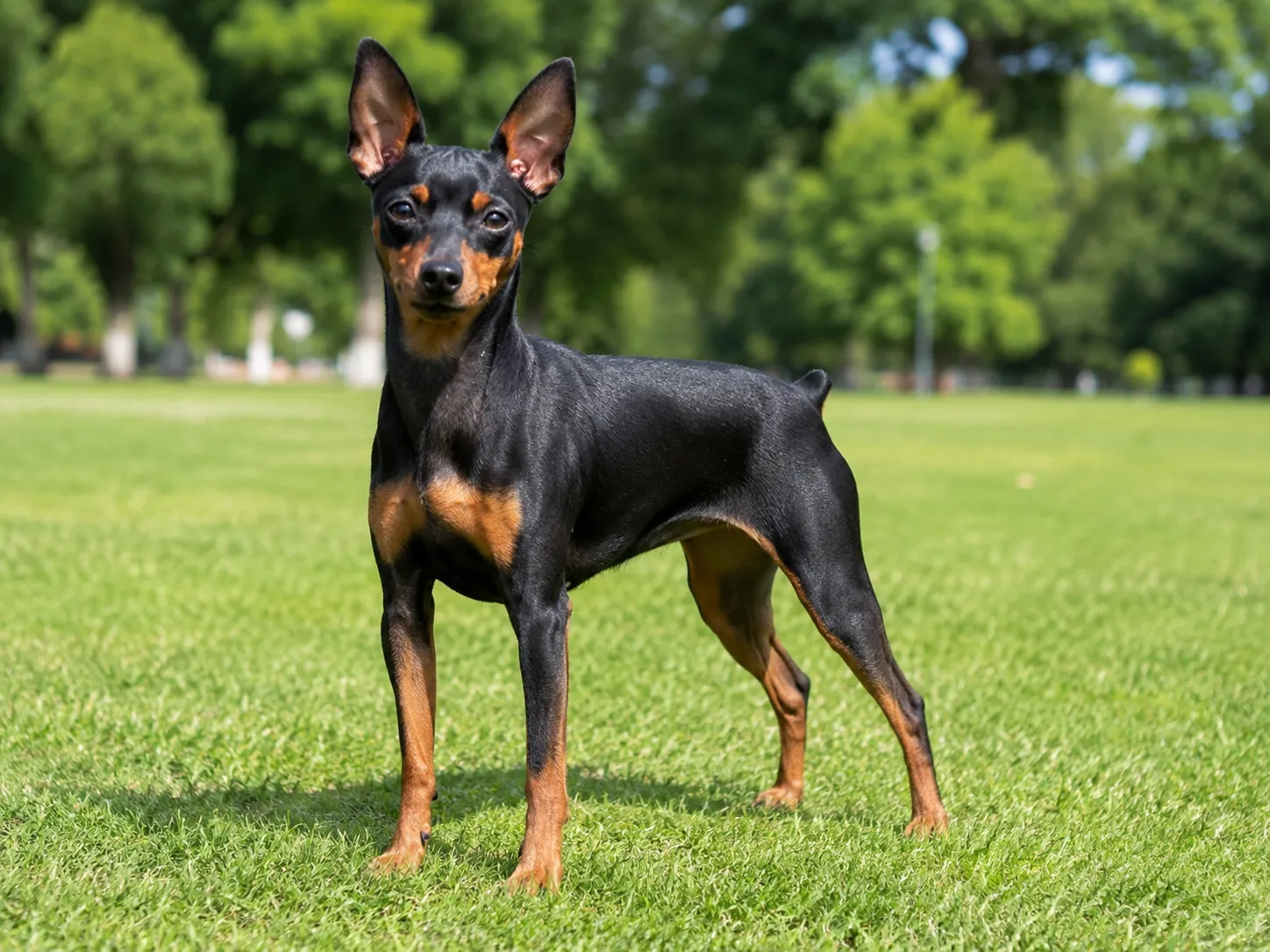 Miniature PinscherSmall • Toy
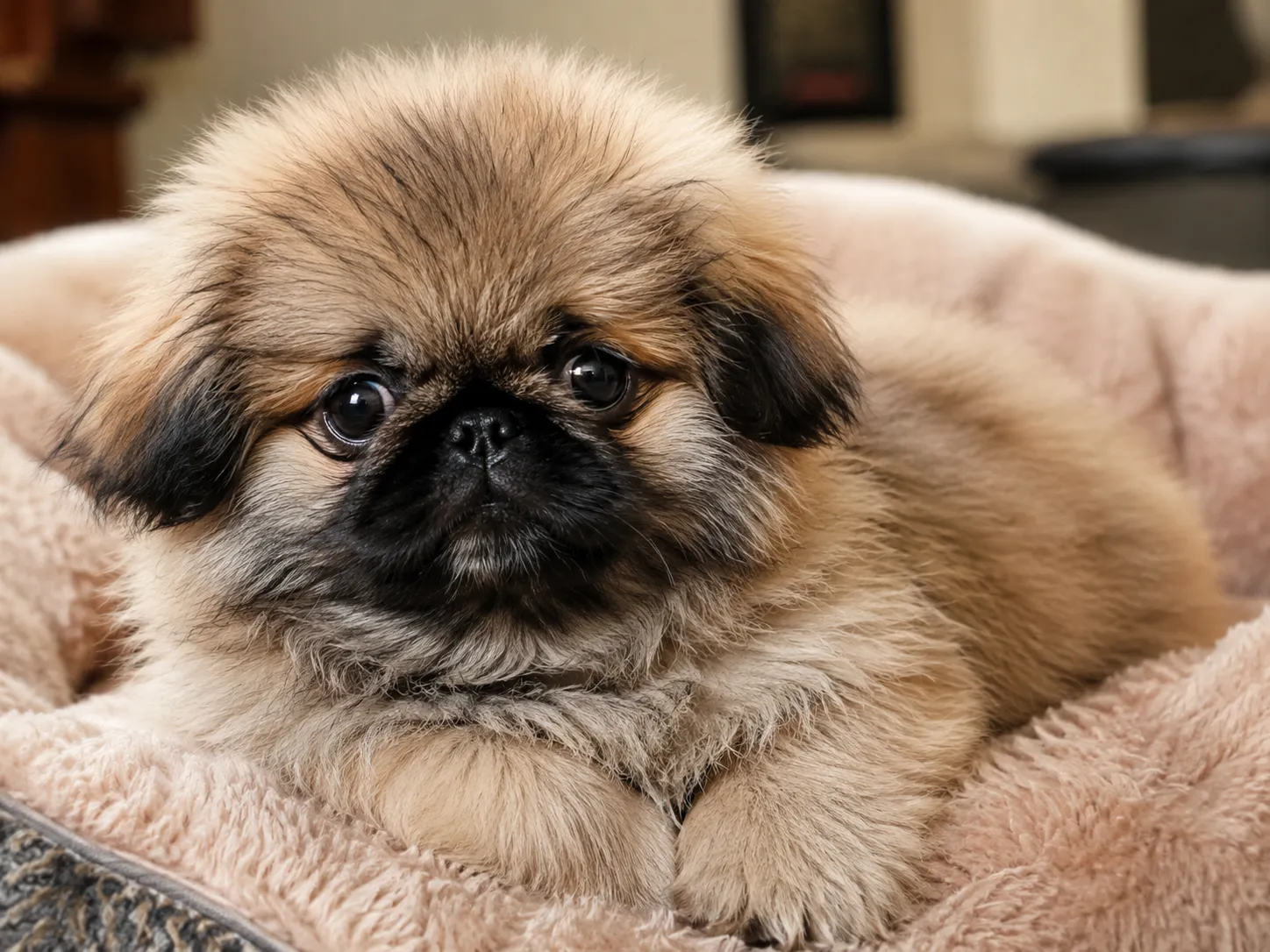 PekingeseSmall • Toy
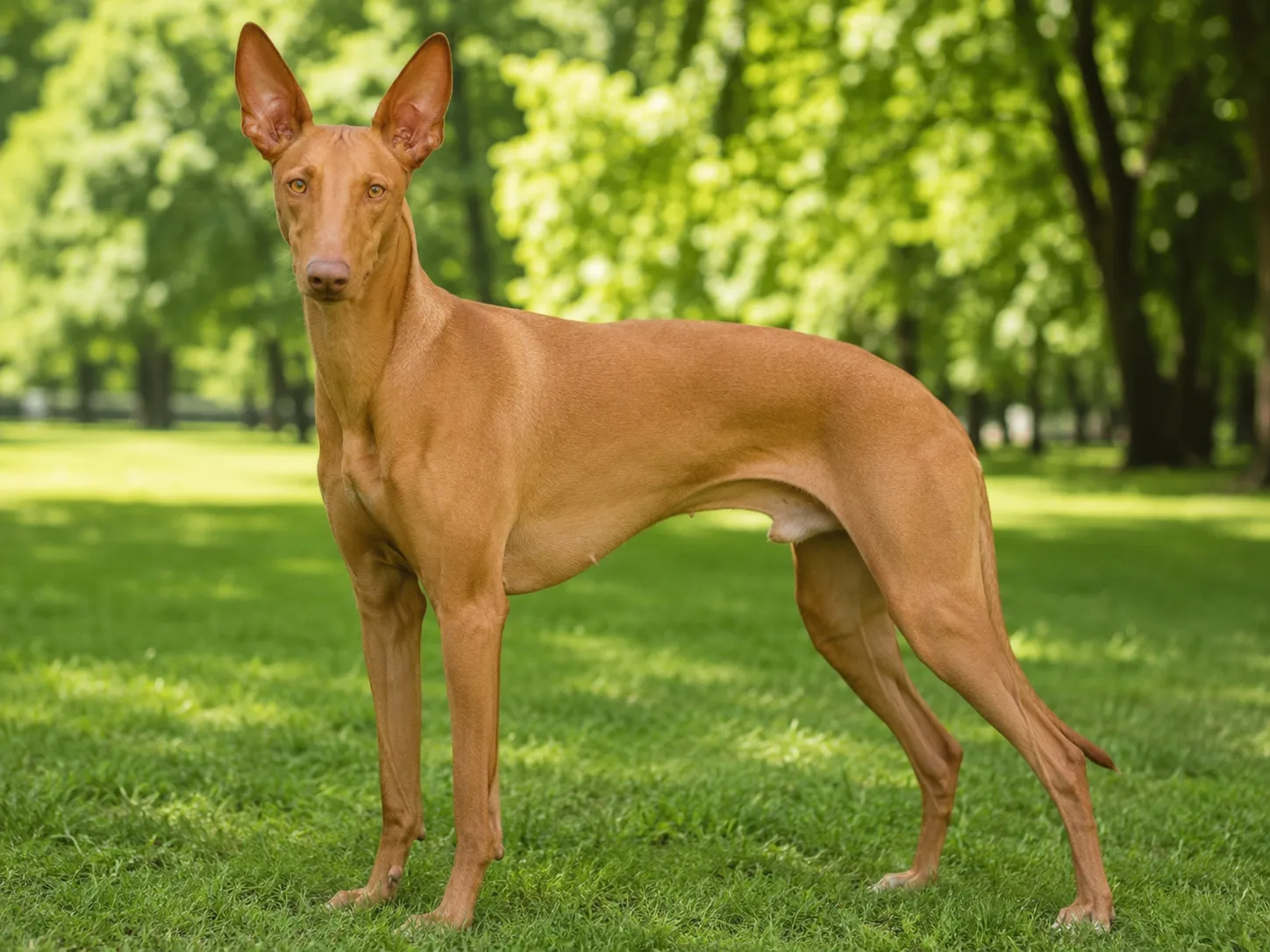 Pharaoh HoundMedium • Hound (Sighthound type)
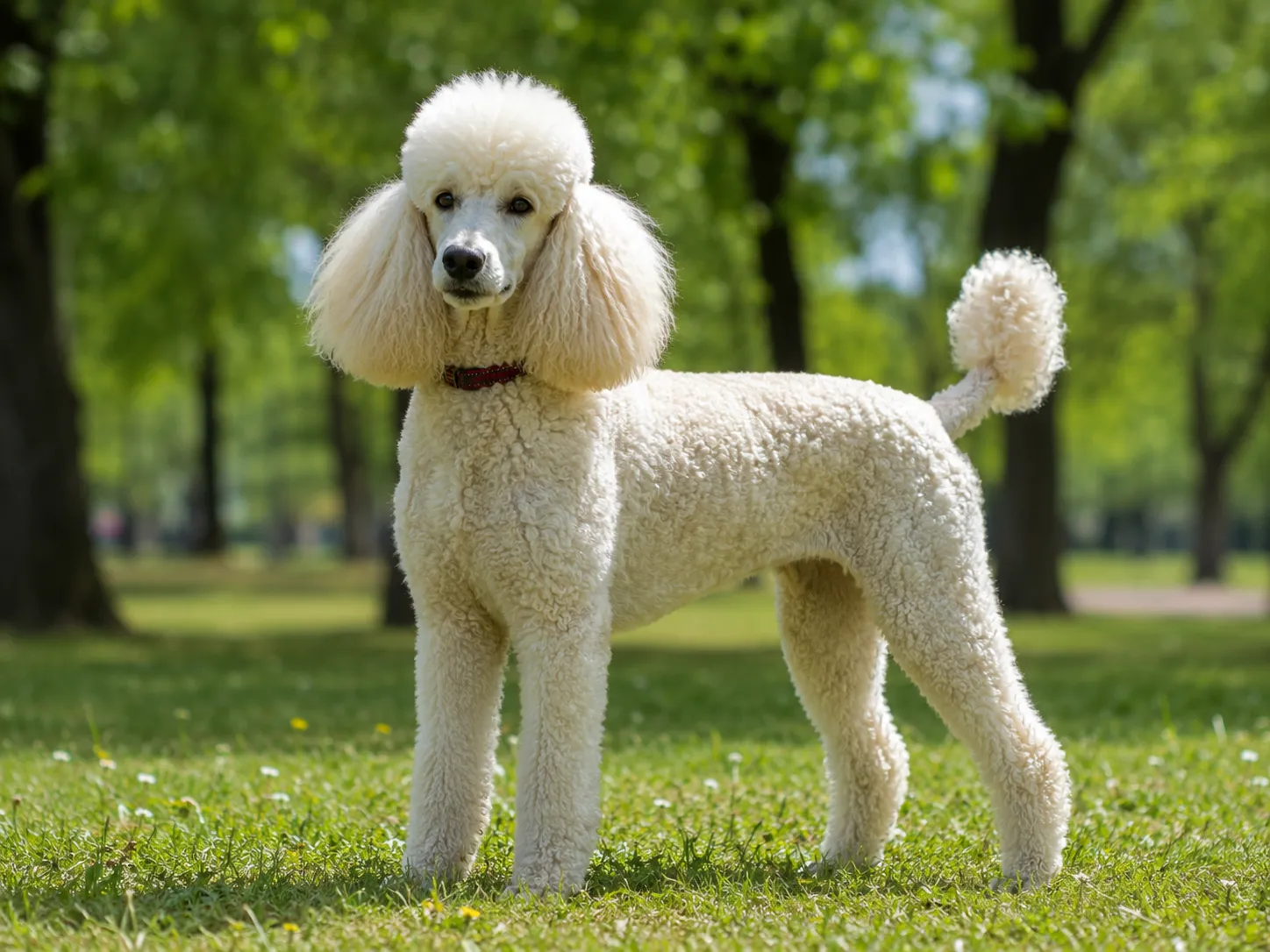 PoodleMedium • Non-Sporting Group (Utility Group in Australia)
 SchnoodleLarge • Companion (Poodle x Schnauzer cross)
 Australian BulldogsMedium • Companion