Pharaoh Hound
By James C. • Updated
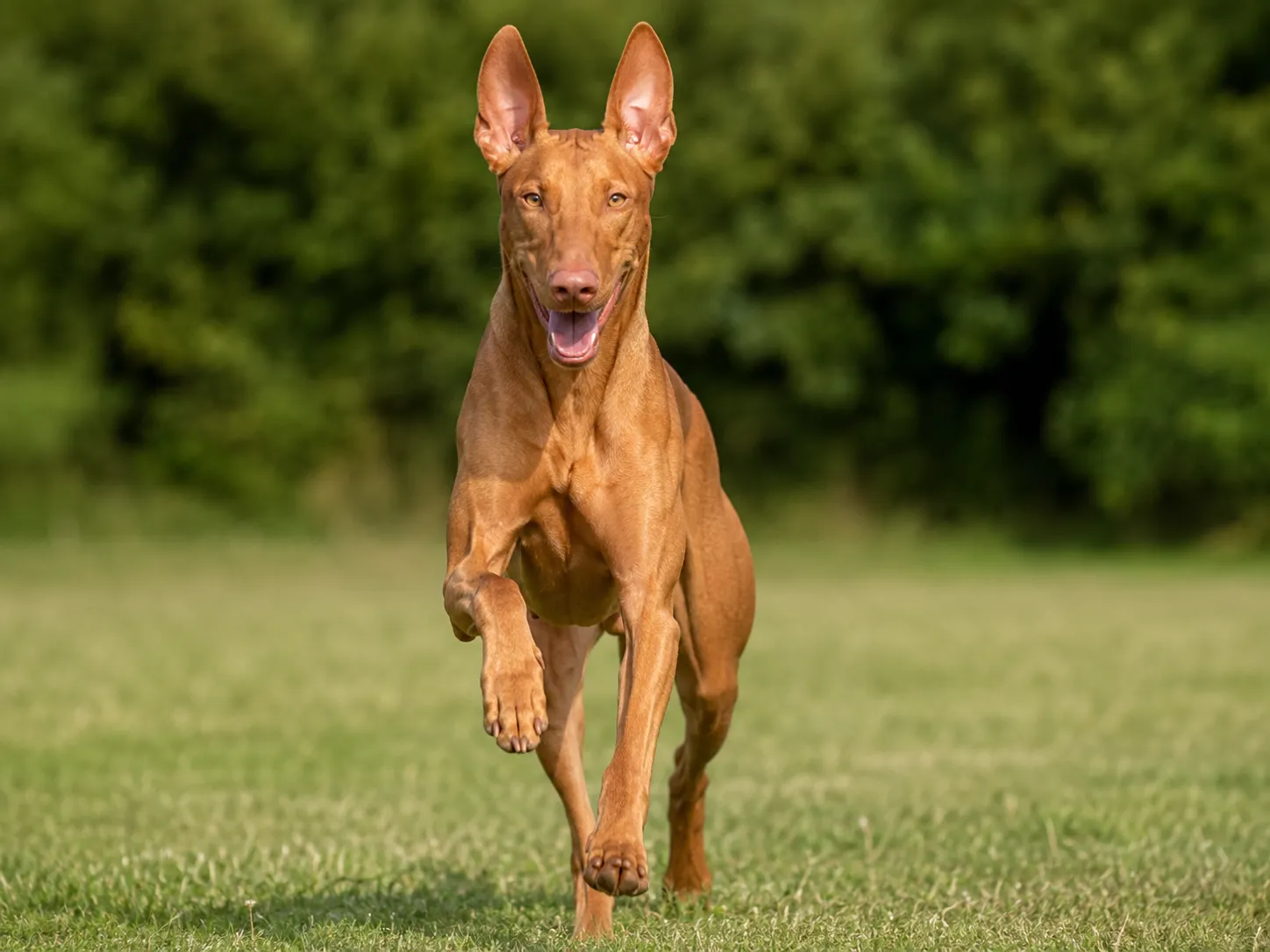
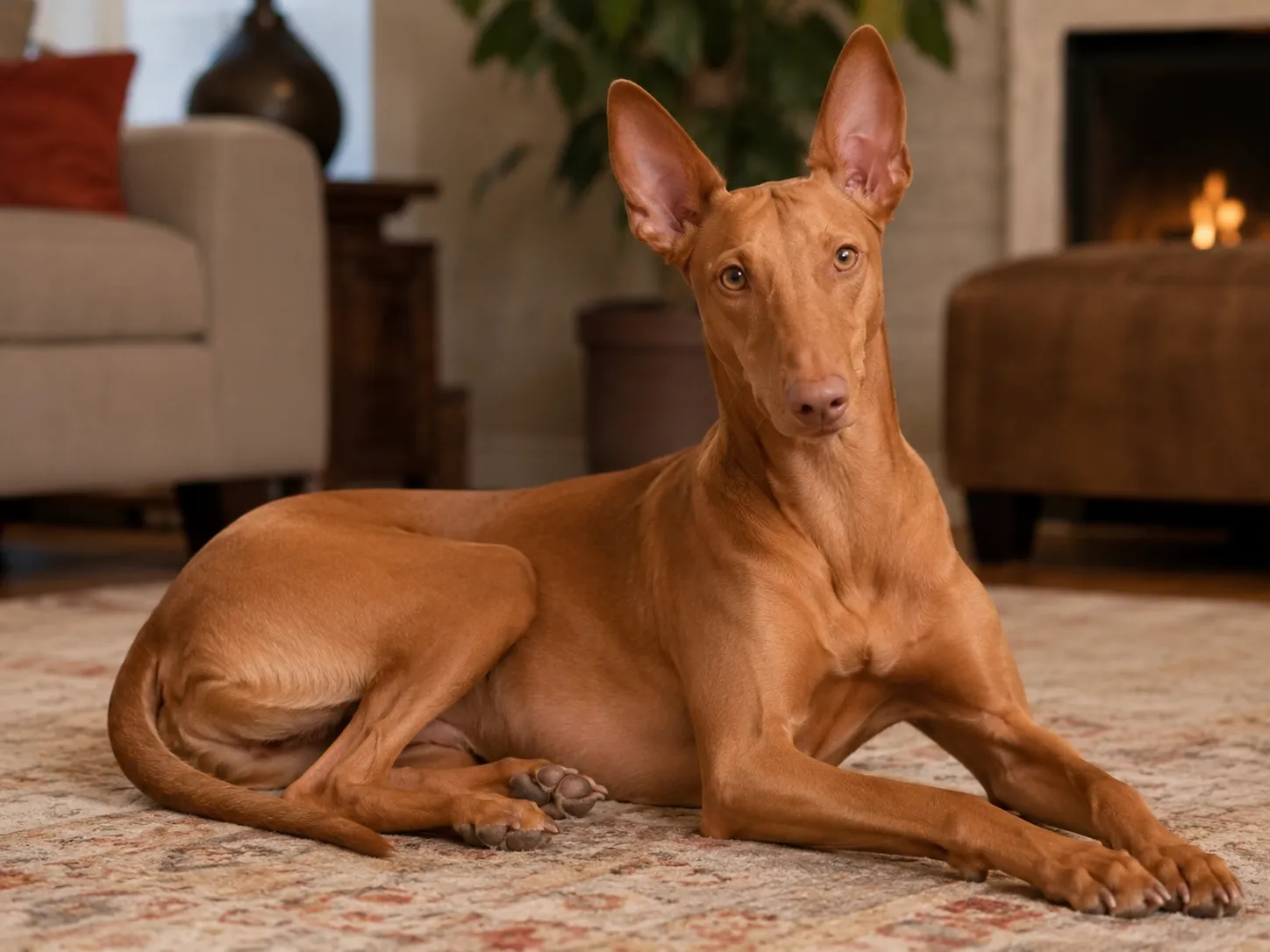
The Pharaoh Hound is an elegant, athletic, and intelligent sighthound believed to have ancient origins linked to the Mediterranean region. Despite its name, the modern breed was developed and preserved in Malta, where it is known as the national dog. Pharaoh Hounds are known for their speed, agility, affectionate nature, and unique ability to "blush", with their nose and ears turning pink when excited.
Breed Overview
Life Span
12 - 14 years
Average Price
AUD 3000 - AUD 5000
Weight
Male: 20 - 25 kg Female: 20 - 25 kg
Height
Male: 56 - 64 cm Female: 53 - 61 cm
Life Expectancy
Male/Female: 12 - 14 years
Breed Group
Hound (Sighthound type)
Nicknames
Kelb tal-Fenek, Rabbit Dog, Blushing Dog
Breed Information
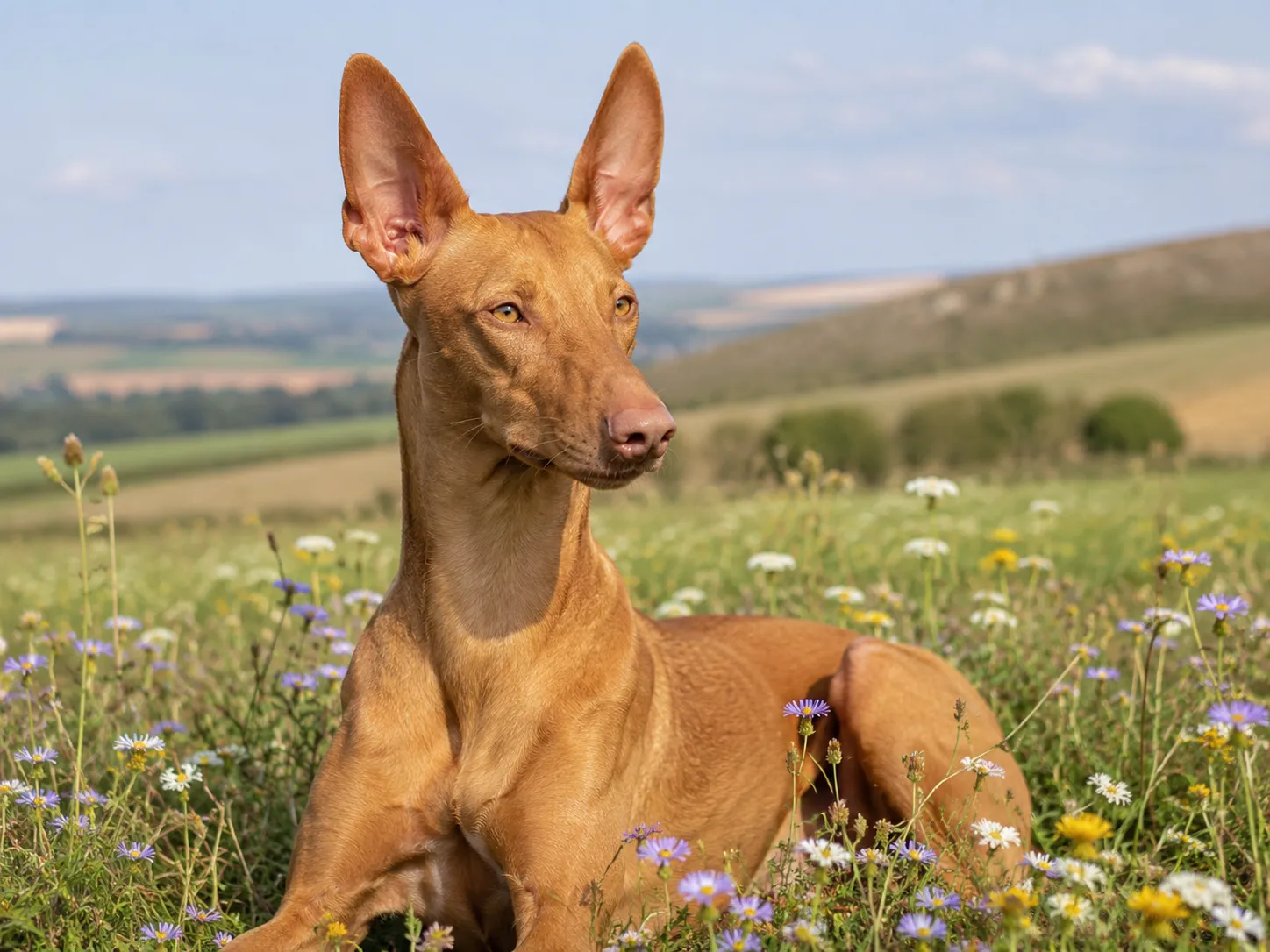
The Pharaoh Hound is an elegant and athletic sighthound recognised for its sleek build, sharp intelligence, and distinctive personality. While its appearance strongly resembles the dogs depicted in ancient Egyptian art, the modern breed is most closely associated with Malta. There, it was traditionally used to hunt rabbits, which explains its Maltese name Kelb tal-Fenek, meaning “rabbit dog”.
This medium-sized hound stands out with its smooth outline, short glossy coat, and striking amber eyes. One of the breed’s most fascinating traits is its ability to “blush” when excited. When the dog becomes happy or stimulated, the ears and nose may turn a soft pink colour due to increased blood flow. Pharaoh Hounds are also known for their unique “smile”, giving them a very expressive and charming appearance.
Although refined in looks, Pharaoh Hounds are energetic working dogs that require plenty of daily exercise and mental engagement. They thrive in homes where they can run, play, and remain active. Owners should ensure yards are securely fenced, as the breed’s strong prey drive and natural instinct to chase moving objects can lead them to pursue small animals.
With their families, Pharaoh Hounds tend to be affectionate and loyal companions. They may be slightly reserved with strangers, but they usually warm up once comfortable. Their intelligence and sensitivity mean they respond best to calm, positive training methods rather than harsh correction.
For Australian dog owners who enjoy an active lifestyle and appreciate a graceful yet lively companion, the Pharaoh Hound offers a rare combination of speed, elegance, loyalty, and personality.
Characteristics of the Pharaoh Hound: What Living With This Breed Is Really Like
| Trait | Rating | Star Rating | Meaning |
| Affection Level | High | ★★★★☆ | Pharaoh Hounds form strong bonds with their families and enjoy spending time with their owners. |
| Friendliness | Moderate to High | ★★★★☆ | Usually friendly and sociable, though they may appear slightly reserved with unfamiliar people. |
| Kid-Friendliness | Moderate | ★★★☆☆ | Generally good with respectful older children but may be too energetic for very young kids. |
| Dog-Friendliness | High | ★★★★☆ | Often gets along well with other dogs, particularly when socialised early. |
| Trainability | Moderate | ★★★☆☆ | Intelligent but independent, meaning training requires patience and positive reinforcement. |
| Energy Level | Very High | ★★★★★ | An athletic breed that needs significant daily exercise and mental stimulation. |
| Grooming Needs | Low | ★★☆☆☆ | The short coat requires minimal maintenance and only occasional brushing. |
| Shedding Level | Low | ★★☆☆☆ | Sheds lightly throughout the year compared with many other breeds. |
| Prey Drive | Very High | ★★★★★ | Strong instinct to chase small animals due to its hunting background. |
| Watchdog Ability | Moderate | ★★★☆☆ | Alert and attentive but typically not aggressive or overly protective. |
Living with a Pharaoh Hound means sharing your home with a dog that combines athletic ability, intelligence, and a playful personality, and its fine coat needs only a light short-coat grooming routine. This breed thrives in households where physical activity is part of everyday life. Long walks, running opportunities, and engaging games help keep them mentally and physically satisfied.
Pharaoh Hounds are naturally social animals and enjoy being part of family activities. While they can appear slightly reserved with strangers at first, most warm up quickly once they feel comfortable. Their affectionate nature means they prefer companionship and may struggle if left alone for extended periods.
A defining trait of the breed is its strong prey drive. Pharaoh Hounds were originally developed to hunt rabbits and other small game, so they instinctively chase fast-moving animals. Because of this, secure fencing and supervised outdoor time are essential, especially in suburban environments where wildlife or small pets may be present.
Training a Pharaoh Hound can be rewarding but requires consistency. They are intelligent and capable learners, yet their independent streak means they sometimes choose whether to follow commands. Positive reinforcement, short training sessions, and engaging activities usually produce the best results.
When their physical and mental needs are met, Pharaoh Hounds become loyal, entertaining, and deeply engaging companions that bring energy and personality into the home.
History of the Pharaoh Hound: Ancient Roots and Maltese Heritage
The Pharaoh Hound is often regarded as one of the oldest dog breeds in the world, and its rarity here makes careful breeder questioning important. Its elegant shape closely resembles the hunting dogs depicted in ancient Egyptian art, including carvings and paintings that date back thousands of years. Because of this visual similarity, the breed is commonly associated with the dogs that accompanied Egyptian nobility and hunters in ancient times.
Despite this historical connection, the modern Pharaoh Hound is strongly linked to the Mediterranean island of Malta. There, the breed became known as Kelb tal-Fenek, meaning “rabbit dog” in Maltese. For centuries, Maltese hunters relied on these agile dogs to hunt rabbits across rocky terrain and open countryside. Their speed, keen eyesight, and sharp instincts made them exceptionally effective hunters.
Unlike many modern breeds that were developed through structured breeding programmes, the Pharaoh Hound evolved naturally through generations of practical use. Maltese hunters valued dogs that could track, chase, and flush out rabbits while working closely with human partners. Over time, this selective use helped shape the breed’s athletic build, intelligence, and cooperative hunting style.
The breed eventually attracted international attention during the 20th century when enthusiasts began exporting Pharaoh Hounds from Malta to other parts of Europe and North America. The breed gained recognition from major kennel organisations and slowly grew in popularity among dog lovers who appreciated its unique history and distinctive appearance.
Today, the Pharaoh Hound remains relatively rare in Australia and many other parts of the world. However, those who own the breed often value its ancient heritage, striking elegance, and lively personality, which together create one of the most distinctive sighthounds in the canine world.
Appearance of the Pharaoh Hound: A Sleek Athlete With Distinctive Elegance
The Pharaoh Hound is instantly recognisable for its graceful build, alert expression, and athletic proportions, sharing that sighthound frame with the Greyhound. Developed as a hunting sighthound, the breed’s appearance reflects speed, agility, and endurance rather than bulk. Its balanced structure allows it to move effortlessly across open ground while pursuing prey.
Lean, Balanced Body Built for Speed and Endurance
The Pharaoh Hound has a lean and well-proportioned body that emphasises athleticism. Adult dogs typically stand between 53 and 64 cm at the shoulder and weigh around 20 to 25 kg. The chest is deep but not overly broad, the back remains level, and the waist shows a gentle tuck. These proportions create a streamlined silhouette designed for fast, agile movement. Despite its refined appearance, the breed is strong and muscular, reflecting its working heritage as a capable hunting dog.
Short Coat and Recognised Colour Variations
The coat of the Pharaoh Hound is short, fine, and glossy, lying close to the body. This coat requires minimal grooming and highlights the dog’s well-defined muscles and elegant outline. The recognised colour is a rich tan to chestnut shade, often complemented by small white markings on the chest, toes, or tail tip. Some individuals may also show a white blaze on the face. The coat’s natural shine contributes to the breed’s clean and polished appearance.
Head Shape, Eyes, and Expression
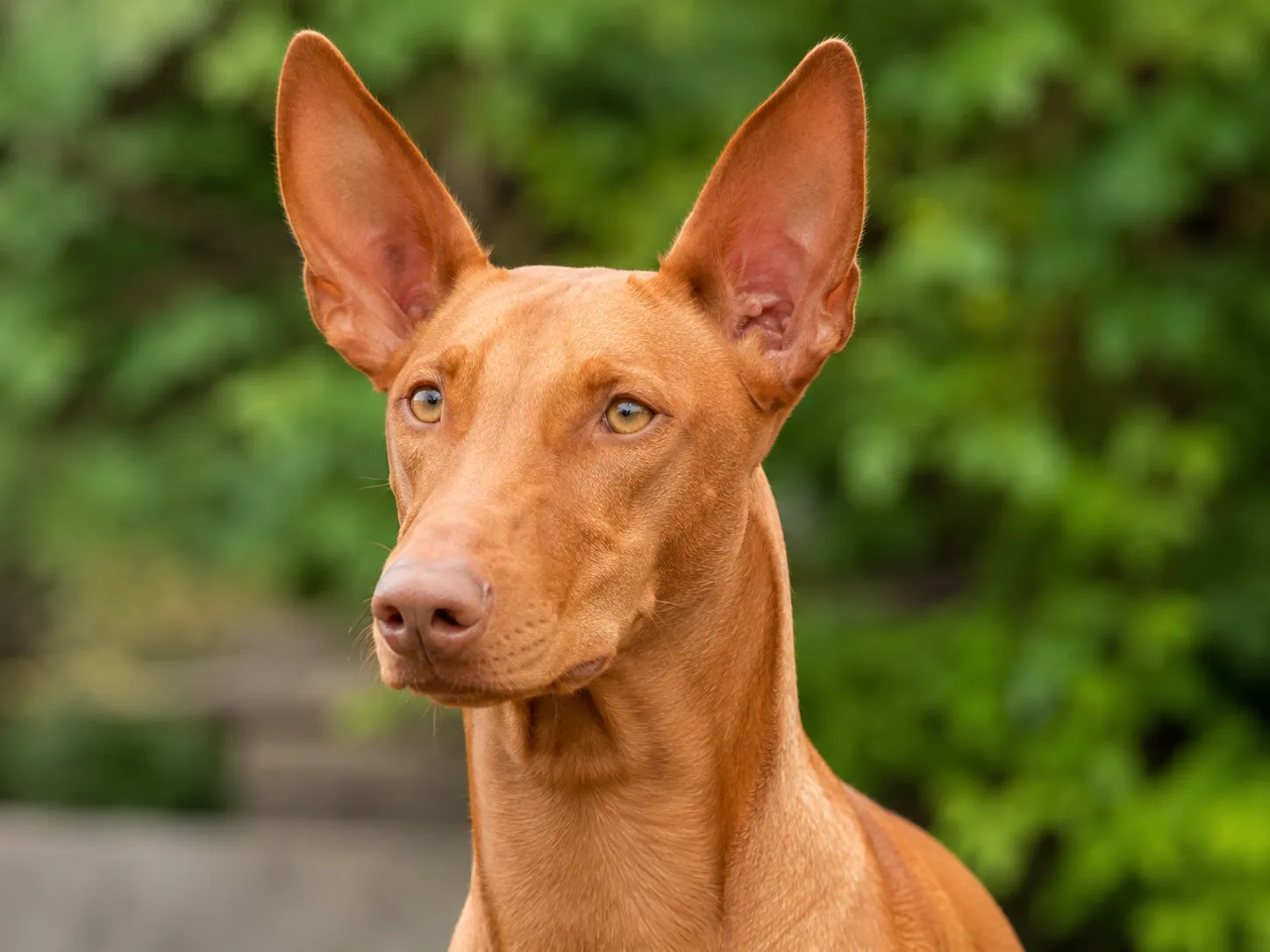
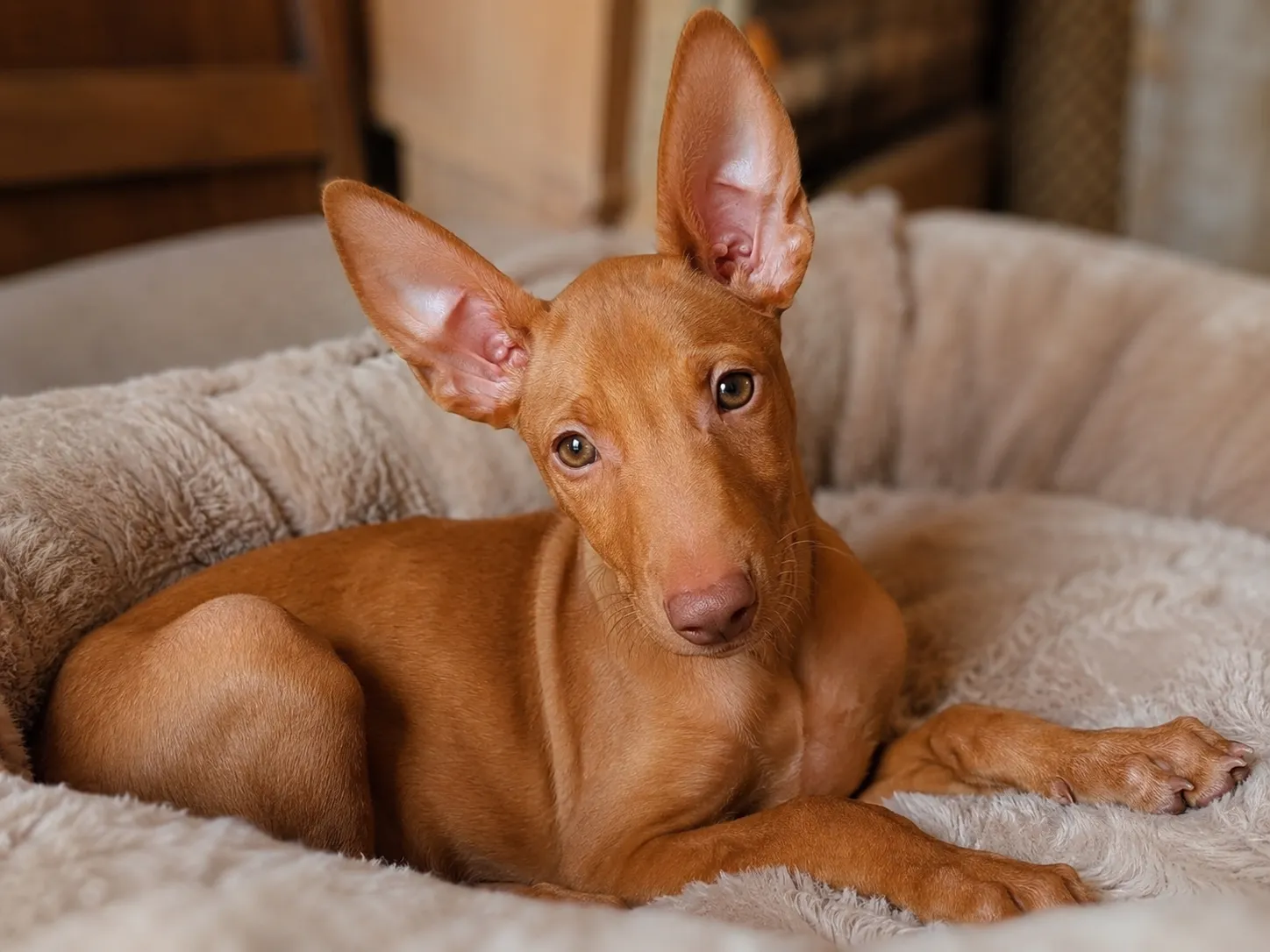
One of the most distinctive features of the Pharaoh Hound is its refined head and expressive face. The skull is slightly wedge-shaped with a long, clean muzzle that creates a noble profile. The eyes are oval and amber coloured, blending naturally with the coat and giving the dog a warm, intelligent expression. Pharaoh Hounds are also known for their unique ability to “blush” when excited, with the nose and ears turning a pinkish colour.
Ears, Tail, and Movement
Large, upright ears are a defining characteristic of the breed. They sit high on the head and are extremely expressive, often moving in response to sounds or changes in the environment. The tail is moderately long and tapers toward the tip, usually carried low when relaxed and raised slightly when the dog is alert. Movement should be smooth, effortless, and light, reflecting the agility expected of a true sighthound.
Subtle Differences Between Males and Females
Differences between male and female Pharaoh Hounds are generally subtle. Males may appear slightly larger and more powerful, while females often show a slightly finer outline. Both sexes should maintain the same balanced proportions, elegant head shape, and athletic structure that define the breed standard.
Overall, the Pharaoh Hound presents a combination of natural elegance, athletic power, and refined beauty, making it one of the most visually distinctive breeds among modern sighthounds.
Temperament of the Pharaoh Hound: An Intelligent and Energetic Companion
The Pharaoh Hound is known for its alert, intelligent, and playful temperament, though a strong prey drive means early recall training is essential. Although refined in appearance, this breed has an energetic and enthusiastic personality shaped by its history as an active hunting dog. Owners often describe Pharaoh Hounds as affectionate, expressive, and deeply loyal companions that enjoy being involved in everyday family life.
Core Personality Traits That Define the Breed
Pharaoh Hounds are naturally friendly, intelligent, and highly alert. They tend to form strong bonds with their owners and thrive in environments where they receive regular interaction and attention. Their playful nature often continues well into adulthood, and many Pharaoh Hounds enjoy games that involve running, chasing, or problem solving.
This breed also possesses a strong sense of curiosity. Pharaoh Hounds are observant dogs that quickly notice changes in their surroundings. Their alertness makes them attentive companions, though they are usually not aggressive or overly protective.
Social Behaviour With People and Other Animals
With proper socialisation, Pharaoh Hounds generally interact well with people and other dogs. They tend to be affectionate with their families and can develop close attachments to household members. Around unfamiliar people, they may initially appear slightly reserved, but most warm up once they feel comfortable.
However, their strong hunting background means they have a powerful prey drive. Smaller animals such as rabbits, rodents, and sometimes cats may trigger chasing instincts. Early socialisation and careful supervision are important if the dog lives in a multi-pet household.
Working Instincts That Still Influence Behaviour
Although many Pharaoh Hounds today live as companion dogs, their working instincts remain strong. The breed was developed to hunt rabbits across rough terrain, relying on speed, agility, and sharp eyesight. As a result, Pharaoh Hounds naturally enjoy activities that involve running, tracking, and chasing moving objects.
These instincts can appear during everyday life. The dog may react quickly to small animals, fast-moving toys, or sudden movement in the yard. Providing structured activities such as lure chasing, agility, or scent games helps channel these instincts in a positive way.
Common Behavioural Challenges to Be Aware Of
Like many intelligent breeds, Pharaoh Hounds can develop behavioural issues if their physical and mental needs are not met. Boredom may lead to behaviours such as digging, excessive barking, or escaping attempts.
They are also sensitive dogs that respond best to calm, consistent training and positive reinforcement. Harsh corrections can reduce confidence and damage trust. Owners who provide structure, exercise, and regular engagement typically find the Pharaoh Hound to be a well-balanced and rewarding companion.
When raised with proper training and socialisation, the Pharaoh Hound becomes a loyal, lively, and highly engaging dog that fits well into active households.
Intelligence and Trainability of the Pharaoh Hound: Smart, Independent, and Highly Aware
The Pharaoh Hound is a highly intelligent breed with excellent awareness of its surroundings, so expectations about how long training takes should account for its independence. Bred for hunting and problem solving in open terrain, this dog developed the ability to think independently while working alongside humans. This intelligence can make training both rewarding and challenging, depending on the owner’s approach.
Puppy Training Priorities That Set the Foundation
Training should begin early during puppyhood, focusing on socialisation, recall training, and basic obedience. Introducing the puppy to different people, environments, sounds, and animals helps build confidence and reduces the risk of timid or reactive behaviour later in life.
Essential commands such as sit, stay, come, and leave it are particularly important for Pharaoh Hounds because of their natural tendency to chase moving objects. Early recall training is crucial, as this breed may quickly pursue wildlife or small animals if given the opportunity.
Training Methods That Work Best for This Breed
Pharaoh Hounds respond best to positive reinforcement training methods, including food rewards, praise, and interactive play. They are sensitive dogs that do not respond well to harsh corrections or overly repetitive drills.
Training sessions should remain short, engaging, and varied to maintain the dog’s interest. Because Pharaoh Hounds are intelligent and curious, incorporating games and problem-solving exercises into training can significantly improve results.
Advanced Training and Mental Stimulation Potential
With the right approach, Pharaoh Hounds can perform well in activities such as lure coursing, agility, scent work, and obedience training. These activities allow the breed to use its natural instincts while strengthening the bond between dog and owner.
Mental stimulation is just as important as physical exercise. Puzzle toys, training games, and new environments help keep the dog mentally engaged and prevent boredom.
Common Training Mistakes Owners Should Avoid
One of the most common mistakes owners make is assuming that an intelligent dog will automatically obey commands. Pharaoh Hounds often think independently, meaning consistency and patience are essential.
Another mistake is allowing the dog to practice chasing behaviour without control. Without proper boundaries and training, this instinct can become difficult to manage. Clear routines, structured training, and secure exercise environments help ensure the Pharaoh Hound grows into a well-mannered and responsive companion.
Pharaoh Hound and Family Life: Children, Other Pets, and Household Dynamics
The Pharaoh Hound can be a loyal and affectionate family companion when placed in the right environment. You can browse Pharaoh Hound puppies listed in Australia. This breed enjoys being part of daily household activity and often forms strong bonds with its owners. Because of its energetic nature and hunting instincts, understanding how the breed interacts with children, other pets, and home environments is essential before bringing one into the family.
How the Pharaoh Hound Interacts With Children of Different Ages
Pharaoh Hounds are generally gentle and affectionate with family members, including children. They tend to do best with older children who understand how to interact respectfully with dogs. Their playful energy can make them entertaining companions for active kids who enjoy outdoor activities such as running or playing games.
However, because the breed is energetic and sensitive, rough handling or unpredictable behaviour from very young children may cause stress. As with all dogs, interactions between children and Pharaoh Hounds should always be supervised to ensure safety and positive experiences for both.
Teaching Children to Interact Safely and Respectfully
Teaching children how to behave around dogs is important for any household. Children should be encouraged to approach calmly, avoid pulling ears or tails, and respect the dog’s resting space.
Clear boundaries help create trust between the dog and young family members. When children understand how to interact gently and respectfully, Pharaoh Hounds often become playful and affectionate companions within the home.
Living With Other Dogs and Household Pets
Pharaoh Hounds usually get along well with other dogs, especially when they have been socialised from an early age. Their friendly nature often allows them to enjoy the company of canine companions.
However, their strong prey drive means caution is required with smaller animals. Pets such as rabbits, rodents, or birds may trigger the breed’s natural hunting instincts. Some Pharaoh Hounds can live peacefully with cats if raised together from puppyhood, but careful introductions and supervision are essential.
Creating a Safe and Balanced Home Environment
A stable and structured environment helps Pharaoh Hounds feel secure and relaxed. They benefit from regular exercise, consistent routines, and plenty of mental stimulation. Homes with secure fencing are especially important, as this breed may chase wildlife or attempt to explore beyond the yard.
When their physical needs and social interactions are managed properly, Pharaoh Hounds can thrive as lively, affectionate members of the family, bringing both energy and companionship to the household.
Health of the Pharaoh Hound: Lifespan, Common Conditions, and Preventative Care
The Pharaoh Hound is generally considered a healthy and long-lived breed, often reaching 12 to 14 years with proper care. Because the breed developed through practical hunting use rather than extreme physical traits, it tends to have fewer inherited problems than many modern breeds. Even so, responsible ownership still involves understanding potential health risks and supporting long-term wellbeing through preventative care.
Breed-Specific Health Conditions to Be Aware Of
Although relatively robust, Pharaoh Hounds can be prone to several conditions seen in medium-sized active breeds. Hip dysplasia may occasionally occur, affecting joint stability and mobility. Some individuals can also experience patellar luxation, where the kneecap moves out of its normal position.
Another consideration is sensitivity to certain medications and anaesthesia, which has been reported in some sighthounds. Because of their lean body composition and low body fat, dosage adjustments may sometimes be required. Owners should always ensure their veterinarian is aware of the breed’s sighthound characteristics when prescribing treatment.
Genetic Testing and Responsible Breeding Practices
Responsible breeders help reduce health risks by conducting appropriate screening before breeding. Testing for joint health and other hereditary concerns helps maintain strong bloodlines and reduces the likelihood of inherited conditions.
Prospective owners should seek breeders who provide health documentation, veterinary records, and pedigree registration. Ethical breeding practices play a crucial role in preserving both the physical soundness and temperament of the Pharaoh Hound.
Preventative Healthcare and Veterinary Planning
Routine veterinary care remains essential throughout the dog’s life. This includes vaccinations, parasite prevention, dental care, and regular health examinations. Maintaining a healthy body weight also helps protect joints and overall mobility.
Because Pharaoh Hounds are active dogs, owners should monitor for signs of injury after vigorous exercise. Early detection of any joint discomfort or changes in movement can help prevent minor issues from developing into more serious conditions.
Insurance Considerations for Long-Term Care
Pet insurance can be a useful safeguard against unexpected veterinary costs. Policies that cover accidents, illness, and diagnostic procedures provide financial support if health issues arise later in life.
With responsible breeding, proper nutrition, and regular veterinary care, most Pharaoh Hounds enjoy long, active lives. Owners who stay proactive about health management help ensure the breed remains energetic and comfortable well into its senior years.
Caring for the Pharaoh Hound: Daily Needs, Home Environment, and Long-Term Comfort
Caring for a Pharaoh Hound involves supporting a breed that thrives on activity, companionship, and mental engagement. Although relatively low maintenance in some areas such as grooming, this breed requires consistent exercise, attention, and structure to remain balanced and healthy. Owners who understand the needs of an energetic sighthound will find the Pharaoh Hound to be a rewarding and engaging companion.
Daily Care Routines That Keep a Pharaoh Hound Balanced
A typical day for a Pharaoh Hound should include regular exercise, mental stimulation, and interaction with family members. Long walks, play sessions, and training exercises help burn energy and prevent boredom.
Because the breed forms strong bonds with its owners, Pharaoh Hounds enjoy being included in daily activities. They may become restless or anxious if left alone for extended periods, so providing toys, enrichment activities, and structured routines helps keep them content.
Living Environment Requirements for an Active Sighthound
Pharaoh Hounds adapt well to homes with secure outdoor spaces where they can run safely. Their strong instinct to chase moving objects means secure fencing is essential. Even well-trained Pharaoh Hounds may pursue wildlife if given the opportunity.
Although they enjoy outdoor activity, Pharaoh Hounds are also comfortable living indoors with their families. They appreciate warm resting areas and soft bedding due to their lean bodies and relatively low body fat.
Seasonal Care Adjustments Throughout the Year
The Pharaoh Hound’s short coat offers limited protection against cold weather. During colder months, some dogs benefit from wearing a light coat when outside. Warm bedding indoors also helps maintain comfort.
In warmer climates, exercise should be scheduled during cooler parts of the day. Access to fresh water and shaded resting areas helps prevent overheating during hot weather.
Senior Care Adaptations as the Dog Ages
As Pharaoh Hounds grow older, their activity levels may gradually decrease. Adjusting exercise routines to suit their comfort level helps maintain mobility without placing unnecessary strain on joints.
Senior dogs may also benefit from softer bedding, joint-support supplements, and more frequent veterinary check-ups. With proper care and attention, Pharaoh Hounds can remain active, affectionate companions well into their senior years.
Grooming the Pharaoh Hound: Coat Care, Maintenance, and Hygiene
One of the appealing aspects of the Pharaoh Hound is its low-maintenance grooming requirements. The breed’s short, fine coat requires minimal upkeep compared with many other dogs. Even so, regular grooming helps maintain skin health, coat shine, and overall comfort.
Coat Maintenance Schedule for a Short, Smooth Coat
The Pharaoh Hound’s coat is short, sleek, and naturally glossy, which means it does not require heavy grooming. Brushing once or twice per week with a soft brush or grooming mitt is usually enough to remove loose hair and maintain the coat’s natural shine.
Regular brushing also helps distribute natural skin oils and keeps the coat healthy. Because the hair is short, shedding tends to be light and manageable throughout the year.
Bathing and Skin Care
Bathing is generally only needed occasionally or when the dog becomes dirty. Using a mild dog shampoo helps maintain the coat without irritating the skin.
Pharaoh Hounds have relatively sensitive skin, so gentle grooming products are recommended. Owners should also check for signs of dryness, irritation, or parasites during grooming sessions.
Ear, Nail, and Dental Care
Routine care should also include ear cleaning, nail trimming, and dental hygiene. The breed’s large upright ears can collect dust or debris, so they should be checked regularly and cleaned when necessary.
Nails should be trimmed every few weeks to prevent discomfort while walking. Dental care is equally important, with regular brushing helping to prevent plaque build-up and gum disease.
Common Grooming Considerations for the Breed
Because Pharaoh Hounds have thin coats and relatively little body fat, they can be more sensitive to cold temperatures. Grooming sessions provide a good opportunity to check the skin for cuts, scratches, or irritation.
Overall, grooming a Pharaoh Hound is simple compared with many other breeds. With basic weekly maintenance and regular hygiene care, owners can keep the dog looking clean, healthy, and comfortable.
Exercise Needs of the Pharaoh Hound: Keeping an Athletic Hound Healthy and Engaged
The Pharaoh Hound is a naturally athletic breed that requires regular physical activity and mental stimulation to remain healthy and well behaved. Originally developed to hunt rabbits across rough terrain, this dog has strong endurance and enjoys activities that allow it to run and explore. Without sufficient exercise, boredom may lead to destructive behaviour or restlessness.
Daily Exercise Requirements for Adult Pharaoh Hounds
Most adult Pharaoh Hounds need at least 60 to 90 minutes of daily exercise. This can include brisk walks, controlled running, and active play sessions. Because the breed is fast and agile, exercise opportunities that allow the dog to move freely are especially beneficial.
Secure environments are essential when allowing off lead activity. Pharaoh Hounds have a strong instinct to chase small animals, so enclosed dog parks or fenced yards are the safest options.
Suitable Activities That Match the Breed’s Energy Level
Pharaoh Hounds enjoy activities that stimulate both body and mind. Running games, fetch, and lure chasing are particularly suited to their natural instincts. Many owners also introduce their dogs to agility courses, scent games, or lure coursing, which provide structured outlets for the breed’s energy.
Interactive play with family members can also be an excellent way to meet their activity needs while strengthening the bond between dog and owner.
Exercise Restrictions and Safety Considerations
Although energetic, Pharaoh Hounds should avoid excessive high impact activity while still growing. Puppies benefit from controlled play rather than long runs or jumping exercises that could stress developing joints.
Owners should also take care during hot weather. Because the breed is active and enthusiastic, Pharaoh Hounds may continue running even when tired. Providing rest breaks, shade, and fresh water helps prevent overheating.
Mental Stimulation to Prevent Boredom and Behaviour Issues
Mental engagement is just as important as physical exercise. Pharaoh Hounds are intelligent and curious dogs that benefit from training games, puzzle toys, and new environments to explore.
Regular mental stimulation helps prevent boredom and encourages calm behaviour at home. When their exercise and enrichment needs are properly met, Pharaoh Hounds become balanced, energetic, and enjoyable companions.
Feeding the Pharaoh Hound: Nutrition, Portions, and Weight Management
Feeding a Pharaoh Hound correctly supports muscle development, energy levels, and long-term health. As an active sighthound with a lean build, this breed benefits from a balanced diet that provides high-quality protein, healthy fats, and essential nutrients. Proper portion control is equally important, as maintaining a healthy weight helps protect joints and overall mobility.
Nutritional Requirements for an Active Medium-Sized Breed
Pharaoh Hounds do best on a high-quality complete diet formulated for medium, active dogs. Meals should contain strong sources of animal protein to support lean muscle and maintain energy levels. Healthy fats provide fuel for daily activity, while vitamins and minerals support immune function and overall wellbeing.
Omega fatty acids can help maintain healthy skin and coat condition, while balanced calcium and phosphorus levels support bone strength. Some owners choose diets that contain simple ingredients if their dog shows signs of food sensitivity.
Feeding Schedules That Support Digestion and Energy Levels
Puppies typically require three to four smaller meals per day during early growth stages. This supports stable energy levels and proper development. As the dog matures, most adult Pharaoh Hounds do well with two measured meals per day.
Consistent feeding schedules help regulate digestion and prevent overeating. Treats can be useful during training but should be offered in moderation to avoid excess calorie intake.
Special Dietary Considerations to Be Aware Of
Because Pharaoh Hounds are naturally lean, owners should monitor their dog’s body condition closely. Diets that are too low in calories may result in unwanted weight loss, while overly rich foods may cause digestive upset.
Introducing new foods gradually helps avoid stomach discomfort. Fresh water should always be available, particularly after exercise or during warmer weather.
Weight Management and Portion Control
Maintaining a healthy weight is essential for long-term joint health and overall fitness. Owners should be able to feel the dog’s ribs easily without excessive fat covering, while the waist remains visible when viewed from above.
Regular weight checks and appropriate portion adjustments help prevent both weight gain and weight loss. When combined with daily exercise, proper nutrition keeps the Pharaoh Hound lean, energetic, and physically fit throughout its life.
Pharaoh Hound Price and Ongoing Costs: What Ownership Really Costs
Understanding the financial commitment of owning a Pharaoh Hound helps prospective owners prepare for responsible long-term care. While this breed is not extremely expensive to maintain day to day, the initial purchase price and ongoing healthcare, nutrition, and general upkeep should be considered carefully before bringing one home.
| Cost Category | Typical Cost Range (AUD) | What This Covers |
| Purchase Price | $3,000 – $6,000 | Price from reputable Australian breeders, influenced by pedigree, health testing, and breeder reputation. |
| Initial Setup Costs | $400 – $800 | Bedding, crate, bowls, collar, lead, toys, grooming tools, and basic training equipment. |
| Monthly Food Costs | $80 – $150 | High-quality dog food suitable for an active medium-sized breed. |
| Routine Veterinary Care | $70 – $120 per month (average) | Annual check-ups, vaccinations, parasite prevention, and basic healthcare. |
| Pet Insurance | $50 – $90 per month | Cover for illness, accidents, and unexpected veterinary treatment. |
| Training and Enrichment | $100 – $300 annually | Obedience classes, enrichment toys, and training resources. |
| Estimated Lifetime Costs | Moderate to High | Includes food, healthcare, insurance, grooming, and general upkeep over 12–14 years. |
Although Pharaoh Hounds are not heavy eaters compared with larger breeds, their healthcare, training, and enrichment needs contribute to the overall cost of ownership. Planning ahead for these expenses ensures the dog receives consistent care throughout its life.
Responsible ownership also includes budgeting for unexpected veterinary treatment. Emergency medical care or specialised treatment can occur with any breed, so financial planning or insurance can help reduce stress if such situations arise.
Overall, owning a Pharaoh Hound represents a moderate long-term financial commitment, balanced by the companionship and unique personality the breed brings into a household.
Buying Advice for the Pharaoh Hound: How to Choose Responsibly and Ethically
Bringing a Pharaoh Hound into your home is a long-term commitment that requires careful planning. Because the breed is relatively rare in Australia, finding a responsible breeder may take time. Patience and proper research help ensure you bring home a healthy puppy with the right temperament.
How to Find Ethical and Responsible Pharaoh Hound Breeders
Responsible breeders prioritise the health, temperament, and welfare of their dogs rather than producing large numbers of puppies. A reputable breeder should be willing to answer questions, show you where the puppies are raised, and provide documentation related to health checks and pedigree registration.
You should expect to meet the puppy’s mother and observe how the puppies interact with people. Clean living conditions, confident puppies, and open communication from the breeder are positive signs. Avoid sellers who refuse visits or pressure buyers into making quick decisions.
Verifying Health Testing and Breeding Standards
Health screening is an important part of ethical breeding. Reputable breeders usually test for conditions such as hip health and other hereditary concerns that may affect the breed. Veterinary records, vaccination documentation, and microchipping details should be provided before the puppy goes to its new home.
Organisations such as Dogs Australia and state canine associations often maintain breeder listings that follow recognised breeding standards.
Selecting a Puppy With the Right Temperament
A healthy Pharaoh Hound puppy should appear curious, confident, and socially responsive. Puppies that interact positively with littermates and people are more likely to develop stable temperaments.
Observe how the puppy behaves in different situations. A balanced puppy will show curiosity and playfulness without extreme fear or aggression. Early socialisation from the breeder plays an important role in shaping behaviour later in life.
Contracts, Guarantees, and Buyer Responsibilities
Ethical breeders usually provide written contracts outlining health guarantees, vaccination history, and responsibilities for both buyer and breeder. These agreements may also include clauses about returning the dog if circumstances change.
Buyers should be prepared for the responsibilities of dog ownership, including training, exercise, veterinary care, and long-term commitment.
Considering Rescue and Adoption Options
Although less common, Pharaoh Hounds may occasionally appear through breed rescue organisations or adoption programs. Adoption can be a rewarding option for experienced owners who are willing to work with dogs that may have unknown histories.
Rescue groups often assess temperament and health before placing dogs in new homes, helping match the right dog with the right family.
Final Thoughts on the Pharaoh Hound: Is This Elegant Hound Right for You?
The Pharaoh Hound is a distinctive breed that combines athletic ability, intelligence, and a loyal personality. Its graceful appearance and expressive nature make it one of the most unique sighthounds in the dog world. However, owning a Pharaoh Hound also requires commitment to exercise, training, and daily engagement.
This breed thrives with owners who enjoy an active lifestyle and can provide regular opportunities for running, play, and mental stimulation. Because of its strong prey drive and energetic nature, the Pharaoh Hound is best suited to homes with secure outdoor spaces and consistent routines.
Although affectionate with family members, Pharaoh Hounds may be reserved with strangers and require early socialisation to develop confidence in new situations. Positive training methods and patient guidance help bring out the best in this intelligent and sensitive breed.
For the right owner, the Pharaoh Hound offers a rewarding companionship built on loyalty, playfulness, and striking elegance. Families who appreciate an active and engaging dog will find this breed both entertaining and deeply devoted.
If you are considering adding a Pharaoh Hound to your household, Pups4Sale can help you connect with responsible breeders and available puppies across Australia. Taking the time to choose carefully ensures a positive experience for both you and your future dog.
Frequently Asked Questions
Related Breeds
Other companion breeds on Pups4Sale.
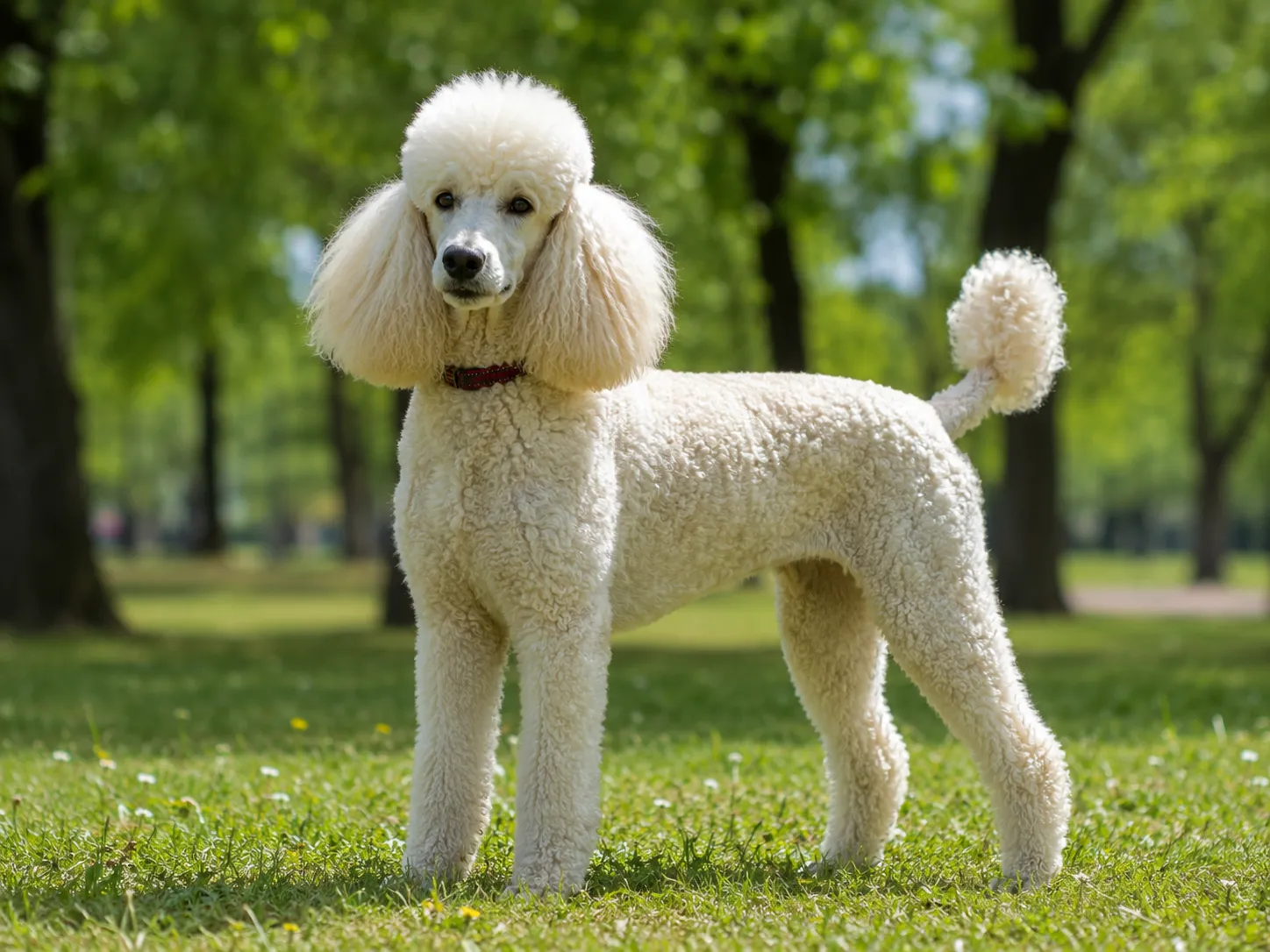 PoodleMedium • Non-Sporting Group (Utility Group in Australia)
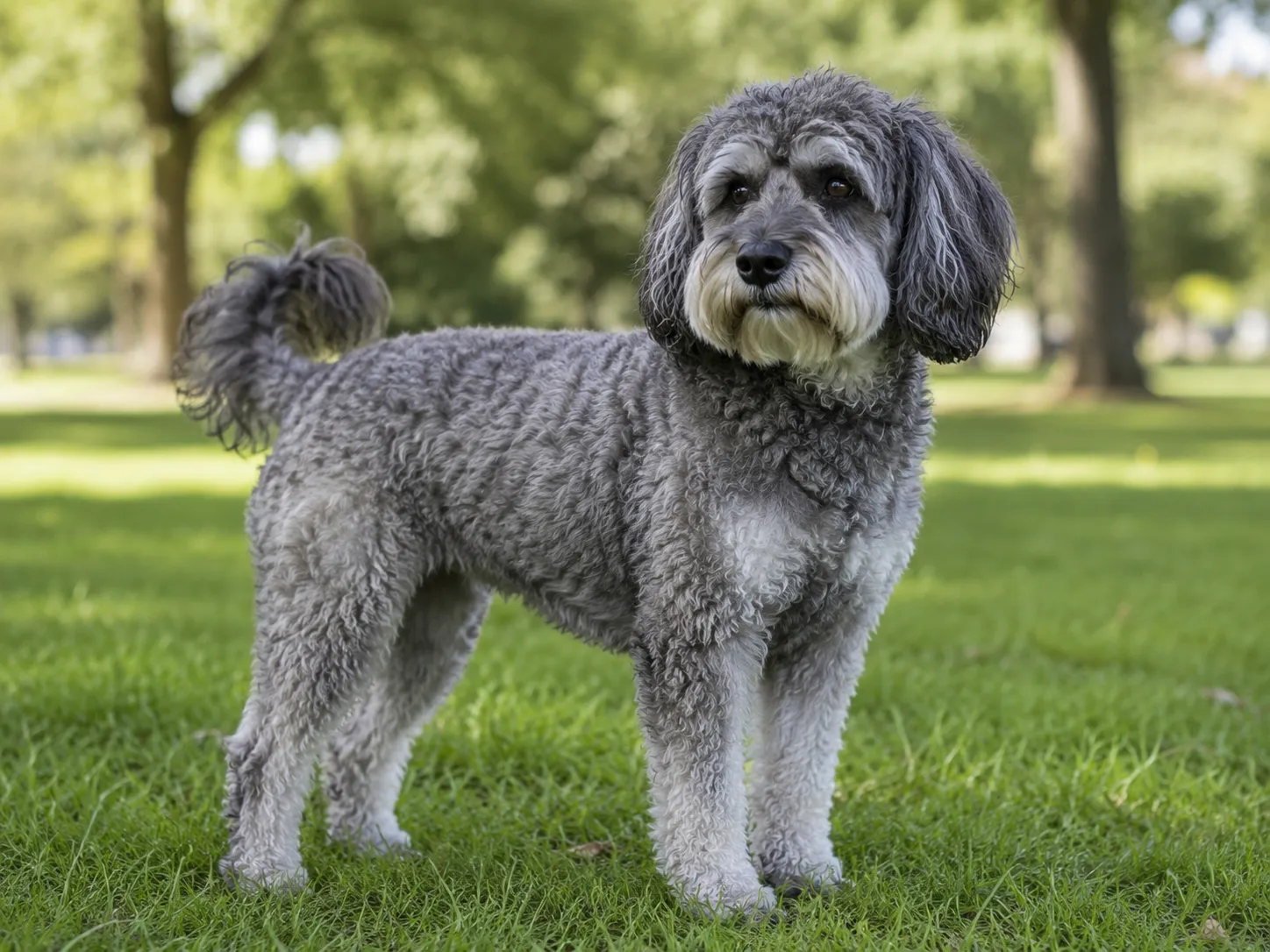 SchnoodleLarge • Companion (Poodle x Schnauzer cross)
 Australian BulldogsMedium • Companion
 Bichon FriseSmall • Companion
 Boston TerrierSmall • Non Sporting (Group 7)
 British BulldogMedium • Utility / Companion (Non-sporting)