Bichon Frise
By James C. • Updated
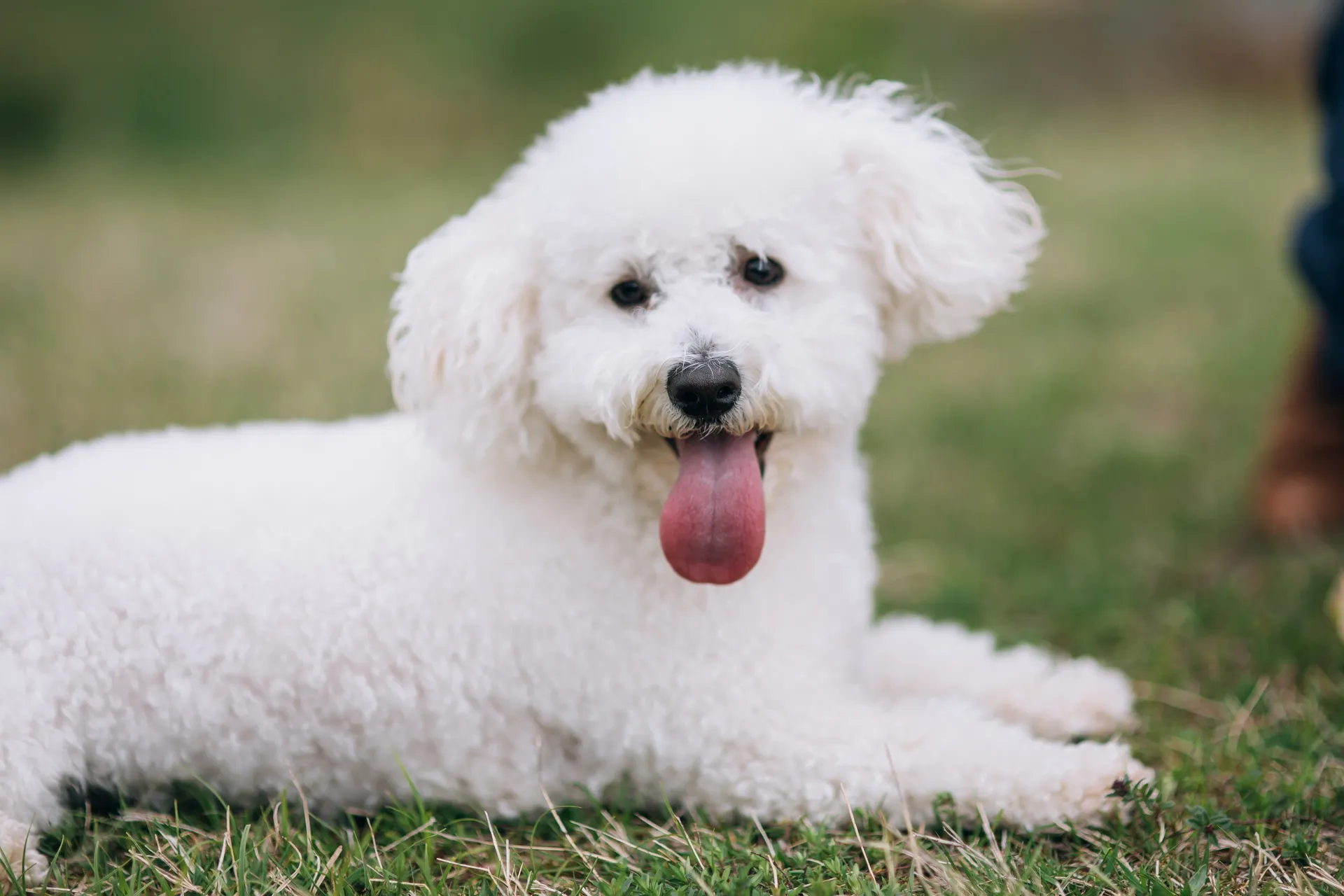
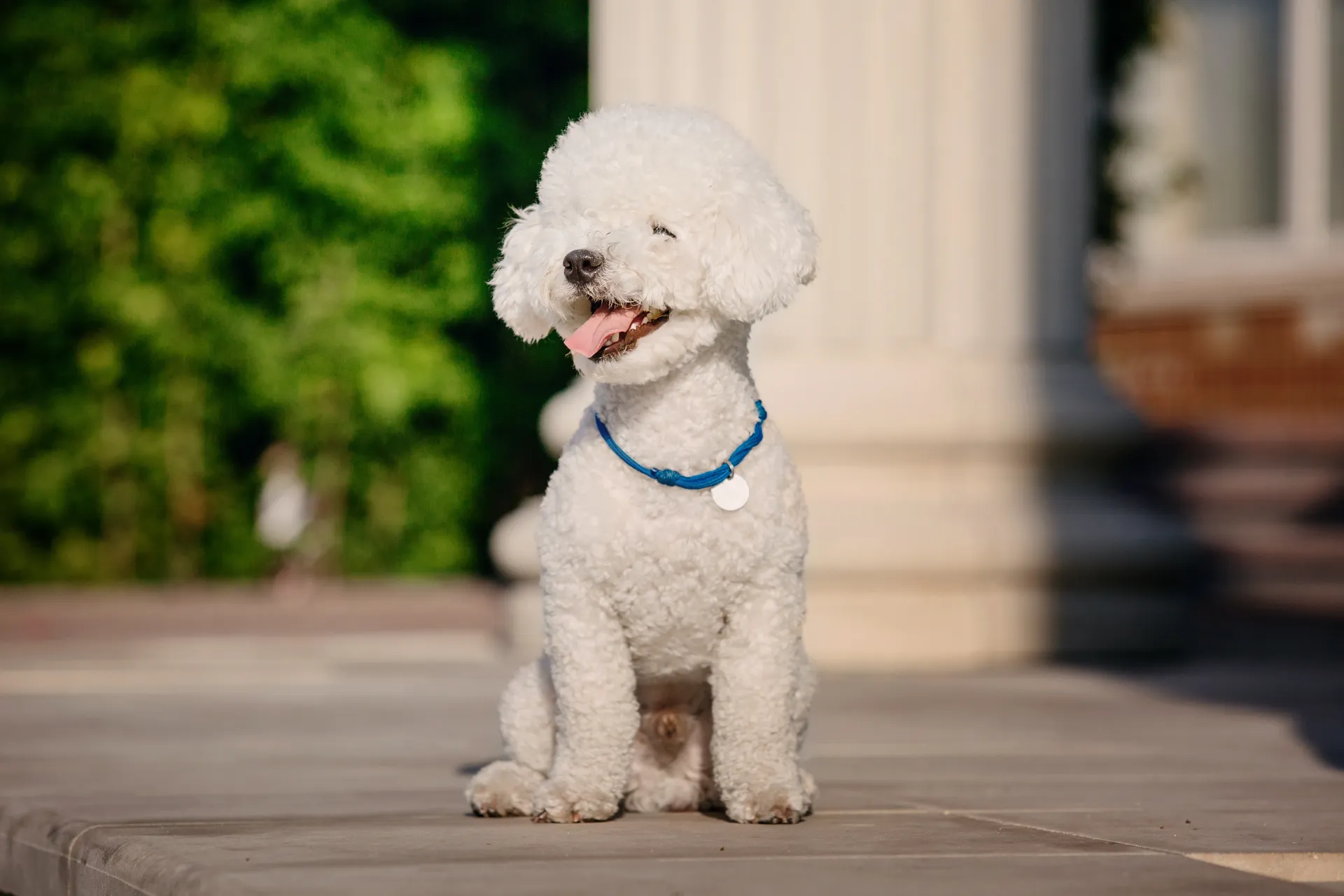
The Bichon Frise is a small, sturdy companion dog with a curly white coat that sheds very little but needs daily brushing and a professional groom every four to six weeks. Bichons are cheerful, sociable and quick to learn. They suit apartments and family homes where someone is around for much of the day, because they don't cope well with long hours alone.
Breed Overview
Life Span
14 - 15 years
Average Price
AUD 1800 - AUD 4000
Weight
Male: 3 - 6 kg Female: 3 - 6 kg
Height
Male: 23 - 28 cm Female: 23 - 28 cm
Life Expectancy
Male/Female: 14 - 15 years
Breed Group
Companion
Nicknames
Bichon à poil frisé
Breed Information
The Bichon Frise looks like a show dog and behaves like a small, confident clown. Under that white powder-puff coat is a sturdy little body and a personality that wants to be wherever you are. Bichons are happiest in the middle of family life, not watching it from the laundry.
They were favoured by European nobility centuries ago and later made their living as entertainers' dogs, and both jobs show. A Bichon is friendly, sociable and keen to please, and it settles as easily with a retired couple as with a young family or a single owner in a unit.
Easygoing is not the same as low maintenance, though, especially through the early stages of puppy training and behaviour development. Expect daily brushing, regular trips to the groomer, consistent training and plenty of company. Meet those needs and a Bichon is lively, affectionate and very easy to live with in an Australian home.
Characteristics: What Living With a Bichon Frise Is Really Like
Small size, big social needs. The table below shows how a Bichon usually fits into an everyday Australian household.
| Characteristic | Rating | Star Rating (★ out of 5) | What This Means for You |
| Size | Small | ★★★★☆ | Compact and sturdy, so a unit or small house works well. |
| Adaptability | Very Good | ★★★★☆ | Settles into most living situations if company and exercise are covered. |
| Exercise Needs | Moderate | ★★★☆☆ | Daily walks and play are enough. No marathon outings needed. |
| Easy to Train | High | ★★★★☆ | Bright and keen to please, and responds well to rewards. |
| Amount of Shedding | Low | ★★☆☆☆ | Very little hair on the floor, but daily brushing is needed to stop mats. |
| Grooming Needs | High | ★★★★☆ | Frequent brushing at home plus regular professional grooming. |
| Good With Children | Very Good | ★★★★☆ | Usually gentle and tolerant. Supervise play and teach kids to handle the dog kindly. |
| Health of Breed | Moderate | ★★★☆☆ | Mostly healthy, but may be prone to dental, eye and urinary problems. |
| Cost to Keep | Moderate | ★★★☆☆ | Food is cheap. Grooming and routine care are where the money goes. |
| Tolerates Being Alone | Low | ★★☆☆☆ | Very people-focused and can struggle if left alone for long stretches. |
| Intelligence | High | ★★★★☆ | Learns quickly and enjoys games, puzzles and training. |
In short, this is a dog for people who want a companion underfoot. Give a Bichon routine and company and you get a playful, loyal housemate in return.
History of the Bichon Frise: From Mediterranean Companion to Modern Family Dog
The Bichon Frise belongs to the Barbichon family, a group of small white companion dogs that also includes the Maltese, Bolognese and Havanese. These dogs are believed to have come from the Mediterranean, with early development linked to islands such as Tenerife.
Sailors probably did most of the spreading. During the Middle Ages, small, friendly dogs that coped with life aboard ship travelled with traders across Europe. By the 14th century Bichons had won over the nobility, particularly in Spain and France, and they turn up again and again in royal portraits and court paintings.
Fashion moved on. After political and social upheaval in Europe, the breed fell out of aristocratic favour and became associated with street performers and entertainers. Bichons were clever and trainable enough to do well in that work, and it kept the breed going when nobody at court wanted one.
The modern Bichon took shape in France, where the name "bichon à poil frisé" described its curly coat. Breed standards followed, then international recognition in the 20th century. Today it is kept almost entirely as a companion, which is exactly what it was bred to be.
Appearance of the Bichon Frise: Compact, Balanced, and Instantly Recognisable
People often call the Bichon delicate because of the coat. It isn't. Underneath is a solid, well-proportioned little dog built to move.
Size, Weight, and Structure
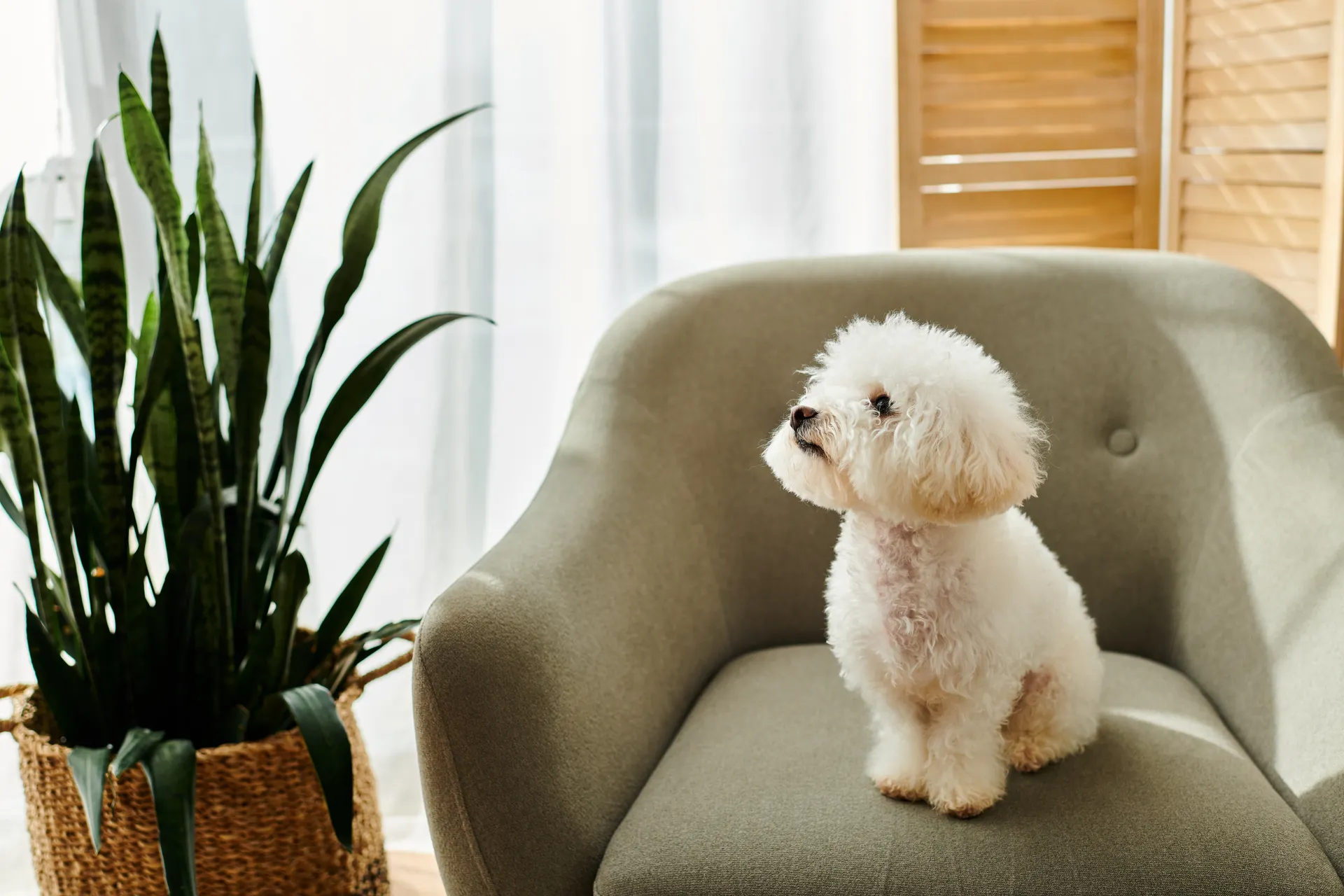
Adults usually stand 23 to 28 cm at the shoulder and weigh 3 to 6 kg. Males and females fall in the same range and look much alike. The body is slightly longer than it is tall, with a level topline, moderate bone and a well-developed chest.
Head, Eyes, and Expression
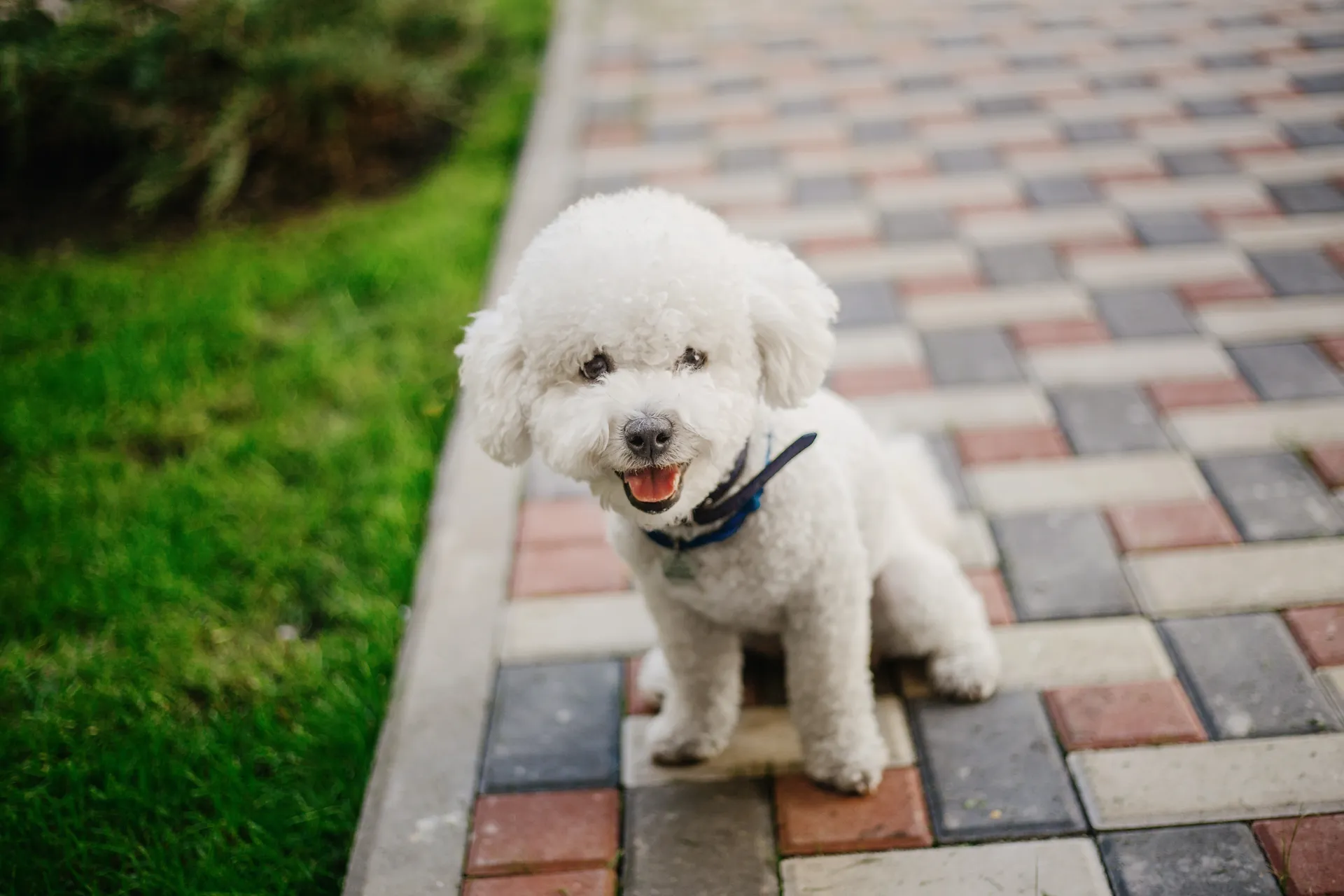
The face is what sells most people. The head is carried proudly, with a rounded skull and a short to medium muzzle. Large, dark, round eyes give the breed its alert, curious look. Black pigment on the nose, lips and eye rims stands out against the white coat and is a key part of the breed standard.
Coat Type and Colour
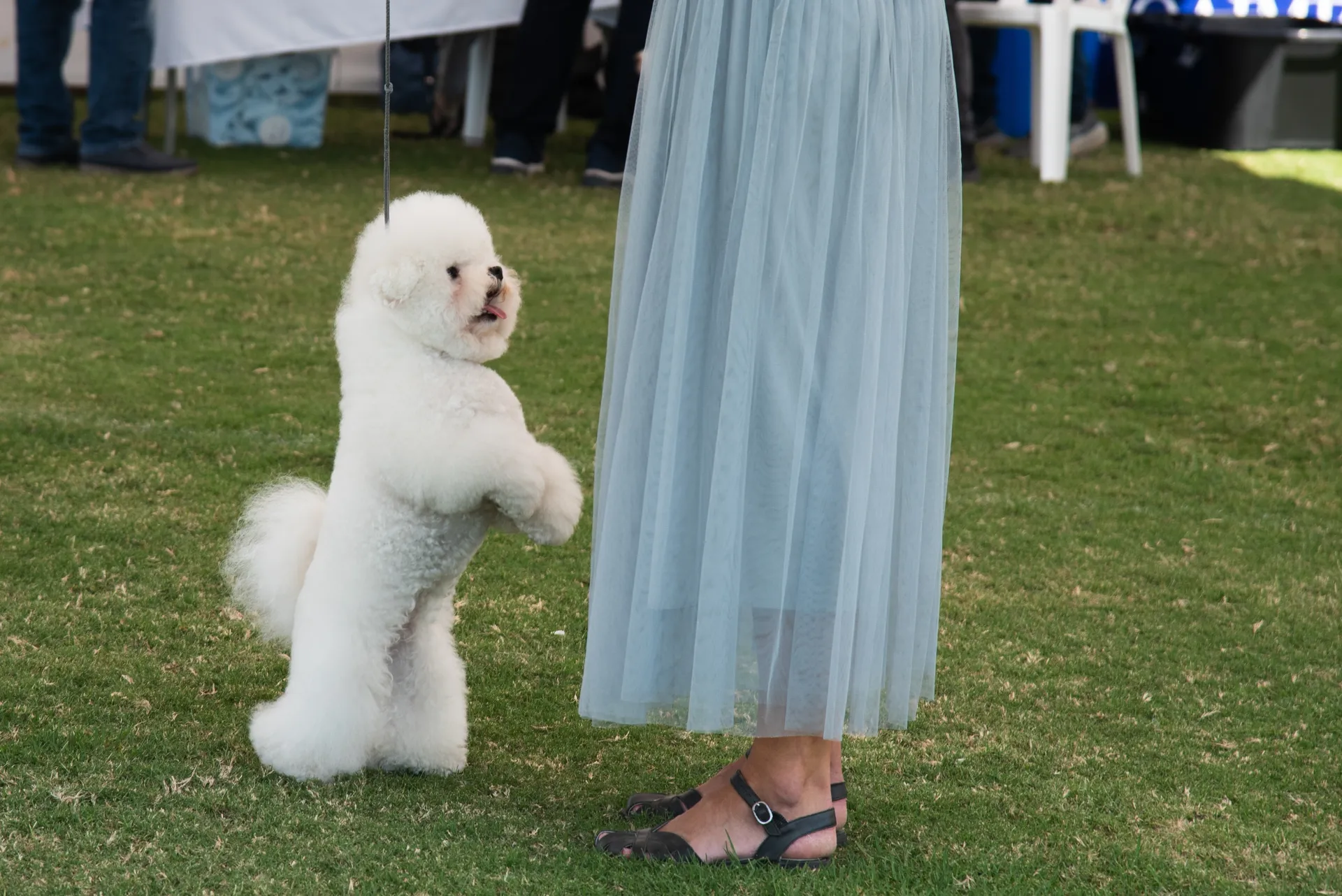
The Bichon has a double coat: a soft, dense undercoat under a coarser, curly outer coat. Together they make the powder-puff look. Shedding is low because loose hair gets caught in the curls instead of landing on your couch. Pure white is the norm, though faint cream, apricot or buff shading can appear, usually on the ears.
Tail and Movement
The tail is set moderately high and curves over the back in a loose plume. A Bichon moves freely and with a bit of bounce. For such a small dog, it has real presence.
Temperament of the Bichon Frise: Cheerful, Affectionate, and People-Focused
Upbeat and attached to its people. That sums up most Bichons. They want to be involved in whatever the household is doing and tend to meet new situations with curiosity rather than worry.
Core Personality Traits
Bichons are affectionate, playful and quick to read the mood in a room. They look for interaction, whether that's a game, a cuddle on the couch or simply following you from the kitchen to the clothesline. Their happy-go-lucky attitude is good company, especially in homes with a steady routine.
Social Behaviour With People and Other Dogs
Most Bichons are friendly with strangers and fit in well with other dogs. Aggression and guarding instincts are uncommon. A Bichon generally assumes the person at the door is a friend it hasn't met yet, which makes for a hopeless guard dog and a very pleasant companion.
Sensitivity and Emotional Needs
This is a sensitive breed. Harsh correction or long periods of isolation can lead to anxious habits such as excessive barking or chewing. Bichons do best with owners who are home for much of the day, or who can at least give them structured attention and reassurance.
Behavioural Challenges to Be Aware Of
A bored or ignored Bichon can become demanding and noisy, and those habits can grow into common puppy behaviour problems. House-soiling is the other one to watch, particularly in puppies whose routine keeps changing. Clear boundaries, rewards for good behaviour and regular attention keep most of this in check.
Intelligence and Trainability of the Bichon Frise: Bright, Eager, and Highly Responsive
Bichons are quick learners and enjoy having something to think about. They respond far better when training feels like a game than when it feels like drill.
How the Bichon Frise Learns
Repetition and reward work. Bichons are curious and motivated by praise, treats and play, so short, upbeat sessions get results. Their wish to please does a lot of the work for you, as long as you're consistent.
Training Strengths and Common Challenges
Basic obedience, tricks and house manners usually come quickly, and many Bichons love showing off a trick for visitors. House training is the weak spot and often takes longer than with other breeds. Patience and a fixed routine matter here, which is why it helps to know when to start obedience training.
Training Methods That Work Best
Use positive reinforcement. Scolding and harsh corrections damage trust and make a Bichon less responsive, not more. Treats, praise and games give the most reliable results. Early socialisation and puppy classes build confidence and help prevent fearful behaviour later.
Long-Term Training Success
Don't stop once puppyhood ends. Puzzle toys, new commands and a change of scenery keep an adult Bichon from getting bored, and a dog that isn't bored behaves better. Keep at it and you end up with a polite, attentive, confident little dog.
Bichon Frise and Family Life: Children, Pets, and Home Environment
The Bichon has a good reputation as a family dog, and mostly deserves it. It's gentle, sociable and copes with a busy household, provided its own needs are respected.
Living With Children
Bichons generally get on well with children when play is calm and supervised. Older kids who handle them gently make great playmates. With toddlers, watch closely: the breed is sturdier than it looks, but at 3 to 6 kg it can still be hurt by rough play or a fall from little arms.
Compatibility With Other Dogs and Pets
Most Bichons enjoy other dogs. Early socialisation helps head off possessive behaviour over toys or food. They can live with cats and other pets if introductions are slow and supervised at first.
Social Needs and Time Alone
Bichons bond tightly with their family and don't handle long hours alone. Left too often, some develop separation-related behaviours, and the signs can start early when a puppy is crying at night or struggling to settle by itself. A household where someone is home for much of the day suits the breed best. Two working owners out from 8 till 6 is a hard fit.
Creating a Balanced Home Environment
Routine, daily attention and being included in family life are what make a Bichon feel secure. Treat it as part of the household rather than a background pet and it will be a settled, affectionate companion.
Health of the Bichon Frise: Lifespan, Common Conditions, and Preventative Care
The Bichon Frise is generally a healthy, long-lived breed. Many reach 14 to 15 years with responsible breeding and regular vet care. Like any purebred, though, it has a few health issues worth knowing about before you commit.
Common Health Conditions in the Breed
Bichons may be predisposed to several hereditary or lifestyle-related conditions. Dental disease is the big one, because small mouths mean crowded teeth, so dental care isn't optional. Bladder stones can occur and may be linked to genetics, urinary infections or diet. They usually need veterinary management.
Eye conditions such as cataracts and corneal dystrophy are also reported. Both can affect vision over time, so regular eye checks are sensible. Some Bichons develop diabetes mellitus, which means lifelong management through diet, monitoring and, where needed, insulin.
Joint, Skin, and Ear Health
Some Bichons may experience luxating patella, where the kneecap slips out of place and can affect how the dog moves. The breed can also be prone to skin allergies and sensitivities, usually managed with good grooming, the right diet and advice from your vet. Hair grows inside the ear canal too, which can raise the risk of ear infections, so keep the ears clean.
Health Testing and Responsible Breeding
Good breeders health-screen their dogs and may test breeding stock for patellar stability, hip health and inherited eye conditions. Ask to see the health testing results and vet records for both parents. It's the simplest way to lower the risk of inherited disease.
Preventative Care and Long-Term Planning
Regular check-ups, vaccinations, parasite control (including tick prevention if you live on the east coast), dental cleaning and keeping weight in check do most of the work. Knowing how often dogs should see a vet keeps that care on schedule. Pet insurance is worth discussing early, as costs tend to rise as a Bichon ages. Look after these basics and most Bichons stay active well into their senior years.
Caring for the Bichon Frise: Daily Needs, Home Setup, and Long-Term Comfort
Food, water and a walk are only part of it. A Bichon also needs routine, company and a bit of structure to stay settled.
Daily Care and Routine
A good day for a Bichon includes a couple of short walks, some play and a few minutes of training or a puzzle game. They like being part of whatever the household is doing and feel calmer with a predictable routine. Add a quick check of the coat, a wipe of the face and a tooth brush, and the daily list is done.
Home Environment and Living Space
Bichons cope well in apartments, units and small homes as long as they can get outside for toileting and walks. Indoors, give them a quiet bed or crate they can retreat to. Watch stairs, high furniture and slippery floorboards, which can cause injuries in a dog this size.
Seasonal and Climate Considerations
That dense coat holds heat. In a Queensland or western Sydney summer, walk early in the morning or after dark, keep fresh water out and watch for heavy panting. Winter is easier. Most Bichons are fine indoors, though some appreciate a jumper on a frosty morning.
Supporting Comfort as the Dog Ages
Older Bichons need care adjusted for their joints, teeth and lower energy. Softer bedding, gentler walks and more frequent vet visits help keep them comfortable. Many stay bright and engaged right into old age.
Grooming the Bichon Frise: Coat Care, Maintenance, and Ongoing Commitment
Grooming is the biggest commitment with this breed. Low shedding doesn't mean low effort. The dense, curly coat needs regular work to stop mats and keep the skin healthy.
Coat Type and Daily Maintenance
Because the curly outer coat traps shed hair instead of dropping it, that loose hair stays in the coat until you brush it out. Brush daily, paying attention to the ears, legs, chest and tail. A slicker brush followed by a metal comb works well. Skip a few days and mats form fast, pulling on the skin and causing irritation.
Bathing and Professional Grooming
Most Bichons need a bath about once a month to stay clean and white. A professional groom every four to six weeks is standard, especially if you like the traditional rounded powder-puff trim. Budget for it as a regular bill, not an occasional treat.
Facial, Eye, and Ear Care
Tear staining around the eyes is common. A daily wipe with a dog-safe product keeps the face clean. Check the ears regularly too, as hair inside the canal can trap moisture and lead to infection. Gentle cleaning keeps that risk down.
Nail and Dental Maintenance
Trim nails regularly so they don't overgrow. Teeth matter just as much given the breed's tendency to dental disease. Brush them routinely and book professional dental cleans when your vet recommends them.
It adds up to a high-maintenance coat. If you're happy to keep on top of it, good dog grooming and hygiene habits give you a comfortable, healthy dog.
Exercise Needs of the Bichon Frise: Balanced Activity and Mental Engagement
A Bichon needs daily exercise, just not much of it. Think short bursts of zoomies followed by a long nap next to you.
Daily Exercise Requirements
Most adults do well on 20 to 40 minutes of activity per day, split between short walks and play. Nothing strenuous is needed, but regular movement keeps weight down, supports the joints and heads off boredom.
Play and Mental Stimulation
Mental work counts as much as physical exercise. Bichons love interactive games, new tricks and puzzle toys. Indoor play goes a long way, which is part of why the breed works in apartments.
Suitable Activities for the Breed
Obedience training, small-dog agility games and supervised off-lead play in a fenced area all suit the breed. Bichons are keenest on anything that involves their owner.
Exercise Safety and Limitations
Limit high-impact activity like jumping off furniture or running up and down stairs, particularly in puppies. In hot weather, stick to the cool ends of the day. The coat makes them more sensitive to heat than their size suggests.
Get the balance of exercise and brain work right and a Bichon fits comfortably into almost any home.
Feeding the Bichon Frise: Nutrition, Portions, and Weight Management
Diet shows up in a Bichon's coat, teeth and waistline. As a small breed with a fairly fast metabolism, it needs enough energy for daily activity without the extra kilos that come easily to a lap dog.
Nutritional Requirements
A good-quality complete diet made for small breeds suits most Bichons. Look for animal-based protein to maintain muscle and moderate fat for energy. Vitamins, minerals and omega fatty acids help the skin, coat and immune system. Some Bichons have food sensitivities, so a simple ingredient list can help.
Feeding Schedules and Portion Control
Adults usually do well on two measured meals per day. Puppies may need three to four smaller meals to reduce the risk of low blood sugar. Adjust portions for age, activity and body condition, and ask your vet if you're unsure.
Dental and Digestive Considerations
Given the breed's dental problems, a small-breed kibble designed for oral health is often recommended. Dental chews and VOHC-approved products help with plaque but don't replace brushing. Change foods gradually to avoid an upset stomach.
Weight Management and Treat Use
Extra weight makes joint, dental and metabolic problems worse. Keep treats to a small share of daily calories and check body condition regularly. A balanced dog nutrition and feeding plan keeps a Bichon lean and comfortable for life.
Bichon Frise Price and Ongoing Costs: What Ownership Involves
The purchase price is only the start. Grooming, preventative healthcare and a lifespan of 14 to 15 years mean steady costs for a long time. These are realistic figures for Australian owners.
Typical Costs of Owning a Bichon Frise in Australia
| Cost Category | Typical Cost Range (AUD) | What This Covers |
| Purchase Price | $1,800 to $4,000 | Price from reputable Australian breeders, depending on pedigree, health testing and breeding standards. |
| Initial Setup Costs | $300 to $500 | Bed, crate, bowls, collar and lead, toys, grooming tools and basic training gear. |
| Monthly Food Costs | $40 to $70 | Good-quality small-breed food suited to age, size and activity. |
| Professional Grooming | $80 to $150 per session | Full groom every 4 to 6 weeks, including bath, clip and coat maintenance. |
| Routine Veterinary Care | $70 to $100 per month (avg.) | Annual check-ups, vaccinations, parasite prevention, dental checks and general health monitoring. |
| Pet Insurance | $40 to $70 per month | Cover for accidents, illness and breed-related conditions. |
| Estimated Lifetime Costs | Moderate to High | Grooming, healthcare, insurance and daily care over 14 to 15 years. |
Understanding the Long-Term Commitment
Food and general care stay affordable. Grooming is the biggest ongoing expense, and with this breed it isn't optional. At $80 to $150 every four to six weeks, it adds up quickly over a year. Dental care and routine vet visits come next.
Plan for those costs from day one and a Bichon is a predictable, manageable dog to own over its whole life.
Buying Advice for the Bichon Frise: Choosing Responsibly and Ethically
You'll live with the result of this decision for up to 15 years. Taking your time at the start protects your dog's health and temperament, and the breed as a whole.
Finding Responsible Bichon Frise Breeders
Good breeders put health and temperament ahead of profit. They're open about their program, hand over full vet records and let you meet the mother where possible. Puppies should be raised in a home with early socialisation, not in a kennel block. Be wary of breeders who dodge questions or always seem to have several litters on the go, because those are the warning signs that help you spot a puppy scam online.
Health Checks and Documentation to Expect
Ask for proof of health screening for patellar stability and inherited eye conditions. These are among the first questions to ask a dog breeder. Puppies should be microchipped, vaccinated and wormed before they go home, with paperwork to show it. A written contract covering health guarantees, returns and the breeder's responsibilities is another good sign.
Choosing the Right Puppy
A healthy Bichon puppy is alert, curious and confident. Watch how it plays with littermates and reacts to people. Extreme shyness, lethargy or aggression are reasons to pause. Temperament matters as much as looks in a breed built around being sociable.
Adoption and Alternative Options
Bichons turn up in rescue now and then, though not often. Adopting one can be very rewarding for an experienced owner who is comfortable with an unknown history. Pups4Sale can also put you in touch with responsible breeders and ethical listings, so you can compare options with the facts in front of you.
Is the Bichon Frise the Right Dog for You?
If you want a sociable, affectionate dog that is part of every day, a Bichon is a strong choice. It fits apartments and family homes alike, as long as grooming, training and company are covered. Engaged owners get a playful, cheerful dog that quickly becomes the centre of the house.
Just be honest about the work. Daily brushing, a groomer every four to six weeks and a low tolerance for being alone all take time and money. If you enjoy hands-on care and can give a dog structure and attention, the Bichon is a very rewarding long-term companion.
When you're ready to start looking, Pups4Sale can help you find responsible breeders or ethical adoption options.
Frequently Asked Questions
Related Breeds
Other companion breeds on Pups4Sale.
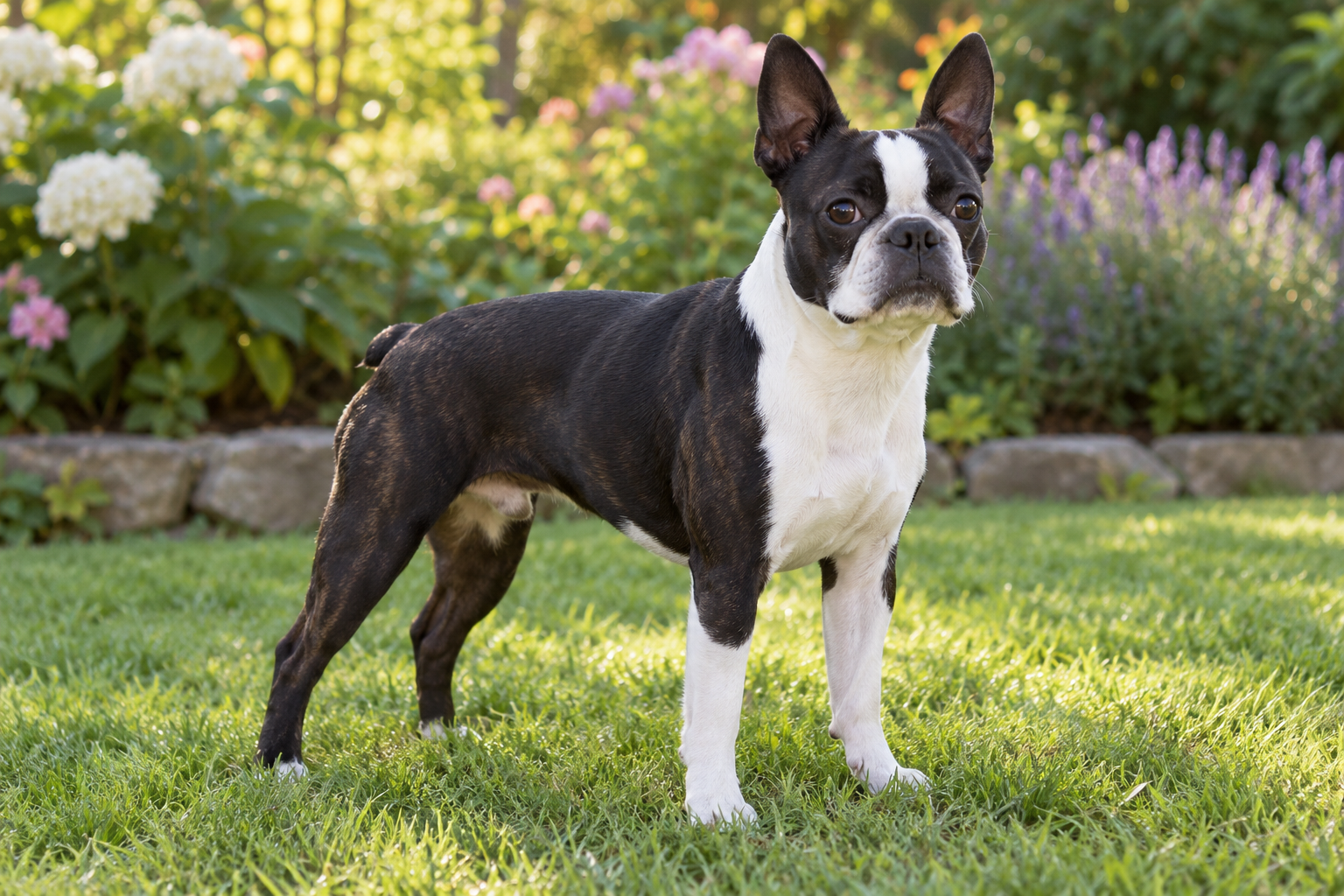 Boston TerrierSmall • Non Sporting (Group 7)
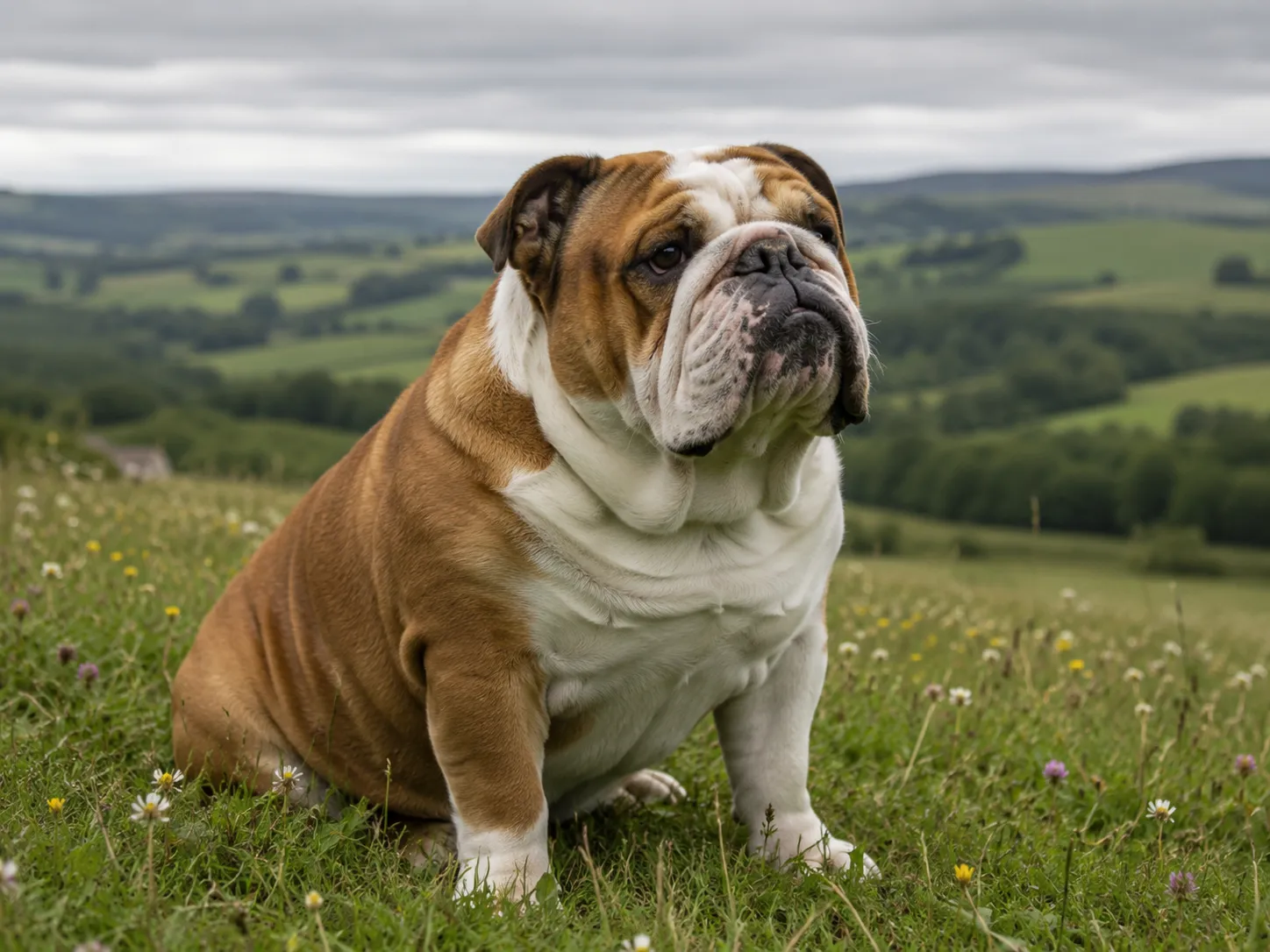 British BulldogMedium • Utility / Companion (Non-sporting)
 BullmastiffGiant • Working
 Cavalier King Charles SpanielSmall • Toy
 CavoodleSmall • Companion
 ChihuahuaSmall • Toy