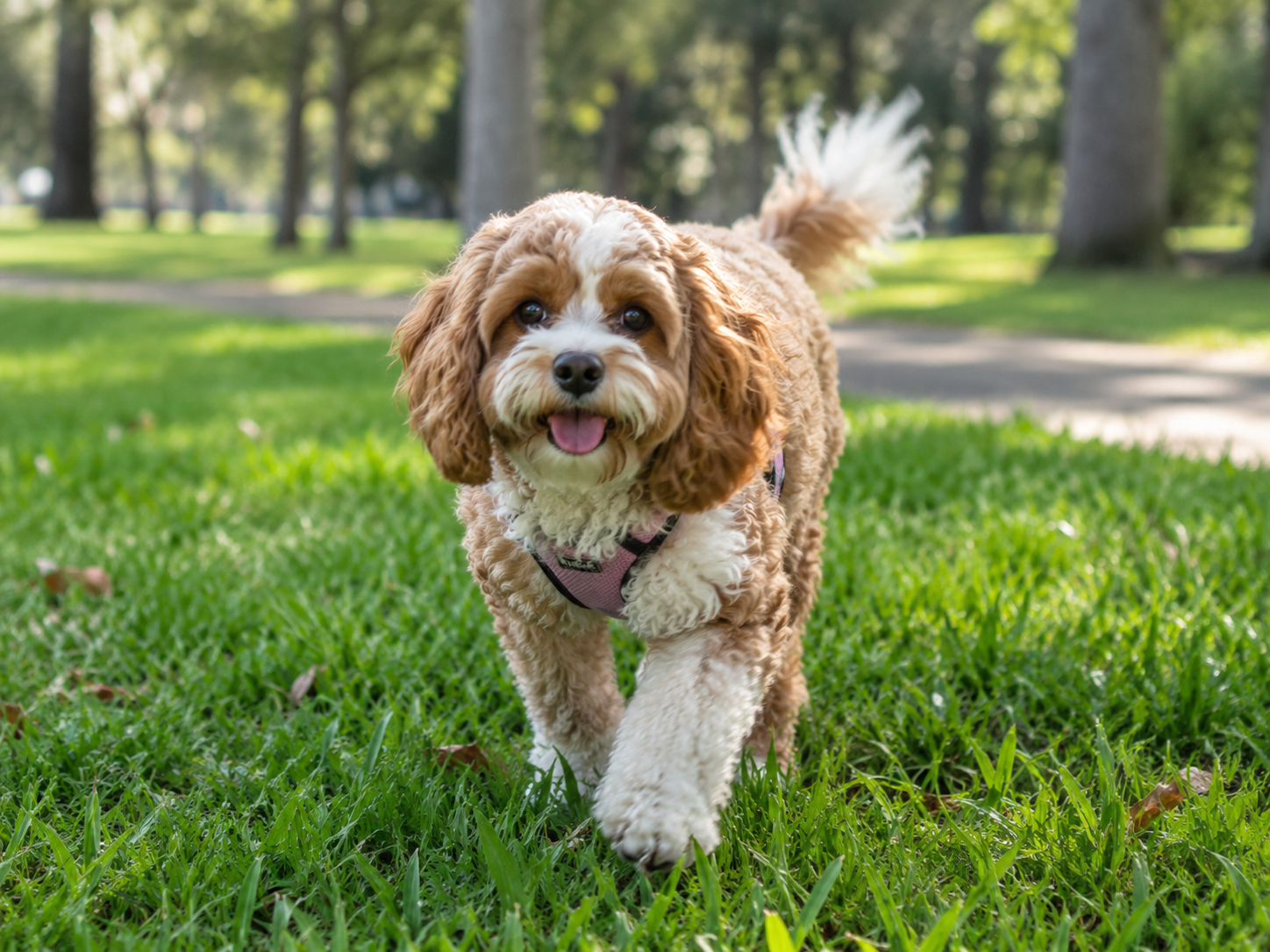
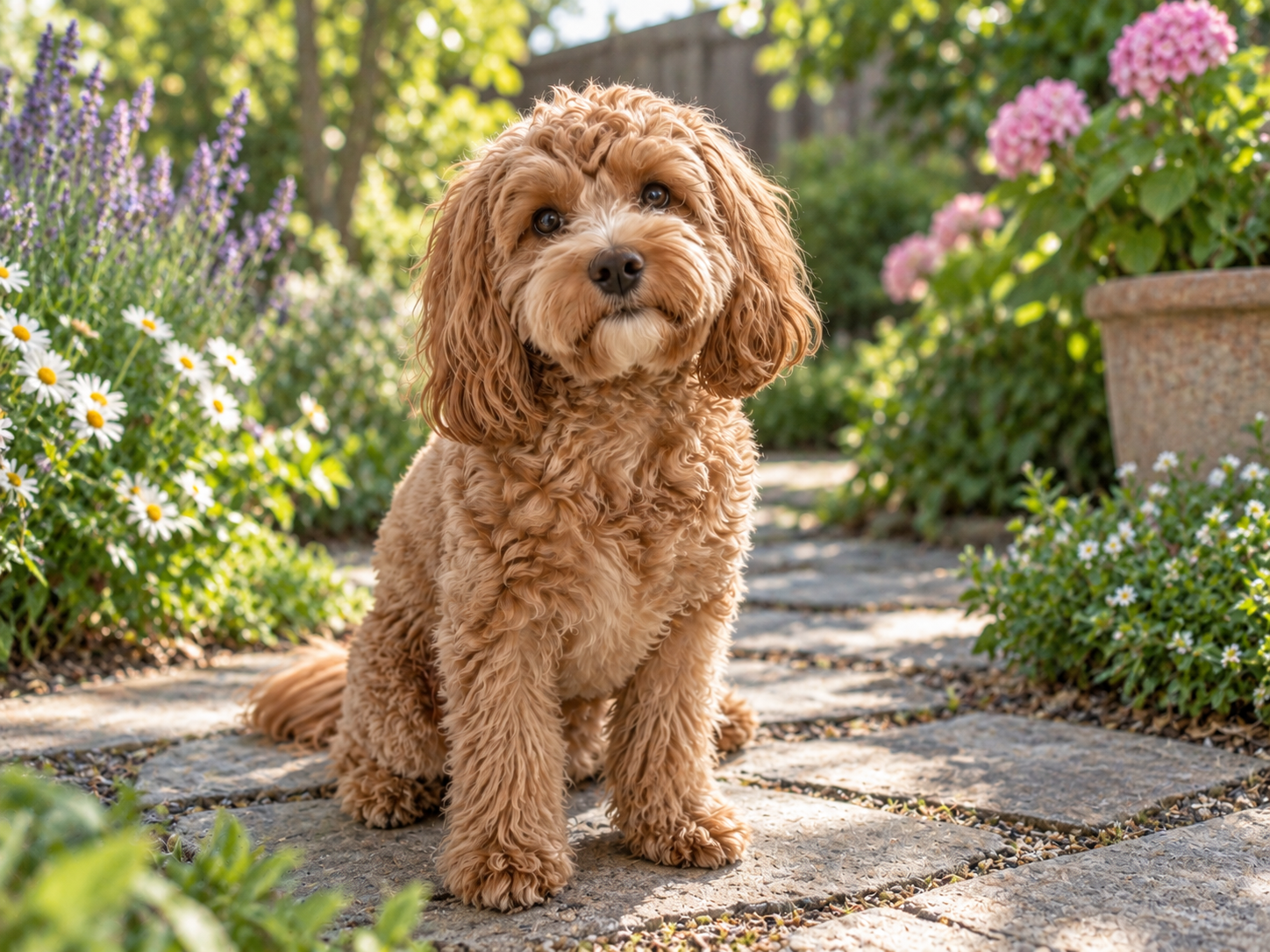
Cavoodle
By James C. • Updated
A cross between a Cavalier King Charles Spaniel and a Poodle, bred in Australia from the 1990s as a small companion dog. The Cavoodle is affectionate, adaptable and quick to learn, which suits families, retirees and apartment living. It is a crossbreed rather than a recognised breed, so size, coat type and shedding vary depending on which Poodle parent was used and how many generations back the cross sits. It needs company for much of the day and professional grooming every six to eight weeks.
Breed Overview
Life Span
10 - 14 years
Average Price
AUD 2000 - AUD 3500
Weight
Male: 4 - 14 kg Female: 4 - 14 kg
Height
Male: 25 - 38 cm Female: 25 - 38 cm
Life Expectancy
Male/Female: 10 - 14 years
Breed Group
Companion
Nicknames
Cavapoo, Cavadoodle
Breed Information
The Cavoodle is a cross between a Cavalier King Charles Spaniel and a Poodle, bred as a small, affectionate companion dog and now one of the most popular dogs in Australia. It is a crossbreed rather than a recognised breed, which means there is no official standard governing its size, coat or appearance.
Two Cavoodles from different litters can look and behave quite differently, and that variation is the single most important thing a buyer needs to understand before choosing one. Size, coat type and shedding all depend on which Poodle parent was used and how many generations back the cross sits.
This guide covers what the Cavoodle is actually like to live with, what it costs in Australia, what the health evidence says about both parent breeds, and the questions that separate a responsible breeder from an opportunistic one.
Characteristics of the Cavoodle
The Cavoodle is an affectionate, adaptable companion that suits most Australian homes, provided someone is around during the day and the grooming budget is realistic.
| Trait | Rating | Star Rating | Meaning |
|---|---|---|---|
| Size | Small | ★★ | Fits comfortably in an apartment or unit. Easy to transport, but small enough to be injured by rough handling. |
| Adaptability | High | ★★★★★ | Settles into most living situations, from inner-city flats to family homes with yards. |
| Exercise Needs | Moderate | ★★★ | Two shorter walks a day plus play suits most adults. Not a dog that needs a job, but it does need stimulation. |
| Easy to Train | High | ★★★★ | Quick to learn and eager to please. Responds poorly to harsh handling. |
| Amount of Shedding | Low to Moderate | ★★ | Sheds less than most breeds, but a Cavalier-dominant coat sheds noticeably more than a curly one. |
| Grooming Needs | High | ★★★★★ | Daily brushing plus professional clipping every six to eight weeks. This is a recurring cost, not an occasional one. |
| Good With Children | Very High | ★★★★★ | Patient and tolerant. Toy-sized individuals need supervision around toddlers because of their fragility. |
| Health | Moderate | ★★★ | Inherits real risk from both parent breeds. Parent health testing matters more here than almost any other buying factor. |
| Cost to Keep | Moderate to High | ★★★★ | Grooming and insurance are the recurring costs that surprise people. |
| Tolerates Being Alone | Low | ★ | The breed’s biggest practical drawback. Cavoodles bond closely and often struggle when left alone all day. |
| Intelligence | High | ★★★★ | Learns fast, including habits you did not intend to teach. Needs mental work as well as walks. |
History of the Cavoodle: From Australian Cross to National Favourite
The Cavoodle is an Australian creation, developed from the 1990s as breeders began deliberately crossing Cavalier King Charles Spaniels with Toy and Miniature Poodles. Unlike most breeds in this library, it has no working past. It was bred from the outset as a companion, which is why its temperament is so consistently people-oriented while its physical type is not consistent at all.
The intention was to combine the Cavalier’s calm, people-focused nature with the Poodle’s lower-shedding coat, producing a small dog suited to suburban and apartment living. On temperament, that intention largely worked. On coat and health, expectations often outrun reality, and both points are covered properly below.
The cross took hold in Australia faster than almost anywhere else, and the name itself is Australian. Elsewhere the same cross is usually called a Cavapoo. The popularity is not accidental, since a small, affectionate, lower-shedding dog fits the way a great many Australians now live, in smaller homes and closer to neighbours.
The Cavoodle is not recognised by Dogs Australia or any major kennel club, and there is no breed standard for it. There is no official description of correct size, coat or structure, no breed club enforcing health testing as a condition of registration, and no pedigree database. When a seller describes themselves as a registered Cavoodle breeder, that registration is almost always a business or council registration rather than a kennel club one, and it says nothing about health testing.
Appearance of the Cavoodle: Small, Variable, and Coat-Led
Size and Build
Cavoodles are small dogs, but their adult size varies considerably depending on which Poodle parent was used. Australian breeders generally advertise three loose size classes: toy, miniature and standard. These are marketing categories rather than defined standards, so the weight and height ranges quoted vary from breeder to breeder and should be treated as indicative only.
Most Cavoodles reach their adult height by around eight to ten months, then fill out for a few months afterwards. Because there is no breed standard, the only reliable predictor of adult size is the size of both parents, which is a reasonable thing to ask to see in person.
Toy, Miniature and Standard Sizes
The size class of a Cavoodle is determined by the Poodle parent, not by anything on the Cavalier side. A Toy Poodle parent produces the smallest litters, a Miniature Poodle parent produces larger dogs, and the Cavalier contributes a fairly consistent middle size. Because the Cavalier side is stable and the Poodle side is not, size variation within a single litter is normal.
Ask which Poodle variety the sire is, and ask to see both parents. A breeder who cannot tell you the Poodle parent’s variety cannot reliably tell you how big your puppy will be. Deposits are often taken at six weeks, well before adult size is apparent, so this question needs asking early.
Be sceptical of the term teacup Cavoodle. It is a sales description, not a size class, and it is not recognised by any registry. Dogs marketed this way are sometimes simply the smallest puppy in a litter, and deliberately breeding for extreme smallness can bring additional health problems.
Generations: F1, F1b and Multigen
The generation of a Cavoodle describes how many crosses back it sits from the original Cavalier and Poodle pairing, and it is the strongest predictor of coat type and shedding. An F1 is a first cross, one purebred Cavalier to one purebred Poodle. An F1b is an F1 crossed back to a Poodle, which usually produces a curlier, lower-shedding coat. Multigen dogs come from two Cavoodle parents over several generations.
This matters commercially as well as practically. F1b and multigen puppies are often advertised at higher prices on the basis of coat predictability. If low shedding is your reason for choosing the breed, generation is the question to ask, and it is worth reading the health section first, because generation does not reduce inherited disease risk in the way it is often implied to.
Very few Australian listings state the generation up front. Asking for it, and asking to see the parents’ pedigrees, is a quick and effective way to tell a careful breeder from a casual one.
Coat and Colours
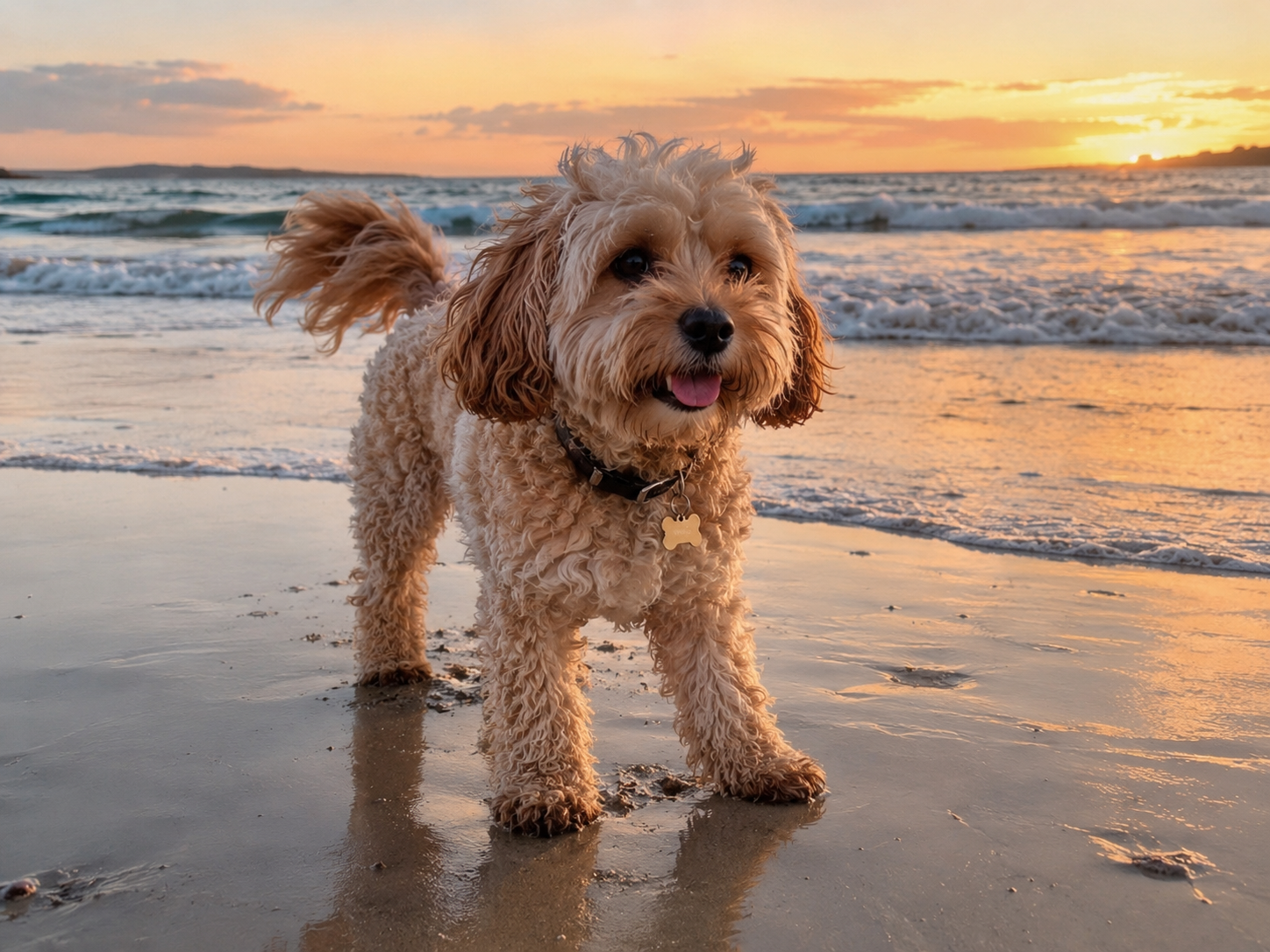
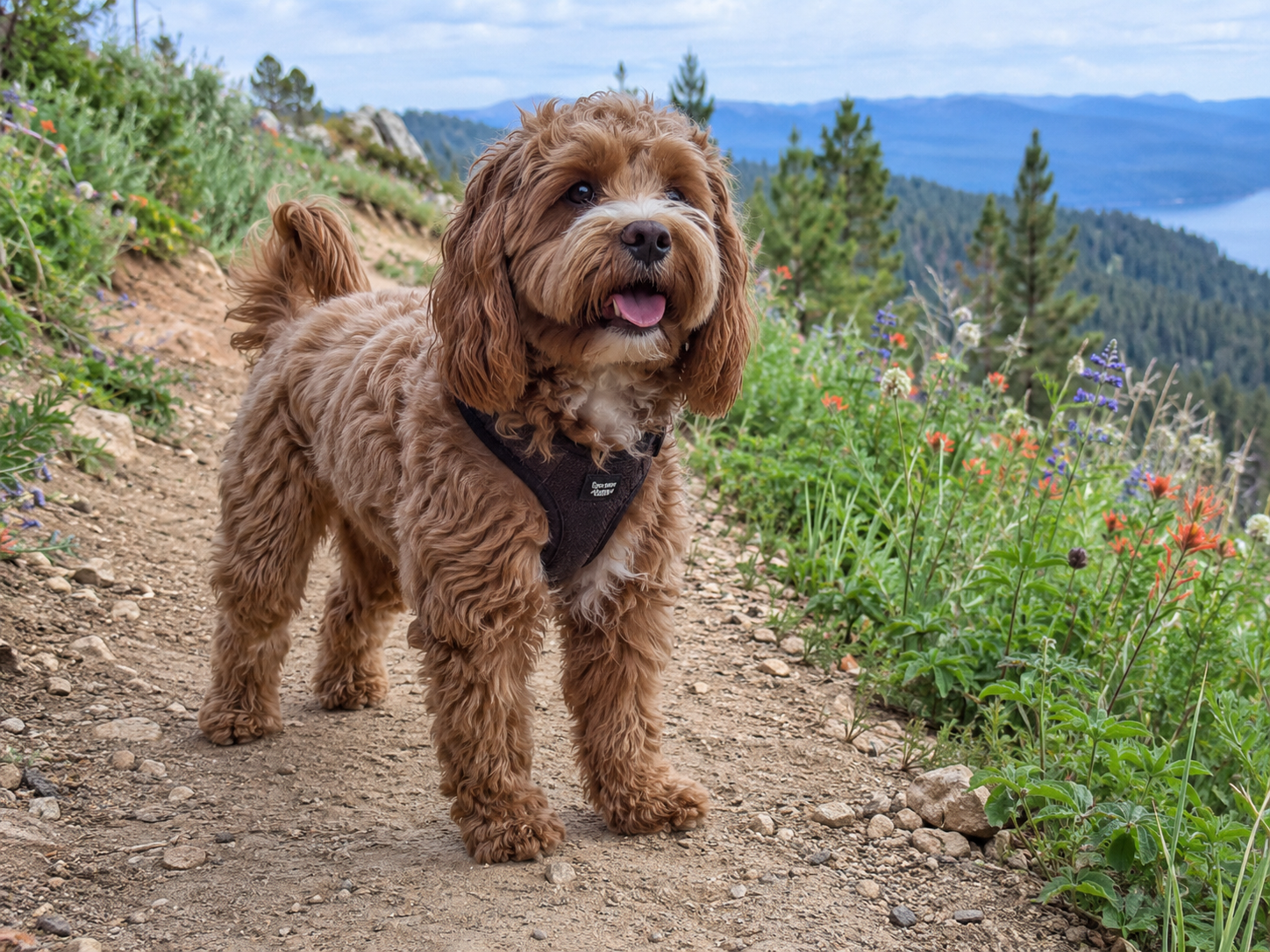
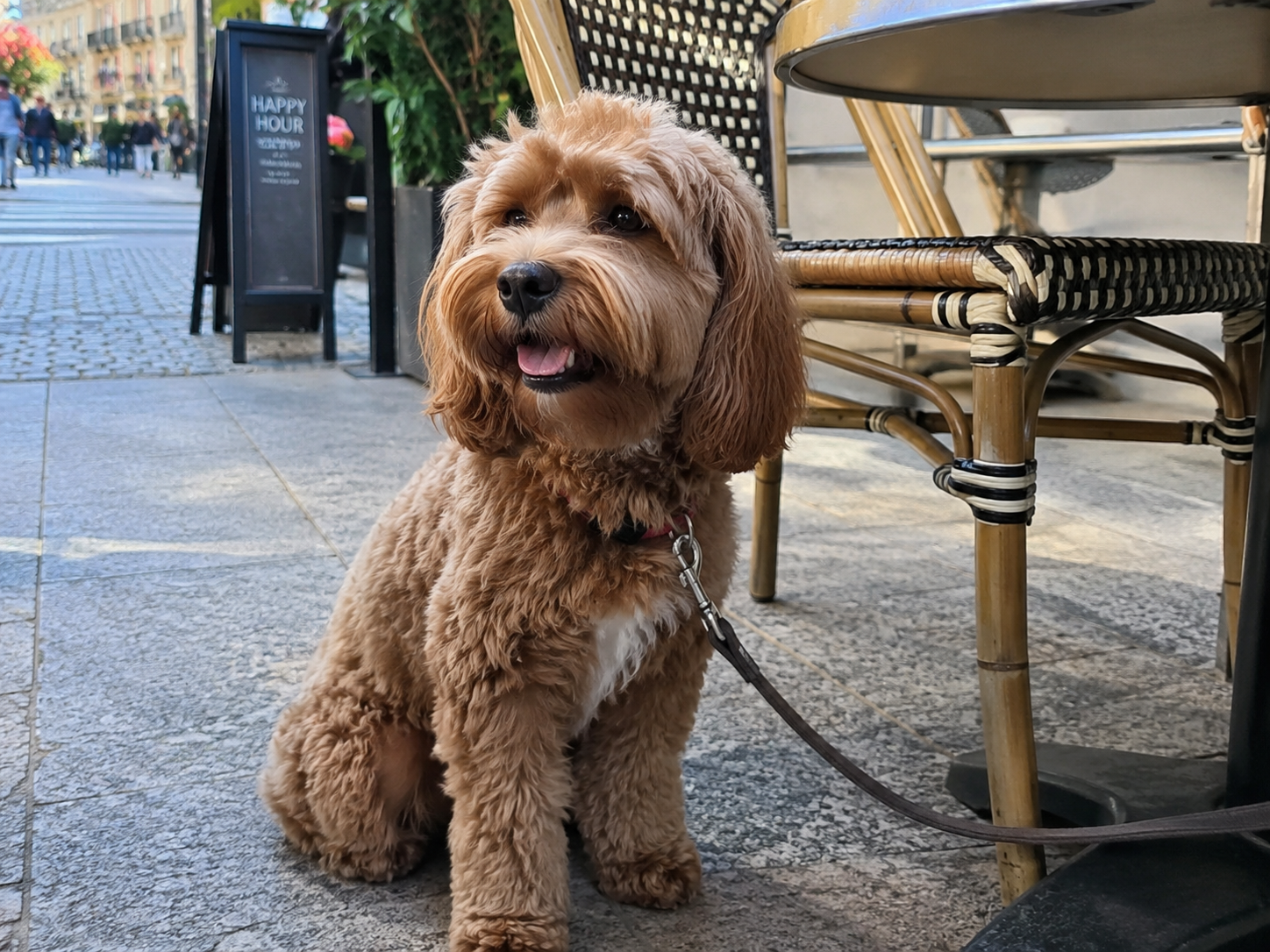
Coats range from loosely wavy to tightly curly, with the curlier coats generally coming from F1b and multigen breeding. Wavier, more Cavalier-like coats shed more and mat less. Curlier coats shed less and mat considerably more, so the lower-shedding coat is also the higher-maintenance one.
Common colours include ruby, blenheim, black, chocolate, apricot, gold and parti-colour. Black and chocolate Cavoodles are sometimes advertised at a premium as though they were rare. Colour has no bearing on health or temperament, and it is not a sound reason to pay more.
Distinctive Features
Cavoodle heads range from Cavalier-dominant, with a rounder skull and larger eyes, to Poodle-dominant, with a longer, finer muzzle. Both types occur in the same litter. Be cautious about any puppy with a noticeably shortened muzzle, since a flatter face can be associated with breathing difficulty, and it is worth discussing with a veterinarian before you buy.
Ears are long, set moderately high and well feathered, inherited from the Cavalier side. They hang close to the head, which restricts airflow to the ear canal and is directly relevant to the grooming routine described below.
Temperament of the Cavoodle: Affectionate, Adaptable, and People-Focused
Core Personality Traits
Cavoodles are affectionate, people-focused and moderate in energy, which is what makes them so well suited to family and apartment life. They were bred as companions and behave like it, seeking contact and preferring to be in whichever room the household is occupying. They are rarely aloof and rarely highly strung.
Energy sits in a comfortable middle. A Cavoodle will happily walk for an hour and then settle for the evening, but it is not a dog that will entertain itself in a yard all day. The Poodle side brings curiosity and problem solving, and the Cavalier side brings a strong desire to please.
Bonding and Attachment
Cavoodles bond quickly and intensely, often attaching to the whole household rather than a single person. That closeness is the reason people love the breed, and it is also the source of its main behavioural risk. A dog that wants to be with you constantly is a dog that finds absence difficult.
Social Behaviour
Most Cavoodles are friendly with visitors and unbothered by other dogs, particularly if socialised early. They are alert and will usually bark to announce someone at the door, but they are not typically persistent or territorial barkers. Where barking becomes a problem, it is more often driven by boredom or by distress at being left alone than by any guarding instinct.
Common Behavioural Challenges
Separation-related distress is the most common serious behavioural problem in this breed, and it is a direct consequence of what makes them appealing. A Cavoodle left alone for a full working day, every day, without preparation is at real risk of developing anxiety, destructive behaviour and nuisance barking. This is not a dog to buy on the assumption that it will simply cope.
The prevention is straightforward but must start immediately: build short, calm absences from the first week, so that being alone is normal rather than alarming. Watching for the behaviours that signal a dog is not coping alone matters most in those first few weeks.
Intelligence and Trainability of the Cavoodle: Quick to Learn, Sensitive to Handling
Intelligence and Learning Ability
Cavoodles combine Poodle problem solving with Cavalier biddability, which is an unusually easy combination to train. They learn quickly, retain what they learn, and generally want to get things right. The same intelligence means they learn unintended lessons just as fast, including that barking brings attention or that jumping up ends in a cuddle.
Training Approach
Reward-based training in short sessions works best. Five to ten minutes, several times a day, will achieve more than one long session. Cavoodles are sensitive dogs and respond poorly to harsh correction, which tends to produce a shut-down, hesitant dog rather than a better-behaved one.
Early Socialisation
The socialisation window in puppies closes early, so controlled exposure to people, surfaces, sounds and other dogs should begin as soon as your veterinarian advises it is safe. Alone-time training belongs in this same early period. Teaching a puppy that short separations are unremarkable is far easier than treating anxiety in an adult dog.
Potential Training Challenges
Toilet training can take longer than owners expect, partly because small dogs have small bladders and partly because accidents are easier to overlook. Recall needs deliberate work, since a curious dog with a low startle threshold will follow its nose. Demand barking is common and is best addressed by not rewarding it, which is harder than it sounds with a dog this appealing.
Cavoodle Family Life: Living with Children, Pets, and Households
Living with Children
Cavoodles are among the better small breeds for family homes, provided the household is not empty all day. With toddlers, supervision is essential and it is the dog that needs protecting. A toy-sized Cavoodle can be seriously injured by being dropped, sat on or squeezed, and a dog that learns children are a source of pain may become defensive. Primary-age children usually do well with the breed and can take on feeding and brushing, while teenagers can share walking and training.
Living with Other Pets
Cavoodles are generally sociable with other dogs and often do better in a household with a canine companion, which can also take some of the pressure off the alone-time problem. Introductions should still be gradual and on neutral ground. Prey drive is low compared with terrier breeds, and many Cavoodles live comfortably with cats, though rabbits, guinea pigs and birds still warrant supervision and secure housing.
Household Environment
The single most useful question a prospective Cavoodle owner can ask is: who is home during the day? Households with someone working from home, retirees, or families with staggered schedules suit this breed very well. A household where the dog is alone from 8am to 6pm every weekday should either plan for day care or a dog walker, or consider a more independent breed.
Lifestyle Compatibility
The breed adapts to apartments, townhouses and family homes with equal ease, so the deciding factor is rarely the property. It is the routine. Cavoodles fit households that want a dog involved in daily life rather than one that occupies a yard, and they reward that involvement with unusually easy companionship.
Health of the Cavoodle: Inherited Conditions, Testing, and Lifespan
Lifespan and Healthy Living
There is no reliable, evidence-based lifespan figure for the Cavoodle, and any guide quoting one is not drawing on published data. No Cavoodle or Cavapoo life-table study exists, and the commonly repeated figure of 12 to 15 years is not traceable to a peer-reviewed source.
What is known comes from the parent breed and from crossbred dogs generally. In UK primary-care life tables, the Cavalier King Charles Spaniel has a life expectancy at birth of 10.45 years, against 11.82 years for crossbred dogs and 11.23 years for UK dogs overall. A larger 2024 analysis of 584,734 UK dogs found median survival of 12.0 years for crossbreds against 12.7 years for purebreds, so crossbred status alone is not a guarantee of a longer life. Parent health testing is likely to influence lifespan more than the cross itself.
Common Health Conditions
A Cavoodle can inherit conditions from either parent breed, and the evidence does not support the idea that crossing removes them. The conditions below are the ones that matter most when assessing a litter.
- Mitral valve disease, from the Cavalier side, is the most significant. Murmurs were found in 8.6% of Cavaliers aged four to five years, and in Cavaliers aged eight and over one study found echocardiographic evidence of the disease in 100% of the dogs examined. Heritability of murmur grade was estimated at 0.67, which is high.
- Syringomyelia and Chiari-like malformation, also from the Cavalier side. Australian data is directly relevant: among 386 clinically normal NSW breeding Cavaliers MRI-screened between 2008 and 2024, syringomyelia was present in 50.5%, with no significant reduction across the 16-year period.
- Progressive retinal atrophy, from the Poodle side. The prcd form is autosomal recessive with a known mutation, and it is documented in Poodle crosses including Cockapoos, Labradoodles and Goldendoodles. A DNA test exists, so this condition is entirely avoidable through testing.
- Patellar luxation, common across small breeds, affecting 1.30% of UK primary-care dogs.
- Hip dysplasia, less common in small dogs but still worth screening.
- Ear infections, driven by drop ears and hair in the ear canal rather than by genetics.
- Dental crowding, common in small breeds and a long-term cost.
On the question of hybrid vigour, the largest direct comparison available examined 27,254 cases across 24 inherited disorders and found no difference between purebred and mixed-breed dogs for 13 of them, including hip dysplasia and patellar luxation. Crossing reduces risk for some conditions and not for others. It is not a substitute for testing, and owners should discuss any specific concern with a veterinarian.
Genetic Health Testing
Because there is no breed club enforcing standards for Cavoodles, parent health testing is voluntary, which makes it the most useful question you can ask a breeder. These are the tests that exist and what to ask for.
- Heart testing on the Cavalier parent. The Royal Kennel Club Heart Scheme sets a minimum testing age of 18 months with recommended testing at two, four and six years, and grades results green, amber or red. Under a comparable mandatory Danish scheme, dogs bred through the programme had 73% reduced odds of a murmur, so this testing demonstrably works.
- MRI screening for syringomyelia. The BVA and Kennel Club CM/SM scheme grades brain and neck MRI, and is open to crossbreeds as well as purebreds.
- prcd-PRA DNA test on the Poodle parent. A clear parent cannot produce affected puppies. This is a simple, definitive test and there is no good reason for a breeder to skip it.
- Hip scoring. Australia has its own scheme. CHEDS, run by Dogs Australia, is open to dogs of any breeding from 12 months of age, including crossbreeds, at a cost of roughly $110 to $140.
- Patella assessment. Be aware there is no Australian patella grading scheme. The Dogs Australia ORCHID database records hips, elbows, spine, eyes and respiratory function, but not patellas, so ask for a veterinary assessment instead.
Ask to see the certificates themselves, not a verbal assurance. The RSPCA advises that a responsible breeder gives complete and accurate information about the medical history of the puppy and its parents, including the results of relevant screening tests.
Preventative Health Care
Routine preventive care covers vaccination, parasite prevention, dental care and annual veterinary checks. From middle age onward, ask your veterinarian whether an annual heart check is appropriate given the Cavalier heritage, since mitral valve disease is progressive and earlier detection changes management.
Insurance is worth considering early, because policies generally exclude pre-existing conditions. A heart murmur detected before you take out cover is likely to be excluded from it. Check what a policy will and will not cover before you commit to one.
Caring for the Cavoodle: Daily Care and Living Environment
Daily Care Routine
A workable weekday looks like a walk and a toilet break in the morning, a settled period with something to chew or work on during the day, a second walk in the afternoon or evening, and training folded into ordinary moments. Two shorter walks suit this breed better than one long one.
Living Environment Requirements
Cavoodles adapt well to apartments and small homes. What they need from the space is proximity rather than square metreage: a bed in a room the household actually uses, rather than an isolated laundry. Yard access is a convenience, not a requirement.
Climate Sensitivity
Australian summers require care. Walk early or late, check pavement temperature with the back of your hand before setting out, and provide shade and water. Any Cavoodle with a shortened muzzle will tolerate heat noticeably less well and needs closer monitoring. In cooler regions, a clipped-down coat offers little insulation in winter, so a coat may be needed after grooming.
Caring for Senior Cavoodles
Seniors benefit from softer bedding, shorter and more frequent walks, closer dental attention, and cardiac monitoring on veterinary advice. Puppies, by contrast, need controlled exercise, early socialisation and alone-time training, while adults settle into a predictable routine and need consistent grooming above all.
Grooming of the Cavoodle: Managing a High-Maintenance Coat
Coat Maintenance
Cavoodles require daily brushing and professional clipping every six to eight weeks, and this is the most demanding part of owning one. Curlier coats mat faster, particularly behind the ears, under the collar, in the armpits and around the rear. A matted coat is not merely untidy, since tight matting pulls on the skin and can require a full clip-off to resolve. Keeping to a weekly routine built for a curly coat is what prevents it.
Ear, Nail, and Dental Care
The drop ears inherited from the Cavalier restrict airflow, and hair growing in the canal traps moisture, so ears should be checked weekly and kept dry after swimming or bathing. Nails need trimming every three to four weeks. Tear staining is common in lighter-coloured dogs and is usually cosmetic, though persistent discharge should be checked by a veterinarian. Dental crowding makes regular tooth brushing worthwhile from puppyhood.
Bathing and Professional Grooming
Bathing every four to six weeks is generally sufficient, or when the dog is genuinely dirty. Brush thoroughly before bathing, since water tightens existing mats, and always dry the coat fully because a damp curly coat mats quickly. Budget for grooming as a fixed cost. Professional pricing in Australia typically runs from around $65 for a wash and dry to $110 or more for a full groom on a small dog, with some salons listing the toy Cavoodle by name, as at this NSW salon’s July 2026 price list.
The Hypoallergenic Question
The claim that Cavoodles are hypoallergenic is not supported by evidence. A peer-reviewed study measuring the major dog allergen Can f 1 found that so-called hypoallergenic breeds, including Poodles and Labradoodles, actually carried higher allergen levels in hair and coat samples than Labrador Retrievers, with no difference in airborne allergen. The Australasian Society of Clinical Immunology and Allergy states plainly that all dog breeds cause allergies, since the main source is saliva spread by dander.
What is true is that Cavoodles shed less hair around the house than most breeds. That is a housekeeping benefit, not an allergy solution. Anyone buying on the basis of allergies should spend extended time with an adult Cavoodle first and speak to their doctor.
Exercise Needs of the Cavoodle: Balancing Body and Mind
Daily Exercise Requirements
Most adult Cavoodles do well on 30 to 60 minutes of exercise a day, split across two walks, plus mental stimulation. The mental component is not optional. A Cavoodle that is physically tired but mentally bored will still find something to do, and it is usually something you would rather it did not.
Activities Cavoodles Enjoy
Neighbourhood walks, scent games in the yard or house, puzzle feeders, trick training and short recall sessions all suit the breed. Cavoodles generally enjoy dog-friendly cafes and outings, which doubles as ongoing socialisation.
Exercise by Life Stage
Puppies should have exercise limited while growth plates are developing, favouring short, frequent sessions and free play over long structured walks. Adults handle a full routine. Seniors do better with shorter, more frequent, flatter walks.
Importance of Mental Stimulation
In Australian conditions, avoid the middle of the day in summer, carry water, and be aware of paralysis tick regions along the eastern seaboard, where preventive treatment is essential. On hot days, swap the second walk for indoor scent work or training, which tires a Cavoodle just as effectively and avoids the heat entirely.
Feeding the Cavoodle: Nutrition and Diet Needs
Nutritional Requirements
A complete, balanced small-breed food appropriate to the life stage is the sensible default. Small breeds have proportionally higher energy requirements and small stomachs, which is why small-breed formulas use smaller kibble and higher energy density. Discuss any specific dietary plan with your veterinarian.
Feeding by Life Stage
Puppies generally eat three to four meals a day, reducing to two by around six months. Adults do well on two meals. Consistent timing helps with toilet training and with settling.
Portion Control and Weight Management
Obesity is a genuine risk in this breed, and it matters more than usual because excess weight adds load to both the heart and the joints. Weigh food rather than estimating, count treats within the daily total, and check body condition monthly by feeling for ribs under light pressure.
Special Dietary Considerations
Some Cavoodles have sensitive skin or digestion, and any suspected food allergy should be investigated with veterinary guidance rather than by repeated unsupervised diet changes. Dental-friendly formats and appropriate chews help, given the dental crowding common in small breeds.
Cavoodle Price in Australia: Purchase Cost and Ongoing Expenses
Puppy Purchase Price
Cavoodle puppies in Australia are typically advertised between roughly $2,000 and $3,500, with a median around $2,500. That figure comes from a survey of 43 Cavoodle listings Australia conducted on 8 September 2026, where advertised prices ranged from $450 to $4,500 and the median for puppies was $2,500. Listings on Pups4Sale over the same period ranged from $1,500 to $2,500.
Prices at the top of the range generally reflect a Poodle-parent pedigree, documented health testing, an F1b or multigen coat, or high-demand metropolitan areas. Prices well below $1,500 warrant scrutiny rather than excitement. Unusually cheap puppies are the most common feature of both scam listings and poorly run breeding operations, and colour alone, including black or chocolate, is not a legitimate reason for a premium.
Initial Setup Costs
Beyond the purchase price, budget for the first few months. Desexing for a small dog runs from roughly $380 for a castration to around $650 for a mature spey at Australian clinics. A full puppy vaccination course is generally $170 to $250. Microchipping runs from about $66 to $90. Council registration varies by state: in New South Wales it is a one-off lifetime fee of $84, while Victorian councils charge annually, commonly around $63 to $66 for a desexed dog. Add bedding, crate, harness, bowls and initial parasite prevention.
Ongoing Monthly Costs
| Cost | Typical AUD | Notes |
|---|---|---|
| Professional grooming | $65 to $145 per session, every 6 to 8 weeks | The largest recurring cost specific to this breed |
| Food | $40 to $80 per month | Varies with brand and format |
| Parasite prevention | $15 to $30 per month | Higher in paralysis tick regions |
| Pet insurance | Around $60 per month | Finder reports Cavoodles often insure at around $60 a month, against roughly $80 for comprehensive cover generally |
Long-Term Financial Commitment
Across a life of ten years or more, grooming alone is likely to be the largest single discretionary cost, plausibly exceeding the purchase price. The costs that arrive later are cardiac management and dental work, both of which reflect the parent-breed inheritance described above. Buying from a breeder who health tests is, among other things, a financial decision.
Buying Advice for a Cavoodle: Choosing a Healthy Puppy
Choosing a Responsible Breeder
Because no kennel club governs the Cavoodle, the burden of due diligence sits almost entirely with the buyer. A good breeder will let you visit, will show you the dam with the litter, will volunteer health testing certificates for both parents, and will ask you as many questions as you ask them. The RSPCA also notes that a responsible breeder will accept an animal back at any time if problems arise from an inherited disorder.
Health Checks Before Purchase
See the puppy with its mother and littermates, in the environment where it was raised. Look for clear eyes and ears, clean coat and rear, steady movement and confident, curious behaviour. Puppies should not leave their mother before eight weeks. Be wary of any seller who wants to meet you in a car park or offers transport before you have seen the litter.
Questions to Ask the Breeder
- What generation is this litter, F1, F1b or multigen?
- Which Poodle variety is the sire, and how big are both parents?
- Has the Cavalier parent been heart tested, at what age, and what was the result?
- Has the Cavalier parent been MRI screened for syringomyelia?
- Has the Poodle parent been DNA tested clear for prcd-PRA?
- Have the parents been hip scored, and were patellas assessed by a vet?
- Can I see the certificates, and can I meet the mother?
- What is your policy if an inherited condition appears later?
It is worth working through what else to ask before choosing a breeder, and because the Cavoodle is one of the most frequently targeted breeds in online puppy scams, knowing how these scams are typically run is worth doing before you send any deposit.
Considering Adoption
Cavoodles do appear in rescue, often as adults surrendered when a household’s circumstances change. An adult dog has a known size, coat and temperament, which removes much of the uncertainty described in this guide, and adoption costs are typically a fraction of a puppy price. Breed-specific and general rescue groups are both worth approaching.
Is the Cavoodle Right for You? A Companion for the Right Household
Lifestyle Compatibility
The Cavoodle earns its popularity. It is affectionate, adaptable, quick to train and genuinely good with children, and it fits smaller Australian homes better than almost any other family dog. For the right household it is close to ideal.
Time and Care Commitment
It suits people who are home for much of the day. It does not suit a household that is empty from morning to evening every weekday, and no amount of enrichment fully substitutes for company in a breed selected for closeness.
Grooming and Health Awareness
It suits buyers prepared to pay for grooming every six to eight weeks indefinitely, and willing to do the work of vetting a breeder properly. It does not suit anyone buying on the assumption that the dog will be hypoallergenic or immune to inherited disease.
Ideal Owner Profile
If you take one thing from this guide, make it parent health testing. With no breed club setting the rules, the certificates a breeder can produce for the Cavalier’s heart and the Poodle’s eyes are the closest thing to a guarantee you will get. The ideal owner is at home often, budgets for grooming, and asks about generation and health testing before asking about price.
Find Cavoodle Puppies for Sale
When comparing listings, ask about generation and health testing first and price second, and prioritise sellers who answer both without hesitation. You can also read our guides to the Cavalier King Charles Spaniel and the Poodle to understand what each parent brings.
Frequently Asked Questions
Related Breeds
Other companion breeds on Pups4Sale.
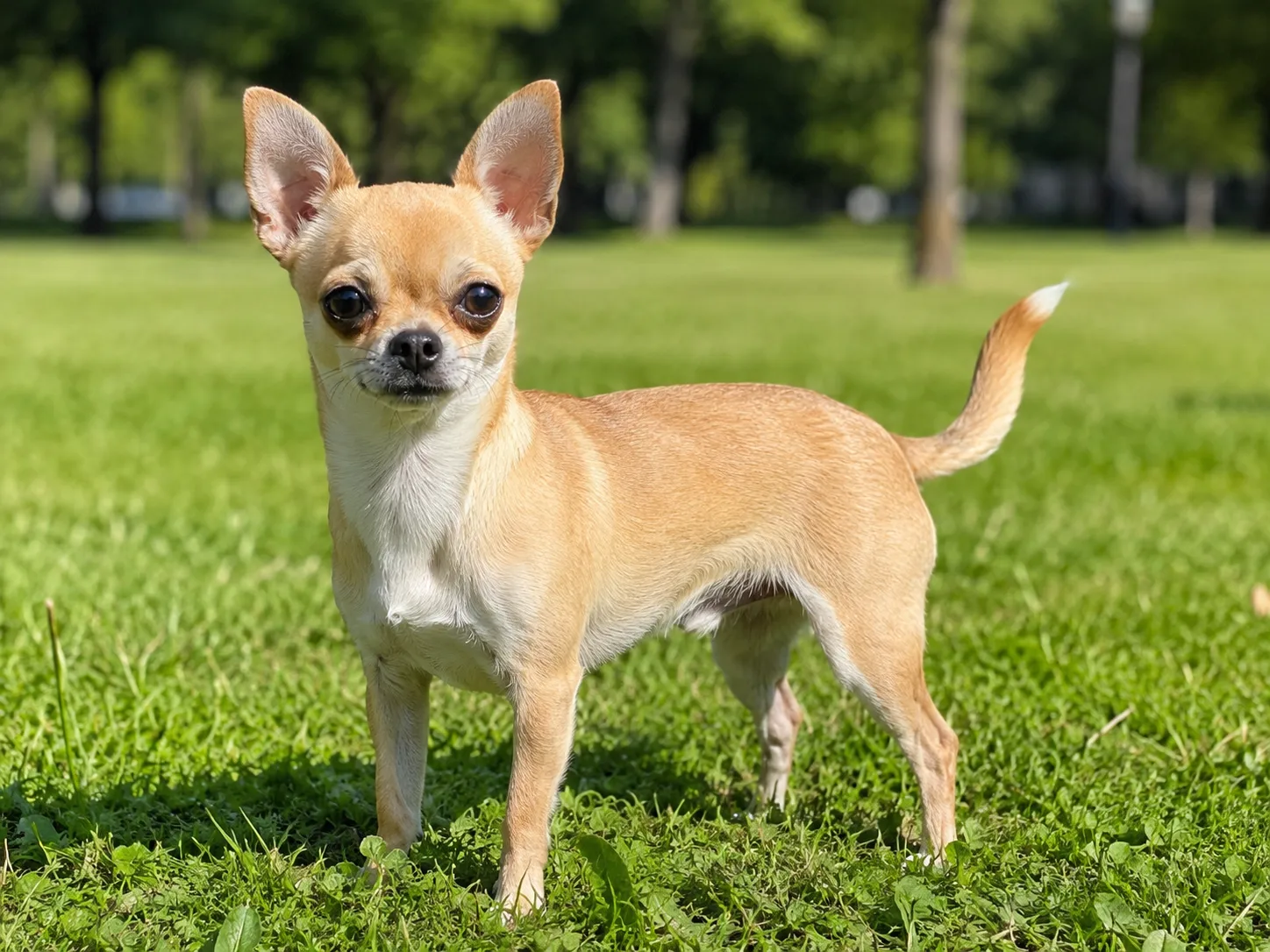 ChihuahuaSmall • Toy
 Chow ChowMedium • Non-Sporting
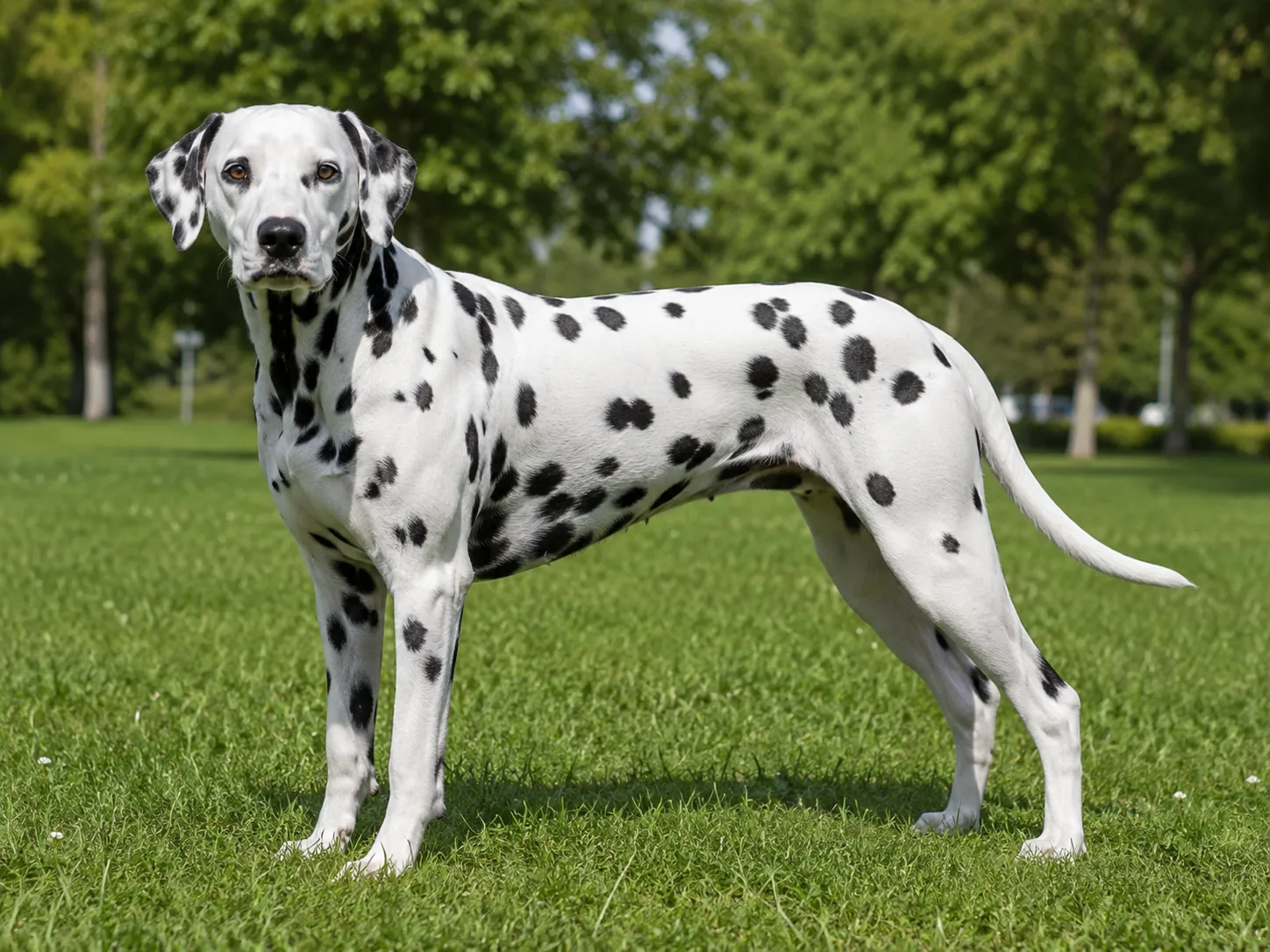 DalmatianLarge • Utility
 Dandie Dinmont TerrierSmall • Terrier
 English Toy TerrierSmall • Toy
 Finnish SpitzMedium • Utility / Spitz type (Nordic hunting breed)