


Schnoodle
By James C. • Updated
The Schnoodle is a cross between a Schnauzer and a Poodle. This designer breed combines the Schnauzer's alert and loyal nature with the Poodle's intelligence and trainability. Schnoodles are affectionate, social, and adaptable dogs that can suit a variety of households, from apartments to larger family homes, depending on their size.
Breed Overview
Life Span
10 - 16 years
Average Price
AUD 2000 - AUD 5000
Weight
Male: 11 - 27 kg Female: 9 - 23 kg
Height
Male: 38 - 56 cm Female: 35 - 53 cm
Life Expectancy
Male/Female: 10 - 16 years
Breed Group
Companion (Poodle x Schnauzer cross)
Nicknames
Schnauzerpoo, Schnau-Poo
Breed Information
The Schnoodle is a popular designer crossbreed created by mixing a Schnauzer with a Poodle. This combination brings together the intelligence and alertness of the Schnauzer with the trainability and low shedding coat of the Poodle. The result is a highly adaptable and engaging companion that suits a wide range of households.
Schnoodles are often known for their affectionate and people focused nature. They tend to form strong bonds with their owners and usually enjoy being involved in daily routines. Their personality can vary depending on whether they lean more toward the Schnauzer or Poodle side, but most are lively, intelligent, and eager to interact.
Because of their mixed heritage, Schnoodles can vary in size, coat type, and temperament. This means prospective owners should be prepared for some unpredictability, particularly when choosing a puppy.
For owners who can provide consistent training, socialisation, and companionship, the Schnoodle can develop into a loyal, intelligent, and highly adaptable companion.
Characteristics of the Schnoodle: Temperament, Intelligence, and Personality Traits
| Trait | Rating | Star Rating | Meaning |
| Friendliness | High | ⭐⭐⭐⭐⭐ | Schnoodles are typically affectionate and enjoy being around people, often forming strong bonds with their families. |
| Family Compatibility | Excellent | ⭐⭐⭐⭐⭐ | They usually adapt well to family life and can be good with children when properly socialised and supervised. |
| Trainability | Very High | ⭐⭐⭐⭐⭐ | Thanks to their Poodle lineage, Schnoodles are highly intelligent and respond well to consistent, positive training methods. |
| Energy Level | Moderate to High | ⭐⭐⭐⭐ | Most Schnoodles are active and require daily exercise and mental stimulation to stay balanced. |
| Protective Instinct | Moderate | ⭐⭐⭐ | They may show alertness and some watchdog behaviour, particularly if they inherit traits from the Schnauzer. |
| Grooming Needs | Moderate to High | ⭐⭐⭐⭐ | Their coat often requires regular brushing and grooming, especially if it is curly or dense. |
| Adaptability | High | ⭐⭐⭐⭐⭐ | Schnoodles can adapt to various living environments, including apartments, provided their activity and social needs are met. |
History of the Schnoodle: Origins as a Designer Crossbreed
The Schnoodle is a relatively modern crossbreed developed by combining a Schnauzer with a Poodle. Unlike traditional purebred dogs, the Schnoodle does not have a long historical lineage. Instead, it emerged as part of the growing interest in designer dogs during the late 20th century, particularly in countries such as the United States and Australia.
The goal of this crossbreeding was to combine desirable traits from both parent breeds. The Schnauzer contributed its alertness, loyalty, and protective instincts, while the Poodle brought intelligence, trainability, and a low shedding coat. This combination made the Schnoodle appealing to families looking for an engaging companion with manageable grooming characteristics.
Because Schnoodles are not a standardised breed, their characteristics can vary depending on the size and type of Schnauzer and Poodle used in breeding. Crosses may involve Miniature or Standard Schnauzers with Toy, Miniature, or Standard Poodles, resulting in a wide range of sizes and temperaments.
As the popularity of designer dogs increased, Schnoodles gained recognition for their friendly nature, adaptability, and suitability as companion animals. They are now commonly bred as family pets rather than working dogs.
Today, the Schnoodle is valued for its combination of intelligence, sociability, and versatility. While it lacks the long historical background of purebred breeds, it continues to grow in popularity due to its balanced temperament and ability to adapt to different lifestyles.
Schnoodle Appearance: Size, Coat, and Physical Features
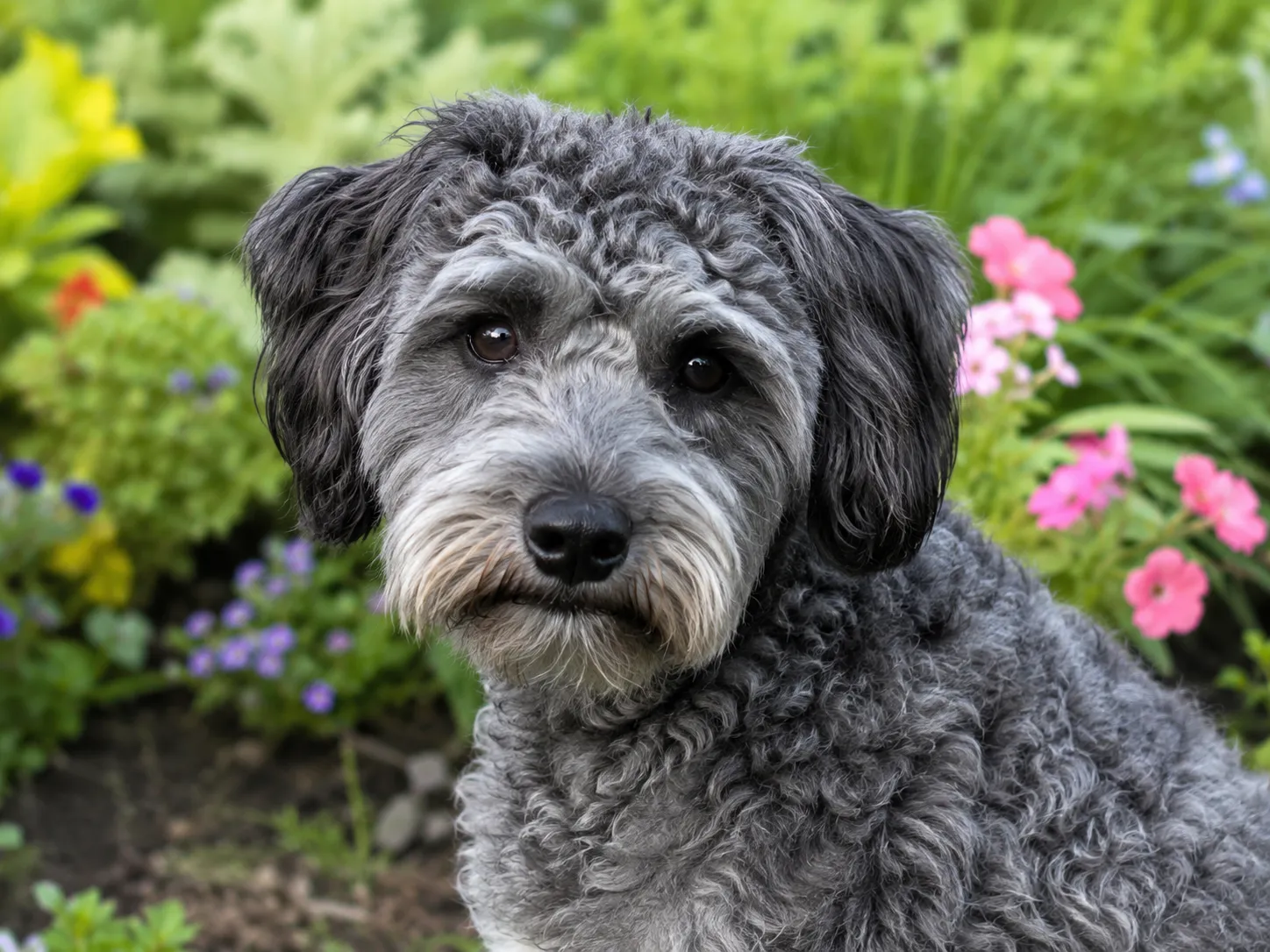
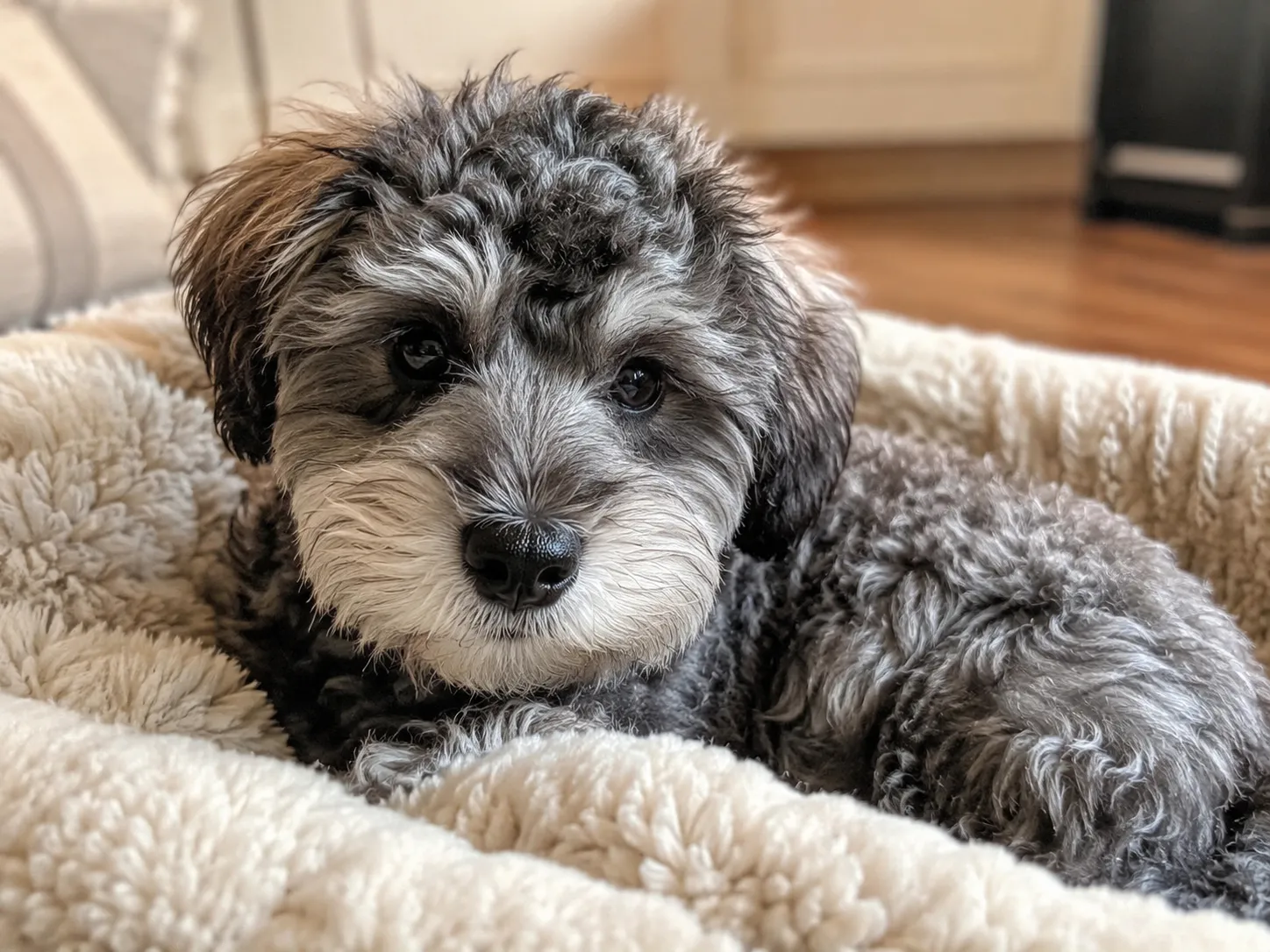
The Schnoodle’s appearance can vary significantly due to its mixed heritage, but most individuals share a balanced, compact build and an expressive face, and the coat usually needs a curly-coat grooming routine. Their overall look often combines the sturdy structure of the Schnauzer with the softer, more refined features of the Poodle. Despite variation, Schnoodles are typically well proportioned and carry an alert, lively presence.
Size and Build
Schnoodles come in a wide range of sizes depending on the parent breeds used. Toy and Miniature Schnoodles are smaller and more compact, while Standard Schnoodles are larger with a stronger, more athletic frame.
Most have a sturdy body, straight back, and well developed legs that support active movement. They should appear balanced and agile rather than bulky.
Coat and Colours
The coat is one of the most variable features of the Schnoodle. It may be soft and curly like a Poodle, wiry like a Schnauzer, or a mix of both textures.
Common coat colours include black, white, grey, silver, apricot, and combinations such as black and white or sable. Many Schnoodles have coats that are low shedding but still require regular grooming.
Eyes
Schnoodles typically have medium sized, dark eyes that reflect their alert and intelligent nature. The eyes are often round to oval and give the dog a curious and expressive look.
Their facial expression usually conveys attentiveness and engagement with their surroundings.
Distinctive Features
Several features commonly appear in Schnoodles:
- Soft or wiry coat depending on genetics
- Beard or facial furnishings inherited from the Schnauzer
- Slightly rounded skull with a defined muzzle
- Floppy or semi erect ears depending on lineage
These traits contribute to their unique and often playful appearance.
Gender Differences
Male Schnoodles are generally slightly larger and more robust, while females may appear more refined. However, differences are usually subtle, especially in smaller size variations.
Regardless of size or gender, Schnoodles should present as well balanced, alert, and lively dogs with a friendly and approachable appearance.
Schnoodle Temperament: Affectionate, Intelligent, and Energetic
The Schnoodle is known for its affectionate, lively, and intelligent temperament, though a companion crossbreed can still show signs of separation anxiety. As a cross between a Schnauzer and a Poodle, this breed often inherits a strong desire for companionship along with a high level of awareness and curiosity. Most Schnoodles are people focused dogs that enjoy being involved in daily life and interacting with their owners.
Affectionate and People Oriented
Schnoodles typically form strong bonds with their families and often seek close interaction. They tend to enjoy being around people and may follow their owners from room to room.
This affectionate nature makes them excellent companions, but it also means they may struggle if left alone for long periods. Without enough interaction, they can become bored or develop attention seeking behaviours.
Alert and Watchful Nature
Due to their Schnauzer background, many Schnoodles are naturally alert and aware of their surroundings. They may act as effective watchdogs by barking when they detect unfamiliar activity.
While they are generally friendly, early socialisation helps ensure they remain confident rather than overly reactive or vocal.
Playful and Energetic Personality
Schnoodles are typically active and enjoy playtime, especially when they are younger. They often thrive on interactive games, walks, and activities that allow them to use both their physical energy and mental ability.
Regular engagement helps channel their energy in a positive way and prevents boredom.
Social Behaviour with People and Animals
With proper socialisation, Schnoodles usually interact well with people, children, and other pets. They may be friendly and outgoing, although some individuals can be slightly cautious around strangers.
Introducing them to different environments and experiences early helps build confidence and balanced behaviour.
Emotional Sensitivity
Schnoodles are often sensitive to their environment and respond well to calm, consistent handling. Harsh training methods can lead to anxiety or stubborn behaviour.
Positive reinforcement and gentle guidance are generally the most effective ways to manage their behaviour.
Potential Behavioural Traits
Because of their intelligence and energy, Schnoodles may develop behaviours such as barking, digging, or restlessness if their needs are not met.
Providing structure, exercise, and mental stimulation helps reduce these tendencies and encourages positive behaviour.
Overall Temperament
When raised with proper training, socialisation, and consistent care, the Schnoodle typically develops into a loyal, intelligent, and engaging companion. Their affectionate nature, combined with their alertness and energy, makes them well suited to owners who can provide attention, structure, and regular interaction.
Schnoodle Intelligence and Trainability: Learning Ability and Working Instincts
The Schnoodle is widely regarded as a highly intelligent and trainable crossbreed, combining the sharp awareness of the Schnauzer with the exceptional learning ability of the Poodle, and rewards obedience work started early. This combination often results in a dog that is quick to understand commands, responsive to guidance, and capable of adapting to different training environments.
Learning Ability
Schnoodles are fast learners and tend to pick up commands and routines quickly. Many show strong problem solving skills and can understand patterns with minimal repetition.
However, their intelligence also means they can become bored if training is repetitive. Keeping sessions varied and engaging helps maintain focus and encourages consistent progress.
Working and Companion Background
Although primarily bred as companion dogs, Schnoodles inherit working traits from both parent breeds. Schnauzers were historically used for guarding and vermin control, while Poodles were bred for retrieving and water work.
These backgrounds contribute to a dog that enjoys having a purpose and responds well to structured tasks and activities.
Best Training Methods
Schnoodles respond best to positive reinforcement techniques that include rewards, praise, and clear communication. Consistency is essential, as mixed signals can lead to confusion or stubborn behaviour.
Short, structured training sessions tend to be more effective than long sessions, especially for maintaining attention.
Importance of Early Training
Early training and socialisation play a crucial role in shaping a well behaved Schnoodle. Teaching basic commands, leash behaviour, and appropriate social interactions during puppyhood helps establish good habits.
Because Schnoodles can be energetic and curious, early guidance helps prevent unwanted behaviours from developing.
Mental Stimulation
Mental engagement is essential for this breed. Without sufficient stimulation, Schnoodles may become bored and develop behaviours such as barking, chewing, or digging.
Activities such as puzzle toys, obedience training, and interactive games help keep their minds active and satisfied.
Consistency and Leadership
Schnoodles benefit from clear structure and consistent leadership. They tend to respond well to confident owners who provide guidance without harshness.
Establishing routines and maintaining consistent expectations helps reinforce positive behaviour.
Overall Trainability
With proper training, structure, and ongoing engagement, the Schnoodle typically becomes a highly responsive and cooperative companion. Their intelligence and eagerness to interact make them well suited to owners who are committed to training and mental stimulation.
Family Life with a Schnoodle: Children, Pets, and Household Dynamics
The Schnoodle is generally well suited to family life due to its affectionate nature, adaptability, and desire for companionship. You can browse Schnoodle puppies listed in Australia. As a crossbreed, its behaviour can vary slightly depending on which parent traits are more dominant, but most Schnoodles integrate well into households that provide structure, attention, and consistent interaction.
Schnoodles and Children
Schnoodles can be excellent companions for children, especially when raised alongside them. Their playful and energetic nature often makes them engaging and interactive family dogs.
However, supervision is important, particularly with younger children. Teaching children how to interact gently and respectfully helps ensure a safe and positive relationship.
Living with Other Dogs
With early socialisation, Schnoodles usually get along well with other dogs. Puppies that are exposed to different dogs early in life are more likely to develop balanced and confident social behaviour.
Gradual introductions and positive reinforcement help build trust and reduce the likelihood of conflict.
Compatibility with Other Pets
Schnoodles may inherit a prey drive from the Schnauzer side, which can influence their behaviour around smaller animals. While many can live peacefully with other pets, early introduction and supervision are recommended.
Positive experiences with other animals during early development help encourage calm and appropriate behaviour.
Ideal Household Environment
Schnoodles are adaptable and can live in a variety of environments, including apartments and houses. What matters most is that they receive enough exercise, mental stimulation, and social interaction.
Homes where the dog is included in daily activities tend to suit them best.
Companionship Needs
Schnoodles are highly people oriented and thrive on interaction. They often prefer being around their owners and may become anxious or vocal if left alone for extended periods.
Providing regular engagement, play, and companionship helps maintain emotional balance.
Behaviour in the Home
When properly trained and exercised, Schnoodles are generally well behaved indoors. They can be lively but also enjoy relaxing with their family once their energy needs are met.
Establishing routines and clear expectations helps create a calm and structured home environment.
Overall Family Suitability
With proper training, socialisation, and care, the Schnoodle typically becomes a loving, adaptable, and engaging member of the household. Their friendly temperament and strong bond with their owners make them well suited to families who can provide time, attention, and consistent interaction.
Health of the Schnoodle: Common Conditions and Lifespan
The Schnoodle is generally considered a healthy crossbreed, but it can still inherit health conditions from both the Schnauzer and Poodle parent lines. Understanding potential health risks helps owners take preventative measures and recognise early signs of illness. With proper care, regular veterinary attention, and responsible breeding, many Schnoodles live long and healthy lives.
Lifespan and General Health
Schnoodles typically have a lifespan of around 10 to 16 years, depending on size, genetics, and overall care. Smaller Schnoodles often live longer than larger ones.
Maintaining a balanced diet, regular exercise, and a healthy weight plays a key role in supporting long term health.
Common Health Conditions
Schnoodles may be prone to several conditions, including:
- Hip Dysplasia: More common in larger Schnoodles, this condition affects joint development and can lead to discomfort or reduced mobility.
- Patellar Luxation: A condition affecting the kneecap, often seen in smaller dogs, which may cause limping or irregular movement.
- Eye Conditions: Issues such as cataracts and progressive retinal atrophy may affect vision over time.
- Ear Infections: Their ear structure, especially in dogs with floppy ears, can trap moisture and lead to infections if not regularly cleaned.
- Pancreatitis: Particularly linked to high fat diets, especially in dogs with Schnauzer influence.
Early diagnosis and treatment can help manage these conditions effectively.
Genetic Testing and Responsible Breeding
Responsible breeders often perform health screenings on parent dogs to reduce the risk of hereditary conditions. This may include testing for joint issues, eye health, and other genetic concerns.
Prospective owners should ask for health clearances and documentation when selecting a puppy.
Preventative Care
Maintaining a Schnoodle’s health involves consistent preventative practices:
- Routine veterinary checkups and vaccinations
- Parasite prevention and dental care
- Balanced nutrition suited to the dog’s size and lifestyle
- Regular exercise to support joint and cardiovascular health
These measures help detect potential issues early and maintain overall wellbeing.
Weight Management
Schnoodles can gain weight if overfed or under exercised. Excess weight can place stress on joints and increase the risk of health problems.
Monitoring food intake and maintaining a consistent exercise routine helps keep the dog in a healthy condition.
Overall Health Outlook
With proper care, responsible breeding, and regular veterinary attention, the Schnoodle is typically a healthy and long living companion. Owners who remain attentive to their dog’s needs can help ensure a high quality of life and reduce the likelihood of preventable health issues.
Caring for a Schnoodle: Daily Care and Living Needs
Caring for a Schnoodle requires consistent attention to its physical activity, mental stimulation, grooming, and social needs. As a highly intelligent and people oriented crossbreed, the Schnoodle thrives in environments where it is actively involved in daily life. A structured routine and regular engagement are essential to maintaining a balanced and well behaved dog.
Living Environment
Schnoodles are adaptable and can live comfortably in apartments, townhouses, or larger homes. The key factor is not space alone, but whether their exercise and interaction needs are met.
They generally do best in homes where they are included in family activities and not left alone for extended periods. Access to a secure outdoor area can be beneficial but is not essential.
Exercise and Activity
Schnoodles require regular daily exercise to maintain both physical health and mental balance. Most benefit from at least 30 to 60 minutes of activity each day.
Activities such as walks, play sessions, and interactive games help burn energy and prevent boredom related behaviours.
Managing Energy and Behaviour
Because Schnoodles are active and intelligent, they benefit from a structured daily routine. Consistent feeding times, exercise schedules, and training sessions help create a stable environment.
Clear expectations and boundaries reduce the likelihood of unwanted behaviours such as excessive barking or restlessness.
Temperature Sensitivity
Schnoodles generally adapt well to different climates, but their coat type can influence comfort levels. In warmer weather, they should have access to shade, fresh water, and cooler resting areas.
Exercise should be adjusted during extreme temperatures to avoid overheating.
Companionship and Interaction
Schnoodles are highly social dogs that thrive on human interaction. They typically prefer being around their owners and may become anxious or vocal if left alone for long periods.
Regular engagement, play, and companionship are essential for maintaining emotional stability.
Routine Care and Monitoring
Daily care includes feeding, grooming, and monitoring overall health. Owners should regularly check for changes in behaviour, appetite, or physical condition.
Establishing consistent routines helps support the Schnoodle’s wellbeing and encourages positive behaviour.
Overall Care Needs
With proper care, structure, and attention, the Schnoodle develops into a well adjusted and responsive companion. Owners who meet their daily needs will help ensure a balanced, healthy, and happy dog.
Grooming a Schnoodle: Coat Care and Hygiene
The Schnoodle’s coat requires regular grooming to maintain its condition, prevent matting, and support overall skin health. Because this crossbreed can inherit either the curly coat of the Poodle, the wiry coat of the Schnauzer, or a combination of both, grooming needs can vary. Regardless of coat type, consistent maintenance is essential.
Coat Type and Maintenance
Schnoodles may have soft, curly, wavy, or wiry coats. Curly and dense coats are more prone to tangling, while wiry coats may require specialised grooming techniques.
Regular brushing helps remove loose hair, prevent knots, and distribute natural oils that keep the coat healthy.
Brushing Routine
Most Schnoodles benefit from brushing at least two to three times per week. Dogs with curlier coats may require daily brushing to prevent matting, especially around areas such as the legs, ears, and underbelly.
Using appropriate tools, such as slicker brushes and combs, improves grooming effectiveness and comfort.
Professional Grooming
Many owners choose professional grooming every 4 to 8 weeks. Groomers can trim the coat, shape facial features, and maintain hygiene areas.
Regular grooming appointments help keep the coat manageable and reduce the risk of matting.
Bathing
Schnoodles should be bathed as needed, typically every 4 to 6 weeks or when they become dirty. Using a gentle dog specific shampoo helps protect the skin and coat.
Thorough drying after bathing is important to prevent skin irritation, particularly in dense or curly coats.
Facial and Ear Care
The facial area, including the beard and around the eyes, may collect debris and require regular cleaning. Keeping this area clean helps prevent irritation and odour.
Ears should be checked frequently, especially in dogs with floppy ears, as moisture buildup can lead to infections.
Nail and Dental Care
Routine grooming also includes:
- Nail trimming every 3 to 4 weeks to maintain comfort and proper movement
- Regular dental care, including brushing teeth several times per week
- Monitoring for signs of gum disease or plaque buildup
These practices support overall health and hygiene.
Shedding and Coat Management
Schnoodles are often considered low shedding, particularly if they inherit more of the Poodle coat. However, loose hair can still become trapped within the coat, making brushing essential.
Consistent grooming helps reduce shedding, prevent tangles, and maintain a clean coat.
Overall Grooming Needs
With regular grooming and proper coat care, the Schnoodle maintains a healthy appearance and comfortable skin condition. Owners who establish a consistent grooming routine will find it easier to manage the coat and support their dog’s overall wellbeing.
Exercise Needs of the Schnoodle: Activity and Energy Levels
The Schnoodle is an active and intelligent crossbreed that requires regular exercise to stay physically healthy and mentally balanced. Energy levels can vary depending on size and genetics, but most Schnoodles benefit from consistent daily activity. Without enough exercise, they may develop behaviours such as barking, restlessness, or destructive habits.
Daily Exercise Requirements
Most Schnoodles need around 30 to 60 minutes of exercise each day. Smaller Schnoodles may be satisfied with moderate activity, while larger or more energetic individuals may require longer or more intense sessions.
Daily walks are essential, providing both physical movement and mental stimulation through exposure to new environments.
Suitable Activities
Schnoodles respond well to a variety of activities that engage both body and mind. Suitable options include:
- Regular walks and light jogging
- Interactive play such as fetch
- Obedience training sessions
- Agility exercises and problem solving games
These activities help keep the dog engaged and prevent boredom.
Mental Stimulation
Mental engagement is just as important as physical exercise for Schnoodles. Their intelligence means they require activities that challenge their thinking and problem solving abilities.
Puzzle toys, training challenges, and learning new commands help maintain focus and reduce unwanted behaviours.
Exercise During Puppyhood
Schnoodle puppies are energetic but still developing physically. Exercise should be controlled and appropriate for their age.
Short play sessions and gentle walks are ideal. High impact activities, such as jumping or running on hard surfaces, should be avoided until the dog is fully grown.
Behavioural Impact of Exercise
Regular exercise plays a key role in shaping behaviour. Schnoodles that receive adequate activity are generally calmer, more responsive, and easier to manage.
Insufficient exercise can lead to frustration and behavioural issues such as excessive barking or chewing.
Environmental Considerations
Schnoodles adapt to different environments, but exercise routines should be adjusted based on weather conditions. In hot weather, activity should be scheduled during cooler parts of the day.
Providing shade and fresh water during outdoor activity helps maintain comfort and safety.
Overall Exercise Needs
With consistent physical activity and mental stimulation, the Schnoodle typically remains balanced, engaged, and content. Owners who provide regular exercise routines help ensure their dog develops into a well behaved and healthy companion.
Feeding a Schnoodle: Nutrition and Diet Requirements
Feeding a Schnoodle correctly is essential for maintaining its energy, supporting healthy development, and preventing diet related health issues. Because Schnoodles vary in size from toy to standard, their nutritional needs will differ depending on their weight, age, and activity level. A balanced diet tailored to these factors helps support overall wellbeing.
Nutritional Needs
Schnoodles benefit from a high quality diet that includes balanced protein, healthy fats, and essential vitamins and minerals. Protein supports muscle maintenance, while fats provide energy and contribute to skin and coat health.
Choosing a food appropriate for the dog’s size category helps ensure proper nutrient levels, especially during growth stages.
Feeding Schedule
Adult Schnoodles typically do well with two measured meals per day. Dividing meals helps support digestion and prevents overeating.
Puppies usually require three to four meals per day, gradually transitioning to two meals as they mature.
Portion Control and Weight Management
Maintaining a healthy weight is important for Schnoodles, as excess weight can place stress on joints and increase the risk of health issues.
Owners should monitor body condition regularly and adjust portion sizes based on activity level and veterinary advice.
Dietary Sensitivities
Some Schnoodles may inherit sensitivities from their parent breeds, particularly relating to fat intake. Diets that are too rich may increase the risk of conditions such as pancreatitis.
Providing a balanced and controlled diet while avoiding table scraps helps reduce this risk.
Foods to Avoid
Certain foods are harmful to dogs and should not be fed to Schnoodles, including:
- Chocolate
- Grapes and raisins
- Onions and garlic
- Alcohol
- Foods containing xylitol
Cooked bones should also be avoided, as they can splinter and cause injury.
Hydration
Schnoodles require constant access to fresh, clean water. Proper hydration supports digestion, circulation, and temperature regulation.
Water bowls should be cleaned regularly to maintain hygiene.
Supplements and Veterinary Guidance
Some Schnoodles may benefit from supplements such as omega fatty acids or joint support, particularly as they age or if they are larger in size.
Veterinary guidance is recommended before introducing supplements to ensure they are appropriate for the dog’s needs.
Overall Feeding Approach
Providing a balanced, controlled diet suited to the Schnoodle’s size and lifestyle helps support long term health. With proper feeding habits and monitoring, owners can maintain their dog’s condition and reduce the risk of preventable health issues.
Schnoodle Price in Australia: Initial Costs and Ongoing Expenses
Owning a Schnoodle involves both initial setup costs and ongoing financial responsibilities. As a designer crossbreed, pricing can vary widely depending on size, breeder reputation, and demand. Understanding the full cost of ownership helps prospective owners prepare for long term care and avoid unexpected expenses.
Purchase Price of a Schnoodle Puppy
In Australia, the price of a Schnoodle puppy typically ranges between $2,000 and $5,000 AUD. Smaller sizes such as Toy and Miniature Schnoodles may sometimes be priced higher due to demand.
Factors that influence the price include:
- Breeder reputation and experience
- Health testing of parent dogs
- Size and type of Schnoodle
- Coat characteristics and colour
- Location and availability
Reputable breeders usually include health checks, vaccinations, and early socialisation.
Initial Setup Costs
Before bringing a Schnoodle home, owners will need to purchase essential items. These one time expenses may include:
- Dog bed or crate
- Food and water bowls
- Collar, leash, and identification tags
- Puppy food and treats
- Grooming tools
- Toys and enrichment items
- Training classes
Initial setup costs typically range between $300 and $800 AUD.
Veterinary Expenses
Routine veterinary care is an important part of ownership. Annual costs may include:
- Vaccinations
- Parasite prevention
- Health checkups
- Dental care
Basic veterinary expenses generally range from $500 to $1,200 AUD per year, although emergency care may increase this amount.
Food and Daily Care Costs
Food costs vary depending on the size of the Schnoodle. Smaller dogs require less food, while larger Schnoodles have higher feeding costs.
On average, owners may spend between $600 and $1,500 AUD per year on quality dog food, along with additional costs for treats and general care items.
Grooming Costs
Schnoodles require regular grooming, especially those with curly or dense coats. Owners may choose between home grooming and professional services.
Professional grooming typically costs between $80 and $150 per session, with appointments needed every 4 to 8 weeks.
Training and Insurance
Training classes are often recommended, particularly for puppies. These may cost between $150 and $400 AUD per course.
Pet insurance is another ongoing expense and may range from $50 to $120 AUD per month, depending on coverage and the dog’s age.
Long Term Financial Commitment
Overall, owning a Schnoodle can cost several thousand dollars per year when food, grooming, veterinary care, and other expenses are considered.
Planning for these costs helps ensure consistent care and a stable environment for the dog.
Overall Cost Consideration
Understanding both the initial and ongoing costs allows prospective owners to make informed decisions. For those prepared to meet these responsibilities, the Schnoodle offers companionship, intelligence, and adaptability as a long term addition to the household.
Buying a Schnoodle Puppy: Choosing a Responsible Breeder
Finding a healthy Schnoodle puppy begins with selecting a responsible and ethical breeder. Because Schnoodles are a crossbreed, careful breeding practices are important to ensure stable temperament, good health, and predictable traits. Taking time to evaluate breeders helps reduce the risk of health and behavioural issues.
What Responsible Breeders Provide
Reputable breeders prioritise the health and wellbeing of both parent dogs and puppies. Puppies are typically raised in clean environments where they receive early socialisation and proper care.
When purchasing a Schnoodle, responsible breeders usually provide:
- Health testing for parent dogs, including screening for genetic conditions
- Veterinary health checks and vaccination records
- Information about the parent breeds and expected traits
- Microchipping and registration where required
- Guidance on feeding, training, and care
These steps help ensure the puppy has a strong start in life.
Understanding Crossbreed Variability
Because Schnoodles are not a standardised breed, their size, coat type, and temperament can vary. This variability depends on the specific Schnauzer and Poodle used in breeding.
A responsible breeder should clearly explain what to expect in terms of size, coat maintenance, and personality based on the parents.
Visiting the Breeder
Whenever possible, visiting the breeder allows potential owners to assess the environment and observe the puppies and parent dogs.
Healthy puppies should appear active, curious, and comfortable around people. The parent dogs should also be well cared for and display stable temperaments.
Breeders who avoid visits or provide limited information should be approached with caution.
Questions to Ask the Breeder
Before committing to a puppy, it is important to ask:
- What health tests have been performed on the parent dogs?
- What size and temperament can be expected?
- How are the puppies socialised during early development?
- What diet are the puppies currently on?
- Is ongoing support provided after purchase?
Clear answers indicate responsible breeding practices.
Avoiding Poor Breeding Practices
Unregulated breeders and puppy mills may prioritise profit over animal welfare. Puppies from these sources may have health or behavioural problems due to poor conditions and lack of proper care.
Choosing a responsible breeder helps ensure better outcomes for both the dog and the owner.
Considering Adoption
Although less common, Schnoodles may occasionally be available through rescue organisations or shelters. Adoption can provide a home to a dog in need while offering the same companionship benefits.
Prospective owners should check reputable rescue groups for availability.
Preparing for Your New Puppy
Before bringing a Schnoodle home, owners should prepare their living space, gather necessary supplies, and establish a routine.
Planning ahead helps the puppy adjust more easily and supports a smooth transition into its new environment.
Overall Buying Advice
Selecting a responsible breeder and understanding the nature of a crossbreed are key steps in bringing home a Schnoodle. With proper preparation and careful selection, owners can raise a healthy, well adjusted, and confident companion.
Is the Schnoodle the Right Dog for You?
The Schnoodle is an intelligent, affectionate, and adaptable crossbreed, but it is not suited to every household. Its need for interaction, grooming, and mental stimulation requires a committed owner. Understanding these requirements helps determine whether the breed aligns with your lifestyle and expectations.
Owners Who May Suit the Breed
Schnoodles are well suited to individuals or families who can provide regular interaction, training, and activity. Owners who enjoy engaging with their dog through play, training, and daily routines often find the breed a good match.
They are particularly suitable for households looking for a companion dog that is both interactive and alert.
Situations Where the Breed May Be Challenging
Schnoodles may not be ideal for owners who are frequently away from home or unable to provide consistent attention. Their strong need for companionship can lead to behavioural issues if neglected.
They may also be challenging for those who prefer a low maintenance dog, as grooming and training require ongoing effort.
Commitment to Training and Socialisation
Early training and consistent socialisation are essential for Schnoodles. Their intelligence and energy mean they require clear structure and guidance.
Without proper training, they may develop behaviours such as excessive barking, stubbornness, or restlessness.
Space and Living Considerations
Schnoodles can adapt to a variety of living environments, including apartments, as long as their exercise and stimulation needs are met.
Regular walks, playtime, and mental engagement are more important than the size of the home itself.
Grooming and Maintenance Commitment
Regular grooming is necessary to maintain the Schnoodle’s coat and overall hygiene. Owners must be prepared to brush the coat frequently and schedule professional grooming when needed.
This commitment is particularly important for dogs with curly or dense coats.
Long Term Responsibility
Schnoodles typically live between 10 and 16 years. During this time, they require consistent care, including proper nutrition, healthcare, grooming, and companionship.
Owners should be prepared for the long term financial and time commitment involved.
Overall Suitability
For owners who can provide attention, structure, and regular engagement, the Schnoodle can be a loyal, intelligent, and highly adaptable companion. Its affectionate nature and versatility make it a rewarding choice for households that are prepared to meet its needs.
Frequently Asked Questions
Related Breeds
Other companion breeds on Pups4Sale.
 Australian BulldogsMedium • Companion
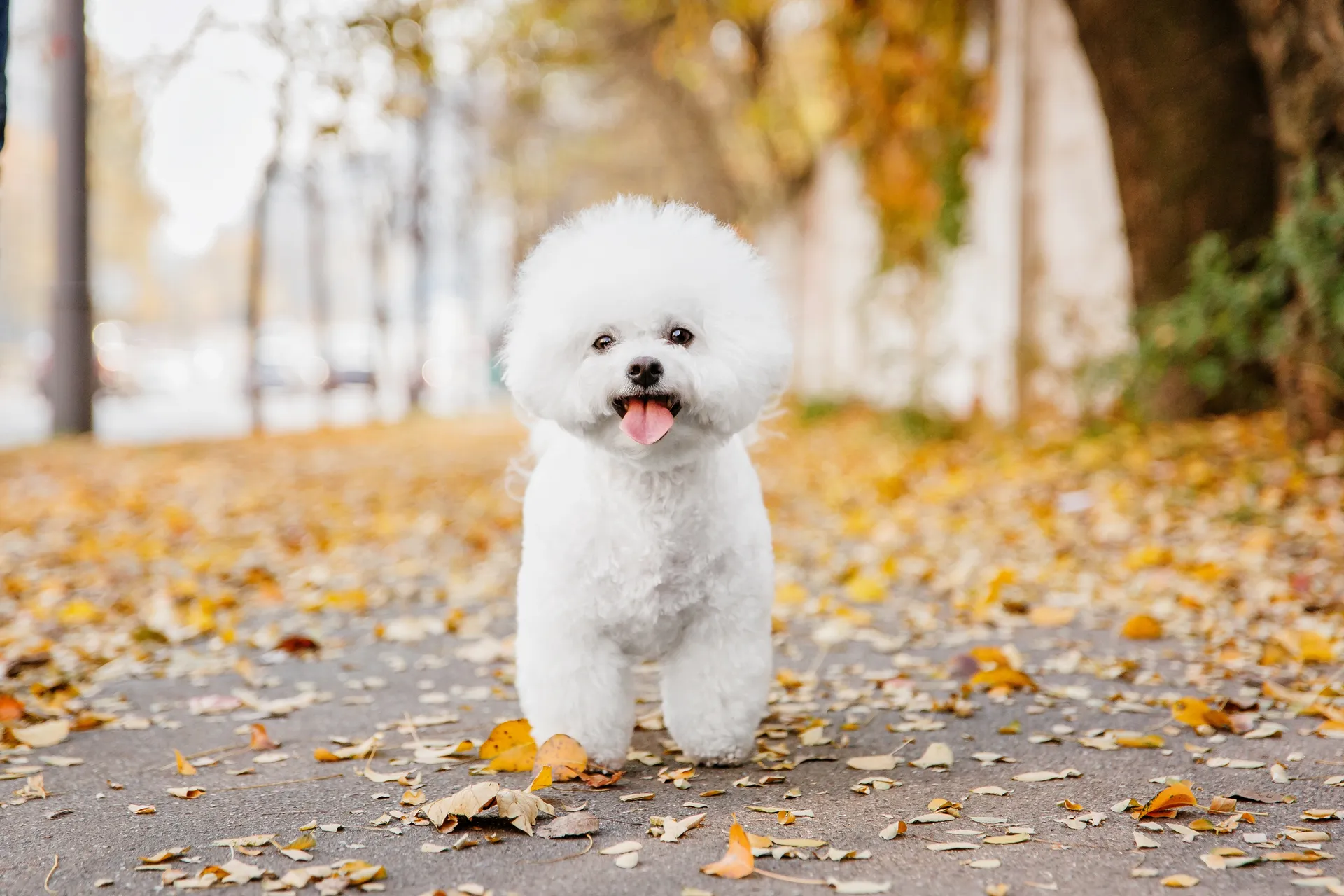 Bichon FriseSmall • Companion
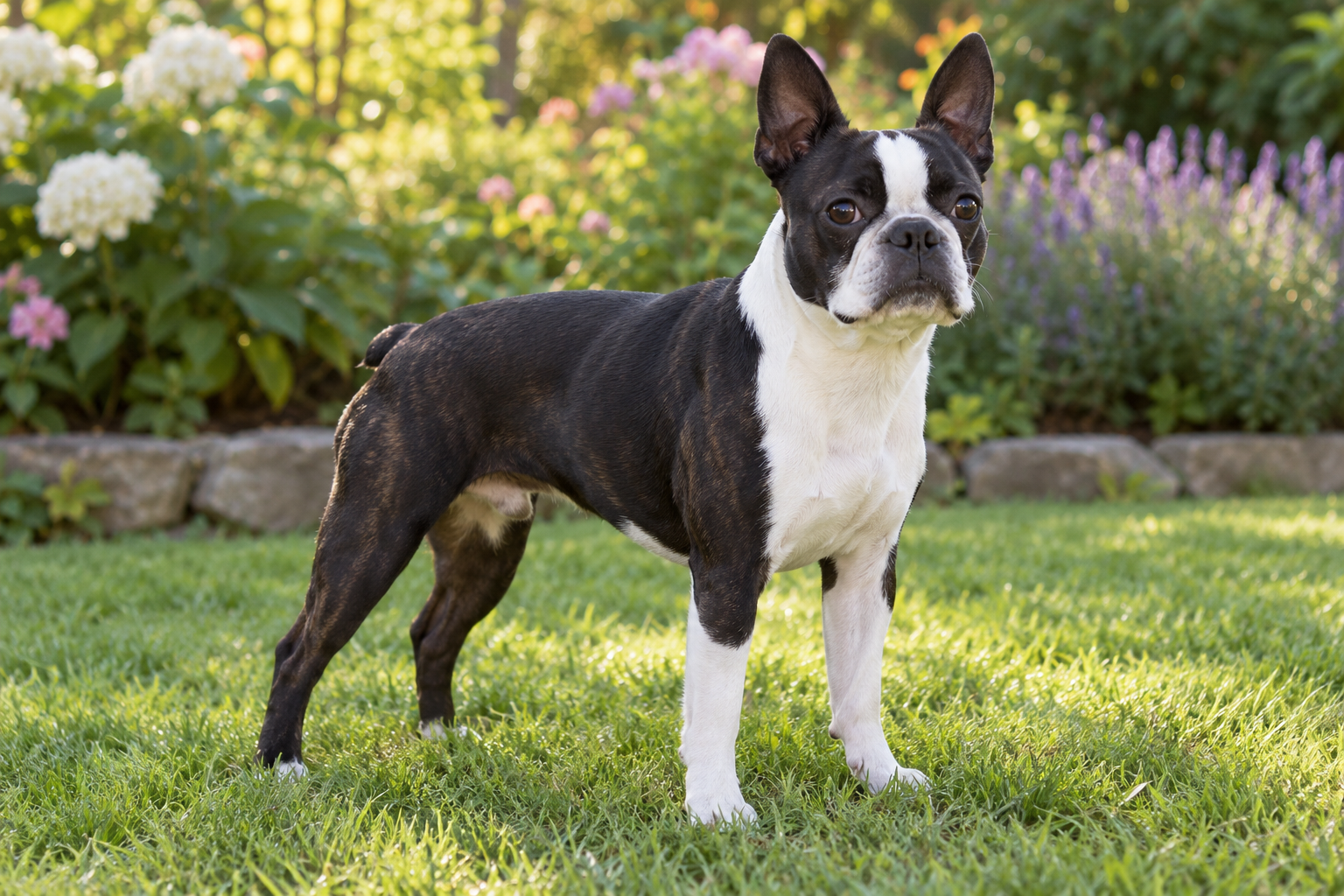 Boston TerrierSmall • Non Sporting (Group 7)
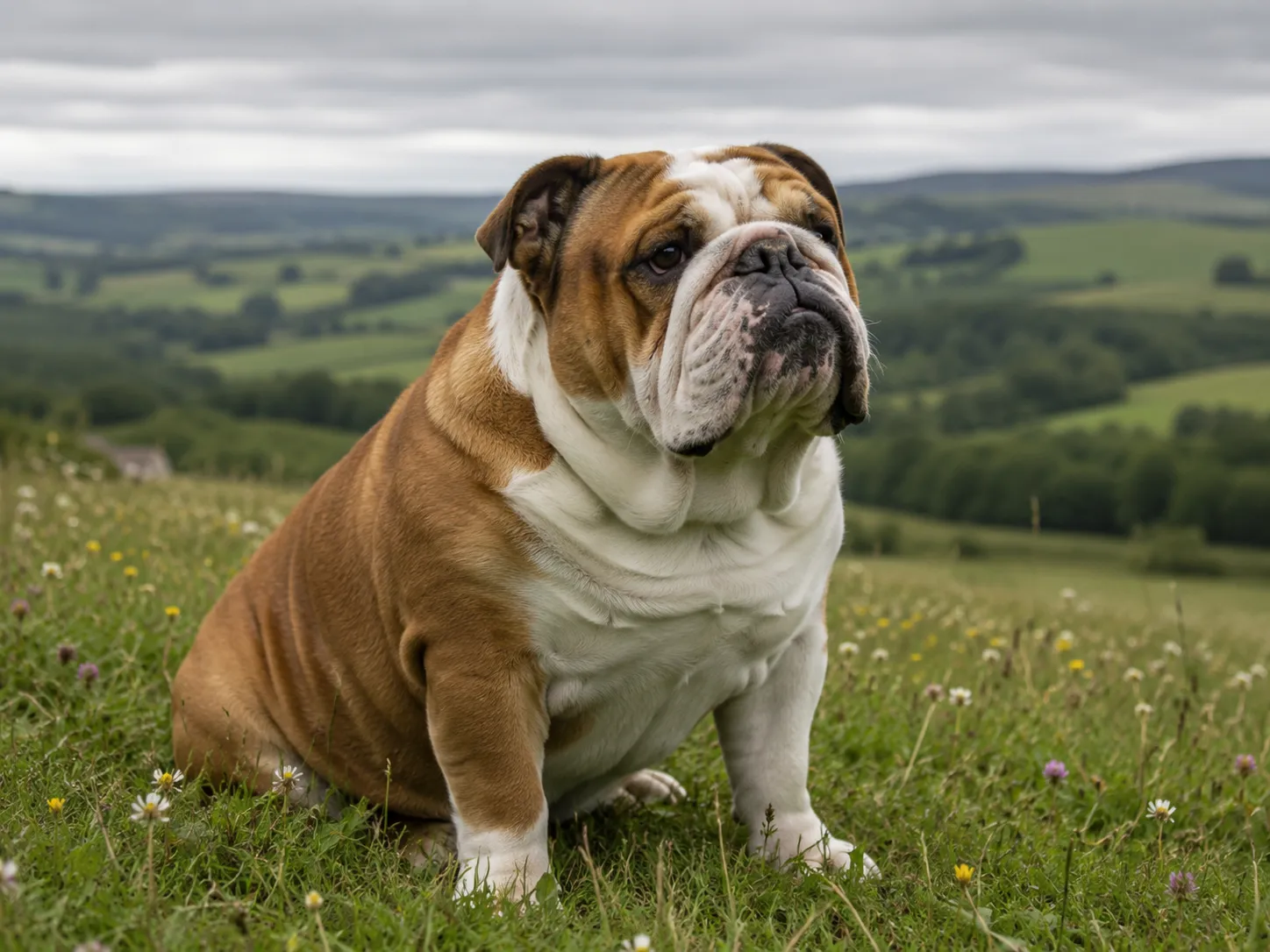 British BulldogMedium • Utility / Companion (Non-sporting)
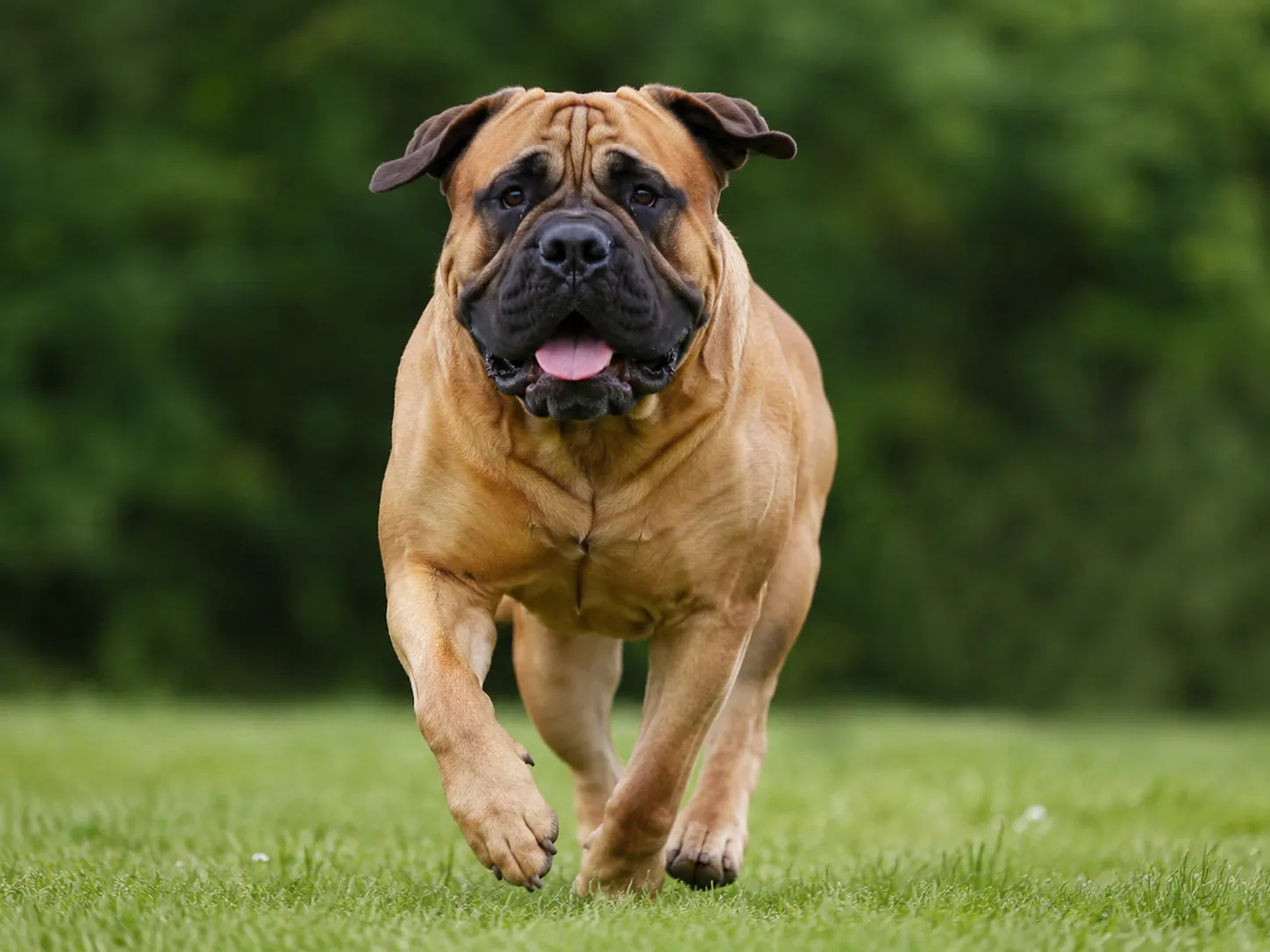 BullmastiffGiant • Working
 Cavalier King Charles SpanielSmall • Toy