

French Bulldog
By James C. • Updated
The French Bulldog is a compact, affectionate, and adaptable companion breed known for its distinctive bat-like ears and charming personality. Originally developed in France as a companion dog, French Bulldogs are friendly, people-oriented, and well suited to apartment living and family homes. They generally require moderate exercise but thrive on human companionship and indoor living.
Breed Overview
Life Span
10 - 12 years
Average Price
AUD 4000 - AUD 8000
Weight
Male: 9 - 14 kg Female: 8 - 13 kg
Height
Male: 28 - 33 cm Female: 28 - 31 cm
Life Expectancy
Male/Female: 10 - 12 years
Breed Group
Utility / Companion (Non-sporting)
Nicknames
Frenchie
Breed Information
The French Bulldog has become one of the most recognisable companion breeds in Australia. With their upright “bat ears”, compact build and expressive face, Frenchies attract attention almost everywhere they go. Yet beneath the charm sits a breed that requires careful consideration.
French Bulldogs suit owners who want a close, indoor companion rather than a high-endurance outdoor dog. They thrive in apartments and suburban homes, provided their physical limitations are understood.
Before choosing a Frenchie, you should be prepared for potential breathing concerns, moderate veterinary costs and a dog that prefers being close to you most of the time. In the right home, they are affectionate, playful and deeply loyal companions.
Characteristics of the French Bulldog: What Daily Life Feels Like
| Trait | Rating (Out of 5) | What This Means for You |
| Size | 2/5 | Small and compact, suitable for apartments and smaller homes. |
| Adaptability | 5/5 | Adjusts well to urban and indoor living. |
| Exercise Needs | 2/5 | Low to moderate activity requirements. |
| Easy to Train | 3/5 | Intelligent but sometimes stubborn. |
| Amount of Shedding | 3/5 | Moderate shedding throughout the year. |
| Grooming Needs | 2/5 | Short coat is low maintenance, but skin folds need care. |
| Good With Children | 4/5 | Generally affectionate and playful. |
| Health of Breed | 2/5 | Known for respiratory and structural concerns. |
| Cost to Keep | 4/5 | Veterinary expenses can be higher than average. |
| Tolerates Being Alone | 3/5 | Can manage short periods alone but prefers company. |
| Intelligence | 3/5 | Clever, observant and people-focused. |
Living with a French Bulldog means sharing your space with a dog that loves attention. They are affectionate and often seek physical closeness, whether that means sitting beside you or following you from room to room.
Their energy levels are moderate. Short walks and indoor play usually satisfy them. Overexertion, especially in warm weather, must be avoided due to their brachycephalic structure.
Shedding is manageable, but skin folds require regular cleaning to prevent irritation. Owners must also be prepared for potential snoring and noisy breathing, which are common traits of the breed.
At their best, French Bulldogs are charming, playful and deeply attached to their people. They are companion dogs first and foremost, and their temperament reflects that purpose.
History of the French Bulldog: From English Lace Workers to Parisian Icon
Despite the name, the French Bulldog’s story begins in England. In the 1800s, small bulldog types were popular among lace workers in Nottingham. When many of these workers relocated to northern France during the Industrial Revolution, they brought their small companion bulldogs with them.
In France, these compact dogs gained popularity quickly. They were crossed with local ratting and terrier-type dogs, which likely influenced the development of the upright “bat ears” that now define the breed. Parisian society embraced them, and the breed became fashionable among artists, writers and city dwellers.
By the late 19th century, the French Bulldog had established itself as a distinct breed. Interestingly, American enthusiasts strongly supported the bat ear over the traditional rose ear, helping solidify the look we recognise today.
Unlike working bulldog ancestors bred for bull-baiting, the French Bulldog evolved into a companion breed. Their role shifted from physical labour to close human partnership. This change shaped both their size and temperament.
Today, the French Bulldog is one of the most popular companion breeds in Australia and worldwide. While their appearance has changed significantly from their bulldog roots, their loyalty and attachment to humans remain central to their identity.
Appearance of the French Bulldog: Compact, Muscular and Instantly Recognisable
The French Bulldog is small in size but solid in build. Their compact frame, broad chest and expressive face make them one of the most recognisable companion breeds in the world.
Size and Build
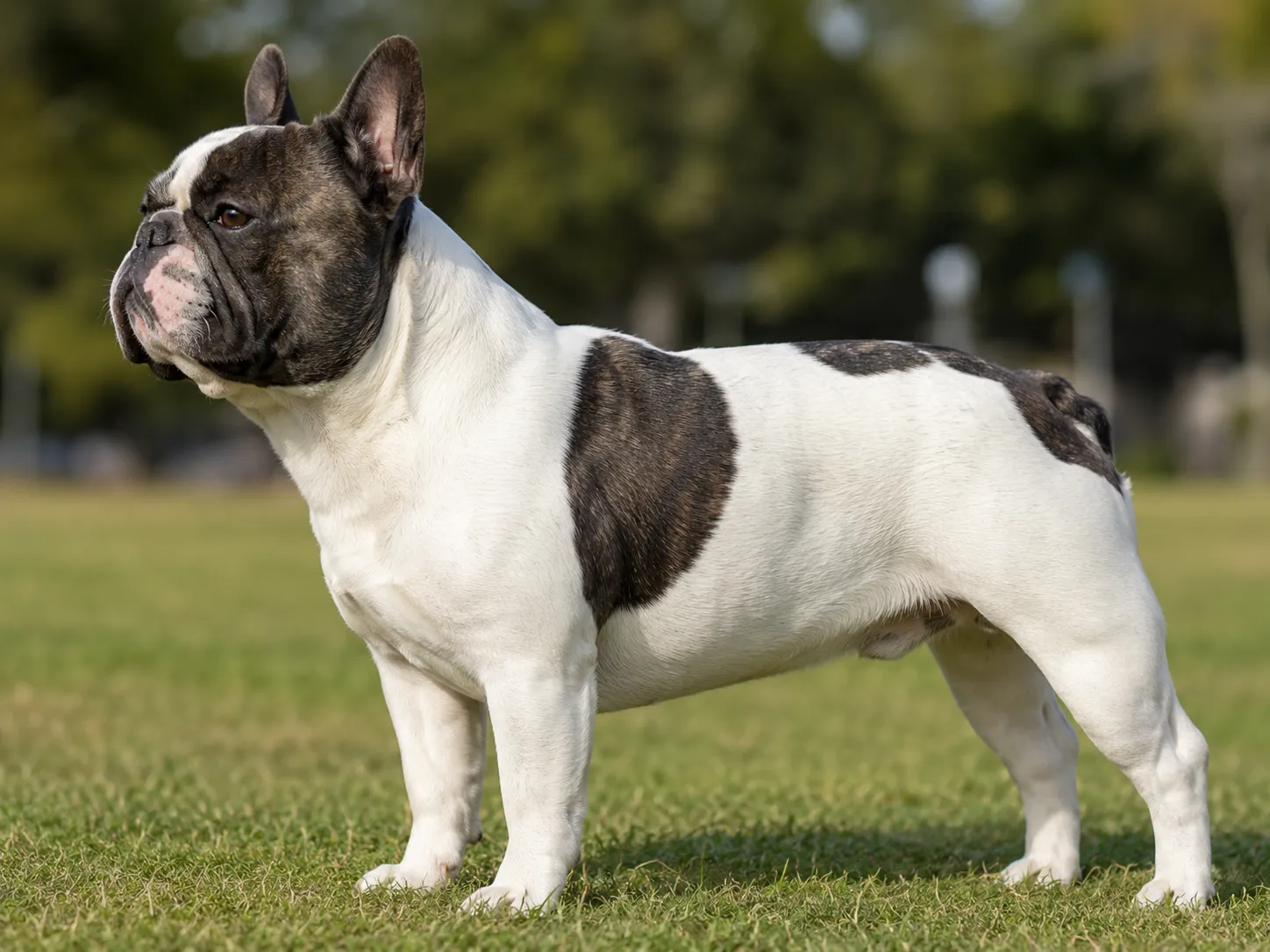
French Bulldogs are sturdy and muscular despite their short stature. They have a square, compact body with a wide chest and strong forelegs. Males are typically slightly larger than females, but both remain within a similar height range.
Their posture is confident and balanced. Although small, they carry noticeable strength through the shoulders and hindquarters.
Coat and Colours
The coat is short, smooth and close-fitting. It requires minimal trimming but sheds moderately throughout the year.
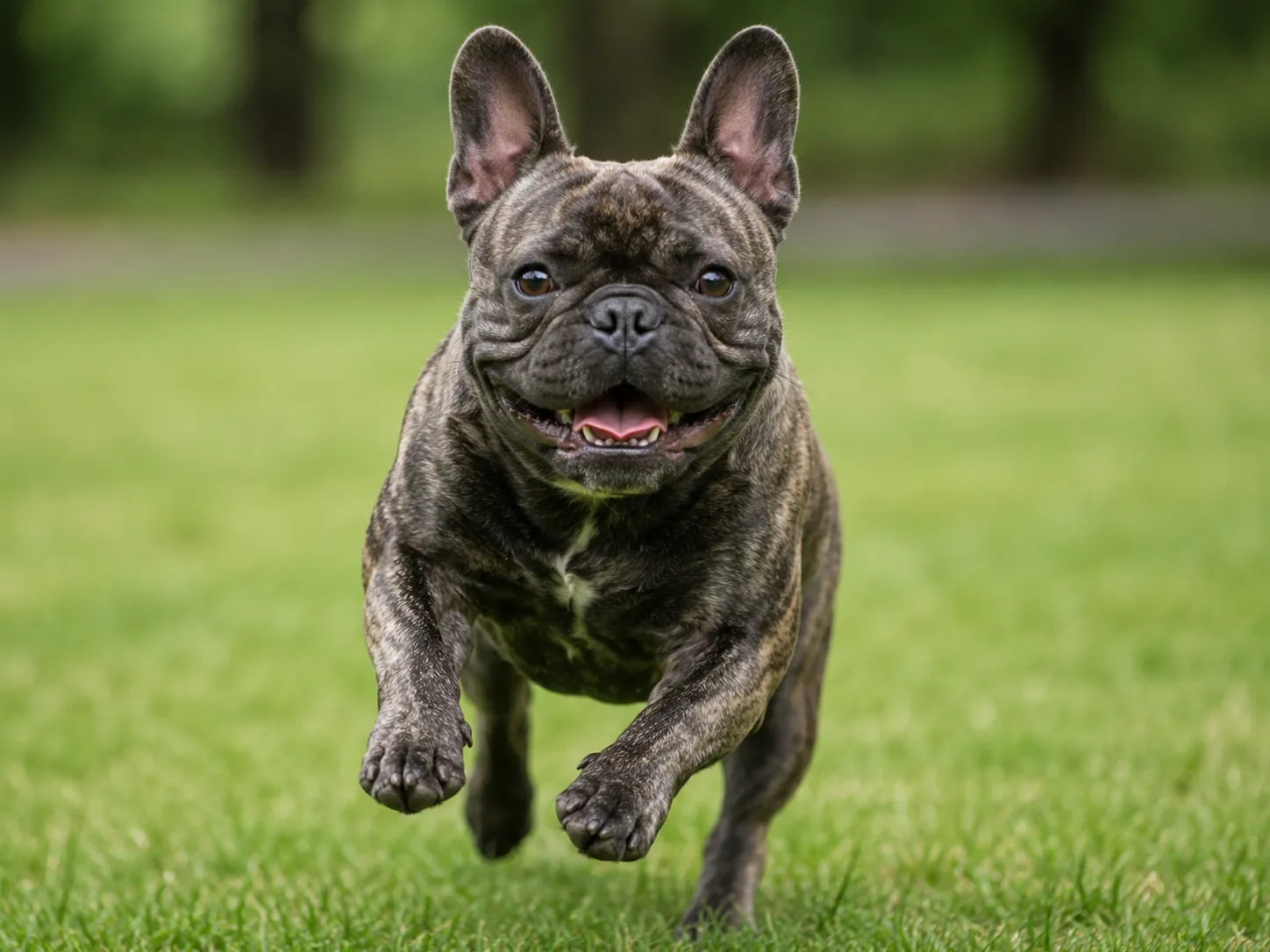
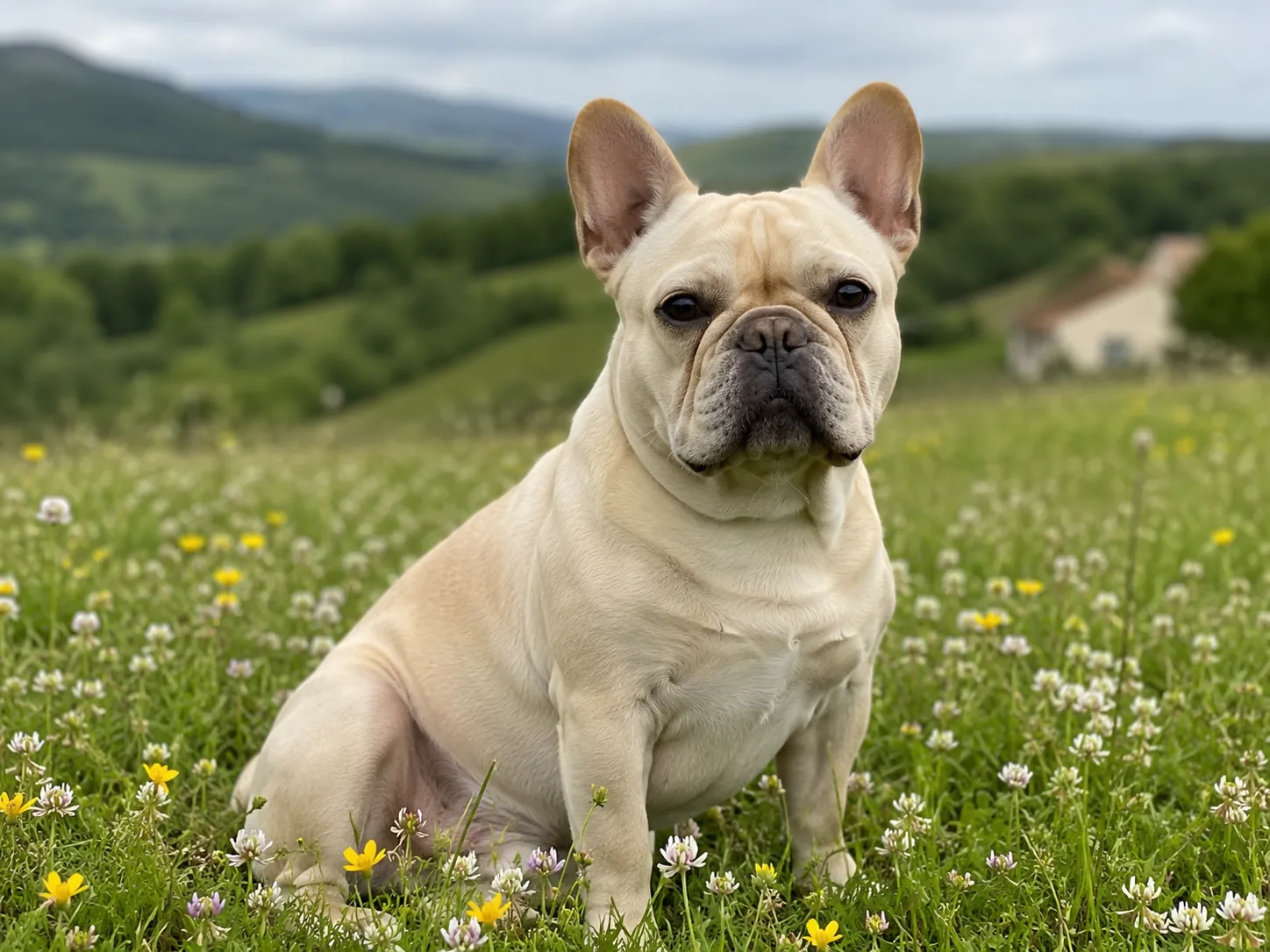
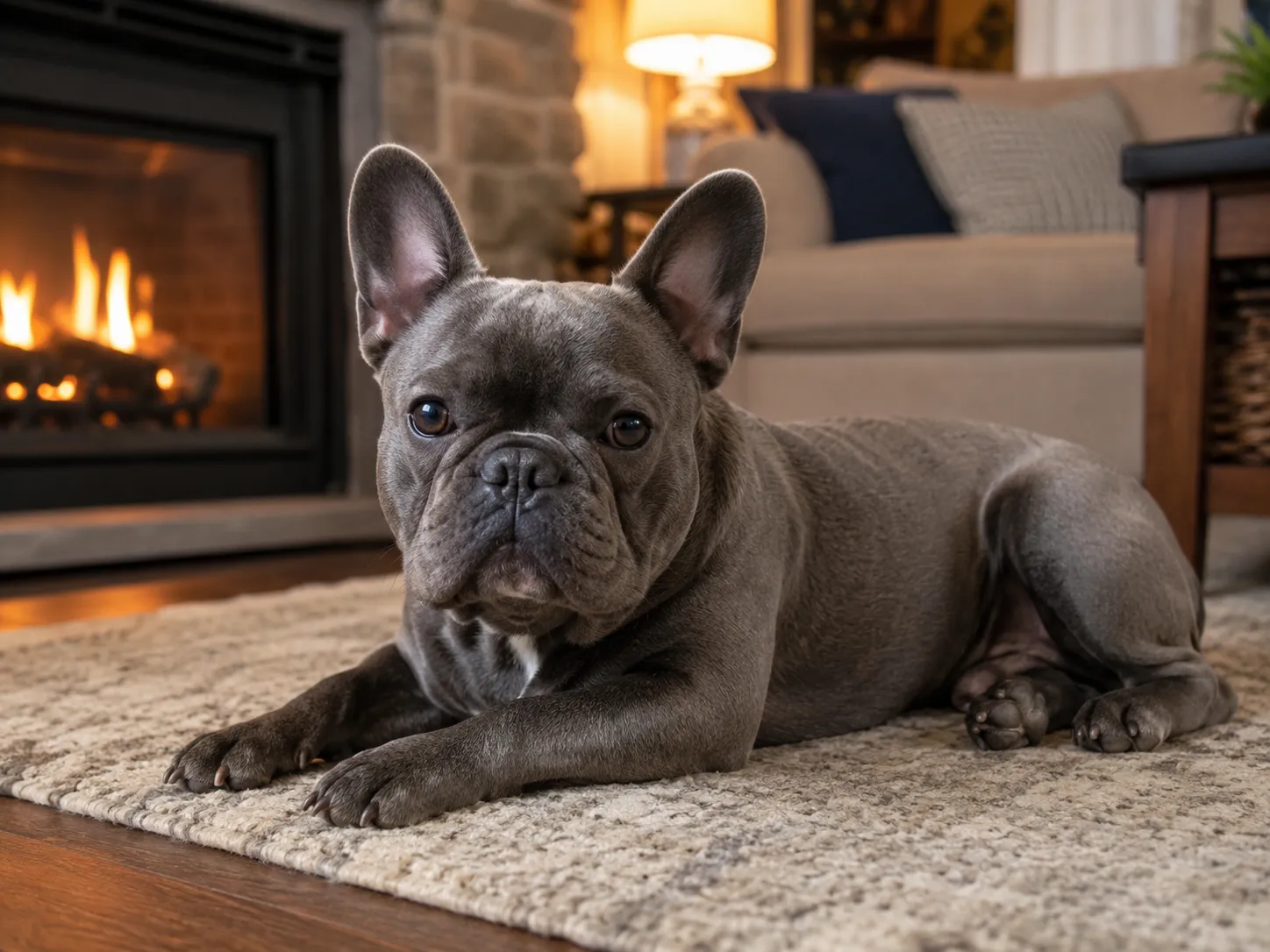
Common colours include brindle, fawn, cream and pied combinations. Some colours marketed as rare may not align with official breed standards and should be approached cautiously.
Head and Expression
The head is broad with a short muzzle and pronounced facial wrinkles. The upright “bat ears” are one of the breed’s defining features, set high and wide apart.
Their eyes are dark, round and expressive, often giving a curious or slightly mischievous look.
Distinctive Features
The tail is naturally short, either straight or slightly screwed, but never long.
Overall, the French Bulldog combines compact strength with a distinctive face that reflects its companion-focused heritage. Every feature of the breed contributes to its charming and approachable appearance.
Different Types of the French Bulldog: Standard and Colour Variations
The French Bulldog does not officially come in different size varieties. There is only one recognised breed standard worldwide. However, variations in colour and marketing terminology often create confusion, and buyers weighing up flat-faced breeds often compare the Frenchie with the British Bulldog, its heavier-set cousin.
Standard French Bulldog
The standard French Bulldog is compact, muscular and proportionate. Recognised colours under most kennel standards include brindle, fawn, cream and pied patterns. These dogs meet structural and health guidelines set by breed authorities.
When searching for a puppy, prioritising structure and health over novelty appearance is important.
“Rare” Colour French Bulldogs
You may see terms such as blue, lilac, chocolate or merle advertised at significantly higher prices. These colours are not recognised under many official breed standards and can sometimes be linked to genetic complications if bred irresponsibly.
While colour does not automatically indicate poor health, ethical breeding practices should always come first. A breeder focusing solely on unusual colour without health testing raises concern.
Teacup or Mini French Bulldogs
There is no officially recognised miniature or teacup version of the French Bulldog. Dogs marketed under these labels are often bred smaller through selective breeding of undersized individuals, which may increase health risk.
If size reduction is your primary goal, understanding the potential health trade-offs is essential.
When choosing a French Bulldog, structure, breathing ability and health screening matter far more than coat colour or novelty labels.
Temperament of the French Bulldog: Affectionate, Stubborn and Deeply Attached
The French Bulldog was bred for companionship, and it shows. This is a people-focused breed that thrives on closeness. They do not simply live in your home. They want to be part of everything happening in it.
Core Personality Traits
Frenchies are affectionate and playful without being hyperactive. They often form a particularly strong bond with one person but remain loving toward the whole household.
They enjoy attention and will often seek physical contact. Many prefer sitting beside you rather than across the room. Despite their compact size, they have noticeable confidence and may carry themselves as though much larger.
They are alert but not typically aggressive. A French Bulldog will often observe new situations carefully before engaging.
Social Behaviour
Most French Bulldogs are friendly with guests once introduced. They are not natural guard dogs, but they may alert bark briefly if something unusual occurs.
They tend to get along well with other dogs when socialised early. However, some individuals can show territorial behaviour if poorly socialised.
Because of their companion-driven nature, prolonged isolation can lead to anxiety or destructive behaviour. They are not suited to homes where they will be left alone for long hours daily.
Stubbornness and Emotional Sensitivity
French Bulldogs are intelligent but independent thinkers. They understand commands quickly, yet they may choose when to comply. This is not lack of intelligence. It is personality.
Harsh correction does not work well. They respond best to consistent, calm guidance and positive reinforcement.
They are also emotionally sensitive. Tension in the household can affect them noticeably.
Energy and Play Style
Frenchies enjoy short bursts of play rather than long endurance exercise. Tug games, gentle fetch and indoor play sessions usually satisfy them.
Overexertion is dangerous due to their brachycephalic structure. Owners must monitor breathing closely, especially in warm conditions.
Vocal Traits
Unlike some small breeds, French Bulldogs are not typically excessive barkers. However, they do snore, snort and make a range of respiratory sounds due to facial structure. This is normal for the breed but important to understand before choosing one.
Who This Temperament Suits Best
The French Bulldog suits:
- Apartment dwellers
- Families wanting a close indoor companion
- Owners who work from home
- People comfortable managing potential health needs
They are less suited to:
- Highly active outdoor lifestyles
- Hot climates without climate control
- Homes where the dog will be alone most of the day
When placed in the right environment, the French Bulldog is affectionate, entertaining and loyal. Their charm lies in their personality as much as their appearance.
Intelligence and Trainability of the French Bulldog: Smart, Selective and Relationship-Driven
The French Bulldog is more intelligent than many people assume. The challenge is not understanding commands. The challenge is motivation, which is why realistic expectations about how long puppy training takes matter with this breed.
How Intelligent Are French Bulldogs?
Frenchies are observant and quick to learn routines. They pick up household patterns easily and often anticipate daily events before you do. They understand tone, body language and repetition very well.
However, they were bred as companions, not working obedience dogs. This means they prioritise comfort and curiosity over structured performance.
Puppy Training Priorities
Early socialisation is critical. Between 8 and 16 weeks, exposing your French Bulldog puppy to different people, sounds and surfaces helps build confidence.
House training should begin immediately. French Bulldogs can take slightly longer to toilet train compared to some breeds, so patience and consistency are essential.
Crate training often helps establish routine and prevent separation anxiety.
Training Methods That Work
Positive reinforcement works best. Food rewards are highly effective, as Frenchies are generally food motivated. Short, engaging sessions produce better results than long repetitive drills.
Firm but calm leadership is important. Inconsistent rules quickly lead to testing behaviour.
Common Training Challenges
Stubbornness is frequently mentioned. In reality, French Bulldogs simply weigh whether the reward is worth the effort.
Overexertion during training sessions must be avoided, especially in warm conditions. Their breathing limitations mean training intensity should be moderate.
They can also develop strong attachment, so teaching independence early reduces clinginess later.
Advanced Training Potential
French Bulldogs are capable of learning tricks, basic obedience and even rally activities. However, they are unlikely to excel in high-endurance sports due to physical limitations.
Their strength lies in companionship training. They thrive when training strengthens the bond rather than focuses on performance.
With structure, patience and realistic expectations, the French Bulldog becomes a well-mannered and responsive companion.
French Bulldog With Children and Other Pets: Playful but Needs Supervision
The French Bulldog is generally considered a family-friendly breed. Their affectionate and playful nature makes them popular in households with children. However, suitability depends on supervision and understanding their physical limitations.
Interaction With Children
French Bulldogs are typically gentle and enjoy attention. They often tolerate handling better than many small breeds and can form close bonds with children.
That said, they are not indestructible. Their compact frame and short muzzle mean rough play should be discouraged. Children must be taught not to jump on them, pick them up incorrectly or disturb them while resting.
Supervised interaction is especially important with toddlers.
Energy Match With Kids
Frenchies enjoy short bursts of play, which suits school-aged children. They are unlikely to keep up with long running sessions, and overexertion can quickly lead to breathing stress.
Indoor games and gentle outdoor play are usually a better fit than high-intensity activity.
Living With Other Dogs
Most French Bulldogs get along well with other dogs when socialised early. They are not typically dominant, but individual personalities vary.
Because of their physical structure, they may struggle in rough dog parks where larger breeds play intensely. Supervised play with compatible dogs is safer.
Cats and Smaller Pets
French Bulldogs can live peacefully with cats, particularly if raised together. Their prey drive is generally low compared to terrier breeds.
As with all introductions, gradual exposure and controlled environments are important.
Overall, the French Bulldog fits well into family environments where boundaries are clear and physical play is moderated. Their affectionate nature makes them a warm household companion when handled thoughtfully.
Health of the French Bulldog: Understanding the Realities
Health is the most important consideration when choosing a French Bulldog. While their personality and appearance are appealing, this is a brachycephalic breed, meaning their shortened skull structure can create medical challenges.
Brachycephalic Obstructive Airway Syndrome (BOAS)
French Bulldogs are prone to breathing difficulties due to narrowed nostrils, elongated soft palate and compressed airways. Signs may include noisy breathing, snoring, exercise intolerance and overheating, so owners should learn to recognise heatstroke in dogs at home.
Severe cases may require surgical correction. Responsible breeders now perform functional airway assessments before breeding.
Heat intolerance is directly linked to airway structure. French Bulldogs should never be exercised in high temperatures and must always have access to cool environments.
Spinal and Structural Concerns
The breed is also prone to intervertebral disc disease. Their compact body and screw tail can increase spinal stress. Sudden jumping from heights or rough play may contribute to injury.
Some French Bulldogs may develop hemivertebrae, a spinal deformity that can affect mobility.
Joint and Orthopaedic Issues
Hip dysplasia and patellar luxation can occur, though less commonly than respiratory concerns. Maintaining healthy weight significantly reduces joint stress.
Skin and Allergy Conditions
Skin fold dermatitis is common if facial folds are not cleaned regularly. Allergies, particularly environmental or food-related, may also occur in some lines.
Recommended Health Testing
Before purchasing a puppy, confirm that the breeder conducts:
- BOAS functional grading
- Hip evaluation
- Patella assessment
- Ophthalmologist eye examination
- DNA screening for known hereditary conditions
Documentation should be available for review.
Lifespan and Veterinary Planning
French Bulldogs typically live between 10 and 12 years. Veterinary costs can be higher than average due to potential respiratory or surgical needs.
Pet insurance is often recommended for this breed.
Choosing a health-focused breeder is critical. Ethical breeding practices significantly reduce the risk of severe complications, although no brachycephalic dog is completely free from structural limitations.
Caring for the French Bulldog: Practical Daily Management
Caring for a French Bulldog is less about high physical activity and more about careful management. Their structure and temperament mean routine, supervision and climate awareness are essential.
Daily Care Routine
French Bulldogs benefit from predictable daily structure. Two short walks and light indoor play are usually sufficient. Activity should be steady rather than intense.
Because they bond strongly with their people, they prefer being indoors with the family. They are not suited to living outside.
Monitoring breathing during exercise is important. If panting becomes heavy or laboured, activity should stop immediately.
Climate and Heat Management
Heat management is critical in Australia. French Bulldogs are highly susceptible to overheating due to airway limitations.
Walks should occur in the early morning or evening during warmer months. Air conditioning or well-ventilated indoor spaces are strongly recommended in hot climates.
They should never be left in cars, even briefly.
Household Environment
Frenchies adapt well to apartment living. However, secure fencing is important, as they may wander if curious.
Because of their spinal structure, repeated jumping off furniture should be discouraged. Ramps or steps can reduce strain.
Emotional Needs
French Bulldogs are companion-focused. Long hours of isolation can lead to anxiety or destructive behaviour.
They thrive in homes where someone is present for much of the day or where routines are stable.
Senior Care Considerations
As they age, joint support and weight control become even more important. Reduced mobility may require environmental adjustments such as non-slip flooring.
Caring for a French Bulldog requires awareness and proactive management. When handled responsibly, they can live comfortable and affectionate lives despite structural limitations.
Grooming of the French Bulldog: Low Coat, High Skin Attention
At first glance, the French Bulldog appears low maintenance. Their short, smooth coat does not require trimming or complex styling. However, grooming involves more than brushing, particularly around the facial folds where early signs of skin irritation in dogs tend to appear.
Coat Maintenance
Weekly brushing with a soft bristle brush or grooming mitt is usually enough to remove loose hair and maintain shine. Shedding occurs year-round but is generally moderate.
Because their coat is short, dirt and debris are easy to spot and clean.
Facial Fold Care
Facial folds require regular attention. Moisture and debris can collect between wrinkles, leading to irritation or infection.
Folds should be gently wiped with a damp cloth and thoroughly dried. This is especially important in humid climates.
Ear and Eye Care
The upright ears should be checked weekly for redness or excess wax. Cleaning should only be done with vet-approved solutions.
Their prominent eyes can be sensitive. Watch for discharge or redness, particularly in dusty or windy conditions.
Nail and Paw Care
Nails should be trimmed regularly, as French Bulldogs are not naturally high-impact runners who wear them down.
Paw pads should be checked for cracking, especially in hot weather when surfaces can be harsh.
Bathing Frequency
Bathing should be occasional, usually every few months or when dirty. Overbathing may dry the skin.
Overall, grooming is straightforward but consistent. While the coat is simple to maintain, skin care and hygiene require attention to prevent avoidable issues.
Exercise Needs of the French Bulldog: Low Impact but Still Essential
The French Bulldog is not built for endurance. Their compact frame and shortened airway structure mean exercise must be controlled and sensible. However, low endurance does not mean no exercise.
Daily Exercise Requirements
Most adult French Bulldogs benefit from two short walks per day, typically 15–20 minutes each. Light indoor play can supplement outdoor activity.
They enjoy moderate movement but fatigue quickly if pushed beyond comfort.
Heat and Breathing Considerations
Because of their brachycephalic anatomy, French Bulldogs are highly prone to overheating. Exercise must be scheduled during cooler parts of the day, especially in Australian summers.
Signs of distress include excessive panting, drooling or laboured breathing. Activity should stop immediately if these appear.
Suitable Activities
Gentle leash walks, short games of fetch and structured indoor play are ideal. They do not require intense running or long-distance hikes.
Swimming is not recommended without supervision, as many French Bulldogs struggle to stay afloat due to body shape.
Mental Stimulation
Although physical exercise is limited, mental engagement is still important. Puzzle toys, short training sessions and interactive games help prevent boredom.
A well-managed exercise routine keeps the French Bulldog content without risking respiratory strain.
Feeding the French Bulldog: Nutrition, Weight and Digestive Sensitivity
Feeding a French Bulldog is not complicated, but it does require attention. Because this breed is prone to breathing strain and joint stress, maintaining a healthy body weight is one of the most important things you can control.
Nutritional Requirements
A high-quality complete dog food formulated for small to medium companion breeds is appropriate for most French Bulldogs. Balanced protein supports muscle tone, while controlled fat levels help prevent excess weight gain.
Look for formulas that include omega-3 and omega-6 fatty acids to support skin health, as Frenchies can be prone to skin irritation and allergies.
Portion Control and Feeding Schedule
French Bulldogs should not be free fed. Measured portions twice daily help maintain steady digestion and weight control.
Puppies are typically fed three small meals per day until around six months of age, then transition to two meals daily.
Overfeeding is common in this breed due to their expressive faces and strong food motivation. Consistency matters more than indulgence.
Digestive and Allergy Considerations
French Bulldogs are known for digestive sensitivity. Flatulence and loose stools can occur if diet quality is poor or ingredients are unsuitable.
Some individuals develop food allergies, often presenting as itching, ear irritation or chronic skin inflammation. Limited ingredient diets or veterinary guidance may be required in these cases.
Sudden diet changes should be avoided. Transition slowly over 7–10 days.
Weight Management
Excess weight significantly increases strain on the airway and joints. A French Bulldog should have a visible waist when viewed from above and a slight abdominal tuck from the side.
You should be able to feel the ribs without pressing firmly.
Regular weight checks help prevent gradual gain, which can happen quickly in a low-activity breed.
Treat Use
French Bulldogs respond well to food rewards during training, but treats should form only a small percentage of daily intake. Using part of their regular kibble for training can help control calories.
Feeding the French Bulldog is about balance. Controlled portions, consistent routine and monitoring body condition will do more for long-term health than any single premium ingredient.
French Bulldog Price in Australia: What You’re Really Paying For
The French Bulldog is one of the most expensive companion breeds in Australia. Demand remains high, and limited ethical breeding increases competition for well-bred puppies.
Purchase Price
A French Bulldog puppy from a registered, health-focused breeder typically ranges from $4,000 to $8,000 in Australia. Prices can exceed this range depending on pedigree, breeder reputation and demand.
Be cautious of extremely low prices. French Bulldogs require responsible breeding practices, including health testing and careful selection. Prices that appear unusually cheap often signal compromised breeding standards.
Colour and Marketing Premiums
Certain coat colours are marketed as rare and may carry higher price tags. However, novelty colour should never outweigh health, structure and breathing quality.
Responsible buyers prioritise airway health and overall soundness rather than cosmetic trends.
Initial Setup Costs
Beyond the purchase price, you should budget for:
- Vaccinations and veterinary checks
- Microchipping and registration
- Crate, bedding and secure fencing
- Food, bowls and training equipment
- Desexing if not already completed
These costs often add $1,500 to $2,500 in the first year.
Ongoing Veterinary Expenses
French Bulldogs often require higher veterinary expenditure than average due to respiratory monitoring, allergy management or potential surgical intervention.
Pet insurance is strongly recommended and may cost more for brachycephalic breeds.
Lifetime Cost Outlook
Over a 10 to 12 year lifespan, total ownership costs may exceed $25,000 when food, insurance, veterinary care and maintenance are considered.
The price of a French Bulldog reflects more than appearance. It reflects breeding complexity, medical oversight and high demand. Financial readiness is essential before committing to this breed.
Buying Advice for French Bulldog Puppies: What You Must Check Before Committing
Buying a French Bulldog should never be rushed, and it is worth taking time to compare French Bulldog litters available now. Because the breed carries known structural health risks, breeder selection is critical. A careful start can prevent years of avoidable medical problems.
Choosing the Right Breeder
Look for registered breeders who prioritise health over appearance and who meet the legal breeding requirements for Australian dog breeders. A responsible breeder will discuss breathing quality, structural soundness and realistic expectations of the breed.
Avoid breeders who focus heavily on rare colours without mentioning health testing.
You should feel comfortable asking detailed questions about parent dogs, litter history and veterinary support.
Health Testing and Documentation
Before committing, confirm that the breeder conducts:
- BOAS functional airway assessment
- Hip evaluation
- Patella assessment
- Eye examination
- DNA screening where relevant
Ask to see certificates. Ethical breeders will provide them willingly.
Observe the puppy’s breathing. It should be quiet and relaxed at rest, without constant wheezing or open-mouth breathing.
Assessing the Puppy’s Environment
Puppies should be raised indoors with exposure to normal household activity. Clean surroundings, confident parent dogs and early social interaction are good signs.
Avoid sellers who refuse home visits or offer to meet in car parks.
Avoiding Impulse Purchases
French Bulldogs are popular, which increases the risk of impulse buying. Take time to review contracts, health guarantees and cooling-off periods.
Rescue and Rehoming
French Bulldog rescues exist across Australia. Adoption may suit experienced owners prepared for potential medical management.
Choosing carefully at the beginning significantly improves long-term outcomes. In this breed, health should always outweigh novelty.
Is the French Bulldog Right for You? An Honest Suitability Assessment
The French Bulldog is not simply a fashionable companion. They are affectionate, entertaining and deeply loyal, but they also come with structural limitations that require responsible ownership.
They suit people who want a close indoor dog rather than a high-performance outdoor athlete. Apartment living is often ideal, provided climate control is available during warmer months. Owners who work from home or spend significant time indoors tend to match well with this breed.
They are less suited to highly active households, extreme heat exposure or environments where the dog will be left alone for long hours daily. Veterinary preparedness is also essential, as medical costs can exceed those of many other breeds.
If you want a compact, people-focused companion and are prepared to manage breathing limitations and weight carefully, the French Bulldog can be a rewarding choice.
If you are considering welcoming one into your home, explore registered French Bulldog listings on Pups4Sale to connect with responsible breeders across Australia.
Frequently Asked Questions
Related Breeds
Other companion breeds on Pups4Sale.
 Great PyreneesGiant • Working
 GreyhoundLarge • Hound (Sighthound)
 GroodleMedium • Crossbreed (Golden Retriever x Poodle)
 Japanese SpitzMedium • Companion / Toy
 KeeshondMedium • Non Sporting (Group 7)
 Lhasa ApsoSmall • Non Sporting (Group 7)