

Great Pyrenees
By James C. • Updated
The Great Pyrenees is a calm, patient, and protective breed originally developed in the Pyrenees Mountains between France and Spain to guard sheep from predators. They are known for their independence, gentle nature with family members, and strong guardian instincts. While affectionate with their owners, they are naturally wary of strangers and require early socialisation and consistent training.
Breed Overview
Life Span
10 - 12 years
Average Price
AUD 1800 - AUD 3500
Weight
Male: 45 - 73 kg Female: 39 - 52 kg
Height
Male: 69 - 81 cm Female: 64 - 74 cm
Life Expectancy
Male/Female: 10 - 12 years
Breed Group
Working
Nicknames
Pyrenees, Pyr
Breed Information
The Great Pyrenees is a powerful mountain guardian bred to live outdoors, patrol territory, and protect livestock with calm confidence. That history explains the breed’s steady temperament, strong protective instinct, and independent decision-making.
In a home setting, most Pyrs are gentle with their people and quietly observant, but they are not a “do what I say” breed by default. A predictable routine, early socialisation, and secure fencing matter as much as exercise, especially if you want a dog that can settle well and make sensible choices around visitors, neighbours, and other animals.
Because this is a giant breed, ownership needs to be planned around space, handling skills, and long-term health costs. When the lifestyle fit is right, the Great Pyrenees can be a devoted family protector with a calm presence and a serious commitment to its role.
Characteristics of the Great Pyrenees: Temperament, Trainability, and Home Fit
Remember: dogs are individuals, and not every Great Pyrenees will match the breed typical traits in the same way.
| Trait | Rating | Star Rating | What it means for most homes |
| Family friendliness | Excellent | ★★★★★ | Deeply devoted to their household and often gentle in day-to-day family life. |
| Child suitability | Very good | ★★★★☆ | Patient with respectful children, but supervision matters due to giant size and accidental knock-overs. |
| With other dogs | Good | ★★★★☆ | Can be social, but some are territorial, so slow introductions and clear boundaries help. |
| With cats and small pets | Moderate | ★★★☆☆ | Often fine if raised together, though supervision is wise, especially around unfamiliar animals. |
| Trainability | Moderate | ★★★☆☆ | Intelligent but independent, so training needs patience, variety, and calm consistency. |
| Intelligence | Very good | ★★★★☆ | Learns quickly, but prefers meaningful tasks over repetitive drills. |
| Energy level | Moderate | ★★★☆☆ | Not a high-octane breed, but still needs steady daily movement and purpose. |
| Exercise needs | Moderate | ★★★☆☆ | Short daily walks and space to roam suit them better than intense running. |
| Barking tendency | High | ★★★★☆ | Alert barking is common, especially at night or when they sense movement outside. |
| Shedding level | Very high | ★★★★★ | Heavy shedding year-round, with major seasonal coat blowouts. |
| Grooming needs | Moderate | ★★★☆☆ | Weekly brushing is essential, with more during shedding season. |
| Drooling tendency | Low to moderate | ★★★☆☆ | Some drool, especially after drinking or in hot weather, but not always excessive. |
| Apartment suitability | Low | ★★☆☆☆ | Best with a yard and secure fencing, though routines can help in larger homes. |
| First-time owner fit | Moderate | ★★★☆☆ | Can be challenging due to size, independence, and barking, but manageable with commitment. |
| Watchdog and guarding instinct | Very strong | ★★★★★ | Naturally protective and vigilant, best guided with early socialisation and confident handling. |
A Great Pyrenees typically suits owners who want a calm guardian rather than an eager-to-please obedience dog. Space, quiet leadership, and early exposure to people and environments are what usually shape the difference between a settled family protector and a dog that feels it must manage everything alone.
History of the Great Pyrenees: From Pyrenees Mountain Guardian to Modern Protector
The Great Pyrenees originated in the Pyrenees Mountains that form a natural border between France and Spain, and shares that livestock guardian heritage with the Anatolian Shepherd Dog. For centuries, these dogs worked alongside shepherds, living in harsh conditions and protecting flocks from predators and intruders. That role demanded a very specific mix of traits: immense physical strength, thick weatherproof coat coverage, steady nerves, and the confidence to make decisions independently when people were not close by.
As their reputation spread, Great Pyrenees began appearing beyond remote farms. They were used to guard estates and rural properties, and their calm presence became just as valued as their protective ability. The breed’s history is also linked to European nobility, where their size and dignity made them a symbol of status as well as a practical guardian.
Even in family homes today, the Great Pyrenees still carries its original purpose. Many will patrol fences, watch quietly from a distance, and alert bark when something changes in their environment. When owners respect that instinct and guide it with early socialisation, predictable routines, and secure boundaries, the Pyr can be a gentle companion that takes its guardian role seriously without becoming overprotective.
Appearance of the Great Pyrenees: Coat, Colour, Build, and Distinct Features
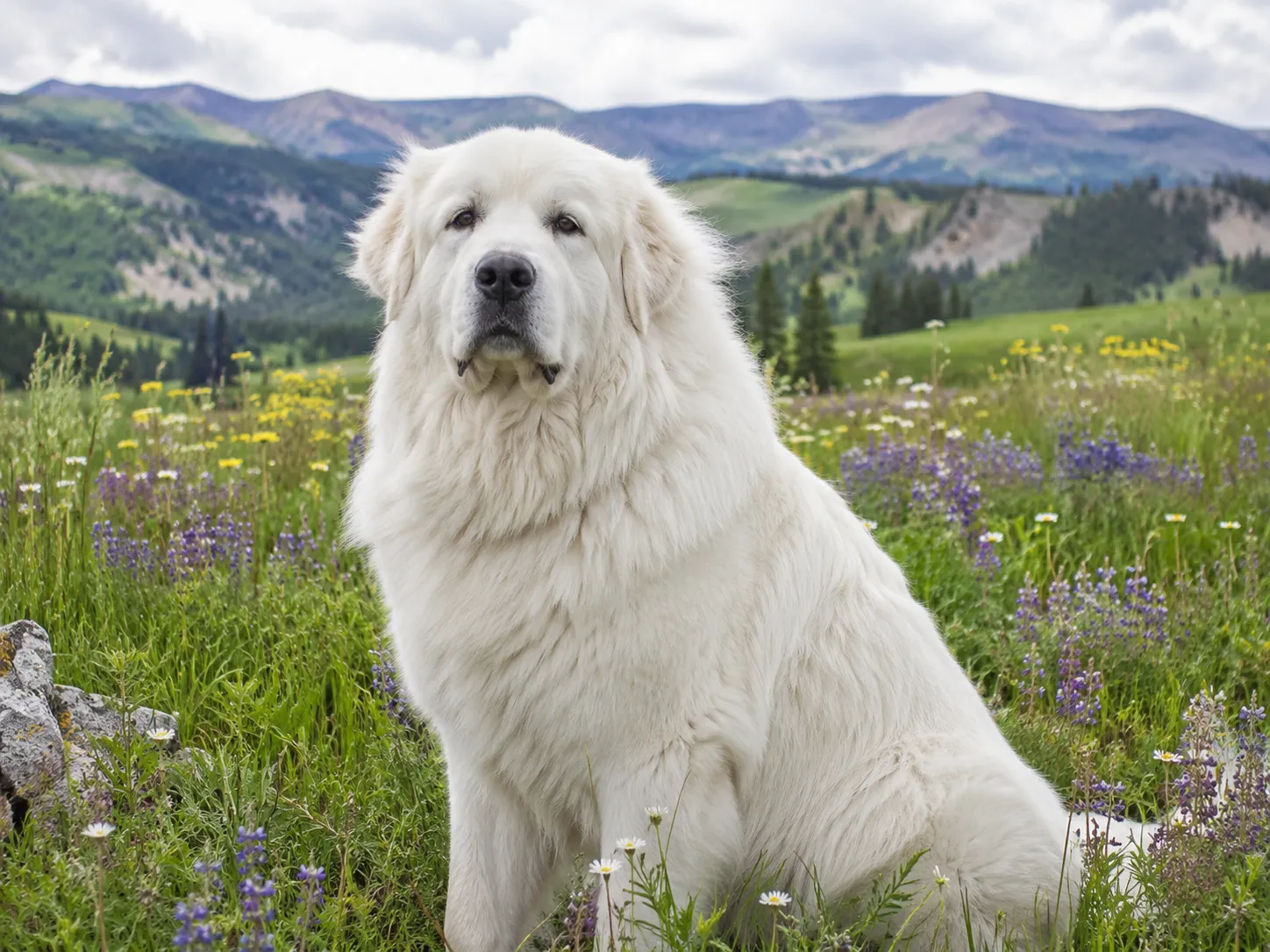
A Great Pyrenees is built to look imposing without appearing heavy or clumsy, though that heavy coat makes safe temperatures for dogs in Australia a real consideration. Most have a large, muscular frame, a broad chest, and a steady, balanced stance that suits long hours of patrolling rough ground. Even when relaxed, the breed often carries itself with a calm, watchful presence, which is part of why people describe them as majestic.
Head and expression of the Great Pyrenees: Calm eyes and a thoughtful look
The head is typically rounded and proportionate to the body, with a gentle expression that can shift quickly to alertness when something catches their attention. Dark brown, almond-shaped eyes are common, and they tend to give a quiet, observant gaze rather than an intense “busy” look.
Ears of the Great Pyrenees: Soft, triangular ears that sit close
Ears are usually small to medium, triangular, and naturally drop down with rounded tips. Because the ears sit close to the head, they can trap moisture and debris, so routine checks are practical, especially after roaming through long grass.
Nose and muzzle of the Great Pyrenees: Strong structure with a black nose
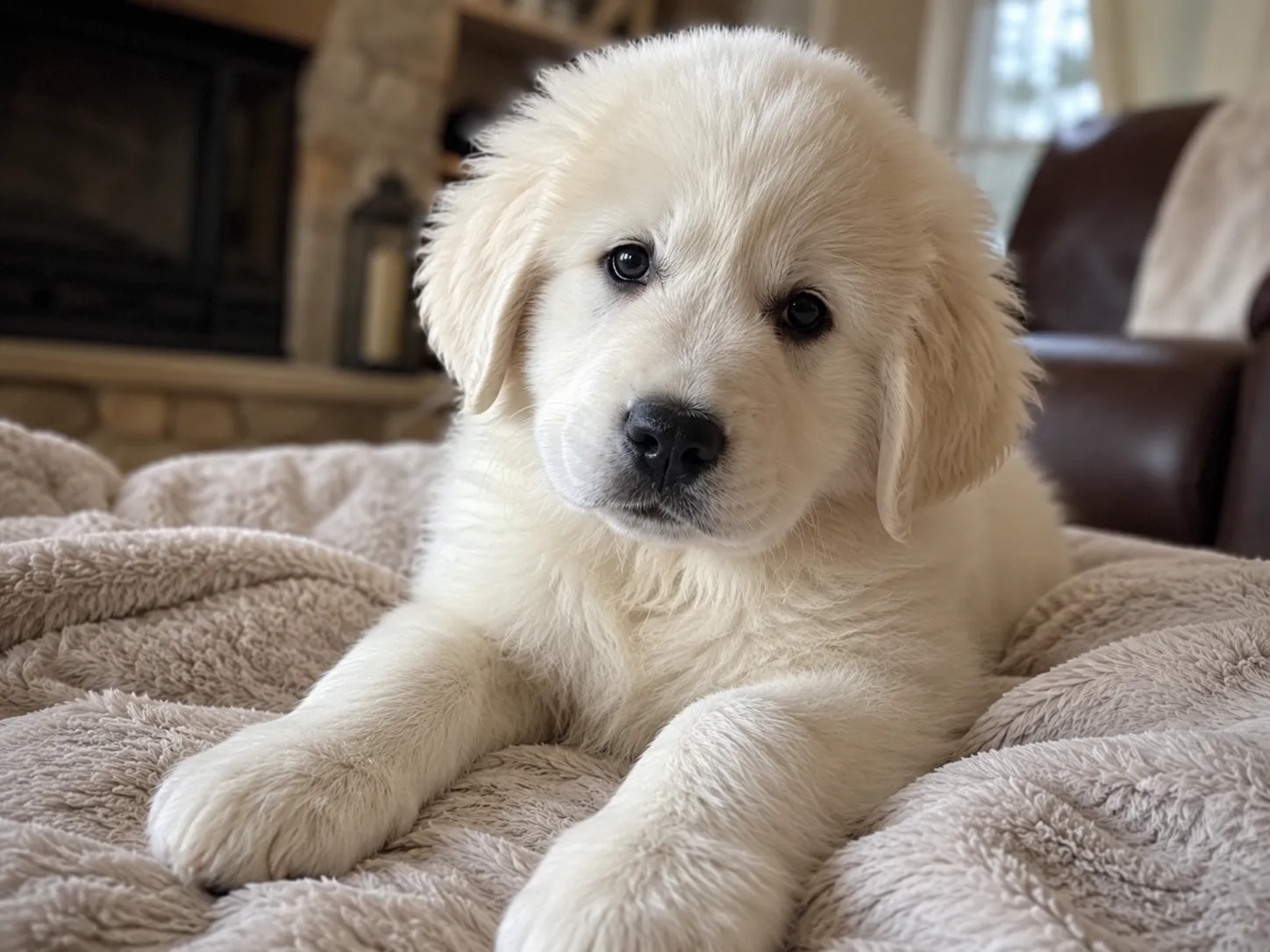
Most Great Pyrenees have a black nose and a strong muzzle designed for endurance rather than speed. Pigment is an important detail to watch in puppies, as good breeders aim for stable colouring and sound overall structure.
Coat type of the Great Pyrenees: Thick double coat built for cold climates
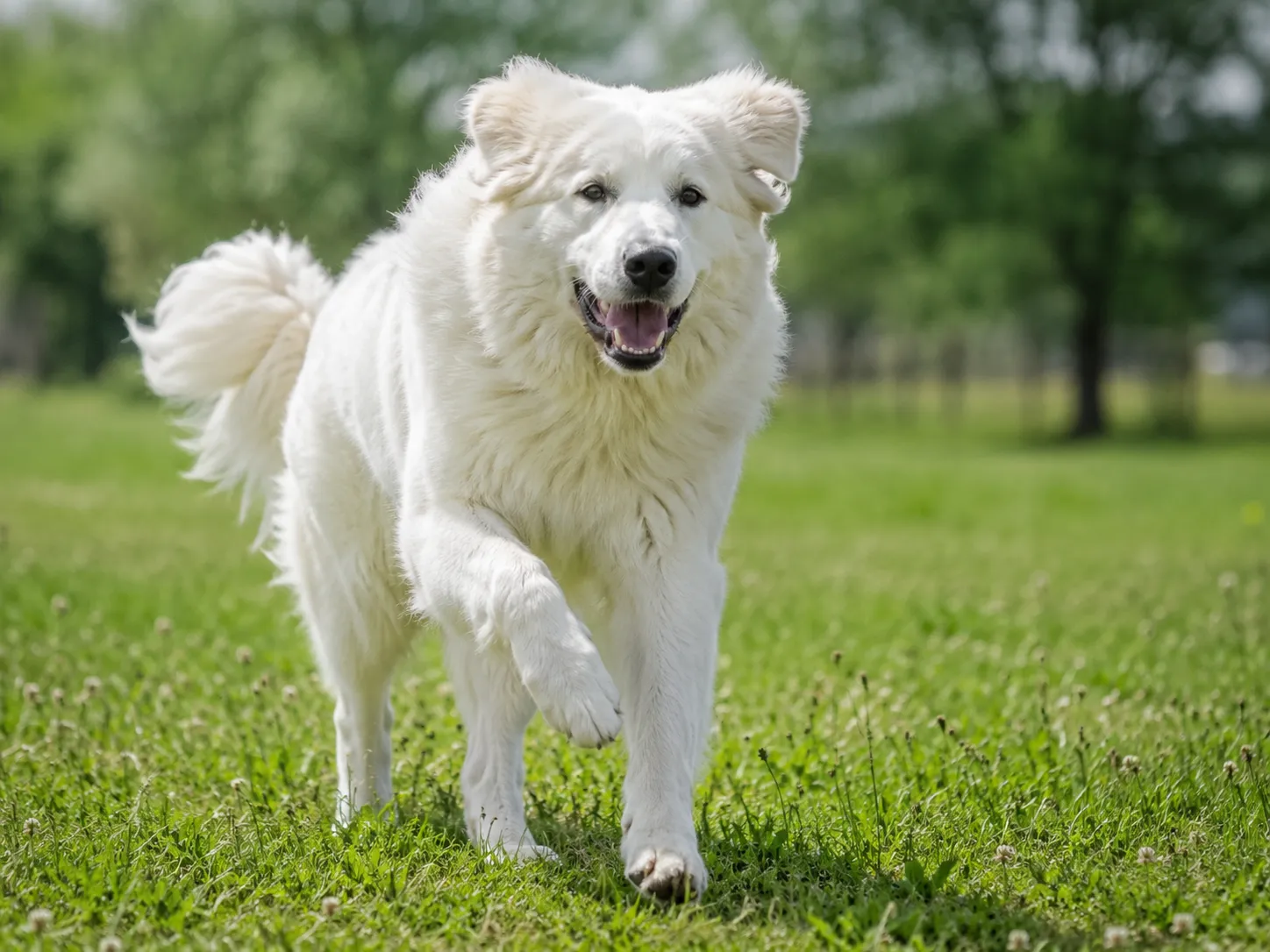
The coat is one of the breed’s defining features. Great Pyrenees have a dense double coat, made up of a long, flat outer coat that is straight or slightly wavy, plus a soft, woolly undercoat. A heavier ruff around the neck and shoulders is common, particularly in males, which adds to the “lion-like” outline.
Coat colour of the Great Pyrenees: White with possible markings
Most are solid white, though many have markings in grey, tan, badger, or reddish-brown. In some dogs, badger markings can fade as they mature, which is normal for the breed.
Tail and movement of the Great Pyrenees: Plumed tail and steady gait
A Great Pyrenees’ tail is long, heavily feathered, and forms a noticeable plume. When moving, the breed should look smooth and efficient, covering ground with confidence rather than rushing. This steady movement matches the Pyr’s original job: conserve energy, patrol, then respond decisively if needed.
Temperament of the Great Pyrenees: Gentle Family Dog, Serious Guardian Instinct
The Great Pyrenees is often patient, affectionate, and calm with its own people, and many Pyrs settle into family life with a quiet, steady presence. In the right home, they are typically devoted companions who prefer being near the household, even if they are not constantly demanding attention. That calm nature can be misleading, though, because this breed was created to protect, and the guarding instinct is not optional.
Personality of the Great Pyrenees: Calm confidence with independent thinking
Most Great Pyrenees are confident and self-possessed, which is a big reason they can feel easy to live with inside the home. At the same time, they are known for independence. They were bred to work without constant instruction, so training often looks different compared with breeds that live to please. A Pyr may understand a cue quickly, then choose when it feels it matters, especially if the request seems pointless or repetitive.
Social behaviour of the Great Pyrenees: Friendly, but not everyone’s best mate
Many Pyrs are friendly with visitors once introduced, but they are rarely “instant social butterflies.” Their default is often to observe first, then engage when they feel safe. Early socialisation is essential, because it teaches the dog what is normal in your world, which reduces the risk of overprotective behaviour later. Exposure should include calm visitors, different environments, vehicles, noises, and controlled interactions with other animals.
Great Pyrenees with children: Gentle, but size changes the rules
This breed is commonly good with children when kids are taught to respect boundaries. The main risk is not aggression, but accidental knocks due to the dog’s size and strength. Supervision is important, and calm routines help both dog and child feel settled. A Pyr that is allowed to rest undisturbed will usually be more tolerant and relaxed.
Great Pyrenees with other pets: Often workable with the right setup
Because Great Pyrenees were historically around livestock, many can live with cats and other dogs, especially if raised together. Still, introductions need to be managed carefully. Guarding breeds can become territorial, so structured meetings, secure fencing, and clear household rules matter more than “hoping they’ll work it out.”
Barking and night behaviour of the Great Pyrenees: A common owner surprise
One of the most important temperament realities is that many Great Pyrenees are naturally vocal guardians, especially at night. Barking is often their way of doing the job they were bred for: alerting to movement, strange sounds, or changes in the environment. Training can reduce nuisance barking, but you should not expect a Pyr to be silent by nature.
What temperament means in real life: The home that suits a Pyr best
A Great Pyrenees usually thrives with space, secure fencing, and predictable routines. Calm, confident leadership matters more than harsh correction, because this breed responds best to steady handling and consistent boundaries. If you want a dog that is always eager to perform, the Pyr can feel frustrating. If you want a gentle guardian that takes its responsibilities seriously, this breed can be an exceptional match.
Intelligence and Trainability of the Great Pyrenees: Smart, Independent, and Selective
The Great Pyrenees is highly intelligent, but their intelligence shows up as judgement and decision-making rather than constant obedience. Because they were bred to guard flocks without supervision, many Pyrs prefer to assess a situation first, then act. That can look like stubbornness, but it is often independent thinking.
Training style for the Great Pyrenees: Calm consistency beats force
A Pyr usually responds best to clear boundaries, short sessions, and rewards that feel worthwhile. Repetition for the sake of repetition often switches them off, especially if they do not see a purpose. Keep training calm and steady, because harsh handling can create distrust in a breed that already values control.
Socialisation for the Great Pyrenees: The non negotiable foundation
Early socialisation is one of the most important parts of raising this breed. Exposure to visitors, noises, vehicles, and safe dog interactions helps your Pyr learn what is normal. That early learning reduces the chance of over-guarding, reactive barking, or defensive behaviour as the dog matures.
Realistic obedience expectations for the Great Pyrenees: Reliable, not robotic
Most Great Pyrenees can learn core household manners well, but they are rarely “competition obedience” dogs. Focus on behaviours that support safe daily life, such as loose lead walking, recall practice in fenced areas, settle on a mat, and polite greetings. When you train for practicality, the breed tends to shine.
Common training challenges in the Great Pyrenees: Barking, boundaries, and roaming
Guarding instincts can create predictable issues if they are not managed early. These usually include alert barking, fence pacing, and a desire to patrol beyond property lines. Secure fencing, consistent rules, and structured enrichment make a big difference, especially at night when many Pyrs feel most “on duty.”
Family Life of the Great Pyrenees: Children, Other Pets, and Daily Household Dynamics
Great Pyrenees often slot into family life as a calm presence, but the breed’s size and guardian mindset means the household needs structure. When routines are predictable and boundaries are consistent, many Pyrs become steady, affectionate companions who keep a quiet eye on everything happening around them.
Great Pyrenees with children: Gentle temperament, giant-dog supervision
Most Pyrs can be very tolerant with children who are taught how to behave around dogs. The bigger issue is usually physical, not behavioural. A fully grown Pyr can accidentally bump, lean, or step on a small child without meaning to, so supervision is essential, especially with toddlers. Calm interactions matter, and children should be shown that a resting dog should be left alone.
Great Pyrenees with other dogs: Social potential with careful introductions
Many Great Pyrenees live happily with other dogs, particularly if introduced early and managed well. Because they can be territorial, slow introductions in neutral spaces are often safer than quick meet-and-greets at the front gate. If you already have a dog, matching energy and temperament is important, as a Pyr may not enjoy constant rough play.
Great Pyrenees with cats and smaller pets: Usually possible with early boundaries
Some Great Pyrenees are excellent with cats and even smaller animals, especially when raised together. Still, management matters because guarding breeds may react to fast movement or unfamiliar animals entering their space. Use controlled introductions, safe escape routes for cats, and clear household rules. Trust builds over time, not in a single afternoon.
Household dynamics for the Great Pyrenees: Routine, space, and secure fencing
The best home setup usually includes secure fencing, room to move, and a consistent daily rhythm. Many Pyrs like to choose a few “observation spots” where they can watch the yard or the front of the house. That behaviour is normal and often calming for them. If they are left bored or under-stimulated, the guarding instinct can spill into nuisance barking and pacing.
Visitors and strangers: Calm introductions prevent over-guarding
Great Pyrenees are often polite but watchful with new people. They tend to do best when you take control of greetings, keep your own energy calm, and reward relaxed behaviour. Early social exposure helps them learn that visitors are normal, which reduces the risk of overprotective decisions later on.
Health of the Great Pyrenees: Common Conditions, Prevention, and Vet Screening
Great Pyrenees are generally robust for a giant breed, but their size and genetics can increase the risk of certain conditions. The best approach is to combine responsible breeding, early monitoring, and practical prevention at home. A puppy from health-tested parents, paired with steady weight control and sensible exercise, usually has the best chance of long-term soundness.
Bloat and GDV in Great Pyrenees: A true emergency owners must know
One of the most serious risks in deep-chested giant breeds is bloat, which can progress to gastric dilatation-volvulus (GDV) when the stomach twists. This is life-threatening and needs urgent veterinary care. Warning signs often include a swollen abdomen, restlessness, drooling, repeated unproductive retching, and rapid decline. Feeding multiple smaller meals, slowing down fast eating, and avoiding hard exercise around meals can reduce risk, but it cannot remove it completely.
Hip and elbow dysplasia in Great Pyrenees: Joint health matters from day one
Hip and elbow dysplasia can occur in large dogs where the joint does not form perfectly, leading to pain and arthritis over time. Good breeders screen breeding dogs, and owners can help by keeping puppies lean, avoiding excessive jumping on hard surfaces, and building muscle gradually through controlled walks. If issues develop, management can include physiotherapy, pain relief, supplements, and in some cases surgery.
Eye conditions in Great Pyrenees: Screening and early detection
Great Pyrenees can be affected by several eye issues, including conditions that may impact vision as they age. Regular vet checks and breeder eye screening are helpful, especially if you notice cloudiness, irritation, squinting, or changes in confidence in low light. Early action often improves outcomes and comfort.
Patella and mobility issues: Not just a small-dog problem
Although more common in smaller breeds, luxating patella can appear in Great Pyrenees as well. It may show as skipping steps, intermittent limping, or stiffness after rest. Mild cases can sometimes be managed, while severe cases may require surgery to reduce pain and long-term wear.
Deafness and neurological concerns: Rare, but important to ask about
Congenital deafness can occur more often in predominantly white-coated dogs. Some neurological disorders also exist in the breed, including conditions that affect coordination and movement control. The practical takeaway is breeder selection: ask what has appeared in their lines, what testing is done, and what support they offer if a problem emerges.
Recommended screening and prevention for Great Pyrenees owners
A sensible health plan usually includes hip and elbow assessments, routine eye checks, and a long-term focus on weight management. Because giant breeds age differently, it is also worth planning for higher lifetime veterinary costs than you would expect with a smaller dog. The goal is not to worry, but to be prepared and proactive, especially during the rapid growth stages.
Caring for a Great Pyrenees: Grooming, Exercise, Feeding, and Home Setup
Caring for a Great Pyrenees is less about high-intensity activity and more about steady routines, good boundaries, and practical maintenance. Their coat, size, and guardian instincts shape daily life, so your goal is to keep the dog comfortable, well-socialised, and mentally settled.
Grooming needs of the Great Pyrenees: Managing a thick double coat
Despite all that fur, the coat is often fairly dirt-resistant, but shedding is heavy and ongoing. Brushing at least once a week helps prevent matting behind the ears, around the ruff, and along the feathering. During seasonal coat blowouts, more frequent brushing is usually needed to stop hair building up in the house and to keep the skin healthy.
Bathing does not need to be constant. Occasional baths are often enough unless your Pyr gets muddy or develops odour. Nails should be trimmed regularly, and ears should be checked often because their shape can trap moisture. Dental care also matters, as gum disease can affect overall health, especially as dogs age.
Exercise for the Great Pyrenees: Moderate movement, not marathon training
Great Pyrenees are not built to be relentless running partners. Most do best with moderate daily exercise, such as steady walks and time to move around a secure yard. Many Pyrs enjoy slow “patrol-style” walks, where they can sniff, scan, and feel in control of the environment.
Because they can overheat in warmer conditions, exercise is often safest in cooler parts of the day. Even though they are not high-energy, they still need routine movement to support joints, muscle tone, and healthy weight.
Feeding a Great Pyrenees: Large-breed nutrition and bloat awareness
A Great Pyrenees generally needs a high-quality large-breed diet matched to life stage. Puppies should not be overfed, as rapid growth can stress developing joints. Adults do best when kept lean, as excess weight increases pressure on hips and elbows.
Because the breed can be at risk of bloat/GDV, it is sensible to feed two or three smaller meals rather than one large meal, encourage slower eating if they gulp food, and avoid vigorous activity around feeding time. Treats are useful in training, but they should stay controlled so weight does not creep up.
Home environment for the Great Pyrenees: Space, fencing, and calm structure
The ideal home usually includes secure fencing and enough room to roam. Many Pyrs will test boundaries, not out of defiance, but because patrolling is part of their instinct. If fencing is weak, roaming can become a real risk.
Inside the home, the breed often prefers a quiet routine and a place to rest where they can still observe what is happening. Heat management is important in Australia. Shade, airflow, cool water access, and limiting midday activity help prevent overheating.
Daily enrichment for a Great Pyrenees: Work the brain without over-arousing
Mental exercise matters as much as physical movement. Puzzle feeders, scent games, and short training sessions keep the mind engaged without winding the dog up. If a Pyr is bored, the guarding instinct can become louder and more reactive, so structured enrichment is one of the simplest ways to support calm behaviour.
Exercise and Activity for the Great Pyrenees: Keeping a Guardian Fit Without Overdoing It
Great Pyrenees are not endurance athletes in the usual sense. They were bred to conserve energy, patrol territory, and respond quickly when needed. That means your exercise plan should focus on consistency and joint-friendly movement, not speed or long distances.
Daily exercise needs of the Great Pyrenees: What “enough” usually looks like
Most adult Pyrs do well with two moderate walks each day, plus time to move around a secure yard. A common pattern is a morning walk, a quieter afternoon stroll, and short “patrol” time outside. Many prefer calm exploration, sniffing, and scanning their environment rather than fast-paced games.
Best activities for Great Pyrenees: Low-impact, purposeful movement
The most suitable activities are usually low-impact and structured, such as:
- Leashed walks with time to sniff and settle
- Gentle hikes on cooler days
- Scent games and simple tracking-style play
- Cart pulling or structured working games for experienced owners, introduced carefully
High-impact activities like repetitive jumping or intense running on hard ground can be tough on a giant breed’s joints, especially during growth.
Puppy exercise for Great Pyrenees: Protect growing joints
Puppies need movement, but their joints and growth plates are still developing. Short, frequent outings are usually safer than long walks. Avoid heavy stair use, repeated jumping in and out of cars, and high-intensity chasing games. The goal is to build confidence and coordination while protecting long-term soundness.
Heat management in Australia: Thick coat, real risk
Because Great Pyrenees were built for cold mountain climates, heat tolerance is limited. In warm regions, exercise should happen early in the morning or later in the evening. Provide shade and cool water at all times, and watch for signs of overheating such as heavy panting, drooling, sluggishness, or disorientation. On hot days, indoor enrichment can replace outdoor exercise without compromising wellbeing.
Mental enrichment: The missing half of “exercise”
A Pyr that only gets physical walks may still feel restless if the brain is underused. Short training sessions, puzzle feeding, and scent work reduce boredom and can help control nuisance barking and fence pacing. For this breed, mental work is often what turns a watchful guardian into a calmer housemate.
Feeding the Great Pyrenees: Diet, Portions, and Safe Mealtime Habits
Feeding a Great Pyrenees well is about more than filling a big bowl, and the fundamentals are covered in this guide to feeding a dog properly. Because this is a giant breed, the right diet supports steady growth, joint health, and long-term condition, while sensible routines reduce the risk of serious issues like bloat. The aim is a dog that stays lean, strong, and comfortable through every life stage.
Best diet for a Great Pyrenees: Large-breed nutrition that supports joints
Most Pyrs do best on a high-quality large-breed formula that matches age and activity level. Puppies benefit from controlled calories and balanced minerals, because rapid growth can place extra stress on developing hips and elbows. Adults typically do well with consistent protein quality, healthy fats, and enough fibre to support digestion, without overfeeding.
If you prefer fresh or raw-style feeding, balance matters. A giant breed can suffer when calcium and phosphorus are not correctly managed, so vet guidance is important before committing to a homemade approach.
How much to feed a Great Pyrenees: Keep the body condition lean
Portion needs vary, but the rule that matters most is body condition. You should be able to feel ribs under a light layer of padding, and the waist should be visible from above. Extra weight is one of the fastest ways to worsen joint stress in a heavy dog, so regular weigh-ins and portion adjustments are practical.
Treats should be limited and counted as part of daily intake. Training rewards are useful, but frequent high-calorie extras can quietly push a Pyr into overweight territory.
Safe mealtime routines for Great Pyrenees: Reducing bloat risk
Great Pyrenees can be prone to bloat and GDV, so feeding habits matter. Safer routines usually include:
- Two or three smaller meals rather than one large meal
- Slower eating, using a slow feeder bowl if your dog gulps food
- No hard exercise for roughly an hour before and after meals
- Calm, predictable feeding times to reduce stress-driven gulping
These steps reduce risk, but they do not guarantee prevention. Knowing the warning signs and acting fast remains essential.
Hydration and supplements: Practical support, not a magic fix
Fresh water should always be available, especially in warm weather. Joint supplements may be recommended in some dogs, particularly if there is early stiffness or a family history of joint issues, but they work best as part of a wider plan that includes lean body condition and appropriate exercise.
If your Pyr develops persistent itchiness, loose stools, or repeated ear issues, dietary sensitivities may be involved. In that case, a structured elimination plan with your vet is often more useful than constantly switching foods at random.
Grooming the Great Pyrenees: Brushing, Shedding, Bathing, and Coat Care
Great Pyrenees look like they require constant grooming, but the reality is more manageable when you stay consistent with basic grooming and hygiene habits. The coat is designed to protect in harsh climates, so it can be surprisingly resistant to dirt. The trade-off is heavy shedding, especially during seasonal coat changes, which means brushing is less about appearance and more about comfort and skin health.
Brushing a Great Pyrenees: The weekly habit that makes life easier
A thorough brush at least once a week helps lift out dead undercoat and reduces matting in common problem areas. Pay extra attention to the ruff, behind the ears, under the collar, along the feathering on the legs, and around the tail. During big shedding periods, brushing several times a week often becomes necessary to prevent a coat blowout from turning into constant clumps around the house.
Shedding in Great Pyrenees: Expect year-round hair and seasonal “blowouts”
Most Pyrs shed consistently, then shed dramatically when the undercoat drops. This is normal for a double-coated guardian breed. A steady brushing routine is the most effective way to manage shedding without stressing the dog. Shaving is usually not recommended, because the coat also helps with insulation and temperature regulation.
Bathing a Great Pyrenees: Less often, but done properly
Bathing does not need to be frequent unless your dog is truly dirty. When you do bathe, rinsing thoroughly matters, because trapped shampoo can irritate the skin under a dense undercoat. Drying is also important, as damp undercoat can lead to odour and skin problems. If your Pyr develops persistent hotspots or itchiness, a vet check is sensible before assuming it is “just the coat.”
Nail, ear, and dental care: The overlooked essentials
- Nails: Keep nails trimmed so they do not click loudly on hard floors, as long nails can affect comfort and movement.
- Ears: Check ears regularly for wax, redness, or smell, especially after roaming outside.
- Teeth: Regular brushing helps reduce dental disease, which can impact whole-body health over time.
Coat care in Australian conditions: Heat and hygiene planning
In warmer regions, coat care is also part of heat management. Regular brushing removes packed undercoat, improving airflow close to the skin. Even with that support, Great Pyrenees can struggle in hot weather, so shade, cool water, and avoiding midday activity remain non negotiable for comfort and safety.
Price and Ongoing Costs of a Great Pyrenees in Australia: Budgeting for a Giant Breed
Owning a Great Pyrenees is a long-term financial commitment, so compare Great Pyrenees puppies listed around Australia before deciding. The purchase price is only the beginning, and ongoing costs are often higher than average because of giant-breed food intake, heavier grooming needs during coat blowouts, and a higher likelihood of expensive vet care as they age.
Great Pyrenees puppy price in Australia: What you may pay upfront
A well-bred Great Pyrenees puppy from a responsible breeder commonly sits in the $1,800 to $3,500+ range in Australia. Prices rise when breeders invest in health screening, proven lines, and strong early socialisation, and they can also vary by availability and location.
Vet and health costs: Plan for larger bills
Because this is a deep-chested giant breed, it is sensible to budget for:
- Routine care: vaccinations, parasite prevention, annual checks, and dental work
- Giant-breed risk factors: joint assessments, imaging, and long-term arthritis management if needed
- Emergency readiness: conditions like bloat/GDV can be costly and time-sensitive
Pet insurance can help, but only if you understand exclusions and choose a policy that suits a large working guardian breed.
Food and nutrition: Higher volume, higher spend
A Pyr will typically cost more to feed than most family dogs. A quality large-breed diet is important, and cost increases with dog size, activity level, and whether you use premium kibble, fresh feeding, or mixed diets. Keeping your dog lean is also a cost saver long-term, because excess weight can accelerate joint issues.
Grooming and home setup costs: The practical extras owners forget
Even if you groom at home, you will still need equipment that holds up to a thick coat, such as a quality brush and undercoat tools. You may also need:
- Stronger fencing and gates to prevent roaming
- Cooling options for summer, like shade structures, cooling mats, and reliable water access
- Larger bedding, crates, and transport arrangements suited to a giant dog
Training and enrichment: Worth budgeting for early
Many owners benefit from puppy classes and guidance on socialisation, especially to shape calm behaviour around visitors and reduce nuisance barking. Spending on training early can reduce expensive behaviour problems later, particularly in a breed with strong guardian instincts.
Buying Advice for a Great Pyrenees: Breeders, Puppies, and Red Flags to Avoid
Choosing where your Great Pyrenees comes from matters as much as how you raise it, so go in with a list of questions worth putting to any breeder. A Pyr’s size and guardian instincts mean poor breeding decisions can lead to lifelong challenges, including unstable temperament, chronic joint pain, and difficult behaviour around visitors or other animals. The safest approach is to be patient, ask direct questions, and walk away if anything feels rushed or unclear.
How to choose a Great Pyrenees breeder in Australia: What responsible breeders do
A responsible breeder should be open about health, temperament, and how their puppies are raised. Look for breeders who:
- Provide evidence of hip and elbow screening, plus relevant eye checks and health history
- Breed dogs with stable, calm temperament, not nervous or overly reactive behaviour
- Raise puppies in a clean environment with early handling and controlled exposure to normal household life
- Ask you questions too, because they care where the puppy ends up
- Offer a written agreement and support after you take the puppy home
Good breeders will talk honestly about the breed’s realities, including barking, fencing needs, and heat management, rather than selling a “perfect family dog” story.
What to look for in Great Pyrenees puppies: Temperament and structure clues
When meeting a litter, watch how the puppies respond to people and new sounds. A well-raised Pyr puppy is often curious but not frantic, and it should recover quickly after a small surprise. Look for steady confidence, not constant fearfulness or aggressive reactions. Because this is a giant breed, pay attention to movement and comfort, and avoid puppies that appear consistently lame or stiff.
Great Pyrenees red flags: When to walk away
Be cautious if you see any of the following:
- No proof of health testing, or vague claims without documentation
- Puppies that are isolated with little human contact
- Pressure to pay immediately or collect too early
- Parents that seem fearful, unstable, or difficult to handle
- Sellers focused only on coat colour or size, with little interest in temperament and suitability
Adopting a Great Pyrenees in Australia: A good option for the right home
Adoption can be a strong path, especially if you want an adult dog with a clearer temperament. Many rescue dogs need experienced handling and secure fencing, but the right match can be incredibly rewarding. If adopting, ask about behaviour history, reaction to visitors, compatibility with other pets, and whether the dog has shown roaming or guarding issues.
If you want to take the next step, Pups4Sale can help you compare listings and connect with breeders and sellers, so you can focus on finding a Great Pyrenees that matches your space, routine, and confidence level.
Is the Great Pyrenees Right for You?: Final Fit Check Before You Commit
A Great Pyrenees suits owners who want a calm, loyal guardian and can provide secure fencing, steady routines, and early socialisation. Space helps, but leadership and consistency matter more.
This breed may not fit if you need a quiet dog, live very close to neighbours, or want an eager-to-please temperament, as night barking and independence are common.
If you are ready for giant-breed costs and heat management in Australia, you can find Great Pyrenees listings and reputable sellers on Pups4Sale.
Frequently Asked Questions
Related Breeds
Other companion breeds on Pups4Sale.
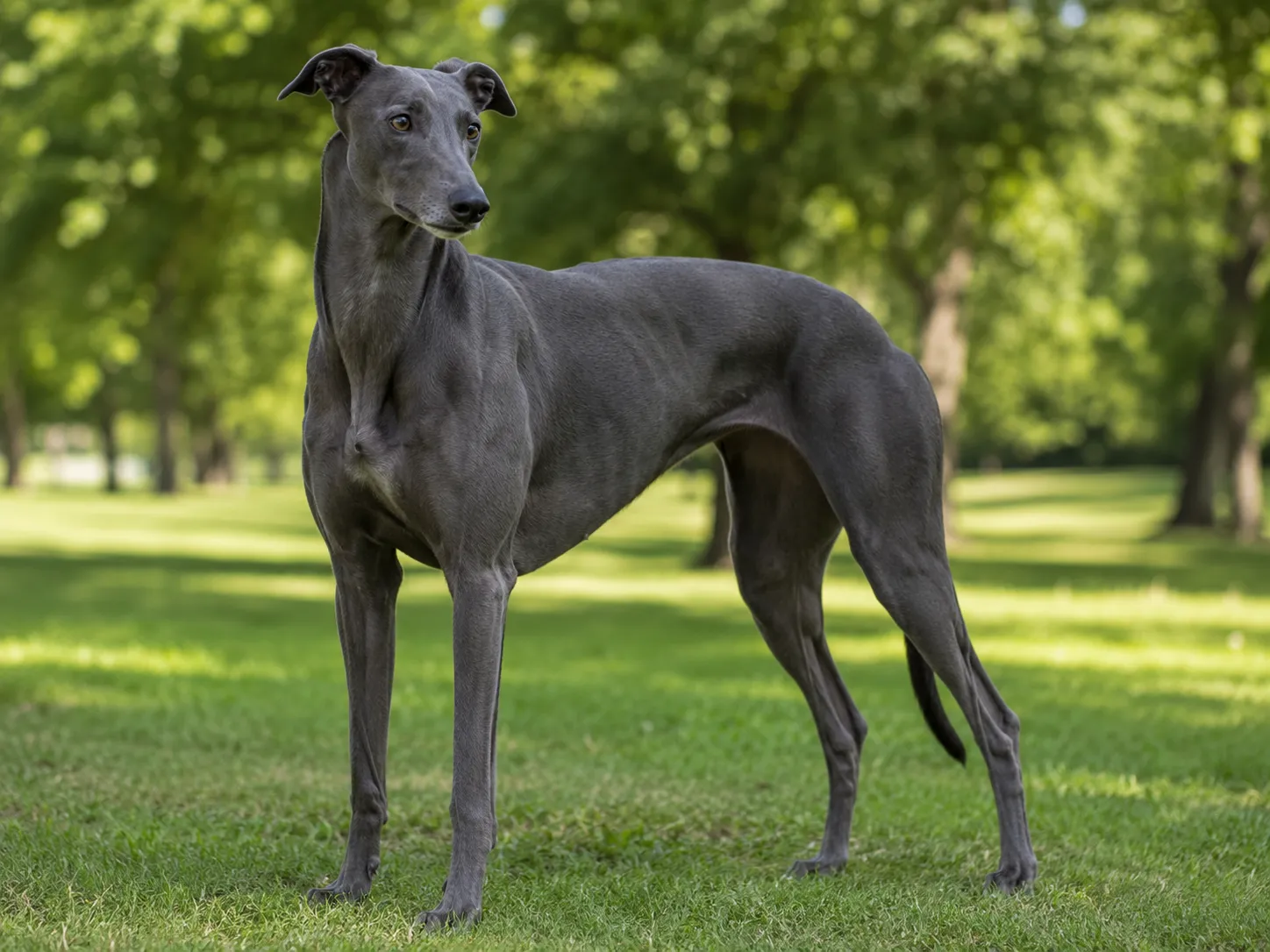 GreyhoundLarge • Hound (Sighthound)
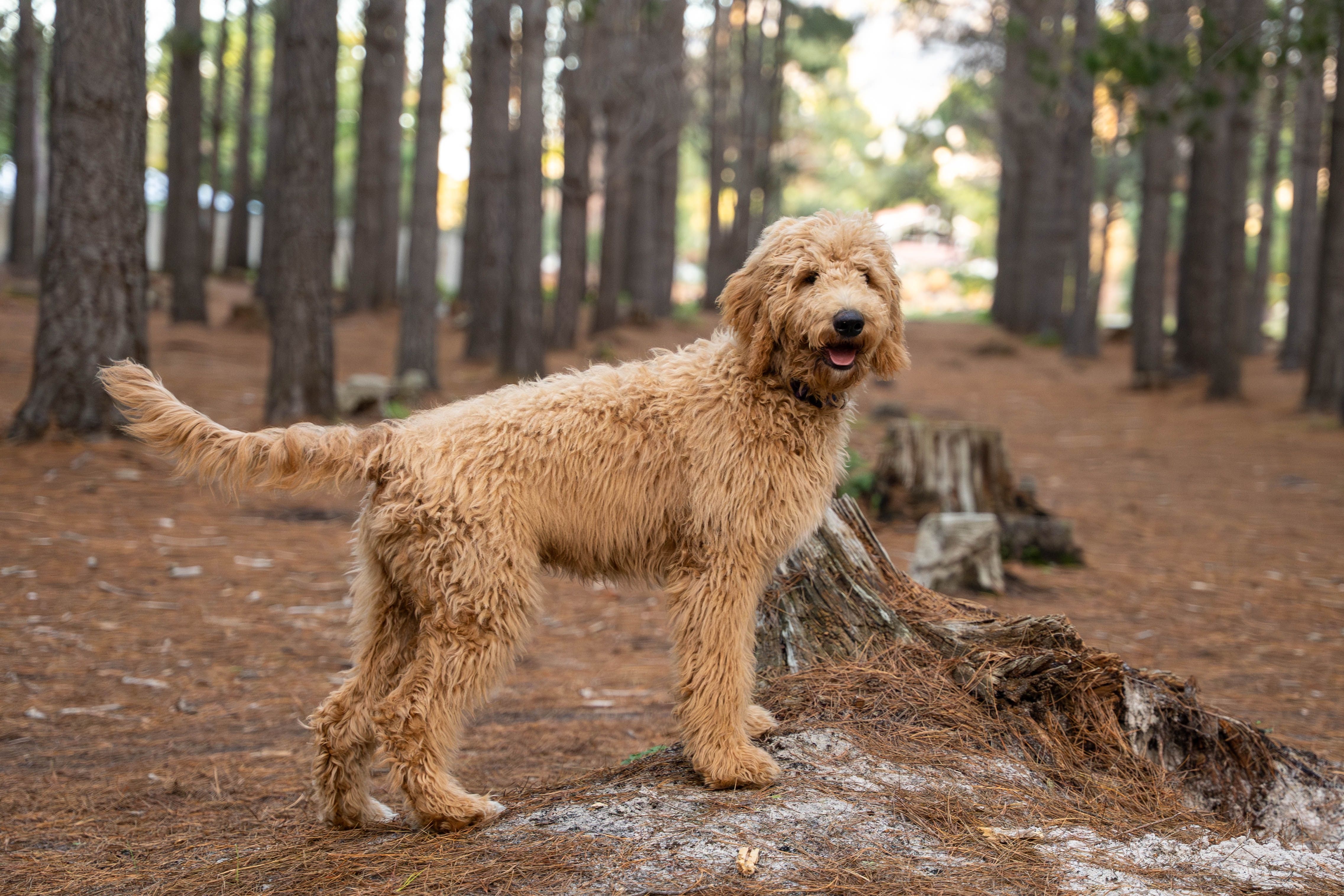 GroodleMedium • Crossbreed (Golden Retriever x Poodle)
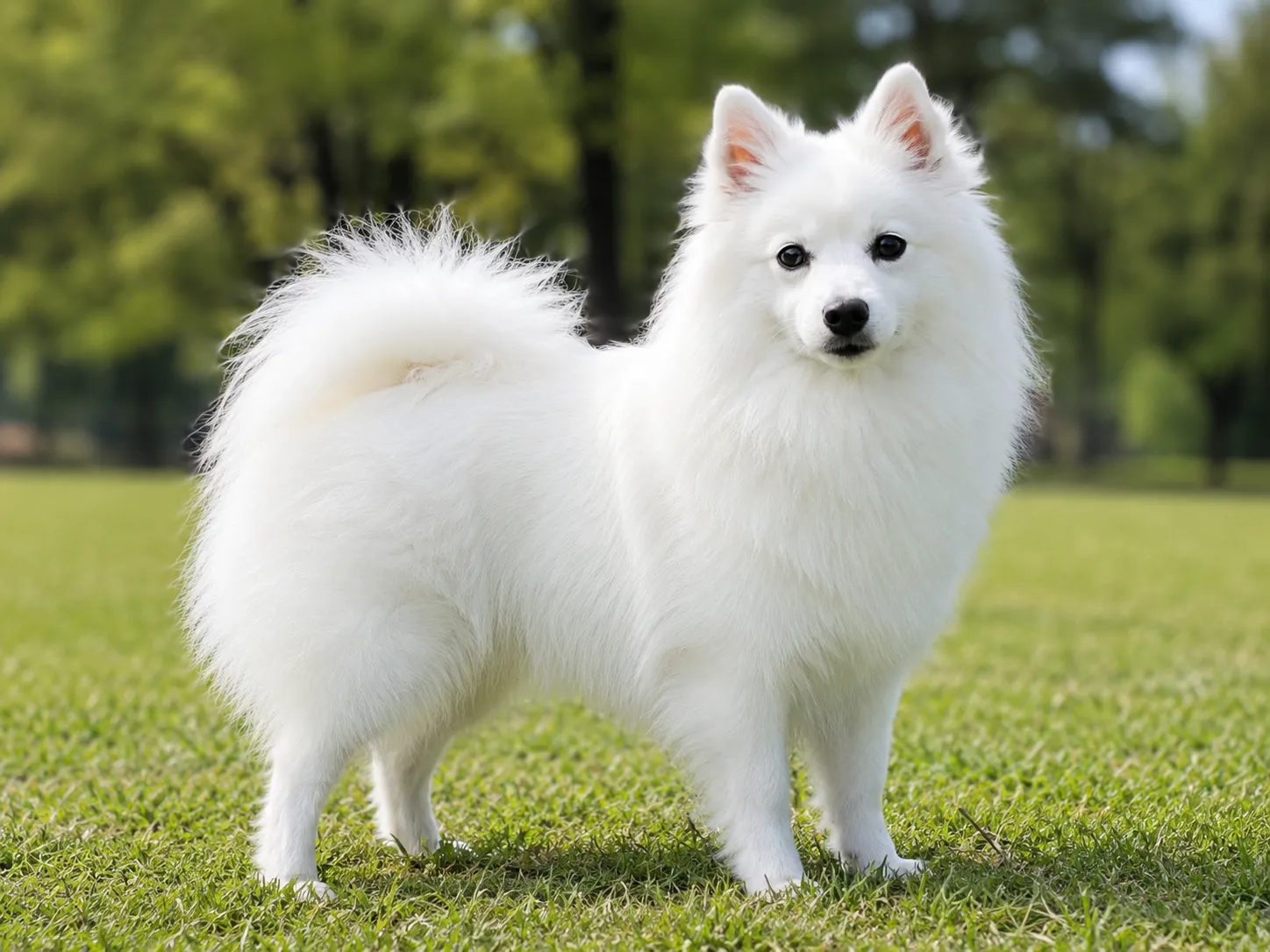 Japanese SpitzMedium • Companion / Toy
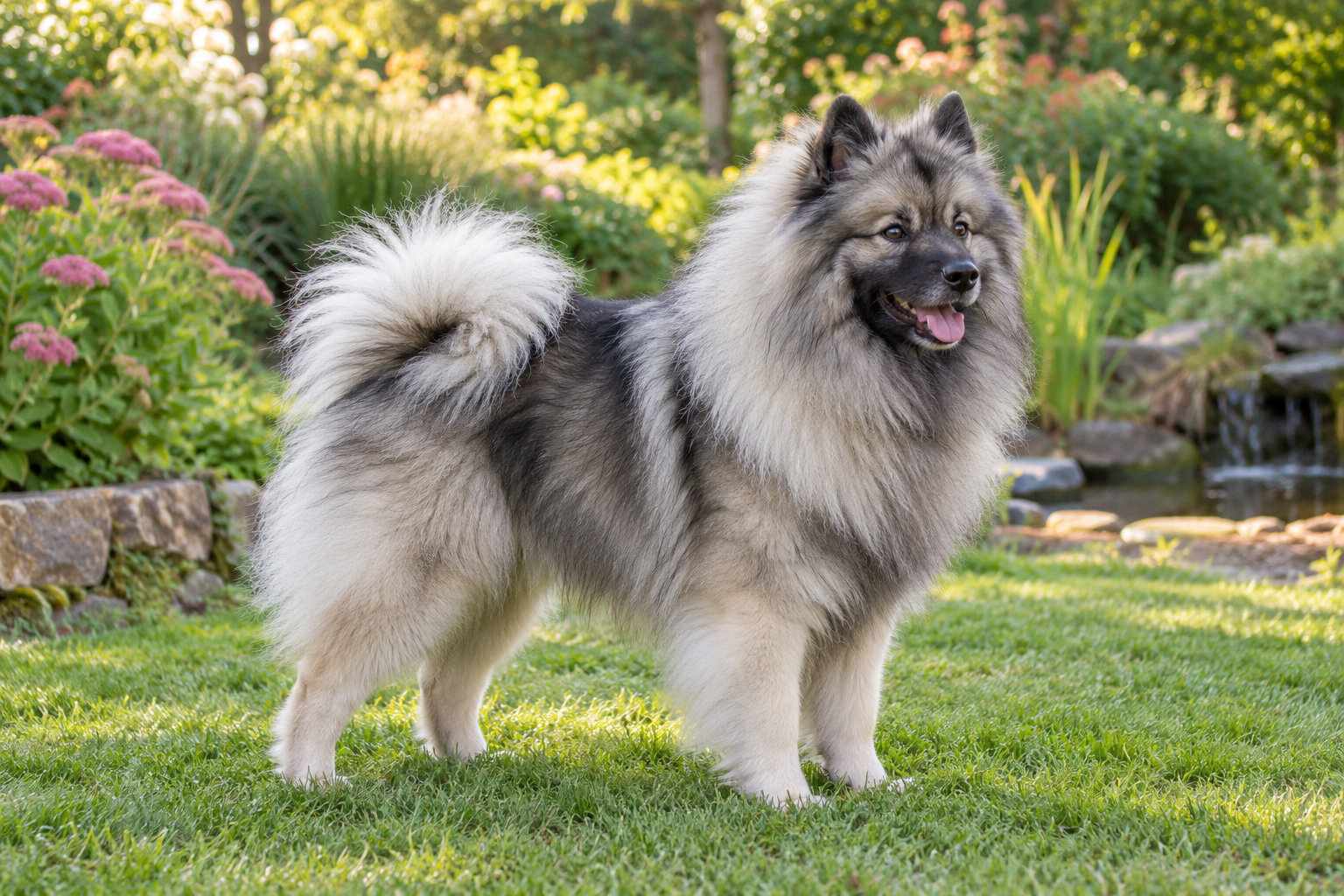 KeeshondMedium • Non Sporting (Group 7)
 Lhasa ApsoSmall • Non Sporting (Group 7)
 MalteseSmall • Toy