
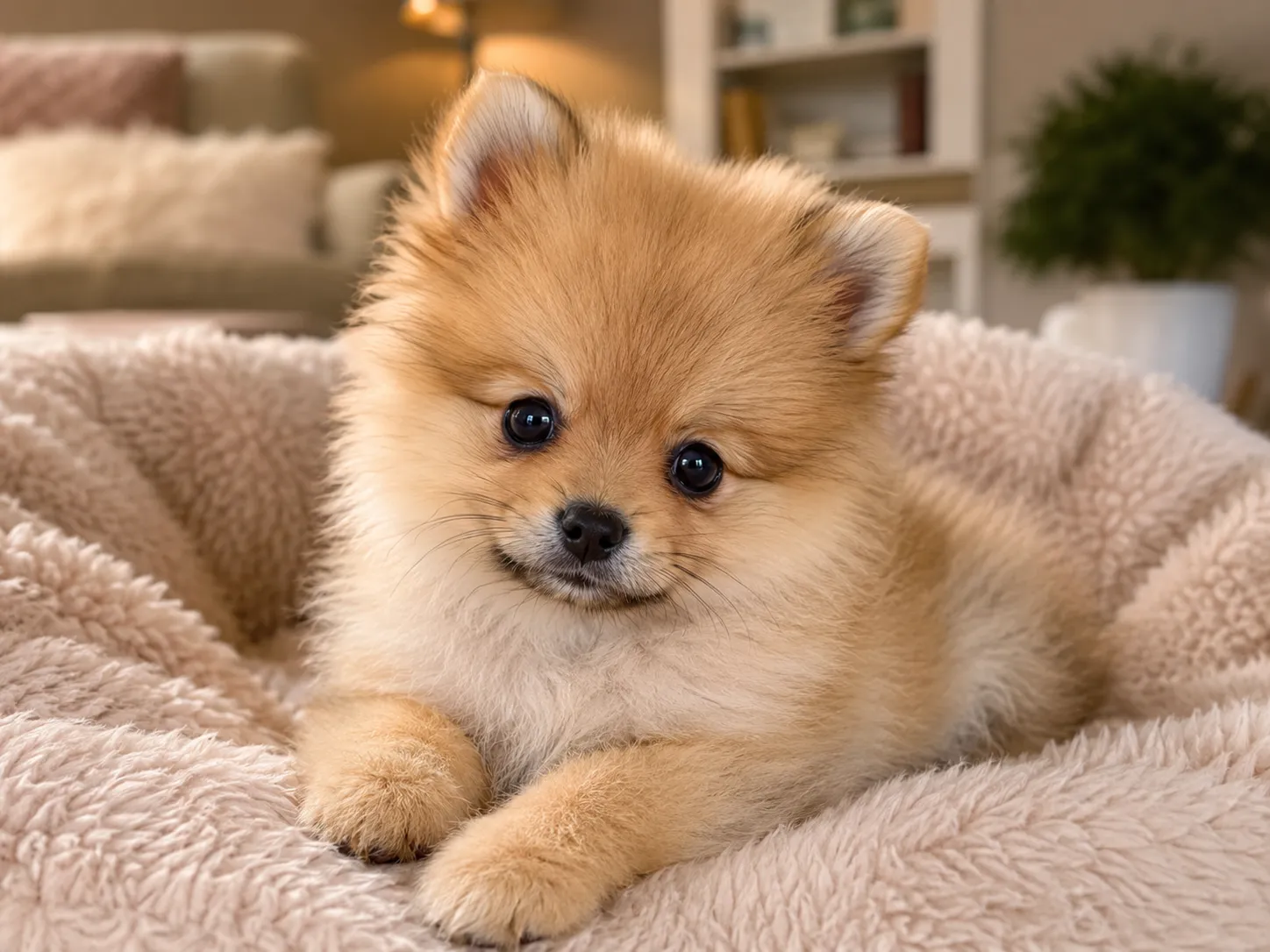
Pomeranian
By James C. • Updated
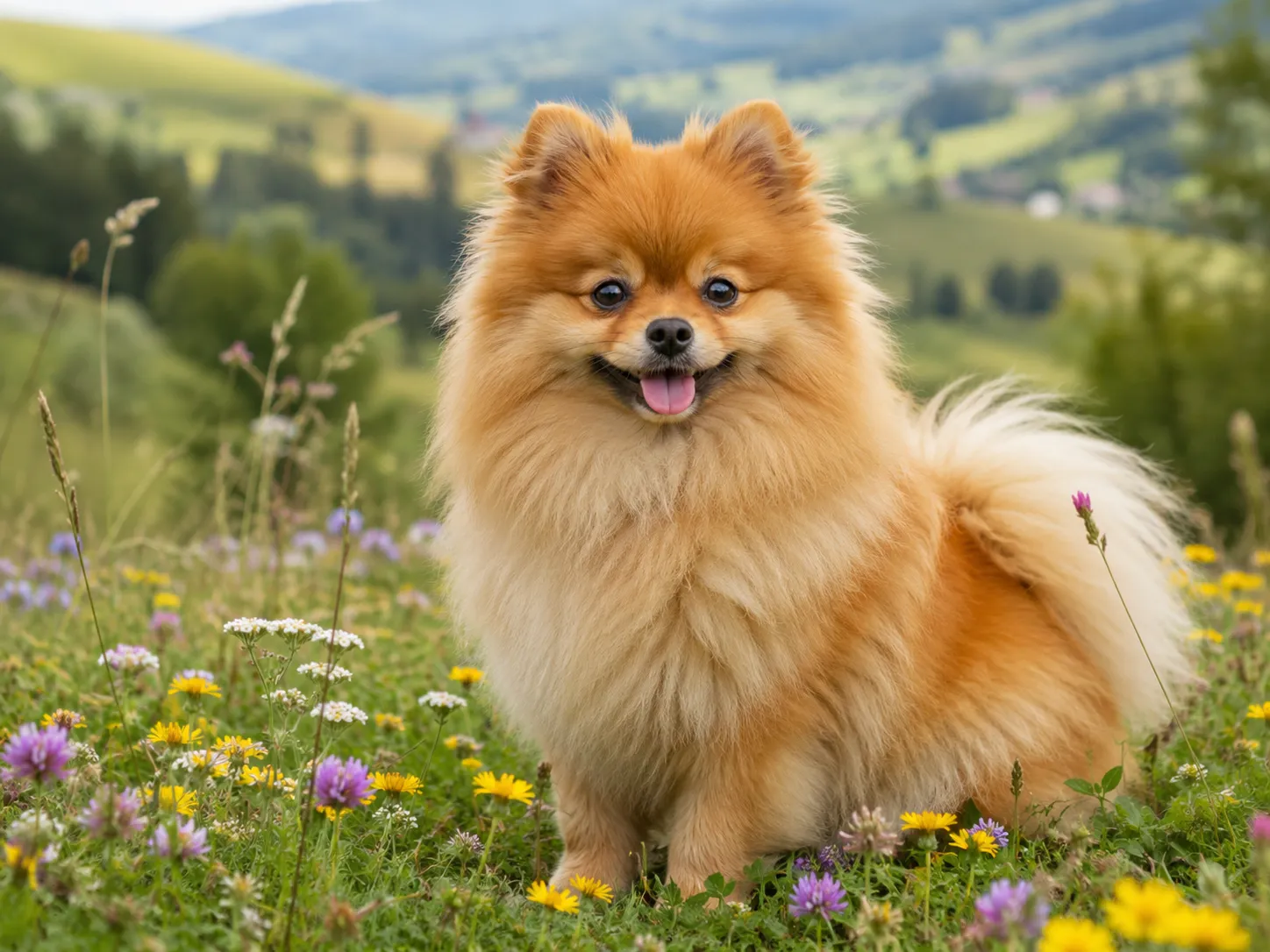
The Pomeranian is a lively, intelligent, and affectionate toy breed known for its fluffy double coat, fox-like face, and confident personality. Descended from larger Spitz-type working dogs, today's Pomeranian is a popular companion dog that thrives on attention and close interaction with its family. Despite its small size, the breed is alert, bold, and often unaware of its tiny stature.
Breed Overview
Life Span
12 - 16 years
Average Price
AUD 3500 - AUD 7000
Weight
Male: 1.8 - 3.5 kg Female: 1.8 - 3.5 kg
Height
Male: 15 - 18 cm Female: 15 - 18 cm
Life Expectancy
Male/Female: 12 - 16 years
Breed Group
Toy
Nicknames
Pom, Dwarf Spitz, German Toy Spitz
Breed Information
The Pomeranian is one of the smallest members of the Spitz family but carries itself with the confidence of a much larger dog. Known for its fluffy double coat, fox-like face, and bold personality, the Pom combines charm, intelligence, and lively energy in a compact size.
Despite weighing only a few kilograms, Pomeranians are alert, curious, and expressive companions who thrive on interaction with their owners. Their bright nature and eagerness to participate in daily activities make them engaging pets that often enjoy learning tricks, playing games, and accompanying their owners on short outings.
Originally descended from larger Spitz sled dogs, the modern Pomeranian was selectively bred down in size over time, particularly during the Victorian era when the breed became popular among European royalty. Today’s Pomeranian retains the alertness and intelligence of its working ancestors while fitting comfortably into urban living.
This breed adapts well to Australian households of all sizes, including apartments and smaller homes, provided it receives regular attention, mental stimulation, and moderate daily exercise. Pomeranians are especially appealing to owners seeking a small dog with a big personality and strong loyalty to its family.
With proper care, training, and socialisation, the Pomeranian becomes a lively, affectionate, and entertaining companion capable of bringing energy and warmth to everyday life.
Characteristics: What Living With a Pomeranian Is Really Like
The Pomeranian blends curiosity, intelligence, and spirited confidence into a small but highly engaging companion. While their size makes them convenient for many households, their lively temperament means they still require consistent interaction and stimulation.
This overview provides a practical snapshot of how the breed fits into everyday life.
| Characteristic | Rating | What This Means for You |
| Size | ★☆☆☆☆ | Very small breed, easy to manage in apartments or smaller homes. |
| Adaptability | ★★★★★ | Highly adaptable and comfortable in both city and suburban environments. |
| Exercise Needs | ★★☆☆☆ | Short daily walks and indoor play sessions usually meet their activity needs. |
| Easy to Train | ★★★★☆ | Intelligent and responsive to positive training, though sometimes independent. |
| Amount of Shedding | ★★★☆☆ | Double coat sheds regularly and requires frequent brushing. |
| Grooming Needs | ★★★★☆ | Thick coat requires regular brushing and periodic professional grooming. |
| Good With Children | ★★★☆☆ | Best suited to families with older children who handle small dogs gently. |
| Health of Breed | ★★★☆☆ | Generally healthy but prone to several small-breed conditions. |
| Cost to Keep | ★★★☆☆ | Moderate ongoing costs for grooming, veterinary care, and quality food. |
| Tolerates Being Alone | ★★☆☆☆ | Prefers companionship and may develop separation anxiety if left alone too long. |
| Intelligence | ★★★★☆ | Quick learners who enjoy mental stimulation and learning tricks. |
Overall, the Pomeranian suits owners seeking a lively, affectionate small dog who thrives on companionship and attention. While physically small, this breed benefits from consistent training, grooming, and social engagement to remain balanced and happy.
History of the Pomeranian: From Working Spitz to Royal Companion
The Pomeranian traces its origins to larger Spitz-type working dogs from northern Europe, a lineage it shares with the Japanese Spitz. These early dogs were used for practical tasks such as herding livestock, guarding property, and pulling sleds. Smaller versions of these Spitz dogs developed in the Baltic region known as Pomerania, which lies between modern-day Poland and Germany. The breed eventually took its name from this region.
Early Pomeranians were far larger than the dogs we know today, sometimes weighing 13 to 14 kilograms. Despite the dramatic reduction in size over time, the breed retained many classic Spitz features including upright ears, a thick double coat, and a curled tail carried over the back.
Royal Influence on the Breed
The Pomeranian’s transformation into a toy companion dog is strongly linked to European royalty. In the late eighteenth century, Queen Charlotte, the wife of King George III, introduced Pomeranians to England. Although these early dogs were larger, they quickly gained popularity among aristocratic families.
The breed’s development accelerated under Queen Victoria, who became deeply interested in Pomeranians after discovering a particularly small dog named Marco during a visit to Italy. Her enthusiasm encouraged breeders to selectively produce smaller dogs, gradually reducing the breed’s size.
Development of the Modern Pomeranian
By the late nineteenth century, Pomeranians had shifted from working dogs to companion animals valued for their personality and appearance. Breed clubs began forming in England, and official standards were established to describe the ideal Pomeranian.
The breed soon spread internationally and gained recognition from major kennel organisations. The American Kennel Club recognised the Pomeranian in 1888, helping cement its popularity as a toy breed around the world.
The Breed Today
Today, the Pomeranian is recognised as one of the most distinctive toy breeds. Its compact size, bold personality, and thick fluffy coat make it a popular companion dog across many countries, including Australia.
Although modern Pomeranians no longer perform the working roles of their ancestors, they still display the alertness, intelligence, and confidence typical of Spitz breeds, giving them a personality that feels far larger than their size.
Appearance of the Pomeranian: Compact Size With a Distinctive Spitz Look
The Pomeranian is a compact toy breed recognised for its luxurious double coat, fox-like expression, and confident posture, and that coat needs a steady double-coat grooming routine. Despite its tiny size, the breed carries itself with remarkable presence and energy, giving the impression of a much larger dog.
Every aspect of the Pomeranian’s appearance reflects its heritage as a member of the Spitz family, with features designed for alertness, warmth, and agility.
Size, Height, and Overall Build
Pomeranians are among the smallest recognised dog breeds. Adult dogs typically stand 15–18 cm tall at the shoulder and weigh between 1.4 and 3.2 kilograms.
Although small, the breed is well-proportioned and sturdy rather than fragile. The body is short and compact with a level back, rounded ribs, and a confident stance. The overall impression should be that of a balanced, lively dog with plenty of presence.
Their small size makes them well suited to apartment living and smaller homes, though they remain active and energetic companions.
Head Shape, Eyes, and Expression
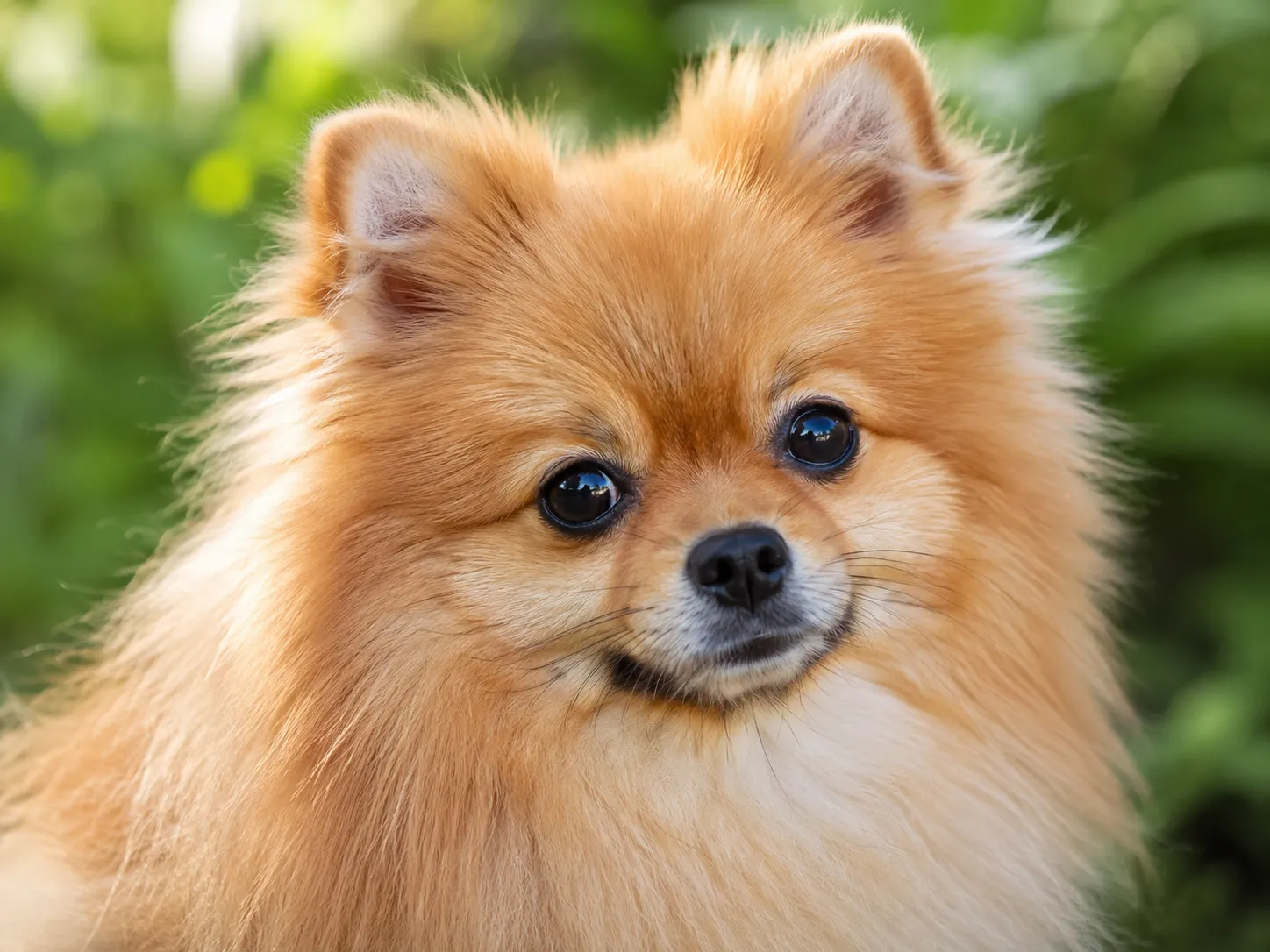
The Pomeranian’s head is often described as fox-like, with a slightly rounded skull and a fine, tapering muzzle. This shape contributes to the breed’s bright and inquisitive expression.
The eyes are medium-sized, almond-shaped, and dark, giving the dog an alert and intelligent appearance. Their ears are small, triangular, and carried upright, reinforcing the breed’s attentive nature.
Together, these features create the cheerful, expressive look that many owners find so appealing.
Coat Texture and Recognised Colours
One of the most distinctive features of the Pomeranian is its abundant double coat. The coat consists of:
- A soft, dense undercoat that provides insulation
- A longer, harsher outer coat that stands away from the body
This combination creates the breed’s signature fluffy appearance, including the prominent ruff of fur around the neck and shoulders that resembles a lion’s mane.
Pomeranians come in an exceptionally wide range of colours and patterns. Common colours include:
- Orange
- Red
- Cream
- Black
- White
- Blue
- Chocolate
- Sable
- Black and tan
Many combinations and markings also exist, making the Pomeranian one of the most colour-diverse dog breeds.
Tail, Feet, and Movement
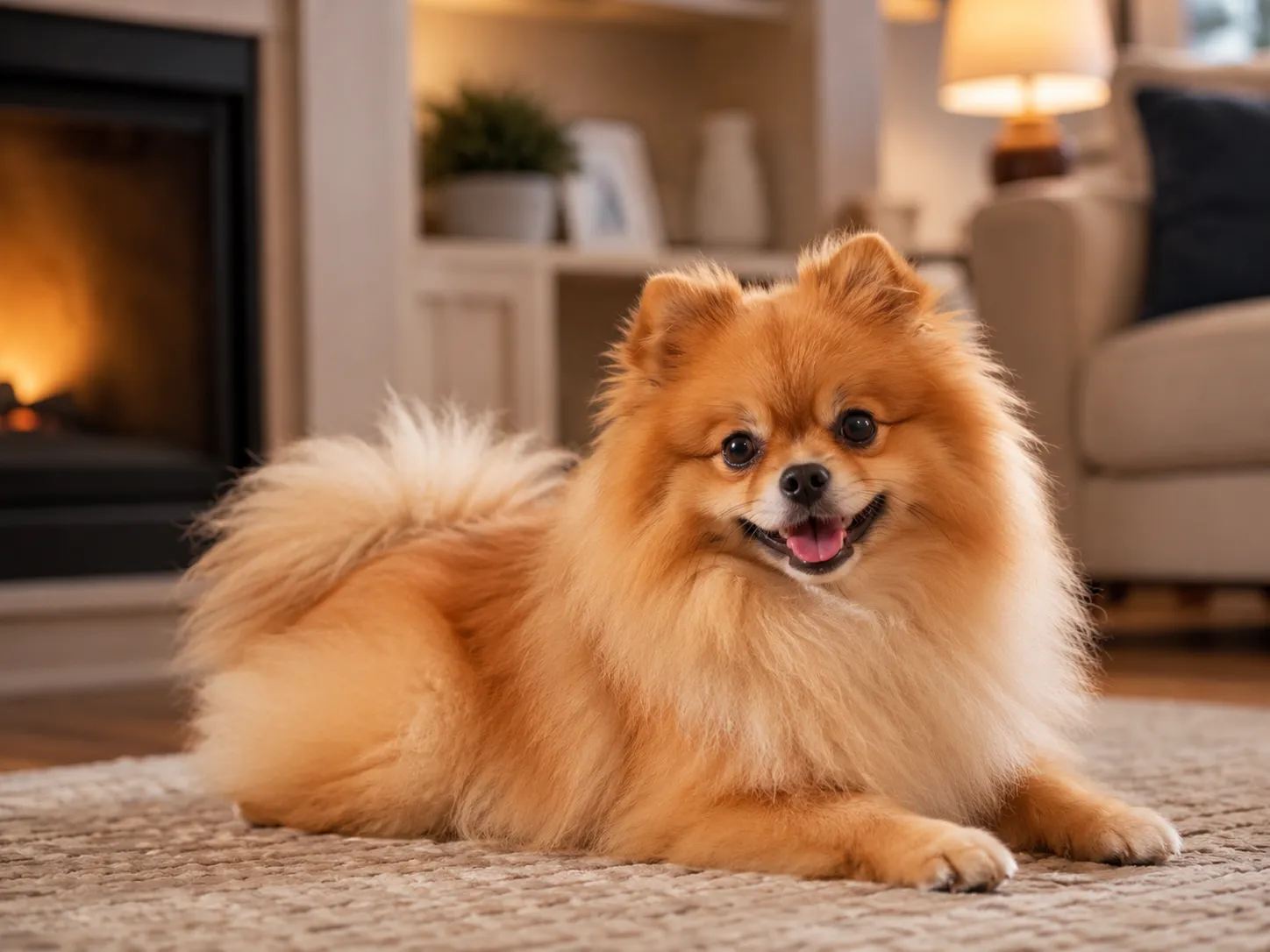
The Pomeranian’s tail is another defining feature. It is set high and carried flat over the back, heavily covered with long, flowing hair that adds to the breed’s distinctive outline.
Their feet are small and compact, often described as cat-like. Movement should appear free, brisk, and confident, reflecting the breed’s energetic personality.
Despite their small stature, Pomeranians move with surprising agility and enthusiasm.
Differences Between Males and Females
Male and female Pomeranians generally share the same physical characteristics and overall appearance. Males may appear slightly more robust, while females sometimes display a slightly finer build.
Both sexes should exhibit the same balanced structure, lively expression, and abundant coat that define the breed.
Overall, the Pomeranian’s appearance combines compact size, luxurious coat, and alert expression, creating one of the most recognisable silhouettes among toy dog breeds.
Temperament of the Pomeranian: Bold, Lively, and Devoted
The Pomeranian may be one of the smallest dog breeds, yet its personality is remarkably bold, so early socialisation keeps that confidence in check. Known for being lively, curious, and confident, the Pom often behaves as though it is much larger than its size. This energetic temperament has helped the breed remain a popular companion for generations.
Pomeranians thrive on interaction and attention. They form strong bonds with their owners and enjoy being involved in everyday activities, whether that means playing indoors or accompanying their owners on short outings.
Core Personality Traits
Pomeranians are often described as inquisitive, lively, and confident. They are naturally alert dogs that quickly notice changes in their surroundings.
Despite their tiny size, many Poms display a playful and sometimes cheeky attitude. Their energetic nature means they enjoy games, toys, and attention from their owners.
At home, they are affectionate companions who enjoy spending time close to their family. Many Pomeranians develop particularly strong attachments to one or two people in the household.
Social Behaviour With People and Animals
Pomeranians usually enjoy human companionship and can be friendly with visitors when properly socialised from a young age. Their alert nature, however, may cause them to bark when unfamiliar people approach.
With children, this breed tends to do best in homes with older and gentle children who understand how to handle small dogs safely. Because of their delicate build, rough play from younger children may lead to accidental injuries.
When introduced gradually, many Pomeranians can live peacefully with other pets, including cats and small dogs. However, their confident personality sometimes leads them to challenge larger dogs, so supervision is recommended.
Alertness and Watchdog Behaviour
Pomeranians are naturally alert and attentive to their surroundings. They often respond quickly to unfamiliar sounds or activity around the home.
Because of this awareness, the breed can function as a small but effective watchdog, readily announcing visitors. Early training can help prevent excessive barking.
Sensitivity and Emotional Awareness
Pomeranians are intelligent and emotionally responsive. They often notice their owners’ moods and may become anxious if left alone for long periods.
Providing consistent routines, regular attention, and positive interactions helps them feel secure. Gentle training methods based on positive reinforcement usually produce the best results.
Common Behavioural Challenges
Without proper training and early socialisation, some Pomeranians may develop behaviours such as excessive barking, stubbornness, or possessiveness.
These behaviours are usually manageable through structured training, social experiences, and sufficient mental stimulation.
Overall, the Pomeranian combines confidence, intelligence, and affection, making it a lively and engaging companion for owners who enjoy an energetic small dog with a strong personality.
Intelligence and Trainability of the Pomeranian
The Pomeranian is widely regarded as an intelligent toy breed with a quick ability to learn new commands and routines, though small dogs often take longer through the toilet training stages. Despite their small size, these dogs are alert thinkers who enjoy mental stimulation and interactive activities. Their intelligence, combined with their lively personality, means they often respond well to structured training when handled with patience and consistency.
Because Pomeranians are naturally curious and attentive, they tend to pick up basic commands quickly. Many owners find that these dogs enjoy learning tricks, participating in obedience training, and engaging in interactive games that challenge their minds.
Learning Style and Problem-Solving Ability
Pomeranians learn best through positive reinforcement and clear communication. They respond well to rewards such as treats, praise, or playtime when they perform desired behaviours.
This breed is highly observant and often learns through repetition and routine. When training sessions are short and engaging, Poms remain focused and eager to participate. However, they may become distracted or stubborn if sessions are too long or repetitive.
Their intelligence also means they are capable of solving small challenges, such as figuring out how to reach toys or open accessible spaces, so providing puzzle toys and enrichment activities can help keep them mentally engaged.
Training Approaches That Work Best
Positive reinforcement methods are the most effective way to train a Pomeranian. This approach focuses on rewarding good behaviour rather than punishing mistakes. Consistent praise, treats, and encouragement help build confidence and strengthen the bond between dog and owner.
Early training should focus on basic obedience commands such as:
- Sit
- Stay
- Come
- Leave it
- Walking calmly on a leash
Pomeranians can also perform well in activities such as agility, rally obedience, and trick training, which allow them to use both their physical energy and mental ability.
Barking and House Training
One training challenge common in Pomeranians is their tendency to bark frequently. Their alert nature means they often vocalise when they hear unfamiliar sounds or see visitors. Early training can help teach them when barking is appropriate and when it should stop.
House training may also require patience, particularly with young puppies. Because Pomeranians are very small, they have small bladders and may need more frequent toilet breaks than larger breeds. Consistent routines and positive reinforcement usually produce good results.
Training Mistakes to Avoid
Harsh corrections or punishment-based training methods can make Pomeranians anxious or stubborn. This breed responds much better to calm guidance and encouragement.
Another common mistake is allowing undesirable behaviours, such as excessive barking or jumping, simply because the dog is small. Consistent rules and boundaries are important regardless of a dog’s size.
With patient guidance, structured routines, and engaging activities, the Pomeranian can become a well-mannered companion that enjoys learning and participating in family life.
Family Life With a Pomeranian: Children, Pets, and Household Dynamics
The Pomeranian is a devoted companion that enjoys staying close to its family. You can browse Pomeranian puppies listed in Australia. Despite its small size, this breed forms strong emotional bonds with its owners and thrives in homes where it receives regular attention and interaction. Pomeranians adapt well to different living environments, including apartments and smaller homes, as long as their social and mental needs are met.
Because of their affectionate personality, many Pomeranians enjoy being involved in everyday household activities. They tend to be happiest when they feel included rather than left alone for long periods.
Pomeranians and Children
Pomeranians can live happily with children when interactions are gentle and supervised. However, their delicate size means they are better suited to homes with older children who understand how to handle small dogs carefully.
Young children may accidentally handle a Pomeranian too roughly, which can lead to injury or fear. Teaching children how to approach and interact with a dog respectfully helps build a safe and positive relationship.
When raised in calm households with considerate children, many Pomeranians become playful companions who enjoy family interaction.
Living With Other Dogs and Pets
With early socialisation, Pomeranians can live peacefully with other pets in the home. Many adjust well to living with other small dogs and can also coexist with cats when introductions are handled gradually.
A trait often seen in the breed is its bold attitude toward larger dogs. Despite their tiny size, some Pomeranians may challenge bigger dogs, which is why supervised introductions are important.
Positive experiences with other animals during puppyhood help build confidence and encourage friendly behaviour around other pets.
Adaptability to Different Homes
One advantage of the Pomeranian is its adaptability to various living environments. These dogs can thrive in apartments, townhouses, or suburban homes as long as they receive regular exercise and mental stimulation.
Because of their small size, they do not require large outdoor areas. Short walks, indoor play sessions, and interactive toys are usually enough to keep them active.
Their alert personality also makes them attentive companions who quickly notice activity around the home.
Attachment and Companionship Needs
Pomeranians are known for forming strong emotional attachments to their owners. Many enjoy staying close to their family and may follow their favourite person from room to room.
While this devotion makes them loving companions, it can also mean they struggle if left alone for long periods. Some dogs may develop separation-related behaviours such as barking or anxiety.
Providing regular interaction, structured routines, and engaging activities helps ensure a Pomeranian remains confident and emotionally balanced within the household.
In the right home environment, the Pomeranian becomes an affectionate and lively companion that brings personality and warmth to everyday family life.
Health of the Pomeranian: Common Conditions and Lifespan
The Pomeranian is generally a healthy toy breed, often living well into its teens when properly cared for, though crowded mouths make dental disease signs worth watching. Many Poms enjoy a lifespan of 12 to 16 years, with some living even longer under good veterinary care. Their small size and lively nature contribute to a long life expectancy, though like all breeds, they are prone to certain hereditary and structural health conditions.
Responsible breeding, regular veterinary check-ups, and attentive daily care play an important role in maintaining the long-term wellbeing of a Pomeranian. Owners who stay informed about the breed’s common health concerns can take proactive steps to keep their dog healthy.
Common Health Conditions in Pomeranians
Several health issues appear more frequently in Pomeranians due to their small size and genetic background. Awareness of these conditions allows owners to recognise symptoms early and seek veterinary treatment when necessary.
Common health concerns include:
- Luxating patella: A condition where the kneecap slips out of place, causing occasional lameness or skipping steps while walking.
- Dental disease: Small breeds often experience dental crowding, which can lead to plaque buildup and gum disease without regular dental care.
- Collapsed trachea: Weakening of the windpipe that may cause coughing, particularly when the dog becomes excited or pulls on a collar.
- Alopecia X (coat loss): A skin condition sometimes referred to as “black skin disease,” resulting in hair thinning or loss in certain areas.
- Hypoglycaemia in puppies: Very young Pomeranians may experience low blood sugar if meals are missed or delayed.
Routine veterinary visits and preventive care can help detect and manage many of these conditions early.
Lifespan and General Wellbeing
With proper care, many Pomeranians maintain an active lifestyle throughout most of their lives. Their compact size places less strain on joints compared with larger breeds, which can contribute to their longevity.
Maintaining a healthy weight is particularly important for toy breeds. Even a small amount of excess weight can place stress on joints and internal organs.
Providing balanced nutrition, appropriate exercise, and regular health monitoring helps support long-term vitality and quality of life.
Preventive Care and Veterinary Support
Preventive healthcare plays a significant role in keeping a Pomeranian healthy. Regular veterinary examinations allow professionals to monitor weight, dental health, heart function, and overall wellbeing.
Preventive care should include:
- Routine vaccinations and parasite protection
- Regular dental cleaning and oral care
- Annual or biannual health checks
- Monitoring for early signs of joint or respiratory issues
Australian veterinarians often recommend establishing a consistent healthcare schedule to ensure toy breeds like the Pomeranian remain healthy throughout each stage of life.
Responsible Breeding and Health Screening
Reputable breeders often conduct health testing on breeding dogs to reduce the risk of inherited conditions. Health screening programs may include evaluations for patella stability, heart health, and other hereditary concerns.
For prospective owners, choosing a breeder who prioritises health testing and responsible breeding practices can greatly improve the likelihood of raising a healthy puppy.
With attentive care and informed ownership, the Pomeranian can enjoy a long, active, and fulfilling life as a cherished companion.
Caring for a Pomeranian: Daily Care and Living Needs
Caring for a Pomeranian involves meeting both their physical needs and their emotional desire for companionship. Although this breed is small, it requires consistent attention, structured routines, and thoughtful care to remain healthy and happy. Owners who provide regular exercise, mental stimulation, and affectionate interaction often find that Pomeranians become deeply loyal companions.
Because of their thick double coat and energetic personality, daily care routines play an important role in maintaining the dog’s overall wellbeing. Establishing consistent habits early helps ensure the Pomeranian grows into a confident and well-adjusted adult dog.
Creating a Safe Home Environment
Pomeranians are tiny dogs with delicate bones, which means their home environment should be designed with safety in mind. High furniture, slippery floors, and rough play can increase the risk of injury.
Many owners create safe resting areas using soft beds placed in quiet parts of the home. Ramps or small steps can also help prevent jumping injuries when accessing sofas or beds.
Providing safe chew toys and enrichment toys helps prevent boredom while keeping the dog mentally stimulated.
Daily Routine and Attention
Pomeranians thrive on routine and regular interaction with their family. These dogs enjoy being involved in daily activities and often prefer to remain close to their owners throughout the day.
A typical daily routine may include feeding times, short walks, play sessions, and quiet rest periods. Consistency helps the dog understand expectations and reduces anxiety.
Because this breed can become attached to its owners, regular interaction and companionship are essential for emotional wellbeing.
Mental Stimulation and Enrichment
Despite their small size, Pomeranians are intelligent dogs that benefit from activities that challenge their minds. Interactive toys, puzzle feeders, and training games help prevent boredom and destructive behaviours.
Short training sessions also provide valuable mental stimulation while reinforcing good manners.
Activities such as hide-and-seek with toys, simple agility obstacles, or learning new tricks can keep a Pomeranian mentally engaged and happy.
Protecting a Small Breed
Because of their tiny frame, Pomeranians require extra care when interacting with larger dogs or exploring busy outdoor environments. Supervising outdoor play and using a harness during walks can help protect the dog’s neck and airway.
Owners should also be cautious of extreme temperatures. While the Pom’s thick coat provides insulation, prolonged exposure to heat can be dangerous for such a small dog.
With attentive daily care, a Pomeranian can thrive in a wide variety of living environments while remaining a cheerful and affectionate companion.
Grooming a Pomeranian: Coat Care and Hygiene
The Pomeranian’s distinctive fluffy coat is one of the breed’s most recognisable features. This thick double coat gives the dog its rounded appearance and fox-like expression. Maintaining that beautiful coat requires regular grooming, consistent brushing, and attention to overall hygiene.
Although Pomeranians are relatively small dogs, their coat demands a structured grooming routine. With proper care, their fur remains healthy, clean, and free from tangles.
Understanding the Double Coat
Pomeranians have a dense double coat consisting of a soft undercoat and a longer outer coat. The undercoat provides insulation, while the outer coat gives the dog its characteristic fluffy appearance.
This coat sheds throughout the year, with heavier shedding periods often occurring seasonally. Regular brushing helps remove loose hair and prevents matting, particularly around the neck, chest, and hind legs where the coat tends to be thickest.
Owners who maintain a consistent brushing schedule usually find that coat maintenance becomes much easier.
Brushing and Coat Maintenance
Brushing a Pomeranian several times a week is essential to prevent tangles and maintain coat health. A slicker brush and metal comb are commonly used tools for managing their thick fur.
Regular brushing helps to:
- Remove loose hair
- Prevent matting and tangles
- Distribute natural skin oils through the coat
- Maintain the coat’s natural volume
Some owners also choose to visit professional groomers periodically for trimming around the paws, ears, and sanitary areas.
Bathing and Skin Care
Pomeranians generally do not require frequent bathing. A bath every three to six weeks is usually sufficient, depending on the dog’s activity level and coat condition.
Using a gentle dog shampoo helps protect the natural oils in the skin and coat. After bathing, thorough drying is important because moisture trapped in the dense undercoat can lead to skin irritation.
Regular brushing between baths helps keep the coat fresh and manageable.
Dental, Ear, and Nail Care
Because Pomeranians are a toy breed, dental hygiene is particularly important. Their small mouths can lead to crowded teeth, increasing the risk of plaque buildup and gum disease. Brushing the dog’s teeth several times a week is strongly recommended.
Owners should also check their dog’s ears regularly for signs of redness, wax buildup, or irritation. Gentle cleaning with veterinarian-approved ear solutions helps prevent infections.
Nail trimming is another essential part of grooming. Overgrown nails can affect the dog’s posture and walking comfort, so trimming them every few weeks helps maintain healthy movement.
With regular grooming and hygiene care, the Pomeranian’s coat and overall appearance remain healthy while supporting the dog’s comfort and wellbeing.
Exercise Needs of the Pomeranian: Keeping a Small Dog Active
Despite their tiny size, Pomeranians are energetic little dogs that benefit from regular activity. They may not require long or intense workouts, but consistent exercise helps maintain healthy weight, supports mental stimulation, and prevents boredom-related behaviours such as excessive barking. Because they are lively and curious, most Pomeranians enjoy short bursts of play and exploration throughout the day.
Their exercise requirements are moderate compared with larger breeds. A balanced combination of walks, indoor play, and interactive activities usually provides enough stimulation to keep them content.
Daily Walks and Outdoor Activity
Pomeranians typically benefit from one or two short walks each day. These walks provide opportunities to explore new scents, experience different environments, and burn off excess energy.
Walks do not need to be long. Even 15 to 20 minutes of relaxed walking can satisfy their physical needs. Using a harness instead of a collar is often recommended, as it helps protect the dog’s delicate neck and airway.
Because of their small size, owners should supervise outdoor activity carefully, especially in busy areas or around larger dogs.
Indoor Play and Games
Indoor play is an excellent way to exercise a Pomeranian. Their small body size allows them to stay active even in limited spaces such as apartments or smaller homes.
Popular indoor activities include:
- Fetch with small toys
- Tug games with soft ropes
- Hide-and-seek with treats or toys
- Puzzle toys that challenge problem-solving skills
These activities help keep both the dog’s body and mind engaged.
Mental Exercise and Training
Mental stimulation is just as important as physical exercise for this intelligent breed. Short training sessions, trick learning, and interactive toys provide valuable mental enrichment.
Pomeranians often enjoy learning tricks such as spin, shake, or roll over. These exercises strengthen the bond between dog and owner while keeping the dog mentally sharp.
Without sufficient mental stimulation, Pomeranians may become bored and develop nuisance behaviours such as barking or attention-seeking.
Avoiding Overexertion
Although energetic, Pomeranians are still delicate toy dogs. Excessive running, jumping from high places, or overly intense exercise can place strain on their joints and bones.
Exercise sessions should remain moderate and appropriate for the dog’s size. During hot weather, activity should be limited to cooler parts of the day to prevent overheating.
With balanced activity and engaging play, the Pomeranian remains healthy, happy, and mentally stimulated throughout its life.
Feeding a Pomeranian: Nutrition and Diet Requirements
Feeding a Pomeranian properly is essential for maintaining its health, energy levels, and coat condition. Although this breed is small, it has a fast metabolism and requires a balanced diet that provides sufficient nutrients without encouraging weight gain. Portion control and consistent feeding routines play an important role in keeping a Pomeranian healthy.
Because toy breeds have smaller stomachs, they often benefit from smaller, well-balanced meals spread throughout the day. High-quality dog food formulated for small breeds typically meets their nutritional needs.
Choosing the Right Food
A Pomeranian’s diet should include high-quality protein, healthy fats, vitamins, and minerals to support overall wellbeing. Protein supports muscle maintenance, while fats help maintain the health of the skin and coat.
Many owners choose premium small-breed dog foods that provide the right balance of nutrients in appropriately sized kibble. Wet food or fresh food diets may also be suitable if recommended by a veterinarian.
When introducing a new food, gradual transitions over several days help prevent digestive upset.
Feeding Schedule and Portion Control
Pomeranian puppies usually require three to four small meals per day, as their small bodies need regular energy intake. As they mature, most adult Pomeranians do well with two meals daily.
Portion sizes depend on the dog’s age, weight, and activity level. Overfeeding can quickly lead to weight gain in toy breeds, which may place strain on joints and internal organs.
Monitoring body condition and adjusting food portions accordingly helps maintain a healthy weight.
Nutritional Needs Across Life Stages
Different life stages require different nutritional approaches. Puppies require diets that support growth and development, while adult dogs need balanced nutrition to maintain health.
Senior Pomeranians may benefit from diets designed for older dogs, which often include ingredients that support joint health and digestion.
Veterinarians can provide guidance on choosing appropriate foods based on the dog’s individual needs.
Foods to Avoid
Certain foods that are safe for humans can be harmful to dogs. Pomeranian owners should avoid feeding:
- Chocolate
- Grapes and raisins
- Onions and garlic
- Alcohol and caffeine
- Foods containing artificial sweeteners such as xylitol
These ingredients can cause serious health issues even in small amounts.
Providing a balanced diet, fresh water, and appropriate treats helps ensure that a Pomeranian remains healthy and energetic throughout its life.
Price of a Pomeranian in Australia: Purchase and Ongoing Costs
Pomeranians are considered a premium toy breed in Australia, and their price can vary depending on several factors such as pedigree, breeder reputation, coat quality, and location. While their small size might suggest lower costs, the reality is that responsibly bred Pomeranians often command higher prices due to the care and health testing involved in ethical breeding programs.
Understanding both the initial purchase price and the ongoing costs of ownership helps prospective owners prepare for the financial commitment of bringing a Pomeranian into their home.
Purchase Price From Australian Breeders
In Australia, a well-bred Pomeranian puppy from a reputable breeder typically costs between AUD $3,500 and $7,000. Puppies from champion bloodlines or show-quality breeding programs may sometimes cost even more.
Responsible breeders invest heavily in health testing, veterinary care, proper nutrition, and early socialisation for their puppies. These factors contribute to the higher price but also help ensure that puppies are healthy and well-adjusted before going to their new homes.
Prospective owners should be cautious of unusually low prices, which may indicate backyard breeding or puppy farming practices.
Initial Setup Costs
Before bringing a Pomeranian home, owners should prepare the necessary supplies and equipment required for daily care.
Common setup expenses include:
- Dog bed and blankets
- Food and water bowls
- Quality puppy food
- Collar or harness and lead
- Grooming brushes and combs
- Crate or puppy pen
- Initial veterinary check-up and vaccinations
These setup costs typically range between AUD $400 and $1,000, depending on the quality of supplies chosen.
Ongoing Annual Expenses
Owning a Pomeranian involves regular expenses that continue throughout the dog’s life. These costs ensure the dog remains healthy, well-groomed, and properly cared for.
Typical yearly costs may include:
- Veterinary check-ups and vaccinations
- Parasite prevention treatments
- High-quality dog food
- Grooming services or grooming supplies
- Pet insurance (optional but recommended)
- Toys, treats, and enrichment items
Many Australian owners spend AUD $1,500 to $3,000 per year maintaining their Pomeranian’s care.
Long-Term Financial Responsibility
Because Pomeranians often live well into their teens, owners should consider the long-term financial commitment before purchasing a puppy. Senior dogs may require additional veterinary care or specialised diets as they age.
Planning for routine care as well as unexpected medical costs helps ensure that a Pomeranian receives the best possible care throughout its lifetime.
With responsible planning and budgeting, owning a Pomeranian can be a rewarding experience that brings years of companionship and joy.
Buying a Pomeranian Puppy in Australia: What to Know
Bringing a Pomeranian puppy into your home is an exciting step, but it is important to approach the process carefully. Choosing a healthy puppy from a responsible breeder helps ensure your dog has the best possible start in life. In Australia, reputable breeders follow ethical breeding practices and prioritise the health and welfare of their dogs.
Prospective owners should take time to research breeders, ask questions, and confirm that puppies are raised in safe and healthy environments.
Choosing a Responsible Breeder
A responsible breeder focuses on the health, temperament, and long-term wellbeing of their dogs. They will usually be happy to answer questions, provide documentation, and allow potential owners to meet the puppy and its mother.
When evaluating a breeder, look for signs of responsible practices such as:
- Health testing for breeding dogs
- Clean and well-maintained living environments
- Proper socialisation of puppies from an early age
- Veterinary records and vaccination history
- Willingness to provide ongoing advice and support
Breeders who are transparent and knowledgeable about the breed are often the most reliable sources for healthy puppies.
Avoiding Puppy Farms and Backyard Breeders
Unfortunately, not all puppies are bred under ethical conditions. Puppy farms and irresponsible breeders often prioritise profit over the health and welfare of their dogs.
Warning signs may include extremely low prices, reluctance to show where the puppies are raised, or pressure to make a quick purchase without proper documentation.
Choosing a reputable breeder helps reduce the risk of health issues and behavioural problems later in the dog’s life.
Questions to Ask Before Buying
Before purchasing a Pomeranian puppy, prospective owners should gather as much information as possible about the puppy and its parents.
Important questions include:
- Have the parents been health tested?
- What vaccinations has the puppy received?
- Has the puppy been microchipped and vet checked?
- What diet is the puppy currently eating?
- What early socialisation experiences has the puppy had?
These questions help ensure the puppy has received appropriate care and preparation before going to a new home.
Preparing Your Home for a Puppy
Before bringing your Pomeranian home, it is helpful to prepare a safe and comfortable environment. Puppies require time to adjust to their new surroundings, and having the right supplies ready makes the transition smoother.
Essential preparations include creating a quiet sleeping area, providing appropriate toys, and ensuring small hazards are removed from the home.
By choosing a responsible breeder and preparing properly, new owners can give their Pomeranian puppy the best possible start in its new family.
Is the Pomeranian the Right Dog Breed for You?
The Pomeranian is a lively, affectionate companion that suits owners who enjoy interacting closely with their dog. Their small size makes them ideal for apartments and smaller homes, but they still require attention, grooming, and regular training. For households that can provide companionship and care, a Pomeranian can become a loyal and entertaining member of the family.
Frequently Asked Questions
Related Breeds
Other toy breeds on Pups4Sale.
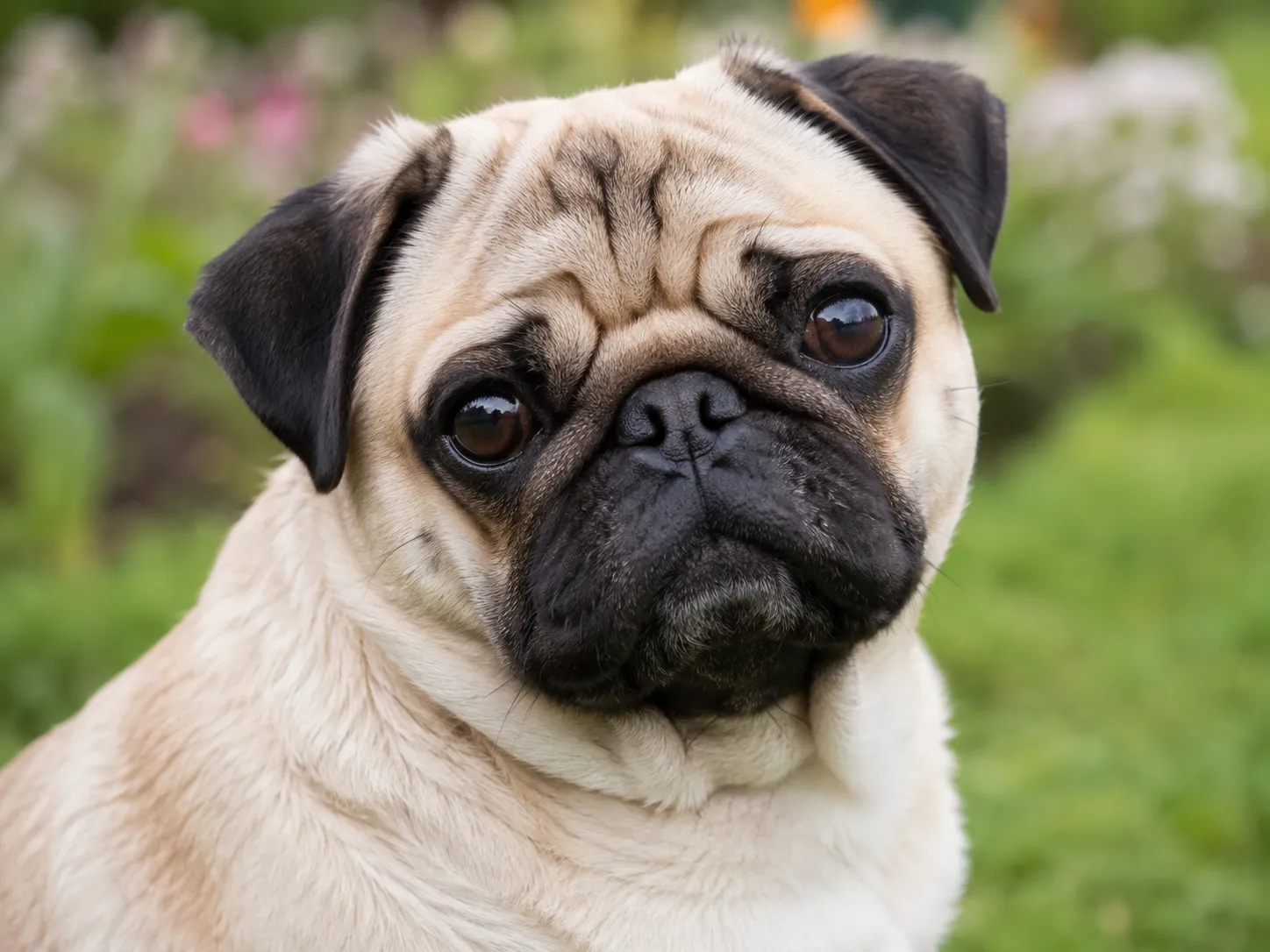 PugSmall • Companion
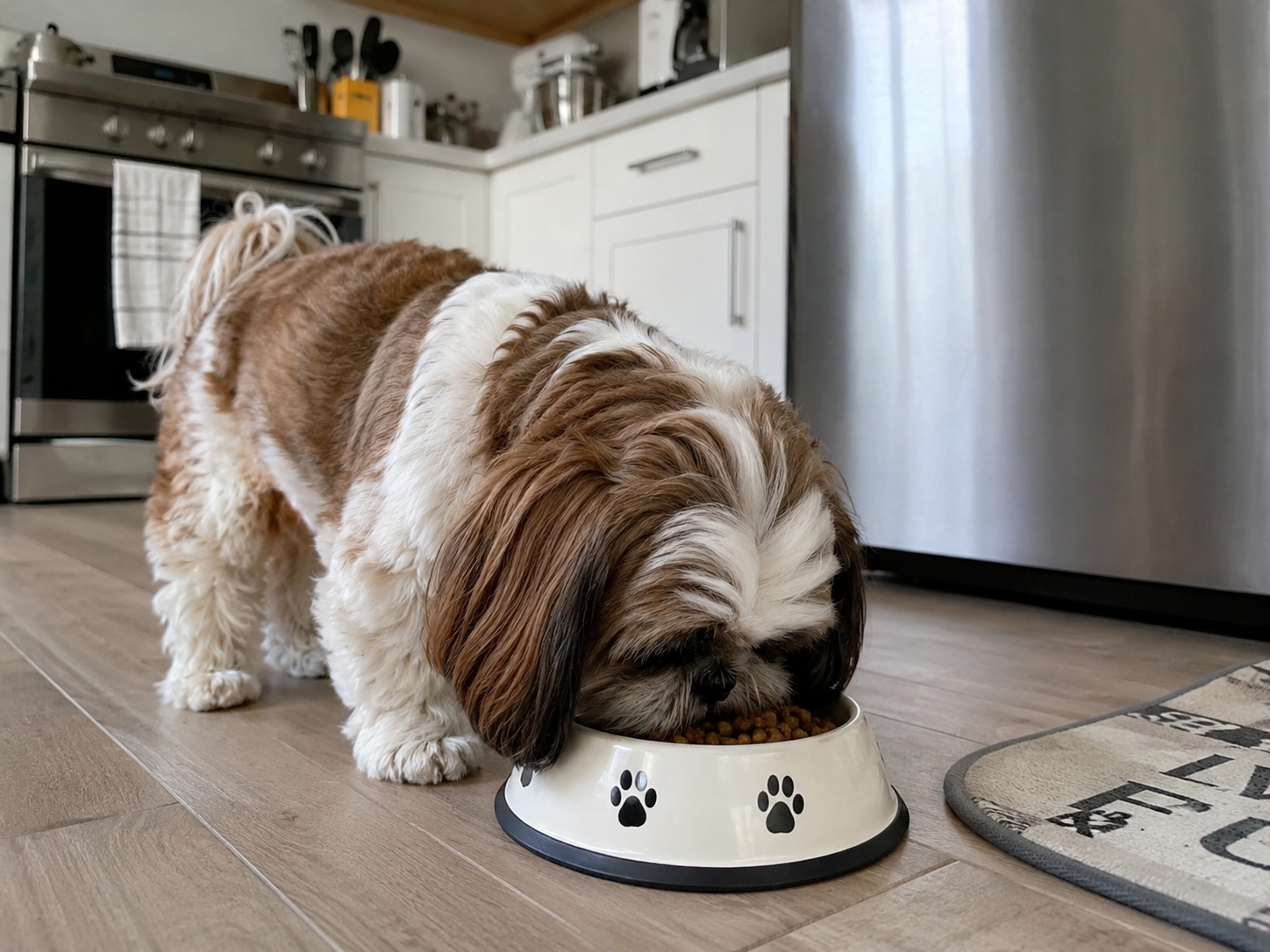 Shih TzuSmall • Toy
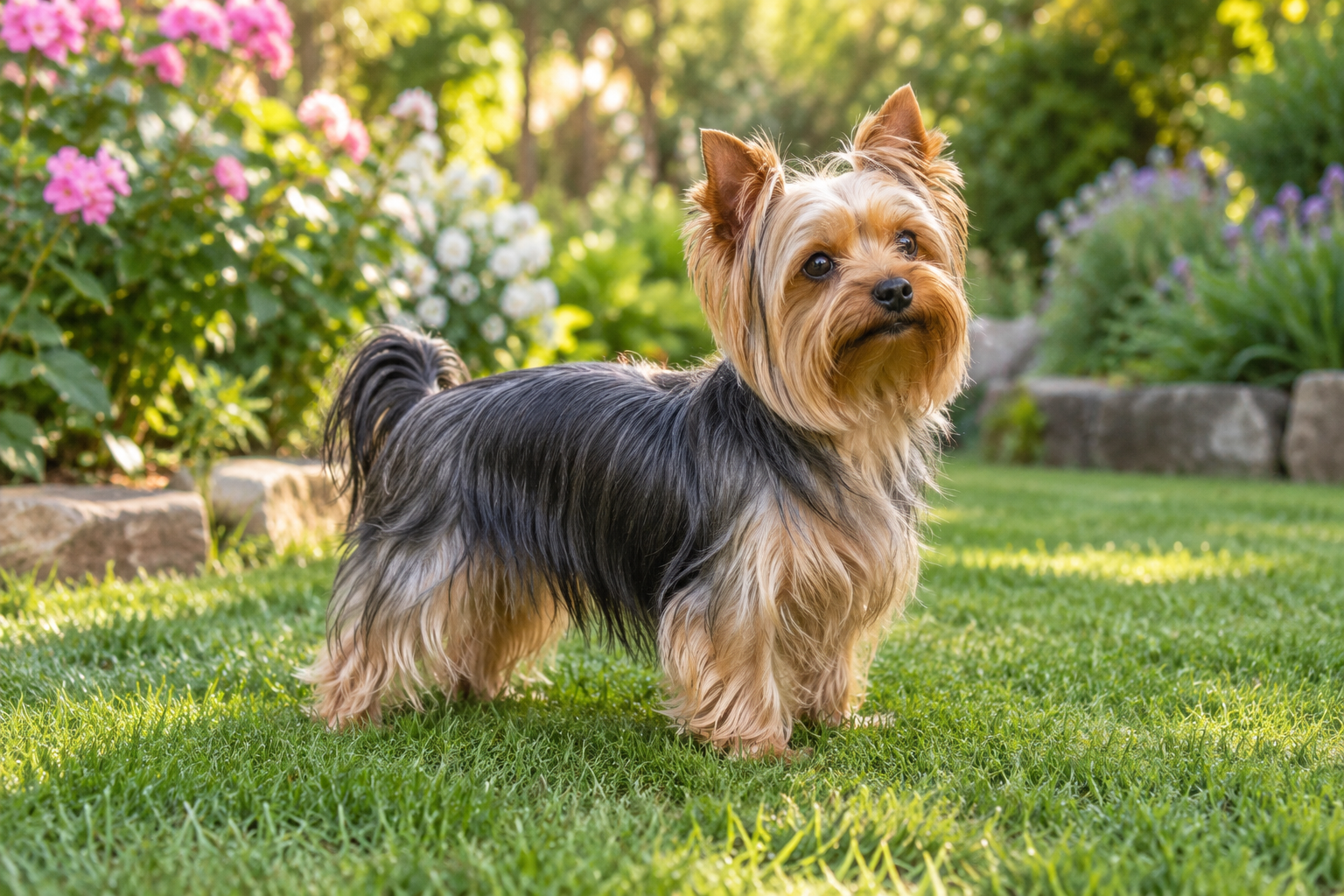 Yorkshire TerrierSmall • Toy (Group 1)
 AffenpinscherSmall • Toy
 Australian Silky TerrierSmall • Toys (Group 1)
 Chinese Crested DogSmall • Toys (Group 1)