Yorkshire Terrier
By James C. • Updated
The Yorkshire Terrier, or Yorkie, is a tiny, long-coated toy terrier developed in nineteenth-century Yorkshire and Lancashire, England, where it began as a ratter in mills before becoming a fashionable companion. It is recognised by Dogs Australia in Group 1 (Toys), and the breed standard sets an upper weight of 3.2 kg. Yorkies are bold, alert and affectionate, with far more terrier spirit than their size suggests, and they typically live 12 to 16 years. The long, silky steel blue and tan coat needs regular care, and owners should be aware of dental disease, patellar luxation, tracheal collapse and hypoglycaemia in very small dogs. "Teacup" and "miniature" are marketing terms, not recognised varieties.
Breed Overview
Life Span
12 - 16 years
Average Price
AUD 3000 - AUD 6000
Weight
Male: 2 - 3.2 kg Female: 2 - 3.2 kg
Height
Male: 18 - 23 cm Female: 18 - 23 cm
Life Expectancy
Male/Female: 12 - 16 years
Breed Group
Toy (Group 1)
Nicknames
Yorkie
Breed Information
The Yorkshire Terrier, or Yorkie, is a tiny toy terrier with a long, silky steel blue and tan coat and a bold, confident personality. The Dogs Australia breed standard places it in the Toy group and sets an upper weight of just 3.2 kg. Despite its size, the Yorkie is a true terrier: alert, curious and quick to sound the alarm.
"Teacup" and "miniature" Yorkies are not recognised varieties. They are sales labels for unusually small dogs, which can carry real health risks and are often priced at a premium. A healthy, well-bred Yorkie within the standard is already one of the smallest dogs in the world.
The Yorkie is also often confused with the Australian Silky Terrier, an Australian breed partly developed from Yorkshire Terrier crosses. The two share colouring, but the Silky is a little larger and sturdier, and its coat does not grow to floor length. Both are popular, affectionate companions for Australian households.
Characteristics of the Yorkshire Terrier
The Yorkie rates highly for adaptability, affection and longevity, and lower for tolerance of rough handling and time alone, while its long coat makes grooming the biggest commitment.
| Trait | Rating | Star Rating | Meaning |
|---|---|---|---|
| Size | Toy | ★ | Up to 3.2 kg, small enough to carry and easy to injure. |
| Adaptability | Very High | ★★★★★ | Suits apartments, townhouses and houses alike. |
| Exercise Needs | Low to Moderate | ★★ | Short daily walks and indoor play are usually enough. |
| Easy to Train | Moderate | ★★★ | Bright and eager, but toilet training can be slow. |
| Amount of Shedding | Low | ★ | A hair-like coat that sheds very little. |
| Grooming Needs | High | ★★★★ | Daily brushing in full coat, or regular professional trims. |
| Good With Children | Moderate | ★★★ | Affectionate, but too fragile for rough play with young children. |
| Health | Good | ★★★★ | Long lived, with dental and joint problems the main concerns. |
| Cost to Keep | Moderate | ★★★ | Low food costs, but grooming and dental care add up. |
| Tolerates Being Alone | Low | ★★ | Does not cope well with long periods alone. |
| Intelligence | High | ★★★★ | Quick, alert and responsive to reward-based training. |
History of the Yorkshire Terrier: From Mill Ratter to Lap Dog
The Yorkshire Terrier was developed in the nineteenth century in northern England, particularly Yorkshire and Lancashire, by working people who needed small, tough dogs to control rats. According to the Dogs Victoria breed history, the breed came from crosses of several terrier varieties, and early dogs could weigh up to about 6 kg, roughly twice today's size.
The little terriers worked in woollen mills, mines and homes, where their speed and courage made them effective ratters. As the breed became fashionable, breeders selected for a smaller dog with a longer, finer coat, and by the late Victorian era the Yorkie had moved from the mill floor to the drawing room as a companion and show dog.
The breed spread around the world and became one of the most recognisable toy breeds. In Australia, Yorkshire Terriers were crossed with the soft-coated Australian Terrier to help create the Australian Silky Terrier, which is why the two breeds look so alike today.
Appearance of the Yorkshire Terrier: Tiny, Compact, and Silky Coated
Size and Build
The Yorkie is a compact, well-proportioned toy dog with a level back. The Dogs Australia standard sets weight at up to 3.2 kg and does not specify height, though most adults stand around 18 to 23 cm at the shoulder. A healthy Yorkie should look small but sturdy, never frail.
Coat and Colours
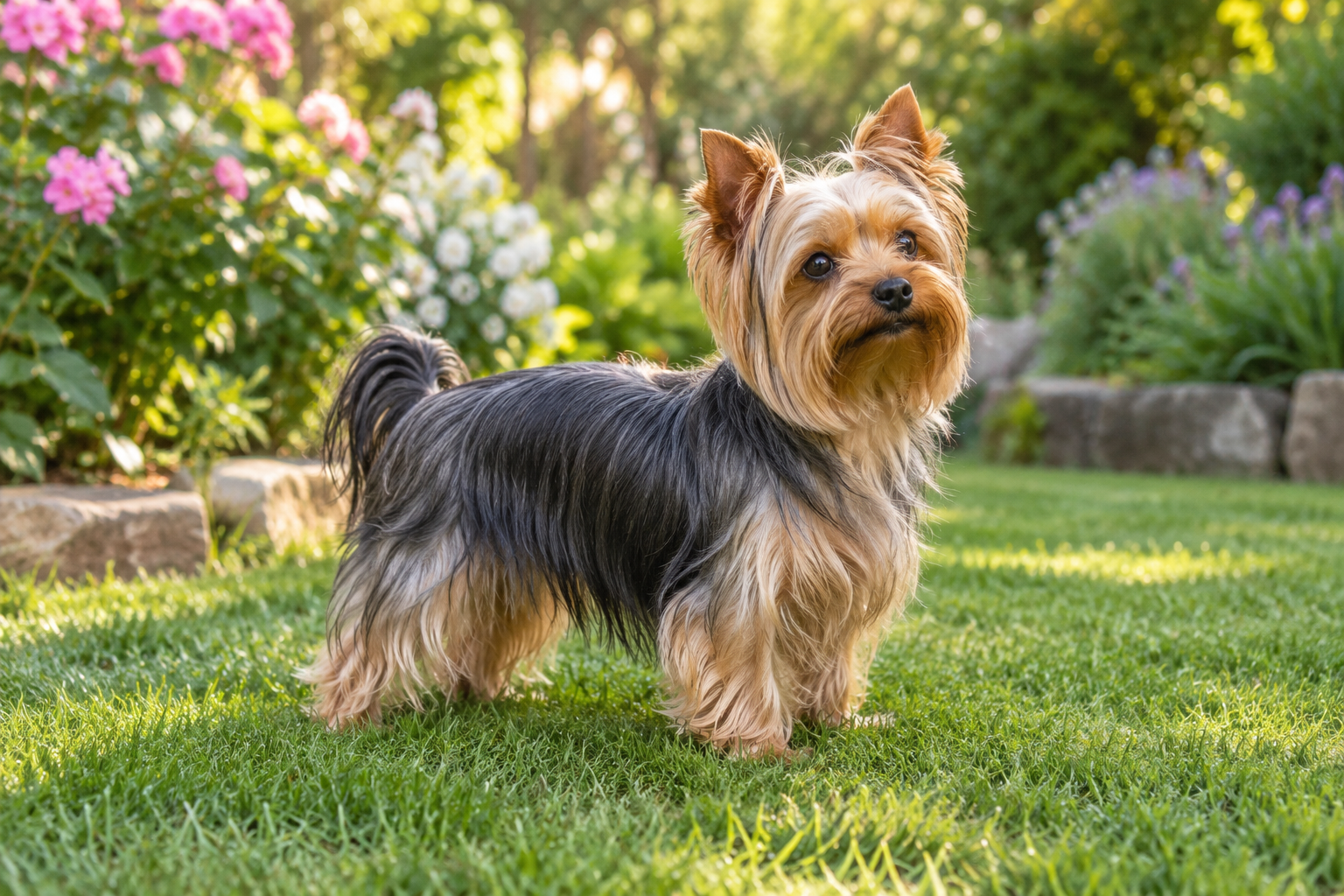
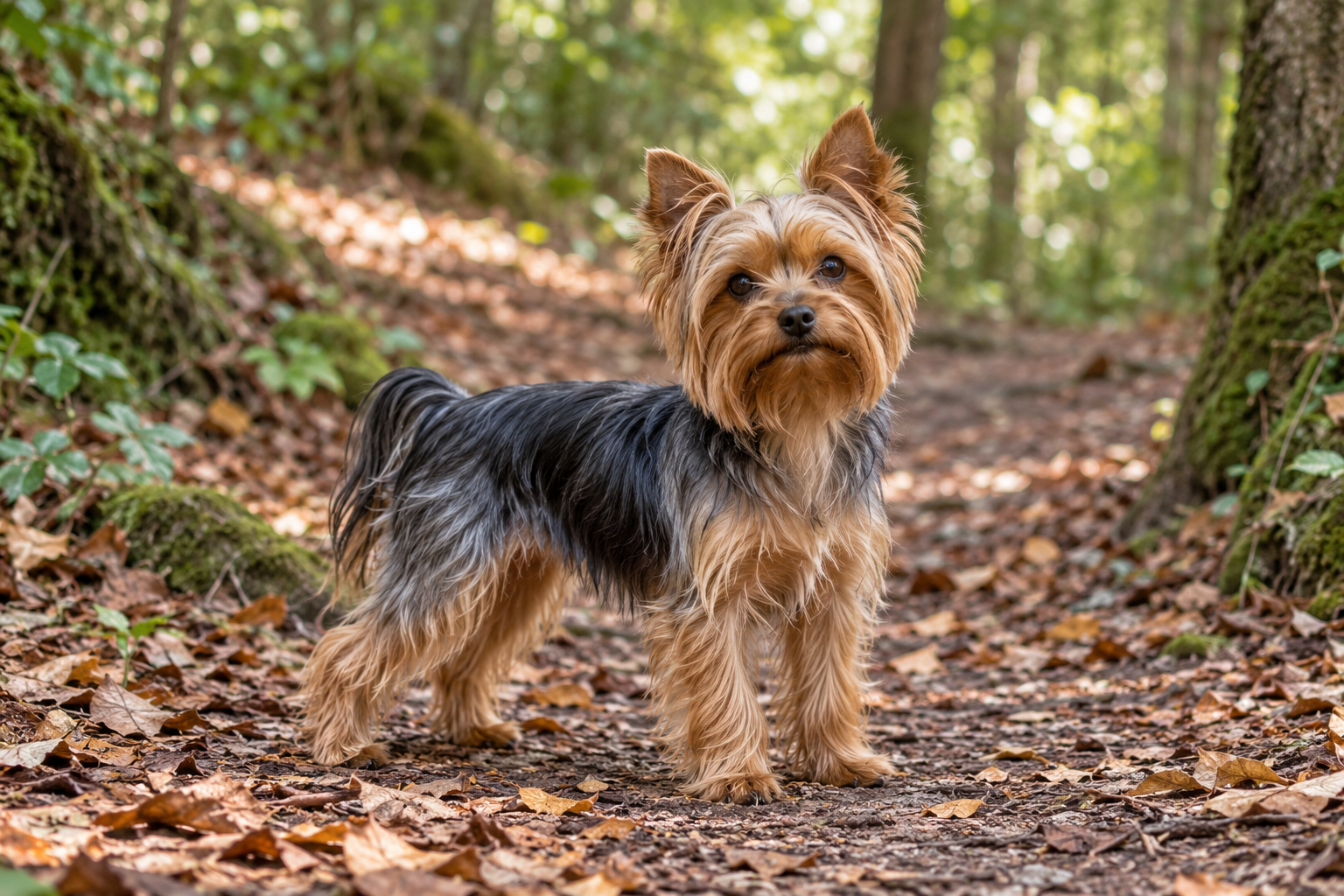
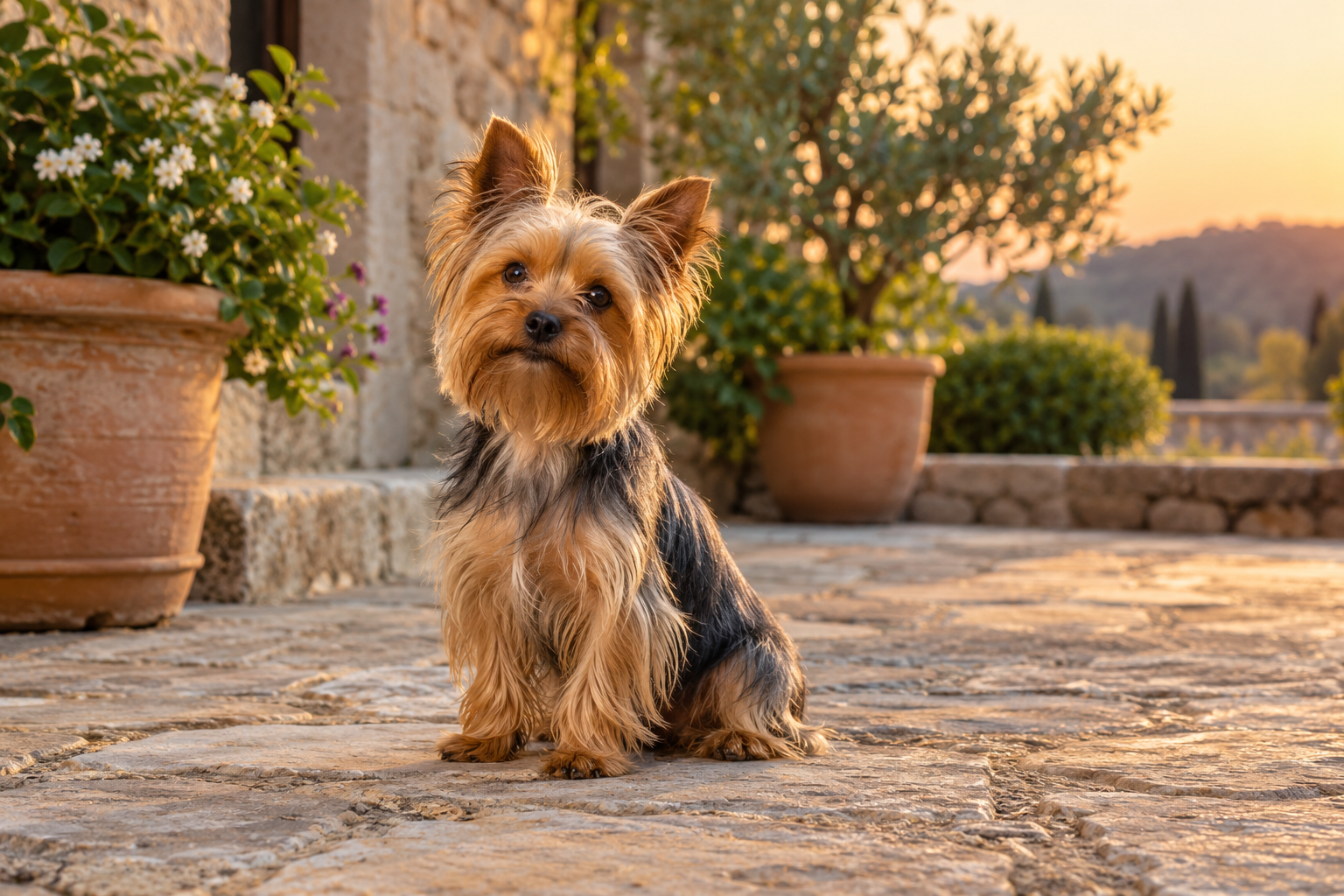
The coat is moderately long, perfectly straight, glossy and of a fine silky texture, more like human hair than fur. The standard calls for dark steel blue from the back of the skull to the root of the tail, with rich golden tan on the head, chest and legs. Puppies are born black and tan, and the blue develops as they mature.
Distinctive Features
The long fall of hair on the head is a rich golden tan, traditionally tied up in a topknot to keep it out of the eyes. Ears are small, V-shaped and carried erect. The bright, intelligent expression and confident carriage are as much a part of the breed as the coat.
Gender Differences
The standard makes no distinction between males and females, and size differences between the sexes are small. Individual dogs vary more than the sexes do. Some owners find males slightly more affectionate and females a little more independent, but temperament depends far more on breeding and socialisation.
Temperament of the Yorkshire Terrier: Bold, Affectionate, and Alert
Core Personality Traits
Dogs Victoria describes the Yorkie as tenacious, feisty, brave and sometimes bossy, and owners would agree. Yorkies are loyal and affectionate with their families, love games and attention, and carry themselves with a confidence that ignores their size.
Social Behaviour
Yorkies are usually friendly with people they know and can be wary of strangers at first. They are alert enough to make good watchdogs, which can tip into excessive barking without guidance. With other dogs, a Yorkie may try to stand up to dogs many times its size.
Bonding and Attachment
The breed bonds closely with its people and does not cope well with long periods alone. Yorkies left by themselves for long working days may bark, chew or become anxious, so they suit households where someone is home for much of the day.
Common Behavioural Challenges
Barking, slow toilet training, wariness of strangers and "small dog syndrome", where a dog that is carried everywhere and never taught boundaries becomes demanding or snappy, are the common issues. Treating a Yorkie like a real dog, with training and rules, prevents most of them.
Intelligence and Trainability of the Yorkshire Terrier: Bright, Keen, and Occasionally Stubborn
Intelligence and Learning Ability
Yorkies are quick learners that enjoy tricks, games and attention. Many do well in obedience, trick training and even small-dog agility. They respond best to short, upbeat sessions with tiny food rewards.
Training Approach
Use reward-based methods and keep sessions to a few minutes. Harsh handling is both unkind and risky with a dog this small. Teach a reliable recall, a calm "settle" and a quiet cue early, since barking is easier to prevent than to undo.
Early Socialisation
Gentle exposure to people, children, handling, grooming, car travel and calm, friendly dogs builds a confident adult. Grooming should be part of socialisation from the first week, because a Yorkie will be brushed, bathed and trimmed for life.
Potential Training Challenges
Toilet training is the most common frustration with Yorkies. A tiny bladder, a dislike of cold or wet grass and owners who miss small accidents all slow progress. A consistent routine, frequent outings and an indoor toilet option for bad weather help a great deal.
Yorkshire Terrier Family Life: Living with Children, Pets, and Households
Living with Children
Are Yorkies a good family dog? Yes for families with older, gentle children, but they are too fragile for rough play with toddlers. A Yorkie can be badly hurt if dropped, stepped on or squeezed, and a frightened or hurt toy dog may snap. Teach children to sit on the floor to cuddle the dog and never to carry it around.
Living with Other Pets
Yorkies usually live happily with cats and other small dogs, particularly when raised together. Care is needed with large, boisterous dogs, which can injure a Yorkie in play. Their terrier heritage means pet mice, rats and birds may trigger prey drive.
Household Environment
The Yorkie is one of the best breeds for apartment living, provided barking is managed. Dogs Victoria advises that Yorkies should live indoors, with outdoor time for exercise, because the coat is not weather resistant. Check fences for small gaps, which a Yorkie can slip through.
Lifestyle Compatibility
The breed suits adults, couples, retirees and families with older children who are home often and enjoy grooming. It suits people who want a portable, affectionate companion with plenty of character. It is less suited to homes where it would be left alone for long hours.
Health of the Yorkshire Terrier: Teeth, Knees, Trachea, and Lifespan
Lifespan and Healthy Living
Yorkies are long lived, with an average lifespan of 12 to 16 years according to Dogs Victoria. Good dental care, a lean body weight, a harness instead of a collar and protection from heat, cold and larger dogs all support a long, healthy life.
Common Health Conditions
Owners should be aware of several conditions that can be associated with the breed. The PDSA lists a range of problems seen in Yorkies, including luxating patellas, tracheal collapse, dental problems and portosystemic shunt. It is best to discuss any concerns with a veterinarian.
- Dental disease. Small, crowded mouths trap plaque, and retained puppy teeth are common, so periodontal disease can start early.
- Patellar luxation. A kneecap that slips out of place, causing skipping or intermittent lameness.
- Tracheal collapse. A weakening of the windpipe that causes a honking cough, seen most often in toy breeds and especially in the Yorkshire Terrier.
- Hypoglycaemia. Low blood sugar, a particular risk in young and very small puppies that miss meals.
- Portosystemic shunt. An abnormal blood vessel that bypasses the liver; one study found Yorkies had 35.9 times the odds of congenital shunts compared with all other breeds combined.
- Legg-Calvé-Perthes disease. Breakdown of the head of the thigh bone, causing hind leg lameness in young dogs.
- Progressive retinal atrophy. An inherited eye disease causing gradual vision loss.
Dental disease is the issue most Yorkie owners will meet, so learn the signs of dental disease in dogs, such as bad breath, red gums and dropping food, and book regular dental checks.
Genetic Health Testing
Ask for a vet patella check and eye examination for both parents, and ask whether the breeder DNA tests for progressive retinal atrophy. The Dogs NSW Yorkshire Terrier profile highlights teeth and gum disease, patella luxation and hypoglycaemia in small dogs as the areas needing special attention. A breeder who can discuss these openly is a good sign.
Preventative Health Care
Brush teeth daily if possible, and expect professional dental cleaning during the dog's life. Keep vaccinations current and use year-round parasite prevention, including paralysis tick prevention on the east coast, where a single tick is especially dangerous for a 3 kg dog. Weigh your Yorkie regularly, since small changes matter in a tiny body.
Caring for the Yorkshire Terrier: Daily Care and Living Environment
Daily Care Routine
A typical Yorkie day includes two short walks, indoor play, brushing, a short training session and plenty of company. Puppies need several small meals a day to keep blood sugar steady. Daily tooth brushing is worth building into the routine.
Living Environment Requirements
Provide a warm, safe indoor bed, non-slip flooring where possible and secure fencing with no small gaps. Use a harness rather than a collar for walks to protect the trachea, and supervise time outdoors, since large birds of prey, snakes and bigger dogs are all real risks for a toy breed.
Climate Sensitivity
The fine single coat offers little insulation from either heat or cold. In summer, walk early or late, keep the dog indoors in the heat of the day and check safe temperatures for walking a dog in Australia before heading out. In winter, a coat or jumper helps, particularly for dogs kept in a short trim.
Caring for Senior Yorkshire Terriers
Many Yorkies stay active well into their teens. Older dogs may develop dental problems, arthritis, a worsening tracheal cough or reduced vision. Keep walks gentle and regular, maintain dental care, and move to six-monthly vet checks from around ten years.
Grooming of the Yorkshire Terrier: Full Coat or Puppy Clip
Coat Maintenance
The Yorkie's coat grows continuously and tangles easily. Dogs Victoria estimates that a long coat needs about an hour of brushing every second day, while a short trim cuts that to about 20 minutes twice a week. A grooming routine for silky-coated dogs works well for both styles.
Show Coat Versus Puppy Clip
Most pet owners keep their Yorkie in a puppy clip, a short, even trim that is easy to maintain. A full show coat is beautiful but demands daily care, wrapping and regular bathing. RSPCA NSW puts ongoing grooming at roughly $40 to $200 per visit, and a Yorkie in a trim typically needs professional grooming every four to eight weeks.
Ear, Nail, and Dental Care
Check ears weekly and trim hair inside the ear if it traps wax. Nails grow quickly in small dogs that walk mostly on soft surfaces, so trim them every two to four weeks. Daily tooth brushing is the single most valuable grooming task for a Yorkie.
Bathing and Professional Grooming
Bathe every one to three weeks with a gentle dog shampoo and conditioner, brushing out tangles before the bath. Keep the hair on the head tied up or trimmed so it does not irritate the eyes.
Exercise Needs of the Yorkshire Terrier: Small Dog, Big Energy
Daily Exercise Requirements
Most adult Yorkies need around 30 to 45 minutes of activity a day, split between short walks and play. Dogs Victoria notes that Yorkies enjoy long walks with their owners, and many have more stamina than people expect.
Activities Yorkies Enjoy
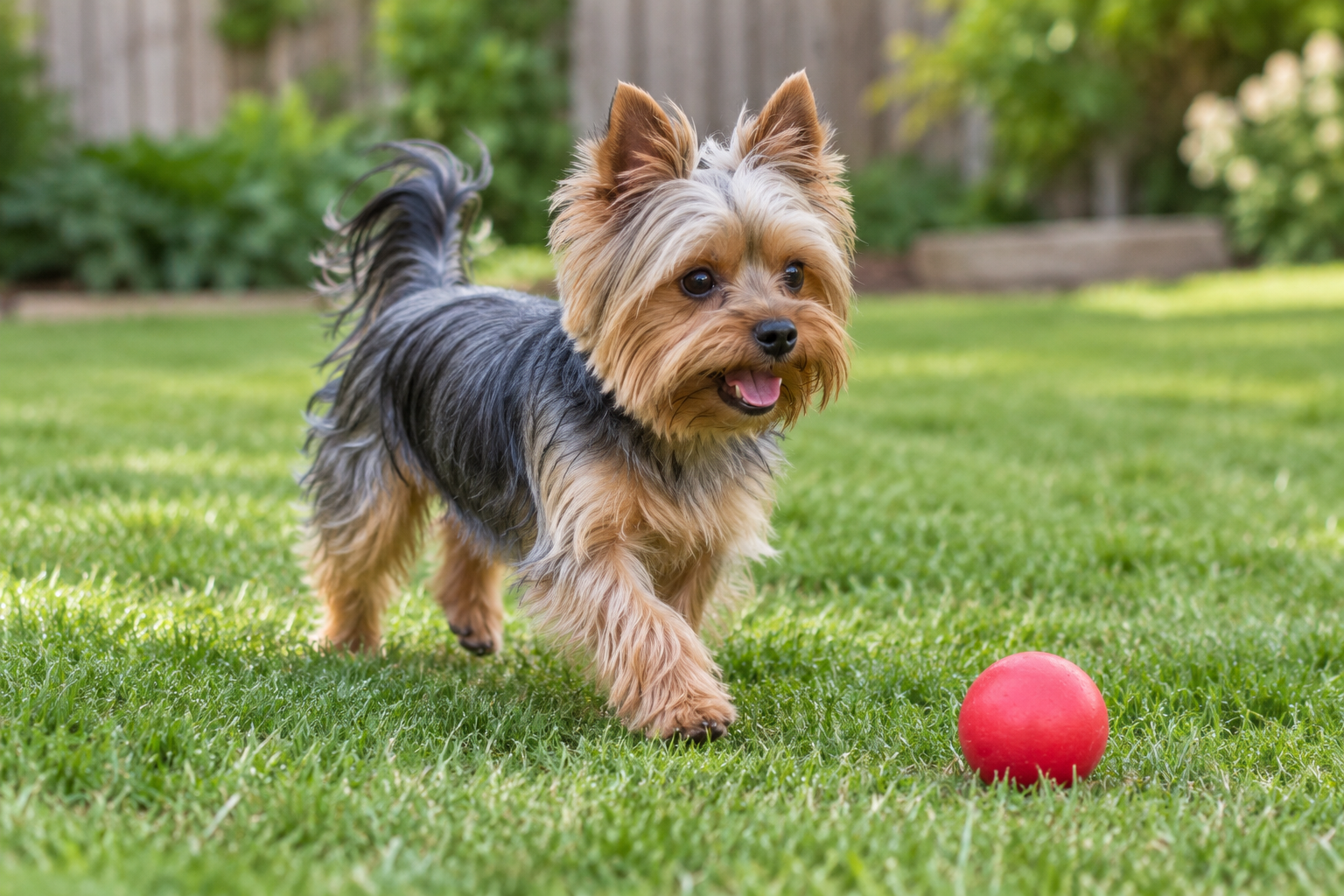
Short walks, fetch with small toys, scent games, trick training and small-dog agility all suit the breed. Indoor games are useful on hot or wet days. Choose fenced areas for off-lead play, away from large, boisterous dogs.
Exercise Limitations
Always use a harness, since pressure on the neck can aggravate tracheal collapse. Avoid long runs, high jumps off furniture and rough play with big dogs, which can injure knees and backs. In tick areas, check the whole body after every walk in bush or long grass.
Importance of Mental Stimulation
Puzzle toys, snuffle mats, short training sessions and new experiences keep a clever Yorkie content. Mental stimulation also helps reduce barking driven by boredom.
Feeding the Yorkshire Terrier: Nutrition and Diet Needs
Nutritional Requirements
Choose a complete and balanced food formulated for small or toy breeds, with a kibble size that suits a tiny mouth. Some owners combine dry food with wet food, which is fine as long as daily totals are controlled and teeth are brushed.
Feeding by Life Stage
Feed Yorkie puppies small meals at least three to four times a day, because very small puppies can develop hypoglycaemia if they go too long without food. Move to two or three meals a day in adulthood, and adjust for seniors as activity drops.
Portion Control and Weight Management
A few extra grams matter in a 3 kg dog. Weigh food, count treats and table scraps, and aim for a visible waist and easily felt ribs. Excess weight worsens knee and tracheal problems.
Foods to Avoid
Avoid grapes, sultanas, chocolate, onion, garlic, macadamias, cooked bones and anything containing xylitol. Even small amounts of a toxic food are more dangerous for a toy breed because of its low body weight.
Yorkshire Terrier Price in Australia: Purchase Cost and Ongoing Expenses
Puppy Purchase Price
How much are Yorkies in Australia? A Yorkshire Terrier puppy from a registered breeder generally costs $3,000 to $6,000. That is the range in the Dogz Online Yorkie cost guide, which says price depends on the breeder, pedigree and age. On 17 October 2026, Dogz Online showed four Yorkshire Terrier litters, none with a published price, so expect to ask breeders directly.
A "teacup" price above this range is a warning sign, not a premium. Breeders who market unusually tiny puppies are selling size outside the standard, and very small dogs can be more prone to hypoglycaemia, injury and other health problems. At the other end, a Yorkie advertised as free to a good home or far below market price is classic puppy scam territory, especially if the seller will not let you visit.
Initial Setup Costs
RSPCA NSW estimates first-year costs including $60 to $80 for microchipping, $280 to $420 for puppy vaccinations, $350 to $650 for desexing, $100 to $200 for a bed and around $170 for puppy school. Add a harness, a car restraint, grooming tools and a winter coat.
Ongoing Monthly Costs
| Cost | Typical figure (AUD) | Source |
|---|---|---|
| Food and bowls | Below the RSPCA NSW estimate of around $600 per year, given a 3 kg dog | RSPCA NSW |
| Flea and worming treatment | $200 to $250 per year | RSPCA NSW |
| Annual vaccination and vet check | From $140 per year | RSPCA NSW |
| Professional grooming | $40 to $200 per visit, every four to eight weeks in a trim | RSPCA NSW |
| Pet insurance | Around $1,580 per year for a small dog, accident and illness | Canstar, 2026 |
Canstar's 2026 average for small dog accident and illness cover is around $1,580 a year. Since dental disease is so common in the breed, check whether a policy covers dental illness, not just accidents, before you buy.
Long-Term Financial Commitment
Over a 12 to 16 year life, grooming and dental care are the Yorkie's biggest running costs. Dog-owning households spend about $2,520 a year on average, according to the Animal Medicines Australia 2025 survey, and a Yorkie in regular professional trims can sit close to or above that despite its tiny food bill.
Buying Advice for a Yorkshire Terrier: Choosing a Healthy Puppy
Choosing a Responsible Breeder
Buy from a breeder registered with a Dogs Australia state body who breeds to the standard and does not advertise teacup or miniature puppies. Good breeders health check parents, keep puppies until at least eight weeks, and ask about your home. Expect to visit, meet the mother and see where the puppies are raised.
Health Checks Before Purchase
Look for a lively, alert puppy with clear eyes, clean ears, a healthy weight and no cough. Check that it moves without skipping on a back leg. Ask for vet check, vaccination, worming and microchip records, and confirm the microchip number matches the paperwork.
Questions to Ask the Breeder
- Have both parents had a vet patella check and an eye examination?
- Do you DNA test for progressive retinal atrophy?
- How much do the parents weigh, and do you breed or sell "teacup" puppies?
- Has the puppy had any episodes of low blood sugar, and what is its feeding routine?
- Which Dogs Australia state body are you registered with, and what is your member number?
- Can I visit and meet the mother before paying a deposit?
- Will you take the dog back at any stage if I cannot keep it?
Considering Adoption
Adult Yorkies and Yorkie crosses do come into rescue, often when an owner can no longer care for them. An adult dog with a known temperament and health history can be a wonderful choice, particularly for older owners who prefer to skip puppy toilet training.
Is the Yorkshire Terrier Right for You? A Big Personality in a Tiny Dog
Lifestyle Compatibility
The Yorkie suits apartment dwellers, couples, retirees and families with older children who are home often.
It is less suited to homes with toddlers or long hours alone.
Time and Care Commitment
Expect short daily walks, regular play and training, and committed grooming for 12 to 16 years.
Grooming and Health Awareness
Is a Yorkie a high maintenance dog? In grooming terms, yes. Plan for daily brushing or regular professional trims, daily tooth care and a harness for every walk.
Ideal Owner Profile
The ideal Yorkie owner is gentle, patient, home often and happy to treat a tiny dog as a real dog, with training and boundaries.
The pros are loyalty, low shedding and a long life; the cons are grooming, fragility and barking.
Find Yorkshire Terrier Puppies for Sale
If a Yorkie fits your household, browse puppies for sale across Australia on Pups4Sale and shortlist registered breeders who health check parents and breed to the standard.
Frequently Asked Questions
Related Breeds
Other toy breeds on Pups4Sale.
 AffenpinscherSmall • Toy
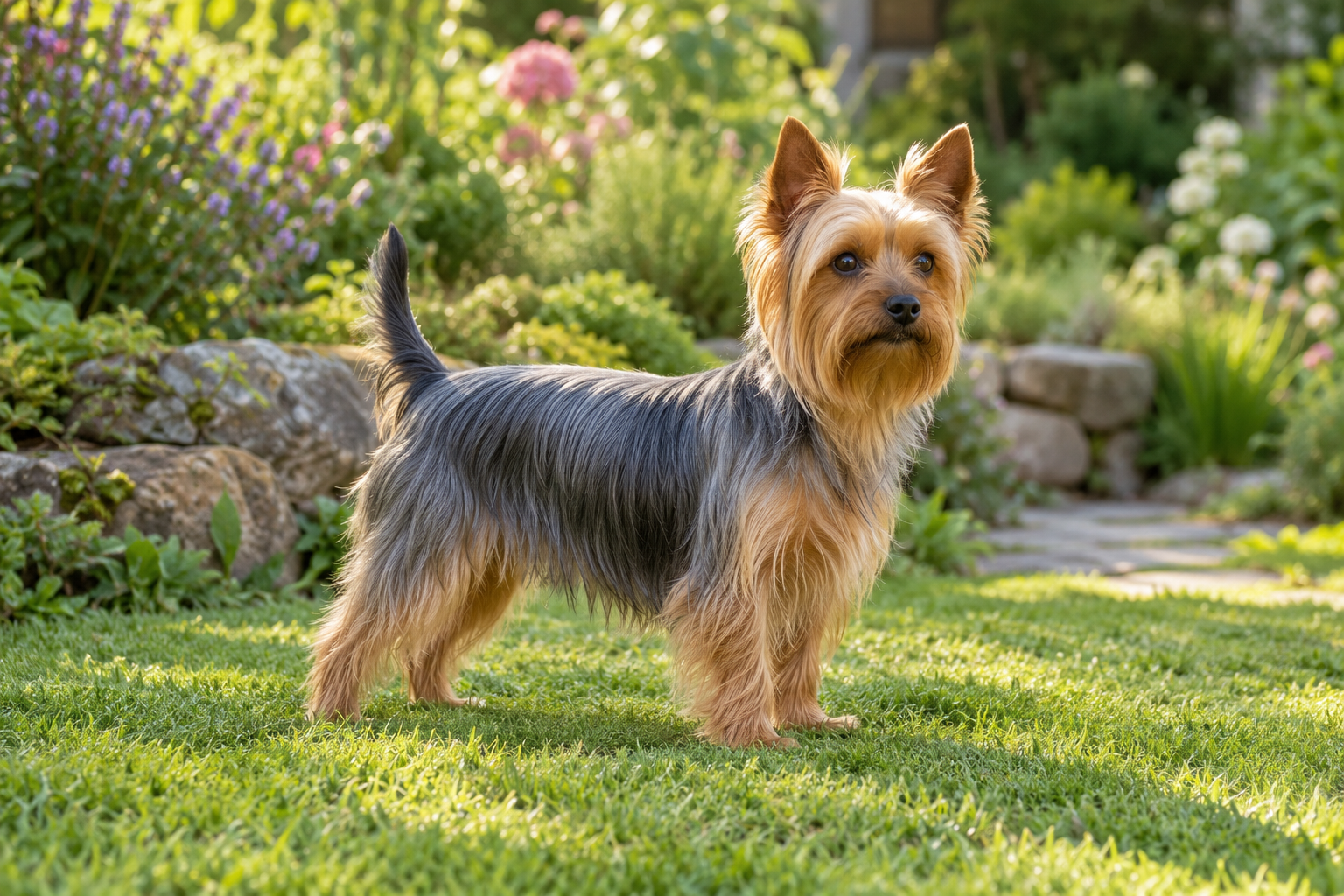 Australian Silky TerrierSmall • Toys (Group 1)
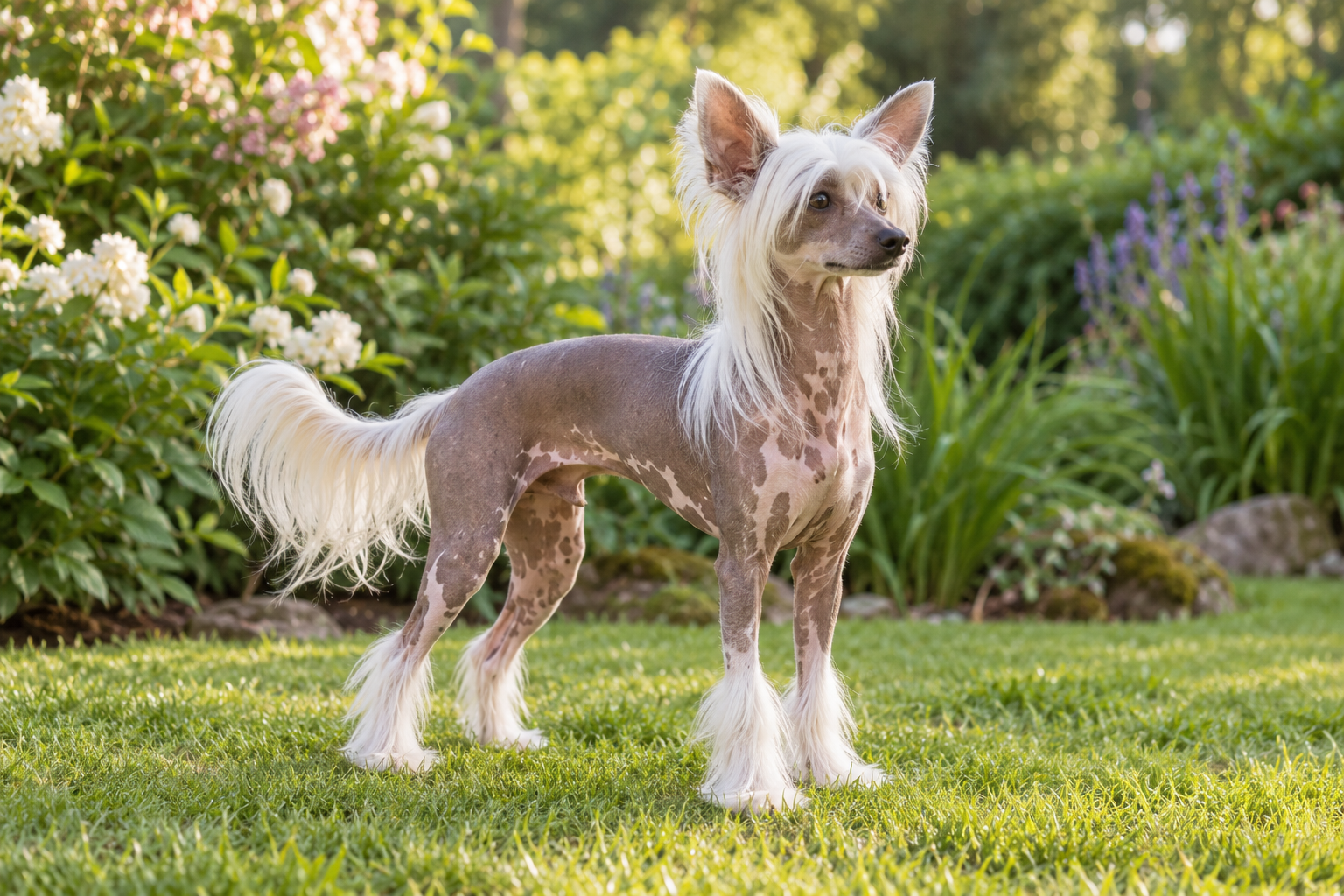 Chinese Crested DogSmall • Toys (Group 1)
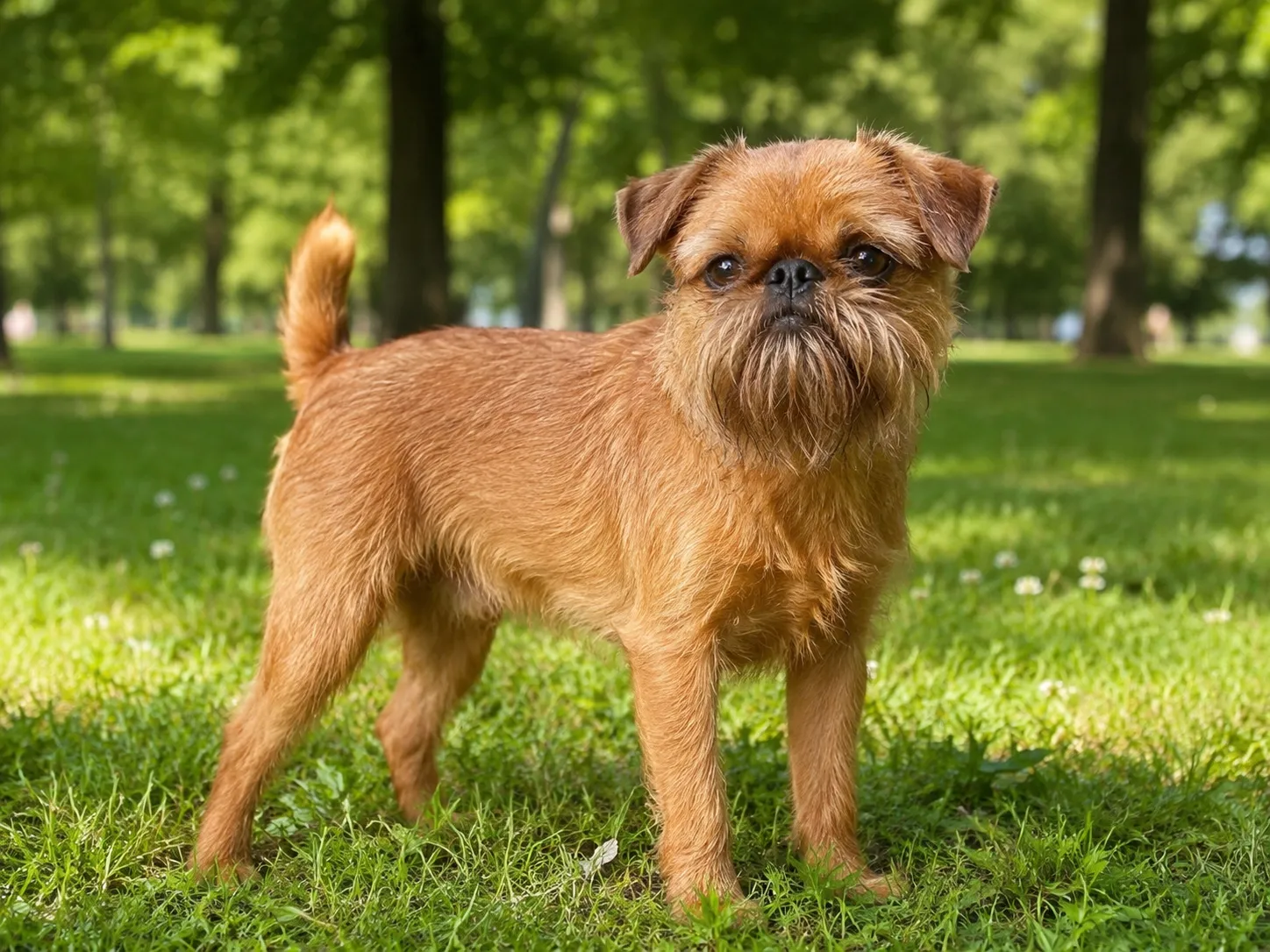 Griffon BruxelloisSmall • Toy
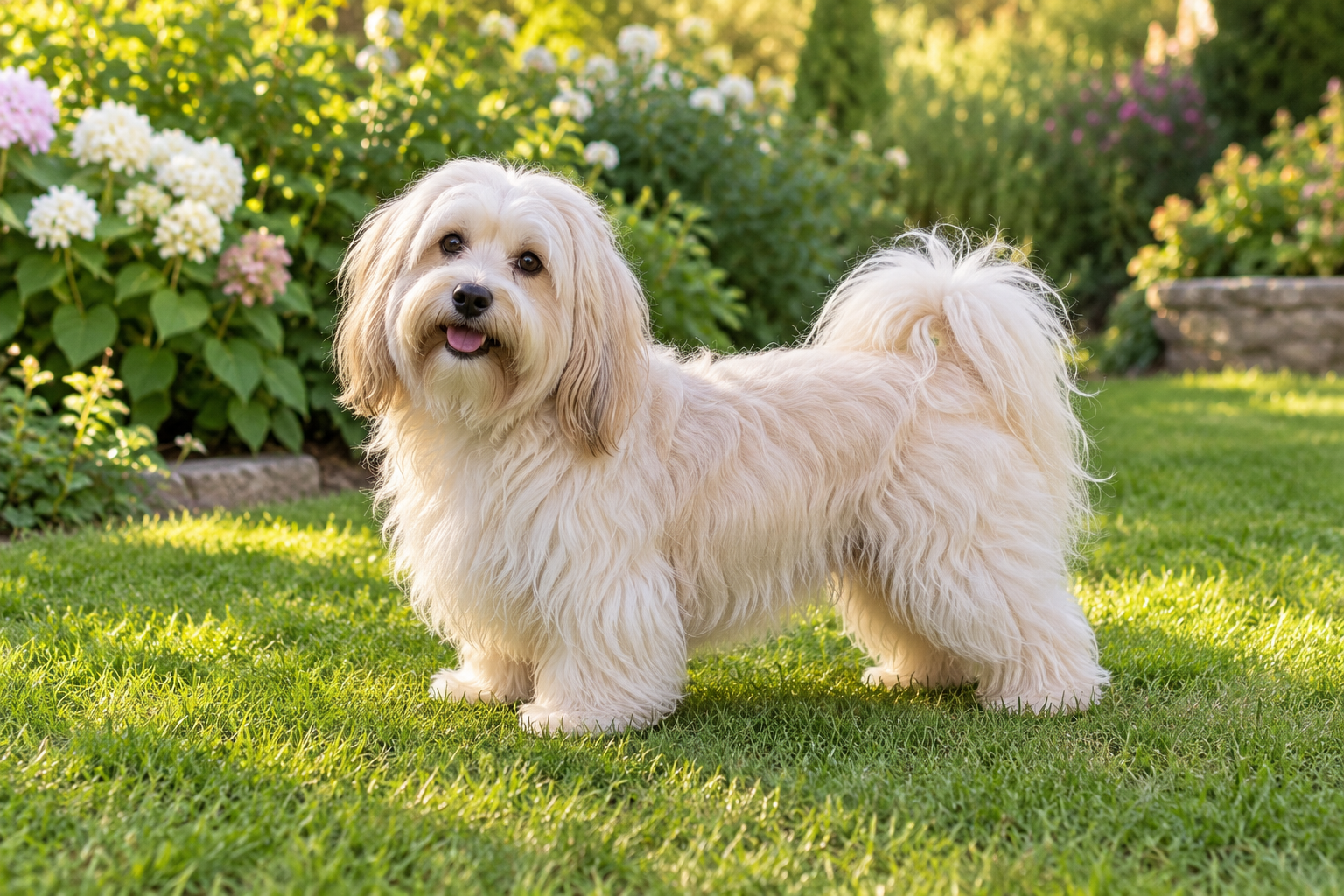 HavaneseSmall • Toys (Group 1)
 Italian GreyhoundSmall • Toys