



Griffon Bruxellois
By James C. • Updated
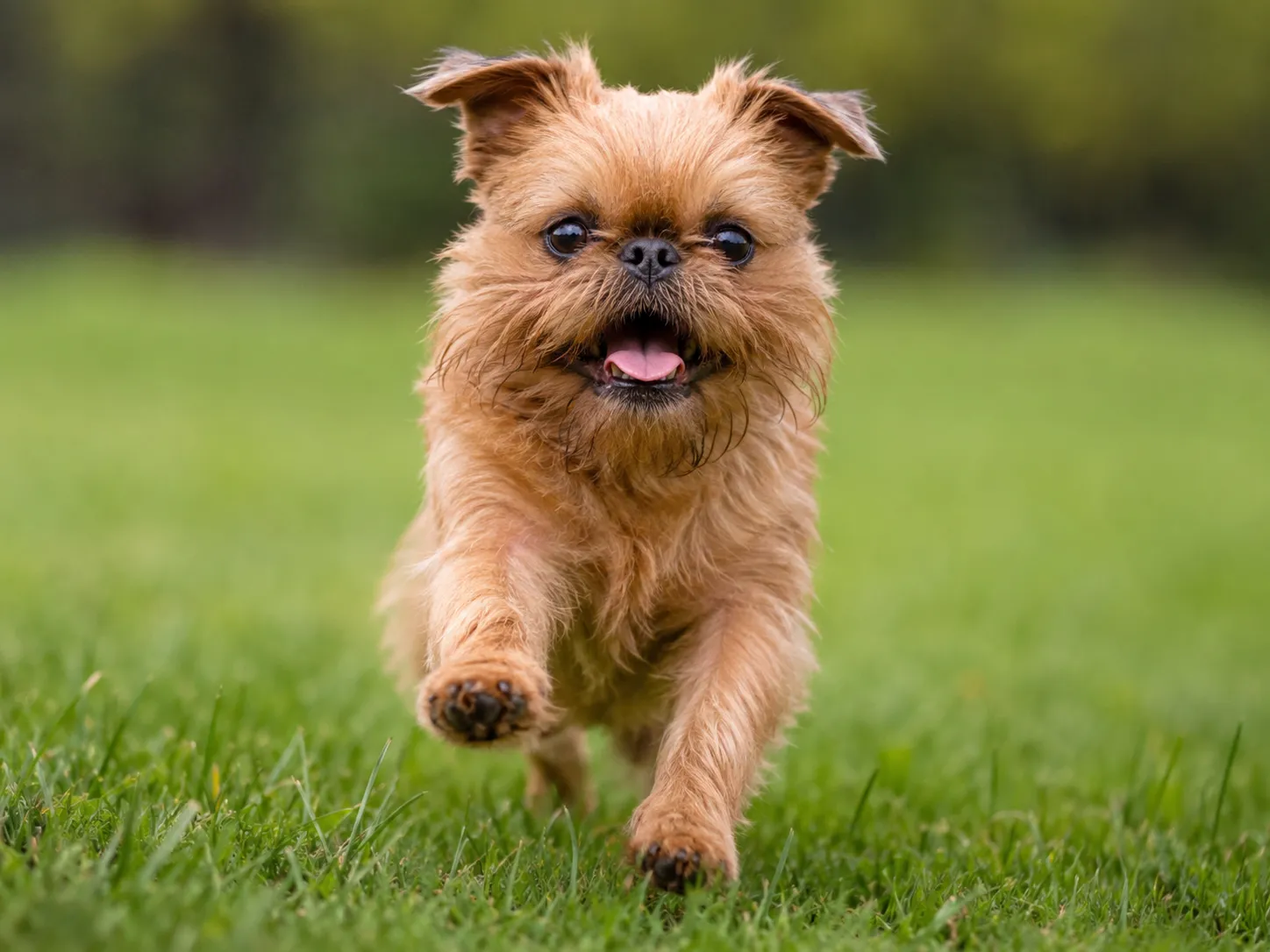
The Griffon Bruxellois is a small, intelligent, and affectionate companion breed originating from Belgium. Known for its expressive almost human-like face, this breed forms strong bonds with its family and thrives on companionship. They are alert, lively, and sensitive dogs that generally prefer being close to their owners rather than spending long periods alone.
Breed Overview
Life Span
12 - 15 years
Average Price
AUD 2500 - AUD 4500
Weight
Male: 3.5 - 6 kg Female: 3.5 - 5.5 kg
Height
Male: 18 - 28 cm Female: 18 - 28 cm
Life Expectancy
Male/Female: 12 - 15 years
Breed Group
Toy
Nicknames
Brussels Griffon, Griffon
Breed Information
The Griffon Bruxellois may be small in size, but it carries a personality that feels far larger than its frame. Originally developed in Belgium as a stable watchdog and rodent hunter, this intelligent toy breed has evolved into a devoted and expressive companion.
Often described as having a terrier-like spirit, the Griffon combines alertness, sensitivity, and deep loyalty to its people. It forms strong bonds and prefers to be closely involved in daily life rather than left alone for long periods.
This breed suits owners who value companionship and are prepared to provide consistent attention, gentle training, and structured routines. While adaptable to flats or houses, the Griffon Bruxellois thrives best in homes where it feels emotionally connected and included.
Potential owners should understand that beneath its charming expression lies a confident, sometimes stubborn character. Early socialisation and clear boundaries are essential to shape a well-balanced adult dog.
Characteristics: What Living With a Griffon Bruxellois Is Really Like
The Griffon Bruxellois may look delicate, but daily life with this breed is anything but passive. It is alert, emotionally intuitive, and deeply attached to its chosen people. This snapshot helps you understand how the breed fits into real household routines.
| Characteristic | Rating | Star Rating (★ out of 5) | What This Means for You |
| Size | Excellent | ★★★★★ | Extremely compact and ideal for flats or smaller homes. |
| Adaptability | Very Good | ★★★★☆ | Adjusts well to different environments when given attention. |
| Exercise Needs | Moderate | ★★★☆☆ | Short daily walks and mental stimulation are sufficient. |
| Easy to Train | Moderate | ★★★☆☆ | Intelligent but independent, responds best to patient guidance. |
| Shedding | Low to Moderate | ★★☆☆☆ | Light shedding, though rough coats require maintenance. |
| Grooming Needs | Moderate | ★★★☆☆ | Rough coats need regular brushing and occasional hand stripping. |
| Good With Children | Moderate | ★★★☆☆ | Better suited to older children who handle dogs gently. |
| Health of Breed | Moderate | ★★★☆☆ | Generally healthy but requires monitoring for brachycephalic concerns. |
| Cost to Keep | Moderate | ★★★☆☆ | Food costs are low, but grooming and vet care add up. |
| Tolerates Being Alone | Low | ★★☆☆☆ | Strongly prefers company and may struggle with long absences. |
| Intelligence | Very High | ★★★★★ | Quick to learn and highly aware of its surroundings. |
In practical terms, the Griffon Bruxellois is best suited to owners who want a closely bonded companion rather than an independent pet. It thrives on interaction, enjoys being involved in daily activity, and benefits from structure.
While physically small, its personality is confident and expressive. With the right balance of leadership and affection, this breed becomes a loyal, entertaining, and emotionally attuned member of the household.
History of the Griffon Bruxellois: From Belgian Stable Dog to Devoted Companion
The Griffon Bruxellois originated in Belgium, where small, rough-coated dogs were kept in stables to control rats and act as alert watchdogs. Despite their current toy classification, their early purpose was practical rather than ornamental. These early Griffons were valued for their vigilance, agility, and bold temperament.
By the 15th century, small Griffon-type dogs were already appearing in European artwork, including paintings by the Old Masters. Their distinctive head shape and expressive eyes were recognisable even then. Over time, selective breeding refined their size and features, transforming them from stable workers into companion dogs for Belgian households.
During the 19th century, crossings with breeds such as the Pug and possibly the English Toy Spaniel helped shape the modern Griffon’s shortened muzzle and large, forward-facing eyes. These influences softened the breed’s appearance while maintaining its alert and spirited nature. Two coat varieties became established: the rough coat and the smooth coat.
Royal patronage played a significant role in the breed’s popularity. Queen Marie Henriette of Belgium showed particular interest in the Griffon, increasing its visibility across Europe. However, like many European breeds, numbers declined sharply during the World Wars. Dedicated breeders preserved the bloodlines and stabilised the breed in the decades that followed.
Today, the Griffon Bruxellois remains a relatively rare but well-established toy breed. While no longer required to hunt rodents, it still carries the confidence, watchfulness, and independence that defined its early working role.
Appearance of the Griffon Bruxellois: Expression, Coat Types, and Structure
The Griffon Bruxellois is instantly recognisable for its almost human-like expression, a look it shares with the Affenpinscher, its closest relative. Although compact and finely built, it carries itself with noticeable confidence. Its appearance blends elegance with sturdiness, reflecting both its toy classification and its working ancestry.
Compact Body and Balanced Proportions
This breed has a square, well-proportioned frame, meaning its body length is close to its height. Adults typically stand between 18 and 25 cm at the shoulder and weigh around 3.5 to 6 kg. Despite its small size, the structure is solid rather than fragile, with a level back and moderately broad chest.
Movement should appear smooth and purposeful. The Griffon is light on its feet, yet controlled and balanced, never exaggerated or loose in motion.
Head Shape and Distinctive Expression
The head is the breed’s defining feature. Large, dark, forward-facing eyes give the Griffon Bruxellois its well-known expressive look. The skull is rounded with a short muzzle and a slightly undershot jaw, though teeth should not be visible when the mouth is closed.
This combination creates the breed’s signature face, often described as almost human in character. It is this expression that sets the Griffon apart from many other toy breeds.
Coat Types: Rough and Smooth
There are two recognised coat varieties. The rough coat is wiry, dense, and slightly longer around the face, forming a beard and moustache. The smooth coat lies closer to the body and has a sleek, glossy finish.
Both varieties come in recognised colours including red, black, black and tan, and belge, which is a mix of black and reddish-brown hairs. Grooming needs differ slightly between the two, though both require regular maintenance.
Subtle Differences Between Males and Females
Physical differences between males and females are minimal. Males may appear slightly broader or more assertive in stance, while females can look marginally finer in build. Both should display the same balanced proportions and characteristic expression.
Overall, the Griffon Bruxellois presents as a small but striking breed, with facial features that immediately capture attention and a structure that supports its lively personality.
Temperament of the Griffon Bruxellois: Personality, Social Behaviour, and Instincts
The Griffon Bruxellois is often described as a “big dog in a small body.” Its temperament combines alertness, sensitivity, and deep loyalty. While charming and affectionate, this breed is not passive. It is observant, emotionally aware, and strongly bonded to its people.
Core Personality Traits
At its heart, the Griffon is confident and intelligent. It enjoys being close to its owner and often follows them from room to room. Many owners describe the breed as expressive and almost theatrical in its reactions, responding quickly to tone and mood.
Despite its size, the Griffon can be bold. It does not always recognise its physical limits and may challenge larger dogs if not properly socialised. Early exposure to different environments and animals helps develop balanced behaviour.
Attachment and Emotional Sensitivity
This breed forms strong attachments and prefers not to be left alone for long periods. Extended isolation can lead to anxiety-related behaviours such as barking or clinginess. A household where someone is home regularly suits the Griffon Bruxellois best.
Because of its sensitivity, harsh correction can damage trust. Calm, consistent handling builds confidence and stability.
Behaviour With Strangers and Other Animals
Griffons are naturally alert and may initially appear reserved around unfamiliar people. With proper introduction, they warm up and can be friendly. Their watchdog instinct means they may vocalise when they hear unusual sounds.
Due to their historic role as rodent hunters, they retain a mild prey drive. Homes with small pets such as hamsters or rats are generally not suitable. With early socialisation, however, they can live peacefully with other dogs.
Common Behavioural Challenges
Without clear structure, the Griffon Bruxellois may develop possessiveness or excessive barking. Overindulgence can encourage demanding behaviour, while inconsistent rules can create confusion.
With steady leadership, appropriate stimulation, and daily engagement, this breed becomes a loyal, affectionate, and highly engaging companion.
Intelligence and Trainability of the Griffon Bruxellois: Learning Style and Training Approach
The Griffon Bruxellois is a highly intelligent toy breed with sharp awareness and strong problem-solving ability. Its intelligence makes training both rewarding and occasionally challenging, as this breed is capable of independent thinking.
Early Training Foundations
Training should begin early, focusing on socialisation and basic obedience. Exposure to different sounds, people, and environments builds confidence and reduces defensive behaviour later in life. Core commands such as sit, stay, recall, and quiet are especially useful for managing the breed’s alert nature.
Consistency is essential from puppyhood. Clear boundaries prevent confusion and reduce the risk of stubborn habits forming.
Training Methods That Work Best
The Griffon responds best to positive reinforcement, including food rewards, praise, and interactive play. Sessions should be short and engaging, as repetition without variety can lead to boredom.
Harsh discipline or forceful handling should be avoided. This breed is emotionally sensitive and may withdraw or resist if trust is compromised.
Mental Stimulation and Advanced Skills
Beyond basic obedience, the Griffon Bruxellois enjoys activities that challenge its mind. Puzzle toys, scent work, trick training, and light agility exercises are all suitable. Mental engagement is just as important as physical exercise for maintaining balanced behaviour.
Because of its alertness and quick reactions, the breed often excels in tasks requiring attention and coordination.
Common Training Mistakes to Avoid
Inconsistent leadership is one of the most common issues. Allowing behaviours one day and correcting them the next creates confusion. Overprotectiveness or excessive pampering can also contribute to demanding tendencies.
When guided with calm authority and steady reinforcement, the Griffon Bruxellois develops into a well-mannered, attentive, and confident companion.
Griffon Bruxellois and Family Life: Children, Other Pets, and Household Suitability
The Griffon Bruxellois can be a devoted family companion, but its small size and strong personality mean it is not suited to every home. Understanding how this breed fits into different household dynamics is essential before committing.
Living With Children
This breed is generally better suited to homes with older children who understand how to handle small dogs respectfully. The Griffon does not tolerate rough play, sudden grabbing, or excessive noise well. Because of its size and sensitive nature, unintentional injury is more likely in households with toddlers.
When children are taught calm interaction and supervision is consistent, the Griffon can form close bonds and become a loyal companion.
Compatibility With Other Dogs
With proper early socialisation, the Griffon Bruxellois can live comfortably with other dogs. It often enjoys canine companionship, particularly when raised alongside another stable dog. However, its confident temperament may lead it to challenge larger dogs if not properly guided.
Structured introductions and ongoing supervision help maintain harmony in multi-dog homes.
Suitability Around Other Pets
Due to its origins as a rodent hunter, the Griffon retains a natural prey instinct. Small animals such as hamsters, rats, or similar pets are not ideal companions. Care should also be taken when introducing cats, especially if the Griffon was not raised alongside them.
Early exposure improves compatibility, but supervision remains important.
Ideal Household Environment
The Griffon Bruxellois adapts well to flats, apartments, and houses, provided it receives regular interaction. It thrives in homes where someone is present for much of the day. Long periods of isolation can lead to anxiety and excessive barking.
A calm, structured household with predictable routines supports emotional stability. When its need for companionship is met, this breed becomes a deeply loyal and engaging member of the family.
Health of the Griffon Bruxellois: Lifespan, Common Conditions, and Preventative Care
The Griffon Bruxellois is generally a long-lived toy breed, with a typical lifespan of 12 to 15 years, though the prominent eyes mean owners should know how to prevent tear stains. While many individuals enjoy good overall health, prospective owners should understand the specific concerns linked to its structure and size.
Brachycephalic-Related Concerns
As a flat-faced breed, the Griffon Bruxellois falls into the brachycephalic category. This skull shape can contribute to breathing difficulties in some individuals, particularly in warm weather or during intense exercise. Narrow nostrils and soft tissue crowding in the airway may affect airflow.
Heat management and controlled activity levels are important to reduce respiratory strain.
Orthopaedic and Joint Conditions
Like many small breeds, the Griffon can be predisposed to patellar luxation, where the kneecap slips out of position. Mild cases may cause intermittent limping, while severe cases can require surgical correction. Monitoring mobility and maintaining a healthy weight helps reduce joint stress.
Early screening by responsible breeders lowers the likelihood of inherited joint instability.
Eye and Dental Health
Large, prominent eyes increase the risk of irritation or injury. Regular eye checks help identify discharge, redness, or discomfort early. Routine eye testing is recommended for breeding dogs.
Dental crowding is also common in small breeds. Without proper care, plaque build-up can lead to gum disease. Daily brushing and professional dental assessments are strongly advised.
Responsible Breeding and Preventative Care
Ethical breeders prioritise health testing and avoid breeding dogs with exaggerated facial features. Prospective owners should request documentation for joint screening and eye examinations.
Routine veterinary care, including vaccinations, parasite prevention, and dental checks, plays a central role in long-term wellbeing. Maintaining a healthy body condition is particularly important for this breed.
With informed ownership and preventative healthcare, the Griffon Bruxellois can enjoy a long, active, and comfortable life.
Caring for the Griffon Bruxellois: Daily Routine, Environment, and Long-Term Comfort
Caring for a Griffon Bruxellois involves more than meeting basic physical needs, and it pays to have a puppy supplies checklist sorted before collection day. This breed thrives on companionship, predictability, and emotional security. While small and adaptable, it benefits from a structured daily routine and a calm home environment.
Daily Routine and Companionship
A typical day should include short walks, indoor play, and brief training sessions. The Griffon enjoys being involved in everyday activities and prefers not to be isolated from its family. Regular interaction prevents boredom and reduces attention-seeking behaviour.
Mental stimulation through puzzle toys or simple obedience exercises supports balanced behaviour.
Home Environment Considerations
This breed adapts well to flats and smaller homes, provided it has a safe and quiet resting space. Because of its compact size, care should be taken to avoid hazards such as unsecured stairs or high furniture that could cause injury.
A stable, low-chaos household suits the Griffon Bruxellois best. Predictable routines help maintain emotional confidence.
Seasonal Care Adjustments
During warm weather, exercise should be scheduled in cooler parts of the day. As a brachycephalic breed, the Griffon can be sensitive to heat and should always have access to fresh water and shaded areas.
In colder months, additional warmth such as soft bedding or a light coat may be beneficial, especially for smooth-coated individuals.
Long-Term Comfort and Senior Care
As the Griffon ages, its needs may shift. Softer bedding, joint support supplements, and adjusted exercise levels can improve comfort. More frequent veterinary check-ups allow early detection of age-related concerns.
With attentive care and consistent structure, the Griffon Bruxellois remains a happy, engaged, and closely bonded companion throughout its life.
Grooming the Griffon Bruxellois: Coat Care, Maintenance, and Challenges
The Griffon Bruxellois requires consistent grooming to maintain both comfort and appearance, and the rough coat responds best to a proper wire-haired grooming routine. While not a heavy shedder, its coat type determines the level of maintenance needed. Regular grooming also supports skin health and reduces irritation.
Coat Care for Rough and Smooth Varieties
The rough-coated Griffon has a dense, wiry texture that benefits from brushing two to three times per week. This prevents matting, particularly around the beard and facial furnishings. To preserve correct coat texture, hand stripping is recommended rather than clipping.
The smooth-coated variety has a short, sleek coat that requires weekly brushing to remove loose hair and maintain shine. Although lower maintenance, it still benefits from routine care.
Facial Hygiene and Eye Care
Because of its prominent eyes, the Griffon Bruxellois may be prone to mild discharge. Gentle daily wiping around the eye area helps prevent staining and irritation. Hair around the eyes should be kept tidy to maintain visibility and comfort.
Regular checks ensure early detection of redness or injury.
Nail, Ear, and Dental Maintenance
Nails should be trimmed every few weeks to prevent overgrowth and discomfort. Ears require periodic cleaning to reduce the risk of infection, especially in humid conditions.
Dental care is particularly important. Small jaws can lead to crowded teeth, increasing the risk of plaque build-up. Daily brushing and routine professional checks are strongly advised.
Common Grooming Challenges
Without consistent brushing, rough-coated Griffons may develop tangles and skin irritation. Clipping instead of hand stripping can soften coat texture over time. Some individuals may be sensitive during grooming, so early exposure to handling is beneficial.
With steady maintenance, the Griffon Bruxellois maintains its distinctive appearance and healthy coat condition.
Exercise Needs of the Griffon Bruxellois: Activity Levels and Mental Stimulation
Although compact in size, the Griffon Bruxellois benefits from consistent daily activity. Its exercise needs are moderate, but mental engagement is just as important as physical movement. This breed thrives on interaction rather than long-distance endurance.
Daily Activity Requirements
Most adult Griffons do well with 20 to 30 minutes of exercise per day. This can be split into two short walks combined with indoor play. Regular activity supports joint health, weight management, and emotional balance.
Because of their small frame, exercise should be controlled rather than intense.
Suitable Forms of Exercise
Interactive games, basic obedience drills, and short agility-style activities suit this breed well. The Griffon enjoys tasks that involve focus and coordination. Puzzle toys and scent games are also effective for mental stimulation.
Activities that strengthen the bond with the owner are particularly beneficial.
Heat and Safety Considerations
As a brachycephalic breed, the Griffon Bruxellois can be sensitive to heat. Exercise should be avoided during the hottest parts of the day. Fresh water and shaded rest periods are essential during warmer months.
High-impact jumping should be limited, especially in puppies, to protect developing joints.
Preventing Boredom-Related Behaviour
Insufficient stimulation may lead to barking, restlessness, or attention-seeking behaviour. Rotating toys and introducing new training challenges helps keep the dog mentally engaged.
With balanced physical and mental exercise, the Griffon Bruxellois remains a lively yet well-adjusted companion.
Feeding the Griffon Bruxellois: Nutrition, Portions, and Weight Management
Feeding a Griffon Bruxellois correctly is essential for maintaining energy, mobility, and long-term health. As a small but active breed, it requires a balanced diet that supports muscle tone and organ function without promoting excess weight gain.
Nutritional Requirements
A high-quality, complete diet formulated for small breeds is recommended. Protein from animal sources should form the foundation of the diet to support lean muscle maintenance. Moderate fat levels provide energy without contributing to obesity.
Essential vitamins, minerals, and omega fatty acids help maintain coat condition and immune health.
Feeding Schedule and Portion Control
Puppies typically require three to four small meals per day to maintain steady growth and stable blood sugar levels. Adult Griffons usually do well on two measured meals daily. Free feeding is not recommended, as portion control helps prevent overeating.
Treats should be limited and primarily used for training purposes.
Dental and Digestive Considerations
Due to their small jaws, appropriately sized kibble supports chewing and may assist in reducing plaque build-up. Regular dental hygiene remains important regardless of diet.
Some individuals may have sensitive digestion. Gradual transitions between foods reduce the risk of gastrointestinal upset.
Maintaining a Healthy Weight
Excess weight places unnecessary strain on joints and can worsen breathing difficulties in brachycephalic breeds. Regular body condition checks and weight monitoring help ensure the Griffon Bruxellois remains lean and active.
With careful portion control and balanced nutrition, this breed maintains stable energy levels and long-term wellbeing.
Griffon Bruxellois Price and Ongoing Costs: Financial Commitment and Planning
Owning a Griffon Bruxellois involves more than the initial purchase price, so it is worth reviewing Griffon Bruxellois puppies listed in Australia alongside the ongoing costs. Although small in size, ongoing expenses such as veterinary care, grooming, and insurance should be factored into long-term planning. Understanding the full financial picture helps prevent unexpected strain later.
| Cost Category | Typical Cost (AUD) | What This Covers |
| Purchase Price | $2,500–$4,500 | Reputable breeder price, influenced by pedigree, health testing, and lineage |
| Initial Setup | $300–$600 | Bed, crate, bowls, toys, grooming tools, collar, lead, and basic supplies |
| Monthly Food | $40–$70 | Quality small-breed nutrition suited to age and activity level |
| Professional Grooming | $90–$160 per session | Hand stripping for rough coats or maintenance grooming several times per year |
| Routine Vet Care | $80–$120 per month (average) | Vaccinations, parasite prevention, dental checks, general health monitoring |
| Pet Insurance | $45–$75 per month | Cover for illness, injury, and breed-related health concerns |
While feeding costs remain relatively modest, grooming and preventative healthcare represent ongoing investments. Brachycephalic-related care or joint treatments can increase veterinary expenses over time.
In practical terms, the Griffon Bruxellois is moderate in overall cost, provided responsible budgeting includes insurance and preventative care. Planning ahead ensures the dog receives consistent support throughout its lifespan.
Buying Advice for the Griffon Bruxellois: Choosing Responsibly and Ethically
Buying a Griffon Bruxellois should never be rushed, because scarce toy breeds attract scammers and you should know how to spot a puppy scam online. This is a long-term commitment, and selecting the right breeder or adoption pathway has a direct impact on the dog’s health, temperament, and future wellbeing. Careful research protects both you and the breed.
Finding a Responsible Breeder
Reputable breeders prioritise health, temperament, and adherence to breed standards over quick sales. You should expect transparency, clear documentation, and the opportunity to meet the puppy’s mother. The environment should be clean, calm, and supportive of early socialisation.
Avoid sellers unwilling to provide proof of vaccinations, microchipping, and pedigree registration.
Verifying Health Testing
Given the breed’s brachycephalic structure and small size, health screening is essential. Responsible breeders should provide evidence of eye testing and joint assessments, particularly for patellar stability. Dogs with exaggerated facial features or breathing difficulties should not be bred.
Documentation protects you from preventable hereditary issues.
Assessing Temperament and Early Socialisation
A healthy Griffon puppy should appear curious, responsive, and confident without showing extreme fear or aggression. Observe interactions with littermates and people. Balanced early exposure lays the foundation for stable adult behaviour.
Temperament matters just as much as appearance.
Considering Adoption and Rescue
Although less common, Griffon Bruxellois dogs do occasionally appear in rescue organisations. Adoption may suit experienced owners prepared to support a dog with an unknown background. Reputable rescue groups conduct behavioural assessments and provide guidance.
Whether purchasing or adopting, patience and diligence lead to a more secure outcome.
Choosing responsibly ensures you welcome a well-bred, stable, and healthy companion into your home.
Final Thoughts on the Griffon Bruxellois: Is This Expressive Toy Breed Right for You?
The Griffon Bruxellois is a breed defined by personality, intelligence, and emotional connection. While small in stature, it requires meaningful interaction, structured guidance, and consistent companionship to truly thrive. This is not a dog suited to long hours alone or passive ownership.
If you value a companion that is alert, expressive, and deeply bonded to its people, the Griffon can be an exceptional choice. Its moderate exercise needs make it suitable for apartment living, yet its mental sharpness means daily engagement is essential.
Prospective owners must be prepared for grooming commitments and attentive healthcare, particularly in relation to its facial structure and joint health. When responsibly bred and well cared for, the Griffon Bruxellois enjoys a long lifespan and remains lively well into its senior years.
For those seeking a devoted, character-filled toy breed with strong emotional awareness, the Griffon Bruxellois can be a rewarding lifelong companion.
Frequently Asked Questions
Related Breeds
Other toy breeds on Pups4Sale.
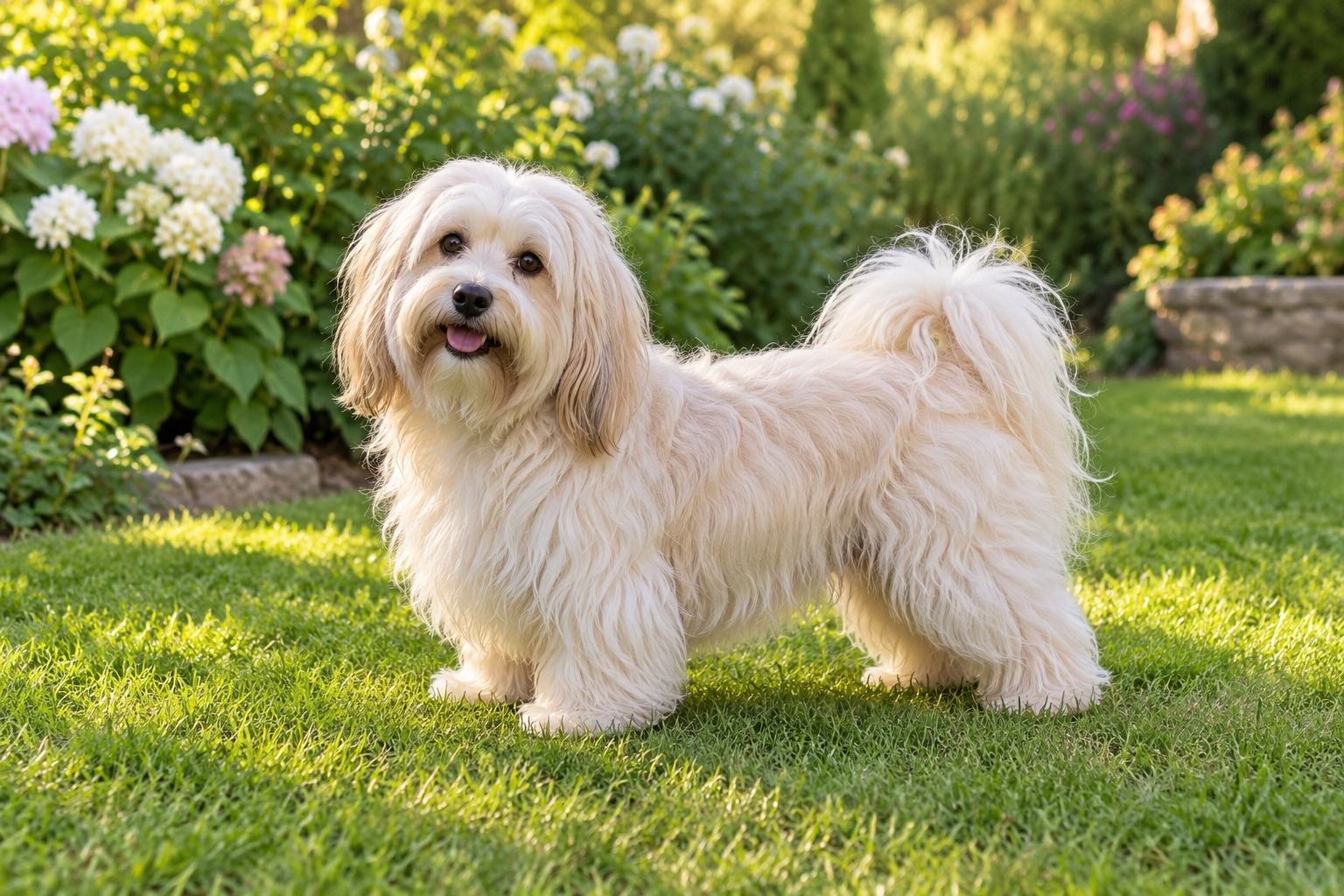 HavaneseSmall • Toys (Group 1)
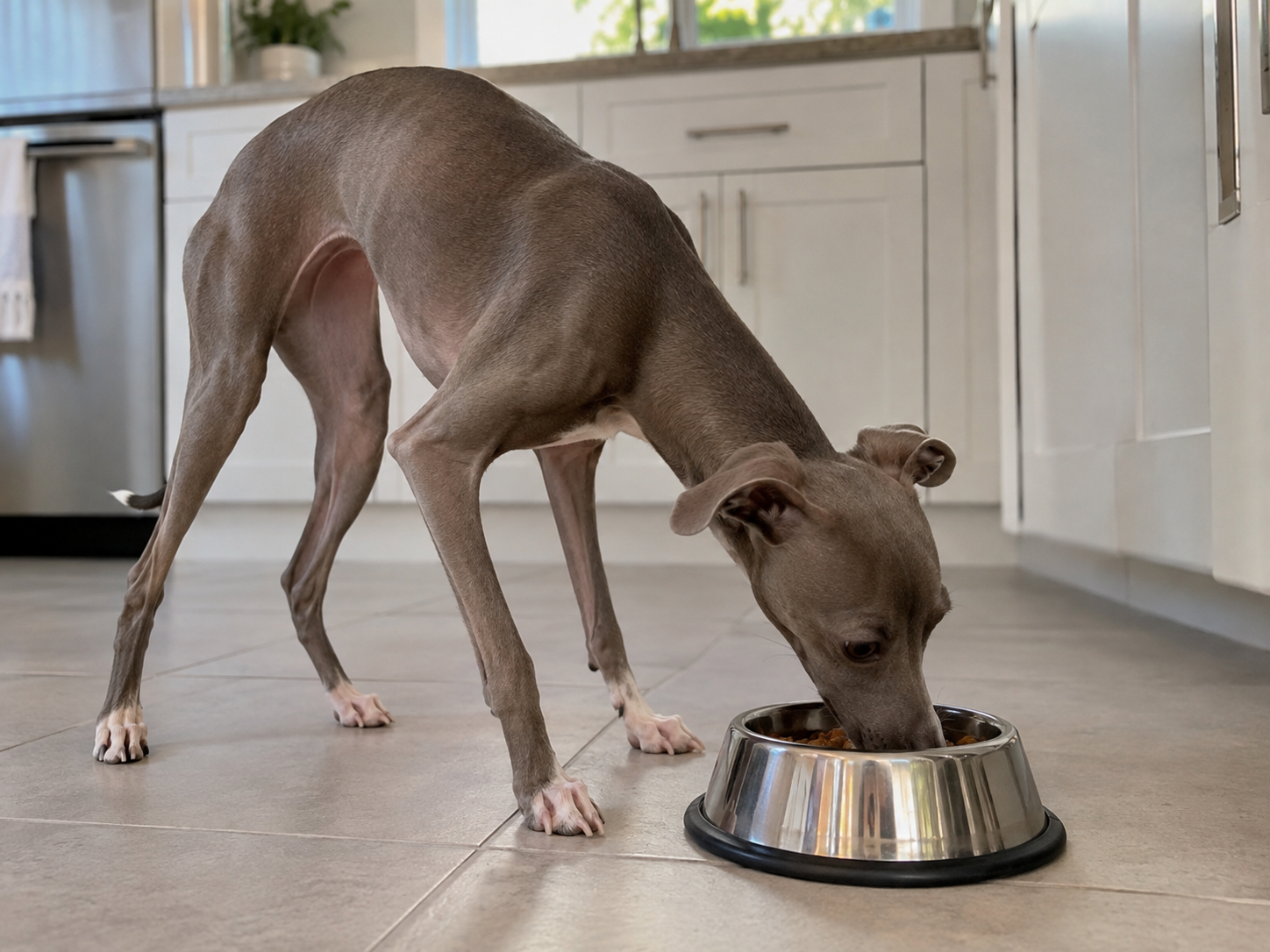 Italian GreyhoundSmall • Toys
 LowchenSmall • Toy (Group 1)
 PomeranianSmall • Toy
 PugSmall • Companion
 Shih TzuSmall • Toy