Shih Tzu
By James C. • Updated
The Shih Tzu is a small Tibetan companion breed developed for life indoors alongside people rather than for any working role. It is sturdy for its size, consistently affectionate, and one of the least demanding breeds in terms of exercise. Most stand 25 to 28 cm and weigh 4 to 7.5 kg, with a lifespan of 11 to 15 years. The breed suits households wanting a genuine indoor companion and willing to commit to daily coat care and careful heat management in Australian summers.
Breed Overview
Life Span
11 - 15 years
Average Price
AUD 1600 - AUD 3000
Weight
Male: 4 - 7.5 kg Female: 4 - 7.5 kg
Height
Male: 25 - 28 cm Female: 25 - 28 cm
Life Expectancy
Male/Female: 11 - 15 years
Breed Group
Toy
Nicknames
Chrysanthemum Dog, Lion Dog
Breed Information
The Shih Tzu was bred for one job, which was to be a companion, and it is unusually good at it. Unlike most small breeds it has no working heritage as a ratter, hunter or guard. It was developed in Tibetan monasteries and refined in the Chinese imperial court as a household dog, and centuries of selection purely for temperament have produced an animal that is genuinely content sitting with people all day.
That history has two practical consequences. The temperament is exceptionally reliable, with far less of the reactivity, prey drive or nervousness common in other toy breeds. The physical package is more complicated, because the flattened face that was selected for appearance carries real health implications, particularly in a hot country.
The Shih Tzu is popular in Australia but the pedigree side of the market is small. There are 31 registered Australian breeders with puppies available from only a couple at any given time, while the classified market is very active. That gap between registered supply and general demand is the central thing a buyer needs to understand before starting a search.
Characteristics of the Shih Tzu
The Shih Tzu rates highly for adaptability and temperament and very low for exercise needs, with grooming and heat tolerance the two areas that demand real commitment.
| Trait | Rating | Star Rating | Meaning |
| Size | Small | ★ | 4 to 7.5 kg, easy to carry and suited to any size of home. |
| Adaptability | Excellent | ★★★★★ | Thrives in apartments and needs no yard of its own. |
| Exercise Needs | Low | ★★ | Around 30 minutes daily, limited further in warm weather. |
| Easy to Train | Moderate | ★★★ | Willing but stubborn, and toilet training often takes longer than average. |
| Amount of Shedding | Low | ★★ | Sheds little, but loose hair stays in the coat and mats. |
| Grooming Needs | Very High | ★★★★★ | Daily brushing in full coat, or a clip every six to eight weeks. |
| Good With Children | Very Good | ★★★★ | Patient and tolerant, one of the steadiest toy breeds with children. |
| Health | Moderate | ★★★ | Sound temperament, but the flat face brings airway and eye risks. |
| Cost to Keep | Moderate to High | ★★★★ | Small appetite offset by professional grooming every six to eight weeks. |
| Tolerates Being Alone | Low | ★★ | Bred for company and unhappy left alone through a full working day. |
| Intelligence | Good | ★★★★ | Bright and observant, though not motivated by obedience for its own sake. |
History of the Shih Tzu: From Tibetan Monastery to Imperial Court
The Shih Tzu descends from small Tibetan companion dogs that were kept in monasteries and given as gifts to Chinese emperors. In the imperial court they were bred further for appearance and temperament, and the name translates roughly as lion dog, a reference to the resemblance sought between the groomed coat and depictions of lions in Buddhist art.
Because these dogs were court property rather than commercial stock, breeding was tightly controlled for centuries and the population outside the palace was very small. The breed nearly disappeared during the political upheavals of the early twentieth century, and every modern Shih Tzu descends from a small number of dogs exported to Europe in the 1930s.
That narrow founding population matters practically, because it means the gene pool is smaller than the breed's global popularity suggests. It is one reason health testing and breeder selection deserve more attention here than the breed's easy-going reputation might imply.
Appearance of the Shih Tzu: Flat-Faced, Long-Coated, and Solidly Built
Size and Build
Shih Tzus stand roughly 25 to 28 cm and weigh 4 to 7.5 kg. Despite the toy classification the breed is solidly built, with a broad chest and heavy bone relative to its height, and a well-conditioned Shih Tzu feels substantially heavier than it looks. The body is slightly longer than tall.
Coat and Colours
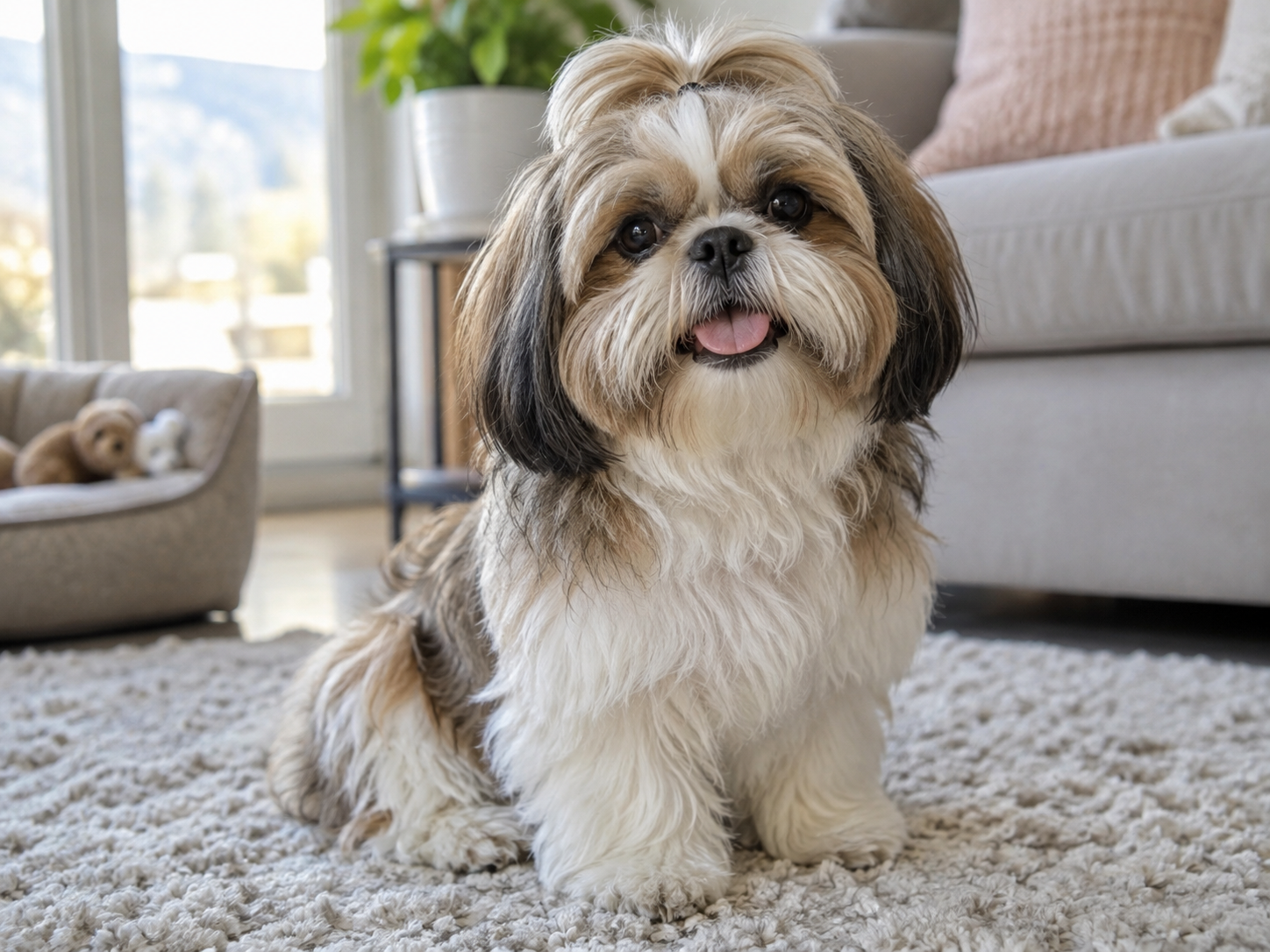
The coat is long, dense and double-layered, growing continuously rather than shedding out seasonally. Almost every colour and combination occurs, including gold, white, black, brindle, liver and blue, usually with white markings. The coat sheds very little, which is often mistaken for being low maintenance when the opposite is true: loose hair stays trapped in the coat and forms mats unless it is brushed out.
Distinctive Features
The flattened face, undershot jaw and large round eyes are the breed's signature and the source of most of its health considerations. The eyes sit prominently in shallow sockets, which is why corneal injury is a recognised risk. The nose should be level with or slightly above the lower eye rims, and unusually flat faces with pinched nostrils are a welfare concern rather than a desirable trait.
Gender Differences
Differences between the sexes are slight. Males average marginally heavier and are frequently described as more openly affectionate, while females can be a little more self-contained. Neither is meaningfully easier to groom, train or live with, and the choice can reasonably be made on the individual puppy rather than on sex.
Temperament of the Shih Tzu: Affectionate, Steady, and Quietly Stubborn
Core Personality Traits
The Shih Tzu is friendly, calm and consistently people-focused. It is one of the few small breeds that is genuinely relaxed rather than merely tolerant, and it is notably less prone to the anxious reactivity common in toy dogs. Most Shih Tzus are happy to be handled, carried and included in whatever the household is doing.
Social Behaviour
The breed is typically welcoming rather than reserved with strangers and gets on well with other dogs. It has almost no guarding instinct and very little prey drive, which makes it one of the safer small breeds around cats and other pets. Barking is moderate: Shih Tzus will announce a visitor but are not usually persistent barkers.
Bonding and Attachment
This is a breed built to be with people, and it forms strong attachments to the whole household rather than fixating on one person. That is a genuine advantage in a family home. The corresponding weakness is tolerance of solitude, and a Shih Tzu left alone from morning to evening most days is not a well-served dog.
Common Behavioural Challenges
Two issues come up repeatedly. The first is toilet training, which is slower in this breed than most and is often complicated by a reluctance to go outside in rain. The second is being left alone: because the breed was selected for constant company, the signals that a dog is struggling when left alone tend to appear as whining, scratching at doors and refusing to settle rather than as dramatic destruction. Stubbornness is the third, and it is best handled by making the desired behaviour more rewarding rather than by escalating pressure.
Intelligence and Trainability of the Shih Tzu: Bright but Unmotivated by Obedience
Intelligence and Learning Ability
Shih Tzus are observant and learn household routines quickly, but they were never selected to take direction and show little intrinsic interest in obedience work. Owners often mistake this for low intelligence. A Shih Tzu will learn a cue perfectly well and then decide whether complying is worth its while, which is a motivation problem rather than a comprehension one.
Training Approach
Food is the reliable lever with this breed, and short sessions work far better than long ones. Keep expectations proportionate: a well-trained Shih Tzu has reliable recall in the house, walks acceptably on a lead, tolerates grooming and handling, and sleeps where it is asked. Competitive obedience is not what the breed is for.
Early Socialisation
Handling tolerance is the single most valuable thing to train early in this breed. A Shih Tzu will spend its life being brushed, having its face wiped, having eyes and ears checked and being clipped by a stranger every couple of months. Puppies that are taught to accept restraint, foot handling and face touching calmly are far easier and cheaper to care for as adults. Start before the coat needs it, not when it does.
Potential Training Challenges
Toilet training is the main one and usually resolves with consistency and patience rather than a change of method. The second is lead manners, since a small dog that pulls is easy to ignore until it is a habit. The third is grooming tolerance in dogs that missed early handling work, which frequently ends with sedation for clipping and is entirely preventable.
Shih Tzu Family Life: Living with Children, Pets, and Households
Living with Children
Shih Tzus are among the better toy breeds for families. They are patient, rarely snap, and are sturdy enough to cope with normal family life in a way that finer-boned toy breeds are not. Supervise young children as with any small dog, teach them not to carry the dog, and protect the eyes in particular, since prominent eyes in a dog at toddler height are vulnerable to accidental pokes and scratches.
Living with Other Pets
The breed generally lives easily with other dogs and, unusually, with cats. Prey drive is minimal, so households with rabbits, birds or guinea pigs are far less problematic than they would be with a terrier or sighthound. The main caution is with large boisterous dogs, on physics rather than temperament.
Household Environment
The Shih Tzu is an excellent apartment dog. It needs no yard, exercises modestly, barks moderately and is content indoors. What it does need is climate control. A Shih Tzu in an un-airconditioned upstairs flat through a Brisbane or Perth summer is in a genuinely difficult position, and that should factor into the decision more heavily than floor space does.
Lifestyle Compatibility
The ideal home has someone present for much of the day, indoor comfort year round, and a realistic budget for grooming. The breed suits retirees, people working from home, and families with school-age children particularly well. It suits households out from eight until six poorly, and outdoor-only living not at all.
Health of the Shih Tzu: Airway, Eyes, and Heat Tolerance
Lifespan and Healthy Living
Shih Tzus commonly live 11 to 15 years, with Dogs Australia giving an average of 15. The factors most within an owner's control are keeping the dog lean, staying ahead of dental disease, protecting the eyes, and managing heat carefully. Weight matters more than usual here, because excess weight worsens an already compromised airway.
Common Health Conditions
Owners should be aware of several conditions that can be associated with the breed. It is best to discuss any concerns with a veterinarian.
- Brachycephalic obstructive airway syndrome. The shortened skull compresses the soft tissues of the airway, which can cause noisy breathing, exercise intolerance and, in more affected dogs, real distress. Severity varies widely between individuals.
- Heat intolerance. A direct consequence of the airway, covered in detail below because it is the defining Australian issue for this breed.
- Eye injury and disease. Prominent eyes in shallow sockets bring risk of corneal ulcers, dry eye and, in some dogs, an incomplete blink that leaves part of the cornea exposed.
- Dental disease. The undershot jaw crowds the teeth, and periodontal disease is very common.
- Luxating patella and hip dysplasia. Both reported in the breed and worth asking about.
- Umbilical and inguinal hernias. Noted by Dogs Australia as occurring in the breed.
Genetic Health Testing
There is no single DNA panel that covers the Shih Tzu's main problems, because the most important ones are structural rather than genetic in a testable sense. That makes what you can observe more important than what a certificate says. Ask to hear the parents breathe at rest and after mild activity, look at the openness of their nostrils, and ask whether either parent has ever had airway surgery. Ask for eye examination results and patella assessments, and ask directly about the dental condition of the parents. A breeder who is selecting for a more open airway and a slightly less extreme face is producing healthier dogs, and is worth paying more for.
Preventative Health Care
Daily tooth brushing, daily face and eye cleaning, and weekly ear checks are the routine that keeps this breed comfortable. The facial folds trap moisture and need drying after eating and drinking. Ears are pendulous and hairy, and owners noticing why a dog's ears start to smell will usually find the answer is trapped moisture and hair rather than anything exotic. Maintain year-round parasite prevention including paralysis tick cover on the east coast, and check how often a dog should be booked in for a check if you are unsure, since annual visits are the baseline for a healthy adult.
Caring for the Shih Tzu: Daily Care and Living Environment
Daily Care Routine
A realistic day is a short walk in cool hours, a face and eye wipe, a brush through the coat, and a good deal of company. Feed twice daily with measured portions. The daily commitment is small in time but genuinely daily, and the households that struggle with this breed are usually the ones that treated the coat and face care as weekly tasks.
Living Environment Requirements
Indoor living with reliable cooling is the requirement that matters. Provide shade and water if the dog spends time outside, and avoid leaving a Shih Tzu outdoors unattended in warm weather at all. Flooring and fencing are not significant concerns for this breed, and it is one of the few dogs genuinely suited to a home with no outdoor space at all.
Climate Sensitivity
Heat is the most important practical issue in owning a Shih Tzu in Australia, and it is the thing most breed guides mention in a single sentence and then drop. A shortened airway is a less efficient cooling system, and dogs cool themselves primarily by panting. The RSPCA notes that brachycephalic dogs suffer exercise and heat intolerance as a direct consequence of upper airway obstruction and are substantially more likely to suffer heat stroke, which it treats as a recognised welfare concern for flat-faced breeds.
In practice that means walking early morning and after dusk through summer, skipping walks entirely on hot or humid days rather than shortening them, testing the pavement with the back of your hand, keeping the dog in air conditioning or in front of a fan during heatwaves, and never leaving it in a parked car even briefly. Humidity matters as much as temperature, so a 28 degree humid day in Brisbane is more dangerous than a 32 degree dry day in Adelaide. Learn how hot is too hot for a dog in Australia and treat those thresholds as lower for this breed than for most. Early signs of heat stress include noisy laboured breathing, thick drool, unsteadiness and bright red gums, and any of them warrant immediate cooling and a call to a vet.
Caring for Senior Shih Tzus
Older Shih Tzus often do well, though airway function tends to worsen with age and weight. Watch for increased snoring, reduced exercise tolerance and any change in the sound of breathing at rest. Dental disease and eye problems both become more likely, and both are worth staying ahead of rather than responding to.
Grooming of the Shih Tzu: The Real Commitment of the Breed
Coat Maintenance
A Shih Tzu in full coat needs brushing and combing every day, without exception. The coat grows continuously and traps the hair it sheds, so a few missed days become mats and mats become a clip-off at the groomer. Most Australian owners keep their dogs in a short pet clip, which is a sensible decision rather than a compromise, and reduces daily brushing to a few minutes.
Face, Eye, and Fold Care
Wipe the face daily, particularly after meals, and keep the hair around the eyes trimmed or tied up so it cannot rub the cornea. Tear staining is common and largely cosmetic, but persistent wetness, squinting or pawing at an eye is not, and should be seen promptly given how exposed the eyes are in this breed.
Ear, Nail, and Dental Care
Ears are pendulous and grow hair inside the canal, which traps moisture. Check weekly and have a groomer or vet manage the ear hair rather than plucking it yourself. Trim nails every three to four weeks. Brush teeth daily if possible, since the crowded undershot jaw makes this breed one of the worst affected by periodontal disease.
Bathing and Professional Grooming
Professional grooming is the largest recurring cost of owning a Shih Tzu and should be budgeted for from the start. Most dogs need a full groom every six to eight weeks. As an Australian reference point, an Adelaide salon lists a Shih Tzu full groom from $85 and a wash and tidy from $70, with surcharges for matted or overlong coats. At eight-weekly intervals that is roughly $550 a year at the lower end, before any extra charges.
Exercise Needs of the Shih Tzu: Modest, and Weather Dependent
Daily Exercise Requirements
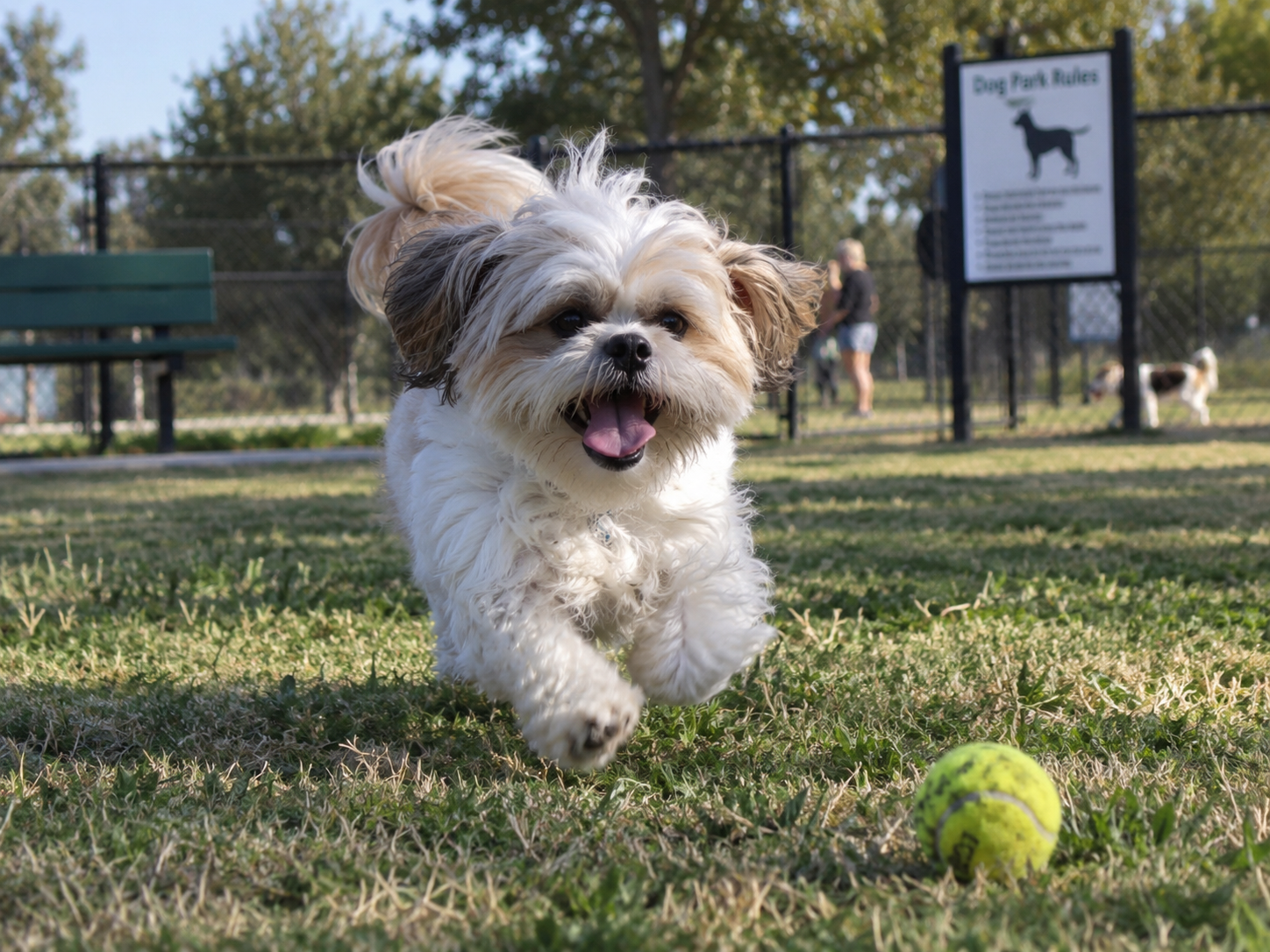
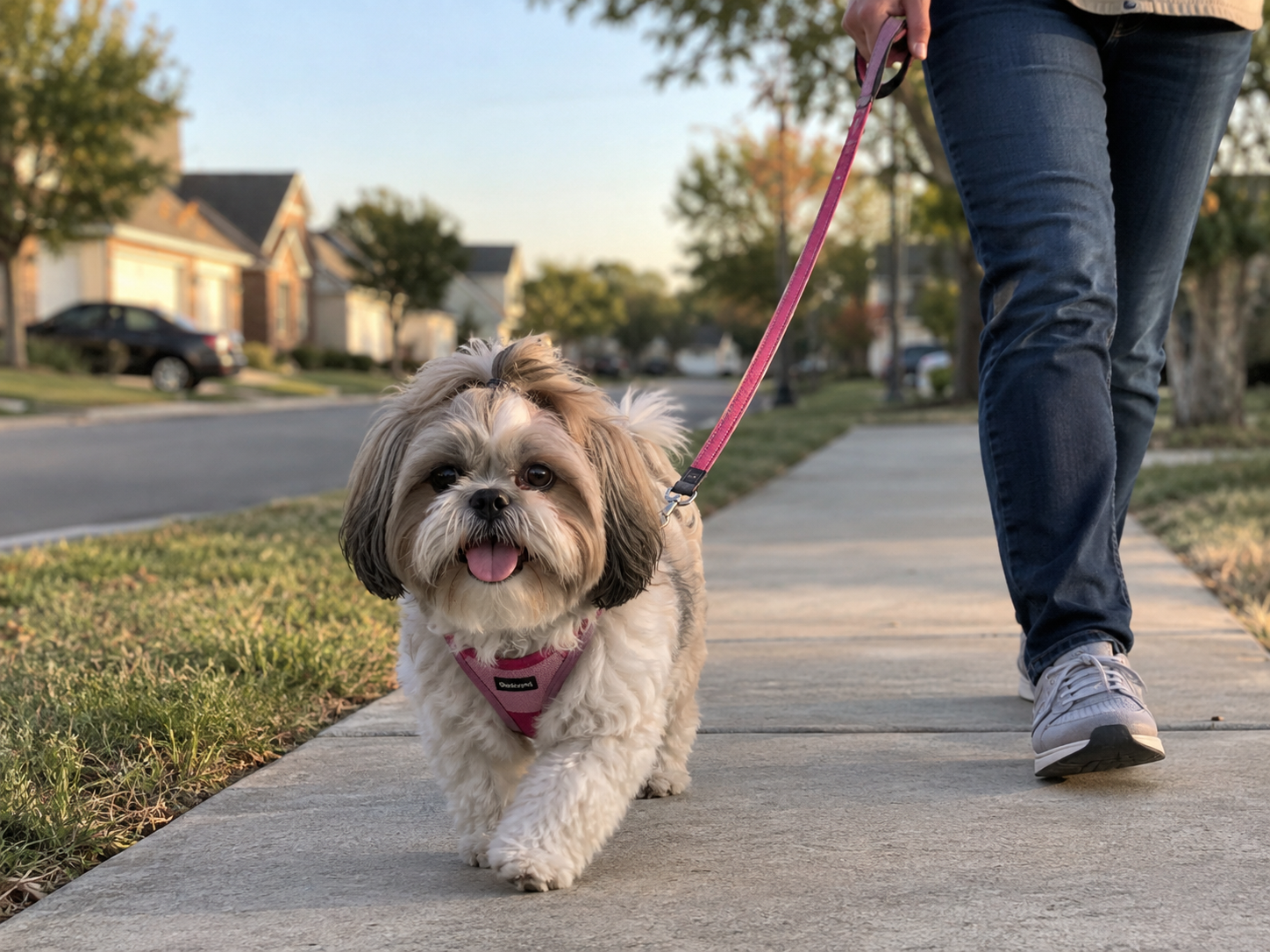
Around 30 minutes a day suits most adult Shih Tzus, split into two short walks. This is one of the genuinely low-exercise breeds, and it does not need running, long hikes or a large yard. What it does need is that walking to happen at a safe time of day, which through an Australian summer means early and late rather than at convenience.
Activities Shih Tzus Enjoy
Gentle lead walks, indoor play, short training games and simply being included in household activity suit the breed well. Many enjoy sniffing walks far more than brisk ones, and letting a Shih Tzu investigate at its own pace provides more satisfaction than covering distance does.
Exercise Limitations
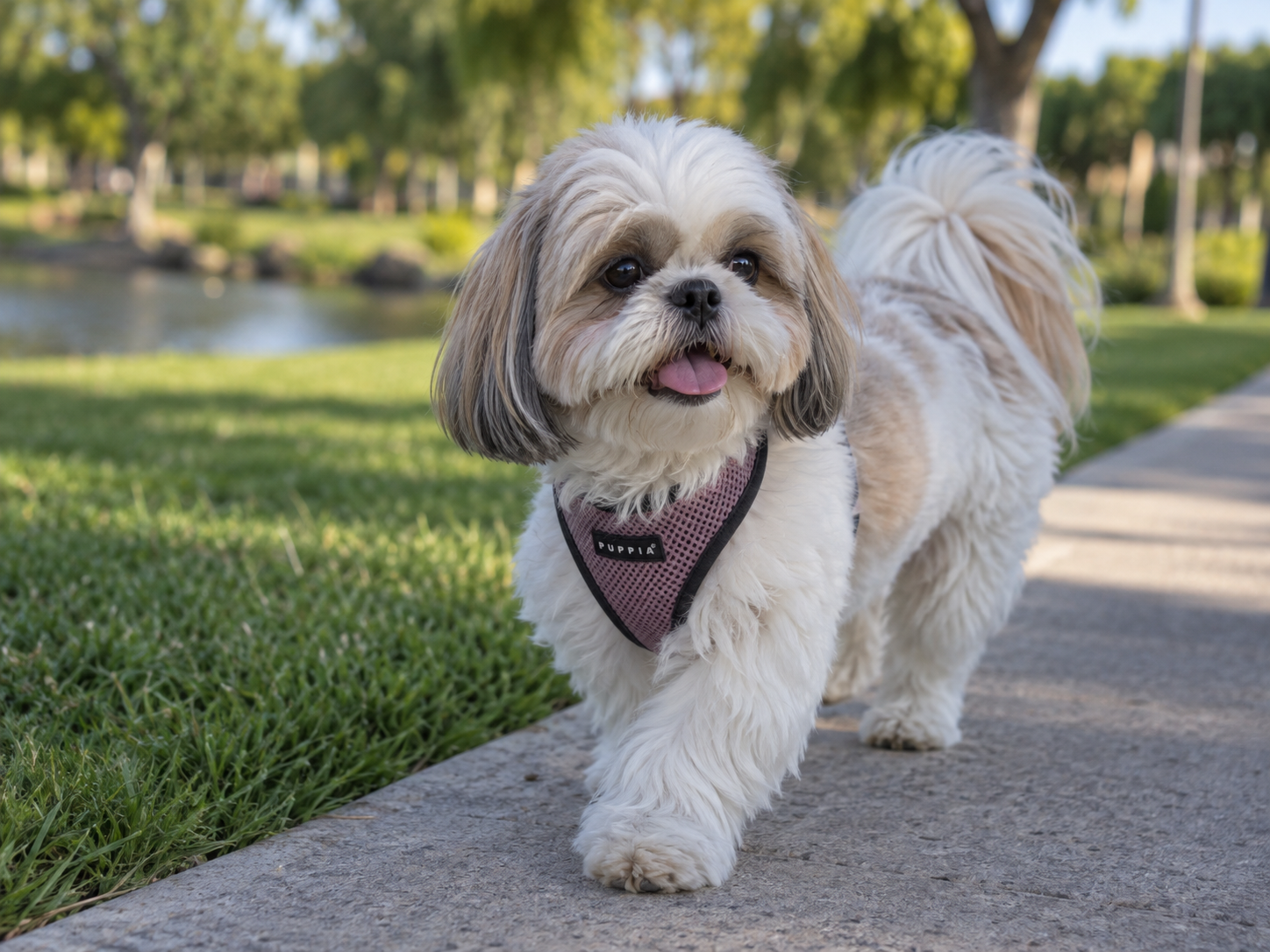
This is the section that matters most for the breed. A Shih Tzu should not be pushed through exercise when it is breathing noisily, and should never be exercised in the heat of the day. Avoid harnesses and collars that press on the throat, since a compromised airway does not need additional pressure, and use a well-fitted harness that sits across the chest. Puppies need very little formal exercise, and seniors should have distance reduced rather than pace increased.
Importance of Mental Stimulation
Mental engagement matters more than physical exercise in this breed. Puzzle feeders, short training sessions, scent games and simply having company fill the day well. A Shih Tzu that has been included in the household is content, and one that has been left alone in a quiet house is not, regardless of how far it walked that morning.
Feeding the Shih Tzu: Nutrition and Diet Needs
Nutritional Requirements
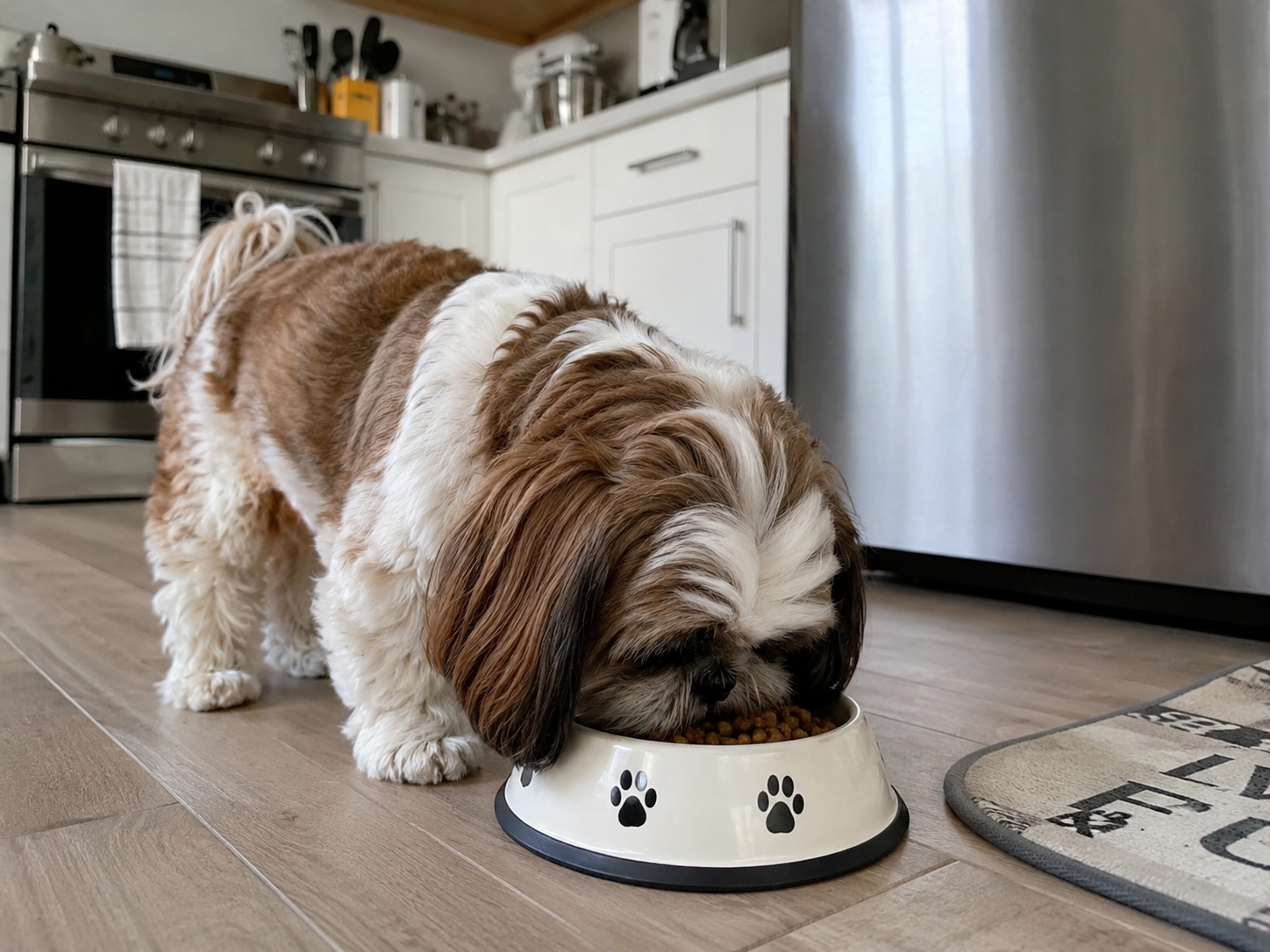
A complete small-breed diet with an appropriate kibble size suits the Shih Tzu, and the undershot jaw makes kibble shape genuinely relevant. Some dogs manage flat or small kibble much better than large round pieces.
Feeding by Life Stage
Feed puppies three to four times daily until around four months, then twice daily for life. Growth is unremarkable in this breed and puppies should look well covered but not round.
Portion Control and Weight Management
Weight control is a respiratory issue in this breed, not a cosmetic one. Extra weight directly worsens airway function and heat tolerance, and an overweight Shih Tzu is measurably less comfortable in an Australian summer than a lean one. You should be able to feel the ribs easily under the coat, which is worth checking by hand rather than by eye given how much the coat conceals.
Foods to Avoid
The standard toxic list applies and carries more weight at 5 kg than at 25 kg: grapes, sultanas, chocolate, onion, garlic, macadamias and anything containing xylitol. Cooked bones should be avoided entirely. Facial folds mean wet or sticky foods need a face wipe afterwards.
Shih Tzu Price in Australia: Purchase Cost and Ongoing Expenses
Puppy Purchase Price
Expect to pay between $1,600 and $3,000 for a purebred Shih Tzu puppy in Australia, with a median asking price of $2,300. That comes from a survey of 20 priced purebred listings on 8 September 2026. The full range ran from $900 to $4,500, with the top figure attached to a listing advertised as a teacup, which is a marketing term rather than a recognised size variety and generally signals a breeder to avoid.
Two findings are worth knowing. Not one classified listing surveyed mentioned ANKC registration or pedigree papers. Several quoted RPBA or DACO numbers, which are commercial breeder registrations demonstrating the seller is licensed to breed, not evidence of pedigree or health testing. Those are different things and are easily confused. Separately, the registered breeder side of the market publishes no prices at all, so there is no reliable papered comparison available.
The Maltese Shih Tzu cross is a much larger market than the purebred: 47 priced listings against 20, with a median of $1,900. That is roughly $400 below the purebred median, so a cross is cheaper but not dramatically so.
Initial Setup Costs
Beyond the purchase price, Australian guidance from the RSPCA puts microchipping at $60 to $80, a puppy vaccination course at $280 to $420, desexing at $350 to $650, a collar, lead or harness at $40 to $100, and a bed at $100 to $200, with puppy school around $170. For this breed add grooming tools that will actually be used daily, a slicker brush and a steel comb, and a first professional groom booked early so the puppy learns to accept it.
Ongoing Monthly Costs
| Cost | Typical figure (AUD) | Source |
| Professional grooming | From $85 per full groom, every 6 to 8 weeks, roughly $550 or more per year | Australian salon price list, Adelaide, September 2026 |
| Food | Well below the $91 monthly average, given a 5 kg body weight | Animal Medicines Australia, Pets in Australia 2025 |
| Parasite prevention | $122 per year average actual spend | Animal Medicines Australia, Pets in Australia 2025 |
| Pet insurance | Around $1,374 per year for a medium dog, though brachycephalic conditions are commonly excluded or loaded | Canstar, prepared March 2026 |
| Annual vet check and booster | $140 and upwards per year | RSPCA NSW |
Check the insurance exclusions before you buy, not after. Many policies treat brachycephalic airway conditions as breed-related and either exclude them or apply a loading, which matters because that is precisely the problem this breed is most likely to need cover for. It is worth understanding how insurance and routine care costs add up before committing.
Long-Term Financial Commitment
Across an 11 to 15 year lifespan the Shih Tzu sits near the average of roughly $2,520 a year that Animal Medicines Australia reports dog-owning households spending, but the composition is unusual. Food is cheap and exercise costs nothing, while grooming is a large predictable recurring expense and dental work is close to inevitable. Airway surgery, if needed, is the one item that can move the total substantially.
Buying Advice for a Shih Tzu: Choosing a Healthy Puppy
Choosing a Responsible Breeder
The registered market is small, with 31 Australian breeders listed and only a couple with puppies at any given time, while the classified market is very large. That imbalance is why this breed attracts high-volume commercial breeding, and why breeder selection deserves more care here than the breed's easy reputation suggests. Working through the questions that separate a good breeder from a bad one is worth doing before you contact anyone.
Be clear about what a registration number means. An RPBA or DACO number tells you a breeder is licensed to operate. An ANKC prefix and pedigree papers tell you the dog's ancestry is recorded and the breeder answers to a body with a code of ethics. Sellers sometimes present the former as though it were the latter.
Health Checks Before Purchase
Listen to the puppy and both parents breathe, at rest and after a little movement. Noisy breathing in a resting puppy is a warning sign, not a breed charm. Look at the nostrils, which should be open rather than pinched. Check the eyes are clear and fully closed when blinking, look at the bite, and ask to see the mother's teeth. Request written vaccination, worming and microchipping records and confirm the microchip number matches the paperwork.
Questions to Ask the Breeder
- Can I hear both parents breathe at rest?
- Has either parent had airway surgery, or been assessed for airway function?
- Are the puppies registered with the ANKC, and on the Main or Limited Register?
- What is your registered prefix, or is your number a commercial breeder registration?
- Have the parents had recent eye examinations, and can I see the results?
- Have the parents been assessed for luxating patella?
- What is the dental condition of the parents?
- What handling and grooming has the puppy already been introduced to?
Considering Adoption
Shih Tzus appear in rescue regularly, often surrendered as adults with badly matted coats and neglected teeth. Both are fixable and neither should rule out a dog. An adult Shih Tzu is a straightforward proposition because temperament in this breed is consistent and predictable. Anyone buying instead should be alert to what an online puppy scam typically looks like, since high demand and a thin registered supply is exactly the market condition scammers exploit.
Is the Shih Tzu Right for You? An Indoor Companion With a Grooming Bill
Lifestyle Compatibility
This breed suits people who want a dog in the house and on the lap rather than out on the trail. It works well for apartment dwellers, retirees, families with school-age children and anyone whose main requirement is company. It works poorly for households out all day, for people who want an exercise partner, and for homes without reliable cooling in hot parts of the country.
Time and Care Commitment
Exercise is minimal at around half an hour daily. Grooming is the real commitment: daily brushing in full coat or short daily upkeep in a pet clip, daily face care, and a professional groom every six to eight weeks. That is a modest amount of time but it is genuinely every day, for twelve to fifteen years.
Grooming and Health Awareness
You are taking on a flat-faced breed in a hot country. That means managing exercise around the weather rather than the calendar, watching weight closely because it affects breathing, protecting prominent eyes, and checking insurance exclusions before purchase rather than after a claim.
Ideal Owner Profile
The Shih Tzu suits a home-based owner who wants an affectionate, low-exercise companion and has budgeted honestly for grooming. It is one of the better breeds for first-time owners on temperament alone. It rewards people who enjoy daily hands-on care and frustrates anyone hoping for a wash-and-wear dog.
Find Shih Tzu Puppies for Sale
If the breed fits your household, you can browse current listings on Pups4Sale. Prioritise sellers who let you hear the parents breathe, are clear about whether their registration is a pedigree body or a commercial licence, and welcome questions about airway and eyes.
Frequently Asked Questions
Related Breeds
Other toy breeds on Pups4Sale.
 Yorkshire TerrierSmall • Toy (Group 1)
 AffenpinscherSmall • Toy
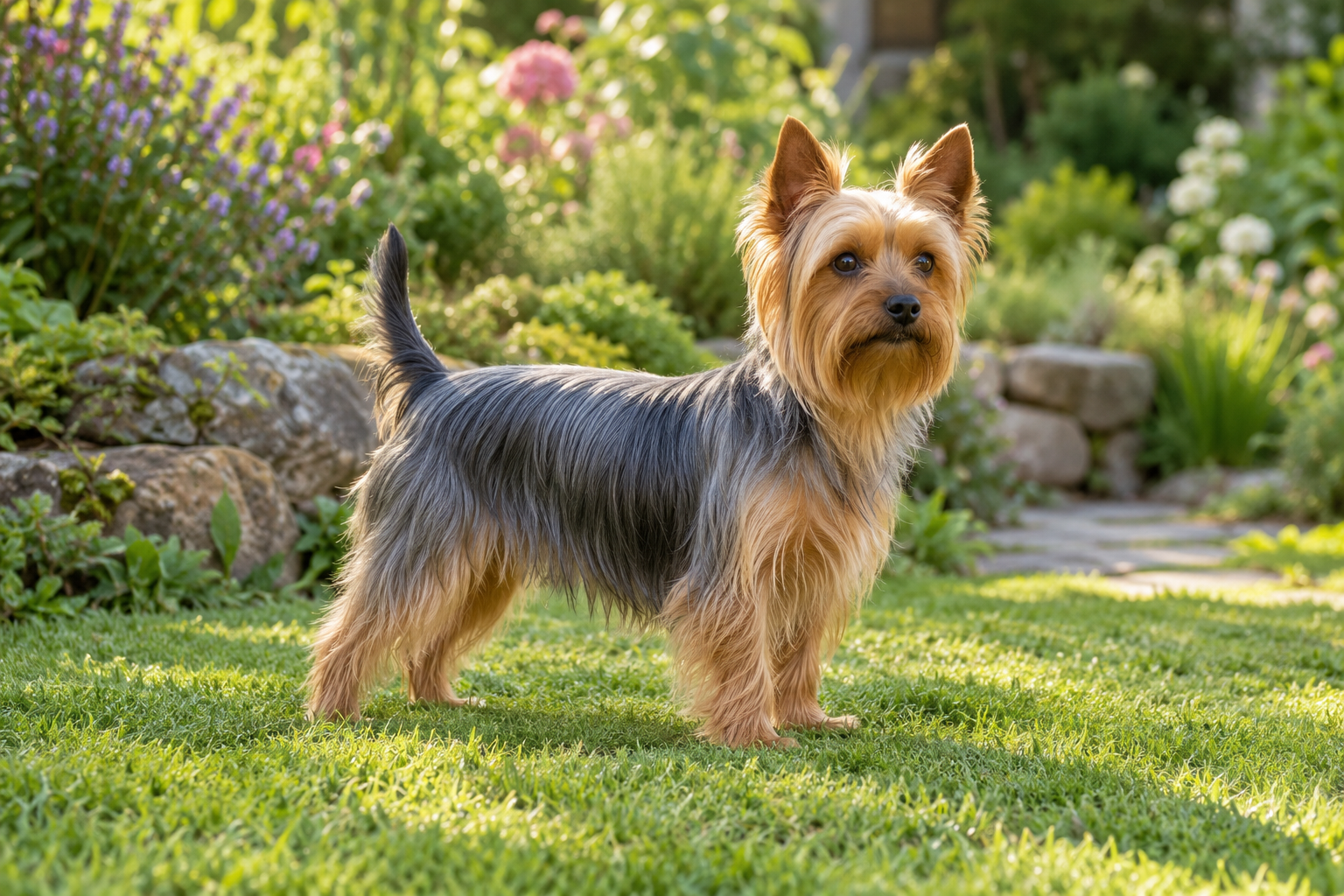 Australian Silky TerrierSmall • Toys (Group 1)
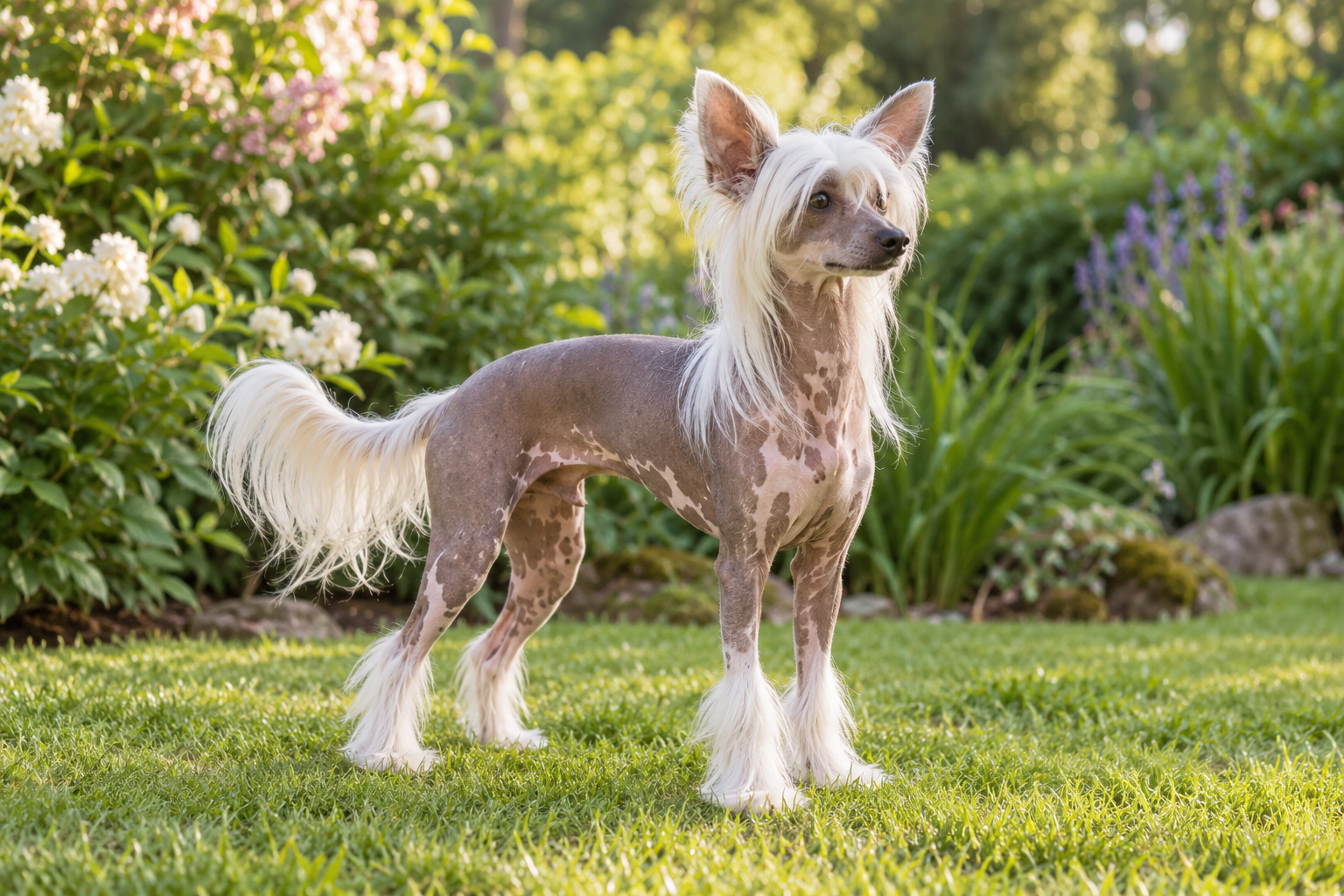 Chinese Crested DogSmall • Toys (Group 1)
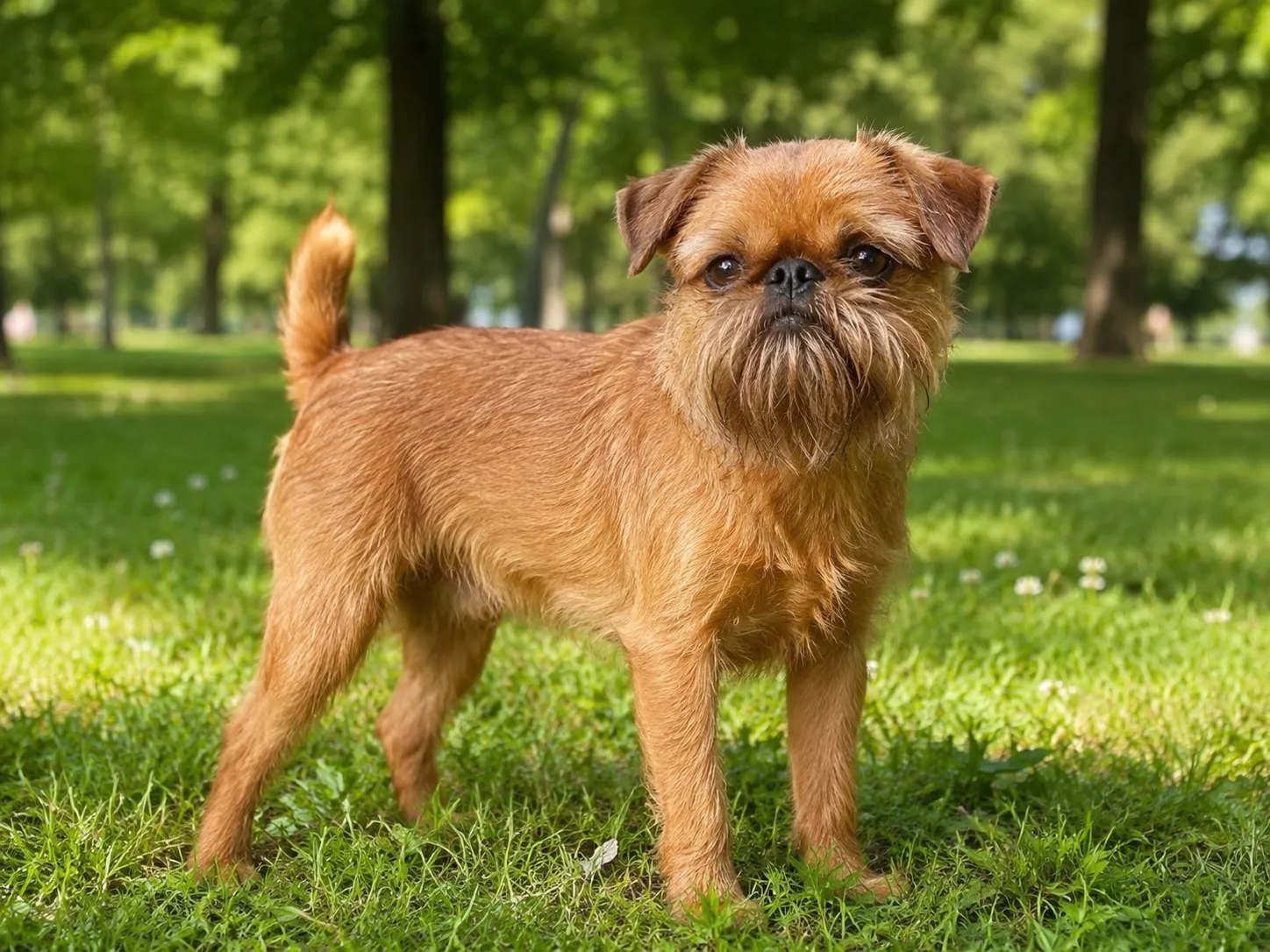 Griffon BruxelloisSmall • Toy
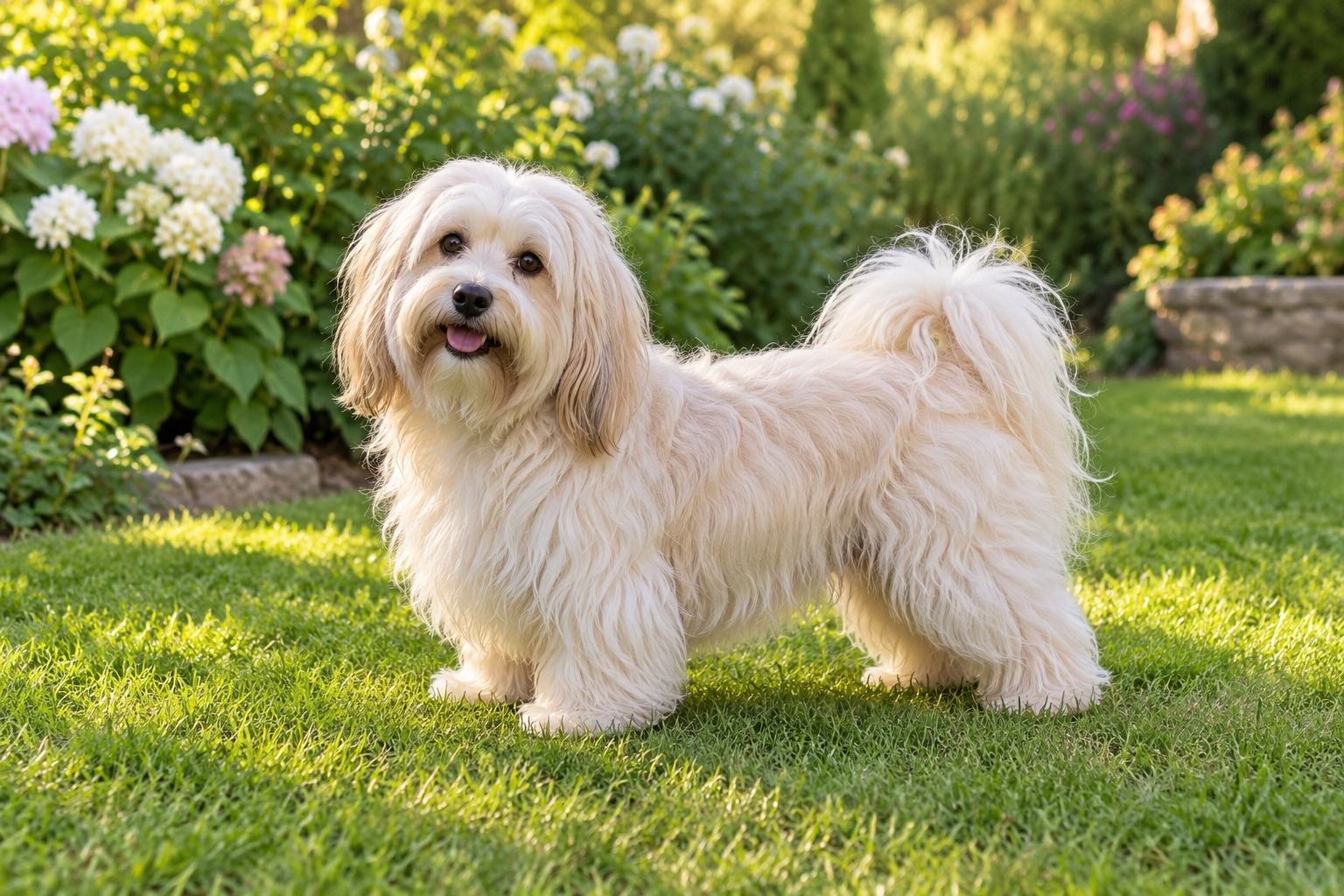 HavaneseSmall • Toys (Group 1)