Australian Silky Terrier
By James C. • Updated
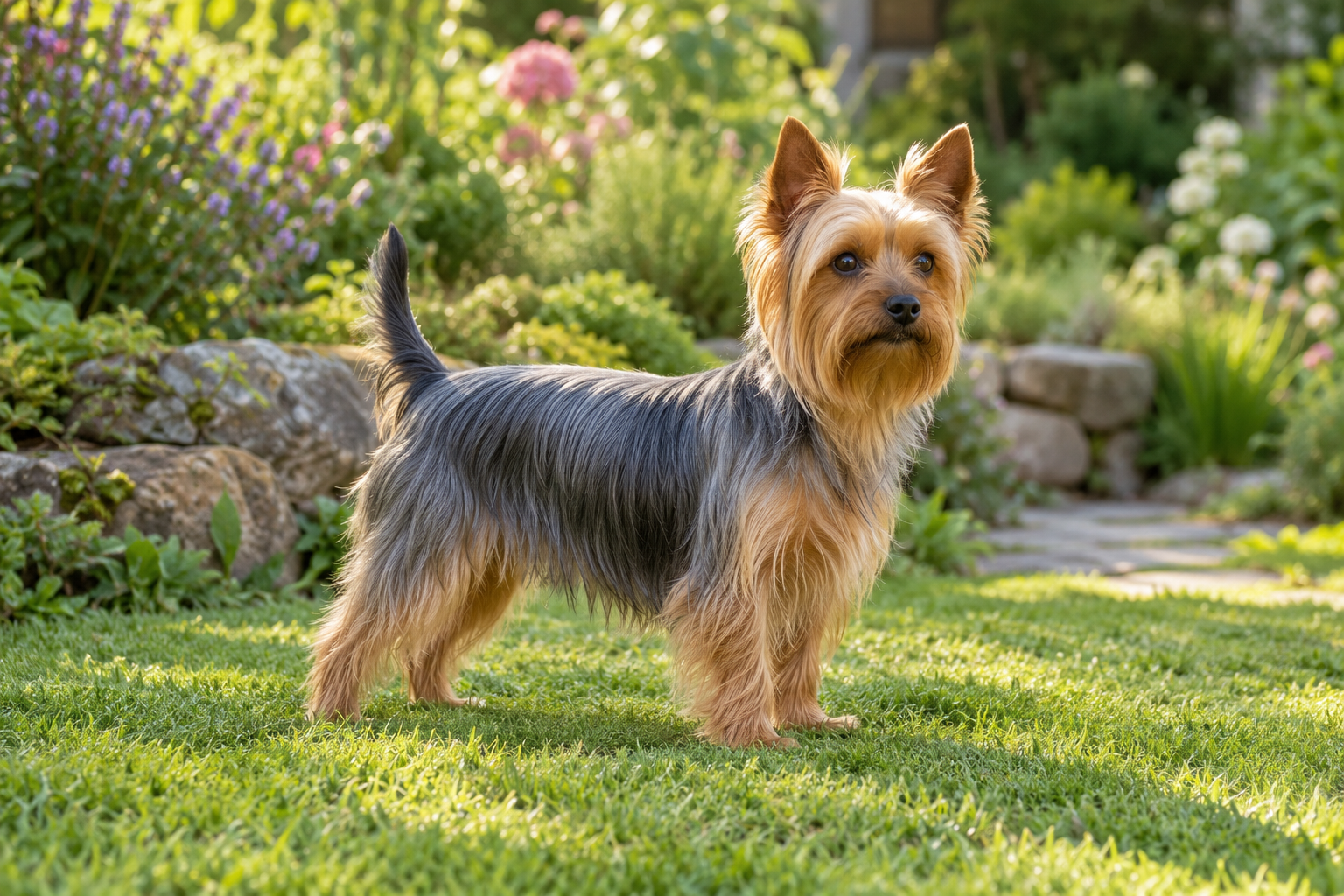
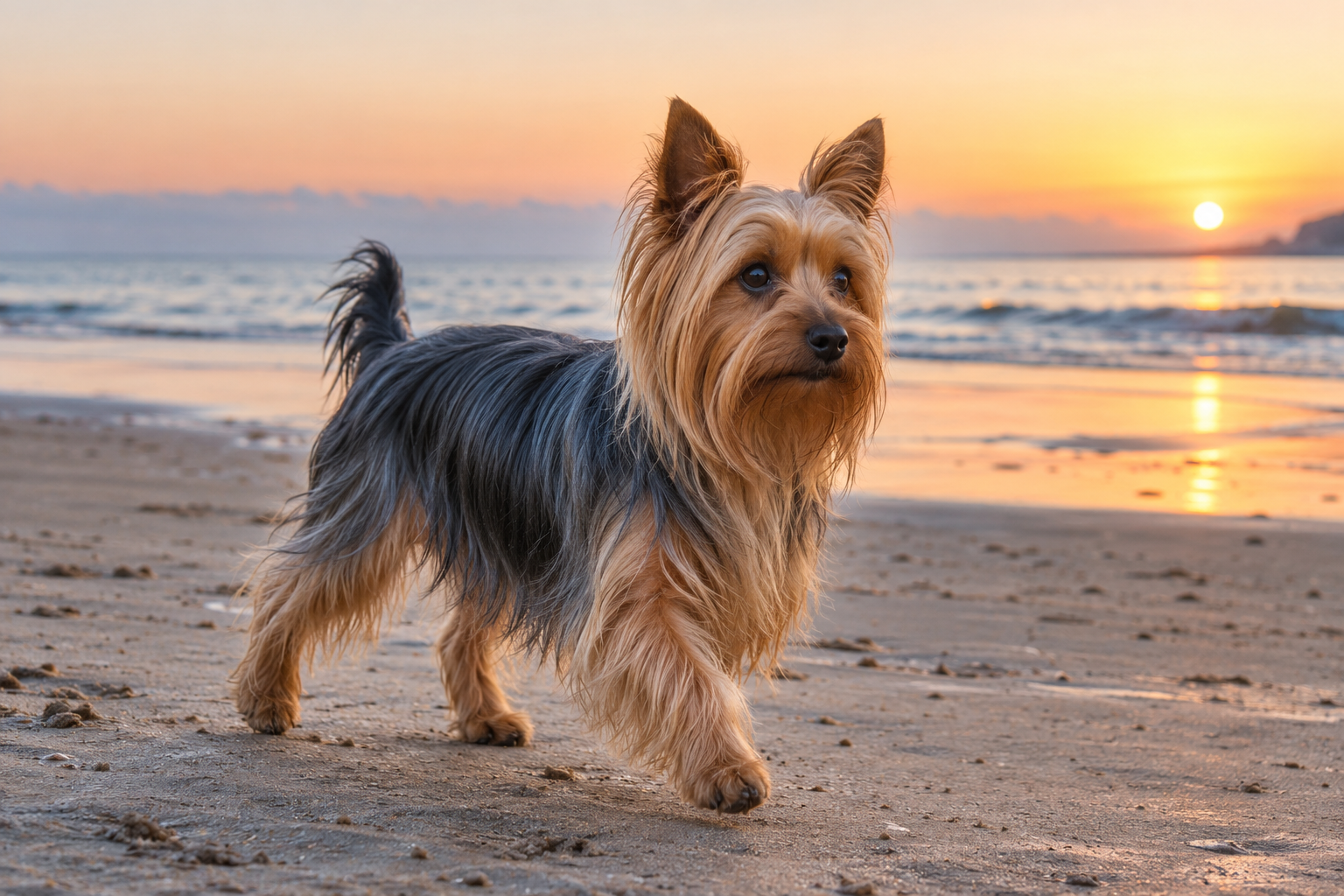
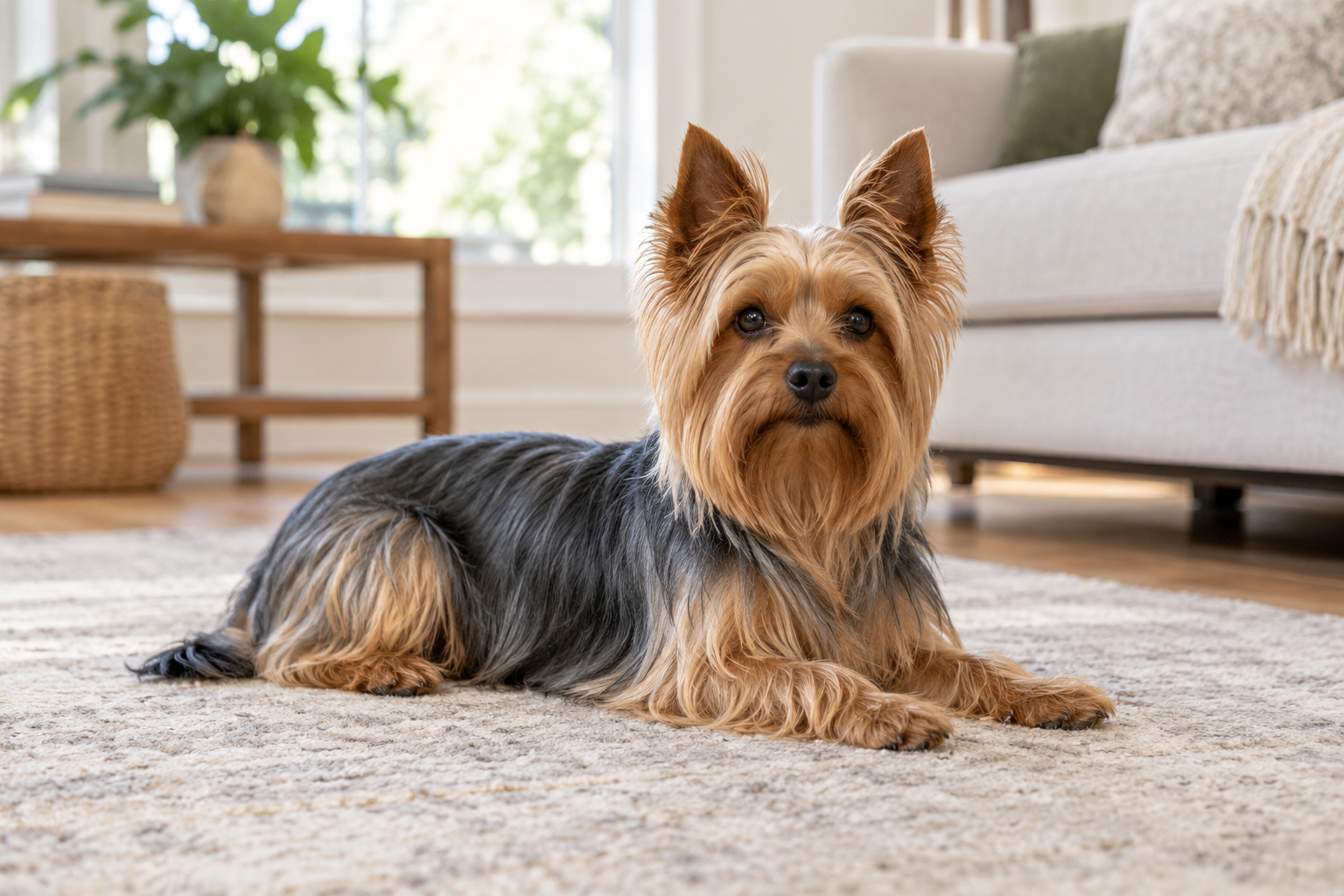
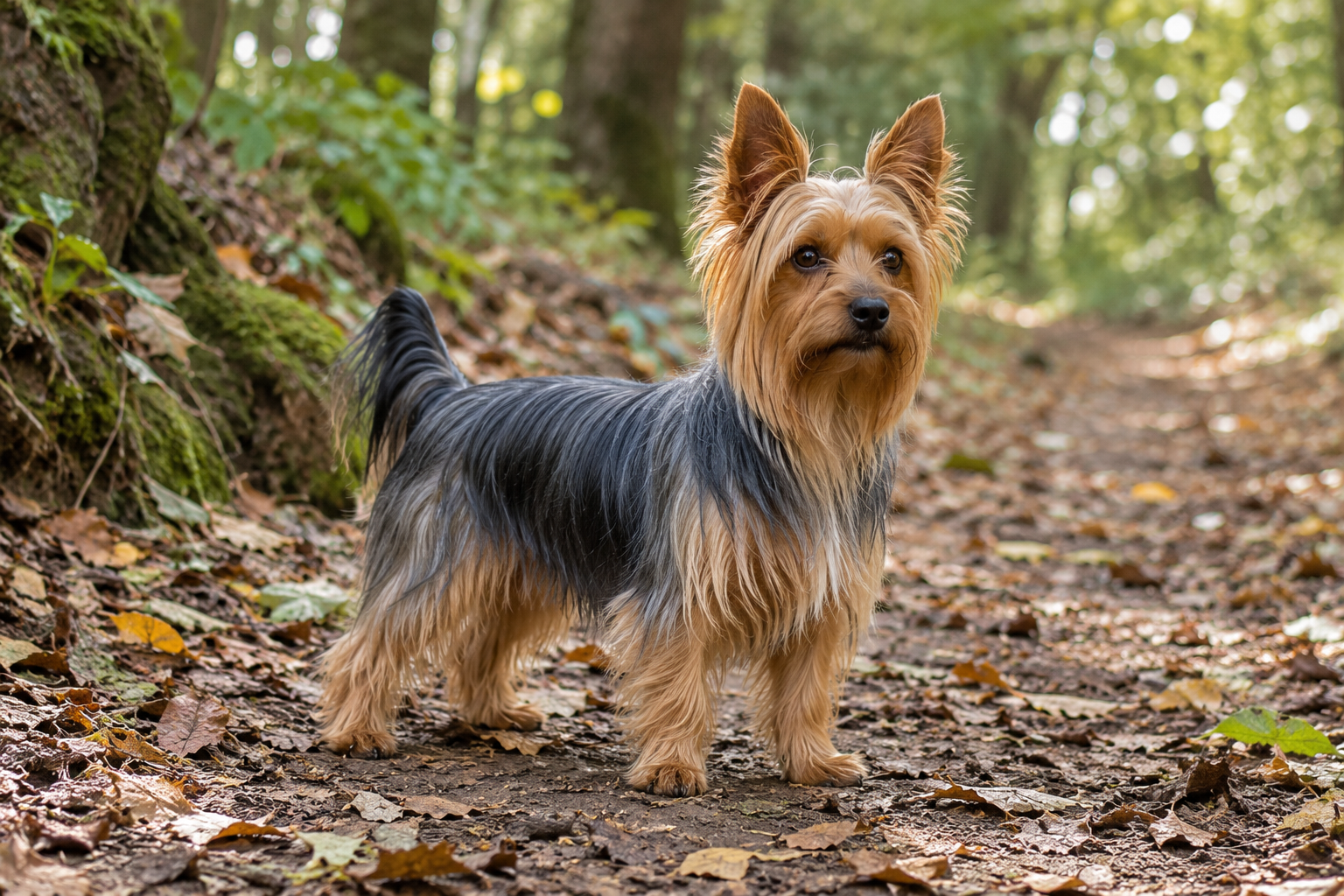
The Australian Silky Terrier is a toy terrier developed around Sydney in the late nineteenth and early twentieth centuries from crosses between Yorkshire Terriers and Australian Terriers. It is lively, alert and affectionate, with a true terrier's confidence and ratting instinct in a dog of around 4 to 5 kg. Most stand 23 to 26 cm at the withers and carry a long, fine, glossy single coat in blue and tan. It is generally a long-lived breed, though owners should be aware of luxating patella, tracheal collapse and dental disease. In Australia it is recognised in the Toy group and puppies come from a modest number of registered breeders.
Breed Overview
Life Span
12 - 15 years
Average Price
AUD 1800 - AUD 3500
Weight
Male: 3.5 - 5.5 kg Female: 3.5 - 5.5 kg
Height
Male: 23 - 26 cm Female: 22 - 25 cm
Life Expectancy
Male/Female: 12 - 15 years
Breed Group
Toys (Group 1)
Nicknames
Silky, Sydney Silky
Breed Information
The Australian Silky Terrier is an Australian-bred toy terrier, distinct from both the Yorkshire Terrier and the Australian Terrier, and most people simply call it the Silky Terrier. It was developed around Sydney from crosses between those two breeds, and the early name Sydney Silky still turns up today. It is small enough to live comfortably in an apartment, yet it thinks and acts like a working terrier.
That combination is the key to understanding the breed. A Silky is affectionate and keen to be with its people, but it is also alert, bold, inquisitive and quick to bark at anything unusual. It is not a lap ornament, and owners who expect a quiet, passive toy dog are often surprised by how much character and energy it has.
Silkies are recognised by Dogs Australia in Group 1, Toys. Supply is modest, with a small national network of registered breeders and only a handful of litters advertised at any one time, so it helps to know what you are looking for and what a fair price looks like before you start.
Characteristics of the Australian Silky Terrier
The Silky Terrier rates highly for adaptability, intelligence and longevity, and lower for tolerance of being alone and ease of grooming in full coat.
| Trait | Rating | Star Rating | Meaning |
|---|---|---|---|
| Size | Toy | ★ | 23 to 26 cm and around 3.5 to 5.5 kg. |
| Adaptability | Very Good | ★★★★ | Suits apartments and small homes well. |
| Exercise Needs | Moderate | ★★★ | More energetic than most toy breeds. |
| Easy to Train | Moderate | ★★★ | Bright and responsive, but bores easily. |
| Amount of Shedding | Low | ★★ | A single coat that sheds lightly. |
| Grooming Needs | High | ★★★★ | Regular brushing in full coat, or a pet clip every six to eight weeks. |
| Good With Children | Moderate | ★★★ | Best with gentle, older children. |
| Health | Good | ★★★★ | Long lived, with some small-breed joint and airway issues. |
| Cost to Keep | Moderate | ★★★ | Cheap to feed, with grooming the main extra cost. |
| Tolerates Being Alone | Low | ★★ | Bonds closely and can become noisy when left. |
| Intelligence | Good | ★★★★ | Quick to learn and quick to get bored. |
History of the Australian Silky Terrier: From Sydney Silky to National Breed
The Silky Terrier was developed in Australia around the turn of the twentieth century, when breeders crossed Yorkshire Terriers with Australian Terriers, which themselves descended from rough-coated British terriers brought by settlers. The aim was a small, attractive companion with the Yorkie's fine coat and the Australian Terrier's hardiness. In the early years, Yorkshire, Australian and Silky types were not cleanly separated, and puppies from the same litter could grow into different types.
According to the Dogs NSW breed history, the first Silky Terrier club in New South Wales was formed in 1906, and Sydney breeders drew up their own standard, which gave rise to the name Sydney Silky. Victoria developed a separate standard, and for decades the breed effectively had two versions. Dogs NSW records that representatives from both states finally agreed a national standard in 1959, and the name Australian Silky Terrier became official, although some sources date the name change a few years earlier.
Silkies became popular overseas after the Second World War, partly through American servicemen who had met the breed in Australia, and the American Kennel Club recognised it as the Silky Terrier in 1959. Today it sits in the Toy group, but it remains a terrier at heart, and many owners report that a Silky will still happily hunt rats and mice around the house and garden.
Appearance of the Australian Silky Terrier: Small, Glossy, and Terrier Built
Size and Build
The breed standard gives a height of 23 to 26 cm at the withers for dogs, with bitches slightly smaller. No weight is set, but most adult Silkies weigh around 3.5 to 5.5 kg. The body is slightly longer than tall, with fine but sound bone, and the overall look is of a compact, active terrier rather than a fragile toy.
Coat and Colours
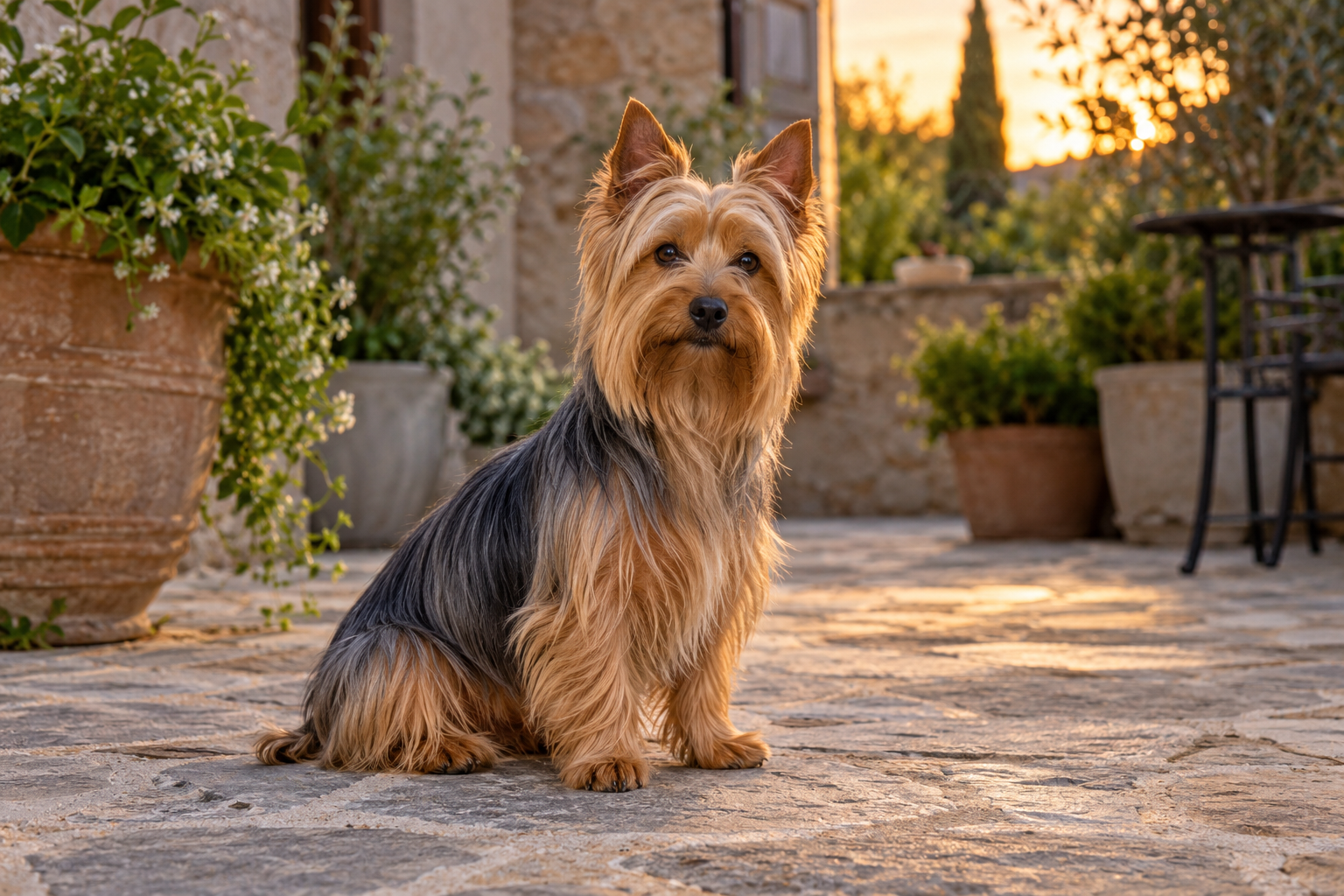
The coat is a single layer of long, fine, straight, glossy hair, parted down the back and falling along the body without reaching the ground. The face and ears are kept trimmed. The standard colour is blue and tan, or grey-blue and tan, with a silver or fawn topknot. Puppies are born dark and their colour develops over the first year or two.
Distinctive Features
A wedge-shaped head, small dark almond eyes, small pricked V-shaped ears and a soft topknot give the Silky its alert expression. The table below sets out the differences buyers ask about most, since the Silky, the Yorkshire Terrier and the Australian Terrier share ancestry and are often confused.
| Feature | Australian Silky Terrier | Yorkshire Terrier | Australian Terrier |
|---|---|---|---|
| Group | Toys | Toys | Terriers |
| Size | 23 to 26 cm, around 3.5 to 5.5 kg | Smaller, up to about 3.2 kg | About 25 cm, around 6.5 kg |
| Coat | Long, silky, parted, not to the floor | Very long, fine, can reach the floor in show coat | Harsh, short to medium, with a soft ruff |
| Colour | Blue and tan | Steel blue and tan | Blue and tan, sandy or red |
| Temperament | Lively, terrier-like, alert | Spirited, often more lap oriented | Tough, outgoing working terrier |
Gender Differences
Males are usually at the taller end of the range and slightly more solid, while bitches are a little smaller and finer. Temperament differences are modest, and individual personality matters more than sex. Either makes an affectionate companion.
Temperament of the Australian Silky Terrier: Lively, Alert, and Affectionate
Core Personality Traits
Silkies are friendly, confident, curious and loyal. They like to be involved in whatever their family is doing and often follow their favourite person from room to room. At the same time, they keep a strong terrier streak, and their size rarely stops them from standing up to much larger dogs.
Social Behaviour
With family the breed is warm and affectionate, while with strangers it is usually cautious at first before warming up. Silkies generally get on with other dogs when well socialised, but some can be bossy, so supervise introductions with big dogs. Their confidence can get them into trouble if they challenge a dog that does not appreciate it.
Working Instincts
The Silky is a true terrier in a toy body, with a real ratting instinct. It will chase lizards, birds, mice and rats, and small pets such as guinea pigs and rabbits may not be safe. Many Silkies also enjoy digging, which can surprise owners expecting a delicate lap dog.
Common Behavioural Challenges
Barking is the most common complaint. Silkies bark to greet, to warn and at passing noises, and VCA Animal Hospitals lists frequent barking as one of the breed's main challenges. Without training and enough stimulation they can become yappy. Other issues include chasing, digging and small-dog bossiness, all of which respond well to consistent, reward-based training.
Intelligence and Trainability of the Australian Silky Terrier: Bright but Easily Bored
Intelligence and Learning Ability
Silkies are quick learners that pick up routines and cues fast. They are also easily bored by repetition, so they learn best when training is varied and fun. They are clever enough to work out what gets attention, which is why barking for attention can become a habit.
Training Approach
Short, upbeat sessions using food and play work best. Teach a calm settle on a mat, a reliable recall in fenced areas and a quiet cue for barking from an early age. Harsh corrections tend to backfire with a sensitive but stubborn small terrier.
Early Socialisation
Expose puppies gently to people, children, larger dogs, traffic and household sounds. Good socialisation reduces wariness of strangers and alarm barking. Puppy school with other small dogs is particularly useful.
Potential Training Challenges
Toilet training can take longer than with larger breeds, so be consistent and patient. Recall can fail when there is something to chase. Barking, guarding the owner and being picked up too often, which can make some small dogs defensive, all need early attention.
Australian Silky Terrier Family Life: Living with Children, Pets, and Households
Living with Children
Silkies are small and can be injured by rough handling, so they are better suited to homes with older, gentle children than to families with toddlers. Children should sit on the floor to hold the dog rather than carry it around. With respectful children, a Silky can be a playful and devoted companion.
Living with Other Pets
Most Silkies live happily with other dogs, particularly when raised with them, and many accept a household cat. Small caged animals are a different matter because of the breed's ratting instinct. Supervise play with large dogs, since a bold Silky can get hurt.
Household Environment
The breed adapts well to apartments, units and townhouses, provided it gets daily walks and mental stimulation. A secure yard is useful but not essential. Indoors, a Silky is usually active but not destructive if its needs are met.
Lifestyle Compatibility
Silkies suit singles, couples, retirees and families with older children who want a small but lively dog. They are a good fit for people who are home for much of the day. They are less suited to owners away for long hours or living in shared walls where barking could become a problem.
Health of the Australian Silky Terrier: Joints, Airway, and Dental Care
Lifespan and Healthy Living
Silkies are a long-lived breed, typically living 12 to 15 years, and a 2024 UK study of companion dog lifespans estimated their life expectancy at 13.3 years. A lean body, good dental care and regular vet checks support a long, healthy life. Australian breed-specific health data is limited, so most evidence comes from overseas veterinary sources.
Common Health Conditions
Owners should be aware of several conditions that can be associated with the breed. It is best to discuss any concerns with a veterinarian.
- Luxating patella. The kneecap slips out of place, causing intermittent skipping or lameness. It is common in small breeds and ranges from mild to needing surgery.
- Legg-Calve-Perthes disease. Degeneration of the head of the thigh bone in young dogs, usually showing as hind leg lameness. VCA Animal Hospitals advises choosing puppies from parents screened for both this and luxating patella.
- Tracheal collapse. Weakening of the windpipe that can cause a honking cough. Walking on a harness rather than a collar reduces pressure on the throat.
- Dental disease. Small mouths crowd teeth and trap plaque, so early tartar and gum disease are common.
- Allergies, epilepsy, and age-related conditions. Skin allergies and epilepsy have been reported in the breed, and Dogs NSW notes arthritis and cataracts in older dogs.
Genetic Health Testing
There is no single mandatory health scheme for Silkies in Australia, so ask what each breeder screens for. Sensible checks include a veterinary patella assessment of both parents, eye examinations, and any DNA tests the breeder uses, such as for progressive retinal atrophy. Ask how long the grandparents lived and whether Legg-Calve-Perthes, epilepsy or tracheal problems have appeared in the line.
Preventative Health Care
Keep vaccinations and parasite prevention current, including paralysis tick prevention on the east coast, since ticks are easy to miss in a long coat. Book annual health checks and dental assessments. Learning to recognise the early signs of dental disease such as bad breath, red gums or reluctance to chew helps you act before problems become painful and expensive.
Caring for the Australian Silky Terrier: Daily Care and Living Environment
Daily Care Routine
A typical day includes two walks, play, a short training session and a quick brush. Feed measured meals and brush teeth daily if you can. Use a harness for walks to protect the windpipe.
Living Environment Requirements
A Silky needs a safe indoor space with a comfortable bed, toys and a quiet resting area. If you have a yard, check fencing for small gaps, as a Silky can squeeze through surprisingly narrow spaces. Keep the dog indoors at night and during temperature extremes.
Climate Sensitivity
The single coat offers less insulation than a double coat, so Silkies can feel the cold in southern winters and may appreciate a coat. In summer, walk early or late and keep the dog out of the midday sun. A shorter pet clip is popular in Queensland and northern New South Wales, where humidity makes a full coat uncomfortable and harder to keep clean.
Caring for Senior Silky Terriers
Older Silkies often stay active into their teens, but they benefit from gentler walks, soft bedding and ramps to avoid jumping from furniture. Keep up dental care, since tooth loss is common in older small dogs. Watch for coughing, stiffness or changes in vision and raise them with your vet.
Grooming of the Australian Silky Terrier: Full Coat, Pet Clips, and Tick Checks
Coat Maintenance
A Silky in full coat needs brushing several times a week, ideally on slightly damp hair, to prevent tangles, particularly behind the ears and under the legs. Use a pin brush and a fine comb, working down to the skin. A step-by-step routine for silky-coated dogs keeps the coat glossy and avoids painful mats.
Full Coat Versus Pet Clip
Many pet Silkies are kept in a shorter clip, which is what most short-hair Silky Terrier searches are really about. A clipped Silky is still a purebred Silky, and the coat simply grows back if you let it. A pet clip every six to eight weeks reduces brushing to a few minutes a day and is especially practical in warm, humid regions. Show dogs keep the full coat and need more careful maintenance.
Tick Checks in a Long Coat
On the east coast, paralysis ticks are a serious risk, and they are harder to find in a long coat. Check your Silky daily by running your fingers slowly over the whole body, paying particular attention to the head, neck, ears and between the toes. A shorter clip in tick season makes checks faster and more reliable, and year-round tick prevention is essential.
Ear, Nail, and Dental Care
Check ears weekly and trim nails every three to four weeks. Daily tooth brushing is ideal for this breed, given its tendency to dental disease. Trim the hair around the eyes and feet to keep them clean.
Bathing and Professional Grooming
Bathe every two to four weeks with a gentle shampoo and conditioner, and dry the coat thoroughly. Professional grooming every six to eight weeks keeps a pet clip tidy, while a dog in full coat may only need occasional tidying of the face, ears and feet.
The Hypoallergenic Question
Silkies are often described as non-shedding or hypoallergenic, but no dog is completely allergen free. The single coat sheds lightly, which some allergy sufferers tolerate better, but allergens are also carried in saliva and skin flakes. Anyone with allergies should spend time with the breed before committing.
Exercise Needs of the Australian Silky Terrier: More Energy Than Most Toy Dogs
Daily Exercise Requirements
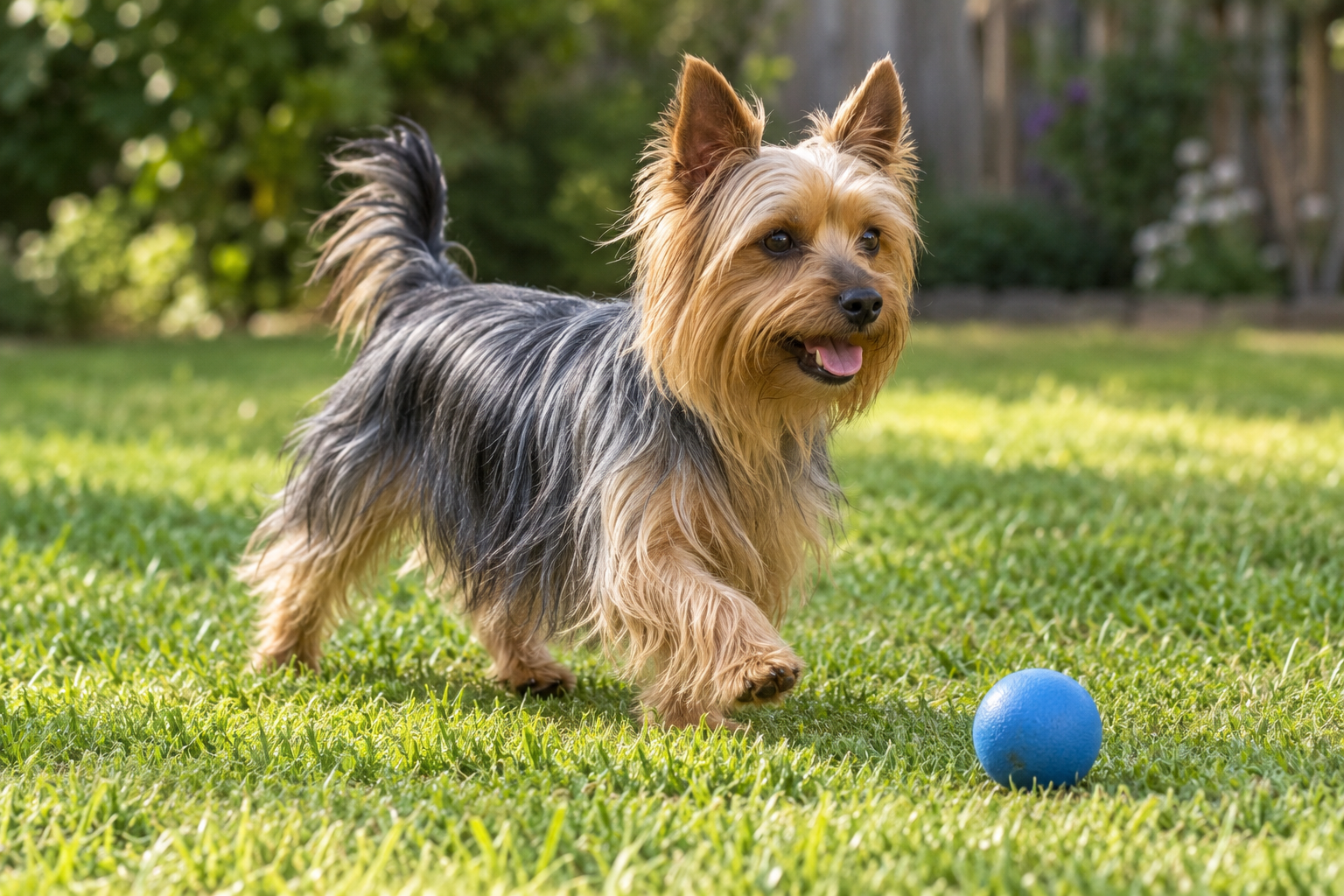
Plan on 30 to 60 minutes of exercise a day, split across two walks and some active play. Silkies are more energetic than many toy breeds and enjoy a brisk walk. Under-exercised Silkies tend to bark, dig and find their own entertainment.
Activities Silky Terriers Enjoy
Fetch, tug, sniff walks, scent games and puzzle feeders all suit the breed. Many Silkies enjoy agility, trick training and earthdog-style games that let them use their terrier instincts. Short bursts of play are often more satisfying than one long walk.
Exercise by Life Stage
Puppies need short play sessions and should not be encouraged to jump on and off furniture while their joints develop. Adults can manage longer walks in cool weather. Seniors need gentler, shorter outings, and any dog with luxating patella should avoid repeated jumping.
Importance of Mental Stimulation
A bored Silky is a noisy Silky. Food puzzles, scent work, new walking routes and short training sessions keep the mind busy. In hot weather, indoor games and puzzle toys can replace part of the walk without leaving the dog under-stimulated.
Feeding the Australian Silky Terrier: Nutrition and Diet Needs
Nutritional Requirements
A complete, balanced diet formulated for small or toy breeds suits most Silkies, with kibble sized for small mouths. Choose food appropriate for life stage and activity, and make changes gradually. Dogs with skin allergies may need a diet chosen with veterinary guidance.
Feeding by Life Stage
Toy puppies should be fed small meals three to four times a day to keep blood sugar stable, then three times a day until about six months and twice a day as adults. Seniors may need fewer calories or a diet adjusted for dental or joint health.
Portion Control and Weight Management
A small dog only needs a small amount of extra food to gain weight, and extra weight puts pressure on knees and the windpipe. You should be able to feel the ribs easily under the coat. Weigh your Silky monthly, measure meals and count treats as part of the daily ration.
Foods to Avoid
Grapes, sultanas, chocolate, onion, garlic, macadamia nuts and anything containing xylitol are toxic to dogs, and a small dog is affected by smaller amounts. Avoid cooked bones and fatty scraps. Dental chews and appropriate toys can support oral health as part of a wider dental routine.
Australian Silky Terrier Price in Australia: Purchase Cost and Ongoing Expenses
Puppy Purchase Price
Purebred Silky Terrier puppies in Australia are typically advertised at $1,800 to $3,500. On 17 October 2026, listings on Australian classifieds included purebred puppies at $1,800 in South Australia and $2,200 in New South Wales, and a litter from a Dogs Victoria member in Wodonga at $3,000 for males and $3,500 for females. Dogz Online showed two Silky listings from a base of 22 breeders on the same day, neither with a published price.
Price usually reflects registration status, health checks and breeder support rather than the puppy itself. Silky crosses, most often with Maltese, Chihuahua or Yorkshire Terrier, appear at similar or lower prices, but they are not covered by the breed standard and their size, coat and temperament are less predictable.
Initial Setup Costs
RSPCA NSW cost guidance puts microchipping at $60 to $80, a puppy vaccination course at $280 to $420, desexing at $350 to $650, a collar, lead or harness at $40 to $100, bedding at $100 to $200 and puppy school at around $170. For a Silky, add a harness rather than a collar, a pin brush, a fine comb and nail clippers.
Ongoing Monthly Costs
| Cost | Typical figure (AUD) | Source |
|---|---|---|
| Food | Well below the $91 monthly average, given a body weight around 4 to 5 kg | Animal Medicines Australia, Pets in Australia 2025 |
| Professional grooming | $70 to $150 per visit, every six to eight weeks for a pet clip | RSPCA NSW |
| Parasite prevention | $200 to $250 a year for flea and worming, plus up to $250 for heartworm | RSPCA NSW |
| Pet insurance | Around $1,580 a year for a small dog, accident and illness | Canstar, 2026 |
| Annual vet check and booster | From $140 a year | RSPCA NSW |
A Silky is inexpensive to feed, and grooming is the main variable. Owners who keep a pet clip with a professional groomer can expect roughly $450 to $1,300 a year, while those who brush a full coat at home spend far less. Canstar's 2026 small dog insurance average is a reasonable benchmark, and cover taken out early protects against knee surgery and dental costs later on.
Long-Term Financial Commitment
Moneysmart, citing Animal Medicines Australia, says owners should budget up to $2,520 a year for a dog after the first year. Over a 12 to 15 year life, that adds up to roughly $30,000 to $38,000, and the Silky's long lifespan is part of the commitment. Dental treatment and patella surgery are the costs most likely to push the total higher.
Buying Advice for an Australian Silky Terrier: Choosing a Healthy Puppy
Choosing a Responsible Breeder
Look for a breeder registered with Dogs Australia through their state body, who raises puppies in the home, health checks breeding dogs and lets you meet the mother. With only a small national breeder base, you may need to join a waiting list or consider an interstate breeder. Good breeders ask questions about your home too.
Health Checks Before Purchase
Ask to see a vet check for the puppy, written vaccination, worming and microchip records, and any patella or eye assessments for the parents. Watch the puppy walk and run for signs of skipping on a back leg. Look for clear eyes, clean ears, a healthy coat and teeth that meet properly.
Questions to Ask the Breeder
Taking a prepared list of breeder questions to each enquiry makes litters easier to compare. For a Silky, include these:
- Have both parents had their knees checked by a vet, and with what result?
- Have Legg-Calve-Perthes disease, tracheal collapse or epilepsy appeared in your lines?
- Have the parents had eye examinations or DNA tests?
- How long have the grandparents lived?
- Is the puppy purebred and registered, and on the limited or main register?
- What is your breeder or supply number, and which state issued it?
- How have the puppies been socialised with children, other dogs and household noise?
- Will you take the dog back if I cannot keep it?
Considering Adoption
Silkies and Silky crosses sometimes come up through rescue groups and breeders rehoming retired or returned dogs. On 17 October 2026, for example, one breeder on Dogz Online was rehoming a pair of desexed 12-month-old Silkies returned through no fault of their own. An adult dog lets you see temperament and coat before committing.
Is the Australian Silky Terrier Right for You? A Toy Dog with Terrier Spirit
Lifestyle Compatibility
Silkies suit apartments, townhouses and suburban homes. They fit singles, couples, retirees and families with older children. They are less suited to homes with toddlers or owners who are out all day.
Time and Care Commitment
Plan on 30 to 60 minutes of exercise daily and regular brushing or clipping. Training needs to start early, especially around barking. The commitment can run to 15 years.
Grooming and Health Awareness
Decide early between a full coat and a pet clip. Brush teeth often and walk on a harness. Check for ticks daily if you live on the east coast.
Ideal Owner Profile
The ideal owner wants a small dog with a big personality. They enjoy training and grooming. They can live with some barking and will put in the work to manage it.
Find Australian Silky Terrier Puppies for Sale
If a Silky suits your home, you can browse puppies for sale on Pups4Sale and contact breeders directly. Ask every seller about health checks and registration before paying a deposit.
Frequently Asked Questions
Related Breeds
Other toy breeds on Pups4Sale.
 Chinese Crested DogSmall • Toys (Group 1)
 Griffon BruxelloisSmall • Toy
 HavaneseSmall • Toys (Group 1)
 Italian GreyhoundSmall • Toys
 LowchenSmall • Toy (Group 1)
 PomeranianSmall • Toy