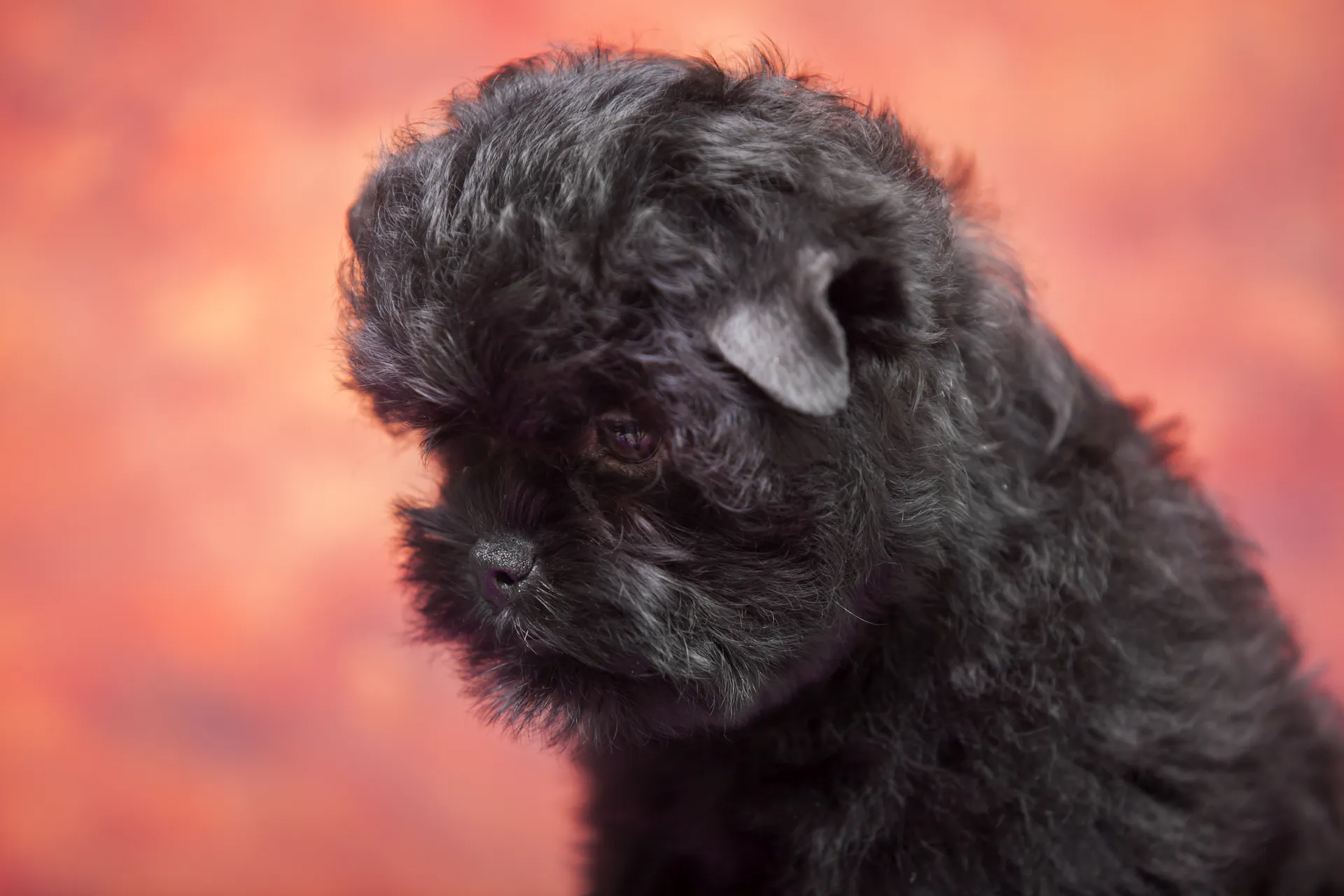
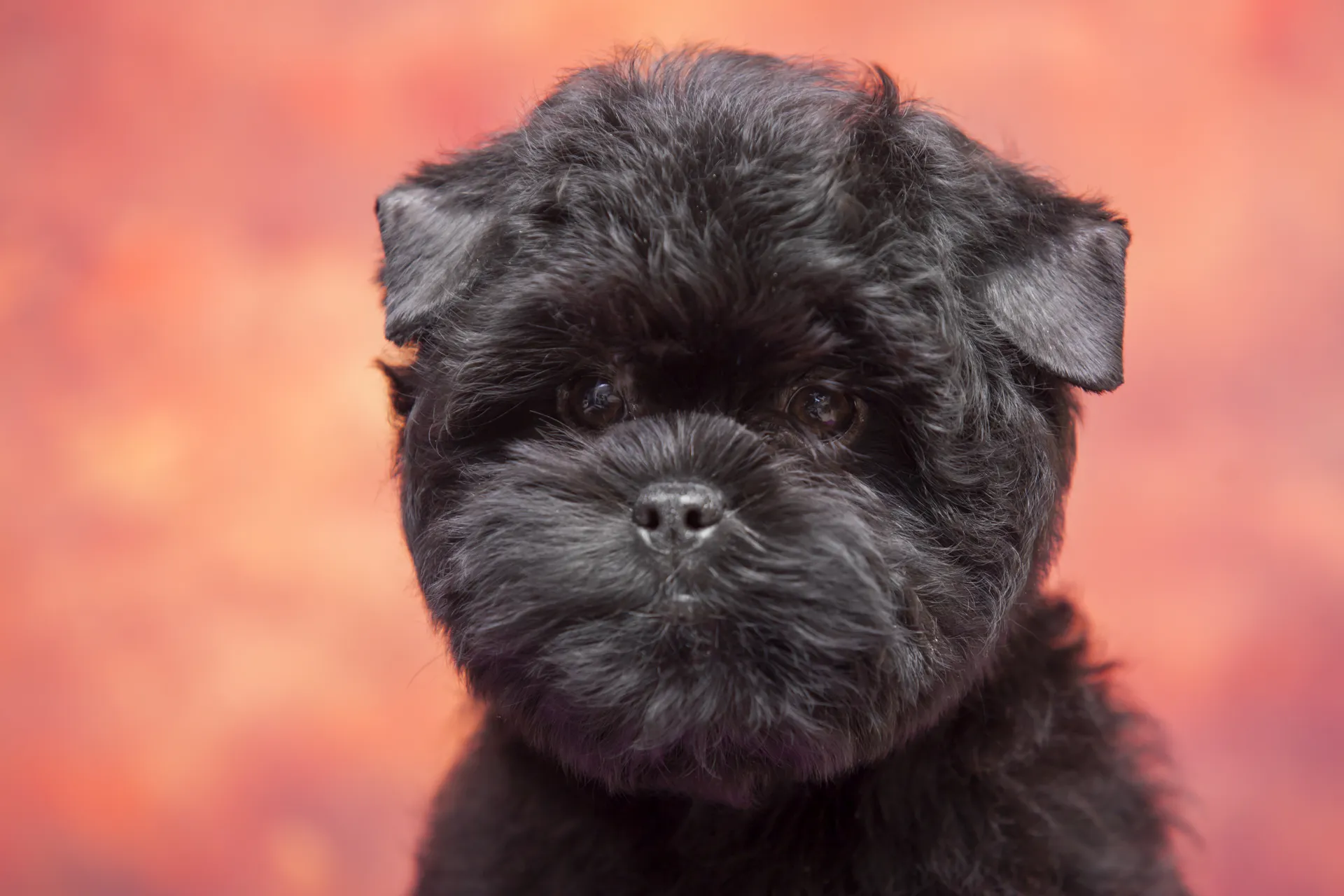
Affenpinscher
By James C. • Updated
A small German ratter with a monkey face and a big opinion of itself. The Affenpinscher is low shedding, clever and stubborn, needs 20 to 40 minutes of activity a day, and does best with adults or older children who will keep it company.
Breed Overview
Life Span
11 - 14 years
Average Price
AUD 1200 - AUD 2000
Weight
Male: 3 - 4 kg Female: 3 - 4 kg
Height
Male: 25 - 30 cm Female: 25 - 30 cm
Life Expectancy
Male/Female: 11 - 14 years
Breed Group
Toy
Nicknames
Monkey Dog, Monkey Terrier, Affen
Breed Information
The Affenpinscher is a toy dog that has never been told it is small. It started out in Germany as a ratter, working kitchens and stables, and it still carries that job around in its head. The name comes from “Affe”, German for monkey, and one look at the face explains why.
This breed suits people who are home a fair bit and want a dog that joins in. Affenpinschers bond hard with their family and can struggle when left alone for long stretches.
Before you bring an affenpinscher puppy home, go in with your eyes open about the prey drive, a coat that needs hand stripping, and a genuine stubborn streak. Get those right and you have a funny, loyal little dog.
Characteristics of the Affenpinscher Dog Breed
Comic to look at, but bold and switched on. Here is how the breed rates on the things that matter day to day.
| Characteristic | Rating | Star Rating (★ out of 5) | What This Means for You |
| Size | Excellent | ★★★★★ | Very compact and sturdy, so it suits apartments and smaller homes. |
| Adaptability | Very Good | ★★★★☆ | Settles into most living situations, as long as it gets enough attention. |
| Exercise Needs | Moderate | ★★★☆☆ | Moderate daily activity, and brain work matters as much as walks. |
| Easy to Train | Moderate | ★★★☆☆ | Highly intelligent but independent; patient, reward-based training works best. |
| Amount of Shedding | Low | ★★☆☆☆ | Low shedding, though loose hair builds up if you skip brushing. |
| Grooming Needs | Moderate | ★★★☆☆ | Weekly brushing and periodic hand stripping keep the coat harsh and wiry. |
| Good With Children | Moderate | ★★★☆☆ | Better with older children who handle a small dog gently. |
| Health of Breed | Moderate | ★★★☆☆ | Generally sound, but keep an eye on joints and teeth. |
| Cost to Keep | Moderate | ★★★☆☆ | Cheap to feed, but grooming and preventative care add up. |
| Tolerates Being Alone | Low | ★★☆☆☆ | Prefers company and may struggle with long periods alone. |
| Intelligence | Very High | ★★★★★ | Exceptionally sharp and alert, and loves problem-solving and interactive play. |
In short: a small, clever, confident dog that does best with structure, plenty to do and people around.
History of the Affenpinscher Dogs: From Ratter to Companion
The Affenpinscher is one of the oldest recognised toy breeds, going back to 15th and 16th century Germany. Its first job was as a fearless vermin hunter in homes, kitchens, stables and granaries. The name comes from the German “Affe”, meaning monkey, a nod to its distinctive facial expression rather than its behaviour.
Early dogs belonged to the wider Pinscher family, working dogs bred to be alert, agile and determined. Rough-haired and smooth-haired pups often turned up in the same litter. There were also two sizes, and the larger one is now extinct. Colours were more varied back then, including grey, fawn, red and tan, sometimes with white on the chest or feet.
Breeders in the 19th century settled on the smaller, wiry-coated type. Crosses with early German Pinschers, Schnauzers and possibly Pugs gave it the short muzzle, prominent chin and expressive eyes it has now. The Affenpinscher in turn fed into the Brussels Griffon and the Miniature Schnauzer.
It was entered in the German stud book in 1902. Numbers fell sharply through both World Wars, and the breed survived because a handful of dedicated breeders kept the bloodlines going. Recognition followed in the United States in 1935 and through the Fédération Cynologique Internationale in 1955.
Today it is a rare but well-established companion breed. Nobody keeps them for rats any more, but the boldness and independence of the old ratter are still very much there.
Appearance of the Affenpinscher Dog: Size, Coat, and Expression
A compact build, a wiry coat and that monkey-like expression. It is classed as a Toy breed, yet nothing about it looks delicate.
Compact, Square Build Designed for Agility and Strength
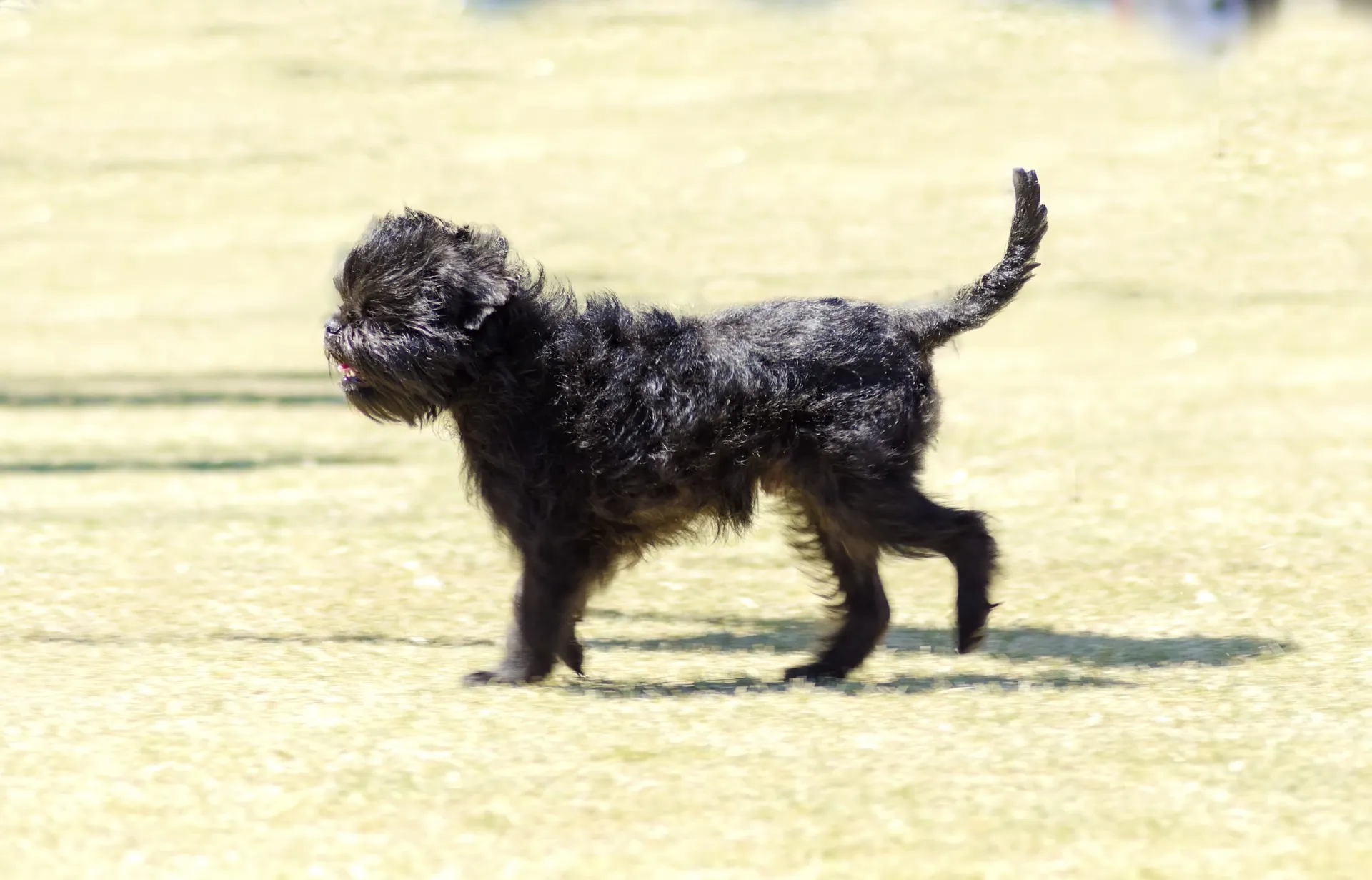
The body is square, with height and length close to equal. Adults usually stand 22 to 30 cm at the shoulder and weigh about 3 to 6 kg. Expect a moderately broad chest, a level back and a sturdy, muscular frame. Males and females are a similar size, though females can look slightly longer in the body.
Wiry Coat and Recognised Colour Variations
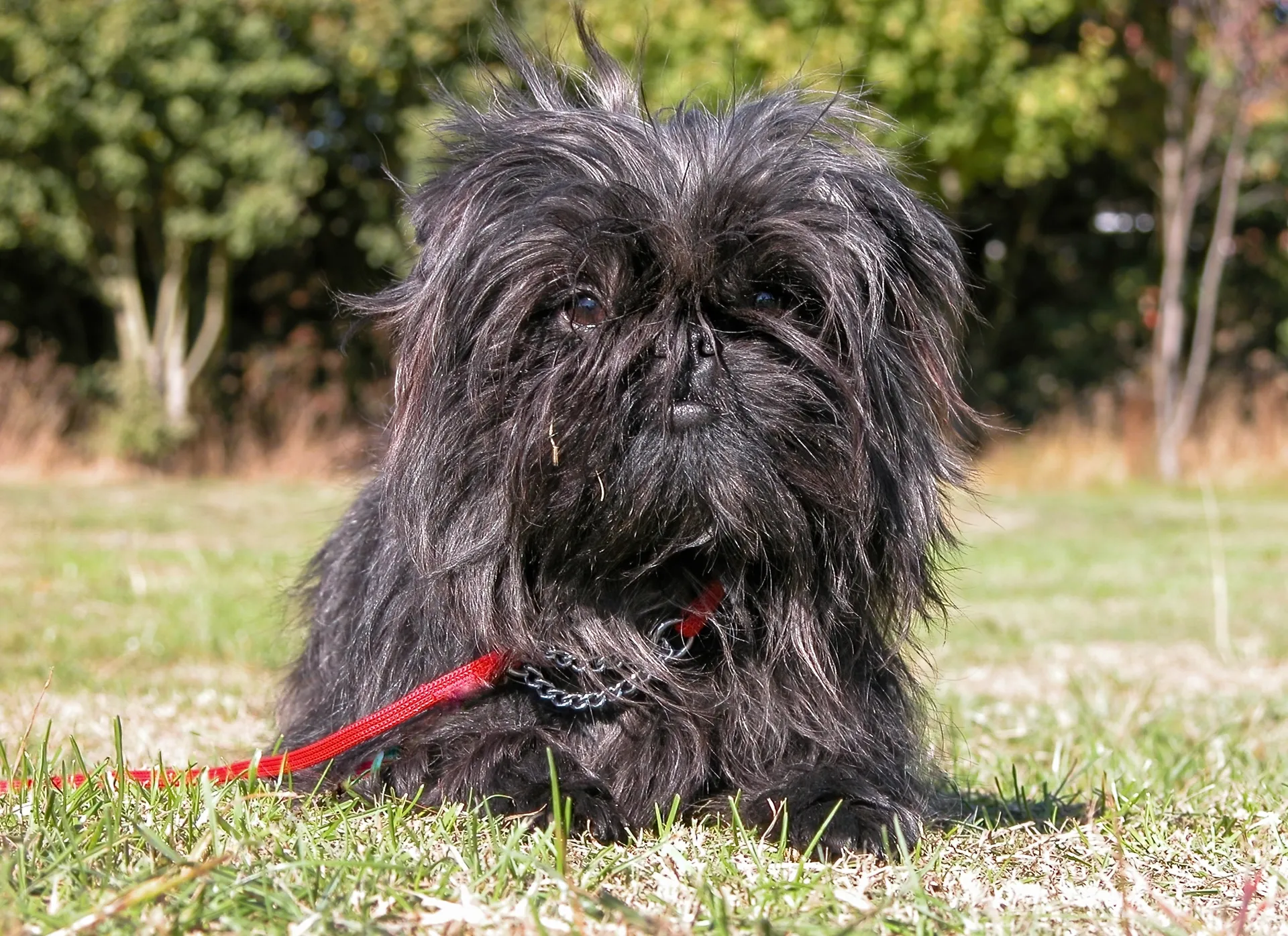
The coat is dense, harsh and wiry and stands off the body. It is heaviest around the head, neck and shoulders, which gives a rough mane. The beard, moustache and eyebrows do most of the work on that famous expression. Black is the traditional colour and the most widely recognised, though some registries also accept grey, silver, black and tan, or mixed shades.
Eyes, Head Shape, and Facial Expression Explained
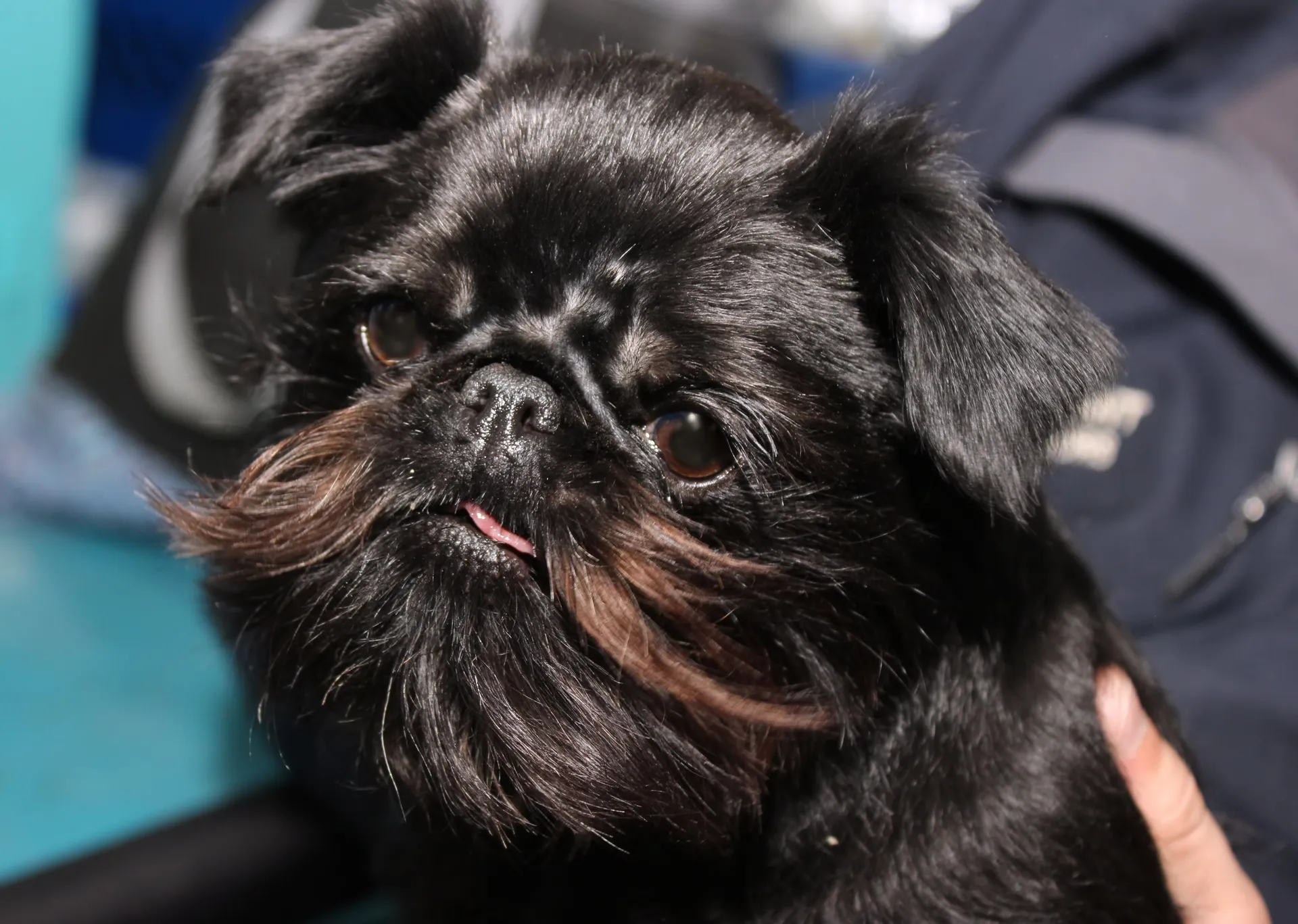
Large, dark, round eyes give the dog a permanently nosy look. The skull is slightly domed, the muzzle short and blunt, and the lower jaw prominent, sometimes mildly undershot. Teeth should not show when the mouth is closed. Put it all together and you get the “monkey”.
Ears, Tail, and Movement
Ears sit high and can be naturally erect, semi-erect or dropped, depending on the dog. The tail is carried high. Movement should be free and lively: light on the feet but controlled, never exaggerated.
Subtle Differences Between Males and Females
Not much separates them. Males often carry themselves a little more boldly, and females can look marginally longer. Both are judged on the same standard for coat texture, head proportions and balance.
Affenpinscher Temperament: What Owners Should Expect
Bold, confident and mischievous. The ratter history shows: Affenpinschers behave like much bigger dogs, and owners tend to describe them as funny and fiercely loyal.
Core Personality Traits That Define the Breed
They are fearless and curious, and will square up to a new situation or a far larger dog without a second thought. That confidence comes with independence, which you will sometimes read as plain stubbornness. With their own family they are very affectionate and want to be in the middle of things, not parked in the laundry.
Social Behaviour With People and Other Animals
Well-socialised Affenpinschers usually get on with other dogs. They are wary of strangers at first, which makes them handy watchdogs. The prey drive means they are not suited to homes with pet rodents. Regular exposure to new people and places keeps defensive barking and territorial behaviour in check.
Working Instincts That Still Influence Behaviour
The working instincts never left. They notice every odd sound and movement and react fast. Channelled well, that is useful. Left with nothing to do, it turns into boredom behaviour, so they need mental stimulation every day.
Common Behavioural Challenges to Be Aware Of
Without clear rules, an Affenpinscher can slide into excessive barking, possessiveness or small dog syndrome, the same common puppy behaviour problems you see in plenty of small, clever breeds.
Long hours alone can also bring on separation anxiety. The early signs of separation anxiety in dogs include restlessness, barking and destructive behaviour. Early training, a steady routine and calm, firm handling go a long way.
Affenpinscher Intelligence and Trainability
Affenpinschers are very intelligent and quick to read a situation. That makes training rewarding. It also means they have opinions, so you need structure and patience in equal measure.
Puppy Training Priorities That Set the Foundation
Start once vaccinations are complete, with socialisation, basic obedience training and impulse control. Boundaries are far easier to set with a young affenpinscher puppy than with a dog that has already written its own house rules.
Introduce different people, sounds, places and dogs early to build confidence and head off fear later. Sit, stay, recall and “quiet” are the commands that matter most for an alert, vocal little dog.
Training Methods That Work Best for This Breed
Use positive reinforcement: treats, praise and play. Keep sessions short and varied. Harsh corrections and endless repetition backfire, and this breed will simply dig its heels in.
Advanced Training and Mental Stimulation Potential
Given a reason to try, Affenpinschers can do well at obedience, agility, scent work and puzzle games. They are surprisingly handy with their front paws. Brain work matters as much as physical exercise for keeping behaviour on track.
Common Training Mistakes Owners Should Avoid
The big one is inconsistent boundaries, which produces a stubborn, demanding dog. Spoil them and you get small dog syndrome. Go in too hard and you lose their trust. Stay calm and consistent, and reward what you want to see.
Affenpinscher and Family Life: Children, Other Pets, and Household Dynamics
In the right home the Affenpinscher is affectionate and great entertainment. Its small size and bold temperament mean that home needs some thought, especially around kids and other pets.
How the Affenpinscher Interacts With Children of Different Ages
The breed is better with older children who know how to be gentle with a small dog. Affenpinschers do not like being hugged, chased or handled roughly, and may get defensive if overwhelmed. Always supervise toddlers. At this size, an accident can hurt the dog or the child.
Teaching Children to Interact Safely and Respectfully
Teach kids to respect the dog’s space, move calmly and handle it gently. Quiet, supervised play keeps stress down. Simple rules about feeding, the dog’s bed and playtime make life easier for everyone.
Living With Other Dogs and Household Pets
Other dogs are usually fine, especially with early socialisation. Hamsters, gerbils and pet rats are not, because the prey drive is real. Take care with cats too, unless the dog grew up with one.
Creating a Safe and Calm Home Environment
Give the dog a quiet spot to retreat to, a steady routine and supervised introductions. Clear boundaries and ongoing social outings help it stay confident without turning territorial or reactive.
Health of the Affenpinscher: Lifespan, Common Conditions, and Preventative Care
The Affenpinscher is generally a hardy small breed with a typical lifespan of 11 to 14 years. A few health issues are linked to its size and short face, and they are worth knowing about before you buy.
Breed-Specific Health Conditions to Be Aware Of
The breed may be prone to patellar luxation, where the kneecap slips out of place and can affect how the dog moves. Dental disease is common because the teeth are crowded, so daily oral care matters. Tracheal collapse, which may cause breathing difficulties, has been reported, as has Legg-Calvé-Perthes disease, a degenerative hip disorder seen in some small dogs. Less commonly, neurological conditions such as syringomyelia have been identified. Any of these are worth discussing with your vet.
Genetic Testing and Responsible Breeding Practices
Good breeders carry out health screening and genetic testing, especially for joint stability and inherited conditions. Screening for patellar luxation before breeding is strongly recommended. A breeder who follows recognised kennel club guidelines lowers the risk of inherited problems.
Preventative Healthcare and Veterinary Planning
Regular check-ups catch most problems early, and knowing how often dogs should see a vet keeps you ahead of them. Plan for vaccinations, parasite prevention, dental checks and weight management. On the east coast, that parasite plan should cover paralysis ticks, and running your fingers through that dense coat after a bush walk is a good habit. Neutering is commonly recommended between six and twelve months, depending on your vet’s advice.
Insurance Considerations for Long-Term Care
Insurance for an Affenpinscher is usually moderately priced. Comprehensive cover helps with joint, dental or respiratory treatment as the dog gets older.
Caring for Affenpinscher Dogs: Daily Needs, Home Environment, and Long-Term Comfort
An Affenpinscher is a small dog with a busy brain. It does best with routine, company and gentle structure.
Daily Care Routines That Keep an Affenpinscher Balanced
Most days should include short walks, play and something to think about, such as a puzzle toy or a few minutes of training. A predictable routine keeps anxiety down. Clean the face and teeth daily too.
Living Environment Requirements for a Small, Alert Breed
Apartment or house, it copes with both, as long as it has a safe indoor space and a secure outdoor area for supervised play. Watch for hazards like high furniture it might leap from and stairs without a gate. A calm home with a set resting spot helps it feel secure.
Seasonal Care Adjustments Throughout the Year
In a Queensland summer, or any hot spell, walk early or late and keep water out to reduce heat stress. In winter, insulated bedding or a light coat for outings helps. After rain, dry the coat properly to avoid skin irritation.
Senior Care Adaptations as the Dog Ages
Older Affenpinschers need more support for joints, teeth and lower energy. Softer bedding, a ramp onto the couch and gentler exercise all help. More frequent vet visits pick up age-related problems early.
Grooming the Affenpinscher: Coat Care, Maintenance, and Common Challenges
That scruffy look takes proper grooming to keep. The breed doesn’t shed much, but the wiry coat and facial furnishings still need regular work for coat texture and skin health.
Coat Maintenance Schedule for a Wiry, Dense Coat
The coat is medium length, harsh and dense. Brush it two to three times a week to clear loose hair before it mats, paying attention to the thick hair on the head, neck and shoulders. Brushing also spreads natural oils through the coat.
Professional Grooming and Hand Stripping Requirements
Hand stripping is recommended over clipping. Pulling out the dead hair encourages new growth and keeps the coat wiry, whereas clipping tends to leave it soft. A professional usually strips the coat every six to eight weeks, particularly for show dogs or owners keeping a traditional coat. Not every groomer hand strips, so ask before you book.
Home Grooming Practices Owners Should Follow
Check the face, eyes and mouth daily to prevent irritation and staining. Trim the hair around the eyes so the dog can see. Clean ears and clip nails regularly. Teeth deserve extra effort in this breed.
Common Grooming Challenges to Watch For
Skip the routine and you may see matting, skin irritation or eye discharge. Seasonal coat changes and wet weather add to the workload. Keep sessions gentle and short for dogs that dislike being held still.
Affenpinscher Dogs Exercise Needs: Keeping a Small Dog Fit and Mentally Engaged
Small does not mean sedentary. The Affenpinscher needs daily exercise, but light activity plus brain work suits it far better than long, hard outings.
Daily Exercise Requirements for Adult Affenpinschers
Most adults do well on 20 to 40 minutes of activity a day, split between short walks and play. That keeps weight and joints in check and cuts down on barking and restlessness.
Suitable Activities That Match the Breed’s Energy Level
Think interactive games, basic agility, scent work and puzzle toys. A training session with some movement in it doubles as exercise. Some enjoy water play, but supervise closely given their size and short face.
Exercise Restrictions and Safety Considerations
Puppies should skip high-impact activity, like jumping off furniture or running up and down stairs, until their joints have finished developing. Affenpinschers can be sensitive to heat, so cut back when the weather moves outside the safe temperature range for dogs in Australia. Only let them off lead in secure, enclosed areas. That prey drive can beat your recall.
Mental Stimulation to Prevent Boredom and Behaviour Issues
Rotate toys, add new training challenges and let them explore safely. A mentally tired Affenpinscher is a settled one.
Feeding the Affenpinscher: Nutrition, Portions, and Weight Management
Good feeding supports health, energy and mobility for the long haul. You want a balanced diet that keeps muscle, teeth and digestion in good order without piling on weight.
Nutritional Requirements for a Small, Active Breed
Choose a high-quality, complete diet made for small breeds, rich in animal-based protein with moderate fat. Vitamins, minerals and omega fatty acids support skin, coat and immune health. Some dogs have food sensitivities, and a short ingredient list can help.
Feeding Schedules That Support Digestion and Energy Levels
Puppies under six months usually need three to four small meals a day. Adults generally do well on two measured meals, which helps digestion and stops overeating. Save treats mainly for training.
Special Dietary Considerations to Be Aware Of
Small-breed kibble designed to reduce tartar is often recommended for those small jaws. Omega-3 supplements may help coat and joints, especially in seniors. Change diets gradually to avoid an upset stomach.
Weight Management and Portion Control
Keep the dog lean. Extra weight strains the joints and can make existing problems worse. Adjust portions for age, activity and neuter status, and check weight and body shape regularly.
Affenpinscher Price and Ongoing Costs: What Ownership Really Costs
Plan for upfront and ongoing costs. The food bill is small. Grooming and vet care are where the money goes.
| Cost Category | Typical Cost Range (AUD) | What This Covers |
| Purchase Price | $1,200 to $2,000 | From reputable Australian breeders. Pedigree, health testing and breeding standards affect the price. |
| Initial Setup Costs | $300 to $450 | Bowls, bedding, crate, toys, grooming tools, collar, lead and basic training gear. |
| Monthly Food Costs | $40 to $60 | Quality small-breed food suited to age, size and activity. |
| Professional Grooming | $80 to $140 per session | Hand stripping and coat maintenance, typically 3 to 4 times per year. |
| Routine Veterinary Care | $70 to $100 per month (avg.) | Annual check-ups, vaccinations, parasite prevention, dental checks and health monitoring. |
| Pet Insurance | $40 to $70 per month | Cover for accidents, illness and breed-related conditions. |
| Estimated Lifetime Costs | Moderate | Healthcare, grooming, insurance and general upkeep over 11 to 14 years. |
In practical terms, it is cheap to feed but needs steady spending on grooming, preventative healthcare and insurance.
Buying an Affenpinscher Puppy: How to Choose Responsibly
Where you buy matters. The breeder shapes your puppy’s health and temperament long before you meet it, so take your time.
How to Find Ethical and Responsible Affenpinscher Breeders
Good breeders put health and welfare ahead of volume, and having the right questions to ask a dog breeder makes them easier to spot. They are open about how they breed. Expect to meet the mother, see where the puppies are raised, and get paperwork for vaccinations, microchipping and pedigree registration. Walk away from anyone who won’t provide it.
Verifying Health Testing and Breeding Standards
Ask for proof of health screening, especially for patellar luxation and other inherited problems common in small breeds. Responsible breeders follow kennel club guidelines and avoid dogs with exaggerated faces or extreme proportions.
Selecting a Puppy With the Right Temperament
A healthy puppy should be curious, confident and keen to engage. Watch how it plays with littermates and reacts to people. Extreme fear, lethargy or aggression can point to poor early socialisation or a health problem.
Contracts, Guarantees, and Buyer Responsibilities
Get a written contract covering health guarantees, returns and the breeder’s responsibilities. Good breeders stay in touch after the sale and put the dog’s welfare first if your circumstances change. Be wary of pressure selling or a suspiciously low price. Once the puppy is home, register it with your local council.
Considering Rescue and Adoption Options
Affenpinschers turn up in rescue now and then. Adoption suits experienced owners who can support a dog with an unknown history. Breed-specific rescues and reputable platforms occasionally list them.
Is the Affenpinscher Dog Breed Right for You?
There is a lot of personality packed into this little dog. It still needs commitment, structure and daily interaction. This is not a low-effort pet, but it repays owners who like being involved.
If you value character over convenience, enjoy training, and can offer company rather than long days alone, an Affenpinscher could fit your life well.
When you’re ready, Pups4Sale can connect you with responsible breeders and available Affenpinschers, or help you list a puppy ethically and transparently.
Frequently Asked Questions
Related Breeds
Other toy breeds on Pups4Sale.
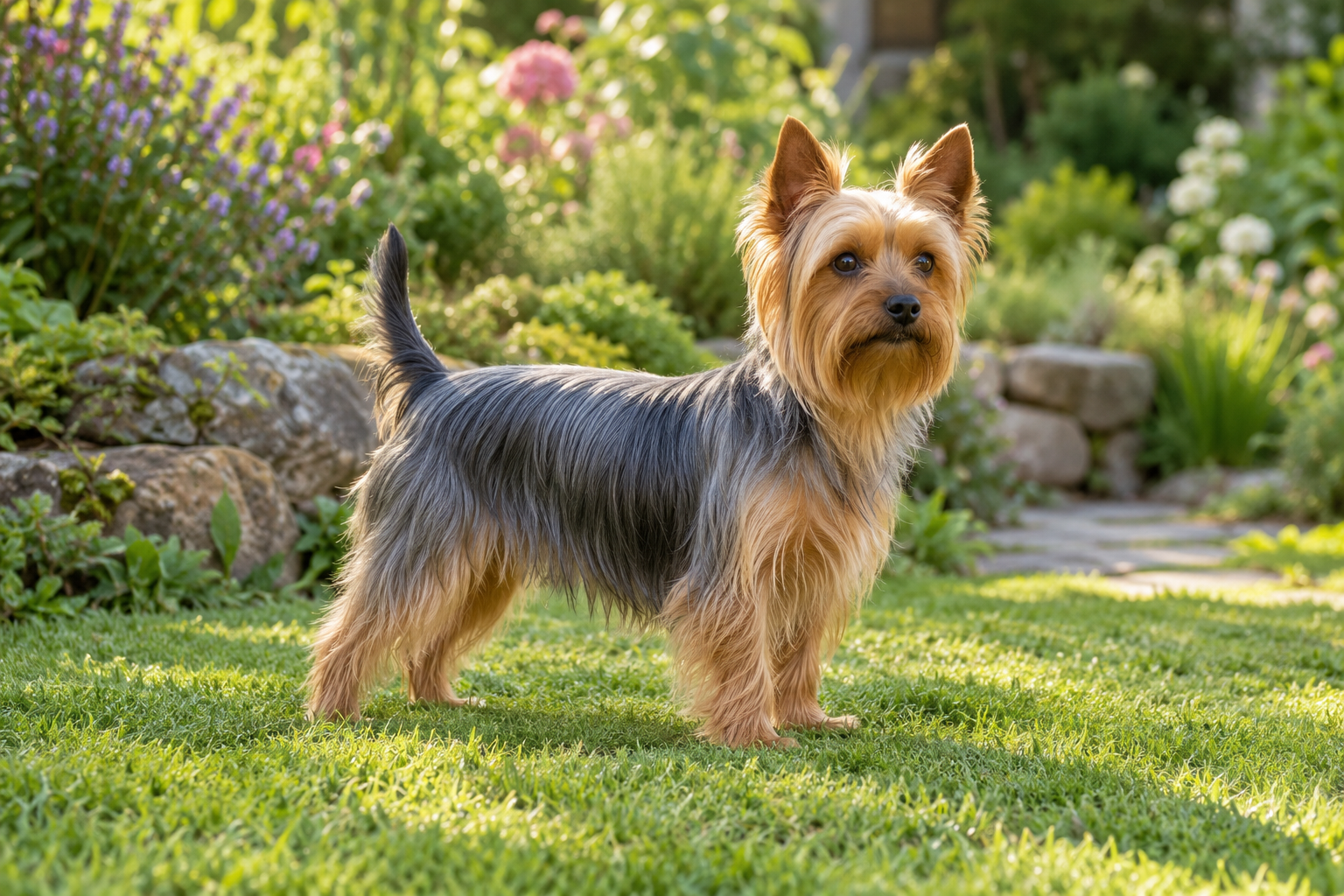 Australian Silky TerrierSmall • Toys (Group 1)
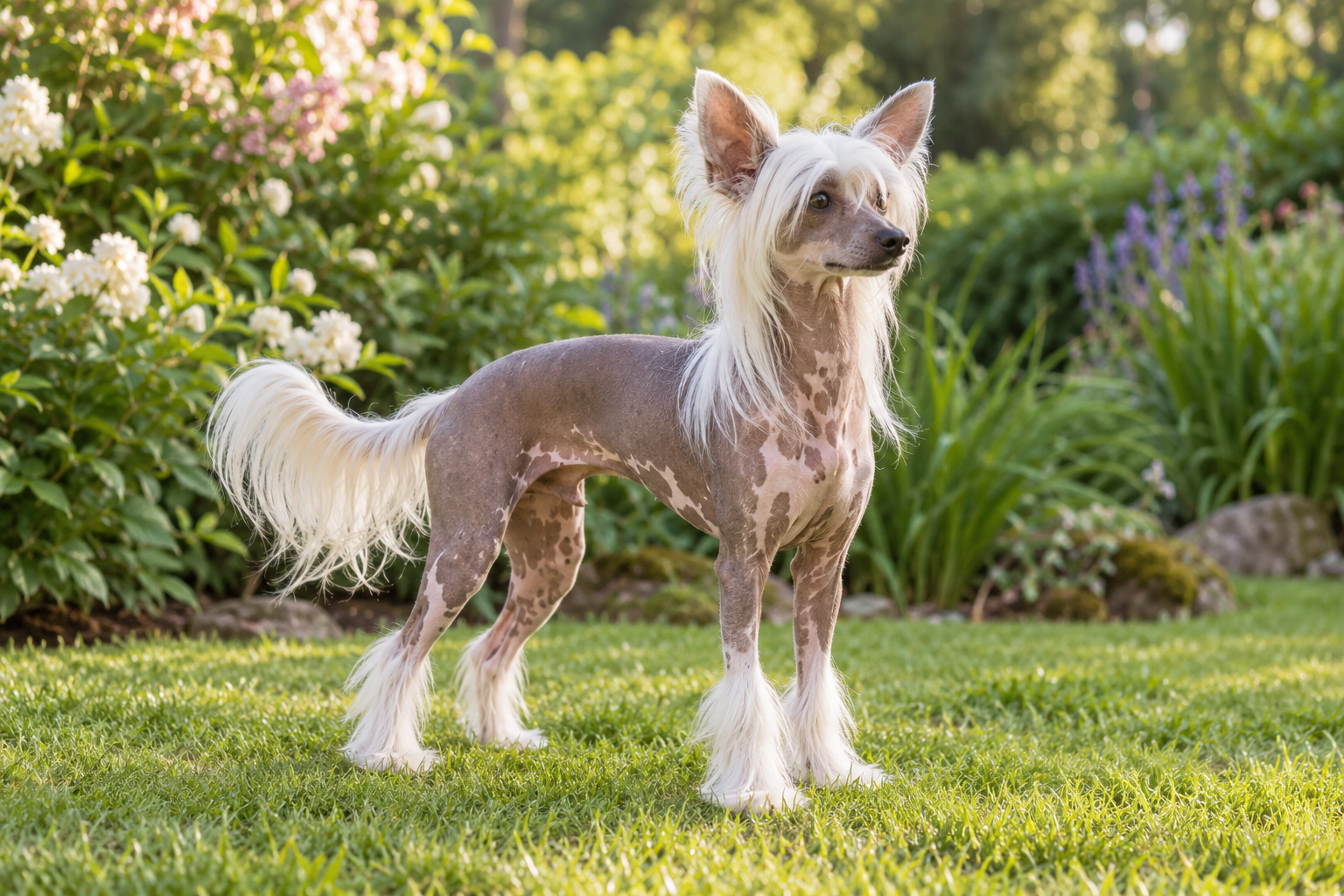 Chinese Crested DogSmall • Toys (Group 1)
 Griffon BruxelloisSmall • Toy
 HavaneseSmall • Toys (Group 1)
 Italian GreyhoundSmall • Toys
 LowchenSmall • Toy (Group 1)