Pug
By James C. • Updated
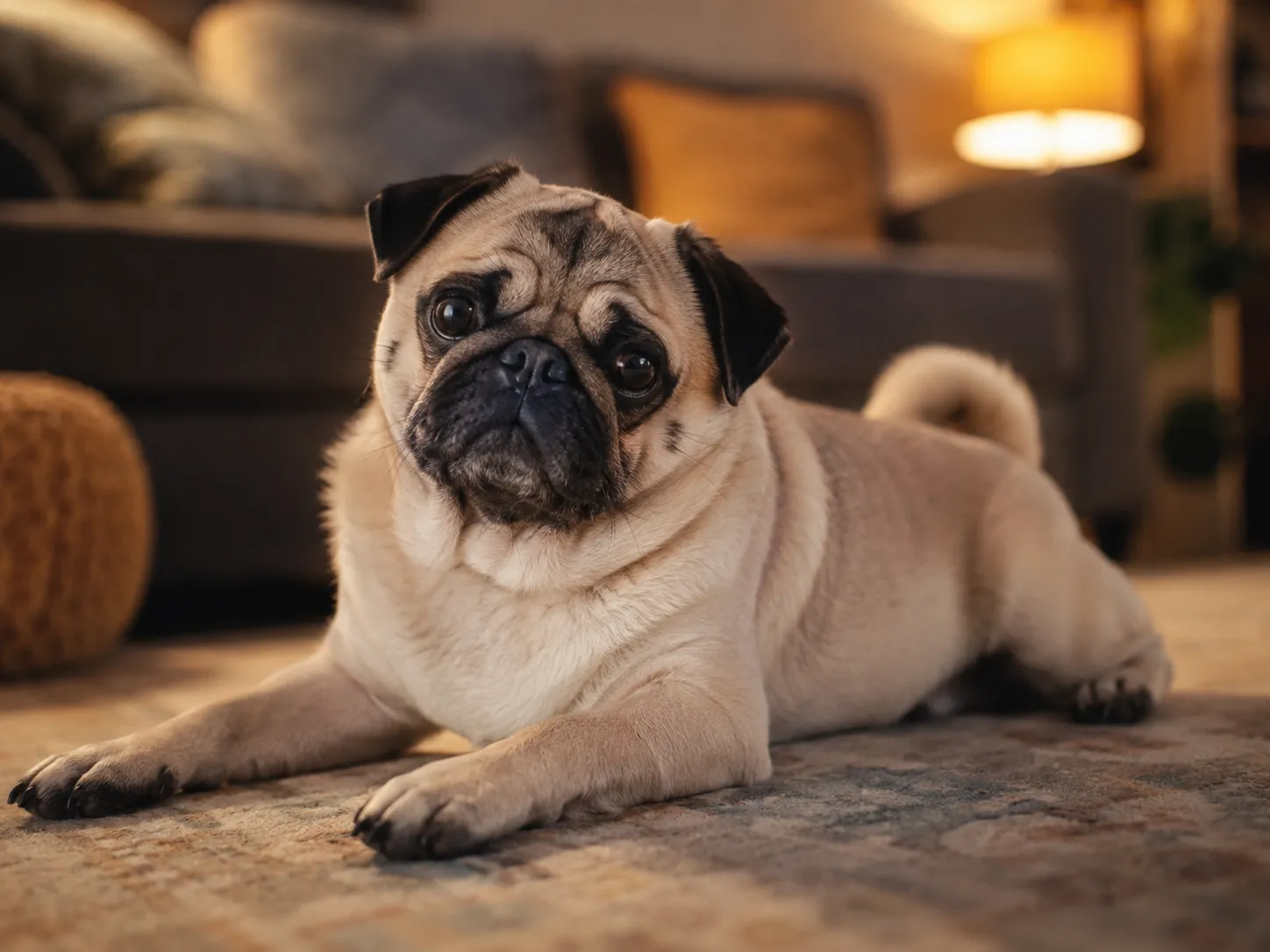
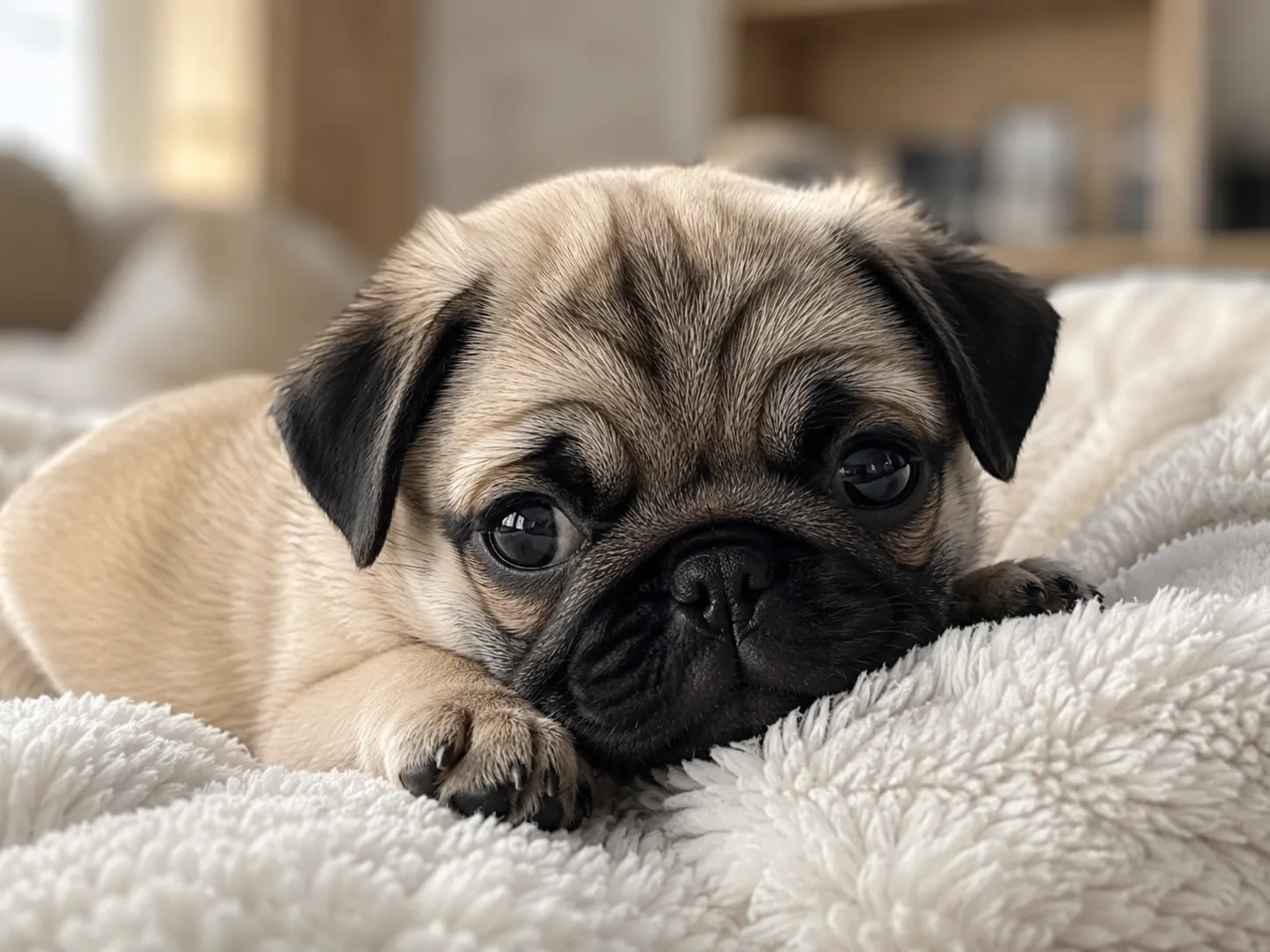
The Pug is a charming, affectionate, and playful companion breed with a distinctive wrinkled face and curled tail. Originally bred as a lap dog for Chinese royalty, Pugs are known for their friendly nature, adaptability, and strong desire to be close to their owners. They generally do well in apartments and family homes but can be sensitive to heat due to their shortened muzzle.
Breed Overview
Life Span
12 - 15 years
Average Price
AUD 2500 - AUD 5000
Weight
Male: 6 - 8 kg Female: 6 - 8 kg
Height
Male: 25 - 36 cm Female: 25 - 30 cm
Life Expectancy
Male/Female: 12 - 15 years
Breed Group
Companion
Nicknames
Pug, Dutch Mastiff (historical name)
Breed Information
The Pug is a small companion dog known for its wrinkled face, curled tail, and charming personality. Originally bred as a lap dog for Chinese royalty, the breed has become popular worldwide for its affectionate and playful nature.
Despite its small size, the Pug has a strong personality and thrives on companionship. These dogs form close bonds with their families and often prefer to stay near their owners throughout the day.
Pugs adapt well to apartment living and generally do well in households where they receive plenty of attention. Their friendly temperament and expressive faces have made them one of the most recognisable companion breeds in the world.
Characteristics of the Pug
| Trait | Rating | Star Rating | Meaning |
| Size | Small | ⭐⭐ | A compact companion dog that fits well into apartments, smaller homes, and households with limited indoor space. |
| Adaptability | Very High | ⭐⭐⭐⭐⭐ | Usually adapts well to different living situations, provided it has companionship, a stable routine, and protection from heat. |
| Exercise Needs | Low to Moderate | ⭐⭐⭐ | Enjoys daily walks and play, but does not need intense exercise and can tire quickly in warm weather. |
| Easy to Train | Moderate | ⭐⭐⭐ | Can learn well with patience and food-based rewards, though the breed may show a stubborn side at times. |
| Amount of Shedding | Moderate to High | ⭐⭐⭐⭐ | Despite the short coat, Pugs often shed heavily, especially during seasonal coat changes. |
| Grooming Needs | Moderate | ⭐⭐⭐ | The coat is easy to maintain, but facial wrinkles, ears, nails, and skin folds need regular care. |
| Good With Children | Very Good | ⭐⭐⭐⭐ | Usually affectionate and playful with children when handled gently and supervised appropriately. |
| Health of Breed | Moderate | ⭐⭐⭐ | Can be prone to several health concerns, especially breathing, eye, and skin issues linked to its flat face. |
| Cost to Keep | Moderate | ⭐⭐⭐ | Daily costs are manageable, though veterinary bills may increase if health issues develop. |
| Tolerates Being Alone | Low to Moderate | ⭐⭐ | Strongly attached to people and may become unhappy if left alone for long periods on a regular basis. |
| Intelligence | Moderate | ⭐⭐⭐ | Bright enough to learn routines and commands, though motivation and consistency are important in training. |
History of the Pug: From Chinese Royalty to Beloved Companion
The Pug has a long and fascinating history that dates back more than 2,000 years to ancient China, and it remains among the most popular companion breeds in Australia. Early versions of the breed were developed as companion dogs for Chinese emperors, where they were highly valued and often lived luxurious lives within royal palaces.
Chinese nobility favoured small flat-faced dogs, and the Pug was one of several breeds developed to fit this preference. These dogs were carefully bred for their distinctive wrinkled faces, compact bodies, and calm companionable temperaments.
The breed eventually reached Europe during the 16th century when Dutch traders brought Pugs from China. In the Netherlands, the breed quickly became popular and was closely associated with the House of Orange, where it served as a loyal companion to royal families
.
Pugs later gained popularity across European courts, including in England where Queen Victoria became a strong supporter of the breed. Her interest helped increase the breed’s popularity and encouraged more structured breeding programs.
Over time, the Pug became recognised worldwide as a friendly companion dog. Today, the breed is valued for its affectionate personality, charming appearance, and ability to adapt well to family life.
Appearance of the Pug: Compact, Distinctive, and Full of Character
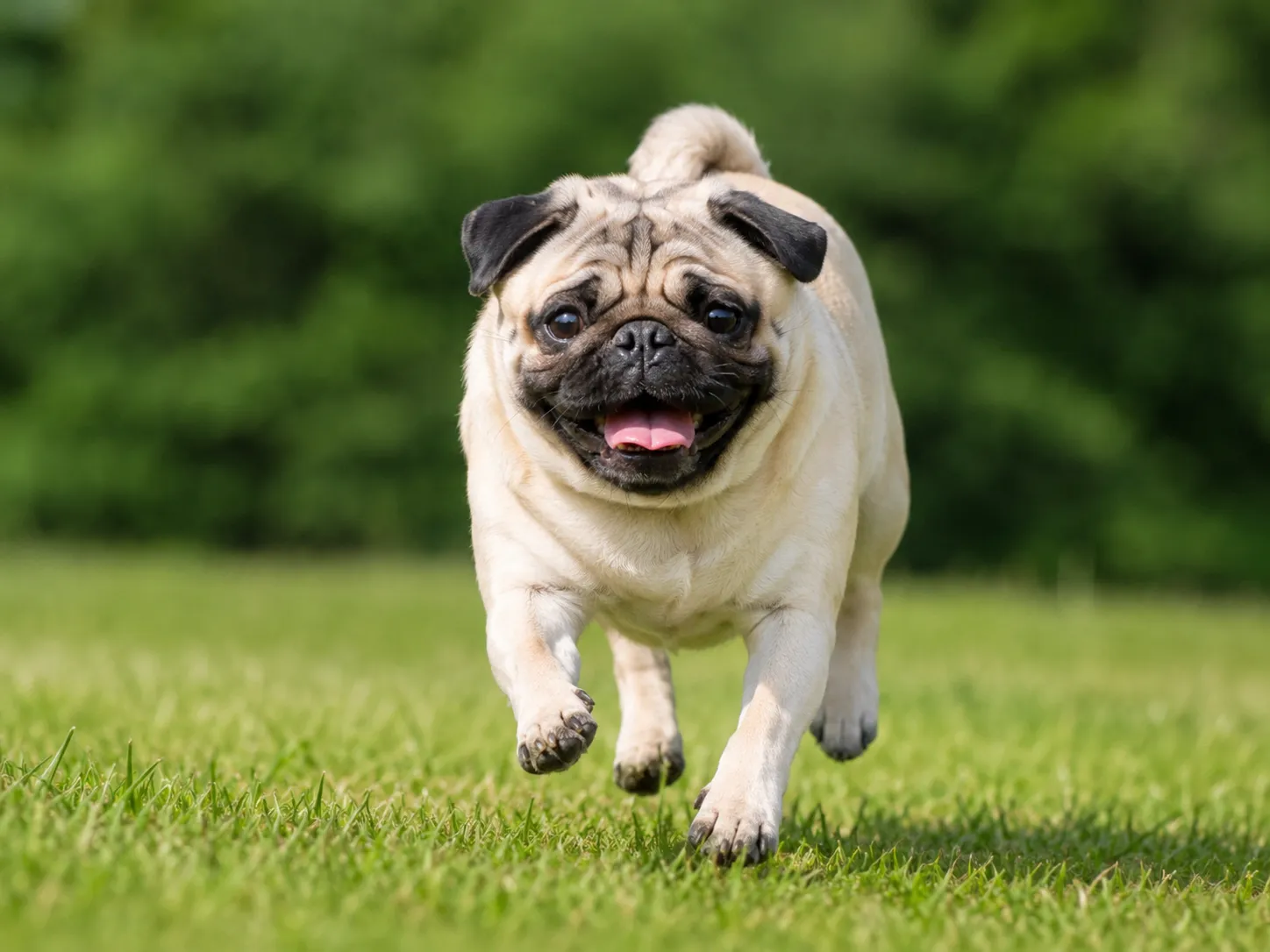
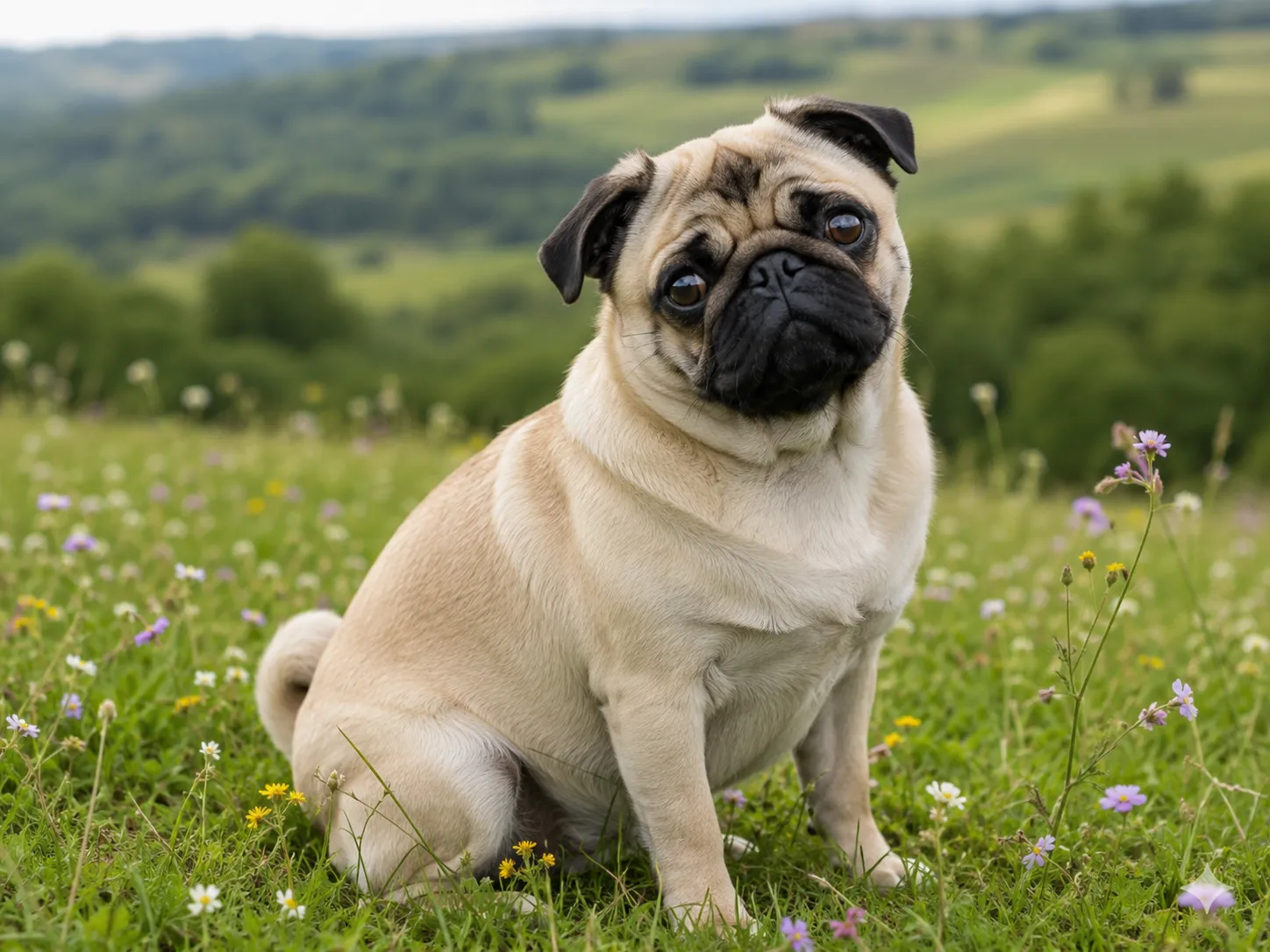
The Pug is one of the most recognisable companion breeds in the world, sharing its flat-faced build with the Pekingese. With its compact body, wrinkled face, and tightly curled tail, the breed has a very distinctive look that sets it apart from other small dogs. Although the Pug is small in size, it is solidly built and often described as a lot of dog in a small frame. The breed standard emphasises a square, muscular outline rather than a delicate toy-like build. :contentReference[oaicite:0]{index=0}
Size and Build
The Pug is a small, sturdy, and compact dog with a square and well-balanced outline. It should appear strongly made, with good muscle tone and a broad chest rather than fine or lightweight structure. This solid build contributes to the breed’s charming and slightly robust appearance.
Although small, the Pug is not fragile. The breed standard places strong emphasis on symmetry, substance, and proportion, which means the body should look balanced from front to rear. Males and females are generally similar in overall type, though males may appear slightly more solid and females a little finer in outline. :contentReference[oaicite:1]{index=1}
Coat and Colours
The Pug has a short, smooth, soft coat that lies close to the body. Even though the coat is short and relatively easy to maintain, it can shed more than many people expect. The texture should be fine, glossy, and neat rather than rough or fluffy.
Recognised breed standard colours include fawn with a black mask, apricot with a black mask, silver with a black mask, and black. Fawn is especially well known, but black Pugs are also widely recognised and admired. In all accepted colours, markings should appear clear and defined, especially around the muzzle and ears. :contentReference[oaicite:2]{index=2}
Eye Colour
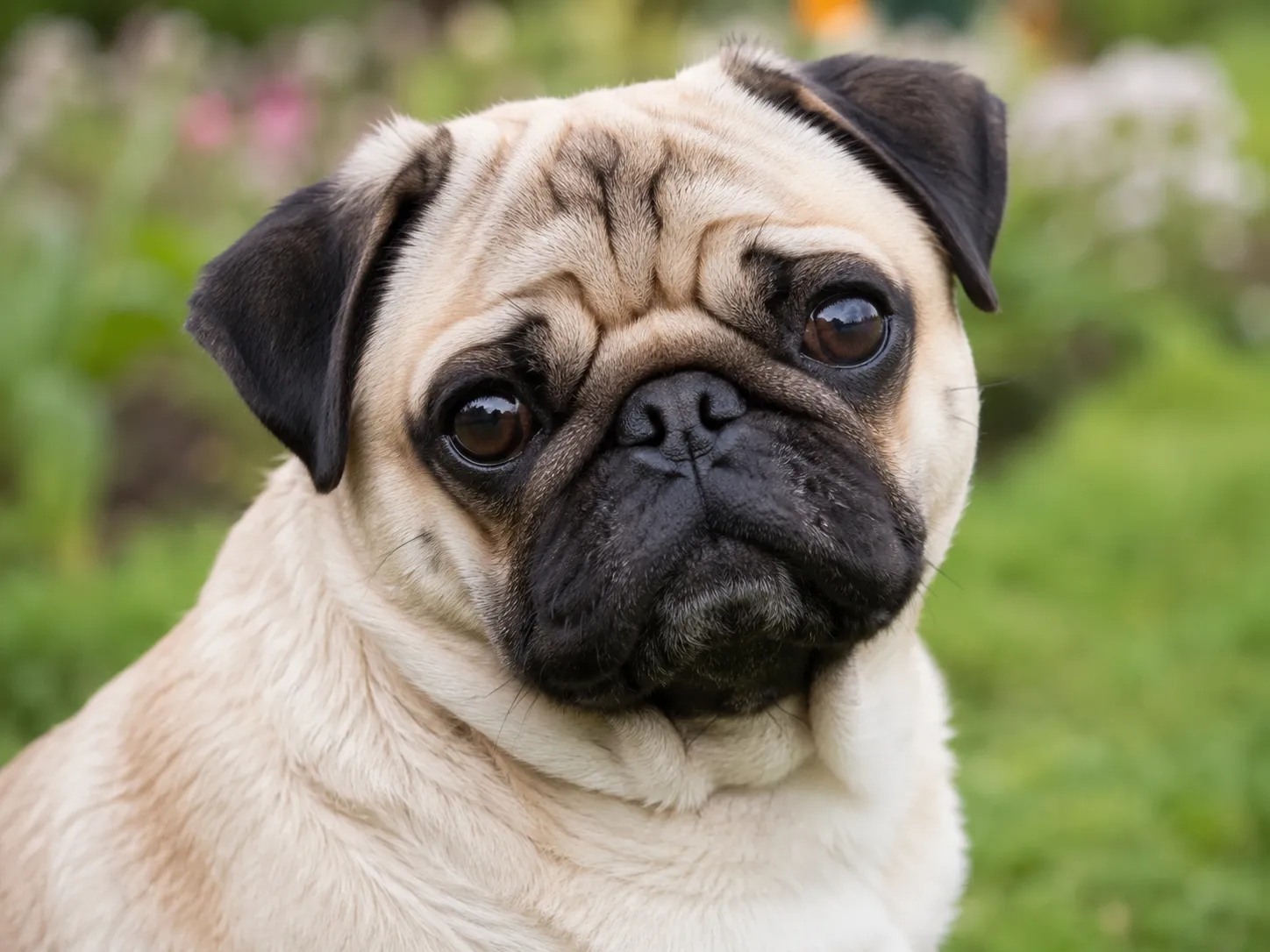
One of the breed’s most noticeable features is its large, dark, expressive eyes. The eyes are typically round in shape and set in a way that gives the Pug its warm, appealing expression.
Breed standards place importance on dark eyes because they contribute to the correct facial appearance. The eyes should look bright and full of expression without showing signs of irritation or poor structure. Because of the breed’s prominent eye shape, owners should also pay close attention to eye health as part of regular care. :contentReference[oaicite:3]{index=3}
Distinctive Features
The Pug is best known for its short muzzle, deep facial wrinkles, black mask, and tightly curled tail. These features are central to the breed’s identity and have made it popular for centuries. The forehead wrinkles are especially iconic and were historically admired in China.
Another defining feature is the tail, which curls tightly over the back. A double curl is often considered especially desirable in the breed standard. The ears are small and fine, and the head is broad and rounded, helping create the Pug’s unmistakable expression. :contentReference[oaicite:4]{index=4}
Gender Differences
Male and female Pugs generally share the same overall look, but there can be some slight physical differences. Males often appear a little broader and more muscular, while females may look slightly more refined.
Even so, both sexes should retain the breed’s compact, balanced structure and distinctive facial features. The ideal Pug should never look leggy, fragile, or overly coarse, regardless of sex. :contentReference[oaicite:5]{index=5}
Temperament of the Pug: Affectionate, Playful, and Loyal
The Pug is widely known for its friendly personality and affectionate nature, and its facial folds need watching for signs of skin irritation. Originally bred as companion dogs, Pugs thrive when they are close to their owners and often form strong emotional bonds with their families. Their gentle temperament and love of human interaction have made them one of the most popular companion breeds worldwide.
Affectionate and People-Oriented
Pugs are extremely people-focused dogs that enjoy spending time with their owners. They often follow family members around the house and prefer to stay close to people rather than being left alone for long periods.
Because of this strong attachment, the breed usually thrives in homes where someone is present for much of the day. Pugs tend to enjoy cuddling, relaxing on laps, and participating in everyday household activities.
Playful and Entertaining
Despite their relaxed appearance, Pugs are also playful dogs that enjoy short bursts of activity. They often display a humorous and entertaining personality that many owners find charming.
Play sessions, interactive toys, and light games can help keep the dog mentally stimulated. While they are not extremely energetic, regular play helps maintain a healthy weight and prevents boredom.
Friendly with Children and Guests
Pugs are generally sociable and tend to be welcoming toward visitors. Their calm nature often makes them suitable companions for families with children when interactions are supervised and respectful.
Because they are naturally friendly, Pugs usually do not show strong guarding behaviour. Instead, they are more likely to greet new people with curiosity and excitement.
Sensitive and Emotionally Aware
The breed can be sensitive to the emotional tone of its household. Pugs often respond strongly to their owner’s mood and may become anxious if the environment is tense or unpredictable.
Providing a stable routine, gentle training methods, and plenty of companionship helps the breed feel secure. When properly cared for, the Pug’s loyal and affectionate temperament makes it a devoted companion.
Intelligence and Trainability of the Pug: Learning with Patience and Consistency
Pugs are intelligent companion dogs that can learn commands, routines, and household rules when training is consistent, patient, and rewarding, though they often take longer through the toilet training stages. While they are capable learners, their independent and sometimes stubborn nature means training may take a little more persistence compared with highly obedient working breeds.
Intelligence and Learning Ability
Pugs possess moderate intelligence and strong social awareness. They quickly learn routines within the home and often understand tone of voice, body language, and daily patterns.
Although not typically ranked among the most obedient breeds, they are very capable of learning basic commands, house rules, and simple tricks. Because they enjoy human attention, many Pugs respond positively when training sessions include praise and interaction.
Training Approach
Positive reinforcement is the most effective training method for this breed. Pugs tend to respond best to food rewards, praise, and gentle encouragement rather than strict correction.
Short training sessions usually work better than long ones. Because Pugs can lose interest quickly, keeping sessions engaging and varied helps maintain their attention and motivation.
Consistency is also important. Clear expectations and regular repetition help the dog understand what behaviour is expected.
Early Socialisation
Early socialisation helps a Pug grow into a well-adjusted and confident adult dog. Exposing puppies to different environments, people, and gentle experiences can help prevent fearfulness later in life.
Meeting visitors, encountering different sounds, and experiencing new places during puppyhood helps build confidence and adaptability.
Potential Training Challenges
One challenge owners may encounter is the breed’s stubborn streak. Some Pugs prefer doing things at their own pace, which can make training slower if motivation is lacking.
Another factor is the breed’s strong desire for attention. Pugs may become distracted easily if training sessions are not engaging enough.
With patience, consistent routines, and positive reinforcement, most Pugs can learn good manners and basic obedience that allow them to become pleasant and enjoyable companions.
Pug Family Life: Living with Children, Pets, and Households
Pugs are widely known for their friendly and affectionate personalities, which often makes them well suited to family life. You can browse Pug puppies listed in Australia. Because they were historically bred as companion dogs, they usually enjoy being involved in everyday household activities and spending time with their owners.
Living with Children
Pugs often interact well with children because of their gentle and playful temperament. They usually enjoy attention and can be patient during calm play sessions.
However, like any dog, interactions should always be supervised, especially with younger children. Teaching children how to handle and respect dogs helps ensure a positive relationship.
Families should encourage children to interact calmly with the dog rather than engaging in rough play that could accidentally harm a small breed.
Living with Other Pets
Many Pugs get along well with other animals, particularly if they are raised together or introduced properly. Early socialisation can help them feel comfortable around other dogs and pets in the household.
Pugs generally have a friendly disposition, which may help them adapt to multi-pet homes.
Common household companions Pugs often live well with include:
- Other dogs: Usually friendly and social with canine companions
- Cats: Can coexist peacefully when introduced gradually
- Small household pets: May tolerate them when supervised and accustomed from an early age
Proper introductions and supervision are always recommended when bringing a new pet into the home.
Household Environment
Pugs usually thrive in homes where they receive plenty of attention and companionship. Because they are strongly people-oriented, they may become unhappy if left alone for long periods.
This breed adapts well to different living environments, including apartments and smaller homes, as long as daily interaction and moderate exercise are provided.
Lifestyle Compatibility
The ideal home for a Pug is one where the dog can remain close to its owners and participate in daily routines.
Households that tend to suit the breed include:
- Families seeking an affectionate companion dog
- Individuals or couples living in apartments
- Homes where someone is present for much of the day
When given companionship, routine care, and attention, Pugs often become loyal and entertaining members of the family.
Health of the Pug: Common Conditions and Lifespan
Pugs are affectionate companion dogs with a typical life expectancy of 12 to 15 years, but the breed can be prone to several health concerns, including heatstroke that develops quickly indoors. Many of these issues relate to the Pug’s distinctive flat face and compact body structure. Responsible breeding, regular veterinary care, and attentive daily management help support a healthy life.
Common Health Conditions
Several health conditions are more commonly associated with the breed. While not every Pug will experience these problems, owners should be aware of potential risks.
- Brachycephalic airway syndrome: Because of the breed’s short muzzle, some Pugs experience breathing difficulties, especially during heat or strenuous exercise.
- Eye conditions: Their prominent eyes can make them more vulnerable to irritation, ulcers, or injury.
- Skin fold infections: Wrinkles around the face can trap moisture and debris if not cleaned regularly.
- Hip dysplasia: Although more common in larger breeds, it can still affect some Pugs.
- Obesity: Pugs enjoy food and may gain weight easily without proper portion control and exercise.
Regular veterinary check-ups help detect and manage these conditions early.
Preventative Health Care
Preventative care plays an important role in maintaining the Pug’s health. Owners can support long-term wellbeing through routine veterinary visits and daily care.
Key preventative practices include:
- Regular veterinary examinations: Helps identify potential issues early.
- Vaccinations and parasite prevention: Protects against common diseases and parasites.
- Maintaining a healthy weight: Reduces strain on joints and breathing.
- Cleaning facial wrinkles: Prevents skin irritation and infections.
- Monitoring breathing during activity: Helps avoid overheating and respiratory stress.
A proactive approach to health care can significantly improve quality of life.
Heat Sensitivity
Because of their facial structure, Pugs can be more sensitive to heat than many other breeds. High temperatures and humidity may make breathing more difficult, which increases the risk of overheating.
Owners should avoid exercising the dog during the hottest parts of the day and always provide shade, fresh water, and a cool resting area during warm weather.
Lifespan and Healthy Living
With attentive care, proper nutrition, and regular veterinary support, many Pugs live long and happy lives. Responsible ownership, including selecting puppies from health-conscious breeders, helps improve the likelihood of a healthy companion.
Understanding the breed’s health needs allows owners to provide the care required for the Pug to thrive throughout its life.
Caring for the Pug: Daily Care and Living Environment
Owning a Pug involves providing consistent daily care, companionship, and a comfortable living environment. Because the breed was developed as a companion dog, it thrives in homes where it can stay close to its owners and participate in everyday activities. Proper care helps maintain both the dog’s physical health and emotional wellbeing.
Daily Care Routine
Pugs benefit from a structured daily routine that includes feeding, short exercise sessions, and regular interaction with their owners. Maintaining consistent routines helps the dog feel secure and reduces the likelihood of behavioural problems.
A typical care routine may include:
- Short daily walks: Helps maintain a healthy weight without overexertion
- Interactive play sessions: Keeps the dog mentally stimulated and engaged
- Regular feeding schedule: Supports healthy digestion and stable energy levels
- Basic grooming checks: Monitoring wrinkles, ears, and nails
Because Pugs are strongly attached to people, daily companionship is essential for their wellbeing.
Living Environment Requirements
Pugs adapt well to many living environments and are often comfortable in apartments, townhouses, or family homes. Their moderate activity level means they do not require large outdoor spaces.
However, they should ideally live indoors with their family rather than being kept outside for long periods.
Important environmental considerations include:
- Cool indoor spaces: Helps protect the dog from overheating
- Comfortable bedding: Supports joint comfort and restful sleep
- Access to fresh water at all times
These simple conditions help maintain comfort and health.
Climate Sensitivity
Due to their flat facial structure, Pugs can be sensitive to heat and humidity. High temperatures may make breathing more difficult, which increases the risk of overheating.
Owners should take precautions such as:
- Walking the dog during cooler morning or evening hours
- Avoiding intense exercise in hot weather
- Ensuring shaded resting areas are available
Managing temperature exposure is an important part of responsible care.
Caring for Senior Pugs
As Pugs grow older, their care needs may gradually change. Senior dogs often benefit from gentler exercise routines, regular veterinary monitoring, and supportive nutrition.
Providing a quiet resting area, maintaining a stable routine, and monitoring mobility can help older Pugs remain comfortable and content throughout their later years.
Grooming of the Pug: Keeping the Coat and Skin Healthy
Pugs have a short, smooth coat that is relatively easy to maintain, but grooming is still an important part of keeping the breed healthy and comfortable. While their coat does not require trimming like many long-haired breeds, regular brushing and attention to facial wrinkles are essential parts of routine care.
Coat Maintenance
The Pug’s coat is short and glossy, but it tends to shed more than many owners expect. Regular brushing helps remove loose hair and keeps the coat looking neat and healthy.
A simple grooming routine usually includes:
- Brushing two to three times per week: Helps remove loose hair and reduce shedding around the home
- Occasional bathing: Keeps the coat clean and fresh without drying the skin
- Using a soft brush or grooming glove: Gentle tools work best for the Pug’s short coat
Even with regular grooming, some shedding is normal for the breed.
Facial Wrinkle Care
One of the Pug’s most distinctive features is its deep facial wrinkles, but these folds require regular cleaning to prevent irritation or infection.
Owners should check the folds frequently and keep them clean and dry. Moisture and debris trapped in skin folds can lead to skin irritation if not addressed.
A simple routine usually involves gently wiping the folds with a soft cloth and ensuring they are dry afterward.
Ear, Nail, and Dental Care
Grooming should also include routine checks of other areas that affect the dog’s overall health.
Important grooming habits include:
- Cleaning the ears regularly: Helps reduce the risk of infection
- Trimming nails when needed: Prevents discomfort during walking
- Brushing teeth several times per week: Supports long-term dental health
Introducing grooming early in puppyhood helps Pugs become comfortable with handling.
Grooming Benefits
Regular grooming provides more than just cosmetic benefits. It allows owners to monitor the dog’s skin, coat, and overall condition.
Through routine grooming, owners can often notice early signs of skin irritation, parasites, or other health concerns. Keeping up with these habits helps ensure the Pug remains comfortable, clean, and healthy.
Exercise Needs of the Pug: Keeping Activity Balanced
Pugs are not high-energy dogs, but they still need regular exercise to maintain a healthy weight and prevent boredom. Because of their compact build and flat facial structure, activity should be moderate rather than intense. Short daily activities are usually enough to keep a Pug physically and mentally satisfied.
Daily Exercise Requirements
Most Pugs benefit from 20 to 40 minutes of activity each day. This does not need to be continuous exercise and can be split into shorter sessions.
Typical daily activities may include:
- Short neighbourhood walks: Gentle walks help maintain fitness without placing too much strain on breathing.
- Indoor play sessions: Games such as fetch with small toys can provide light activity inside the home.
- Interactive play with owners: Simple games help keep the dog engaged and mentally stimulated.
Regular exercise also helps reduce the risk of obesity, which can be a concern for the breed.
Activities Pugs Enjoy
Although they are not endurance athletes, Pugs often enjoy playful activities that involve interaction with their owners.
Some suitable activities include:
- Gentle games of fetch
- Puzzle toys or treat games
- Short training sessions that include movement
- Exploring new walking routes
Keeping activities varied can help maintain the dog’s interest.
Exercise Limitations
Because Pugs have short muzzles and compact airways, they can tire more quickly than many other breeds. Owners should pay attention to signs of fatigue such as heavy panting or slowing down.
Exercise should be avoided during very hot weather, and activity should remain moderate rather than intense.
Importance of Mental Stimulation
Mental stimulation is just as valuable as physical activity for this breed. Pugs are curious dogs that enjoy learning routines and interacting with their owners.
Providing enrichment through toys, light training, and social interaction helps keep the dog mentally satisfied and prevents boredom-related behaviours.
Feeding the Pug: Nutrition and Diet Needs
A balanced diet is important for maintaining healthy weight, strong muscles, and long-term wellbeing in Pugs. Because this breed can gain weight easily, owners should pay close attention to food quality, portion size, and feeding routines. Proper nutrition helps support energy levels, skin health, and overall vitality.
Nutritional Requirements
Pugs benefit from a diet that includes high-quality protein, healthy fats, and essential vitamins and minerals. Protein helps maintain muscle tone, while healthy fats support skin and coat health.
A well-balanced diet may include:
- Quality commercial dog food: Formulated to provide balanced nutrition
- Animal-based protein sources: Such as chicken, beef, lamb, or fish
- Healthy fats: Support skin health and provide energy
- Essential vitamins and minerals: Support immune function and overall health
Fresh water should always be available to support proper hydration.
Feeding by Life Stage
The amount and type of food a Pug requires will change throughout its life.
- Puppies: Require nutrient-dense meals that support growth and development, often fed three to four small meals per day.
- Adult Pugs: Usually thrive on two balanced meals daily to maintain stable energy levels.
- Senior Pugs: May benefit from diets designed for ageing dogs, often lower in calories but supportive of joint health.
Adjusting food based on life stage helps support long-term health.
Portion Control and Weight Management
Pugs are known for their strong appetite and love of food. Without careful portion control, they may become overweight.
To maintain a healthy body condition, owners should:
- Measure food portions carefully rather than free-feeding
- Limit treats and table scraps
- Monitor body condition regularly
- Adjust portions according to activity level
Maintaining a healthy weight is particularly important for this breed because excess weight can worsen breathing and joint issues.
Foods to Avoid
Certain foods can be harmful to dogs and should never be given to Pugs.
Common foods to avoid include:
- Chocolate
- Grapes and raisins
- Onions and garlic
- Alcohol
- Foods containing xylitol or artificial sweeteners
Providing a safe and balanced diet helps ensure the Pug remains healthy and active throughout its life.
Pug Price in Australia: Purchase Cost and Ongoing Expenses
Bringing a Pug into your home involves both an initial purchase price and ongoing care costs. While Pugs are relatively small dogs, responsible ownership still requires budgeting for veterinary care, grooming, food, and everyday supplies. Understanding the full financial commitment helps prospective owners prepare for long-term care.
Puppy Purchase Price
In Australia, the price of a Pug puppy can vary depending on the breeder, bloodline, and location. Puppies from responsible breeders that perform health testing often cost more, but they usually provide healthier and better socialised dogs.
Typical price ranges may include:
- Pet-quality Pug puppies: AUD $2,500 to $4,500
- Puppies from registered breeders: AUD $3,500 to $6,000
- Champion bloodlines or show-quality dogs: AUD $5,000 or more
Ethical breeders normally include vaccinations, microchipping, and health checks as part of the purchase.
Initial Setup Costs
Before bringing a puppy home, owners will need several essential supplies to create a comfortable living environment.
Common setup costs include:
- Dog bed and crate: Provides a secure sleeping area
- Food and water bowls: Stainless steel or ceramic options are often preferred
- Collar, harness, and lead: Needed for safe walks and identification
- Basic grooming supplies: Brushes, nail clippers, and cleaning products
- First veterinary visit and vaccinations
These initial purchases usually cost AUD $400 to $1,000, depending on quality and brand.
Ongoing Monthly Costs
Owning a Pug also involves regular monthly expenses related to health and everyday care.
Typical ongoing costs may include:
- Food: AUD $50 to $120 depending on diet quality
- Routine veterinary care and parasite prevention: Approximately AUD $30 to $70 per month when averaged across the year
- Pet insurance (optional): AUD $30 to $80 per month
- Grooming and hygiene products: Basic grooming supplies and cleaning products
Because Pugs can be prone to certain health conditions, many owners also choose to maintain pet insurance for additional financial protection.
Long-Term Financial Commitment
Over the course of a typical 12 to 15 year lifespan, the total cost of owning a Pug can become significant. Veterinary care, food, grooming supplies, and unexpected medical treatments all contribute to long-term expenses.
Preparing financially ensures the dog receives proper care throughout its life and helps owners provide a safe, stable environment for their companion.
Buying Advice for a Pug: Choosing a Healthy Puppy
Finding the right Pug starts with choosing a responsible breeder or a reputable source. Because the breed is very popular, puppies are often advertised by many sellers, but not all breeding practices prioritise health and welfare. Taking time to research where your puppy comes from can make a significant difference to the dog’s long-term health and temperament.
Choosing a Responsible Breeder
A responsible breeder focuses on healthy breeding practices, proper socialisation, and good living conditions for their dogs. Puppies should be raised in clean environments where they are exposed to normal household experiences.
When evaluating a breeder, look for the following:
- Health-tested parent dogs: Responsible breeders screen for common genetic conditions
- Transparent communication: Breeders who answer questions and provide documentation
- Clean and safe environment: Puppies should appear healthy, active, and well cared for
- Breeder support: Ethical breeders often provide advice after the puppy goes home
Avoid purchasing from sellers who refuse to show where the puppies are raised or who cannot provide health records.
Health Checks Before Purchase
Before committing to a puppy, it is important to confirm that the dog has received appropriate veterinary care.
Important checks may include:
- Vaccination records: Ensures the puppy has begun its vaccination schedule
- Microchipping: Required for identification and registration in Australia
- General veterinary health check: Confirms the puppy is healthy at the time of sale
These steps help protect both the puppy and the new owner.
Questions to Ask the Breeder
Asking the right questions can help you understand more about the puppy’s background and care.
Helpful questions include:
- Has the puppy been vaccinated and microchipped?
- What health tests have been done on the parents?
- What type of food is the puppy currently eating?
- How has the puppy been socialised with people and other animals?
- Is there ongoing support if the new owner has questions?
Responsible breeders are usually happy to provide clear answers.
Considering Adoption
Adoption is another option worth considering. Some rescue organisations and shelters occasionally have Pugs or Pug mixes available for adoption.
Adopting an adult dog may suit families who prefer a calmer, already house-trained companion. Rescue organisations can often provide information about the dog’s personality and care needs.
Whether purchasing from a breeder or adopting through rescue, choosing a healthy and well-socialised dog is the most important step when welcoming a Pug into your home.
Is the Pug Right for You? A Charming Companion for the Right Home
The Pug is known for its playful personality, affectionate nature, and love of human companionship. While the breed can adapt to many households, potential owners should understand its care requirements, health considerations, and need for regular companionship before deciding if this dog is the right fit.
Lifestyle Compatibility
Pugs generally thrive in homes where they can spend plenty of time with their owners. Because they were bred as companion dogs, they usually prefer being close to people rather than living independently.
Homes that often suit the breed include:
- Apartments and smaller homes: Their moderate activity needs make them suitable for limited spaces
- Family households: They usually enjoy being involved in everyday family activities
- Homes with regular companionship: Pugs often struggle if left alone for long periods
Providing a stable routine and daily interaction helps the breed feel secure.
Time and Care Commitment
Although Pugs are not extremely demanding in terms of exercise, they still require consistent daily care and attention.
Owners should be prepared to provide:
- Daily short walks and light play sessions
- Regular wrinkle cleaning and grooming checks
- Balanced feeding and weight monitoring
- Routine veterinary care and preventative health management
Because the breed can be sensitive to heat, activity should remain moderate and monitored during warmer weather.
Grooming and Health Awareness
Potential owners should understand that Pugs require regular grooming despite their short coats. Cleaning facial folds, brushing loose hair, and maintaining dental hygiene are all important parts of routine care.
The breed can also be prone to certain health concerns, particularly those related to breathing and eye health. Choosing a puppy from a responsible breeder and maintaining regular veterinary care helps reduce many risks.
Ideal Owner Profile
Pugs usually suit owners who appreciate a friendly, affectionate companion dog with a relaxed lifestyle. They often do well with families, couples, and individuals who enjoy spending time with their dog throughout the day.
Households that value companionship, patience, and consistent care often find the Pug to be a loyal and entertaining addition to the family.
Find Pug Puppies for Sale
If you believe this charming breed matches your lifestyle, the next step is finding a healthy puppy from a responsible source. At Pups4Sale, you can browse listings from verified breeders across Australia and connect with sellers who prioritise responsible breeding and puppy welfare.
Start your search today and find a well-bred Pug puppy that can become a loving companion in your home.
Frequently Asked Questions
Related Breeds
Other toy breeds on Pups4Sale.
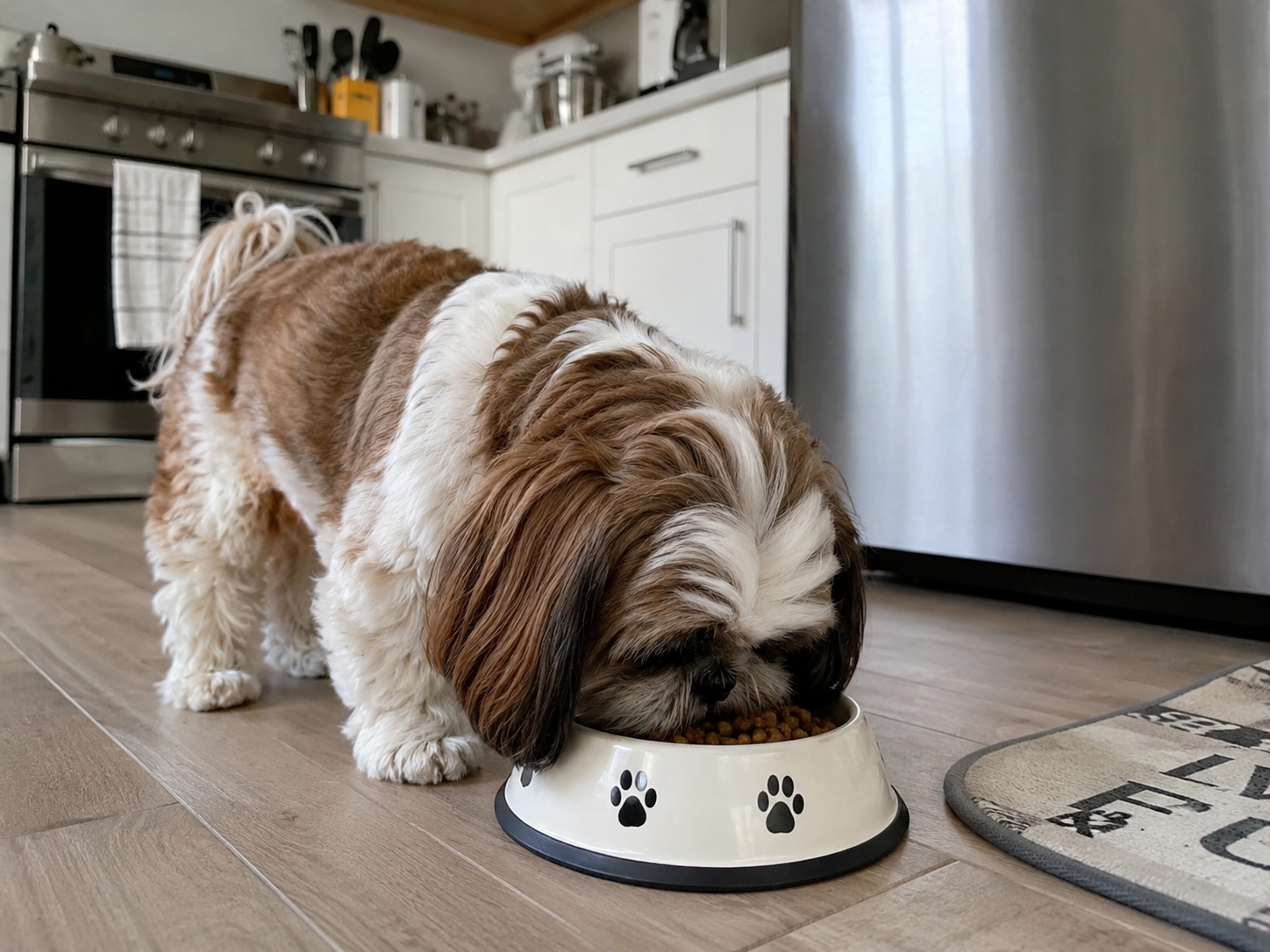 Shih TzuSmall • Toy
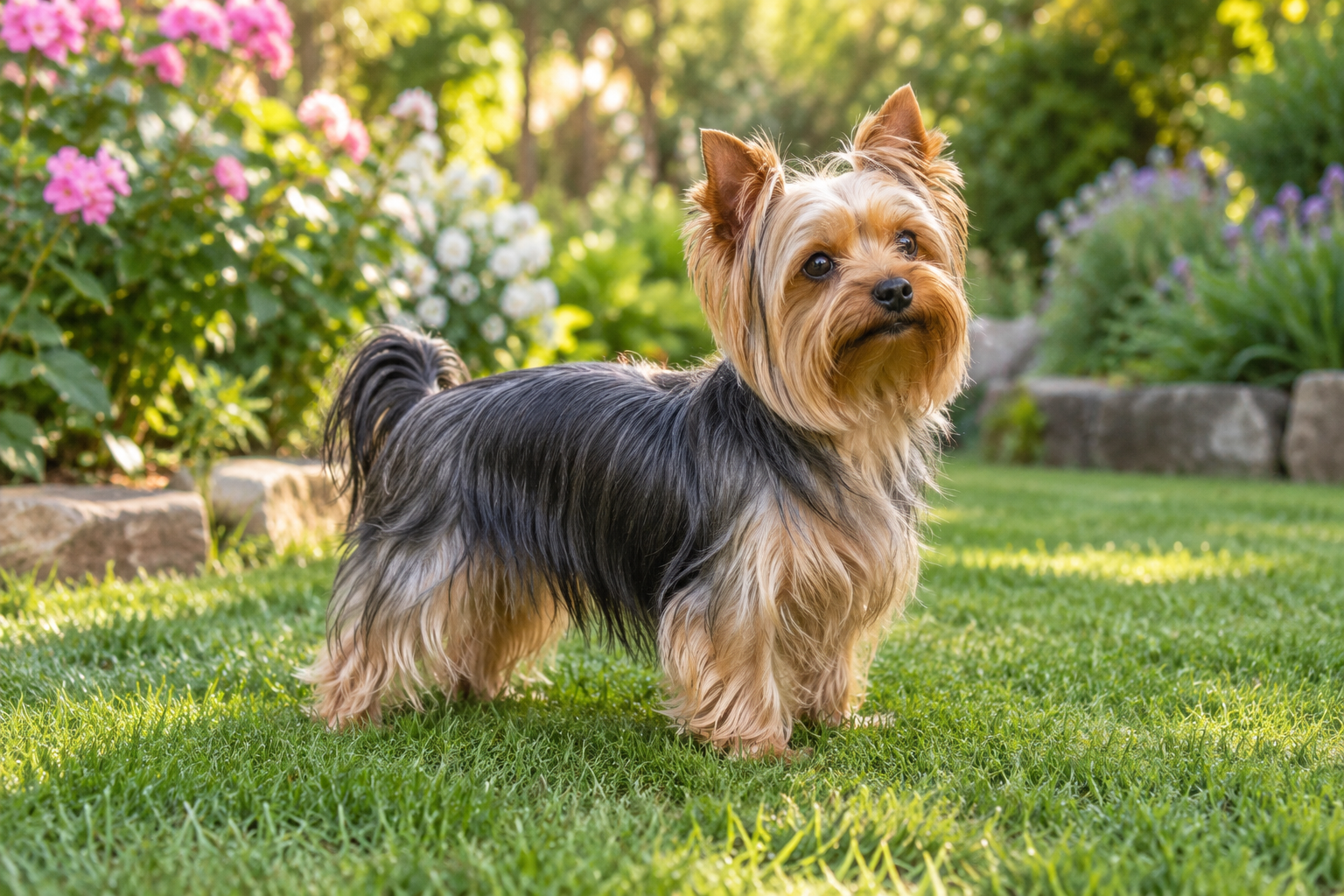 Yorkshire TerrierSmall • Toy (Group 1)
 AffenpinscherSmall • Toy
 Australian Silky TerrierSmall • Toys (Group 1)
 Chinese Crested DogSmall • Toys (Group 1)
 Griffon BruxelloisSmall • Toy