Swedish Vallhund
By James C. • Updated
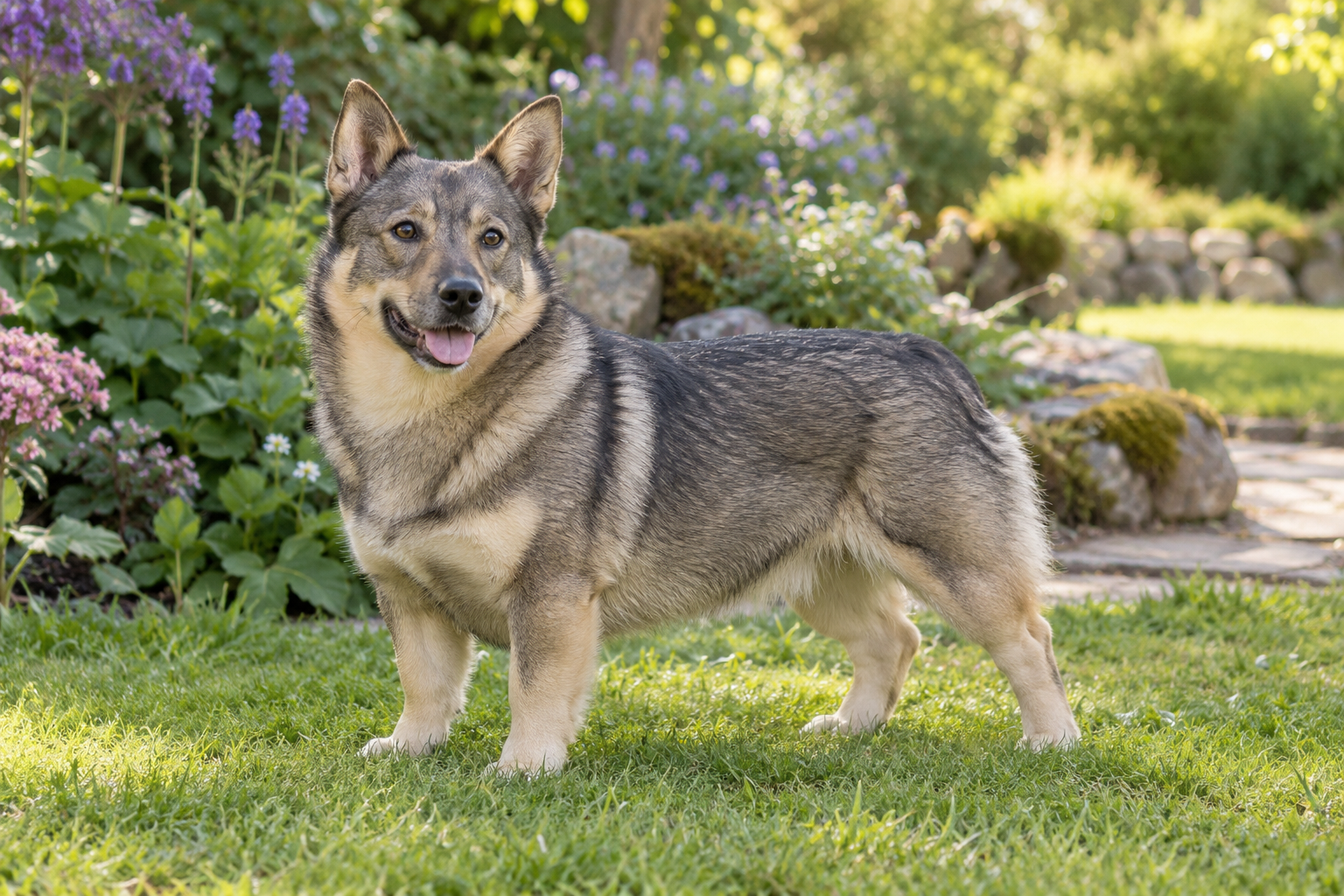
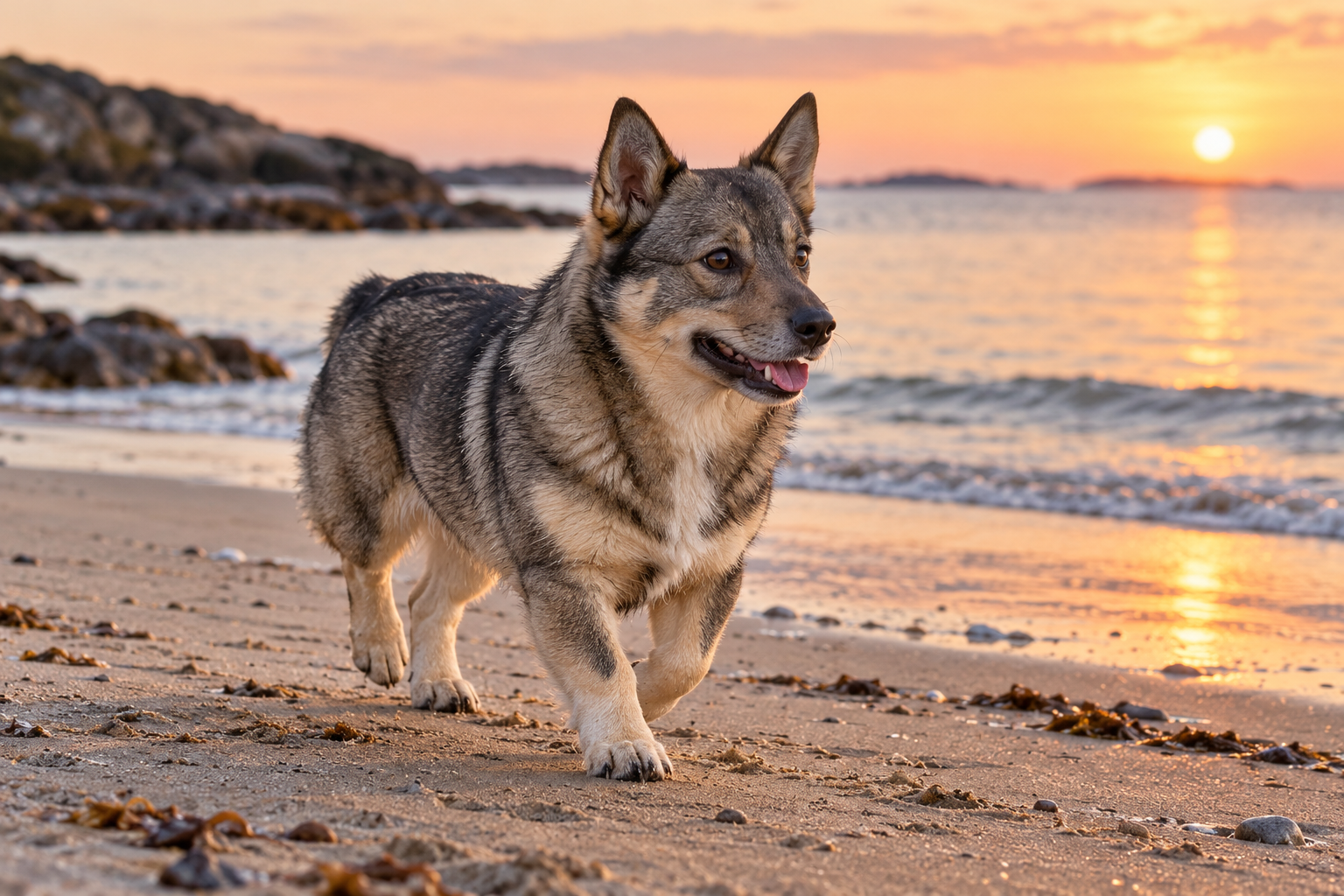
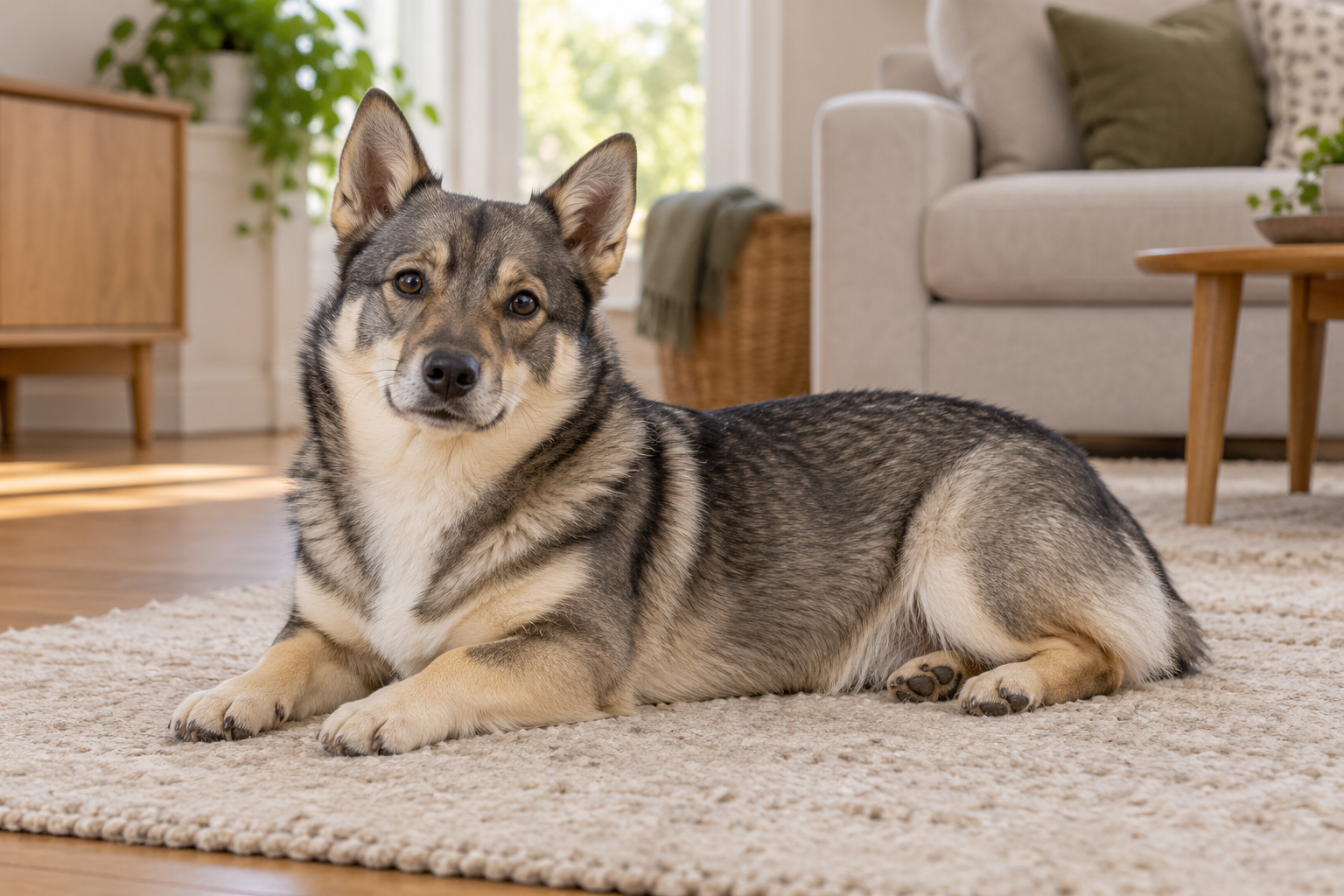
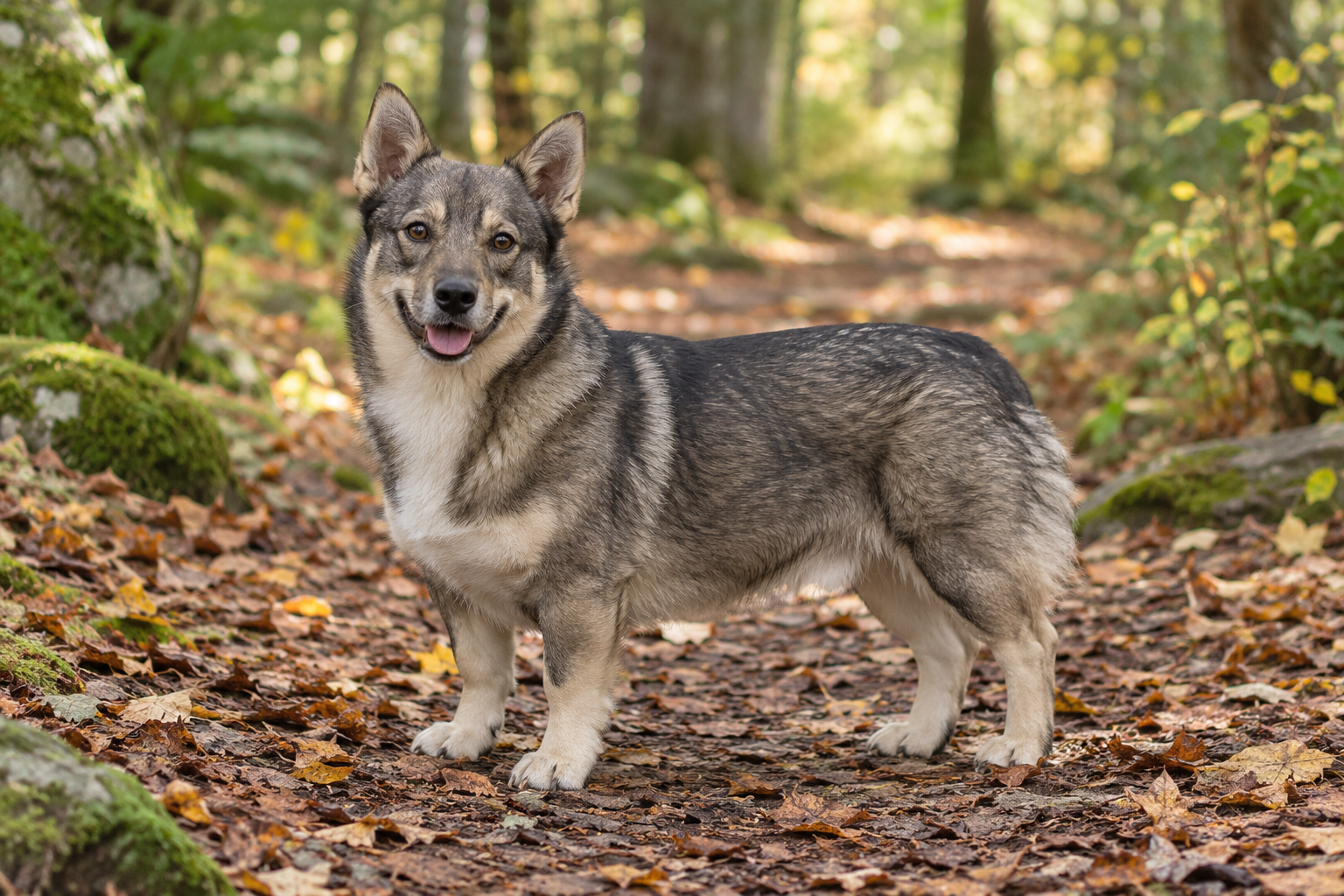
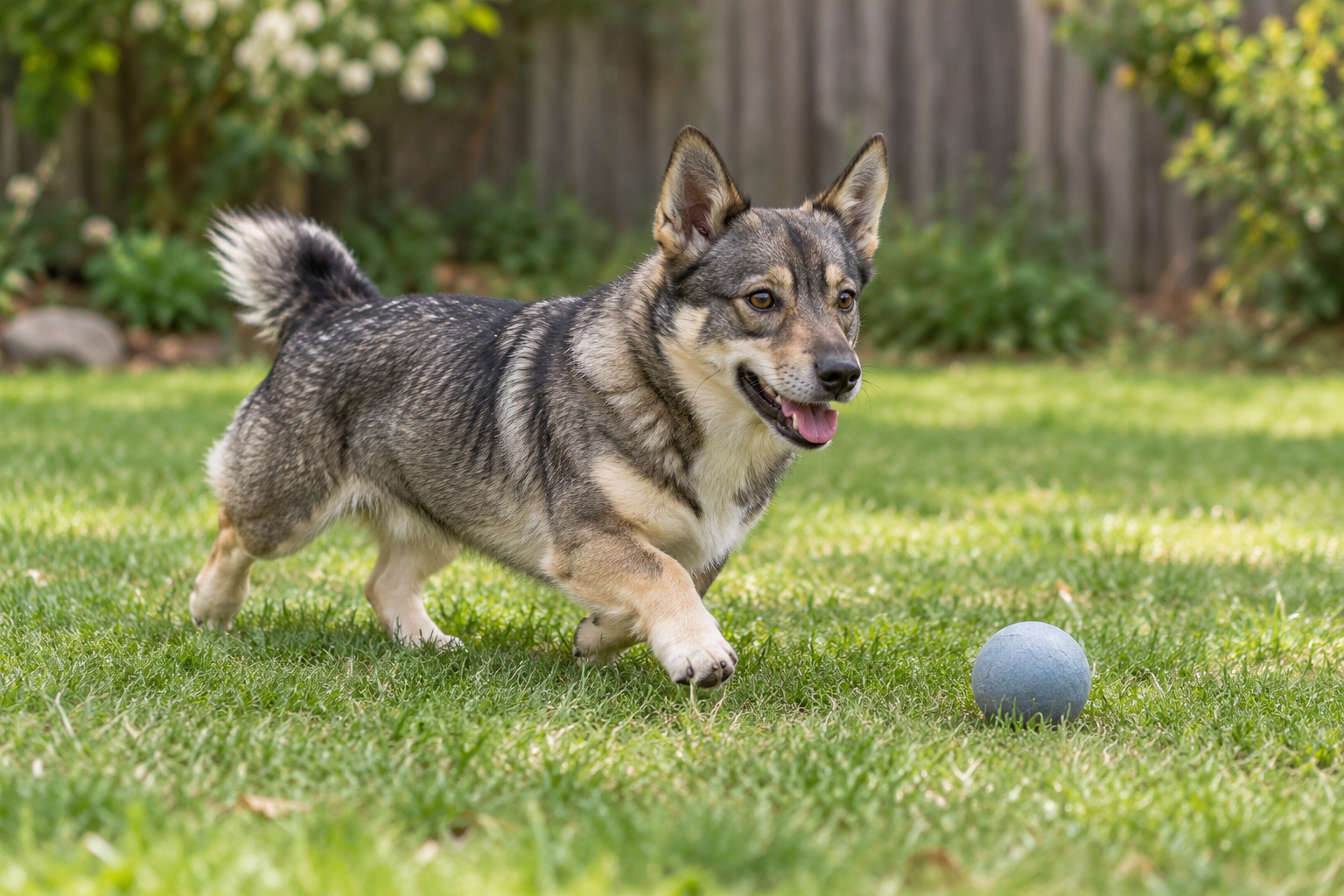
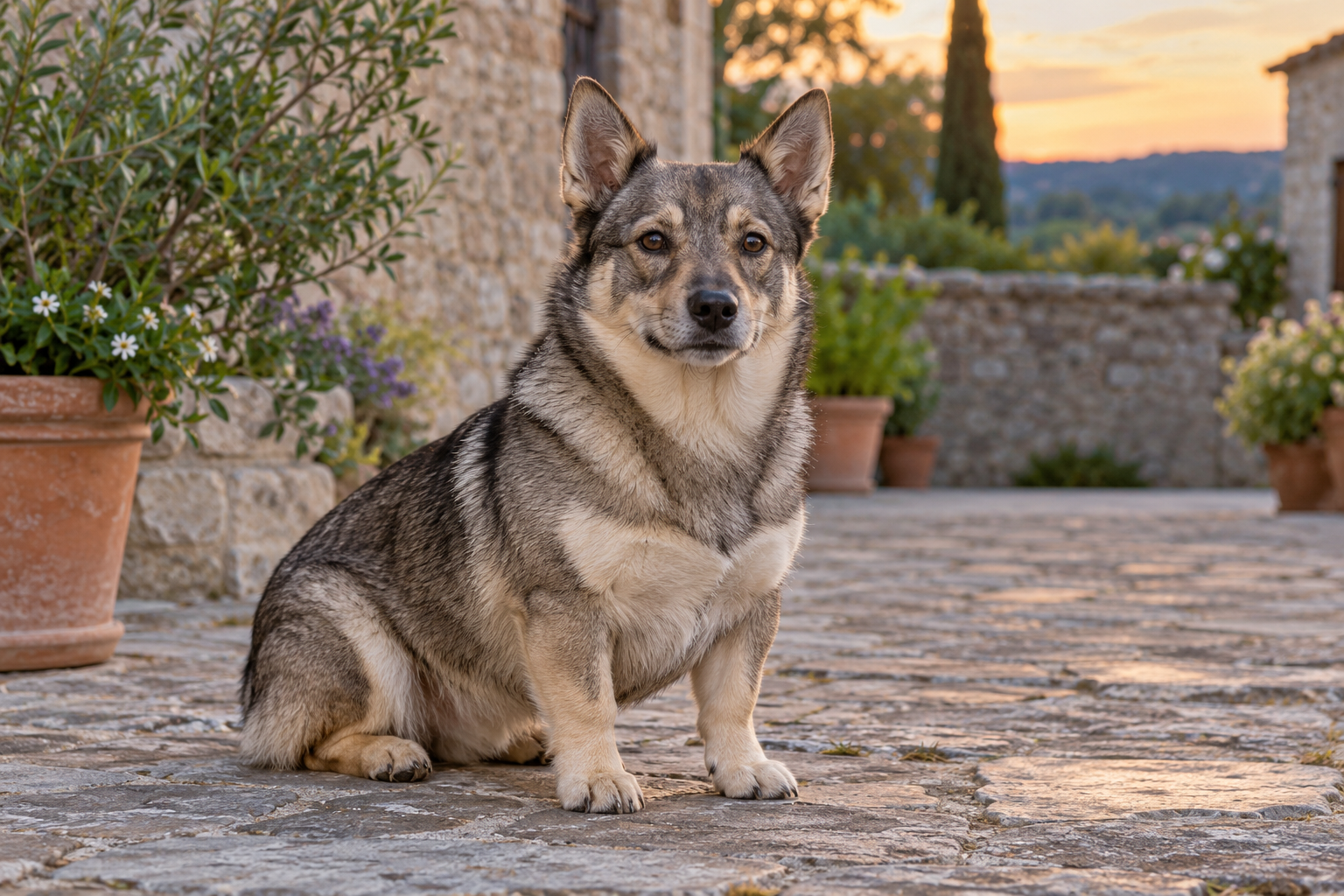
The Swedish Vallhund is a small, sturdy herding spitz from the province of Västergötland in Sweden, bred to drive cattle by nipping at their heels. It is low to the ground and long in the body, with a harsh double coat in grey or red sable shades and a tail that may be naturally absent, short or full length. Dogs stand 33 to 35 cm and bitches 31 to 33 cm, weighing about 11.5 to 16 kg, with a lifespan of around 12 to 15 years. It is friendly, alert, eager to please and energetic, with a watchful nature and a strong herding instinct. Recognised by Dogs Australia in Group 5, Working Dogs, it has been established in Australia since 1981 and remains uncommon, with a small network of registered breeders.
Breed Overview
Life Span
12 - 15 years
Average Price
AUD 2500 - AUD 4000
Weight
Male: 11.5 - 16 kg Female: 11.5 - 16 kg
Height
Male: 33 - 35 cm Female: 31 - 33 cm
Life Expectancy
Male/Female: 12 - 15 years
Breed Group
Working Dogs (Group 5)
Nicknames
Vallhund, Västgötaspets, Swedish Cattle Dog
Breed Information
The Swedish Vallhund is a small, sturdy Swedish herding spitz, bred to drive cattle by nipping at their heels and built long and low so it could duck the kicks. It packs a big working dog's energy and intelligence into a body about 33 cm tall, with a harsh double coat in grey or red sable and a tail that can be absent, short or full length. Dogs Australia recognises it in Group 5, Working Dogs, and the breed has been established in Australia since 1981, according to Dogs NSW.
Is a Swedish Vallhund a Corgi? No. The two look alike and may share distant ancestry, but they are separate breeds with separate histories and standards. The Vallhund is taller and leggier than a Pembroke Corgi, has a harsher coat with distinctive sable "harness" markings, and comes from Sweden rather than Wales.
In Australia the breed is uncommon but available. At the time of writing Dogz Online listed 16 breeders and 3 current litters, mainly in Queensland and Western Australia, with puppies typically priced between $2,500 and $4,000.
Characteristics of the Swedish Vallhund
The Swedish Vallhund rates highly for intelligence, adaptability and family friendliness, and moderately for exercise and grooming, which makes it one of the more manageable herding breeds for an active household.
| Trait | Rating | Star Rating | Meaning |
|---|---|---|---|
| Size | Small | ★★ | 31 to 35 cm and about 11.5 to 16 kg. |
| Adaptability | Good | ★★★★ | Suits houses and active townhouse living with enough exercise. |
| Exercise Needs | Moderate to High | ★★★★ | A working dog that needs daily walks plus training or games. |
| Easy to Train | Good | ★★★★ | Eager to please and quick to learn, with a stubborn streak. |
| Amount of Shedding | Moderate | ★★★ | Light year round, heavy when blowing coat. |
| Grooming Needs | Low to Moderate | ★★ | A weekly brush, more during seasonal shedding. |
| Good With Children | Good | ★★★★ | Friendly and sturdy, though heel nipping needs managing. |
| Health | Good | ★★★★ | Generally healthy and long-lived, with an inherited eye condition to discuss. |
| Cost to Keep | Low to Moderate | ★★ | Small-dog food and insurance costs, little professional grooming. |
| Tolerates Being Alone | Moderate | ★★★ | Copes with some time alone if well exercised, but prefers company. |
| Intelligence | High | ★★★★★ | A clever, observant herding dog that learns fast. |
History of the Swedish Vallhund: Viking Roots, Near Extinction, and Revival
The Swedish Vallhund comes from Västergötland in south-western Sweden, where it was used to herd and drive cattle, guard farms and keep down vermin. The breed is often called the Viking dog, and it may date back to the eighth or ninth century, though that early history rests on tradition and the resemblance of old farm dogs rather than firm records, and is best described as possible rather than proven.
Its relationship with the Welsh Corgi is a long-running question. The two are similar in shape and job, and one theory holds that dogs travelled between Scandinavia and Britain during the Viking period, but whether the Vallhund influenced the Corgi, the reverse, or neither, is not settled.
By the early 1940s the breed had almost disappeared. In 1942 two Swedes, Count Björn von Rosen and K. G. Zettersten, began searching the countryside for remaining dogs of the type and built a careful breeding programme from the few they found. Their work and publicity paid off quickly, and in 1943 the Swedish Kennel Club recognised the breed under the name Västgötaspets.
From Sweden the breed spread to Britain and then further afield. It reached Australia in 1981, according to Dogs NSW, and has stayed a small but committed breed here, shown, trained in dog sports and kept as a family companion. Some Australian Vallhunds still try their hand at herding trials, where their heel-nipping style is a novelty among the Kelpies and Border Collies.
Appearance of the Swedish Vallhund: Long, Low, and Sable-Coated
Size and Build
The Dogs Australia breed standard gives a height of about 33 to 35 cm for dogs and 31 to 33 cm for bitches, and a weight of about 11.5 to 16 kg. The body is long relative to its height, powerful and muscular, with a deep chest and short, strong legs. It is a sturdy working dog in a small frame, not a toy.
Coat and Colours
The coat is medium length and harsh, lying close to the body, over a thick, soft, woolly undercoat. Colours are shades of grey, greyish brown, greyish yellow and reddish brown, with darker guard hairs on the back, neck and sides and lighter hair on the muzzle, throat, chest, belly and legs. White markings are permitted but should cover no more than a third of the dog. Blue and predominantly white colours are strongly discouraged by the standard, which is worth knowing if you see a "blue Vallhund" advertised.
Distinctive Features
Two features set the breed apart. The first is the "harness" marking, a lighter band of colour running from the shoulders, which gives the impression of a harness and is characteristic of sable Vallhunds. The second is the tail. Under the Dogs Australia standard, an undocked Vallhund may be born tailless or carry a natural tail of any length, so a single litter can contain puppies with no tail, a short stump and a full, often curled tail.
That variety confuses buyers, so it helps to decode the listings. A "natural bobtail" or "stump" is a puppy born with little or no tail, a "tailed" puppy has a full-length tail, and all are equally purebred. Tail type has no bearing on health or temperament, and routine cosmetic tail docking is not permitted in Australia, so a short tail on an Australian puppy is natural.
Gender Differences
Dogs stand about 2 cm taller than bitches under the standard and are usually a little more solid through the head and chest. Bitches are lighter. Temperament differences are small, and the individual's line and upbringing matter more.
Temperament of the Swedish Vallhund: Friendly, Watchful, and Busy
Core Personality Traits
The breed standard describes a dog that is friendly, active and eager to please, as well as watchful, alert and energetic. Dogs NSW adds that the breed is intelligent with a strong herding instinct, may be reserved at first, and is independent as well as affectionate. In everyday terms, Vallhunds are cheerful, sociable and always busy, and they like to be involved in whatever is happening.
Social Behaviour
Vallhunds are usually friendly with people once introduced, though some are reserved at first meeting. They generally get on well with other dogs. They are alert to anything unusual and will let you know about it, which makes them effective watchdogs without being aggressive.
Working Instincts
The herding instinct is strong, and Vallhunds herd by nipping at heels. This is exactly what made them useful with cattle, and it can surface with running children, other pets and even ankles at the front door. It is manageable with training and redirection, but it should be expected in any Vallhund puppy rather than treated as a surprise.
Common Behavioural Challenges
Do Swedish Vallhunds bark a lot? It depends on how you define it. Dogs NSW rates their barking preference as low, but many owners describe a vocal, watchful dog that barks to alert and "talks" with yips and woofs when excited. The honest answer is that they are not usually nuisance barkers, but they are not silent, and a bored Vallhund will find its voice. Heel nipping and boredom are the other common challenges.
Intelligence and Trainability of the Swedish Vallhund: Quick, Keen, and Occasionally Stubborn
Intelligence and Learning Ability
Vallhunds are clever, observant dogs that learn quickly and enjoy having a job. Many excel at agility, obedience, rally, herding and trick training. Like most herding breeds, they read people and situations well, and they notice when rules are not being applied consistently.
Training Approach
Reward-based training with food and play suits the breed best. Keep sessions short and varied, since a Vallhund that gets bored will start offering its own ideas. Consistency matters: they are eager to please but can be stubborn when they think they know better.
Early Socialisation
Early socialisation helps soften the breed's initial reserve with strangers and teaches calm behaviour around children, visitors and other animals. Introduce puppies gradually to new people, places, sounds and handling. Puppy school is a good start, and Dogs NSW lists training as "puppy school only" in its quick summary, though most owners find ongoing training very worthwhile.
Potential Training Challenges
The main challenges are heel nipping, alert barking and the occasional stubborn streak. Teach an alternative to nipping, such as carrying a toy, and reward quiet behaviour as well as correcting noise. Recall is usually good with practice, but the herding urge can override it when something is running.
Swedish Vallhund Family Life: Living with Children, Pets, and Households
Living with Children
Are Swedish Vallhunds good pets? For active families, yes. Dogs NSW describes them as very trustworthy with children, and their sturdy build makes them more robust than many small breeds. Heel nipping is the main issue with young children, so supervise play, discourage chasing games and teach children to stand still if the dog starts to herd.
Living with Other Pets
Vallhunds usually live well with other dogs and, when raised with them, with cats. They may try to herd other pets. Small animals such as rabbits and guinea pigs need supervision, since the breed was also used to control vermin on farms.
Household Environment
A Vallhund adapts well to houses with a secure yard and can manage in smaller homes if exercise needs are met. Dogs NSW suggests a home with some outdoor space. Keep the dog indoors with the family, and use ramps or lift the dog in and out of cars rather than letting it jump, to protect its long back.
Lifestyle Compatibility
The breed suits active families, walkers and people interested in dog sports. It is often a good choice for someone wanting a herding breed in a smaller, more manageable package than a Kelpie or Border Collie. It suits households that leave the dog alone for long days less well.
Health of the Swedish Vallhund: Eyes, Joints, and a Long Lifespan
Lifespan and Healthy Living
The Swedish Vallhund is generally regarded as a healthy, long-lived breed, with a lifespan commonly given as around 12 to 15 years. Keeping the dog lean is the single most useful thing an owner can do, since excess weight places extra strain on a long back and short legs.
Common Health Conditions
Owners should be aware of several conditions that can occur in the breed. It is best to discuss any concerns with a veterinarian.
- Swedish Vallhund retinopathy. A breed-specific form of progressive retinal atrophy. In a 2014 study, 113 of 324 Swedish Vallhunds examined showed signs of the condition, an estimated prevalence of 34.9%. It usually progresses slowly, with some dogs developing night blindness later in life and others showing little change.
- Hip dysplasia. Hip scoring of breeding stock is recommended, as for most working breeds.
- Obesity. Vallhunds are food motivated, and extra weight is hard on a long, low frame.
- Back strain. Owners should be aware that long-bodied dogs can be vulnerable to back injury from repeated jumping.
Genetic Health Testing
Ask breeders for current eye examination results from a veterinary ophthalmologist for both parents, and ask whether they use DNA testing for the retinopathy. Research has linked the condition to increased activity of a gene called MERTK, and some laboratories offer a DNA test, so it is worth asking how the breeder manages it. Ask for hip scores for both parents as well. One current Dogz Online listing at the time of writing described DNA testing and health checks for its puppies, which is the standard to look for.
Preventative Health Care
Keep vaccinations current and use year-round parasite prevention, including paralysis tick cover on the eastern seaboard, where ticks can hide in the dense undercoat. Watch for changes in night vision as your Vallhund ages, such as hesitation in dim light, and mention them to your vet. Annual checks are the baseline.
Caring for the Swedish Vallhund: Daily Care and Living Environment
Daily Care Routine
A good daily routine includes one or two walks, a training or game session, and time with the family. Feed twice daily and keep treats measured. Check ears, eyes and feet regularly, and run your hands through the coat daily in tick season.
Living Environment Requirements
A securely fenced yard with shade and water suits the breed, along with an indoor bed in a family area. Vallhunds are curious and can be escape artists if bored, so check fences for gaps. Non-slip flooring and ramps help protect joints and backs.
Climate Sensitivity
The dense double coat was built for Swedish winters, which makes Queensland and Western Australian summers a real consideration. Exercise early in the morning and in the evening during hot months, provide shade and cool surfaces, and know the safe temperature limits for dogs in Australian summers. Do not shave the coat, since the undercoat and guard hairs help protect the skin from sun and heat; regular brushing to remove loose undercoat is far more effective.
Caring for Senior Vallhunds
Older Vallhunds usually stay lively into their teens. Keep exercise regular but lower impact, maintain a lean weight to protect the back and joints, and watch for signs of reduced vision in dim light. Twice-yearly vet checks are sensible from around eight years.
Grooming of the Swedish Vallhund: Managing the Double Coat
Coat Maintenance
Dogs NSW describes grooming as low maintenance, and for most of the year a weekly brush with a slicker brush and comb keeps the coat clean and tidy. The harsh coat sheds dirt well once dry. No trimming or clipping is needed.
Seasonal Coat Blowing
Once or twice a year, Vallhunds shed their undercoat heavily over a few weeks. During this time, brush several times a week with an undercoat rake to remove loose hair, and expect plenty of it around the house. Understanding the difference between shedding and blowing coat helps you plan for it.
Ear, Nail, and Dental Care
Check the pricked ears weekly for dirt, grass seeds and ticks. Trim nails every three to four weeks, since short-legged dogs benefit from short nails for comfortable movement. Brush teeth several times a week.
Bathing and Professional Grooming
Bathe only when needed, as too much bathing strips the coat's natural oils. A warm bath followed by a thorough blow-dry and brush can speed up coat blowing. Professional grooming is optional, though some owners book a de-shedding session during heavy moults.
Exercise Needs of the Swedish Vallhund: A Small Dog with a Working Engine
Daily Exercise Requirements
Plan on around 45 to 60 minutes of exercise a day, plus training or games. Dogs NSW gives a figure of about 40 minutes a day, which is a reasonable minimum for an adult. Young, active Vallhunds often want more, and mental work matters as much as distance.
Activities Vallhunds Enjoy
Agility, herding, rally, obedience, scent work and trick training all suit the breed. Many Vallhunds also enjoy hiking at a sensible pace. Their size makes them ideal partners for owners who want a capable sports dog without the intensity of larger herding breeds.
Exercise by Life Stage
Puppies need short play sessions and gentle walks while their joints and back develop, with no repetitive jumping or stairs for long-bodied youngsters. Adolescents need more structured outlets. Adults enjoy regular varied activity, and seniors do well with shorter, gentler walks.
Importance of Mental Stimulation
A Vallhund that is physically tired but mentally bored will still find mischief. Puzzle feeders, scent games, training sessions and short herding or treibball games give its working mind something to do. Ten minutes of training can settle a Vallhund as effectively as a much longer walk.
Feeding the Swedish Vallhund: Nutrition and Diet Needs
Nutritional Requirements
A complete and balanced diet for small to medium active dogs suits the breed. Choose a food that meets Australian standards for complete pet food, and adjust quantities to activity level rather than relying only on the guide on the bag.
Feeding by Life Stage
Feed puppies three to four times a day until around four months, then twice daily. Use a puppy formula until around 12 months. Adults do well on two measured meals, and seniors usually need fewer calories.
Portion Control and Weight Management
Weight control matters more than usual in this breed. Vallhunds are food motivated and easily overfed, and extra kilograms put strain on a long back and short legs. Keep ribs easily felt with a clear waist, count training treats in the daily ration, and weigh the dog monthly.
Foods to Avoid
Avoid the standard toxic foods: grapes, sultanas, chocolate, onion, garlic, macadamias and anything containing xylitol. Cooked bones should not be fed. Keep food scraps and bins out of reach of a clever, food-motivated dog.
Swedish Vallhund Price in Australia: Purchase Cost and Ongoing Expenses
Puppy Purchase Price
How much does a Swedish Vallhund cost in Australia? Expect around $2,500 to $4,000 for a puppy from a registered breeder. On 17 October 2026, the Dogz Online puppy listings showed 3 litters nationally: one in Queensland priced at $2,500 to $3,000, and two others, in Queensland and Western Australia, with prices on request. Earlier checks in October 2026 recorded asking prices of $3,500 in Queensland and $3,500 to $4,000 for a male on the main register in Victoria.
Puppies on the main register, intended for showing or breeding, usually cost more than companion puppies on the limited register. Tail type does not affect price in a well-run litter. With only 16 listed breeders, expect a waiting list and possibly interstate transport.
Initial Setup Costs
Beyond the purchase price, RSPCA NSW puts microchipping at $60 to $80, puppy vaccinations at $280 to $420, desexing at $350 to $650, a collar, lead or harness at $40 to $100, a bed at $100 to $200 and puppy school at about $170. Registered breeders usually microchip, vaccinate and worm puppies before sale. Budget for an undercoat rake and slicker brush, and for interstate transport if needed.
Ongoing Monthly Costs
| Cost | Typical figure (AUD) | Source |
|---|---|---|
| Food | Towards the lower end of $600 to $1,000 per year for a small dog | RSPCA NSW |
| Flea and worming | $200 to $250 per year | RSPCA NSW |
| Heartworm prevention | Up to $250 per year | RSPCA NSW |
| Pet insurance | Around $1,580 per year for a small dog, accident and illness | Canstar, 2026 |
| Annual vet check and booster | $140 and upwards per year | RSPCA NSW |
| Professional grooming | Optional de-shedding during coat blows | n/a |
Canstar's 2026 research put the average accident and illness premium for a small dog at around $1,580 a year. Small breeds tend to be cheaper to feed and medicate, so a Vallhund is one of the more affordable herding breeds to keep.
Long-Term Financial Commitment
Across a lifespan of up to 15 years, a Vallhund is likely to cost a little under the national average to keep. Animal Medicines Australia's Pets in Australia 2025 survey puts average spending by dog-owning households at about $2,520 a year. Back injury, joint problems and age-related care are the costs most likely to raise that figure.
Buying Advice for a Swedish Vallhund: Choosing a Healthy Puppy
Choosing a Responsible Breeder
Choose a breeder who is a member of their state Dogs Australia body, registers litters, health tests breeding dogs and raises puppies in the home. A good breeder will explain tail types honestly, discuss the retinopathy openly, ask about your lifestyle and offer lifetime support. Breed clubs and dog shows are good places to meet breeders and adult Vallhunds.
Health Checks Before Purchase
See the puppy with its mother and watch the litter interact. Look for clear eyes, clean ears, a healthy coat and confident movement. Ask for eye examination results and hip scores for both parents, details of any DNA testing, and written records of vaccination, worming and microchipping. Confirm the microchip number matches the paperwork.
Questions to Ask the Breeder
- Have both parents had a recent eye examination, and how do you manage Swedish Vallhund retinopathy?
- What are the parents' hip scores?
- Which puppies have full tails, short tails or natural bobtails?
- Is the puppy on the main or limited register?
- How have the puppies been socialised with children, visitors and other pets?
- How do you help new owners manage heel nipping?
- What is your breeder or supply number, and which state issued it?
- Will you take the dog back at any stage if I cannot keep it?
A fuller set of questions to ask a dog breeder covers contracts and paperwork as well.
Considering Adoption
Purebred Vallhunds rarely appear in Australian rescue, though breeders sometimes rehome retired adults. Ask breeders to let you know if an older dog needs a home. Herding crosses of similar size appear in general rescue and may suit owners who want the type without the wait.
Is the Swedish Vallhund Right for You? A Compact Herding Dog for Active Homes
Lifestyle Compatibility
The Vallhund suits active families, dog sports enthusiasts and people wanting a herding breed in a smaller package.
It is less suited to homes where it would be alone for long days.
Time and Care Commitment
Expect 45 to 60 minutes of exercise a day plus training, for 12 to 15 years.
Grooming is light most of the year and heavy during coat blows.
Grooming and Health Awareness
Brush weekly and more often when shedding. Keep the dog lean to protect its back.
Ask about eye testing and hip scores before you buy.
Ideal Owner Profile
The ideal owner is active, enjoys training and can see the humour in a busy, vocal little dog. They can manage heel nipping with patience.
Find Swedish Vallhund Puppies for Sale
Vallhund litters are limited, so register your interest with breeders early.
You can browse puppies for sale on Pups4Sale and check for Swedish Vallhund listings as they appear.
Frequently Asked Questions
Related Breeds
Other herding breeds on Pups4Sale.
 Australian KelpieMedium • Herding
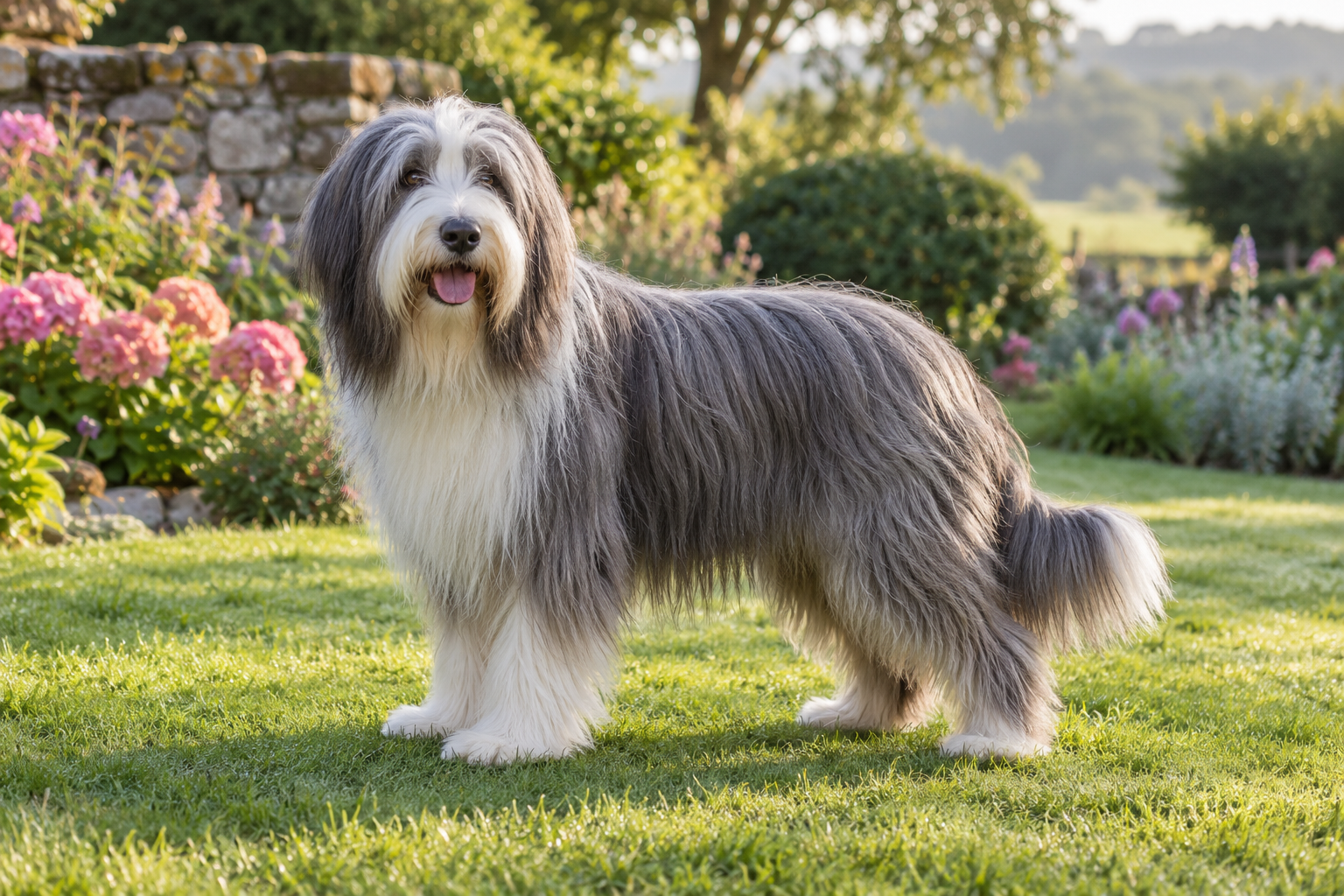 Bearded CollieMedium • Working Dogs (Group 5)
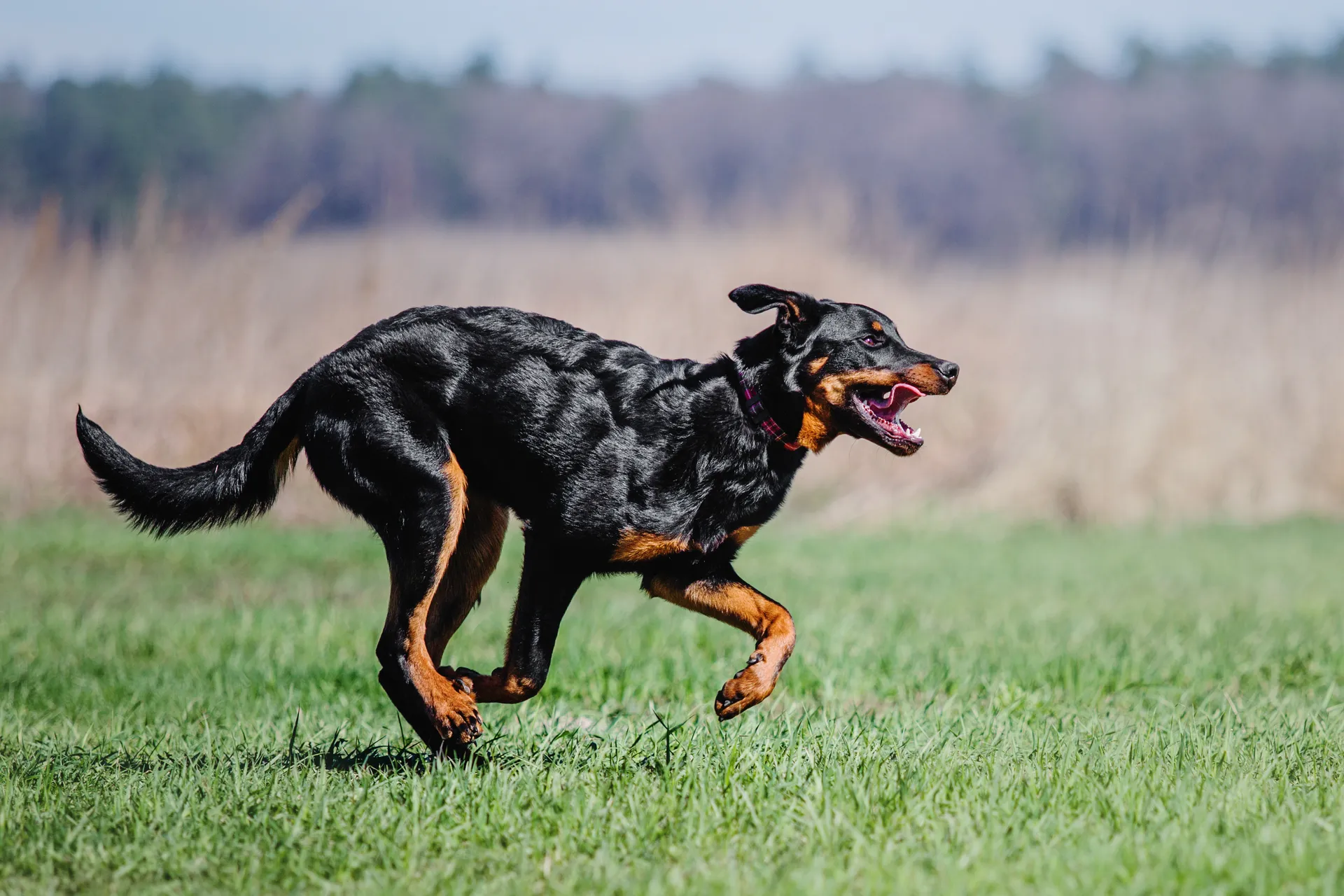 BeauceronLarge • Herding
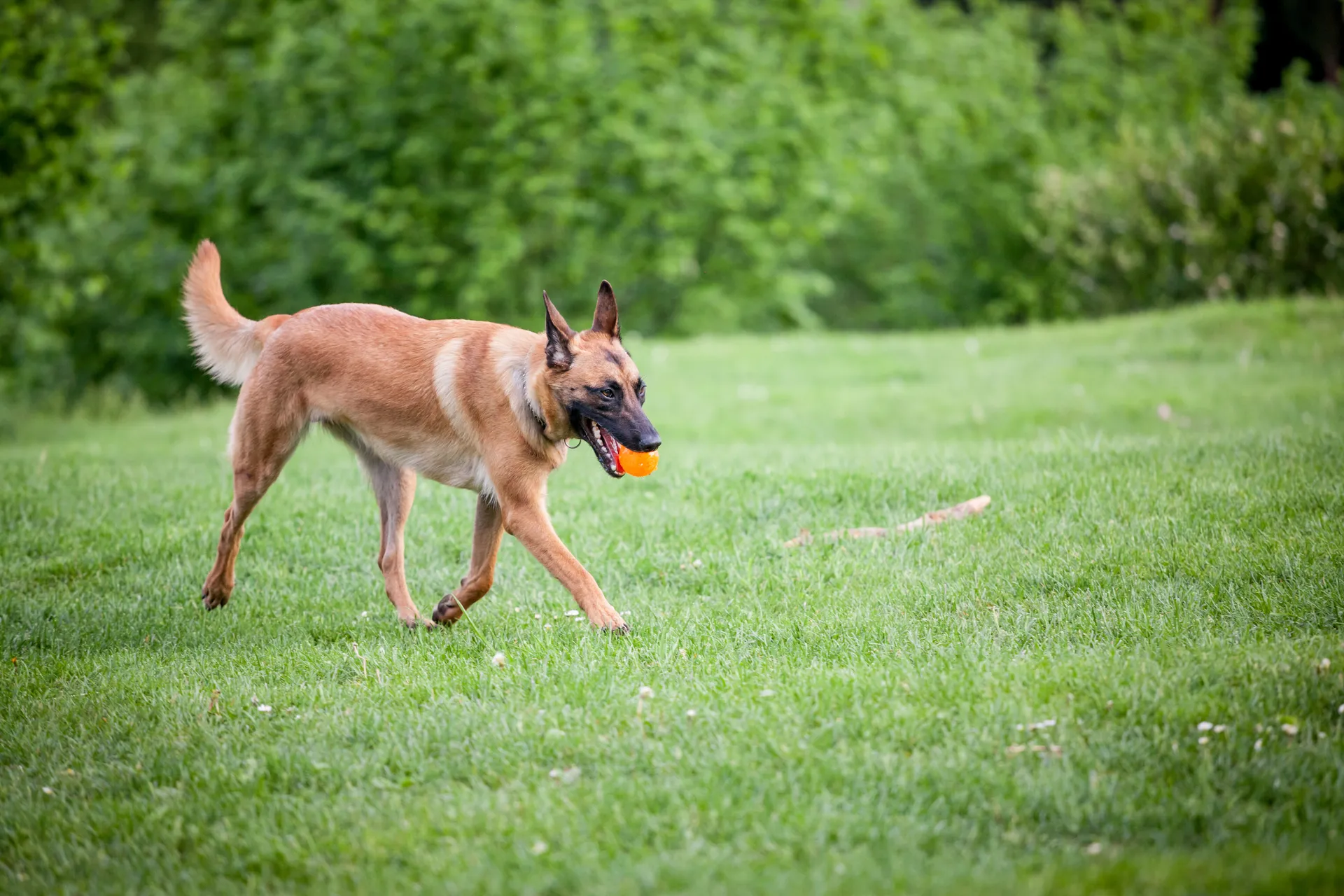 Belgian ShepherdMedium • Herding
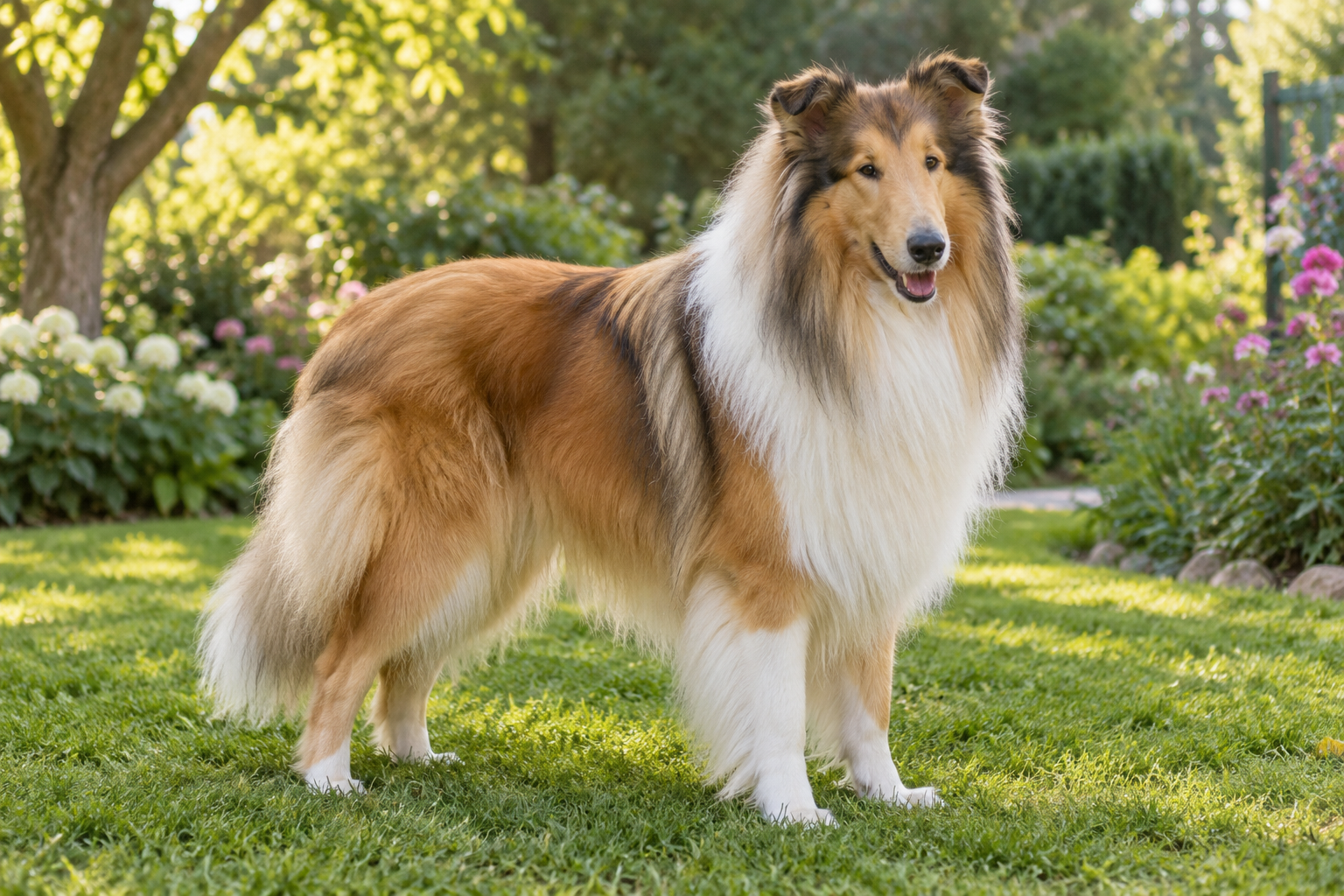 CollieLarge • Working Dogs (Group 5)
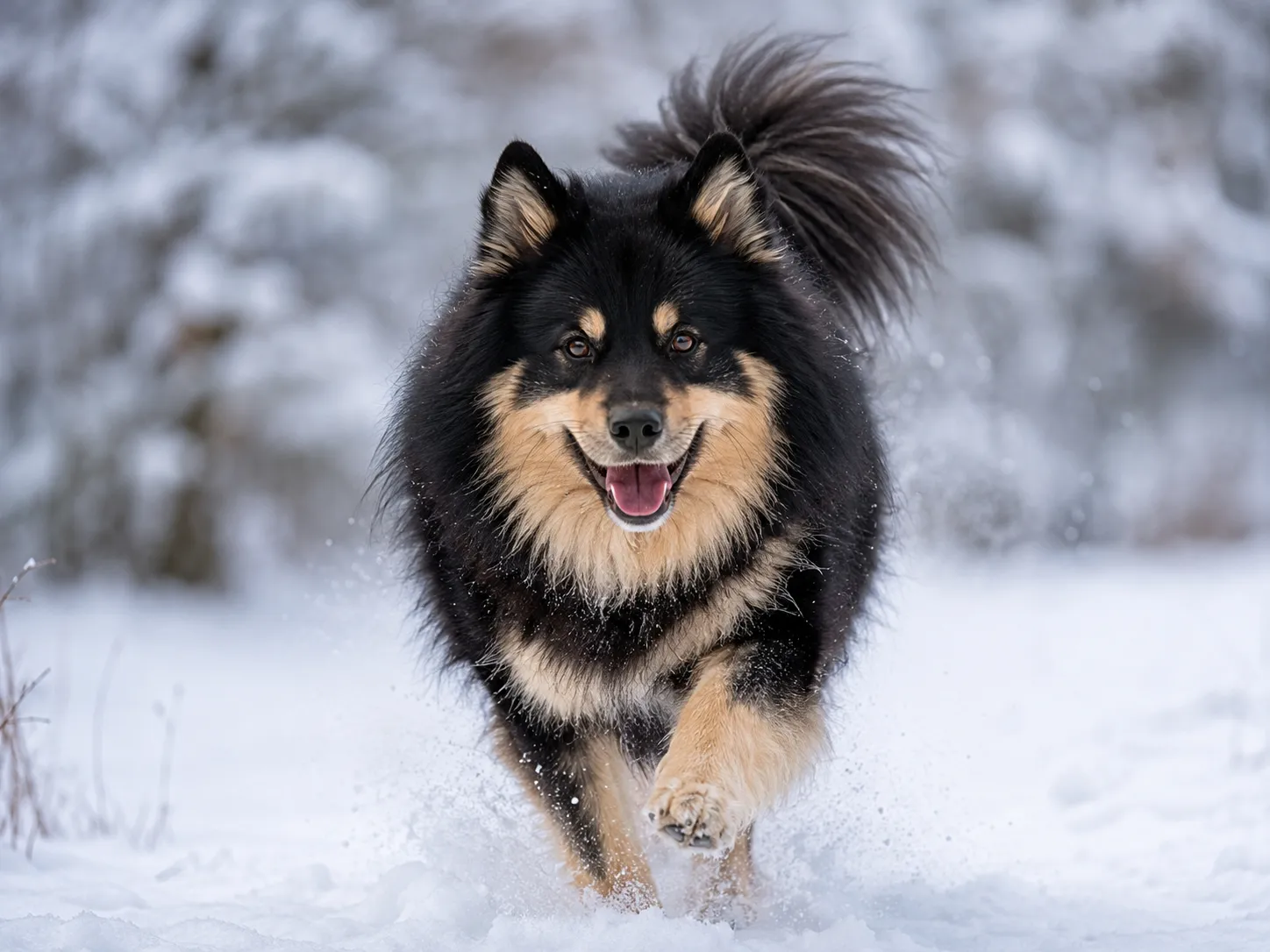 Finnish LapphundMedium • Utility / Spitz type (Nordic herding breed)