
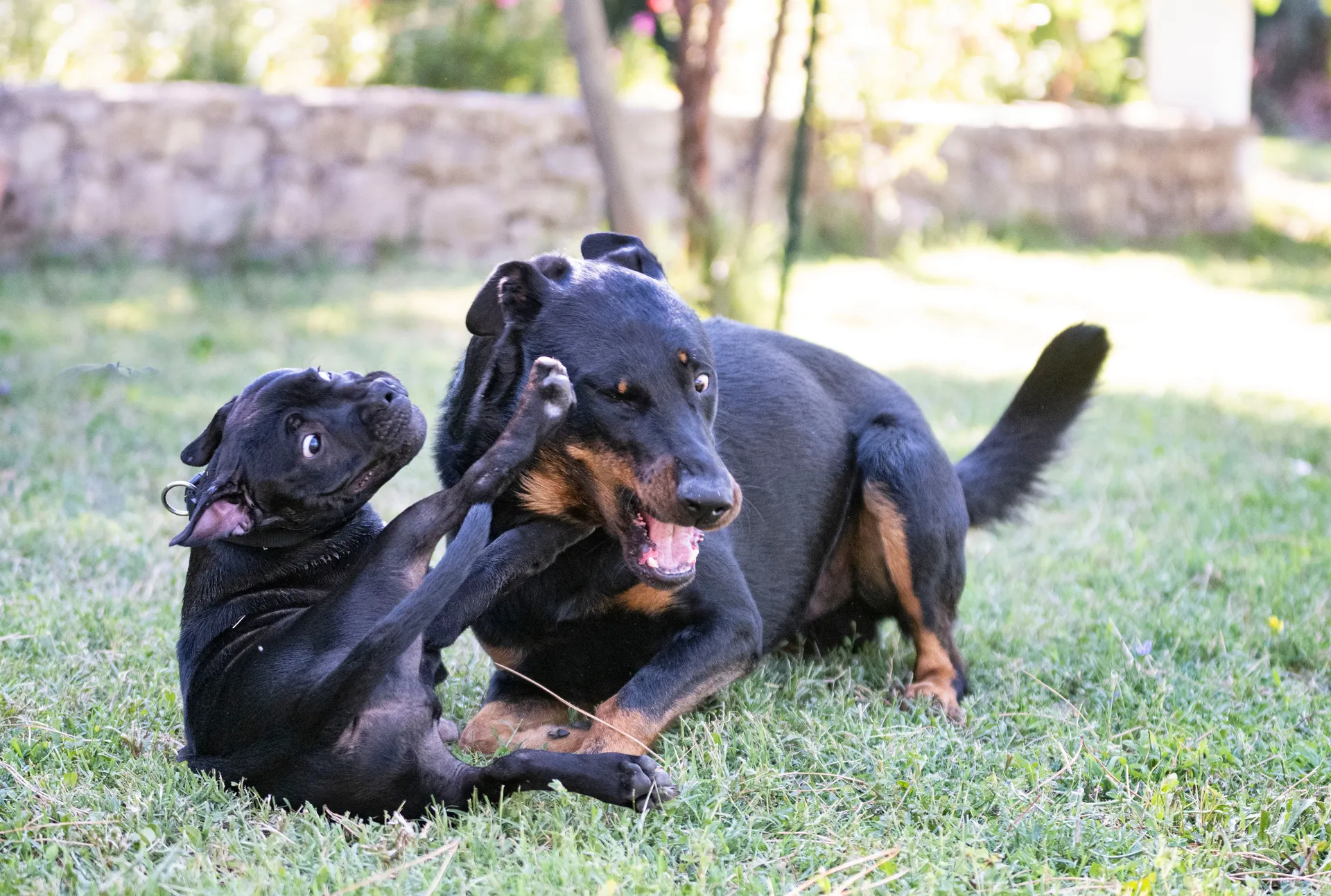
Beauceron
By James C. • Updated
The Beauceron is a powerful, intelligent herding dog known for loyalty and confidence. It thrives with experienced owners who can provide structure, training, and plenty of exercise.
Breed Overview
Life Span
10 - 12 years
Average Price
AUD 3500 - AUD 6500
Weight
Male: 32 - 50 kg Female: 32 - 45 kg
Height
Male: 65 - 71 cm Female: 61 - 68 cm
Life Expectancy
Male/Female: 10 - 12 years
Breed Group
Herding
Nicknames
Berger de Beauce, Bas Rouge
Breed Information
The Beauceron is a large, powerful herding dog known for its intelligence, composure, and deep loyalty to its family. Originating from the plains of northern France, this breed was developed as a versatile working dog capable of herding livestock and guarding property with equal confidence. Its strong build, balanced movement, and alert expression reflect a dog bred for purpose rather than ornament.
In Australian households, the Beauceron is best suited to experienced owners who value structure, training, and an active lifestyle. This breed forms strong bonds with its family and is naturally protective without being reactive. When properly socialised, Beaucerons are steady, affectionate companions that take their role within the household seriously.
While calm indoors when their needs are met, the Beauceron requires daily physical and mental engagement to thrive. This is not a passive companion. Owners should be prepared to provide consistent training, meaningful work, and secure space, especially during the early stages of puppy training and behaviour development. In return, the Beauceron offers unwavering loyalty, intelligence, and a dignified presence that sets it apart from many other large working breeds.
Characteristics: What Living With a Beauceron Is Really Like
The Beauceron is a highly capable working breed with strong instincts, intelligence, and a need for purposeful engagement. The table below outlines how this breed typically fits into Australian households and lifestyles.
| Characteristic | Rating | Star Rating (★ out of 5) | What This Means for You |
| Size | Large | ★★★★★ | A powerful, athletic dog that needs space to move and rest comfortably. |
| Adaptability | Moderate | ★★★☆☆ | Adapts well to structured homes but not suited to apartments or confined living. |
| Exercise Needs | Very High | ★★★★★ | Requires at least two hours of physical and mental activity every day. |
| Easy to Train | High (with experience) | ★★★★☆ | Intelligent and responsive, but best handled by confident, consistent owners. |
| Amount of Shedding | Moderate | ★★★☆☆ | Sheds year-round with heavier seasonal shedding in spring and autumn. |
| Grooming Needs | Low–Moderate | ★★☆☆☆ | Weekly brushing is sufficient, with minimal professional grooming required. |
| Good With Children | Good | ★★★★☆ | Gentle and patient, though supervision is essential due to size and strength. |
| Health of Breed | Moderate | ★★★☆☆ | Generally robust, with some hereditary risks requiring responsible breeding. |
| Cost to Keep | High | ★★★★☆ | Larger food intake, insurance, and training increase ongoing costs. |
| Tolerates Being Alone | Low | ★★☆☆☆ | Strongly bonded to family and may develop anxiety if left alone too often. |
| Intelligence | Very High | ★★★★★ | Exceptionally intelligent, thrives on training, problem-solving, and purpose. |
In summary, the Beauceron is best suited to experienced owners who want a loyal, intelligent dog with strong working instincts. This breed rewards commitment, leadership, and daily engagement with unwavering devotion, stability, and impressive capability.
History of the Beauceron: France’s Ancient Herding and Guardian Dog
The Beauceron is one of France’s oldest and most historically significant herding breeds, with documented origins dating back to the late 16th century. First mentioned in 1578, the breed developed naturally on the plains of the Beauce region near Paris, where large, capable dogs were required to herd sheep and cattle while also guarding land and property. Unlike many modern breeds, the Beauceron evolved without deliberate crossbreeding, making it one of Europe’s purest pastoral dogs.
By the 19th century, French canine authorities began formally distinguishing the Beauceron from other regional shepherds, particularly the Briard. Influential figures such as Pierre Mégnin and Emmanuel Ball played key roles in defining the breed standard, and in 1893 the first officially registered Beauceron was entered into the Société Centrale Canine registry. The Club des Amis du Beauceron was later established in 1922 to preserve the breed’s working integrity and character.
During both World Wars, Beaucerons served extensively in military roles as messenger dogs, trackers, and mine detectors, proving their intelligence, bravery, and reliability under pressure. Their versatility ensured the breed’s survival at a time when many working dogs declined. Protective measures introduced in the mid-20th century helped stabilise numbers and refine breed standards further.
Today, the Beauceron remains relatively rare outside France but is respected worldwide for its working ability, loyalty, and calm authority. While still used in herding and protection work, the breed has also gained recognition in canine sports and as a devoted companion for experienced owners who value structure, discipline, and purpose.
Appearance of the Beauceron: Power, Balance, and Functional Elegance
The Beauceron is a large, athletic herding dog with a powerful yet refined build that reflects its working heritage. Every aspect of the breed’s appearance is designed for endurance, agility, and control rather than exaggerated bulk or ornamentation. The overall impression is one of calm strength, confidence, and capability.
Size, Weight, and Structure
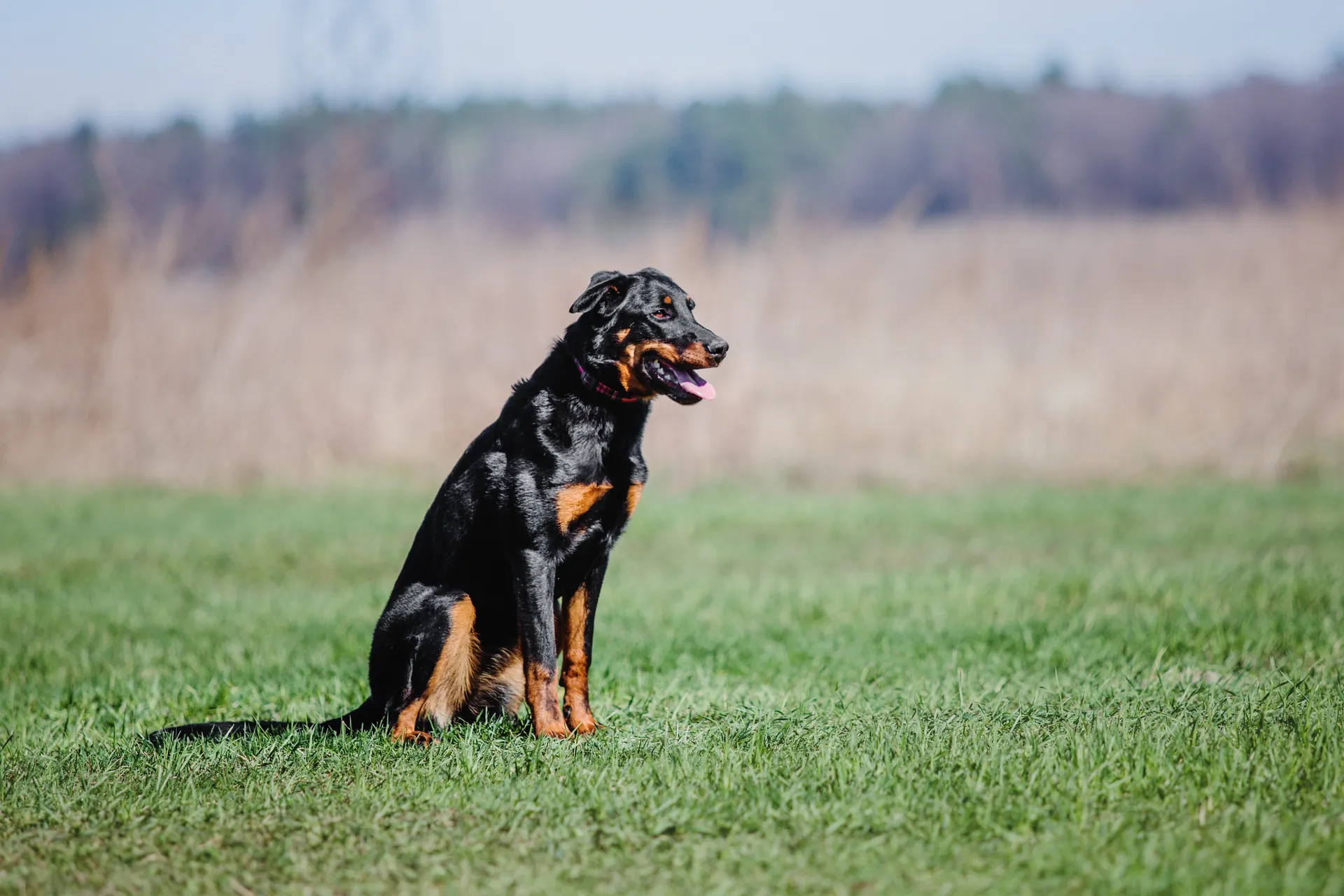
Male Beaucerons typically stand between 65 and 70 cm at the shoulder, while females measure around 61 to 68 cm. Weight generally ranges from 32 to 50 kg for both sexes, with males appearing more imposing and females slightly longer in body length. The chest is deep and reaches the elbows, supporting lung capacity and stamina, while the back is level and the loins well muscled. This structure allows the breed to work long hours without fatigue.
Head, Expression, and Ears
The head is long and well proportioned, with a slightly rounded skull and a moderate stop. The muzzle is strong and never coarse, finishing with a black nose and powerful jaws forming a correct scissor bite. Eyes are dark brown, oval, and set horizontally, giving the Beauceron its characteristic frank, intelligent expression. Ears are medium-sized, set high, and naturally pendant, contributing to the breed’s alert yet composed look.
Coat Type and Colours
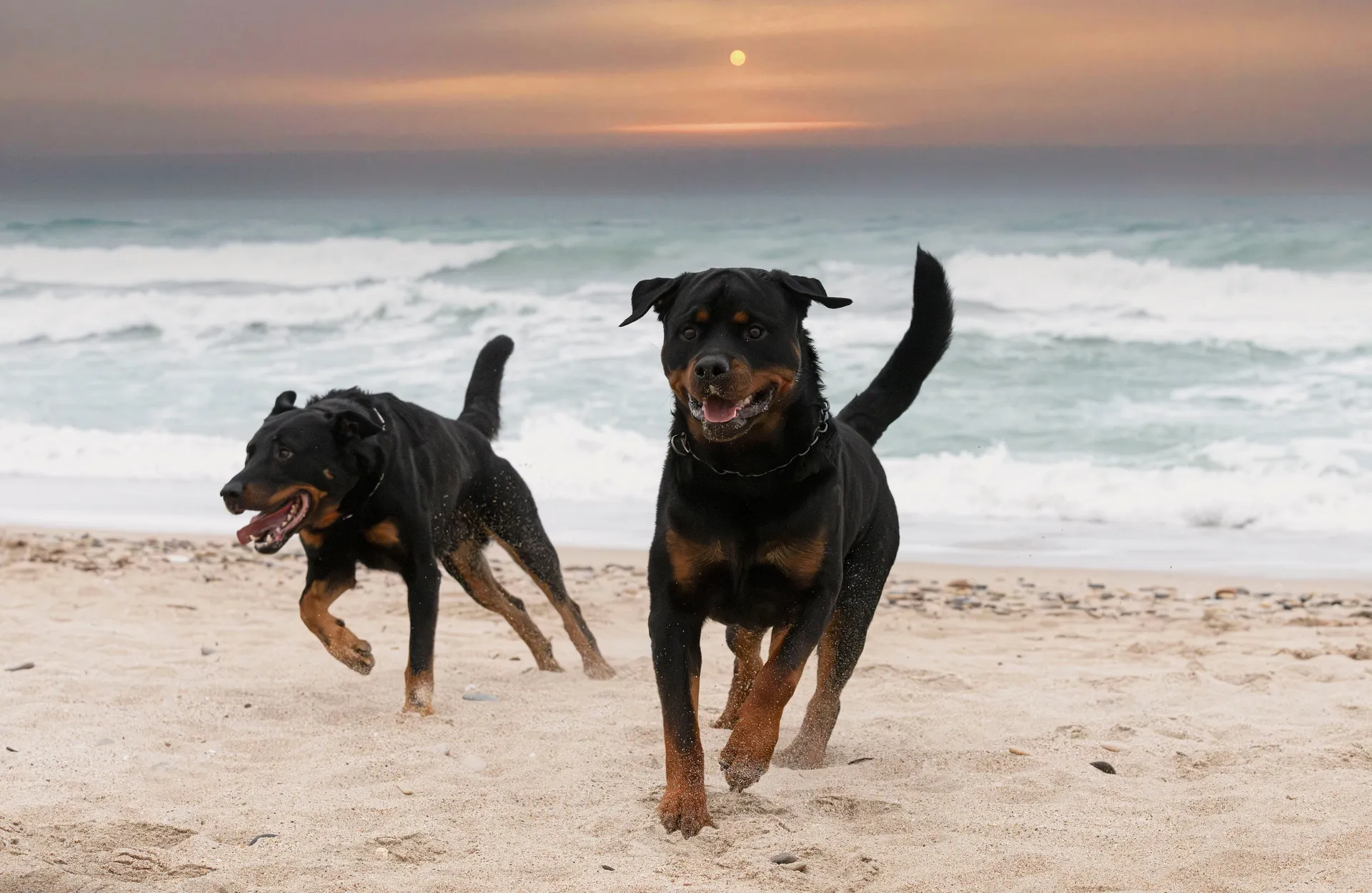
The Beauceron has a short, dense double coat. The outer coat is coarse and weather resistant, while the undercoat is fine, soft, and grey in colour, though it should not be visible. Accepted colours include black and tan and harlequin. The tan markings, often described as squirrel-red, appear above the eyes, on the muzzle, chest, legs, and under the tail, earning the breed its nickname Bas Rouge, meaning red stockings.
Distinctive Features and Movement
One of the Beauceron’s most distinctive traits is the presence of double dewclaws on each hind leg, a breed requirement rather than a fault. Movement is supple and ground covering, showing strong drive from the rear with effortless reach. The gait reflects a dog built to herd and guard over vast distances with efficiency and control.
Overall, the Beauceron presents as a confident, balanced working dog whose appearance clearly communicates strength, intelligence, and purpose.
Temperament of the Beauceron: Calm Authority, Loyalty, and Intelligence
The Beauceron is known for its composed, confident temperament and deep loyalty to its family. Bred as a herding and guarding dog, this breed combines mental steadiness with strong protective instincts, making it a reliable companion in the right environment.
Core Personality Traits
Beaucerons are calm, intelligent, and self-assured dogs that form intense bonds with their owners. They are naturally observant and thoughtful rather than impulsive, often assessing situations before reacting. This measured temperament gives them a quiet authority and presence that experienced owners value highly.
Social Behaviour With People and Dogs
With their family, Beaucerons are affectionate and devoted. They are typically patient and gentle with children when raised correctly, though their size means supervision is always necessary. Around strangers, they tend to be reserved and watchful rather than openly friendly, warming up once they feel secure. With other dogs, they can be tolerant but may show dominance toward unfamiliar dogs if socialisation is lacking.
Protective Instincts and Guarding Tendencies
The Beauceron has a strong natural guarding instinct without being reactive or aggressive. They are alert, aware of their surroundings, and quick to notice changes in routine or environment. When well trained, this instinct manifests as calm vigilance rather than excessive barking or territorial behaviour.
Independence and Emotional Sensitivity
Despite their strength, Beaucerons are emotionally sensitive dogs that respond poorly to harsh handling. They thrive under consistent, fair leadership and positive reinforcement. While confident, they are not emotionally independent and can struggle if isolated or left without meaningful engagement for long periods, with early signs of separation anxiety in dogs sometimes appearing as restlessness or destructive behaviour.
Behavioural Challenges to Be Aware Of
Without adequate exercise, structure, and mental stimulation, Beaucerons may develop behavioural issues such as stubbornness, destructiveness, or anxiety, which are among the more common puppy behaviour problems seen in high-drive working breeds. Their slow mental maturity means patience is essential, particularly during adolescence. Early socialisation and clear boundaries help shape a stable, balanced adult dog.
In the right hands, the Beauceron is a loyal, composed, and deeply connected companion, offering both companionship and quiet protection to households that understand and respect its temperament.
Intelligence and Trainability of the Beauceron: Highly Capable, Thoughtful, and Purpose-Driven
The Beauceron is a highly intelligent working breed with strong problem-solving ability and a deep need for purposeful engagement. Its intelligence is paired with sensitivity and slow maturity, which shapes how training should be approached.
How Beaucerons Learn
Beaucerons learn quickly when training is structured, varied, and meaningful. They are not mechanical learners and do not respond well to repetitive drills. Instead, they excel when tasks have a clear purpose and when sessions challenge both mind and body. Their intelligence is practical, developed for decision-making in herding, guarding, and protection work.
Training Strengths
This breed shows strong focus, memory, and adaptability once trust is established with the handler. Beaucerons are naturally attentive to their owner’s cues and thrive when expectations are clear. They perform exceptionally well in advanced disciplines such as obedience, tracking, protection sports, and agility when training is consistent.
Training Challenges and Slow Maturity
One of the most important considerations is the Beauceron’s slow mental development. Full emotional and cognitive maturity often takes up to three years. During adolescence, they may test boundaries or appear stubborn, which reflects developmental stages rather than defiance. Rushing training during this period can lead to frustration or shutdown.
Training Methods That Work Best
Positive reinforcement is essential. Reward-based methods using praise, food, and play produce the best results. Harsh corrections or authoritarian techniques often damage trust and reduce engagement. Short, focused sessions with variety keep the Beauceron mentally invested and motivated.
Consistency and Leadership
Beaucerons require calm, confident leadership rather than force. Inconsistent rules or unclear boundaries quickly lead to confusion. Owners who maintain steady routines and fair expectations build strong cooperation and long-term reliability.
With patience, structure, and respect for their intelligence, Beaucerons become exceptionally trainable companions, especially when owners understand when to start obedience training and how to build consistency early.
Beauceron and Family Life: Loyal, Protective, and Deeply Bonded
The Beauceron can be an exceptional family dog when placed in the right environment. This breed forms strong emotional bonds with its household and is naturally protective without being indiscriminately aggressive.
Living With Children
Beaucerons are generally patient and gentle with children, particularly when raised alongside them. They are attentive and often naturally watchful, making them reliable companions in active family settings. Due to their large size and strength, supervision is essential around younger children to prevent accidental knocks during play.
Interaction With Other Dogs
With proper early socialisation, Beaucerons usually coexist well with other dogs. They may show dominant or territorial behaviour toward unfamiliar dogs, especially of the same sex. Clear introductions, structured routines, and consistent leadership help maintain harmony in multi-dog households.
Compatibility With Other Pets
Caution is required with small animals. The Beauceron retains strong herding and prey instincts, which can lead to chasing behaviours. Homes with cats or small pets should introduce them early and manage interactions carefully to ensure safety.
Social Needs and Time Alone
Beaucerons are highly people-oriented and do not tolerate prolonged isolation well. Extended periods alone can lead to anxiety, restlessness, or destructive behaviour. This breed is best suited to homes where someone is present for most of the day or where structured mental enrichment is provided.
Ideal Family Environment
The ideal home is calm, structured, and active, with clear boundaries and consistent routines. Families who include the Beauceron in daily activities, training, and outdoor exercise are rewarded with a deeply loyal, steady, and dependable companion.
When raised with guidance and respect, the Beauceron integrates well into family life and becomes a devoted guardian and companion.
Health of the Beauceron: Lifespan, Common Conditions, and Preventative Care
The Beauceron is generally a strong and resilient working breed, but its size, structure, and genetics mean owners must be proactive about health management throughout the dog’s life.
Average Lifespan and Overall Health
Most Beaucerons live between 10 and 12 years. With responsible breeding, correct nutrition, and structured exercise, many remain physically capable and mentally sharp well into their senior years. Maintaining a healthy weight is critical, as excess strain on joints significantly affects longevity.
Common Breed-Related Health Conditions
Beaucerons are most commonly associated with hip dysplasia, which is why hip scoring under recognised schemes is essential in breeding programs. Eye conditions such as progressive retinal atrophy, cataracts, entropion, and ectropion can occur and should be monitored through routine eye examinations.
As a deep-chested breed, Beaucerons are also at risk of gastric dilatation-volvulus (bloat), a life-threatening condition requiring immediate veterinary attention. Other reported issues include hypothyroidism, osteochondritis, panosteitis, allergies, and certain cancers, although none are considered widespread when breeding is well managed.
Importance of Health Testing and Responsible Breeding
Reputable breeders carry out hip testing and eye screening as standard practice. In some regions, breeding restrictions apply to tricolour pairings due to increased risk of vision and hearing impairment. Prospective owners should always request documented health results for both parents before committing.
Preventative Care and Ongoing Management
Routine veterinary check-ups, vaccination schedules, parasite prevention, and dental care are essential, and knowing how often dogs should see a vet helps keep that care consistent over time. Feeding multiple smaller meals per day, avoiding intense exercise immediately after eating, and monitoring posture and behaviour help reduce bloat risk.
Insurance and Long-Term Planning
Given the potential cost of orthopaedic surgery or emergency treatment, pet insurance is strongly recommended. Comprehensive cover supports long-term care and allows owners to make health decisions based on need rather than cost.
With informed ownership and preventative care, the Beauceron remains a robust, capable, and healthy companion suited to active households.
Caring for the Beauceron: Daily Needs, Home Environment, and Long-Term Comfort
Caring for a Beauceron requires structure, consistency, and an active lifestyle. This is a working breed at heart, and its wellbeing depends on both physical outlets and mental engagement.
Daily Care Routines That Support Behaviour
A well-balanced Beauceron benefits from a predictable daily routine that includes exercise, training, and calm family time. Mental stimulation is just as important as physical activity. Without it, boredom-related behaviours such as destructiveness or excessive alertness may develop.
Ideal Living Environment
Beaucerons are best suited to large homes with secure outdoor space. A well-fenced garden is essential, as this breed is confident, athletic, and capable of covering ground quickly. Apartment living is not recommended due to size, exercise demands, and guarding instincts.
Social Needs and Time Alone
This breed forms deep bonds with its family and does not tolerate long periods of isolation. Extended time alone can lead to anxiety or frustration-based behaviours. Homes where someone is present for much of the day, or where routines include structured engagement, are ideal.
Seasonal and Climate Considerations
Beaucerons adapt well to cooler and moderate climates. In warmer conditions, exercise should be scheduled during early mornings or evenings, with constant access to shade and fresh water. Their dense coat provides insulation but also requires awareness during hot weather.
Senior Care and Comfort Adjustments
As Beaucerons age, exercise should shift toward lower-impact activities to protect joints. Supportive bedding, joint-friendly nutrition, and more frequent veterinary monitoring help maintain mobility and comfort in later years.
With thoughtful daily care and an appropriate living environment, the Beauceron thrives as a confident, loyal, and deeply rewarding companion.
Grooming the Beauceron: Coat Care, Shedding, and Hygiene
The Beauceron has a functional working coat that is relatively low maintenance, but regular grooming is essential to manage shedding and maintain overall health.
Coat Type and Shedding Patterns
Beaucerons have a short, dense double coat with a coarse outer layer and a softer undercoat. Shedding occurs year-round, with heavier seasonal shedding in spring and autumn. During these periods, loose hair can accumulate quickly without routine brushing.
Brushing and Bathing Routine
Weekly brushing with a slicker brush, grooming glove, or medium-bristle brush is usually sufficient. During heavy shedding seasons, brushing may be needed several times per week. Bathing is only required when the dog is noticeably dirty, as overbathing can strip natural oils from the coat.
Ear, Nail, and Dental Care
Ears should be checked weekly for wax buildup or signs of irritation and cleaned gently when needed. Nails require trimming every four to six weeks, including the breed’s distinctive double dewclaws on the rear legs. Dental care should include regular brushing or dental chews to support long-term oral health.
Common Grooming Issues
Seasonal shedding is the most common challenge for Beauceron owners. Ear infections may occur if hygiene is neglected, particularly in active dogs exposed to dirt and moisture. Regular checks help identify issues early before they become problematic.
Consistent grooming keeps the Beauceron comfortable, reduces household shedding, and supports skin and coat health as part of a regular dog grooming and hygiene routine.
Exercise Needs of the Beauceron: Energy, Structure, and Purpose
The Beauceron is a high-energy working breed that requires significant daily exercise to remain physically fit and mentally balanced. This is not a breed that thrives on minimal activity or unstructured outings.
Daily Exercise Requirements
Adult Beaucerons require a minimum of two hours of exercise per day. This should be divided into multiple sessions that include both physical movement and mental engagement. A simple walk is not enough to meet their needs.
Best Types of Exercise
This breed excels in activities that combine movement with problem-solving. Long walks, running, structured obedience work, agility, tracking, and herding-style activities suit the Beauceron well. Canine sports such as obedience trials, protection sports, and scent work provide ideal outlets for their intelligence and drive.
Mental Stimulation and Work Drive
Mental stimulation is just as important as physical exercise. Without a sense of purpose, Beaucerons may develop behavioural issues such as restlessness, destructiveness, or dominance-related problems. Training sessions, puzzle toys, and task-based games help channel their instincts productively.
Safety and Environment Considerations
Exercise should take place in secure environments. Due to their guarding instincts and confidence, Beaucerons should not be allowed to roam freely in unsecured areas. Puppies require controlled, low-impact exercise to protect developing joints, while older dogs benefit from structured but lower-intensity activity.
When exercised properly, the Beauceron is calm, focused, and well behaved at home. Insufficient activity often results in frustration and behavioural challenges, making daily structured exercise essential for this breed.
Feeding the Beauceron: Nutrition, Portions, and Weight Management
The Beauceron is a large, active working breed with high nutritional demands. Proper feeding supports muscle development, joint health, and sustained energy while helping prevent common issues such as obesity and bloat.
Ideal Diet for a Beauceron
A high-quality, complete diet formulated for large or working breeds is recommended. Protein levels should generally sit around 20–25 percent to support lean muscle, with moderate fat content to fuel endurance without excessive weight gain. Diets should be tailored to life stage, with puppies, adults, and seniors requiring different nutritional balances.
Feeding Schedule and Portion Control
Beauceron puppies benefit from three to four meals per day to support steady growth. Adults should be fed two measured meals daily. Free-feeding is not advised, as it increases the risk of obesity and digestive issues. Portion sizes should be adjusted based on activity level, age, and body condition rather than appetite alone.
Reducing the Risk of Bloat
As a deep-chested breed, the Beauceron is at increased risk of gastric torsion. Feeding smaller meals, avoiding vigorous exercise immediately before or after eating, and encouraging calm feeding habits all help reduce risk. Some owners choose raised bowls, though this should be discussed with a veterinarian.
Treats, Supplements, and Weight Monitoring
Treats are useful for training but should be given sparingly and factored into daily calorie intake. Joint-support supplements may be beneficial, particularly for seniors or highly active dogs. Regular body condition checks are essential, as excess weight places strain on joints and increases long-term health risks.
With a structured feeding routine and quality nutrition, the Beauceron maintains strength, stamina, and overall health through a well-balanced dog nutrition and feeding plan.
Beauceron Price and Ongoing Costs: Understanding the Full Commitment
Owning a Beauceron requires careful financial planning. This is a large, working breed with higher-than-average costs related to food, training, healthcare, and daily care.
Beauceron Puppy Price
Well-bred, Dogs Australia registered Beauceron puppies are relatively rare and often come with waiting lists. Prices typically range from AUD $3,500 to $6,500, depending on breeder reputation, lineage, health testing, and location. Puppies priced significantly lower may lack proper health screening or early socialisation.
Initial Setup Costs
New owners should expect initial expenses of approximately AUD $800 to $1,500, with a large breed sitting at the upper end. This includes a heavy-duty crate, secure leads and collars, grooming tools, bedding, feeding bowls, and enrichment toys. Professional puppy training classes are strongly recommended and add to early costs.
Monthly and Annual Expenses
Ongoing monthly costs usually sit between AUD $150 and $300. This covers premium-quality food suitable for a large active breed, parasite prevention, grooming supplies, and insurance. Annual veterinary expenses, including vaccinations, health checks, and routine treatments, often total AUD $400 to $700, excluding unexpected care.
Insurance and Long-Term Financial Planning
Comprehensive pet insurance is highly advisable due to the breed’s risk of hip dysplasia, bloat, and other large-breed health conditions. Insurance premiums commonly range from AUD $60 to $120 per month depending on coverage and age. Over a lifetime, total ownership costs can be substantial, making financial preparedness essential.
Understanding these costs ensures prospective owners can provide consistent, high-quality care throughout the Beauceron’s life.
Buying Advice for the Beauceron: Choosing Responsibly
The Beauceron is a rare and demanding breed, which makes responsible purchasing especially important. Careful breeder selection and honest lifestyle assessment are essential to ensure a stable, healthy outcome for both dog and owner.
Choosing a Reputable Breeder
A responsible Beauceron breeder will be transparent, experienced, and selective about where their puppies are placed, and should welcome the key questions to ask a dog breeder before any commitment is made. They should provide full health documentation, including BVA/KC hip scores and eye testing results, and clearly explain breeding decisions. Puppies should be raised in a home environment with early exposure to people, handling, and everyday stimuli.
Health Testing and Breeding Standards
Prospective owners should only consider breeders who follow Kennel Club regulations and avoid prohibited tricolour to tricolour matings due to associated genetic risks. Both parents should be physically sound, even-tempered, and proven either through work, sport, or structured assessment. Breeders should willingly discuss the breed’s challenges as well as its strengths.
Evaluating the Puppy and Litter
Healthy Beauceron puppies are confident, curious, and responsive without being overly dominant or withdrawn. Observe how puppies interact with littermates and people. Avoid sellers who will not allow you to see the dam, rush the sale, or refuse follow-up contact, as these can be warning signs when trying to spot a puppy scam online.
Assessing Lifestyle Compatibility
Beaucerons are not suitable for first-time dog owners, apartment living, or low-activity households. Buyers should realistically assess their ability to provide daily intensive exercise, structured training, leadership, and companionship. This breed requires time, space, and commitment well beyond that of an average family dog.
Considering Rescue and Rehoming
Although rare, Beaucerons do appear in breed-specific or working dog rescues. Adoption may suit experienced owners prepared to manage behavioural or training gaps. Rescue organisations typically assess suitability carefully and provide ongoing support.
Making a responsible decision at the start protects the welfare of the dog and sets the foundation for a stable, rewarding relationship with this powerful and intelligent breed.
Bringing It All Together: Is the Beauceron Right for You?
The Beauceron is a powerful, intelligent, and deeply loyal breed that thrives with experienced owners who can provide structure, purpose, and daily engagement. This is not a low-maintenance or casual companion. The breed requires firm but fair leadership, extensive exercise, mental stimulation, and consistent socialisation from puppyhood through adulthood.
For active households with secure outdoor space, a strong interest in training or canine sports, and the time to build a genuine working partnership, the Beauceron can be an exceptionally rewarding companion. Their calm confidence, protective instincts, and devotion to family make them outstanding guardians and loyal household members when their needs are fully met.
However, the breed is not well suited to first-time owners, apartment living, or homes where dogs are left alone for long periods. Without sufficient direction and stimulation, behavioural issues can develop, not due to poor temperament but unmet working instincts.
If you are considering a Beauceron, take the time to choose responsibly. Ethical breeders, honest self-assessment, and long-term commitment are essential. When matched correctly, the Beauceron offers intelligence, loyalty, and companionship that few breeds can rival.
Frequently Asked Questions
Related Breeds
Other herding breeds on Pups4Sale.
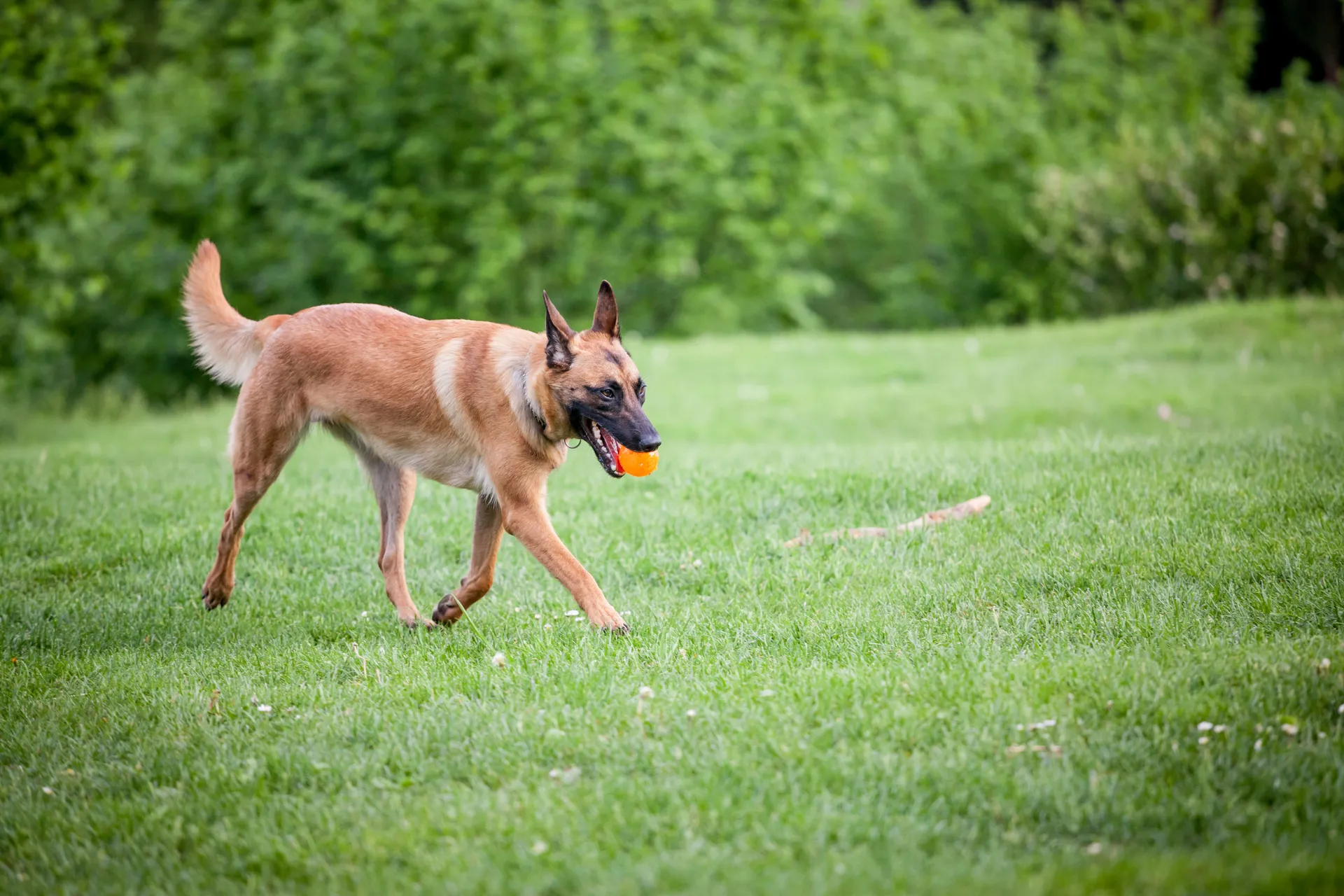 Belgian ShepherdMedium • Herding
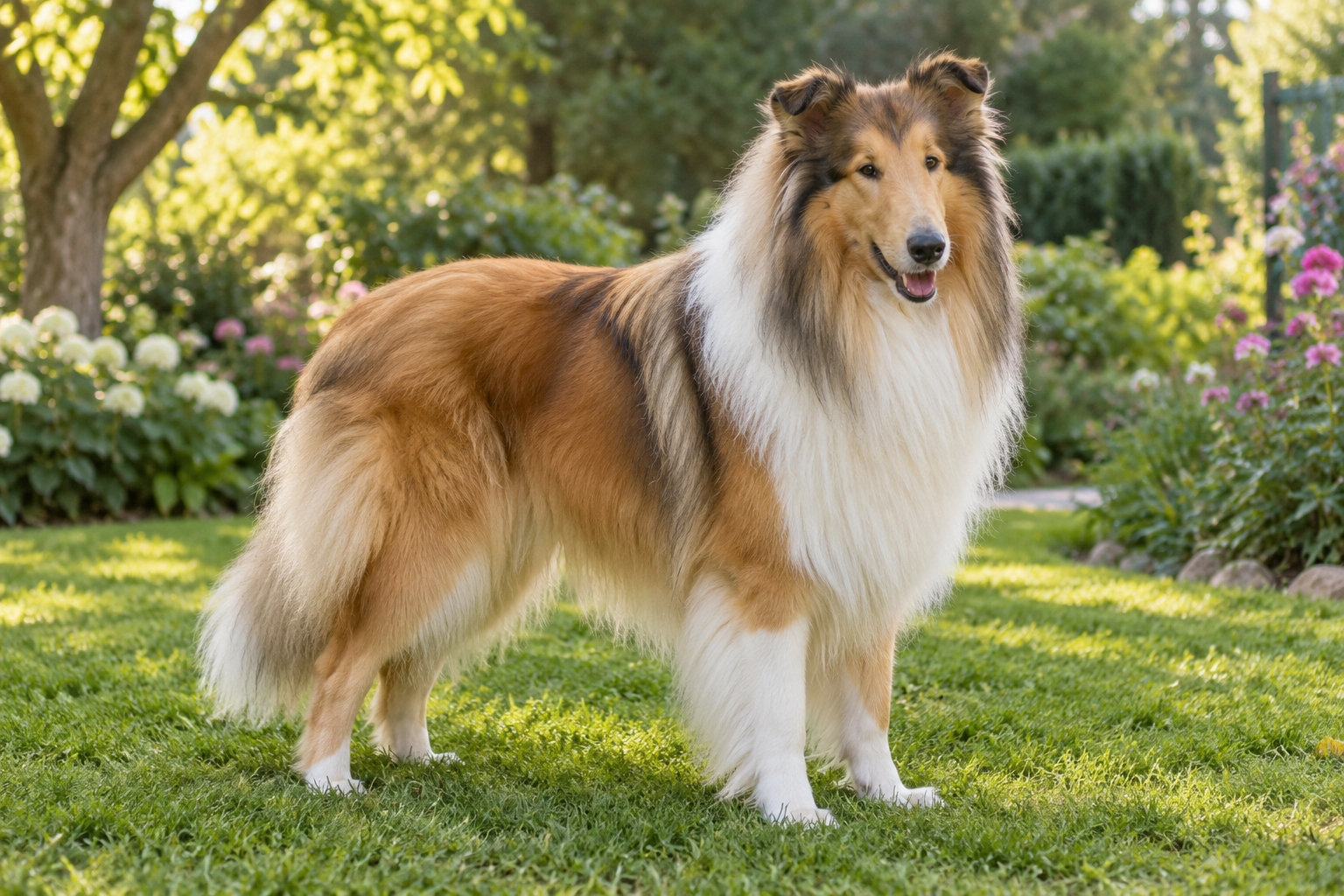 CollieLarge • Working Dogs (Group 5)
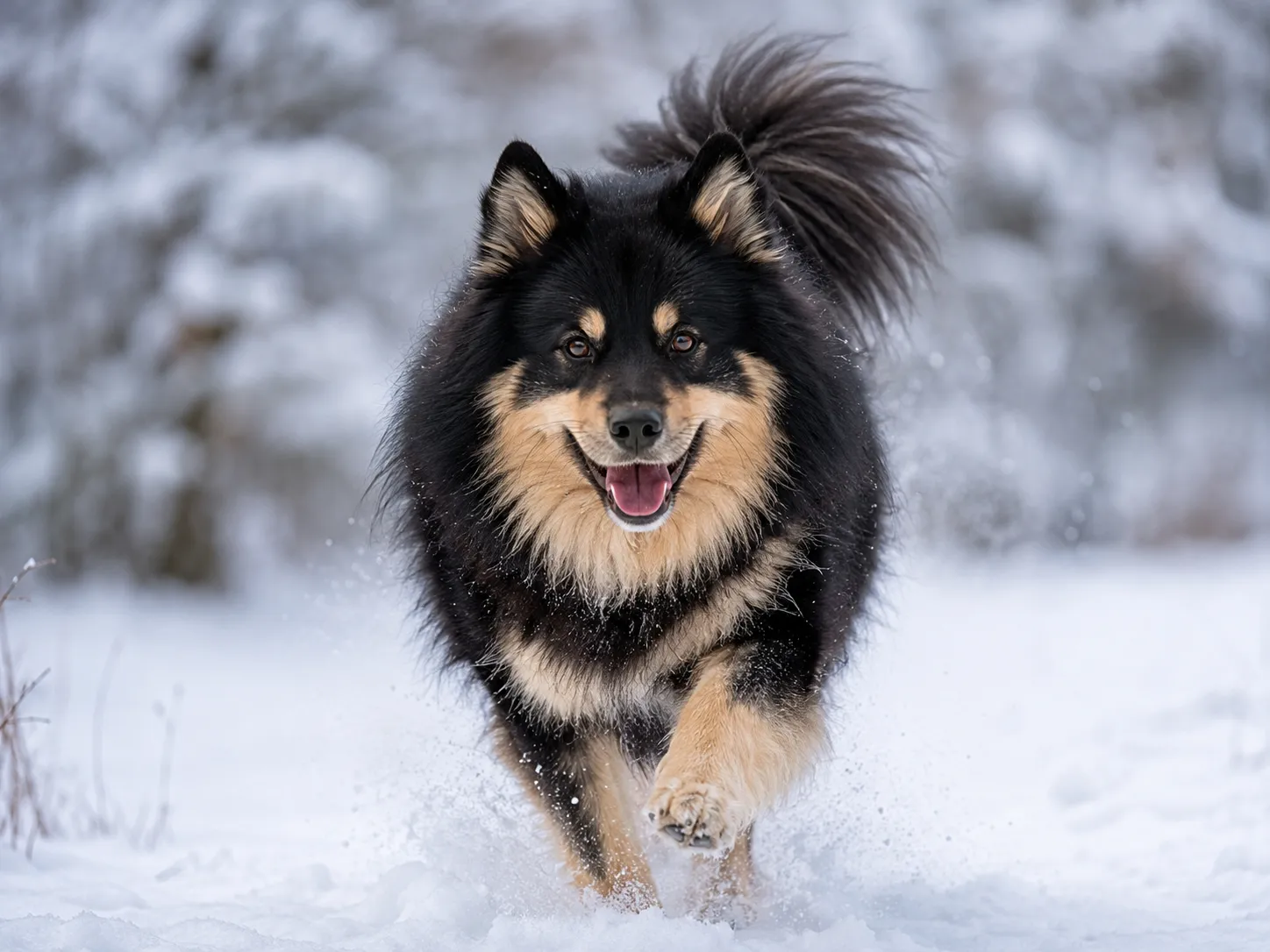 Finnish LapphundMedium • Utility / Spitz type (Nordic herding breed)
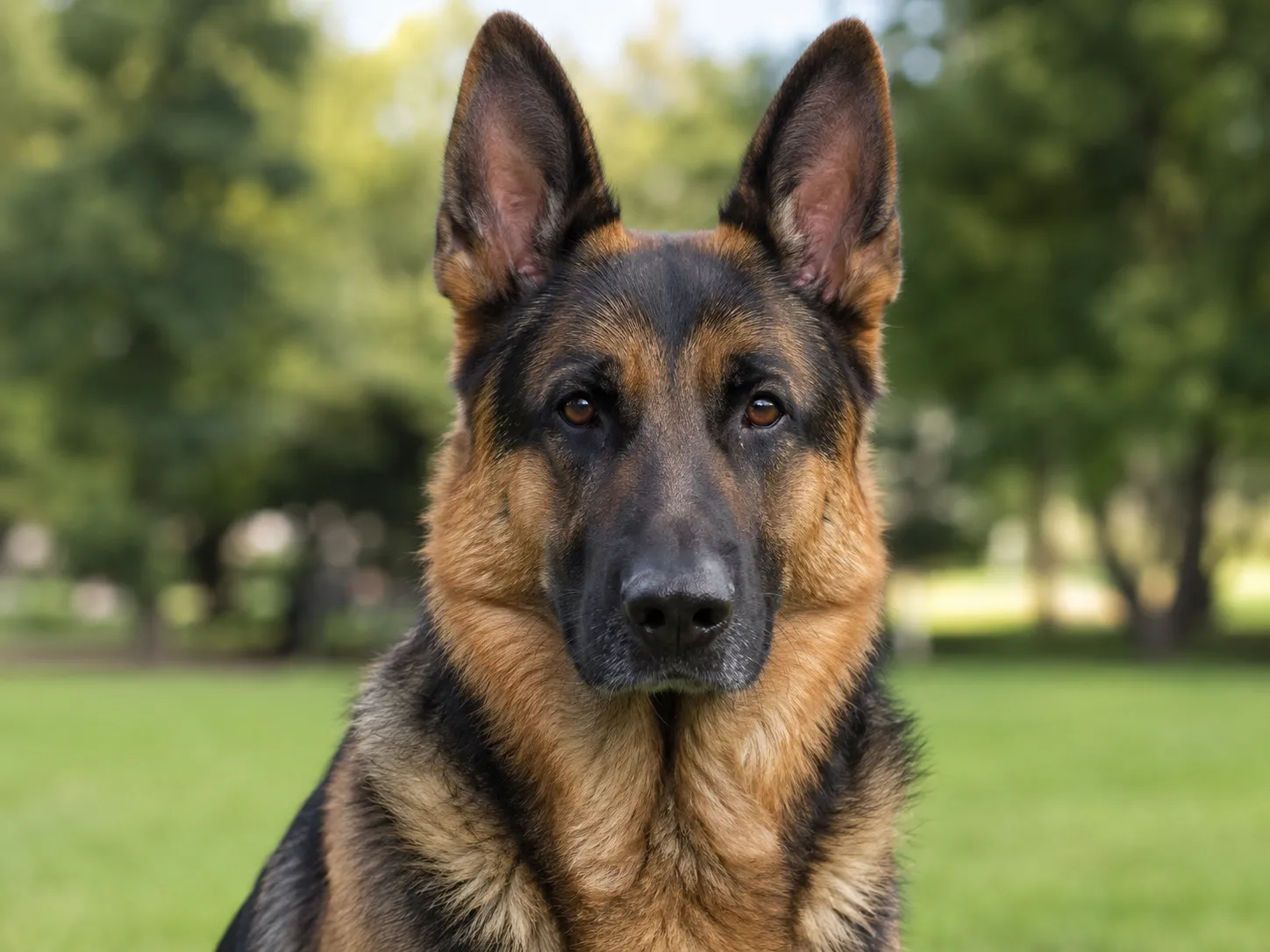 German ShepherdLarge • Working
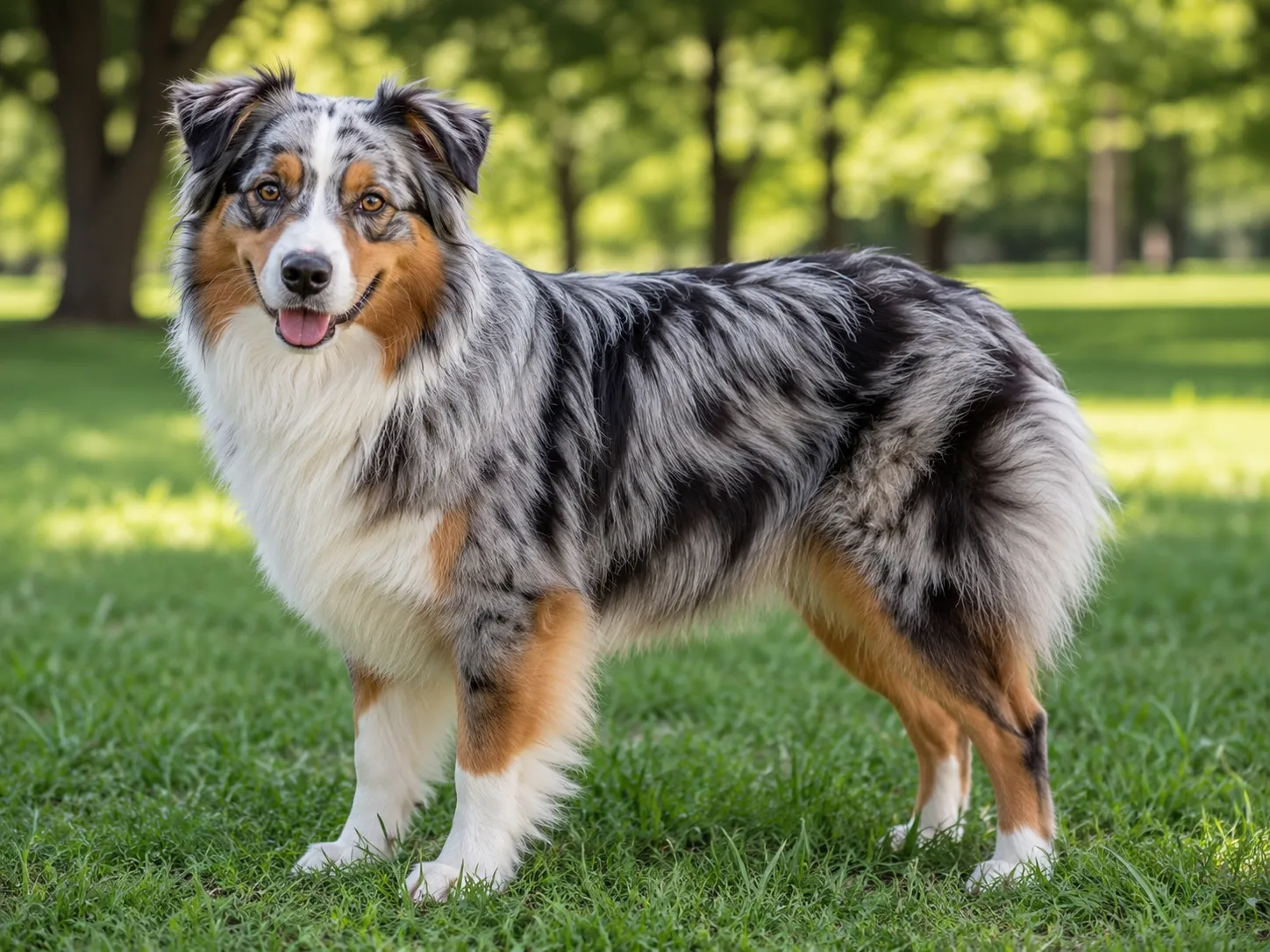 Miniature Australian ShepherdMedium • Herding / Companion
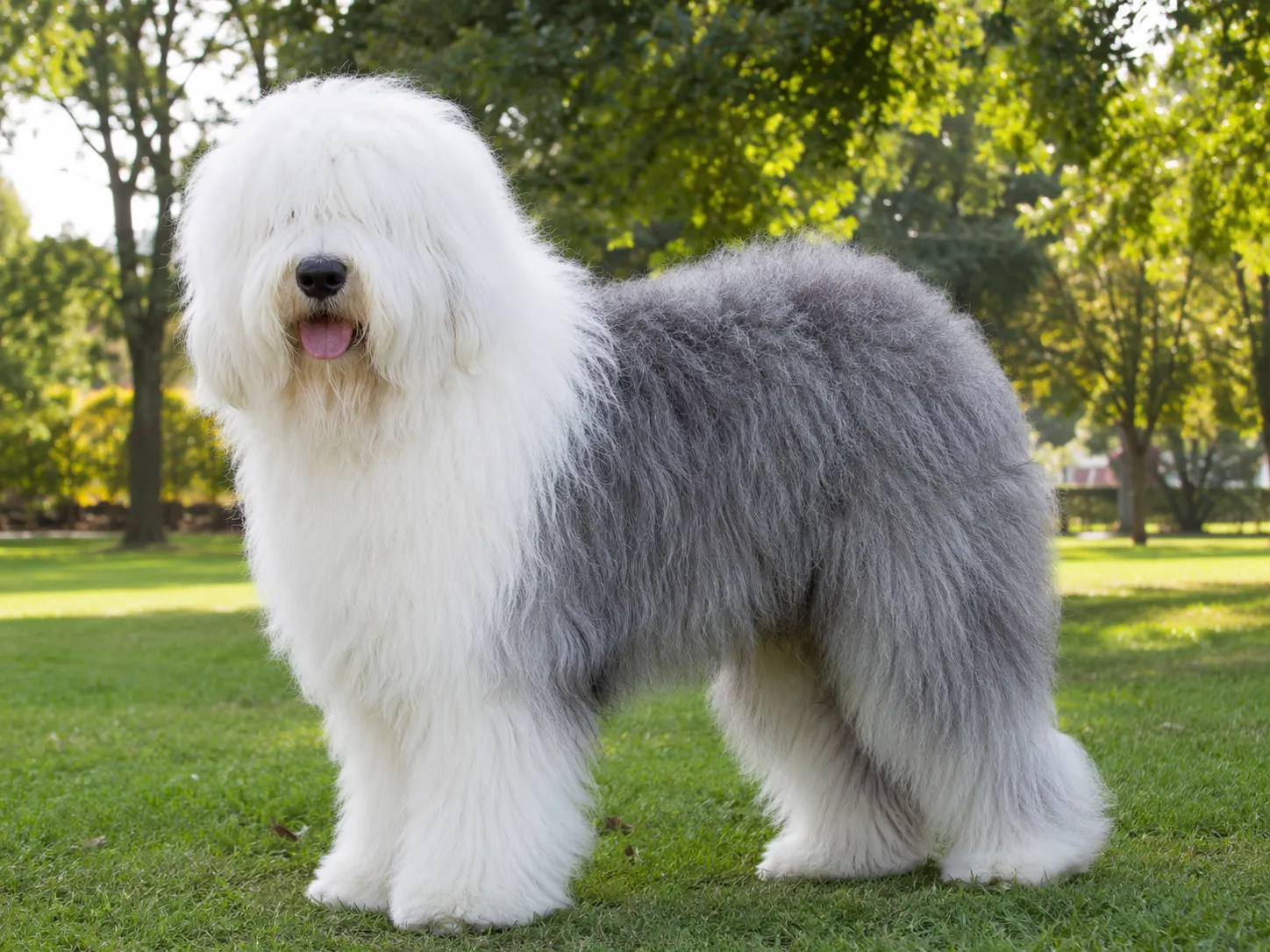 Old English SheepdogLarge • Herding (Pastoral)