Miniature Australian Shepherd
By James C. • Updated
The Miniature Australian Shepherd is an intelligent, energetic, and highly trainable herding breed developed from smaller Australian Shepherd bloodlines. Despite its smaller size, it retains the working ability, athleticism, and strong desire to be involved in family activities that the standard Australian Shepherd is known for. They excel in obedience, agility, herding sports, and active family homes.
Breed Overview
Life Span
12 - 15 years
Average Price
AUD 2500 - AUD 5000
Weight
Male: 9 - 14 kg Female: 8 - 13 kg
Height
Male: 35 - 46 cm Female: 33 - 43 cm
Life Expectancy
Male/Female: 12 - 15 years
Breed Group
Herding / Companion
Nicknames
Mini Aussie, Mini Australian Shepherd
Breed Information
Characteristics of the Miniature Australian Shepherd
| Trait | Rating | Star Rating | Meaning |
| Affection with Family | Very High | ⭐⭐⭐⭐⭐ | Deeply bonded to owners and enjoys constant interaction with family members. |
| Good with Children | High | ⭐⭐⭐⭐ | Usually playful and friendly with respectful children when properly socialised. |
| Good with Other Pets | Moderate–High | ⭐⭐⭐⭐ | Can live well with other animals when raised together and socialised early. |
| Playfulness | Very High | ⭐⭐⭐⭐⭐ | Energetic and enthusiastic about games, activities, and interaction. |
| Energy Level | Very High | ⭐⭐⭐⭐⭐ | Requires regular exercise and mental stimulation to stay balanced. |
| Trainability | Very High | ⭐⭐⭐⭐⭐ | Extremely responsive to training and eager to learn new commands and tasks. |
| Intelligence | Very High | ⭐⭐⭐⭐⭐ | Highly intelligent breed capable of learning complex commands and activities. |
| Barking Level | Moderate | ⭐⭐⭐ | May bark to alert owners or during excitement. |
| Adaptability | Moderate–High | ⭐⭐⭐⭐ | Can adapt to different homes if exercise and stimulation needs are met. |
| Grooming Needs | Moderate | ⭐⭐⭐ | Requires regular brushing due to its medium-length coat. |
| Shedding Level | Moderate–High | ⭐⭐⭐⭐ | Seasonal shedding can occur, requiring more frequent brushing. |
| Protective Instinct | Moderate | ⭐⭐⭐ | Loyal and alert but usually friendly rather than aggressive. |
The Miniature Australian Shepherd is widely recognised for its intelligence, energy, and strong bond with its family, and its double coat needs a consistent double-coat grooming routine. These dogs thrive on interaction and often enjoy being involved in daily activities with their owners.
Because of their herding background, Miniature Australian Shepherds typically display high levels of focus, alertness, and enthusiasm for work or play. They often excel in activities such as obedience training, agility, and other dog sports.
While they are affectionate companions, their energetic nature means they require regular exercise and mental stimulation. With proper training, structure, and engagement, the Miniature Australian Shepherd develops into a loyal, highly responsive, and versatile companion dog.
History of the Miniature Australian Shepherd
The Miniature Australian Shepherd was developed as a smaller version of the Australian Shepherd while preserving the intelligence, agility, and working ability that made the original breed so respected among ranchers and livestock handlers. Although the name suggests an Australian origin, both the Australian Shepherd and its miniature counterpart were primarily developed in the United States.
Origins of the Breed
During the 1960s, some breeders began selectively breeding smaller Australian Shepherds. Their goal was to produce a dog that maintained the herding instincts, trainability, and athletic ability of the standard Australian Shepherd while offering a more compact size that could adapt well to smaller properties and family homes.
These smaller dogs became popular among horse riders and livestock handlers who wanted a capable working dog that was easier to transport and manage.
Development Through Selective Breeding
Breeders focused on maintaining the key characteristics of the Australian Shepherd, including intelligence, strong work ethic, and loyalty to their handlers. By consistently selecting smaller individuals with strong working ability, they gradually established a stable line of smaller herding dogs.
Over time, these dogs became known as Miniature Australian Shepherds, although different breeding organisations later used varying names as the breed continued to develop.
Recognition and Breed Development
As interest in the breed grew, organised breeding programs began to establish more defined standards. Some registries later adopted the name Miniature American Shepherd, recognising the breed separately from the standard Australian Shepherd.
Despite these classification differences, many dog owners still refer to the breed as the Miniature Australian Shepherd, particularly in companion dog communities.
The Breed Today
Today, the Miniature Australian Shepherd is valued for its intelligence, agility, and strong bond with its owners. While many still retain their natural herding instincts, they are now commonly kept as companion dogs, active family pets, and participants in dog sports such as agility, obedience, and rally.
The breed continues to attract owners who want a highly trainable and energetic dog in a smaller and more manageable size.
Appearance of the Miniature Australian Shepherd: Compact, Athletic, and Striking
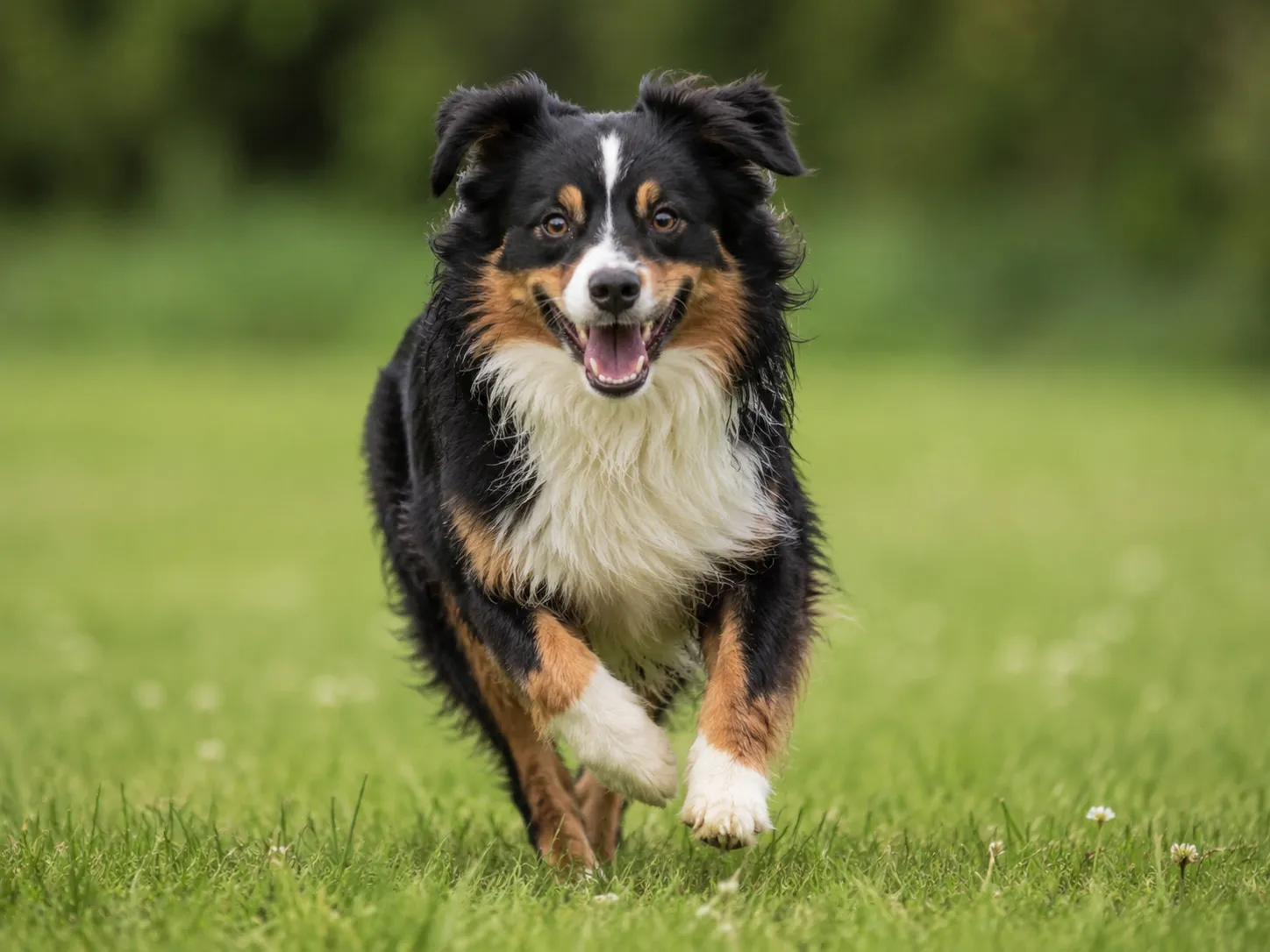
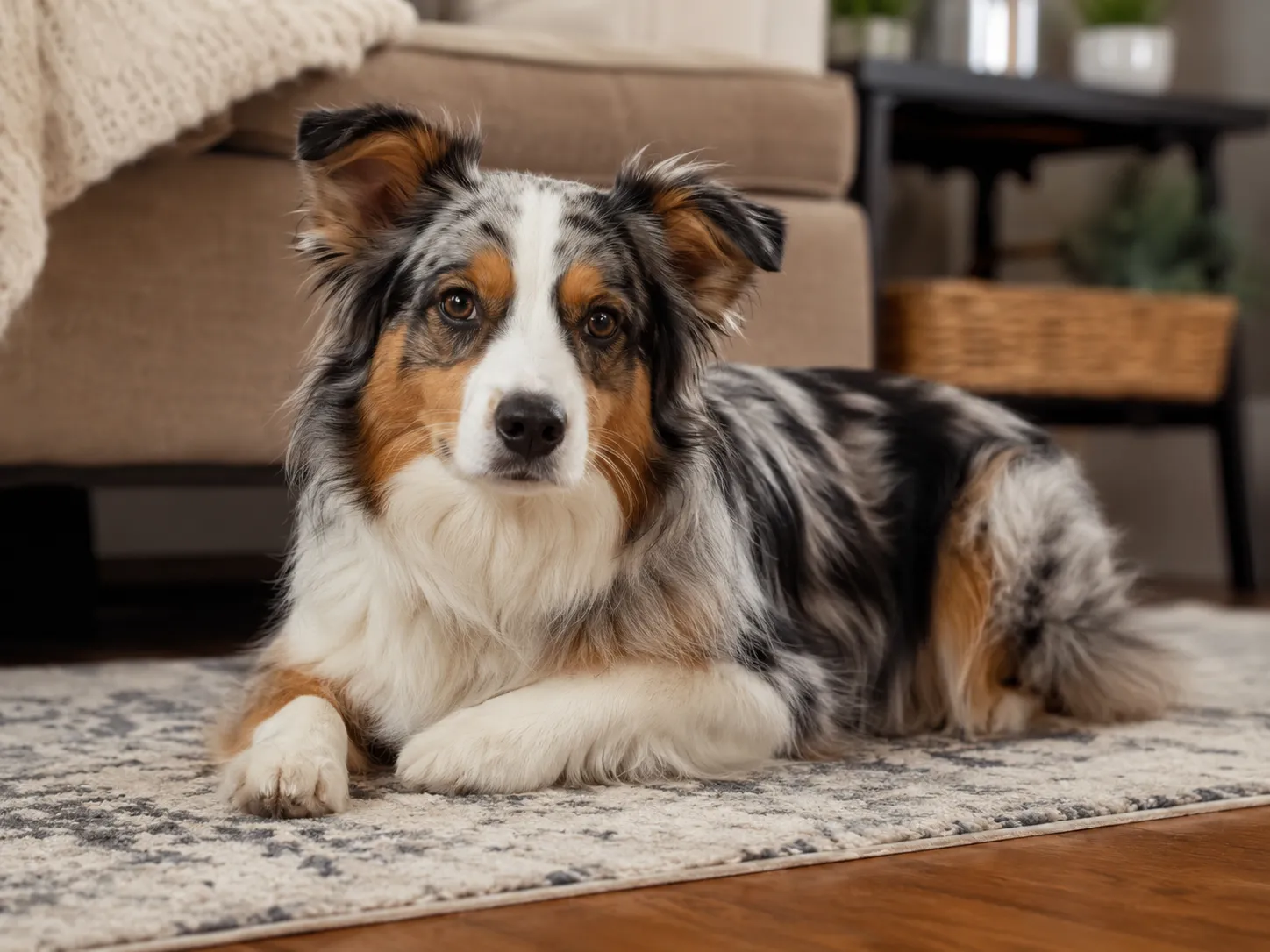
The Miniature Australian Shepherd closely resembles the standard Australian Shepherd but in a smaller and more compact form, and works to a similar drive as the Border Collie. Despite the reduced size, the breed retains the same balanced structure, athletic build, and striking coat patterns that make Australian Shepherds so distinctive. Their appearance reflects their background as active herding dogs capable of agility, endurance, and quick movement.
Body Structure and Build
The Miniature Australian Shepherd has a well-balanced, athletic body with strong muscles and a slightly longer-than-tall frame. This structure allows the dog to move efficiently and remain agile during physical activity.
The chest is moderately broad, the back is strong and level, and the legs are straight and well proportioned. These features contribute to the breed’s agile and energetic movement, which is essential for herding and active lifestyles.
Head and Facial Features
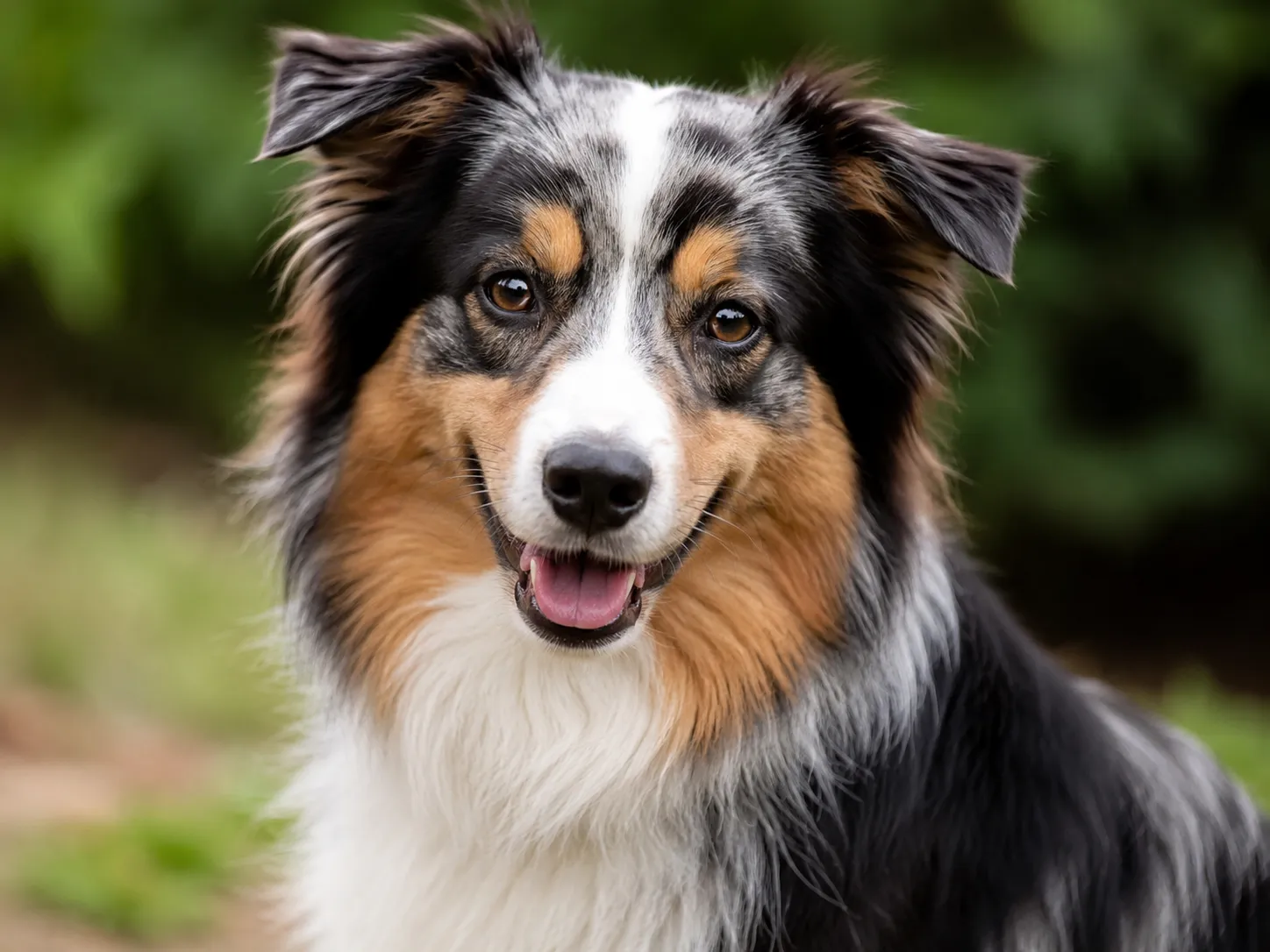
The head of the Miniature Australian Shepherd is cleanly shaped and proportional to the body, with a slightly rounded skull and a defined stop between the forehead and muzzle. The muzzle is moderate in length and tapers slightly toward the nose.
This balanced head structure gives the breed a keen, intelligent expression, which reflects its alert and observant personality.
Eyes and Expression
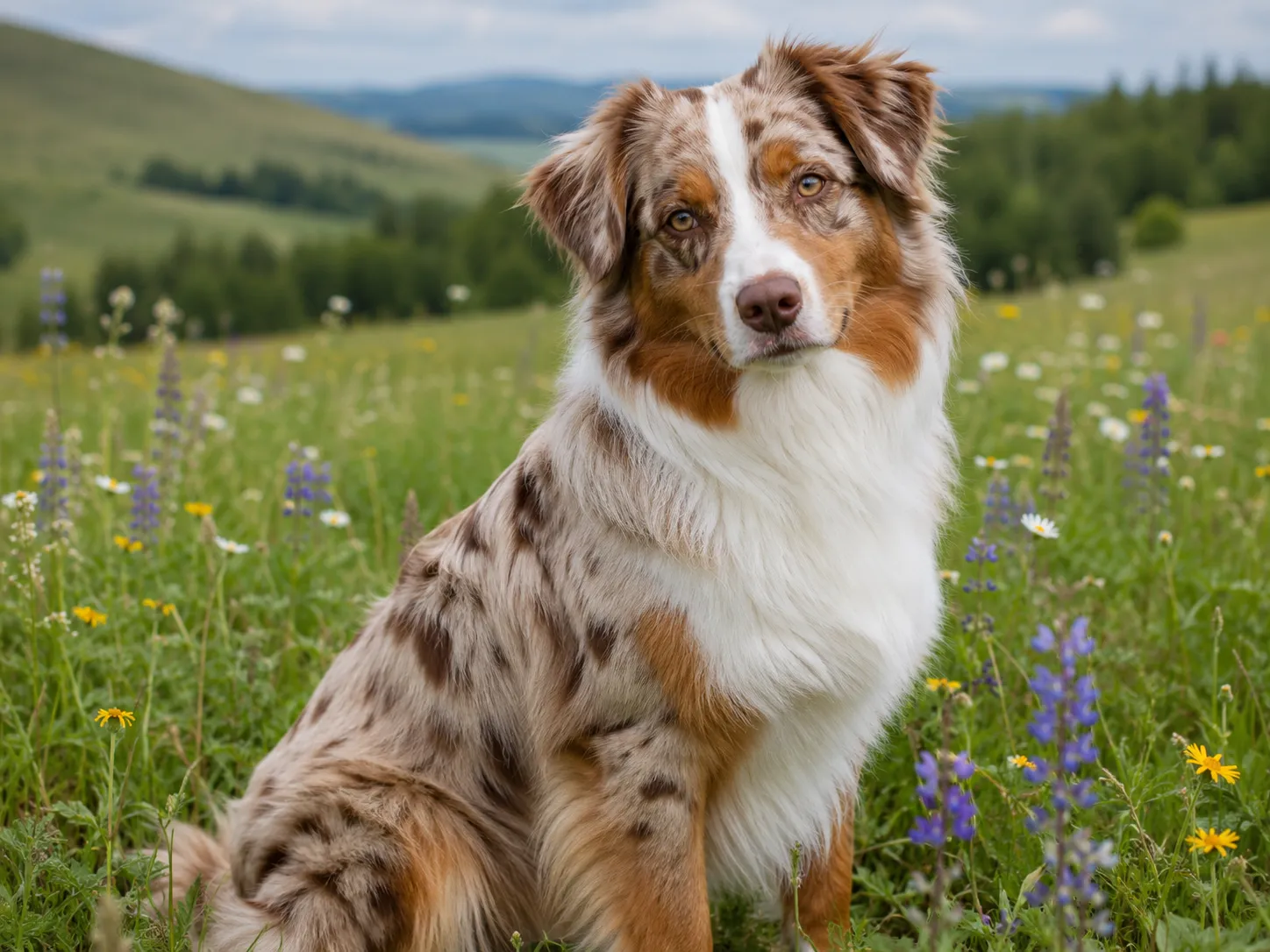
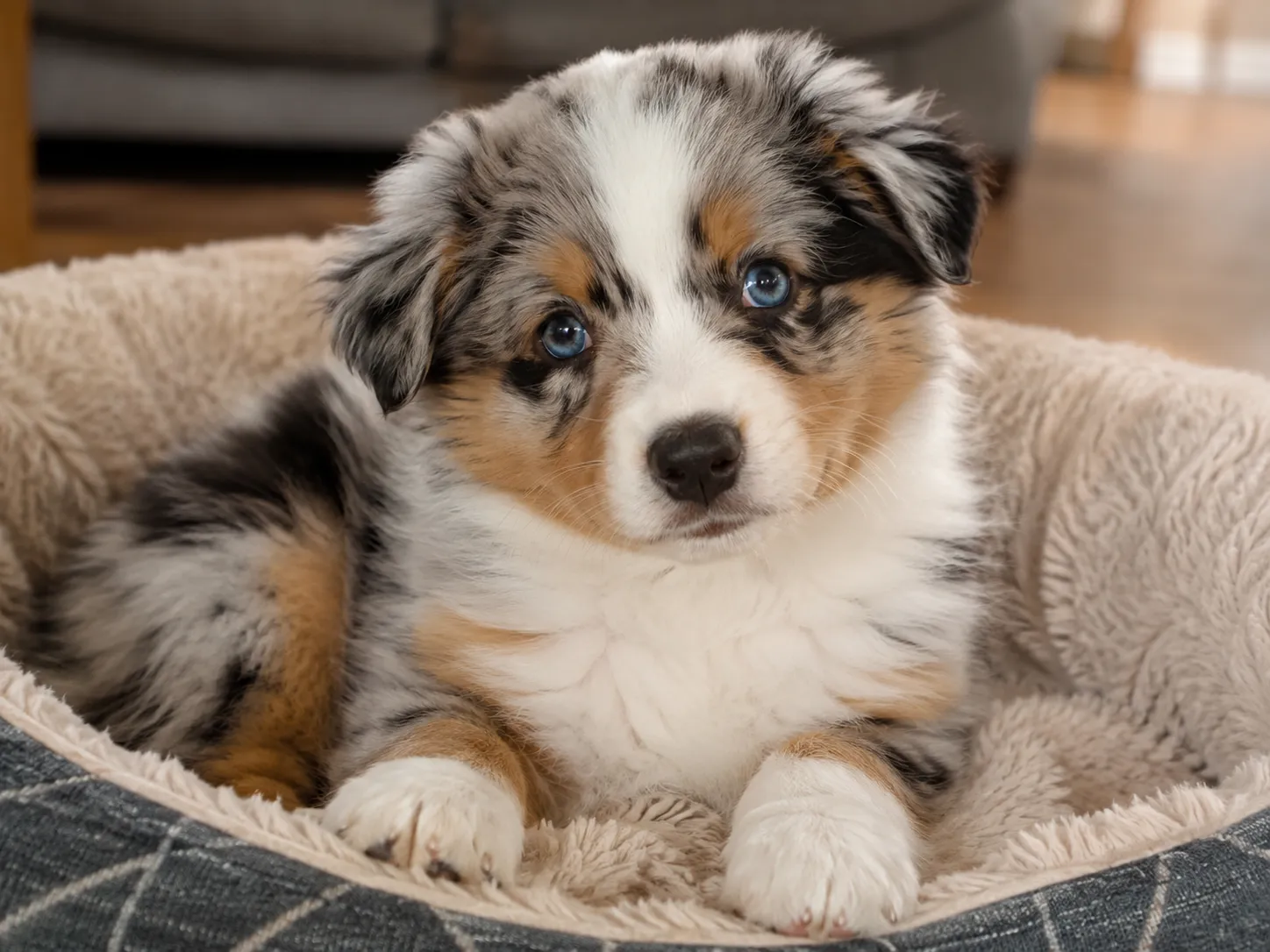
One of the most striking features of the breed is its eyes. Miniature Australian Shepherds typically have almond-shaped eyes that appear bright and attentive.
Eye colours can vary and may include:
- Brown
- Blue
- Amber
- A combination of colours (sometimes one eye of each colour)
These eye variations contribute to the breed’s distinctive and expressive appearance.
Ears and Tail
The ears are usually triangular and set high on the head, folding forward when the dog is alert. This ear shape contributes to the breed’s attentive expression.
Some Miniature Australian Shepherds are born with a naturally short bobtail, while others may have longer tails depending on breeding practices and regional regulations.
Coat and Colour Patterns
The breed has a medium-length double coat that protects the dog in various weather conditions. The coat may be straight or slightly wavy and requires regular brushing to maintain its condition.
Common coat colours include:
- Blue merle
- Red merle
- Black
- Red
Many dogs also display white markings or copper points, creating the striking colour combinations often associated with the breed.
Overall Appearance
Overall, the Miniature Australian Shepherd presents a compact, athletic, and visually striking appearance. The combination of balanced structure, expressive eyes, and colourful coat patterns gives the breed a distinctive presence while still reflecting its heritage as a capable working and herding dog.
Temperament of the Miniature Australian Shepherd: Intelligent, Loyal, and Energetic
The Miniature Australian Shepherd is known for its bright personality, strong loyalty, and high levels of energy, and an under-exercised herder soon shows the usual behaviour problems. Developed from working herding dogs, this breed carries many of the behavioural traits associated with intelligent livestock dogs, including alertness, responsiveness, and a strong desire to work closely with its handler.
Strong Bond with Owners
One of the most noticeable traits of the Miniature Australian Shepherd is its deep attachment to its family. These dogs often form very strong bonds with their owners and enjoy being actively involved in daily life. They usually prefer staying close to their people rather than spending long periods alone.
Because of this strong loyalty, the breed often thrives in homes where it can participate in activities, training sessions, and family routines.
Natural Herding Instinct
Miniature Australian Shepherds retain the natural herding instincts of their larger counterparts. This instinct may appear in everyday behaviour, such as attempting to guide children, other pets, or even moving objects.
While this behaviour is usually harmless, early training helps ensure that the dog learns appropriate ways to channel its instincts.
Energy and Activity Levels
The Miniature Australian Shepherd is an energetic and highly active breed. These dogs typically enjoy running, playing, and engaging in activities that challenge both their body and mind.
Without sufficient exercise and stimulation, the breed may become bored, which can sometimes lead to unwanted behaviours such as excessive barking or destructive chewing.
Social Behaviour
When properly socialised, Miniature Australian Shepherds are usually friendly and sociable dogs. They may initially appear reserved around strangers but often warm up once they become familiar with new people.
Early exposure to different environments, animals, and people helps develop a confident and well-adjusted adult dog.
Everyday Personality
In everyday life, the Miniature Australian Shepherd is typically alert, affectionate, and eager to interact. Their intelligence and enthusiasm make them enjoyable companions for owners who appreciate an active dog that enjoys learning new skills and participating in shared activities.
With proper training, exercise, and companionship, the Miniature Australian Shepherd develops into a devoted, energetic, and highly responsive family companion.
Intelligence and Trainability of the Miniature Australian Shepherd
The Miniature Australian Shepherd is widely regarded as one of the most intelligent companion and herding breeds, so starting obedience work early keeps that mind occupied. Their strong problem-solving ability, quick learning speed, and eagerness to work with their owners make them highly trainable. Because of this natural intelligence, they often excel in obedience training, agility sports, and advanced behavioural work.
Natural Learning Ability
Miniature Australian Shepherds typically learn commands quickly and often understand routines with minimal repetition. Their alert and observant nature allows them to notice patterns in their environment, which helps them adapt easily to structured training.
However, their intelligence also means they require consistent guidance. Without structure, they may begin creating their own behaviours, which can sometimes lead to unwanted habits.
Puppy Training Priorities
Early training is very important for this breed. Teaching basic obedience commands, leash manners, and household boundaries during puppyhood helps create a well-behaved adult dog.
Socialisation should also begin early. Introducing the puppy to different people, sounds, environments, and animals helps build confidence and prevents nervous or reactive behaviour later in life.
Training Methods That Work Best
Miniature Australian Shepherds respond best to positive reinforcement training. Reward-based methods that include praise, treats, or toys usually keep the dog motivated and focused.
Training sessions should remain engaging and varied. Because the breed is intelligent and energetic, repetitive or boring training sessions may cause the dog to lose interest.
Mental Stimulation Needs
Mental stimulation is just as important as physical exercise for this breed. Activities such as problem-solving games, obedience exercises, agility training, and interactive toys help challenge their minds.
Without sufficient mental stimulation, Miniature Australian Shepherds may become bored, which can lead to behaviours such as excessive barking or destructive chewing.
Training Potential
With consistent training and proper engagement, the Miniature Australian Shepherd can become a highly skilled and responsive companion. Many dogs of this breed perform exceptionally well in dog sports, advanced obedience training, and structured working activities.
Their intelligence, combined with their desire to work closely with their owners, makes them one of the most capable and trainable companion breeds available.
Family Life with the Miniature Australian Shepherd
The Miniature Australian Shepherd can be a wonderful companion in the right household, particularly for families who enjoy an active lifestyle. Their affectionate nature and strong loyalty allow them to integrate closely into family routines, often forming deep bonds with their owners, and you can browse Miniature Australian Shepherd puppies in Australia.
Living with Children
Miniature Australian Shepherds are generally playful, energetic, and affectionate with children, especially when they grow up together. Their intelligence and enthusiasm for games often make them engaging companions for older children who understand how to interact respectfully with dogs.
Because of the breed’s herding background, some dogs may occasionally attempt to herd children by gently nudging or circling them. Early training helps guide this instinct into appropriate behaviour.
Compatibility with Other Pets
With proper early socialisation, the Miniature Australian Shepherd can live peacefully with other dogs and household pets. Puppies that are introduced to different animals during their early development usually grow into confident and well-adjusted adult dogs.
Their herding instinct may sometimes appear when interacting with other animals, but consistent training and supervision usually help manage this behaviour.
Living Environment
Although the Miniature Australian Shepherd is smaller than the standard Australian Shepherd, it is still an active working-type dog. This means it does best in homes where there is enough space and opportunity for regular activity.
Houses with secure yards are often ideal, but the breed can also adapt to suburban living if owners provide daily exercise and mental stimulation.
Daily Lifestyle and Interaction
Miniature Australian Shepherds thrive when they are actively involved in everyday life. They enjoy training sessions, outdoor adventures, and interactive play with their owners.
A household that provides structure, activity, and companionship usually allows this breed to flourish. When their physical and mental needs are met, Miniature Australian Shepherds often become devoted, enthusiastic, and well-adjusted family companions.
Health of the Miniature Australian Shepherd: Common Concerns and Lifespan
The Miniature Australian Shepherd is generally considered a healthy and robust breed, especially when puppies come from responsible breeding programs. However, like many purebred dogs, the breed can still be predisposed to certain hereditary health conditions. Understanding these potential issues helps owners provide better long-term care.
Typical Lifespan
Most Miniature Australian Shepherds live between 12 and 15 years. With proper nutrition, exercise, and routine veterinary care, many dogs in this breed maintain an active and healthy life well into their senior years.
Common Health Conditions
Although the breed is relatively healthy overall, some genetic conditions may appear in certain bloodlines. Responsible breeders often conduct health testing to reduce the risk of these issues.
Some conditions that may affect the breed include:
- Hip dysplasia, which can affect joint movement and mobility
- Progressive retinal atrophy (PRA), an inherited eye disease that can lead to vision loss
- Collie Eye Anomaly (CEA), another hereditary eye condition
- MDR1 gene mutation, which can make dogs sensitive to certain medications
- Epilepsy, which may occur in some lines
Health screening and responsible breeding practices play an important role in reducing the occurrence of these conditions.
Importance of Genetic Testing
Because some of these conditions are inherited, reputable breeders often perform genetic health testing on breeding dogs. Tests for conditions such as MDR1, PRA, and hip dysplasia help breeders make informed decisions and improve the long-term health of the breed.
Prospective owners should always ask breeders about health certifications and genetic testing results before purchasing a puppy.
Preventive Health Care
Maintaining good health for a Miniature Australian Shepherd also involves proper everyday care. Owners should ensure their dog receives:
- Regular veterinary check-ups
- Vaccinations and parasite prevention
- Balanced nutrition and weight management
- Routine exercise and mental stimulation
With responsible breeding and attentive care, most Miniature Australian Shepherds live active, energetic, and healthy lives as companion and working dogs.
Caring for a Miniature Australian Shepherd
The Miniature Australian Shepherd requires attentive daily care to remain healthy, balanced, and mentally satisfied. Because the breed is intelligent and energetic, its needs go beyond basic feeding and shelter. Proper care includes regular exercise, mental stimulation, structured routines, and close interaction with its family.
Daily Care and Companionship
Miniature Australian Shepherds are highly people-oriented dogs that thrive on companionship. They typically prefer being involved in family life rather than spending long periods alone. Regular interaction, play, and training help strengthen the bond between the dog and its owners.
Households where someone is frequently present or where the dog can participate in daily activities often suit this breed best.
Exercise and Physical Activity
This breed requires consistent daily exercise to maintain physical health and prevent boredom. Activities such as brisk walks, running, hiking, and structured play sessions help burn off excess energy.
Because the Miniature Australian Shepherd is naturally athletic, providing opportunities for movement and outdoor activity helps support both physical fitness and emotional wellbeing.
Mental Stimulation
Mental enrichment is equally important. The breed’s intelligence means it enjoys activities that challenge its mind. Training exercises, puzzle toys, obedience work, and agility training help keep the dog engaged.
Without enough stimulation, the Miniature Australian Shepherd may develop undesirable behaviours such as excessive barking, digging, or chewing.
Routine Health Maintenance
Routine care should also include regular health maintenance practices such as:
- Veterinary check-ups
- Vaccinations and parasite prevention
- Monitoring weight and diet
- Checking ears, eyes, and coat condition
Maintaining these routines helps ensure the Miniature Australian Shepherd remains healthy, active, and well-adjusted throughout its life.
Grooming the Miniature Australian Shepherd
The Miniature Australian Shepherd has a medium-length double coat that protects the dog from changing weather conditions. While the coat is attractive and functional, it does require regular grooming to keep it healthy and free from tangles. A consistent grooming routine helps maintain coat condition and supports overall hygiene.
Coat Care and Brushing
Miniature Australian Shepherds benefit from regular brushing two to three times per week. Their double coat consists of a soft undercoat and a slightly longer outer coat. Brushing helps remove loose hair, prevent tangles, and distribute natural oils across the coat.
During seasonal shedding periods, more frequent brushing may be necessary to manage the increased amount of loose fur.
Bathing
Bathing should be done occasionally rather than frequently. Most Miniature Australian Shepherds only require bathing every few weeks or when they become particularly dirty. Using a mild dog shampoo helps protect the natural oils in the coat and prevents skin irritation.
Ear, Nail, and Dental Care
Routine grooming should also include regular maintenance of the ears, nails, and teeth. Owners should:
- Check and clean ears regularly to prevent wax buildup or infection
- Trim nails every few weeks to avoid overgrowth and discomfort
- Brush the dog’s teeth regularly or provide dental chews to support oral health
These small grooming tasks contribute significantly to the dog’s long-term wellbeing.
Managing Seasonal Shedding
Miniature Australian Shepherds typically experience moderate to heavy seasonal shedding, particularly in spring and autumn. During these times, daily brushing may help remove loose undercoat and keep the coat manageable.
Coat Maintenance Benefits
Regular grooming does more than improve appearance. It also allows owners to monitor the dog’s skin and coat for signs of irritation, parasites, or injury. With consistent care, the Miniature Australian Shepherd’s coat remains healthy, clean, and well maintained throughout the year.
Exercise Needs of the Miniature Australian Shepherd
The Miniature Australian Shepherd is a highly energetic and athletic breed that requires consistent daily exercise, so check safe temperatures for dogs before working it hard in summer. Originally developed from herding dogs, this breed thrives when given opportunities to move, explore, and work alongside its owners. Without sufficient activity, Miniature Australian Shepherds may become restless or develop unwanted behaviours.
Daily Exercise Requirements
Most Miniature Australian Shepherds benefit from 60 to 90 minutes of physical activity each day. This exercise can include brisk walks, running, hiking, or structured play sessions. Because of their high energy levels, short walks alone are usually not enough to meet their needs.
Providing daily activity helps maintain healthy weight, supports joint health, and keeps the dog mentally balanced.
Suitable Activities
Miniature Australian Shepherds often excel in activities that challenge both their body and mind. Suitable activities include:
- Long walks or jogging
- Fetch and interactive games
- Agility and obstacle training
- Hiking or outdoor adventures
- Herding or dog sport activities
These activities help channel the breed’s natural energy and intelligence into productive behaviour.
Mental Stimulation Through Exercise
Because the Miniature Australian Shepherd is extremely intelligent, exercise should ideally include mental challenges as well. Training games, puzzle toys, and agility courses allow the dog to solve problems while remaining physically active.
Combining mental and physical stimulation helps prevent boredom and supports good behaviour.
Avoiding Boredom and Excess Energy
When a Miniature Australian Shepherd does not receive enough exercise, it may become frustrated. This frustration can lead to behaviours such as excessive barking, digging, chewing, or attempts to herd people and animals.
Providing structured exercise and daily interaction helps ensure the dog remains calm, focused, and happy.
Balancing Activity and Rest
While the breed enjoys activity, it also benefits from a balanced routine that includes rest periods. After sufficient exercise and mental engagement, Miniature Australian Shepherds often settle comfortably indoors with their family.
With the right balance of activity and relaxation, the Miniature Australian Shepherd becomes an energetic yet well-managed companion for active owners.
Feeding the Miniature Australian Shepherd: Nutrition and Diet Needs
The Miniature Australian Shepherd is an active breed that requires balanced nutrition to support energy levels, muscle development, and overall health. Because of their energetic nature, providing a high-quality diet helps maintain stamina, support joint health, and keep the dog in proper physical condition.
Recommended Diet
Most Miniature Australian Shepherds thrive on high-quality commercial dog food formulated for active medium-sized breeds. A balanced diet should include appropriate levels of protein, healthy fats, carbohydrates, vitamins, and minerals.
Protein helps support muscle development and recovery, while healthy fats contribute to coat health and sustained energy.
Feeding Schedule
Adult Miniature Australian Shepherds are usually fed two meals per day, typically morning and evening. Dividing meals helps maintain stable energy levels and supports healthy digestion.
Puppies require more frequent feeding during early development. Most puppies are fed three to four smaller meals per day until they grow older.
Portion Control and Weight Management
Although this breed is active, portion control remains important. Overfeeding can lead to unhealthy weight gain, which may place stress on joints and reduce mobility.
Owners should adjust food portions based on the dog’s age, activity level, and veterinary recommendations. Regularly checking body condition helps ensure the dog maintains a healthy weight.
Hydration and Fresh Water
Fresh drinking water should always be available. Active dogs may require more water, particularly after exercise or during warmer weather.
Proper hydration supports digestion, circulation, and temperature regulation.
Foods to Avoid
Certain foods can be dangerous for dogs and should never be given. Owners should avoid feeding:
- Chocolate
- Grapes and raisins
- Onions and garlic
- Alcohol and caffeinated products
- Highly processed or fatty human foods
Maintaining a balanced diet and appropriate feeding routine helps ensure the Miniature Australian Shepherd remains healthy, energetic, and well nourished throughout its life.
Price of the Miniature Australian Shepherd in Australia
The Miniature Australian Shepherd is a sought-after companion and working dog, and the price of a puppy in Australia can vary depending on breeder reputation, pedigree quality, health testing, and overall demand. Responsible breeders invest considerable time and resources into raising healthy puppies, which is often reflected in the purchase price.
Average Puppy Price
In Australia, a Miniature Australian Shepherd puppy typically costs between $2,500 and $5,000 AUD. Puppies from breeders who focus on strong bloodlines, health testing, and quality breeding practices may sometimes fall toward the higher end of this range.
The price usually reflects the breeder’s investment in veterinary care, responsible breeding programs, and proper early development of the puppies.
What Is Usually Included
When purchasing from a reputable breeder, the puppy price often includes several important services that support the puppy’s early health and wellbeing. These commonly include:
- Microchipping and registration
- Initial vaccinations
- Veterinary health checks
- Pedigree documentation for registered dogs
- Early socialisation
Many breeders also provide guidance about feeding, training, and general care when the puppy transitions into its new home.
Ongoing Ownership Costs
Beyond the purchase price, owners should also consider the ongoing costs of raising a Miniature Australian Shepherd. These expenses may include:
- Quality dog food
- Routine veterinary visits
- Parasite prevention
- Grooming supplies
- Training classes or enrichment activities
On average, the annual cost of owning a Miniature Australian Shepherd may range from $1,500 to $3,000 AUD, depending on the dog’s lifestyle, health needs, and level of activity.
Choosing a Responsible Breeder
While price is an important factor, it should not be the only consideration. Responsible breeders prioritise health testing, temperament, and proper care of both the puppies and their parent dogs.
Choosing a reputable breeder improves the chances of bringing home a healthy, well-socialised Miniature Australian Shepherd that will become a loyal and energetic companion.
Buying a Miniature Australian Shepherd Puppy: What to Know Before You Commit
Choosing a Miniature Australian Shepherd puppy should always begin with careful research and responsible decision making. Because this breed is intelligent, energetic, and highly interactive, selecting the right breeder and understanding the breed’s needs will help ensure a successful long-term relationship between the dog and its owner.
Choosing a Responsible Breeder
A reputable breeder focuses on health, temperament, and proper breeding practices rather than producing large numbers of puppies. Good breeders perform health testing on their breeding dogs and ensure puppies are raised in clean, well-managed environments.
When speaking with breeders, it is important to ask about:
- Hip dysplasia screening
- Eye health testing
- MDR1 genetic testing
- General veterinary health checks
- Temperament of the parent dogs
Responsible breeders will also ask questions about your home environment to ensure their puppies are placed in suitable families.
Visiting the Puppies
If possible, visiting the breeder in person can provide valuable insight into how the puppies are raised. Healthy puppies should appear curious, alert, and comfortable around people.
You should also be able to observe the puppy’s mother and see how the dogs interact. A calm and friendly temperament in the mother often indicates good socialisation and stable genetics.
Warning Signs to Avoid
Prospective owners should be cautious of sellers who cannot provide clear information about their breeding practices. Warning signs may include:
- Refusal to allow visits to see the puppies
- Extremely low puppy prices
- Missing veterinary records
- Multiple litters available at the same time
- Poor living conditions for the dogs
These signs may indicate unethical breeding operations or puppy farms, which should always be avoided.
Preparing for Your New Puppy
Before bringing your Miniature Australian Shepherd home, it is helpful to prepare the necessary supplies to support a smooth transition.
Essential items usually include:
- A comfortable bed or crate
- Food and water bowls
- High-quality puppy food
- Collar, harness, and lead
- Chew toys and enrichment toys
Preparing your home in advance helps the puppy adjust more comfortably and allows you to establish routines from the beginning.
Is the Miniature Australian Shepherd Right for You?
The Miniature Australian Shepherd is a loyal and intelligent breed that thrives in active households. Their energy, trainability, and strong attachment to their owners make them rewarding companions for people who enjoy spending time training, exercising, and engaging with their dog on a daily basis.
However, this breed is not ideal for every lifestyle. Miniature Australian Shepherds require regular exercise, mental stimulation, and consistent training. Without these outlets, their intelligence and energy can lead to boredom and unwanted behaviours.
Owners who can provide an active routine, structured training, and plenty of interaction often find the breed to be an excellent companion. With the right environment and commitment, the Miniature Australian Shepherd develops into a devoted, responsive, and enthusiastic family dog.
You can browse Miniature Australian Shepherd puppies available on Pups4Sale to connect with responsible breeders and find a puppy that suits your lifestyle.
Frequently Asked Questions
Related Breeds
Other herding breeds on Pups4Sale.
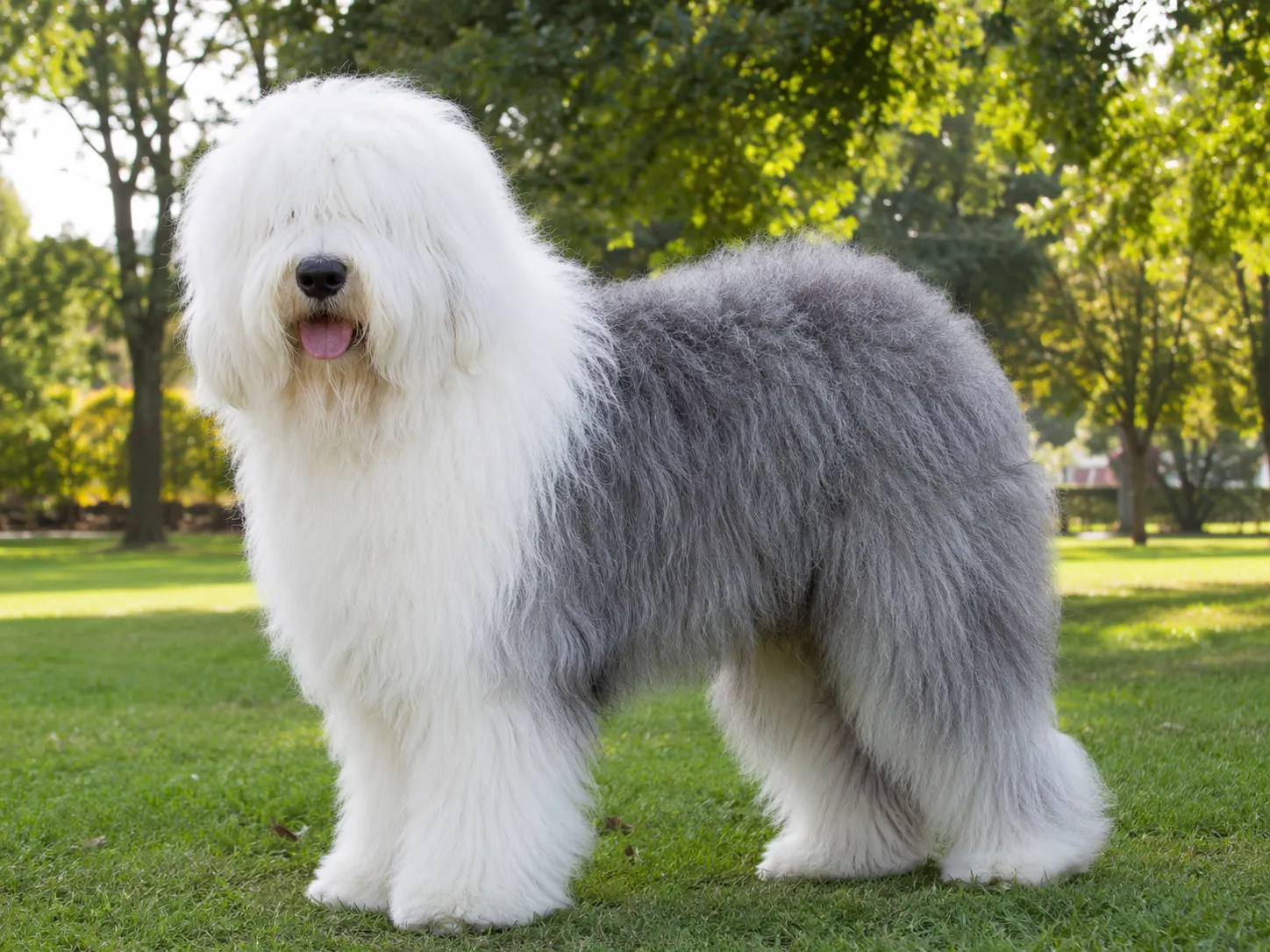 Old English SheepdogLarge • Herding (Pastoral)
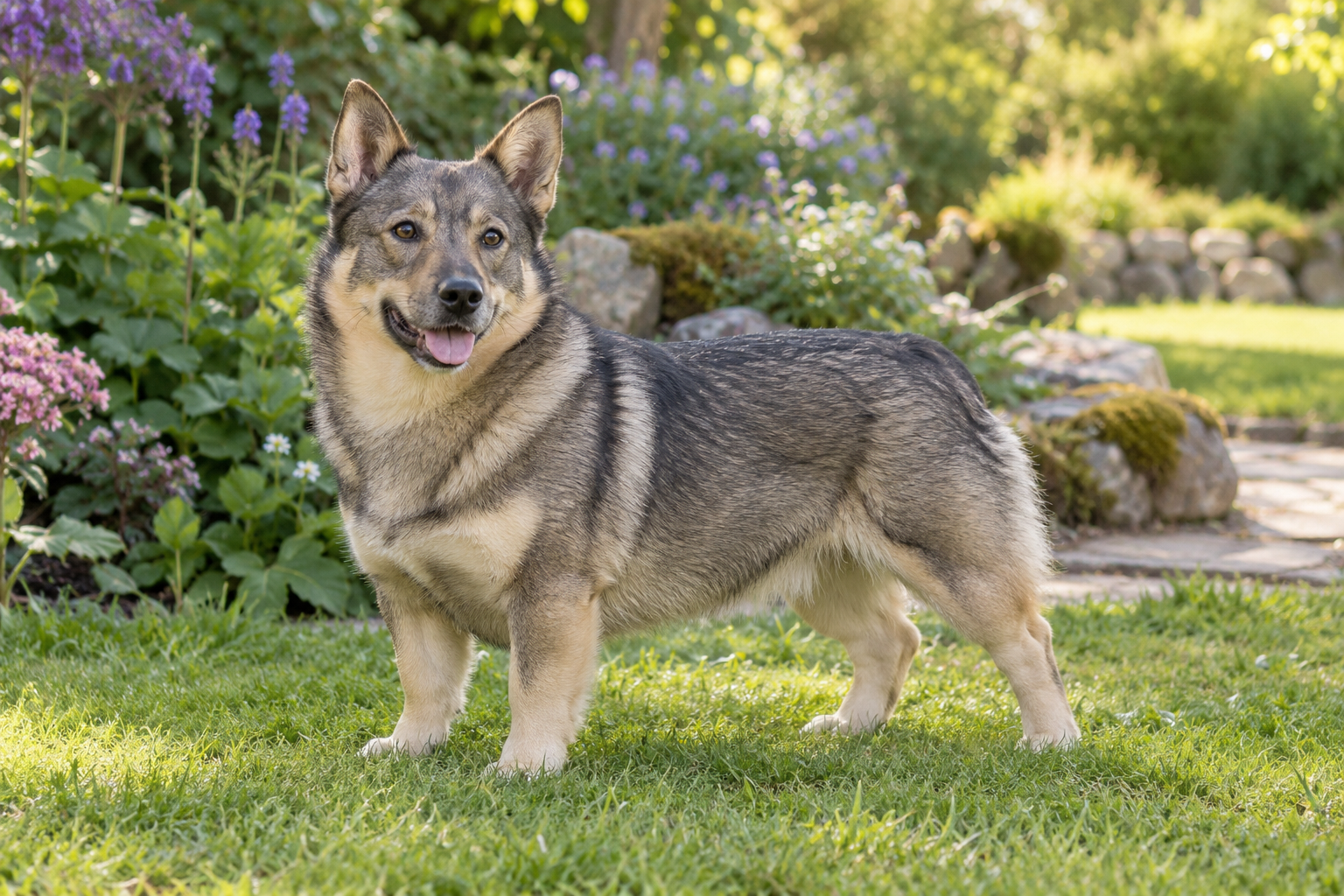 Swedish VallhundSmall • Working Dogs (Group 5)
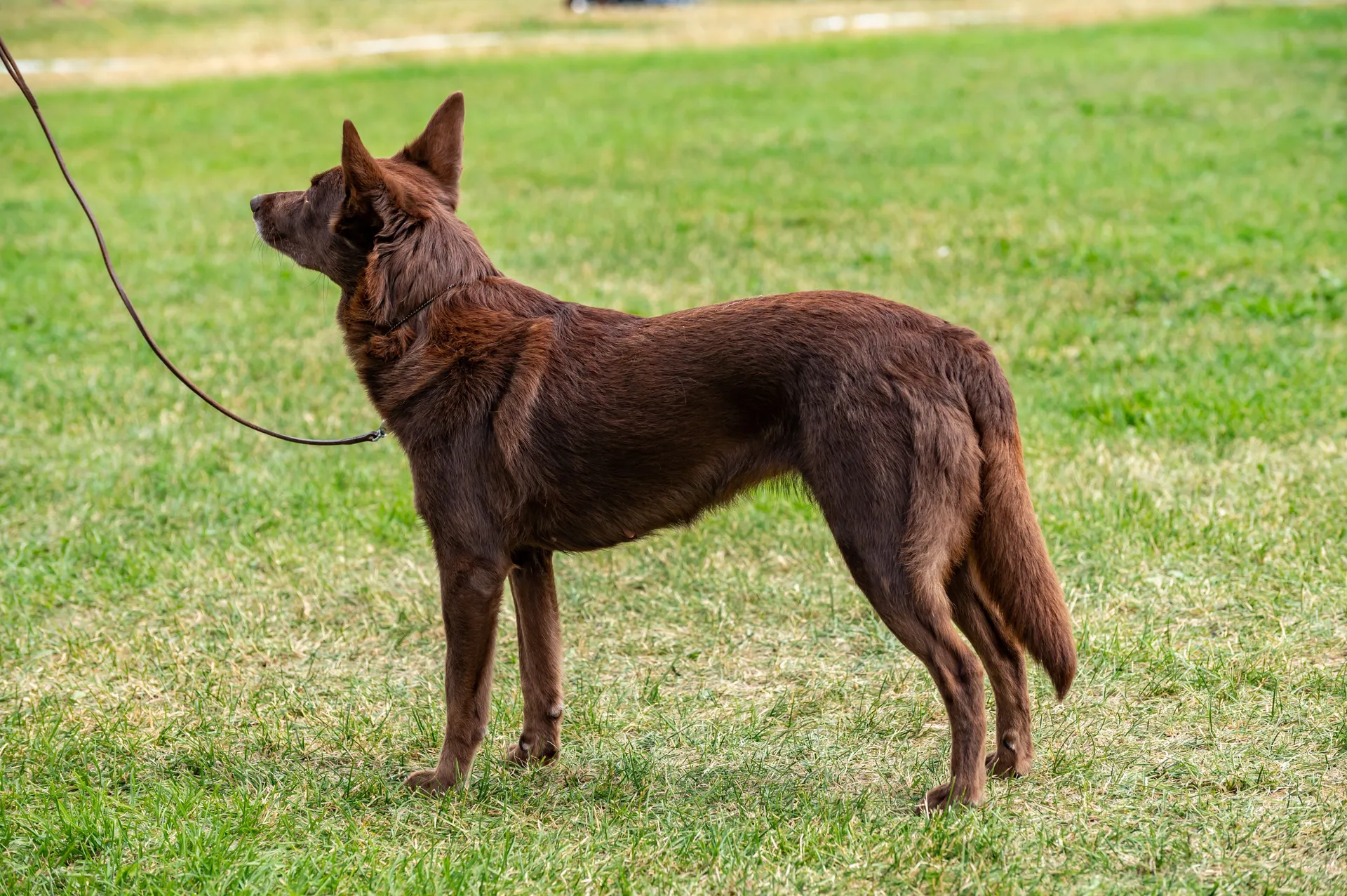 Australian KelpieMedium • Herding
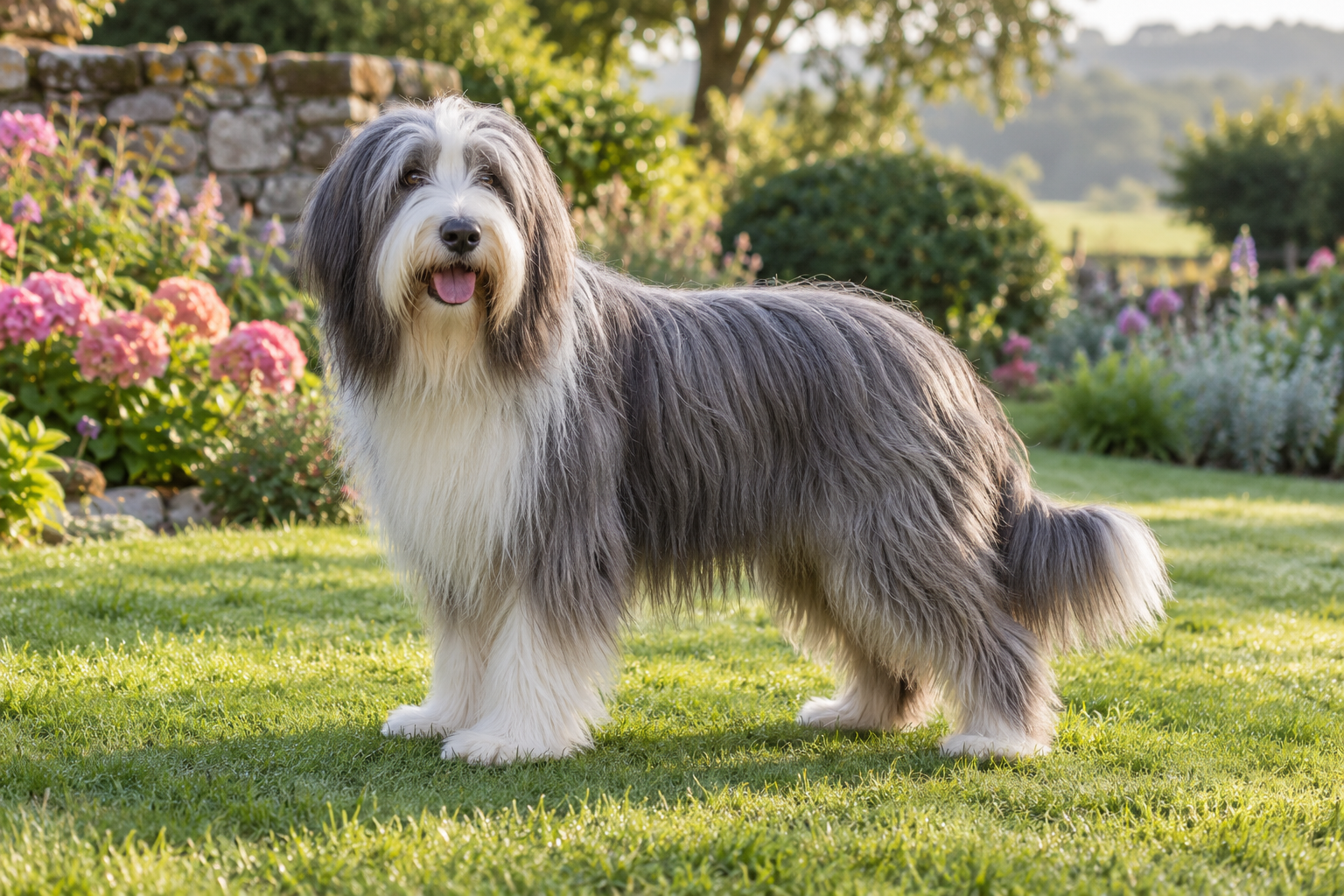 Bearded CollieMedium • Working Dogs (Group 5)
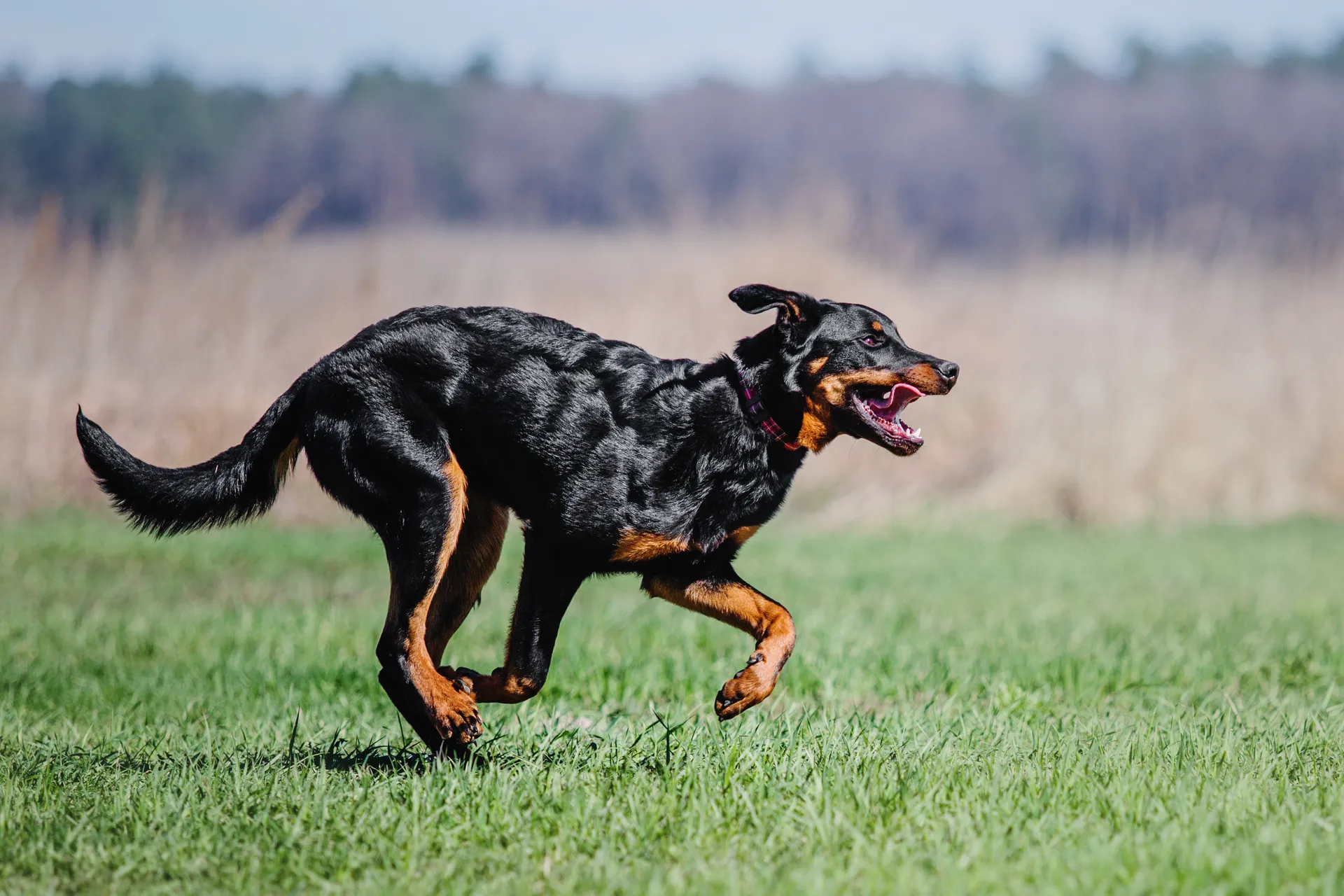 BeauceronLarge • Herding
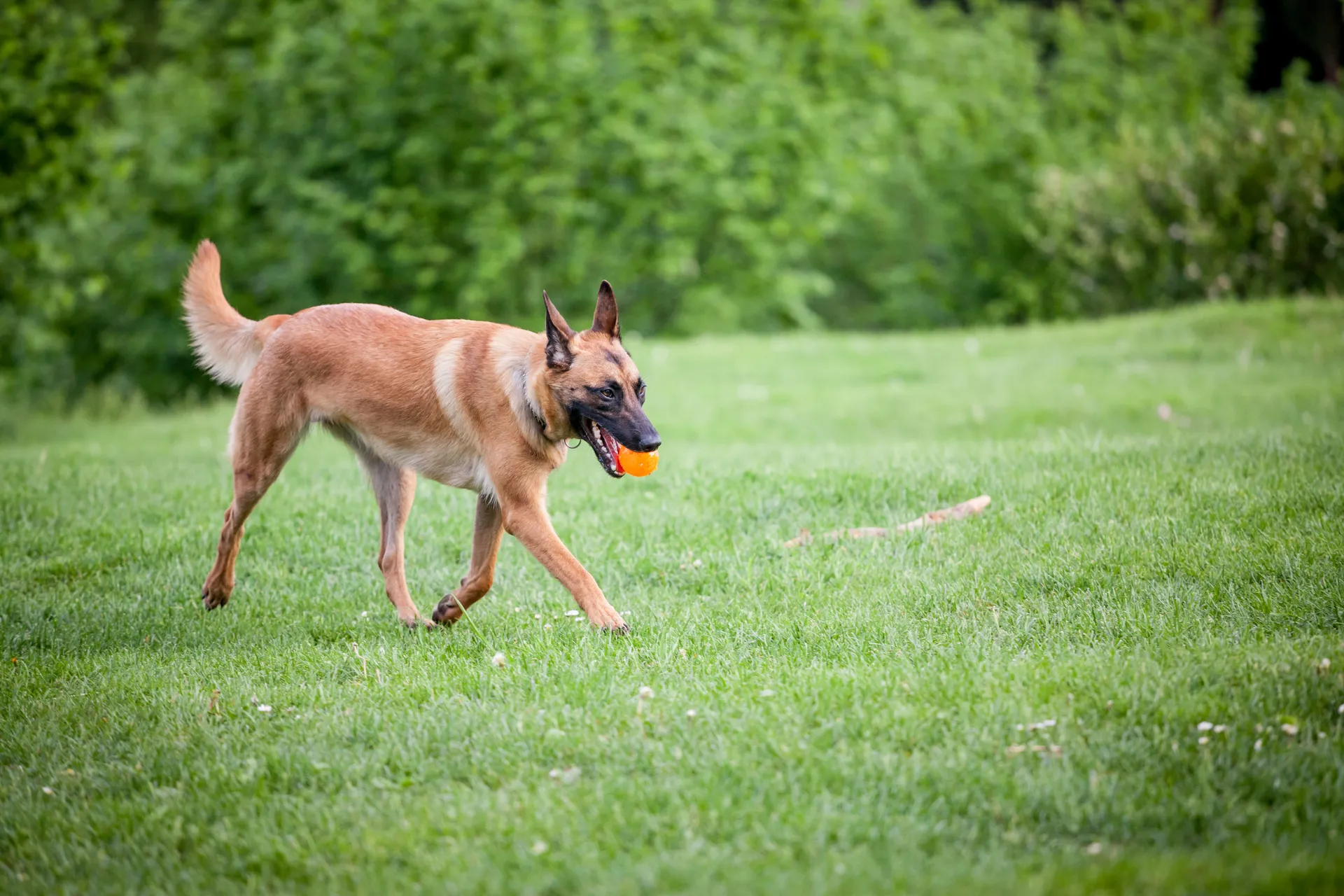 Belgian ShepherdMedium • Herding