Old English Sheepdog
By James C. • Updated
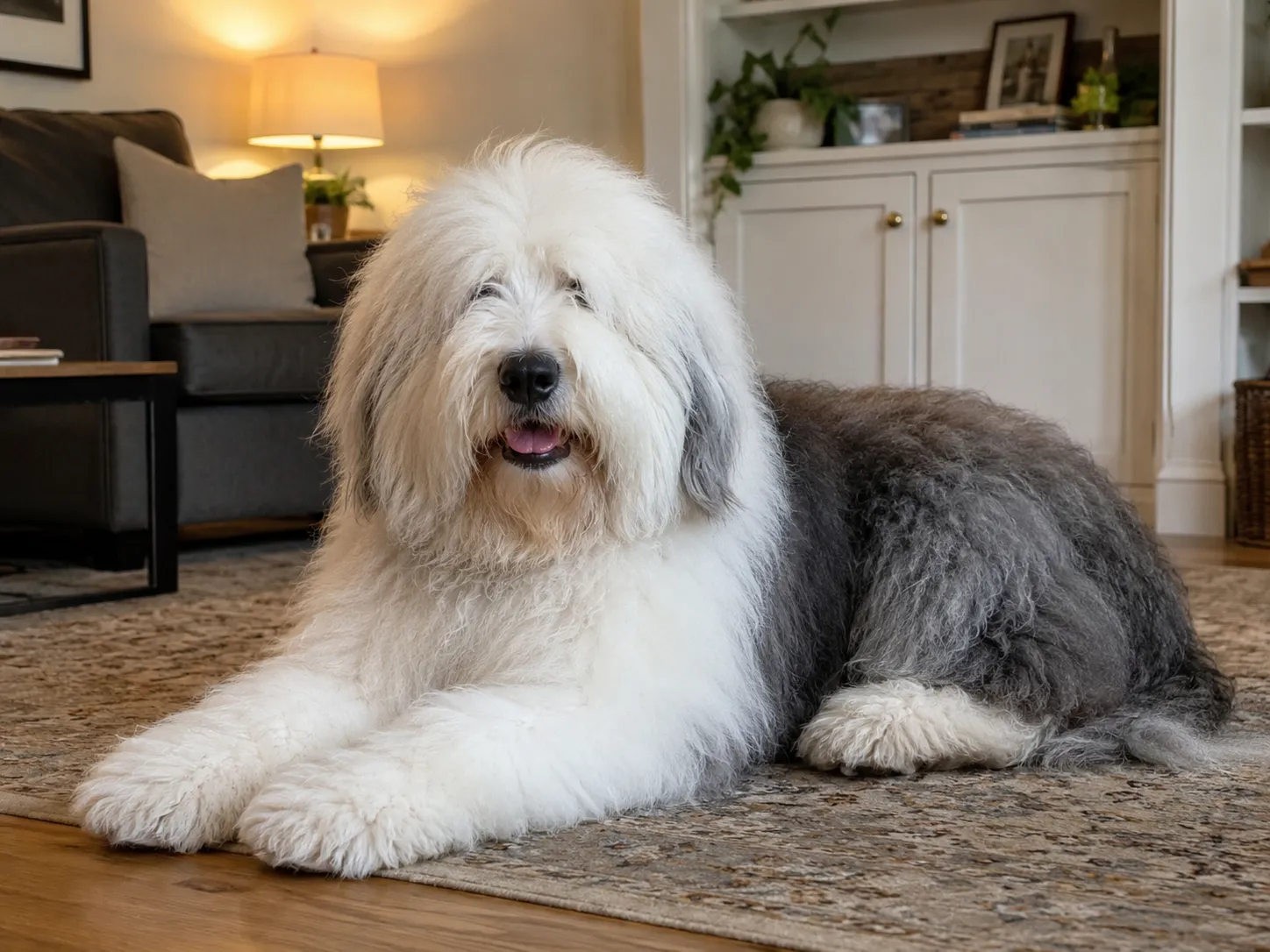
The Old English Sheepdog is a large, intelligent, and affectionate herding breed originally developed in England to drive cattle and sheep to market. Recognisable by its shaggy double coat and distinctive bear-like gait, this breed is known for being friendly, adaptable, and devoted to its family. They thrive on companionship and require significant grooming to keep their coat in good condition.
Breed Overview
Life Span
10 - 12 years
Average Price
AUD 2500 - AUD 5000
Weight
Male: 32 - 45 kg Female: 27 - 36 kg
Height
Male: 56 - 61 cm Female: 53 - 58 cm
Life Expectancy
Male/Female: 10 - 12 years
Breed Group
Herding (Pastoral)
Nicknames
Bobtail, OES, Old English Bobtail
Breed Information
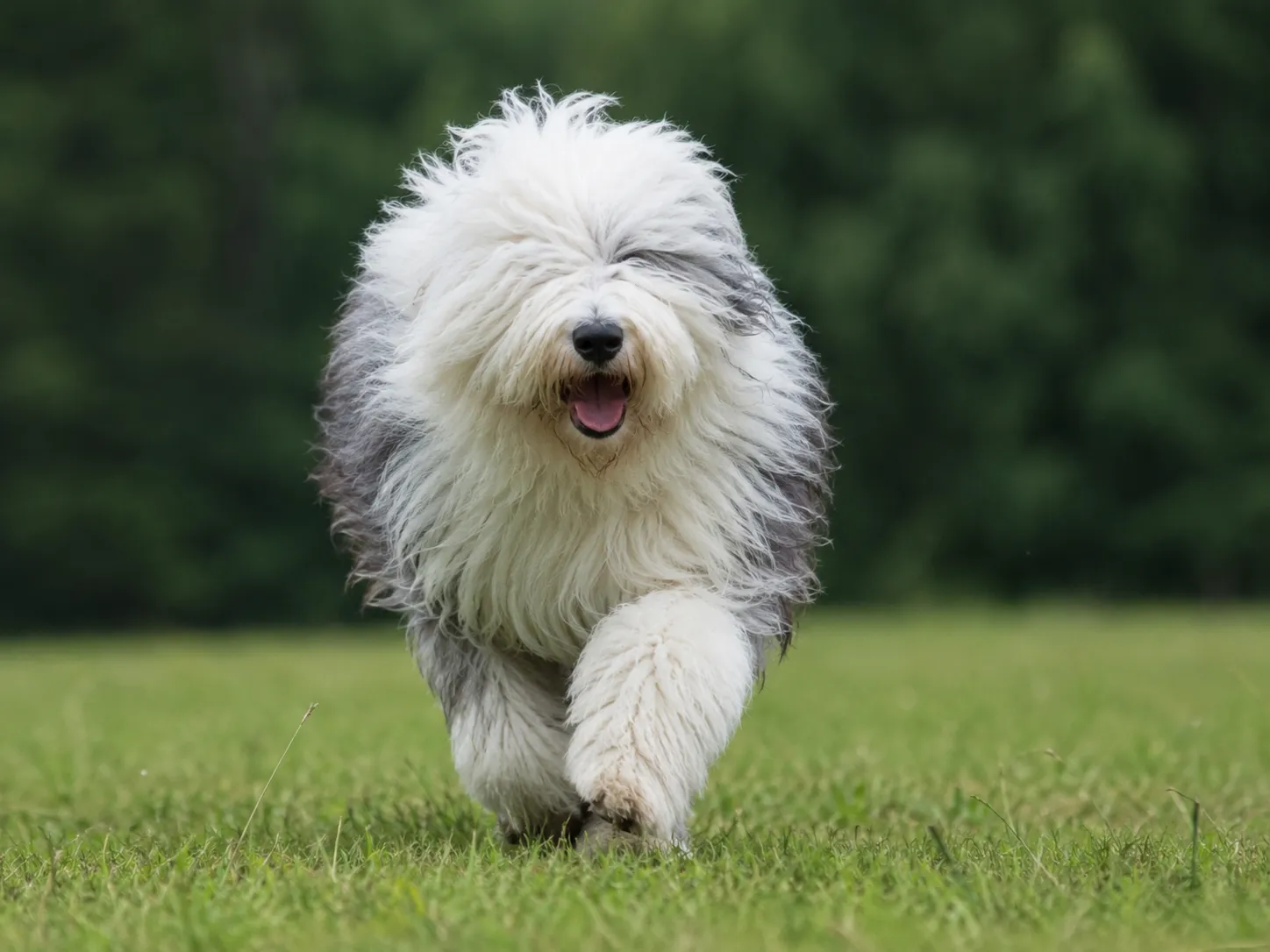
The Old English Sheepdog is one of the most recognisable dog breeds in the world. With its shaggy coat, gentle expression, and distinctive bear-like walk, this large herding dog often attracts attention wherever it goes.
Originally bred in England to help farmers drive cattle and sheep to market, the Old English Sheepdog is known for its intelligence, loyalty, and strong work ethic. Despite its working background, the breed has become a popular family companion because of its affectionate nature and playful personality.
This breed tends to thrive in homes where it can stay active and involved in daily life. Families who enjoy outdoor activities, grooming routines, and spending plenty of time with their dog may find the Old English Sheepdog a rewarding companion.
In this guide, you will learn about the Old English Sheepdog’s temperament, appearance, health considerations, grooming needs, and what it takes to care for this iconic fluffy herding breed.
Characteristics of the Old English Sheepdog
| Trait | Rating | Star Rating | Meaning |
| Size | Very Large | ⭐⭐⭐⭐⭐ | A large and powerful herding dog that needs adequate living space and room to move comfortably. |
| Adaptability | Moderate | ⭐⭐⭐ | Can adapt to family homes but generally does better in houses with yards rather than small apartments. |
| Exercise Needs | High | ⭐⭐⭐⭐ | Requires daily physical activity and mental stimulation to stay healthy and avoid boredom. |
| Easy to Train | Moderate to High | ⭐⭐⭐⭐ | Intelligent and capable of learning quickly, though consistency and patience are important during training. |
| Amount of Shedding | Moderate | ⭐⭐⭐ | The coat sheds throughout the year and needs regular brushing to manage loose hair. |
| Grooming Needs | Very High | ⭐⭐⭐⭐⭐ | Thick double coat requires frequent brushing and professional grooming to prevent mats and tangles. |
| Good With Children | Excellent | ⭐⭐⭐⭐⭐ | Generally gentle, playful, and affectionate with children when properly socialised. |
| Health of Breed | Moderate | ⭐⭐⭐ | Like many large breeds, it can be prone to some hereditary health conditions. |
| Cost to Keep | High | ⭐⭐⭐⭐ | Grooming, food, and veterinary care for a large breed can be relatively expensive. |
| Tolerates Being Alone | Moderate | ⭐⭐⭐ | Prefers companionship and may become bored or anxious if left alone for long periods. |
| Intelligence | High | ⭐⭐⭐⭐ | A clever working breed that enjoys problem-solving, training tasks, and interactive activities. |
History of the Old English Sheepdog
The Old English Sheepdog developed in England during the early 18th century as a working farm dog, and that dense coat demands a committed long-coat grooming routine. Farmers needed a strong, intelligent dog that could move cattle and sheep over long distances to markets. These dogs were known as “drover dogs”, meaning they helped drive livestock from rural farms to towns where animals were sold.
Despite the name, the breed is not truly “Old English” in the sense of being ancient. Historians believe the Old English Sheepdog was developed by crossing several European herding breeds. Dogs such as the Bearded Collie, Russian Owtchar, and other shaggy herding dogs likely contributed to the breed’s development.
One of the most distinctive features of the breed is its naturally short or docked tail. In historical England, working dogs used for herding were sometimes exempt from certain taxes. Farmers would dock the dogs’ tails to identify them as working animals. Because of this tradition, the breed became widely known as the “Bobtail.”
The Old English Sheepdog gained popularity beyond farms during the late 1800s. The breed began appearing in dog shows in Britain, and the Kennel Club in the United Kingdom recognised it in 1888. Not long after, the breed was introduced to the United States where it quickly gained admiration for its unique appearance and friendly personality.
During the 20th century, the Old English Sheepdog became well known worldwide. It appeared in advertisements, television shows, and films, which helped increase its popularity as a companion dog. Despite this fame, many breeders still value the breed’s original working traits, including intelligence, stamina, and strong herding instincts.
Today, the Old English Sheepdog is kept primarily as a family companion and show dog. However, many individuals still enjoy participating in herding trials, obedience competitions, agility sports, and therapy work, demonstrating that the breed retains much of the working ability that first made it valuable on English farms.
Appearance of the Old English Sheepdog: A Shaggy and Distinctive Herding Dog
The Old English Sheepdog is instantly recognisable thanks to its large size, thick shaggy coat, and strong herding build, sharing that heavy working frame with the Bouvier des Flandres. Although many people notice the fluffy exterior first, the breed was originally developed as a practical working dog capable of moving livestock over long distances.
Size and Build
The Old English Sheepdog is a large and powerful dog with a sturdy frame and strong muscles. Males typically stand around 56–61 cm at the shoulder, while females are slightly smaller at about 53–58 cm.
Despite the heavy coat, the body underneath is compact, balanced, and well proportioned. The chest is broad, the back is strong, and the legs are well boned to support the dog’s weight and working ability.
A notable structural feature is that the hindquarters are slightly higher than the shoulders, giving the dog its characteristic rolling or bear-like gait when walking.
Coat and Colours
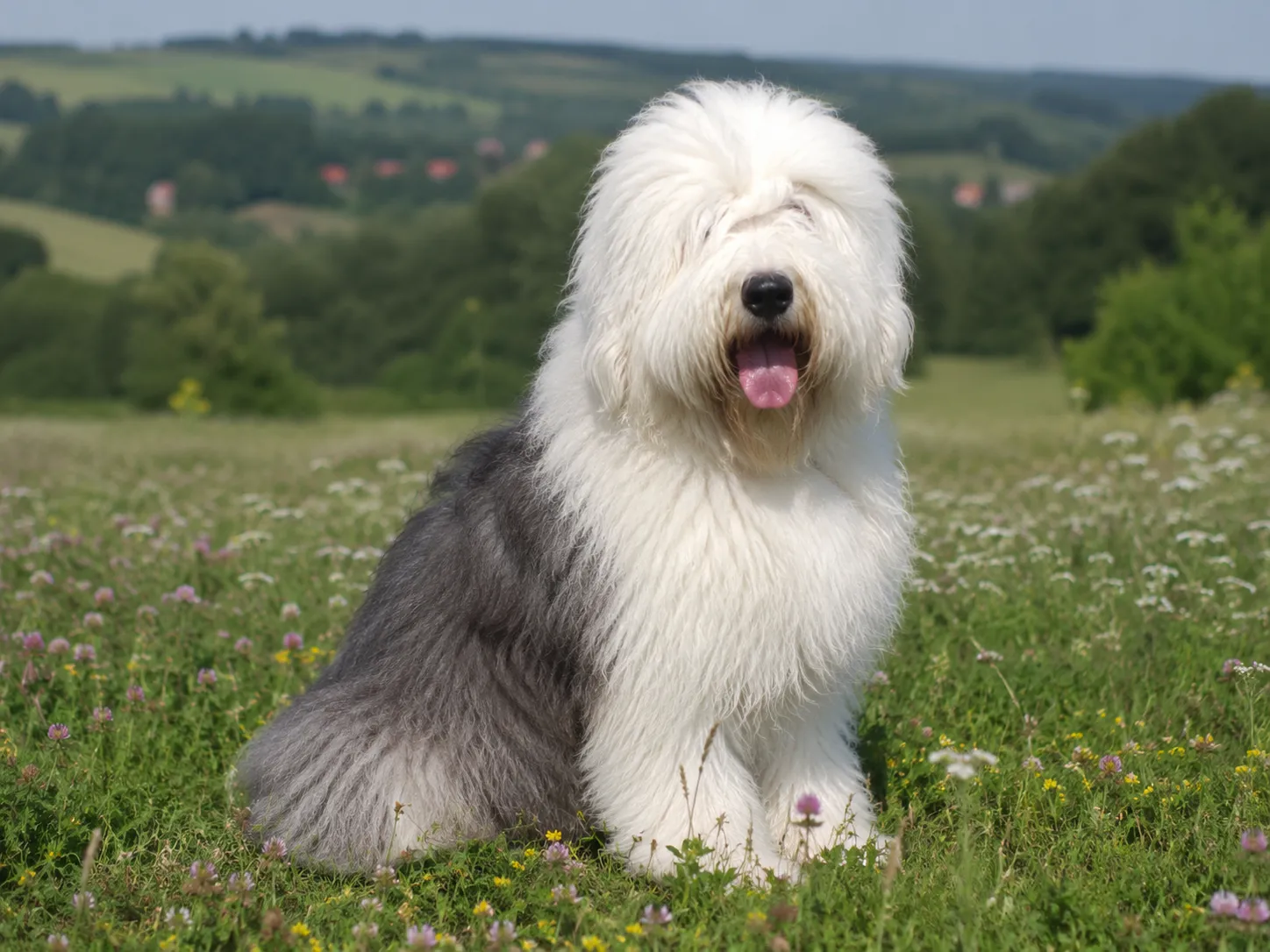
One of the defining features of the Old English Sheepdog is its thick double coat. The outer coat is harsh and shaggy, while the undercoat is dense and soft. This coat originally protected the dog from cold weather while working outdoors in the British countryside.
Common coat colours include:
- Grey and white
- Blue and white
- Blue merle
- Grizzle and white
Many dogs display darker body colours with white markings on the head, chest, legs, and tail.
Eye Colour
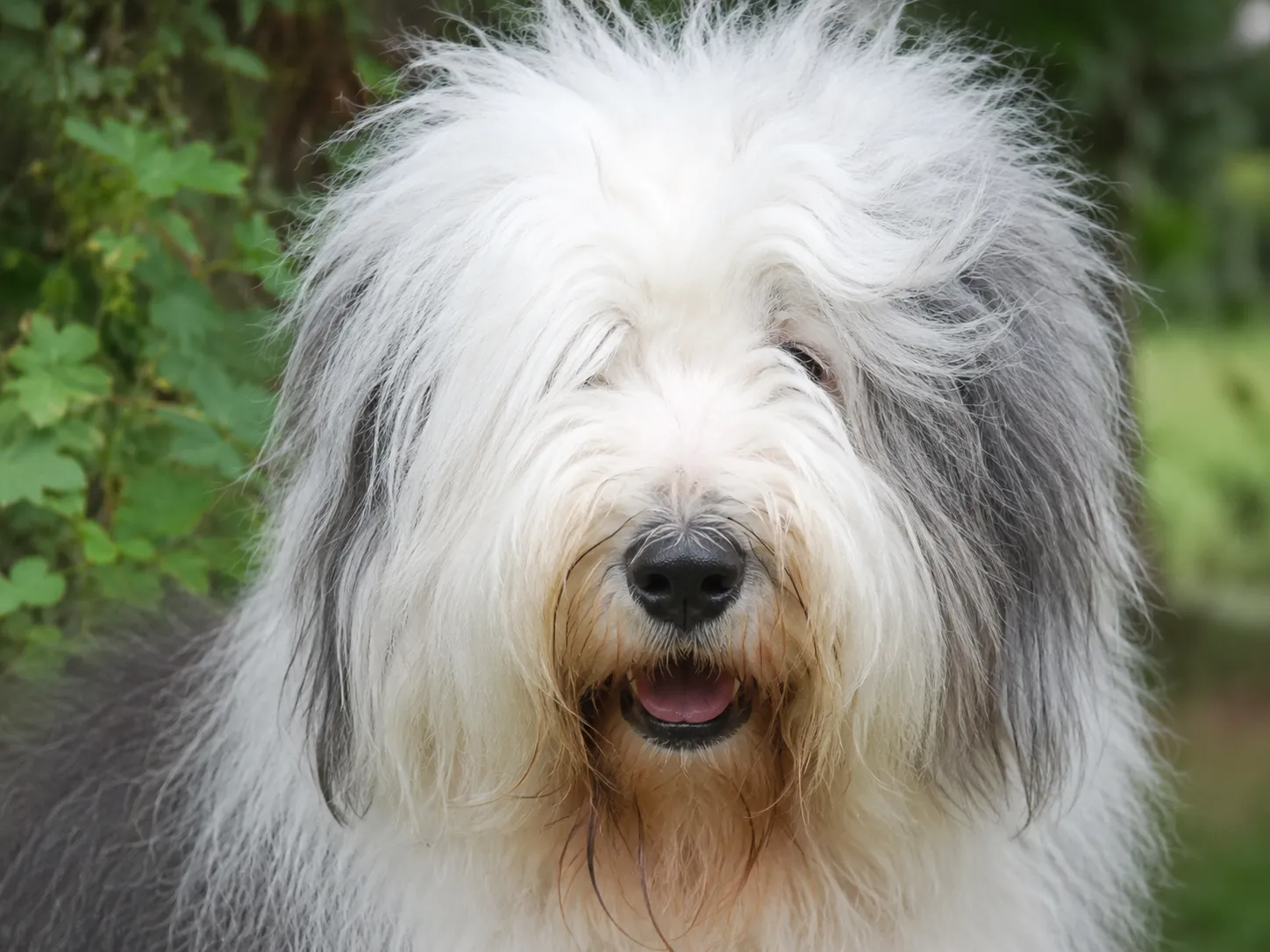
The breed typically has dark brown eyes, which give the dog a gentle and intelligent expression. However, some Old English Sheepdogs may have one blue eye and one brown eye, a condition known as heterochromia.
Because the long facial hair often covers the eyes, regular grooming is important to ensure the dog can see clearly.
Distinctive Features
Several physical traits make the Old English Sheepdog stand out among herding breeds. The most obvious is the long shaggy coat that covers much of the face and body.
The breed also has a broad head, strong jaw, and medium-sized ears that lie flat against the sides of the head. Thick fur usually hides the ears from view.
Another distinctive characteristic is the breed’s rolling, bear-like walk, which results from its unique body structure and powerful hindquarters.
Gender Differences
Male Old English Sheepdogs are usually larger, heavier, and more robust in appearance than females. They tend to have broader heads and stronger bone structure.
Females are typically slightly smaller and more refined, though they still maintain the breed’s strong and sturdy build.
In both sexes, the heavy coat can make the dog appear larger than it actually is, giving the Old English Sheepdog its famous fluffy and imposing look.
Temperament of the Old English Sheepdog: Friendly, Gentle, and Devoted
The Old English Sheepdog is widely known for its friendly personality, loyal nature, and strong attachment to its family, an attachment that can bring signs of separation anxiety. Although originally bred as a hardworking herding dog, the breed has developed a reputation as a gentle and affectionate companion.
Core Personality Traits
Most Old English Sheepdogs are good-natured, playful, and deeply devoted to their owners. They enjoy being part of family activities and tend to form strong bonds with the people they live with.
These dogs are typically cheerful and social. Their lively personality often shows through playful behaviour, especially during their younger years.
At the same time, they can be calm and relaxed indoors once their exercise needs have been met.
Social Behaviour
The Old English Sheepdog generally enjoys the company of people and thrives on interaction. Many individuals are welcoming toward visitors and can be quite sociable when properly introduced.
Early socialisation is important. Puppies that are exposed to different people, environments, and situations tend to develop into more confident and well-balanced adult dogs.
Without enough social experiences during puppyhood, some dogs may become shy or overly cautious around strangers.
Herding Instincts
Because the breed was developed to move livestock, many Old English Sheepdogs still retain natural herding instincts. These instincts may sometimes appear during play or daily activities.
Some dogs may try to gently herd children, other pets, or even adults by nudging or circling them. This behaviour is usually harmless but may require guidance and training to manage properly.
Providing structured activities and training can help direct these instincts in a positive way.
Common Behavioural Challenges
Like many intelligent working breeds, the Old English Sheepdog can develop unwanted behaviours if it becomes bored or lacks stimulation.
Potential challenges may include:
- Excessive barking
- Destructive chewing
- Digging or restlessness
These behaviours often occur when the dog does not receive enough physical exercise, mental stimulation, or social interaction.
Consistent training, regular activity, and plenty of companionship usually help prevent these issues and allow the breed’s affectionate personality to shine.
Intelligence and Trainability of the Old English Sheepdog: Smart but Independent
The Old English Sheepdog is considered an intelligent working breed with strong problem-solving ability, and early obedience training keeps that mind busy. These dogs were originally bred to move livestock over long distances, which required independent thinking and the ability to respond quickly to changing situations.
While their intelligence makes them capable learners, the breed can sometimes show a stubborn or independent streak, especially if training lacks consistency. With the right approach, however, Old English Sheepdogs can become well-mannered and responsive companions.
Puppy Training Priorities
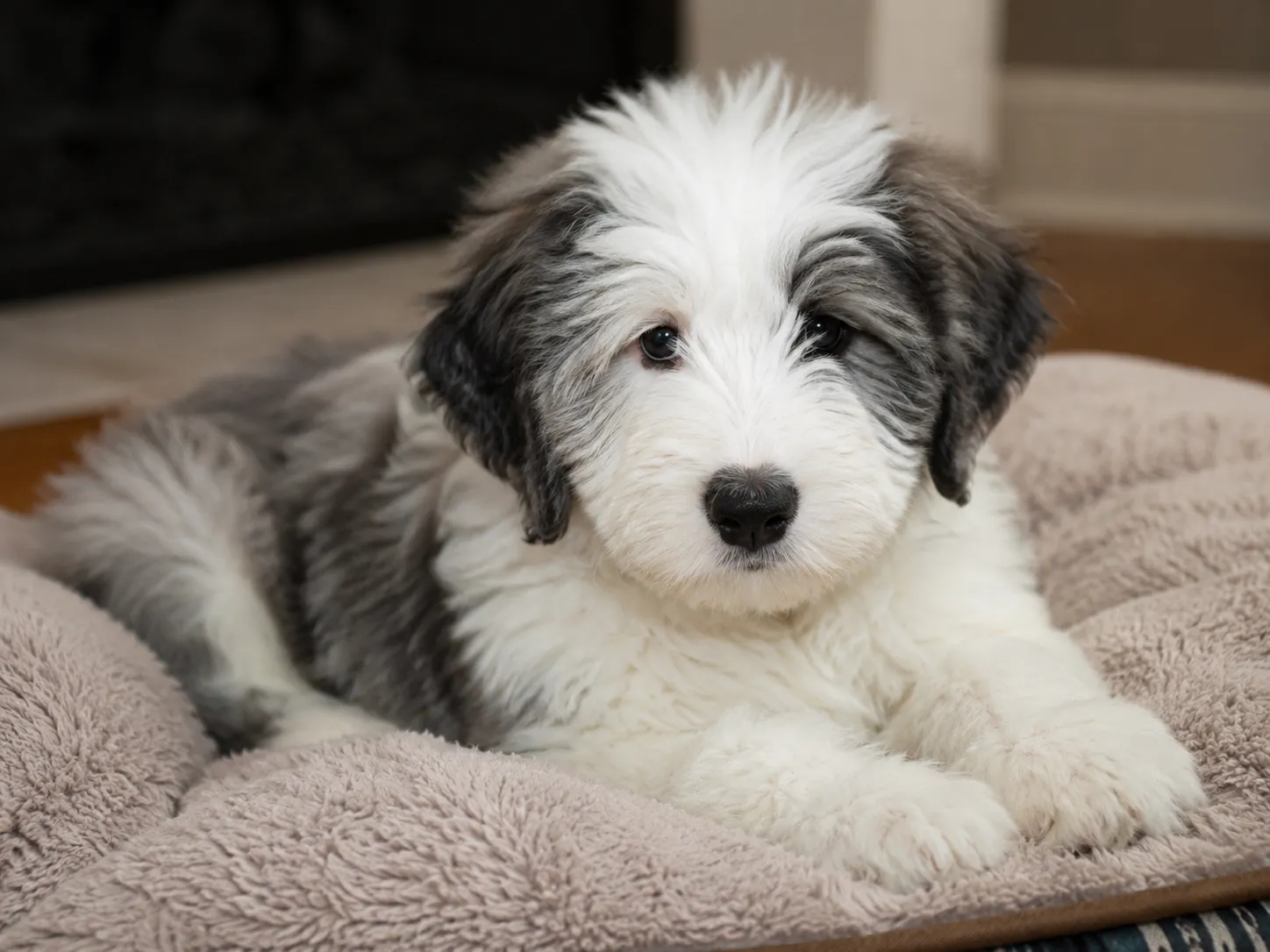
Training should begin early. Old English Sheepdog puppies grow quickly and become large dogs within the first year, so early guidance is important.
Key early training priorities often include:
- Basic obedience commands such as sit, stay, and recall
- Leash walking and controlled behaviour during walks
- Proper socialisation with people, dogs, and different environments
- Preventing unwanted herding behaviour such as chasing or nipping
Positive experiences during puppyhood often help shape a confident and manageable adult dog.
Training Methods That Work
Old English Sheepdogs generally respond best to positive reinforcement training methods. Rewards such as praise, treats, and play tend to encourage cooperation and maintain motivation.
Training sessions should remain short, engaging, and consistent. Harsh correction or punishment may lead to stubborn behaviour or loss of trust, as the breed often responds better to patient guidance.
Regular training also helps provide mental stimulation, which is important for preventing boredom in intelligent breeds.
Advanced Training Potential
Because of their intelligence and working heritage, Old English Sheepdogs can perform well in advanced dog activities and sports. Many owners involve them in obedience competitions, agility training, herding trials, and canine therapy programs.
These activities provide both physical exercise and mental engagement, helping the dog stay balanced and fulfilled.
Common Training Mistakes
One common mistake is inconsistent training rules within the household. When different family members allow different behaviours, the dog may become confused about expectations.
Another challenge can occur when owners underestimate the breed’s intelligence and fail to provide enough mental stimulation. Without regular training or activities, an Old English Sheepdog may become bored and develop unwanted behaviours.
Consistent training, patience, and positive reinforcement usually help the breed reach its full potential as a well-behaved and intelligent companion.
Old English Sheepdog with Children and Other Pets: A Gentle Family Companion
The Old English Sheepdog is often considered a family-friendly breed with a gentle and playful nature. You can browse Old English Sheepdog puppies in Australia. When properly socialised and trained, these dogs can form strong bonds with children and usually integrate well into households with other pets.
Interaction with Children
Old English Sheepdogs are generally patient and affectionate with children, which has helped make the breed a popular family companion. Their playful personality means they often enjoy games and outdoor activities with younger family members.
Because the breed is large and energetic, supervision is important when the dog interacts with very young children. Teaching children how to approach and handle dogs respectfully helps prevent accidental rough play or misunderstandings.
Many Old English Sheepdogs naturally take on a watchful and protective role within the household, often staying close to family members during daily activities.
Teaching Children Proper Interaction
Children should be guided on how to interact safely with the dog. Helpful practices include:
- Avoid pulling the dog’s fur, ears, or tail
- Give the dog space during meals or rest
- Use calm voices and gentle movements
- Allow the dog to approach rather than chasing it
These habits help create positive and respectful relationships between the dog and young family members.
Compatibility with Other Pets
With early socialisation, the Old English Sheepdog can coexist well with other dogs and household pets. Many individuals enjoy the companionship of other dogs and adapt well to multi-pet homes.
Because the breed has herding instincts, some dogs may try to herd smaller animals by circling or gently nudging them. This behaviour is usually manageable with training and supervision.
Creating a Safe Household Environment
A stable routine and clear household rules help Old English Sheepdogs adjust comfortably to family life. Providing enough exercise, mental stimulation, and companionship reduces the likelihood of behavioural issues.
When introduced carefully and given proper guidance, the Old English Sheepdog can become a loyal, affectionate, and dependable companion for families with children and other pets.
Health of the Old English Sheepdog: Common Conditions and Preventive Care
Like many large dog breeds, the Old English Sheepdog can be prone to several inherited health conditions, so asking breeders about health testing is essential. Responsible breeding, regular veterinary care, and early health screening may help reduce the risk of many common problems. Owners who understand potential health concerns are better prepared to keep their dog healthy throughout its life.
Common Breed-Related Health Conditions
Several health conditions have been documented in Old English Sheepdogs. While not every dog will develop these problems, awareness allows owners to monitor symptoms and seek veterinary advice early.
Common conditions may include:
- Hip dysplasia: A joint condition where the hip socket does not fit properly, potentially causing pain and mobility problems.
- Progressive retinal atrophy (PRA): An inherited eye disease that gradually leads to vision loss.
- Hypothyroidism: A hormonal disorder affecting metabolism, often leading to weight gain, lethargy, and skin issues.
- Cataracts: Clouding of the eye lens that can affect vision.
- Deafness: Occasionally seen in some lines and may require specialised hearing tests.
Genetic Health Testing
Responsible breeders often carry out health testing before breeding Old English Sheepdogs. These tests help reduce the likelihood of passing inherited conditions to puppies.
Common health tests for the breed include:
- Hip scoring for hip dysplasia
- Eye examinations by veterinary specialists
- Thyroid function testing
- BAER hearing testing for congenital deafness
Potential puppy buyers may want to request documentation confirming these tests have been completed.
Preventive Healthcare
Routine veterinary care plays an important role in maintaining the health of an Old English Sheepdog. Preventive care usually includes regular vaccinations, parasite prevention, and dental care.
Maintaining a healthy body weight is also important for large breeds because excess weight can place additional strain on joints and increase the risk of mobility issues.
Lifespan and Long-Term Health
The Old English Sheepdog typically lives around 10 to 12 years. With balanced nutrition, regular exercise, grooming, and consistent veterinary monitoring, many dogs can live healthy and active lives.
Owners who stay attentive to early signs of illness and maintain preventive care routines often help ensure their Old English Sheepdog enjoys a comfortable and healthy lifespan.
Caring for the Old English Sheepdog: Daily Needs and Living Environment
Owning an Old English Sheepdog involves more than simply enjoying its fluffy appearance. This breed requires consistent care, structured routines, and an active home environment to remain healthy and well balanced. Because the breed was developed as a working herding dog, it thrives when it has purpose, activity, and close contact with its family.
Daily Care Routine
A predictable routine helps Old English Sheepdogs feel secure and relaxed. Most dogs benefit from regular feeding schedules, daily exercise, and consistent training sessions.
Morning and evening walks usually help release energy, while short training sessions or interactive games keep the dog mentally stimulated. Regular grooming should also become part of the daily or weekly routine because the coat can quickly become tangled if neglected.
Spending time with family members is equally important. This breed generally enjoys being involved in daily activities rather than being left alone for long periods.
Living Environment Requirements
Although Old English Sheepdogs can adapt to various living situations, they generally do best in homes with access to outdoor space. A secure yard allows them to move freely and burn off energy.
Apartment living may be possible if the owner is committed to providing frequent exercise and outdoor activities. However, the breed tends to thrive in houses where it has more room to move.
Because of their thick coat, Old English Sheepdogs may struggle in extremely hot climates. Access to shade, fresh water, and cool indoor spaces is important during warmer weather.
Seasonal Care Considerations
The heavy coat provides protection from cold conditions but can make the breed sensitive to heat. During warm seasons, owners should monitor the dog for signs of overheating and avoid intense exercise during the hottest part of the day.
Regular grooming becomes particularly important in warmer months because removing loose undercoat can help improve airflow through the coat.
Caring for Senior Dogs
As Old English Sheepdogs age, their care needs often change. Older dogs may require gentler exercise routines, joint support, and more frequent veterinary monitoring.
Adjusting diet to support joint health and maintaining a comfortable sleeping area can help senior dogs remain comfortable. Mental stimulation through light training or interactive toys can also support cognitive health as the dog grows older.
Grooming of the Old English Sheepdog: Managing the Iconic Shaggy Coat
The Old English Sheepdog is famous for its thick, long, shaggy coat, but that beautiful appearance comes with significant grooming responsibilities. Proper grooming is essential to keep the coat healthy, prevent painful matting, and maintain the dog’s comfort. Owners should be prepared to invest time in regular coat maintenance.
Coat Maintenance Schedule
The dense double coat requires frequent brushing to prevent tangles and mats. Most owners brush their Old English Sheepdog several times per week, and many find that daily brushing works best.
Brushing should reach through the outer coat and into the undercoat. This helps remove loose hair, dirt, and debris while preventing mats from forming close to the skin.
Bathing is usually required every six to eight weeks, depending on the dog’s lifestyle and coat condition.
Professional Grooming
Many owners rely on professional grooming services to help maintain the coat. Groomers can trim excess hair, tidy the coat, and ensure the dog’s skin remains healthy.
Some owners choose to keep the coat shorter for easier maintenance. This grooming style can reduce brushing time while still preserving the breed’s distinctive appearance.
Home Grooming Practices
Routine home grooming involves more than brushing. Owners should regularly check and maintain several areas, including:
- Cleaning the ears to reduce the risk of infection
- Trimming hair around the eyes so the dog can see clearly
- Brushing the teeth to support dental health
- Trimming nails to prevent discomfort when walking
Introducing grooming routines during puppyhood helps dogs become comfortable with handling and grooming tools.
Common Grooming Challenges
The most common challenge with this breed is coat matting. Mats can develop quickly if brushing is skipped, particularly behind the ears, under the legs, and around the collar area.
Because the coat can trap moisture and debris, regular grooming also helps prevent skin irritation or infections.
With consistent care, grooming can become an enjoyable bonding routine that keeps the Old English Sheepdog looking healthy and well maintained.
Exercise Needs of the Old English Sheepdog: Keeping a Working Breed Active
The Old English Sheepdog was originally bred to drive sheep and cattle across long distances, which means the breed naturally has good stamina and requires regular physical activity. Even though many dogs today live as family companions, they still benefit from consistent exercise to stay healthy and mentally balanced.
Daily Exercise Requirements
Most adult Old English Sheepdogs benefit from 60 to 90 minutes of daily activity. This can include walks, play sessions, or structured exercise that allows the dog to move freely and burn off energy.
Regular activity helps maintain a healthy weight, supports joint health, and reduces the risk of boredom-related behaviours such as excessive barking or chewing. Exercise routines should remain consistent so the dog develops healthy daily habits.
Suitable Activities
Because of their intelligence and working background, Old English Sheepdogs often enjoy a variety of activities that challenge both body and mind.
Suitable activities may include:
- Long walks or hiking with their owner
- Herding activities or organised herding trials
- Obedience training and agility courses
- Interactive games such as fetch or tug
- Puzzle toys that stimulate problem-solving skills
These activities provide both physical exercise and mental stimulation.
Exercise Considerations for Puppies
Old English Sheepdog puppies grow rapidly during their first year. Because their bones and joints are still developing, exercise should be moderate and carefully managed.
Short play sessions, gentle walks, and supervised outdoor time are usually sufficient for young dogs. Avoid excessive running or jumping until the dog has matured.
Mental Stimulation
Mental engagement is just as important as physical activity for this intelligent breed. Training exercises, problem-solving games, and interactive toys help keep the dog mentally satisfied.
Without enough stimulation, Old English Sheepdogs may become bored and develop unwanted behaviours. Providing regular training sessions and interactive activities helps keep their mind active and focused.
Feeding the Old English Sheepdog: Nutrition for a Large Working Breed
The Old English Sheepdog requires balanced nutrition that supports its large body, energy levels, and long coat health. Because this breed grows quickly and reaches a substantial adult size, proper feeding plays an important role in maintaining healthy joints, muscle condition, and overall wellbeing.
Nutritional Requirements
A healthy diet for the Old English Sheepdog should include high-quality protein, moderate fat, and balanced vitamins and minerals. Protein supports muscle maintenance, while healthy fats contribute to skin health and coat condition.
Many owners choose complete commercial dog foods formulated for large breeds, as these diets are designed to support controlled growth and joint health. Fresh water should always be available, especially after exercise.
Feeding Schedule Guidelines
Most adult Old English Sheepdogs do well with two meals per day rather than one large meal. Dividing meals helps improve digestion and may reduce the risk of stomach discomfort.
Puppies usually require more frequent feeding during their early months. Breeders and veterinarians often recommend three to four meals per day for young puppies, gradually transitioning to two meals as the dog matures.
Special Dietary Considerations
Large breeds can be more susceptible to joint stress and rapid growth during puppyhood. Feeding a diet formulated for large breed puppies may help support controlled development.
Some Old English Sheepdogs may also develop sensitivities to certain ingredients. If signs such as itching, digestive upset, or ear irritation occur, veterinary guidance may help identify appropriate dietary adjustments.
Weight Management
Maintaining a healthy body weight is important for this breed. Excess weight can place additional pressure on joints and increase the risk of mobility issues later in life.
Regular exercise combined with measured portions helps prevent overfeeding. Owners should periodically check the dog’s body condition and consult a veterinarian if weight management becomes a concern.
Old English Sheepdog Price in Australia: Purchase and Ownership Costs
Bringing an Old English Sheepdog into your home involves more than the initial purchase price. This large breed requires long-term financial commitment, including grooming, food, veterinary care, and other routine expenses. Understanding these costs can help potential owners prepare properly before choosing the breed.
Puppy Purchase Price
In Australia, the price of an Old English Sheepdog puppy from a reputable breeder typically ranges between AUD $2,500 and $5,000. Several factors influence the price, including pedigree quality, breeder reputation, and whether the puppy comes from champion bloodlines.
Responsible breeders often include health testing, vaccinations, microchipping, and early veterinary checks in the purchase price. Puppies raised with proper socialisation and responsible breeding practices may cost more, but they often provide better long-term health outcomes.
Initial Setup Costs
Before bringing the puppy home, owners should prepare for several initial expenses. These costs usually include essential equipment and early healthcare.
Common setup costs may include:
- Crate or dog bed
- Food and water bowls
- Collar, harness, and lead
- Grooming tools and brushes
- Initial veterinary visits and vaccinations
- Microchipping and registration (if not already completed)
These items can add AUD $400 to $1,000 or more depending on quality and veterinary requirements.
Ongoing Monthly Expenses
Caring for a large dog like the Old English Sheepdog involves consistent monthly costs. Food alone can be a significant expense due to the breed’s size.
Typical ongoing expenses may include:
- High-quality dog food
- Routine veterinary care and parasite prevention
- Professional grooming appointments
- Toys and enrichment activities
- Pet insurance (optional but recommended)
Monthly costs may range from AUD $150 to $350 or more, depending on lifestyle and care choices.
Lifetime Cost Considerations
Over the course of its life, an Old English Sheepdog can represent a significant financial investment. Food, veterinary care, grooming, and other needs can accumulate over the years.
Owners who plan ahead for routine healthcare, proper nutrition, and grooming often find it easier to manage these expenses while ensuring their dog receives the best possible care.
Buying Advice for the Old English Sheepdog: Choosing a Healthy Puppy
Buying an Old English Sheepdog should involve careful research and responsible decision-making. Because this is a large breed with specific grooming and exercise needs, choosing the right breeder and puppy can make a significant difference to the dog’s long-term health and temperament.
Finding a Responsible Breeder
A reputable breeder focuses on health, temperament, and proper early socialisation. Responsible breeders usually raise puppies in clean environments and allow potential owners to meet the puppy’s parents or at least the mother.
Good breeders should be willing to answer questions about the breed, provide guidance for new owners, and remain available for support after the puppy goes home.
Warning signs of irresponsible breeding may include breeders unwilling to show health records, poor living conditions, or pressure to buy quickly.
Health Testing and Documentation
Before purchasing a puppy, buyers should ask for health screening documentation for the parents. This may include testing for hip dysplasia, eye conditions, thyroid disorders, and hearing problems.
Responsible breeders also provide:
- Vaccination records
- Microchip registration
- Veterinary health checks
- Pedigree documentation (if applicable)
Reviewing these documents helps confirm the puppy has been raised responsibly.
Selecting the Right Puppy
Choosing the right puppy involves observing behaviour as well as appearance. Healthy puppies are usually curious, alert, and comfortable interacting with people.
Look for clear eyes, a clean coat, and energetic but balanced behaviour. Puppies that appear fearful, overly withdrawn, or lethargic may require further evaluation.
Spending time with the litter can help identify a puppy whose temperament suits your household and lifestyle.
Adoption and Rescue Options
Although many Old English Sheepdogs are purchased from breeders, adoption can also be a worthwhile option. Breed-specific rescue groups and animal shelters sometimes care for Old English Sheepdogs that need new homes.
Adopting an older dog may suit families who prefer a dog with an established temperament and lower training demands compared with raising a young puppy.
Is the Old English Sheepdog Right for You?
The Old English Sheepdog can be a wonderful companion for the right household. With its friendly personality, intelligence, and strong loyalty, the breed often forms deep bonds with its family. However, owning one requires commitment to grooming, exercise, and regular interaction.
Families who enjoy an active lifestyle and spending time with their dog may find the Old English Sheepdog rewarding to own. The breed usually thrives in homes where it can participate in daily activities, receive regular exercise, and stay mentally engaged through training or play.
Potential owners should also consider the time required for coat maintenance. The thick shaggy coat needs frequent brushing and grooming to remain healthy. Those who prefer low-maintenance dogs may find this responsibility demanding.
Space is another factor to consider. Although adaptable, Old English Sheepdogs generally do best in homes with room to move and access to outdoor areas where they can exercise comfortably.
For individuals or families prepared to meet its grooming, exercise, and companionship needs, the Old English Sheepdog can become a devoted, playful, and affectionate member of the household.
Frequently Asked Questions
Related Breeds
Other herding breeds on Pups4Sale.
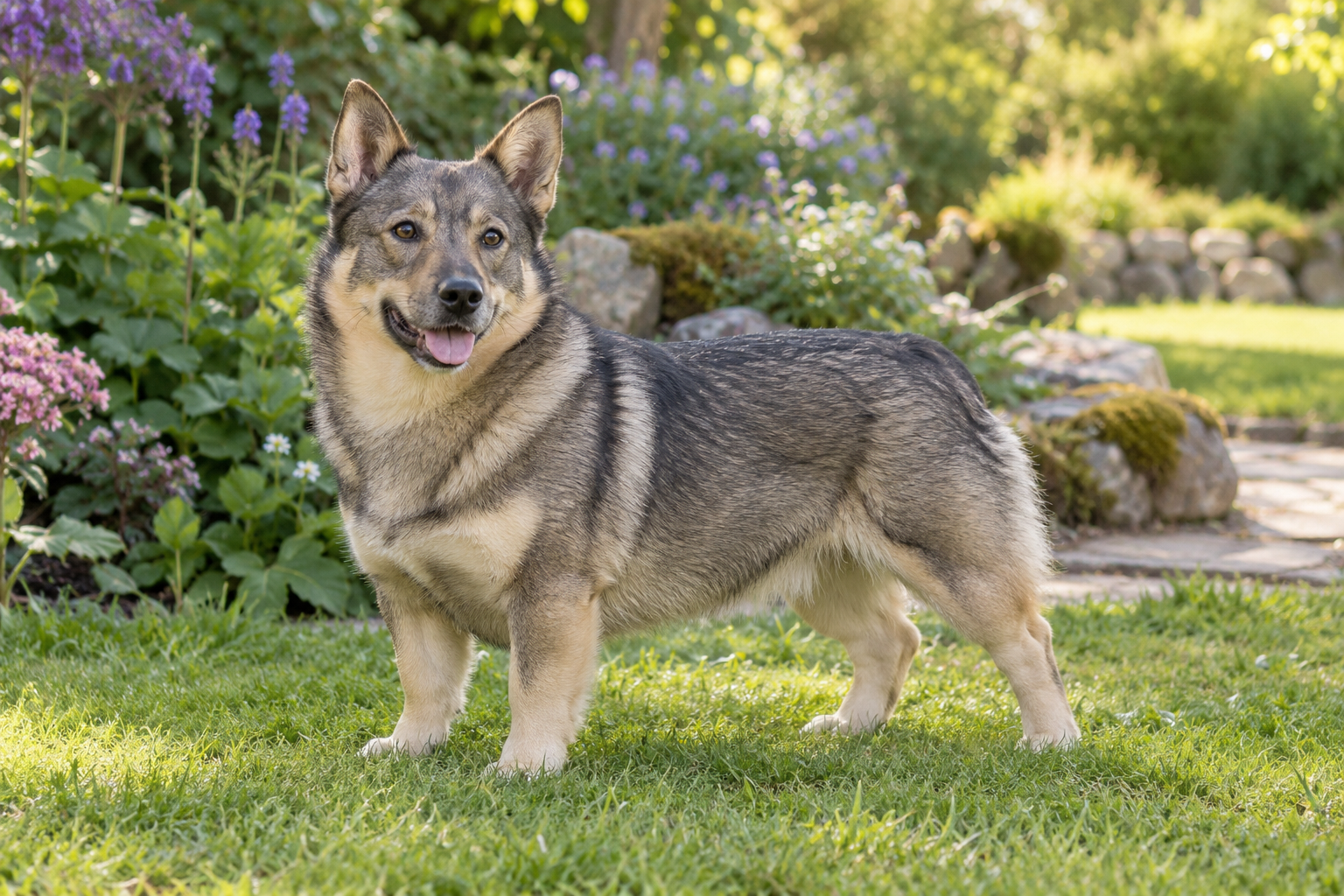 Swedish VallhundSmall • Working Dogs (Group 5)
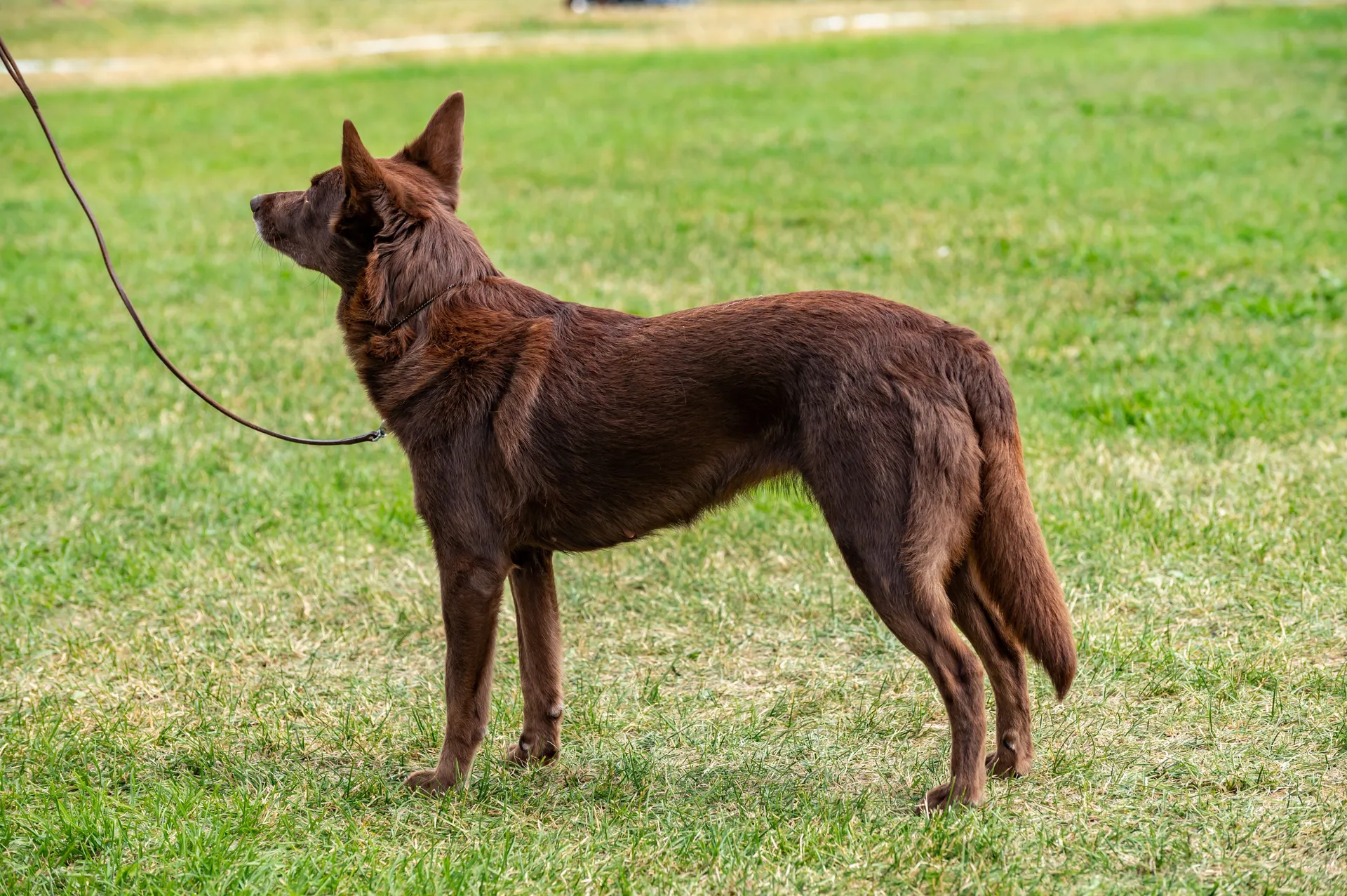 Australian KelpieMedium • Herding
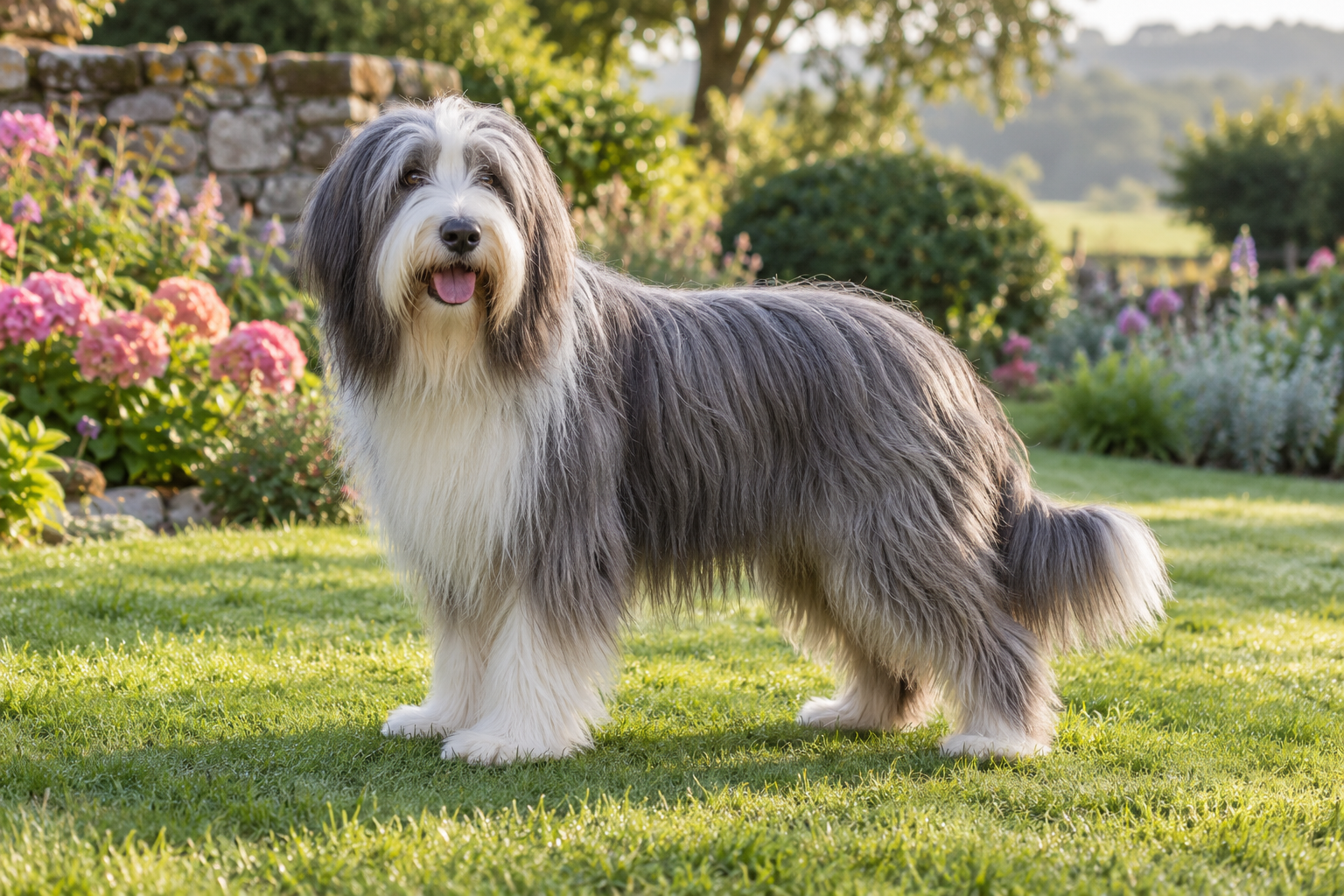 Bearded CollieMedium • Working Dogs (Group 5)
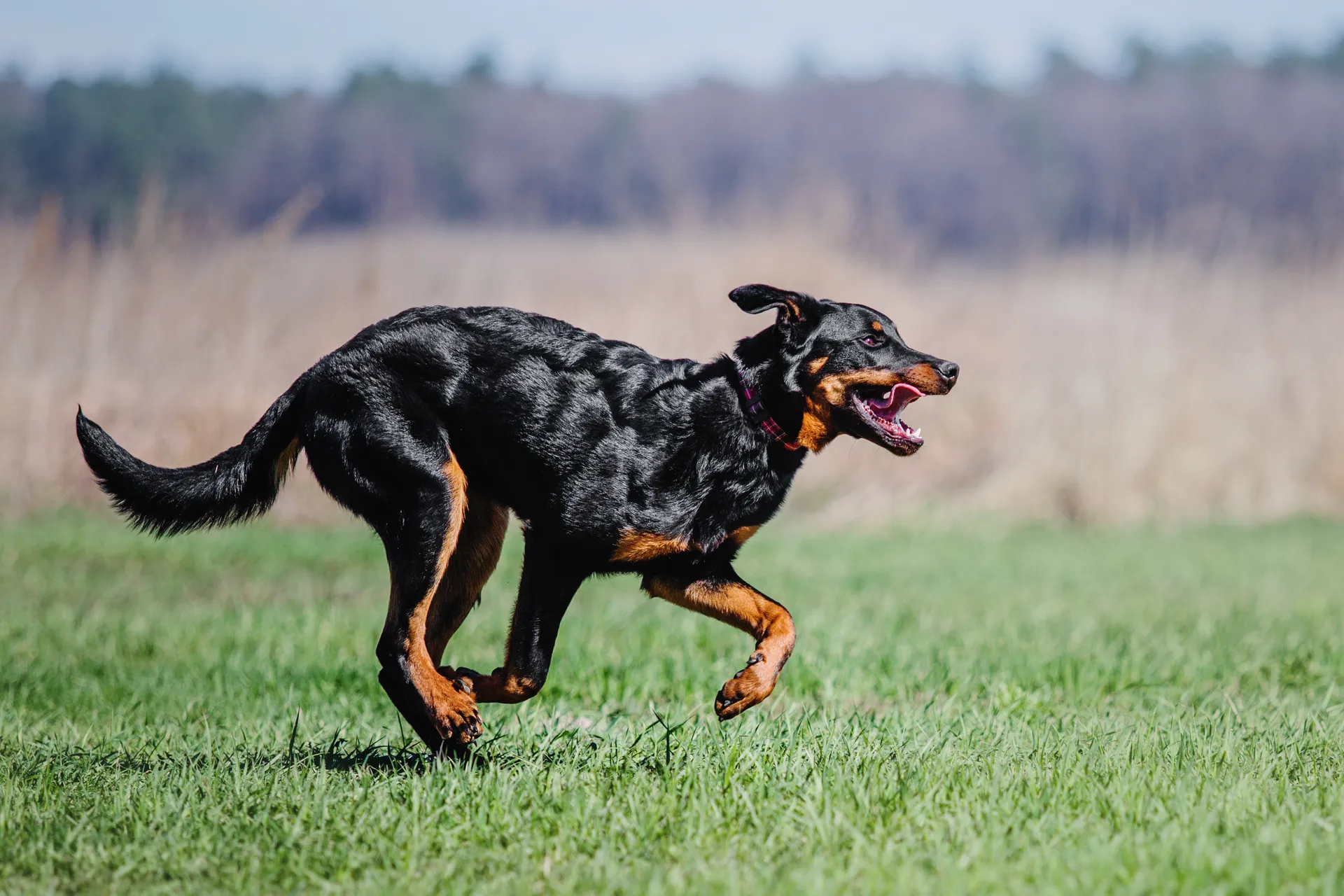 BeauceronLarge • Herding
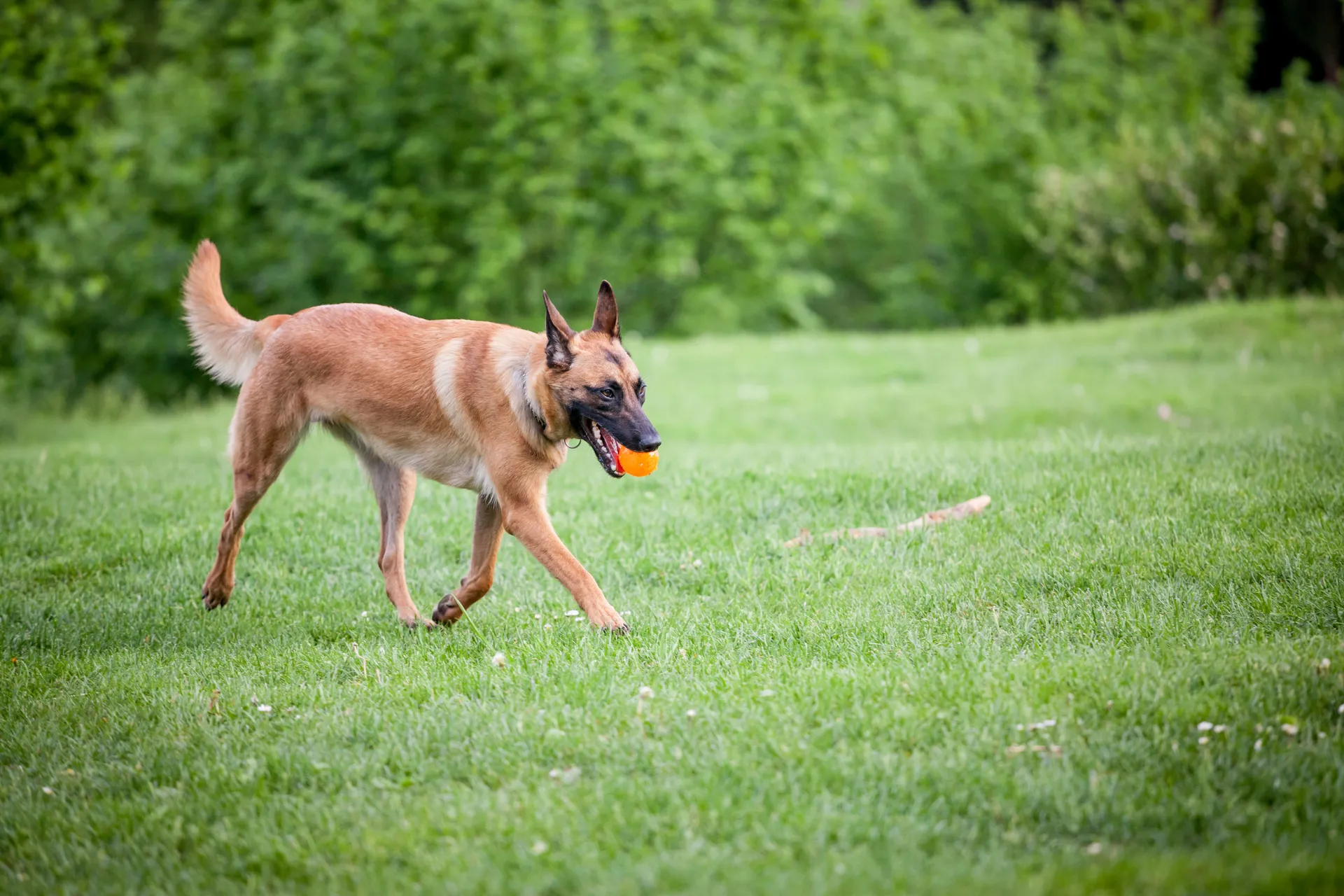 Belgian ShepherdMedium • Herding
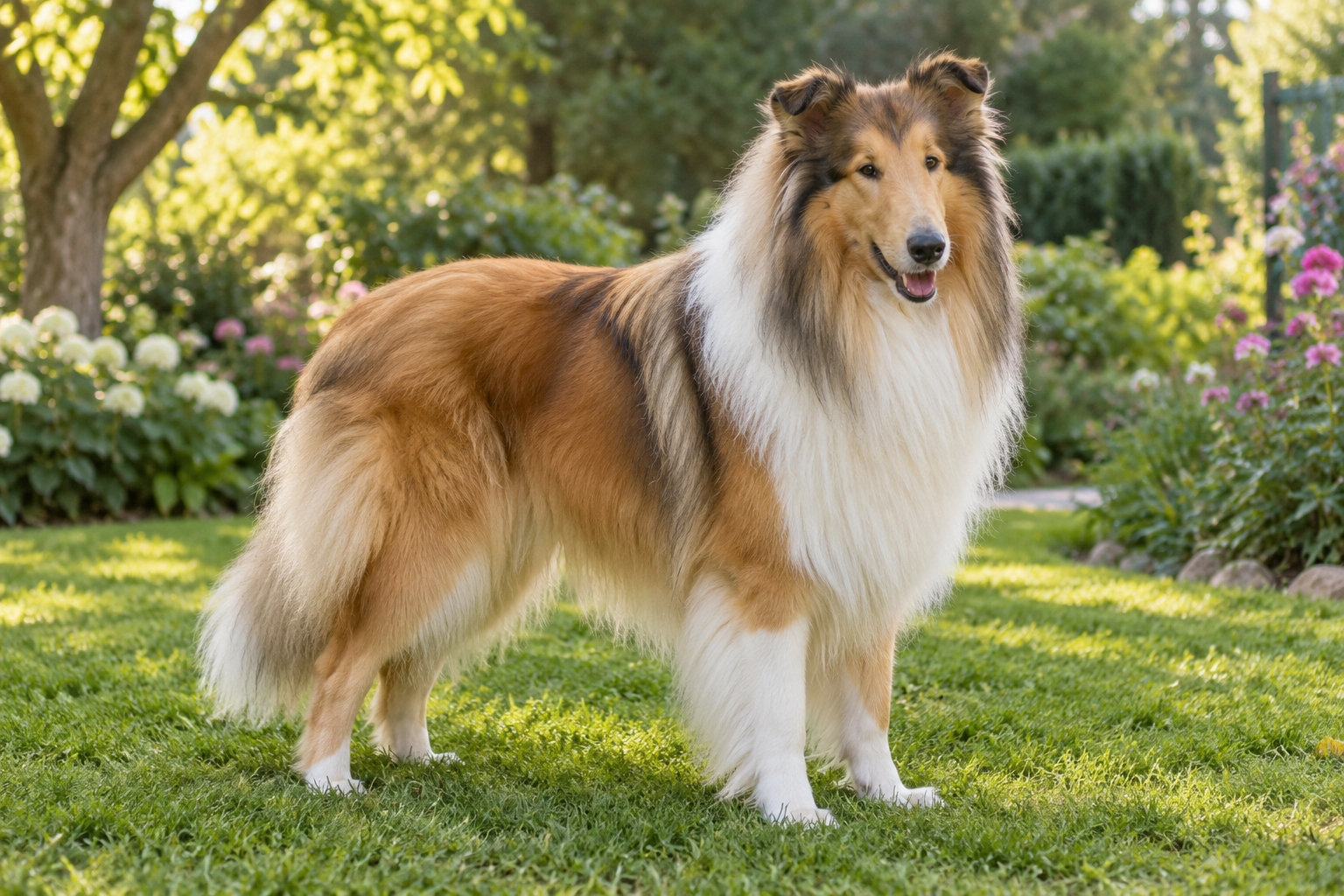 CollieLarge • Working Dogs (Group 5)