Why Does My Dog Smell Even After a Bath?
Dog Grooming & Hygiene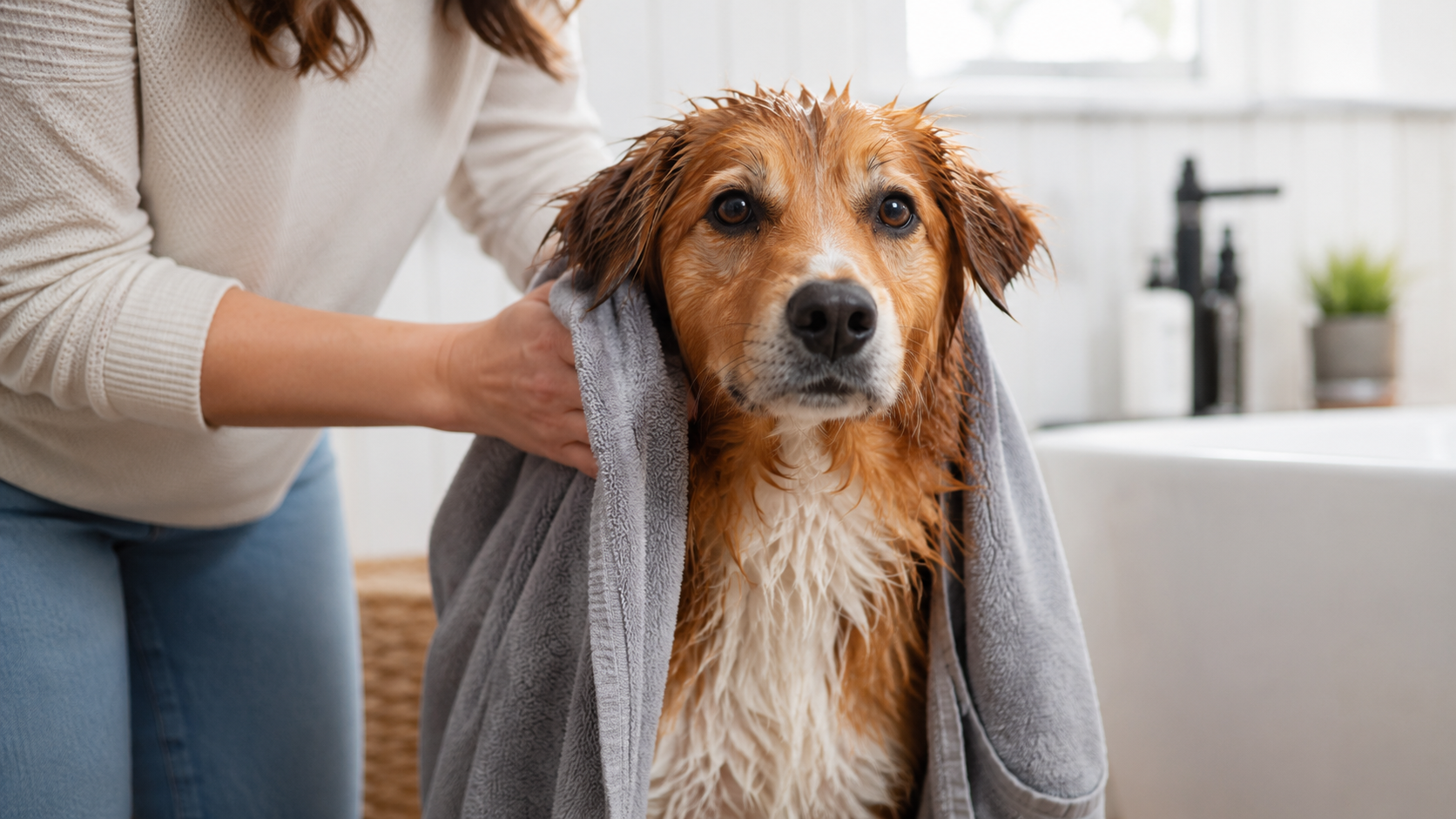 By James C. • July 24, 2026
If your dog still smells after a bath, the bath is rarely the problem. A lingering odour usually points to a damp coat that was not dried properly, or to an underlying skin, ear, dental or anal gland issue.
When your dog smells after a bath, the fix is to find the real source rather than washing more often.
This guide walks through the most common causes, the tell-tale signs of each, what to do about it, and when the smell is a reason to see your vet.
What a lingering smell after a bath usually means
A clean, healthy dog should smell fairly neutral, so a strong or musty odour that survives a bath is a signal, not just a nuisance.
Bathing removes surface dirt, but even a thorough dog grooming and hygiene routine cannot fix a smell that comes from inside the ears, the mouth, the anal glands or an irritated skin barrier. It also will not help if the coat is left damp, since bacteria and yeast thrive in moisture.
Working out where the smell is coming from is the fastest way to solve it, so the sections below pair each common cause with its tell-tale sign and a clear next step.
Common causes of a smell after a bath, and what to do
Most post-bath smells trace back to one of a handful of causes, and each has its own tell-tale sign.
1. Skin infection or yeast
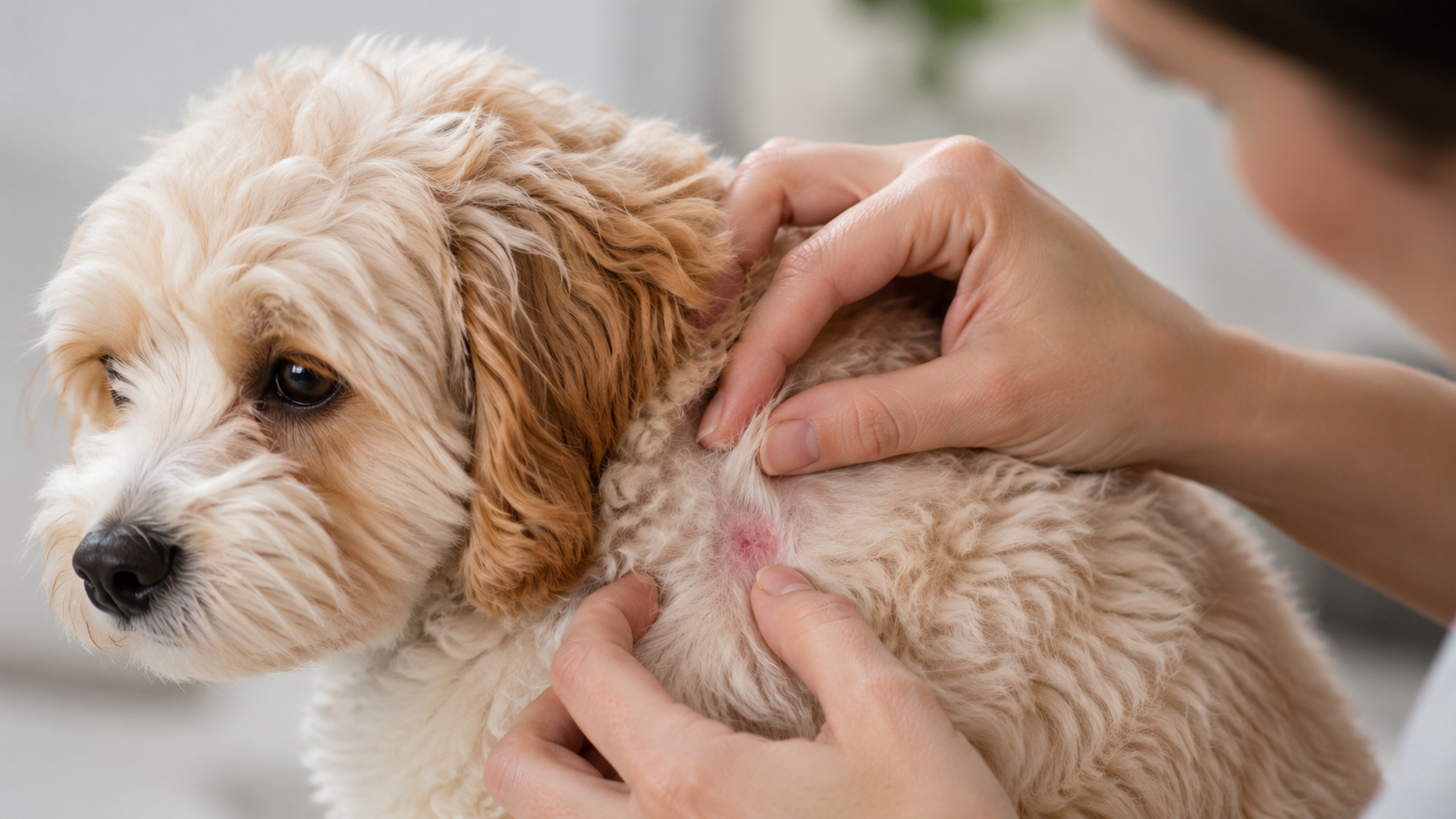
A musty, yeasty smell, often described as corn chips, usually points to a yeast or bacterial skin infection rather than a dirty coat. Look for greasy or flaky skin, redness, itching or thinning fur. These infections often sit alongside allergies, so if the smell and itching return quickly, it is best to have your vet examine the skin rather than bathing more often.
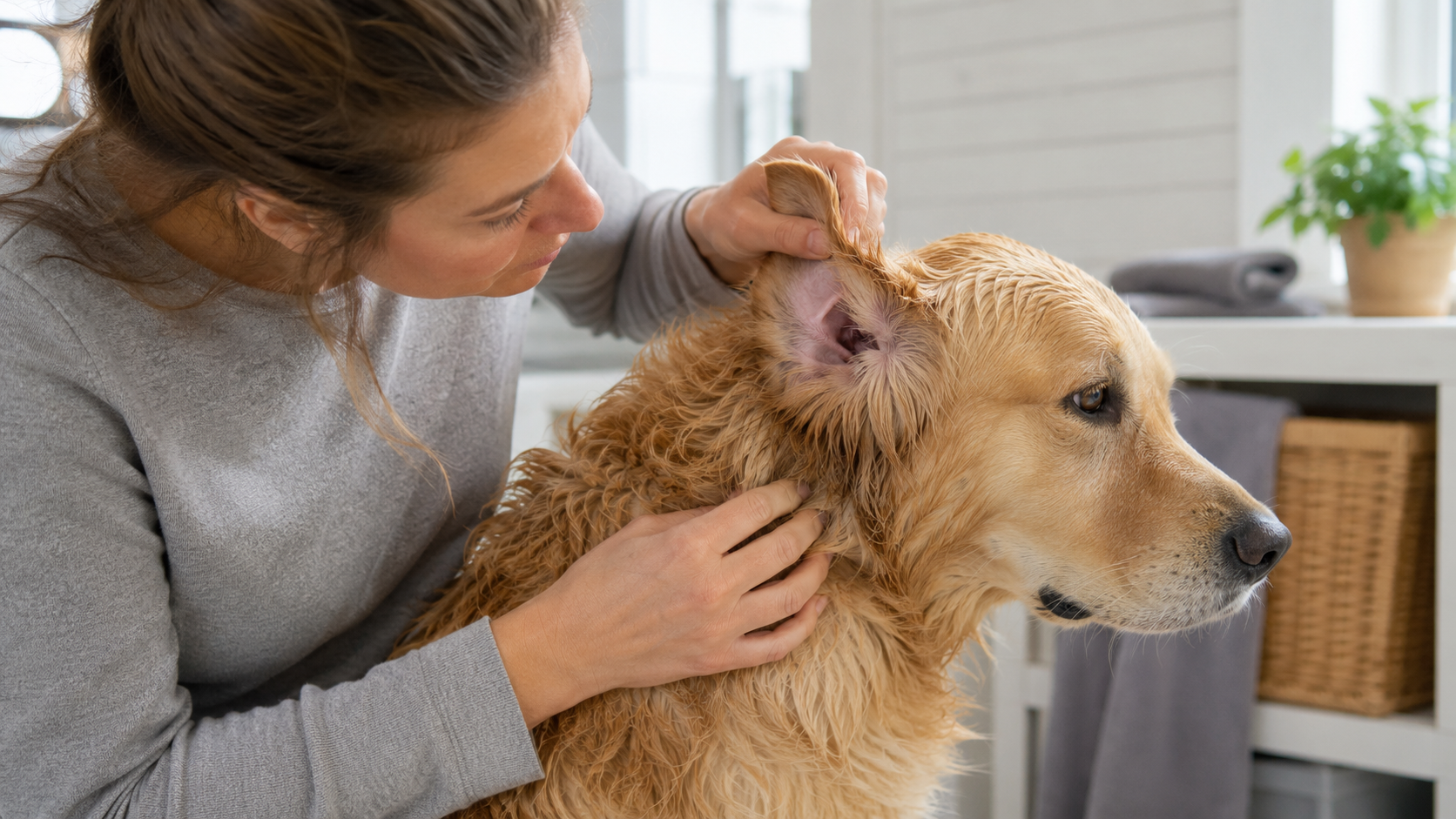
2. Ear infections
A sharp, sour or yeasty smell coming from the head is often an ear infection, which a bath will not touch. Watch for head shaking, scratching at the ears, redness or brown discharge. Ears need to be kept clean and dry, and it helps to understand why your dog’s ears smell bad, but a painful or discharging ear should be checked by a vet.
3. Anal gland problems
A strong fishy smell, often with scooting or licking under the tail, usually means the anal glands. These small scent glands can become full or impacted, and the odour can linger on bedding and furniture. Some dogs need their glands expressed by a vet or groomer, so if the fishy smell keeps returning, book a check rather than trying to mask it.
4. Dental disease and bad breath
If the smell is worst around your dog’s mouth, the cause is often dental disease rather than the coat. Bad breath, yellow-brown tartar, red gums or reluctance to chew are common signs. Dental problems are easy to miss and can affect overall health, so it pays to recognise the early symptoms of dental disease in dogs, and a dental check with your vet is the next step.
5. A damp coat and poor drying
A stale, musty smell that appears soon after a bath usually means the coat was left too damp. Thick or double coats hold water against the skin, where bacteria and yeast multiply quickly, and Australia’s humidity makes this worse. Towel dry thoroughly, then finish with a dryer on a cool setting or let your dog dry fully in a warm, well-ventilated spot before they settle down.
6. Shampoo residue or poor-quality products
Leftover shampoo or the wrong product can create a smell of its own. Poor rinsing leaves residue that traps dirt, while human shampoo or harsh, pH-imbalanced products strip the skin’s natural barrier, which can prompt the body to overproduce oils and actually smell worse. Use a gentle, dog-specific shampoo, rinse until the water runs clear, and avoid heavily scented products that only mask the problem.
When a smell is a veterinary problem
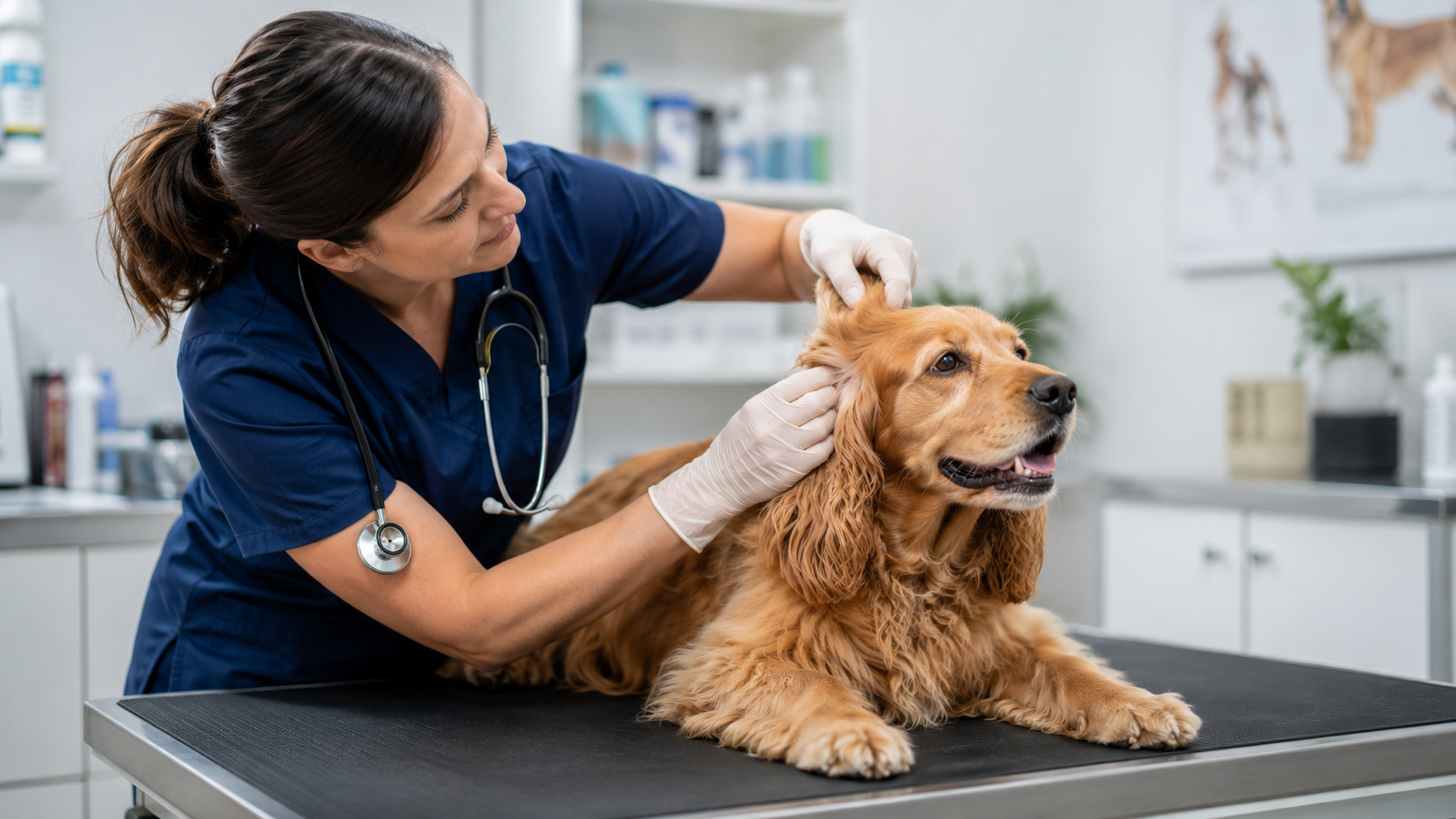
Some smells are a health signal, so see your vet if the odour comes with other symptoms.
Book a vet visit if the smell is strong or keeps returning and is joined by itching, redness or sores, head shaking or ear discharge, scooting or licking under the tail, bad breath with sore gums, or any change in appetite, energy or toileting. A one-off whiff after a muddy walk is normal, but a persistent odour that a bath does not fix is worth investigating. According to RSPCA Australia, a lingering smell can point to a skin or other health problem rather than poor hygiene. It also helps to keep the bigger picture in mind, since staying on top of your dog’s health and vet care prevents many of these problems.
How to keep your dog smelling fresh
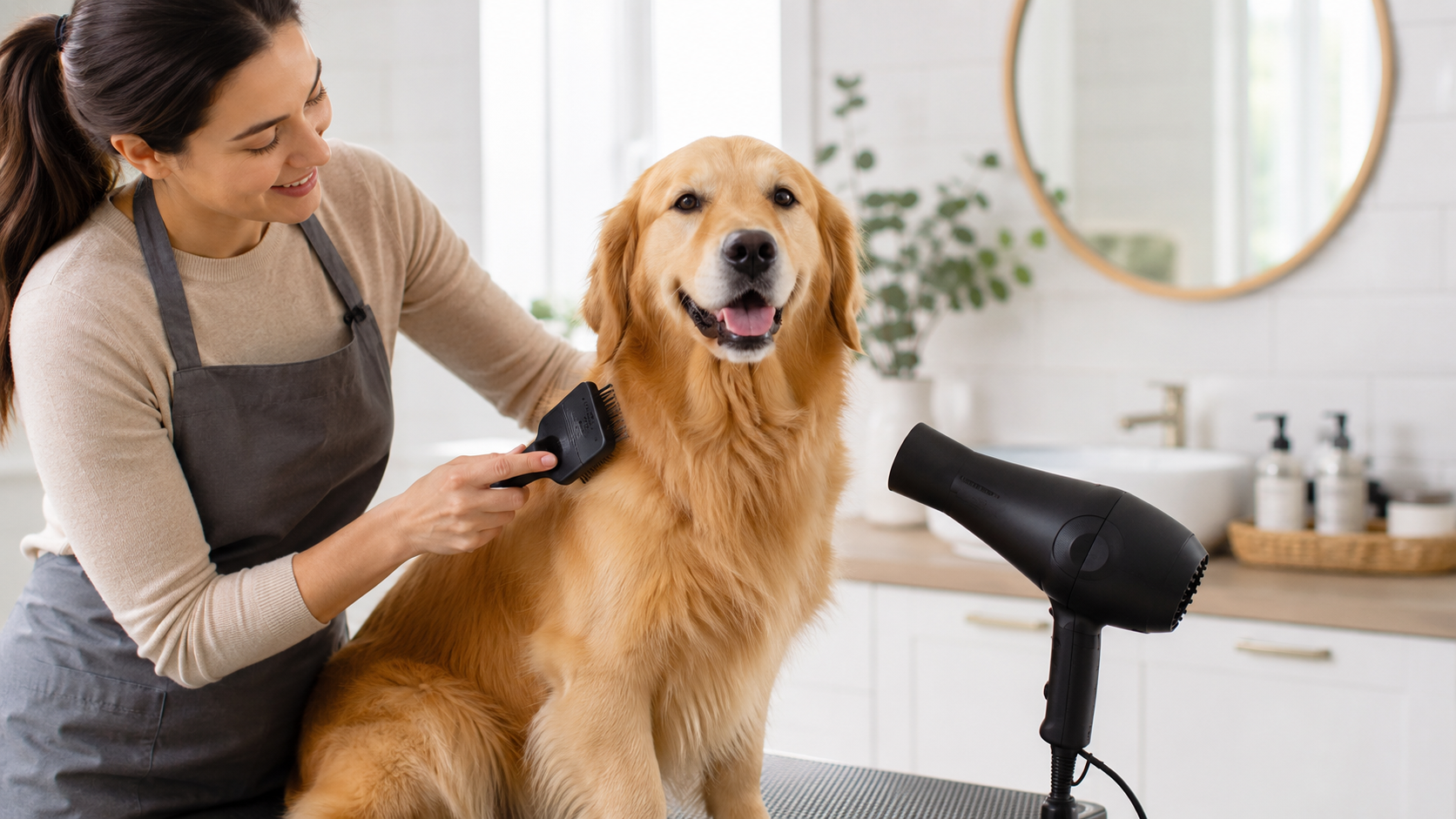
Keeping a dog smelling fresh is mostly about routine care between baths, not more frequent washing.
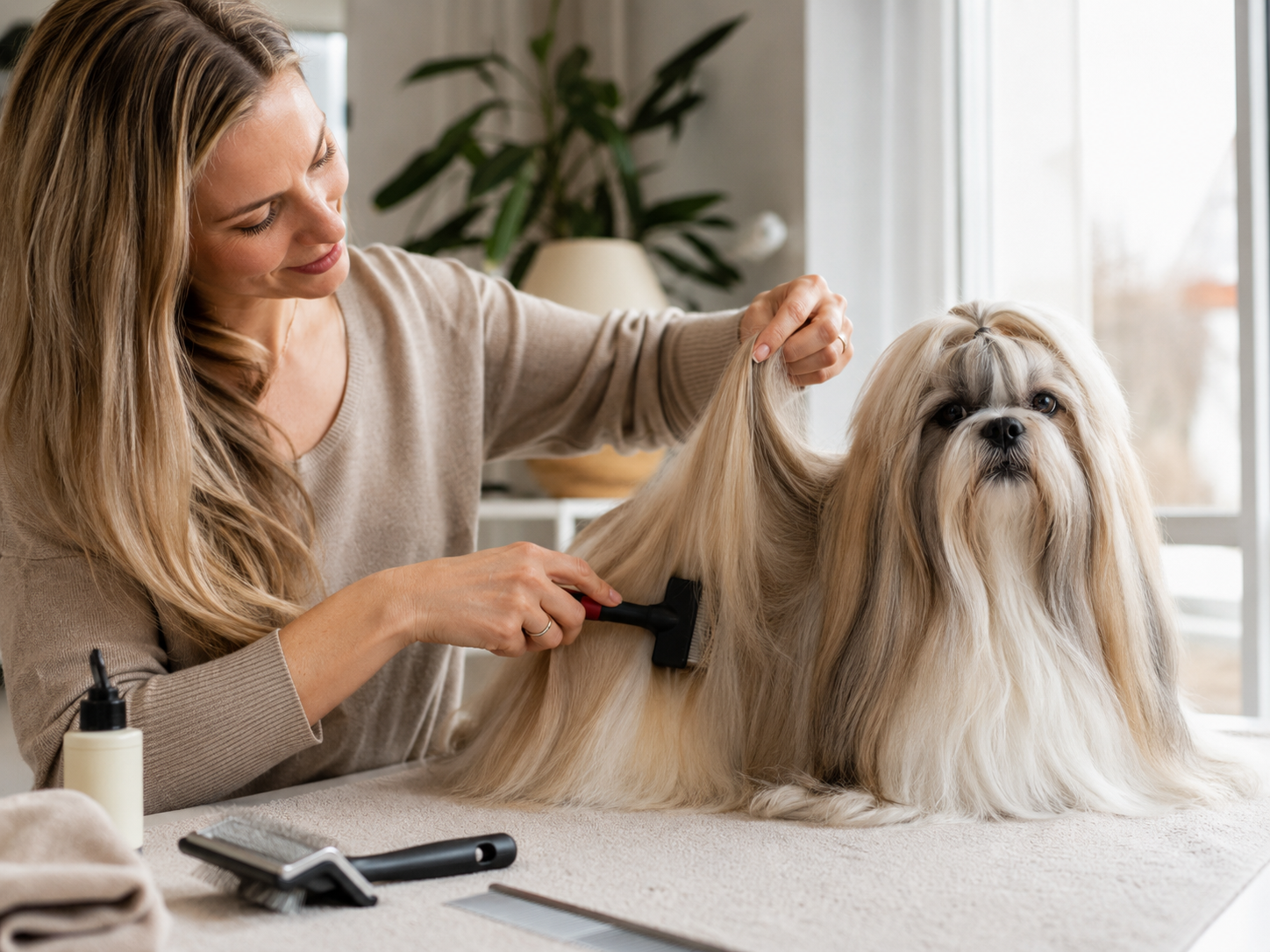
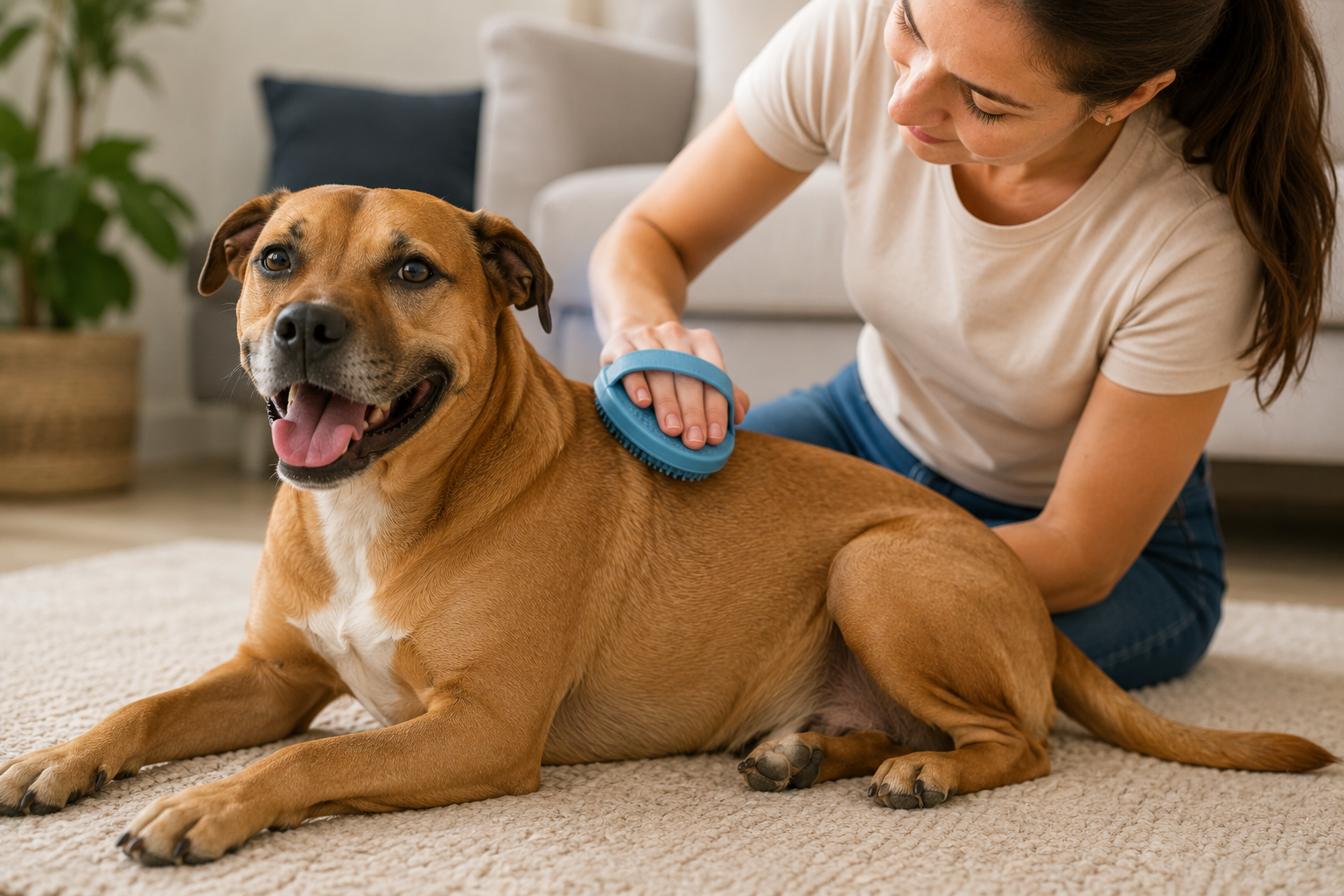
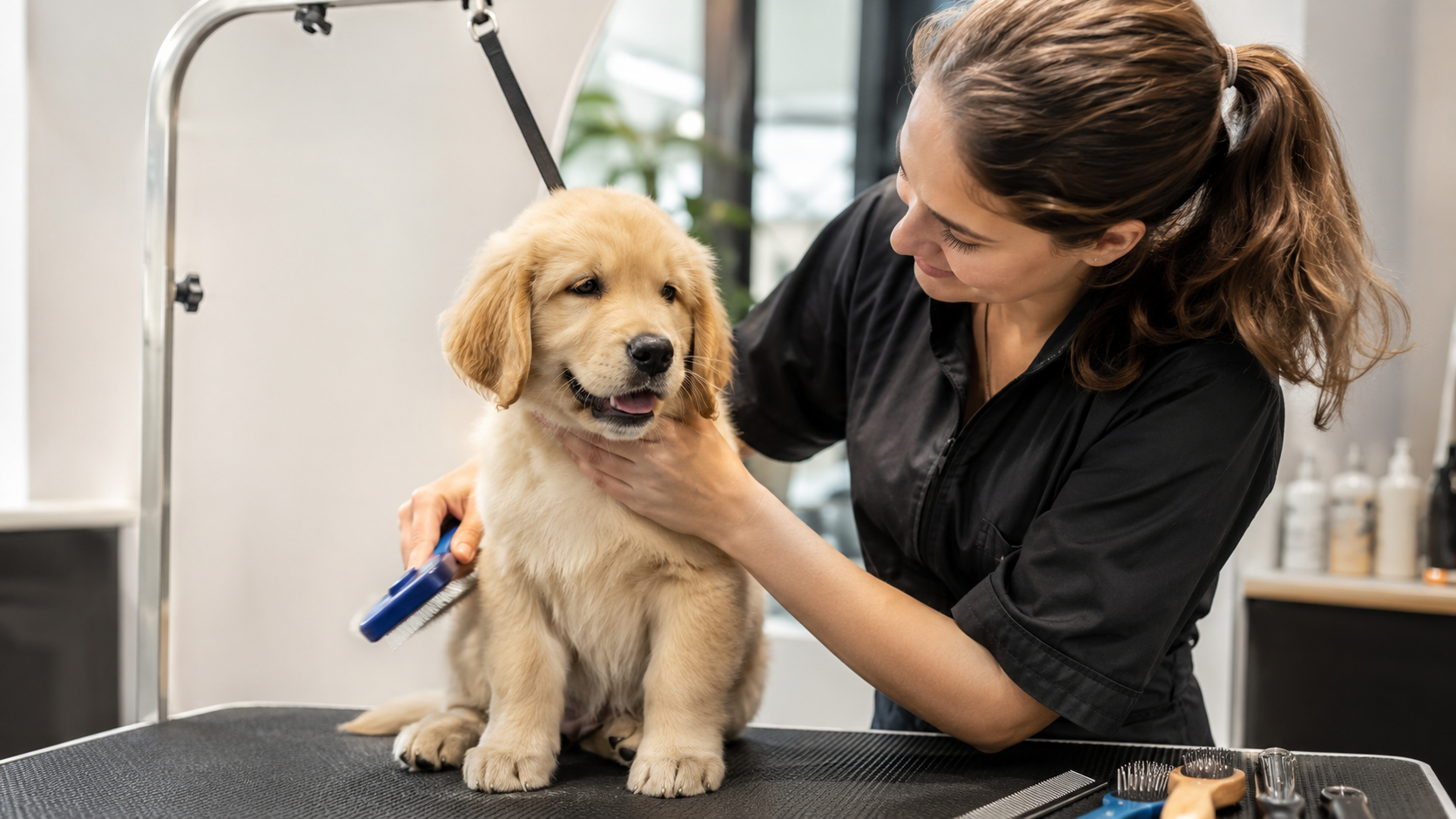
Brush your dog regularly to lift loose hair, dirt and dead skin, and to spread the natural oils that keep a coat healthy. Dry the coat fully after every bath, swim or wet walk, paying attention to skin folds, ears and armpits where moisture lingers. Keep bedding clean and washed, since a dog that sleeps on smelly bedding will smell again quickly.
Good general health helps too. A balanced diet supports healthy skin and a cleaner-smelling coat from the inside, and routine ear, dental and skin care, timed around how often your dog should see a vet, heads off the problems that cause most odours. Treating the source of a smell always works better than masking it with sprays or extra baths.
The bottom line on a dog that smells after a bath
If your dog smells after a bath, look past the coat to the ears, skin, mouth, anal glands and a proper dry-off, and treat the cause rather than bathing more.
Most odours have a clear, fixable source, and a quick vet check settles the rest. For everything from brushing to bathing, it is worth building a consistent grooming and hygiene routine.
Frequently asked questions
1. Why does my dog still smell after a bath?
Usually the bath is not the cause. A lingering smell points to trapped moisture in a damp coat, or an ear, skin, dental or anal gland problem. Find and treat the source rather than washing more often.
2. Why does my dog smell like fish?
A fishy smell, often with scooting or licking under the tail, usually comes from the anal glands. They can become full or impacted and may need expressing by a vet or groomer, so book a check if it keeps returning.
3. Why does my dog smell musty or like corn chips?
A musty, corn-chip odour often signals a yeast or bacterial skin infection rather than dirt. Look for greasy, red or itchy skin. These infections usually need veterinary treatment, so a bath alone will not clear the smell.
4. Why does my dog smell worse when wet?
Water reactivates the natural oils and microbes on the skin and coat, so a damp dog smells stronger. A thick coat left wet lets bacteria and yeast multiply, so drying thoroughly after every bath or swim keeps the smell down.
5. How can I keep my dog smelling fresh between baths?
Brush regularly, dry the coat fully after baths and swims, keep ears and skin folds clean and dry, wash bedding often, and feed a balanced diet. Good routine care keeps most dogs fresh without extra baths.
6. When should I see a vet about my dog’s smell?
See a vet if a strong smell keeps returning with itching, redness, ear discharge, scooting, bad breath, or any change in appetite or energy. A persistent odour a bath cannot fix often signals a treatable health issue.
 Add us as a preferred source