Quiet Dog Breeds for Apartments and Strata Living in Australia
Dog Breeds & Profiles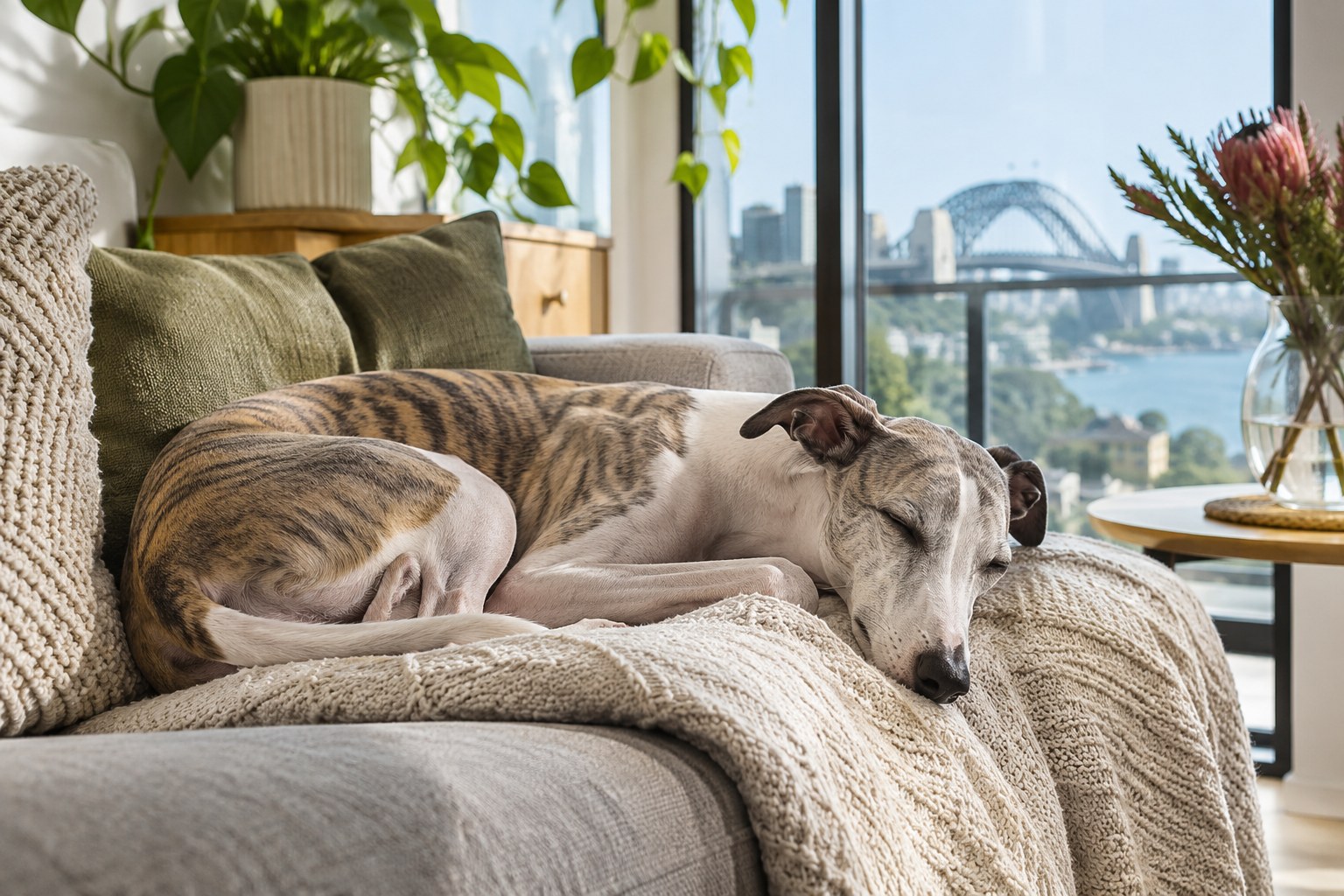 By James C. • November 16, 2026
The quietest dog breeds for apartments in Australia tend to be calm, low-reactivity companions such as the Greyhound, Whippet, Cavalier King Charles Spaniel, Shih Tzu and Havanese.
These breeds have little urge to guard or alert, so they are less likely to bark at every footstep in the corridor.
Breed is only part of the answer, though. Training, routine and the rules in your building matter just as much, so this article covers quiet dog breeds for apartments in Australia alongside strata and council barking rules in NSW and Victoria.
What Makes a Dog Breed Quiet in an Apartment?
A dog is quieter in an apartment when it has low watchdog drive, moderate energy and enough company and exercise to stay content.
Breeds developed to guard, herd or hunt by voice often bark as part of the job they were bred for. Terriers alert to small movements, scent hounds bay when they pick up a trail, and herding dogs use their voice to move livestock.
Sighthounds and companion breeds were shaped for different work. A calm, couch-loving Greyhound hunted by sight in silence, while toy companion breeds were kept for company on laps rather than for raising alarms.
Boredom and loneliness also drive barking. Even a naturally quiet dog may bark or whine if it is under-exercised or left alone for long periods.
Treat breed as a tendency, not a promise. Ask breeders about the parents’ temperament, and spend time with an adult dog before adopting so you can hear how vocal it really is.
Quiet Dog Breeds for Apartments at a Glance
The table compares size, barking tendency, exercise and heat sensitivity for breeds that usually suit apartments without a yard.
| Breed | Size | Barking tendency | Daily exercise | Heat sensitivity | Suits no yard |
|---|---|---|---|---|---|
| Greyhound | Large | Very low | Two 20 to 30 minute walks | Moderate | Yes |
| Whippet | Medium | Low | 30 to 45 minutes | Moderate | Yes |
| Italian Greyhound | Small | Low | 30 minutes | Low (feels the cold) | Yes |
| Cavalier King Charles Spaniel | Small | Low | 30 to 45 minutes | High | Yes |
| Shih Tzu | Small | Low to moderate | 20 to 30 minutes | High | Yes |
| Havanese | Small | Low to moderate | 30 minutes | Moderate | Yes |
| Bichon Frise | Small | Moderate | 30 minutes | Moderate | Yes |
| French Bulldog | Small | Low | 20 to 30 minutes | Very high | Yes, with cooling |
| Pug | Small | Low | 20 to 30 minutes | Very high | Yes, with cooling |
Barking tendency describes the breed in general. Individual dogs vary with training, health and routine.
The Quietest Small Breeds for Units
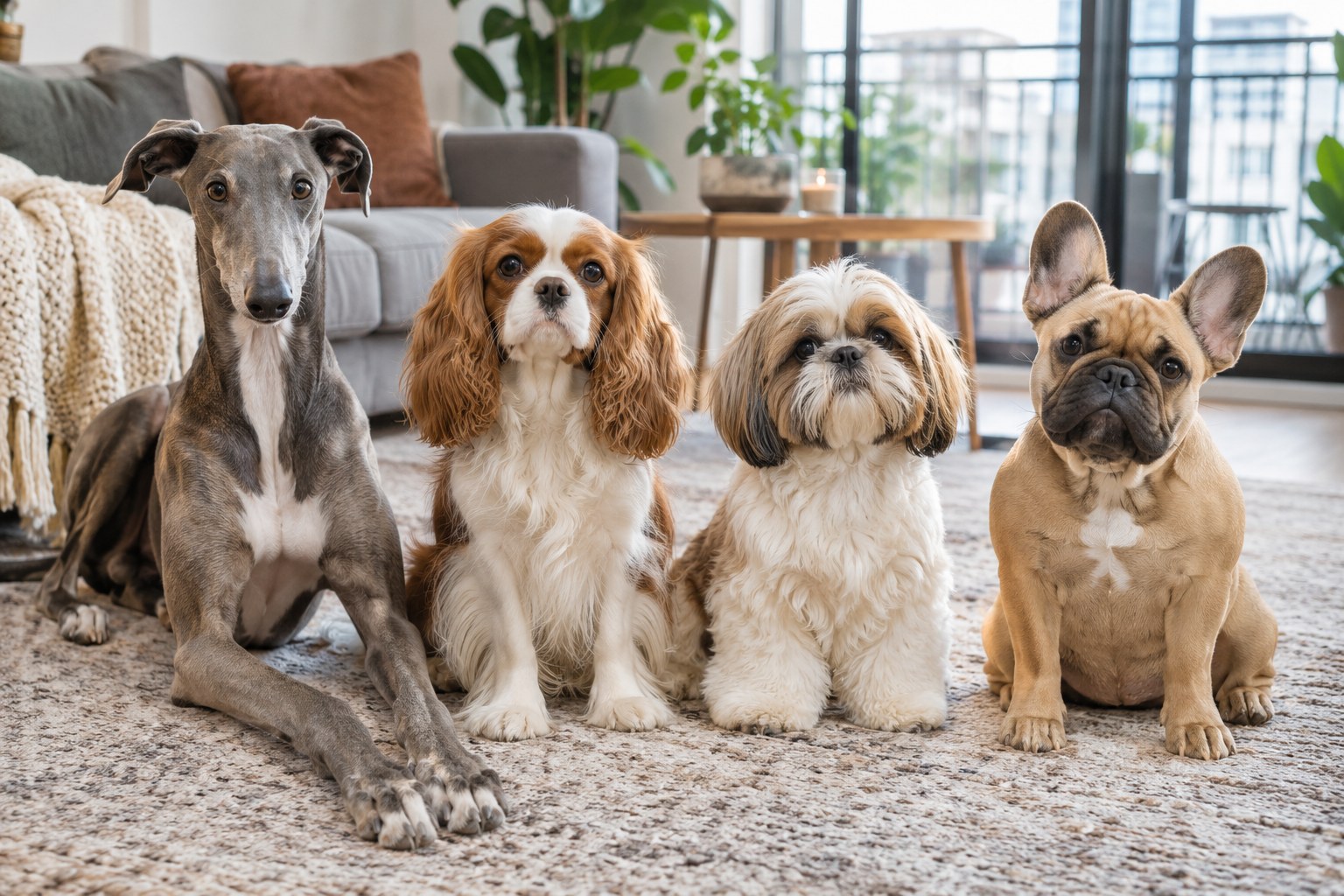
The quietest small breeds for units are companion dogs bred to stay close to people rather than to guard.
Cavalier King Charles Spaniel
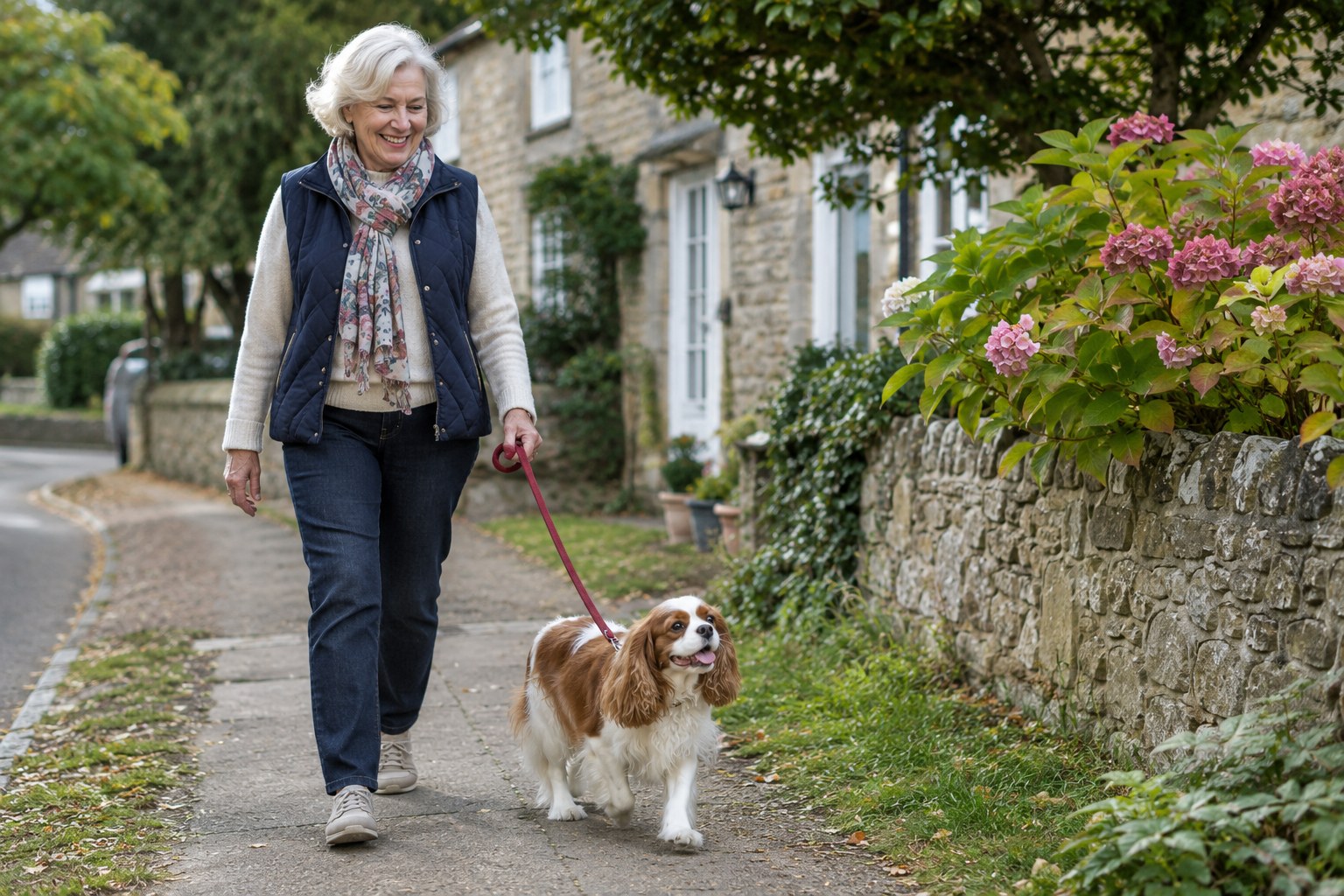
The gentle Cavalier King Charles Spaniel is rarely a nuisance barker and greets visitors happily. Owners should be aware the breed may be prone to heart conditions and struggles in hot weather.
Shih Tzu and Havanese
Both breeds have low alert drive and enjoy short walks. A relaxed Shih Tzu and the sociable Havanese both need regular brushing or a practical short clip.
Bichon Frise
The Bichon Frise is cheerful and generally quiet when it has company. It dislikes long periods alone, which can lead to barking or whining in some dogs.
French Bulldog and Pug
A quiet, low-energy French Bulldog and the Pug seldom bark, but both snore and overheat easily. Keep the apartment cool, since heatstroke can happen indoors on hot Australian days.

Quiet Medium and Larger Breeds That Suit Apartments
Size matters less than calmness indoors, so some medium and larger breeds make excellent apartment dogs.
Greyhound and Whippet
Greyhounds and Whippets are famous couch dogs that rarely bark. They enjoy a short sprint in a fenced area and then sleep for much of the day, which suits apartment life well.
Italian Greyhound
The Italian Greyhound is a small, quiet sighthound with a fine coat. It feels the cold, so a coat for winter walks and a warm bed indoors help keep it comfortable.
What About the “Barkless” Basenji?
The Basenji barks very little but can yodel, howl and make other loud sounds. It is also energetic and independent, so it is rarely a good first apartment dog.

Breeds That Tend to Be Noisier in Apartments
Breeds bred to alert, hunt by voice or work all day tend to bark more, which can be harder to manage behind shared walls.
A vocal, scent-driven Beagle may bay when bored or excited. Jack Russells and Miniature Schnauzers are alert watchdogs that often bark at passing noises.
Siberian Huskies are known for howling and need far more exercise than most apartment routines allow. Pomeranians are small, but many are quick to sound the alarm.
These dogs can still live in apartments with skilled owners, plenty of exercise and consistent training. For most people in strata, though, a naturally calmer breed makes neighbour relations much easier.
Can Strata Stop You Keeping a Dog in NSW or Victoria?
Strata rules in NSW and Victoria generally cannot ban dogs outright, but they can regulate how dogs are kept and act on genuine nuisance.
In New South Wales, strata by-laws cannot unreasonably prohibit keeping an animal. An owners corporation can require approval and must give written reasons if it refuses. Approval can still be refused where an animal would unreasonably interfere with other residents, and ongoing noise can fall into that category.
In Victoria, owners corporations can make rules about pets on common property, and VCAT has found blanket pet bans invalid. Where a building has no registered rules, the model rules for owners corporations apply, including steps for a pet considered a nuisance.
Renters also need landlord consent. In Victoria, a rental provider who wants to refuse a pet request must apply to VCAT within 14 days. NSW introduced similar renter pet reforms from 19 May 2025.
This is general information, not legal advice, so check your building’s by-laws before bringing a dog home.
What Happens If Neighbours Complain About Barking?
Most barking complaints start with the strata manager or committee, and persistent problems can then be reported to the local council.
In New South Wales, a dog that barks persistently can be declared a nuisance dog. The NSW Office of Local Government explains that councils can issue a nuisance order for persistent barking, and further barking after an order can lead to fines.
In Victoria, the Domestic Animals Act treats persistent noise that disturbs others as a nuisance. Councils usually ask the complainant to keep a bark diary first. Monash Council, for example, describes how it can act on a barking nuisance with sufficient evidence and a notice to comply.
Mediation is often the quickest fix. NSW Fair Trading offers strata mediation, and the Dispute Settlement Centre of Victoria offers free mediation for neighbour disputes.
If you receive a complaint, respond early and calmly. Record when your dog barks, address the cause and keep your neighbours informed of the steps you are taking.
How to Keep a Dog Quiet in an Apartment
Most apartment barking eases when a dog is well exercised, mentally busy and taught to settle when alone.
- Walk your dog before you leave so it is ready to rest.
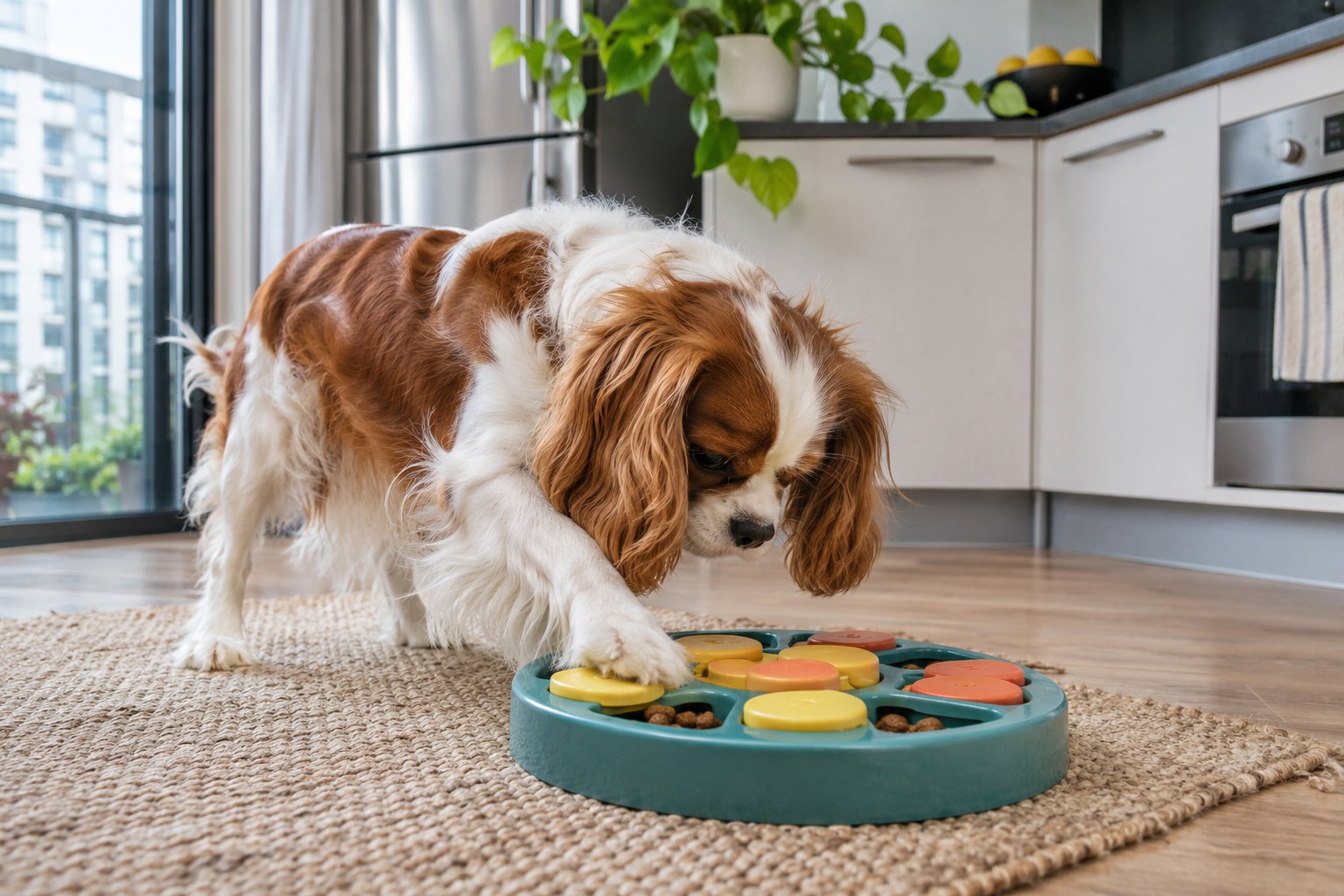
- Offer puzzle feeders, lick mats and chews for mental work.
- Block street or corridor views with frosted film or a screen.
- Play white noise or soft music to mask lift and hallway sounds.
- Practise short departures and build up gradually.
Barking that starts as soon as you leave may point to separation distress. These ways to reduce separation-related barking work best when started early.
Avoid punishment-based tools. RSPCA Australia opposes aversive anti-bark collars because punishment can worsen the fear or anxiety behind barking. Ask your vet or a qualified behaviourist for help instead.
Choosing the Right Quiet Dog for Your Apartment
The right quiet dog for apartment living has a calm temperament, manageable exercise needs and an owner with a steady routine.
Check your strata by-laws or lease before you commit, then shortlist breeds that fit your space and schedule.
When you are ready, browse puppies for sale in Sydney or puppies for sale in Melbourne and ask breeders about each puppy’s temperament.
Frequently Asked Questions
1. What is the quietest dog breed for an apartment in Australia?
The Greyhound is often considered one of the quietest apartment dogs in Australia. It rarely barks, sleeps much of the day and needs only moderate exercise. The Whippet, Cavalier King Charles Spaniel and Shih Tzu are also calm, low-barking choices for apartments.
2. Which small dog breed barks the least?
The Cavalier King Charles Spaniel, Shih Tzu, Italian Greyhound and French Bulldog tend to bark less than most small breeds. They have low watchdog drive and prefer company to guarding. Individual dogs still vary, so training and routine make a real difference.
3. Can my strata ban dogs in NSW?
Generally, no. NSW strata by-laws cannot unreasonably prohibit keeping an animal. An owners corporation can require you to seek approval and can refuse where an animal would unreasonably interfere with other residents, but it must give written reasons for any refusal.
4. Can a Victorian owners corporation stop me keeping a dog?
A Victorian owners corporation generally cannot impose a blanket ban on dogs, as VCAT has found such rules invalid. It can still make reasonable rules about pets on common property and take action if a dog becomes a genuine nuisance or danger.
5. What can council do about a barking dog in an apartment?
Councils usually investigate persistent barking using evidence such as bark diaries. In NSW, councils can issue a nuisance order, with fines for further barking. In Victoria, councils can issue a notice to comply and take further action under the Domestic Animals Act if the nuisance continues.
6. Are Greyhounds good apartment dogs?
Greyhounds are often excellent apartment dogs. They are calm indoors, rarely bark and are happy with two moderate walks plus an occasional run in a fenced area. Their size means they need a comfortable bed and some floor space to stretch out.
7. How do I stop my dog barking when I leave the apartment?
Exercise your dog before leaving, offer a puzzle feeder and practise short departures that build up slowly. Masking corridor noise and blocking views can also help. If barking continues, speak with your vet or a qualified behaviourist about separation distress.
 Add us as a preferred source