Heat Tolerant Dog Breeds for Queensland and Northern Australia
Dog Breeds & Profiles By James C. • November 16, 2026
The heat tolerant dog breeds for hot climates in Australia are mostly short coated, lean, longer muzzled dogs such as the Australian Kelpie, Blue Heeler, Rhodesian Ridgeback and Greyhound.
No breed is heat-proof, though. Every dog still needs shade, water and sensible exercise times, so it helps to know how hot is too hot for a dog in an Australian summer.
Northern Australia adds a second challenge: humidity. Below are the traits that help, why the tropics differ from dry inland heat, and which breeds to shortlist or approach with care.
What Makes a Dog Breed Heat Tolerant?
A heat tolerant dog breed usually combines a short coat, a lean frame, a longer muzzle and moderate size, which together help the body shed heat.
Dogs cool themselves mainly by panting, so anything that makes panting more efficient, or reduces the heat a dog holds, helps in a hot climate.
- Coat: short, fine coats hold less heat than thick double coats.
- Body shape: lean, long-legged dogs carry less insulating fat.
- Muzzle length: a longer nose lets air move freely when the dog pants.
- Size: small and medium dogs have less mass to cool than giant breeds.
- Colour: lighter coats absorb less sun, although pale, thin-coated dogs may be prone to sunburn.
Use these traits to judge any breed, remembering that age, fitness and body weight matter as much as breed.
Dry Heat vs Tropical Humidity: Why the North Is Different
Humidity makes heat harder on dogs because panting cools through evaporation, and moist air slows evaporation down.
Research from the University of Melbourne explains that humid air reduces how well evaporation cools a dog, leaving pets more vulnerable to heat stroke.
In dry country such as western Queensland or central Australia, a dog resting in deep shade can still pant off plenty of heat, and nights usually cool down. In Cairns, Townsville, Darwin and the Kimberley, the build-up and wet season bring muggy days and warm nights, so heat stress can build over several days.
A dog that coped well in a dry climate may struggle after moving north. Move hard exercise to early morning, and contact your vet promptly if you see heavy, noisy panting, thick saliva or reluctance to move.
Best Heat Tolerant Dog Breeds for Hot Australian Climates
The best heat tolerant dog breeds for Queensland and the north include the Kelpie, Blue Heeler, Rhodesian Ridgeback, Greyhound, Whippet, Dalmatian, German Shorthaired Pointer and Vizsla, plus a few small short coated breeds.
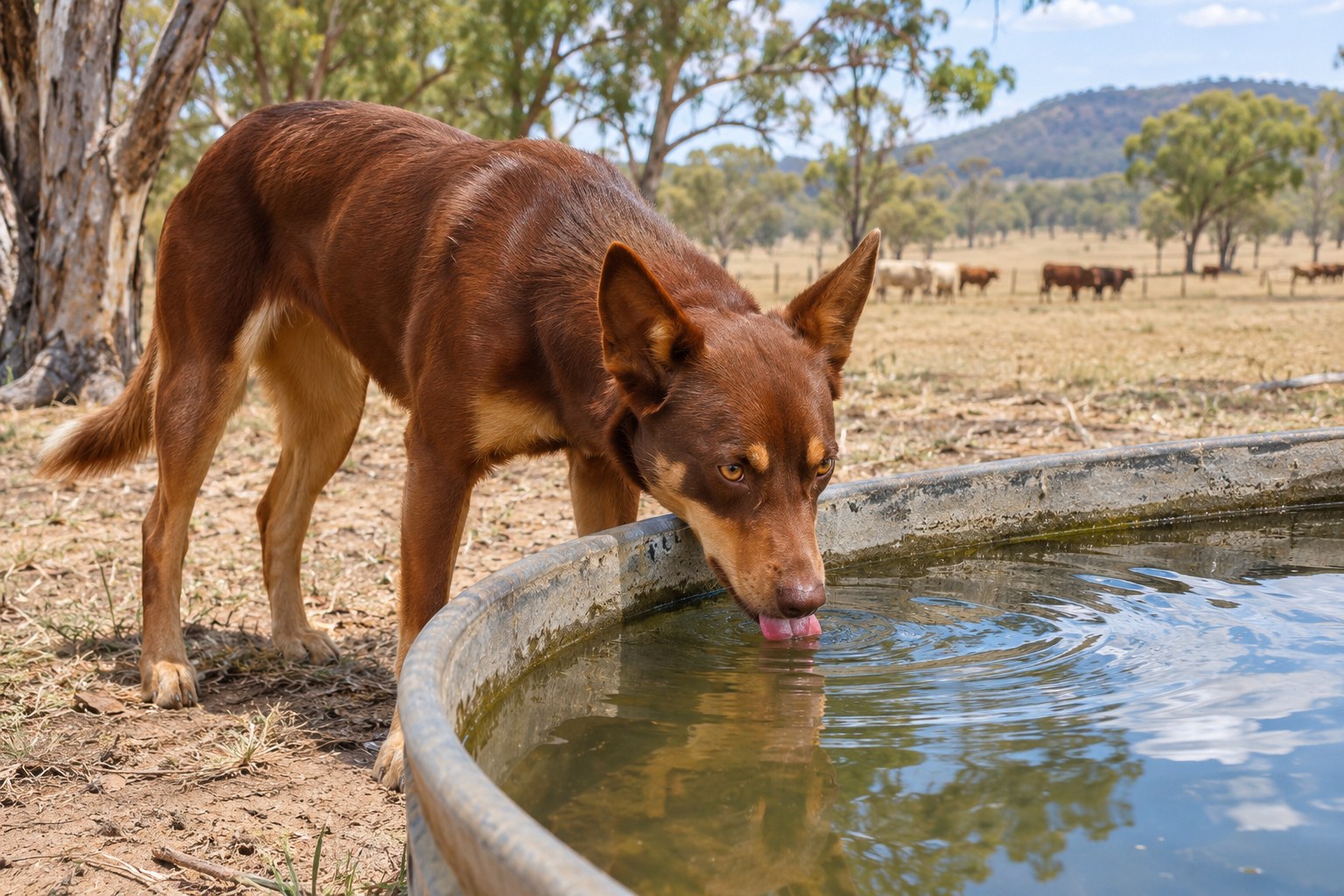
Australian Kelpie
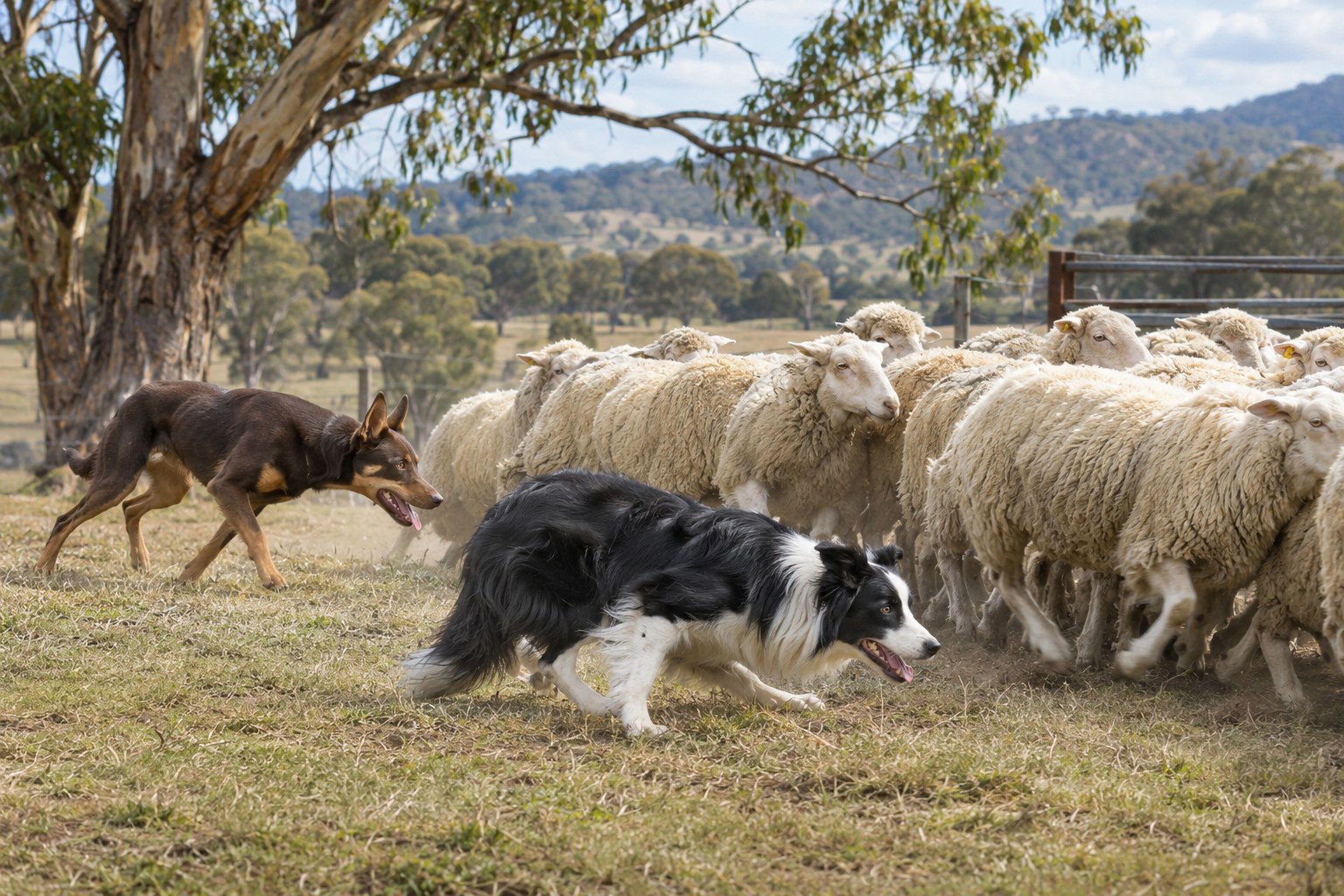
The Australian Kelpie was developed for long days working sheep in Australian conditions, and its short, weather-resistant coat suits heat well. The catch is drive: Kelpies keep working past the point they should stop, so owners must enforce rest, shade and water breaks.
Australian Cattle Dog (Blue Heeler)
The Australian Cattle Dog, often called the Blue Heeler, has a short, dense coat and a compact build developed for droving cattle across hot country. It is a high-drive dog that needs exercise in cooler hours and a job or training.
Rhodesian Ridgeback
The Rhodesian Ridgeback was developed in southern Africa and carries a short, sleek coat over an athletic frame. It handles heat well for a large dog, but it needs space, a secure yard and daily exercise.
Greyhound and Whippet
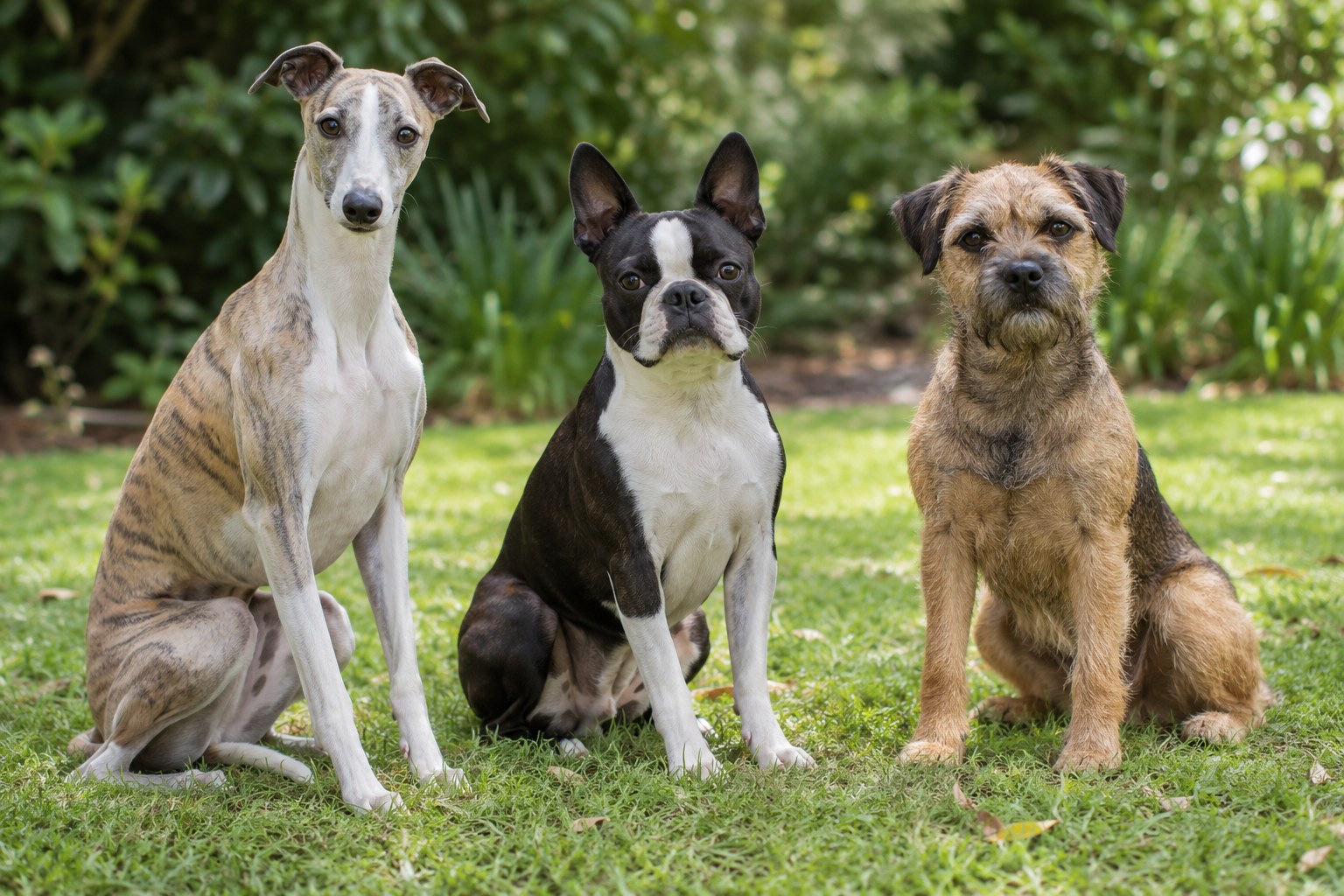
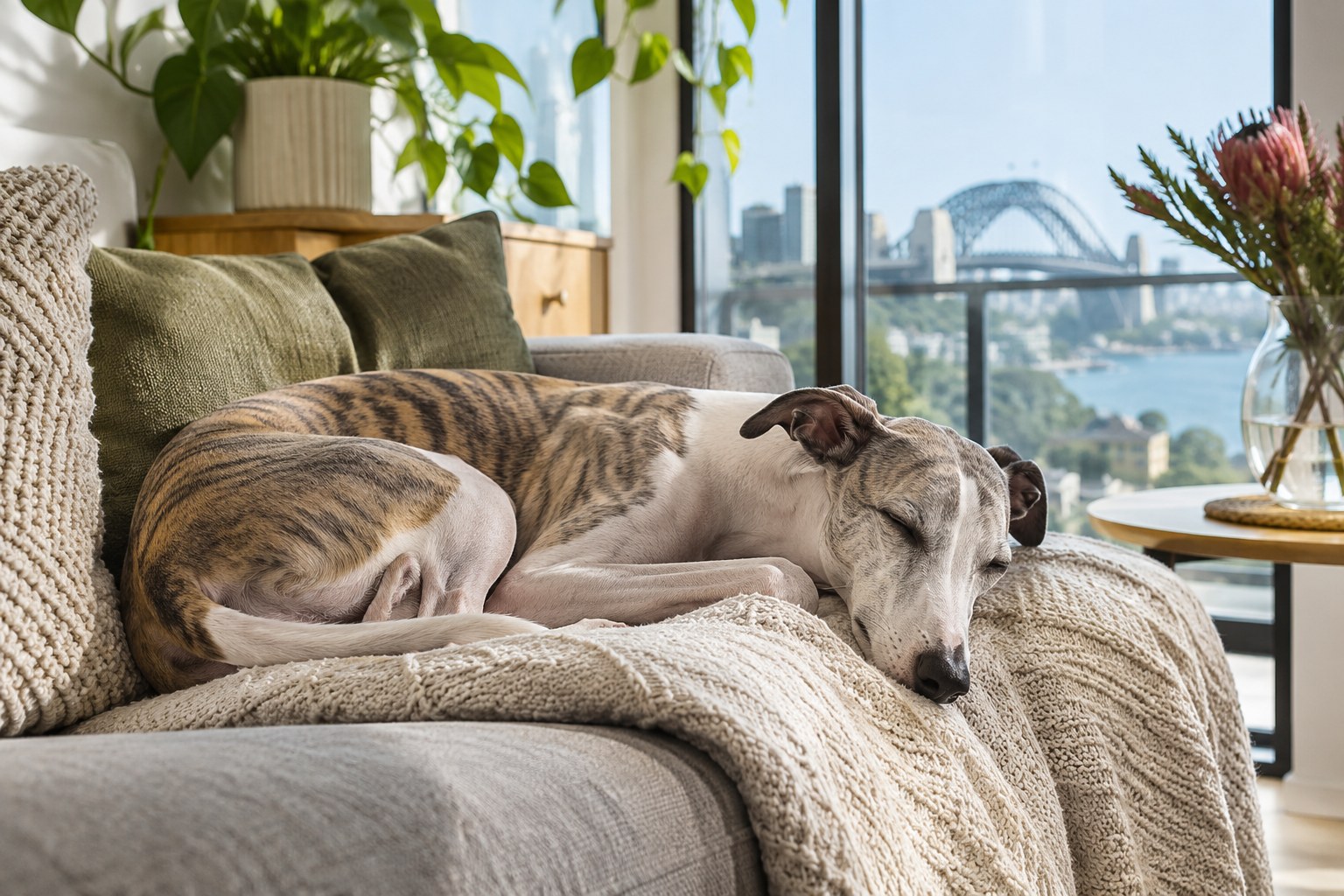
The Greyhound and Whippet have very thin single coats, little body fat and lean frames that shed heat efficiently, and both are calm at home. Their thin skin offers little protection, so pale dogs may be prone to sunburn.
Dalmatian
The Dalmatian has a short single coat and a lean, athletic build suited to covering distance. White coats over pink skin may be prone to sunburn, so provide shade and discuss pet-safe sun protection with your vet.
German Shorthaired Pointer and Vizsla
Both pointers have short coats, long muzzles and athletic frames that suit active families in warm areas. Their exercise needs are high, so in the north running should happen at dawn or after dark, with swimming as a cooler option.
Small Breeds That Cope With Heat
Small, short coated breeds such as the Chihuahua and Miniature Pinscher can suit units in hot cities because they need less exercise. They still need a cool indoor space, since they cannot escape heat trapped in a closed-up unit.
Heat Tolerant Breed Comparison Table
This table compares the shortlisted breeds using general size and coat categories.
| Breed | Size | Coat | Energy | Humidity notes | Best for |
|---|---|---|---|---|---|
| Australian Kelpie | Medium | Short, weather resistant | Very high | Copes well but must be rested | Working or very active owners |
| Blue Heeler | Medium | Short, dense | Very high | Copes well with shade and water | Rural properties, active owners |
| Rhodesian Ridgeback | Large | Short, sleek | Moderate to high | Good, needs shade and space | Families with a yard |
| Greyhound | Large | Very thin, single | Low at home | Good, needs sun protection | Calm homes, units with daily walks |
| Whippet | Medium | Very thin, single | Moderate | Good, needs sun protection | Units and families |
| Dalmatian | Medium to large | Short, single | High | Good, pale skin may burn | Active families |
| German Shorthaired Pointer | Medium to large | Short | Very high | Good with cool-hour exercise | Active families |
| Vizsla | Medium | Short, single | High | Good with cool-hour exercise | Active families |
| Chihuahua (smooth coat) | Small | Short | Low to moderate | Fair, needs a cool indoor space | Units |
Breeds That Struggle in Queensland Heat
Flat-faced breeds and heavy double coated breeds usually find Queensland and northern heat the hardest to manage.
RSPCA Australia notes that flat-faced dogs are often at much higher risk of heat stress, especially in a warm climate like ours. Their shortened airways make panting less efficient.
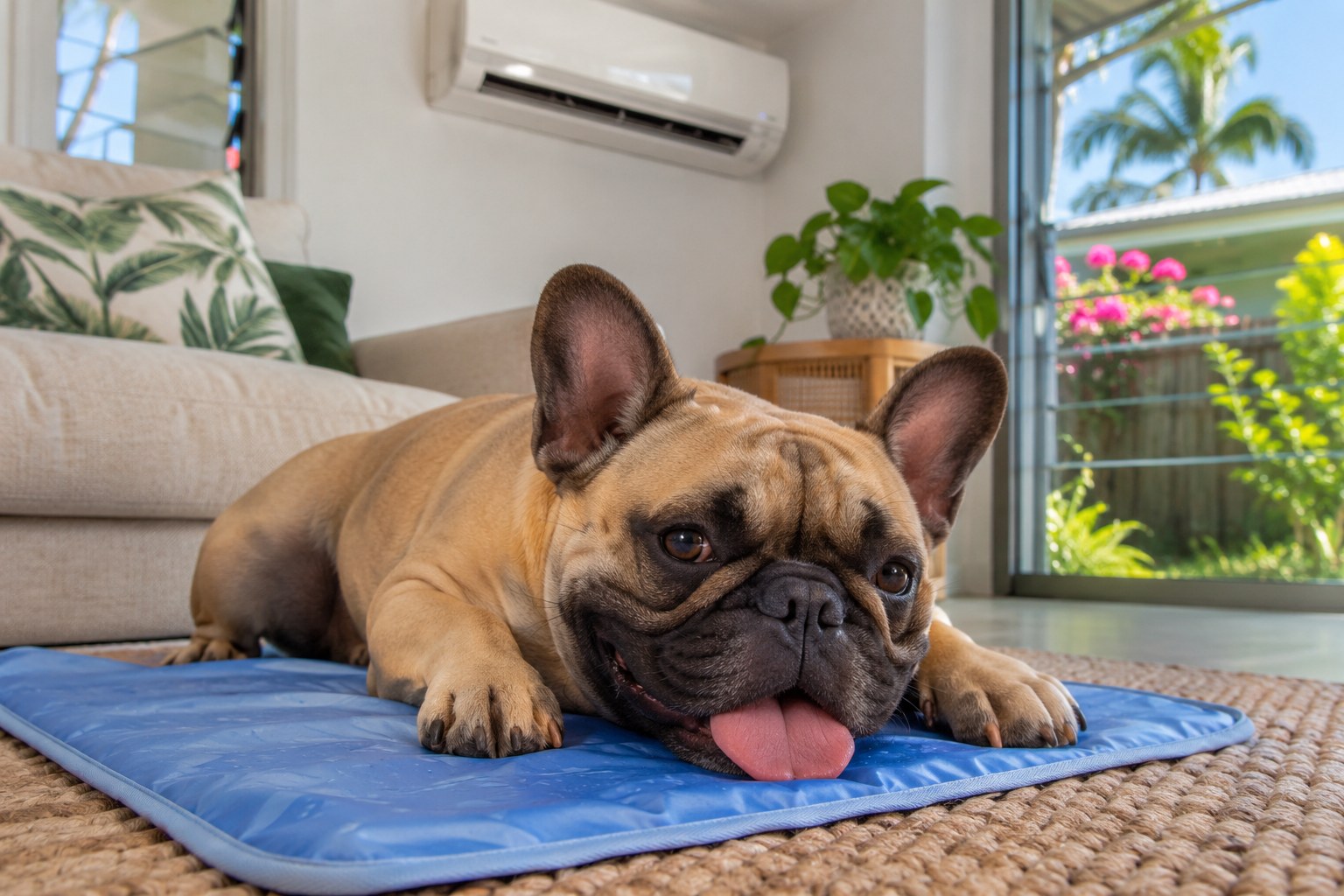
This group includes the Pug, French Bulldog and British Bulldog. Owning one in the north takes commitment: air conditioning on hot days, short walks at the coolest times, a healthy weight and regular vet conversations about breathing.
Heavy double coated breeds such as the Siberian Husky and Alaskan Malamute were developed for snow, and their dense undercoat holds warmth close to the body. They can live in the north with careful management, but they are a harder match.
If your dog is panting heavily, struggling to breathe or wobbly on its feet in hot weather, treat it as an emergency and contact a vet straight away.
Can Double Coated Dogs Live in the Tropics?
Yes, double coated dogs can live in the tropics, but they need a cool indoor space, regular brushing and strict exercise timing.
Shaving is generally not advised, because the guard hairs help shade the skin and a shaved double coat can grow back unevenly. If a clip seems necessary for medical reasons, discuss it with your vet or an experienced groomer first.
Brushing does far more good. Removing loose undercoat lets air reach the skin, and a steady routine for grooming a double coat through a humid summer keeps shedding under control.
A thick undercoat can also stay damp for hours after a swim or storm, which may be associated with skin irritation. Dry your dog thoroughly and check the skin under the coat each week.
Setting Up Your Home for a Dog in a Hot Climate
A cool home setup for a dog in the north comes down to shade, moving air, constant water and walks timed for the coolest part of the day.
- Shade all day: shade that moves with the sun, not one patch that disappears by afternoon.
- Airflow: fans, breezeways or air conditioning on hot, humid days.
- Water: several heavy bowls in shade, topped up often.
- Cool resting spots: a cooling mat, tiled floor or raised bed.
- Walk timing: before sunrise or after dark, testing pavement with the back of your hand first.
- Cars: never leave a dog in a parked car.
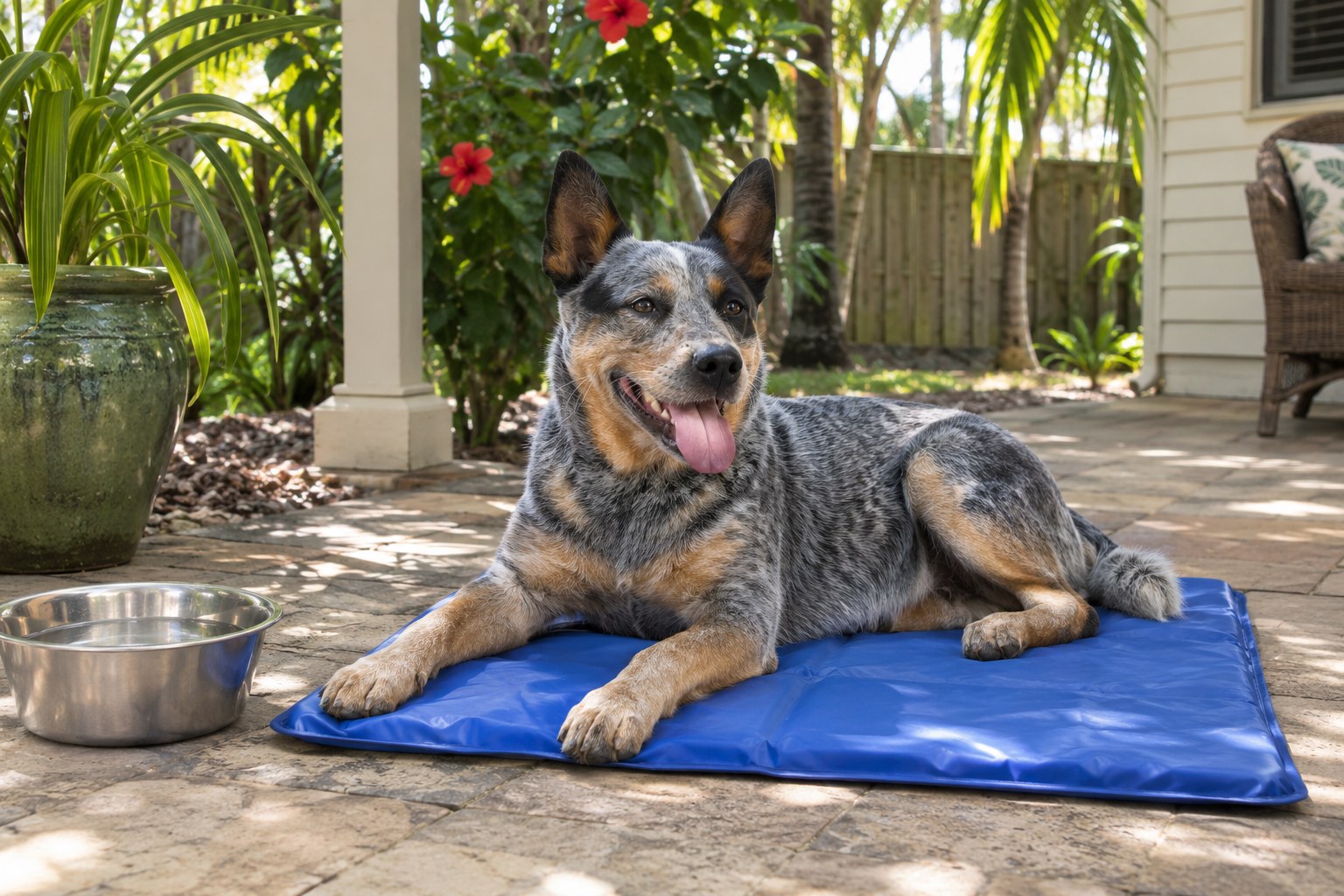
Indoor dogs are not automatically safe. A closed-up unit can trap heat and humidity while you are at work, and dogs can still overheat indoors without airflow.
Choosing a Heat Tolerant Puppy From a Breeder
When buying a puppy for a hot climate, ask how the parents cope with local summers and favour breeders who raise dogs in similar conditions.
- How do the parents handle the hottest months?
- Are these working lines or pet lines?
- What adult coat type and colour should I expect?
- What health checks have the parents had?
A calmer pet line may suit a suburban family better than a high-drive working line. Buying close to home also spares a young puppy a long summer trip. You can browse puppies for sale in Queensland and compare breeders, or look at puppies for sale in the Northern Territory if you live further north.
Conclusion
The right dog for a hot climate has a short coat, a lean build and a muzzle long enough to pant freely.
Humidity makes the north harder than dry inland heat, so even tough working breeds need shade, water and cool-hour exercise.
Plan your home setup early and talk to local breeders about how their dogs handle summer.
Frequently Asked Questions
1. What is the most heat tolerant dog breed in Australia?
The Australian Kelpie and Australian Cattle Dog are among the most heat tolerant dog breeds in Australia, as both were developed to work stock in hot local conditions. Greyhounds and Ridgebacks also cope well, but no breed is heat-proof.
2. What are the best dog breeds for Queensland weather?
The best dog breeds for Queensland weather have short coats, lean builds and longer muzzles, such as the Kelpie, Blue Heeler, Rhodesian Ridgeback, Greyhound, Whippet and Vizsla. They still need shade, water and exercise in cooler hours.
3. Which dog breeds should not live in hot climates?
Flat-faced breeds such as Pugs, French Bulldogs and British Bulldogs find hot climates hardest, because their short airways make panting less efficient. Heavy double coated breeds like Siberian Huskies and Alaskan Malamutes also struggle in tropical heat.
4. Can a Husky or other double coated dog live in Darwin or Cairns?
A Husky or other double coated dog can live in Darwin or Cairns with careful management. It needs air conditioning or a cool indoor space, regular brushing, exercise only at dawn or after dark, and close watching for heat stress.
5. Are short haired dogs better in hot weather?
Short haired dogs generally cope better in hot weather because their coats hold less heat. Coat is only one factor, though, since muzzle length, weight, fitness and age also matter, and pale short coated dogs may be prone to sunburn.
6. What small dog breeds handle heat well?
Small, short coated breeds such as the Chihuahua and Miniature Pinscher tend to handle heat reasonably well because they need less exercise. They still need a cool indoor space, since a closed-up unit can trap heat during the day.
7. Should I shave my dog in summer to keep it cool?
Shaving is generally not advised for double coated dogs, because the outer coat shades the skin and a shaved coat can grow back unevenly. Regular brushing to remove loose undercoat usually helps more. Discuss any clip with your vet or groomer first.
 Add us as a preferred source