Best Dog Breeds for Retirees Living in a Unit or Retirement Village
Dog Breeds & Profiles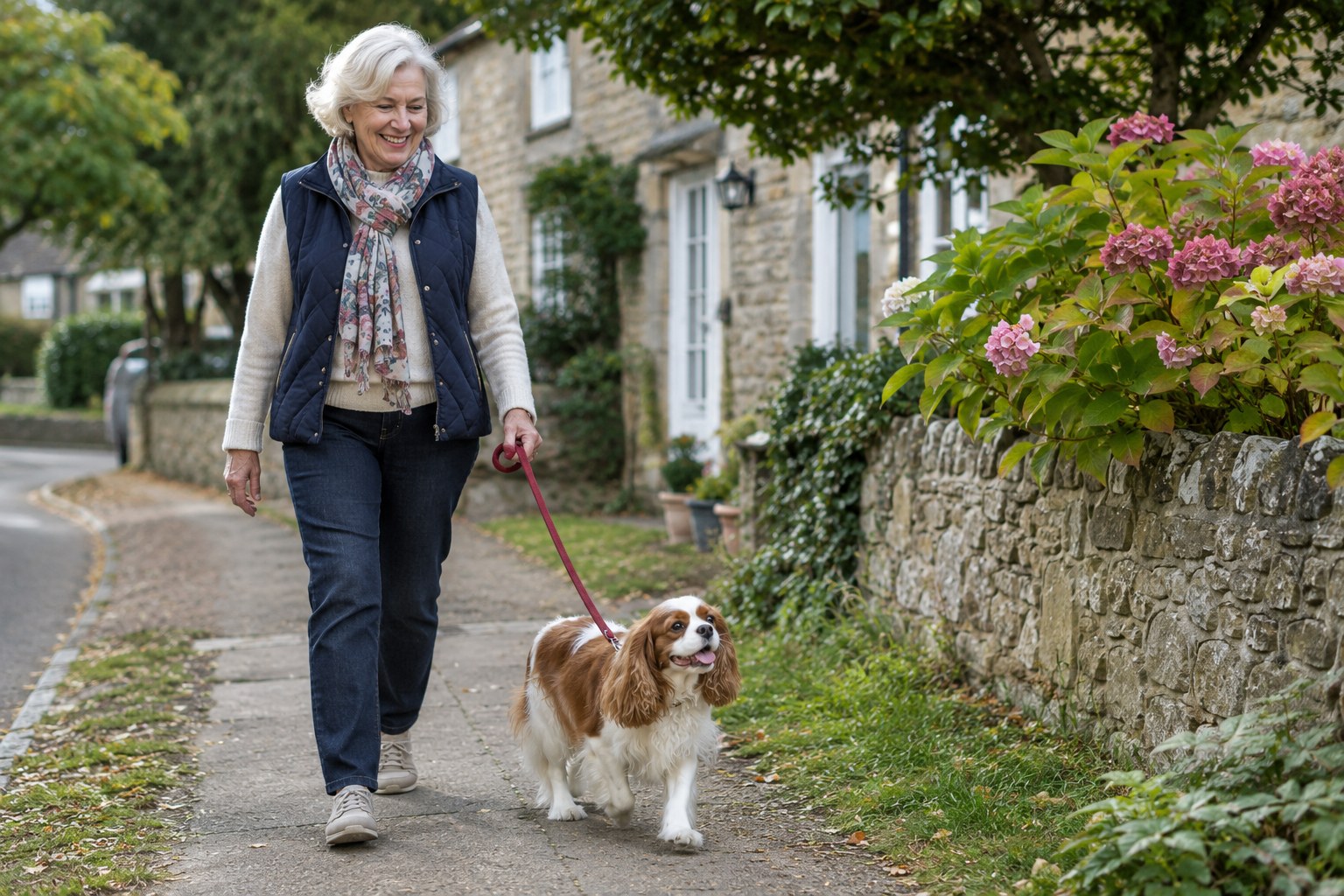 By James C. • November 16, 2026
The best dog breeds for retirees in a unit or retirement village are small to medium, calm, people-focused dogs with modest exercise needs, such as the Cavalier King Charles Spaniel, Shih Tzu, Bichon Frise, Toy Poodle and a retired Greyhound.
Each suits a smaller home, enjoys gentle daily walks and bonds closely with an owner who is home more often.
Below, we compare the leading dog breeds for retirees, then cover the Australian village and strata pet rules, costs and care plans most breed lists leave out.
What Makes a Dog Breed Suit Retirees in a Unit or Village?
A dog suits retirement living when it is light enough to lift, calm indoors, easy to walk on a lead and quiet enough for close neighbours.
Size matters more than many people expect. A dog under about 10 kg can be carried to the car, lifted into a bath or helped up steps if it becomes unwell. Strong pullers raise the risk of a fall on a wet footpath, so lead manners count for as much as temperament.
Compare breeds against this checklist:
- Weight you can comfortably lift, ideally with a little to spare.
- Energy that matches your routine, usually one or two gentle walks a day.
- Low barking tendency, since units and villages share walls and paths.
- A grooming load you can manage at home or afford at a groomer.
- Typical lifespan and any known health issues to discuss with a vet.
- Whether the dog copes with lifts, stairs and brief time alone.
Think about travel plans and future health needs too, since your dog may live well into its teens.
Best Dog Breeds for Retirees at a Glance
The table below compares typical adult weight, exercise, barking and grooming for the breeds that suit unit and village living best.
| Breed | Adult weight | Daily exercise | Barking | Grooming | Typical lifespan |
|---|---|---|---|---|---|
| Cavalier King Charles Spaniel | 5 to 8 kg | 30 to 45 minutes | Low | Weekly brushing | 9 to 14 years |
| Shih Tzu | 4 to 7 kg | 20 to 30 minutes | Low to moderate | Daily brushing or a short clip | 10 to 16 years |
| Bichon Frise | 3 to 5 kg | 30 minutes | Moderate | Clip every 4 to 6 weeks | 12 to 15 years |
| Maltese | 2 to 4 kg | 20 to 30 minutes | Moderate to high | Daily brushing | 12 to 15 years |
| Toy or Miniature Poodle | 2 to 8 kg | 30 to 45 minutes | Low to moderate | Clip every 4 to 6 weeks | 12 to 15 years |
| Havanese | 3 to 6 kg | 30 minutes | Low to moderate | Several brushes a week | 13 to 15 years |
| Lhasa Apso | 5 to 8 kg | 20 to 30 minutes | Moderate (watchful) | Daily brushing or a clip | 12 to 15 years |
| Retired Greyhound | 25 to 35 kg | Two 20 to 30 minute walks | Very low | Minimal | 10 to 14 years |
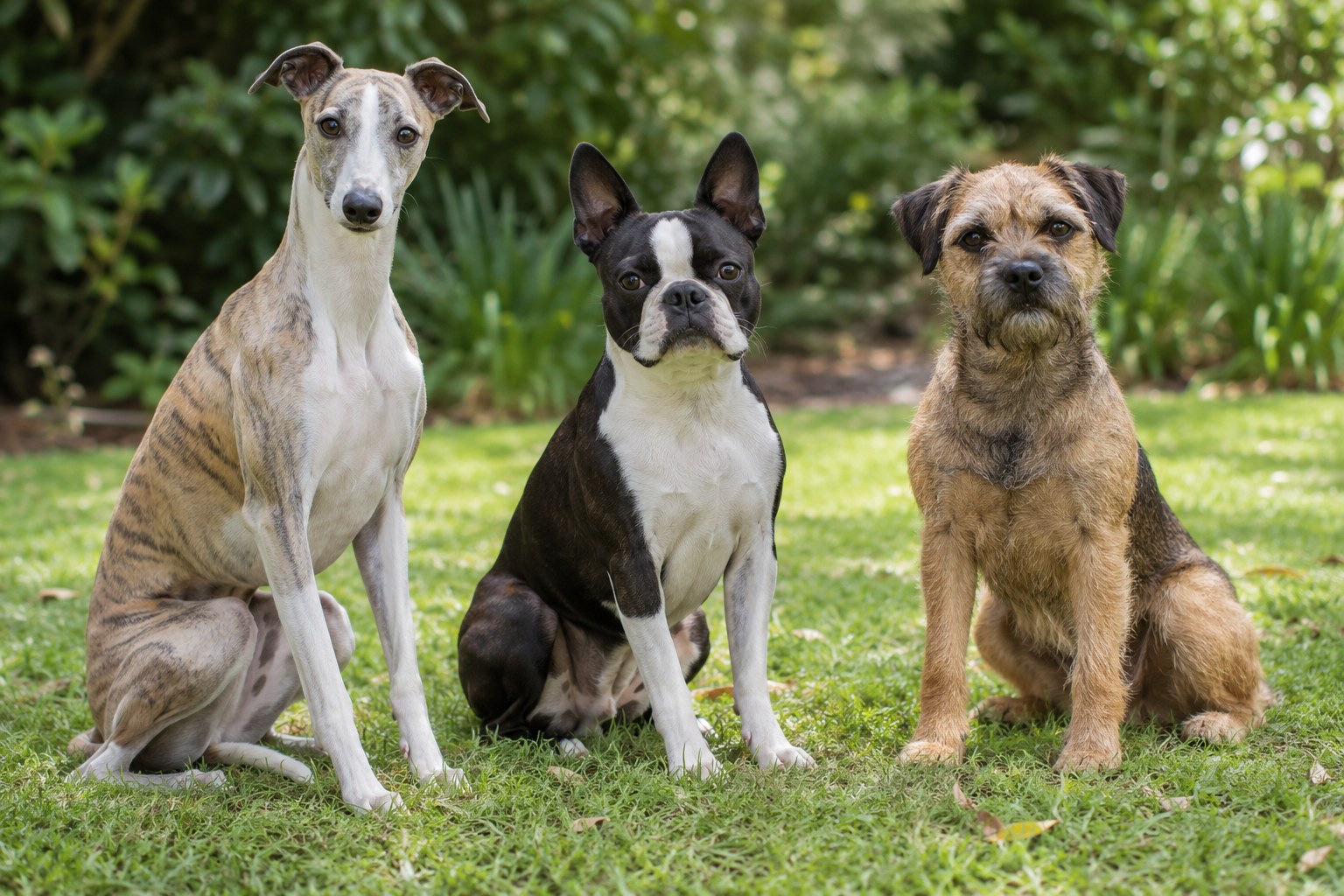
| Whippet | 10 to 15 kg | 30 to 45 minutes | Low | Minimal | 12 to 15 years |
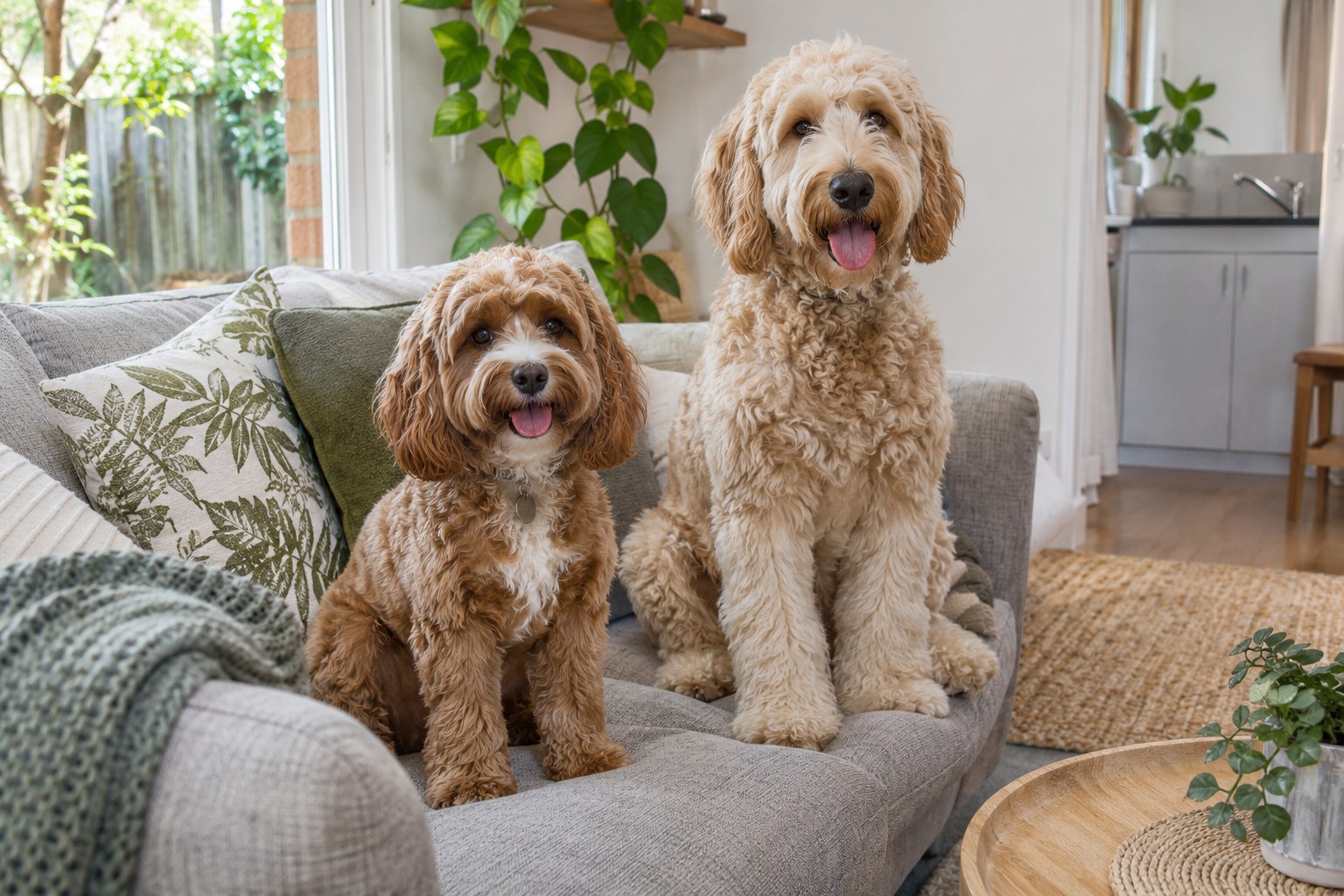
| Cavoodle | 5 to 10 kg | 30 to 45 minutes | Low to moderate | Clip every 6 to 8 weeks | 10 to 15 years |
Figures are typical ranges, and individual dogs vary.
Small Companion Breeds for Unit Living
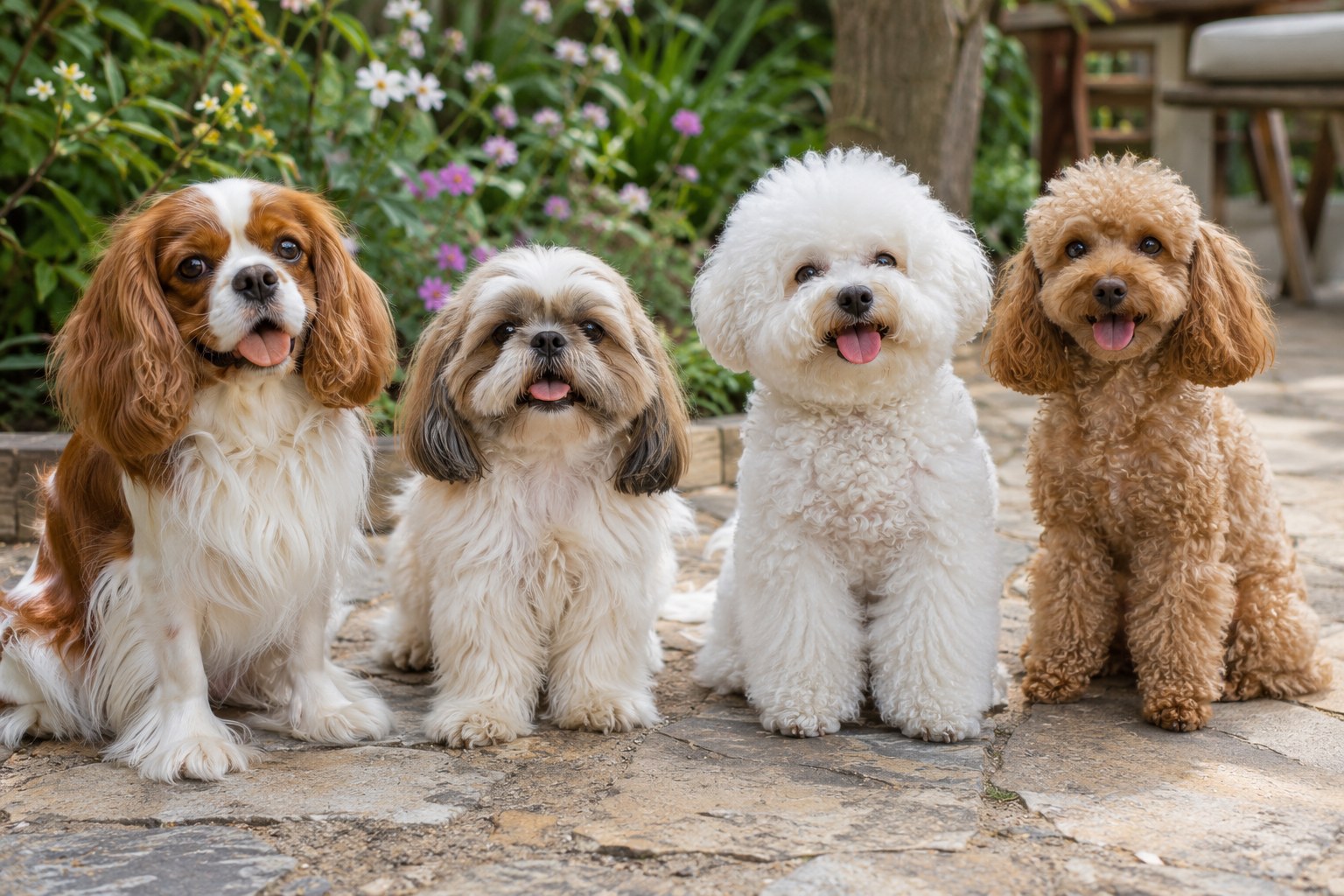
Small companion breeds suit unit living because they need little space, settle well indoors and are easy to carry.
Cavalier King Charles Spaniel
The gentle Cavalier King Charles Spaniel is affectionate, adaptable and happy with steady walks. Owners should be aware the breed may be prone to heart valve disease and dislikes heat, so regular vet checks and cool walking times help.
Shih Tzu
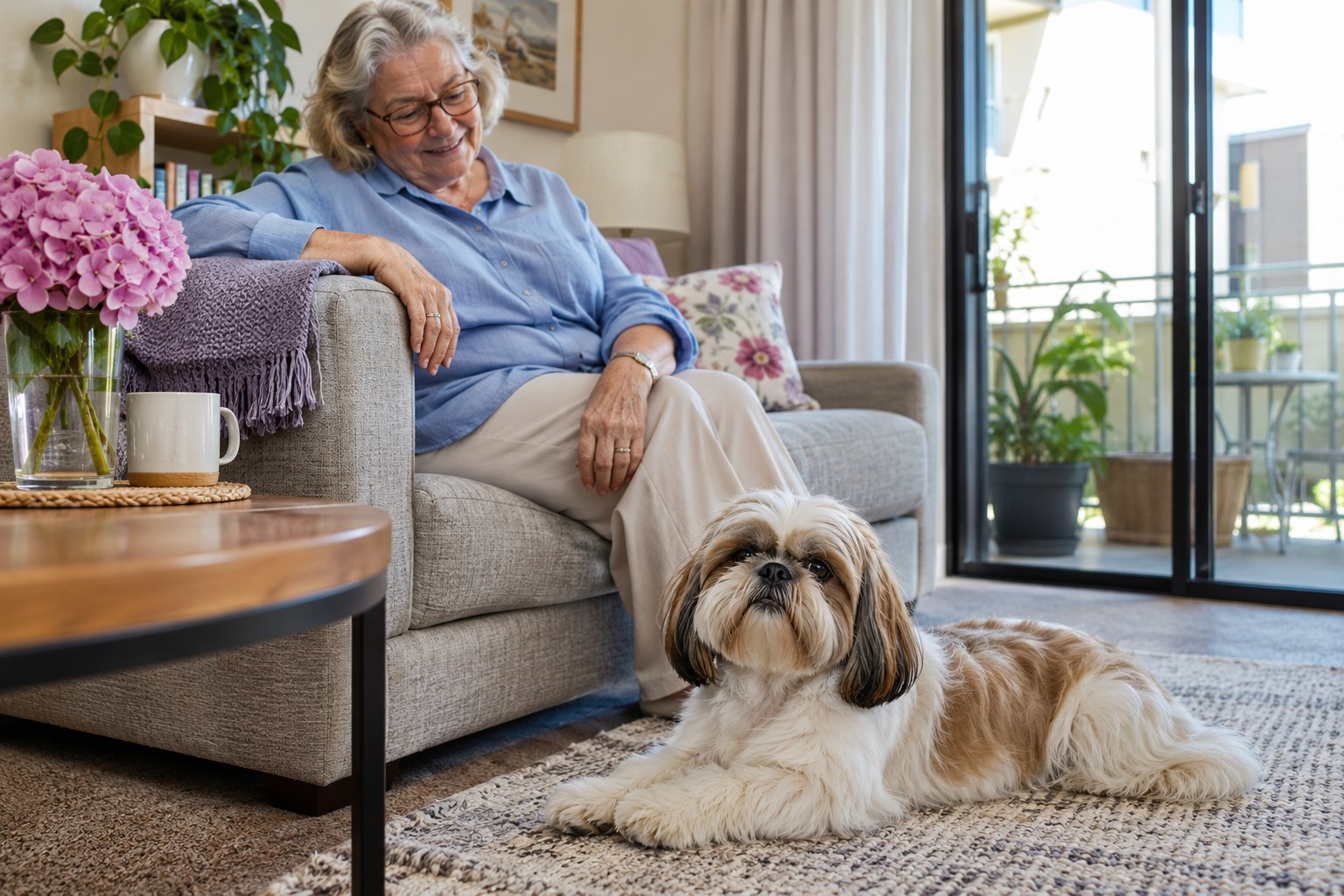
A calm, low-energy Shih Tzu tends to bark less than many toy breeds and enjoys short strolls. Its long coat needs daily brushing, although many owners keep a short puppy clip for easier care.
Bichon Frise and Maltese
Both breeds are light to lift and shed very little. A cheerful Bichon Frise with a low-shedding coat needs regular clipping, while the Maltese benefits from early quiet training because it can be vocal.
Toy and Miniature Poodle
A clever Toy or Miniature Poodle learns routines quickly and sheds little. Budget for professional clipping every four to six weeks, which is the main ongoing cost.
Havanese and Lhasa Apso
The Havanese is a sturdy, sociable little dog that loves company. The Lhasa Apso is more independent and watchful, so it may alert to noises in the hallway unless taught to settle.
Calm Medium Breeds for Active Retirees
Retirees who walk daily or live in a villa with a courtyard can consider a calm medium breed that is quiet indoors.
Retired Racing Greyhound
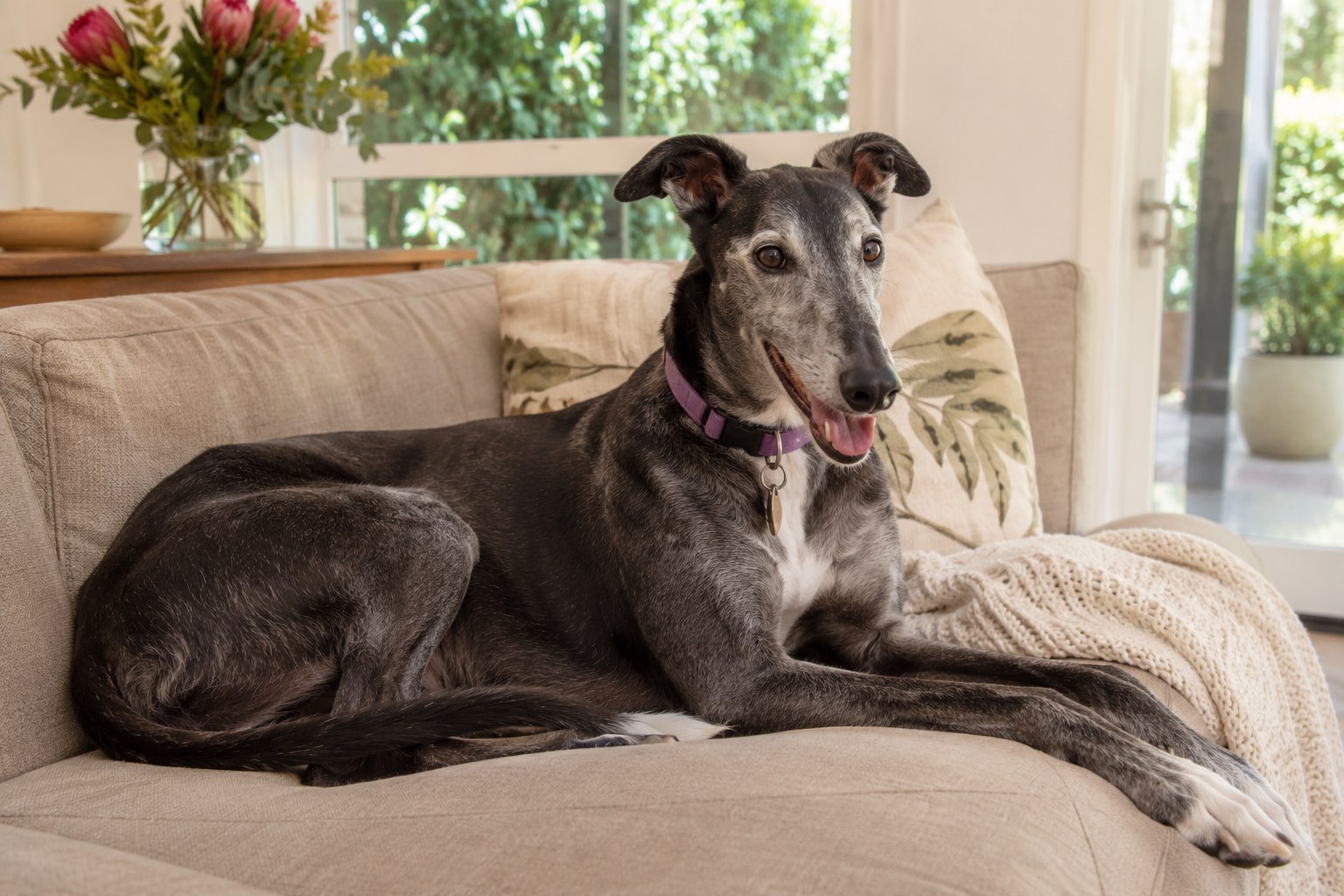
Retired racing Greyhounds are famously relaxed at home and rarely bark. In Victoria, the Greyhound Adoption Program assesses each dog’s temperament before rehoming. In New South Wales, the Greyhounds As Pets program places dogs that are vet-checked, desexed and microchipped. Greyhounds are heavier, so they suit owners comfortable handling a larger dog.
Whippet and Cavoodle
The Whippet is a smaller, gentle sighthound that enjoys a short run and a long nap. A friendly, adaptable Cavoodle thrives on company but needs regular grooming and should not be left alone for long stretches.
Breeds Retirees Should Think Carefully About
High-energy working breeds, large strong pullers and very vocal dogs can be harder to manage in a unit or village, even for experienced owners.
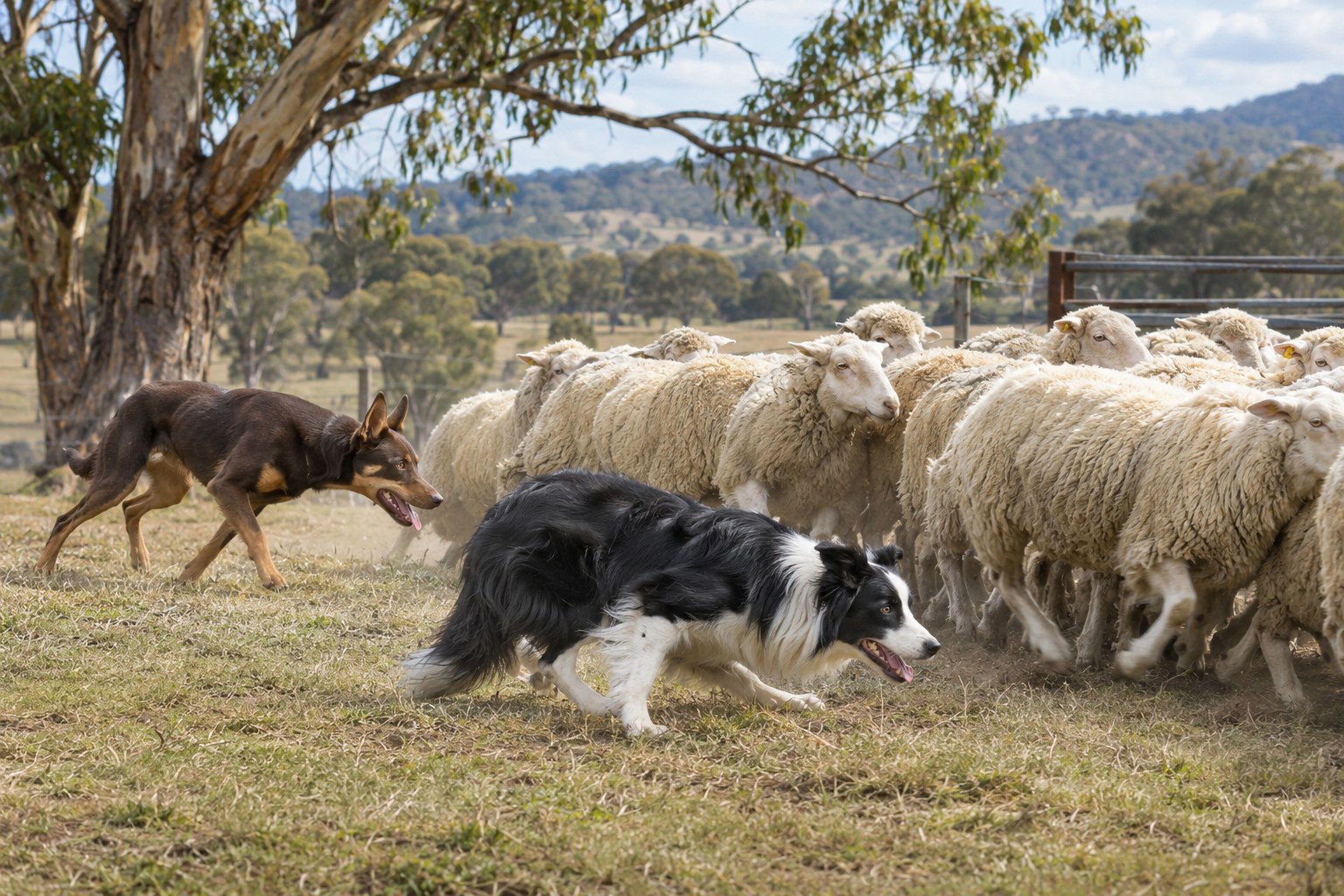
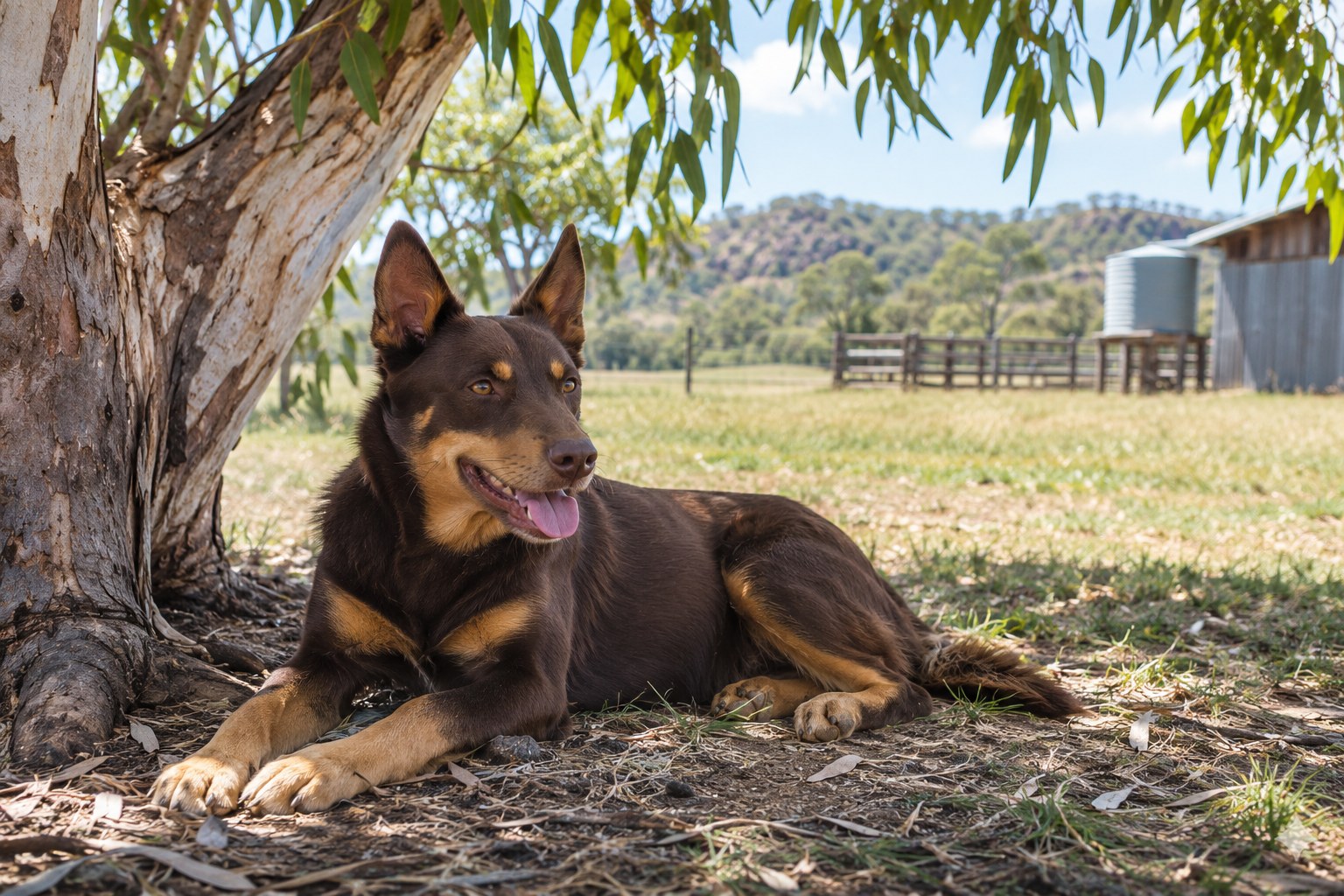
Working breeds such as Border Collies and Kelpies are bred to run for hours and may become restless without that outlet.
Large, powerful dogs can pull hard on a lead, which matters if balance or grip strength is a concern. Very vocal breeds may also clash with shared-wall living and village rules on noise.
Are Dogs Allowed in Retirement Villages in Australia?
Many retirement villages allow dogs, but the rules vary by state and by village, so check the written pet policy before you sign.
In Victoria, the retirement village reforms that took effect on 1 May 2026 mean village by-laws must not unreasonably restrict keeping a pet on a resident’s premises. Villages can still set reasonable conditions about size, number, noise and behaviour.
In New South Wales, pets are one of the matters covered in each village’s own rules. The NSW Government explains that residents can ask NCAT to review village rules they consider harsh or unjust.
Before signing a contract, ask the village for:
- The pet policy in writing, including size and number limits.
- Any approval process for a new or replacement dog.
- Rules on leads, common areas and noise.
This is general information, not legal advice. Other states have their own retirement village laws, so confirm the rules with your state consumer affairs office.
Strata Pet Rules for Units in NSW and Victoria
In both NSW and Victoria, strata rules generally cannot impose a blanket ban on dogs, although they can regulate how pets are kept.
In New South Wales, by-laws cannot unreasonably prohibit keeping an animal. An owners corporation may require you to seek approval, but it must not refuse unreasonably and must give written reasons if it does.
In Victoria, owners corporations can make rules about pets on common property. Blanket bans have been found invalid by VCAT, and the model rules for owners corporations apply where a building has not registered its own.
Whichever state you live in, follow your building’s approval process before your dog arrives and keep a copy of any approval.
If you rent your unit, tenancy laws apply as well as strata rules. Ask your landlord in writing and keep their reply.
Puppy or Adult Dog: Which Suits Retirement Better?
For many retirees, a settled adult dog is the easier choice because its size, energy and temperament are already known.
Puppies need toilet training, frequent night waking, chewing management and months of socialisation. They also commit you to 12 to 16 years of care, which is worth weighing honestly against your plans.
An adult dog of three to seven years often arrives house-trained and calmer. Retired Greyhounds and adult rescue dogs with a settled temperament can be excellent companions, and rescue groups will usually match a dog to your home and routine.
If you prefer a puppy, choose a breeder who health tests parent dogs and book a local puppy class early.
Planning Costs and Care on a Retirement Budget
Keeping a dog on a fixed income works best when you budget for routine costs and plan who will care for the dog if you cannot.
Moneysmart estimates that after the first year, a dog can cost up to $2,520 a year, with the first year closer to $4,000. Small breeds usually sit at the lower end, apart from clipping. Food, preventatives and vet visits make up most of the monthly cost of owning a dog in Australia.
Pet insurance is easier to arrange while a dog is young. Many insurers stop accepting new dog policies at around eight or nine years of age, so check entry ages in the product disclosure statement.
Plan a backup carer before you need one. Name a friend, relative or boarding kennel who can take your dog during a hospital stay or holiday. Many owners also add a pet clause to their will so the dog’s future home is agreed in advance.
Final Thoughts on Choosing a Dog in Retirement
The right dog for retirement is calm, manageable and suited to your home, energy and plans.
Check your village or strata pet rules first, then shortlist breeds that match your lifestyle.
When you are ready, browse puppies for sale across Australia and ask breeders plenty of questions before committing.
Frequently Asked Questions
1. What is the best dog breed for a retired person living in a unit?
The Cavalier King Charles Spaniel, Shih Tzu, Bichon Frise and Toy Poodle suit most retirees in units. They are light to lift, calm indoors and happy with gentle daily walks. A retired Greyhound also suits retirees who are comfortable handling a larger, quiet dog.
2. Are dogs allowed in retirement villages in Australia?
Many retirement villages allow dogs, but rules vary by state and village. In Victoria, village by-laws must not unreasonably restrict keeping a pet since reforms began on 1 May 2026. In NSW, each village sets pet rules. Always get the pet policy in writing before signing.
3. Can a strata by-law stop me keeping a dog in NSW or Victoria?
Generally, no. NSW strata by-laws cannot unreasonably prohibit keeping an animal, and Victorian owners corporations have had blanket pet bans found invalid. Both can still regulate pets on common property and may require you to seek approval or follow a set process.
4. Should a 70 year old get a puppy or an older dog?
Many people in their seventies find an adult dog easier than a puppy. An adult dog is usually house-trained, calmer and has a known temperament. It also involves a shorter commitment, which can suit long-term plans. Rescue groups and Greyhound adoption programs can match a suitable dog.
5. What small dogs for seniors don’t shed?
The Bichon Frise, Maltese, Toy Poodle, Miniature Poodle, Havanese and many Cavoodles shed very little. Their coats keep growing instead, so they need regular brushing and professional clipping every four to eight weeks. No dog is completely allergen free, so spend time with the breed first.
6. What happens to my dog if I move into aged care?
Some aged care homes accept pets, but many do not, so ask early. Plan ahead by naming a family member or friend to take your dog, adding a pet clause to your will, or arranging rehoming through a reputable rescue group if needed.
 Add us as a preferred source