Hidden Costs of Owning a Dog Most People Miss
Dog Insurance & Costs By James C. • October 9, 2026
The hidden costs of owning a dog are the irregular bills that monthly budgets miss. They include emergency vet care, boarding or sitters, training and behaviour help, damage around the home, fencing, council fines, travel and end-of-life care.
Food and routine vet visits are predictable. These are not.
Each one is priced below in Australian dollars with a practical plan, as part of the bigger picture of dog insurance and pet care costs.
Hidden dog costs at a glance

Most hidden dog costs fall into a handful of categories, and each can range from tens to thousands of dollars. The ranges below are indicative and vary by location, dog size and provider.
| Cost | What triggers it | How often it may happen | Typical AUD range |
|---|---|---|---|
| Emergency vet consultation | Injury, poisoning or sudden illness after hours | Unpredictable | $150 to $450 before any treatment |
| Boarding kennel | Holidays, work travel, hospital stays | Each trip | About $49 a night on average |
| Pet sitter | Holidays when kennels do not suit | Each trip | About $84 a night on average |
| Puppy school | Early socialisation | Once | About $170 |
| Private trainer or behaviour help | Reactivity, anxiety, destructive habits | As needed | $100 to $250 per session |
| Dental clean under anaesthetic | Dental disease | Every few years for some dogs | $500 to $1,500 |
| Fencing and gates | Escapes, digging, moving house | Occasional | Varies widely |
| Council fines | Unregistered or uncontrolled dog, barking | Avoidable | $345 to $863 in Brisbane (2026) |
| Euthanasia | End of life | Once | About $200 to $500 or more |
| Individual cremation | End of life | Once | $200 to $600 |
Sources: kennel and sitter averages from TrustedHousesitters research reported in January 2025, puppy school from RSPCA NSW, fines from Brisbane City Council and euthanasia from Finder. Each is linked in the relevant section below.
Emergency and unplanned vet visits
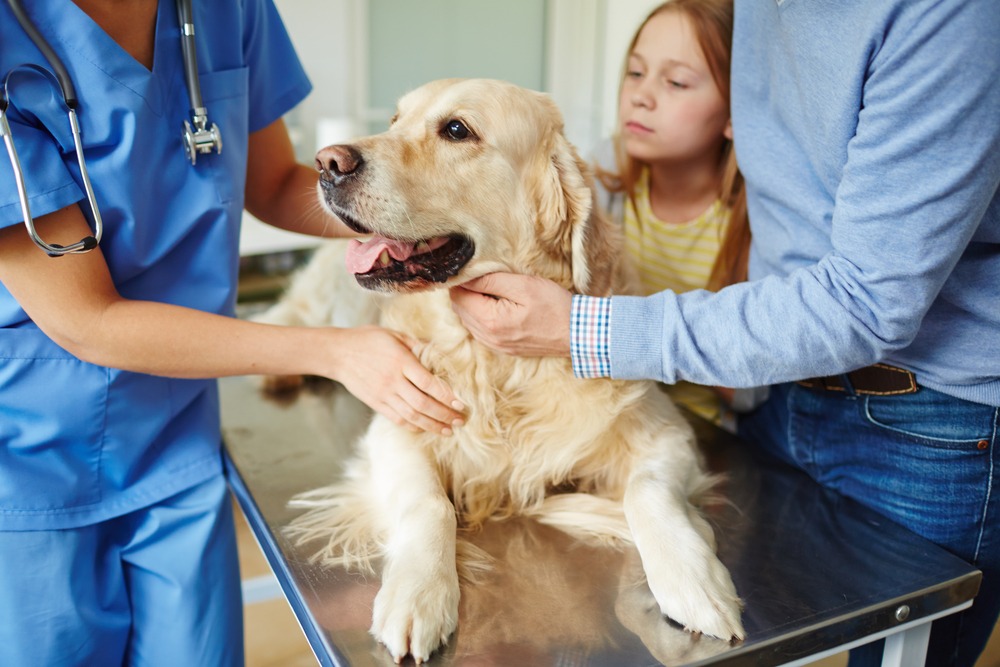
An unplanned vet visit is the hidden cost most owners face first, because the consultation fee is only the start of the bill. After hours and emergency hospitals charge a higher consult fee, commonly in the range of $150 to $450, and diagnostics, medication and hospital care are added on top.
Common triggers are easy to underestimate. A dog that eats chocolate, grapes or a cooked bone may need induced vomiting or monitoring, so it helps to know the foods toxic to dogs in Australia before an accident happens. Persistent vomiting can also signal a blockage.
Injuries are the other big category. A sudden limp in a dog may need X-rays, and a torn cruciate ligament can lead to surgery.
Dental disease is a slower surprise. Many dogs eventually need a professional clean under general anaesthetic, which can cost several hundred dollars or more. Watching for the early signs of dog dental disease can help you act before extractions are needed.
Boarding, pet sitters, travel and moving

Every trip away now has a second price tag, because someone has to care for your dog while you are gone. These costs are easy to forget when planning holidays, work trips or a hospital stay.
Boarding kennels
Australian dog kennel prices averaged $49.46 a night in early 2025, according to TrustedHousesitters research reported by Pet Industry News, ranging from about $32 on the Gold Coast to about $61 in Sydney. A two week holiday can add roughly $700 per dog.
Pet sitters and dog walkers
The same research put pet and dog sitting at an average of $84.21 a night. Sitters suit dogs that find kennels stressful, but cost more. Dog walkers for long workdays are a further ongoing cost.
Travelling with your dog has its own extras. Pet friendly accommodation often charges a pet fee, and moving interstate can mean pet transport, a new council registration and possibly new fencing at the new home. Build these into the cost of any move, and book kennels early for school holidays and Christmas, when places fill quickly.
Training, behaviour and damage around the home

Training costs rarely stop at puppy school, and untrained or anxious dogs can cause damage that costs more than the training would have. Planning for both is part of realistic dog ownership.
RSPCA NSW lists puppy school at about $170. That deals with the basics. Dogs that develop leash reactivity, jumping, resource guarding or anxiety may need a private trainer, and some need a veterinary behaviourist, with sessions commonly costing $100 to $250 or more each.
Separation anxiety is a common driver of both training costs and property damage, and reducing separation anxiety early can limit both. Chewed door frames, scratched floors, shredded cushions and dug up garden beds all add up, and many home and contents policies exclude damage caused by your own pet, so check your policy.
Smaller replacement costs are easy to miss too. Puppies and strong chewers can go through beds, toys, leads and harnesses quickly, especially in the first two years. Budgeting a small amount each month for replacements stops these from feeling like a surprise.
Fencing, rental rules and council fines

A secure yard, the right rental arrangements and up to date council registration prevent some of the most avoidable dog costs. All three are easy to overlook until something goes wrong.
Fencing is a common surprise for first-time owners. Gaps under gates, low sections and weak palings need fixing before an escape happens, and diggers or jumpers may need taller fencing or mesh along the base. Costs range from a few hundred dollars for small repairs to several thousand for new fencing.
Renters should check their state rules before bringing a dog home. Some states allow a separate pet bond or specific conditions, while others limit what landlords can charge. Get any approval in writing.
Council fines are entirely avoidable. In Brisbane, council dog fines from 1 July 2026 are $345 for failing to register a dog or for a barking nuisance, and $863 for not keeping a dog under effective control in a public place. Amounts differ by council and state, so check your local council’s website.
Ageing, ongoing medication and end-of-life care
Senior care and end-of-life costs arrive late in a dog’s life, which is exactly why they are so often left out of early budgets. Planning for them years ahead makes difficult decisions a little easier, especially as insurance premiums also tend to rise with age.
Senior care and medication
Older dogs may need more frequent checks, blood tests and ongoing medication for conditions such as arthritis, heart disease or kidney problems. These monthly costs can continue for years, so discuss a senior health plan with your veterinarian as your dog ages.
Euthanasia, cremation and burial costs
Finder puts pet euthanasia costs at around $200 to $500 or more, and home visits usually cost more. Individual cremation is extra, often $200 to $600 depending on size. Communal cremation costs less, though ashes are not returned.
Burial at home is allowed in some council areas but not others, and pet cemeteries charge for plots and maintenance. Knowing your options in advance means you can focus on your dog, not the paperwork, when the time comes.
How to prepare for unexpected dog costs
The most reliable way to handle unexpected dog costs is a combination of a dedicated emergency fund, suitable insurance and prevention. No single tool covers everything, so most owners use two or three together.
- Build a pet emergency fund. Aim for enough to cover one after hours visit with diagnostics at your nearest emergency hospital, and add to it monthly.
- Consider pet insurance for large vet bills, such as emergency vet treatment. Policies vary widely, so read the Product Disclosure Statement for limits, sub-limits, waiting periods and exclusions.
- Ask your clinic about health plans that spread routine costs, such as yearly vaccination boosters and parasite prevention, across the year.
- Invest early in training and secure fencing, which prevent many damage, escape and fine related costs.
- Keep registration, microchip details and vaccinations up to date.
- Choose a breed that suits your budget and lifestyle before you buy or adopt a puppy in Australia.
Treat these costs as normal parts of ownership rather than bad luck, and they become far easier to absorb.
This article is general information only. It is not financial or veterinary advice and does not recommend any insurer or product.
Planning for the costs you cannot see coming
Most hidden dog costs are predictable in type, if not in timing.
A steady emergency fund, the right cover, early training and a secure yard turn surprises into manageable bills. Price these into your plans now, and you will be ready for whatever the years ahead bring.
Frequently asked questions
1. How much should I budget per month for a dog?
RSPCA NSW estimates ongoing dog costs from about $1,260 to $1,870 a year, roughly $105 to $156 a month, after the first year. That excludes irregular costs such as emergencies, boarding and fines, so add a monthly amount to an emergency fund as well.
2. Is $3000 a lot for a dog?
It depends on what the $3,000 covers. RSPCA NSW estimates first year costs for a dog at about $1,979 to $3,001, excluding the purchase price. If $3,000 is the purchase price alone, whether it is high depends on the breed and breeder, and ongoing costs come on top.
3. How much does it cost to put a dog down in Australia?
Euthanasia at a clinic usually costs around $200 to $500 or more in Australia, depending on the dog’s size and the practice. Home visits cost more, and cremation or burial is charged separately, so ask your veterinarian for an itemised quote in advance.
4. How much does dog cremation cost?
Communal cremation is the cheapest option, but ashes are not returned. Individual cremation, where ashes are returned in an urn or box, costs more and rises with the dog’s weight. Ask your vet or a local pet crematorium for current prices.
5. How many dogs can you legally own in Australia?
There is no single national limit. Local councils set their own rules, and many cap the number of dogs allowed on a standard residential property without a permit. Check your council’s animal management rules before adding another dog to your household.
6. Does pet insurance cover unexpected costs like boarding or damage?
Generally, no. Pet insurance mainly covers eligible vet treatment for accidents and illness. Some policies include limited extras, such as boarding fees if you are hospitalised, but property damage and routine boarding are usually excluded. Check the Product Disclosure Statement for details.
 Add us as a preferred source